
The Enigmatic Nazca Palette: Colors and Pigments in Ancient Ceramics

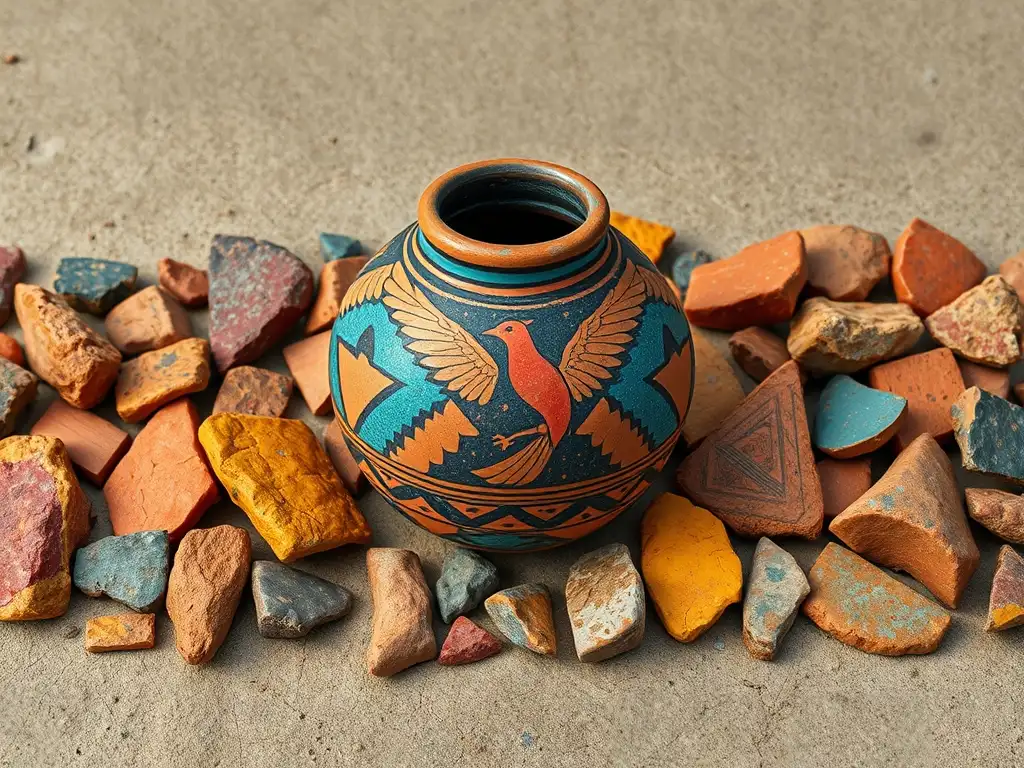
Unravel the mysteries of a lost world! Dive into the vibrant tapestry of Andean civilizations, where ingenuity and artistry flourished for millennia. From the towering heights of Inca empire to the enigmatic Nazca lines, this journey unveils the secrets of their remarkable achievements. But what truly painted the picture of their advanced culture? Prepare to be amazed by the intricate secrets hidden within Nazca pottery pigments, a story waiting to be discovered. Explore the vibrant hues and innovative techniques that define this ancient art form... Continue your exploration below!
The Nazca civilization, flourishing along Peru's southern coast between 100 BCE and 800 CE, left behind a legacy as rich and vibrant as the desert landscape itself. Beyond their iconic geoglyphs, the Nazca people are renowned for their exquisite pottery, characterized by its stunning array of colors and intricate designs. This article delves into the fascinating world of Nazca pottery pigments, exploring the techniques and materials used to create this enduring artistic marvel.
We'll uncover the secrets behind the palette of colors that adorned their vessels, examining the sources of pigments, the methods of application, and the surprising durability of these ancient paints, ultimately offering a deeper understanding of Nazca artistry and its enduring significance in the study of Andean civilizations. The vibrant hues of Nazca pottery are not merely decorative; they represent a complex interplay of artistic skill, technological innovation, and cultural expression, offering invaluable insights into the beliefs and practices of this remarkable civilization.
Understanding the pigments used in Nazca pottery is key to understanding the Nazca themselves, their worldview, and their remarkable artistic achievements. This exploration of "Nazca pottery pigments" will illuminate the sophisticated techniques employed by these ancient artisans.
Unveiling the Vibrant World of Nazca Pottery
Nazca pottery is instantly recognizable for its bold and diverse palette. From deep reds and oranges to vibrant yellows and subtle creams, the colors employed demonstrate a sophisticated understanding of pigment creation and application. The most common colors found in Nazca ceramics include:
- Red: Often achieved through the use of iron oxides, providing a range of shades from deep crimson to a lighter, brick red. The intensity of the red often varied depending on the firing process and the specific type of iron oxide used.
- Yellow: Likely derived from various sources, including limonite or goethite, these yellows ranged from pale lemon to a deeper, golden hue. The precise mineral sources are still under investigation by researchers.
- White: A common base color, often created using kaolin clay, providing a clean canvas for more vibrant pigments.
- Black: Achieved through the use of manganese oxides, offering a rich, deep black that provided striking contrast to the brighter colors.
- Brown: A range of brown tones were produced, likely through mixtures of iron oxides and other minerals, creating a variety of earthy shades.
The application of these pigments was a meticulous process. Paints were likely applied as slips (a liquid suspension of clay and pigment) onto the pre-fired pottery, and then the vessels were fired again at high temperatures to fix the colors permanently. The precision and artistry evident in the designs suggest a high level of skill and specialized knowledge within the Nazca community.
Evidence suggests that different pigments were applied in layers, sometimes with a carefully applied slip between layers to prevent bleeding or mixing of colors. The remarkable preservation of these colors, even after centuries, is a testament to the effectiveness of their techniques.
The Significance of Color in Nazca Art
The use of color in Nazca pottery was not merely decorative; it held significant cultural and possibly symbolic meaning. While we lack written records from the Nazca, careful analysis of the pottery reveals patterns and recurring color associations. For example, certain colors might be associated with specific deities, social status, or ritual practices. Further research into the sources of pigments and their geographic distribution may reveal connections to specific locations or resources, providing further insights into the social and economic organization of Nazca society.
The vibrant colors of Nazca pottery frequently complement the intricate designs, often depicting stylized figures, animals, and plants. The interplay of color and design contributes to the overall narrative and aesthetic impact of the piece. For instance, the use of contrasting colors – a deep red against a stark white – can enhance the visual impact of a particular motif or emphasize specific details within a scene.
The precise meaning behind these color choices remains a subject of ongoing research, but it's clear that color played a vital role in the communicative and expressive power of Nazca art. The study of Nazca pottery pigments, therefore, offers a unique window into the cultural beliefs and artistic practices of this fascinating ancient civilization. More research is needed to fully understand the complex symbolism encoded within the vibrant palette of Nazca ceramics.
Nazca Pottery Pigments: A Chemical and Cultural Exploration

This section delves into the fascinating world of Nazca pottery pigments, exploring their mineral sources, compositional analysis, and the meticulous preparation techniques employed by these ancient artisans. Understanding these pigments offers crucial insights into the technological prowess and cultural significance of Nazca ceramic production. The vibrant hues adorning their pottery weren't simply aesthetic choices; they were carefully selected and expertly applied, reflecting a sophisticated understanding of materials science and artistic expression. The study of "Nazca pottery pigments" reveals much about their society and worldview.
Sources of Nazca Ceramic Pigments: Mineral Origins
The rich palette of colors found in Nazca pottery wasn't achieved through synthetic dyes. Instead, the Nazca people skillfully harnessed readily available natural mineral resources. Their pigments were derived from a variety of sources, primarily minerals found within their arid environment.
Detailed geochemical analysis of numerous Nazca ceramic fragments has revealed a complex interplay of mineral sources. For example:
- Reds: These vibrant hues were frequently obtained from iron oxides, specifically hematite (Fe₂O₃) and possibly goethite (FeO(OH)). The specific shade of red could vary depending on the purity of the hematite and the presence of other minerals. A deeper, more intense red might indicate a higher concentration of hematite.
- Yellows: Ochres, composed primarily of iron oxides hydrated with varying amounts of water, were the most likely source of yellow pigments. Limonite (FeO(OH)·nH₂O), a common iron ore, likely contributed to the range of yellow shades observed.
- Blacks: Manganese oxides, such as pyrolusite (MnO₂), were likely the primary source of black pigments. This mineral's abundance in the region provided a readily accessible source for this important color.
- Whites: Calcium carbonate (CaCO₃), commonly found as calcite, provided the white base for many Nazca ceramics. The purity of the calcite likely influenced the brightness of the white.
The precise locations of these mineral sources are still under investigation, but evidence suggests that many were sourced from relatively close proximity to the pottery workshops, reflecting an efficient and sustainable resource management system. Further research, including geological surveys of the Nazca region, is needed to fully map the pigment sources and their geographical distribution.
Analyzing Nazca Color Palette: Common Pigment Compositions
Analyzing the chemical composition of Nazca pigments allows for a deeper understanding of the artistic choices and technological capabilities of the Nazca people. Microscopic examination and X-ray diffraction (XRD) analysis are crucial techniques employed in this research.
| Pigment Color | Likely Mineral Source(s) | Chemical Formula(s) | Typical Shade Variations |
|---|---|---|---|
| Red | Hematite, Goethite | Fe₂O₃, FeO(OH) | Deep crimson to light brick red |
| Yellow | Limonite, other iron oxides | FeO(OH)·nH₂O | Pale yellow to golden yellow |
| Black | Pyrolusite, other manganese oxides | MnO₂ | Dark charcoal to deep black |
| White | Calcite | CaCO₃ | Bright white to off-white |
The presence of other elements within the pigment mixtures, even in trace amounts, could have influenced the final color and its stability over time. Further research into trace element analysis is essential to fully understand these subtle variations in color. For example, the addition of certain clays or other minerals might have acted as a binder or modifier, affecting the pigment's viscosity, adherence, and overall visual effect. This level of sophistication highlights the advanced knowledge of material science possessed by Nazca artisans.
The Art of Grinding and Mixing: Preparing Nazca Pigments
The creation of Nazca pottery pigments involved more than simply collecting raw materials. The process of grinding, mixing, and applying the pigments required skill and precision.
The raw mineral sources would have been painstakingly ground into fine powders using stone tools. The fineness of the grind likely influenced the pigment's intensity and its ability to adhere to the ceramic surface. Evidence suggests that different grinding techniques might have been used depending on the hardness and nature of the specific mineral.
Mixing the pigments involved blending the powdered minerals with a suitable binder, likely a clay or other organic material. The precise ratio of pigment to binder would have been crucial in achieving the desired color intensity and consistency. The addition of water would have created a paint-like consistency, suitable for application to the pottery. The exact recipes and techniques used in this process remain largely unknown, representing an area ripe for further investigation.
The meticulous nature of this preparation speaks volumes about the dedication and artistic vision of the Nazca people. Their mastery of pigment preparation is a testament to their technological sophistication and artistic skill, contributing significantly to the enduring beauty and cultural significance of their pottery. 🎨
The Application of Nazca Pottery Colors: Techniques and Tools
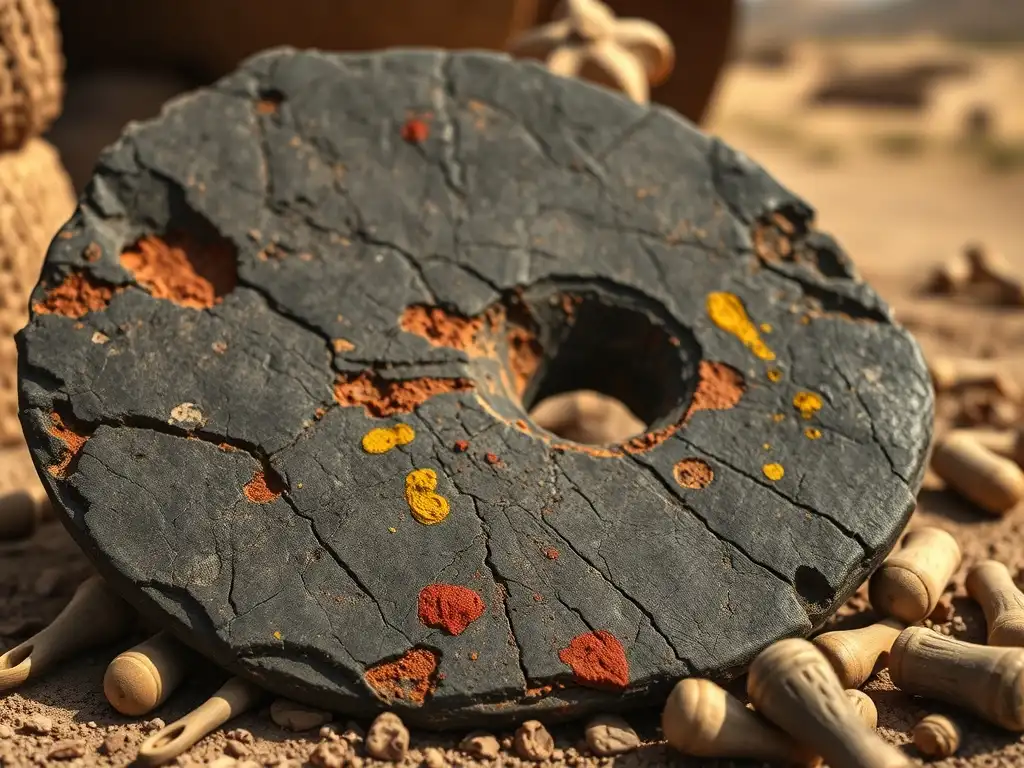
The vibrant hues adorning Nazca pottery are a testament to the sophisticated techniques employed by ancient artisans. Understanding how these colors were applied reveals a deep understanding of their artistic process and technological capabilities. The creation of these stunning pieces wasn't a haphazard process; it involved meticulous planning and execution, from pigment preparation to the final firing. Analysis of surviving pottery and archaeological evidence provides insights into the methods used, shedding light on the ingenuity of Nazca painters. The keyword "Nazca pottery pigments" is central to understanding this process.
Painting Techniques on Nazca Ceramics: Slip Painting, Resist Techniques
Nazca potters primarily used a technique known as slip painting. Slip is a liquid suspension of clay and water, often pigmented with finely ground minerals. This slip was applied to the already-formed, leather-hard pottery. The application was often thin and even, allowing the underlying clay color to subtly influence the final hue. Different slips were used to achieve a wide range of colors, from the deep reds and oranges so characteristic of Nazca pottery to yellows, browns, and blacks.
Beyond slip painting, evidence suggests the use of resist techniques. These methods involved applying a substance to the pottery surface to prevent the slip from adhering in specific areas. This allowed for the creation of intricate designs and negative spaces, enhancing the visual complexity of the pieces. The precise nature of the resist materials remains a subject of ongoing research, but possibilities include wax, resin, or even a specially prepared clay slip.
The careful application of these techniques required a high level of skill and precision, underscoring the artisans' mastery. Examples of this technique are evident in the intricate geometric patterns and stylized depictions of flora and fauna common in Nazca ceramics. Further research into the specific resist materials would greatly enhance our understanding of Nazca pottery pigments and techniques.
The Role of Brushes and Tools in Nazca Pottery Decoration
The tools used by Nazca potters were surprisingly sophisticated for their time. While no brushes have survived directly, the fine lines and intricate details on the pottery suggest the use of brushes made from natural materials such as animal hair or plant fibers. These brushes would have varied in size and shape depending on the desired effect. For broader areas, wider, flatter brushes were likely employed. For finer details, thinner, more pointed brushes would have been needed. The creation of such brushes demonstrates a level of planning and foresight in the artistic process.
Beyond brushes, other tools were certainly used. Simple implements like wooden sticks or sharpened reeds may have been employed to apply slip, create textures, or to incise designs into the clay before applying the slip. The careful control of these tools would have been crucial in achieving the precise and delicate details frequently seen in Nazca pottery. The precision of the work points to a high level of skill and training passed down through generations of artisans. The consistent quality of Nazca pottery across numerous sites suggests a standardized approach to toolmaking and training.
Firing Processes and Color Development in Nazca Ceramics
The firing process played a critical role in the final appearance of the Nazca pottery, including the vibrancy and permanence of the colors. Kilns were likely used, though the precise construction and operation of these kilns remain somewhat uncertain. The temperature and duration of the firing influenced both the color and durability of the pigments. A poorly controlled firing could lead to cracking, fading, or even complete loss of color. The consistent quality of surviving pieces suggests a high degree of control over the firing process.
The chemical composition of the pigments and the clay body interacted during the firing, leading to a complex interplay of color development. For example, the vibrant red colors often seen in Nazca pottery are likely the result of iron oxides reacting with the clay at high temperatures. Variations in the firing temperature and atmosphere could have resulted in subtle differences in hue and shade.
Further research using spectroscopic analysis on surviving pigments could provide more precise information about the chemical transformations that occurred during firing and the exact composition of Nazca pottery pigments. The mastery of this process is a significant factor in the enduring beauty and quality of Nazca ceramics.
The Symbolic Meanings of Nazca Colors
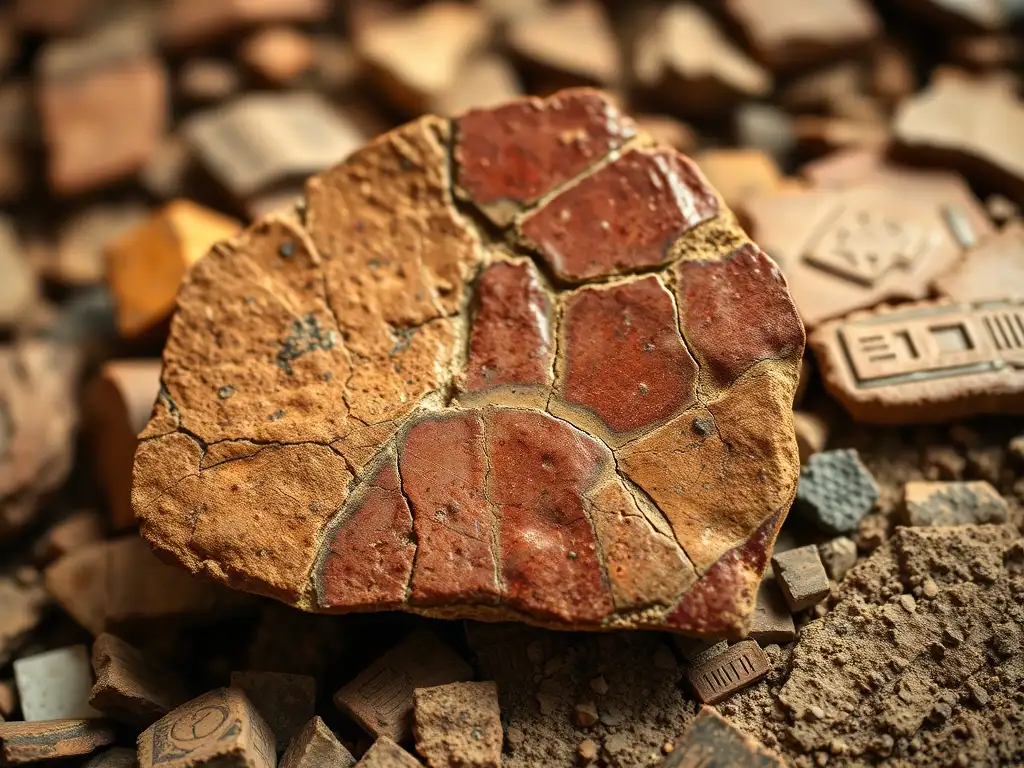
The vibrant hues adorning Nazca pottery are far more than mere aesthetic choices; they represent a complex system of symbolic meanings deeply embedded within the culture's worldview. Analyzing the palette of colors used in Nazca ceramic production reveals fascinating insights into their beliefs, social structures, and relationship with the natural world. The careful selection and application of pigments weren't accidental; they were integral to the narrative conveyed by each piece.
Understanding the significance of these colors unlocks a deeper appreciation for the artistry and sophistication of Nazca civilization. The study of Nazca pottery pigments offers a unique window into their cosmology and societal structures.
The Significance of Red in Nazca Iconography
Red, a color often associated with blood, life force, and the sun, holds a prominent position in Nazca iconography. It frequently appears in depictions of deities, powerful figures, and ritual scenes. The intensity of the red pigment, often achieved through the use of hematite, varied, suggesting different levels of importance or power. For example, a deep, rich crimson might signify a supreme deity, while a lighter, more muted red could represent a lesser figure or a symbolic element.
Furthermore, the location of the red pigment within a design also played a role. A red border, for instance, might signify sanctity or protection. Detailed analysis of numerous Nazca ceramics reveals a consistent association of red with figures of authority and sacred rituals. The meticulous application of this pigment underscores its symbolic weight within Nazca society.
Understanding the Use of Yellow and Orange Pigments
Yellow and orange pigments, often derived from ochre, were also frequently employed in Nazca pottery. These warm tones likely represented the sun, harvest, and fertility – elements vital to their agricultural society. While red might denote power, yellow and orange could have symbolized prosperity and abundance. The use of these colors often appears in scenes depicting agricultural activities, suggesting a connection to the life-sustaining cycles of nature.
The subtle variations in shade, from a pale lemon yellow to a deep, burnt orange, could convey nuances in meaning, perhaps signifying different stages of growth or different aspects of the harvest. Further research into the specific sources of these pigments and their geographic distribution could provide additional insights into trade networks and the organization of Nazca society. The skillful blending of yellow and orange pigments demonstrates the sophisticated artistic techniques employed by Nazca artisans.
The Importance of Black and White in Nazca Ceramic Designs
Black and white, while seemingly less vibrant than other colors, played crucial roles in Nazca ceramic designs. Black, often achieved using manganese oxide, was frequently used as an outline or to create sharp contrasts against brighter pigments. It provided definition and structure to complex designs, highlighting key figures or elements within the narrative.
White, often a clay-based pigment, served as a background or a highlight, contrasting sharply with other colors and adding a sense of luminosity. The interplay between black and white created a visual rhythm and depth, enhancing the overall impact of the artwork. The masterful use of these seemingly simple pigments showcases the Nazca artists' understanding of visual dynamics and their ability to create compelling compositions with a limited palette.
The precise application of black and white highlights the sophistication of their artistic techniques and their appreciation for visual balance. The combination of black and white with other colors often created powerful symbolic contrasts, further enriching the meaning of the ceramic designs.
The Symbolism of Purple and Brown in Nazca Art
The vibrant hues of Nazca pottery, particularly the striking purples and browns, weren't merely aesthetic choices; they held deep symbolic meaning within the complex worldview of this ancient Andean culture. Understanding these color associations requires delving into the socio-religious context of Nazca society, their relationship with the environment, and the spiritual significance attributed to various natural elements.
Purple, a color rarely found in nature and requiring complex and laborious processes to create, likely held a position of high status and prestige in Nazca society. The intricate methods employed to achieve this rich tone, involving the use of rare minerals and meticulous techniques, suggest a connection to power and divinity. It's possible that purple pigments were reserved for elite members of society or used in ceremonial contexts, adorning objects associated with religious rituals or signifying leadership.
Further research into burial sites and the contexts in which purple-pigmented artifacts are found could shed more light on this hypothesis. We could analyze the type of vessels or textiles colored purple, noting their size, shape, and any accompanying grave goods, to determine their use and who might have used them.
Brown, a more readily available pigment derived from earth minerals, likely represented a connection to the earth itself, fertility, and the life-sustaining resources provided by the arid Nazca landscape. Different shades of brown, ranging from ochre to deep umber, could have conveyed nuances in meaning, potentially reflecting specific geographical locations or agricultural cycles. For example, a darker, richer brown might symbolize the fertile river valleys, while lighter browns could represent the vast desert plains.
The prevalence of brown in depictions of agricultural scenes or in vessels related to food and drink further supports this interpretation. Detailed analysis of the specific mineral composition of different brown pigments used across various Nazca ceramics could help us understand regional variations and their potential symbolic significance. The precise mineral composition could be correlated to geographic locations of the raw materials, providing further evidence for regional variations in the meaning of brown.
The interplay between purple and brown in Nazca pottery often creates a visually striking contrast, potentially representing the duality present in the Nazca worldview—the contrast between the sacred and the mundane, the elite and the commoner, or even the balance between the fertile valleys and the harsh desert environment. Future research focusing on the spatial relationships between these colors on individual pieces of pottery could reveal more intricate symbolic narratives. For example, a purple figure against a brown background might suggest a deity interacting with the natural world.
A systematic study analyzing the frequency and juxtaposition of these colors in different types of Nazca pottery could provide crucial insights into the complex system of symbolism employed by this remarkable civilization. The use of advanced imaging techniques could also reveal subtle variations in pigment application that might have been missed by previous studies.
Preserving Nazca Pottery: Challenges and Conservation
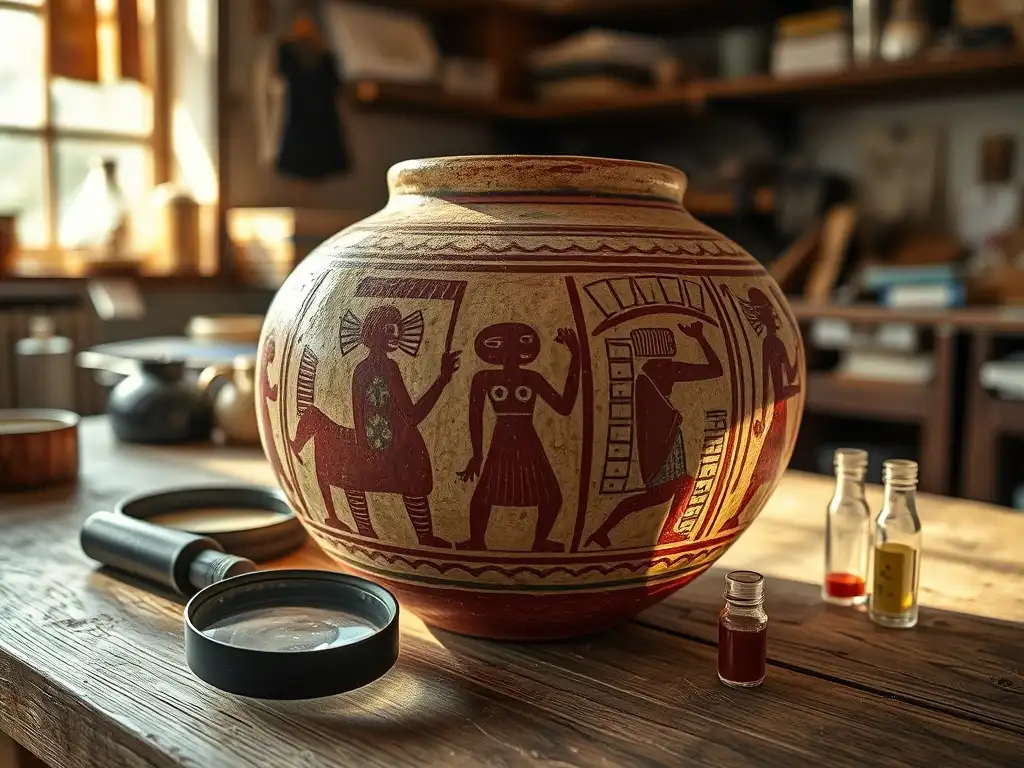
The vibrant hues of Nazca pottery, a testament to the sophisticated artistry of the ancient Nazca civilization, are unfortunately susceptible to degradation over time. Understanding the challenges involved in preserving these fragile artifacts is crucial for ensuring their longevity and continued study. The unique combination of pigments and the earthenware itself contributes to the complexities of conservation.
The arid climate of the Nazca region, while initially protective, can also contribute to deterioration through fluctuating temperatures and humidity. Furthermore, the very act of excavation and subsequent handling introduces new risks. Improper storage and display conditions can lead to accelerated decay, highlighting the need for specialized handling and preservation techniques.
The Degradation of Nazca Pigments over Time
The pigments used in Nazca pottery, derived from natural sources like minerals and plant materials, are not inherently stable. Exposure to light, particularly ultraviolet (UV) light, accelerates fading. This photodegradation is a significant concern, as it gradually diminishes the intensity and vibrancy of the original colors. Furthermore, changes in humidity and temperature can cause pigments to crack, flake, or even leach from the ceramic surface.
This is especially problematic for water-soluble pigments, which are more vulnerable to moisture damage. Studies on pigment analysis have revealed the presence of various compounds, some of which are particularly sensitive to environmental factors. For instance, certain iron oxides, responsible for the rich reds and browns, are prone to oxidation and subsequent color change over time. The complex interplay of these factors makes predicting the long-term stability of Nazca pigments a challenging task.
Detailed analysis is crucial to understanding the specific chemical composition of pigments in order to develop effective preservation strategies. Without careful monitoring and intervention, the beautiful colors that define Nazca pottery risk being lost forever. The rate of degradation varies depending on the specific pigment composition and environmental conditions, emphasizing the need for case-by-case analysis and conservation plans.
Modern Techniques for Analyzing Nazca Ceramic Pigments
Modern scientific techniques play a vital role in understanding the composition and degradation of Nazca pottery pigments. Non-destructive methods, like X-ray fluorescence (XRF) spectroscopy and Raman spectroscopy, allow researchers to analyze the pigments in situ, minimizing the risk of damage to the artifacts. XRF provides information about the elemental composition of the pigments, helping to identify the source materials.
Raman spectroscopy, on the other hand, provides insights into the molecular structure of the pigments, allowing for a more detailed understanding of their chemical properties. More invasive techniques, such as gas chromatography-mass spectrometry (GC-MS) and high-performance liquid chromatography (HPLC), are employed in carefully selected cases to extract and analyze smaller pigment samples. These advanced methods provide crucial data on the pigment composition, allowing researchers to tailor conservation strategies to the specific needs of each artifact.
By combining these various techniques, a comprehensive understanding of the pigments' chemical makeup and degradation pathways can be achieved, leading to more effective preservation methods. The continuous development of new analytical techniques promises further advancements in our understanding of these ancient materials and their preservation.
Protecting Nazca Pottery: Conservation Efforts and Challenges
Conservation efforts for Nazca pottery involve a multi-faceted approach, combining careful handling, environmental control, and targeted treatments. Artifacts are ideally stored in climate-controlled environments with stable temperature and humidity levels to minimize the risk of deterioration. Specialized storage containers and display cases are utilized to protect the pottery from light exposure, dust, and physical damage. The use of UV-filtering materials is crucial in mitigating the damaging effects of light.
When restoration is necessary, specialized conservators employ techniques such as consolidation, using carefully selected materials to stabilize flaking or powdery pigments. Cleaning is usually minimal and only undertaken when absolutely necessary, prioritizing the preservation of the original surface. However, even with the most advanced techniques, challenges remain. The fragility of some artifacts and the complexity of pigment degradation make complete preservation a difficult goal.
Furthermore, limited resources and the sheer number of Nazca pottery pieces pose significant logistical hurdles. Ongoing research and collaboration between archaeologists, conservators, and scientists are essential to develop and implement effective long-term preservation strategies for this invaluable cultural heritage. The long-term goal is to balance the need for research and public access with the imperative to protect these irreplaceable artifacts for future generations. The ongoing effort to preserve Nazca pottery requires a dedicated and multidisciplinary approach, ensuring that these vibrant works of art continue to inspire and educate for centuries to come.
Conclusion: Legacy of Nazca Ceramic Pigments
The vibrant hues adorning Nazca pottery represent far more than aesthetic choices; they are a testament to the sophisticated understanding of materials and techniques possessed by these ancient artisans. The legacy of Nazca ceramic pigments extends beyond the visually stunning pieces themselves, impacting our understanding of their society, beliefs, and artistic practices. Analyzing these pigments provides invaluable insights into their resource management, trade networks, and even their cosmological worldview.
The meticulous preparation and application of these pigments, often involving multiple layers and complex techniques, showcase a level of skill and artistry that continues to inspire awe and wonder centuries later. The enduring vibrancy of many pieces, despite the passage of time and exposure to the elements, speaks to the quality of the materials and the mastery of the techniques employed. Understanding these pigments is key to understanding the Nazca civilization itself.
The Enduring Influence of Nazca Artistic Techniques
The techniques used by Nazca potters in preparing and applying their pigments had a lasting influence on subsequent Andean cultures. Evidence suggests that the methods of pigment production and application, refined over generations, were passed down and adapted by later civilizations.
For example, the use of specific clays and minerals, the mastery of slip application, and the intricate designs themselves all show continuities across different Andean cultures. The refined techniques of layering pigments to achieve specific color effects and the use of burnishing to enhance the luster and durability of the finished product are clear indicators of a sophisticated understanding of material science and artistic practice.
This knowledge wasn't simply lost to time; rather, it became part of a continuous artistic tradition, influencing the ceramic styles and techniques of later Andean societies. The influence of Nazca pottery pigments can be observed in the ceramic traditions of the later Wari and Inca cultures, demonstrating a remarkable continuity in artistic practices across centuries.
Nazca Pottery Pigments and the Understanding of Ancient Andean Culture
Analyzing Nazca pottery pigments offers a unique window into the social and cultural aspects of this fascinating civilization. The range and variety of colors used, often symbolic and carefully chosen, reflect the importance of color in their worldview. Certain colors might have been associated with specific deities, rituals, or social status.
For instance, the prevalence of red might indicate a connection to blood, fertility, or perhaps even warfare, while the use of yellow might be linked to the sun or agricultural abundance. The distribution of specific pigments across different regions and social groups could also reveal details about trade networks and social hierarchies. Further research is needed to fully decipher the cultural significance encoded within the color palettes of Nazca pottery.
The careful study of pigment composition and distribution across different pottery types and styles will undoubtedly contribute to a richer understanding of Nazca society and its beliefs. The discovery of new pigments or variations in existing ones could significantly alter our current understanding.
Future Research on Nazca Ceramic Coloration
Future research into Nazca ceramic coloration should focus on several key areas. Firstly, a more comprehensive analysis of the chemical composition of pigments from a wider range of Nazca pottery is necessary. Advanced techniques like X-ray fluorescence (XRF) and scanning electron microscopy (SEM) could provide more detailed information about the source materials and the manufacturing processes. This will help us better understand the geographic distribution of pigments and the trade networks involved in their acquisition.
Secondly, further investigation into the cultural significance of specific color palettes is crucial. Ethnographic studies of contemporary Andean communities, combined with detailed analysis of Nazca iconography, could shed light on the symbolism and meaning associated with different colors. Finally, research should explore the potential use of pigments for other purposes beyond decoration, such as medicinal or ritualistic applications.
By combining scientific analysis with anthropological and archaeological insights, a more complete picture of the role of pigments in Nazca life can be achieved. The potential for uncovering new information is vast, promising further exciting discoveries concerning these captivating artifacts and the sophisticated civilization that created them. The meticulous study of "Nazca pottery pigments" will continue to unravel the mysteries of this remarkable culture.
Frequently Asked Questions
What pigments did the Nazca use in their pottery?
The Nazca employed a diverse range of pigments, including red, yellow, white, black, and brown. These were derived from natural sources like minerals, plants, and insects. Hematite was a common source for red.
How did the Nazca create such vibrant colors?
The Nazca achieved vibrant colors through a sophisticated process involving grinding, mixing, and applying the pigments. They often used a slip as a base layer before painting. The techniques involved are still being studied today.
Where did the Nazca obtain their pigment materials?
The sources of Nazca pigments varied. Many were sourced locally, from readily available minerals and clays. Others, however, may have been obtained through trade networks, extending their reach across the Andean region.
What is unique about Nazca pottery pigments compared to other cultures?
Nazca pigments were known for their brilliance and durability. The specific methods of preparation and application contributed to their exceptional longevity, allowing the colors to survive for millennia. The fineness of the pigments also contributes to their unique appearance.
What can the study of Nazca pottery pigments tell us?
Analyzing Nazca pigments helps us understand trade routes, artistic techniques, and the environment of the Nazca culture. The pigments provide insights into their social structures and technological advancements.
Final Reflection: Unraveling the Secrets of Nazca Color
The vibrant hues of Nazca pottery continue to resonate today, a testament to the ingenuity and artistry of a civilization lost to time. Their mastery of pigment creation and application, detailed throughout this article, offers a fascinating glimpse into a sophisticated technological understanding and a rich cultural expression that transcends millennia. The enduring appeal of these ceramics speaks volumes about the power of art to connect us across vast stretches of history.
The enduring legacy of Nazca pottery pigments is not merely aesthetic; it's a window into the social and spiritual life of the Nazca people. Their meticulous use of color, the careful selection of materials, and the sheer artistry involved reveal a deep connection to their environment and a complex belief system. The colors are not merely decorative; they are imbued with meaning, reflecting the cosmology and worldview of the Nazca culture.
This quote encapsulates the profound significance of these pigments, extending beyond mere decoration to become a powerful form of communication and cultural expression. The ongoing research and analysis of these pigments continue to unveil new insights into this remarkable civilization.
Consider, for a moment, the intricate detail and vibrant colors of a Nazca ceramic. Imagine the hands that crafted it, the minds that conceived its design, and the stories it silently tells. You, too, can become a part of this enduring legacy.
By appreciating the artistry and technological prowess of the Nazca people, we not only honor their achievements but also gain a deeper understanding of our own creative potential and the enduring power of human expression. Let the vibrant colors of the Nazca palette inspire you to explore the rich tapestry of human history and the boundless possibilities of artistic creation.
Unleash Your Creativity with Ancient Inspiration!
Thank you for exploring the vibrant world of the Nazca Palette! Discovering the colors and pigments of ancient Peruvian ceramics unveils a rich tapestry of cultural history and artistic inspiration. Now, let's put that knowledge to work!
Here are some ways to begin your creative journey and connect with the colors of the past:
- Create your own artwork! Let the hues of the Nazca Palette—perhaps a striking red-ochre or a deep, earthy brown—inspire your next painting, pottery piece, or textile design.
- Join a community! Share your creations and insights with others who appreciate Andean civilizations. Connect with local art groups or online forums to learn from and inspire fellow enthusiasts.
- Deepen your knowledge! Research the symbolism behind ancient colors and pigments to add another dimension to your artistic expression. Understanding the cultural significance of these colors will enrich your work.
Which colors from the Nazca Palette resonate most with you, and how will you incorporate them into your next creative project? Share your ideas below!