
Moche Ceramics: Depicting Warfare and Ritual Combat

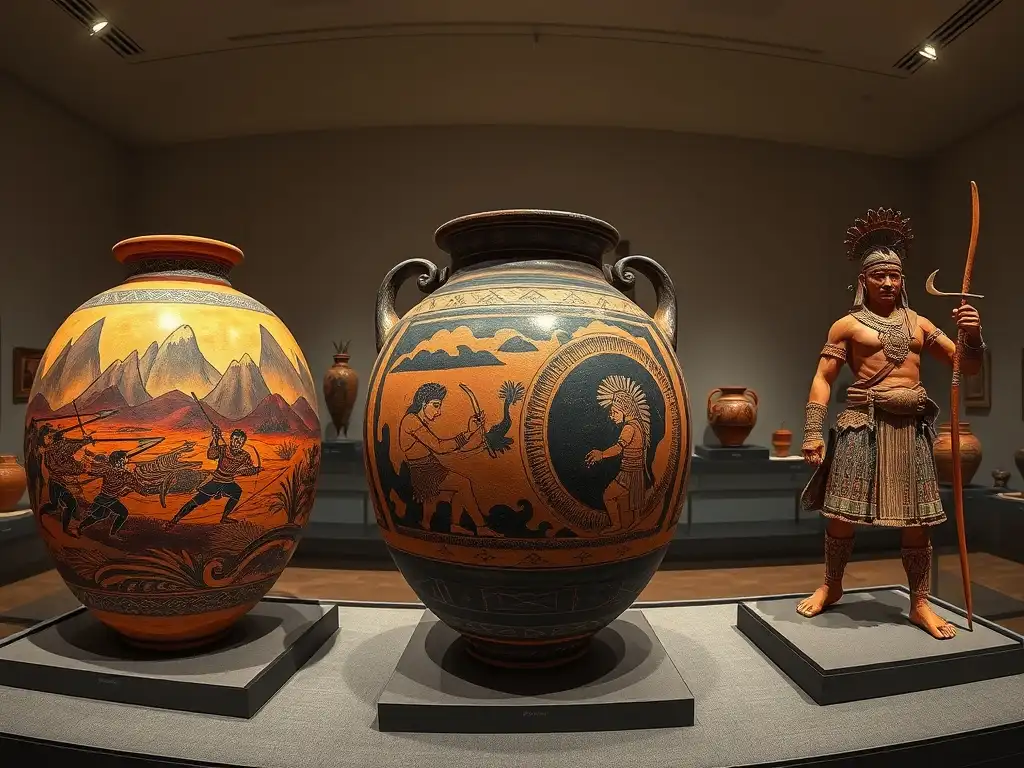
Uncover the secrets whispered by the sands of time! Journey into the heart of the Andean world, where vibrant cultures flourished and left behind a legacy of breathtaking artistry. Prepare to be captivated by the intricate details of Moche pottery warfare scenes, a glimpse into the brutal yet fascinating rituals and conflicts of this remarkable civilization. Discover how these ancient ceramics reveal a complex society, far more nuanced than you might imagine. Dive in and explore the mysteries that await!
The Moche civilization, flourishing along the northern coast of Peru from approximately 100 CE to 800 CE, left behind a remarkable legacy of artistic expression, particularly in their exquisite ceramics. This article delves into the fascinating world of Moche pottery, focusing specifically on the depictions of warfare and ritual combat frequently found on these intricately crafted vessels. We will explore how these scenes provide invaluable insights into the social structure, religious beliefs, and daily life of this sophisticated pre-Columbian society.
By examining the stylistic choices, recurring motifs, and the context of these depictions, we aim to illuminate the significance of warfare within Moche culture and its representation in their enduring artistic heritage. The detailed analysis of Moche pottery warfare scenes offers a unique window into the complexities of this ancient civilization, revealing a society deeply engaged with both physical conflict and ritualistic practices.
Understanding these representations helps us appreciate the depth and nuance of Moche culture, far beyond simple depictions of battle. This exploration will highlight the artistry and the historical importance of Moche pottery, specifically its role in illustrating the complex interplay between warfare and ritual within their society.
Introduction to Moche Pottery and Its Significance
Moche pottery is renowned for its exceptional craftsmanship and lifelike depictions. Potters utilized a variety of techniques, including modeling, molding, and painting, to create vessels that ranged from simple utilitarian forms to highly elaborate, often monumental, pieces. The artistry is breathtaking; the level of detail in depicting human figures, animals, and scenes of daily life is astounding. Beyond their aesthetic appeal, these ceramics serve as crucial primary sources for understanding Moche society.
Many depict scenes of everyday life, agricultural practices, religious rituals, and, importantly, warfare and ritual combat. These representations are not merely decorative; they offer glimpses into the social hierarchy, political structures, and beliefs of the Moche people. The prevalence of warfare scenes in Moche pottery suggests its significant role in shaping their worldview and social dynamics.
Analysis of these scenes, considering elements like the portrayal of weaponry, the depiction of individuals' roles and attire, and the overall composition of the scenes, allows for a nuanced understanding of the context and significance of warfare within Moche culture. The use of vibrant colors, detailed figures, and dynamic compositions further enhances the narrative power of these ceramic artworks, making them invaluable tools for historical interpretation. The meticulous detail in Moche pottery, from the textures of clothing to the expressions on faces, allows researchers to reconstruct aspects of Moche life with remarkable accuracy.
The Role of Warfare in Moche Society
Warfare was clearly a significant aspect of Moche life, as evidenced by the numerous depictions of battles, captives, and ritual combat found on their pottery. These scenes are not simply haphazard depictions of violence; they often showcase complex narratives, including the capture of prisoners, the performance of sacrifices, and the display of power.
The Moche elite likely used these ceramic representations to legitimize their power and control. Depictions of successful military campaigns and the subjugation of enemies could have served as propaganda, reinforcing the authority of the ruling class. The intricate detail in the portrayal of weaponry and military tactics suggests a high level of military organization and sophistication. Furthermore, the recurring motifs and symbolic elements within these scenes offer insights into Moche religious beliefs and their relationship to warfare. For example, the presence of specific deities or mythical creatures in battle scenes might indicate their involvement in military conflicts or their influence on the outcome of war. The careful study of these symbolic elements helps us understand the deeper cultural and religious significance of warfare within Moche society. Analysis of the different types of warriors depicted, their clothing, and weaponry, sheds light on the social hierarchy within the Moche military. The prevalence of certain motifs, such as specific types of weapons or ritualistic practices, across various ceramic pieces suggests a shared cultural understanding and belief system surrounding warfare. Further research into the geographic distribution of pottery with warfare scenes can help us understand the regional variations in warfare practices and beliefs.
Moche Pottery Warfare Scenes: A Detailed Look
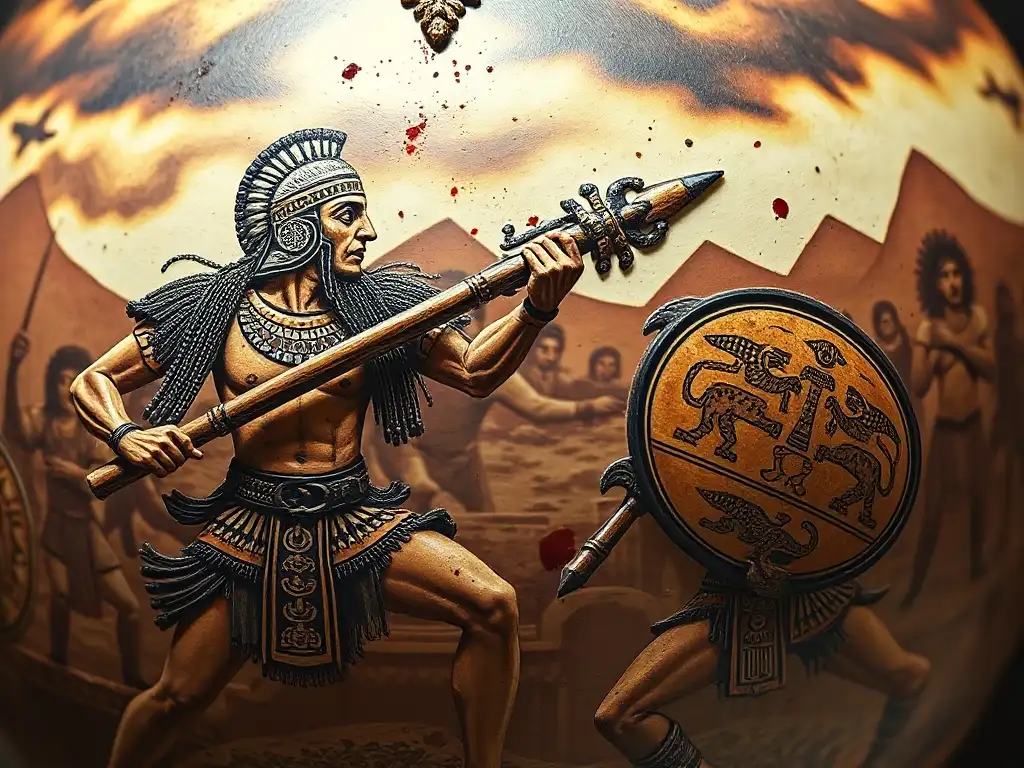
The Moche civilization, flourishing along the northern coast of Peru from approximately 100 CE to 800 CE, left behind a remarkable legacy of ceramic art. Beyond their stunning artistry and technical prowess, the Moche pottery provides invaluable insight into their society, beliefs, and daily life. Nowhere is this more evident than in the numerous depictions of warfare and ritual combat found across a wide range of Moche ceramic vessels.
These "Moche pottery warfare scenes" offer a unique window into the military organization, weaponry, and possibly even the socio-political dynamics of this fascinating culture. Analyzing these scenes allows us to reconstruct, albeit partially, the violent but captivating reality of Moche society.
Depictions of Moche Warriors in Ceramic Art
Moche ceramic art frequently portrays warriors in dynamic poses, showcasing their impressive weaponry and elaborate attire. These depictions are not mere illustrations; they are carefully crafted representations that highlight the warrior's status and role within Moche society. The level of detail is astonishing: we can observe the intricate designs on their headdresses, the types of weapons they wield (spears, clubs, macanas – a type of club), and even the expressions on their faces, often conveying ferocity, determination, or even a grim acceptance of their fate.
For example, many vessels depict warriors adorned with elaborate headdresses, often featuring stylized feline or bird motifs. These headdresses weren't simply decorative; they likely signified rank or affiliation within the Moche military structure. Some warriors are shown wearing elaborate body armor, suggesting a degree of sophistication in their military technology.
The meticulous detail in these depictions suggests that the creation of these pottery pieces was a significant undertaking, possibly commissioned by or for the elite members of Moche society. The use of specific colors, such as vibrant reds and yellows, also likely held symbolic meaning, perhaps representing blood, power, or the sun.
Moche Ceramic Vessels Illustrating Battle Scenes
Beyond individual warrior portraits, Moche pottery frequently illustrates full-blown battle scenes. These scenes are often chaotic and dynamic, depicting large numbers of combatants engaged in fierce hand-to-hand fighting. The artists skillfully capture the movement and energy of the conflict, showcasing the brutality and intensity of Moche warfare.
These battle scenes are not simply random displays of violence; they often follow a narrative structure, suggesting a level of artistic sophistication and intentionality. We can observe different phases of combat, from the initial clash to the final defeat. Some vessels depict scenes of capture and sacrifice, further illuminating the Moche worldview and possibly their ritual practices related to warfare.
The sheer number of figures depicted in these scenes also suggests the scale of Moche battles, hinting at the size and power of their military forces. The careful composition of these scenes, with clear delineation of different battle units and strategic movements, adds to the complexity and richness of the narrative.
Analyzing Combat Tactics and Equipment in Moche Pottery
By carefully examining the battle scenes depicted on Moche pottery, we can gain valuable insights into their combat tactics and weaponry. The pottery suggests that Moche warfare often involved close-quarters combat, with warriors utilizing a variety of weapons, including spears, clubs, and slings. The depictions often show warriors using shields for protection, indicating a degree of strategic thinking in their battle formations.
Analyzing the positioning of warriors in these scenes provides clues about their tactical approaches. Some vessels depict highly organized formations, suggesting a degree of military discipline. Others show more chaotic engagements, potentially representing skirmishes or less organized battles. The types of weapons used and the body armor depicted also provide valuable information about Moche military technology and its evolution over time.
Further research comparing different pottery pieces could potentially help us trace the development of Moche military strategies and equipment across different periods of their civilization. The detailed nature of these scenes allows for a rich analysis, and further research with a larger sample size of Moche pottery could provide even more significant insights into their military practices. The study of "Moche pottery warfare scenes" remains a vital area of research for understanding this complex and fascinating ancient civilization.
Ritual Combat in Moche Iconography
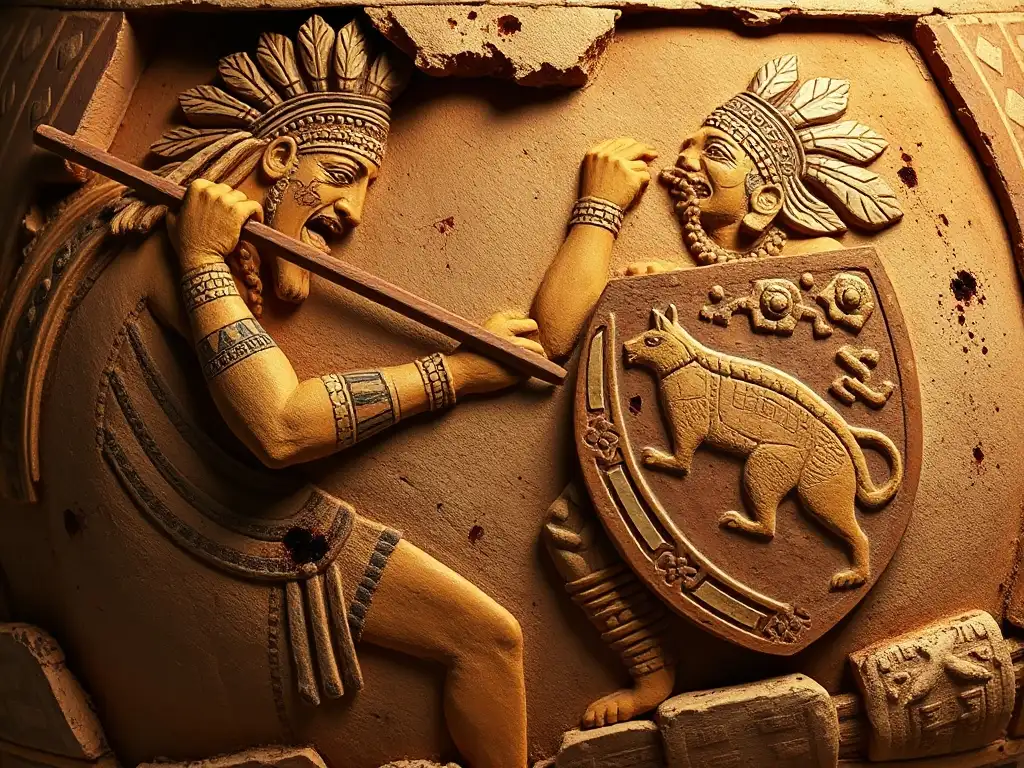
The Moche civilization, flourishing along the northern coast of Peru from approximately 100 to 800 CE, left behind a remarkable legacy of artistic expression, particularly in their exquisite pottery. While Moche pottery is renowned for its vibrant colors and detailed depictions of everyday life, a significant portion showcases scenes of intense warfare and ritual combat. These depictions, far from being simple battle scenes, offer valuable insights into the complex social, religious, and political structures of this fascinating culture.
Analyzing these "Moche pottery warfare scenes" reveals a sophisticated understanding of the symbolic power of violence and its role in maintaining social order. The frequency with which these themes appear suggests their central importance in Moche worldview. Further research into the specific iconography used within these scenes could provide even more detailed information about the specific rituals and beliefs surrounding warfare.
Ritualized Fighting and Its Symbolic Meaning in Moche Art
Moche depictions of combat often go beyond simple representations of violence. The stylized nature of the fighting, the use of specific weapons, and the carefully arranged compositions suggest a ritualized context. For example, many scenes depict warriors engaging in single combat, almost balletic in their movements.
These are not chaotic melees, but rather controlled encounters, often with clear winners and losers. This controlled violence may have served several symbolic purposes. It may have represented the struggle between opposing forces in nature, the triumph of order over chaos, or perhaps the cyclical renewal of life and death.
The detailed depictions of weaponry, such as the characteristic macanas (clubs) and spears, also provide insights into Moche technology and military organization. The meticulous detail in the pottery, including facial expressions and body language, further emphasizes the ritualistic nature of these encounters. Consider the carefully rendered expressions of both triumph and defeat; these are not mere snapshots of violence, but rather carefully crafted narratives.
The recurring motif of warriors adorned with elaborate headdresses and regalia suggests the importance of social status and hierarchy within these ritualistic combats. These symbols of power and authority highlight the connection between warfare, ritual, and the political landscape of Moche society. Further study is needed to fully understand the nuanced meaning behind the various symbols and iconography used to represent these ritualized battles.
For instance, the specific colors and patterns on the warriors' clothing and weapons may hold significant symbolic meaning that remains to be fully deciphered. The analysis of a wider range of Moche pottery with similar scenes could help to better contextualize these representations.
Moche Pottery and the Representation of Ceremonial Battles
Many Moche ceramic vessels depict large-scale battles, often with hundreds of combatants. These scenes are not merely chaotic representations of warfare, but rather carefully staged events, suggesting a ceremonial or ritualistic context. The organization of the battles, with clearly defined ranks and formations, points towards a structured military organization, a feature that is further supported by archaeological evidence of Moche fortifications and settlements. The scale of these battles, depicted with incredible detail on the relatively small surface area of pottery, demonstrates the artistic skill and the importance given to these events within Moche culture.
| Aspect of Ceremonial Battles | Description | Significance |
|---|---|---|
| Scale of Depiction | Often hundreds of figures depicted on a single vessel. | Demonstrates the importance of these events. |
| Organization of Combatants | Clearly defined ranks and formations are visible. | Suggests a structured military. |
| Use of Specific Weaponry | Macanas, spears, and other weapons are consistently depicted. | Provides insight into Moche military technology. |
| Elaborate Regalia | Warriors often wear elaborate headdresses and clothing. | Highlights social status and hierarchy. |
| Detailed Facial Expressions | Emotions are carefully rendered. | Supports the idea of ritualized, not merely violent, conflict. |
The sheer number of vessels depicting these scenes underscores their significance in Moche society. The painstaking detail and artistry invested in these representations suggest that these events held profound religious or social meaning, extending beyond mere military conflict. The presence of ritualistic elements within these scenes further reinforces this interpretation.
The Significance of Sacrifice and Captivity in Moche Ceramics
A recurring theme in Moche pottery depicting warfare is the portrayal of sacrifice and captivity. Many vessels show scenes of prisoners being led away, often bound and humiliated. Others depict explicit acts of sacrifice, with individuals being presented to deities or being ritually killed. These scenes are not gratuitous displays of violence but rather integral parts of the narrative, reflecting Moche religious beliefs and practices. The depiction of these acts, alongside the ceremonial battles, provides important clues about the integration of warfare and religious rituals in Moche culture.
The capture of prisoners likely served both practical and symbolic purposes. Prisoners may have been used as sacrifices, or as laborers within the Moche society. The symbolic meaning of captivity may have been connected to ideas of subjugation, control, and the assertion of power. The detailed depictions of these sacrifices and acts of captivity are not intended to simply shock or horrify the viewer, but rather to communicate complex religious and social messages. The often-gruesome details are arguably a testament to the importance placed upon these events within Moche cosmology.
The use of specific iconography within these scenes, including specific poses, gestures, and symbols, requires further investigation. A detailed comparative analysis of multiple pieces of Moche pottery depicting these themes could unlock a deeper understanding of the ritualistic practices and beliefs that underlay these scenes of sacrifice and captivity.
The study of these "Moche pottery warfare scenes" is crucial to a more complete understanding of Moche civilization and its complex relationship between warfare, religion, and society. Further research into the specific symbols and their meanings, combined with archaeological evidence, will undoubtedly shed more light on these fascinating aspects of Moche culture.
The Function of Moche War Ceramics
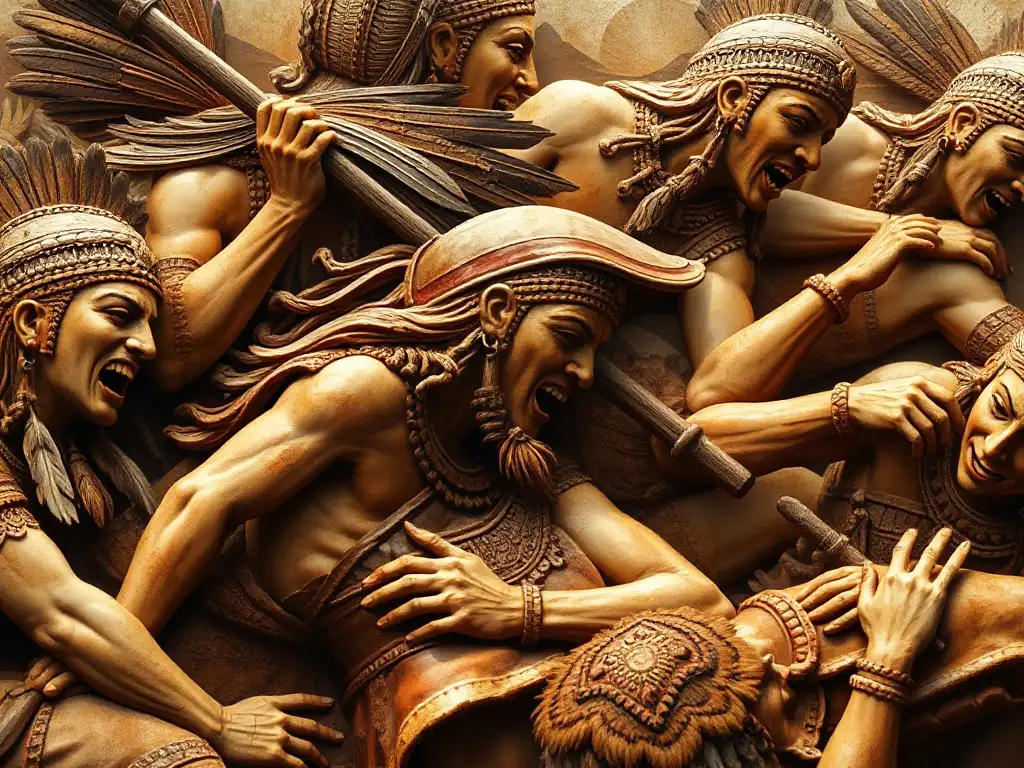
The vibrant and often brutal depictions of warfare found on Moche pottery offer a unique window into the society that produced them. These weren't simply decorative pieces; the ceramics served crucial social, political, and possibly even ritualistic functions. Analyzing these functions requires careful consideration of the context in which these artifacts were created, used, and ultimately, buried.
The sheer quantity of Moche pottery depicting warfare, compared to other themes, suggests the significance of conflict in their worldview. It's not just about the battles themselves, but about the power dynamics, social hierarchies, and cultural values they represent. Understanding these functions allows us to move beyond simple descriptions of the scenes and delve into the deeper meaning embedded within the Moche pottery warfare scenes.
Moche Pottery as a Tool for Propaganda and Power
Moche rulers likely used pottery depicting warfare victories as a powerful propaganda tool. The meticulously detailed scenes, showcasing the capture of prisoners, the display of trophies, and the dominance of Moche warriors, served to reinforce the power and legitimacy of the ruling elite. These weren't just random depictions; the artistic choices—the size of the figures, their positioning within the composition, the weaponry displayed—were carefully curated to convey specific messages.
For example, a larger warrior figure often signifies higher social status, while the detailed depiction of weapons could emphasize technological prowess and military might. The consistent portrayal of Moche warriors as victorious and their adversaries as defeated contributes to the construction of a narrative of dominance and control.
This visual propaganda likely played a significant role in maintaining social order and projecting the image of a strong, unified Moche state. The strategic placement of these ceramics within elite contexts further reinforces their propagandistic role.
The depictions of warfare on Moche pottery also provide valuable insights into the social structures of the time. The ceramics often showcase different social classes participating in combat, from elite warriors adorned with elaborate headdresses and jewelry to common soldiers armed with simpler weapons. The hierarchy within the military is clearly visible in the representation of different ranks and roles.
Analysis of these scenes helps archaeologists and historians reconstruct the Moche army's organization, the social mobility within the military, and the relationship between the military and the rest of the society. Furthermore, the treatment of captured enemies—whether they are depicted as humiliated prisoners or as participants in ritual sacrifices—reveals information about Moche attitudes toward conquered peoples and their integration (or lack thereof) into Moche society. The level of detail in these depictions allows for nuanced interpretations of the complex social dynamics at play.
Moche Ceramics and the Transmission of Cultural Values
Beyond propaganda and social structure, Moche war ceramics played a vital role in transmitting cultural values and beliefs. The scenes often incorporate elements of ritual and symbolism, suggesting that warfare was not just a purely military affair but also deeply intertwined with religious practices. The depiction of specific deities or ritualistic acts alongside battlefield scenes indicates the sacred dimension of warfare in Moche culture. Furthermore, the stylistic consistency across different pottery pieces suggests the existence of a shared cultural understanding of warfare and its significance.
These repeated motifs and iconography served to reinforce collective identity and transmit cultural values across generations. The careful craftsmanship and artistic skill invested in these ceramics highlight the importance of these narratives and their role in shaping Moche identity and worldview. The persistence of these themes in Moche pottery underscores their enduring cultural significance, even beyond the immediate context of conflict.
Iconographic Motifs in Moche Warfare and Ritual Ceramics
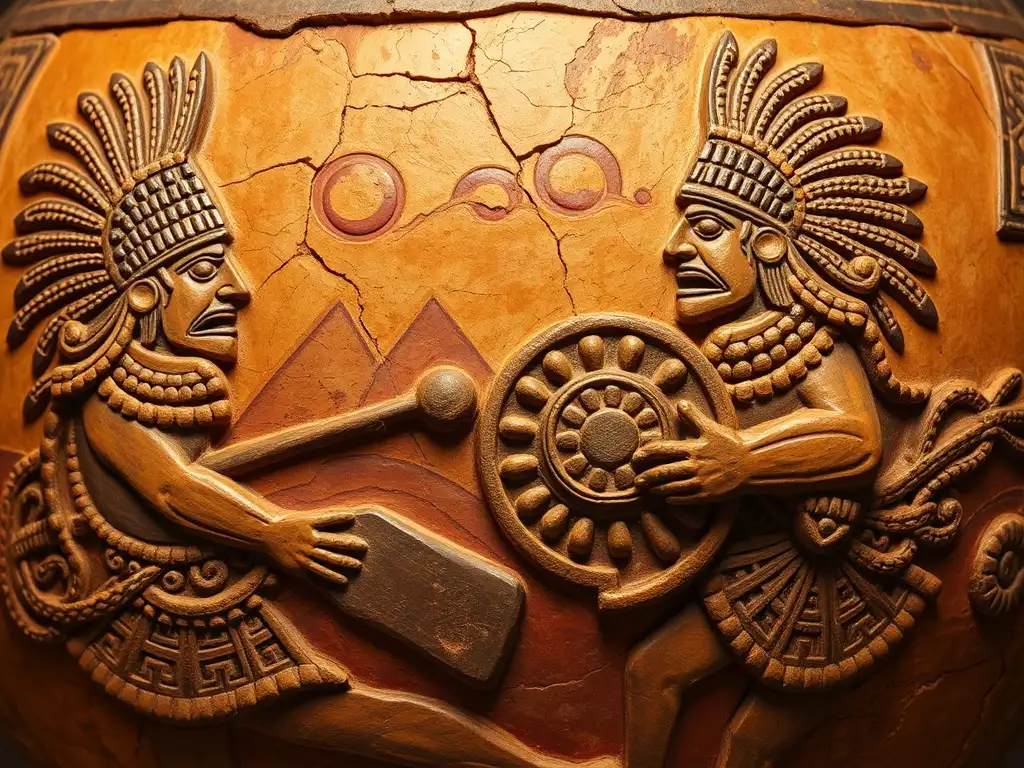
The Moche pottery warfare scenes are not simply chaotic depictions of battle; they are carefully constructed narratives rich in symbolic language. Understanding the iconography is crucial to interpreting the meaning and context of these vibrant ceramic representations. Moche artists meticulously crafted their vessels, using specific motifs to convey complex themes related to warfare, ritual combat, and societal structures. The recurring symbols and figures, when analyzed together, reveal a sophisticated system of visual communication.
These weren't just records of events; they were powerful statements about Moche beliefs, power dynamics, and perhaps even prophecies. The prevalence of these motifs across different Moche ceramic styles and periods suggests a deeply ingrained cultural significance. Further research into the specific clay types and pigments used could reveal additional insights into the artistic techniques and the potential regional variations in iconographic styles.
Common Symbols and Their Meanings in Moche Combat Art
Several common symbols appear repeatedly in Moche combat art, each carrying specific meanings within the cultural context. For instance, the recurring motif of feline imagery, often depicted as jaguars or pumas, likely symbolized power, ferocity, and perhaps even shamanistic abilities. These powerful felines were frequently associated with elite warriors or deities, underscoring their importance in Moche society.
Another significant symbol is the staff, often carried by important figures in battle scenes. The type of staff, its ornamentation, and the manner in which it's held can provide clues about the character's status and role within the conflict. Some staffs might represent authority, while others might indicate specific ritualistic functions. Further research is needed to fully decipher the nuances of various staff types.
Furthermore, geometric patterns, such as stepped frets or concentric circles, frequently appear as background elements or adornments on weapons and attire. While their precise meaning remains a subject of ongoing scholarly debate, they likely represent cosmological concepts or reinforce the sacred nature of warfare and ritual combat. The use of these patterns might also indicate a connection to specific clans or lineages within Moche society.
Finally, the use of specific colors is not arbitrary. The vibrant hues, particularly red and black, likely held symbolic weight, possibly representing blood, death, or perhaps even the underworld. A detailed analysis of color palettes across different Moche pottery pieces depicting warfare could reveal more about their symbolic significance and stylistic evolution.
Moche Iconography: Identifying Key Figures and Deities
Identifying the key figures and deities within Moche warfare scenes requires careful observation and comparison across multiple ceramic pieces. While some figures are clearly identifiable as warriors based on their attire and weaponry, others require more nuanced interpretation. The presence of elaborate headdresses and ornate jewelry often indicates high social standing. These indicators, combined with their position within the narrative sequence, can help researchers determine their importance.
One frequently depicted figure is the Moche warrior-priest, a powerful individual who likely combined military and religious authority. These figures often wear distinct clothing, carry ceremonial objects alongside weapons, and are frequently shown performing rituals or leading troops. Their prominent role suggests the close intertwining of religious beliefs and military practices within Moche culture.
The presence of deities, often identified by their distinctive iconography, adds another layer of complexity to the scenes. These deities, often depicted interacting with warriors or influencing the course of battle, highlight the Moche belief in supernatural forces shaping human conflict. [Specific deity identification and attributes pending further research].
Analysis of Moche Warfare Imagery and Narrative Sequences
Moche pottery doesn't simply depict isolated moments of battle; it presents narratives unfolding across the surface of the vessels. Analyzing these narrative sequences provides valuable insights into Moche warfare strategies, rituals, and worldview. The scenes frequently show a chronological progression, with different stages of conflict represented in distinct areas of the pottery. This suggests a deliberate attempt to convey a story rather than just a snapshot of violence.
Moreover, the composition and arrangement of figures within the scenes are not random. The positioning of warriors, their gestures, and their interactions with each other and supernatural entities all contribute to the narrative. For example, the repeated depiction of captives and sacrificial rituals within these scenes underscores the importance of these practices within Moche culture. These rituals, often depicted in graphic detail, were likely integral to their warfare and social structure.
The Moche pottery warfare scenes are not just aesthetically pleasing; they are complex visual documents offering a glimpse into the beliefs, values, and practices of this fascinating civilization. Further research, particularly focusing on the detailed analysis of individual motifs and their arrangement within the narrative sequences, will undoubtedly reveal even more about the rich cultural context of Moche warfare and its representation in their remarkable ceramic art. A comparative study of Moche pottery with that of other contemporary Andean cultures could also prove invaluable in understanding the broader context of their artistic expressions and beliefs.
Moche Ceramic Styles and Techniques in War Depictions
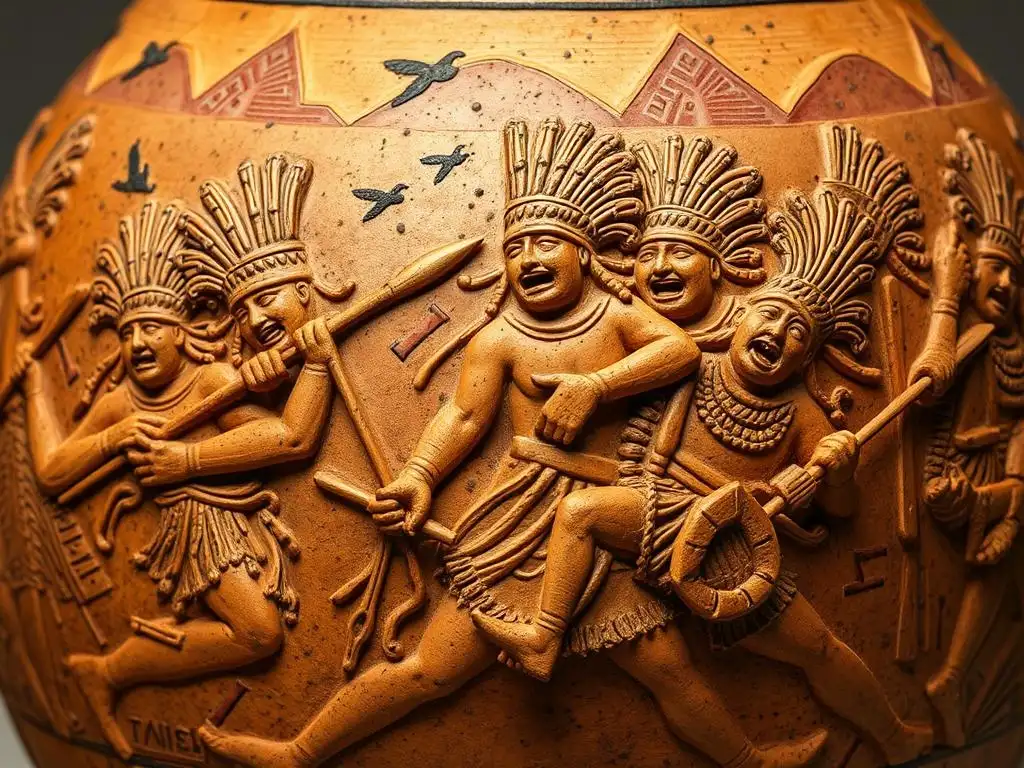
The Moche people, masters of ceramic artistry, left behind a remarkable legacy of pottery depicting scenes of intense warfare and ritual combat. These depictions are not merely decorative; they offer invaluable insights into the Moche worldview, social structures, and military practices. Analyzing the styles and techniques used in these representations provides a deeper understanding of their significance. The keyword phrase "Moche pottery warfare scenes" accurately encapsulates the core subject of this section. We will explore the evolution of styles, the technical prowess employed, and the regional variations in the portrayal of conflict.
The Evolution of Moche Ceramics: From Early to Late Moche Styles
The evolution of Moche ceramic styles reflects both technological advancements and shifting cultural priorities. Early Moche (Moche I, roughly 100-200 CE) pottery depicting warfare scenes tends to be simpler, featuring less detailed figures and a more limited palette of colors. Warriors are often depicted in stylized forms, with emphasis on symbolic elements rather than realistic anatomical accuracy. For example, early Moche depictions might show a warrior with exaggerated features, like a large head or elongated limbs, representing power and dominance rather than precise physical representation.
By the Middle Moche period (Moche II, roughly 200-600 CE), a significant leap in artistic sophistication is evident. Pottery becomes more refined, with more naturalistic depictions of warriors, intricate details of their weaponry and attire, and a wider range of colors and techniques. Scenes become more complex, depicting multiple combatants, battle formations, and even specific battle events. This period shows a clear interest in capturing the dynamism of combat and the emotional intensity of the struggle.
Late Moche (Moche III, roughly 600-800 CE) pottery continues this trend of increased realism, but also shows a shift towards more symbolic and ritualistic depictions. While warfare is still represented, there's a growing focus on the ritual aspects of combat, perhaps reflecting changes in social structure or religious beliefs. The use of complex iconography and symbolic elements increases, requiring a more sophisticated understanding of Moche culture to interpret fully. This period demonstrates a peak in technical mastery, with incredibly detailed and lifelike depictions of human figures and scenes.
Moche Pottery Techniques: Molding, Painting, and Decoration
The technical skill involved in creating Moche pottery, particularly those depicting warfare, is astonishing. The Moche potters employed a variety of techniques to achieve their remarkable results. The process typically began with the creation of molds, often made from clay or other materials, which ensured consistency and efficiency in mass production. These molds were then used to shape the basic form of the vessel.
Following molding, the pottery underwent a meticulous painting process. The Moche potters utilized a range of pigments derived from natural sources, like minerals and plants, achieving a vibrant and diverse palette. These pigments were applied with incredible precision, resulting in detailed scenes that are remarkably well-preserved even today.
Beyond painting, the Moche employed additional decorative techniques, including incision, stamping, and the application of slip (a liquid clay mixture) to enhance the visual effect. These techniques, often used in combination, created a rich tapestry of visual elements that added depth and complexity to the portrayal of warfare scenes. The level of detail achieved in depicting weapons, armor, and even expressions on the faces of the warriors is a testament to their mastery of these techniques. The use of negative space and careful composition further enhanced the overall impact of the artwork.
Regional Variations in Moche Ceramic Depictions of Warfare
While Moche pottery depicting warfare exhibits stylistic coherence across the region, subtle regional variations exist. These variations likely reflect the diversity of Moche society and the particular characteristics of different communities. For instance, the style of weaponry or the specific types of armor depicted might differ slightly between regions, suggesting regional specialization in warfare tactics or equipment. Further research is needed to fully delineate these regional variations and to understand their significance.
[Specific information pending: detailed analysis of regional variations in Moche pottery depicting warfare, including specific examples from different sites]. The study of these variations promises to enrich our understanding of the complexity of Moche culture and its internal dynamics. The meticulous analysis of these regional differences in "Moche pottery warfare scenes" remains a key area of ongoing research.
The Legacy of Moche Warfare Ceramics
The Moche civilization (c. 100 – 800 CE), renowned for its sophisticated artistry, left behind a remarkable legacy in the form of intricately detailed ceramics. These aren't simply vessels; they are vibrant chronicles of their society, particularly their engagement in warfare and ritual combat.
The impact of Moche pottery depicting warfare scenes extends far beyond their own time, influencing subsequent Andean artistic traditions and providing invaluable insights into their culture. The striking realism and dynamic portrayal of battles, weaponry, and ritual sacrifice found in Moche pottery are unparalleled in the pre-Columbian world, making them crucial artifacts for understanding the complexities of Moche society and their military organization.
Their influence can be traced through stylistic echoes and thematic similarities in later ceramic traditions, highlighting the enduring power and artistic innovation of the Moche. The legacy of these powerful images continues to fascinate and inspire, serving as a testament to the enduring creativity and historical significance of the Moche civilization.
Moche Pottery and Its Influence on Later Andean Art
Moche pottery's influence on subsequent Andean artistic styles is undeniable. The highly detailed depictions of warriors, weaponry, and battle scenes became a recurring motif in later ceramic traditions. For example, the Chimú culture, which succeeded the Moche, incorporated similar stylistic elements in their own pottery, albeit with a slightly different aesthetic.
While Chimú ceramics often display a more stylized approach, the thematic focus on warfare and power persists, clearly demonstrating a lineage directly linked to Moche artistic conventions. The impact isn't limited to ceramics; the vibrant colors, dynamic compositions, and attention to detail seen in Moche warfare scenes also found their way into textiles, metalwork, and stone carvings of later Andean cultures.
Analyzing these later artistic manifestations allows us to better understand the lasting influence of Moche artistry and the transmission of cultural knowledge across generations and different Andean societies. The continuity of certain iconographic elements, such as specific weapons or ceremonial attire, strengthens the argument for a direct artistic inheritance, cementing Moche pottery's position as a foundational element in the development of Andean art.
What Moche Ceramics Tell Us About Warfare in Ancient Peru
Moche pottery provides unprecedented insight into the nature of warfare in ancient Peru. The detailed depictions of battles, weaponry, and military organization offer a glimpse into the tactics, strategies, and social structures that underpinned Moche conflict. We see representations of various types of weapons, from spears and clubs to slings and projectile weapons, illustrating a sophisticated arsenal.
The depiction of organized military units, often composed of warriors in distinct attire, suggests a hierarchical structure within the Moche army. Furthermore, the scenes frequently portray battles involving large numbers of combatants, implying significant military mobilization and the potential for large-scale conflicts. The presence of captives and sacrificial scenes within these battle depictions suggests that warfare was intertwined with ritual practices, serving not only military but also religious or political purposes.
By studying these scenes meticulously, researchers can reconstruct aspects of Moche military life and warfare, enriching our understanding of this crucial aspect of their society. Analyzing the frequency of certain types of weapons or tactical formations in different pottery pieces might even reveal regional variations in military practices across the Moche territory.
Moche Ceramics: A Window into Their Military and Ritual Practices
The intricate detail in Moche pottery goes beyond mere depictions of battles; it unveils the intricate relationship between military actions and ritual practices within Moche society. Many vessels show scenes of ritual sacrifice, often occurring in conjunction with or following military victories. These scenes frequently depict captives being sacrificed, sometimes in elaborate ceremonies involving priests and other high-ranking individuals.
The combination of warfare and ritual underscores the profound religious significance attributed to military achievements within the Moche worldview. This intertwining of the secular and the sacred suggests that warfare was not solely a matter of territorial expansion or resource acquisition but also served a crucial religious function, reinforcing social hierarchies and solidifying the power of the elite. The careful observation of these scenes, including the types of rituals depicted, the attire of the participants, and the symbolism present, provides crucial information about the complex interplay between religion, warfare, and power within Moche society.
The study of Moche pottery, therefore, allows us to move beyond a simple understanding of warfare as a purely military endeavor and to appreciate its deeper cultural and religious implications within the context of Moche civilization. The detailed nature of these depictions allows for a nuanced interpretation of Moche beliefs and practices, offering a unique window into the worldview of this fascinating ancient culture.
Frequently Asked Questions
What is the main subject of this article?
This article focuses on Moche ceramics and their unique depictions of warfare and ritual combat scenes. It explores how these artifacts provide insights into Moche society and beliefs.
Why are Moche pottery warfare scenes so significant?
These scenes offer invaluable insight into Moche military practices, social structures, and religious beliefs. They are rare primary sources revealing details of their culture otherwise unavailable.
What kind of warfare scenes are typically depicted in Moche pottery?
The pottery often shows battles, captives, and ritual sacrifices, providing a glimpse into the complexities of Moche conflict and their worldview. Elite warriors are frequently featured.
How did the Moche create such detailed pottery?
Moche potters were highly skilled artisans, employing advanced techniques like mold-making and painting to create incredibly lifelike and detailed representations of warfare and other aspects of their lives.
Where can I see examples of Moche pottery depicting warfare?
Many museums worldwide house collections of Moche pottery, including examples showcasing warfare scenes. You can find these in museums specializing in pre-Columbian art and archaeology.
Final Reflection: Echoes of Conflict, Whispers of Ritual
The vibrant, often brutal, depictions of warfare and ritual combat found in Moche ceramics are not relics of a distant past; they are potent reminders of humanity's enduring struggle with power, violence, and the search for meaning. These ancient images, meticulously crafted millennia ago, continue to resonate with contemporary anxieties about conflict, social hierarchy, and the human cost of ambition. The artistry itself, the skill and dedication poured into these pieces, forces us to confront the complex relationship between beauty and brutality.
The Moche's unflinching portrayal of violence, interwoven with scenes of ritual and sacrifice, offers a profound insight into their worldview and social structures. Their pottery serves as a window into a society grappling with the same fundamental questions we face today. Art washes away from the soul the dust of everyday life.
– Pablo Picasso. This quote, while not directly about Moche pottery, speaks to the enduring power of art to transcend time and offer a glimpse into the human condition, revealing both the darkness and the light within us. The Moche, through their artistry, leave us a legacy of both captivating beauty and unsettling truths.
Consider the implications of these ancient images. How do the Moche's depictions of warfare and ritual challenge our own understanding of conflict and its representation? What can we learn from their unflinching honesty, their willingness to confront the complexities of human nature, even in the most violent of contexts? I urge you to look beyond the surface of these stunning ceramics and engage with the deeper questions they pose about power, ritual, and the enduring human struggle for meaning. Let the echoes of their conflict inspire a deeper reflection on our own world.
Unveil the Stories Behind Moche Ceramics!
Thank you for exploring the fascinating world of Moche ceramics! Your curiosity has revealed a deeper understanding of how these artifacts depict the complex interplay of warfare and ritual in ancient Peruvian society. Now, let's build on that knowledge!
- Explore further: Visit a local museum or online exhibition to examine Moche ceramics firsthand or through virtual tours. Marvel at the artistry and craftsmanship that bring their unique stories to life!
- Join the conversation: Share your thoughts and insights on Moche art on social media or our website's discussion forum to connect with other enthusiasts.
- Create your own interpretation: Try your hand at creating your own ceramic piece inspired by the Moche, using clay to express your understanding of their depictions of warfare and ritual.
What aspect of Moche ceramics most captivated you, and how do you believe their portrayal of conflict might influence our modern understanding of it?