
Moche Ceramics: The Study of Moche Art Through Archaeology

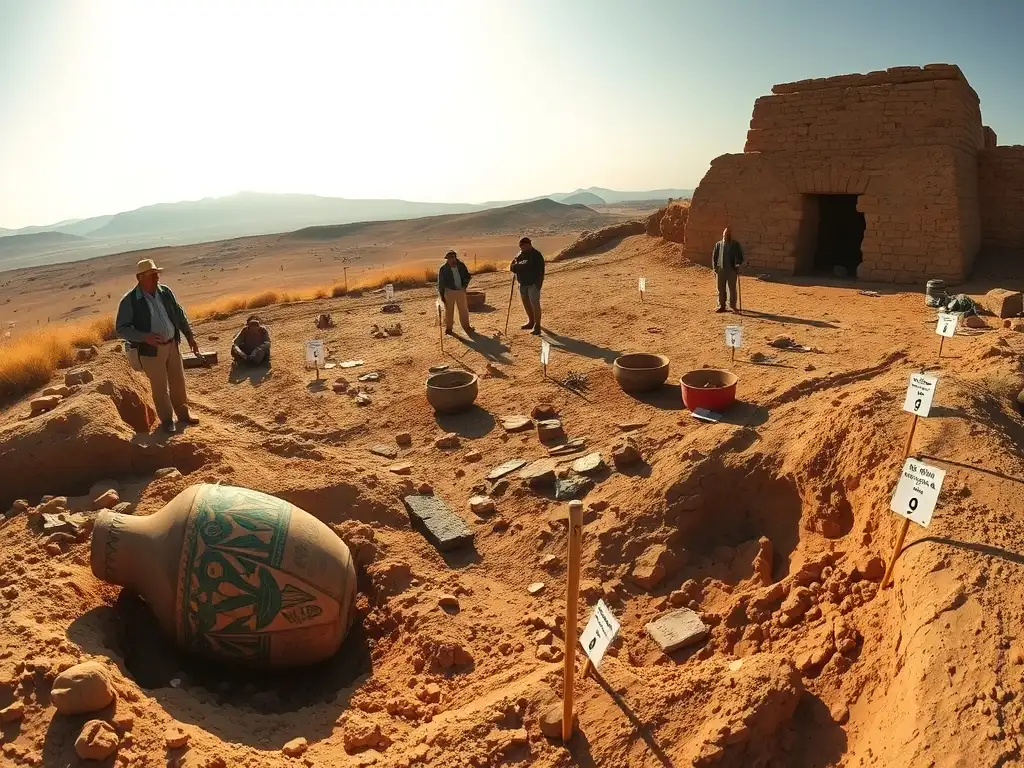
Step into a world lost to time, yet echoing with vibrant life. Imagine uncovering the secrets whispered by ancient clay, revealing the breathtaking artistry and complex society of the Moche civilization. Our exploration begins with a fascinating Moche pottery archaeological study, delving into the intricate details and symbolic power embedded within their stunning ceramics. Prepare to be captivated by the enduring legacy of the Andes – your journey into their remarkable past starts now.
- Moche Ceramics: The Archaeological Study of Moche Art
- Archaeological Methods for Studying Moche Ceramics
- Iconography and Narrative in Moche Ceramic Art
- Moche Pottery Production and Technology
- Case Studies: Archaeological Discoveries of Moche Pottery
- The Importance of Moche Pottery in Archaeological Research
- Conclusion: The Legacy of Moche Ceramics
-
Frequently Asked Questions
- What makes Moche pottery so significant in archaeological studies?
- How do archaeologists study Moche pottery?
- What are some common themes or motifs found in Moche pottery?
- What is the significance of the Moche's use of color in their pottery?
- Where can I learn more about the archaeological study of Moche pottery?
- Final Reflection: Echoes of the Moche: A Legacy in Clay
- Unveil the Rich Stories of Moche Ceramics!
Moche Ceramics: The Archaeological Study of Moche Art
The study of Moche pottery offers an unparalleled window into the vibrant and complex culture of the Moche civilization, flourishing along the northern coast of Peru from approximately 100 CE to 800 CE. This ancient society, known for its sophisticated irrigation systems, impressive architecture, and powerful warrior elite, left behind a legacy of exquisitely crafted ceramics that serve as invaluable primary sources for understanding their beliefs, social structures, and daily life.
Unlike many other ancient cultures whose narratives are pieced together from fragmented texts or limited archaeological remains, the Moche left behind a vast corpus of ceramic artifacts, providing a remarkably detailed record of their world. This article will explore how archaeological study of Moche pottery illuminates various facets of this fascinating civilization, focusing on the insights gained from analyzing its artistic styles, iconography, and technological advancements.
We will delve into the techniques used in creating these remarkable pieces and how these techniques themselves reveal important aspects of Moche society. Through the lens of archaeological investigation, we aim to uncover the stories embedded within the clay, bringing the Moche world to life.
Introduction to Moche Pottery and its Significance
Moche pottery is renowned for its exceptional artistry and technical skill. The potters, often highly specialized artisans, employed a variety of techniques, including modeling, molding, and the use of slip and paint to create incredibly detailed and lifelike representations. The sheer volume of surviving Moche ceramics is astonishing, ranging from simple utilitarian vessels to elaborately decorated portrait jars, stirrup-spout vessels, and complex narrative scenes depicting ritual practices, warfare, and daily life. The significance of this pottery extends beyond its aesthetic appeal; it serves as a crucial source of information for archaeologists seeking to understand Moche society.
The iconography found on the vessels—depictions of deities, mythological creatures, and human figures engaged in various activities—provides insights into Moche religion, social hierarchy, and worldview. Furthermore, the styles and techniques used in pottery production evolved over time, offering a chronological framework for understanding the development of the Moche culture. Analysis of the clay itself, including its composition and source, can reveal information about trade networks and resource management.
The sheer diversity of forms and styles found in Moche pottery underscores the complexity and sophistication of this ancient Andean civilization. Even seemingly minor variations in design or technique can hold significant clues to understanding the social and cultural context in which the pottery was produced and used. For example, the presence of certain motifs or the use of specific colors might indicate the social status of the vessel's owner or its intended use.
Understanding Moche Culture Through Ceramic Analysis
Archaeological analysis of Moche pottery reveals much about their social structure. For instance, the presence of elaborate portrait vessels, often depicting individuals in positions of power or authority, suggests a hierarchical society with a distinct elite class. The meticulous detail in these portraits, including facial features, clothing, and adornments, allows for a nuanced understanding of Moche social roles and status. Furthermore, the depiction of scenes of warfare, ritual sacrifice, and elaborate feasts on ceramic vessels provides insights into the political and religious life of the Moche.
These scenes are often dynamic and emotionally charged, revealing aspects of Moche beliefs and values. The careful study of these scenes, considering their context within the broader Moche archaeological record, allows for more accurate interpretations of their meaning and significance. For example, the recurring motifs of decapitation and sacrifice, while gruesome, offer valuable insights into Moche religious practices and their understanding of the afterlife. The analysis of different styles and types of pottery, including their distribution across different archaeological sites, sheds light on patterns of trade, interaction, and regional variations within the Moche culture.
The technological advancements reflected in the pottery-making techniques themselves, such as the mastery of slipware and the development of complex molds, further highlight the ingenuity and sophistication of the Moche artisans. The study of Moche pottery, therefore, is not simply an aesthetic appreciation; it is a crucial tool for unraveling the mysteries of this remarkable ancient civilization. The continuing archaeological study of Moche pottery promises to yield even more insights into their fascinating world in the years to come.
Archaeological Methods for Studying Moche Ceramics
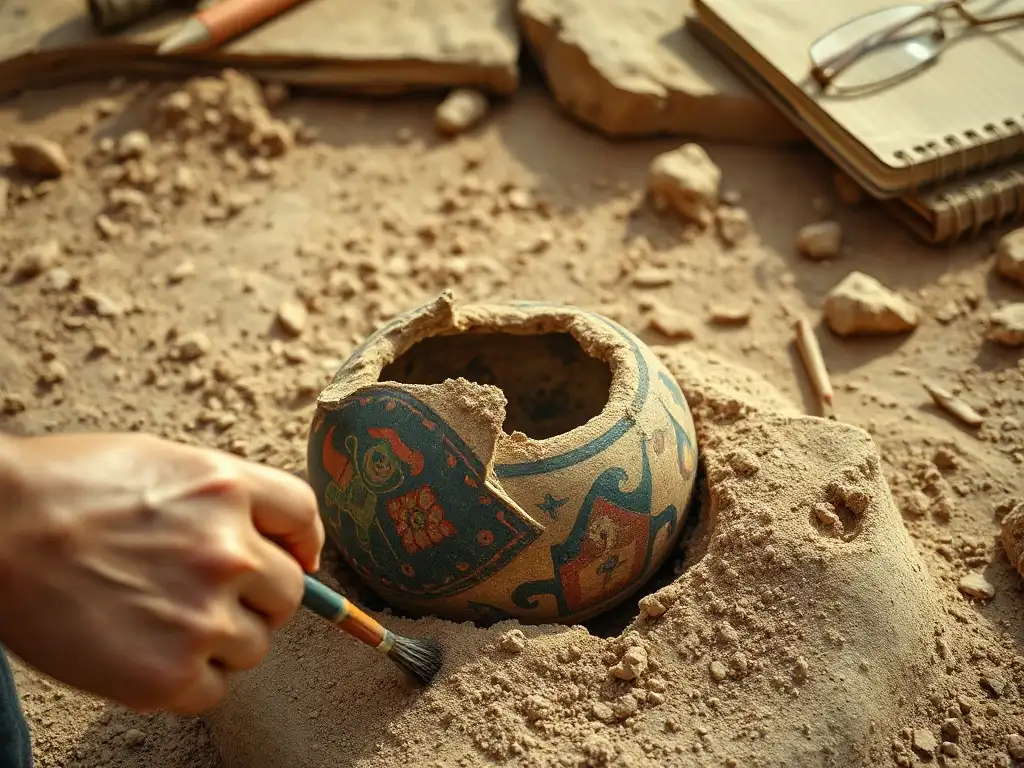
This section delves into the specific archaeological methodologies employed in the study of Moche pottery, a crucial aspect of understanding Moche culture and its artistic achievements. The meticulous application of these techniques allows researchers to glean invaluable insights into the production, distribution, and social significance of Moche ceramics. Understanding these methods is key to appreciating the depth and breadth of Moche pottery archaeological study. The analysis of Moche pottery goes beyond simple aesthetics; it provides a window into the daily lives, religious beliefs, and societal structures of this remarkable civilization.
Excavation Techniques and Moche Pottery Recovery
Excavating Moche sites requires precision and patience. The fragility of the pottery necessitates careful techniques to minimize damage during recovery. Archaeologists often employ strategies like the use of small, hand-held tools, such as trowels and brushes, to gently remove sediment surrounding the artifacts. In areas with high concentrations of pottery, the use of finer screens during sifting helps recover even the smallest fragments.
The location of each piece is meticulously recorded, using three-dimensional mapping techniques, providing crucial context for later analysis. This detailed recording includes the vessel's orientation, depth, and association with other artifacts. For example, the discovery of a ceramic vessel within a burial context might indicate its use in funerary rituals.
The careful documentation of these contextual elements is crucial for interpreting the social and ritual significance of the pottery. Furthermore, the recovery process often involves photography and detailed sketches to document the pottery in situ before removal, enhancing the preservation of information. This comprehensive approach ensures the preservation of crucial information, allowing for a more complete understanding of Moche pottery production and usage.
Ceramic Typology and Classification of Moche Vessels
Ceramic typology is a fundamental method in Moche pottery archaeological study. It involves classifying pottery based on shared characteristics, such as shape, size, surface decoration, and manufacturing techniques. This systematic classification allows researchers to identify patterns and trends in pottery production and distribution across different Moche sites and time periods.
For instance, the identification of specific vessel forms associated with elite burials provides insight into social hierarchy and mortuary practices. Moche pottery is remarkably diverse, exhibiting a wide range of styles and iconography. Typologies are often built upon detailed descriptions and illustrations of representative examples.
These descriptions include measurements, detailed descriptions of the vessel’s shape (e.g., stirrup-spout bottles, bowls, plates), the type of clay used, and the techniques of decoration (e.g., painting, modeling, incision). Careful observation and comparison of these attributes enable the creation of typological classifications that reflect the stylistic evolution and regional variations in Moche ceramic production. Detailed catalogs and databases are created to facilitate the comparison and analysis of these typologies, fostering a deeper understanding of Moche cultural complexity.
Petrographic Analysis: Unveiling the Composition of Moche Pottery
Petrographic analysis is a crucial technique used to understand the materials and production processes of Moche pottery. This method involves the microscopic examination of thin sections of pottery shards to identify the clay minerals and tempering materials used in their manufacture. This analysis provides valuable information about the sources of the raw materials, the technological skills of the potters, and the possible trade networks involved in the distribution of Moche ceramics.
For example, the identification of specific mineral components in the clay can help pinpoint the geographic origin of the clay, shedding light on the procurement strategies employed by Moche potters. Furthermore, the type and quantity of tempering materials—added to the clay to improve its workability and strength—can reveal variations in pottery production techniques across different regions and time periods. The analysis might reveal the use of different tempering materials, such as crushed rock, shell, or fiber, indicating varying levels of technological sophistication or access to resources.
The results from petrographic analysis, when combined with other archaeological data, such as stylistic analysis and excavation context, provide a comprehensive picture of Moche pottery production and its significance within the broader context of Moche society. This multi-faceted approach to Moche pottery archaeological study allows for a more nuanced and complete understanding of this remarkable artistic tradition.
Dating Moche Ceramics: Stratigraphy and Radiocarbon Dating
Dating Moche ceramics is crucial for understanding the chronological development of their artistic styles and technological advancements. Archaeologists employ a variety of methods, with stratigraphy and radiocarbon dating being particularly important. Stratigraphy, the study of rock layers, provides a relative chronology. By carefully excavating and documenting the layers of sediment at a site, archaeologists can determine the relative ages of artifacts found within those layers.
Artifacts found in lower layers are generally older than those in upper layers, assuming the site has not been disturbed. This principle is fundamental to understanding the temporal sequence of Moche pottery styles. For example, the discovery of a particular type of painted vessel consistently within a lower stratum compared to other pottery types in higher strata suggests its earlier production. However, stratigraphy alone cannot provide absolute dates.
Radiocarbon dating, on the other hand, offers a more precise, absolute chronology. This method analyzes the remaining carbon-14 isotopes in organic materials found in association with the pottery. While Moche ceramics themselves are not directly datable using this technique, organic materials like plant remains, textiles, or even food residues found within or near the pottery can be dated. The dates obtained then provide a timeframe for the pottery's creation and use.
The accuracy of radiocarbon dating can be affected by several factors, such as contamination of the sample, the initial carbon-14 concentration in the atmosphere at the time of the organism's death, and the calibration process. Therefore, multiple samples are typically dated to enhance the reliability of the results. The combination of multiple radiocarbon dates from different contexts, along with stratigraphic data, allows for a more nuanced and accurate understanding of the chronology of Moche ceramic production.
This integrated approach helps to build a robust timeline for the evolution of Moche pottery styles and their relationship to broader cultural changes within the Moche civilization. Careful consideration of both stratigraphic context and radiocarbon dating is essential for a comprehensive study of Moche pottery, providing a crucial framework for interpreting the artistic and cultural significance of these remarkable artifacts. The precision of these methods allows researchers to trace the development of Moche ceramic styles through time, revealing subtle shifts in techniques, iconography, and artistic preferences that reflect broader social and political transformations within the Moche society.
Iconography and Narrative in Moche Ceramic Art
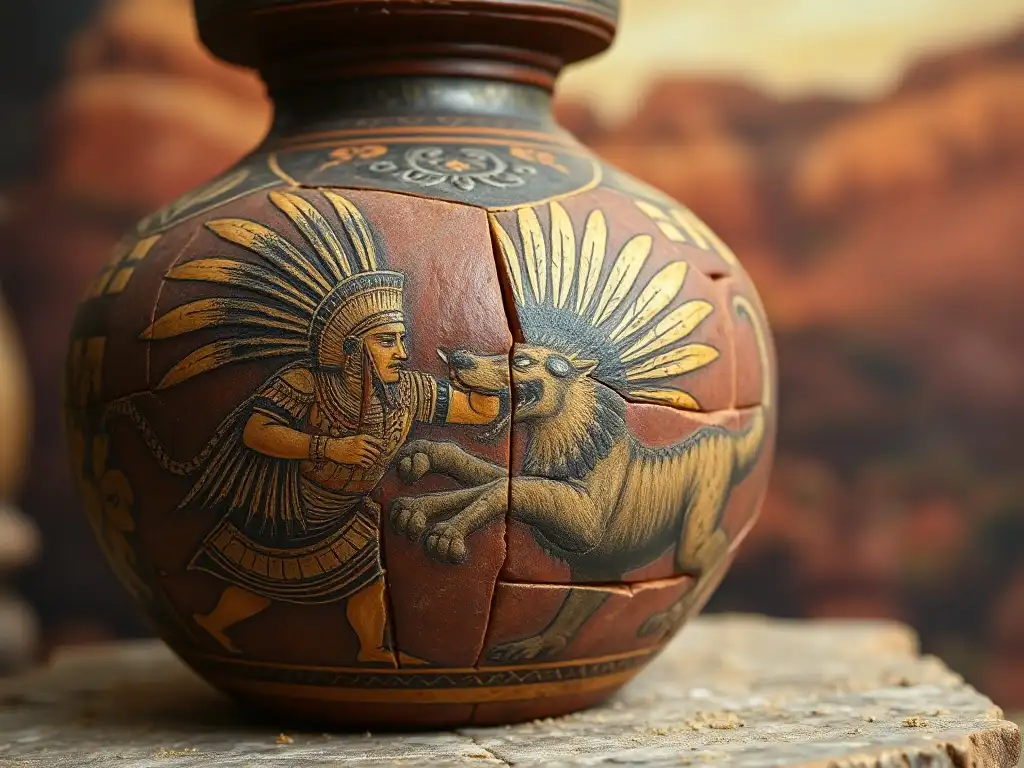
The study of Moche pottery offers an unparalleled window into the beliefs, rituals, and social structures of this fascinating pre-Columbian civilization. Moche ceramic art is not merely decorative; it's a rich tapestry woven with symbolic imagery and narrative scenes that provide invaluable insights into their worldview. Analyzing these artistic expressions through an archaeological lens allows us to reconstruct aspects of their daily life, religious practices, and social hierarchies with remarkable detail.
The vibrant colors, intricate details, and dynamic compositions of Moche pottery are not accidental; they are carefully crafted expressions of a complex and sophisticated culture. The sheer volume of surviving Moche pottery, unearthed through decades of archaeological excavation, provides an extensive database for this study, allowing for detailed comparative analysis and cross-referencing.
Moche Iconography: Deciphering the Meaning of Symbols
Moche iconography is characterized by its diverse and often complex symbolism. Recurring motifs, such as stylized depictions of deities, animals, and mythical creatures, are central to understanding their cosmology. For example, the frequent appearance of the feline deity, often associated with warfare and power, suggests its significant role in Moche society.
Similarly, the depiction of various birds, often linked to shamanic practices and the afterlife, reveals aspects of their spiritual beliefs. Scholars have dedicated extensive research to deciphering the meaning of these symbols, employing a multidisciplinary approach that includes analyzing the context of discovery, comparing similar motifs across different pottery pieces, and drawing parallels with other aspects of Moche culture, such as textile art and metalwork.
The careful study of these symbols allows archaeologists to build a more complete picture of Moche religious practices and their understanding of the world. A comprehensive catalogue of Moche iconography, while still a work in progress, is crucial for advancing this field of study.
Detailed analysis of individual symbols reveals nuanced meanings. For example, the depiction of a specific type of bird, perhaps a condor, might vary subtly depending on its pose or accompanying elements, suggesting different levels of power or ritual significance. The use of color is also highly significant; vibrant reds and yellows often denote power and divinity, while muted earth tones may represent more mundane aspects of life.
This careful attention to detail in the creation of Moche pottery underscores the sophisticated understanding of symbolism within the society. Further research into the specific pigments used and their source locations could potentially reveal even more about their social organization and trade networks.
Narrative Scenes on Moche Pottery: Stories and Rituals
Beyond individual symbols, Moche pottery frequently features elaborate narrative scenes depicting a wide range of activities, from hunting and fishing to warfare and ritual ceremonies. These scenes are not simply decorative; they provide valuable glimpses into the daily lives and social dynamics of the Moche people. For instance, depictions of elaborate feasts suggest the importance of communal gatherings and social hierarchy, while scenes of warfare illustrate the role of conflict in Moche society. These narrative scenes often portray complex interactions between humans, animals, and supernatural beings, providing insights into their mythology and beliefs.
One particularly compelling aspect of Moche narrative pottery is the portrayal of ritual sacrifice. Many vessels depict scenes of human sacrifice, often in connection with religious ceremonies. The careful depiction of these events allows archaeologists to study the rituals and beliefs surrounding sacrifice within Moche culture.
The detailed depiction of the sacrificial victims, their adornments, and the surrounding individuals, provides insights into the social dynamics and ritual practices associated with these events. Analyzing these scenes in conjunction with other archaeological evidence, such as skeletal remains and burial practices, offers a more complete understanding of Moche religious beliefs and social structures. Further research is needed to fully understand the complex interplay of power, religion, and ritual in Moche society, as depicted in their ceramic narratives.
The distribution and style of Moche pottery provide crucial insights into the social structure of the civilization. Archaeological excavations have revealed distinct variations in pottery styles across different regions and social contexts. For example, the presence of elaborate, finely decorated vessels in elite tombs suggests a hierarchical society where access to luxury goods was restricted to the ruling class.
In contrast, simpler, less ornate pottery found in commoner burials indicates a social stratification based on access to resources and social standing. The analysis of pottery styles, along with other archaeological evidence such as architecture and burial goods, allows researchers to reconstruct the social hierarchy and power dynamics within Moche society.
The production of Moche pottery itself likely involved specialized workshops and skilled artisans. The existence of standardized forms and stylistic features suggests a degree of centralized control over production, perhaps reflecting the influence of a ruling elite. However, regional variations in style also point to a degree of local autonomy and craft specialization.
Further research into the production techniques, the distribution of pottery workshops, and the social organization of artisans is needed to fully understand the role of pottery production in shaping Moche social structures. The study of Moche pottery, therefore, provides a multifaceted lens through which to examine the complexities of their social organization and the distribution of power within their society. The careful examination of stylistic variations and contextual data from archaeological excavations continue to reveal the intricate tapestry of Moche social life.
Moche Pottery Production and Technology
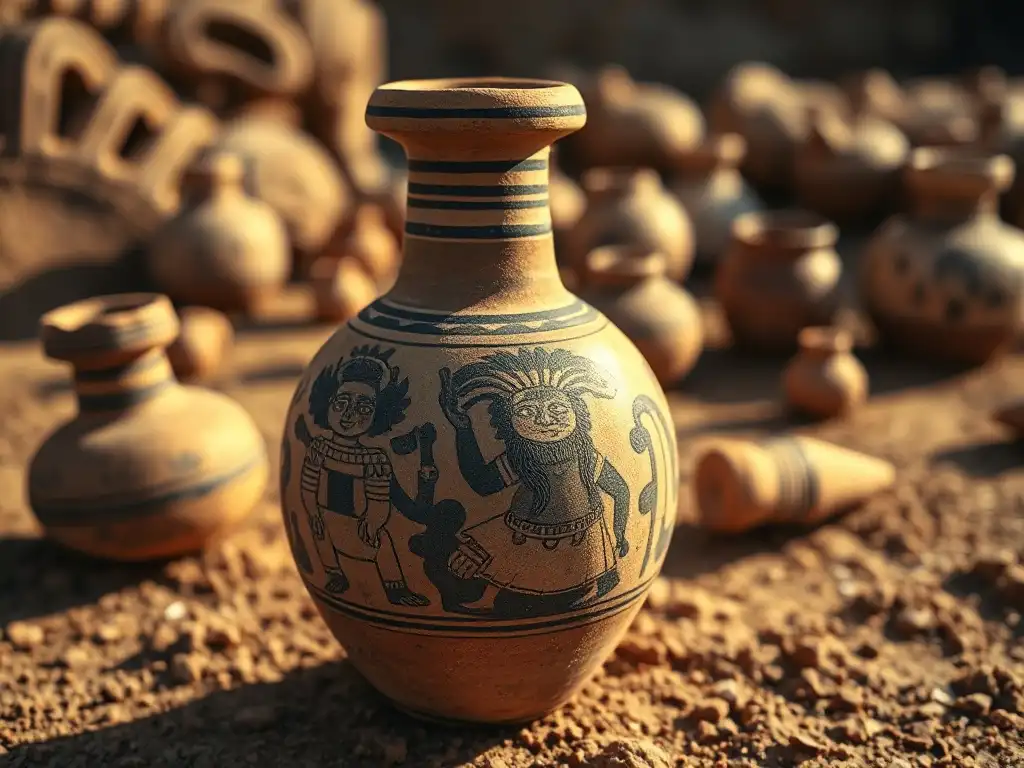
The remarkable artistry of Moche ceramics wasn't solely a matter of creative genius; it was also a testament to sophisticated production techniques and technological advancements. Understanding the Moche pottery production process requires examining archaeological evidence from various sites, revealing insights into the organization of labor, the tools employed, and the materials used. A thorough Moche pottery archaeological study illuminates the impressive scale and complexity of their ceramic industry.
The sheer volume of pottery unearthed highlights the significance of ceramics within Moche society, likely serving both utilitarian and ritualistic purposes. This section delves into the technological aspects of Moche ceramic production, shedding light on the advanced skills and knowledge possessed by these ancient artisans. Analyzing the complete production process – from clay acquisition to final decoration – offers a glimpse into the economic and social structures underpinning this significant aspect of Moche culture.
The integration of scientific methods, such as petrographic analysis of clay sources and residue analysis of pottery fragments, further enhances our understanding of the Moche's technological prowess in ceramic production. This interdisciplinary approach, combining archaeological findings with scientific analysis, provides a more comprehensive picture of Moche pottery technology than ever before.
The Moche Potter's Workshop: Evidence from Archaeological Remains
Archaeological excavations at numerous Moche sites have unearthed compelling evidence of specialized workshops dedicated to pottery production. These workshops, often located near sources of clay or in proximity to settlements, provide invaluable insights into the organization of Moche ceramic production. Evidence suggests a division of labor, with some individuals specializing in specific stages of the process, such as clay preparation, shaping, painting, and firing.
The discovery of kilns, tools, and discarded pottery fragments within these workshops provides tangible evidence of the Moche potter's craft. For example, the site of [Specific Moche site name pending] yielded a large number of incomplete vessels and numerous tools, suggesting a mass production system with a high degree of specialization. The presence of multiple kilns at some sites indicates a significant output, capable of supplying pottery for both local consumption and potentially wider trade networks.
Furthermore, the arrangement of tools and materials within the workshops suggests a well-organized and efficient production process, indicative of a sophisticated understanding of ceramic technology. The meticulous nature of the Moche's work is evident in the uniformity and high quality of the pottery produced, suggesting a level of skill and training that was likely passed down through generations. Analyzing the layout of these workshops, the types of tools found, and the organization of the production process allows us to reconstruct a clearer picture of the daily lives and working conditions of Moche potters.
Ceramic Forming Techniques Used by Moche Artisans
Moche artisans employed a variety of ceramic forming techniques to create their distinctive vessels. The most common method was hand-building, using techniques such as coiling and pinching to shape the clay. Coiling involved rolling out long ropes of clay and layering them to build up the form, while pinching involved shaping the clay by pressing and manipulating it with the fingers. More complex forms were likely created using molds, which allowed for mass production of standardized shapes and designs.
Evidence suggests the use of both simple, one-piece molds and more complex, multipart molds, capable of producing intricate and detailed vessels. The Moche potters were also skilled in the use of modeling techniques, adding decorative elements and figures to the surface of the vessels. The precision and detail achieved in their work are truly remarkable, demonstrating a high level of artistic skill and technical proficiency. The use of different forming techniques allowed the Moche artisans to create a wide range of vessel types, from simple bowls and jars to elaborate effigy vessels and stirrup-spout bottles.
This diversity reflects the multifaceted nature of Moche society and the various uses of pottery within their culture. Further research into the specific techniques used and the tools employed will undoubtedly refine our understanding of Moche ceramic technology and its evolution over time. The study of Moche pottery reveals an impressive understanding of material properties and manipulation techniques.
Moche Pottery Decoration: Techniques and Styles
Moche pottery is renowned for its vibrant colors, intricate designs, and realistic depictions of figures and scenes. The decoration techniques employed by Moche artisans were sophisticated and varied, contributing significantly to the uniqueness and artistic merit of their work. Common techniques included slip painting, incision, and modeling. Slip painting involved applying a liquid clay suspension of a different color to the surface of the vessel, creating a smooth, even coating. Incision involved carving designs into the surface of the pottery before firing, sometimes filled with a contrasting color slip for emphasis.
Modeling involved adding three-dimensional elements to the surface, creating realistic representations of figures, animals, and other objects. The Moche potters utilized a wide range of pigments, derived from natural sources such as minerals and plants. These pigments were meticulously ground and mixed to create a palette of colors that included red, black, white, yellow, and various shades of brown. The combination of different decorative techniques, along with the use of a diverse range of colors, resulted in a stunning array of styles and designs. Themes frequently depicted include scenes of warfare, rituals, mythology, and everyday life.
The level of detail and realism achieved in some pieces is truly exceptional, demonstrating the high level of artistic skill possessed by Moche artisans. The Moche pottery archaeological study reveals a deep understanding of color theory and the ability to create visually striking and aesthetically pleasing designs. The stylistic variations observed in Moche pottery may reflect regional differences, chronological changes, or perhaps even the specialization of individual workshops or artists. Further investigation into these stylistic variations will provide additional insights into the complex social and cultural dynamics of Moche society.
Case Studies: Archaeological Discoveries of Moche Pottery
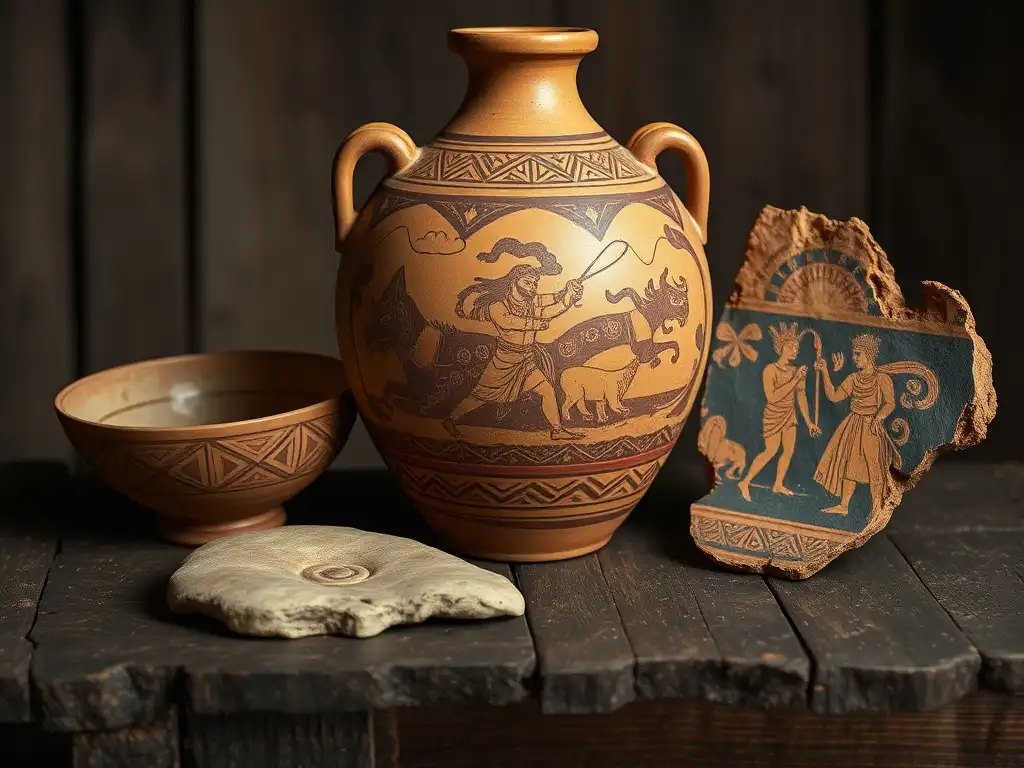
This section delves into specific archaeological discoveries that have significantly advanced our understanding of Moche pottery, providing crucial insights into their artistic techniques, societal structures, and religious beliefs. The study of Moche pottery, a cornerstone of Moche archaeological study, reveals a complex and vibrant culture. We will explore key examples demonstrating the richness and diversity of Moche ceramic production.
Huaca de la Luna: Ceramic Evidence of Ritual Practices
The Huaca de la Luna, a massive adobe pyramid located in the Moche Valley, is a treasure trove of information regarding Moche ritual practices. Excavations have unearthed numerous ceramic artifacts, many fragmented but still revealing crucial details. These fragments, meticulously pieced together by archaeologists, reveal a range of vessel types, from large ceremonial jars to smaller, intricately decorated offerings. The sheer quantity of pottery discovered at Huaca de la Luna underscores the importance of ceramics in Moche religious life.
Analysis of the imagery on these vessels provides further insight. Many depict scenes of ritual sacrifice, warfare, and mythical beings, suggesting their use in ceremonies and rituals. The presence of specific motifs, such as decapitated figures or stylized felines, consistently appear, pointing towards a complex system of beliefs and practices. Furthermore, the high quality and elaborate decoration of many of these pieces indicate their importance and the skilled craftsmanship of the Moche potters, highlighting the significant social status associated with ceramic production.
The careful placement of certain vessels within specific ritual contexts also suggests a deliberate and structured approach to ritual performance. For example, the discovery of intricately painted vessels alongside human remains provides strong evidence for sacrificial offerings. This detailed Moche pottery archaeological study allows us to reconstruct aspects of their religious worldview.
The Ulla Collection: A Study of Elite Moche Vessels
The Ulla Collection, a renowned private collection of Moche pottery, offers a unique perspective on the artistic achievements and social hierarchy of the Moche civilization. This collection comprises exceptionally well-preserved and elaborately decorated vessels, many exhibiting a level of craftsmanship rarely seen in other Moche pottery assemblages. The collection's significance lies in its representation of elite Moche artistry.
The vessels in the Ulla Collection frequently depict scenes of elaborate feasts, processions, and powerful figures, suggesting they were likely used in elite contexts. The use of vibrant colors, intricate designs, and high-quality materials points towards a specialized production process, likely reserved for the creation of elite goods. The stylistic consistency across many of these pieces also hints at a centralized system of production and distribution, potentially controlled by a powerful ruling class.
Furthermore, the presence of specific iconographic elements, such as stylized portraits of rulers or depictions of warfare, provides valuable information about Moche political structures and social hierarchies. A detailed study of the Ulla Collection's Moche pottery adds significantly to our understanding of the elite's role in Moche society. Further research into the provenance of these pieces is needed to fully understand their original context.
Regional Variations in Moche Pottery: A Comparative Analysis
While Moche pottery exhibits certain stylistic consistencies across its geographic range, careful analysis reveals significant regional variations. These differences reflect not only variations in artistic styles but also potentially distinct social and economic practices across the Moche heartland. This comparative analysis of Moche pottery from different regions helps us understand the extent of cultural interaction and the level of autonomy within different Moche communities.
For example, pottery from the northern Moche valleys often features a distinctive use of red and black pigments, creating bold and striking designs. In contrast, pottery from the southern valleys tends to utilize a wider range of colors and incorporates different stylistic elements, such as the frequent depiction of specific marine life. These regional differences in style and iconography might reflect variations in local artistic traditions, access to resources, or even distinct social structures within different Moche communities.
[Specific data on pottery types from different regions pending]. Further research is needed to fully understand the socio-economic factors driving these regional variations, furthering our understanding of Moche pottery archaeological study. A comprehensive database comparing stylistic elements across different Moche regions would greatly benefit this area of research.
The Importance of Moche Pottery in Archaeological Research
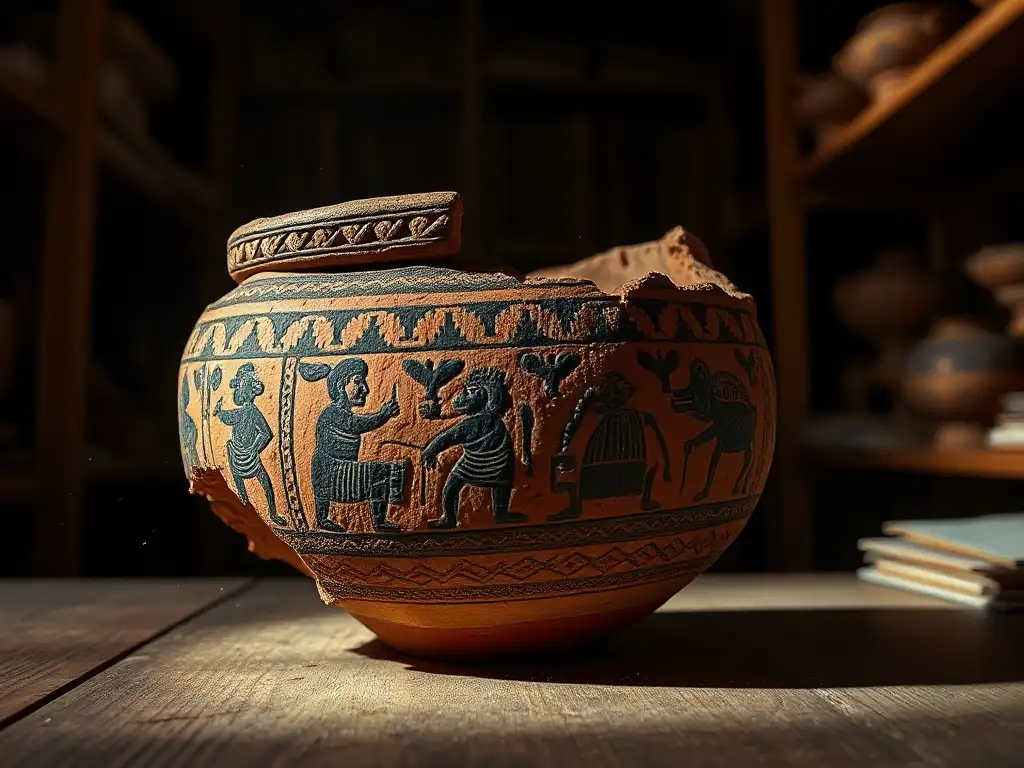
Moche pottery holds an unparalleled position in Andean archaeology, offering a unique and invaluable lens through which to understand the Moche civilization (c. 100-800 CE). Unlike many other ancient cultures, the Moche left behind a remarkably extensive and well-preserved collection of ceramic artifacts. This abundance, coupled with the intricate detail and stylistic variations within the pottery, provides archaeologists with an unparalleled dataset for reconstructing various aspects of Moche life.
The sheer volume of Moche pottery discovered – from simple utilitarian vessels to elaborate portrait jars – allows for statistical analysis, revealing patterns and trends in production, distribution, and social organization that would be impossible to glean from other sources. The study of Moche pottery archaeological study is therefore crucial to understanding this complex society. The detailed iconography, often depicting scenes of daily life, rituals, and mythology, provides insights far beyond simple material culture.
Moche Ceramics as a Window into Moche Beliefs and Practices
Moche pottery serves as a primary source for understanding Moche religious beliefs and ritual practices. The highly stylized depictions of deities, mythical creatures, and ritual scenes found on many vessels offer invaluable clues into the cosmology and worldview of this ancient society. For example, the frequent portrayal of decapitation scenes, often involving ritual sacrifice, provides insights into the importance of these practices within Moche society.
Analysis of these depictions, considering their context within larger assemblages of pottery, helps archaeologists interpret their symbolic meaning and significance. Furthermore, the careful study of the materials used in creating the pottery – including the types of clay, pigments, and firing techniques – can reveal information about the social organization of pottery production and the potential existence of specialized workshops or craft guilds. The presence of specific motifs or iconographic elements on certain types of vessels can also indicate their use in specific rituals or ceremonies.
The detailed representation of paraphernalia associated with rituals, such as ceremonial paraphernalia, further enriches our understanding. The study of Moche pottery archaeological study thus allows us to reconstruct a vibrant picture of their spiritual world.
The Preservation and Conservation of Moche Artifacts
The preservation of Moche pottery is of paramount importance for the continuation of research and the safeguarding of this invaluable cultural heritage. The fragility of these artifacts, often due to the age and materials used, necessitates careful excavation techniques and rigorous conservation efforts. Archaeologists utilize specialized tools and methods to minimize damage during excavation, and once recovered, the artifacts undergo a thorough cleaning and stabilization process to prevent further deterioration.
This often involves meticulous removal of soil and encrustations, followed by the application of consolidants to strengthen the pottery and prevent cracking or flaking. Furthermore, the development of non-invasive analytical techniques, such as X-ray fluorescence (XRF) and multispectral imaging, allows for the detailed study of the pottery's composition and decoration without causing any physical damage.
The long-term preservation of Moche pottery requires a multi-faceted approach encompassing controlled storage conditions, careful handling procedures, and ongoing monitoring for signs of deterioration. The ongoing effort to preserve Moche pottery is essential to ensure that future generations can continue to benefit from the insights provided by these remarkable artifacts.
The Ongoing Research and Future Directions in Moche Pottery Study
Research into Moche pottery continues to evolve, incorporating new technologies and methodologies to unlock further insights into this fascinating culture. The application of advanced imaging techniques, such as 3D scanning and photogrammetry, allows for the creation of detailed digital models of the pottery, facilitating detailed analysis and the dissemination of research findings to a wider audience. Furthermore, advancements in geochemical analysis are providing increasingly precise information about the sources of the raw materials used in pottery production, shedding light on trade networks and the extent of Moche interaction with other groups. Future research could focus on:
- Developing a more comprehensive typology of Moche pottery: This would involve a more systematic classification of the vast number of known vessels, taking into account stylistic variations, iconographic motifs, and technological features.
- Investigating the relationship between pottery style and social status: This could involve analyzing the distribution of different types of pottery in Moche sites, to determine whether certain styles were associated with particular social groups or elites.
- Exploring the use of pottery in funerary contexts: A more detailed study of the pottery found in Moche tombs could provide further insights into burial rituals and beliefs about the afterlife.
The ongoing Moche pottery archaeological study promises to reveal even more about this captivating civilization.
Conclusion: The Legacy of Moche Ceramics
The meticulous archaeological study of Moche pottery has revolutionized our understanding of this fascinating pre-Columbian culture. By carefully excavating sites, meticulously documenting finds, and employing advanced analytical techniques, archaeologists have unveiled a wealth of information about Moche society, beliefs, and daily life. This isn't just about digging up old pots; it's about reconstructing a vibrant civilization lost to time.
The enduring legacy of Moche ceramics lies not only in their artistic merit but also in their unparalleled capacity to illuminate the past. The detailed scenes depicted, the sophisticated techniques employed, and the sheer volume of surviving artifacts offer a unique window into a world that otherwise might have remained largely unknown.
This continued research and analysis ensures the Moche legacy remains vibrant and relevant for generations to come. The study of Moche pottery continues to offer new discoveries and fresh perspectives, demonstrating the ongoing importance of archaeological investigation in uncovering the secrets of the past.
Summarizing the Importance of the Archaeological Study of Moche Pottery
The archaeological study of Moche pottery is paramount for several reasons. First, it provides invaluable insights into the Moche social structure. The intricate depictions on the vessels often showcase scenes of warfare, religious rituals, and daily life, offering glimpses into the hierarchy and social dynamics of the time. For example, the prevalence of certain motifs on elite-associated pottery versus everyday pottery reveals significant information about social stratification.
Secondly, the study of Moche pottery helps us understand their religious beliefs. Many vessels depict deities, mythical creatures, and ritualistic scenes, providing crucial clues to their cosmology and spiritual practices. The careful analysis of these iconographic elements has allowed researchers to piece together a complex and fascinating religious system. Finally, the technological advancements reflected in Moche pottery shed light on their mastery of ceramic production.
The precision, artistry, and innovative techniques employed in creating these vessels demonstrate a high level of skill and technological sophistication. Analyzing the clay composition, firing techniques, and painting styles reveals the evolution of their ceramic technology over time, highlighting the ingenuity of Moche artisans. The ongoing archaeological study of Moche pottery, therefore, is crucial for a comprehensive understanding of this remarkable civilization.
The Enduring Value of Moche Ceramics as Art and Historical Artifacts
Moche ceramics transcend their status as mere archaeological finds; they are simultaneously exquisite works of art and invaluable historical artifacts. Their artistic merit is undeniable; the vibrant colors, intricate designs, and lifelike depictions showcase the exceptional skill of Moche artisans. The vessels themselves are often aesthetically stunning, demonstrating a profound understanding of form and composition.
Beyond their artistic value, however, Moche ceramics serve as primary sources for understanding Moche history and culture. The scenes depicted on the pottery provide irreplaceable visual records of their society, offering a level of detail unavailable through other sources. These artifacts serve as tangible links to the past, allowing us to connect with the lives, beliefs, and experiences of the Moche people in a visceral way.
The preservation and ongoing study of these ceramics are therefore vital not only for the advancement of archaeological knowledge but also for the appreciation of a remarkable artistic legacy. Their enduring value lies in their ability to bridge the gap between the past and the present, offering a captivating and insightful glimpse into a lost world. The continued study of these magnificent pieces ensures that the story of the Moche people continues to resonate with audiences worldwide.
Frequently Asked Questions
What makes Moche pottery so significant in archaeological studies?
Moche pottery offers invaluable insights into their daily life, religious beliefs, and social structures. The intricate details and diverse subjects depicted provide a rich source of information unavailable elsewhere. Figurative representations are particularly revealing.
How do archaeologists study Moche pottery?
Archaeologists employ various techniques, including stylistic analysis, iconographic interpretation, and scientific dating methods like radiocarbon dating and thermoluminescence. They also analyze the clay composition and pigments used in the pottery's creation.
What are some common themes or motifs found in Moche pottery?
Common themes include portraits of rulers, depictions of warfare and rituals, and representations of the natural world, including animals and plants. Many pieces depict scenes of eroticism and ritual sacrifice.
What is the significance of the Moche's use of color in their pottery?
The vibrant colors used in Moche pottery were not merely decorative; they likely held symbolic meaning, possibly reflecting social status, religious significance, or even specific events or individuals. The pigments used are also studied to understand their origins and techniques.
Where can I learn more about the archaeological study of Moche pottery?
You can explore academic journals, museum websites, and books focused on Andean archaeology and the Moche culture. Many university libraries also house extensive collections of relevant research papers.
Final Reflection: Echoes of the Moche: A Legacy in Clay
The vibrant artistry of the Moche civilization, preserved through the meticulous study of their ceramics, continues to resonate powerfully in the 21st century. Their intricate depictions of daily life, mythology, and ritual offer a unique window into a sophisticated society that thrived centuries ago, challenging our preconceived notions of ancient Andean cultures and reminding us of the enduring power of human creativity. The meticulous archaeological work uncovering these fragile masterpieces provides invaluable insight into a lost world, a world we can only begin to understand through the careful study of these remarkable artifacts.
The enduring influence of Moche pottery extends far beyond the academic sphere; it permeates our understanding of ancient Andean art and its lasting impact on subsequent cultures. These pieces, with their bold colors and evocative imagery, continue to inspire artists and designers today, demonstrating the timeless appeal of their aesthetic and the enduring power of their narratives. The past is never dead. It's not even past.
– William Faulkner. This quote perfectly encapsulates the ongoing relevance of Moche ceramics, their stories echoing across millennia, shaping our present understanding and informing our future interpretations.
Consider the intricate details, the vibrant hues, the powerful narratives frozen in time within each piece of Moche pottery. You, the reader, are now part of this ongoing conversation. Take a moment to reflect on the legacy of the Moche, not just as a historical event, but as a testament to human ingenuity, resilience, and the enduring power of artistic expression. Let their artistry inspire you to seek out the stories hidden within the objects around you, to appreciate the rich tapestry of human history, and to contribute to the ongoing preservation and understanding of our shared past.
Unveil the Rich Stories of Moche Ceramics!
Thank you for exploring the fascinating world of Moche ceramics with us! We hope you gained valuable insights into the artistry and culture reflected in these incredible artifacts. Now, let's delve deeper!
Here are some ways you can continue your exploration:
- Visit local museums showcasing Andean art and artifacts. You might be surprised by where you discover Moche ceramics!
- Join an online community or forum dedicated to archaeology or Andean studies to connect with like-minded individuals and share ideas.
- Share your favorite Moche art facts on social media; help spread the word about this remarkable culture!
What aspect of Moche ceramics captivated you most, and how will you integrate this knowledge into your understanding of Andean heritage? We'd love to hear your thoughts!