
Pizarro's Psychological Warfare: How Fear and Deception Played a Role

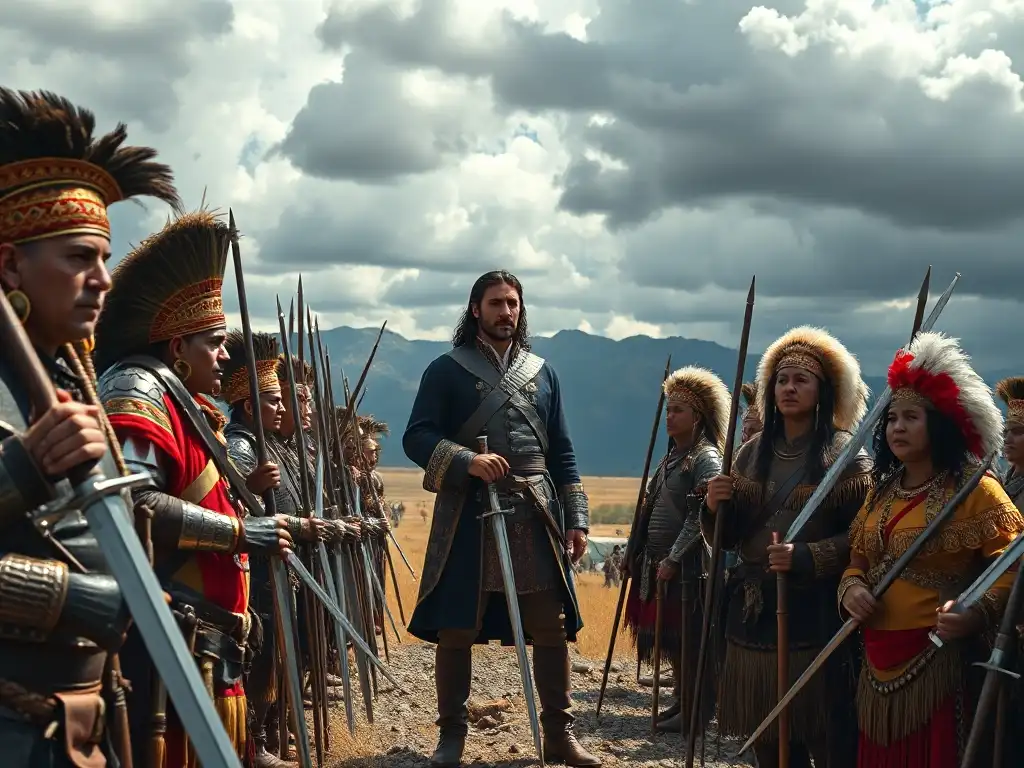
Unravel the mysteries of the Andes! Journey through millennia of breathtaking ingenuity and powerful empires, from the intricate artistry of the Nazca to the sophisticated engineering of the Incas. But even the mightiest civilizations can fall... Discover how Pizarro's conquest wasn't just about brute force, but a chilling masterpiece of psychological warfare that shattered the Inca Empire. Prepare to be captivated by a story of manipulation, fear, and the ultimate downfall of a remarkable civilization. Read on to uncover the truth behind this pivotal moment in history.
- Pizarro's Psychological Warfare: A Key Factor in the Inca Conquest
- Understanding Pizarro’s Strategy: Fear as a Weapon
- Deception and Manipulation: Key Tactics of the Conquest
- The Psychological Impact on the Inca People
- Pizarro's Psychological Warfare: A Turning Point in the Inca Conquest
-
Frequently Asked Questions
- What role did psychological warfare play in Pizarro's conquest of the Inca Empire?
- How did Pizarro exploit Inca beliefs and customs?
- What specific tactics did Pizarro use in his psychological warfare campaign?
- Was Pizarro's use of psychological warfare solely responsible for the Inca conquest?
- How did the Inca respond to Pizarro's psychological tactics?
- Final Reflection: The Enduring Legacy of Fear and Deception
- Unleash Your Curiosity: Explore the Power of Psychological Strategies!
Pizarro's Psychological Warfare: A Key Factor in the Inca Conquest
The Spanish conquest of the Inca Empire wasn't solely a military endeavor; it was a meticulously crafted campaign of psychological warfare. Francisco Pizarro's success hinged not only on superior weaponry but also on his masterful exploitation of Inca vulnerabilities, employing fear, deception, and manipulation to fracture the empire from within and pave the way for its eventual downfall.
This article delves into the psychological strategies Pizarro employed, highlighting how these tactics, combined with military force, proved instrumental in achieving a seemingly improbable victory against a vastly larger and, at the time, seemingly more powerful civilization. We'll explore the pre-existing tensions within the Inca Empire, Pizarro's calculated actions to exacerbate these divisions, and the devastating psychological impact on the Inca people which ultimately led to their conquest.
Understanding this crucial aspect of the conquest provides a more nuanced and complete picture of this pivotal moment in history. The effective use of psychological warfare by Pizarro serves as a cautionary tale about the power of manipulation and the fragility of even the most seemingly invincible empires.
The Context of the Inca Empire Before Pizarro
Before Pizarro's arrival, the Inca Empire, while vast and impressive, was not without its internal fragilities. The death of Huayna Capac in 1527, likely due to smallpox brought by Europeans, triggered a brutal succession crisis between his sons Huáscar and Atahualpa. This civil war, fought with intense ferocity, significantly weakened the empire, leaving it vulnerable to external threats.
The conflict fractured the Inca army, depleted its resources, and sowed deep distrust among its various provinces. The ensuing power struggle, characterized by widespread violence and political instability, created a breeding ground for Pizarro's psychological manipulation. The Inca societal structure, highly centralized under the Sapa Inca, also proved a weakness; the sudden disruption of its leadership created a power vacuum that Pizarro expertly exploited.
The Inca people, accustomed to a highly ordered and structured society, were ill-equipped to handle the chaos and uncertainty that followed the civil war, making them more susceptible to the Spanish narrative. Their deeply ingrained respect for authority and their belief in the divine right of the Sapa Inca were also skillfully manipulated by Pizarro to achieve his aims.
Francisco Pizarro's Arrival and Initial Encounters with the Inca
Pizarro's arrival in 1532 was not a chance encounter. He had carefully studied the Inca Empire's internal strife, using this knowledge to formulate a strategy that prioritized psychological warfare over outright military confrontation. His relatively small force, armed with superior weaponry and aided by the existing political turmoil, played a crucial role in shaping the narrative of their arrival.
The initial encounters between Pizarro's men and the Inca were carefully orchestrated to project an image of overwhelming power and invincibility. The Spanish conquistadors, with their horses, steel armor, and firearms – all completely unknown to the Inca – created an aura of fear and awe. This initial display of power, combined with the Inca’s already weakened state, laid the groundwork for subsequent psychological manipulation.
Pizarro understood the importance of manipulating perceptions, skillfully using propaganda and showcasing the devastating capabilities of European weaponry to demoralize and subdue the Inca. The capture of Atahualpa, the Inca Emperor, at the Battle of Cajamarca, was a masterclass in this strategy, a carefully planned ambush that exploited the Inca's trust and naiveté, ultimately leading to Atahualpa's captivity and the subsequent collapse of the empire’s leadership. The psychological impact of this event on the Inca people was profound, shattering their confidence and fostering widespread fear and uncertainty.
Understanding Pizarro’s Strategy: Fear as a Weapon
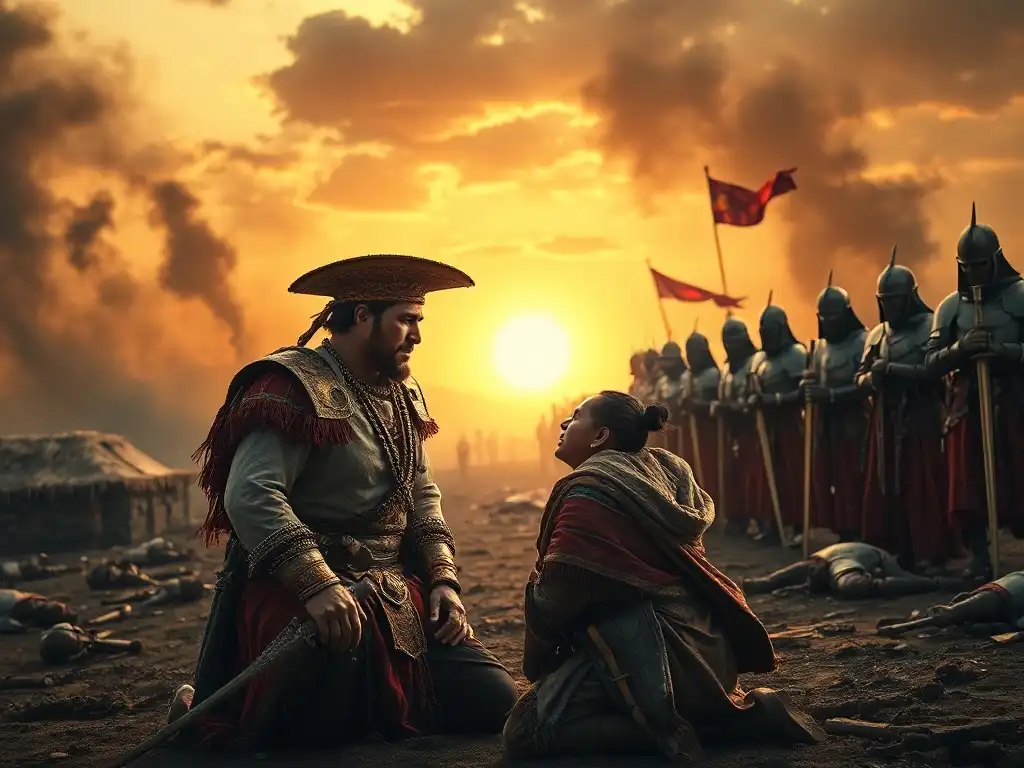
Pizarro's conquest of the Inca Empire wasn't solely a military victory; it was a masterful display of psychological warfare, leveraging fear and deception to overcome a numerically superior opponent. His strategy wasn't just about brute force; it was about systematically dismantling the Inca's confidence and will to resist. This involved exploiting existing societal vulnerabilities, manipulating beliefs, and employing a carefully orchestrated campaign of terror.
Understanding this aspect is crucial to comprehending the swiftness and relative ease with which a relatively small Spanish force managed to subjugate a vast and powerful empire. The keyword "Pizarro Inca conquest psychological warfare" perfectly encapsulates this strategic approach.
Exploiting Inca Beliefs and Prophecies
The Inca civilization, like many others, held strong beliefs in prophecies and omens. Pizarro shrewdly exploited these beliefs to his advantage. While specific details of the prophecies used are debated by historians, the general consensus points to the Spanish arrival being interpreted, or at least manipulated to be interpreted, as a fulfillment of an ancient prediction.
This interpretation, whether genuine or fabricated, sowed seeds of doubt and uncertainty within the Inca leadership. The appearance of strange, powerful beings wielding unknown technologies (guns, cannons, horses) further fueled this sense of foreboding and divine intervention. The Spanish conquistadors carefully cultivated this perception, presenting themselves as beings of immense power, sent by a higher power to reshape the Inca world.
This manipulation of religious beliefs played a critical role in undermining the Inca's morale and their ability to mount a unified and effective resistance. Reports from Spanish chroniclers, while biased, consistently emphasize the impact of these perceived prophecies on the Inca's collective psyche.
The Use of Superior Weaponry for Psychological Impact
Pizarro's forces possessed technological advantages that went beyond simple military superiority. The psychological impact of firearms, cannons, and steel weapons on the Inca army was immense. The noise, the smoke, and the devastating power of these weapons were unlike anything the Inca had ever encountered. This created a sense of awe and terror, reinforcing the perception of the Spaniards as supernatural beings.
The Inca's weaponry, primarily consisting of clubs, spears, and slings, proved ineffective against the Spanish armor and firearms. This disparity in military technology wasn't just a matter of firepower; it was a powerful psychological weapon that instilled fear and demoralized the Inca soldiers. The relatively few casualties inflicted by the Spanish forces in initial encounters, amplified by the dramatic effect of the weaponry, further fueled this perception of invincibility.
Spreading Fear through Acts of Violence and Intimidation
Pizarro's strategy also involved a deliberate campaign of terror. The Spanish forces weren't shy about demonstrating their ruthlessness. Massacres, executions, and the systematic destruction of Inca infrastructure served not only to eliminate resistance but also to spread fear and demoralize the population. The brutality of the Spanish conquistadors created an atmosphere of constant dread, preventing the Inca from organizing effective opposition.
The use of hostages, torture, and public displays of violence were all integral parts of Pizarro's psychological warfare strategy. These acts of terror aimed to paralyze the Inca leadership, discouraging any attempts at rebellion and fostering an environment of submission and compliance. The Spanish meticulously employed these tactics, ensuring their actions were witnessed by as many Inca people as possible, thus maximizing their psychological impact and furthering the conquest. This systematic dissemination of fear was as effective, if not more so, than any direct military engagement.
Deception and Manipulation: Key Tactics of the Conquest
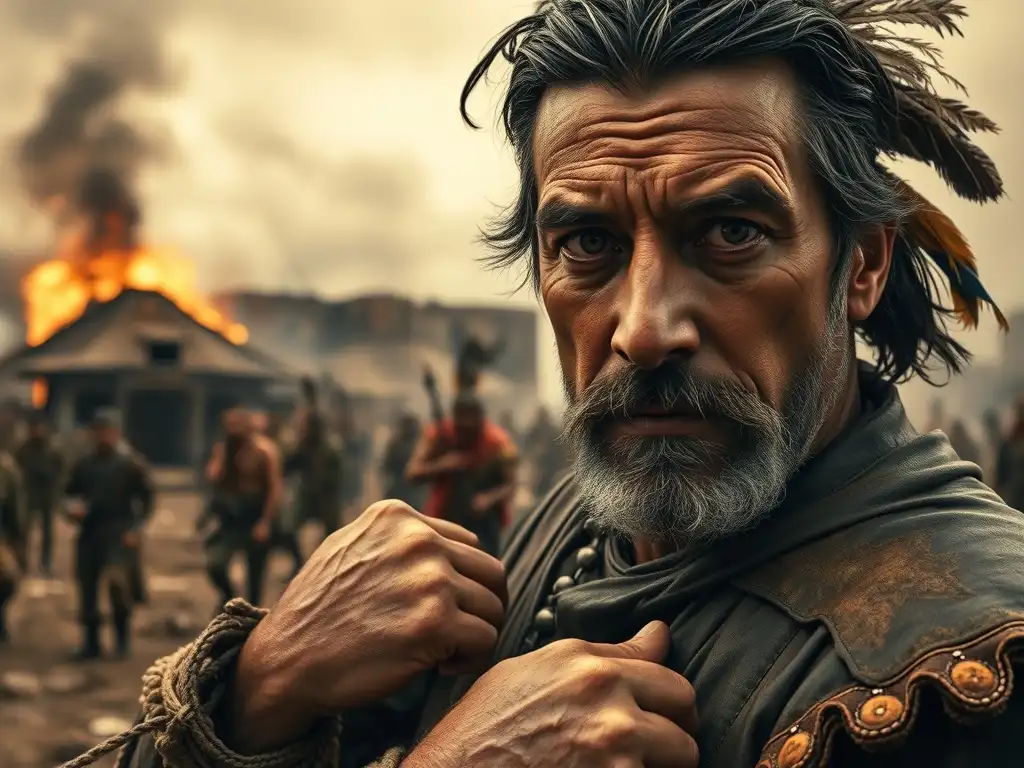
The Spanish conquest of the Inca Empire wasn't solely a military endeavor; it was a meticulously crafted campaign of psychological warfare. Pizarro and his conquistadors expertly exploited existing Inca vulnerabilities, leveraging fear, deception, and manipulation to achieve a victory far exceeding their numerical advantage. Understanding the psychological strategies employed is crucial to comprehending the swift and decisive nature of the conquest.
The Spanish weren't just fighting an army; they were dismantling an empire from within, using propaganda, false promises, and calculated acts of terror to sow discord and break the Inca's will to resist. This section will delve into the specific tactics employed, highlighting the crucial role of psychological warfare in Pizarro's ultimate success.
Pizarro's False Promises and Betrayals
Pizarro's success hinged on his ability to exploit the Inca's inherent trust and their belief in reciprocal generosity. He repeatedly employed a strategy of false promises and calculated betrayals, skillfully playing on the Inca's ingrained cultural values. Initial interactions often involved lavish gifts and seemingly amicable gestures, designed to foster a sense of security and cooperation. This approach, however, was purely tactical. Once the initial trust was established, Pizarro would ruthlessly violate agreements, using the resulting breach of faith to further destabilize the Inca leadership and sow distrust amongst the population.
For example, the infamous meeting at Cajamarca serves as a prime example. Pizarro, under the guise of peaceful negotiation, lured Atahualpa and his retinue into a carefully laid trap. The subsequent massacre was not only a military victory but a devastating psychological blow, shattering the image of the invincible Inca emperor and deeply impacting the morale of his followers.
This act of blatant betrayal served as a potent demonstration of Spanish power and ruthlessness, effectively undermining the Inca's confidence in their own strength and leadership. The subsequent ransoming of Atahualpa, despite the eventual execution, further showcased the Spanish ability to manipulate the Inca's values for their gain. The sheer scale of the gold demanded and the ultimate betrayal only served to deepen the psychological impact of Pizarro's actions.
Manipulating Inca Political Factions
The Inca Empire, while powerful, was not without internal divisions. Pizarro shrewdly exploited these pre-existing tensions and rivalries, using them as tools to further his conquest. By strategically allying with dissident factions and exploiting existing power struggles, he managed to divide the Inca forces and weaken their overall resistance. This approach involved providing support to those who opposed the reigning emperor, fueling internal conflicts and creating an environment of uncertainty and mistrust.
The Spanish understood that a unified Inca Empire posed a significant threat. Their strategy, therefore, focused on preventing such unity. This involved not only military tactics but also the strategic dissemination of misinformation and the exploitation of existing power dynamics. By subtly supporting factions opposed to Atahualpa, for instance, they destabilized the empire from within, creating a climate of fear and uncertainty that further hampered the Inca's ability to mount an effective defense. This subtle manipulation, combined with the brutality of the Spanish military actions, proved incredibly effective in achieving the conquest.
The Capture of Atahualpa: A Calculated Act of Deception
The capture of Atahualpa at Cajamarca wasn't a stroke of luck; it was a meticulously planned operation rooted in psychological warfare. The Spanish deliberately created an atmosphere of false security, using carefully crafted strategies to lure the Inca emperor into a trap. The seemingly peaceful approach, the gifts exchanged, and the assurances of friendship were all part of a larger deception designed to disarm Atahualpa and his entourage. The ensuing massacre was not only a military victory but a symbolic act designed to break the Inca's spirit and demoralize their troops.
The sheer brutality of the ambush at Cajamarca was carefully calculated. The element of surprise, the overwhelming display of Spanish firepower, and the swift and merciless slaughter of Inca nobles were all designed to instill terror and shatter the Inca's perception of their own invincibility. The capture of Atahualpa himself was the ultimate prize, symbolizing the complete collapse of Inca authority.
The subsequent ransoming and eventual execution of Atahualpa served as a powerful statement, reinforcing the Spanish dominance and further crippling the Inca's ability to resist. The event served as a potent symbol of Spanish power and ruthlessness, effectively undermining the Inca's confidence in their own strength and leadership. This calculated act of deception underscores Pizarro's mastery of psychological warfare and its crucial role in the Spanish conquest.
The Psychological Impact on the Inca People
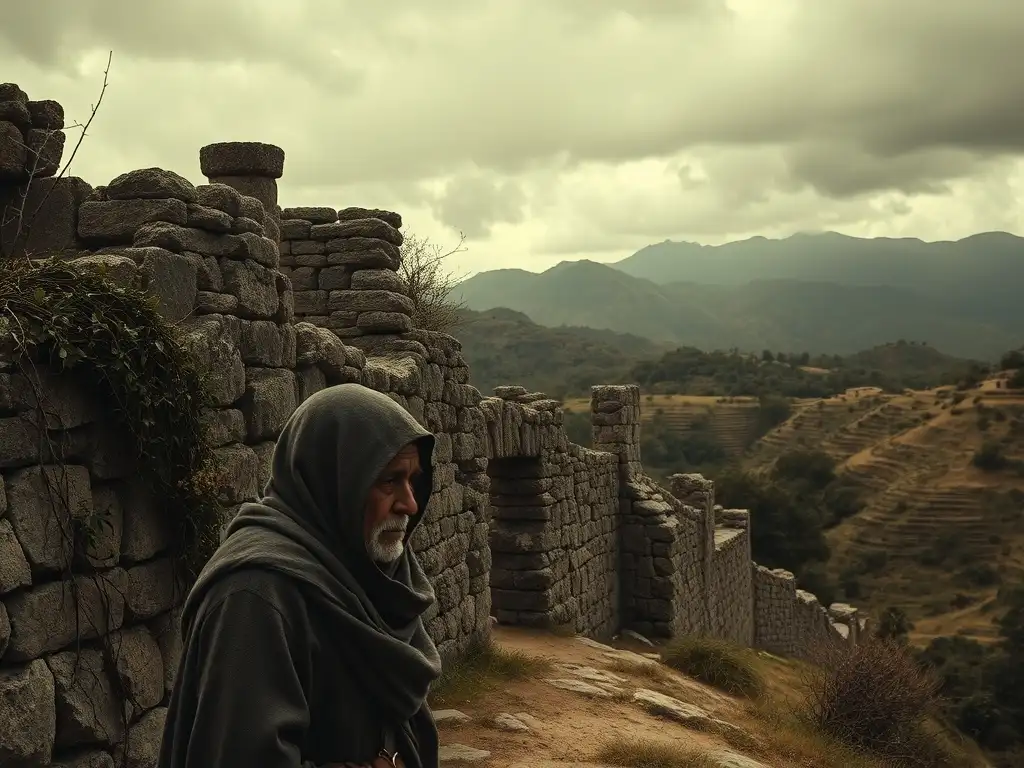
The Spanish conquest of the Inca Empire was not solely a military victory; it was a masterful campaign of psychological warfare, expertly orchestrated by Francisco Pizarro and his conquistadors. Pizarro understood that conquering a vast empire like the Inca's required more than just superior weaponry; it demanded the systematic dismantling of their belief systems, social structures, and ultimately, their will to resist. This section will explore the profound psychological impact of Pizarro's tactics on the Inca people, demonstrating how fear and deception played a crucial role in the empire's downfall.
The effective deployment of psychological warfare by Pizarro in the Inca conquest is a critical aspect of understanding the historical event. Analyzing the psychological effects allows for a more nuanced understanding of the conquest beyond simple military strategies.
The Disorientation and Panic Caused by Spanish Tactics
Pizarro's forces employed a range of tactics designed to sow confusion and terror among the Inca population. The unexpected arrival of the Spanish, with their strange weaponry (cannons, firearms) and unfamiliar horses, created immediate disorientation. The Inca had never encountered such technology, leading to widespread fear and disbelief. Accounts from the time describe the sheer panic caused by the booming cannons, the horses' terrifying charges, and the seemingly magical power of the conquistadors' steel weaponry. This initial shock was carefully cultivated by Pizarro, who used it to his advantage.
The Spanish also strategically exploited the Inca's belief systems. They presented themselves as beings with supernatural powers, using religious symbols and rituals to manipulate the Inca's perception of their capabilities. This manipulation played on existing anxieties and superstitions within Inca society, further amplifying the sense of fear and uncertainty. The sudden appearance of these "supernatural" beings, wielding technology far beyond anything the Inca had ever seen, caused widespread panic and a breakdown of established social order.
Furthermore, the Spanish ruthlessly targeted Inca leadership, capturing and executing key figures. These acts of violence were not merely strategic; they were designed to demoralize the Inca population and undermine their confidence in their rulers. The systematic elimination of authority figures created a power vacuum, leading to internal conflict and weakening any organized resistance. The psychological impact of these targeted assassinations was profound, leading to widespread fear and distrust.
The psychological warfare waged by Pizarro directly contributed to the collapse of Inca authority and social structures. The systematic targeting of Inca leaders, coupled with the disorientation caused by the Spanish weaponry and tactics, led to a breakdown of the empire's hierarchical system. The Inca's highly centralized and religiously-based system of governance was particularly vulnerable to this type of psychological manipulation. The loss of faith in their leaders, combined with the fear instilled by the Spanish, led to widespread chaos and fragmentation.
The sophisticated Inca infrastructure, including their intricate road systems and communication networks, became liabilities in the face of psychological warfare. The speed and efficiency of the Inca's communication system, which usually facilitated rapid mobilization and response, was disrupted by the pervasive fear and confusion. The very structures that had once held the empire together now facilitated the spread of panic and the breakdown of order. The psychological impact on the Inca people resulted in the collapse of their social structures and the disruption of their traditional ways of life.
This collapse was further exacerbated by the Spanish's exploitation of existing internal tensions within the Inca Empire. The Inca Empire, like many others, was not without its internal conflicts and power struggles. Pizarro skillfully manipulated these divisions, playing different factions against each other to weaken their collective resistance. This strategy of "divide and conquer" amplified the psychological effects of his other tactics, further dismantling the Inca's capacity for unified action.
Long-Term Psychological Trauma and Its Consequences
The psychological trauma inflicted upon the Inca people during the conquest had long-lasting consequences that extended far beyond the initial subjugation. The systematic destruction of their culture, the loss of their leaders, and the widespread violence left a deep scar on Inca society. Generations of Incas experienced the aftershocks of this trauma, impacting their cultural practices, social structures, and overall well-being. The psychological scars of the conquest continue to resonate even today.
The effects of this psychological warfare are evident in the subsequent history of the Andean region. The cultural disruption and loss of traditional ways of life contributed to a long period of instability and subjugation. The lingering effects of the trauma impacted the Inca people's ability to rebuild and reclaim their autonomy. The psychological consequences of Pizarro's actions are a key element in understanding the lasting impact of the Spanish conquest. The systematic destruction of Inca culture and societal structures had devastating long-term psychological consequences.
The legacy of Pizarro's psychological warfare serves as a chilling reminder of the devastating consequences of manipulating an entire population through fear and deception. It highlights the importance of understanding the psychological dimensions of conflict and the lasting impact of such strategies on the human psyche. The study of the Pizarro Inca conquest psychological warfare provides invaluable insights into the complexities of warfare and the enduring impact of trauma on societies.
Pizarro's Psychological Warfare: A Turning Point in the Inca Conquest
This section delves into the crucial role psychological warfare played in Francisco Pizarro's conquest of the Inca Empire. While military might undoubtedly contributed to the Spanish victory, Pizarro's masterful manipulation of the Inca psyche proved equally, if not more, decisive. His strategies, based on fear, deception, and the exploitation of internal Inca conflicts, effectively neutralized a far larger and, in many ways, more technologically advanced empire.
Understanding these tactics provides critical insight into the dynamics of the conquest and the lasting impact on Andean societies. The keyword phrase "Pizarro Inca conquest psychological warfare" encapsulates this crucial element of the historical narrative.
Analysis of Pizarro's Psychological Tactics
Pizarro's psychological warfare wasn't a haphazard approach; it was a carefully orchestrated campaign built upon several key pillars. First, he employed deception masterfully. The relatively small Spanish contingent, armed with superior weaponry, presented a façade of overwhelming power. The strategic use of horses, unfamiliar to the Inca, amplified this illusion.
Exploiting existing tensions within the Inca empire, such as the succession crisis between Huáscar and Atahualpa, was another key tactic. Pizarro cleverly played both sides against each other, weakening the Inca's ability to mount a unified defense. He also used propaganda, disseminating rumors and exaggerated accounts of Spanish military prowess to sow discord and demoralize the Inca. This created an environment of uncertainty and fear, making it harder for the Inca to effectively resist.
Furthermore, Pizarro understood the power of religious manipulation. The Spanish presented themselves as representatives of a superior god, claiming divine authority for their actions. This played upon the Inca's own deeply ingrained religious beliefs, creating confusion and potentially undermining their faith in their own deities. The Inca's initial awe of the Spanish, stemming from the perceived divine backing, was skillfully exploited by Pizarro to gain a crucial psychological advantage. This religious element is often overlooked in discussions of military strategy, but it was fundamental to Pizarro’s overall plan.
Finally, Pizarro consistently employed psychological intimidation. The brutal execution of Inca leaders and the systematic destruction of sacred sites instilled terror amongst the population. This strategy of terror, while morally reprehensible, was highly effective in breaking down Inca resistance and fostering an atmosphere of compliance.
The Role of Fear in the Spanish Victory
The Spanish conquest wasn't solely a military victory; it was also a triumph of psychological domination. Fear, meticulously cultivated by Pizarro, became a powerful weapon. The Spanish displayed their weaponry – cannons, firearms, and steel – not just as instruments of destruction but as symbols of terrifying power. The Inca, accustomed to warfare with different weapons, were unprepared for the destructive capacity of these technologies. The sheer novelty and unexpected power of these weapons amplified the fear they generated.
The systematic targeting of Inca leaders further escalated this fear. The capture and execution of Atahualpa, the Inca emperor, was a particularly impactful event. His death, a display of Spanish power and ruthlessness, sent shockwaves throughout the empire, shattering any remaining hope of organized resistance. The subsequent executions of other prominent Inca leaders further solidified the Spanish dominance and reinforced the atmosphere of terror.
This systematic dismantling of the Inca leadership structure effectively crippled their ability to coordinate a concerted defense. This instilled a pervasive sense of helplessness and fatalism throughout the Inca population, directly contributing to the Spanish success. The psychological impact was as devastating as any military defeat.
Lessons Learned from Pizarro's Use of Psychological Warfare
Pizarro's conquest offers a stark, albeit unsettling, case study in the effectiveness of psychological warfare. His methods highlight the critical role psychological factors play in conflict. While military strength is undeniably important, the ability to manipulate the enemy's psyche can be equally, if not more, decisive. Modern military strategists continue to study these historical examples to better understand and counter such tactics.
However, it's crucial to acknowledge the ethical implications of Pizarro's actions. His methods were brutal, morally reprehensible, and resulted in immense suffering. Analyzing Pizarro's campaign shouldn't glorify his tactics but rather serve as a cautionary tale.
Understanding the devastating consequences of psychological warfare is as important as understanding its effectiveness. The study of Pizarro's conquest provides valuable insights into the complexities of conflict, highlighting the need for ethical considerations alongside strategic analysis. The legacy of Pizarro serves as a reminder of the devastating consequences of unchecked power and the importance of understanding the psychological dimensions of warfare, both past and present.
Frequently Asked Questions
What role did psychological warfare play in Pizarro's conquest of the Inca Empire?
Pizarro skillfully employed psychological warfare, exploiting Inca beliefs and vulnerabilities. He used deception, intimidation, and the element of surprise to demoralize and fracture the Inca resistance. This significantly aided his numerically inferior forces.
How did Pizarro exploit Inca beliefs and customs?
Pizarro strategically used inaccurate information about Spanish military capabilities, playing on Inca beliefs in omens and prophecies. He also leveraged existing internal conflicts within the Inca Empire to his advantage.
What specific tactics did Pizarro use in his psychological warfare campaign?
Pizarro employed displays of superior weaponry, strategic alliances with rival groups, and the capture and manipulation of Inca leaders. He spread rumors and misinformation to sow discord and fear amongst the Inca population.
Was Pizarro's use of psychological warfare solely responsible for the Inca conquest?
While crucial, psychological warfare was not the sole factor. Superior weaponry, disease, and internal Inca weaknesses also contributed significantly to the Spanish victory. It was a combination of factors.
How did the Inca respond to Pizarro's psychological tactics?
Initially, the Inca were caught off guard by the Spanish tactics. However, as the conquest progressed, Inca resistance, though ultimately unsuccessful, grew stronger. Internal divisions and a lack of unified strategy hampered their efforts.
Final Reflection: The Enduring Legacy of Fear and Deception
Pizarro's conquest of the Inca Empire wasn't just a military victory; it was a masterclass in psychological warfare, a chilling testament to the power of fear and manipulation that continues to resonate today. The strategies employed by Pizarro, exploiting existing tensions and leveraging superior technology to create an atmosphere of terror, serve as a stark reminder of the devastating consequences of unchecked power and the fragility of even the most seemingly invincible empires. This understanding is crucial in navigating the complexities of international relations and understanding the dynamics of conflict in the modern world.
The insidious nature of Pizarro's tactics, relying on deception and the calculated cultivation of fear, profoundly impacted not only the Inca civilization but also the subsequent trajectory of South American history. The psychological scars inflicted by this conquest continue to shape cultural identities and political landscapes. The conquest of the Inca Empire was not merely a military event, but a profound cultural trauma that continues to shape the identities and narratives of the Andean peoples.
This quote underscores the lasting impact of Pizarro's psychological warfare, highlighting the need for a deeper understanding of its long-term consequences.
Consider the ways in which psychological manipulation is still used today, from subtle forms of propaganda to outright disinformation campaigns. The lessons learned from Pizarro's conquest are not merely historical curiosities; they are vital tools for understanding and combating the insidious forces that seek to control and manipulate populations. You, the reader, are now equipped with a deeper understanding of this dark chapter in history. Use this knowledge to critically examine the world around you, to identify and resist manipulative tactics, and to build a more just and equitable future.
Unleash Your Curiosity: Explore the Power of Psychological Strategies!
Thank you for exploring the fascinating world of psychological warfare, using Pizarro's tactics as a case study! You've gained valuable insight into the powerful role of fear and deception in shaping historical events and outcomes. Now, it's time to apply this knowledge.
Here are some actionable steps to enhance your understanding and engage further with this intriguing topic:
- Dive Deeper: Research the psychological strategies employed by historical figures like Machiavelli or Sun Tzu. Analyze their techniques and consider their lasting impact.
- Share Your Thoughts: Join our online community discussions to share your insights and explore how others interpret the use of psychological warfare in modern contexts. Engage in the conversation and learn from diverse perspectives.
- Create a Connection: Consider how understanding deception and fear can help you navigate challenges and conflicts in your personal and professional life. Reflect on how these concepts can be applied practically.
Which psychological strategy do you find most compelling for influencing decisions, and how could it be applied effectively in today's world?