
The Impact of Conquest on Quechua: Survival and Transformation

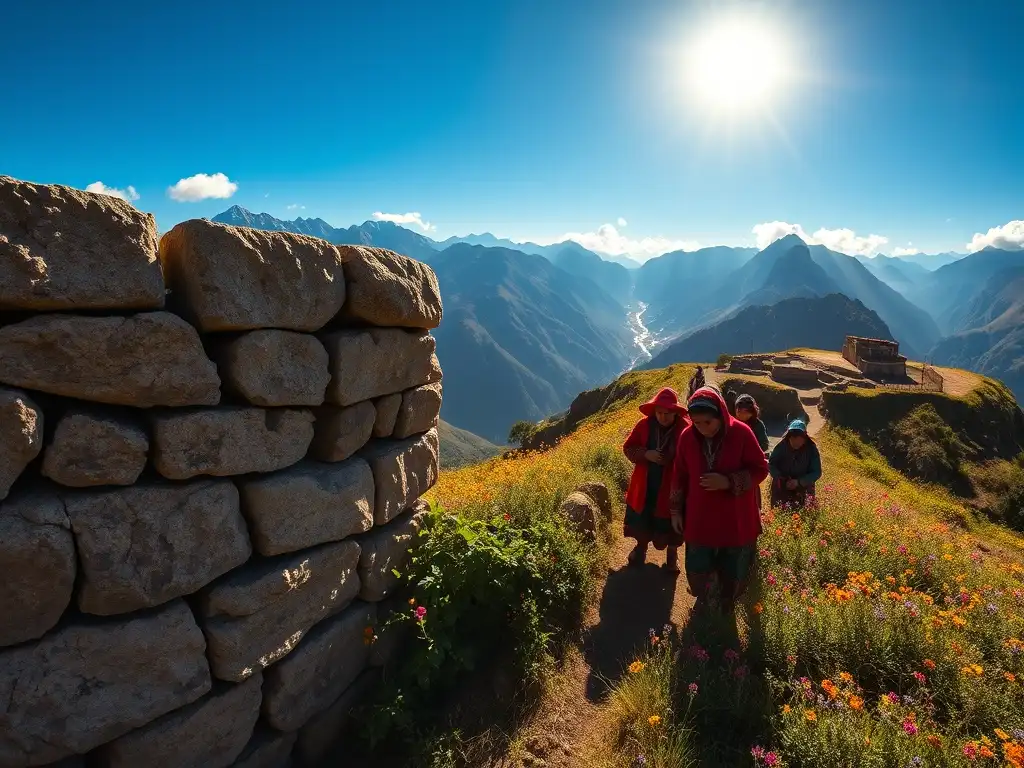
Unravel the mysteries of the Andes! Journey through millennia of breathtaking artistry, sophisticated engineering, and vibrant cultures. But what happened when these mighty civilizations collided with the Spanish conquistadors? Discover how the Quechua language, a testament to Andean resilience, faced the brutal impact of conquest – a story of survival, transformation, and enduring legacy. Explore the fascinating details of its influence and resistance in our in-depth article, "The Impact of Conquest on Quechua: Survival and Transformation." Prepare to be amazed.
The Quechua language, a cornerstone of Andean cultural identity, boasts a rich history deeply intertwined with the rise and fall of powerful empires. From its pre-Inca origins to its current status as a vibrant, albeit challenged, language spoken across South America, Quechua's journey reflects the resilience and adaptability of the Andean people. This article explores the profound impact of the Spanish conquest on the Quechua language, examining both the devastating effects of colonization and the remarkable ways in which Quechua survived and continues to transform in the modern era.
We will delve into the pre-colonial linguistic landscape, analyze the immediate consequences of Spanish dominance, and trace the language's evolution through centuries of contact, resistance, and revitalization efforts. Understanding this complex history is crucial to appreciating the ongoing struggle for linguistic diversity and cultural preservation in the Andes.
The enduring presence of Quechua, despite centuries of oppression, serves as a testament to the strength and tenacity of Andean communities. This exploration of the "Quechua language impact Spanish conquest" will reveal a narrative of both loss and enduring legacy.
Introduction to Quechua and the Pre-Inca Landscape
Before the arrival of the Inca Empire, various Quechua dialects were already spoken across the Andes. The Inca expansion, beginning in the 13th century, significantly contributed to the standardization and spread of Quechua, which became the lingua franca of the vast empire. This process, while leading to a degree of linguistic homogeneity, didn't erase the pre-existing diversity.
Numerous dialects and variations continued to exist, reflecting the rich tapestry of Andean cultures and geographies. Evidence suggests a complex system of communication, with different groups employing distinct linguistic features and vocabulary relating to their specific environments and social structures. The Inca administration further facilitated this standardization, though regional variations persisted.
The precise number of pre-Inca Quechua dialects remains a topic of ongoing scholarly debate, but it's clear that the linguistic landscape was far more diverse than often portrayed. Archaeological findings, coupled with linguistic analysis of surviving texts and oral traditions, gradually shed light on this intricate pre-colonial linguistic reality. Understanding this pre-conquest context is vital to assessing the full impact of the Spanish colonization.
The Arrival of the Spanish and Initial Linguistic Impacts
The Spanish conquest, beginning in the early 16th century, marked a catastrophic turning point for Quechua and other indigenous languages. The Spanish crown implemented policies aimed at suppressing indigenous languages and imposing Spanish as the dominant language of administration, education, and commerce. This linguistic imperialism manifested in various ways: the suppression of Quechua in official settings, the limited access to education in Quechua, and the active discouragement of its use in daily life.
The imposition of Spanish resulted in a significant decline in Quechua speakers, particularly within urban centers and among the elite classes. Early missionaries, while sometimes documenting Quechua for translation purposes, also contributed to its marginalization by promoting Spanish as the language of religious instruction. The initial impact was devastating: many indigenous communities experienced a drastic reduction in their ability to transmit their cultural heritage through their native tongue.
The consequences extended beyond language, impacting social structures, cultural practices, and overall identity. The early colonial period witnessed a concerted effort to eradicate Quechua, reflecting a broader strategy of cultural assimilation. This period saw the beginning of a long and complex process of linguistic contact, conflict, and adaptation that continues to shape the Quechua language today.
- Introduction to Quechua and the Pre-Inca Landscape
- The Arrival of the Spanish and Initial Linguistic Impacts
The Transformation of Quechua Post-Conquest
The Spanish conquest of the Inca Empire in the 16th century profoundly impacted the Quechua language, triggering a complex process of adaptation and survival. While facing the immense pressure of Spanish, the dominant language of the colonizers, Quechua demonstrated remarkable resilience. This section will explore the key linguistic changes that occurred in the aftermath of the conquest, focusing on lexical borrowing, grammatical shifts, and the diversification of Quechua dialects.
Understanding these transformations illuminates the enduring strength and adaptability of Quechua in the face of colonial dominance. The impact of the Spanish conquest on the Quechua language is a testament to the language's vitality and the cultural resilience of its speakers.
Lexical Borrowing: The Integration of Spanish Vocabulary
The most immediate and visible impact of the Spanish conquest on Quechua was the extensive borrowing of Spanish vocabulary. This process, known as lexical borrowing, introduced numerous Spanish words into the Quechua lexicon, reflecting the pervasive influence of the colonial administration, religion, and everyday life. These borrowings weren't simply direct translations; they often involved adapting Spanish words to fit the phonological and grammatical structures of Quechua.
For instance, words related to governance, such as alcalde (mayor) and corregidor (colonial magistrate), were directly adopted, showcasing the integration of Spanish administrative structures into Quechua-speaking communities. Similarly, religious terms like iglesia (church) and sacerdote (priest) became integral parts of the Quechua vocabulary, reflecting the imposition of Catholicism. Everyday items, from tools and clothing to food and animals, also saw significant Spanish lexical influence.
The extent of this borrowing varied across different Quechua dialects, reflecting regional variations in contact and intensity of Spanish influence. The integration of Spanish vocabulary demonstrates the dynamic nature of language contact and adaptation, with Quechua actively incorporating elements from the dominant language to express new concepts and realities. Analyzing the specific words borrowed and how they were integrated provides invaluable insights into the socio-cultural changes that swept through Andean societies during and after the conquest.
Grammatical Evolution: Subtle Shifts in Structure
While lexical borrowing is readily apparent, the impact of the Spanish conquest on Quechua grammar is more subtle but equally significant. Although the fundamental grammatical structure of Quechua remained largely intact – its agglutinative nature, rich morphology, and SOV (Subject-Object-Verb) word order persisted – certain shifts occurred. The prolonged contact with Spanish likely influenced the frequency of certain grammatical constructions, potentially simplifying some aspects of Quechua syntax. For example, there may be evidence of a shift towards simpler sentence structures, particularly in areas with high levels of bilingualism.
Further research is needed to fully quantify these grammatical changes. The complexity of disentangling the impact of Spanish from other internal linguistic developments presents a challenge. However, careful comparative analysis of Quechua dialects before and after the conquest, combined with sociolinguistic studies of bilingual communities, can shed light on the extent of grammatical evolution.
This investigation requires detailed analysis of large corpora of Quechua texts, spanning various historical periods and geographical locations. The nuanced nature of these grammatical shifts underscores the need for a comprehensive and multi-faceted approach to understanding the long-term effects of language contact. The subtle but significant changes in Quechua grammar highlight the intricate interplay between language contact and linguistic evolution.
The Emergence of Diverse Quechua Dialects
The Spanish conquest, paradoxically, contributed to the diversification of Quechua dialects. While the imposition of Spanish as the official language might have been expected to lead to standardization or even the decline of Quechua, the opposite occurred in many ways. Isolated Quechua-speaking communities, geographically dispersed across the Andes, experienced varying degrees of contact with Spanish. This resulted in a complex mosaic of Quechua dialects, each exhibiting unique features reflecting the specific historical and sociolinguistic context of its speakers.
Some dialects incorporated a greater number of Spanish loanwords than others, while others retained more archaic features. The geographical isolation of certain communities facilitated the preservation of older linguistic forms, creating a fascinating tapestry of variations in pronunciation, vocabulary, and grammar. This linguistic diversity reflects not only the resilience of Quechua but also the rich cultural heritage of the Andean region.
Mapping the geographical distribution of these dialects and analyzing their unique features provides a deeper understanding of the complex interplay between language, geography, and social dynamics. The enduring vitality of Quechua, manifested in its diverse dialects, stands as a powerful testament to its cultural significance and the resilience of its speakers. The continued use and evolution of Quechua dialects demonstrate its ongoing relevance and adaptability in modern Andean society.
Quechua's Survival Strategies and Cultural Significance
The Spanish conquest of the Inca Empire in the 16th century profoundly impacted the Quechua language, yet it remarkably survived. This survival wasn't passive; it was the result of deliberate strategies employed by Quechua speakers to maintain their linguistic and cultural identity in the face of aggressive assimilation. The Quechua language, far from being merely a tool for communication, became a powerful symbol of resistance and cultural continuity, a testament to the resilience of Andean peoples.
Understanding the mechanisms of this survival is crucial to comprehending the enduring legacy of Quechua in the modern world. The impact of the Spanish conquest on Quechua wasn't solely destructive; it also spurred adaptation and innovation within the language itself.
Oral Tradition: Preserving Language Through Narrative and Music
Before the widespread adoption of the Latin alphabet, Quechua relied heavily on oral transmission. Stories, songs, and poems, passed down through generations, served as repositories of knowledge, history, and cultural values. The Spanish conquest, while aiming to suppress indigenous languages, ironically inadvertently strengthened the importance of oral traditions.
With written records often controlled by the colonizers, the oral tradition became a vital means of preserving Quechua identity and resisting cultural erasure. These narratives weren't simply entertaining; they encoded complex social structures, agricultural techniques, and cosmological beliefs, ensuring the continuity of Quechua culture even under oppressive conditions. For example, the harawi, a type of Quechua love song, continued to be composed and sung, embedding linguistic nuances and cultural values within its melodic structure.
These oral performances were crucial in maintaining linguistic vitality and fostering a sense of shared cultural identity among Quechua speakers. The oral tradition acted as a powerful bulwark against linguistic homogenization, ensuring that Quechua remained a vibrant and living language. The continued use of Quechua in these oral forms directly counters the narrative of complete linguistic suppression following the Spanish conquest.
Quechua in the Modern Era: Challenges and Opportunities
Despite its resilience, Quechua faces ongoing challenges in the 21st century. While the language persists in many Andean communities, the dominance of Spanish presents a significant obstacle to its continued growth and usage, particularly amongst younger generations. Globalization and urbanization further contribute to the pressure on Quechua speakers to adopt Spanish for economic and social mobility. However, there are also significant opportunities for revitalization and expansion.
Increased awareness of linguistic diversity and the importance of indigenous languages has led to government initiatives promoting Quechua education and cultural preservation. Furthermore, the rise of digital technologies offers new avenues for language learning and dissemination. Online resources, mobile applications, and social media platforms are being utilized to create engaging content in Quechua, making the language more accessible to a wider audience.
The future of Quechua hinges on a multifaceted approach that combines grassroots efforts with institutional support, fostering a renewed appreciation for its cultural significance and linguistic richness. The impact of the Spanish conquest is still felt, but the ongoing efforts to revitalize the Quechua language demonstrate its strength and enduring relevance in the modern world. The continuing use and evolution of Quechua are a testament to the enduring spirit of its speakers.
The Legacy of the Conquest on Quechua

The Spanish conquest of the Inca Empire in the 16th century had a profound and lasting impact on the Quechua language, a consequence far exceeding a simple linguistic shift. The imposition of Spanish as the official language of the colonial administration triggered a complex process of language contact, resulting in both significant losses and remarkable adaptations within Quechua. This section delves into the multifaceted legacy of this historical event on the Quechua language, exploring its survival, transformation, and ongoing struggle for preservation.
Understanding this legacy is crucial to appreciating the resilience of Quechua and the cultural richness it represents. The impact of the Spanish conquest on the Quechua language is a multifaceted story of suppression, adaptation, and ultimately, survival.
The Lasting Impact of Spanish on the Quechua Language
The Spanish conquest initiated a period of intense linguistic pressure on Quechua. Spanish became the dominant language of administration, commerce, and education, leading to a decline in Quechua's use in formal settings. This resulted in the gradual loss of certain vocabulary and grammatical structures, as Quechua speakers increasingly integrated Spanish words and phrases into their daily communication.
This process, known as code-switching, became a common strategy for navigating the bilingual environment. However, it wasn't a uniform process across all Quechua dialects; some regions experienced more significant shifts than others, depending on factors such as population density, proximity to Spanish-speaking centers, and the intensity of colonial influence.
For instance, the introduction of new concepts related to Christianity, European governance, and technology necessitated the creation of new Quechua terms, often through borrowing from Spanish or adapting existing words to fit new meanings. This process of lexical borrowing is evident in modern Quechua, where many loanwords from Spanish are seamlessly integrated into the language. The impact is not merely lexical; it also affected phonology and syntax, with certain Spanish sounds and grammatical structures influencing Quechua pronunciation and sentence formation.
This linguistic borrowing often reflects the power dynamics of the colonial period, with the dominant language influencing the subordinate one. The extent of this influence varies across different Quechua dialects, highlighting the complex and dynamic nature of language contact.
Quechua's Resilience: Its Continued Presence in the Andes
Despite the considerable pressures exerted by the Spanish conquest, Quechua demonstrated remarkable resilience. Its continued presence across the Andes Mountains stands as a testament to the deep cultural significance of the language and the determination of its speakers to maintain their linguistic heritage. While the official status of Spanish undoubtedly impacted Quechua's public sphere, its survival within rural communities and family settings ensured its continuity.
The strength of Quechua's oral tradition played a crucial role in its preservation. Stories, songs, and rituals continued to be transmitted through generations in Quechua, maintaining its vitality in a manner unaffected by official language policies.
Furthermore, the revival of Quechua in recent decades highlights its continued importance. Educational initiatives, media programs, and cultural revitalization projects have actively promoted Quechua, leading to a renewed appreciation for the language and its cultural significance. This resurgence reflects a growing awareness of the value of linguistic diversity and a concerted effort to counter the historical marginalization of indigenous languages. The resilience of Quechua is not just a story of survival; it's a powerful example of cultural resistance and the enduring strength of community identity. The number of Quechua speakers, while fluctuating, remains substantial, demonstrating the language's enduring vitality.
The Future of Quechua: Challenges and Potential for Growth
The future of Quechua faces both challenges and opportunities. While the language has shown remarkable resilience, the continued dominance of Spanish poses an ongoing threat. Globalization, migration patterns, and the allure of economic opportunities in urban centers contribute to the ongoing pressure on Quechua speakers, especially among younger generations.
The lack of consistent support for Quechua language education in all levels of schooling remains a significant barrier to its long-term sustainability. However, there's also a growing movement to promote and revitalize Quechua, fueled by a renewed sense of indigenous pride and a recognition of the cultural and linguistic richness that Quechua represents.
Technological advancements offer new avenues for language preservation and promotion. The use of digital platforms, mobile apps, and online resources provides opportunities to reach wider audiences and enhance language learning. The creation of Quechua-language media content, from radio programs to online dictionaries, plays a vital role in normalizing the use of Quechua in contemporary life.
The future of Quechua hinges on a multi-pronged approach that combines government support, community involvement, and technological innovation. The success of Quechua's future will depend on addressing the existing challenges while leveraging the opportunities for growth and preservation that exist in the 21st century. The continued fight for the Quechua language's survival is a testament to its enduring cultural importance.
Understanding Quechua's History: A Key to Andean Cultural Heritage
Before delving into the impact of the Spanish conquest, it's crucial to understand the pre-Columbian context of the Quechua language. Quechua wasn't a monolithic entity but rather a family of related languages, each with its own dialects and variations. These languages served as the lingua franca across vast swathes of the Andes, facilitating communication and cultural exchange between different Andean societies, long before the Inca Empire's expansion.
The Inca's rise to power in the 15th century saw the standardization and wider dissemination of a particular Quechua dialect, often referred to as "Classical Quechua," which became the administrative language of the empire. This process, however, wasn't a complete erasure of other Quechua dialects; rather, it created a complex linguistic landscape with a dominant form and numerous regional variations. Understanding this pre-conquest linguistic diversity is fundamental to appreciating the full impact of the subsequent Spanish colonization.
The richness and complexity of Quechua prior to the arrival of the Spanish demonstrate its deep roots in Andean cultural heritage and its vital role in maintaining social structures and transmitting knowledge across generations. The legacy of this pre-conquest linguistic landscape continues to shape the Quechua language today.
The pre-Inca period witnessed a significant development of Quechua, with evidence pointing to its use in various forms across different Andean cultures for centuries. Archaeological findings, though limited in direct linguistic evidence, suggest a gradual spread and evolution of Quechua dialects before the Inca expansion.
The absence of a widespread writing system in the pre-Columbian Andes complicates the task of reconstructing the exact history of Quechua, relying heavily on linguistic comparisons and inferences made from later colonial records. However, the existing evidence clearly indicates that Quechua was not a language imposed by the Inca but rather a language already deeply embedded within Andean society, reflecting the cultural and political complexity of the region.
It's important to note that the Inca's influence on Quechua, while significant in terms of standardization, was built upon a pre-existing linguistic foundation. This pre-conquest history of Quechua is essential to fully grasping the resilience and adaptability of the language in the face of subsequent challenges.
Understanding Quechua's pre-conquest history is crucial to evaluating the long-term effects of colonization and acknowledging the incredible resilience of this ancient language.
Frequently Asked Questions
What was the Quechua language's status before the Spanish conquest?
Before the conquest, Quechua was the lingua franca of the vast Inca Empire, facilitating communication and administration across diverse regions. It held significant cultural and political importance.
How did the Spanish conquest affect the Quechua language?
The Spanish conquest led to a dramatic decline in Quechua's use as the dominant language. Spanish was imposed, and Quechua speakers faced pressure to adopt it.
Did the Quechua language disappear after the conquest?
No, despite the efforts to suppress it, Quechua survived. It persisted in rural communities and continues to be spoken by millions today.
How did Quechua adapt and change after contact with Spanish?
Quechua underwent significant linguistic changes, incorporating Spanish loanwords and adapting to new social contexts. This created unique dialects with varying levels of Spanish influence.
What is the current status of the Quechua language?
Quechua remains a vital part of Andean culture, with various dialects spoken across different regions. Efforts are underway to preserve and revitalize the language and its cultural significance.
Final Reflection: Echoes of Conquest, Whispers of Resilience
The enduring legacy of the Spanish conquest on the Quechua language is not merely a historical footnote; it is a living testament to the resilience of a culture forced to adapt and survive. The interwoven threads of Quechua and Spanish, the linguistic shifts and societal changes detailed in this article, continue to shape the lives of millions across the Andes today. The struggle for linguistic preservation is a microcosm of the broader fight for cultural identity in a globalized world.
The impact of the conquest extends far beyond the mere adoption of loanwords or grammatical shifts; it profoundly altered the very fabric of Quechua society. The suppression of the language, the imposition of a new worldview, and the resulting social and economic disparities continue to resonate in contemporary Quechua communities. A language is not merely a tool of communication; it is the repository of a culture's history, values, and worldview.
This quote encapsulates the profound loss experienced by the Quechua people, a loss that continues to fuel the ongoing efforts to revitalize and protect their ancestral tongue.
Consider the echoes of conquest in your own life. How have dominant forces shaped your language and culture? What stories are lost or marginalized in the dominant narrative? I urge you to actively engage with the Quechua language and culture, to support initiatives dedicated to its preservation, and to recognize the power of language as a vital tool for cultural survival and empowerment. Let us all strive to amplify the voices of those whose histories have been silenced, ensuring that the whispers of resilience become a powerful roar.
Unveil the Rich Tapestry of Quechua Culture!
Thank you for exploring the fascinating interplay between conquest and the transformation of Quechua culture. Your curiosity has revealed the nuances of survival and resilience that define this vibrant heritage. Now, let's deepen your connection with this incredible culture!
- Learn Quechua: Immersing yourself in the language offers a unique and powerful way to engage directly with the culture. Consider taking a class or utilizing online resources.
- Share your passion: Discuss Quechua history and traditions with friends and family, inspiring others to learn more about this rich heritage.
- Experience Quechua traditions firsthand: Attend cultural events and festivals to witness the vibrancy and beauty of Quechua culture.
What aspect of Quechua culture most captivates you, and how will you integrate it into your life?