
The Paracas Role in the Development of Andean Art

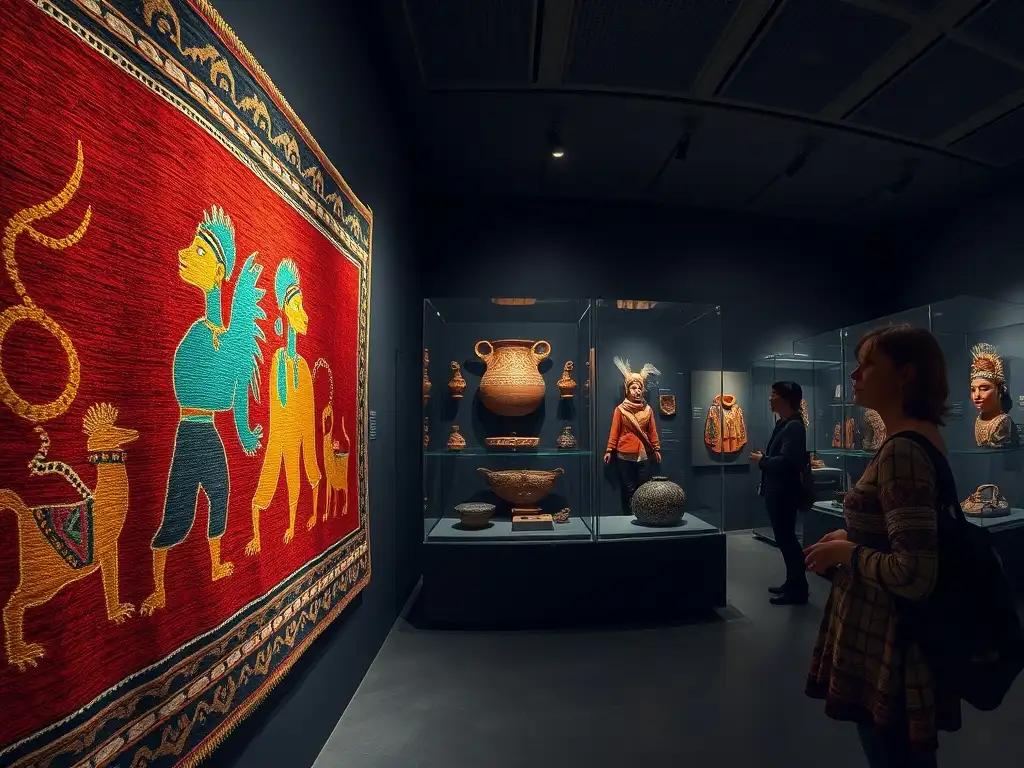
Step into a world lost to time, yet echoing with vibrant artistry and ingenuity. Imagine a civilization where textiles whispered secrets, and intricate designs held the keys to a sophisticated understanding of the cosmos. This is the legacy of the Andean civilizations, and we invite you to uncover the profound influence of Paracas art on the rich tapestry of Andean culture. Prepare to be amazed as we delve into the captivating world of Pre-Incan cultures, unveiling the mysteries that shaped the Andes. Discover how the innovative spirit of Paracas continues to resonate through the ages...
The Paracas culture, flourishing on the southern coast of Peru from approximately 800 BCE to 200 CE, left an indelible mark on the artistic landscape of the Andes. Their mastery of textile production, particularly their intricate weaving techniques and symbolic motifs, significantly influenced subsequent Andean artistic traditions, shaping the aesthetic sensibilities of cultures that followed, including the Nazca and Inca.
This article explores the profound impact of Paracas art on the development of Andean culture, examining their textile artistry and its lasting legacy. Understanding the Paracas contribution is crucial to appreciating the rich tapestry of Andean artistic expression and its evolution over centuries.
We will delve into the specific techniques, motifs, and the enduring influence of Paracas textiles on later Andean artistic styles, demonstrating their pivotal role in shaping the visual identity of the region. The Paracas legacy is not just a chapter in Andean history; it is a fundamental thread woven into the very fabric of its artistic heritage.
Introduction to Paracas Culture and its Artistic Legacy
The Paracas people, inhabiting a geographically challenging yet resource-rich coastal desert environment, developed a complex society with a distinctive artistic expression primarily manifested in their exceptional textiles. Unlike other contemporary cultures that focused on monumental architecture, the Paracas channeled their creative energy into intricate textile production, creating some of the most stunning and technically advanced textiles ever discovered in the Americas.
These textiles, often found in elaborate burial bundles, reveal a sophisticated understanding of color, design, and symbolic representation. Their artistic legacy extends beyond the mere creation of beautiful objects; it represents a sophisticated worldview, a complex social structure, and a deep connection to their environment.
The vibrant colors, intricate designs, and symbolic imagery found in Paracas textiles provide invaluable insights into their beliefs, rituals, and daily lives. The sheer volume of surviving textiles, both in terms of quantity and variety, is a testament to the importance of this craft within Paracas society.
Paracas Textiles: A Foundation of Andean Art
Paracas textiles stand as a cornerstone of Andean art, setting a high standard of technical skill and aesthetic sophistication that influenced generations of artisans. Their mastery of weaving techniques, particularly the use of complex tapestry and embroidery methods, allowed them to create incredibly detailed and richly colored fabrics. The use of camelid fibers, such as alpaca and vicuña, provided a luxurious material that further enhanced the quality and beauty of their work. The sheer scale of some Paracas textiles, with some pieces measuring several meters in length, is also a testament to their organizational capabilities and artistic ambition. The meticulous attention to detail and the sophisticated use of color demonstrate a high level of artistic skill and a deep understanding of textile production. The diversity of textile types, ranging from simple cloths to elaborate mantles and burial shrouds, further highlights the importance of textiles in various aspects of Paracas life.
The Intricacy of Paracas Textile Techniques
Paracas artisans employed a remarkable range of advanced textile techniques, including tapestry, embroidery, gauze, and brocade. Tapestry weaving, involving the interweaving of different colored threads to create intricate designs, was particularly prevalent. The precision and skill involved in creating these designs are truly remarkable, with individual threads often being less than a millimeter wide.
Furthermore, the use of multiple layers of fabric and the incorporation of various decorative elements, such as feathers and beads, added another layer of complexity to their work. The mastery of these techniques required years of training and practice, highlighting the specialized nature of textile production within Paracas society. The sheer technical skill displayed in these textiles is unparalleled, demonstrating a level of expertise that influenced subsequent Andean textile traditions for centuries.
Paracas Textile Motifs and their Symbolic Meaning
Paracas textile designs are rich in symbolism, featuring recurring motifs that likely held significant religious and social meaning. Common motifs include stylized feline figures, birds, serpents, and anthropomorphic representations. Many scholars believe these motifs reflect the Paracas people's worldview, their relationship with the natural world, and their beliefs about the afterlife. The arrangement and combination of these motifs within a textile can also convey specific meanings, adding another layer of complexity to their interpretations.
While the exact meaning of many motifs remains debated, their consistent appearance across various textiles points to their cultural significance. Further research into the context of discovery and the accompanying grave goods could shed additional light on the meaning and purpose of these symbolic representations. The intricate and symbolic nature of these designs set a precedent for the rich iconography that would characterize later Andean artistic traditions.
The Influence of Paracas Weaving on Later Andean Textile Traditions
The impact of Paracas textile techniques and designs is evident in the artistic traditions of later Andean cultures. The Nazca, for instance, adopted and adapted many of the Paracas weaving techniques, further refining and developing them. The intricate tapestry and embroidery techniques pioneered by the Paracas became hallmarks of Nazca textiles, though with their own distinct stylistic preferences.
This stylistic continuity extends even further, with influences traceable into Inca textile traditions. The legacy of Paracas art is not limited to direct imitation, but rather represents a foundational influence that shaped the aesthetic and technical development of Andean textile production for centuries.
This influence is a testament to the enduring quality and innovation of Paracas artistry and its role in shaping the broader cultural landscape of the Andes. The Paracas' innovative techniques and symbolic designs served as a springboard for future generations of Andean artisans, demonstrating their lasting impact on the region's artistic heritage.
Paracas Ceramics: Early Forms and Artistic Expressions
Paracas ceramics represent a significant development in Andean art, showcasing a remarkable evolution in form and artistic expression. Early Paracas pottery, dating back to approximately 500 BCE, is characterized by its simple, yet elegant shapes. These early vessels often feature a muted palette, predominantly using earthy tones like beige, brown, and red.
However, even in these early pieces, we can see the emergence of distinctive stylistic elements, such as the use of incised lines to create geometric patterns and the occasional inclusion of rudimentary zoomorphic motifs. These early forms laid the groundwork for the more elaborate and complex styles that would follow. The development of the Paracas style can be understood as a gradual process, with each succeeding generation building upon the achievements of its predecessors, leading to ever more sophisticated and expressive forms.
The transition from simple, functional vessels to highly decorated, aesthetically pleasing objects reflects the increasing importance of art and craftsmanship within Paracas society. This early phase showcases the foundational elements of Paracas artistic sensibilities that would be further refined and expanded upon in later periods.
Evolution of Paracas Pottery Styles
The evolution of Paracas pottery styles is a fascinating study in artistic development. Early forms, as mentioned, are relatively simple. However, over time, the Paracas developed increasingly complex techniques and stylistic elements. The use of polychromy – the application of multiple colors – became increasingly prevalent, leading to vibrant and richly decorated vessels.
We see a shift from primarily geometric designs to more complex and naturalistic depictions of animals, plants, and human figures. The depiction of mythical creatures and scenes from daily life became more common, reflecting the rich spiritual and social life of the Paracas people. The shapes of the vessels themselves also evolved, becoming more varied and elaborate.
For instance, the development of stirrup-spout jars, a distinctive Paracas form, became a hallmark of their ceramic production. The evolution of these styles directly reflects the socio-cultural changes within Paracas society, highlighting the growing complexity and sophistication of their artistic traditions. Studies comparing early and late Paracas pottery have revealed a clear progression in artistic skill and sophistication, demonstrating the continuous refinement and evolution of their ceramic artistry.
Paracas Ceramic Decoration and its Cultural Significance
Paracas ceramic decoration is not merely aesthetic; it holds profound cultural significance. The motifs employed—from stylized animals and plants to intricate geometric patterns and human figures—reflect the Paracas worldview and cosmology. Many designs appear to be related to religious beliefs and rituals, suggesting that pottery played a vital role in Paracas religious practices.
The use of specific colors and patterns likely held symbolic meaning, perhaps representing different deities, social statuses, or clan affiliations. The painstaking detail and artistry involved in the decoration further emphasize the importance of these objects. The intricate designs, often requiring multiple firing processes and the use of diverse pigments, highlight the high level of skill and expertise of Paracas artisans.
The symbolic meaning embedded within the decoration underscores the deep connection between art, religion, and social structure within Paracas society. Analysis of recurring motifs and their distribution across different types of vessels provides valuable insights into Paracas beliefs and social organization.
The Transmission of Paracas Ceramic Techniques
The transmission of Paracas ceramic techniques across generations is a testament to the stability and continuity of their artistic traditions. Evidence suggests a strong emphasis on apprenticeship and family-based workshops, where skills and knowledge were passed down from master artisans to their students. This system ensured the preservation and refinement of Paracas ceramic techniques over several centuries. The consistency in style and quality observed across different Paracas sites and time periods further supports the idea of a well-established and effective system of knowledge transmission. The high level of skill exhibited in Paracas pottery implies a structured learning process, likely involving years of training and practice. The intricate details and precision of the designs demonstrate a mastery of techniques that would have required considerable time and dedication to acquire. The continuity of Paracas ceramic styles, even with regional variations, suggests a robust system for sharing and adapting techniques across different communities.
Paracas Art in Other Media: Beyond Textiles and Ceramics
While Paracas textiles are justly famous, their artistic prowess extended beyond weaving. The Paracas people were skilled artisans working in a variety of media, showcasing their artistic talent in diverse forms. Their expertise went beyond the well-known textiles and ceramics. A thorough examination of their artistic output reveals a mastery of materials and techniques that extends to basketry, metalwork, and even architecture.
These diverse artistic expressions highlight the richness and complexity of Paracas culture, demonstrating their capacity for innovation and artistic mastery across multiple domains. This demonstrates the multifaceted nature of their artistic achievements and their influence on subsequent Andean cultures. The study of these diverse art forms provides a more complete understanding of the aesthetic values and cultural practices of the Paracas civilization.
The Role of Paracas Basketry and its Artistic Merit
Paracas basketry, though perhaps less famous than their textiles, displays remarkable artistry and technical skill. Paracas artisans created intricate baskets using various plant fibers, often incorporating complex weaving techniques to produce visually stunning and durable pieces. These baskets were not merely functional; many were elaborately decorated with geometric patterns, stylized figures, or colorful dyes. The designs often mirrored those found on their textiles and ceramics, suggesting a shared aesthetic sensibility across different art forms.
The diversity of basketry forms, ranging from small containers to large storage vessels, reflects the varied needs and uses of these objects within Paracas society. The high quality and artistry of Paracas basketry demonstrate the versatility and skill of Paracas artisans, extending their artistic influence beyond the realm of textiles and ceramics. The meticulous craftsmanship and artistic merit of these baskets highlight a lesser-known facet of Paracas artistic achievements.
Paracas Art in Metalwork: Early Examples and Techniques
Paracas metalworking, while less prolific than their textile or ceramic production, provides valuable insights into their metallurgical skills and artistic sensibilities. Early examples of Paracas metalwork include simple ornaments and tools made of copper and gold. These early pieces often feature geometric designs, demonstrating a continuity with patterns found in other media. As techniques advanced, Paracas artisans began creating more complex and elaborate objects, such as finely crafted jewelry and ceremonial items.
The techniques employed, including hammering, casting, and inlaying, demonstrate a sophisticated understanding of metallurgy. The use of precious metals like gold and silver reflects the high value placed on these objects within Paracas society, likely associated with religious or elite contexts. The limited but exquisite examples of Paracas metalwork offer a glimpse into their advanced metallurgical knowledge and artistic capabilities, adding another layer to our understanding of their artistic achievements.
Paracas Architecture and its Influence on Later Andean Structures
While less extensively studied than their portable arts, Paracas architecture played a crucial role in shaping the landscape and influencing later Andean building traditions. Evidence suggests the construction of substantial structures, including ceremonial centers and residential complexes, showcasing a sophisticated understanding of construction techniques. While many structures have not survived due to environmental factors, surviving foundations and architectural fragments reveal the use of adobe bricks, stone, and other materials.
The layout and design of these structures may reflect a hierarchical social organization, with larger and more elaborate buildings potentially associated with elite individuals or religious leaders. Although significant portions of Paracas architecture remain unexcavated or poorly understood, available evidence suggests a notable influence on later Andean architectural styles.
The use of specific building materials and techniques likely impacted subsequent architectural traditions in the region, contributing to the development of more complex and monumental structures in later Andean cultures. Further research into Paracas architecture is crucial for a complete understanding of their societal organization and artistic contributions to the broader Andean landscape.
The Paracas Art Influence Andean Culture: A Synthesis
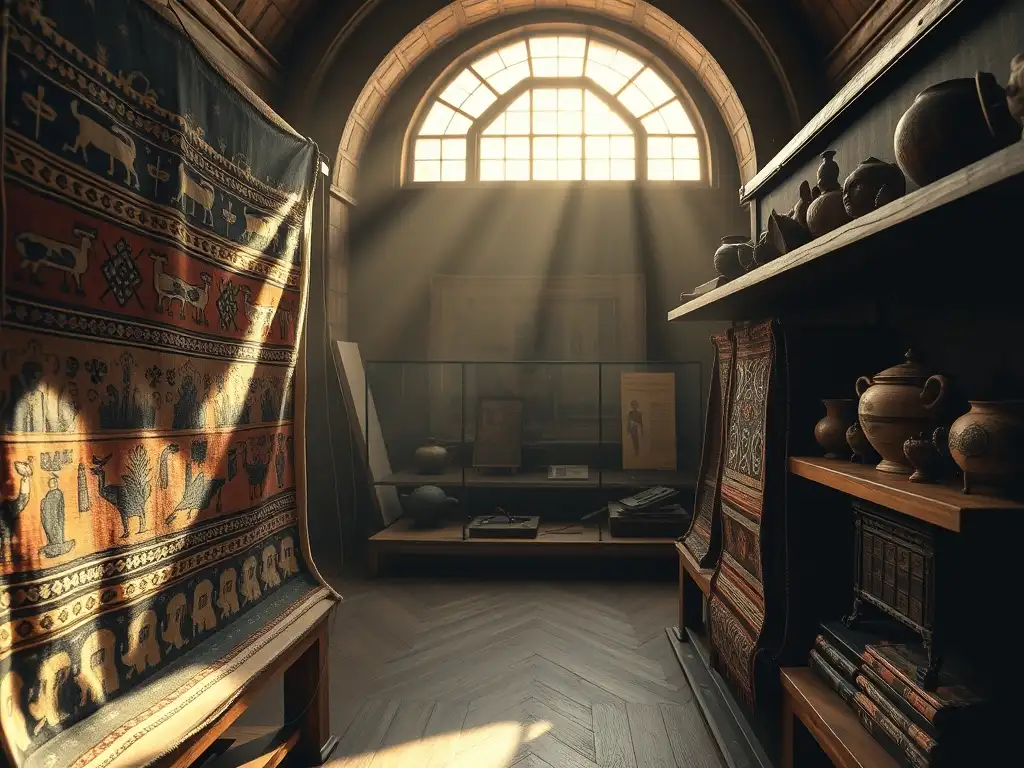
The Paracas culture, flourishing on the southern coast of Peru from roughly 800 BCE to 200 BCE, left an indelible mark on the trajectory of Andean art. Their distinctive artistic style, characterized by vibrant textiles, intricate pottery, and striking funerary bundles, profoundly influenced subsequent Andean artistic expressions. This influence is evident in the iconography, aesthetics, and techniques employed by later cultures, demonstrating the Paracas' crucial role in shaping the broader Andean artistic landscape.
The legacy of Paracas art continues to resonate even today, shaping our understanding of Andean creativity and cultural development. Their mastery of textile production, in particular, set a standard for future generations of Andean artisans, impacting everything from weaving techniques to the symbolic meaning embedded within textile designs.
Understanding Paracas art is therefore essential to understanding the broader development of Andean artistic traditions. The vibrant colors, complex designs, and sophisticated techniques employed by Paracas artisans paved the way for the artistic achievements of later cultures, establishing a foundation upon which subsequent Andean artistic traditions were built.
Paracas Art's Contribution to Andean Iconography
Paracas iconography is rich with symbolic representations of animals, deities, and mythical beings. The recurring motifs—such as feline figures, birds, and stylized human forms—found in Paracas textiles and pottery reappear in later Andean art, albeit with stylistic variations. For example, the stylized feline imagery prevalent in Paracas textiles finds echoes in the feline motifs of the Nazca culture, suggesting a direct lineage and continuity in artistic expression.
The use of specific colors to represent certain deities or concepts also appears to have been passed down, showing a consistent symbolic language across different Andean cultures. Further research is needed to fully map the extent of this iconographic inheritance, but the preliminary evidence strongly suggests a significant contribution from Paracas artists to the development of a shared Andean visual vocabulary. The careful study of these shared motifs reveals a complex network of cultural exchange and artistic influence across different Andean societies.
Paracas Art's Impact on Andean Aesthetics
The aesthetic principles underlying Paracas art, characterized by a preference for vibrant colors, intricate designs, and a sense of dynamism, profoundly impacted subsequent Andean aesthetics. The bold use of color, often featuring contrasting hues arranged in complex patterns, sets Paracas textiles apart. This distinctive approach to color and pattern influenced later cultures, such as the Nazca, who also employed vibrant colors in their textiles and pottery.
The emphasis on intricate detail and the creation of complex, multi-layered designs is another key aspect of Paracas aesthetics that was adopted and further developed by succeeding Andean cultures. This attention to detail, coupled with the use of high-quality materials, reflects a sophisticated artistic sensibility that left a lasting legacy. The sense of movement and dynamism present in many Paracas designs also distinguishes their aesthetic, a feature that can be traced in subsequent Andean artistic expressions.
The Legacy of Paracas Art in Later Andean Artistic Expressions
The influence of Paracas art is clearly visible in the artistic traditions of later Andean cultures, particularly the Nazca and Inca. The advanced textile techniques developed by the Paracas, such as tapestry weaving and the use of multiple colors in a single textile, were adopted and refined by these later groups.
Similar motifs and stylistic elements—like the recurring use of feline imagery and stylized human figures—appear in the textiles and pottery of the Nazca and Inca, demonstrating a clear artistic lineage. Moreover, the emphasis on elaborate funerary practices and the creation of richly decorated burial goods, which was a hallmark of Paracas culture, also continued in various forms in subsequent Andean societies.
This continuity suggests a strong cultural and artistic connection between the Paracas and later Andean civilizations. The sophisticated techniques and artistic sensibilities of the Paracas laid a solid foundation for the development of Andean art, demonstrating a lasting impact on subsequent artistic expressions.
Comparing Paracas Art with Contemporary Andean Cultures
The Paracas culture's unique artistic style stands out when compared to its contemporaries. While sharing some common threads with other Andean societies of the time, distinct differences highlight the Paracas' originality and influence.
Contrasting Paracas Art with Moche Art
While both Paracas and Moche cultures produced sophisticated art, their styles differ significantly. Paracas art is characterized by its intricate textiles and relatively less emphasis on monumental architecture compared to the Moche, who are renowned for their impressive pyramids and elaborate ceramic sculptures. Paracas textiles often feature complex geometric patterns and mythological figures, while Moche pottery frequently depicts scenes of warfare, ritual, and daily life with a more naturalistic style.
Although both cultures utilized vibrant colors, the palette and application techniques vary considerably. The Moche's mastery of modeling and detailed ceramic work contrasted with the Paracas' focus on intricate textile weaving showcases differing artistic priorities.
Comparing Paracas Art with Nazca Art
The Nazca culture, succeeding the Paracas, clearly demonstrates the legacy of Paracas art. While the Nazca developed their own distinct style, particularly in their famous geoglyphs, similarities in textile production and certain iconographic elements are readily apparent. Both cultures employed advanced weaving techniques, although Nazca textiles often feature simpler, more geometric designs compared to the more complex and figurative representations found in Paracas work.
The use of vivid colors is common to both, indicating a shared aesthetic preference. However, Nazca art also showcases its own unique artistic developments, evolving from the Paracas foundation to create a distinctive visual identity. The continuity and divergence highlight the complex relationship between these two significant Andean cultures.
Distinguishing Paracas Art from Tiahuanaco Art
The Tiahuanaco culture, located in the highlands, presents a stark contrast to the coastal Paracas. While both produced impressive art, the styles and materials differ greatly. Tiahuanaco art is characterized by its monumental stone architecture, intricate carvings, and a more formalized, geometric aesthetic.
In contrast, Paracas art emphasizes textiles and pottery, employing a more fluid and organic style. The iconography also differs significantly, with Tiahuanaco art featuring distinctive deity representations and stylized figures that are less directly comparable to the Paracas' emphasis on feline imagery and other zoomorphic motifs. The different geographical locations and environmental contexts significantly influenced the artistic expression of each culture, leading to distinct artistic traditions.
The Enduring Influence of Paracas Art on Andean Civilization
The Paracas culture, flourishing on the southern coast of Peru from approximately 700 BCE to 100 CE, left an indelible mark on the artistic landscape of the Andes. Their mastery of textile production, particularly their intricate and vibrant designs, profoundly impacted subsequent Andean cultures. The bold colors, complex iconography, and innovative techniques employed by Paracas artisans served as a foundation for later artistic developments, influencing styles and motifs seen in the Nazca, Wari, and even Inca civilizations.
The sophisticated use of dyes, the intricate weaving techniques, and the symbolic representations found in Paracas textiles became a hallmark of Andean art, echoing through centuries of artistic expression. Their legacy is not merely stylistic; it represents a crucial link in the chain of Andean artistic evolution, demonstrating a continuity of artistic traditions and a shared cultural heritage.
The highly developed techniques used in creating these textiles, such as the use of multiple layers of cloth and complex embroidery, were undeniably influential on future generations of Andean artists. These techniques, which are exceptionally complex and require significant skill, were passed down through generations, demonstrating the lasting impact of Paracas art on the region.
Chavin Influence on Paracas Textiles
While the Paracas developed their own unique artistic style, evidence suggests a significant influence from the earlier Chavín culture. The Chavín, known for their powerful religious iconography featuring stylized felines, jaguars, and serpents, likely inspired some of the motifs found in Paracas textiles. Although Paracas artists adapted and transformed these motifs, creating their own distinct artistic language, the underlying influence of Chavín artistic conventions is undeniable.
For instance, certain stylized animal forms and the use of specific color palettes share similarities between Chavín ceramics and Paracas textiles. Further research is needed to fully understand the extent and nature of this artistic exchange, but the similarities suggest a complex interplay of cultural influences shaping Paracas artistic expression.
The stylistic parallels between the two cultures highlight the continuity and evolution of Andean artistic traditions, demonstrating the dynamic nature of cultural exchange in the pre-Columbian Andes. Identifying and analyzing these influences allows us to paint a more complete picture of the development of Andean art.
Modern interpretations of Paracas art
Paracas art continues to inspire and captivate contemporary artists and designers. The vibrant colors, intricate patterns, and symbolic imagery found in Paracas textiles are frequently incorporated into modern designs, reflecting a renewed appreciation for this ancient art form. From fashion to interior design, the bold aesthetic of Paracas textiles has found its way into various contemporary applications. Many modern artists draw inspiration from the unique styles and techniques used by Paracas artisans, creating new works that pay homage to this rich cultural heritage.
The enduring appeal of Paracas art lies in its timeless beauty and its ability to resonate with modern audiences. This revival not only celebrates the artistic achievements of the Paracas but also fosters a deeper understanding and appreciation of their culture. The continued relevance of Paracas art underscores its lasting impact and its enduring power to inspire artistic creativity.
The importance of preserving Paracas artistic heritage
Preserving Paracas artistic heritage is crucial for understanding the broader development of Andean art and culture. The fragile nature of many Paracas artifacts, particularly the textiles, necessitates careful conservation efforts. Museums and research institutions play a vital role in safeguarding these invaluable pieces, employing advanced techniques to preserve them for future generations.
Furthermore, ongoing research into Paracas art helps to shed light on their cultural practices, beliefs, and social structures. The study of Paracas textiles, for instance, reveals intricate details about their social organization, religious beliefs, and daily life. By preserving and studying these artifacts, we gain a deeper understanding of the Paracas culture and their significant contributions to the artistic tapestry of the Andes.
The preservation of this heritage is not merely an act of safeguarding the past, but also an investment in the future, ensuring that future generations can appreciate and learn from the artistic achievements of the Paracas. This preservation effort requires collaboration between archaeologists, conservators, and cultural institutions to ensure the long-term survival of these significant works.
Conclusion: Understanding Paracas's Contribution to Andean Art
The Paracas culture's contribution to Andean art is undeniable. Their mastery of textile production, their innovative techniques, and their unique artistic style profoundly shaped the artistic traditions of subsequent Andean civilizations. From the influence of earlier cultures like the Chavín to the lasting impact on later Andean artistic expressions, the Paracas' legacy is woven into the fabric of Andean art history.
Understanding their artistic achievements not only enriches our appreciation of their culture but also helps us comprehend the complex evolution of Andean artistic expression. The vibrant colors, intricate designs, and symbolic imagery of Paracas art continue to inspire and captivate, demonstrating the enduring power and influence of this remarkable civilization.
Their legacy serves as a testament to the creativity and ingenuity of Andean artists and their profound impact on the artistic landscape of the Andes. Continued research and preservation efforts are essential to ensure that the story of Paracas art and its profound influence on Andean culture continues to be told.
- Introduction to Paracas Culture and its Artistic Legacy
- Paracas Textiles: A Foundation of Andean Art
- Paracas Ceramics: Early Forms and Artistic Expressions
- Paracas Art in Other Media: Beyond Textiles and Ceramics
- The Paracas Art Influence Andean Culture: A Synthesis
- Comparing Paracas Art with Contemporary Andean Cultures
- The Enduring Influence of Paracas Art on Andean Civilization
- Conclusion: Understanding Paracas's Contribution to Andean Art
Frequently Asked Questions
What is the significance of Paracas culture in the broader Andean context?
The Paracas culture played a crucial role in the development of Andean art, influencing subsequent civilizations like the Nazca and Inca. Their unique textile techniques and artistic styles are evident in later works. Their mastery of textile art had a lasting impact.
How did Paracas art influence Nazca art?
Paracas' elaborate textile designs, particularly their use of complex iconography and vibrant colors, significantly influenced Nazca pottery and textiles. Many motifs and stylistic elements are clearly traceable between the two cultures. The continuity of artistic expression is undeniable.
What were the most distinctive features of Paracas art?
Paracas art is most renowned for its exceptionally intricate textiles, featuring elaborate embroidery, weaving techniques, and vibrant colors. Their unique style of depicting human figures and mythical creatures also sets them apart. Their exceptional mummification practices also influenced burial practices in the region.
Did Paracas art influence Inca art directly?
While not a direct lineage, Paracas artistic principles, particularly the emphasis on intricate textile work and symbolic imagery, indirectly influenced later Andean cultures, including the Inca. The underlying aesthetic values persisted across centuries. The Inca's own textile traditions show clear echoes of earlier styles.
How can I learn more about the Paracas' influence on Andean art?
You can explore museum collections showcasing Paracas textiles and artifacts, read academic publications on Andean archaeology and art history, and visit archaeological sites in the Paracas region of Peru. Online resources also offer valuable information.
Final Reflection: The Enduring Legacy of Paracas Art
The vibrant textiles and intricate ceramics of the Paracas culture continue to resonate deeply within the tapestry of Andean art, proving that their influence extends far beyond their relatively short-lived civilization. Their innovative techniques and bold aesthetic choices laid the groundwork for subsequent artistic expressions across the Andes, shaping the visual language of cultures that followed for centuries. This legacy is not merely historical; it's a living testament to the power of artistic innovation and cultural transmission.
The impact of Paracas art on the Andean world is undeniable, a testament to the enduring power of creative expression to transcend time and geography. Their mastery of textile production, particularly their complex iconography and vibrant color palettes, served as a blueprint for later Andean artists. The sophisticated techniques, like the use of intricate embroidery and resist dyeing, were adopted and adapted, evolving into new forms while retaining a clear lineage back to Paracas origins. Art washes away from the soul the dust of everyday life.
- Pablo Picasso. This quote perfectly encapsulates the enduring power of Paracas art to inspire and uplift, even across millennia.
Consider the threads of Paracas artistry that continue to weave through contemporary Andean culture. Reflect on how their bold designs and innovative techniques continue to inspire artists today. You, too, can be inspired by their legacy. Seek out examples of Paracas art, study their techniques, and let their vibrant creativity ignite your own imagination. Let the enduring spirit of Paracas art remind you of the power of artistic expression to connect us across time and cultures, leaving an indelible mark on the human experience.
Unveil the Beauty of Andean Art!
Thank you for exploring the profound impact of the Paracas civilization on Andean art. We hope you've gained valuable insights into how this ancient culture shaped artistic expression throughout history. Now, let's delve deeper into this fascinating subject!
Here are some ways to further enrich your understanding and appreciation of Andean art:
- **Visit** local museums or exhibitions featuring Andean artifacts—a chance to see these remarkable works firsthand!
- **Connect with** fellow art enthusiasts by sharing this article or participating in online discussions about Andean cultural heritage.
- **Create your own artwork** inspired by Paracas techniques and motifs—you might even discover a new artistic style!
As you reflect on the enduring creativity and craftsmanship, we'd love to hear your thoughts: **What aspect of Andean art has most inspired you, and how will you integrate it into your creative endeavors? **