
Aymara Pottery Styles: Forms and Functions of Ancient Ceramics

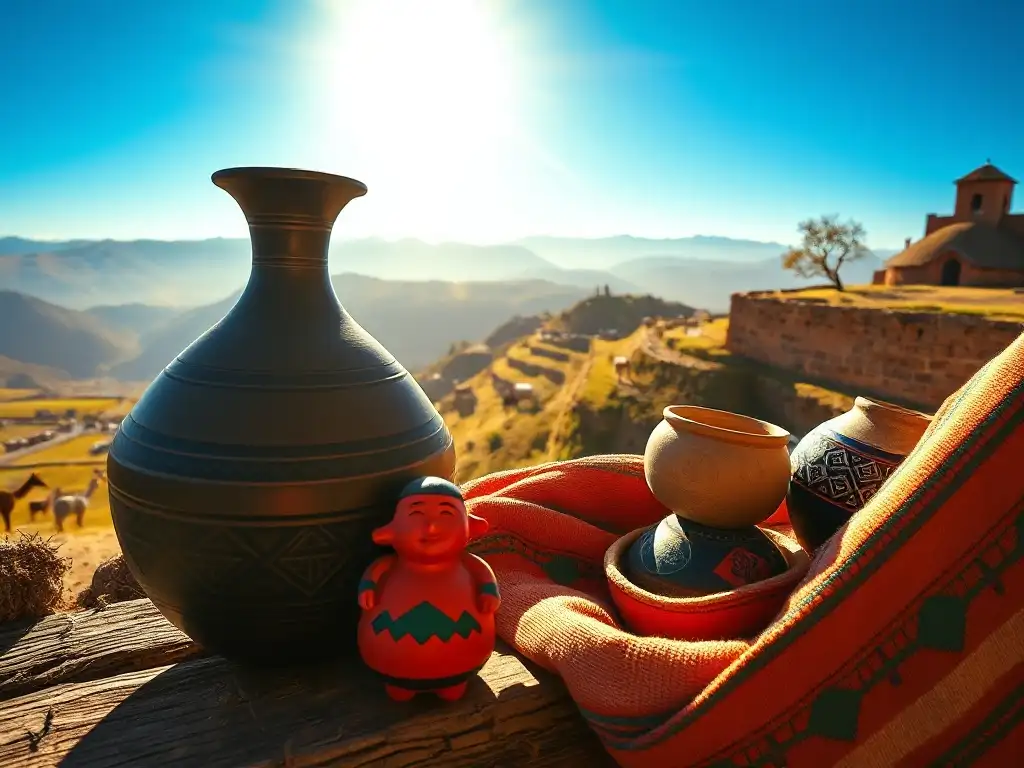
Step into a world lost to time, yet echoing with vibrant life. Discover the secrets whispered by the Andes, a land sculpted by ancient empires and their remarkable artistry. Prepare to be captivated by the intricate details and symbolic power of Aymara pottery styles during the Inca period – a testament to the ingenuity and cultural richness of Andean civilizations. Unravel the mysteries behind these ancient ceramics and uncover the stories they hold within... What secrets do these vessels reveal about daily life and spiritual beliefs?
The Aymara people, inhabiting the Andean highlands for millennia, possess a rich ceramic tradition deeply intertwined with their history, beliefs, and daily life. This article delves into the diverse styles and functions of Aymara pottery, particularly focusing on those produced during the Inca period, a time of significant cultural exchange and adaptation.
We'll explore the distinct forms, decorative motifs, and practical uses of these remarkable artifacts, revealing insights into the Aymara worldview and their mastery of ceramic techniques. Understanding Aymara pottery styles offers a unique window into the social structures, religious practices, and technological advancements of this enduring Andean culture, offering a compelling narrative within the broader context of Inca-era Andean civilizations.
The analysis will highlight the evolution of Aymara pottery styles under Inca rule, examining how indigenous traditions were preserved, adapted, and potentially influenced by the dominant culture. This exploration of "Aymara pottery styles Inca period" aims to illuminate a crucial aspect of Andean cultural heritage.
Distinctive Characteristics of Aymara Pottery
Aymara pottery, even within the Inca period, exhibits certain distinguishing characteristics that set it apart from the ceramics of other Andean cultures. One notable feature is the frequent use of earthy tones, predominantly browns, reds, and blacks, often derived from local clays and pigments. These colors reflect the natural landscape of the Altiplano, a high-altitude plateau where the Aymara thrived.
Furthermore, the forms themselves often exhibit a functional simplicity, prioritizing practicality over elaborate ornamentation. While decorative elements are present, they tend to be more subdued and geometric compared to the sometimes flamboyant styles of other Andean groups. We can observe a strong emphasis on utilitarian vessels such as cooking pots, storage jars, and drinking vessels, reflecting the agrarian lifestyle of the Aymara.
The textures of Aymara pottery are also noteworthy, often exhibiting a slightly rough or matte finish rather than a highly polished surface. This is partly due to the firing techniques employed, which often involved simpler kilns and less controlled firing processes compared to those used by some of their neighbors.
Decorative Motifs and Their Symbolic Meanings
While Aymara pottery might appear understated compared to some other Andean styles, careful examination reveals intricate decorative motifs imbued with significant symbolic meaning. Geometric patterns, such as zigzags, triangles, and stepped designs, frequently adorn the surfaces of Aymara vessels. These designs are believed to represent the Andean cosmology, reflecting the Aymara’s understanding of the natural world and their relationship with the mountains, the sun, and the earth.
The use of specific colors also holds symbolic weight; for instance, red might represent the earth or blood, while black could symbolize night or the underworld. Further research is needed to fully decipher the complexities of these symbolic systems, but existing scholarship suggests a rich tapestry of beliefs and traditions encoded within the seemingly simple designs. Unfortunately, detailed documentation of specific meanings for many motifs during the Inca period remains incomplete, requiring further investigation of archaeological findings and ethnohistoric accounts.
Functional Types and Their Uses in Daily Life
Aymara pottery served a multitude of functions within the daily lives of the people. Large storage jars were essential for preserving food staples like grains and potatoes, crucial for survival in the challenging Andean environment. Smaller bowls and plates were used for serving food, while intricately shaped vessels might have been employed in ritual contexts.
The forms of these vessels often reflect their intended purpose; for example, cooking pots typically possess wide bases and rounded bodies for efficient heat distribution, while drinking vessels might have spouts or handles for ease of use. The diversity of Aymara pottery forms underscores the adaptability and resourcefulness of the people, highlighting their ability to create functional and aesthetically pleasing objects from readily available materials.
We can further investigate the relationship between pottery types and social status by analyzing the distribution of different vessel types across archaeological sites. [Specific information pending] on the social stratification reflected in Aymara pottery during the Inca period.
Technological Aspects of Aymara Pottery Production
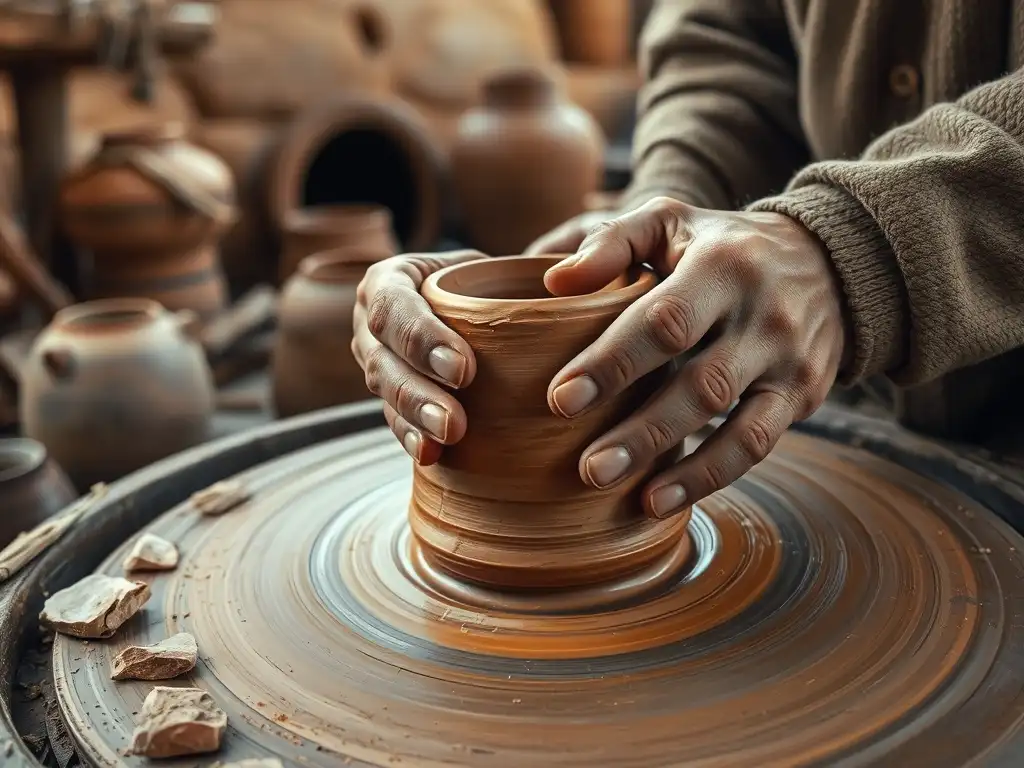
The creation of Aymara pottery involved a sophisticated understanding of materials and techniques. The selection of appropriate clays, the preparation of the clay body, the shaping of the vessels, and the firing process all required skill and experience. The Aymara potters likely employed a combination of hand-building and wheel-throwing techniques, depending on the size and complexity of the vessel.
The firing process, often carried out in simple open-air kilns, required careful control of temperature and time to achieve the desired results. The technological sophistication of Aymara pottery production is a testament to their ingenuity and resourcefulness, demonstrating their mastery of ceramic technologies within the context of the Inca Empire.
Further research into specific kiln types and firing techniques used by Aymara potters during the Inca period would greatly enhance our understanding of their technological capabilities. This includes analysis of the chemical composition of the clays and pigments used, allowing for a more detailed picture of their material sources and production methods.
The Influence of Inca Rule on Aymara Pottery Styles
The Inca conquest of the Aymara region in the 15th century CE had a profound impact on various aspects of Aymara culture, including their pottery. While the Aymara retained many of their traditional techniques and stylistic elements, the Inca period also witnessed the introduction of new forms and decorative motifs. Some scholars argue that the Inca exerted a degree of influence on Aymara pottery styles, potentially leading to the adoption of certain Inca-inspired elements. However, the extent of this influence remains a subject of ongoing debate.
It's crucial to distinguish between genuine Inca influence and the natural evolution of Aymara pottery within the context of broader Andean cultural exchange. The study of pottery from this period requires a nuanced approach, balancing the recognition of indigenous traditions with the acknowledgment of possible external influences. [Specific examples of Inca influence on Aymara pottery styles pending].
- Distinctive Characteristics of Aymara Pottery
- Decorative Motifs and Their Symbolic Meanings
- Functional Types and Their Uses in Daily Life
- Technological Aspects of Aymara Pottery Production
- The Influence of Inca Rule on Aymara Pottery Styles
- What distinguishes Aymara pottery from that of other Andean cultures during the Inca period?
- What were the primary functions of Aymara pottery during the Inca period?
- How did Aymara pottery styles evolve during the Inca period?
- What are some common decorative motifs found on Aymara pottery from the Inca period?
- Where can I learn more about Aymara pottery styles and their relationship to the Inca period?
Introduction to Aymara Ceramics and Their Cultural Significance
This section delves into the captivating world of Aymara pottery, exploring its diverse styles, functions, and enduring cultural significance within the broader context of Andean civilizations, particularly during the Inca period. We'll examine the artistry, techniques, and social implications of this ancient craft, shedding light on its vital role in Aymara life and its lasting legacy. Understanding Aymara pottery styles provides invaluable insight into the rich tapestry of Andean cultural heritage and the ingenuity of its people.
The enduring presence of Aymara pottery, even in modern times, speaks volumes about the strength and continuity of their cultural traditions. This exploration will focus on the distinctive characteristics of Aymara pottery, differentiating it from other Andean ceramic traditions while highlighting its unique contributions to the broader artistic landscape of the region.
The analysis will consider both the aesthetic aspects and the practical applications of these ceramic pieces, emphasizing the symbiotic relationship between form and function in Aymara ceramic production. We will also touch upon how stylistic variations reflect different periods, locations, and social strata within Aymara society, illustrating the complexity and dynamism of their ceramic traditions.
The Aymara People: A Legacy of Ceramic Art in the Andes
The Aymara people, inhabiting the high Andes of Bolivia, Peru, and Chile, possess a rich history deeply intertwined with ceramic artistry. Their pottery tradition, spanning centuries, reflects a sophisticated understanding of materials, techniques, and design. Aymara pottery styles, especially during the Inca period, showcase distinctive characteristics, setting them apart from the ceramics of neighboring cultures. The enduring legacy of Aymara ceramic art is evident in the countless fragments and complete pieces unearthed from archaeological sites across the Altiplano, providing tangible links to their past.
These artifacts offer invaluable clues to understanding Aymara social structures, religious beliefs, and daily life. The motifs and symbols depicted on their pottery often convey narratives, reflecting cosmological beliefs, agricultural practices, and social hierarchies. The careful study of Aymara pottery styles, therefore, reveals a wealth of information about this remarkable Andean civilization and its enduring cultural identity. Analysis of clay composition and stylistic variations allows researchers to trace the evolution of Aymara pottery techniques and to identify regional differences within the broader Aymara cultural sphere.
For example, [specific information pending] regarding the use of different clay types across different Aymara regions. This variation demonstrates both the adaptability of Aymara potters and the rich diversity within their cultural landscape. The continuity of certain stylistic elements throughout the centuries further underscores the enduring strength of Aymara traditions.
Understanding the Role of Pottery in Aymara Society
Aymara pottery served a multitude of functions, extending far beyond mere utilitarian purposes. Ceramics were integral to daily life, used for cooking, storing food and water, and serving beverages. However, their significance transcended the practical. Elaborately decorated vessels often held ceremonial roles, used in rituals and religious practices. The shapes, colors, and designs of the pottery frequently carried symbolic meaning, reflecting the Aymara worldview and cosmology.
For example, certain motifs might represent deities, ancestral spirits, or agricultural cycles. The production and distribution of pottery also played a significant role in Aymara social organization. Specialized potters held respected positions within their communities, their skills contributing to the social and economic fabric of Aymara society. Pottery could also serve as a form of social exchange and gift-giving, strengthening social ties and reinforcing community bonds.
The intricate designs and high-quality craftsmanship reflect the potters' skill and the value placed on their work within the Aymara communities. Furthermore, the presence of certain pottery styles in specific burials suggests a connection between pottery and funerary rites, with specific vessels potentially indicating social status or religious affiliation. [Specific information pending] regarding the archaeological evidence supporting this connection. The study of Aymara pottery, therefore, sheds light not only on their artistic skills but also on the complex social and religious dynamics of their society.
Overview of Aymara Pottery Techniques and Materials
Aymara potters demonstrated remarkable skill in shaping and decorating their ceramics. The process typically began with the selection and preparation of clay, often sourced locally. Different clay types were chosen depending on the intended use of the vessel, with some clays better suited for cooking pots while others were preferred for decorative items. The clay was meticulously cleaned, mixed with temper (e.g., sand, crushed rock) to improve its workability and durability, and then carefully shaped using a variety of techniques, including coiling and molding. After shaping, the vessels were often smoothed and then decorated using a range of techniques, including incision, painting, and stamping.
Paints were typically made from natural pigments derived from minerals and plants, creating a rich palette of colors, often incorporating red, black, white, and brown hues. The decorated vessels were then fired in open-air kilns, a process that required significant skill and knowledge to achieve the desired results. The firing process involved careful temperature control and monitoring to prevent cracking or warping. The resulting pottery exhibits a remarkable range of styles, reflecting regional variations and the creativity of individual potters.
The techniques used in Aymara pottery demonstrate a deep understanding of materials and processes, indicative of a long and sophisticated tradition. [Specific information pending] concerning the specific types of kilns used and the temperature ranges involved in the firing process. The durability and aesthetic appeal of Aymara pottery are a testament to the mastery of their ceramic techniques, contributing to the enduring legacy of their artistic heritage. The precise analysis of pottery shards allows archaeologists to reconstruct the processes involved and to further appreciate the ingenuity of Aymara potters.
Pre-Inca Aymara Pottery Traditions: Distinctive Styles and Characteristics
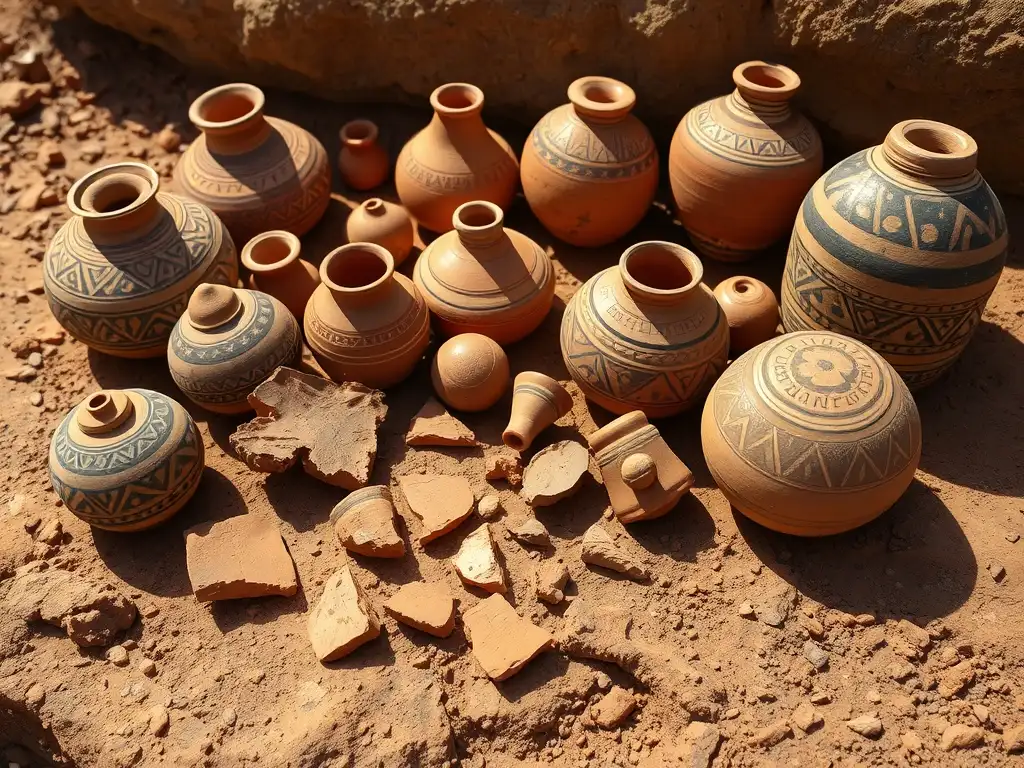
The Aymara people, inhabiting the Altiplano region of the Andes for millennia, developed a rich ceramic tradition long before the Inca expansion. Understanding pre-Inca Aymara pottery offers crucial insights into their social structures, beliefs, and artistic capabilities. While direct attribution of specific styles solely to the Aymara before the Inca period presents challenges due to limited archaeological data and potential overlap with other Andean cultures, distinct characteristics emerge that allow for preliminary stylistic classifications.
These styles showcase a remarkable evolution in form, function, and decorative techniques, reflecting changing societal needs and artistic expression. The analysis of pre-Inca Aymara pottery provides a vital foundation for understanding the later integration of Aymara ceramic styles within the broader Inca imperial context, contributing significantly to our knowledge of "Aymara pottery styles Inca period".
Early Aymara Ceramic Forms: Chiripa and Tiwanaku Styles
Early Aymara pottery styles are often linked to the broader cultural horizons of the Chiripa and Tiwanaku cultures. The Chiripa culture (c. 1500-500 BCE), located on the shores of Lake Titicaca, produced primarily simple, utilitarian wares. These were often characterized by plain surfaces, although some examples exhibit incised or painted decorations. Common forms include bowls, jars, and cooking pots, reflecting a focus on basic needs.
This contrasts sharply with the more sophisticated pottery of the Tiwanaku culture (c. 500-1000 CE). Tiwanaku ceramics display a higher level of technical proficiency, with a wider range of forms, including elaborate vessels with complex shapes and intricate decorations. Common features include:
- Monochrome finishes: Often in shades of red, brown, or black.
- Geometric designs: Including stepped frets, triangles, and zigzags.
- Anthropomorphic and zoomorphic representations: Although less frequent than geometric motifs.
The differences between Chiripa and Tiwanaku pottery reflect the broader cultural and technological advancements of the Tiwanaku period, demonstrating a clear evolution in Aymara ceramic production. Further research is needed to definitively isolate purely Aymara styles within these broader cultural contexts, but these characteristics offer a valuable starting point for understanding the pre-Inca foundations of Aymara ceramic artistry.
Decorative Motifs and Symbolism in Pre-Inca Pottery
Pre-Inca Aymara pottery is adorned with a range of decorative motifs, many of which carry symbolic meaning. While a comprehensive deciphering of all symbols remains elusive, some recurring patterns offer valuable clues. Geometric designs, such as stepped frets and triangles, are frequently observed and may represent cosmological concepts or social hierarchies. The use of specific colors also likely held significance.
For example, red might have signified fertility or power, while black could have represented the underworld. The scarcity of detailed iconographic studies necessitates further research to fully understand the rich symbolic language embedded within these decorations. The study of these motifs is crucial to understanding Aymara cosmology, social organization, and artistic expression within the pre-Inca period. This understanding is essential for a complete picture of "Aymara pottery styles Inca period", as these earlier traditions profoundly influenced subsequent developments.
Regional Variations in Pre-Inca Aymara Ceramics
The Altiplano region is geographically diverse, and this diversity is reflected in regional variations in pre-Inca Aymara pottery. While broad stylistic similarities exist across the region, subtle differences in form, decoration, and materials are evident. For instance, pottery from areas closer to Lake Titicaca might exhibit different clay compositions or decorative techniques compared to those from higher-altitude regions.
These variations likely reflect local access to resources, as well as distinct cultural practices and artistic traditions within different Aymara communities. Unfortunately, detailed documentation of these regional differences remains limited, and further archaeological investigation is needed to fully map the geographic distribution of pre-Inca Aymara ceramic styles. Understanding these regional nuances is crucial for a complete appreciation of the complexity and richness of pre-Inca Aymara ceramic traditions and their subsequent integration into the broader Inca context, ultimately enriching our understanding of "Aymara pottery styles Inca period".
Aymara Pottery Styles Inca Period: Influence and Integration
This section delves into the fascinating interplay between Aymara pottery styles and the imposing presence of the Inca Empire. The Inca conquest of the Aymara territories in the 15th century CE significantly impacted the artistic expression of the Aymara people, leading to a complex blending of traditions. While Aymara ceramic production continued, it was inevitably influenced by the imperial aesthetic and technological advancements brought by the Inca.
This interaction, however, was not a simple replacement of one style by another; instead, it resulted in a dynamic fusion, showcasing the resilience and adaptability of Aymara artistic identity. Understanding this period requires examining both the changes imposed by the Inca and the ways in which Aymara potters maintained their unique cultural signatures. The analysis of surviving artifacts reveals a rich tapestry of stylistic innovations and persistent Aymara traits.
The Impact of the Inca Empire on Aymara Pottery
The Inca Empire's expansion dramatically altered the landscape of Andean pottery production. The Inca, known for their sophisticated administrative system, implemented standardized practices across their vast territory. This included imposing specific styles and forms for certain ceramic types, particularly those intended for official or ritual use. The standardization aimed to project imperial power and consolidate control. However, the impact varied across different regions and communities. In Aymara territories, the Inca influence manifested in several ways:
- Introduction of new forms: Inca-style vessels, characterized by their elegant shapes and often featuring depictions of Inca iconography, began to appear alongside traditional Aymara designs. This introduction wasn't necessarily a complete abandonment of Aymara styles but rather an addition to the existing repertoire.
- Technological advancements: The Inca were masters of metallurgy and introduced new techniques in ceramic production, potentially leading to improvements in firing methods and glaze application. Evidence of this is seen in some Aymara pottery from the Inca period, showing a higher level of technical proficiency.
- Shift in decorative motifs: Some Aymara pottery from this period shows a noticeable incorporation of Inca stylistic elements, such as the use of specific geometric patterns or the depiction of Inca deities. This integration, however, often occurred alongside the continued use of traditional Aymara motifs, demonstrating a remarkable blending of styles.
The extent of Inca influence varied geographically. Pottery found in areas closer to Inca administrative centers shows a stronger Inca influence than pottery from more remote areas. This illustrates the uneven nature of imperial control and the capacity for local traditions to persist even under imperial rule.
Aymara Pottery During the Inca Rule: Aryballos and Plates
The Inca period witnessed the continuation of some traditional Aymara vessel types alongside the introduction of new forms. Two examples are particularly illustrative: the aryballos and the plate.
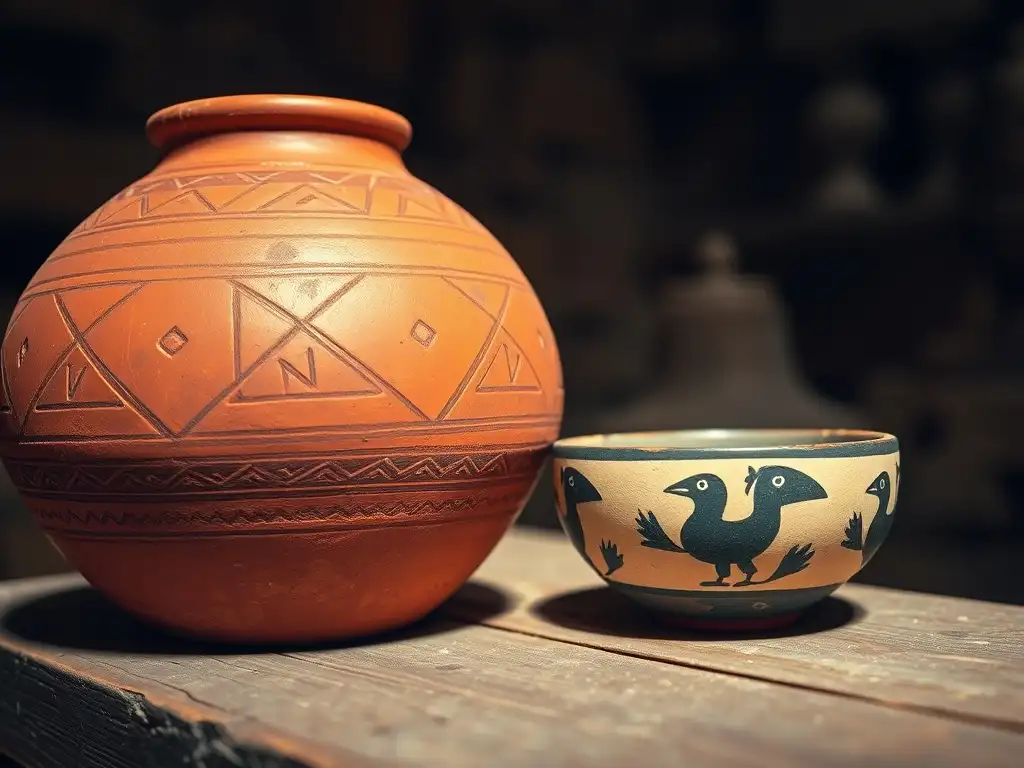
The aryballos, a type of globular vessel with a narrow neck, was a common form in pre-Inca Aymara pottery. During the Inca period, aryballos continued to be produced, but some examples show a clear Inca influence in their decoration or overall shape. For instance, some aryballos exhibit the use of Inca-style geometric patterns or the depiction of Inca-style figures alongside traditional Aymara designs. This suggests a conscious adaptation of Inca styles within the context of a long-standing Aymara tradition.
Plates, while less common in pre-Inca Aymara pottery, became more prevalent during the Inca period. This shift may reflect the adoption of Inca dining practices and the increased use of plates for serving food. However, even these plates often retained Aymara stylistic features, demonstrating the persistence of local artistic traditions.
The size and decoration of these plates varied, with some reflecting a clear Inca influence and others maintaining a distinctly Aymara character. Further research is needed to determine the specific functional and social contexts of these plates within Aymara society during the Inca period. [Specific information pending on the exact dimensions and decorative styles of Inca-influenced Aymara plates]
Blending of Inca and Aymara Ceramic Traditions
The evidence suggests that the interaction between Inca and Aymara ceramic traditions was not one of simple replacement but rather a complex process of adaptation and integration. Aymara potters did not passively adopt Inca styles; instead, they selectively incorporated elements of Inca aesthetics and technology while retaining core aspects of their own cultural heritage. This creative process resulted in a distinct hybrid style, reflecting the dynamic cultural landscape of the Andean region during the Inca Empire.
The persistence of traditional Aymara motifs, alongside the incorporation of Inca elements, highlights the enduring strength of Aymara artistic identity in the face of imperial power. The resulting pottery serves as a tangible testament to the resilience and adaptability of Aymara culture and its ongoing negotiation with dominant forces.
The study of Aymara pottery from the Inca period offers a valuable window into the complex social and cultural dynamics of this era, illuminating the intricate ways in which imperial power interacted with local traditions. 🇿🇦
Functional Aspects of Aymara Pottery: Vessels and Their Uses
The Aymara people, inhabiting the Andean highlands for centuries, developed a sophisticated pottery tradition deeply intertwined with their daily lives and spiritual beliefs. Their ceramic creations weren't merely decorative; they served crucial functional roles, reflecting both practical needs and complex social structures. Studying Aymara pottery styles from the Inca period and beyond provides invaluable insights into their daily routines, social hierarchies, and religious practices. Understanding the function of these vessels is crucial to appreciating their artistic merit and cultural significance.
This section will explore the diverse applications of Aymara pottery, focusing on its use in daily life and ritual ceremonies. The analysis will consider the forms, materials, and decorative elements to understand how these features relate to the pottery's intended purpose. Analyzing Aymara pottery styles from the Inca period reveals a fascinating interplay between practicality and symbolism.
Aymara Pottery for Daily Life: Cooking, Storage, and Serving
A significant portion of Aymara pottery served essential daily functions. Cooking pots, for instance, were commonly made from sturdy, heat-resistant clay. These vessels often featured a wide, shallow base for stability on open fires and a rounded body to facilitate even heat distribution. Sizes varied considerably, ranging from small bowls for individual portions to large ollas capable of feeding entire families.
The specific clay type used, often locally sourced, influenced the pot's color and texture, ranging from earthy browns and reds to darker hues. Detailed analysis of surviving examples reveals traces of food residues, further confirming their culinary use. Storage jars, on the other hand, were typically larger and taller, with narrower openings to minimize evaporation and protect contents from the elements. These jars were often used to store grains, dried foods, and other staples, contributing to the community's food security.
Serving bowls and plates, often decorated more elaborately than cooking pots, played a crucial role in social gatherings and meals, showcasing the Aymara's aesthetic sensibilities alongside their practical needs. The diversity in form and size of these vessels demonstrates a sophisticated understanding of material properties and functional requirements. Even seemingly simple forms, like small drinking cups, reveal careful attention to ergonomics and comfort.
Ritual and Ceremonial Use of Aymara Ceramics
Beyond everyday use, Aymara pottery played a vital role in ritual and ceremonial practices. Specific vessel types, often distinguished by unique shapes, decorations, and materials, were dedicated to religious purposes. For example, some vessels were used in offerings to the apus (mountain spirits), a central element of Aymara cosmology.
These vessels often contained coca leaves, chicha (a fermented maize beverage), or other offerings. The intricate designs on these ritual ceramics, often featuring symbolic motifs related to Andean deities and nature, further emphasize their sacred function. In addition to offerings, some Aymara pottery served as containers for sacred objects or relics, highlighting the importance of ceramics in their religious worldview.
The use of specific colors and patterns in ritual pottery suggests a complex system of symbolic representation, reflecting the Aymara's understanding of the cosmos and their relationship with the supernatural. Further research is needed to fully decipher the meanings of these symbolic elements and their relationship to specific rituals. [Specific information pending on the precise types of ritual vessels and associated rituals].
The production and distribution of Aymara pottery were not simply economic activities; they also reflected the social hierarchy and power dynamics within the community. Certain styles and decorative elements were associated with specific social groups or elites. For instance, finely crafted vessels with elaborate designs and high-quality materials were likely reserved for the upper classes, while simpler, more utilitarian pottery was used by the common people. The presence of specific motifs or symbols on pottery could also indicate the social status or affiliation of the owner.
Analysis of Aymara pottery styles from the Inca period reveals the influence of Inca imperial power on local ceramic traditions, with certain Inca-inspired motifs appearing alongside more traditional Aymara designs. The presence of workshops and specialized potters suggests a degree of occupational specialization and perhaps even a system of apprenticeship. The distribution of pottery across different regions also provides insights into trade networks and patterns of exchange within the Aymara communities.
Further research into archaeological excavations and ethnographic studies is needed to fully understand the relationship between pottery production and social stratification in Aymara society. The study of Aymara pottery styles, therefore, offers a valuable lens through which to examine the complex social fabric of this ancient Andean civilization. The intricate interplay between form, function, and social meaning in Aymara ceramics reveals the richness and complexity of their cultural heritage.
Analysis of Aymara Pottery Forms: Shapes and Designs
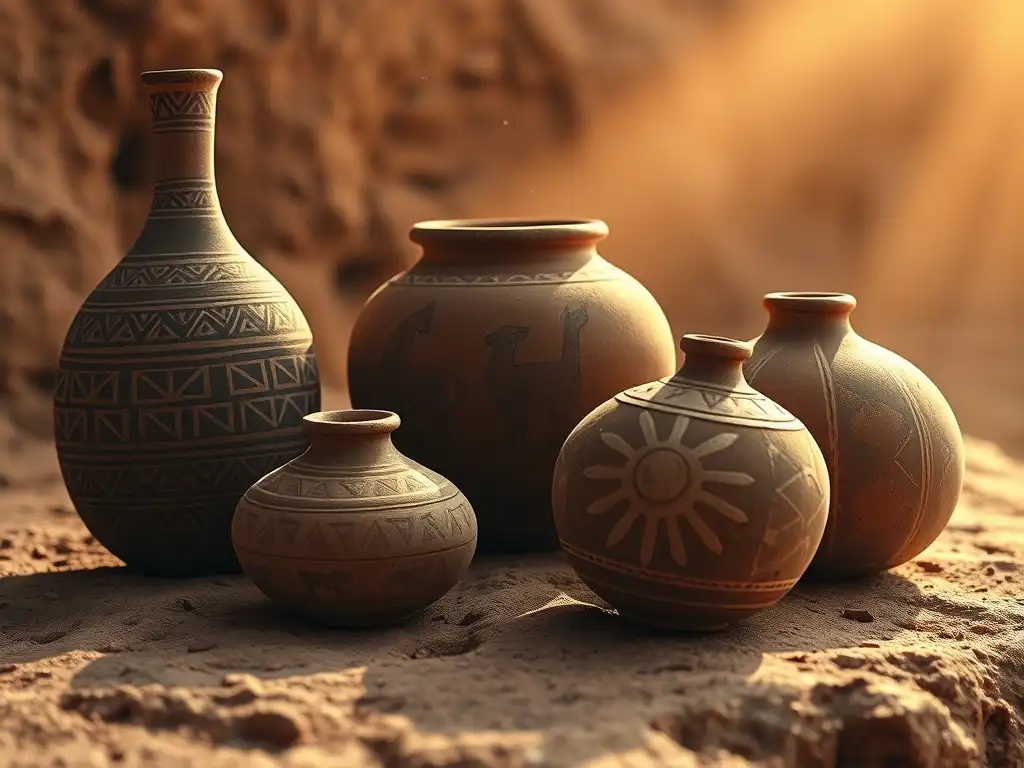
This section delves into the diverse forms and decorative designs characteristic of Aymara pottery, particularly during the Inca period, offering a glimpse into the artistry and functionality of these ancient ceramics. Analyzing Aymara pottery styles reveals a rich tapestry of cultural expression interwoven with practical considerations. The shapes, sizes, and decorations weren't arbitrary; they reflected social status, ritual practices, and everyday needs.
Understanding these aspects provides crucial insight into the Aymara worldview and daily life. The stylistic choices weren't static; they evolved over time, mirroring broader societal shifts and technological advancements. This evolution, coupled with regional variations, adds further complexity to the study of Aymara ceramic traditions.
Common Vessel Shapes in Aymara Pottery: Bowls, Jars, and Effigy Vessels
Aymara pottery exhibits a remarkable range of vessel shapes, each serving specific purposes. The most common forms include bowls, jars, and effigy vessels. Bowls, varying in size from small individual serving bowls to larger communal vessels, were likely used for food preparation and consumption. Their prevalence suggests their importance in daily life. Larger jars, often with narrow necks, were ideal for storing grains, liquids, and other provisions.
The size and shape of these jars could indicate storage capacity and perhaps even social status. The meticulous crafting of these utilitarian objects reveals the Aymara's appreciation for both functionality and aesthetics. Finally, effigy vessels, shaped in the form of animals or humans, hold particular significance. These were often used in ritual contexts, possibly representing deities, ancestors, or shamans.
The detailed craftsmanship and symbolic representations in these effigy vessels offer invaluable insights into Aymara beliefs and cosmology. Examples include vessels depicting llamas, crucial to the Aymara economy, and human figures, possibly representing important societal members. Further research is needed to fully understand the specific meanings associated with different animal and human effigies. Detailed analysis of the clay composition and firing techniques used in the creation of these different vessel types would also enrich our understanding of Aymara pottery production.
The Significance of Aymara Ceramic Decoration
Beyond their functional roles, Aymara pottery is distinguished by its intricate and meaningful decorative elements. Geometric patterns, often incorporating triangles, zigzags, and stepped designs, are prevalent. These patterns weren't merely decorative; they likely held symbolic meaning, possibly related to cosmology, social structures, or clan affiliations.
The use of specific colors, such as red, black, and white, may have also carried symbolic weight, potentially representing different aspects of the Aymara worldview. Further research is needed to decipher the specific meanings encoded in these patterns and colors. The application techniques themselves – painting, incision, and stamping – also contribute to the overall aesthetic and might indicate the skill level of the potter or the intended purpose of the vessel.
For instance, more elaborate decorations might have been reserved for elite members of society or for ceremonial objects. The prevalence of specific motifs in certain regions may also point towards regional variations in artistic styles and cultural practices. Analyzing the distribution of these decorative elements across different Aymara communities would provide valuable insights into the interconnectedness and diversity of Aymara culture during the Inca period.
Evolution of Aymara Pottery Forms Over Time
The styles and techniques of Aymara pottery weren't static; they evolved over time, reflecting changes in technology, artistic preferences, and societal structures. While precise dating of many Aymara pieces remains challenging, stylistic analysis suggests a gradual evolution in forms and decorations across different periods. Early Aymara pottery, for example, may have exhibited simpler forms and decorations compared to later periods, potentially reflecting technological limitations or differing aesthetic preferences.
The influence of the Inca Empire is also evident in some Aymara pottery, with the adoption of certain Inca stylistic elements. However, Aymara potters maintained distinct regional styles, showcasing a remarkable resilience to outside influence. Further research, including detailed stratigraphic analysis of archaeological sites and more refined dating techniques, is necessary to fully chart the trajectory of Aymara pottery styles throughout history.
This would involve comparing pottery shards from different layers of archaeological sites to establish chronological sequences and identify changes in styles over time. A comprehensive study of the evolution of Aymara pottery styles will offer a deeper understanding of the dynamic interplay between cultural continuity and change within the Aymara community. This in-depth analysis will provide crucial insights into the broader social and technological transformations that shaped Aymara society during the Inca period and beyond.
Aymara Pottery: A Legacy of Andean Craftsmanship
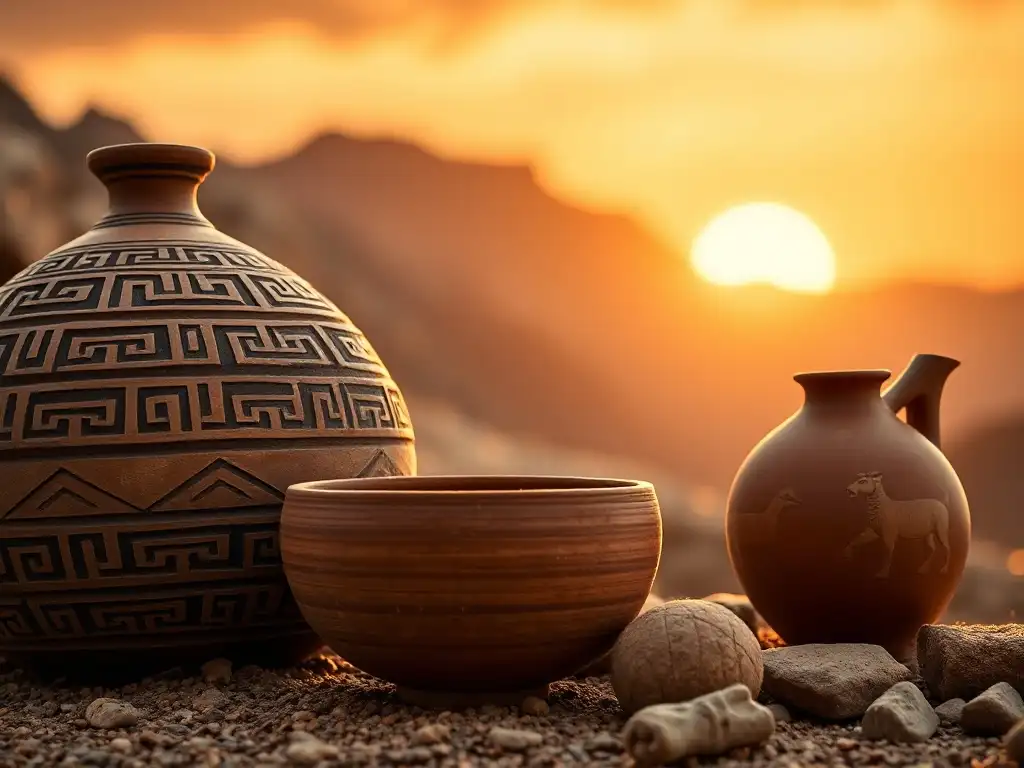
The Aymara people, inhabiting the Altiplano region of the Andes Mountains, possess a rich ceramic tradition deeply intertwined with their cultural identity and history. Their pottery, spanning centuries, offers a fascinating glimpse into their societal structures, beliefs, and daily lives. While often overshadowed by the more widely known Inca pottery styles, Aymara ceramics represent a distinct and equally significant artistic expression within the broader Andean context.
The enduring legacy of Aymara pottery, characterized by its unique forms, decorative motifs, and functional diversity, continues to captivate researchers and enthusiasts alike. This section will explore various facets of Aymara pottery, focusing on its evolution, stylistic features, and enduring cultural importance, particularly within the context of the Inca period. Understanding Aymara pottery styles provides crucial insights into the complex interplay between cultural continuity and adaptation throughout Andean history, highlighting the resilience and creativity of the Aymara people.
Preservation and Study of Aymara Ceramics
The preservation and study of Aymara ceramics present unique challenges. The harsh Andean climate, characterized by extreme temperature fluctuations and high altitude, contributes to the degradation of archaeological materials. Furthermore, looting and illegal trafficking of artifacts pose a significant threat to the survival of these invaluable cultural treasures. Despite these difficulties, significant progress has been made in the preservation and documentation of Aymara pottery.
Archaeological excavations, often conducted in collaboration with local communities, have yielded a wealth of information. Detailed cataloging and photographic documentation are crucial for preserving the visual record of these fragile artifacts. Scientific analysis techniques, such as thermoluminescence dating and petrographic analysis, are employed to determine the age and provenance of ceramic pieces, providing crucial insights into their creation and use. Moreover, ethnoarchaeological studies, which involve observing contemporary Aymara potters, shed light on traditional techniques and the cultural significance of pottery making.
These combined efforts ensure the long-term preservation of Aymara ceramic heritage and provide a basis for ongoing research and interpretation. The careful study of these artifacts allows researchers to reconstruct aspects of Aymara daily life, religious practices, and social organization, enriching our understanding of this remarkable culture. Careful preservation efforts, coupled with advanced scientific analysis, are key to unlocking the secrets held within these ancient Aymara pottery styles.
The Importance of Aymara Pottery in Understanding Andean History
Aymara pottery styles, particularly those dating back to the Inca period, provide invaluable insights into the social and political dynamics of the Andean region. The Inca Empire's expansion profoundly impacted the Aymara, yet their ceramic traditions demonstrated remarkable resilience. While some Inca stylistic influences are evident, Aymara potters maintained distinctive features in their work. Analysis of decorative motifs, vessel shapes, and clay types reveals crucial information about regional variations, trade networks, and the integration of Aymara communities within the broader Inca empire.
For instance, the presence of specific iconographic elements on Aymara pottery might indicate connections to particular religious beliefs or clan affiliations. Variations in vessel forms can reflect differing functional uses, from everyday cooking pots to ceremonial vessels. The study of Aymara pottery during the Inca period helps us understand the complex relationship between the Inca rulers and the conquered populations.
Did the Inca impose strict stylistic controls, or did they allow for a degree of cultural autonomy in pottery production? The answers to these questions lie in careful examination of the ceramic record, revealing the nuanced interactions between the Inca and the Aymara. The "Aymara pottery styles Inca period" is a rich and complex field of study, offering a unique perspective on the history of the Andes.
Contemporary Aymara Pottery: Keeping Traditions Alive
Despite the passage of centuries, Aymara pottery-making traditions remain vibrant. Contemporary Aymara artisans continue to produce ceramics using techniques passed down through generations. While some incorporate modern tools and materials, many adhere to traditional methods, employing hand-built techniques and natural pigments derived from local minerals. This continuity demonstrates the enduring cultural significance of pottery within Aymara society.
The designs and forms frequently reflect both traditional motifs and contemporary influences, showcasing the adaptability and innovation of Aymara potters. The sale of contemporary Aymara pottery provides a vital source of income for many communities, supporting economic development while preserving cultural heritage. Moreover, the continued practice of pottery making strengthens community ties and fosters the transmission of traditional knowledge to younger generations.
The persistence of these traditions showcases the resilience and adaptability of the Aymara culture, ensuring that their rich artistic heritage continues to thrive in the 21st century. The vibrant continuation of Aymara pottery demonstrates the enduring power of cultural traditions and their capacity to adapt and evolve while retaining their core identity. The preservation of these traditions is crucial for maintaining cultural diversity and fostering a sense of community and pride.
Conclusion: The Enduring Legacy of Aymara Pottery Styles
The study of Aymara pottery styles offers a captivating glimpse into the rich tapestry of Andean cultural history, particularly during the Inca period and beyond. These ceramic traditions, far from being static relics of the past, represent a dynamic interplay of artistic expression, technological innovation, and socio-cultural practices. Understanding these styles allows us to appreciate the ingenuity and resilience of the Aymara people, whose artistic legacy continues to resonate today.
The intricate designs, functional forms, and enduring symbolism embedded within these pieces provide invaluable insights into their beliefs, social structures, and daily lives. Further research into specific stylistic variations across different Aymara communities and time periods promises to unlock even deeper understandings of this fascinating aspect of Andean civilization.
The meticulous craftsmanship and enduring aesthetic appeal of Aymara pottery serve as a testament to the enduring human spirit and its ability to create beauty even amidst challenging circumstances. The legacy of Aymara pottery is not merely a collection of artifacts; it is a living narrative that speaks volumes about the past, present, and future of Andean culture.
A Summary of the Key Characteristics of Aymara Pottery
Aymara pottery, especially during the Inca period, is characterized by several key features that distinguish it from other Andean ceramic traditions. One prominent characteristic is the prevalence of geometric designs. These often include intricate patterns of triangles, zigzags, and stepped motifs, frequently arranged in bands or radiating from a central point. The use of red, black, and white pigments is common, often creating striking contrasts against the earthenware's natural beige or brown tones. The techniques used in creating these designs varied, from simple painting to more complex methods involving resist dyeing or incising.
Another defining feature is the functionality of the pottery. While some pieces were undoubtedly ceremonial or decorative, many were designed for everyday use. This includes a wide array of vessels for storing food, water, and other materials. The forms are often practical and utilitarian, reflecting the needs of Aymara communities.
Common shapes include bowls, jars, and pitchers, often with handles or spouts adapted to their intended purpose. The size and shape of these vessels also varied depending on their function and the specific needs of the users. This practicality is a hallmark of Aymara pottery, highlighting its integration into daily life.
Finally, the materials used in the creation of Aymara pottery also reflect the ingenuity of the artisans. Local clays, readily available in the Andean highlands, were carefully selected and prepared before being shaped and fired. The firing techniques, often using open-air kilns, resulted in a durable and weather-resistant ceramic. This demonstrates a deep understanding of the local environment and the ability to harness its resources for artistic and practical purposes. The resilience of the pottery itself mirrors the resilience of the Aymara culture itself.
The Continuing Relevance of Aymara Ceramic Art
The artistic traditions represented in Aymara pottery continue to hold significant relevance in the 21st century. Many contemporary Aymara artists continue to produce pottery using traditional techniques and motifs, keeping the ancient art form alive. This ensures the preservation of cultural heritage and provides a tangible link to the past. The vibrant colors, intricate designs, and enduring functionality of this pottery continue to capture the imagination of collectors and enthusiasts worldwide.
Moreover, Aymara pottery plays a vital role in the economic well-being of many Aymara communities. The sale of traditional pottery provides a source of income, supporting local artisans and fostering economic development within these communities. This economic contribution underscores the importance of preserving and promoting this ancient art form.
The continued creation and sale of Aymara pottery not only preserves cultural heritage but also contributes to the economic sustainability of the communities that produce it. The enduring appeal of these pieces showcases a remarkable blend of tradition and modernity, making them highly sought after both domestically and internationally. The legacy of Aymara pottery extends far beyond its aesthetic value; it is a powerful symbol of cultural identity, economic resilience, and enduring artistic expression.
The preservation of this heritage is crucial for maintaining a living connection to the rich cultural past of the Andean region. The continued practice and appreciation of Aymara pottery styles are vital for understanding and celebrating the vibrant cultural landscape of the Andes.
Frequently Asked Questions
What distinguishes Aymara pottery from that of other Andean cultures during the Inca period?
Aymara pottery, while influenced by Inca styles, often retained distinct regional characteristics. Look for variations in vessel shapes, decorative motifs, and clay types to differentiate it from Inca or other contemporaneous styles. Geometric designs and functional forms were common.
What were the primary functions of Aymara pottery during the Inca period?
Aymara pottery served a variety of functions, including food storage, cooking, and water transport. Ceramics were also used in ritual contexts and for everyday domestic purposes. Elaborate pieces may have held symbolic significance.
How did Aymara pottery styles evolve during the Inca period?
Aymara pottery styles show a blend of traditional techniques and Inca influences. While adhering to established forms, there was gradual integration of Inca stylistic elements. The degree of Inca influence varied across regions and time periods.
What are some common decorative motifs found on Aymara pottery from the Inca period?
Common motifs include geometric patterns, such as stripes, triangles, and zigzags. Anthropomorphic and zoomorphic representations, though less frequent than geometric designs, are also present. The use of polychrome paints was also characteristic.
Where can I learn more about Aymara pottery styles and their relationship to the Inca period?
To delve deeper into this topic, research archaeological publications focusing on the Aymara region during the Inca period. Museums with collections of Andean ceramics are also excellent resources. Academic journals and online databases offer further information.
Final Reflection: Echoes of the Andes: Aymara Pottery's Enduring Legacy
The vibrant artistry of Aymara pottery, flourishing during the Inca period and beyond, continues to resonate today, a testament to the enduring power of cultural expression and the ingenuity of a people deeply connected to their land. These intricate designs, functional forms, and the stories they silently tell offer a powerful window into a rich past, challenging us to consider the lasting impact of ancient civilizations on our present.
The Aymara people's connection to their ancestral crafts is profoundly moving. Their pottery isn't merely a collection of artifacts; it's a living link to their heritage, a tangible representation of their resilience and identity. The past is never dead. It's not even past.
- William Faulkner. This quote perfectly encapsulates the enduring relevance of Aymara pottery, reminding us that the echoes of ancient cultures continue to shape our world, influencing art, design, and our understanding of history itself.
Consider the intricate details, the symbolic meanings woven into each piece. Let the legacy of Aymara pottery inspire you to appreciate the artistry and cultural significance embedded in the objects around you. Seek out the stories hidden within the everyday, and discover the connections that bind us to the past, present, and future. By understanding and celebrating these ancient traditions, we enrich our own lives and contribute to the preservation of cultural heritage for generations to come.
Unveil the Beauty of Aymara Pottery in Your Own Home!
Thank you for exploring the fascinating world of Aymara pottery with us! We hope you've discovered the intricate artistry and rich cultural significance of this ancient craft. Now, let's explore ways to further appreciate and engage with this tradition.
Here are some ideas to deepen your connection with Aymara pottery:
- Create your own pottery inspired by traditional Aymara techniques. Gather some clay and let your creativity flourish!
- Visit a museum with a collection of Andean artifacts to see stunning examples of Aymara pottery firsthand and learn more about its cultural context.
- Share your knowledge and appreciation of Aymara pottery on social media or within your community, sparking conversations about this ancient art form and its enduring relevance.
Imagine the unique piece you could create by blending traditional Aymara styles with your own artistic vision. What would it look like?