
The Cultural Significance of Quechua: A Language of Identity and Heritage

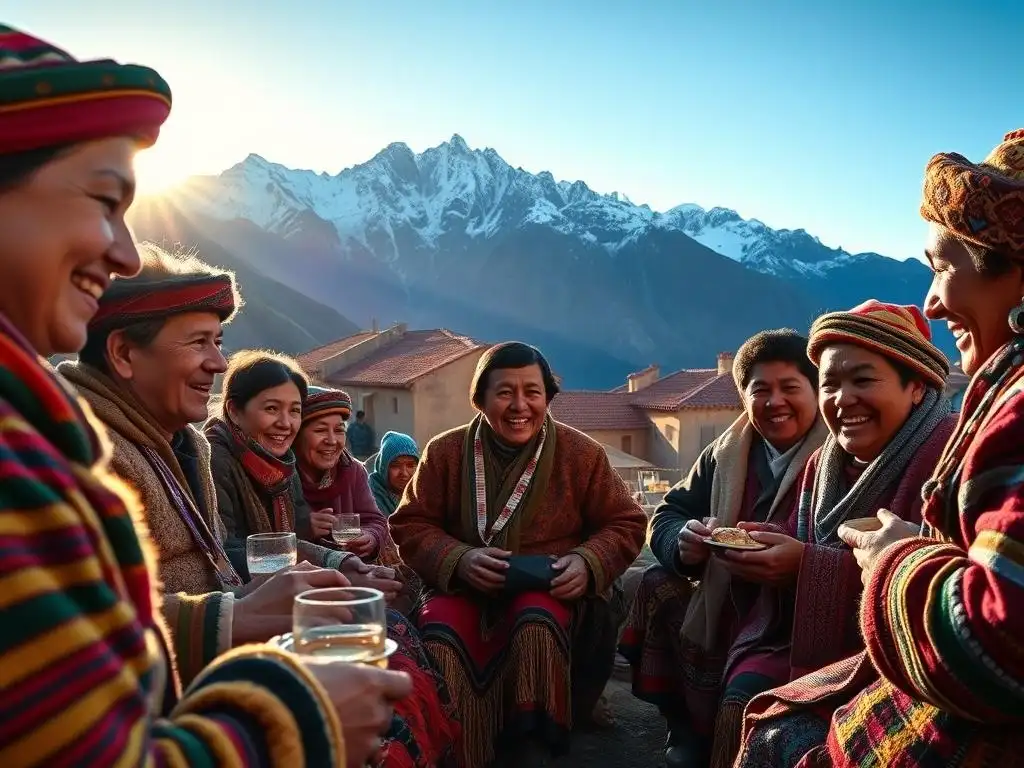
Step into a world lost in time, yet echoing with vibrant life. Imagine a civilization that sculpted mountains into monuments and wove intricate narratives into the very fabric of their existence. On Andean Civilizations, we delve into the captivating story of these ancient societies, their remarkable achievements, and the enduring legacy they left behind. But there’s a thread connecting them all, a key to understanding their rich tapestry: the Quechua language. Discover its profound cultural significance and unlock the secrets it holds within. Explore the mysteries further and uncover the fascinating story of this ancient tongue.
Quechua, far from being a relic of the past, remains a vibrant and crucial element of Andean cultural identity. This language, spoken by millions across the Andes Mountains in South America, boasts a rich history interwoven with the rise and fall of powerful empires, and continues to serve as a powerful symbol of indigenous resistance and cultural preservation in the modern era.
Understanding the cultural significance of Quechua requires exploring its deep historical roots, its role in shaping Andean societies, and its ongoing struggle for survival and revitalization in the face of globalization and linguistic dominance. This article will delve into the multifaceted impact of the Quechua language, examining its historical trajectory and its enduring importance as a cornerstone of Andean identity and heritage.
We will explore how Quechua continues to shape social structures, artistic expressions, and spiritual beliefs across diverse Andean communities. The enduring power of Quechua serves as a testament to the resilience and cultural richness of the Andean peoples.
Quechua's Historical Roots and Enduring Legacy
The Quechua language's history is intrinsically linked to the expansion and influence of the Inca Empire (1438-1533). While various Quechua dialects existed prior to Inca dominance, the imperial administration standardized a version of the language, facilitating communication and governance across a vast and diverse territory. This "official" Quechua, often referred to as Runa Simi, became the lingua franca of the empire, a powerful tool for unifying a population comprised of numerous ethnic groups and languages. 1 Even after the Spanish conquest, Quechua persisted, adapting and evolving within the changing socio-political landscape. Its survival is a testament to the strength of indigenous communities who actively maintained and transmitted the language through generations, despite facing systematic suppression and marginalization. Today, numerous Quechua dialects continue to be spoken across the Andes, demonstrating the language's remarkable adaptability and resilience. The diversity within Quechua itself reflects the rich tapestry of Andean cultures and histories. The persistence of Quechua in the face of colonialism highlights its deep-seated importance within Andean communities. Further research is needed to fully quantify the number of current Quechua speakers and the precise number of dialects, as data collection in remote Andean regions remains a challenge. [Specific information pending on precise number of Quechua speakers and dialects].
The Quechua Language: A Cornerstone of Andean Identity
Quechua is more than just a means of communication; it is a fundamental component of Andean identity. It acts as a repository of cultural knowledge, transmitting ancestral traditions, beliefs, and values across generations. Oral traditions, including myths, legends, and historical accounts, are often preserved and passed down primarily through the Quechua language. This oral tradition is crucial for understanding the worldview and cosmological perspectives of Andean communities.
Furthermore, Quechua is deeply embedded in various artistic expressions, including music, poetry, and storytelling. Many traditional Andean songs and poems are composed and performed in Quechua, preserving and celebrating the cultural heritage of the region. The language is also closely tied to indigenous spiritual practices and rituals, often playing a central role in ceremonies and religious expressions. The continued use of Quechua in these contexts underscores its vital role in maintaining cultural continuity and reinforcing a strong sense of community.
The preservation of Quechua is therefore not simply a linguistic issue, but a crucial aspect of safeguarding Andean cultural heritage and ensuring the continuity of indigenous traditions for future generations. The revitalization efforts underway in many Andean communities are crucial for the long-term survival and flourishing of this vital language. The impact of Quechua on Andean identity is profound and far-reaching, extending beyond mere communication to encompass the very fabric of Andean culture and spirituality.
1 Further research is needed to definitively establish the precise extent of language standardization under Inca rule.
Quechua Linguistic Diversity: Variations and Dialects
Quechua isn't a monolithic language; rather, it's a family of closely related languages, each with its own unique variations and dialects. This linguistic diversity reflects the geographical and cultural complexities of the Andes region. Scholars often categorize Quechua into several major branches, with further subdivisions based on regional variations. For example, the Quechua spoken in the Cusco region differs noticeably from that spoken in the highlands of Ecuador or the valleys of Bolivia.
These differences manifest in pronunciation, vocabulary, and grammar, sometimes making communication challenging between speakers from distant regions. The level of mutual intelligibility varies considerably. While speakers of closely related dialects can often understand each other with some effort, speakers of more distantly related Quechua languages might require more significant adaptation or the use of a common language like Spanish.
This linguistic diversity is a testament to the resilience and adaptability of the Quechua language family across diverse Andean environments and communities. The ongoing documentation and study of these variations are crucial for preserving the rich linguistic heritage of the Andes and ensuring the vitality of Quechua in the 21st century. Understanding this diversity is key to appreciating the full scope of the Quechua language and its cultural significance.
The Role of Quechua in Andean Cultural Expression
Quechua's cultural significance extends far beyond its linguistic features; it's deeply embedded in the fabric of Andean society and serves as a powerful vehicle for cultural expression. It's not merely a tool for communication; it's a living repository of Andean history, beliefs, and traditions. The language itself carries a weight of history, reflecting centuries of Andean cultural evolution.
Many traditional practices, from agricultural techniques to medicinal knowledge, are passed down through generations primarily through oral transmission in Quechua. The language's vocabulary, rich in nuanced terms for describing the Andean landscape, agricultural practices, and social structures, showcases a deep connection between the language and the environment. Furthermore, Quechua plays a vital role in maintaining social cohesion within Andean communities, fostering a sense of shared identity and cultural pride.
The use of Quechua in everyday life—in markets, family gatherings, and religious ceremonies—reinforces its importance as a symbol of cultural continuity. The ongoing efforts to revitalize and promote Quechua are not just about preserving a language; they are about preserving a way of life and a unique cultural heritage.
Quechua Oral Traditions: Storytelling and Mythology
Quechua oral traditions are rich with captivating stories, myths, and legends that have been passed down through generations. These narratives often feature mythical figures, powerful spirits, and explanations of natural phenomena, reflecting the Andean worldview. Storytelling in Quechua is more than mere entertainment; it serves as a vital means of transmitting cultural knowledge, values, and moral lessons.
These stories often involve complex narratives with symbolic meanings, providing insights into Andean cosmology, social structures, and historical events. The use of Quechua in these oral traditions ensures the preservation of these narratives in their original form, maintaining the authenticity and integrity of the stories. The vibrant imagery and metaphorical language employed in Quechua storytelling further enhance the narrative's impact and memorability.
Efforts to document and preserve these oral traditions are crucial for safeguarding this invaluable aspect of Andean cultural heritage. The detailed study of these narratives offers a profound insight into the cultural perspectives of the Quechua-speaking communities.
Quechua Music and Performing Arts
Music and performing arts hold a central position in Andean culture, and Quechua plays a crucial role in their expression. Traditional Andean music, often accompanied by instruments like the charango and panpipes, is frequently sung in Quechua, lending an authentic and emotive quality to the performances. The lyrics often tell stories, express emotions, or comment on social issues, showcasing the versatility of the language in artistic contexts.
Traditional dances and theatrical performances also utilize Quechua, adding depth and cultural significance to the presentations. The use of Quechua in these artistic forms helps to maintain cultural continuity and strengthens the connection between the performers and their audience.
Furthermore, contemporary Andean musicians and artists continue to incorporate Quechua into their work, demonstrating its enduring relevance in modern artistic expressions. This fusion of tradition and modernity ensures that Quechua remains a vibrant and dynamic element of Andean cultural life, reflecting the evolving identity of the Andean people.
Quechua Literature: Preserving History and Identity
Quechua literature, while facing historical challenges due to colonialism and linguistic suppression, is experiencing a notable resurgence. Contemporary Quechua writers are producing a growing body of work encompassing novels, poetry, short stories, and plays. This literature serves as a powerful tool for preserving cultural memory, promoting linguistic revitalization, and expressing the diverse experiences of Quechua-speaking communities. The themes explored in this literature often reflect the struggles and triumphs of Andean peoples, highlighting their resilience in the face of adversity.
By writing in Quechua, these authors contribute to the normalization and validation of the language, empowering Quechua speakers and fostering cultural pride. The increasing availability of Quechua literature is a testament to the growing recognition of the language's importance in shaping Andean identity and cultural expression. The works showcase the rich linguistic resources of Quechua and provide valuable insights into Andean perspectives and experiences.
Quechua in Contemporary Andean Art and Crafts
Quechua's influence extends to the realm of contemporary Andean art and crafts, where it serves as a source of inspiration and cultural expression. Many artisans incorporate Quechua words and phrases into their textile designs, pottery, and other crafts, adding a layer of cultural significance to their creations. These artistic expressions often depict scenes from Andean life, mythology, and history, with the use of Quechua adding authenticity and depth to the artistic narratives.
The use of Quechua in this context not only preserves the language but also contributes to the economic empowerment of Quechua-speaking artisans. By embedding Quechua into their work, these artists contribute to the preservation and promotion of their cultural heritage and demonstrate the language's enduring relevance in contemporary artistic practices. The vibrant colors and intricate designs often reflect the rich cultural tapestry of the Andean region, further emphasizing the profound connection between Quechua and visual arts.
Quechua as a Symbol of Resistance and Resilience

Quechua's enduring presence across the Andes stands as a powerful testament to its cultural significance and the resilience of its speakers. For centuries, Quechua has served as more than just a means of communication; it has been a crucial element in maintaining indigenous identity and resisting assimilation. The language itself embodies a rich tapestry of traditions, beliefs, and worldviews that have been passed down through generations, defying attempts at eradication.
Its survival in the face of colonization and globalization is a remarkable feat, reflecting the deep-rooted connection between the Quechua-speaking communities and their ancestral heritage. This connection is evident in the continued use of Quechua in daily life, religious ceremonies, and artistic expressions. The language's inherent strength lies in its ability to adapt and evolve while retaining its core values and identity.
The persistence of Quechua dialects across diverse geographical areas further underscores its importance as a unifying force within Andean communities. The very existence of Quechua, spoken by millions today, is a powerful symbol of resistance against cultural homogenization.
Quechua During the Colonial Era
The Spanish conquest of the Inca Empire in the 16th century marked a turning point in the history of Quechua. The colonial regime implemented policies aimed at suppressing indigenous languages and cultures, promoting Spanish as the dominant language of administration and social interaction. Despite the oppressive measures, Quechua persisted, albeit often clandestinely.
It was spoken in private spheres, within families and communities, ensuring its transmission across generations. The colonial period witnessed a complex interplay between suppression and survival, as Quechua speakers adapted their language use to navigate the new social and political landscape. While official documents and public discourse were largely conducted in Spanish, Quechua remained deeply entrenched in the daily lives of the indigenous population.
This resilience demonstrates the vital role the language played in maintaining cultural identity and social cohesion in the face of adversity. Many Quechua words and expressions, however, were absorbed into the regional Spanish dialects, demonstrating the language’s influence even during suppression.
Quechua's Struggle for Recognition and Preservation
The 20th and 21st centuries have witnessed a growing movement towards the recognition and preservation of Quechua. Indigenous communities have actively fought for the inclusion of Quechua in education systems and official settings. This struggle for recognition reflects a broader global trend towards linguistic diversity and the acknowledgment of the rights of indigenous peoples. The fight for Quechua's survival hasn't been without significant challenges.
Many Quechua speakers are bilingual or multilingual, often prioritizing Spanish for economic opportunities. This has led to a decline in the use of Quechua amongst younger generations in some areas, posing a threat to the language's long-term viability. However, concerted efforts are underway to revitalize Quechua through language immersion programs, community-based initiatives, and the creation of Quechua-language media. These efforts highlight the growing awareness of the cultural and linguistic richness that Quechua represents.
Quechua in Modern Social Movements
Quechua has played a significant role in various social movements throughout the Andes. It serves as a unifying language and a symbol of indigenous identity in protests and political mobilization. The use of Quechua in these contexts challenges the dominance of Spanish and asserts the rights and cultural identity of Quechua-speaking communities.
This linguistic assertion is a powerful tool in reclaiming ancestral lands, advocating for indigenous rights, and promoting cultural preservation. The language is used in rallies, demonstrations, and community organizing, signifying a collective resistance against marginalization and discrimination. The visibility of Quechua in modern social movements underscores its importance as a tool for empowerment and social change.
The language's continued use in these contexts demonstrates its continuing vitality and its relevance in contemporary Andean society. The use of Quechua in these modern contexts is a testament to its enduring power and its importance in shaping the future of Andean cultures.
The Importance of Quechua Language Revitalization
Revitalizing the Quechua language is not merely a linguistic endeavor; it is a crucial step in preserving a rich cultural heritage and fostering social justice. The decline of Quechua in certain areas poses a significant threat to the transmission of traditional knowledge, cultural practices, and historical narratives embedded within the language. Efforts to revitalize Quechua involve a multifaceted approach encompassing language education, community engagement, and the development of Quechua-language resources.
This includes promoting the use of Quechua in schools, media, and government institutions. The success of Quechua revitalization initiatives hinges on community participation and ownership. Empowering Quechua speakers to take a leading role in the preservation of their language is essential for its long-term survival.
The revitalization of Quechua is not only about preserving a language; it is about preserving a way of life, a worldview, and a rich cultural heritage for future generations. The continued use of Quechua is vital for maintaining cultural identity, promoting linguistic diversity, and ensuring social justice for Quechua-speaking communities across the Andes.
Challenges Facing the Quechua Language Today
The Quechua language, despite its rich history and cultural significance, faces numerous challenges in the modern era that threaten its continued vitality. These challenges are multifaceted and interconnected, stemming from societal shifts, globalization, and unequal access to resources. Understanding these obstacles is crucial to developing effective preservation strategies. The survival of Quechua is not merely a linguistic issue; it's inextricably linked to the preservation of Andean cultural identity and heritage. The future of Quechua depends on addressing these challenges proactively and collaboratively. Without concerted efforts, the vibrant tapestry of Quechua dialects risks fading into obscurity.
Language Shift and Loss of Speakers
One of the most significant threats to the Quechua language is language shift—the gradual replacement of Quechua by Spanish, the dominant language in most Andean regions. This shift is particularly pronounced among younger generations, who often perceive Spanish as essential for economic opportunity and social mobility. Consequently, Quechua is increasingly relegated to the home, used primarily within the family, and less frequently in public life.
This intergenerational transmission gap leads to a decline in the number of fluent Quechua speakers, accelerating the language's endangerment. The rate of language shift varies across different regions and communities, with some experiencing a more rapid decline than others. This variation underscores the need for tailored preservation strategies that consider the specific context of each community.
The Impact of Globalization on Quechua
Globalization's influence on the Quechua language is complex. While global interconnectedness offers opportunities for language revitalization through technology and international collaborations, it also presents significant challenges. The dominance of English and Spanish in global media, commerce, and education further marginalizes Quechua, reducing its exposure and perceived value.
The influx of foreign media and cultural products can overshadow local traditions and languages, contributing to language shift. This is exacerbated by the limited availability of Quechua-language media and content, making it harder for Quechua speakers, especially young people, to engage with the language in their daily lives. The pervasiveness of globalized communication technologies often reinforces the dominance of major languages, creating an uneven playing field for languages like Quechua.
Access to Education in Quechua
Access to education plays a pivotal role in the survival of any language. Unfortunately, for Quechua, access to quality education in the language is often limited or non-existent. Many schools primarily use Spanish as the medium of instruction, leaving Quechua speakers at a disadvantage and contributing to language shift.
Even when Quechua is offered as a subject, the quality of instruction and available resources can be inadequate. This lack of educational opportunities in Quechua reinforces the notion that Spanish is the language of success and progress, while Quechua is relegated to a secondary, less important role. Investing in bilingual education programs that value both Quechua and Spanish is crucial to ensuring that Quechua speakers have equal opportunities and are empowered to use their language with pride.
Efforts to Promote and Preserve the Quechua Language
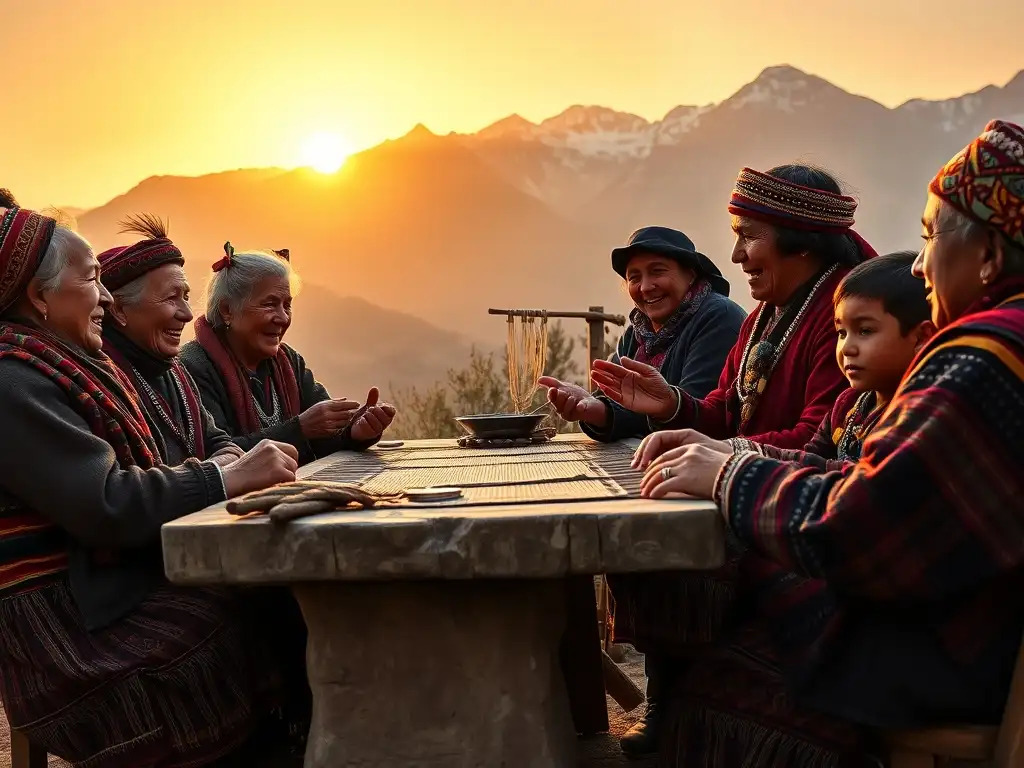
Despite the challenges, numerous efforts are underway to promote and preserve the Quechua language. These initiatives range from grassroots community-based programs to government-led policies and the innovative use of technology. The success of these efforts relies on a collaborative approach that involves communities, governments, and educational institutions working together. The preservation of Quechua is not just a linguistic endeavor; it is a crucial step in safeguarding Andean cultural heritage and identity for future generations. The ongoing efforts showcase the resilience and determination to protect this invaluable linguistic and cultural treasure.
Community-Based Language Programs
Many Quechua communities are actively involved in preserving their language through grassroots initiatives. These programs often focus on intergenerational language transmission, community-based language learning, and the creation of Quechua-language resources such as dictionaries, storybooks, and songs. These efforts are vital because they are driven by the communities themselves, reflecting their specific needs and cultural contexts. By empowering communities to take ownership of their language preservation efforts, these programs foster a sense of cultural pride and ownership, increasing the likelihood of success. Examples of these programs include workshops, storytelling events, and community radio broadcasts in Quechua.
Government Initiatives Supporting Quechua
Several governments in the Andean region have implemented policies to support the Quechua language. These initiatives may include incorporating Quechua into the national education curriculum, promoting the use of Quechua in official settings, and investing in the development of Quechua-language resources. The effectiveness of these government initiatives varies significantly depending on the level of political will and available resources. Successful programs often involve collaboration with Quechua communities, ensuring that policies reflect the needs and priorities of the speakers themselves. While governmental support is essential, sustained commitment and effective implementation are critical for long-term success.
Technology and Digital Resources for Quechua
Technology plays an increasingly important role in language preservation efforts. The development of Quechua-language websites, mobile applications, and online dictionaries provides access to language learning resources and promotes the use of Quechua in digital spaces. These digital resources can reach wider audiences, especially young people, who are often more comfortable engaging with technology. The use of technology also facilitates inter-community communication and collaboration, allowing Quechua speakers from different regions to connect and share resources. However, ensuring equitable access to technology and digital literacy within Quechua communities remains a challenge that needs to be addressed.
The Future of Quechua: Maintaining Cultural Vitality
The survival of the Quechua language, like many indigenous languages worldwide, faces significant challenges in the modern era. Dominant languages, such as Spanish, exert considerable pressure, often leading to language shift where younger generations prioritize the dominant language for educational and economic opportunities. This poses a direct threat to the cultural richness embedded within Quechua. However, there are ongoing efforts to revitalize and preserve this vital part of Andean heritage.
Several initiatives are underway to promote Quechua language learning and usage. These include community-based language nests, where children are immersed in Quechua from a young age, fostering fluency and cultural pride. Educational programs incorporating Quechua into the curriculum are also gaining traction, although the level of implementation varies significantly across different regions and educational institutions.
Furthermore, the use of Quechua in media, such as radio broadcasts, television programs, and online platforms, helps to normalize its usage and increase its visibility. The creation and distribution of Quechua literature, including children's books and novels, also plays a crucial role in maintaining the language's vibrancy and promoting literacy.
The success of these initiatives depends heavily on government support, community engagement, and a concerted effort to value and celebrate Quechua as a language of identity and cultural expression. Furthermore, recognizing and addressing the socio-economic factors that contribute to language shift is crucial. By empowering Quechua speakers and creating opportunities that value their linguistic heritage, the future of Quechua can be secured, ensuring its continued contribution to the rich tapestry of Andean culture.
The ongoing struggle to maintain Quechua highlights the broader global challenge of indigenous language preservation, underscoring the need for proactive and sustained efforts to protect linguistic diversity. The future of Quechua is not merely about linguistic survival; it is about preserving a vital link to a rich cultural past and ensuring a vibrant future for Andean communities.
Quechua Language Cultural Significance: A Summary
The Quechua language holds immense cultural significance for the Andean region, serving as a powerful symbol of identity and heritage. Its deep roots in the history of the Inca Empire and its continued use by millions of speakers across several South American countries solidify its importance. Quechua is far more than just a means of communication; it encapsulates a worldview, a rich oral tradition, and a complex system of knowledge passed down through generations. Its intricate vocabulary reflects the unique environment and lifestyle of the Andean people, encompassing agricultural practices, astronomical observations, and intricate social structures.
The cultural significance of Quechua extends beyond its linguistic features. It plays a vital role in maintaining social cohesion within Quechua-speaking communities, strengthening bonds through shared language and cultural practices. The preservation of Quechua is intrinsically linked to the preservation of Andean cultural traditions, including music, storytelling, and traditional crafts. The language serves as a vehicle for transmitting ancestral knowledge and ensuring the continuity of cultural practices.
The ongoing efforts to revitalize and promote Quechua highlight its enduring importance and the deep-seated connection between language and cultural identity. In essence, the Quechua language represents a living testament to the resilience and cultural richness of the Andean people. Its continued use is essential for the preservation of a unique and invaluable cultural heritage. The ongoing efforts to preserve and promote Quechua demonstrate its enduring significance in the Andean region and beyond.
- Quechua's Historical Roots and Enduring Legacy
- The Quechua Language: A Cornerstone of Andean Identity
- Quechua Linguistic Diversity: Variations and Dialects
- The Role of Quechua in Andean Cultural Expression
- Quechua as a Symbol of Resistance and Resilience
- The Importance of Quechua Language Revitalization
- Challenges Facing the Quechua Language Today
- Efforts to Promote and Preserve the Quechua Language
- The Future of Quechua: Maintaining Cultural Vitality
- Quechua Language Cultural Significance: A Summary
Frequently Asked Questions
What is the Quechua language?
Quechua is a family of languages spoken by millions across the Andes Mountains of South America. It's most closely associated with the Inca Empire, though its origins predate the Incas significantly. It continues to be a vibrant language today.
How significant was Quechua during Inca rule?
Quechua was elevated to the status of an official language under the Inca Empire, facilitating communication and administration across their vast territory. Its widespread use helped unite diverse populations under Inca rule. It became a symbol of Inca power and identity.
What is the cultural significance of Quechua today?
Today, Quechua remains a vital part of Andean identity, representing cultural heritage and resistance. Its continued use is a powerful assertion of indigenous culture and autonomy in the face of globalization. Many communities actively work to preserve and promote the language.
How many Quechua dialects exist?
There are numerous dialects of Quechua, with significant variations in vocabulary and pronunciation between different regions. The exact number is debated, but it's commonly acknowledged that there are many distinct varieties. Understanding these variations is crucial for effective communication.
Why is the preservation of Quechua important?
Preserving Quechua is essential for maintaining linguistic diversity and safeguarding a rich cultural heritage. The loss of Quechua would represent a significant loss to the world's linguistic and cultural landscape. Its survival is vital for the identity and self-determination of many Andean communities.
Final Reflection: Echoes of the Andes: Preserving Quechua's Enduring Legacy
The vibrant tapestry of Quechua, a language spoken across the Andes for centuries, continues to face challenges in the modern world, yet its resilience and cultural significance remain profoundly important. Its survival is not merely a linguistic matter; it's a fight for the preservation of unique worldviews, traditions, and a rich history that deserves to be celebrated and protected. The future of Quechua is inextricably linked to the future of Andean communities.
The enduring power of Quechua lies in its ability to connect generations, to transmit knowledge and stories passed down through oral tradition, and to maintain a distinct cultural identity in the face of globalization. Its influence resonates far beyond the Andes, impacting literature, music, and artistic expression. As the renowned Peruvian writer, José María Arguedas, once stated: The Quechua language is not just a means of communication; it is the very soul of the Andes, the heart that beats with the rhythm of its mountains and valleys.
This sentiment encapsulates the deep-seated connection between the language and the people who speak it, a connection that deserves our utmost respect and support.
Consider the impact of language loss on cultural heritage. What stories remain untold when a language dies? What unique perspectives are lost? You have the power to contribute to the preservation of Quechua. Learn a few phrases, support organizations working to revitalize the language, and engage with the rich cultural expressions that stem from this ancient tongue. By acknowledging and appreciating the cultural significance of Quechua, we not only honor its past but also safeguard its future, ensuring that the echoes of the Andes continue to resonate for generations to come.
Embrace and Celebrate Quechua Heritage!
Thank you for exploring the cultural significance of the Quechua language. We hope you've gained a deeper appreciation for its role in embodying identity and heritage. Now, let's put that knowledge into action!
- **Immerse yourself in the Quechua language and culture** by taking a class or participating in a workshop.
- **Share your newfound appreciation on social media**, inspiring others to learn and celebrate its richness using the hashtag #CelebrateQuechua.
- **Connect with local Quechua-speaking communities** by attending cultural events or volunteering your time to help preserve these invaluable traditions.
How will you contribute to the preservation and promotion of Quechua as a vital part of our shared cultural heritage?