
The Valdivia Mystery: Unresolved Questions About a Pioneering Civilization

Step into a world lost to time, where ancient secrets whisper from the sands of Ecuador. Forget everything you think you know about early South American civilizations. The Andean Civilizations website unveils the captivating story of the Andes, from the Incas to the lesser-known but equally fascinating cultures. But prepare to be intrigued… What mysteries surround the Valdivia civilization and its pioneering achievements? Dive into the enigma and uncover the answers within.
The Valdivia culture, flourishing along the coast of present-day Ecuador from approximately 3500 to 1800 BCE, represents one of the earliest known complex societies in the Americas. Its sophisticated ceramics, intricate figurines, and evidence of early agriculture challenge established narratives of South American development, leaving behind a legacy shrouded in intriguing mysteries that continue to fascinate archaeologists and historians alike.
This article delves into some of the most compelling unresolved questions surrounding the Valdivia civilization, exploring the enigmatic aspects of their emergence, societal structures, and eventual decline, ultimately contributing to a deeper understanding of this pioneering culture and its place within the broader tapestry of Andean history. Understanding the Valdivia civilization helps us unravel the complex story of human development in the Americas, revealing a rich and sophisticated culture that predates many others we've previously considered "early."
The mysteries surrounding this civilization not only intrigue us but also push us to refine our understanding of societal development and cultural evolution in the region.
The Enigma of Valdivia's Origins: Where Did They Come From?
The sudden appearance of the Valdivia culture, with its already well-developed artistic and technological capabilities, presents a significant puzzle. Where did this sophisticated society originate? Did they evolve gradually from earlier, less complex coastal groups, or did they represent a wave of migration from another region? Current theories range from indigenous development building upon pre-existing traditions to potential influences from other regions, but concrete evidence remains elusive.
The lack of clear precursors complicates the understanding of their origins, making their sudden emergence all the more perplexing. Further research, including comprehensive genetic studies and detailed analysis of early Valdivia settlements, is needed to shed light on this crucial aspect of their history. Archaeological excavations continue to unearth new artifacts, but the puzzle of their ultimate origins remains largely unsolved. The potential for inter-coastal migrations or even influences from more distant cultures represents a fascinating area for future research.
Many Valdivia figurines depict female figures, often in positions of apparent authority or ritual significance. This has led some scholars to propose a matriarchal social structure, a unique characteristic among early Andean societies. However, the interpretation of these figurines remains debated. Were they simply representations of fertility goddesses, or do they reflect a more profound societal organization?
The lack of clear evidence regarding political organization and power structures within Valdivia communities hinders a definitive answer. Further investigation into burial sites and the distribution of artifacts within settlements could potentially reveal clues about social hierarchy and gender roles, offering a more nuanced understanding of their societal organization. The possibility of a matriarchal society challenges traditional assumptions about early Andean social structures and warrants further in-depth analysis.
The Mystery of Valdivia's Decline: Why Did They Disappear?
The reasons behind the eventual disappearance of the Valdivia culture are also unclear. Environmental factors, such as climate change or coastal erosion, may have played a role. However, the precise impact of these factors remains uncertain. Internal conflicts or external pressures from other groups might also have contributed to their decline. The absence of clear evidence of warfare or significant societal upheaval makes it difficult to pinpoint the exact cause.
This necessitates a more holistic approach that integrates environmental data with archaeological findings to fully comprehend the factors that led to the end of this fascinating civilization. More research into the later periods of the Valdivia culture is crucial to understand the processes leading to its gradual disappearance. Did they assimilate into other cultures, or did they simply vanish? The answers remain buried in the sands of time.
Unanswered Questions and Future Research: What Remains to be Discovered?
Despite decades of research, many questions surrounding the Valdivia civilization remain unanswered. Further archaeological excavations, advanced dating techniques, and interdisciplinary approaches are needed to shed more light on their origins, societal structure, and demise. Specifically, the investigation of less-explored sites, the application of advanced DNA analysis, and the comparison of Valdivia artifacts with those of contemporaneous cultures could provide crucial insights.
The Valdivia civilization's legacy serves as a testament to the enduring power of human ingenuity and the importance of preserving and studying our shared past. The mysteries surrounding this early Andean culture invite further investigation and promise to reveal even more astonishing discoveries in the years to come. 🕵️♀️ The ongoing search for answers continues to shape our understanding of pre-Columbian America.
- The Enigma of Valdivia's Origins: Where Did They Come From?
- The Social Structure of Valdivia: A Matriarchal Society?
- The Mystery of Valdivia's Decline: Why Did They Disappear?
- Unanswered Questions and Future Research: What Remains to be Discovered?
- What is the Valdivia civilization, and why is it significant?
- What are some of the biggest mysteries surrounding the Valdivia civilization?
- What kind of technology did the Valdivia people possess?
- Where are Valdivia sites located, and what can be seen there?
- How does the Valdivia civilization relate to later Andean cultures?
Unveiling the Enigmas of the Valdivia Culture
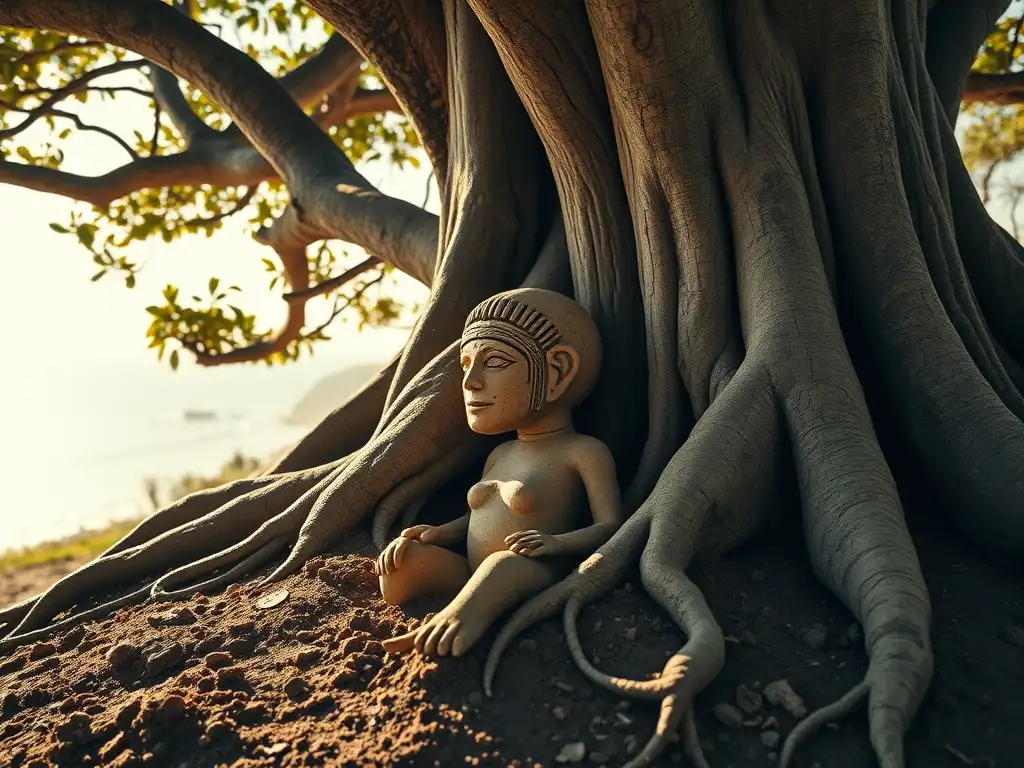
Introduction to the Valdivia Civilization: A Coastal Pioneer
The Valdivia civilization, flourishing along the coast of present-day Ecuador from approximately 3500 to 1800 BCE, remains a captivating enigma in the tapestry of Andean prehistory. Considered one of the earliest known complex societies in South America, its emergence challenges established narratives of societal development. Unlike many later Andean cultures that relied heavily on agriculture in high-altitude settings, the Valdivia people thrived in a coastal environment, developing sophisticated strategies for resource management and maritime navigation.
Their mastery of ceramic production, evident in the exquisitely crafted figurines and vessels unearthed at numerous sites, is particularly noteworthy. These artifacts, often depicting stylized human figures, animals, and abstract designs, offer invaluable insights into the Valdivia worldview and social structures. The intricate details and remarkable artistry suggest a level of social organization and specialized labor beyond what might be expected in a “pre-ceramic” society—a common misconception often associated with early South American cultures.
Analyzing these artistic expressions helps us better understand not just their artistic skills, but also their beliefs, rituals, and social hierarchies. Further study of the Valdivia's unique adaptation to the coastal environment, including their fishing techniques and shell-mound construction, is crucial to unraveling the full extent of their achievements. The Valdivia civilization mysteries are numerous, but the more we uncover, the more we understand about the ingenuity and complexity of their society.
The Archaeological Significance of Real Alto and Loma Alta
Real Alto and Loma Alta stand out as two pivotal archaeological sites offering invaluable glimpses into the Valdivia civilization. Located in the coastal region of Ecuador, these sites have yielded significant evidence illuminating aspects of Valdivia life, including their settlement patterns, social organization, and technological advancements. Real Alto, in particular, is renowned for its exceptionally well-preserved remains, including residential structures and elaborate burial grounds. Excavations at Real Alto have revealed evidence of complex social stratification, with variations in house size and grave goods suggesting a hierarchical society.
The discovery of meticulously crafted ceramic figurines at both sites has provided crucial insights into their religious beliefs and artistic capabilities. These figurines, often depicting stylized female figures, are hypothesized to represent fertility goddesses or shamanistic figures, pointing towards a culture with a rich spiritual life. Moreover, the presence of elaborate shell ornaments and tools indicates a sophisticated understanding of material culture and craftsmanship. The meticulous organization of the sites, the diversity of artifacts, and the evidence of specialized labor all contribute to a picture of a surprisingly complex society for its time.
Further research at Loma Alta and Real Alto is essential to fully understand the Valdivia civilization mysteries and their place within the broader context of Andean prehistory. Comparing the findings from these two sites allows for a more comprehensive understanding of regional variations within the Valdivia culture and a deeper understanding of the societal dynamics at play. The wealth of data from these locations continues to shape our understanding of this pioneering civilization, constantly revealing new details and challenging previous assumptions about the complexities of early South American societies. The careful analysis of artifacts and site layout from both Real Alto and Loma Alta continues to be crucial in resolving some of the many Valdivia civilization mysteries.
Valdivia Civilization Mysteries: Exploring the Unknown
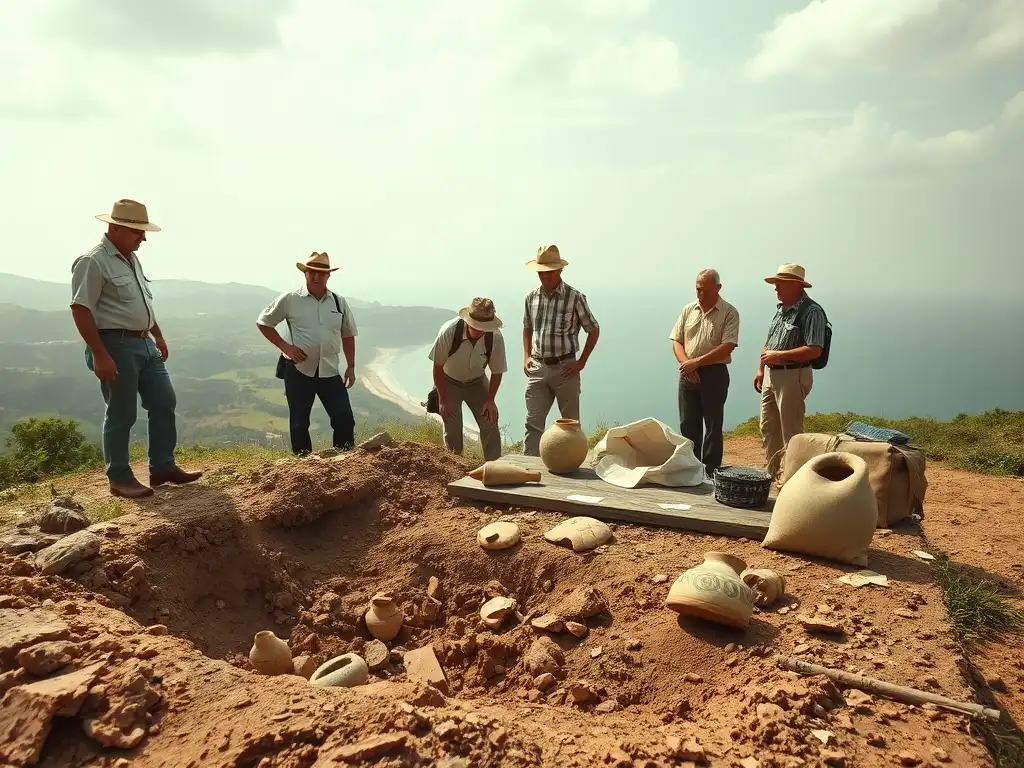
This section delves into the enduring enigmas surrounding the Valdivia culture, a civilization that continues to fascinate archaeologists and historians alike. Its sophisticated achievements, particularly in pottery and figurine production, predate many other well-known Andean cultures, leaving behind a legacy of unanswered questions and stimulating ongoing research into the "Valdivia civilization mysteries." The lack of extensive written records necessitates a reliance on careful analysis of artifacts and archaeological findings to piece together a clearer picture of this pioneering society.
The Origins of Valdivia Pottery: The Earliest Known Ceramics in the Americas
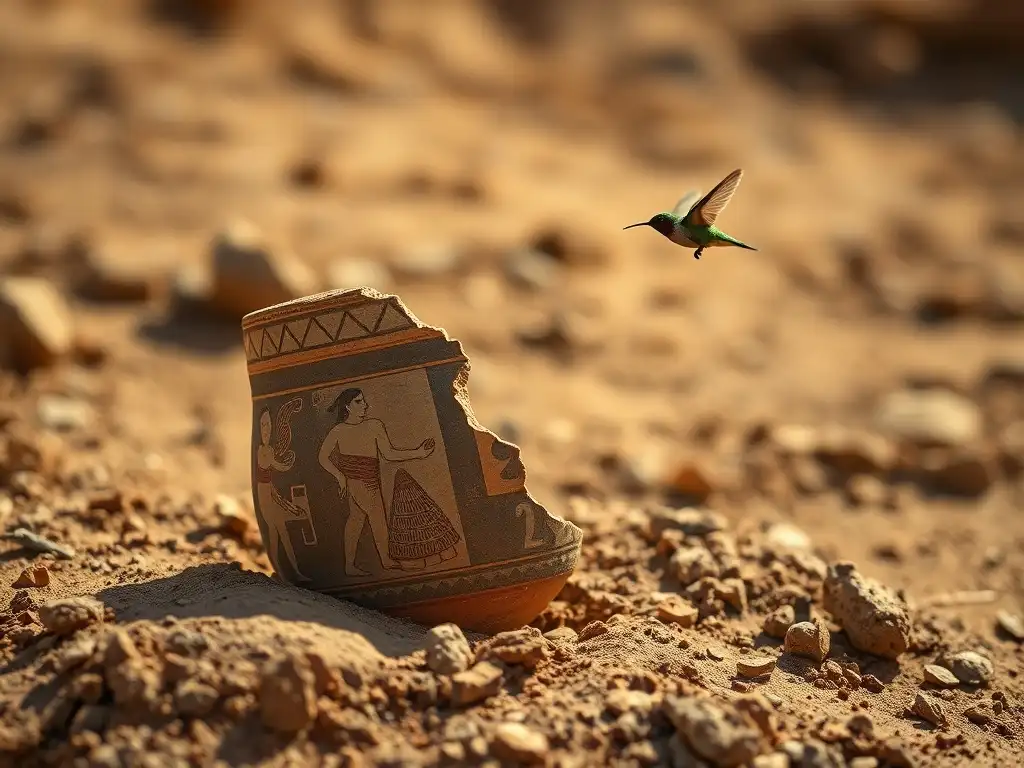
The Valdivia culture boasts the distinction of creating some of the earliest known ceramics in the Americas, dating back to approximately 3500 BCE. This remarkable feat, accomplished long before the rise of many other notable Andean civilizations, presents a significant mystery: how did this technology emerge so early and independently in this region? The precise techniques employed in the creation of these vessels remain a subject of ongoing study. Analysis of the clay composition, firing methods, and decorative styles provides clues, but the full story of Valdivia pottery innovation remains incomplete.
Several hypotheses attempt to explain the origins of Valdivia pottery. Some suggest a gradual evolution from simpler basketry or wood techniques, while others propose a more sudden and innovative leap. The remarkable consistency in early Valdivia pottery styles across a wide geographical area suggests a potential level of cultural exchange or centralized production, though the mechanisms for such coordination remain unclear.
Further research into the geological sources of the clay used and the distribution of early pottery workshops is crucial to unlock this facet of Valdivia civilization mysteries. The discovery of new archaeological sites and the application of advanced analytical techniques offer exciting possibilities for future breakthroughs in this area. The complexity of the designs, often featuring intricate geometric patterns and marine motifs, hints at a deep understanding of artistic principles and symbolic representation, far exceeding what might be expected from such early ceramic production.
Valdivia Figurines: Venus Figurines and Shamanic Practices
The Valdivia culture is also renowned for its distinctive figurines, often referred to as "Venus figurines," due to their stylized female forms. These small, meticulously crafted objects present a rich source of information about the Valdivia worldview and social structures, adding another layer to the "Valdivia civilization mysteries." While their exact purpose remains debated, several interpretations suggest a connection to fertility, religious rituals, or shamanic practices.
The recurring themes in Valdivia figurines—emphasized breasts, hips, and sometimes pregnant bellies—strongly suggest a connection to fertility and the importance of women in the society. However, the presence of some figurines with exaggerated features or unusual adornments indicates a more complex symbolism that extends beyond simple representations of fertility. The discovery of figurines in contexts suggesting ritualistic use, such as burial sites or ceremonial structures, further supports the hypothesis of their involvement in religious or shamanic practices.
The detailed craftsmanship and stylistic variations found in these figurines showcase a remarkable level of artistic skill and cultural sophistication. The materials used, primarily clay, were carefully selected and meticulously worked to achieve the desired forms and surface textures.
The diversity of styles and iconography within the figurines themselves point towards a complex social structure and possibly different religious or social groups. More research is needed to fully understand the symbolic meaning and social function of these enigmatic objects, which remain a critical piece in the puzzle of Valdivia civilization mysteries.
The level of organization and complexity evident in Valdivia art and technology suggests a sophisticated social structure. While definitive evidence is still lacking, many scholars hypothesize the presence of early chiefdoms or ranked societies. The consistent styles in pottery and figurines, as well as the apparent control over resources and production, point towards centralized authority or at least a system of social hierarchy, contributing significantly to the ongoing discussion of Valdivia civilization mysteries.
Evidence for social stratification within the Valdivia culture is largely indirect, relying on interpretations of settlement patterns, artifact distribution, and burial practices. Larger settlements may indicate the presence of elite groups or centralized power. The relatively consistent quality and style of pottery across different sites suggest some level of control over production and distribution, which could reflect centralized organization or a highly developed trade network.
Further research focusing on the analysis of burial sites and the identification of elite grave goods is crucial to better understand the social hierarchy and power dynamics within Valdivia society. The presence of any differences in the size, location, or contents of burials could provide valuable insights into the social structure.
The absence of large-scale monumental architecture, common in later Andean civilizations, suggests a different approach to expressing power and authority. The ongoing excavation and analysis of Valdivia sites are crucial to shedding more light on the social organization of this fascinating civilization and resolving some of the outstanding "Valdivia civilization mysteries."
Unanswered Questions About Valdivia Society
The Valdivia culture, flourishing along the coast of present-day Ecuador from roughly 3500 to 1800 BCE, presents archaeologists with a captivating enigma. While evidence of their sophisticated pottery, intricate figurines, and early adoption of agriculture is undeniable, many aspects of their societal organization remain shrouded in mystery. This section delves into some of the most pressing unanswered questions surrounding this pioneering Andean civilization, focusing on trade networks, diet, and ultimately, their decline.
Understanding these aspects is crucial to piecing together a complete picture of Valdivia life and their lasting impact on subsequent Andean cultures. The enduring mysteries surrounding the Valdivia civilization continue to fuel research and debate amongst experts, solidifying its place as a fascinating subject within the broader context of Andean prehistory. Several key areas require further investigation to fully unravel the complexities of this remarkable culture.
Valdivia Trade Networks: Obsidian and Spondylus Shell Exchange
The discovery of obsidian artifacts at Valdivia sites, originating from sources hundreds of kilometers away in the Andes mountains, points to a well-established trade network. This indicates a level of social organization and inter-regional interaction far beyond what was initially anticipated for a culture of this time period. The precise mechanisms of this exchange, however, remain unclear.
Was it a system of direct exchange, or did intermediary groups play a role? The distribution patterns of obsidian tools suggest a possible hierarchical structure, with certain individuals or groups controlling access to these valuable resources. Further complicating the picture is the presence of spondylus shell, a prized material likely sourced from the coast further south.
The extent to which obsidian and spondylus were used as prestige goods, potentially reflecting social status, is a key area of ongoing research. Analysis of the chemical composition of obsidian artifacts, combined with detailed mapping of their distribution, may help to pinpoint the specific sources and routes used in the Valdivia trade network, offering a clearer understanding of their social and economic structures. The mystery of how these materials were transported across such vast distances remains a significant challenge for researchers seeking to fully comprehend the Valdivia trade system.
The Valdivia Diet: Maize, Fish, and Shellfish Consumption
Reconstructing the Valdivia diet provides valuable insights into their subsistence strategies and adaptation to their coastal environment. Analysis of plant and animal remains from Valdivia sites indicates a diverse diet including maize, various types of fish, and shellfish. While maize cultivation is evident, its significance in their overall diet is still debated.
Was it a staple crop, or a supplementary food source? The presence of fishing implements and the abundance of fish bones suggest that fishing played a significant role, likely varying depending on the proximity to the sea and the availability of different species. Similarly, shellfish remains are abundant, suggesting regular harvesting and consumption.
Isotopic analysis of human remains can provide further data on the relative importance of different food sources in the Valdivia diet, revealing dietary patterns and potential seasonal variations. The full extent of the Valdivia's agricultural practices, including the cultivation of other plants besides maize, and the methods used for preserving and storing food, remains a subject of ongoing investigation. Understanding their dietary habits provides crucial information about their adaptation to their environment and the level of agricultural development within the Valdivia culture.
The Decline of the Valdivia Culture: Environmental Changes and Migrations
The reasons for the eventual decline of the Valdivia culture around 1800 BCE are complex and not fully understood. While environmental changes, such as sea-level fluctuations or changes in climate patterns, are often cited as contributing factors, the precise mechanisms and their impact are unclear. Did these changes lead to a scarcity of resources, prompting migrations or societal collapse?
Archaeological evidence suggests a gradual decline rather than a sudden catastrophic event. The presence of Valdivia-influenced pottery in later cultures hints at possible cultural continuity rather than complete disappearance. Population movements, possibly triggered by environmental stresses or internal societal changes, may have played a significant role in the transformation of the Valdivia culture.
Further research, including detailed analysis of settlement patterns, environmental proxies, and the evolution of material culture, is crucial to unraveling the complexities of the Valdivia decline. The interplay of environmental pressures and internal societal dynamics remains a key area of investigation for understanding the ultimate fate of this influential early Andean civilization. The unanswered questions surrounding the Valdivia civilization's decline highlight the need for continued research to fully understand this significant chapter in Andean prehistory.
Valdivia Cultural Legacy and Its Impact on Andean History
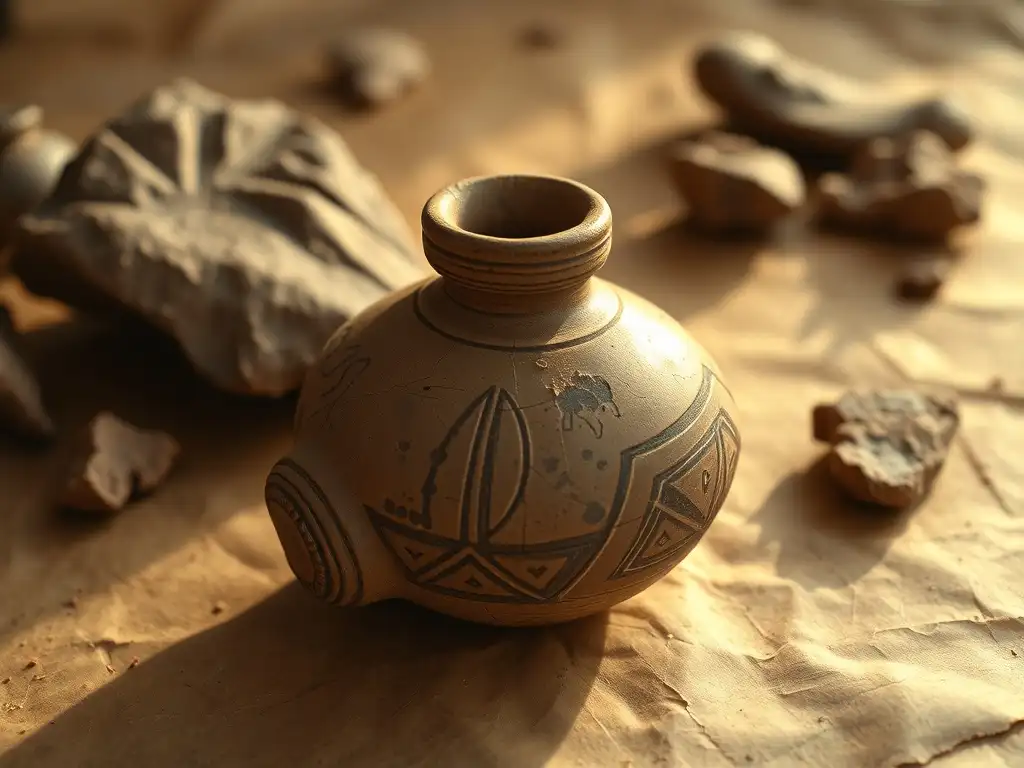
The Valdivia civilization, flourishing from roughly 3500 to 1800 BCE, left an undeniable mark on the subsequent development of Andean cultures. While its influence might not be as immediately apparent as that of later empires like the Inca, its contributions are foundational and significant, shaping the trajectory of coastal Ecuadorian and, arguably, broader Andean societies. Understanding the Valdivia legacy requires examining its technological advancements, artistic innovations, and social structures, all of which served as building blocks for later coastal cultures.
The Valdivia's mastery of pottery, for instance, a technology previously unknown in the Americas at that scale, represents a significant leap forward in material culture. This innovation wasn't merely a technological achievement; it also had profound social implications, potentially reflecting a more complex social organization and symbolic expression. The intricately decorated ceramics, often featuring stylized human and animal forms, suggest a sophisticated artistic sensibility that continued to evolve in later periods.
The mysteries surrounding their societal organization, religious beliefs, and trade networks continue to fuel research and discussion, emphasizing the enduring significance of this early civilization. Unraveling these lingering questions is crucial to a comprehensive understanding of Andean cultural evolution.
Valdivia's Influence on Later Coastal Civilizations: Machalilla and Chorrera
The Valdivia civilization's impact is clearly visible in the succeeding Machalilla and Chorrera cultures. While these cultures developed their own unique characteristics, they inherited and built upon the technological and artistic foundations laid by the Valdivia. For example, the sophisticated pottery techniques developed by the Valdivia, including the use of fine-grained clay and burnishing for a smooth finish, are evident in the ceramics of both Machalilla and Chorrera. However, the styles evolved, reflecting cultural changes and innovations.
The Machalilla culture, known for its distinctive shell and stone artifacts, shows a continuity in artistic motifs, albeit with stylistic adaptations. This suggests a cultural transmission and adaptation process rather than a complete break with the past. Similarly, the Chorrera culture, characterized by its distinctive polychrome pottery, displays evidence of continuity with Valdivia ceramic traditions, although with the addition of new colors and decorative elements.
Analyzing the stylistic changes and technological advancements in these subsequent cultures helps us understand how the Valdivia legacy was selectively adopted and modified to fit the evolving needs and aesthetics of later societies. Further research into the precise nature of the interaction between these cultures—whether it involved peaceful exchange, migration, or conquest—is essential for a complete picture. Detailed comparative studies of pottery styles, settlement patterns, and burial practices are crucial in this ongoing investigation of cultural transmission and transformation.
Comparing Valdivia with other Contemporary Cultures: Norte Chico and Olmec
While the Valdivia civilization is geographically distinct from other contemporary cultures such as the Norte Chico in Peru and the Olmec in Mesoamerica, comparing these societies reveals fascinating insights into the independent development of complex societies in different parts of the Americas. While the Norte Chico, like Valdivia, demonstrated early mastery of complex irrigation systems and urban planning, their artistic styles and technological innovations differed significantly. The Norte Chico is famous for its monumental architecture and elaborate textiles, whereas Valdivia excels in its finely crafted ceramics.
This suggests independent paths toward societal complexity, driven by unique environmental factors and cultural trajectories. A comparison with the Olmec civilization in Mesoamerica also yields interesting results. Though geographically distant, both societies show evidence of early social stratification and the development of sophisticated artistic and religious practices.
However, the specific forms these practices took were distinct, reflecting the unique environments and cultural histories of each region. Further research into the potential for limited interaction or exchange between these geographically distant cultures remains an open area of study. This comparative analysis, leveraging advancements in isotopic analysis and other scientific techniques, will shed more light on the processes of cultural evolution in the ancient Americas.
Continuing Research and Future Discoveries in Valdivia Archaeology
The mysteries surrounding the Valdivia civilization continue to captivate archaeologists and historians. Many questions remain unanswered, fueling ongoing research efforts. For example, the precise nature of the Valdivia social structure remains debated, with ongoing analysis of settlement patterns and burial sites potentially providing further clues. The nature and extent of their trade networks are also subjects of intense study, with the possibility of uncovering evidence of interaction with other contemporary cultures.
Advances in technologies such as radiocarbon dating, DNA analysis, and isotopic studies offer new tools to address these long-standing questions. Furthermore, new archaeological discoveries continue to reshape our understanding of this enigmatic civilization. Each new excavation site, each newly analyzed artifact, offers the potential to uncover new information and potentially rewrite our understanding of the Valdivia's cultural practices, beliefs, and social organization.
The future of Valdivia archaeology is promising, with the potential for significant new discoveries that will further illuminate the rich cultural legacy of this pioneering Andean civilization. The ongoing excavation efforts and advancements in analytical techniques promise to unlock further secrets of the Valdivia civilization, deepening our understanding of this pivotal era in Andean history. The potential for new discoveries emphasizes the dynamic and evolving nature of our understanding of the "Valdivia civilization mysteries."
The Enduring Fascination with the Valdivia Civilization
The Valdivia culture, flourishing along the coast of present-day Ecuador from approximately 3500 to 1800 BCE, continues to captivate archaeologists and historians alike. Its significance transcends its chronological placement; the Valdivia represents one of the earliest known complex societies in the Americas, predating many other well-known cultures. This early development of complex social structures, sophisticated artistry, and technological advancements in a relatively isolated region presents a unique puzzle, fueling ongoing research and scholarly debate. The Valdivia civilization mysteries are numerous, prompting continuous investigation into their societal organization, religious beliefs, and interactions with neighboring groups.
Understanding the Valdivia's trajectory offers crucial insights into the broader processes of societal evolution and cultural exchange in the pre-Columbian Americas. The enduring fascination stems not just from its antiquity, but from the wealth of unanswered questions that still surround this pioneering civilization. This enduring mystery surrounding the Valdivia civilization has captivated researchers for decades.
Why the Valdivia Culture Remains a Subject of Study: Understanding Early Complex Societies
The Valdivia culture's enduring appeal to researchers stems from its status as a crucial case study in the development of complex societies in the Americas. Their sophisticated pottery, characterized by its delicate artistry and intricate designs, stands in stark contrast to the simpler pottery styles found in contemporaneous cultures. This artistic sophistication suggests a level of social organization and specialization of labor that is not always evident in early societies.
Furthermore, the presence of elaborate burial sites and evidence of social stratification hint at a complex social hierarchy and potentially the emergence of religious or political elites. Analyzing the Valdivia's societal structure provides valuable comparative data for understanding how other early complex societies, like those in Mesoamerica, evolved. The Valdivia's achievements, particularly in the realm of pottery production and trade networks, provide valuable data points for understanding the factors that contributed to the rise of complex societies in the pre-Columbian world.
Investigating these aspects helps us build a more nuanced understanding of the diverse paths to complex social organization. The Valdivia civilization mysteries related to social dynamics are particularly compelling.
The Importance of Preserving Valdivia Heritage: Combating Looting and Development
The preservation of Valdivia archaeological sites faces significant challenges due to looting and the pressures of modern development. Illegal excavation and the sale of artifacts on the black market pose a considerable threat, leading to the destruction of invaluable contextual data and the loss of irreplaceable pieces of history. Furthermore, expanding urban areas and infrastructure projects often encroach upon Valdivia sites, leading to the destruction of fragile archaeological remains.
These threats not only hinder our understanding of the Valdivia culture but also rob future generations of the opportunity to learn from this important civilization. Effective strategies for preserving Valdivia heritage require a multifaceted approach, combining robust legal frameworks to combat looting, public awareness campaigns to educate local communities and international collectors, and collaborative efforts between archaeologists, government agencies, and local communities to integrate archaeological preservation into development planning.
The ongoing struggle to protect these fragile sites underscores the urgent need for international cooperation and sustainable development practices. The Valdivia civilization mysteries are threatened by these issues, and their preservation is crucial.
Concluding Thoughts and Future Research Directions
The Valdivia civilization remains an enigma, a captivating testament to human ingenuity and adaptability in a challenging environment. While significant progress has been made in our understanding of this culture, many questions persist. Future research should focus on refining our understanding of Valdivia social organization, political structures, and religious beliefs through further excavation and analysis of existing artifacts.
Advanced technologies, such as 3D modeling and DNA analysis, can offer new insights into the Valdivia's daily life, trade networks, and migration patterns. Furthermore, comparative studies with other contemporaneous cultures in the Andes and beyond can help to contextualize the Valdivia's unique trajectory within a larger framework of societal development. The Valdivia civilization mysteries are far from solved, and continued research promises to reveal more about this pivotal civilization and its enduring legacy.
The study of the Valdivia culture offers a unique window into the complexities of early societal development in the Americas and continues to yield valuable insights into the processes of cultural evolution and exchange. The ongoing investigation of the Valdivia civilization mysteries ensures that the legacy of this pioneering culture remains a subject of ongoing fascination and study.
Frequently Asked Questions
What is the Valdivia civilization, and why is it significant?
The Valdivia civilization was one of the earliest known complex societies in South America, flourishing from roughly 3500 to 1800 BCE. Its significance lies in its remarkably advanced pottery, evidence of early agriculture, and its impact on subsequent Andean cultures.
What are some of the biggest mysteries surrounding the Valdivia civilization?
Major mysteries include the origins of their sophisticated artistic style, the exact nature of their social structure, and the reasons for their eventual decline. The relatively sudden disappearance of the culture is also puzzling.
What kind of technology did the Valdivia people possess?
The Valdivia people possessed advanced pottery-making techniques, using complex firing methods to create finely crafted vessels. They also developed effective agricultural practices, including irrigation systems.
Where are Valdivia sites located, and what can be seen there?
Valdivia sites are primarily located along the coast of Ecuador. Excavations have uncovered remarkable pottery artifacts, evidence of early settlements, and traces of their agricultural practices. Many museums in Ecuador showcase their findings.
How does the Valdivia civilization relate to later Andean cultures?
The Valdivia civilization's influence on later Andean cultures is still being researched, but there's evidence suggesting a cultural continuity in pottery styles and agricultural techniques. Its early development of complex society likely laid the groundwork for subsequent civilizations.
Final Reflection: Echoes of Valdivia: A Legacy of Mystery and Wonder
The enigma of the Valdivia civilization remains a potent reminder of the vast unknowns that still shroud our past. Their sophisticated artistry, complex social structures, and sudden disappearance continue to challenge our understanding of early human development in the Americas, sparking new avenues of research and questioning our preconceived notions about societal progress. This enduring mystery compels us to reconsider the very nature of civilization and its trajectory.
The impact of the Valdivia culture extends far beyond its geographical boundaries; its legacy resonates in the ongoing archaeological debates and inspires a deeper appreciation for the diversity of human experience. Their intricate pottery, a testament to their advanced craftsmanship, continues to captivate and intrigue. The past is never dead. It's not even past,
wrote William Faulkner, and the Valdivia civilization serves as a powerful example of this enduring truth. Their story, though fragmented, speaks volumes about human resilience, innovation, and the enduring power of cultural expression, even in the face of the unknown.
Consider the implications of this ancient society's achievements. What can we learn from their successes and their ultimate decline? How can we apply the lessons of their ingenuity and adaptability to the challenges we face today? I urge you to delve deeper into the mysteries of Valdivia, not just as a historical puzzle, but as a mirror reflecting our own human journey, prompting us to question, to explore, and to appreciate the rich tapestry of our shared past. Let the echoes of Valdivia inspire your own quest for knowledge and understanding.
Unveil the Secrets of the Valdivia Civilization!
Thank you for exploring the fascinating world of the Valdivia civilization with us! You've already discovered intriguing aspects of this pioneering culture and its impact on Andean history. Now, let's delve even deeper into this captivating subject.
Here are some ways to further enhance your understanding and share your newfound knowledge:
- Expand your research: Explore additional resources on Andean civilizations to gain a broader perspective on the rich heritage and significant contributions of these ancient societies. Consider researching related cultures such as the later Inca or exploring the diverse pre-Columbian societies of the Andes.
- Share your discoveries: Discuss the mysteries of the Valdivia civilization with friends, family, or online communities. What aspects of their culture intrigue you most? Perhaps their sophisticated pottery, their early adoption of agriculture, or the enigmas surrounding their social structures?
- Connect with fellow enthusiasts: Join online forums or attend events dedicated to Andean history and archaeology to exchange ideas and discuss theories with other passionate researchers and enthusiasts.
What unanswered questions about the Valdivia civilization captivate you the most? Let's continue the conversation!