
The Development of Urban Centers: Exploring Early Cities in the PreIncan Andes

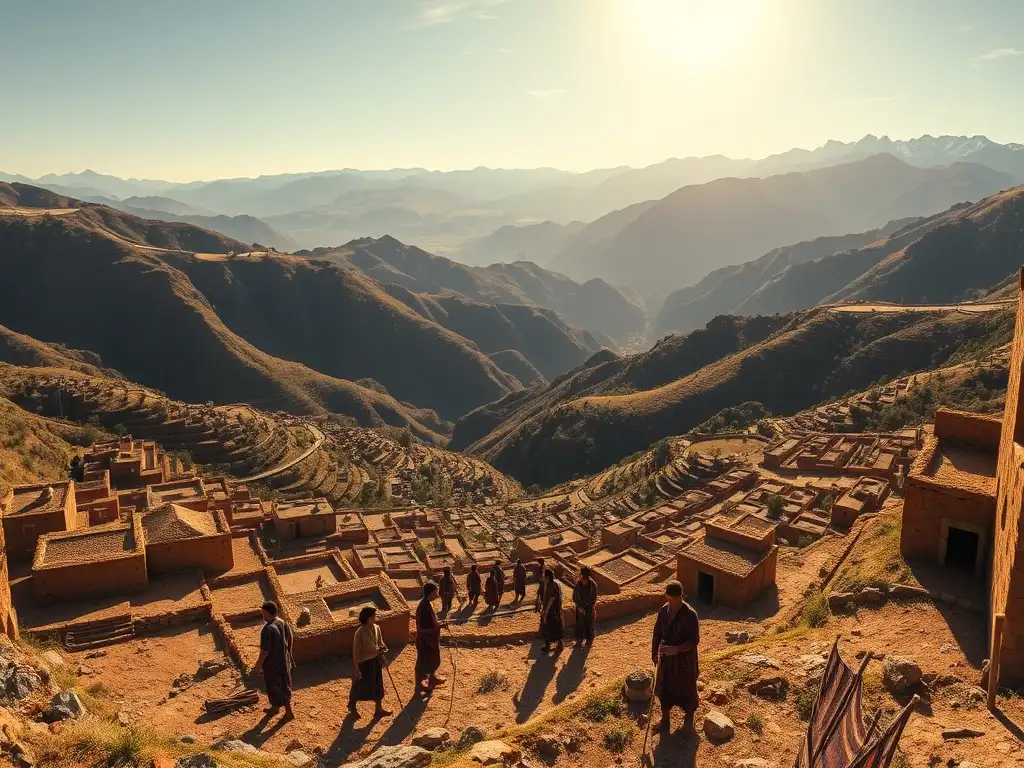
Step into a world lost to time, yet echoing with the grandeur of PreInca Andean city development. Imagine towering structures rising from the mist-shrouded mountains, intricate irrigation systems defying the harsh landscape, and a vibrant tapestry of cultures woven together before the Inca Empire rose to dominance. Uncover the secrets of these remarkable urban centers and the ingenuity of their creators – a journey into the heart of the Andes awaits. Discover how these early civilizations shaped the future of the region, and learn more about the fascinating societies that flourished long before the Incas.
- PreInca Andean City Development: Exploring Early Urban Centers
- Regional Variations in PreInca Andean City Development
- Prominent Examples of PreInca Urban Centers
- Social and Political Organization in PreInca Cities
- Technological Advances in PreInca Urban Planning
- The Legacy of PreInca Urban Development
-
Frequently Asked Questions
- What defines a "city" in the context of Pre-Inca Andean civilizations?
- How did Pre-Inca city development differ from Incan city planning?
- What are some key examples of Pre-Inca urban centers?
- What role did religion play in Pre-Inca city development?
- What were the major challenges faced in Pre-Inca city development?
- Final Reflection: Echoes of the Andes: A Legacy of Urban Innovation
- Unveil the Secrets of Early Andean Urban Life!
PreInca Andean City Development: Exploring Early Urban Centers
The Andes Mountains, a spine of towering peaks running down the western coast of South America, nurtured a vibrant tapestry of pre-Inca civilizations. For centuries, long before the Inca Empire rose to prominence, sophisticated societies flourished in this challenging terrain, developing complex social structures, intricate agricultural systems, and remarkably advanced urban centers. This article delves into the fascinating story of PreInca Andean city development, examining the genesis, characteristics, and enduring legacy of these early urban settlements.
Understanding this pre-Inca urban landscape provides crucial context for appreciating the later achievements of the Inca, revealing a continuous thread of innovation and adaptation that shaped the Andean world. We will explore the rise of urban centers among cultures like the Moche, Nazca, and Tiahuanaco, highlighting their unique contributions to the development of urban planning and societal organization in the Andes.
This exploration will illuminate the ingenuity and resilience of these ancient peoples, showcasing their profound impact on the region’s history and culture. The keyword "PreInca Andean city development" will be explored throughout, revealing the complexities and nuances of this pivotal period.
Introduction to Early Urbanism in the Andes
The emergence of urban centers in the Andes wasn't a sudden event but rather a gradual process spanning centuries. Unlike the more centralized, planned cities of later empires, early Andean urbanism developed organically, reflecting the unique environmental challenges and social structures of each civilization. Factors such as access to water resources, fertile agricultural lands, and strategic locations played crucial roles in the selection of sites for urban development.
The earliest settlements were likely small, dispersed villages that gradually grew in size and complexity, eventually evolving into larger, more organized urban centers. This process involved not only population growth but also the development of specialized labor, complex social hierarchies, and sophisticated infrastructure, including irrigation systems, monumental architecture, and extensive road networks. Understanding this early urbanism requires examining the specific cultural contexts and environmental constraints that shaped each society's unique urban trajectory.
The development of sophisticated agricultural techniques, such as terracing and irrigation, was fundamental to supporting larger populations concentrated in urban areas. These early cities weren't simply places of residence; they were also centers of religious activity, political power, and economic exchange, reflecting the intricate interplay between social, economic, and religious factors in shaping Andean urban life.
The Genesis of PreInca Andean Cities
The precise origins of PreInca Andean cities remain a subject of ongoing research, with archaeological discoveries constantly adding to our understanding. However, several factors contributed to their emergence. The development of intensive agriculture, particularly through irrigation systems, allowed for increased food production, supporting larger and denser populations.
This surplus of food resources facilitated the specialization of labor, with individuals focusing on crafts, religious activities, or administrative tasks rather than solely on food production. The need for centralized control over resources and labor likely led to the development of more hierarchical social structures, with elites controlling access to resources and power. This hierarchical structure is reflected in the monumental architecture found in many PreInca urban centers, such as the impressive platforms and temples built by the Moche and Tiahuanaco cultures.
The development of complex social organization and political structures was essential for coordinating the construction and maintenance of large-scale public works projects, such as irrigation canals and monumental buildings – key features of these burgeoning cities. The rise of religious institutions also played a pivotal role, with temples and ceremonial centers often forming the core of early Andean urban layouts. These centers served as focal points for religious rituals and community gatherings, reinforcing social cohesion and strengthening the power of religious elites.
Key Characteristics of Andean PreIncan Urban Centers
PreInca Andean cities displayed a range of characteristics that distinguished them from other urban centers around the world. One notable feature was their often irregular layouts, contrasting with the grid patterns found in many later urban developments. This reflects the organic growth of many of these cities, expanding and adapting to the surrounding topography. Many cities were built on terraces carved into hillsides, maximizing usable land in mountainous terrain.
The use of stone, often meticulously cut and fitted, was a hallmark of Andean architecture, resulting in impressive and durable structures. Monumental architecture, such as pyramids, platforms, and temples, played a significant role in many urban centers, reflecting the power and prestige of the ruling elites and the importance of religious beliefs. Furthermore, intricate irrigation systems were essential to supporting the large populations concentrated in urban areas, demonstrating the sophisticated engineering capabilities of these societies. The distribution of resources and the organization of labor were critical aspects of Andean urban life, suggesting complex social and economic systems.
Archaeological evidence suggests a high degree of craft specialization, with artisans producing textiles, ceramics, and metalwork of exceptional quality. These diverse characteristics highlight the ingenuity and adaptability of PreInca Andean societies in creating vibrant and resilient urban centers within the challenging environment of the Andes Mountains. Further research will undoubtedly reveal even more about the complexities and subtleties of these fascinating early cities.
Regional Variations in PreInca Andean City Development
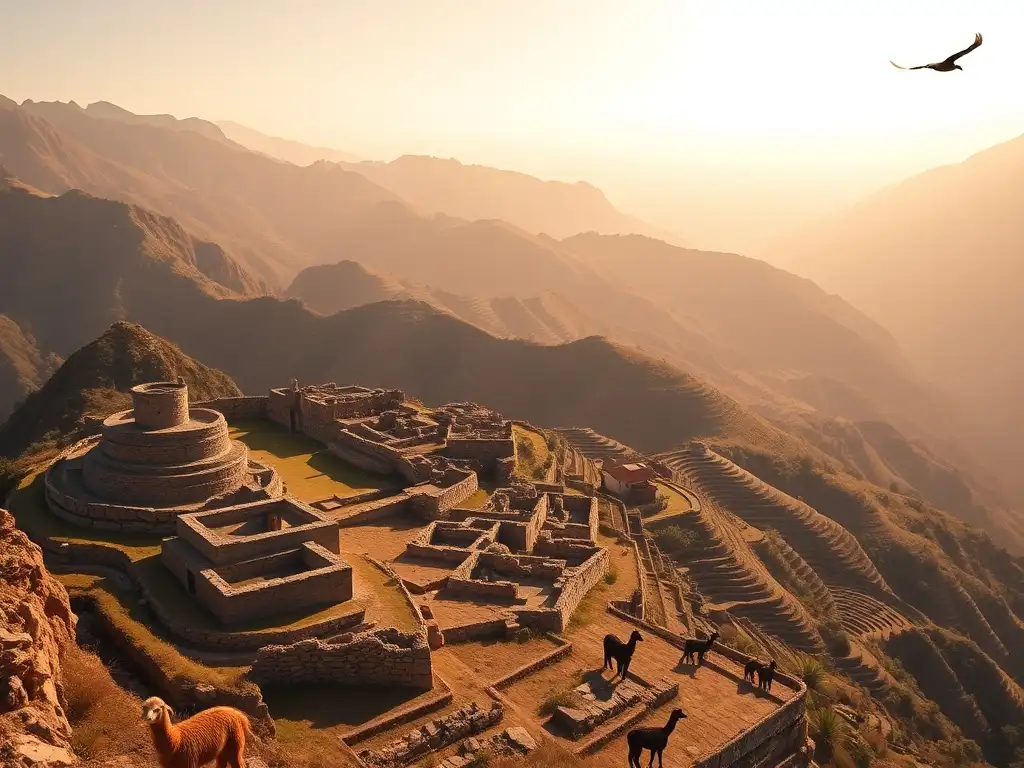
The development of urban centers in the PreInca Andes wasn't a monolithic process. Instead, it manifested in diverse ways, shaped by the unique geographical and environmental conditions of each region. Understanding these regional variations is crucial to grasping the complexity of PreInca Andean city development. Factors such as access to water resources, agricultural productivity, and the availability of building materials significantly influenced the characteristics of urban settlements across the Andes.
While shared cultural traits undoubtedly existed, the specific adaptations and innovations in urban planning and construction reflect the ingenuity of different Andean societies in responding to their environment. This section will explore the key regional variations, focusing on the coastal and highland zones, and analyzing the interplay between them. The diversity of PreInca Andean city development showcases the remarkable adaptability and sophistication of these early civilizations.
The Coastal Region: Early Urban Settlements
The coastal region of the Andes presented a unique set of challenges and opportunities for urban development. The arid climate necessitated sophisticated irrigation systems to support agriculture, which, in turn, fueled population growth and urbanization. Cities like Moche and Nazca stand out as prime examples of early coastal urban centers. These settlements were characterized by intricate planning, often centered around monumental architecture and religious complexes.
The Moche, known for their impressive pyramids and elaborate burial practices, developed large-scale irrigation networks that allowed them to cultivate fertile valleys. Their cities, characterized by densely packed structures made of adobe bricks, often included residential areas, public plazas, and ceremonial platforms. Evidence suggests a sophisticated social hierarchy, reflected in the size and quality of dwellings.
The Nazca, on the other hand, are renowned for their enigmatic geoglyphs and sophisticated irrigation technology. Their urban centers, though perhaps less monumental than those of the Moche, exhibited a high degree of planning and organization. The construction of canals and aqueducts demonstrates a deep understanding of hydraulic engineering, essential for survival in the harsh desert environment. The precise layout of their settlements, often aligned with astronomical features, suggests advanced knowledge of astronomy and its integration into urban planning.
Highland Urbanization: Unique Features of Mountain Cities
Highland urbanization presented different challenges compared to the coast. The mountainous terrain, variable climates, and limited arable land necessitated unique architectural and urban planning strategies. Cities in the highlands, such as those associated with the Tiahuanaco culture, often featured a distinct layout adapted to the difficult topography. These settlements, unlike their coastal counterparts, were often more dispersed, with structures often built on terraces or slopes to maximize land use.
The construction techniques employed in highland cities were also remarkably sophisticated. The use of stone, readily available in the mountains, allowed for the creation of durable and monumental structures. Tiahuanaco, for example, is famous for its precisely cut stone blocks and monumental architecture, showcasing remarkable engineering prowess.
The city's layout, with its large plazas and intricate network of pathways, suggests a complex social organization and a well-defined urban structure. The integration of religious and administrative functions within the urban fabric further highlights the importance of these centers as both political and religious hubs. The challenges of the highland environment fostered innovation in building materials, construction techniques, and urban planning, resulting in unique and fascinating cityscapes.
The Interplay Between Coastal and Highland City Development
The development of coastal and highland cities wasn't an isolated phenomenon. Evidence suggests a complex interplay between these regions, with trade networks and cultural exchange contributing to the growth and evolution of urban centers throughout the Andes. The exchange of goods, ideas, and technologies likely fostered innovation and facilitated the spread of urban planning principles.
Coastal cities, with their access to marine resources and fertile valleys, may have provided essential goods to highland populations, while highland cities, with their control over mineral resources and high-altitude agriculture, offered different commodities. This reciprocal relationship contributed to the overall economic and cultural development of the PreInca Andes, shaping the trajectory of urban growth and influencing the unique characteristics of individual cities.
Further research is needed to fully understand the nature and extent of this interaction, however, preliminary evidence strongly suggests a significant degree of interconnectedness between coastal and highland urban development. This dynamic exchange underscores the need to view PreInca Andean city development not as isolated regional events, but as a complex interconnected process shaped by both environmental factors and interregional interactions.
Prominent Examples of PreInca Urban Centers
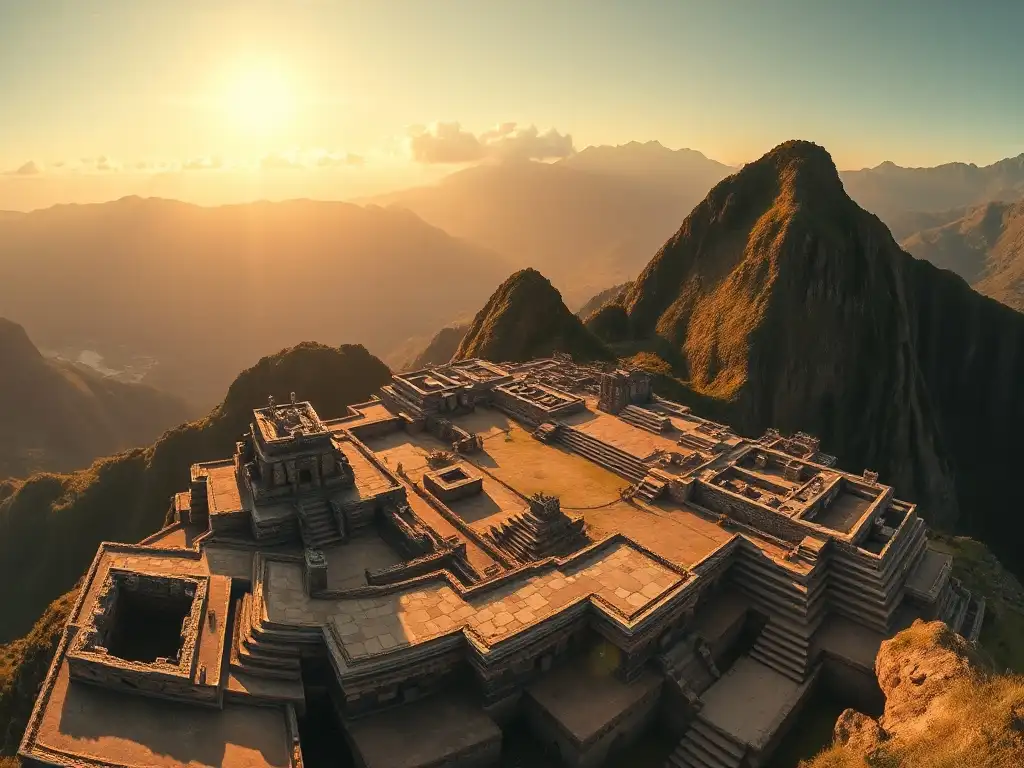
This section delves into the fascinating development of urban centers in the PreInca Andes, showcasing the complexity and sophistication of societies that predate the Inca Empire. Understanding these early cities is crucial to grasping the full trajectory of Andean civilization and its remarkable achievements. The keyword "PreInca Andean city development" is central to this exploration, highlighting the unique urban planning, social structures, and technological innovations that characterized these remarkable settlements. We will examine several key examples, illustrating the diversity and ingenuity of PreInca urbanism.
Caral: A Monumental City of the Norte Chico
Caral, located in the Norte Chico region of Peru, stands as one of the earliest and most significant examples of urban development in the Andes. Dating back to approximately 2600 BCE, Caral predates many other known urban centers in the region, challenging previous assumptions about the timeline of Andean civilization. Its monumental architecture, including large pyramidal structures and plazas, suggests a highly organized society with significant social stratification.
The city's layout demonstrates careful planning, with residential areas, public spaces, and administrative buildings strategically arranged. Archaeological evidence reveals sophisticated irrigation systems, which were essential for sustaining the large population. The presence of numerous sunken circular plazas, which may have served as ceremonial or community spaces, also highlights the importance of collective rituals and social cohesion in Caral's society.
Further research continues to unearth new insights into the city's complex social organization and its role in the development of early Andean urbanism. The advanced infrastructure and social complexity evident at Caral significantly contribute to our understanding of "PreInca Andean city development".
Kotosh: Religious Centers and Early Andean Architecture
Kotosh, situated in the central Andes of Peru, represents a different facet of PreInca urban development, emphasizing the importance of religious centers and the evolution of Andean architecture. While not as extensive as Caral, Kotosh's significance lies in its monumental religious structures and its contribution to the development of distinctive architectural styles that characterized later Andean civilizations.
The most famous feature of Kotosh is the "Temple of the Crossed Hands," a building with a striking architectural design and intricate carvings, showcasing early examples of Andean artistic expression. The presence of this and other religious structures suggests that religion played a pivotal role in shaping the social and political landscape of Kotosh.
The city's layout, although less formally planned than Caral, still indicates a degree of social organization and community planning. The development of sophisticated architectural techniques at Kotosh laid the groundwork for later, more complex urban centers, furthering our understanding of "PreInca Andean city development" in the central Andes.
Pucara: The Emergence of Complex Societies and Urban Life
Pucara, located in the southern highlands of Peru, showcases the emergence of complex societies and urban life in a region distinct from the Norte Chico and central Andes. The city's development, spanning several centuries, reflects a gradual process of urban growth and societal evolution.
Pucara's urban layout is characterized by a series of interconnected residential and public spaces, indicating a well-established social hierarchy and specialized labor. The city's defensive structures, including impressive stone walls and fortifications, highlight the importance of security and territorial control. The production of distinctive pottery and textiles points to specialized crafts and a flourishing economy.
The evidence suggests a sophisticated social structure, with specialized roles and a complex system of governance. The unique characteristics of Pucara's urban development contribute significantly to a broader understanding of "PreInca Andean city development" across diverse geographical and cultural contexts. The city's unique defensive architecture and the evidence of specialized crafts highlight the diverse ways in which urban life unfolded in the PreInca Andes.
Tiwanaku: A Center of Power and Influence
Tiwanaku, located on the shores of Lake Titicaca in modern-day Bolivia, stands as a monumental example of PreInca Andean city development. Its influence extended far beyond its immediate geographical location, shaping the cultural and political landscape of a vast region for centuries. The city's strategic position, nestled between the Andes mountains and the lake, provided access to vital resources and facilitated trade networks. This strategic advantage contributed significantly to Tiwanaku's rise as a major power center. Archaeological evidence suggests a complex societal structure, with sophisticated agricultural practices supporting a large population. The city's layout reflects meticulous planning, with monumental architecture including the iconic Kalasasaya Temple and the enigmatic Gate of the Sun.
These structures, built from massive blocks of stone, showcase the advanced engineering and architectural skills of the Tiwanaku people. The precision in their construction and the scale of the undertaking remain remarkable feats of PreInca Andean engineering. Moreover, the intricate carvings and symbolic representations found on these structures provide valuable insights into their cosmology, religion, and social organization. The impact of Tiwanaku's sophisticated water management systems is also noteworthy, demonstrating an impressive understanding of hydraulic engineering crucial for sustaining a large urban population in a high-altitude environment. The city's decline remains a subject of ongoing research, with theories ranging from environmental changes to internal societal pressures.
However, its lasting legacy is undeniable, with its influence clearly visible in the art, architecture, and religious practices of subsequent Andean cultures. The city's remarkable achievements in urban planning, engineering, and societal organization solidify its place as a pivotal example of PreInca Andean city development, significantly impacting the keyword "PreInca Andean city development". Its sophisticated water management systems, for instance, are a testament to their advanced understanding of engineering. The precise stonework and monumental structures continue to inspire awe and wonder, highlighting the skill and ingenuity of its builders. The city's influence extended far beyond its geographical boundaries, shaping the cultural and political landscape of the region for centuries, leaving an enduring legacy on subsequent Andean civilizations.
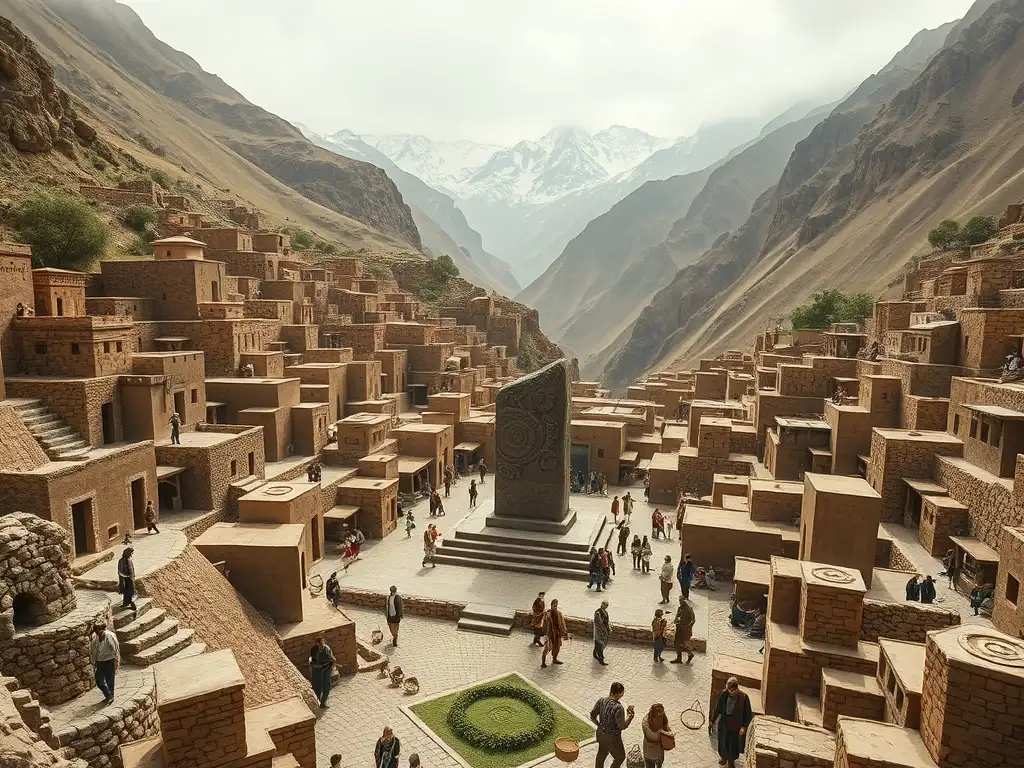
The development of urban centers in the PreInca Andes wasn't solely a matter of architectural achievement; it was intricately tied to complex social and political structures. Understanding the organization of these societies is crucial to grasping the why behind the rise of these impressive cities. PreInca city development wasn't a uniform process; it varied significantly across different regions and cultures, reflecting diverse social hierarchies and governance systems. While centralized states like the Wari and Tiwanaku exerted considerable control, others maintained more decentralized power structures. This diversity is reflected in the layout and functionality of their urban centers.
The Role of Elite Classes in Urban Development
Elite classes played a pivotal role in shaping PreInca Andean city development. Archaeological evidence suggests that these elites, often comprised of priests, warriors, or lineage heads, controlled access to resources, labor, and land. Their power enabled the mobilization of large-scale workforce necessary for constructing monumental architecture, irrigation systems, and other public works.
For example, the monumental structures at Tiwanaku, like the Kalasasaya complex, likely required the coordinated labor of thousands of individuals, a feat only achievable under the direction of a powerful centralized authority. The elite's influence is also visible in the residential areas of these cities, where larger, more elaborately decorated houses were reserved for the ruling class, clearly showcasing their social standing and control over resources. The distribution of elite residential areas within the city, often near ceremonial centers or strategically located for resource control, further underlines their influence on urban planning and development.
Further research is needed to fully understand the nuances of elite power structures in different PreInca societies and their specific impact on urban design. [Specific information pending on the internal social hierarchies within different PreInca cities].
Economic Activities Supporting Urban Life
The flourishing of PreInca cities depended on robust economic systems that supported large, sedentary populations. These economies were predominantly agricultural, relying on intensive farming techniques like terracing and irrigation to maximize crop yields in the challenging Andean environment. The surplus production generated by these agricultural activities provided the resources necessary to sustain the non-agricultural specialists who populated the urban centers.
Beyond agriculture, other crucial economic activities included specialized crafts such as pottery, textiles, metallurgy, and stone carving. These crafts produced valuable goods for both local consumption and long-distance trade networks, contributing significantly to the wealth and growth of PreInca cities. The presence of specialized workshops and storage facilities in many urban sites provides concrete evidence of these economic activities.
For instance, the Moche civilization is renowned for its sophisticated metalworking and elaborate pottery, both of which contributed to the economic dynamism of their urban centers. Analyzing the distribution of artifacts and the types of materials found in different parts of a city can reveal patterns of economic organization and specialization. [Specific data on the economic ratios of agriculture vs. craft production in various PreInca cities pending].
Religious Practices and Urban Ritual Spaces
Religion played a central role in the social and political lives of PreInca Andean societies, and this influence is clearly reflected in the layout and design of their cities. Many PreInca cities featured prominent ceremonial centers, often located in the city's most strategic or visually dominant positions. These centers included temples, plazas, and platforms used for rituals, festivals, and public gatherings. The construction of these monumental structures demonstrates the significant investment of resources and labor dedicated to religious practices.
The intricate designs and iconography found in these spaces reveal much about the beliefs and cosmology of these societies. For example, the presence of specific deities or symbols in particular locations within a city can indicate the importance of certain religious beliefs or practices. Furthermore, the use of specific materials and architectural styles in religious structures might reflect social hierarchy and access to resources, linking religious practices directly to social and political power.
The study of ritual spaces in PreInca cities provides invaluable insights into the spiritual world of these societies and their influence on urban planning and development. [Further research is needed to fully understand the complex interplay between religion and urban design in different PreInca cultures. Specific examples of religious iconography and their spatial distribution within different cities are pending].
Technological Advances in PreInca Urban Planning
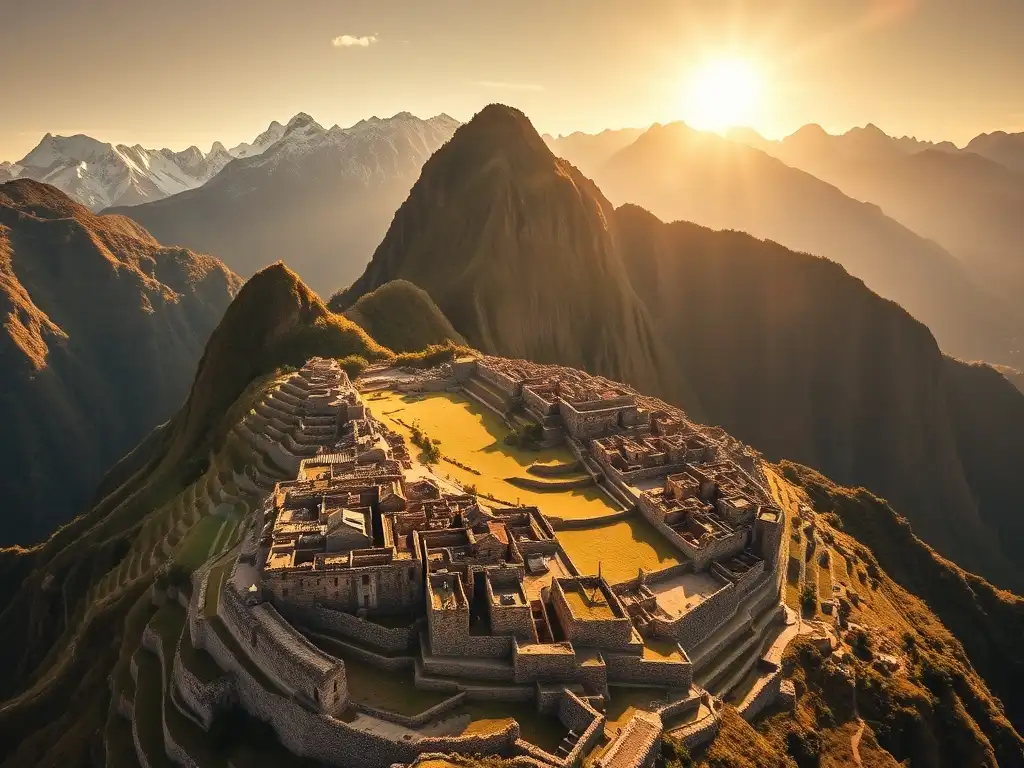
The rise of sophisticated urban centers in the PreInca Andes was not solely a matter of social organization; it was inextricably linked to significant technological advancements. These innovations, often born out of necessity in challenging geographical terrains, allowed for the efficient management of resources, the construction of impressive architecture, and the support of sizable populations. Understanding these technological leaps is crucial to appreciating the complexity and ingenuity of PreInca Andean city development.
The ingenuity displayed in water management, architectural techniques, and agricultural practices demonstrates a deep understanding of their environment and a remarkable capacity for innovation. These advancements laid the groundwork for the later achievements of the Inca Empire, building upon a long legacy of urban planning prowess.
Water Management Systems in Andean Cities
Water, or rather the lack of readily available water, was a major constraint in many PreInca Andean settlements. The aridity of the coastal regions and the unpredictable nature of rainfall in the highlands necessitated the development of sophisticated water management systems. Cities like Nazca, renowned for their geoglyphs, also showcased impressive hydraulic engineering.
Their intricate canal systems, some spanning kilometers, efficiently channeled water from distant sources to irrigate agricultural fields and supply the urban population. These canals weren't simply ditches; they were carefully planned and constructed, often employing sophisticated techniques to manage water flow and prevent erosion. Evidence suggests the use of sophisticated surveying techniques to ensure the gradient was consistent across long distances.
These systems represent a remarkable feat of engineering, demonstrating an intimate knowledge of hydrology and a capacity for large-scale collaborative projects – essential components of PreInca Andean city development. The Nazca's ability to manage water resources was directly correlated with their ability to sustain a relatively large population.
Architectural Innovations in PreIncan Constructions
PreInca Andean cities weren't simply haphazard collections of dwellings; they were carefully planned urban spaces reflecting architectural innovation. The use of locally sourced materials such as adobe bricks, stone, and timber, adapted to the specific challenges of the environment, demonstrates a practical and sustainable approach to construction. The Moche culture, for example, is celebrated for its monumental adobe pyramids, testaments to their advanced construction techniques.
These structures, often incorporating complex internal chambers and intricate designs, were not simply symbolic; they served vital functions within the urban landscape, potentially acting as administrative centers, religious sites, or storage facilities. The precision and scale of these constructions point to sophisticated organizational structures and a deep understanding of engineering principles.
Furthermore, the integration of architectural features with the surrounding landscape, such as the utilization of natural slopes and the incorporation of terraces, highlights a holistic approach to urban planning that sought to minimize environmental impact and optimize resource utilization. This thoughtful approach to construction is a key factor in understanding PreInca Andean city development.
Agricultural Techniques Supporting Urban Populations
The growth of PreInca Andean cities was directly dependent on the ability to produce sufficient food to sustain their populations. Innovative agricultural practices were crucial for this success. The development of sophisticated terracing systems, particularly in the highlands, allowed for the cultivation of steep slopes, maximizing arable land and mitigating erosion.
The use of raised fields, particularly in wetland areas, improved drainage and soil fertility, increasing agricultural yields. These techniques, passed down through generations, represent a deep understanding of Andean ecosystems and a remarkable adaptation to challenging agricultural conditions. Furthermore, the diversification of crops, including potatoes, maize, quinoa, and beans, ensured food security and reduced the risk of crop failure.
The intricate interplay between agricultural innovation and urban development is evident in the layout of many PreInca cities, with agricultural lands often integrated into the urban fabric. The success of these agricultural techniques was paramount to the growth and sustainability of PreInca Andean cities, and its study is vital for understanding PreInca Andean city development.
The Legacy of PreInca Urban Development
This section delves into the enduring impact of PreInca urban development on subsequent Andean civilizations, particularly the Inca Empire. Understanding this legacy is crucial to grasping the complexities of Andean urbanism as a whole. The sophisticated urban planning and societal structures established centuries before the Inca rise didn't simply disappear; they were adapted, modified, and built upon. This process of cultural inheritance shaped the Inca's own urban projects and reveals a continuous thread of innovation and adaptation in Andean city development. We'll explore this fascinating interplay of continuity and change.
Influence on Later Andean Civilizations
The Inca, renowned for their impressive urban achievements like Machu Picchu and Cusco, did not emerge in a vacuum. Their mastery of urban planning, architecture, and infrastructure built upon a foundation laid by earlier PreInca cultures. For example, the sophisticated water management systems developed by societies like the Nazca and Tiwanaku directly influenced Inca hydraulic engineering. The Inca’s use of cancha (residential compounds) and their organization of urban space mirrors the layout of earlier PreInca settlements, suggesting a continuation of established urban patterns.
This isn't merely imitation; the Inca adapted and refined these earlier models, incorporating their own technological advancements and administrative strategies. The Inca's road system, a marvel of engineering, also benefited from the existing networks and established routes developed by previous Andean groups. The seamless integration of pre-existing infrastructure into the Inca's ambitious projects showcases a deep understanding and respect for the established urban fabric of the Andes.
Analyzing this continuity allows us to appreciate the evolutionary nature of Andean urbanism, rather than viewing each civilization in isolation. The impressive scale of Inca cities should not overshadow the significant achievements of their PreInca predecessors. Their contributions were fundamental to the later successes of the Inca.
Lessons from Early Urban Planning and Management
Studying PreInca urban planning offers valuable insights into effective urban management strategies. These ancient societies, facing challenges similar to modern urban centers – resource management, population growth, and social organization – developed innovative solutions. For instance, the intricate irrigation systems of the Nazca, capable of sustaining a large population in a desert environment, highlight the importance of sustainable resource management.
The carefully planned layouts of Tiwanaku cities, with their clearly defined residential and ceremonial zones, demonstrate the significance of urban organization in promoting social stability. Analyzing these ancient strategies provides valuable lessons for contemporary urban planners, offering sustainable and socially responsible models for city development. We can learn from their successes and failures, identifying effective methods for resource allocation, waste management, and community engagement.
The meticulous planning evident in many PreInca settlements underscores the importance of long-term vision in urban design, a lesson often overlooked in modern rapid development projects. Understanding how these ancient societies navigated the complexities of urban life offers invaluable insights for dealing with contemporary challenges.
The Importance of Studying PreInca Andean Cities
The study of PreInca Andean cities is not merely an academic exercise; it holds significant implications for our understanding of Andean history and culture. By focusing on "PreInca Andean city development", we gain a broader perspective on the region's rich and complex past. These cities are not just remnants of lost civilizations; they are repositories of knowledge, reflecting the ingenuity, resilience, and adaptability of Andean societies.
Studying their architecture, infrastructure, and social organization allows us to reconstruct the daily lives of their inhabitants, understand their belief systems, and appreciate their remarkable achievements. Furthermore, this research contributes to the preservation of cultural heritage, ensuring that these remarkable sites and the stories they tell are not lost to time. The study of PreInca urban development provides a crucial counterpoint to the often dominant narrative centered on the Inca Empire, offering a more nuanced and complete understanding of Andean civilization.
It highlights the remarkable contributions of numerous societies that shaped the cultural landscape of the Andes long before the arrival of the Inca. The ongoing research and preservation efforts are vital in ensuring that these invaluable historical resources remain accessible for future generations, continuing to enrich our understanding of human history.
Frequently Asked Questions
What defines a "city" in the context of Pre-Inca Andean civilizations?
The definition of a "city" in the Andes differs from modern understandings. Pre-Inca urban centers were characterized by high population density, monumental architecture, and evidence of specialized labor and complex social organization, rather than solely size.
How did Pre-Inca city development differ from Incan city planning?
Pre-Inca cities show less evidence of centralized planning compared to the Inca's highly organized urban layouts. They often developed organically over time, reflecting a more decentralized political structure. Regional variations in city design were also more pronounced.
What are some key examples of Pre-Inca urban centers?
Significant examples include Chavín de Huántar, known for its monumental architecture and religious influence; Moche sites like Huaca del Sol and Huaca de la Luna, showcasing sophisticated urban planning and social hierarchy; and Tiahuanaco, a large ceremonial center with a complex water management system.
What role did religion play in Pre-Inca city development?
Religion played a crucial role, with many urban centers built around religious structures and ceremonial plazas. These spaces served as focal points for social and political life, reflecting the importance of religious beliefs in shaping urban organization.
What were the major challenges faced in Pre-Inca city development?
Challenges included resource management, particularly water in arid regions; defense against external threats; and the need to maintain social order and economic stability within a growing and complex urban population. Environmental factors also heavily influenced city location and design.
Final Reflection: Echoes of the Andes: A Legacy of Urban Innovation
The intricate urban planning and societal structures of the pre-Inca Andean civilizations remain remarkably relevant today. Their innovative approaches to water management, agricultural intensification, and community organization offer valuable lessons for addressing contemporary challenges in urban development and sustainability, particularly in the face of climate change and rapid population growth. These ancient cities weren't just collections of buildings; they were sophisticated expressions of human ingenuity and social organization, far exceeding the simplistic narratives often presented.
The enduring impact of pre-Inca Andean city development is undeniable, shaping not only the physical landscape of the region but also its cultural identity. Their legacy continues to resonate in the architectural styles, agricultural practices, and social structures of modern Andean communities. The past is never dead. It's not even past,
wrote William Faulkner, and this rings profoundly true when considering the lasting influence of these remarkable urban centers. Their innovative solutions to challenges of resource management and social cohesion offer a powerful counterpoint to the often unsustainable models of urban growth prevalent today. We can learn much from their successes and failures.
Consider the ingenuity of their terraced agriculture, the sophisticated water management systems, and the intricate social organization that allowed these cities to thrive for centuries. These achievements weren't accidental; they were the result of careful planning, community collaboration, and a deep understanding of their environment. You, the reader, are now equipped with a deeper understanding of this fascinating history.
Take a moment to reflect on the parallels between the challenges faced by these ancient societies and those we confront today. How can we apply the wisdom of the past to build more sustainable and equitable urban futures? Let the echoes of the Andes inspire your own vision for a better tomorrow.
Unveil the Secrets of Early Andean Urban Life!
Thank you for exploring the fascinating development of urban centers in the pre-Inca Andes with us! You've discovered valuable insights into how these early cities fostered rich cultural traditions and innovative social structures. Now, let's build on that knowledge!
- Join our community! Sign up for our newsletter to receive exclusive content and updates on the latest research about Andean civilizations.
- Visit a local museum with Andean artifacts to experience history firsthand—you'll gain a new appreciation for these remarkable ancient societies.
- Share this article with friends and family who share your interest in history. Spark a conversation about what daily life was like in these early civilizations!
What aspect of early Andean urban life captivates you most? Let us know in the comments below!