
Nazca Lines: Did They Have a Role in Ancient Agriculture?

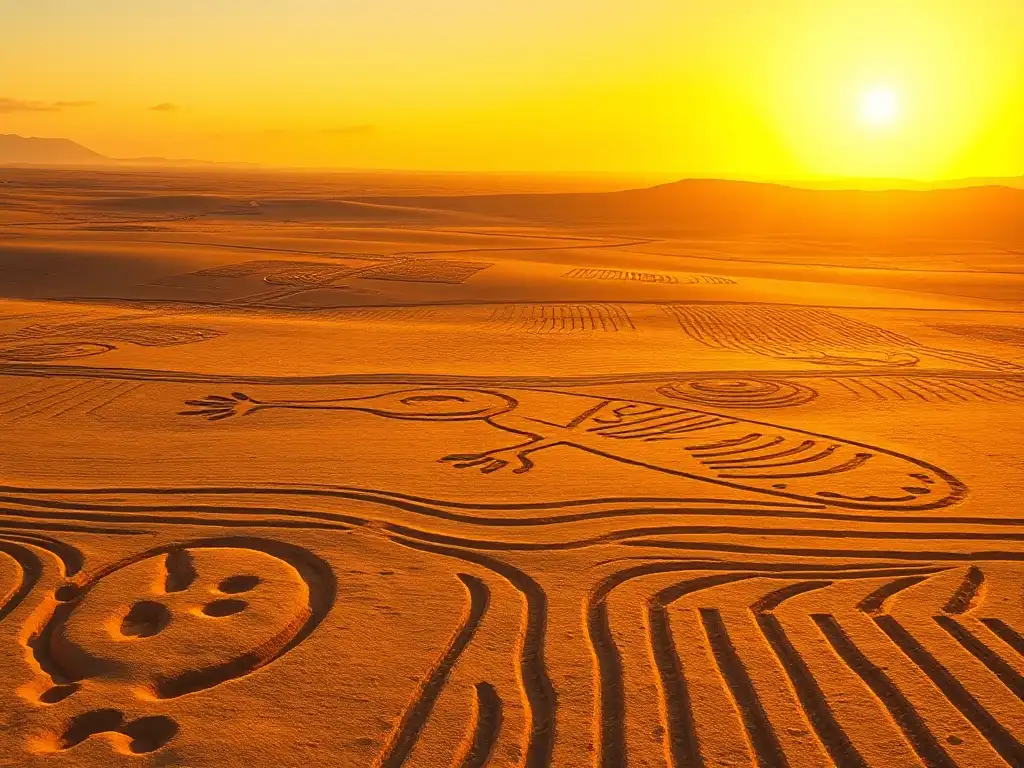
Unravel the mysteries of a lost world. For centuries, the enigmatic Nazca Lines have captivated imaginations, but their true purpose remains shrouded in time. Were these breathtaking geoglyphs simply artistic expressions, or did they play a crucial, yet undiscovered, role in ancient Nazca agriculture? Dive into the fascinating world of the Nazca civilization and discover the surprising connection between these monumental earthworks and their sophisticated farming techniques. Prepare to be amazed.
- Nazca Lines: Unveiling Their Potential Role in Ancient Andean Agriculture
- The Mystery of the Nazca Lines: Beyond Artistic Expression
- Nazca Lines and Water Management: A Vital Link to Agriculture
- Did Nazca Lines Function as Agricultural Calendars?
- The Ritual and Symbolic Dimensions of Nazca Agriculture
- Nazca Lines: A Deeper Look at Soil Fertility and Sustainable Farming
- Alternative Interpretations: Beyond the Agricultural Hypothesis
- The Legacy of Nazca Agriculture and the Geoglyphs
- Frequently Asked Questions
- Final Reflection: Unveiling the Agricultural Secrets of the Nazca Lines
- **Unveil the Mysteries of the Nazca Lines and Transform Your Understanding! **
Nazca Lines: Unveiling Their Potential Role in Ancient Andean Agriculture
The Nazca Lines, sprawling geoglyphs etched into the Peruvian desert, remain one of the world's greatest archaeological enigmas. While their purpose is still debated, a compelling theory suggests a significant connection between these monumental artworks and the sophisticated agricultural practices of the Nazca civilization.
This article delves into the evidence supporting this hypothesis, exploring the intricate relationship between the Nazca Lines and the ingenious methods employed by the Nazca people to cultivate their arid environment. We will examine the potential role these lines played in optimizing water management, land surveying, and perhaps even astronomical observations, all crucial components of successful ancient Andean agriculture.
Understanding this potential link offers a fascinating new perspective on the Nazca Lines, transforming them from mere artistic expressions into potentially vital components of a complex and thriving society. The Nazca Lines ancient agriculture connection remains a captivating area of ongoing research, promising to further illuminate the remarkable ingenuity of this ancient civilization.
Exploring the Connection Between Nazca Geoglyphs and Farming Practices
The Nazca Lines, despite their immense size and intricate detail, are not randomly scattered across the desert. Their placement, often along watercourses or near agricultural terraces, suggests a deliberate connection to the Nazca's agricultural strategies. Careful analysis of their location relative to known irrigation canals and cultivated areas reveals potential links between specific geoglyphs and crucial agricultural resources.
For instance, some lines might have served as markers for irrigation channels, guiding water flow to fields during the scarce rainy seasons. This would have been crucial for maximizing the limited water resources available in the arid coastal region. Furthermore, the lines' alignments could reflect knowledge of underground water sources, aiding in the location of suitable sites for planting and well construction.
The Nazca people were masters of water management, employing intricate systems of canals and reservoirs to capture and distribute precious water. The precision of these systems suggests a high level of understanding of hydrology and land topography. It is plausible that the Nazca Lines played a supplementary role in this sophisticated network, acting as visual aids or markers for maintaining and managing these vital irrigation systems.
Evidence from archaeological excavations near the lines could further support this hypothesis, revealing the presence of agricultural settlements and irrigation infrastructure in close proximity to the geoglyphs. This would strengthen the argument for a direct and functional relationship between the lines and Nazca agriculture.
Furthermore, the lines' intricate designs themselves might hold clues to their agricultural significance. Some researchers suggest that certain patterns or symbols could represent constellations or celestial events, potentially used to track seasonal changes and plan agricultural activities accordingly. This would demonstrate a sophisticated understanding of astronomy and its importance in optimizing planting and harvesting cycles in a climate characterized by unpredictable rainfall.
The integration of astronomical knowledge with agricultural practices highlights the advanced level of scientific understanding achieved by the Nazca civilization. The potential link between Nazca Lines and ancient agriculture is a testament to the ingenuity and adaptability of this remarkable culture.
Further research, encompassing advanced geographic information systems (GIS) analysis and detailed archaeological surveys, is needed to fully elucidate the intricate relationship between these iconic geoglyphs and the sophisticated agricultural practices of the Nazca people. The unraveling of this connection promises to significantly enhance our understanding of this remarkable ancient civilization.
The Mystery of the Nazca Lines: Beyond Artistic Expression
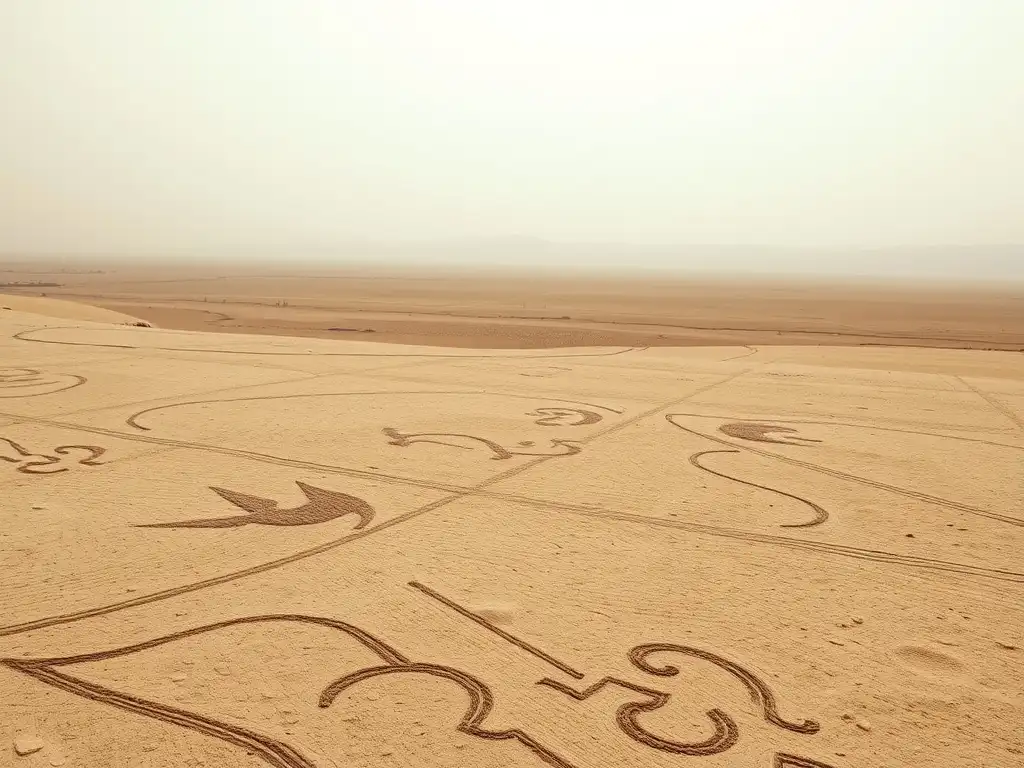
The Nazca Lines, etched into the Peruvian desert, have captivated researchers and the public alike for decades. While often viewed primarily as a monumental artistic achievement, a compelling hypothesis suggests a far more practical role: assisting in ancient agricultural practices. This theory, while still debated, offers a fascinating alternative to the prevailing artistic-only interpretations.
The sheer scale and precision of the lines, combined with their alignment with astronomical events and water sources, hint at a sophisticated understanding of the environment – an understanding crucial for survival in the arid Nazca landscape. This section delves into the evidence supporting the link between the Nazca Lines and ancient Andean agriculture, exploring how these enigmatic geoglyphs may have served as a vital tool for a thriving civilization. We will examine the potential role of the lines in water management, land surveying, and ritual practices connected to agricultural success.
The possibility that the lines were not solely for aesthetic purposes but also served a crucial practical function dramatically alters our understanding of Nazca society and their ingenuity. The intricate relationship between the lines and the surrounding environment needs further investigation, potentially revealing even more about the advanced knowledge and practices of this remarkable civilization.
Understanding the Purpose of the Geoglyphs
For many years, the prevailing assumption was that the Nazca Lines were solely created for aesthetic or ritual purposes. This view suggested that the Nazca people, with their advanced artistic sensibilities, invested immense effort in creating these massive geoglyphs purely for visual impact or religious ceremonies. However, a growing body of evidence challenges this simplistic interpretation. The lines are not randomly scattered; many are aligned with astronomical events, such as solstices and equinoxes, suggesting a deeper understanding of celestial cycles.
Furthermore, the lines often follow natural features, such as watercourses, which suggests they might have served as guides or markers related to water management. The precision of the lines and their integration with the landscape suggest a level of planning and engineering far beyond mere artistic expression. Consider the enormity of the undertaking: creating these geoglyphs required meticulous planning, precise execution, and a deep understanding of the terrain.
This level of sophistication points towards a practical purpose, in addition to, or perhaps even instead of, a purely artistic one. The potential connection between the lines and agriculture is supported by the fact that the Nazca people were highly skilled farmers who developed sophisticated irrigation systems to cultivate crops in the harsh desert environment. The lines may have played a critical role in this agricultural success.
The Diverse Shapes and Sizes of the Nazca Figures
The Nazca Lines are not limited to simple lines; they encompass a vast array of figures, including animals, plants, and geometric shapes. This diversity adds another layer to the complexity of interpreting their purpose. The scale of these figures varies dramatically, from relatively small designs to colossal representations spanning hundreds of meters. For example, the famous hummingbird geoglyph is remarkably detailed, while others are more abstract and less easily identifiable.
This variation in size and complexity suggests a range of functions, not all necessarily artistic. Smaller figures might have served as markers for specific locations or activities related to agriculture, while the larger, more impressive designs could have had a more ritualistic or ceremonial significance. The sheer number of figures also points towards a significant investment of time and resources, further supporting the hypothesis of a practical purpose beyond mere artistic expression.
Some researchers suggest that the various figures could represent constellations, water sources, or even specific agricultural plots. The diversity of shapes and sizes thus reflects the multifaceted nature of Nazca society and its intricate relationship with the environment – a relationship where agriculture was paramount. Detailed analysis of the figures and their spatial distribution is crucial for further understanding their purpose, potentially revealing more clues about their role in ancient Nazca agriculture.
The Nazca Lines remain an enigma, but the possibility of a significant connection to ancient agriculture provides a compelling and enriching perspective. Further research is needed to fully unravel the mysteries of these remarkable geoglyphs and their place within the broader context of Nazca civilization.
Nazca Lines and Water Management: A Vital Link to Agriculture
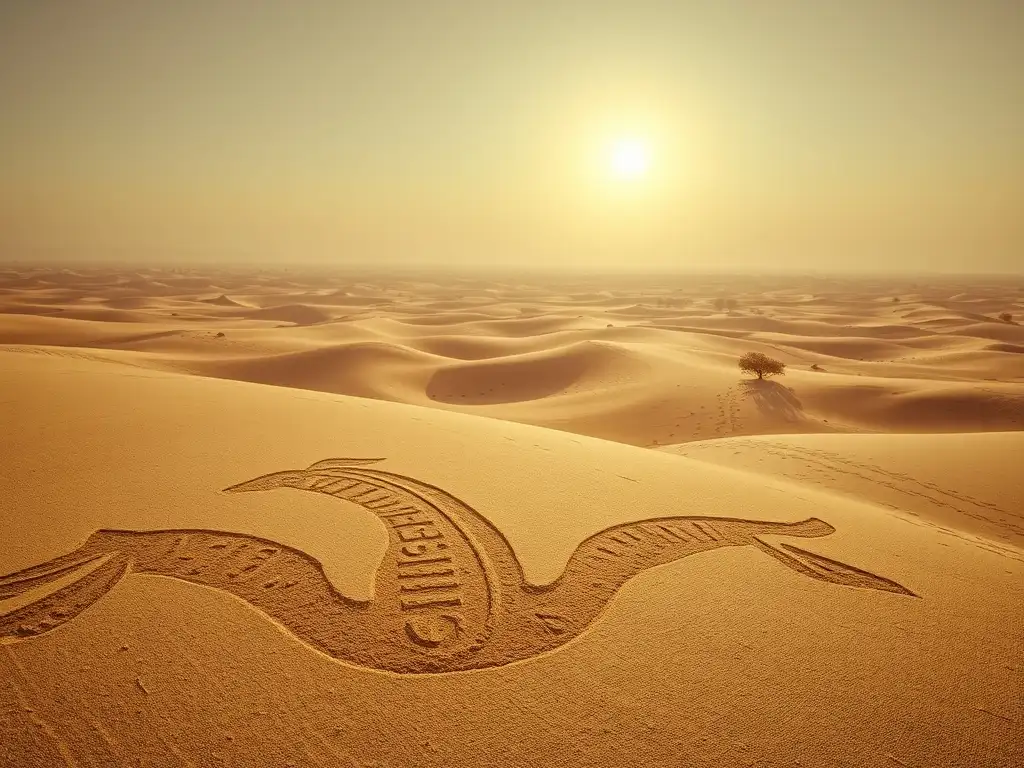
The Nazca Lines, those enigmatic geoglyphs etched into the Peruvian desert, have captivated researchers for decades. While their precise purpose remains debated, a compelling theory posits a strong connection between these impressive works and the ingenious water management systems crucial for sustaining agriculture in the arid Nazca region. Understanding this potential link requires examining the harsh environmental realities faced by the Nazca people and their remarkable adaptations to survive and thrive in such a challenging landscape. The keyword "Nazca Lines ancient agriculture" is key to understanding this complex relationship.
The Importance of Water in the Arid Nazca Region
The Nazca desert is characterized by extremely low rainfall and high evaporation rates. The scarcity of surface water made agriculture a constant struggle. Successful farming depended entirely on the ability of the Nazca to capture, store, and distribute what little water was available. This wasn't simply a matter of survival; it was fundamental to their societal structure, religious practices, and economic stability. Archaeological evidence points to sophisticated techniques employed to maximize water use efficiency.
These included the construction of extensive canal systems, underground aqueducts, and reservoirs, all meticulously planned and maintained. The ingenuity of these systems underscores the Nazca people's deep understanding of their environment and their unwavering commitment to agriculture. Without effective water management, the Nazca civilization could not have flourished. This crucial factor is often overlooked when discussing the enigmatic geoglyphs.
Theories Linking Geoglyphs to Water Sources and Irrigation
Several theories propose a direct link between the Nazca Lines and water management practices. One prominent hypothesis suggests that some geoglyphs may have served as markers indicating the location of underground water sources or key points within irrigation systems. The lines, particularly those depicting animals and plants associated with water, could have served as visual guides for farmers or acted as ritualistic sites connected to water deities, ensuring plentiful harvests. This idea is supported by the proximity of some geoglyphs to known canals and aqueducts.
Furthermore, the precise alignment of certain lines with astronomical events could have aided in predicting rainfall patterns or optimizing irrigation schedules, maximizing crop yields. More research is needed to definitively prove this connection, but the circumstantial evidence is compelling and suggests further investigation is warranted. The potential role of the "Nazca Lines ancient agriculture" connection warrants further study.
Canals and Underground Aqueducts: Supporting Nazca Agriculture
The Nazca's mastery of water management is evident in the extensive network of canals and underground aqueducts they constructed. These sophisticated systems allowed them to transport water from distant sources to agricultural fields, even across challenging terrain. The canals, often lined with stones and sealed with clay, were remarkably efficient at minimizing water loss through evaporation. The underground aqueducts, known as puquios, were even more impressive feats of engineering.
These ingenious systems tapped into underground water sources and channeled water to the surface through a series of shafts and tunnels. The construction of these puquios required advanced knowledge of hydrology and sophisticated engineering techniques. Their existence speaks volumes about the Nazca's commitment to sustainable agriculture and their ability to adapt to the harsh environmental conditions of the desert.
The combination of surface canals and underground puquios created a resilient and efficient water distribution system, directly supporting the agricultural success of the Nazca civilization. This intricate system provides a strong foundation for the hypothesis linking the Nazca Lines to water management and, therefore, ancient agriculture. The scale and sophistication of these systems highlight the importance of water to the Nazca, reinforcing the potential connection with the geoglyphs.
Did Nazca Lines Function as Agricultural Calendars?
The precise purpose of the Nazca Lines remains one of archaeology's most enduring mysteries. While their iconic imagery often overshadows other interpretations, a compelling theory suggests a crucial link between these geoglyphs and ancient Nazca agriculture. This hypothesis proposes that certain lines and figures served as a sophisticated calendar system, guiding agricultural practices and ensuring optimal planting and harvesting times. This section explores the evidence supporting this intriguing possibility, focusing on astronomical alignments and potential correlations with the Nazca's agricultural cycles. The Nazca Lines ancient agriculture connection is a fascinating area of ongoing research.
Alignments with Celestial Events and Seasonal Changes
Many Nazca Lines exhibit remarkable alignments with celestial events. Several geoglyphs, particularly long, straight lines, appear to point towards specific locations on the horizon where the sun rises or sets during solstices and equinoxes. These alignments aren't random; meticulous surveying reveals precise orientations.
For instance, the "Hummingbird" geoglyph appears to align with the sunrise on the winter solstice, a crucial date for the Nazca agricultural calendar as it likely marked the beginning of the rainy season. Furthermore, analysis of the lines' orientations in relation to the movement of other celestial bodies, such as certain constellations, is ongoing. The precision of these alignments suggests a deep understanding of astronomy and its implications for agriculture.
This level of astronomical knowledge was far more advanced than previously attributed to the Nazca culture, adding weight to the agricultural calendar hypothesis. Further research involving advanced astronomical software and detailed mapping of the lines is needed to fully understand these connections. The potential for uncovering more precise alignments and their agricultural significance is significant.
The Possibility of the Geoglyphs Tracking Planting Cycles
Beyond simple alignments, the complex arrangement of the Nazca Lines might represent a more intricate system for tracking planting cycles. Some researchers suggest that the lines and figures could have been used to chart the movement of the stars and planets over the course of a year. By observing these celestial movements, the Nazca people could have predicted the timing of rainfall and the optimal times for sowing and harvesting their crops.
This would have been vital for their survival, as the Nazca desert is a harsh environment with limited water resources. The possibility of associating specific geoglyphs with particular crops or agricultural practices is currently under investigation. Detailed studies of the Nazca's agricultural techniques and their correlation with the layout of the lines could provide valuable insights.
For example, the intricate network of lines could represent irrigation channels or pathways used to transport crops, further strengthening the link between the lines and agriculture. It's important to note that this is a complex theory that requires more extensive analysis of the geoglyphs and their spatial relationships.
The Summer Solstice Alignment of the "Long Rectangle" Geoglyph
One specific example that supports the agricultural calendar theory is the alignment of the "Long Rectangle" geoglyph with the summer solstice. This massive geoglyph, one of the largest in the Nazca Lines complex, appears to be precisely oriented to mark the sunrise on the summer solstice. This date would have been particularly significant for the Nazca, as it likely marked the peak of the growing season.
The "Long Rectangle" is not just aligned with the solstice sunrise; its length also seems to correlate with the length of the day during the summer solstice, providing a visual representation of the seasonal changes. This remarkable precision suggests a deliberate design intended to mark this key agricultural moment. Further research into the possible relationship between the size and shape of this and other geoglyphs and the corresponding agricultural cycles could reveal additional evidence supporting this hypothesis.
The detailed study of this and similar geoglyphs is crucial to a deeper understanding of the Nazca Lines ancient agriculture relationship. This could involve high-resolution aerial photography and sophisticated digital mapping techniques to reveal subtle details not visible to the naked eye. The potential for uncovering more solstice alignments among other geoglyphs is a promising avenue for future research.
The Ritual and Symbolic Dimensions of Nazca Agriculture
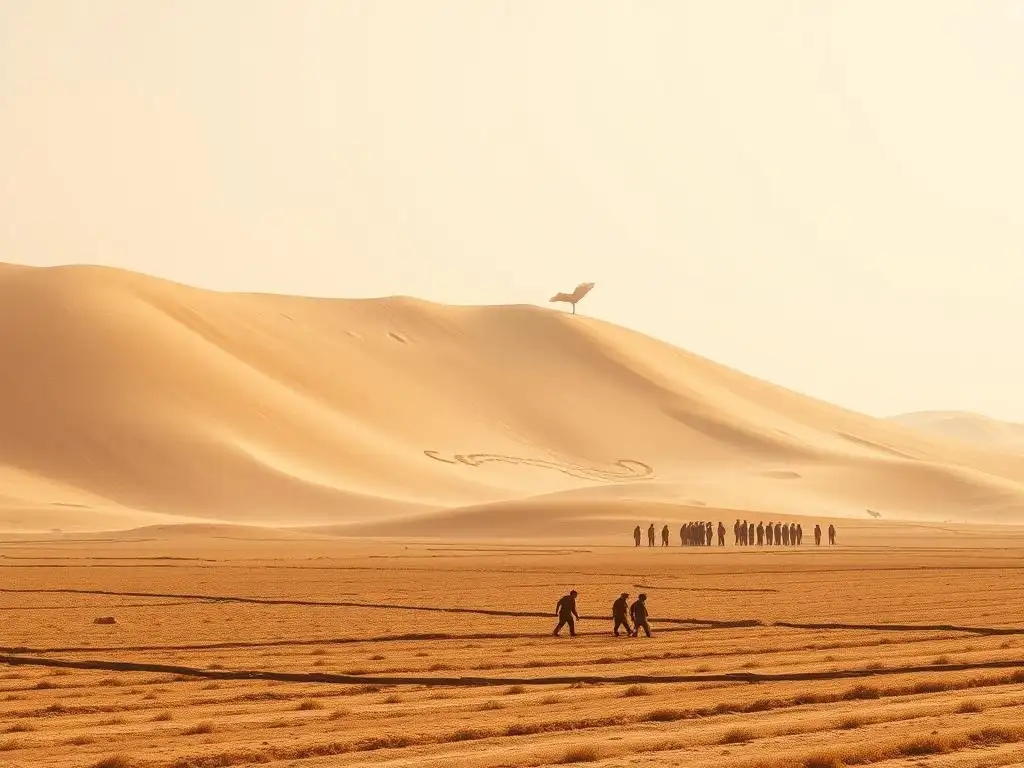
The Nazca Lines, while visually stunning and geographically expansive, were likely deeply intertwined with the agricultural practices of the Nazca civilization. Understanding their role requires moving beyond purely astronomical or territorial interpretations and exploring the strong ritual and symbolic dimensions inherent in Nazca culture and their relationship with the land and its productivity. The desert environment demanded meticulous agricultural techniques, and it's highly probable that these techniques were infused with religious beliefs and practices aimed at ensuring successful harvests.
The very survival of the Nazca people depended on their agricultural prowess, making the connection between ritual, symbolism, and agriculture almost certainly paramount. This section will explore the evidence suggesting a strong link between the Nazca Lines and their agricultural practices, focusing on the ritualistic aspects that likely played a crucial role.
Ceremonial Practices and Their Connection to Crop Fertility
The Nazca people developed sophisticated irrigation systems, including canals and underground aqueducts, to cultivate crops in the arid coastal plains. These impressive feats of engineering were not simply technological achievements; they were also deeply embedded in religious and ceremonial practices. Evidence from archaeological excavations suggests that offerings, including pottery vessels filled with food and drink, were frequently deposited near irrigation canals and agricultural fields.
These offerings were not haphazard; they were carefully placed, suggesting a deliberate attempt to appease deities associated with water and fertility, thereby ensuring a bountiful harvest. The precise location and arrangement of these offerings, often found in association with specific agricultural features, points to a structured ritual system that permeated Nazca agricultural life. The success of their agriculture was not just a matter of skill and technology; it was fundamentally linked to their religious beliefs and practices, a holistic approach that ensured the survival of the community.
Moreover, the discovery of intricately decorated pottery depicting agricultural scenes, such as planting and harvesting, further underscores the importance of agriculture in Nazca religious iconography. These images are not merely representations of daily life; they are powerful symbols of the relationship between humans and the natural world, highlighting the spiritual significance of successful harvests.
Were the Geoglyphs Used in Agricultural Rituals?
The possibility that the Nazca Lines themselves served a role in agricultural rituals remains a captivating, albeit debated, topic. While some scholars propose astronomical or territorial explanations, the close proximity of many geoglyphs to agricultural zones and the overall importance of agriculture in Nazca culture suggest a plausible connection. It's conceivable that certain geoglyphs, perhaps those depicting animals or plants associated with fertility, served as focal points for rituals designed to enhance crop yields.
These rituals might have involved processions, offerings, or other ceremonial acts performed along the geoglyphs or at specific points within them. The scale and precision of the geoglyphs themselves could have enhanced their ritual significance, creating visually arresting landscapes that served as powerful symbols of the community's connection to the land and its bounty.
Further investigation is needed to ascertain the exact nature of any ritualistic use of the geoglyphs, but the existing evidence strongly suggests a possible link between the lines and agricultural practices beyond simple geographical coincidence. The sheer size of some geoglyphs, visible from considerable distances, might also have served as a powerful visual reminder of the community's dependence on and reverence for the land.
Evidence of Pottery Shards and Offerings Near Geoglyphs
Archaeological surveys in the vicinity of several Nazca geoglyphs have uncovered evidence supporting the hypothesis of ritual activity linked to agriculture. The discovery of significant quantities of pottery shards, often decorated with motifs related to fertility and agriculture, near the lines suggests that these locations were used for ceremonial purposes. Furthermore, the presence of burnt offerings, animal bones, and other artifacts associated with religious practices further strengthens this connection.
While the exact nature of these rituals remains unclear, the pattern of findings suggests that the geoglyphs were not merely passive features of the landscape but rather integral parts of a larger ritual system connected to agriculture. The careful placement of these offerings, often aligned with the lines or positioned at strategic points along them, points to a deliberate and organized ritual practice. This evidence, combined with the overall context of Nazca agricultural practices and religious beliefs, strongly suggests that the lines played a significant, albeit potentially multifaceted, role in the agricultural life of the Nazca people.
Further research, including more extensive archaeological excavations and analysis of the discovered artifacts, is needed to fully elucidate the precise nature of this relationship. The careful documentation and analysis of these findings are crucial for a more comprehensive understanding of the role of the Nazca Lines in ancient agriculture, particularly in the context of the broader religious and symbolic framework of the Nazca civilization.
Nazca Lines: A Deeper Look at Soil Fertility and Sustainable Farming
The Nazca Lines, those enigmatic geoglyphs etched into the Peruvian desert, have captivated researchers and enthusiasts for decades. While their primary purpose remains a mystery, a compelling theory suggests a strong link between these colossal designs and the Nazca's sophisticated agricultural practices. This section explores the evidence suggesting that the lines, far from being purely ceremonial or astronomical, might have played a crucial role in the Nazca's remarkably successful system of ancient agriculture. Understanding their agricultural prowess is key to unlocking the secrets of this fascinating civilization. The Nazca Lines ancient agriculture connection deserves closer scrutiny.
The Importance of Soil Management in Nazca Culture
The Nazca civilization flourished in a seemingly inhospitable environment—the arid coastal plains of southern Peru. Their survival and prosperity hinged on their mastery of water management and soil fertility. Archaeological evidence reveals a complex system of canals, aqueducts, and irrigation techniques that allowed them to cultivate crops in this harsh desert landscape. Their understanding of soil types and the careful management of scarce water resources were paramount.
This wasn't just basic farming; it was a sophisticated, sustainable system designed for long-term success. They meticulously managed their limited resources, showing a deep understanding of the delicate balance required for successful agriculture in a desert environment. We see evidence of this in the intricate network of canals that channeled precious water to their fields, a testament to their engineering skills and their commitment to agricultural sustainability. The Nazca's success in this area is a remarkable example of human ingenuity and adaptation.
Could the Geoglyphs Have Served as Markers of Fertile Lands?
One intriguing hypothesis proposes that the Nazca Lines themselves served as markers, possibly indicating the location of underground water sources or particularly fertile areas. This is supported by the observation that many lines seem to align with natural features, such as watercourses or areas with better soil quality. Perhaps the geoglyphs weren't just aesthetically pleasing; they could have been practical tools, guiding farmers to the most productive land.
This would have been vital for a civilization relying heavily on agriculture for survival. Imagine the lines acting as a giant map, guiding generations of Nazca farmers to the best plots for planting. Further research into the correlation between line locations and soil composition could provide compelling evidence to support this hypothesis.
The precise alignment of certain lines with subsurface water sources remains a topic requiring further investigation. This possibility links the enigmatic Nazca Lines ancient agriculture practices in a practical and significant way.
The Use of Terracing and Fertilization Techniques
Beyond water management, the Nazca also employed advanced techniques in terracing and fertilization to maximize crop yields. Terracing allowed them to cultivate slopes, increasing the amount of arable land available. They also utilized various fertilization methods, likely incorporating organic matter and possibly other natural materials to enhance soil fertility. This combination of terracing and fertilization demonstrates a sophisticated understanding of soil science and sustainable agricultural practices.
The Nazca's agricultural methods were not simply reactive; they were proactive, reflecting a deep understanding of their environment and a commitment to long-term sustainability. Archaeological excavations continue to unearth evidence of their sophisticated farming techniques, adding to our understanding of their impressive agricultural achievements. The Nazca Lines ancient agriculture relationship, therefore, might extend beyond mere demarcation, encompassing a deeper connection to their farming practices. Their success in cultivating crops in such an environment highlights the importance of soil management in their culture.
Alternative Interpretations: Beyond the Agricultural Hypothesis
The prevailing theory linking the Nazca Lines to ancient agriculture, while compelling, doesn't fully encompass the complexity of these enigmatic geoglyphs. Many scholars propose alternative interpretations, or at least significant supplementary roles beyond simple irrigation management. This section will explore some of these competing hypotheses, highlighting their strengths and weaknesses. The sheer scale and sophistication of the lines suggest a multifaceted purpose, potentially incorporating elements of both practical and symbolic significance. Analyzing these alternative perspectives enriches our understanding of Nazca Lines ancient agriculture and its possible connection to other aspects of Nazca society.
Other Theories Regarding the Purpose of the Nazca Lines
Beyond the agricultural hypothesis, several other theories attempt to explain the Nazca Lines' purpose. One prominent suggestion centers around the lines' potential role as ceremonial pathways or pilgrimage routes. The intricate network of lines could have facilitated processions or ritualistic movements across the landscape. This theory is supported by the fact that many lines converge on specific points, potentially representing sacred sites or ceremonial centers.
Furthermore, the sheer scale of the undertaking suggests a significant investment of labor and resources, implying a purpose of considerable societal importance. The precise nature of these rituals and the significance of the designated convergence points remain largely unknown, demanding further research and archaeological investigation. This potential ceremonial function doesn't necessarily contradict the agricultural hypothesis; instead, it suggests a layering of purposes, with agricultural considerations intertwined with religious and social practices.
Another intriguing theory proposes a connection between the Nazca Lines and astronomical observations. Some lines appear to align with significant celestial events, such as solstices or equinoxes. This suggests that the Nazca people may have used the lines to track the movement of the sun and stars, potentially for agricultural purposes (predicting planting and harvesting times) or for religious-calendrical reasons.
This hypothesis is supported by the precise alignment of certain lines with specific astronomical phenomena, which would require significant knowledge of astronomy and sophisticated surveying techniques. However, the lack of definitive proof linking specific lines to particular astronomical events remains a challenge for this theory. Further research, potentially incorporating advanced astronomical modeling and analysis of the lines' alignment with ancient constellations, is crucial to strengthen this hypothesis.
Theories Involving Pilgrimage Routes and Astronomical Observations
The connection between pilgrimage routes and astronomical observations within the context of the Nazca Lines is a particularly fascinating area of research. Some scholars suggest that the lines might have served as both ceremonial pathways and astronomical markers. Imagine a pilgrimage route strategically designed to intersect with significant astronomical alignments, creating a powerful blend of religious and scientific significance.
Such a combined function could explain the vast scale of the project and the apparent duality in the lines' design. The convergence of lines at specific points could represent not only ritualistic destinations but also locations for observing celestial events. This integrated approach offers a more holistic interpretation of the lines' purpose, suggesting a sophisticated understanding of astronomy intertwined with religious practices within Nazca society.
However, further research is needed to firmly establish the extent to which pilgrimage routes and astronomical observations were integrated into the Nazca Lines' design and function. Detailed mapping of the lines, combined with advanced astronomical analyses, could shed light on this intriguing possibility, potentially revealing a complex interplay between ancient beliefs and scientific knowledge. The Nazca Lines might not simply be one thing, but a complex tapestry of interconnected functions, reflecting the rich and multifaceted culture of the Nazca civilization.
The Legacy of Nazca Agriculture and the Geoglyphs
The Nazca people, renowned for their enigmatic geoglyphs etched into the desert floor, were also remarkably skilled agriculturalists. Their ability to thrive in the arid coastal plains of southern Peru is a testament to their ingenuity and deep understanding of their environment. This sophisticated agricultural system, characterized by sophisticated irrigation techniques, likely played a crucial role in the creation and maintenance of the Nazca Lines themselves.
The very survival of the Nazca civilization depended on their capacity to cultivate crops in a seemingly inhospitable landscape, a feat that continues to fascinate researchers today. Understanding their agricultural practices, therefore, is key to unlocking a more complete understanding of the Nazca Lines and their cultural significance. The intricate network of canals, the careful management of water resources, and the selection of drought-resistant crops all point to a highly organized and technologically advanced society.
This advanced understanding of hydrology and agriculture likely provided the necessary stability and surplus resources that enabled the creation of the monumental geoglyphs. The Nazca Lines, far from being isolated artistic expressions, might have been deeply intertwined with the practical needs and spiritual beliefs associated with agriculture, forming a complex tapestry of cultural expression and practical necessity. Indeed, the scale and precision of the geoglyphs suggest a level of social organization and resource management that parallels the complexity of their irrigation systems.
How Nazca Farming Techniques Compare to Modern Practices
The Nazca's mastery of water management in such an arid climate is particularly striking when compared to modern agricultural practices. Their intricate network of canals, some stretching for miles, allowed them to effectively harness scarce water resources. This contrasts sharply with many modern agricultural methods, which often rely on heavy water consumption and unsustainable practices. While modern techniques utilize advanced machinery and chemicals, the Nazca achieved remarkable yields using only simple tools and a deep understanding of their environment.
Their ability to cultivate crops in the desert using gravity-fed irrigation systems represents a sustainable approach to agriculture that is increasingly relevant in today's world. They focused on water conservation and efficient land use, principles that are now at the forefront of sustainable agriculture globally. For example, their use of raised fields, known as waru waru, allowed for better water retention and reduced evaporation, techniques that are being revived and adapted in modern sustainable agriculture projects in the region.
The Nazca’s success highlights the importance of understanding local environmental conditions and applying appropriate, often low-tech, solutions. A comparative study of Nazca irrigation methods and modern sustainable agricultural practices could offer valuable insights for improving water use efficiency and promoting sustainable farming techniques in arid and semi-arid regions worldwide. The Nazca Lines, therefore, serve not only as a testament to their artistic prowess but also as a reminder of their remarkable agricultural achievements, offering lessons that remain relevant centuries later.
The Enduring Mystery and Continued Research of Nazca Lines
Despite significant advancements in archaeological research, the precise purpose of the Nazca Lines remains a topic of ongoing debate. While the link between the Lines and Nazca agriculture is increasingly recognized, many aspects remain shrouded in mystery. The sheer scale of the geoglyphs and the precision of their execution continue to amaze researchers.
The ongoing research focuses on several key areas: analyzing the soil composition of the areas surrounding the lines; studying the astronomical alignments of certain geoglyphs; and further investigating the relationship between the geoglyphs and the Nazca’s sophisticated irrigation systems. Advanced technologies, such as satellite imagery and ground-penetrating radar, are being utilized to explore the Lines' extent and uncover new details. Furthermore, ongoing excavations are yielding valuable information about the social structure and daily life of the Nazca people, providing a richer context for understanding the purpose and significance of these monumental artworks.
The complexity of the Lines suggests a deep understanding of geometry, engineering, and possibly astronomy, demonstrating a level of sophistication beyond what was previously attributed to the Nazca culture. The mystery surrounding their creation, however, only adds to their allure and motivates continued exploration and research. The investigation of the Nazca Lines is a continuously evolving field, with new discoveries adding layers of complexity to an already fascinating enigma.
The Importance of Interdisciplinary Approaches to Understanding the Nazca Culture
Unraveling the mysteries of the Nazca Lines requires a truly interdisciplinary approach. Archaeologists, anthropologists, astronomers, geographers, and engineers all bring unique perspectives to the study of these enigmatic geoglyphs. By combining their expertise, researchers can build a more complete and nuanced understanding of the Nazca culture and the meaning of the Lines. For instance, archaeologists provide insights into the social and political structures of the Nazca civilization, while astronomers investigate the potential astronomical alignments of the geoglyphs.
Geographers analyze the environmental context of the Lines, considering factors like soil composition, water availability, and the impact of climate change. Engineers analyze the construction techniques and the remarkable precision involved in creating the geoglyphs. This collaborative effort is crucial to avoid narrow interpretations and to move beyond simplistic explanations. The Nazca Lines are not simply isolated artistic creations; they are complex cultural artifacts embedded within a specific environmental and social context.
A holistic understanding of the Nazca Lines demands an integrated approach that incorporates diverse fields of study. The interdisciplinary nature of this research underscores the importance of collaborative efforts in understanding complex cultural phenomena and highlights the interconnectedness of various aspects of the Nazca civilization. Only through such collaboration can we hope to fully appreciate the legacy of the Nazca people and the profound significance of their enigmatic geoglyphs.
Frequently Asked Questions
What are the Nazca Lines?
The Nazca Lines are geoglyphs etched into the desert plains of southern Peru. These enormous figures and lines, created by the Nazca culture, depict animals, plants, and geometric shapes. Their purpose remains a mystery.
What is the connection between the Nazca Lines and ancient agriculture?
One theory suggests the lines may have been related to water management crucial for ancient Nazca agriculture. Some believe they served as channels for water, or were linked to underground aquifers.
Were the Nazca Lines used for astronomical purposes?
While some lines may align with astronomical events, this isn't a universally accepted theory. The primary purpose of the lines remains unclear, with many scholars debating their significance.
How did the Nazca people create the Lines?
The Nazca people likely created the lines by removing the dark reddish pebbles that covered the surface, exposing the lighter subsoil. The scale and precision of the work are remarkable.
What is the relationship between the Nazca Lines and other Andean civilizations?
The Nazca Lines are a unique aspect of Nazca culture, distinct from those of other Andean civilizations like the Incas or Moche. However, they show the sophisticated engineering and understanding of their environment.
Final Reflection: Unveiling the Agricultural Secrets of the Nazca Lines
The intricate Nazca Lines, far from being mere artistic expressions, may hold the key to understanding sophisticated ancient agricultural practices. Their alignment with water sources and the potential for astronomical calendrical use suggests a level of environmental understanding far surpassing previous assumptions. This challenges our understanding of pre-Columbian societies and their capacity for complex societal organization.
The enduring mystery surrounding the Nazca Lines underscores the importance of interdisciplinary research in unraveling the secrets of the past. Their impact extends beyond archaeology, influencing our understanding of ancient astronomy, engineering, and, crucially, sustainable agriculture. The past is never dead. It's not even past.
– William Faulkner. This quote resonates deeply, as the Nazca Lines continue to speak to us across millennia, offering valuable lessons about resource management and societal resilience. The ongoing research and debates surrounding their purpose highlight the dynamic nature of historical interpretation and the continuous evolution of our understanding.
Consider the ingenuity of a civilization that could create such monumental works, likely tied to their agricultural success. What can we learn from their understanding of water management and land use in a challenging desert environment? You, the reader, are now part of this ongoing conversation. Examine your own relationship with the environment and consider how ancient wisdom can inform our approach to sustainable practices today. Let the Nazca Lines inspire you to seek deeper connections between seemingly disparate fields of knowledge, and to appreciate the enduring legacy of those who came before us.
**Unveil the Mysteries of the Nazca Lines and Transform Your Understanding! **
Thank you for exploring the fascinating world of the Nazca Lines and their potential agricultural significance. You've already gained valuable insights into these ancient wonders; now let's delve even deeper.
Here are some ways to further explore this intriguing topic:
- **Discover more:** Research the Nazca civilization and plan a visit to Peru to see these incredible geoglyphs firsthand. Consider visiting museums showcasing artifacts from the region to gain a richer understanding of the culture that created them.
- **Join the conversation:** Share your thoughts and theories about the Nazca Lines on social media using #NazcaLines. Connect with other enthusiasts and researchers to learn from diverse perspectives and contribute to ongoing discussions.
- **Create your own interpretations:** Develop your own theories about the lines' purpose. You might even create artwork inspired by them and share it online or at local art events.
What was the true purpose of the Nazca Lines? Was it purely artistic expression, a practical guide for agriculture, or something else entirely? Let's discuss!