
The Memory Keepers: The Role of Elders in Transmitting Andean Knowledge

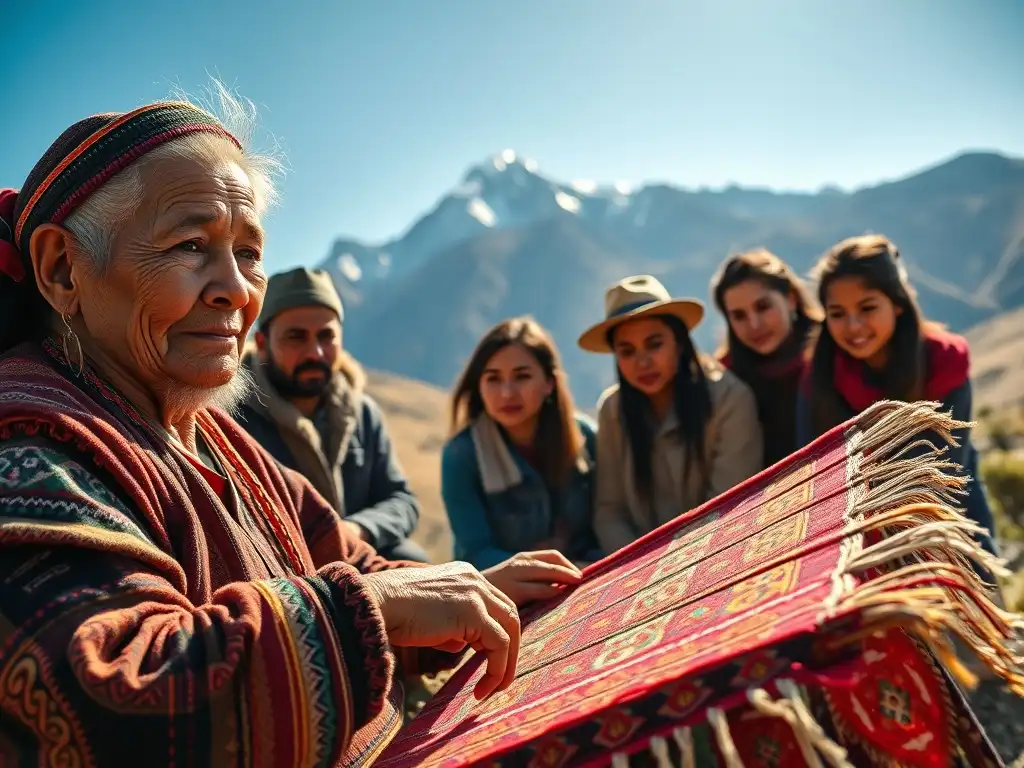
Step into a world lost to time, yet echoing with wisdom. For centuries, the towering peaks of the Andes have guarded secrets whispered from generation to generation. Discover the fascinating legacy of Andean civilizations, from the Incas to the Nazca, and uncover the vital role of Andean elder knowledge transmission in preserving their rich tapestry of culture and tradition. What ingenious methods did they use to pass down their knowledge? Explore the mysteries and delve deeper into the story of these remarkable societies and their enduring heritage.
The Andes Mountains, a spine of towering peaks and breathtaking valleys stretching along the western coast of South America, have been home to a vibrant tapestry of civilizations for millennia. From the sophisticated irrigation systems of the Nazca to the intricate textiles of the Inca, these cultures left behind an enduring legacy. However, much of their knowledge, passed down through generations via oral tradition, wasn't documented in written form.
This article delves into the crucial role Andean elders played, and continue to play, in preserving and transmitting this invaluable cultural heritage – a process vital for understanding the complexities of Andean societies and ensuring the survival of their unique traditions. We will explore how this transmission of Andean elder knowledge impacted various aspects of Andean life, from agricultural practices to spiritual beliefs, highlighting the enduring importance of oral history in shaping Andean identities and fostering cultural continuity.
Understanding this intricate system of knowledge transfer is key to appreciating the richness and resilience of Andean civilizations. The keyword "Andean elder knowledge transmission" will be explored throughout this article, demonstrating its multifaceted nature and its significance in modern contexts.
The Oral Tradition: A Backbone of Andean Culture
The absence of a widespread written language in many pre-Columbian Andean societies meant that oral tradition became the primary vehicle for transmitting knowledge. This wasn't simply the recounting of stories; it was a meticulously structured system involving intricate mnemonic devices, songs, rituals, and performances. Elders, often respected for their age and wisdom, acted as custodians of this knowledge, carefully shaping narratives and ensuring their accurate transmission to younger generations.
Their mastery wasn't limited to historical accounts; it encompassed practical skills like agriculture, medicine, and craftsmanship, passed down through apprenticeship and observation. This involved detailed explanations of techniques, often accompanied by demonstrations and practical exercises, ensuring the continuity of these essential skills. The role of elders in this process was not passive; it demanded active participation, rigorous memorization, and a deep understanding of the cultural context.
Think of it as a living library, constantly updated and enriched through experience and interpretation. The accuracy and preservation of this information were paramount, shaping societal structures and beliefs for centuries.
Methods of Knowledge Transmission: Beyond Storytelling
The transmission of Andean elder knowledge wasn't simply a matter of storytelling. Elders employed a variety of techniques to ensure the preservation and understanding of complex information. These methods included:
- Storytelling and Mythology: Myths and legends weren't mere entertainment; they conveyed moral lessons, historical events, and cosmological beliefs. The elders' skill in storytelling was crucial for making these narratives engaging and memorable.
- Rituals and Ceremonies: Many rituals and ceremonies served as important vehicles for knowledge transmission. These events often included symbolic actions and chants that reinforced key cultural values and beliefs. Young people learned by participating in these events.
- Songs and Music: Music played a significant role, acting as a mnemonic device and a means of preserving historical events and traditions. Songs often contained encoded information that could only be understood by those familiar with the cultural context.
- Apprenticeships and Practical Training: This hands-on approach was crucial for passing down practical skills such as weaving, pottery, agriculture, and healing. Elders acted as mentors, guiding younger generations through the intricacies of their craft.
- Khipu: While not strictly oral, the khipu (a system of knotted cords used for record-keeping) should be mentioned here. Elders were often the keepers and interpreters of these complex records, transmitting information encoded within the intricate knots and colors.
The effectiveness of these methods speaks to the ingenuity and dedication of Andean elders in preserving their cultural heritage. The combination of storytelling, ritual, music, and practical training ensured that knowledge was not only remembered but also deeply ingrained within the community.
The Impact of Modernity on Andean Elder Knowledge Transmission
The arrival of European colonizers profoundly impacted Andean societies, leading to significant changes in their social structures and knowledge systems. The suppression of indigenous languages and the imposition of Western education systems threatened the continuity of oral traditions. Many traditional practices were discouraged, leading to a decline in the number of elders proficient in the intricate methods of knowledge transmission.
Despite these challenges, however, Andean elders have shown remarkable resilience. In many communities, efforts are underway to revitalize traditional practices and ensure that the knowledge of previous generations is not lost. This includes initiatives focused on language preservation, the documentation of oral histories, and the establishment of community-based educational programs.
While the challenges remain significant, the dedication of elders and communities to preserving their cultural heritage demonstrates the enduring power of oral tradition. The continued transmission of Andean elder knowledge remains crucial for maintaining cultural identity and fostering a sense of community. [Specific data on the number of successful revitalization projects pending]
The Future of Andean Oral Tradition
The future of Andean oral traditions hinges on several critical factors. The active participation of younger generations in learning and practicing these traditions is paramount. This requires creating spaces and opportunities for intergenerational dialogue and learning, where elders can share their knowledge and wisdom with younger generations.
Additionally, documentation efforts are crucial to preserve this knowledge for future generations. While written records can supplement oral traditions, they cannot replace the richness and nuance of lived experience. The challenge lies in finding a balance between preserving the integrity of oral traditions and utilizing modern tools to ensure their accessibility and longevity.
This requires a sensitive and collaborative approach, respecting the cultural significance of oral knowledge and ensuring that it remains rooted in its community context. The ongoing efforts to revitalize and preserve Andean oral traditions underscore the enduring value of this knowledge and its importance in shaping the future of Andean cultures. The legacy of Andean elder knowledge transmission will continue to shape the cultural landscape for years to come.
- The Oral Tradition: A Backbone of Andean Culture
- Methods of Knowledge Transmission: Beyond Storytelling
- The Impact of Modernity on Andean Elder Knowledge Transmission
- The Future of Andean Oral Tradition
Understanding the Vital Role of Andean Elders in Cultural Preservation
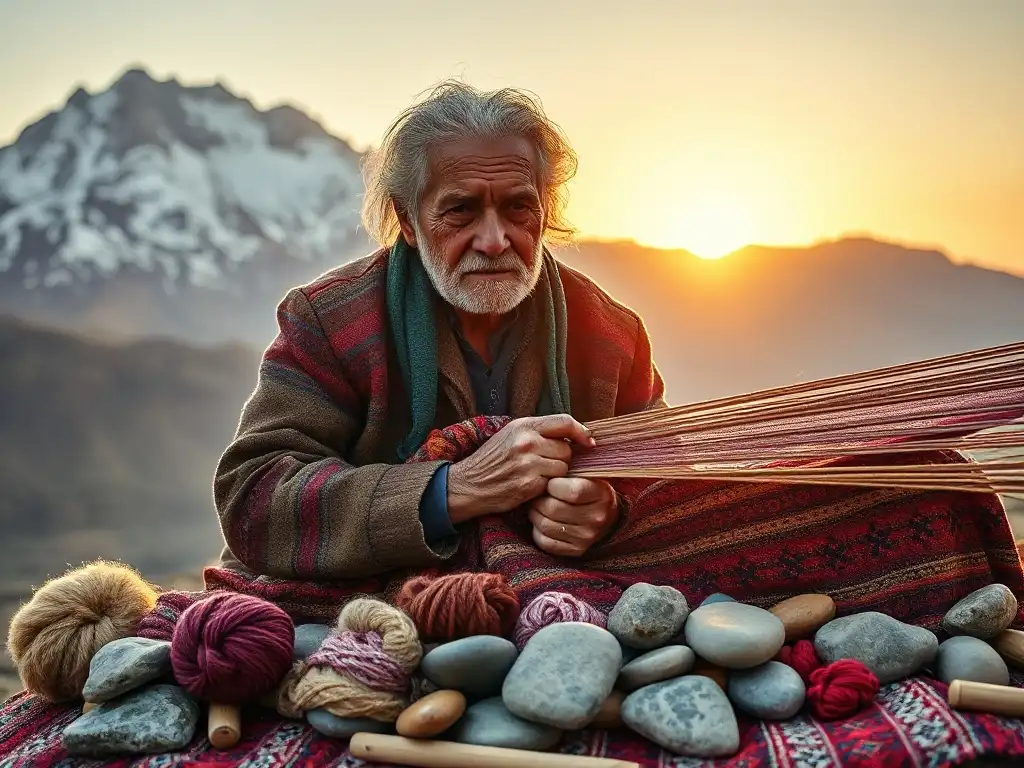
The preservation of Andean cultural heritage is intrinsically linked to the role of its elders. For centuries, before the advent of widespread literacy and written records, knowledge transmission relied heavily on oral traditions. This wasn't simply the passing down of stories; it was the meticulous safeguarding of complex agricultural techniques, intricate astronomical observations, sophisticated medicinal practices, and deeply spiritual beliefs.
Andean elder knowledge transmission wasn't a passive process; it was an active, dynamic engagement, involving rigorous apprenticeship, ritualistic ceremonies, and a profound respect for ancestral wisdom. The loss of these elders represents a critical threat to the continued existence of many unique Andean traditions. Their passing represents more than just the loss of individuals; it signifies the erosion of a living, breathing repository of invaluable cultural knowledge.
Quantifying this loss is difficult, as many aspects of Andean culture are intangible and deeply woven into the fabric of daily life. However, the dwindling number of fluent speakers of indigenous Andean languages directly correlates with the diminishing capacity for transmitting this intricate knowledge base. The urgent need to document and preserve this knowledge is paramount to securing a vibrant future for Andean cultures.
The Significance of Oral Tradition in Andean Cultures
Oral tradition in Andean societies wasn't merely storytelling; it was a sophisticated system of knowledge transmission. Consider the intricate agricultural practices developed over millennia – knowledge of microclimates, soil types, and optimal planting times wasn't written down; it was passed down through generations via meticulous observation and experiential learning guided by elders. These elders, often respected shamans or community leaders, possessed a deep understanding of the interconnectedness of the natural world and human society. Their narratives, songs, and rituals embedded this knowledge within the community, ensuring its survival and adaptation across generations.
This transmission wasn't a one-time event; it was a continuous process of learning, refinement, and adaptation. Younger generations actively participated in this process, engaging in dialogues, asking questions, and observing the elders' actions. This constant interaction ensured that the knowledge remained relevant and adaptable to changing circumstances.
Furthermore, oral narratives often incorporated mnemonic devices, such as songs, poems, and symbolic representations, making the information easier to remember and transmit accurately. The effectiveness of this system is evident in the persistence of many Andean traditions despite centuries of colonization and societal changes. The intricate weaving techniques, the complex astronomical calculations used in agriculture, and the rich tapestry of mythological stories all stand as testaments to the power of oral tradition in preserving cultural heritage.
Andean Elder Wisdom: A Living Library
The knowledge held by Andean elders encompasses far more than practical skills. It includes a deep understanding of cosmology, spirituality, and social structures. Their narratives often weave together historical accounts, moral lessons, and spiritual insights, providing a holistic understanding of the Andean worldview. This wisdom isn't confined to specific individuals; it's distributed across the community, with different elders specializing in different areas of expertise.
For example, one elder might be renowned for their knowledge of medicinal plants, while another might be a master storyteller preserving ancient myths and legends. This distributed knowledge system built resilience into the culture, ensuring that the loss of a single elder wouldn't lead to the complete loss of a particular skill or body of knowledge. This system also fostered a strong sense of community and mutual respect, with younger generations recognizing the value of the elders' experience and wisdom. Unfortunately, the rapid pace of modernization and globalization threatens this intricate system.
The allure of urban life, the dominance of Western education systems, and the erosion of indigenous languages all contribute to a decline in the transmission of traditional Andean knowledge. The preservation of this "living library" requires a concerted effort to document, record, and support the elders who are the custodians of this invaluable heritage. This involves not just recording their stories but also actively engaging with them, learning from their insights, and ensuring that their wisdom continues to inform and enrich Andean communities for generations to come. The urgency of this task cannot be overstated; the loss of this knowledge would represent an irreparable loss to humanity's cultural heritage.
The Mechanisms of Andean Elder Knowledge Transmission
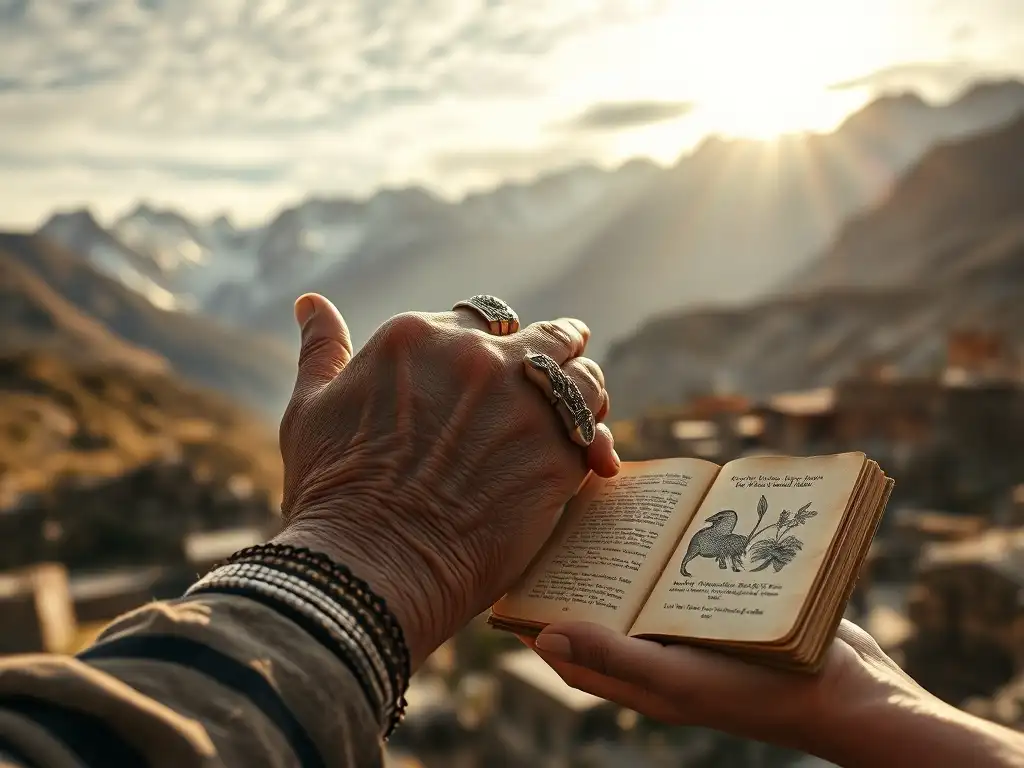
This section delves into the specific methods employed by Andean elders to transmit their invaluable knowledge across generations. The preservation of cultural heritage in the Andes heavily relies on oral traditions, a system far more sophisticated than simply recounting stories. It involves intricate techniques, deeply embedded within the fabric of Andean society, ensuring the continuity of traditions, beliefs, and practical skills. Understanding these mechanisms is key to appreciating the resilience and enduring legacy of Andean cultures.
The effective transmission of Andean elder knowledge hinges on a multifaceted approach encompassing storytelling, rituals, and hands-on apprenticeships. This complex interplay ensures the perpetuation of a rich cultural heritage. The keyword "Andean elder knowledge transmission" is central to understanding this process.
Storytelling as a Method of Passing Down Ancestral Knowledge
Storytelling is not mere entertainment in Andean cultures; it's a powerful tool for transmitting history, values, and moral lessons. Elders weave intricate narratives, often incorporating songs, poetry, and dramatic gestures, to capture the attention of younger generations. These narratives aren't just historical accounts; they're living repositories of cultural memory, imbued with symbolic meaning and practical wisdom. For example, stories about the origins of particular plants or animals might contain valuable knowledge about their medicinal properties or sustainable harvesting techniques.
The repetitive nature of storytelling, often told and retold across numerous gatherings, ensures that key elements are firmly embedded in the minds of listeners. This method effectively transmits knowledge about cosmology, social structures, and even complex agricultural practices. Furthermore, the stories themselves are often adapted to the specific audience and context, ensuring relevance and engagement.
Consider the tales of achis (spirits) and apus (mountain gods), which not only entertain but also reinforce respect for nature and the spiritual world. The nuanced delivery of these narratives, often punctuated with emotional expressions and vivid descriptions, underscores the profound impact on the young listeners' understanding of their cultural heritage. This is a vital component of Andean elder knowledge transmission.
Rituals and Ceremonies: Imparting Cultural Values
Rituals and ceremonies serve as powerful vehicles for transmitting cultural values and beliefs. These meticulously orchestrated events are not just symbolic actions; they're active learning experiences. Young individuals participate directly, observing the elders' actions and absorbing the underlying principles and meanings.
Initiation rites, for example, often involve rigorous training and symbolic tests, imparting crucial lessons about responsibility, community, and spiritual awareness. The precise movements, chants, and offerings used in ceremonies are not arbitrary; they represent encoded knowledge passed down through generations. The preparation for these rituals themselves—the gathering of specific plants, the crafting of ceremonial objects—is a form of knowledge transmission.
Consider the Capac Raymi, the Inca festival celebrating the sun, which involved elaborate processions, offerings, and performances, reinforcing the importance of the sun god and the Inca social hierarchy. This immersive experience solidifies the values and beliefs central to Andean culture. The meticulous execution of these rituals, passed down through oral tradition and observation, is a cornerstone of Andean elder knowledge transmission.
Practical Skills and Craftsmanship: A Hands-On Approach
Beyond storytelling and rituals, Andean elders transmit practical skills through direct apprenticeship. This hands-on approach ensures the continuity of traditional crafts, agricultural techniques, and other essential life skills. Young people learn by observing and assisting elders in their daily tasks, gradually mastering the intricacies of weaving, pottery, metalwork, or farming.
This apprenticeship is often a deeply personal and intimate process, fostering a strong bond between generations. The transmission of knowledge is not limited to technical skills; it also encompasses the understanding of the materials used, the significance of the designs, and the cultural context of the craft. For example, the intricate designs on Andean textiles often tell stories or convey symbolic meanings, adding another layer of cultural knowledge to the practical skills involved in their creation.
This direct mentorship, coupled with the careful demonstration of techniques, is a vital part of Andean elder knowledge transmission, ensuring the survival of these invaluable traditions. The detailed, hands-on instruction ensures a high level of skill preservation. This active learning process strengthens the connection between the past and the present, preserving the tangible aspects of Andean culture.
The Role of Language in Preserving Andean Heritage
The transmission of Andean knowledge hinges critically on the continued use and revitalization of indigenous languages. These languages, far from being mere communication tools, are living repositories of cultural memory, encoding intricate understandings of the cosmos, social structures, and ecological knowledge accumulated over millennia. The intricate vocabulary surrounding agricultural practices, medicinal plants, and astronomical observations, for example, is often deeply embedded within these languages and impossible to fully translate into Spanish or English without losing significant nuance and meaning.
For example, Quechua, Aymara, and other Andean languages possess rich vocabularies for describing different varieties of potatoes, reflecting the deep agricultural knowledge and sophisticated classification systems developed by Andean communities over centuries. The loss of these languages represents not just a linguistic decline, but a profound erosion of invaluable cultural heritage and practical knowledge. Efforts to document and preserve these languages, therefore, are essential for safeguarding the holistic understanding of Andean traditions passed down through generations.
This includes initiatives focused on language immersion programs, the creation of dictionaries and linguistic databases, and the incorporation of indigenous languages into formal education systems. The preservation of these languages is not merely an academic pursuit; it's a vital step in ensuring that Andean communities can continue to benefit from the wisdom of their ancestors.
The intricate relationship between language and the environment is another crucial aspect. Many Andean languages incorporate detailed terminologies for describing various ecological zones, plants, and animals, reflecting a deep understanding of the interconnectedness of the natural world. This intimate knowledge, crucial for sustainable resource management and adaptation to changing environmental conditions, is often embedded within the linguistic structures themselves.
For example, specific Quechua terms might describe different microclimates within a single valley, reflecting the nuanced understanding of agricultural practices adapted to these specific conditions. This knowledge, often passed down orally through generations of elders, is deeply intertwined with the language itself, highlighting the inseparable link between linguistic preservation and ecological stewardship.
The loss of this specialized vocabulary would be a significant blow not only to Andean cultural heritage but also to the sustainable management of Andean ecosystems. The continued use of these languages is, therefore, essential for maintaining the ecological balance and ensuring the long-term well-being of Andean communities.
Furthermore, the narrative structures within Andean oral traditions are intrinsically linked to the specific grammatical and stylistic features of indigenous languages. The way stories are told, the use of metaphors and proverbs, and the overall rhythm and cadence of the narratives are all deeply embedded within the linguistic framework. Attempts to translate these stories into other languages often result in a loss of the original meaning, context, and emotional impact.
The very act of telling these stories in the original language helps to maintain the cultural continuity and strengthen the bonds between generations. This underscores the importance of supporting initiatives focused on the intergenerational transmission of oral traditions within their original linguistic contexts.
The preservation of these linguistic and narrative structures is vital for ensuring that the rich tapestry of Andean cultural heritage remains vibrant and accessible to future generations. The oral traditions, deeply rooted in their linguistic expression, are the lifeblood of Andean cultural identity and wisdom.
The Scope of Knowledge Transmitted by Andean Elders
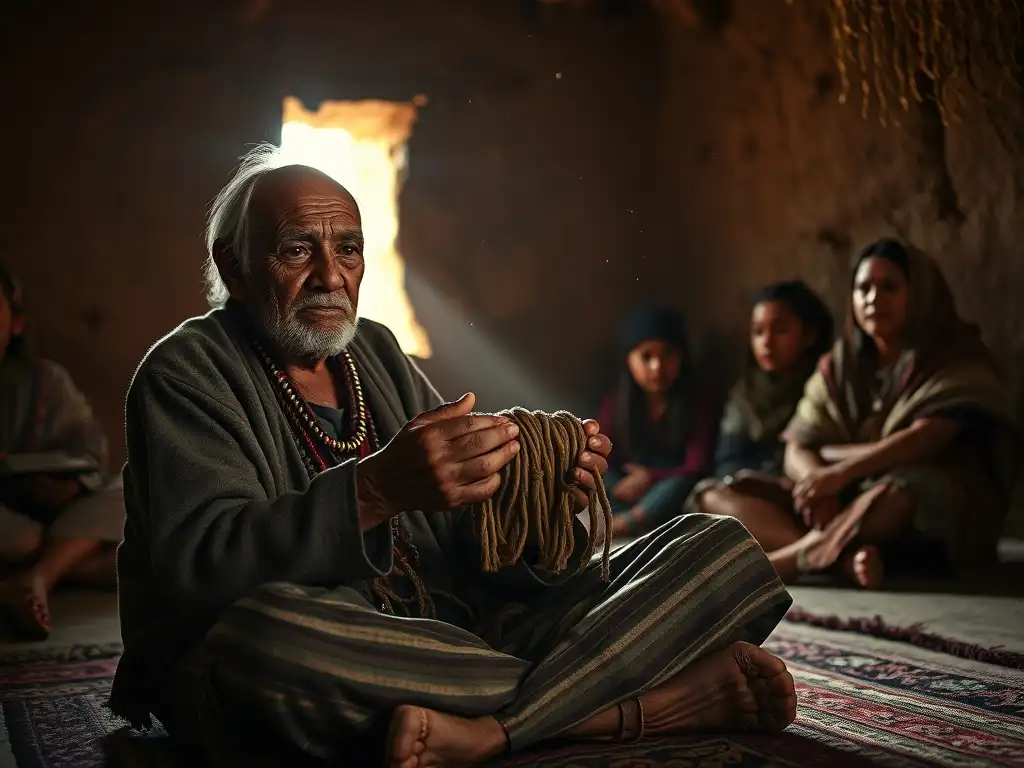
Andean elder knowledge transmission represents a vital link to a rich and complex past. The accumulated wisdom of generations, passed down through oral traditions and practical application, encompasses a vast array of knowledge crucial to understanding Andean civilizations. This intricate web of information extends far beyond simple historical accounts; it encompasses deeply ingrained cultural practices, intricate technologies, and a profound spiritual understanding of the world.
The continued vitality of these traditions relies heavily on the active role of elders within their communities. The preservation of this knowledge is not merely an academic pursuit; it is intrinsically linked to the cultural identity and sustainability of Andean communities today. This section will explore some key areas of this vital knowledge transmission.
Traditional Medicine and Herbal Remedies
Andean elders are repositories of extensive knowledge regarding traditional medicine and herbal remedies. For centuries, they have carefully cultivated and preserved the understanding of medicinal plants found throughout the Andes. This knowledge isn't simply a list of ingredients; it's a complex system involving precise harvesting techniques, preparation methods, and intricate understanding of the plants' properties and potential interactions.
For instance, the use of coca leaves, while often misunderstood, is deeply integrated into Andean life. Elders possess detailed knowledge of its various applications – from medicinal uses to ceremonial practices – understanding the nuances of its effects and appropriate dosages. Similarly, they possess a deep understanding of other plants such as muña (a mint-like plant used for digestive issues), matico (a plant with antiseptic properties), and llantén (a plantain-like plant used for wound healing).
This knowledge often includes detailed understanding of the plant’s life cycle, the best time for harvesting, and specific preparation methods to maximize its medicinal benefits. The transmission of this knowledge is often accompanied by stories and rituals, reinforcing its cultural significance and ensuring its continued relevance. The loss of this knowledge would represent an irreplaceable loss to both traditional medicine and the biodiversity of the Andean region.
Agricultural Practices and Environmental Stewardship
Beyond medicinal plants, Andean elders hold invaluable knowledge about sustainable agricultural practices perfectly adapted to the challenging Andean environment. Their understanding of the terrain, microclimates, and water management is crucial for successful cultivation. This knowledge is often passed down through generations, incorporating techniques refined over centuries.
They possess a profound understanding of terracing, a sophisticated method of farming on steep slopes that minimizes soil erosion and maximizes arable land. This includes detailed knowledge of appropriate soil types, crop rotation techniques, and the careful selection of seeds adapted to specific altitudes and climates. Furthermore, their understanding of water management is equally impressive, employing intricate systems of canals, reservoirs, and irrigation channels to efficiently distribute water resources.
This holistic approach to agriculture represents a remarkable example of environmental stewardship, highlighting the deep connection between Andean communities and their natural environment. The loss of this knowledge would not only impact food security but also threaten the delicate balance of the Andean ecosystem. The intricate understanding of water cycles and soil health, passed down through generations, is essential for sustainable agriculture in this challenging environment.
Understanding of Andean Cosmovision and Spirituality
Andean elder knowledge transmission also extends to the realm of spirituality and cosmovision. Elders are crucial in interpreting and transmitting the complex beliefs and rituals that shape Andean worldview. This includes a profound understanding of the relationship between humans, nature, and the spiritual world.
Their knowledge encompasses the intricate symbolism of Andean art and textiles, the meaning of ceremonies and rituals, and the interpretation of celestial events. This understanding is often expressed through narratives, songs, and dances, which serve to reinforce community bonds and transmit important cultural values. For example, the understanding of Pachamama, Mother Earth, is deeply ingrained in Andean cosmovision, and elders play a critical role in maintaining respectful relationships with nature. This involves understanding the significance of rituals, offerings, and practices that ensure balance and harmony within the ecosystem.
The transmission of this cosmological knowledge is essential for maintaining cultural identity and ensuring the continuity of Andean traditions. The loss of this profound understanding would represent a significant cultural loss, impacting the very fabric of Andean society. The preservation of this complex spiritual understanding is therefore paramount.
Andean elders played a crucial role in maintaining the intricate social fabric of their communities. Their deep understanding of customary law, inherited over generations, guided dispute resolution and ensured social harmony. This wasn't simply a matter of applying pre-existing rules; elders actively interpreted and adapted these laws to the specific circumstances of each case, demonstrating a remarkable flexibility within a framework of established traditions.
Their decisions, based on years of experience and intimate knowledge of community dynamics, carried immense weight, fostering respect and a sense of collective responsibility. The preservation of these traditional governance structures was vital for maintaining social order and preventing conflict. The loss of this elder-led system, due to colonization and modernization, has profoundly impacted the social fabric of many Andean communities today.
The transmission of this knowledge wasn't solely through formal pronouncements or legal proceedings. Rather, it was woven into the very fabric of daily life. Elders participated actively in community events, festivals, and rituals, subtly imparting their wisdom through storytelling, proverbs, and practical demonstrations.
Their presence at these gatherings served not just as a source of authority but also as a powerful symbol of continuity and cultural identity. Observing elders navigating social complexities, mediating disputes, and upholding community values provided a crucial, experiential form of learning for younger generations. This hands-on approach ensured that the knowledge wasn't just memorized but deeply ingrained in the cultural consciousness of the community.
Furthermore, the role of elders extended beyond immediate conflict resolution. They were actively involved in planning for the future of the community. Their understanding of environmental cycles, agricultural practices, and resource management informed crucial decisions regarding land use, water allocation, and sustainable development. This long-term perspective, often missing in modern approaches, ensured the continued prosperity and well-being of the community across generations.
Their intimate knowledge of the land and its resources, passed down through generations, was essential for the survival and sustainability of Andean societies. The wisdom of these elders represented a sophisticated understanding of ecological balance and sustainable living, offering valuable lessons for contemporary societies grappling with environmental challenges. The loss of this knowledge represents not only a cultural loss but also a potential loss of invaluable ecological wisdom.
Challenges and Threats to Andean Elder Knowledge Transmission
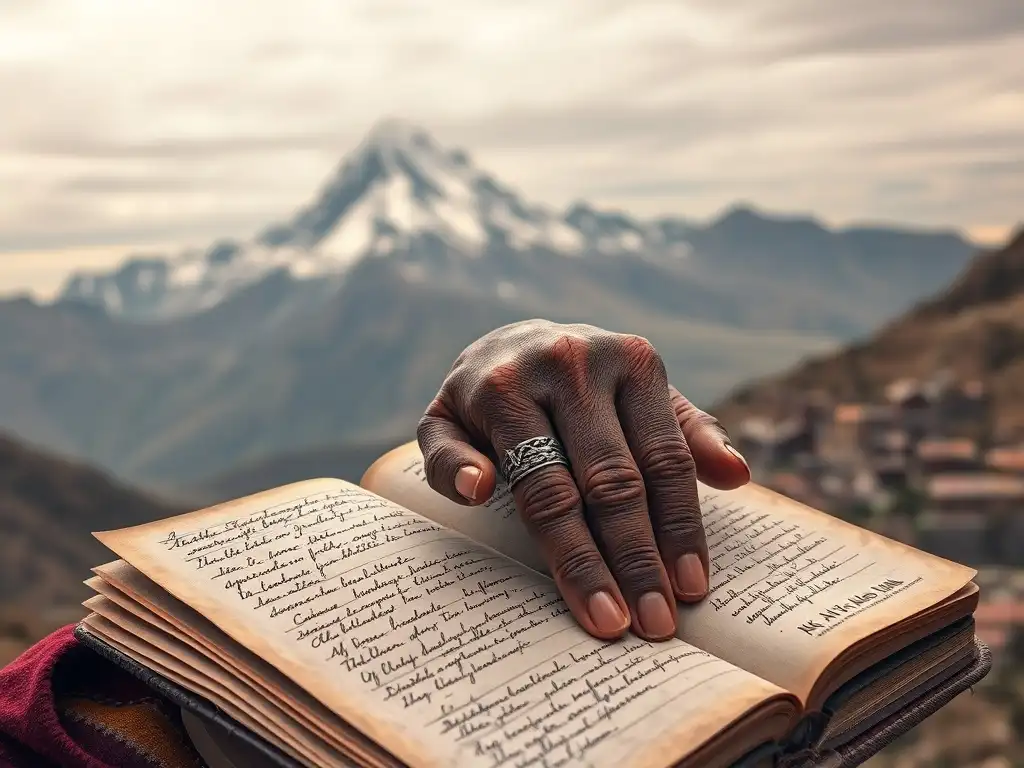
The preservation of Andean elder knowledge faces significant hurdles in the modern era. The intricate tapestry of traditions, beliefs, and practices woven through generations is threatened by a confluence of factors, jeopardizing the continuity of this invaluable cultural heritage. Understanding these challenges is crucial to developing effective strategies for safeguarding Andean elder knowledge transmission.
The very fabric of Andean society, deeply rooted in oral tradition, is being subtly, yet powerfully, altered. The transmission of this "Andean elder knowledge" is not merely a matter of academic interest; it's a vital process that sustains the identity and cultural richness of Andean communities.
The Impact of Modernization on Traditional Practices
Modernization, while offering advancements in various aspects of life, presents a double-edged sword for Andean communities. The influx of Western technologies and lifestyles often leads to a devaluation of traditional practices. For example, the adoption of industrial farming techniques can displace indigenous agricultural knowledge passed down through generations.
Similarly, the widespread use of Spanish (or other non-indigenous languages) in education and media can diminish the use and understanding of Quechua, Aymara, and other Andean languages, which are integral to the transmission of ancestral knowledge. This shift can lead to a loss of nuanced vocabulary crucial for expressing complex concepts related to cosmology, medicine, agriculture, and social structures. The younger generations, increasingly exposed to globalized culture, may perceive traditional practices as outdated or irrelevant, contributing to a decline in their active participation in knowledge transmission.
The consequence is a gradual erosion of the rich tapestry of Andean cultural heritage. Quantitative data on the decline of specific traditional practices due to modernization is [specific information pending], but anecdotal evidence from various communities paints a concerning picture.
Generational Gaps and Loss of Interest
A significant challenge lies in the widening generational gap within Andean communities. Elders, the custodians of this invaluable knowledge, often find it difficult to connect with younger generations who are engrossed in different lifestyles and priorities. The younger generation's exposure to a rapidly changing world, coupled with the allure of urban life and modern technologies, frequently results in a diminished interest in traditional practices.
This disconnection creates a critical void in the chain of knowledge transmission, with fewer individuals actively seeking to learn and preserve these ancestral skills and wisdom. Furthermore, the migration of younger generations to urban centers further exacerbates the problem, physically separating them from the elders and the traditional settings where this knowledge is typically shared.
This geographical separation, coupled with the lack of structured mentorship programs, severely impacts the continuity of Andean elder knowledge transmission. Studies on generational knowledge transfer within Andean communities are [specific information pending], but observation suggests a significant disparity in engagement levels between age groups.
The Importance of Supporting Andean Elder Knowledge Transmission Initiatives
Given the significant challenges, proactive measures are crucial to support initiatives aimed at preserving and revitalizing Andean elder knowledge transmission. This requires a multi-pronged approach, involving community engagement, educational programs, and governmental support. Firstly, creating platforms for intergenerational dialogue and mentorship is paramount. Workshops, storytelling events, and apprenticeships can foster a stronger connection between elders and younger generations, facilitating the transmission of knowledge in a meaningful and engaging way.
Secondly, integrating Andean languages and traditional practices into formal education systems is essential. This would not only help preserve these traditions but also empower younger generations to appreciate and actively participate in their cultural heritage. Finally, governmental support in the form of funding for research, preservation projects, and community-based initiatives is crucial for the long-term sustainability of these efforts.
Investing in the preservation of Andean elder knowledge is an investment in the future, securing a vibrant and rich cultural heritage for generations to come. The success of these initiatives hinges on a collaborative effort between communities, educational institutions, and governmental bodies. The task is not merely to document knowledge, but to ensure its active and continuous transmission, allowing the wisdom of the Andes to flourish for years to come.
Preserving and Promoting Andean Elder Knowledge

The transmission of Andean knowledge, a complex tapestry woven from millennia of experience, faces significant challenges in the modern world. Globalization, migration, and the dominance of Western educational systems threaten the delicate balance of oral traditions and the invaluable wisdom held by Andean elders. However, proactive measures are crucial to ensure the continuity of this rich cultural heritage.
Understanding the intricate ways in which Andean elders transmit their knowledge—through storytelling, practical demonstrations, and ritual practices—is paramount to developing effective preservation strategies. This involves not only documenting existing knowledge but also empowering elders to actively participate in its dissemination and safeguarding. The survival of this knowledge is not merely an academic pursuit; it's essential for the continued cultural identity and resilience of Andean communities.
The preservation of Andean elder knowledge is intrinsically linked to the preservation of Andean languages and cultural practices. Their wisdom encompasses a profound understanding of sustainable agriculture, medicinal plants, astronomy, and social structures—all vital aspects of Andean life that must be actively preserved.
Community-Based Programs and Educational Initiatives
Successful preservation strategies must be community-driven, fostering collaboration between elders, younger generations, and researchers. Community-based programs offer a powerful avenue for knowledge transmission, creating spaces where elders can share their expertise directly with younger learners. These initiatives could take many forms:
- Intergenerational workshops: These workshops could focus on traditional crafts, agricultural practices, or medicinal plant identification. The hands-on approach facilitates direct learning and strengthens intergenerational bonds.
- Storytelling circles: Traditional Andean storytelling provides a vital means of transmitting historical knowledge, cultural values, and moral lessons. Regular storytelling circles, often held within community centers or schools, can ensure the continued practice of this ancient art form.
- Language revitalization programs: Many Andean languages are endangered. Integrating language learning within knowledge transmission programs is crucial, as language is intrinsically linked to cultural identity and the preservation of traditional knowledge. Elderly speakers are invaluable resources in these programs.
- Mentorship programs: Pairing elders with younger community members creates opportunities for personalized guidance and the transmission of specialized knowledge, such as traditional healing practices or intricate weaving techniques.
These programs need to be carefully designed, considering the specific needs and preferences of the communities involved. Successful initiatives often involve participatory methodologies, ensuring that elders' voices and perspectives are central to the design and implementation of the programs. [Specific data on successful community-based programs pending].
Documenting and Archiving Traditional Knowledge
While oral tradition is paramount, documenting Andean elder knowledge through various methods complements and safeguards this heritage. This includes:
- Audio and video recordings: Recording elders sharing their stories, performing traditional rituals, or demonstrating craft techniques provides a valuable archive for future generations. This documentation should be done with the elders' informed consent and respect for their intellectual property rights.
- Written transcriptions and translations: Transcribing and translating oral narratives into written form ensures accessibility for a wider audience, while also preserving the linguistic richness of Andean languages.
- Ethnographic studies: Detailed ethnographic studies, conducted by trained researchers with sensitivity and respect, can capture the nuanced aspects of Andean knowledge systems, including social structures, religious beliefs, and ecological understanding.
- Digital archives: Creating accessible digital archives ensures the long-term preservation of documented knowledge, making it available to researchers, educators, and community members worldwide. This requires careful consideration of data security and accessibility.
The ethical considerations surrounding the documentation and archiving of traditional knowledge are paramount. It is crucial to obtain the free, prior, and informed consent of elders and communities, ensuring that their intellectual property rights are respected and that they benefit from the use of their knowledge.
Empowering Andean Elders as Cultural Leaders
Recognizing and celebrating the invaluable role of Andean elders is crucial for effective knowledge transmission. Empowering elders as cultural leaders means:
- Supporting elder-led initiatives: Providing resources and support for elders to lead workshops, storytelling events, and other knowledge-sharing activities.
- Promoting intergenerational dialogue: Creating platforms and opportunities for elders to share their wisdom with younger generations, fostering mutual respect and understanding.
- Advocating for elder rights: Ensuring that elders have access to healthcare, social security, and other essential services that allow them to continue to actively participate in their communities.
- Incorporating elder knowledge into educational curricula: Integrating Andean elder knowledge into school curricula ensures that younger generations learn about their cultural heritage from an authentic source.
By actively empowering Andean elders as cultural leaders, we can not only preserve their invaluable knowledge but also strengthen the resilience and cultural identity of Andean communities for generations to come. This requires a shift in perspective, acknowledging the inherent value of traditional knowledge and the crucial role elders play in its transmission. The success of this approach depends on recognizing the agency and authority of Andean elders, ensuring that their knowledge is not merely documented but celebrated and utilized to build a more sustainable and culturally rich future.
The Future of Andean Knowledge: Ensuring Continuity
The preservation of Andean elder knowledge transmission is paramount for the continued vitality of Andean cultures. The intricate tapestry of traditions, beliefs, and practices woven through generations faces significant challenges in the modern world. Rapid globalization, urbanization, and the dominance of Western educational systems threaten to erode the rich oral traditions that have sustained Andean communities for millennia.
However, the resilience and adaptability of Andean cultures offer hope for the future. Understanding the challenges and proactively implementing solutions are crucial for ensuring the continuity of this invaluable heritage. This requires a multifaceted approach that engages all members of Andean communities, from the youngest to the oldest.
The Responsibility of Younger Generations
The future of Andean elder knowledge transmission rests heavily on the shoulders of younger generations. They are the inheritors of this legacy and bear the responsibility of actively participating in its preservation. This isn't merely a passive acceptance of inherited knowledge, but an active engagement, demanding dedication and effort. It involves:
- Active Listening and Observation: Young people must actively seek out opportunities to learn from elders, demonstrating genuine interest and respect. This includes patiently listening to stories, observing traditional practices, and asking thoughtful questions. This isn't a passive process; it's an active engagement with the wisdom of previous generations.
- Documentation and Archiving: While oral tradition is central, the use of modern technology can aid in preservation. Young people can record interviews with elders, transcribe stories, and create digital archives to safeguard this knowledge for future generations. This ensures that even if an elder passes, their knowledge isn't lost.
- Creative Adaptation: Adapting traditional knowledge to contemporary contexts is crucial for its ongoing relevance. This doesn't imply a dilution of the traditions, but rather a thoughtful integration into modern life. For instance, incorporating traditional Andean agricultural techniques into sustainable farming practices or adapting traditional healing methods into modern healthcare systems. This ensures the continued relevance and applicability of Andean wisdom.
Integrating Traditional Knowledge into Modern Education
Formal education systems have a crucial role to play in Andean elder knowledge transmission. Currently, these systems often marginalize indigenous knowledge, prioritizing Western curricula. Integrating traditional Andean knowledge into schools and universities is not just about adding a chapter to a textbook; it's about fundamentally reshaping educational approaches. This could involve:
- Curriculum Reform: Incorporating Andean history, language, art, and traditional practices into the school curriculum, ensuring that it's not just an add-on but a core component of the learning experience. This requires a collaborative effort between educators, community leaders, and elders to develop culturally relevant and engaging teaching materials.
- Teacher Training: Equipping teachers with the skills and knowledge necessary to effectively teach Andean traditions. This includes cultural sensitivity training and the development of teaching resources that accurately and respectfully represent Andean knowledge. This ensures that the knowledge is transmitted accurately and respectfully.
- Community-Based Learning: Facilitating opportunities for students to learn directly from elders within their communities. This could include field trips to traditional sites, workshops led by elders, or mentorship programs pairing students with knowledgeable individuals. This provides a more immersive and authentic learning experience.
The Enduring Legacy of Andean Wisdom
The Andean civilizations left behind a remarkable legacy of knowledge, encompassing sophisticated agricultural techniques, intricate astronomical observations, and complex social structures. Despite the challenges, the spirit of Andean wisdom persists, demonstrating the enduring power of oral tradition and the importance of intergenerational learning. The continued transmission of this knowledge is not just about preserving the past; it's about empowering present and future generations with the tools and insights necessary to navigate the complexities of the modern world.
It's about understanding the deep connection between humans and their environment, a connection that is increasingly relevant in an era of environmental challenges. The preservation of Andean elder knowledge transmission is, therefore, not just a cultural imperative, but a vital contribution to global sustainability and understanding.
The resilience of Andean cultures and their commitment to preserving their traditions offer a powerful example for the rest of the world. The vibrant tapestry of Andean knowledge continues to inspire and enrich our understanding of the human experience.
Frequently Asked Questions
How did Andean elders transmit their knowledge?
Andean elders used a variety of methods, including oral traditions, storytelling, and practical demonstrations. Knowledge was often passed down within families and communities through generations.
What types of knowledge were transmitted?
Elders shared a vast range of knowledge, encompassing agricultural techniques, astronomical observations, healing practices, religious beliefs, and social structures. This ensured the survival and continuity of their cultures.
What was the significance of storytelling in Andean knowledge transmission?
Storytelling was crucial. Myths, legends, and historical accounts embedded vital lessons and cultural values, making learning engaging and memorable across generations.
How did the Inca Empire impact knowledge transmission?
The Inca Empire, while imposing its own system, also integrated and adapted existing methods of knowledge transmission. The Quipu, a knotted-cord system, played a significant role in record-keeping and knowledge dissemination.
How is Andean elder knowledge relevant today?
Andean elder knowledge remains highly relevant, offering valuable insights into sustainable living, traditional medicine, and cultural preservation. Protecting and reviving these traditions is crucial for future generations.
Final Reflection: Weaving the Threads of Andean Wisdom
The preservation of Andean knowledge, intricately woven into the fabric of its elders' lives, is not merely a historical curiosity; it is a vital thread in the tapestry of cultural survival and global sustainability. The insights and practices passed down through generations hold invaluable lessons for navigating the complexities of the modern world, offering alternative perspectives on resource management, community building, and harmonious coexistence with nature. Ignoring this legacy would be a profound loss, not only for Andean communities but for humanity as a whole.
The profound impact of Andean elders' knowledge extends far beyond the mountains and valleys of their homeland. Their wisdom, rooted in centuries of observation and practice, offers a powerful counterpoint to the often unsustainable practices of modern society. Their deep understanding of ecological balance, sustainable agriculture, and community-based governance provides a blueprint for a more equitable and environmentally conscious future. The earth is not something we inherit from our ancestors; it is something we borrow from our children.
This sentiment, though not originating in Andean culture, perfectly encapsulates the responsibility we share in preserving and learning from their time-honored traditions.
Consider the stories, the songs, the rituals – the myriad ways knowledge is transmitted. What wisdom can you glean from these ancient practices? How can you, in your own life, become a keeper of knowledge, sharing your own experiences and insights with future generations? Let the legacy of the Andean elders inspire you to cultivate a deeper connection with your own heritage, your community, and the natural world. Embrace the opportunity to learn, to share, and to contribute to a future where wisdom and sustainability go hand in hand.
Thank you for joining us on this journey to explore the invaluable role elders play in preserving Andean culture and knowledge. Your interest in this rich heritage is a crucial step in ensuring its survival for future generations. Now, let's take action and make a difference!
- **Engage with your elders:** Connect with the wise individuals in your community—ask them to share their stories, traditions, and life lessons. Every conversation is a valuable learning opportunity.
- **Join a cultural exchange:** Participate in local events or workshops celebrating Andean traditions. Immerse yourself in these experiences to foster a deeper connection with your heritage.
- **Spread the word:** Share your newfound knowledge with friends and family through social media or community groups, inspiring others to appreciate and help preserve the wisdom of our elders.
What inspiring stories have your elders shared that could encourage others to connect with their heritage?