
The Influence of Andean Irrigation on Cultural Practices

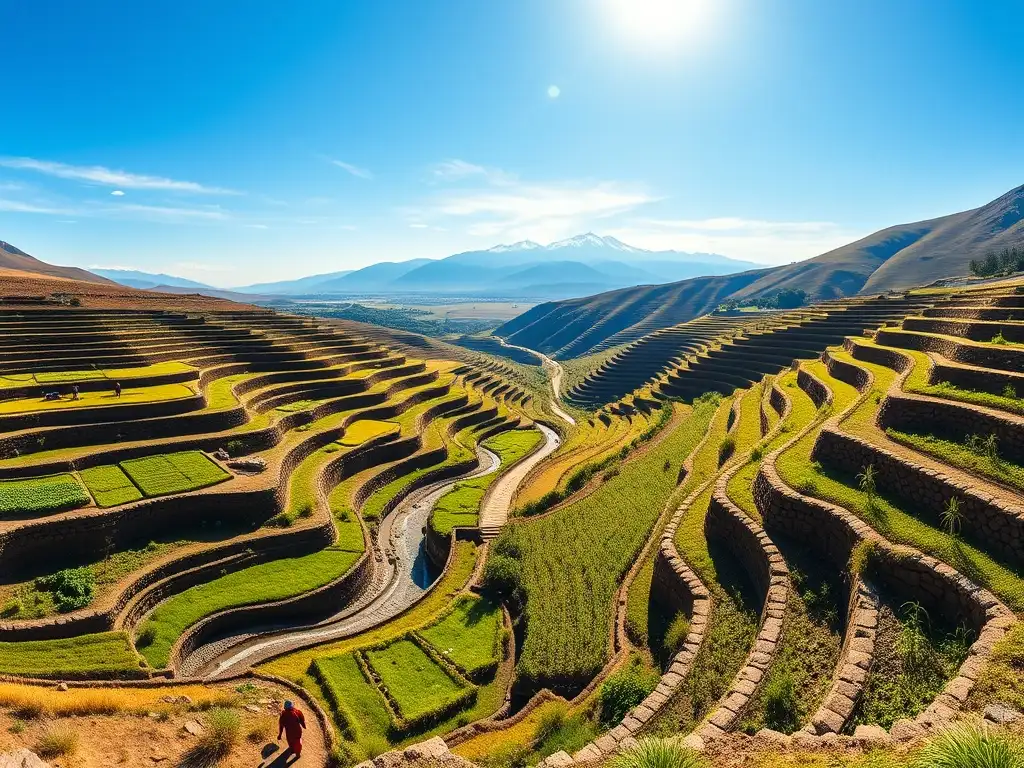
Step into a world lost to time, yet echoing with the ingenuity of a vanished empire. Discover how the breathtaking landscapes of the Andes Mountains shaped not just the physical environment, but the very soul of ancient civilizations. Prepare to be amazed by the intricate story of Andean irrigation and its profound impact on the cultural practices of the Incas, Moche, and other fascinating societies. Uncover the secrets of their remarkable engineering feats and the lasting legacy they left behind—a legacy that continues to inspire awe today. Dive in and explore the astonishing connection between water, innovation, and civilization.
The ingenuity of Andean civilizations is profoundly reflected in their mastery of water management, particularly their sophisticated irrigation systems. These weren't merely technological feats; they were the very bedrock upon which their complex societies, cultures, and belief systems were built.
From the intricate canal networks of the Nazca to the terraced fields of the Inca, water management profoundly shaped social structures, religious practices, and artistic expressions, leaving an indelible mark on the Andean landscape and its people. This article explores the significant impact of Andean irrigation on cultural practices, examining how these remarkable systems fostered social organization, economic prosperity, and the development of unique cultural identities across various Andean cultures.
We will delve into specific examples to illustrate the profound and lasting influence of water management on the development of these remarkable civilizations, ultimately highlighting the crucial role of Andean irrigation in shaping the Andean cultural landscape we know today. Understanding this intricate relationship is key to appreciating the full complexity and enduring legacy of Andean civilizations.
Introduction: Understanding Andean Irrigation and its Cultural Significance
Andean irrigation wasn't simply a matter of diverting water; it was a complex interplay of engineering, social organization, and spiritual beliefs. The harsh Andean environment, characterized by aridity and steep slopes, necessitated innovative solutions for water management. The civilizations that thrived in this challenging terrain developed ingenious techniques, including canals, aqueducts, and terraced fields, to harness scarce water resources.
These systems weren't just about agricultural production; they were deeply embedded in the social fabric of Andean societies. The construction and maintenance of these systems required collective effort, fostering cooperation and social cohesion. The distribution of water itself often reflected social hierarchies and power structures, influencing political organization and resource allocation.
Furthermore, water was frequently imbued with spiritual significance, playing a crucial role in religious rituals and ceremonies. The precise nature of this spiritual significance varied across different cultures, but the reverence for water as a life-giving force is a common thread throughout Andean history. The impact of this reverence is visible in the artistic representations of water and irrigation found in Andean art and iconography.
Andean Irrigation Systems: A Foundation of Andean Culture
The diverse irrigation systems employed by Andean civilizations reflect their remarkable adaptability and innovation. The Nazca, for instance, are renowned for their extensive network of canals, some stretching for kilometers across the arid coastal plains. These canals, meticulously engineered to navigate challenging terrain, allowed them to cultivate crops in otherwise unproductive areas, supporting a relatively dense population. The construction of these systems required a high degree of technical skill and collaborative effort, suggesting a sophisticated level of social organization and planning.
Similarly, the Inca developed impressive terraced agriculture, adapting their irrigation systems to the steep slopes of the Andes. These terraces, often integrated with complex canal systems, increased arable land significantly, enhancing agricultural productivity and supporting the vast Inca Empire. The Moche civilization also demonstrated remarkable ingenuity in their irrigation practices, developing sophisticated systems to manage water resources in their coastal and river valley settlements.
Their ability to efficiently manage water resources contributed significantly to their economic prosperity and cultural flourishing. These examples demonstrate the fundamental role irrigation played in shaping the cultural landscape of the Andes, not just as a technological achievement, but as a cornerstone of social, economic, and religious life. The precise details of labor organization, water rights, and the spiritual significance of water in each culture require further investigation, but the overarching importance of irrigation is undeniable.
The Impact of Irrigation on Agricultural Practices in the Andes
The ingenious irrigation systems developed by Andean civilizations profoundly impacted their agricultural practices, allowing for intensive cultivation in otherwise arid and challenging terrains. Before the sophisticated canal networks, agriculture relied heavily on rainfall, resulting in unpredictable harvests and vulnerability to droughts. The implementation of irrigation systems, however, transformed this precarious situation.
Farmers could now cultivate a wider variety of crops, including maize, potatoes, beans, and quinoa, leading to increased food security and surplus production. This surplus, in turn, fueled population growth and the development of more complex societies. The ability to control water resources allowed for the cultivation of larger fields, leading to increased yields and a more reliable food supply.
This surplus food supported larger populations and allowed for specialization of labor, paving the way for advancements in other areas like architecture, art, and metalworking. The impact of irrigation extended beyond mere sustenance; it laid the foundation for the economic and social structures of Andean civilizations. The ability to manipulate water resources became a key factor in determining power and influence within these societies.
Andean irrigation systems were not merely technological feats; they were deeply intertwined with the social fabric of these societies. The construction, maintenance, and management of these complex waterworks required extensive cooperation and coordination, shaping social structures and power dynamics. Access to water, a life-giving resource, became a central element in social organization.
Control over irrigation channels often translated directly into political and economic power, with elites and governing bodies wielding significant influence over water distribution. The efficient management of water resources was crucial for social cohesion and stability. Disputes over water rights could lead to conflict, underscoring the importance of well-defined systems of governance and social control to ensure equitable distribution and prevent unrest.
The intricate network of canals and aqueducts served not only to irrigate fields but also to connect communities, fostering a sense of shared responsibility and collective identity. This shared dependence on a carefully managed resource strengthened social bonds and contributed to the stability of Andean societies.
Community Labor and Irrigation System Maintenance
The construction and maintenance of Andean irrigation systems were largely collaborative efforts, relying heavily on community labor ( mita). The mita system, a form of obligatory labor service, was central to the functioning of the Inca Empire and other Andean states. Communities were responsible for the upkeep of the canals, aqueducts, and other infrastructure within their territories.
This system ensured that the irrigation networks remained functional, promoting both agricultural productivity and social cohesion. Participation in the mita was not simply a matter of fulfilling an obligation; it was also a significant social event. It provided opportunities for social interaction, mutual support, and the reinforcement of community bonds.
The shared labor fostered a sense of collective responsibility for the well-being of the entire community, highlighting the interconnectedness between individual efforts and the collective success of the irrigation system. Records from various Andean societies detail the intricate organization required for these massive undertakings, showcasing the sophisticated social structures that underpinned their water management. Failure to maintain the systems could have catastrophic consequences, highlighting the importance of community involvement.
The Role of Rituals and Ceremonies in Water Management
Beyond the practical aspects of engineering and labor, water management in the Andes was deeply infused with ritual and religious beliefs. Water, seen as a sacred and life-giving force, was often associated with deities and spiritual powers. Many Andean cultures conducted elaborate ceremonies and rituals to appease the gods and ensure the abundance of water.
These rituals played a crucial role in maintaining social order and reinforcing the importance of water conservation. The ceremonies often involved offerings, prayers, and symbolic acts aimed at ensuring the continued flow of water through the irrigation channels and maintaining the fertility of the land. These rituals were not merely superstitious practices; they served to reinforce social cohesion, reaffirm shared values, and strengthen community bonds around the vital resource of water.
Archaeological evidence reveals the existence of sacred sites associated with water sources, further highlighting the religious significance of water management in Andean cultures. The integration of religious beliefs into water management practices underscores the deep cultural significance of this resource and its impact on the lives of Andean peoples.
Irrigation and the Development of Andean Art and Symbolism
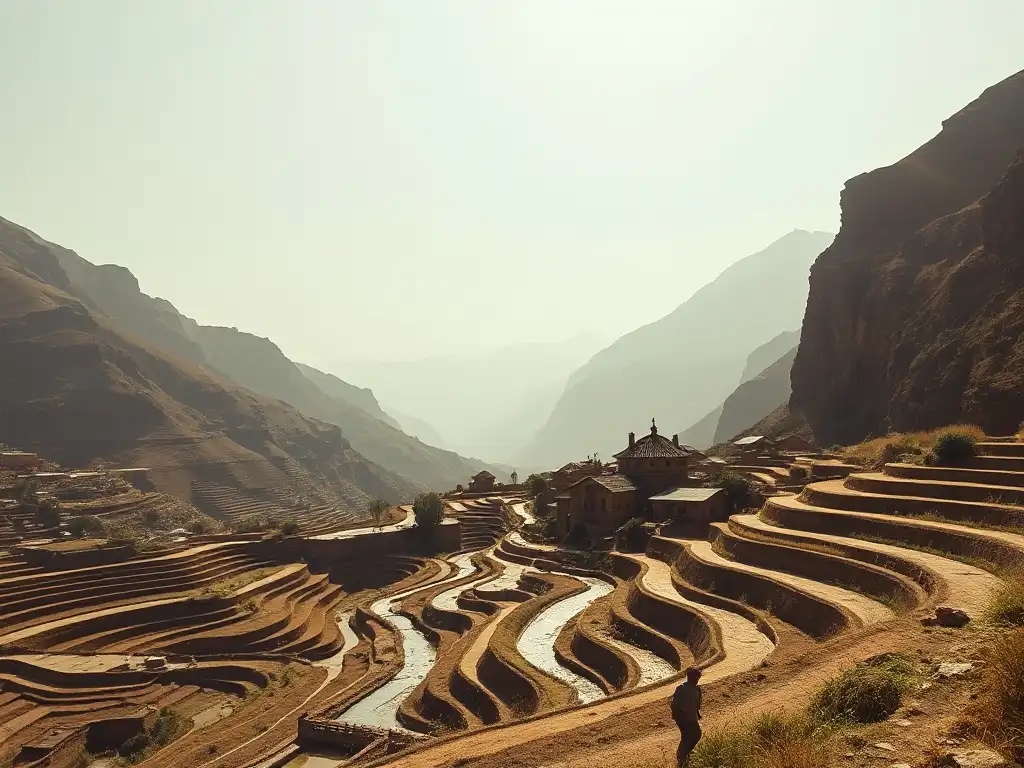
The intricate irrigation systems of the Andes weren't merely functional; they deeply influenced the aesthetic and symbolic expressions of Andean cultures. The constant interaction with water, its manipulation, and its life-giving properties became integral to their artistic output, weaving its way into the very fabric of their cultural identity. The abundance fostered by successful irrigation translated into a flourishing of artistic production, with water often depicted as a source of prosperity and fertility.
This isn't merely a superficial representation; the connection is profound and multifaceted, reflecting a worldview deeply intertwined with the successful management of water resources. The very act of shaping the landscape to harness water's power mirrored the artistic impulse to shape materials into aesthetically pleasing and symbolically rich objects. This symbiotic relationship is evident in the many surviving artifacts.
Water Motifs in Andean Ceramics and Textiles
Andean ceramics frequently depict stylized representations of canals, aqueducts, and other irrigation features. The Moche culture, for example, is renowned for its intricate ceramic vessels portraying scenes of agricultural labor, irrigation works, and the abundance resulting from successful water management. These aren't simply depictions of daily life; they are powerful statements about the importance of water to their society. Similarly, textiles often feature water-related motifs, with intricate patterns representing flowing water, waterfalls, and even the broader landscape shaped by irrigation.
The colors used also likely held symbolic meaning, with certain hues associated with specific water sources or the different stages of the agricultural cycle. The precision and artistry involved in creating these textiles further emphasize the cultural significance of water. Analysis of these artifacts reveals a sophisticated understanding of water's role, not just in sustenance, but also in the spiritual and cosmological beliefs of these ancient societies.
The Symbolic Representation of Irrigation in Andean Iconography
Beyond ceramics and textiles, the symbolic representation of irrigation is prevalent throughout Andean iconography. Depictions of irrigation canals and other water management structures frequently appear in rock art, murals, and other forms of visual expression. These images often appear alongside representations of deities associated with water, further reinforcing the sacred nature of irrigation.
The scale of some of these representations, such as the massive Nazca lines, suggests a communal effort and a collective understanding of the importance of water control. Scholars continue to debate the precise meanings behind certain symbolic representations, but the consistent presence of irrigation motifs strongly suggests its central role in the Andean worldview. The symbolic links between the controlled flow of water and the flow of life itself are powerfully expressed through these diverse artistic mediums.
The Influence of Irrigation on Andean Religious Beliefs
The life-giving nature of water, particularly in the arid Andean environment, naturally led to its deification and integration into Andean religious beliefs. Irrigation, therefore, was not just a technological achievement; it was a sacred act, deeply connected to the spiritual well-being of the community. The successful management of water resources was seen as essential for maintaining cosmic balance and ensuring the prosperity of the community.
Failure to properly manage water could be interpreted as an affront to the gods, leading to drought and other calamities. This deep-seated connection between irrigation and religious beliefs shaped many aspects of Andean culture, from agricultural practices to social organization.
Water Deities and their Connection to Irrigation
Many Andean cultures had deities specifically associated with water, often depicted in human or animal form. These deities were responsible for the rain, rivers, and other water sources crucial for irrigation. Rituals and ceremonies were performed to appease these deities and ensure a successful harvest.
The construction and maintenance of irrigation systems were often imbued with religious significance, with offerings and prayers made to ensure the continued flow of water. These practices highlight the close relationship between the practical aspects of irrigation and the spiritual beliefs of the Andean people. The reverence shown to water deities underscores the vital role water played in their lives and their understanding of the world.
Andean Cosmovision and the Importance of Water Cycles
Andean cosmovision, or worldview, emphasized the interconnectedness of all things. Water played a central role in this cosmology, representing life, fertility, and the cyclical nature of existence. The successful management of water through irrigation was seen as a way to harmonize with the natural world and maintain cosmic balance.
The understanding of water cycles, from the melting of glaciers to the flow of rivers, was crucial for the design and implementation of irrigation systems. This holistic perspective, where the spiritual and the practical are inextricably linked, shaped the Andean approach to water management and contributed to the development of their sophisticated irrigation technologies. The cyclical nature of water mirrored the cyclical nature of life, death, and rebirth in their cosmology.
The ingenious irrigation systems of the Andes profoundly impacted the social fabric of the civilizations that built and maintained them. Access to water, a life-giving resource in the arid and semi-arid regions, wasn't equally distributed. Control over water sources directly translated into political and economic power, shaping the hierarchical structures of Andean societies.
Those who controlled the canals, reservoirs, and water distribution networks held significant sway over the agricultural output and, consequently, the lives of the people who depended on them. This control often manifested in the form of a powerful elite, priestly class, or ruling dynasty that oversaw the construction and maintenance of the irrigation infrastructure, reaping the benefits of increased agricultural productivity. The efficient allocation of water resources was crucial for maintaining social order and preventing conflicts over scarce resources.
The complex systems of water rights and responsibilities, often enshrined in religious beliefs and traditions, acted as a crucial social glue, ensuring a relatively stable distribution of this vital resource. The social stratification reflected the level of access and control individuals or groups had over the water resources.
Access to Water and Power Dynamics in Andean Societies
The power dynamics in Andean societies were inextricably linked to access to water. Elite groups, often religious leaders or rulers, frequently controlled the most productive agricultural lands irrigated by the most efficient systems. This control enabled them to amass wealth, maintain their power, and exert influence over the wider population. Conversely, those with limited or no access to irrigated land often experienced lower social standing and greater vulnerability to hardship, particularly during droughts or periods of water scarcity.
This uneven distribution of water resources fueled social inequalities and reinforced existing hierarchical structures. In some cases, access to water was even used as a form of punishment or control, with certain groups being denied access to irrigation canals as a form of social sanction. The construction and maintenance of irrigation projects themselves often involved large-scale mobilization of labor, further highlighting the power of those who could command such resources.
How Irrigation Shaped Social Roles and Responsibilities
Andean irrigation systems were not merely engineering marvels; they were also complex social constructs. The construction, maintenance, and management of these systems required the coordinated efforts of large numbers of people, generating a network of specialized roles and responsibilities. From engineers and technicians who designed and oversaw the projects to the laborers who dug the canals and maintained the infrastructure, a diverse range of skills and expertise was needed.
These roles were often hereditary, passed down through families, solidifying social structures and transmitting crucial knowledge across generations. Religious figures often played a significant role, conducting ceremonies to appease the gods and ensure a bountiful harvest, reinforcing the spiritual significance of water management.
The division of labor and the specialized roles associated with irrigation contributed to a complex and structured social organization, reflecting the importance of water management in Andean societies. The social cohesion fostered by communal water management projects played a crucial role in the stability and success of these civilizations.
Case Studies: Specific Examples of Irrigation's Influence
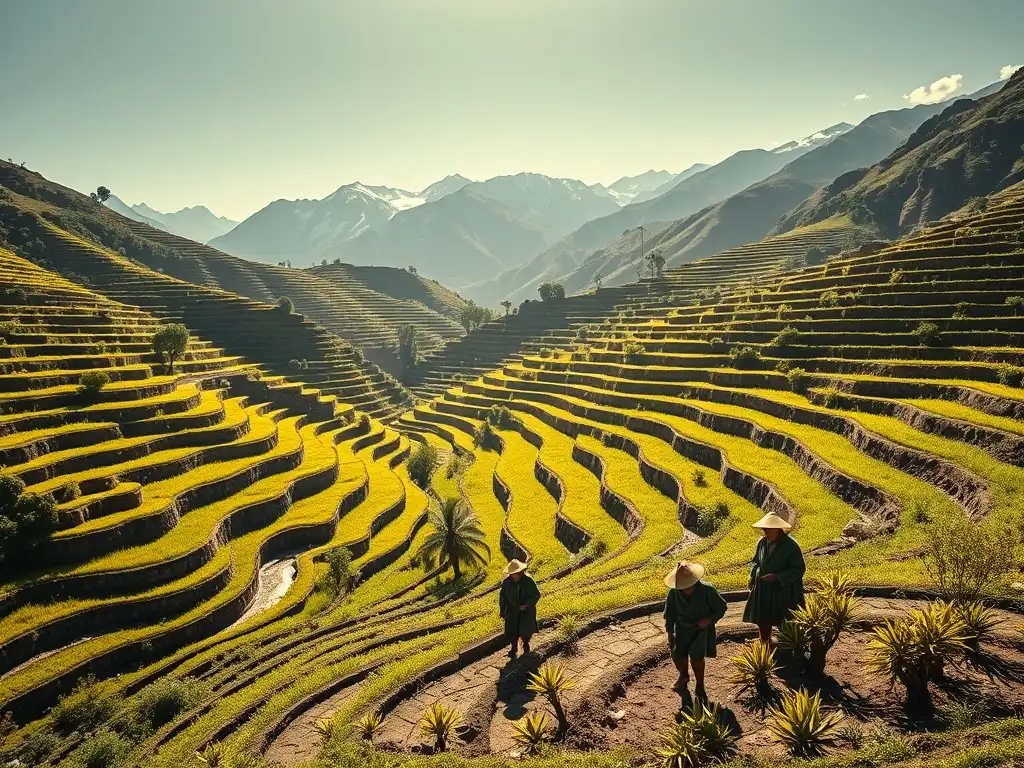
The impact of Andean irrigation on cultural practices is best illustrated by examining specific examples from different civilizations. The ingenious systems developed by these societies demonstrate the profound connection between water management and social, economic, and religious life. Observing how different civilizations approached the challenges of irrigation reveals the diverse ways in which water management shaped their cultural identities. Comparing and contrasting these approaches provides a richer understanding of the overall influence of irrigation on Andean culture. The following sections will delve into specific examples to further illustrate this point.
The Moche Civilization and their Advanced Irrigation Techniques
The Moche civilization (c. 100-800 CE) on the northern coast of Peru is renowned for its sophisticated irrigation systems. Their mastery of canal construction, including the use of intricate techniques to manage water flow across varying terrains, allowed them to cultivate highly productive agricultural lands. This increased agricultural output fueled economic growth and population expansion, supporting the development of a complex and stratified society.
The Moche's intricate canal networks were not merely functional; they were also integrated into their religious beliefs and artistic representations. Depictions of water-related rituals and deities are frequently found in Moche art, indicating the profound spiritual significance attributed to water and irrigation.
The success of their irrigation systems was directly linked to the Moche's political and social stability, demonstrating the crucial role of water management in their civilization's flourishing. The sophisticated technology employed by the Moche, combined with their organized social structures, enabled them to thrive in a challenging environment.
The Inca Empire's Water Management and its Cultural Impact
The Inca Empire (c. 1438-1533 CE) inherited and expanded upon the existing irrigation systems of the Andes, creating one of the most impressive water management systems in pre-Columbian America. Their empire-wide network of canals, aqueducts, and reservoirs facilitated agricultural production across diverse environments, supporting a large and densely populated empire.
The Incas' mastery of hydraulic engineering was deeply intertwined with their imperial ideology, with water management serving as a symbol of Inca power and control. The systematic organization of water resources mirrored the centralized political structure of the empire, with officials responsible for overseeing irrigation projects and ensuring equitable distribution of water.
The Inca's ability to harness water resources on such a grand scale contributed significantly to their economic and political dominance, highlighting the transformative power of irrigation in shaping their culture and society. The integration of water management into the Inca's religious beliefs further solidified its importance in their worldview.
The Legacy of Andean Irrigation Systems in Modern Andean Culture
The ingenuity of Andean irrigation systems continues to resonate in modern Andean culture, shaping agricultural practices, social structures, and even spiritual beliefs. Many contemporary farming techniques are direct descendants of ancient methods, reflecting a deep-rooted understanding of water management passed down through generations. For example, the waru waru system, a raised-bed agricultural technique employed by pre-Columbian cultures, is experiencing a resurgence in popularity due to its drought resistance and increased yields.
Its revival demonstrates a conscious effort to connect with ancestral knowledge and adapt traditional practices to address modern challenges such as climate change and food security. This isn't merely a nostalgic return; it's a practical application of sustainable agriculture, showcasing the enduring relevance of Andean irrigation wisdom.
Furthermore, the social structures that developed around water management in ancient Andean societies continue to influence communities today. The complex systems of canals, reservoirs, and aqueducts required collective effort for construction and maintenance, fostering cooperation and shared responsibility. This sense of community and collaborative resource management remains crucial in many Andean communities, even as modern infrastructure develops.
Water rights and access continue to be a vital aspect of social organization, reflecting the historical importance of water as a life-giving resource. The intricate web of social relationships built around water resources in the past continues to shape social dynamics and governance in the present day. The legacy of cooperation and shared responsibility, born from the necessity of managing these complex irrigation systems, forms a cornerstone of Andean community life.
Conclusion: The Enduring Cultural Impact of Andean Irrigation
The impact of Andean irrigation on cultural practices is profound and multifaceted. From shaping agricultural techniques and social structures to influencing spiritual beliefs and artistic expressions, the legacy of these sophisticated water management systems is deeply embedded in Andean culture. The ingenuity displayed in their design and construction stands as a testament to the advanced engineering capabilities of ancient Andean civilizations and their deep understanding of their environment.
Moreover, the enduring relevance of these systems in contemporary Andean society highlights their adaptability and sustainability. The revival of traditional techniques like waru waru demonstrates a conscious effort to integrate ancestral knowledge with modern needs, creating a vibrant and resilient cultural landscape. The study of Andean irrigation offers valuable lessons in sustainable water management and community cooperation, reminding us of the crucial link between human ingenuity, environmental stewardship, and cultural continuity.
The story of Andean irrigation is not just a historical account; it's a living testament to the enduring power of human adaptation and cultural resilience. It's a story that continues to unfold, shaping the Andean landscape and its people for generations to come.
- Introduction: Understanding Andean Irrigation and its Cultural Significance
- Andean Irrigation Systems: A Foundation of Andean Culture
- The Impact of Irrigation on Agricultural Practices in the Andes
- Water Management and Andean Social Organization
- Irrigation and the Development of Andean Art and Symbolism
- The Influence of Irrigation on Andean Religious Beliefs
- Andean Irrigation's Impact on Social Structure and Hierarchy
- Case Studies: Specific Examples of Irrigation's Influence
- The Legacy of Andean Irrigation Systems in Modern Andean Culture
- Conclusion: The Enduring Cultural Impact of Andean Irrigation
- How did Andean irrigation systems impact agricultural practices?
- What role did irrigation play in the development of Andean cities?
- Did different Andean cultures utilize similar irrigation techniques?
- What was the impact of irrigation on Andean social structures?
- How did climate change affect Andean irrigation systems and culture?
Frequently Asked Questions
How did Andean irrigation systems impact agricultural practices?
Andean irrigation systems allowed for intensive agriculture, supporting larger populations and complex societies. The ability to control water sources led to increased food production and surplus.
What role did irrigation play in the development of Andean cities?
Irrigation was crucial for the development of large urban centers. The reliable food supply generated by these systems supported the growth of populations and the specialization of labor. Urban planning often centered around water management.
Did different Andean cultures utilize similar irrigation techniques?
While the basic principle of water management was similar, specific techniques varied across cultures. The Inca developed sophisticated systems, while other groups, like the Nazca, used different approaches adapted to their environments. Technological innovation differed significantly.
Irrigation systems often required coordinated labor and centralized management, influencing social hierarchies. Access to water and land resources shaped power dynamics and social stratification within Andean societies. Elite control over water sources was common.
How did climate change affect Andean irrigation systems and culture?
Climate change significantly impacted water availability and the effectiveness of irrigation systems. Droughts and floods challenged Andean societies, impacting agricultural yields and potentially leading to social upheaval and migration. Adaptation strategies were crucial for survival.
Final Reflection: The Enduring Legacy of Andean Water
The ingenious irrigation systems of the Andes weren't merely feats of engineering; they were the bedrock upon which entire civilizations were built, and their impact resonates powerfully even today. Their influence shaped not only agricultural practices but also social structures, religious beliefs, and artistic expressions, leaving an indelible mark on the cultural landscape of the region. Understanding this legacy is crucial to appreciating the complex relationship between humans and their environment, a relationship that remains profoundly relevant in our increasingly water-stressed world.
The intricate network of canals, aqueducts, and reservoirs wasn't just a means of survival; it was a testament to human ingenuity and collaborative spirit. These systems fostered a sense of community and shared responsibility, shaping social hierarchies and power dynamics. The very act of managing water resources necessitated cooperation and negotiation, creating a rich tapestry of cultural practices that continue to inform Andean societies. Water is life, and the management of water is the management of life itself.
This simple truth, deeply ingrained in Andean culture, holds profound implications for our understanding of sustainable development and resource management globally.
Consider the profound impact of water management on your own life. How do you interact with water resources in your community? What responsibilities do you feel towards ensuring their sustainable use? The legacy of Andean irrigation calls us to reflect on our own relationship with this precious resource and to actively participate in its responsible stewardship. Let us learn from the past to build a more sustainable and equitable future, where the wisdom of ancient civilizations guides our actions towards a harmonious coexistence with the natural world.
**Unveil the Rich Heritage of Andean Irrigation! **
Thank you for exploring the fascinating interplay between Andean irrigation and cultural practices. Your interest contributes significantly to our understanding of these ancient techniques and their profound impact on Andean communities. Let's delve further into this incredible heritage.
- **Dive deeper:** Research the traditional Andean crops, such as potatoes, quinoa, and maize, that flourished thanks to innovative irrigation methods. Preparing a dish using these ingredients offers a unique way to experience this rich culture firsthand!
- **Share your insights:** Connect with others who share your fascination with Andean civilizations! Share your thoughts and discoveries on social media using #AndeanIrrigation to spark engaging conversations.
- **Join a community:** Participate in local or online groups dedicated to preserving Andean culture. Collaborative efforts can foster innovation and reveal new perspectives.
Which aspects of Andean irrigation and its cultural significance resonate most with you, and how do you see their influence reflected in contemporary agricultural practices?