
Moche Iconography: The Role of the Bird

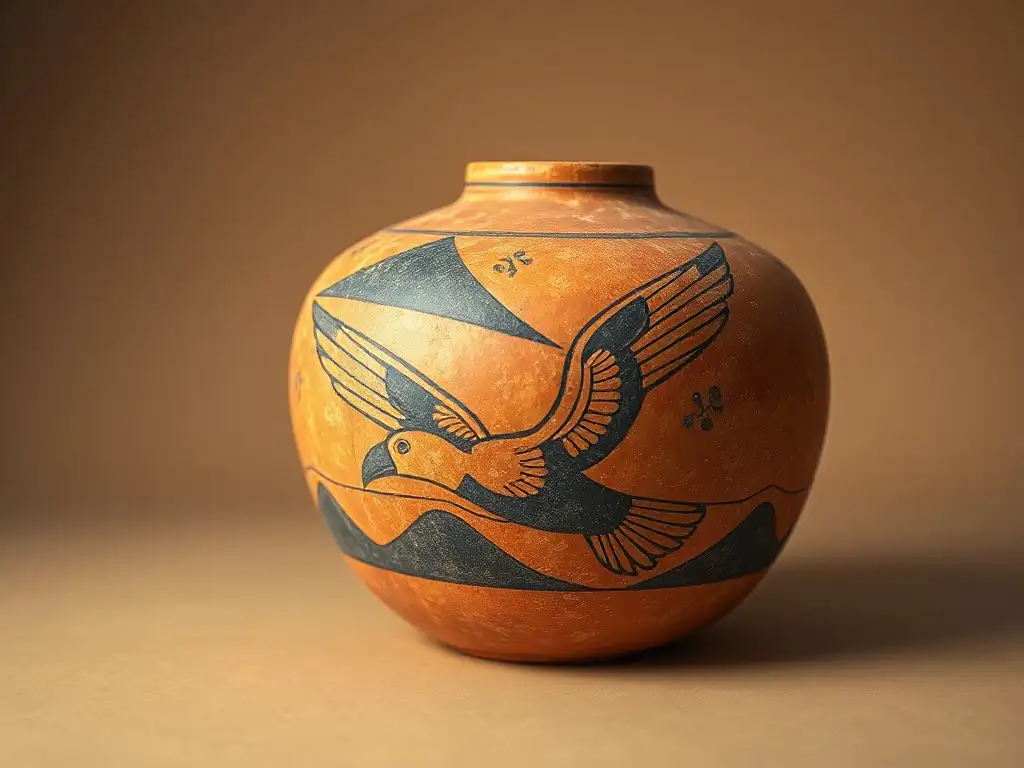
Dive into the enigmatic world of the Andean civilizations! Prepare to be captivated by their breathtaking artistry and advanced engineering. But first, unravel the mysteries surrounding the Moche bird iconography meaning—a cryptic symbol that holds the key to understanding a powerful and sophisticated culture. What secrets do these avian depictions conceal? Explore the fascinating world of the Moche and discover the answers within.
- Moche Iconography: The Role of the Frigatebird in Ancient Andean Art
- The Significance of Frigatebirds in Moche Culture and Art
- Moche Frigatebird Iconography: Decoding the Visual Language
- Moche Ceramics and the Depiction of Frigatebirds
- The Symbolic Meanings of Frigatebird Imagery in Moche Art
- Moche Frigatebird Iconography Meaning: A Synthesis of Interpretations
- The Legacy of Moche Frigatebird Iconography
- Frequently Asked Questions
- Final Reflection: Soaring Symbols: The Enduring Legacy of Moche Avian Iconography
- Unleash the Mysteries of Moche Iconography!
Moche Iconography: The Role of the Frigatebird in Ancient Andean Art
The Moche civilization, flourishing along Peru's northern coast between 100 and 800 CE, left behind a remarkable legacy of art and artifacts. Their intricate ceramics, often depicting scenes of daily life, religious rituals, and mythical beings, provide invaluable insights into their complex worldview. Among the most striking and frequently recurring motifs in Moche iconography is the bird, specifically the frigatebird, whose powerful presence holds significant symbolic meaning within the context of Moche society.
This article delves into the multifaceted role of the frigatebird in Moche art, exploring its potential representations of power, divinity, and the connection between the terrestrial and celestial realms. We will investigate the various contexts in which these avian figures appear, analyze their stylistic variations, and discuss the interpretations proposed by scholars regarding their symbolic significance.
Understanding the Moche bird iconography meaning offers a crucial key to unlocking a deeper understanding of this fascinating ancient culture and its rich artistic expressions. The prevalence of the frigatebird, in particular, suggests a profound connection to the coastal environment and its vital resources.
The Frigatebird: A Symbol of Power and Majesty
The frigatebird, with its distinctive long wings and forked tail, is frequently depicted in Moche ceramics as a powerful and majestic creature. Its representation often features prominently in scenes depicting elite figures, suggesting a link between the bird and the ruling class. The bird’s size and aerial dominance likely symbolized the power and authority of the Moche elite. Many depictions show the frigatebird perched on staffs or held by important figures, further reinforcing this association with leadership and high social status.
Furthermore, the frigatebird's ability to soar effortlessly through the air may have represented a connection to the supernatural, associating it with the gods or spiritual forces. Detailed analysis of ceramic pieces reveals subtle variations in the depiction of frigatebirds, possibly indicating differences in rank or specific deities associated with the bird. [Specific examples of ceramic pieces and their descriptions pending].
The Frigatebird in Ritual Contexts
The frigatebird's presence extends beyond representations of power and status; it frequently appears in scenes depicting ritual activities and ceremonies. Scholars have suggested that the frigatebird might have been a symbol of shamanic practices or a connection to the spirit world. [Specific examples of ceramic pieces depicting ritual scenes with frigatebirds pending]. The bird's ability to fly high above the earth might have been interpreted as a connection to the celestial realm, symbolizing communication between the living and the dead, or between humans and deities.
Several examples show the bird in association with other supernatural beings, reinforcing this interpretation. The detailed rendering of the frigatebird's feathers and posture in these ritual scenes suggests a level of reverence and careful observation of the bird’s natural behavior. The precise meaning and nuances of these ritual scenes, however, remain subject to ongoing scholarly debate.
Interpreting the Moche Frigatebird Iconography: Current Scholarly Perspectives
The meaning of the Moche frigatebird iconography is a complex topic that has been approached from various perspectives by scholars. Some researchers focus on the bird's ecological significance, emphasizing its role in the coastal ecosystem and its importance as a source of food or feathers. Others highlight the bird's symbolic associations with power, divinity, and the supernatural. [Specific examples of scholarly interpretations and their authors pending]. A comprehensive understanding requires considering both ecological and symbolic interpretations, acknowledging the intertwining of the Moche people's practical relationship with their environment and their rich spiritual beliefs. Further research, including detailed stylistic analysis and comparative studies with other Andean iconography, is needed to refine our understanding of this fascinating and complex subject. The ongoing excavation and study of Moche sites continues to reveal new insights, promising a deeper understanding of the multifaceted role of the frigatebird in Moche culture in the years to come.
Conclusion: The Enduring Legacy of Moche Avian Imagery
The Moche civilization’s skillful depiction of the frigatebird, and birds more generally, showcases their keen observation skills and artistic talent. The bird's recurring presence in their art transcends mere aesthetic considerations; it reflects a deep understanding of the natural world and its symbolic significance within their worldview. By studying Moche bird iconography, particularly that of the frigatebird, we gain a richer appreciation for the complexity and sophistication of this ancient Andean culture.
The enduring legacy of Moche art lies not only in its beauty but also in its capacity to reveal the beliefs, values, and social structures of a civilization that flourished centuries ago. The ongoing research and interpretation of Moche art continue to enrich our understanding of Andean history and culture, underscoring the importance of preserving and studying these remarkable artifacts.
The Significance of Frigatebirds in Moche Culture and Art
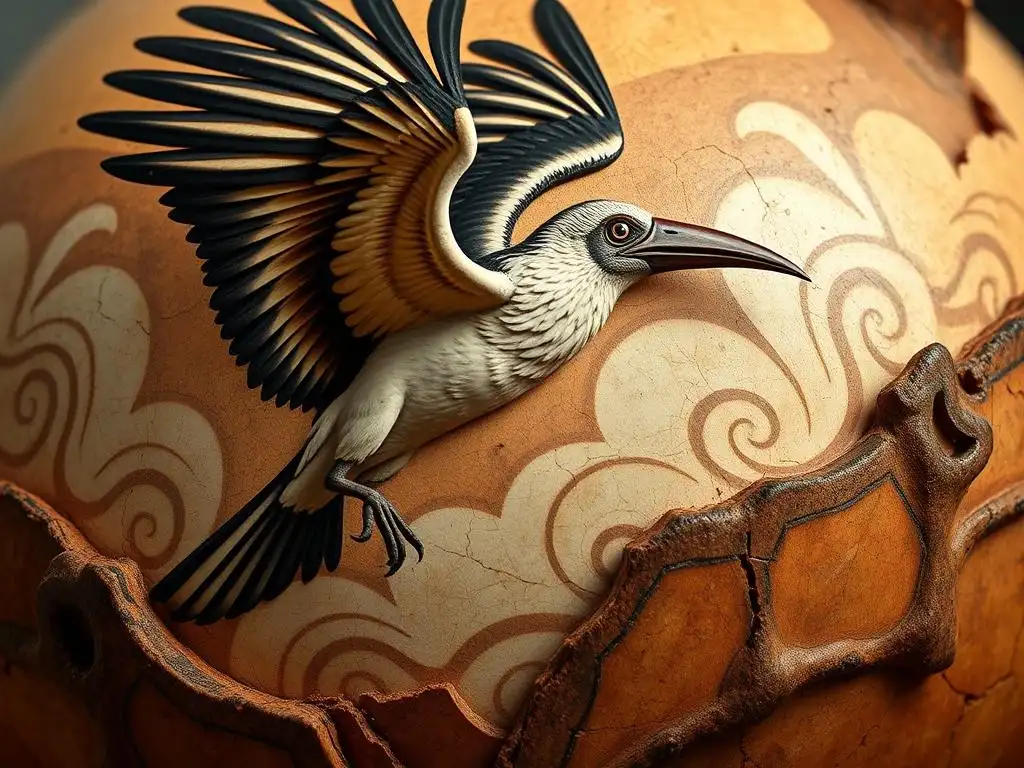
The Moche civilization, flourishing along the northern coast of Peru from approximately 100 to 800 CE, left behind a remarkable legacy of art and artifacts. Their ceramics, in particular, offer invaluable insights into their worldview, societal structures, and religious beliefs. Among the recurring motifs in Moche iconography, the frigatebird stands out as a particularly significant symbol, reflecting the profound connection the Moche had with their coastal environment and the power they attributed to the natural world.
Understanding Moche bird iconography meaning requires careful analysis of these avian depictions, considering their context within the broader artistic and cultural landscape. The prevalence of frigatebirds, with their distinctive physical characteristics and powerful flight, suggests a deeper symbolic meaning beyond mere aesthetic representation.
This section will explore the various interpretations of frigatebird imagery in Moche art, shedding light on their potential role in Moche mythology and rituals. The careful study of Moche bird iconography meaning reveals a sophisticated understanding of the natural world and its integration into their cultural identity.
Understanding Moche Beliefs Through Frigatebird Depictions
Frigatebirds, with their large wingspans and ability to soar effortlessly over the ocean, are frequently depicted in Moche pottery, often in scenes of ritual sacrifice, warfare, or shamanic practices. These depictions aren't simply realistic portrayals; they are imbued with symbolic significance. For example, the frigatebird's powerful flight might have symbolized the power and authority of Moche rulers or elite figures.
The bird's association with the sea could represent the Moche's dependence on marine resources and their mastery of maritime technologies. Furthermore, the frigatebird's predatory nature might have been associated with strength, dominance, and even supernatural power within the Moche worldview. Some scholars suggest that the frigatebird's association with the wind and storms might indicate its connection to supernatural forces and the ability to communicate with the spirit world.
Analyzing the specific context in which the frigatebird appears—the accompanying figures, the overall narrative of the ceramic vessel—is crucial for deciphering the intended message. The variation in the depiction of frigatebirds—sometimes majestic and powerful, other times wounded or in a submissive posture—further complicates the interpretation, suggesting a nuanced understanding of the bird's symbolic meaning. We need more detailed studies analyzing the specific contexts of frigatebird depictions across various Moche ceramic styles to fully understand their symbolic range.
The Moche Worldview and its Connection to Coastal Avian Imagery
The Moche worldview was deeply intertwined with their coastal environment. The ocean provided sustenance, resources, and a source of spiritual inspiration. Birds, especially those closely associated with the sea, held a prominent place in their cosmology. The frigatebird, a prominent coastal bird, serves as a compelling example. Its powerful flight, ability to control the skies, and association with the ocean likely made it a potent symbol of power and connection to the divine.
The Moche’s sophisticated understanding of avian behavior is evident in the realistic depictions found in their pottery. This attention to detail is not merely aesthetic; it suggests a deep respect for the natural world and an understanding of its interconnectedness. This respect is further reflected in the meticulous craftsmanship of the ceramic vessels themselves, which were often created with great skill and artistry. The integration of avian imagery into various aspects of Moche life, from religious rituals to everyday objects, highlights the bird's central role in their culture.
The study of Moche bird iconography meaning therefore requires a holistic approach, considering the broader cultural context and the intricate relationships between humans, animals, and the supernatural in Moche society. Further research focusing on comparative analysis of Moche avian iconography with other Andean cultures could yield valuable insights into the broader regional significance of these avian symbols. The meticulous documentation and analysis of existing artifacts, combined with future archaeological discoveries, will undoubtedly further illuminate the rich tapestry of Moche beliefs and their profound connection to the avian world. This careful examination will provide a more comprehensive understanding of Moche bird iconography meaning, revealing more about their captivating culture.
Moche Frigatebird Iconography: Decoding the Visual Language
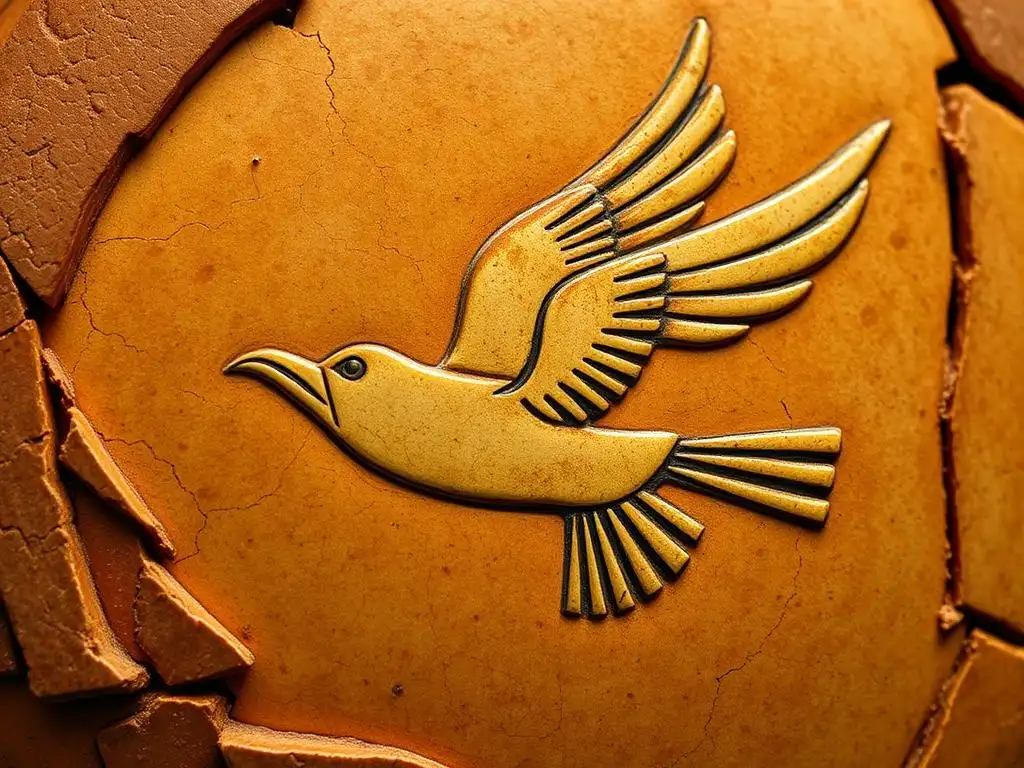
The Moche civilization, renowned for its sophisticated artistry, frequently depicted birds in their ceramics, textiles, and metalwork. Among these avian representations, the frigatebird holds a particularly prominent position, its distinctive features and symbolic weight deeply embedded within Moche iconography. Understanding the meaning behind these depictions requires careful analysis of the variations in style, context, and associated motifs. This section explores the visual language surrounding the Moche frigatebird, investigating its potential symbolic significance within the broader context of Moche culture and beliefs. Analyzing Moche bird iconography meaning helps us understand their worldview and societal structures.
Common Frigatebird Species Represented in Moche Art
The Moche artists didn't simply depict any bird; they rendered specific details with remarkable accuracy, suggesting a deep familiarity with the frigatebird's morphology. While precise species identification from archaeological remains alone can be challenging, stylistic analyses of Moche artwork strongly suggest the depiction of at least two common species found along the Peruvian coast: the Magnificent Frigatebird ( Fregata magnificens) and the Great Frigatebird ( Fregata minor).
The Magnificent Frigatebird, recognizable by its large size and striking red gular pouch in males, is often represented with exaggerated features emphasizing this characteristic. These depictions frequently showcase the inflated pouch, often depicted as vibrant red or orange, a clear indication of the artist's keen observation of the bird's mating displays.
Conversely, representations possibly depicting the Great Frigatebird often show a slightly smaller bird with a less prominently displayed gular pouch, reflecting the subtle differences in the species' physical characteristics. The artists' attention to these subtle distinctions highlights their detailed knowledge of the avian world and their intentionality in selecting specific species for their artistic representations. Further research, potentially incorporating ornithological expertise alongside art historical analysis, could refine our understanding of the precise species represented and the reasons behind the artists' choices.
The Moche Frigatebird-Man: A Powerful Symbol
One of the most intriguing aspects of Moche frigatebird iconography is the recurring motif of the "frigatebird-man," a hybrid creature combining human and avian features. This composite figure, often depicted in powerful, assertive poses, suggests a complex interplay between human and supernatural realms. The frigatebird's attributes—its soaring flight, predatory nature, and association with the sea—may have been imbued with symbolic meanings related to power, shamanism, or even divinity.
The combination of human and bird features might symbolize a shamanistic transformation, mirroring a journey into the spiritual world. The frigatebird’s ability to traverse both the terrestrial and aerial realms could have resonated with Moche beliefs about the interconnectedness of these worlds. The depiction's context—whether found on a ceremonial vessel, a funerary object, or a piece of adornment—can offer further clues to its intended meaning. For example, a frigatebird-man depicted on a ceremonial vessel might represent a deity or a powerful figure associated with ritual practices.
Variations in Moche Frigatebird Imagery: Forms and Contexts
The imagery of the Moche frigatebird wasn't static; it evolved across time and varied depending on the context of its depiction. Early Moche representations might emphasize the bird's physical attributes, while later examples might incorporate more elaborate symbolic elements. Variations in the rendering of the frigatebird, from stylized to realistic, offer further avenues of exploration.
| Feature | Variation 1 | Variation 2 | Possible Interpretation |
|---|---|---|---|
| Pose | Soaring in flight | Perched, predatory stance | Freedom vs. control; spiritual journey vs. earthly power |
| Color Palette | Primarily red and black | Multicolored, including blues and greens | Different symbolic associations or stylistic periods |
| Associated Motifs | Fish, marine life | Maize, other agricultural symbols | Connection between marine and terrestrial realms; abundance |
| Context | Ceremonial vessels | Funerary objects, adornments | Ritualistic significance vs. personal status or beliefs |
The variations highlight the dynamism of Moche artistic expression and suggest a rich tapestry of meanings associated with the frigatebird. Further research could investigate the chronological development of frigatebird iconography, correlating stylistic changes with broader shifts in Moche culture and society. Careful consideration of the context—the type of artifact, its location, and associated objects—is crucial for deciphering the nuanced meanings embedded within these compelling representations. The study of Moche bird iconography meaning is an ongoing process, continually revealing new insights into this fascinating ancient civilization.
Moche Ceramics and the Depiction of Frigatebirds
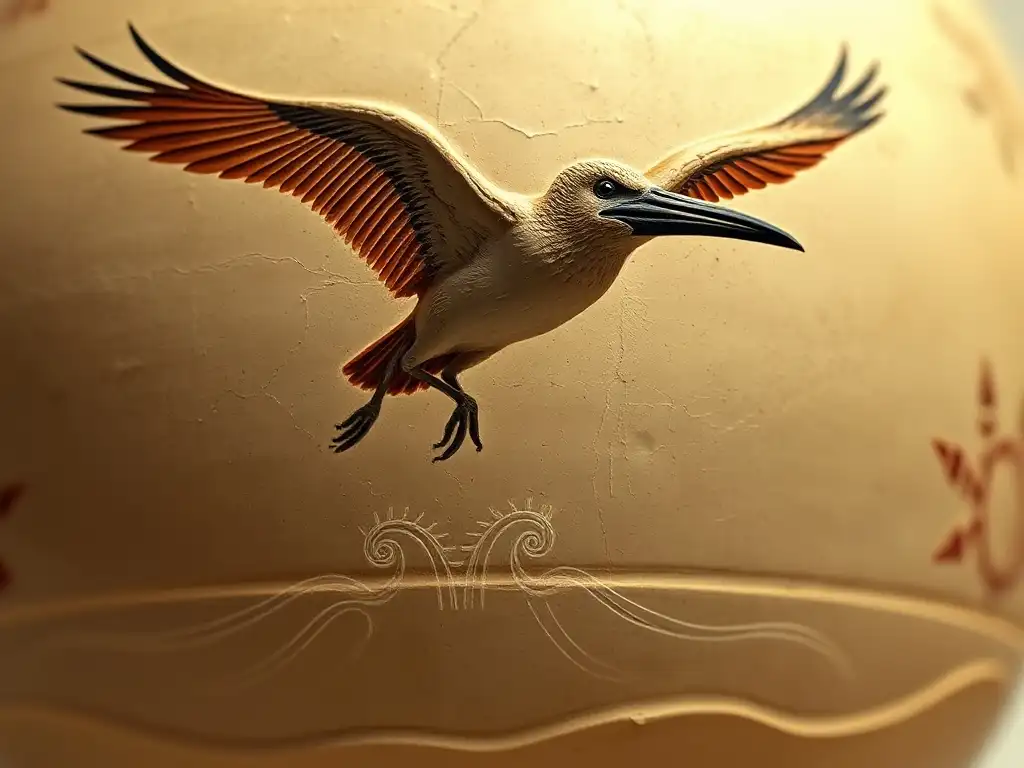
The Moche civilization (c. 100-800 CE) left behind a remarkable legacy of artistic expression, particularly in their exquisite ceramics. Moche pottery isn't merely functional; it's a vibrant tapestry woven with intricate designs and symbolic narratives. Among the most captivating motifs recurring throughout Moche art is the depiction of birds, with frigatebirds holding a particularly prominent position.
Understanding the prevalence and stylistic choices in Moche bird iconography, specifically focusing on the frigatebird, offers valuable insights into their worldview, social structures, and beliefs. The detailed depictions on Moche pottery allow us to explore the significance of these birds within the context of their culture, shedding light on their religious beliefs, societal hierarchies, and relationship with the natural world. This section will delve into the specific representation of frigatebirds in Moche ceramics, analyzing their stylistic choices and potential symbolic meanings.
The meticulous detail in the ceramic artwork provides a rich source for understanding Moche culture and their complex relationship with their environment. Analyzing the Moche bird iconography meaning provides a window into their cosmology and daily life.
Frigatebird Motifs on Moche Pottery: A Detailed Analysis
Frigatebirds, with their distinctive long wings and forked tails, are frequently depicted in Moche pottery. These representations are far from simple sketches; they are often rendered with astonishing detail, capturing the birds' physical attributes with remarkable accuracy. The artists meticulously portray the frigatebird's long, pointed beak, its large wingspan, and its characteristically slender body.
The level of detail varies across different vessels, with some displaying simpler, more schematic representations, while others exhibit an almost photographic realism. This variation might reflect different artistic styles, the skill of individual artisans, or even the intended function and symbolic meaning of the vessel itself. For instance, some frigatebird depictions are highly stylized, emphasizing certain features like the bird’s sharp beak or powerful wings, while others incorporate the bird into larger narrative scenes, interacting with other figures or elements within the composition.
Analyzing the context in which frigatebirds appear is crucial. They are not simply isolated motifs; they are often integrated into complex scenes depicting rituals, battles, or mythological narratives. The bird's position within these scenes, its interaction with other figures, and the accompanying iconography all contribute to a deeper understanding of its symbolic meaning. Further research is needed to fully understand the different variations and their contextual significance.
[Specific examples of pottery depicting frigatebirds and their accompanying scenes pending]. The sheer number of surviving examples, however, underscores the importance of the frigatebird within Moche culture. A thorough cataloging and analysis of these depictions is essential for a complete understanding of Moche bird iconography meaning.
The Technique of Representing Frigatebirds in Moche Ceramics
The Moche potters employed a remarkable range of techniques to create their stunning ceramic artwork. The frigatebird motifs are often executed using a combination of techniques, including incision, painting, and modeling. Incision involves carving lines into the clay surface before firing, creating a textured effect.
Painting, using a variety of pigments derived from natural sources, added vibrant colors and further details to the bird’s representation. Modeling, on the other hand, involved shaping the clay to create three-dimensional forms, adding depth and realism to the depiction of the frigatebird's body and plumage. The mastery displayed in these techniques suggests a highly specialized and skilled artisan class within Moche society.
The use of color is also noteworthy. While red and black are common in Moche pottery, the colors used to depict frigatebirds often vary, suggesting potential symbolic significance. For instance, a vibrant red might symbolize power or energy, while a subdued brown might represent earthiness or connection to the natural world. Further research into pigment analysis and its correlation with the overall iconography would be beneficial in understanding this aspect of Moche bird iconography meaning.
[Analysis of pigment types and their symbolic meanings pending]. The combination of these techniques resulted in incredibly lifelike and expressive representations of frigatebirds, demonstrating the sophistication of Moche artistic practices. The precision and skill involved point to a deep understanding of both artistic techniques and the symbolic importance of the bird itself.
Moche Ceramic Vessels: Functional and Symbolic Frigatebird Representations
Moche ceramic vessels featuring frigatebirds served various functions, ranging from purely utilitarian to highly symbolic. Some vessels were clearly functional, used for storing food, water, or other materials. However, the presence of meticulously crafted frigatebird motifs suggests that these vessels also served symbolic purposes. The choice of depicting a frigatebird, rather than another animal or motif, implies a specific meaning related to the vessel's function or the social status of its owner. The careful craftsmanship and detailed decoration elevate these vessels beyond simple containers, transforming them into objects of ritual significance or status symbols.
The size and shape of the vessel may also provide clues to its function and symbolic meaning. Larger vessels might have been used for communal rituals, while smaller vessels could have been used for personal use or offerings. [Data on vessel sizes, shapes, and their correlation with frigatebird depictions pending]. The context of discovery, such as burial sites or ceremonial contexts, also provides valuable information about the vessels' significance.
The intricate details and symbolic power imbued in these artifacts demonstrate the integral role that art played in Moche society, weaving together the practical and the spiritual. The careful consideration of all these factors is crucial to fully understand the multifaceted role of frigatebirds in Moche culture and the meaning behind their artistic representation. The Moche bird iconography meaning is therefore deeply intertwined with the social and religious fabric of the civilization.
The Symbolic Meanings of Frigatebird Imagery in Moche Art
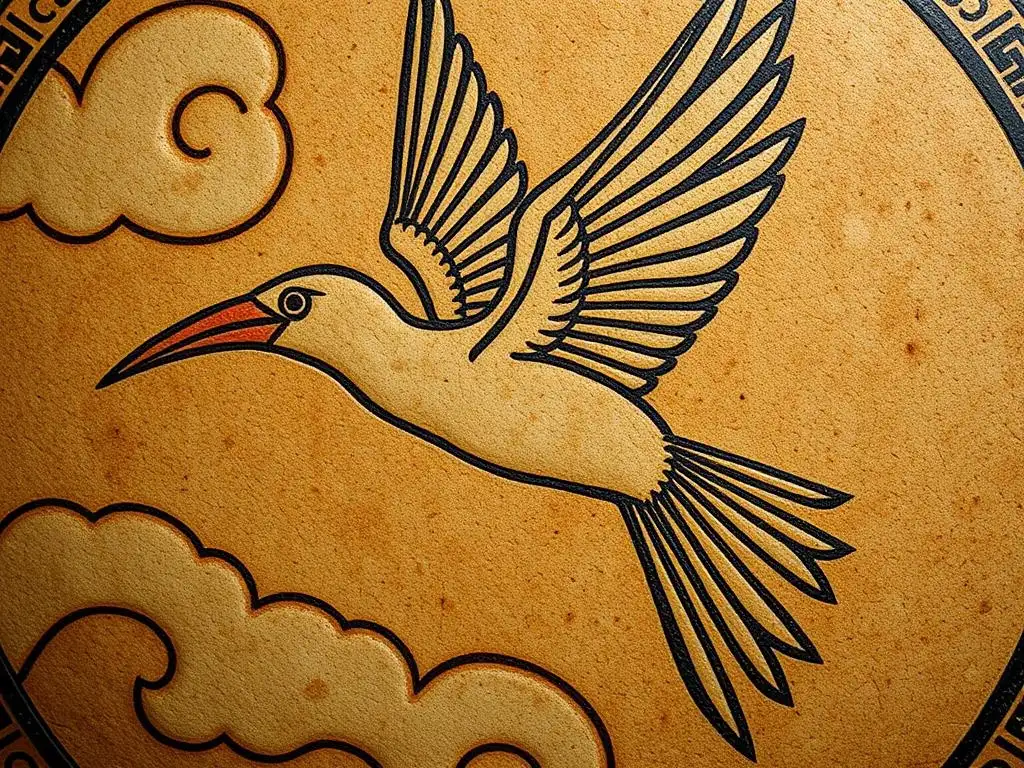
The Moche civilization, flourishing along the northern coast of Peru from approximately 100 CE to 800 CE, left behind a remarkable legacy of artistic expression, particularly in their intricately decorated ceramics. Within this vibrant artistic tradition, the frigatebird occupies a prominent position, its recurring depiction hinting at profound symbolic meanings within Moche cosmology and worldview.
Understanding Moche bird iconography meaning requires careful consideration of the bird's unique attributes and its consistent portrayal within specific contexts. The frigatebird, with its distinctive features and powerful presence, wasn't merely a realistic representation of nature; it served as a potent symbol imbued with layers of meaning related to power, communication, and the supernatural realm.
Analyzing its presence in various Moche artifacts allows us to decipher its complex symbolic role within this fascinating ancient culture. The frequency of frigatebird imagery, compared to other avian species, underscores its importance in Moche belief systems, demanding a closer examination of its nuanced symbolism.
The Moche Frigatebird as a Messenger: Interpreting its Role
The Moche frigatebird is often depicted in scenes suggesting communication and the transmission of messages. Its long, slender body and powerful wings, capable of covering vast distances, likely contributed to this interpretation. Consider, for instance, the numerous examples of ceramic vessels depicting frigatebirds in flight, often near other figures or within scenes of ritual activity.
This suggests a possible association with the swift delivery of news, perhaps between the earthly and spiritual realms or between different social strata within Moche society. The bird's aerial dominance, its ability to survey the landscape from above, further strengthens this interpretation. It could be seen as a divine messenger, carrying messages between the gods and mortals, or a symbol of communication within the elite class, facilitating the transmission of vital information.
Further research into the specific contexts in which these depictions appear could provide even more detailed insights into the exact nature of these messages and their significance within the Moche worldview. This requires a careful analysis of accompanying iconography and the overall narrative depicted on the ceramic pieces.
Avian Attributes and their Symbolic Significance: Power and Coastal Control
The frigatebird's physical attributes—its large wingspan, sharp beak, and predatory nature—likely contributed to its association with power and dominance within Moche iconography. The Moche people were deeply connected to the sea, relying on it for sustenance and trade. The frigatebird, a master of the coastal skies, could symbolize control over this vital resource.
Its depiction on elite grave goods further reinforces this idea, suggesting that the power and authority of the Moche elite were intrinsically linked to the sea and its bounty. The frigatebird's aggressive behavior, its ability to dominate other seabirds, may also have been interpreted as a symbol of military prowess or political strength. We can analyze the size and placement of the frigatebird within the composition of Moche ceramics to understand better its symbolic weight.
Larger, more prominent depictions might indicate a greater emphasis on its symbolic power within that specific context. [Specific examples of ceramic depictions needed for further analysis].
The Moche Frigatebird and its Association with Ritual and Sacrifice
The presence of frigatebird imagery in scenes depicting ritual and sacrifice suggests a deeper, possibly spiritual, significance. While the precise nature of these rituals remains partially obscure, the consistent association between the frigatebird and these events indicates a crucial role for the bird in Moche religious practices. The frigatebird, with its ability to soar to great heights, might have been seen as a connection between the earthly and celestial realms.
Its depiction in sacrificial contexts could represent the offering of a powerful symbol to the gods, or perhaps the bird itself was considered a sacred creature, deserving of special veneration. Detailed analysis of Moche iconography, focusing on the specific actions and gestures surrounding the frigatebird in these scenes, is crucial to unraveling this aspect of its symbolic meaning.
Furthermore, studying the materials used in creating these depictions, along with the context of their discovery (e.g., tombs, temples), could provide valuable clues about the rituals associated with the frigatebird. [Further research is needed into the specific ritual contexts in which frigatebirds appear in Moche art to fully understand this connection].
Moche Frigatebird Iconography Meaning: A Synthesis of Interpretations
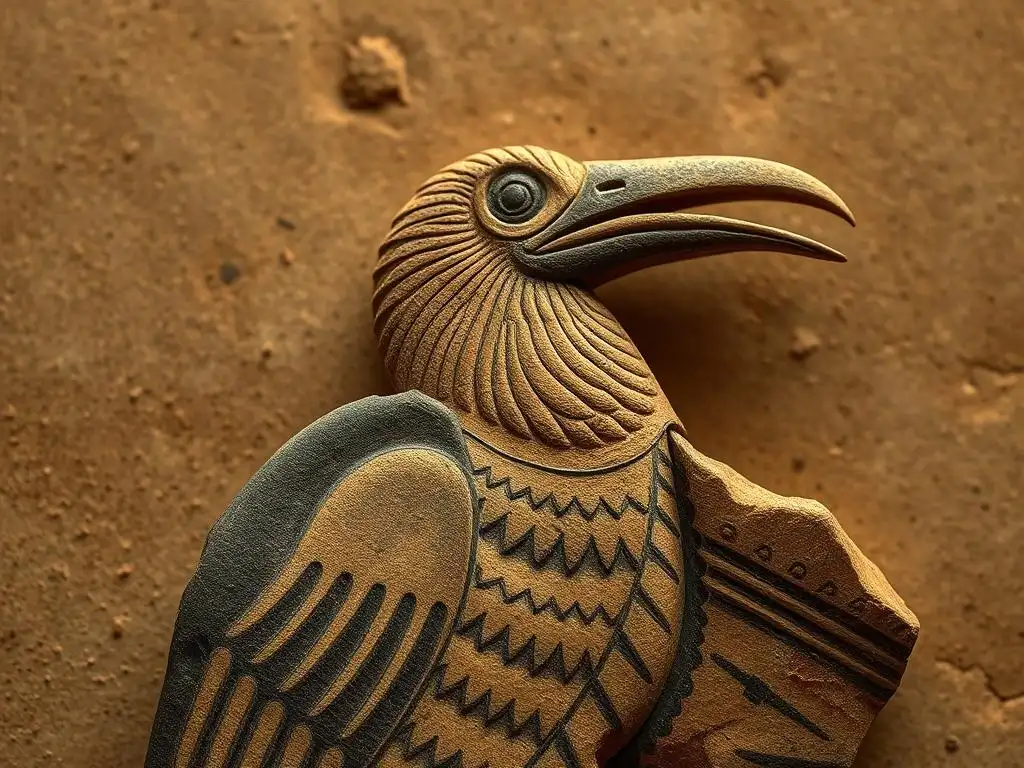
The Moche civilization, renowned for its sophisticated artistry and complex religious beliefs, frequently depicted the frigatebird in their iconography. Understanding the Moche bird iconography meaning, specifically that of the frigatebird, requires examining its multifaceted symbolic role within their culture. While definitive answers remain elusive due to the limitations of archaeological interpretation, scholars have proposed several compelling theories based on careful analysis of ceramic artifacts, metalwork, and other surviving remnants of Moche artistic expression.
These interpretations often intersect and complement each other, painting a richer, more nuanced picture of the frigatebird's significance. The recurring presence of the frigatebird in various contexts suggests its importance extended beyond mere aesthetic representation, deeply embedding itself within the cosmological and social fabric of Moche society. The bird's symbolic weight likely encompassed spiritual, economic, and even political dimensions.
The Moche Frigatebird as a Link between Worlds: Spiritual Connotations
The Moche frigatebird frequently appears in scenes depicting shamanistic rituals and interactions with the supernatural realm. Its powerful flight, soaring effortlessly between earth and sky, likely symbolized the ability to traverse between the earthly and spiritual planes. The bird's association with the sky and the upper world connects it to the Moche pantheon of deities, many of whom were linked to celestial bodies and cosmic forces.
Some scholars suggest the frigatebird acted as a messenger between humans and the gods, carrying prayers and offerings to the divine realm. This interpretation is supported by the frequent depiction of the frigatebird alongside other symbolic elements associated with spiritual practices, such as hallucinogenic plants or ritual paraphernalia. The majestic and imposing nature of the frigatebird also suggests a connection to powerful deities, perhaps even representing a specific deity or embodying divine attributes.
The size and detail given to the bird in some ceramic pieces further emphasizes its importance and its connection to the spiritual world. Further research into the specific contexts in which the frigatebird appears alongside other symbolic motifs could illuminate this aspect of its meaning more fully.
The Moche Frigatebird and its Connection to Oceanic Resources
The frigatebird's close association with the Pacific Ocean is undeniable. Its presence in Moche art likely reflects the importance of marine resources to the civilization’s sustenance and economy. The Moche were skilled fishermen, and the frigatebird, a bird of the sea, may have symbolized the abundance and bounty of the ocean.
Its depiction might have been a way to ensure a plentiful fishing season, or to represent the power and unpredictability of the sea itself—a force that both sustained and threatened the Moche people. The detailed rendering of the frigatebird's anatomy in many Moche artifacts reveals a keen observation of its physical characteristics and behavior, indicating a deep familiarity with the bird's life cycle and habitat.
This suggests a practical, as well as a symbolic, understanding of the bird's role within the Moche ecosystem. The frigatebird, therefore, could be interpreted not only as a spiritual symbol but also as a representation of the Moche's mastery over their environment and their ability to harness the ocean's resources.
The Decapitator God and the Frigatebird’s Role in Sacrifice Iconography
The Moche Decapitator God, a prominent figure in Moche mythology, is often depicted alongside various avian creatures, including the frigatebird. While the exact nature of the Decapitator God’s role remains debated, his association with sacrifice and ritual violence is well-documented. The frigatebird's presence in these scenes may signify its role as a witness or participant in these bloody rituals.
The bird’s sharp beak and predatory nature could have been symbolically linked to the act of decapitation itself, or it might represent the soul departing the body. Alternatively, the frigatebird might represent the release of the victim’s spirit into the afterlife, soaring to the heavens just as the bird does. The combination of the dramatic imagery of sacrifice and the powerful symbolism of the frigatebird creates a complex and unsettling visual narrative, highlighting the interplay between the earthly and spiritual realms within Moche religious beliefs.
More research is needed to fully understand the specific connections between the frigatebird and the Decapitator God, and the deeper meaning behind their shared presence in these often gruesome scenes. Analyzing the specific positioning and interaction of the frigatebird within these scenes could offer crucial insights into its role within this specific context of Moche iconography. Further investigation into similar representations across different Moche artistic mediums is also crucial for a more comprehensive understanding.
The Legacy of Moche Frigatebird Iconography
The Moche civilization (c. 100-800 CE) left behind a remarkable artistic legacy, particularly in their intricate ceramics. Within this corpus, the frigatebird holds a prominent position, appearing frequently in various contexts and styles. Understanding the pervasive presence of the frigatebird in Moche iconography requires examining its symbolic meaning within their worldview, its connection to their social structures, and its potential role in religious ceremonies.
The sheer variety of its depiction—from majestic soaring birds to smaller, more detailed representations—suggests a multifaceted significance that extended beyond simple aesthetic choices. The bird's recurring presence isn't merely decorative; it’s a window into the Moche understanding of their environment, their relationship with the sea, and the spiritual world. Further research is needed to fully decipher the nuances of these depictions, especially in relation to other recurring motifs.
Detailed analysis of individual pieces, considering their context of discovery and associated artifacts, is crucial for a deeper understanding of the Moche frigatebird's multifaceted symbolic weight. This requires a collaborative approach, bringing together archaeologists, art historians, and anthropologists to piece together the complete picture.
The Influence of Moche Frigatebird Depictions on Later Andean Art
The Moche's artistic influence extended far beyond their own time and geographical boundaries. The striking imagery of their ceramic art, including the distinctive frigatebird motifs, left a lasting impression on subsequent Andean cultures. While the exact nature of this influence requires further investigation, it’s evident that the stylistic conventions and symbolic language employed by the Moche were adopted and adapted by later civilizations.
For example, [Specific examples of later Andean art influenced by Moche frigatebird iconography pending]. The persistence of avian imagery in later Andean art, particularly coastal cultures, suggests a continuity of symbolic meaning. This continuity speaks to the enduring power of the Moche artistic legacy and the fundamental importance of the frigatebird as a symbol within the Andean worldview.
Tracing the evolution of this iconography across different Andean cultures can illuminate the transmission of ideas, beliefs, and artistic practices over centuries. A comparative study of Moche and later Andean art, focusing specifically on avian representations, could reveal the subtle shifts in meaning and stylistic conventions. This could involve analyzing color palettes, compositional choices, and the associated iconographic elements to understand how the Moche frigatebird image was transformed and reinterpreted by later societies.
The Importance of Studying Moche Frigatebird Iconography for Understanding Coastal Andean Civilizations
Moche bird iconography, particularly that of the frigatebird, offers invaluable insights into the society's complex relationship with its environment. The Moche civilization thrived along the arid north coast of Peru, an area heavily reliant on the sea for sustenance and resources. The frigatebird, a prominent coastal bird, likely held significant cultural importance, potentially representing aspects of their fishing practices, their understanding of marine ecosystems, and their beliefs about the natural world.
Analyzing the context in which frigatebirds appear—often alongside other marine creatures or within scenes depicting fishing expeditions—can provide clues to their symbolic role. The detailed depictions of the birds' physical attributes, their behavior, and their interaction with other elements within the artwork, reveal a close observation of the natural world and a deep understanding of the animal's place within the Moche ecosystem. This meticulous observation demonstrates the Moche's sophisticated knowledge of their environment and their capacity to translate this knowledge into artistic representations.
The study of Moche bird iconography, therefore, is not only about art history; it's about understanding the ecology, economy, and worldview of a fascinating ancient civilization. The abundance of frigatebird depictions suggests its centrality within their cultural and religious beliefs.
Preserving and Interpreting Moche Frigatebird Art for Future Generations
The preservation of Moche art, including the remarkable frigatebird depictions, is crucial for safeguarding our understanding of this significant civilization. Many artifacts are fragile and susceptible to environmental damage, requiring careful conservation efforts to ensure their longevity. These efforts must involve advanced techniques and materials to minimize the risk of further deterioration.
Furthermore, the accurate documentation and interpretation of these artifacts are essential for sharing this knowledge with future generations. This involves detailed cataloging, high-resolution imaging, and the development of accessible databases that allow researchers and the public alike to engage with this rich artistic heritage. The creation of virtual museums and online repositories can provide broader access to these invaluable artifacts, facilitating research and educational opportunities worldwide.
Additionally, public awareness campaigns can emphasize the importance of protecting these cultural treasures and preventing their illicit trafficking. The collaborative efforts of archaeologists, conservators, museums, and educational institutions are vital to ensure that the legacy of Moche frigatebird iconography—and the broader artistic and cultural achievements of the Moche civilization—continues to inspire and educate for years to come. The goal is to ensure that future generations can appreciate the artistry, learn from the historical context, and ultimately understand the profound meaning embedded within these remarkable pieces.
Frequently Asked Questions
What is the significance of birds in Moche iconography?
Birds held significant symbolic meaning in Moche culture. They represented various concepts, including shamanistic journeys, fertility, and power. Their depictions often featured in ceramics and textiles.
What types of birds are most commonly depicted in Moche art?
The Moche frequently depicted a variety of birds, including raptors like condors and eagles, water birds like pelicans, and smaller birds associated with specific rituals or deities. Each bird held unique symbolic value.
How did the Moche depict birds in their artwork?
Moche artists used a range of techniques to portray birds, showing them in both realistic and stylized forms. These depictions were often integrated into larger scenes, depicting narratives or rituals. The level of detail is remarkable.
What is the connection between Moche bird iconography and shamanism?
Birds were frequently associated with shamanic journeys and spiritual experiences in Moche culture. Their ability to fly was seen as a connection to the supernatural realm, and they often feature in scenes depicting shamanic rituals.
Where can I learn more about Moche bird iconography meaning?
To delve deeper, explore reputable academic sources and museum collections featuring Moche artifacts. You can find detailed analyses of Moche art and its symbolism in scholarly books and journals, as well as online resources dedicated to Andean archaeology.
Final Reflection: Soaring Symbols: The Enduring Legacy of Moche Avian Iconography
The intricate avian imagery found in Moche art isn't merely a historical curiosity; it's a vibrant testament to a civilization's deep connection with the natural world, a connection that resonates powerfully with our own contemporary concerns about environmental stewardship and cultural preservation. Understanding the Moche's symbolic use of birds offers a crucial lens through which to examine our own relationship with the environment and the importance of respecting diverse cultural expressions.
The Moche's reverence for birds, as depicted in their pottery, textiles, and metalwork, continues to inspire awe and wonder. Their sophisticated understanding of avian symbolism, reflecting both earthly and spiritual realms, speaks to a profound interconnectedness with their surroundings. The bird, in its flight, represents the soul's journey, a constant striving for higher understanding.
This sentiment, though not directly from a Moche source, captures the essence of the spiritual significance I believe their bird iconography conveys, a significance that transcends time and speaks to our own inherent longing for meaning and connection.
Consider the enduring power of these images. What does the Moche's artistic legacy say about the importance of preserving cultural heritage and understanding the perspectives of past civilizations? You, the reader, are now equipped with a deeper understanding of Moche bird iconography. I urge you to reflect on how this knowledge can inform your own appreciation for art, history, and the intricate relationship between humanity and the natural world. Let the soaring symbols of the Moche inspire you to seek deeper meaning in the world around you and to champion the preservation of cultural treasures for generations to come.
Unleash the Mysteries of Moche Iconography!
Thank you for exploring the captivating world of Moche iconography and its profound connection to birds. Your interest helps reveal the rich cultural tapestry of Andean civilizations. Now, let's put that inspiration into action.
- Visit local museums or online collections to examine artifacts depicting Moche birds, deepening your understanding of their symbolic meaning.
- Share what you've learned from this article with friends and family, or post about it on social media, sparking discussions about the remarkable artistry of the Moche culture.
- Join an online forum or community dedicated to Andean civilizations to exchange ideas and learn from fellow enthusiasts.
Which aspects of bird symbolism in Moche art resonate most with you, and how do you believe they reflect the culture's values and beliefs?