
The Impact of Trade on Social Mobility and Economic Power

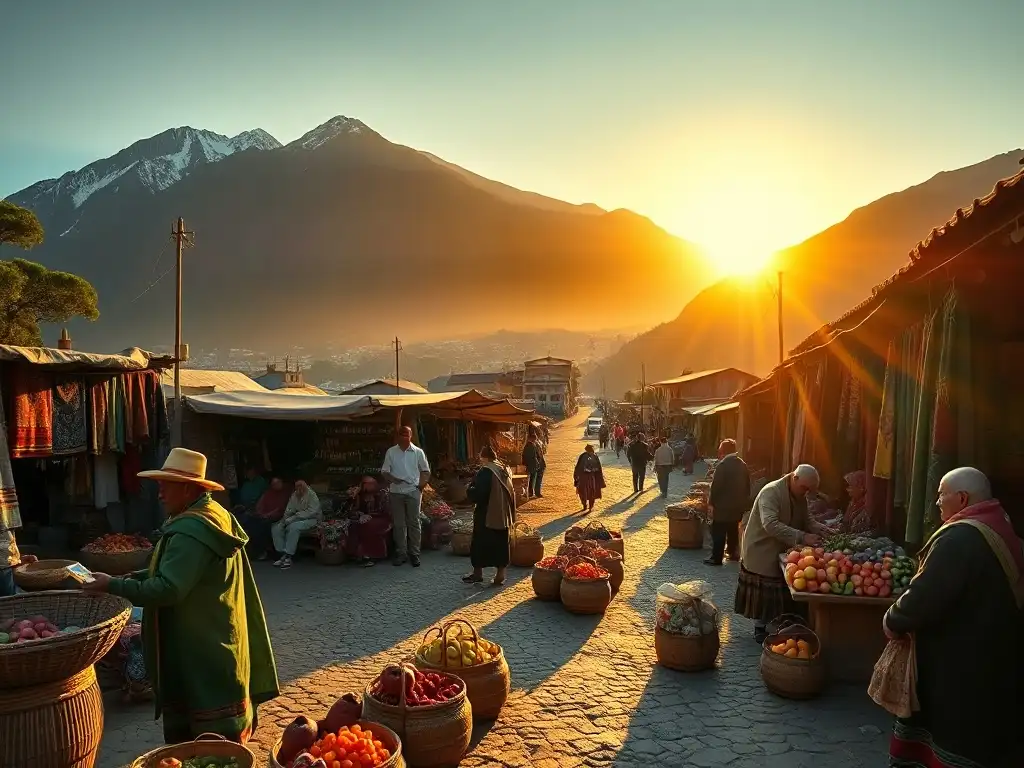
Uncover the secrets of a world sculpted by towering mountains and breathtaking ingenuity. For centuries, the Andean civilizations thrived, leaving behind a legacy of awe-inspiring artistry and complex social structures. But how did the intricate web of Andean trade shape the rise and fall of individuals and entire societies? Journey with us to explore the profound impact of trade on social mobility and economic power, and discover how the exchange of goods reshaped the very fabric of Andean life. Dare to delve into the mysteries of this fascinating era – the answers may surprise you.
- The Impact of Trade on Social Mobility and Economic Power in the Andes
- The Role of Trade in Shaping Andean Social Mobility
- Economic Power Dynamics and Andean Commerce
- Case Studies: Trade and Social Mobility in Specific Andean Cultures
- Examining the Limitations of Trade-Driven Social Mobility
- The Long-Term Effects of Trade on Andean Social Structures
- Conclusion: Understanding the Complex Relationship Between Andean Trade and Social Mobility
-
Frequently Asked Questions
- How did trade affect social mobility in Andean civilizations?
- What goods were most commonly traded in the Andes?
- Did all Andean societies experience similar levels of social mobility through trade?
- How did control over trade routes influence political power in the Andes?
- What is the relationship between Andean trade and the development of technology?
- Final Reflection: Weaving a Future from Andean Trade
- Unlock Your Potential: Embrace the Power of Fair Trade!
The Andes Mountains, a spine of towering peaks stretching along the western coast of South America, were not just a geographical barrier but a crucible shaping the social and economic destinies of its ancient inhabitants. For centuries, diverse Andean civilizations, including the Incas, Moche, Nazca, and Tiahuanaco, developed sophisticated systems of trade that profoundly impacted social mobility and the distribution of economic power.
This article delves into the intricate relationship between trade networks, social hierarchies, and the accumulation of wealth in the Andean region, exploring how access to and control over trade routes fundamentally altered the social landscape and shaped the rise and fall of powerful elites. We will examine how the nature of traded goods, the organization of trade, and the resulting wealth distribution influenced social stratification and the opportunities for upward mobility within these complex societies.
Understanding the impact of Andean trade on social mobility is key to unlocking a deeper comprehension of the intricacies of Andean social structures and the dynamics of power throughout their history. The keyword "Andean trade impact social mobility" will be examined through the lens of specific examples and available historical evidence.
Andean societies, despite their variations, shared a common thread: a hierarchical social structure where access to resources and power was often unevenly distributed. This hierarchy wasn't static; it was dynamic, influenced significantly by the ebb and flow of trade. The exchange of goods, from precious metals and textiles to agricultural products and exotic goods, created opportunities for some to accumulate wealth and social status, while others remained entrenched in lower social strata.
The scale and complexity of these trade networks varied across different Andean civilizations and time periods. For instance, the coastal civilizations, like the Moche, relied heavily on maritime trade, while the highland civilizations, such as the Tiahuanaco, focused on overland routes. However, the fundamental impact of trade on social mobility remained consistent—it acted as both a catalyst for social advancement and a mechanism for reinforcing existing inequalities.
Understanding the intricacies of Andean social structures requires a thorough examination of the role played by trade in shaping these hierarchies. We can observe this impact through the analysis of archaeological evidence, such as the distribution of luxury goods and the construction of elite settlements, and through the interpretation of surviving textual and iconographic sources, where available.
Before the Inca Empire's expansion, a multitude of independent Andean cultures flourished, each with its own unique trade networks and social structures. The Nazca, for example, are renowned for their intricate irrigation systems and their mastery of textile production, which facilitated trade across significant distances. Their mastery of these production methods enabled them to gain influence and economic power, directly impacting social mobility within their society.
The control of vital resources, such as specialized agricultural products or valuable minerals, often translated into social prestige and political influence. This control was not always equally distributed; powerful lineages or families frequently monopolized access to key trade routes and resources, solidifying their position at the top of the social hierarchy. Conversely, those with limited access to trade networks or resources remained marginalized.
Archaeological evidence suggests a correlation between the proximity to trade routes and the size and complexity of settlements, indicating that participation in trade networks fostered economic growth and social development in certain areas. The distribution of fine ceramics, textiles, and other luxury goods found in elite tombs further highlights the unequal distribution of wealth and the consolidation of power amongst specific social groups. The study of these pre-Inca societies provides crucial insights into the long-term relationship between trade and social stratification in the Andes, laying the groundwork for understanding the Inca system's later development.
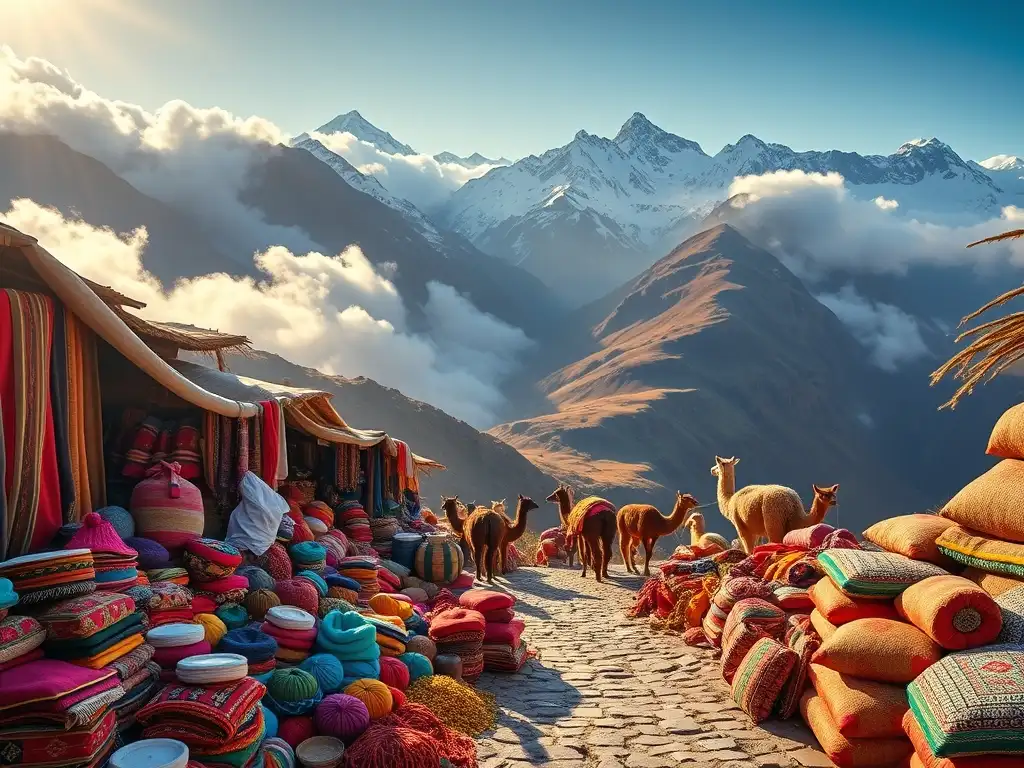
The Andean region's diverse geography and rich resources fueled a complex trade network that profoundly impacted social mobility and economic power. Understanding the intricate relationship between trade and social stratification is crucial to comprehending the dynamics of Andean societies. While access to land and lineage played significant roles, the control and manipulation of trade routes and goods provided avenues for upward mobility, as well as mechanisms for maintaining existing power structures.
This section will explore how Andean trade influenced social standing, access to resources, and the importance of specialized goods in social advancement. The impact of Andean trade on social mobility is a multifaceted subject requiring nuanced analysis, moving beyond simplistic narratives of wealth accumulation.
Control over vital trade routes was a powerful tool for enhancing social standing within Andean societies. Those who controlled access to these routes – whether through military might, political influence, or strategic alliances – enjoyed significant economic advantages, translating directly into higher social status. For example, the Inca Empire's extensive road system, the Qhapaq Ñan, wasn't merely a transportation network; it was a carefully engineered mechanism for controlling the flow of goods and resources, consolidating their power and reinforcing their hierarchical structure.
Communities situated along these major routes benefited economically, leading to a relative increase in their social standing compared to more isolated groups. Conversely, disruption of trade routes, often through conflict, could drastically diminish a community's wealth and influence, resulting in a decline in social status.
The strategic placement of tambos (roadside inns) along the Qhapaq Ñan further illustrates this point, offering opportunities for both trade and the consolidation of Inca power. The impact of Andean trade on social mobility is directly tied to the control and influence exerted over these arteries of commerce.
Access to Resources and its Impact on Class Mobility
Access to vital resources, facilitated by trade, was a key determinant of social mobility in Andean societies. Control over coveted resources like precious metals (gold, silver), textiles (especially fine alpaca wool), coca leaves, and exotic feathers directly translated into wealth and power. Artisans skilled in processing these resources, such as master weavers or metalworkers, often achieved elevated social positions due to the high value of their products.
The availability of these resources was not evenly distributed geographically, meaning that trade networks were crucial for their circulation. This created opportunities for individuals and communities to accumulate wealth through trading, potentially leading to upward social mobility. However, it also reinforced existing inequalities, as those already possessing access to resources or control over trade routes were better positioned to maintain and even expand their wealth and influence.
The uneven distribution of resources, even within a robust trade network, highlights the complex interplay between trade and social stratification. Further research is needed to [quantify the precise impact of specific resources on social mobility in different Andean societies].
The production and trade of specialized goods played a crucial role in social advancement within Andean civilizations. These goods, often intricately crafted and imbued with symbolic meaning, served not only as commodities but also as markers of status and prestige. For example, fine textiles, elaborate ceramics, and meticulously crafted metalwork were highly valued and often used as gifts, tributes, or offerings in religious ceremonies.
Skilled artisans who produced these goods held respected positions in society, often enjoying privileges and rewards commensurate with their expertise. The production of these specialized goods also required specialized knowledge and skills, often passed down through family lineages, further strengthening existing social hierarchies. However, the development of new techniques or the discovery of new resources could create opportunities for social advancement for individuals or groups who mastered these innovations.
This dynamic interaction between specialized skills, resource access, and social status underscores the dynamic nature of Andean social mobility influenced by trade and economic activity. The [precise social standing of different artisan groups across various Andean cultures requires further study]. The impact of Andean trade on social mobility is therefore intricately linked to the production and circulation of these prestigious and culturally significant commodities.
Economic Power Dynamics and Andean Commerce
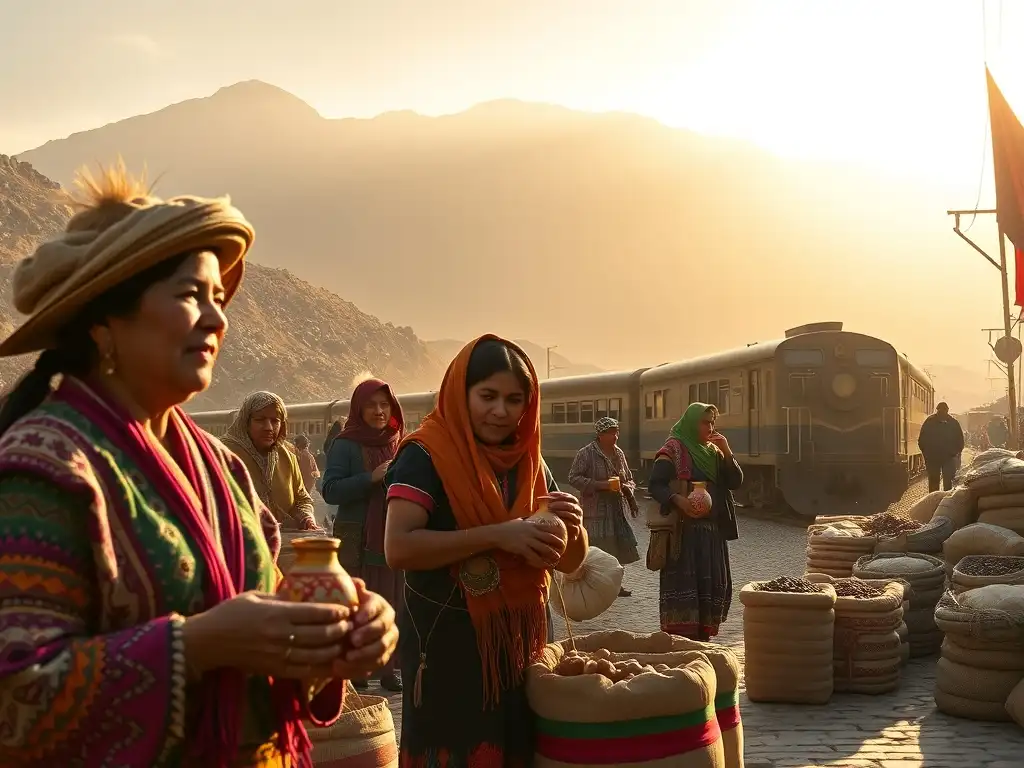
The impact of trade on social mobility in Andean societies was profound, reshaping economic power structures and influencing the very fabric of social hierarchies. The intricate networks of exchange, spanning vast distances across the Andes Mountains, weren't simply about the movement of goods; they were a powerful engine driving social change and the concentration of wealth.
Understanding the dynamics of Andean trade is crucial to grasping the complexities of their social organization. The Andean trade impact social mobility is a topic that requires a detailed examination of the control over trade routes, the accumulation of wealth, and the consequent emergence of a merchant class.
Control over vital trade routes was inextricably linked to political power in Andean civilizations. The Incas, for example, implemented a sophisticated system of tampus (roadside inns) and chasquis (runners) to facilitate efficient trade and communication across their empire. This control wasn't just logistical; it was a strategic assertion of dominance.
The ability to regulate the flow of goods—from precious metals and textiles to agricultural products and exotic items—translated directly into political influence and the ability to levy taxes and tributes. This control over trade networks enabled the Inca elite to maintain their social standing and political authority. Smaller, regional powers also benefited from controlling key trade routes within their territories, though on a less expansive scale.
The concentration of power in the hands of those who controlled trade is evident in the archaeological record, with evidence of elite residences and monumental architecture located near important trade junctions. For instance, [Specific archaeological evidence pending] from the Moche civilization showcases the strategic placement of elite compounds near coastal ports and river valleys, key locations for trade activities.
The accumulation of wealth through trade had significant social implications, directly impacting social mobility and the creation of distinct social strata. While access to trade wasn't universally equal, successful merchants and traders could amass considerable fortunes, allowing them to elevate their social standing. This is not to say that social mobility was entirely meritocratic; existing social hierarchies and kinship ties played a significant role. However, the accumulation of wealth through trade offered a pathway to upward mobility for some individuals and families.
This process is particularly evident in the case of the [Specific Andean civilization pending] where [specific examples of social mobility through trade pending]. The acquisition of luxury goods, such as fine textiles, ceramics, and metalwork, often served as a visual display of wealth and status, reinforcing social hierarchies and creating new aspirations. This created a dynamic interplay between economic success and social recognition.
The Emergence of a Merchant Class in Andean Societies
While the concept of a formalized "merchant class" in the same sense as in later European societies might be an oversimplification, the evidence suggests the emergence of specialized individuals and groups dedicated to trade and commerce. These individuals, often operating within established social structures, played a crucial role in the movement of goods and the accumulation of wealth. While not always forming a distinct social class in the strictest sense, they occupied a unique position within the social hierarchy, possessing economic influence that often translated into political leverage.
Their expertise in trade networks and logistics made them valuable assets to rulers and elites, further solidifying their position within society. The role of these specialized traders is evidenced by [specific archaeological evidence pending]. The complexity of Andean trade networks suggests a degree of specialization and organization that went beyond simple bartering.
The presence of standardized weights and measures, along with sophisticated accounting systems in some Andean societies, points to a more developed commercial infrastructure than previously assumed. This suggests a higher level of sophistication in trade practices, supporting the notion of a more specialized and influential group of individuals involved in trade. The Andean trade impact social mobility is further highlighted by the development of this specialized group, demonstrating the interconnectedness of economic activity and social structure.
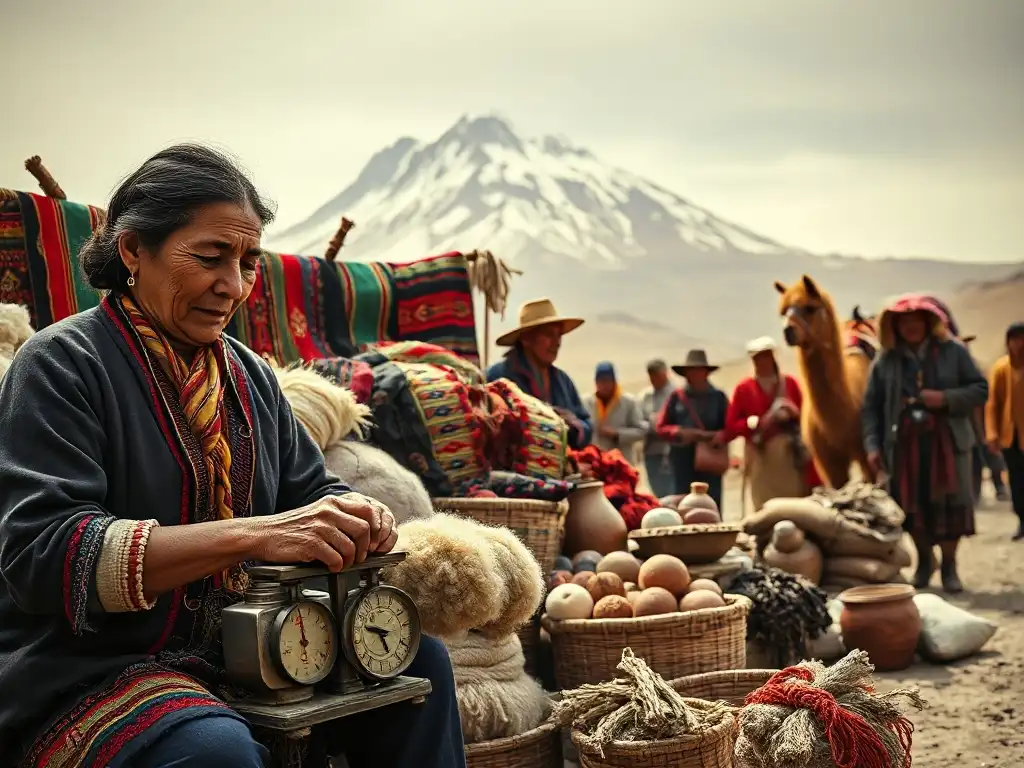
This section delves into specific examples of how trade influenced social mobility and economic power within different Andean cultures. We will examine the Moche, Tiahuanaco, and Inca civilizations, highlighting the unique ways in which commerce shaped their social hierarchies. The impact of Andean trade on social mobility is a complex subject, and these case studies offer valuable insights into this multifaceted relationship.
The Moche and Their Coastal Trade Impact
The Moche civilization (c. 100 – 800 CE), flourishing along the arid northern coast of Peru, developed a sophisticated system of maritime trade. Their mastery of ocean navigation allowed them to control vital trade routes, connecting them to distant communities and creating significant economic opportunities. This control wasn't merely about access to resources; it directly impacted social mobility. Evidence suggests that successful merchants and maritime specialists gained considerable wealth and prestige, moving up the social ladder.
The Moche elite, often depicted in elaborate ceramics and monumental architecture, likely accumulated their power and influence through control of trade networks. The discovery of lavish tombs containing exotic goods – such as spondylus shells from Ecuador and obsidian from the Andes – supports the idea that access to and control over long-distance trade routes were crucial for accumulating wealth and maintaining high social status. Moreover, the intricate organization required for such extensive trade likely led to the rise of specialized roles and administrative positions, offering avenues for social advancement beyond traditional agricultural-based hierarchies.
The social mobility within the Moche wasn't necessarily open to all, but maritime trade undeniably offered pathways to upward mobility for some. Further research into Moche economic records (if any survive) could offer even clearer insights into the precise mechanisms of this social change.
The Tiahuanaco and Their Control of Highland Trade
The Tiahuanaco civilization (c. 500 – 1000 CE), located on the Altiplano of the Andes, dominated a vast highland region. Their influence extended through a sophisticated control of trade networks, primarily focused on the exchange of essential resources like llama wool, quinoa, and metals. This control, unlike the Moche's coastal focus, was more centrally managed. The Tiahuanaco state likely used its control over trade routes to consolidate power and maintain social order.
The economic power wielded by the Tiahuanaco elite is evident in their monumental architecture, such as the iconic Akapana pyramid. This construction required massive labor mobilization and the accumulation of significant resources, both directly linked to their control of trade. While detailed information on social mobility within Tiahuanaco society remains limited, it's highly probable that those involved in the administration and management of trade networks, including officials and specialized artisans, enjoyed higher social standing and access to resources.
The distribution of goods and the management of trade likely served as a primary mechanism for social control and the reinforcement of existing power structures. Further archaeological investigations, specifically focused on settlements outside the Tiahuanaco core, could reveal more about the relationship between trade and social mobility in outlying communities.
The Inca Empire (1438 – 1533 CE) established an unparalleled level of control over Andean trade. Their vast empire, stretching along the western coast of South America, relied on an intricate system of roads, warehouses ( qollqas), and relay runners to manage the efficient movement of goods. This system was not merely economic; it was a powerful tool for social control and, paradoxically, both limited and facilitated social mobility.
The Inca state heavily regulated trade, employing a system of tribute and redistribution that ensured resources flowed towards the imperial center. This centralized system limited opportunities for independent merchant classes to accumulate significant wealth and power, thereby restricting social mobility in some respects. However, participation in the state-controlled trade system – serving as runners, administrators, or artisans producing goods for the empire – provided avenues for social advancement, especially for individuals from lower social strata.
The Inca system offered structured pathways for mobility within the established hierarchy, rewarding loyalty and efficiency with access to resources and higher social standing. This contrasts sharply with the more decentralized nature of trade in earlier Andean societies.
The Inca's system, while limiting individual entrepreneurialism, provided a clear, albeit controlled, path to social mobility within the framework of their vast empire. The meticulous records kept by the Inca, unfortunately largely destroyed during the Spanish conquest, could have provided invaluable insight into the precise mechanics of this system.
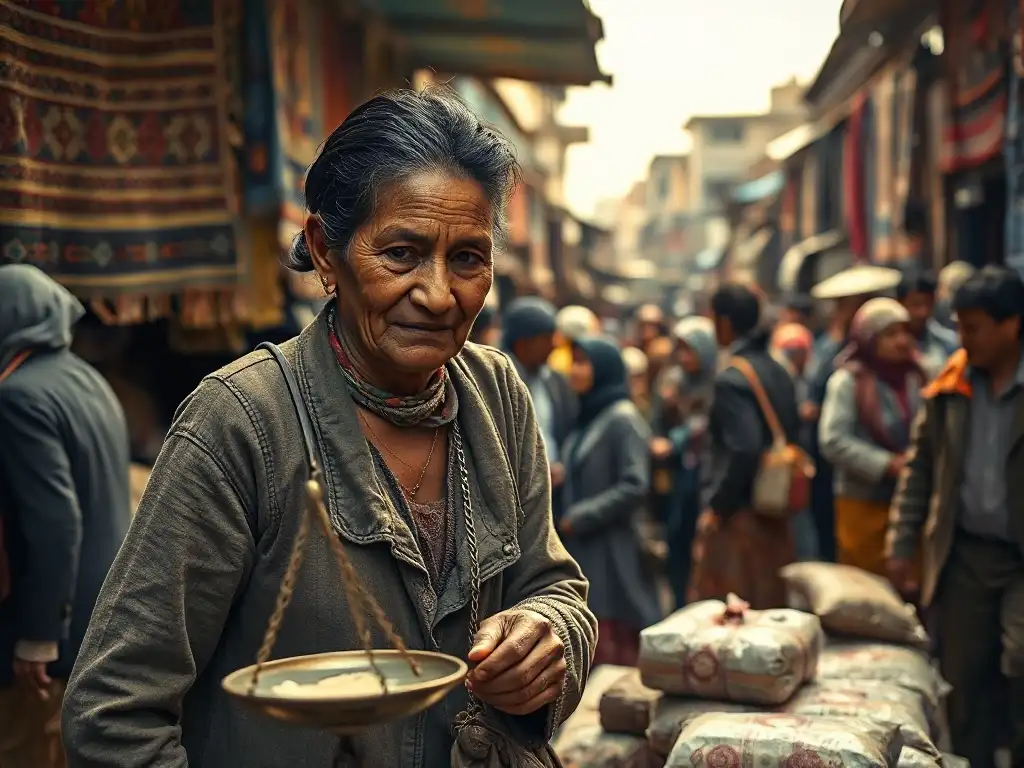
While Andean trade undeniably contributed to the accumulation of wealth and influence, it's crucial to understand that social mobility, even for successful merchants, wasn't limitless. The narrative of "rags to riches" through trade alone needs careful qualification within the complex social structures of Andean civilizations. The impact of Andean trade on social mobility was significant, but it wasn't a guarantee of upward movement for everyone involved.
Access to trade networks, the type of goods traded, and existing social hierarchies all played crucial roles in determining individual success and social standing. The belief that economic success automatically translated into social elevation overlooks the inherent limitations imposed by pre-existing power structures.
Several significant barriers hindered social advancement solely through trade. Firstly, access to capital and resources was often determined by birthright. Members of elite families, even if not actively involved in trade themselves, often controlled land, labor, and access to crucial trade routes, giving them a considerable advantage. This created a system where even successful traders often found themselves beholden to powerful families, limiting their social ascension.
Secondly, the nature of the goods traded also impacted social mobility. While controlling the trade of luxury goods like textiles, gold, or precious stones could lead to significant wealth, trading more common goods, even with high volume, often yielded less social prestige. This meant that even highly successful merchants of everyday necessities might struggle to transcend their original social standing.
Finally, the inherent risks associated with long-distance trade, including piracy, political instability, and natural disasters, could quickly erase years of accumulated wealth and social progress. A single catastrophic event could plunge a formerly successful trader back into poverty, highlighting the precarious nature of trade-based social mobility. The Andean trade system, while lucrative for some, was not a foolproof path to upward mobility for the majority.
The Persistence of Hereditary Class Structures
Despite the opportunities presented by trade, hereditary class structures remained remarkably resilient in Andean societies. Lineage and ancestry often trumped economic achievements in determining social status. Elite families, often linked to religious or political authority, maintained their power and influence through kinship networks and control over resources, even as new wealth was generated through trade.
The concept of ayllu, the kinship-based community system, further reinforced this hereditary structure. Membership in a specific ayllu dictated access to land, resources, and social roles, largely irrespective of individual economic success outside the traditional framework. Even the wealthiest traders often found their social standing constrained by their ayllu membership and its associated social hierarchy. This makes it clear that the impact of Andean trade on social mobility was often overshadowed by the persistence of deeply rooted hereditary systems. The accumulation of wealth through trade did not automatically translate into a complete dismantling of existing social structures.
Religious and political elites played a significant role in shaping social stratification, often using their authority to maintain existing hierarchies and limit social mobility. Control over religious institutions and access to sacred sites granted significant power, which could be used to reinforce social inequalities. The Inca empire, for example, used a complex system of tribute and labor obligations to maintain its control and ensure the continued dominance of the ruling class.
Furthermore, political alliances and patronage networks often dictated access to trade routes and resources. Favoring certain families or groups through political connections could significantly impact their economic success and social standing, further solidifying existing power structures. The interplay between religious beliefs, political authority, and economic power created a complex web of relationships, where social mobility was often less a matter of individual achievement and more a product of existing power dynamics.
The impact of Andean trade on social mobility, therefore, needs to be analyzed within this broader context of political and religious control. The system was not purely meritocratic; access to resources and opportunities was often predetermined by factors beyond individual economic success.
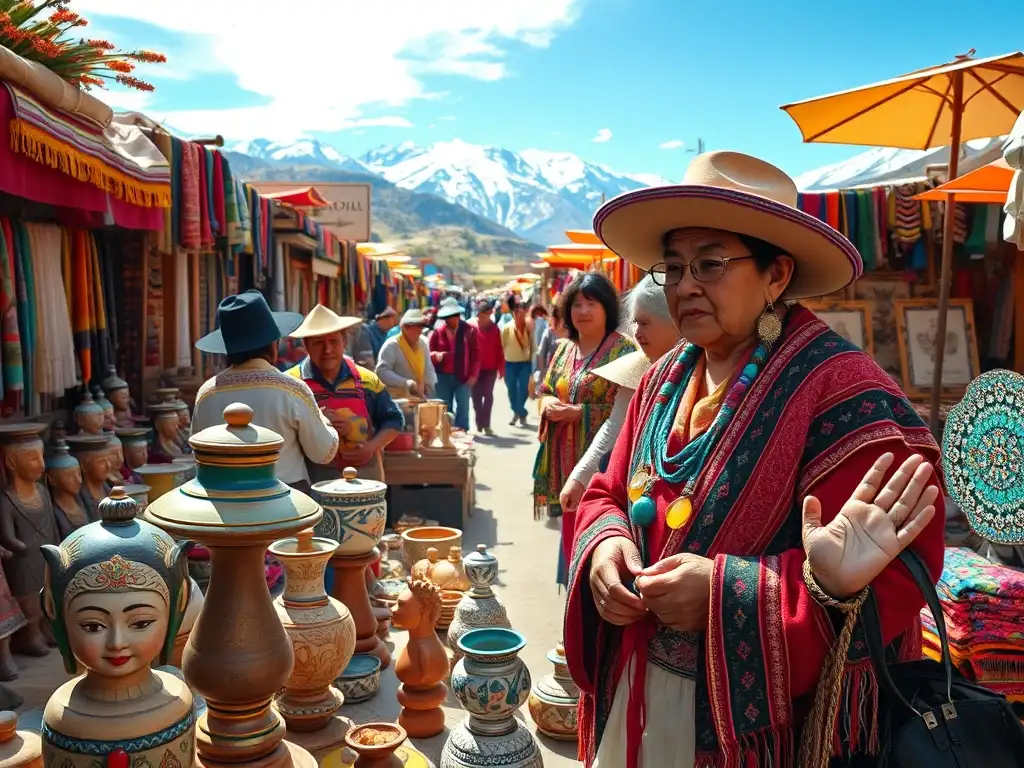
The impact of Andean trade on social mobility wasn't a fleeting phenomenon; its consequences resonated across generations, shaping the very fabric of Andean societies long after the initial exchanges occurred. Analyzing the enduring legacy requires examining the intricate interplay between economic activity, political power, and social stratification.
The extensive trade networks, particularly those of the Inca Empire, didn't simply facilitate the exchange of goods; they fundamentally restructured social hierarchies and influenced the development of subsequent cultures. The wealth generated through trade fueled the growth of powerful elites, while simultaneously creating opportunities for social advancement for some, albeit often limited and unevenly distributed.
Legacy of Trade Networks and Their Influence on Later Societies
The sophisticated trade networks established by Andean civilizations, such as the Inca qhapaq ñan road system, left an indelible mark on subsequent societies. These networks provided the infrastructure and precedent for future economic interactions. Even after the decline of powerful empires like the Inca, the established routes and trading practices continued to influence regional economies and social structures. For example, the knowledge and skills related to llama herding and textile production, crucial components of Andean trade, were passed down through generations, maintaining economic continuity and influencing social roles within communities. This continuity demonstrates that the impact of Andean trade extended beyond the lifespan of individual empires, embedding itself in the cultural and economic DNA of the region. The influence of these established trade routes is still visible today in the distribution of certain goods and the economic activities of communities in the Andes. [Specific examples of continued trade practices pending]
Andean trade significantly impacted social hierarchies, creating both avenues for upward mobility and reinforcing existing inequalities. While access to trade routes and resources often benefitted the elite, skilled artisans, merchants, and even successful farmers could accumulate wealth and elevate their social standing. The production and control of valuable goods like textiles, ceramics, and metals directly correlated with social status. Master artisans, for instance, often held positions of considerable prestige and influence within their communities.
However, the system wasn't meritocratic. Access to capital and resources remained unevenly distributed, often favoring those already holding positions of power. This resulted in a complex social landscape where upward mobility was possible but ultimately constrained by existing power structures. The system's inherent inequalities are evident in the archaeological record, showing a clear disparity in the quality and quantity of goods found in elite versus commoner burials.
Further Exploration: The Role of Llamas in Andean Trade and Social Mobility
The llama played a pivotal role in Andean trade, acting as both a pack animal and a source of valuable resources (wool, meat). Control over llama herds directly influenced economic power and, consequently, social standing. Wealthy individuals and elites often possessed large herds, reinforcing their social dominance. However, llama herding also represented a potential pathway to social mobility for skilled herders who could accumulate significant wealth through trade. [Specific data on llama herd size and social status correlation pending]
The relationship between trade, power, and social change in the Andes was profoundly dynamic and complex. Control over trade routes and resources was inextricably linked to political power. Empires like the Inca used their control over trade to consolidate their authority, extracting tribute and resources from conquered territories.
This control allowed them to maintain their dominance and further solidify social hierarchies. Conversely, disruptions to trade networks, such as warfare or environmental disasters, often resulted in social upheaval and shifts in power dynamics. The collapse of empires, for example, frequently led to the decentralization of power and the emergence of new social hierarchies based on altered economic realities.
Analyzing the archaeological evidence, such as changes in settlement patterns and material culture following periods of political instability, provides valuable insights into these complex interactions. The enduring legacy of Andean trade underscores the profound and multifaceted ways in which economic activity shaped social structures and political landscapes across the Andes. The interplay of these factors continues to be a significant area of study for understanding the rise and fall of Andean civilizations.
This section synthesizes the intricate relationship between Andean trade networks and social mobility, demonstrating how economic activity significantly shaped social hierarchies across various Andean civilizations. While access to and control over trade routes undeniably fueled the rise of powerful elites, the impact wasn't uniformly positive for all social strata.
The nuance lies in understanding the varying degrees of access and the mechanisms through which trade influenced social advancement. Analyzing specific case studies, like the Moche's coastal trade or the Inca's vast qhapaq ñan (Inca Road) system, reveals a complex interplay of factors influencing social mobility, extending beyond simple economic determinism.
Our exploration reveals that Andean trade impacted social mobility in multifaceted ways. While participation in trade certainly offered opportunities for upward mobility—artisans specializing in high-demand goods, for example, could accumulate wealth and prestige—access to these opportunities was unevenly distributed. Elite control over resources, including trade routes and access to capital, limited the potential for broader social advancement.
Consider the Inca Empire. While the mit'a system (labor tax) theoretically provided opportunities for individuals to gain experience and potentially improve their social standing through service, the system was also a tool of control reinforcing existing power structures. Similarly, the extensive Inca road network, crucial for trade, primarily benefited the imperial elite, who controlled the flow of goods and services.
The following table summarizes the key findings regarding the impact of Andean trade on social mobility:
| Andean Civilization | Trade Impact on Social Mobility | Key Factors | Limitations |
|---|---|---|---|
| Inca | Primarily benefited elite; limited opportunities for upward mobility for commoners. | Control over qhapaq ñan, mit'a system | Rigid social hierarchy; limited access to capital and resources for lower classes. |
| Moche | Coastal trade led to the enrichment of some, but social stratification remained significant. | Control of coastal resources; specialized artisan production | Inequality persisted; wealth concentration among elites. |
| Nazca | Trade in textiles and ceramics contributed to the wealth of certain communities, but not necessarily broad social mobility. | Specialized craft production; regional trade networks | Limited evidence on social mobility; regional variations in access to trade. |
| Tiahuanaco | Trade in exotic goods and agricultural products contributed to the power of the elite but its impact on broader social mobility is less clear. | Control of altiplano resources; extensive trade networks | Further research needed to fully understand social mobility dynamics. |
The evidence suggests that while trade created wealth and opportunities, its impact on social mobility was contingent on pre-existing social structures and access to resources. The uneven distribution of wealth and power significantly constrained the potential for widespread social advancement.
Andean trade wasn't merely a facilitator of economic exchange; it was a crucial mechanism for consolidating and maintaining social power. Control over trade routes, access to valuable resources, and the ability to manage large-scale trade networks were all key factors in the rise and fall of Andean empires and elites. The strategic location of cities, such as Cusco (Inca) or Chan Chan (Chimú), underscores the importance of controlling trade routes for political and economic dominance.
The accumulation of wealth through trade allowed elites to invest in monumental architecture, elaborate religious ceremonies, and the creation of powerful armies, further solidifying their control over society. The production of luxury goods, often traded over long distances, became a symbol of elite status and power, reinforcing existing social hierarchies. The control of these goods, often involving complex systems of tribute and taxation, became a central aspect of political power. The intricate networks of exchange, therefore, were not just economic systems; they were integral components of the power structures themselves.
Further research is needed to refine our understanding of the complex interplay between Andean trade and social mobility. Specifically, future studies should focus on:
- Quantitative analysis of trade data: More detailed analysis of archaeological data, including ceramic styles, metalwork, and textiles, can help quantify the volume and nature of trade across different regions and time periods. This will allow for a more precise assessment of trade's impact on different social groups.
- Interdisciplinary approaches: Combining archaeological evidence with ethnohistorical sources and anthropological insights can provide a more nuanced understanding of the social and cultural context of Andean trade.
- Comparative studies: Comparing the impact of trade on social mobility across different Andean civilizations can help identify common patterns and regional variations.
- The role of women in trade: Further investigation is needed to understand the often overlooked contributions of women to Andean trade networks and their influence on social mobility. 👩💼
By pursuing these research avenues, we can achieve a more comprehensive and nuanced understanding of the vital role Andean trade played in shaping social structures and mobility across the Andes. The impact of Andean trade on social mobility is a complex and multifaceted subject that requires continued scholarly investigation.
Frequently Asked Questions
Trade significantly impacted social mobility. Successful merchants could accumulate wealth, allowing them to climb the social ladder, gaining influence and prestige. This contrasted with traditional, inherited social structures.
What goods were most commonly traded in the Andes?
Luxury goods like textiles, gold, silver, and precious stones were highly valued and traded extensively. Essential goods such as food, ceramics, and tools also formed a vital part of the trade networks.
No, the degree of social mobility varied across different Andean civilizations. While trade offered opportunities, existing social hierarchies and political structures influenced the extent to which individuals could advance through economic success.
How did control over trade routes influence political power in the Andes?
Control of trade routes granted significant economic and political power. Groups controlling these routes could tax goods, accumulate wealth, and exert influence over surrounding regions. This often led to conflict and competition.
What is the relationship between Andean trade and the development of technology?
The need to facilitate trade spurred technological innovation. Improved transportation systems, such as roads and llama herding, were developed. Advanced technologies in textile production and metallurgy also flourished to meet trade demands.
Final Reflection: Weaving a Future from Andean Trade
The intricate tapestry of Andean trade, as explored throughout this article, is not merely a historical narrative; it's a living, breathing force shaping economic power and social mobility in the region today. The disparities highlighted—from access to resources and opportunities to the persistent legacies of colonialism—continue to resonate, demanding a critical examination of how we navigate the complexities of globalized commerce. Understanding this past is crucial to building a more equitable future.
The impact of trade on the Andean region is a deeply personal story, one woven into the very fabric of its communities. It's a story of both immense potential and profound inequality, a narrative that echoes across generations. The uneven distribution of benefits, the exploitation of resources, and the marginalization of certain groups are all persistent challenges. As Eduardo Galeano eloquently stated, The world is not divided into the rich and the poor, but into those who take and those who are taken from.
This quote serves as a stark reminder of the power dynamics at play, and the urgent need for systemic change.
The future of Andean trade, and indeed the future of social mobility within the region, rests in our hands. You have the power to engage with this information, to advocate for fair trade practices, and to support initiatives that promote economic empowerment and social justice.
Consider the choices you make as a consumer, the voices you amplify, and the actions you take to create a more equitable world. Let this exploration of Andean trade inspire you to become a part of the solution, weaving a future where the benefits of commerce are shared more justly and where social mobility is a reality for all.
Unlock Your Potential: Embrace the Power of Fair Trade!
Thank you for exploring how fair trade influences social mobility and economic empowerment. You've discovered valuable insights into building a more equitable world. Now, let's take action!
Here are some ways you can make a difference:
- Support your local community by patronizing businesses committed to fair wages and ethical sourcing.
- Share this information with friends and family to encourage conversations about the positive impact of fair trade on social mobility and economic empowerment.
- Advocate for fair trade education in your workplace or community, raising awareness of its transformative potential.
What steps will you take today to harness the power of fair trade for positive change in your life and community?