
Exploring the Diversity of Kinship Practices Across Andean Cultures

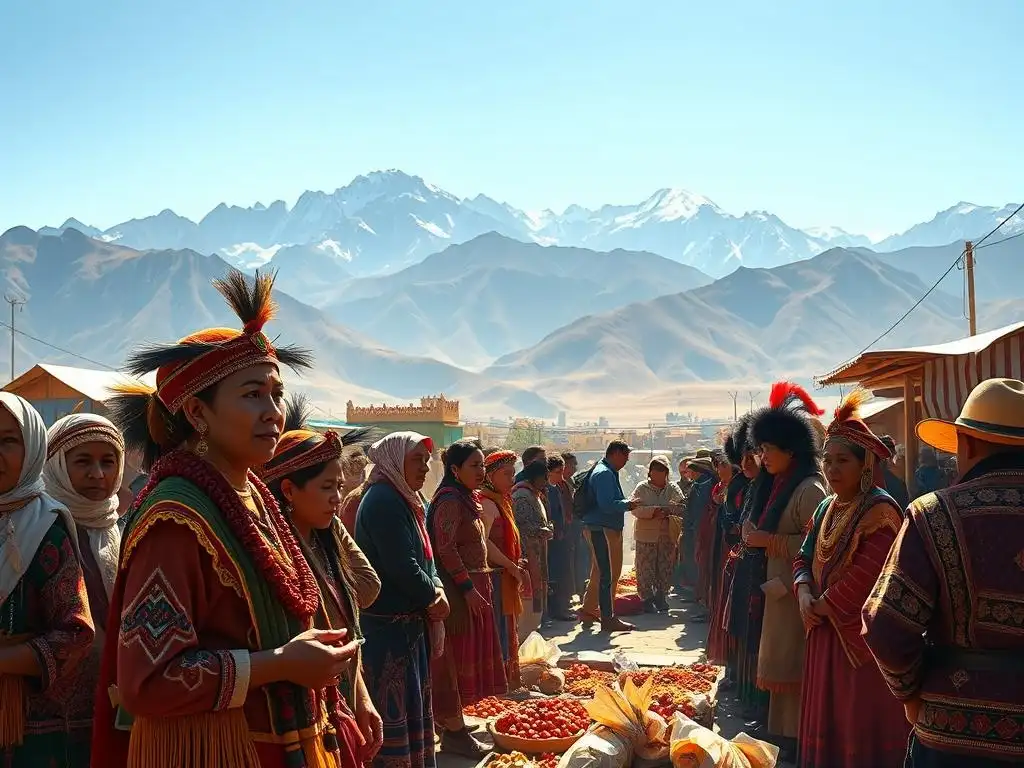
Unravel the mysteries of the Andes! Journey through millennia of vibrant cultures, from the awe-inspiring Incas to the enigmatic Nazca. But what truly bound these magnificent civilizations together? Dive into the fascinating world of Andean kinship systems comparison – a complex tapestry woven from unique family structures and social hierarchies that shaped the very fabric of Andean society. Prepare to be amazed by the unexpected connections and surprising differences that await you.
- Exploring Andean Kinship Systems: A Comparative Analysis
- Key Aspects of Andean Kinship Structures
- A Comparative Look at Andean Kinship Systems
- Specific Variations in Andean Family Structures
- Andean Kinship Systems Comparison: A Deep Dive
- The Evolution of Andean Kinship Practices
- The Relevance of Andean Kinship in Modern Times
- Conclusion: The Rich Tapestry of Andean Kinship
-
Frequently Asked Questions
- How did kinship systems differ across various Andean cultures?
- What role did kinship play in Inca society?
- How did Andean kinship systems compare to those of other ancient civilizations?
- Were there any common threads among diverse Andean kinship structures?
- What impact did Spanish colonization have on Andean kinship systems?
- Final Reflection: Weaving the Threads of Andean Kinship
- Unveil the Connections: Embrace Andean Kinship!
Exploring Andean Kinship Systems: A Comparative Analysis
The Andes Mountains, a spine of imposing peaks running down the western coast of South America, nurtured a remarkable tapestry of ancient cultures. While often grouped under the umbrella term "Andean civilizations," these societies—including the Incas, Moche, Nazca, and Tiahuanaco—exhibited significant diversity in their social structures, beliefs, and, crucially, their kinship systems. This article delves into the fascinating complexities of Andean kinship, providing a comparative analysis that highlights both the common threads and the unique variations in how these cultures understood family, lineage, and social hierarchy.
Understanding these systems is key to appreciating the nuances of Andean social organization and the ways in which kinship shaped their political, economic, and religious lives. We will explore how different Andean kinship practices reflect their unique environments, belief systems, and societal structures, ultimately offering a more comprehensive understanding of the "Andean kinship systems comparison."
Introduction to the Diversity of Andean Kinship Practices
Andean kinship systems were far from uniform. While concepts like lineage and reciprocity were common threads, their expression varied considerably across different groups and time periods. For instance, the Inca Empire, with its vast centralized power, developed a highly structured kinship system that integrated into its imperial administration.
This system emphasized the ayllu, a community-based kinship group that formed the bedrock of Inca society. Membership in the ayllu determined land access, labor obligations, and social standing. In contrast, the Moche civilization, known for its elaborate artwork depicting warfare and ritual sacrifice, likely had a more decentralized kinship structure, with less emphasis on large-scale, centralized organization.
The Nazca, famous for their geoglyphs, and the Tiahuanaco, with their monumental architecture, also possessed unique kinship arrangements reflecting their specific cultural and environmental contexts. These differences highlight the need for a nuanced approach to understanding Andean kinship, moving beyond simplistic generalizations. Understanding this diversity is crucial for a proper "Andean kinship systems comparison."
The available evidence suggests a range of kinship structures, from matrilineal systems—where descent is traced through the female line—to patrilineal systems—where descent is traced through the male line—and potentially even bilateral systems, recognizing kinship through both parents. The precise details for many cultures remain debated due to limited surviving documentation and the complexities of archaeological interpretation. Further research, including detailed analysis of archaeological findings and careful consideration of ethnohistorical accounts, is vital for a more complete picture. This ongoing process of investigation continuously refines our understanding of the intricacies of Andean kinship.
Understanding the Foundations of Andean Kinship
Several core elements underpinned Andean kinship systems, despite their variations. Reciprocity, the exchange of goods, services, and labor, was fundamental. This reciprocal system cemented social bonds and maintained social equilibrium within the ayllu and broader society. Ancestor veneration also played a vital role, with ancestors considered powerful intermediaries between the living and the supernatural world.
This reverence for ancestors influenced inheritance practices, marriage customs, and social status. Furthermore, the concept of ayni, a form of reciprocal labor exchange, was integral to many Andean societies. This system ensured the smooth functioning of communities by fostering cooperation and mutual support. The Inca, for example, formalized ayni into a system of labor obligations tied to the mita system.
The importance of land ownership and access to resources also significantly shaped Andean kinship. Land wasn't simply a commodity; it was intimately linked to identity, lineage, and social standing. Inheritance practices often determined land ownership, passing it down through generations within the ayllu. This connection between kinship and land ownership further solidified the importance of kinship ties within Andean societies.
A comprehensive "Andean kinship systems comparison" requires a deep understanding of these interconnected elements: reciprocity, ancestor veneration, ayni, and land ownership. Understanding these foundational aspects allows us to better appreciate the diversity of expression across different Andean cultures. Further research is needed to fully unravel the complexities of these interwoven systems and their influence on the overall social fabric of Andean civilizations.
Key Aspects of Andean Kinship Structures
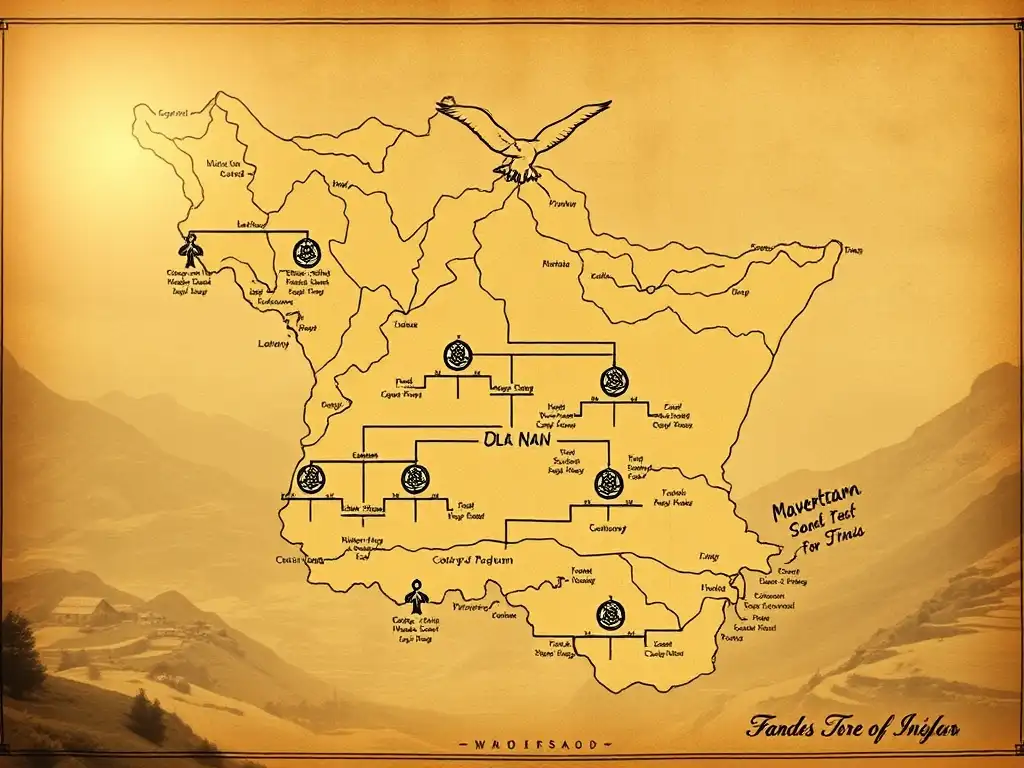
This section delves into the intricacies of kinship structures across various Andean cultures, highlighting their diversity and complexity. Understanding these systems is crucial to comprehending the social fabric of these ancient societies and how they maintained social order and power dynamics. We will explore descent systems, marriage patterns, and residence rules, comparing and contrasting practices across different Andean groups to paint a richer picture of their "Andean kinship systems comparison."
Descent Systems in Andean Societies: Tracing Ancestry
Andean societies didn't uniformly adhere to a single descent system. Instead, a fascinating array of practices existed, often blending elements of patrilineal, matrilineal, and bilateral systems. The Incas, for example, predominantly utilized a patrilineal system, tracing lineage through the father's line. This was crucial for maintaining the imperial hierarchy and succession. Royal lineage was meticulously documented, ensuring the legitimacy of the Sapa Inca's authority. However, even within the Inca empire, variations existed, particularly in rural communities where a more flexible approach to lineage might have been observed.
Conversely, some evidence suggests that certain pre-Inca societies, such as the Moche, might have incorporated matrilineal elements into their kinship systems, though the specifics remain debated among scholars. The limited textual sources and the reliance on archaeological interpretations make definitive conclusions challenging. More research is needed to clarify the exact roles and significance of women in lineage transmission within these cultures.
Further complicating the picture is the prevalence of bilateral descent in certain Andean communities, where lineage was traced through both parents equally. This system fostered a broader sense of kinship and community, potentially influencing social interactions and resource distribution.
Marriage Patterns and Alliances in the Andes
Marriage in Andean societies served not only as a union between individuals but also as a vital tool for forging political alliances and maintaining social stability. While monogamy was common among commoners, elite members of society, particularly within the Inca empire, frequently practiced polygamy, with rulers often having multiple wives. This practice solidified power and extended influence across different regions and social groups. The Inca's elaborate marriage system was instrumental in consolidating power and managing the vast empire.
Marriage alliances were strategically employed to cement relationships between different ayllus (kinship groups). These unions often involved elaborate ceremonies and gift exchanges, reinforcing social bonds and solidifying political ties. The exchange of goods, including textiles, precious metals, and livestock, symbolized the commitment and the strength of the alliance.
In essence, marriage became a powerful mechanism for social engineering, shaping the political landscape and maintaining social harmony. The precise details of marriage customs varied considerably across different Andean cultures, reflecting regional differences and unique social structures. Further research into less-studied groups is necessary to fully appreciate the range of marriage practices across the Andes.
Residence Rules and Family Structures in Andean Cultures
Residence patterns in Andean societies were equally diverse, reflecting the fluidity and adaptability of their kinship systems. The most common pattern was patrilocal residence, where newly married couples lived with or near the husband's family. This arrangement reinforced patrilineal kinship ties and facilitated the transmission of land and resources within the paternal lineage. However, matrilocal residence, where the couple resided with or near the wife's family, was not uncommon, particularly in certain pre-Inca communities. This practice likely reflected the relative status and autonomy of women within those societies.
The structure of the Andean family unit also varied. While nuclear families (parents and their children) were common, extended families, including grandparents, uncles, aunts, and cousins, often lived together, creating complex household structures. These extended family units played a crucial role in providing support, sharing resources, and contributing to the social and economic well-being of their members. The communal nature of Andean life is reflected in their family structures, emphasizing cooperation and collective responsibility.
The size and composition of households varied depending on factors such as economic resources and social status. Understanding these variations requires a nuanced approach, considering the specific context of each Andean group and its historical trajectory. More detailed studies are needed to fully grasp the diversity of residential patterns and family structures across the Andes.
A Comparative Look at Andean Kinship Systems
This section delves into the fascinating diversity of kinship systems across various Andean cultures, focusing on a comparison of Inca, Moche, and Nazca societies. Understanding these differences provides crucial insight into the complex social structures that shaped these powerful civilizations. Our analysis will leverage archaeological findings, ethnographic studies (where applicable), and historical accounts to illuminate the nuances of Andean kinship, ultimately contributing to a richer understanding of Andean kinship systems comparison.
Kinship in the Inca Empire: A Hierarchical Model
The Inca Empire, renowned for its sophisticated administrative system, mirrored this complexity in its kinship structures. The imperial kinship system was profoundly hierarchical, reflecting the vertical power structure of the state. The Sapa Inca, the emperor, occupied the apex of this social pyramid, and his lineage dictated succession and political power. Royal kinship was meticulously documented, ensuring the legitimacy and continuity of the ruling dynasty. This emphasis on lineage is clearly evident in the intricate records kept by the quipu, the knotted-cord system used for record-keeping.
The Inca kinship system extended beyond the royal family, encompassing a complex network of allegiances and obligations. Ayllus, extended family groups, formed the fundamental social unit outside the imperial court. Membership in an ayllu provided individuals with access to land, resources, and reciprocal support. However, even within the ayllu, a hierarchy existed, reflecting variations in wealth, status, and proximity to the ruling class. This hierarchical structure influenced marriage practices, with unions often arranged to consolidate power and strengthen alliances.
The Inca system prioritized patrilineal descent, meaning lineage was traced through the father's side. However, the influence of women, particularly within the royal family and the Mamaconas (female religious order), suggests a more nuanced reality. While patrilineal descent held formal precedence, the roles and influence of women within the Inca society warrant further investigation to fully understand the complexities of kinship. Further research is needed to explore the extent to which matrilineal influences impacted inheritance and social standing. [Specific information pending: further quantitative analysis of Inca archaeological records related to female roles and inheritance].
The Moche civilization, flourishing on the northern coast of Peru, exhibited a distinct kinship system characterized by clan-based social organization. Unlike the Inca's centralized, hierarchical structure, Moche kinship appears to have been more decentralized, with strong ties to ancestral lineages and territorial affiliations. Archaeological evidence, notably the elaborate tomb complexes and iconography depicting ancestral figures, points to the significance of ancestor veneration and clan identity.
The Moche society was likely structured around exogamous clans, meaning individuals married outside their own clan. This practice likely served to strengthen alliances between different groups and to maintain social cohesion. Furthermore, the elaborate Moche pottery, often depicting scenes of warfare, ritual sacrifices, and social activities, provides valuable insights into their social dynamics and kinship practices. These depictions, while sometimes symbolic and requiring interpretation, hint at a complex social order governed by a combination of kinship ties, political alliances, and religious beliefs.
Evidence from Moche burials, including the presence of grave goods and the arrangement of bodies, suggests a hierarchical structure within the clans themselves. Individuals buried with more elaborate grave goods, including gold ornaments and fine textiles, likely held higher social status within their clan. The precise mechanisms for determining social standing, however, remain a subject of ongoing research. [Specific information pending: a more detailed analysis of Moche burial sites and associated grave goods].
Nazca Kinship: Insights from Archaeological Evidence
The Nazca culture, known for its enigmatic geoglyphs and sophisticated irrigation systems, presents a more challenging case study for understanding kinship practices. Due to a relative scarcity of textual records, our understanding relies heavily on archaeological findings, particularly burial patterns and the analysis of settlement layouts.
Evidence suggests that Nazca kinship might have involved a blend of clan and lineage-based systems. The presence of large, multi-family dwellings in some Nazca settlements indicates a degree of communal living, possibly reflecting extended family units or related clans. However, the existence of separate, smaller dwellings in other settlements hints at a more dispersed social organization, possibly indicating the presence of smaller, independent family units.
Nazca burial practices offer further clues. While some burials are elaborate, suggesting a hierarchical social structure, many are relatively simple, indicating a degree of social equality. The presence of grave goods, including textiles, ceramics, and other artifacts, can provide insights into social status and kinship relations, but their interpretation requires careful consideration of cultural context.
A more comprehensive study of Nazca burial sites and associated artifacts is needed to fully unravel the complexities of their kinship system. [Specific information pending: a detailed comparative analysis of Nazca burial sites across different geographical locations]. The ongoing research into Nazca social structures promises to further illuminate their kinship patterns.
Tiahuanaco Kinship: Community and Reciprocity
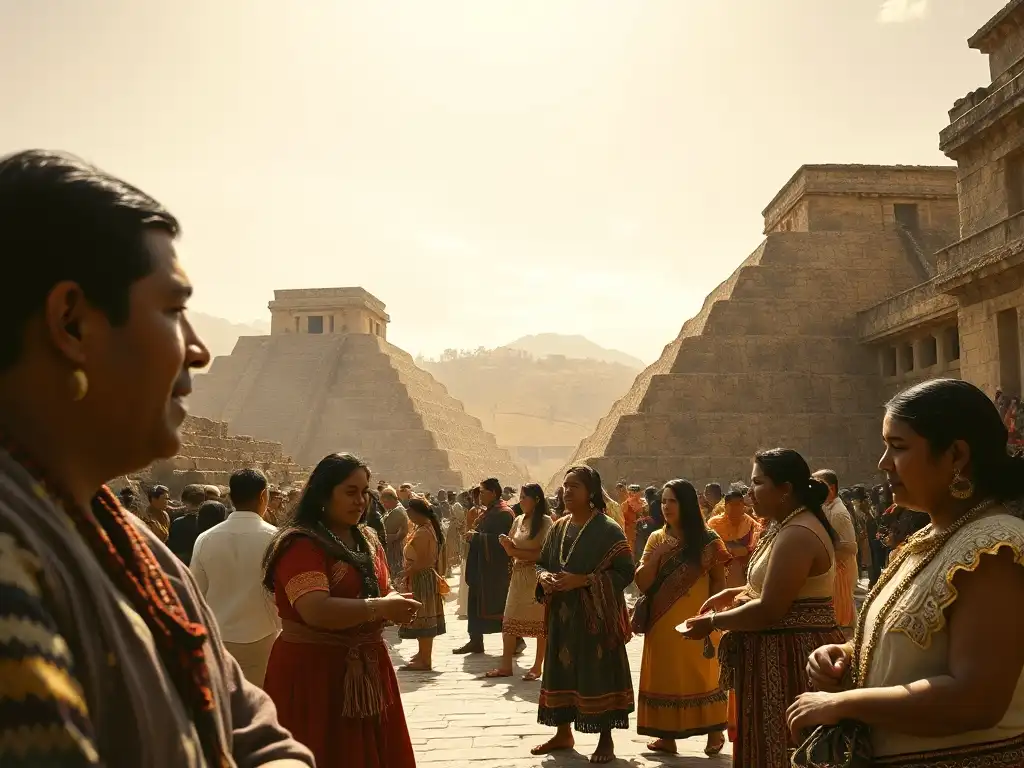
The Tiahuanaco culture, flourishing in the Andean highlands from approximately 500 CE to 1000 CE, presents a fascinating case study in Andean kinship, emphasizing the interconnectedness of family structures with broader societal organization. Unlike the more centralized Inca system, Tiahuanaco kinship appears to have been more decentralized, yet deeply rooted in principles of reciprocity and communal obligation. Archaeological evidence, while limited compared to that available for later Andean civilizations, suggests a complex system that blended lineage-based ties with broader community affiliations.
The emphasis on ayllus, or community groups, likely played a significant role in shaping kinship practices. Membership in an ayllu was not solely determined by blood relations; it also encompassed individuals bound together by shared land ownership, ritual participation, and mutual responsibilities.
This communal aspect of Tiahuanaco kinship is crucial to understanding its unique character. While family units undoubtedly existed, their significance was interwoven with the larger ayllu structure. Reciprocity, the exchange of goods, services, and labor, formed the bedrock of social interaction, both within families and across the broader community.
This system ensured the survival and prosperity of the ayllu as a whole, fostering a sense of collective identity and shared destiny. The elaborate ceremonial centers and monumental architecture of Tiahuanaco further underscore this emphasis on collective action and shared identity, suggesting that kinship extended beyond biological ties to encompass a broader web of social obligations and responsibilities. Further research into Tiahuanaco kinship structures might reveal more details on the specific roles and responsibilities of different kin groups within the ayllu, as well as the mechanisms used to regulate social relationships and resolve conflicts.
However, the available evidence strongly points towards a system where the well-being of the community was paramount, shaping the very nature of kinship itself. The intertwining of kinship and community in Tiahuanaco highlights the diverse ways in which Andean societies organized their social lives.
Inca Kinship: Hierarchy and the Royal Lineage
The Inca Empire, at its zenith, boasted a highly structured and centralized kinship system that mirrored the hierarchical organization of the state itself. The royal lineage, descended from the mythical founder Manco Cápac, held paramount importance, forming the apex of the social pyramid. Royal kinship was not merely a matter of blood relations; it was a powerful political tool, used to legitimize Inca rule and maintain social order.
The Sapa Inca, the emperor, held absolute authority, and his family members occupied key positions of power within the imperial bureaucracy. Marriage alliances between Inca royalty and the elites of conquered territories further solidified Inca control and extended their influence. This system of strategic marriages reinforced the royal lineage’s power and created a network of loyal allies across the vast empire.
Unlike many other Andean societies that placed a strong emphasis on ayllus, the Inca state prioritized the royal family and its extended kin. The Inca's system of mit'a (labor tribute) and ayni (reciprocal labor exchange) connected the empire through a system of obligation that reinforced the authority of the Inca. While communities maintained their own internal kinship structures, these were ultimately subordinate to the overarching imperial hierarchy.
This centralized system contrasted sharply with the more decentralized kinship systems of earlier Andean cultures. The Inca cleverly used kinship as a tool to manage their vast and diverse empire, ensuring the loyalty of its subjects and consolidating their power.
Detailed records kept by Spanish chroniclers after the conquest provide valuable insights into the Inca kinship system, although these accounts must be interpreted carefully, considering their colonial context. The Inca system stands as a prime example of how kinship could be instrumentalized to consolidate power and control in a large-scale empire.
Nazca Kinship: Lineages and Ancestral Veneration
The Nazca culture, known for its enigmatic geoglyphs and sophisticated irrigation systems, possessed a kinship system centered around lineage and ancestral veneration. While precise details remain elusive due to the limitations of the archaeological record, evidence suggests a strong emphasis on inherited status and lineage-based social organization. The Nazca likely organized themselves into various clans or lineages, each tracing their descent from a common ancestor.
These lineages likely played a significant role in determining social standing, access to resources, and political influence within the community. Ancestral veneration was a key component of Nazca culture, with elaborate burial practices reflecting the importance given to lineage continuity and the connection to past generations. The construction of monumental structures and the creation of elaborate grave goods suggest a strong belief in the power of ancestors to influence the living.
The Nazca kinship system, while less well-documented than that of the Inca, likely involved complex rules governing marriage and inheritance. These rules would have reinforced the social hierarchy and maintained the integrity of the various lineages.
The impressive feats of engineering and artistry evident in Nazca society suggest a high degree of social organization and cooperation, implying a robust system of social control and resource management. This would, in turn, have been strongly influenced by the kinship system, which likely regulated access to land, water, and other essential resources.
Further research into Nazca burial sites and settlement patterns may shed more light on the specific mechanisms and social structures underlying their kinship system, revealing more about the intricate relationships between lineage, power, and the spiritual world in Nazca society. The relationship between ancestral veneration and social structure in the Nazca culture provides a unique perspective on the diverse ways in which Andean peoples understood and expressed kinship.
Specific Variations in Andean Family Structures
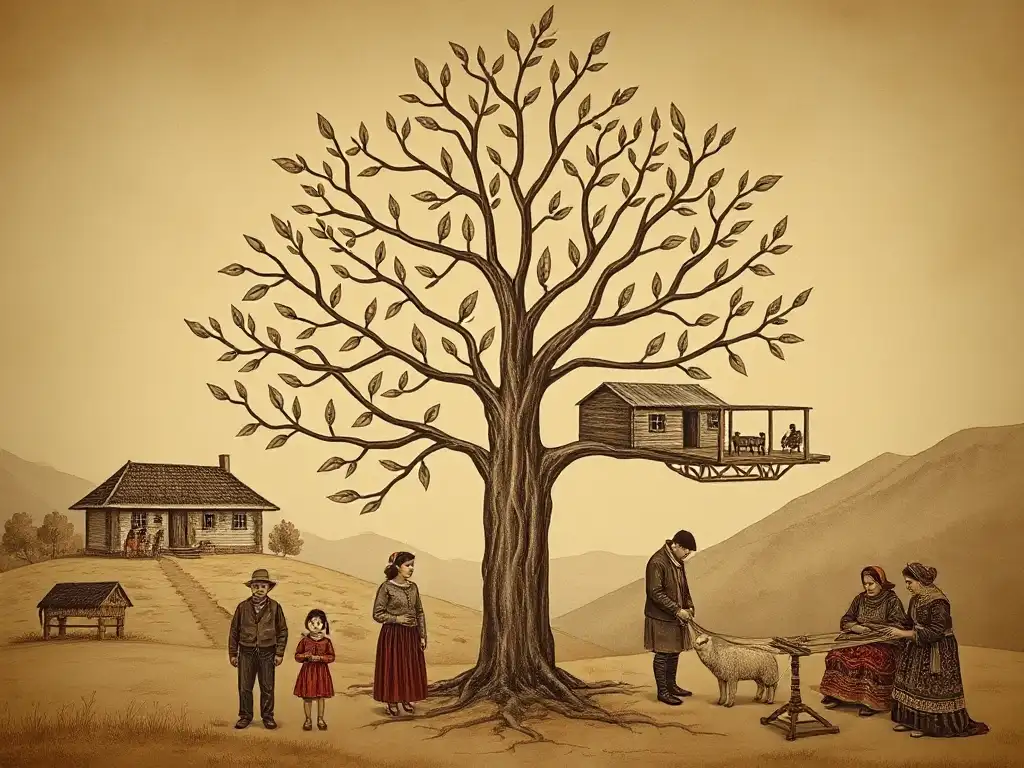
This section delves into the fascinating diversity of family structures across different Andean cultures, highlighting how kinship systems weren't monolithic but rather adapted to specific ecological and social contexts. Understanding these variations is crucial for a comprehensive analysis of Andean kinship systems comparison. While the concept of the ayllu (a community-based kinship system) serves as a common thread, its manifestation differed significantly across various groups.
We will explore these differences, revealing a complex tapestry of family organization shaped by geography, resource management, and religious beliefs. The rigid structure often perceived in popular portrayals of Andean societies gives way to a nuanced understanding of flexible and adaptable kinship practices.
The Role of Ayllus in Andean Kinship
The ayllu, a fundamental social and economic unit in many Andean societies, played a pivotal role in shaping kinship structures. It wasn't simply a blood-related family; rather, it was a complex network of individuals bound by shared ancestry, territory, and reciprocal obligations. Membership wasn't solely determined by blood ties; adoption and marriage also played significant roles in expanding the ayllu network. This system facilitated cooperation in agriculture, resource management, and defense.
The Inca Empire, for example, incorporated and adapted existing ayllu structures into its administrative system, using them as the basis for labor organization and tribute collection. However, the Inca ayllu differed from those of earlier cultures in its scale and level of state control. Pre-Inca ayllus, like those of the Wari or Tiwanaku, may have operated with greater autonomy and less centralized control.
The size and structure of the ayllu also varied geographically; those in the highlands, for instance, often differed from those in the coastal regions due to differing agricultural practices and resource availability. The crucial point is that despite variations, the ayllu provided a framework for kinship relations that extended beyond the immediate family. Understanding the ayllu is essential for any thorough Andean kinship systems comparison.
Kinship and Land Tenure in Andean Communities
Land ownership and inheritance practices were intricately linked to kinship in Andean societies. The ayllu often collectively held land, distributing it among its members according to need and social standing. Inheritance wasn't always strictly patrilineal or matrilineal; instead, many Andean communities employed a system of partible inheritance, where land was divided among heirs, often maintaining the integrity of the ayllu through this process.
This system contrasts sharply with European models of primogeniture, where a single heir inherits all land. The specifics of land tenure varied across different Andean groups. Some groups prioritized lineage-based inheritance, while others emphasized the collective ownership and redistribution of resources within the ayllu.
The implications for social stratification and power dynamics were significant. For example, access to fertile land often correlated with social status and influence within the ayllu. This interrelation between kinship, land ownership, and social hierarchy offers a key lens through which to understand the complexities of Andean social organization and provides significant data points for any Andean kinship systems comparison.
Andean Kinship and Ritual Practices
Ritual practices often reinforced and reflected existing kinship structures in Andean societies. Ancestor veneration, a common feature across Andean cultures, played a critical role in maintaining social cohesion and reinforcing kinship ties. Rituals often involved the participation of entire ayllus, strengthening communal bonds and reaffirming shared ancestry.
Marriage ceremonies, too, were deeply embedded in kinship networks, often involving elaborate rituals and exchanges that solidified alliances between ayllus or lineages. These rituals weren't merely symbolic; they served practical purposes, reinforcing social order and economic cooperation. Furthermore, religious beliefs and practices often dictated specific kinship roles and responsibilities, impacting family structures and social organization.
The complex interplay between kinship, ritual, and religion provides a rich area of study for understanding the holistic nature of Andean social life and is essential for a full Andean kinship systems comparison. Further research into specific rituals and their connection to kinship structures across various Andean groups would significantly enhance our understanding of this dynamic relationship.
Andean Kinship Systems Comparison: A Deep Dive
This section delves into a comparative analysis of Andean kinship systems, exploring the fascinating diversity of family structures and social organization across various pre-Columbian cultures. Understanding these variations provides crucial insight into the complex social fabric of the Andes, revealing both common threads and significant differences. We will focus on descent systems, marriage practices, and residence patterns, highlighting the unique adaptations shaped by diverse geographical environments and socio-economic structures. The term "Andean kinship systems comparison" itself highlights the crucial need for this type of nuanced study, allowing for a richer understanding of the region's cultural tapestry.
Comparing Descent Systems Across Different Andean Cultures
Andean societies exhibited a fascinating range of descent systems, challenging simplistic generalizations. While some groups emphasized patrilineal descent—tracing lineage through the father's line—others prioritized matrilineal descent, tracing lineage through the mother's line. Still others demonstrated complex systems combining elements of both, or even bilateral descent, where lineage is traced through both parents equally.
The Inca Empire, for instance, predominantly followed a patrilineal system, with inheritance and social standing largely determined through paternal lines. This facilitated the consolidation of power and the hierarchical structure of the empire. However, the role of women, particularly within the royal family, suggests a more nuanced reality, with female lineage holding significant symbolic and sometimes practical importance.
In contrast, some smaller, less centralized groups, particularly in the coastal regions, might have followed matrilineal or bilateral systems. The specific details of these systems for many groups remain partially unknown, due to limitations in the archaeological record and the difficulties of interpreting pre-Columbian sources. Further research is needed to fully understand the variations in descent systems across the different Andean cultures. This lack of comprehensive data highlights the ongoing need for more detailed study of Andean kinship systems comparison. More archaeological excavations and careful analysis of existing data could reveal further nuances in these fascinating systems.
Contrasting Marriage Practices in the Andean Region
Marriage practices in the Andean region displayed considerable diversity, influenced by factors such as social status, geographic location, and specific cultural traditions. While some groups practiced monogamy, others engaged in polygamy, both polygyny (one man, multiple wives) and polyandry (one woman, multiple husbands) being documented in different Andean communities.
The Inca Empire, again, exhibited a preference for monogamous marriages among the elite, reinforcing the hierarchical social structure. However, polygamy, particularly polygyny, was more common among commoners. This disparity reflects the power dynamics inherent within the Inca social system.
Other cultures, like the Moche, show evidence of complex marriage alliances used to consolidate power and forge political connections between different groups. The specifics of Moche marriage practices are still debated among scholars, with ongoing research attempting to clarify the role of marriage in their social and political organization. This underscores the importance of continued research on Andean kinship systems comparison, to better understand the nuances of these practices.
The table below summarizes some of the known variations in marriage practices:
| Culture | Predominant Marriage Type | Other Notable Practices |
|---|---|---|
| Inca | Monogamy (elite), Polygyny (commoners) | Arranged marriages, political alliances through marriage |
| Moche | [Information pending] | Evidence suggests complex marriage alliances |
| Nazca | [Information pending] | [Information pending] |
| Tiahuanaco | [Information pending] | [Information pending] |
Analyzing Variations in Residence Patterns and Family Types
Residence patterns, or where newly married couples established their households, also varied across Andean cultures. Some groups practiced patrilocal residence, where the couple lived with or near the husband's family. Others followed matrilocal residence, residing with or near the wife's family. Neolocal residence, where the couple established a separate household, was less common.
The Inca Empire, for example, largely followed a patrilocal pattern, reinforcing the importance of the paternal line in their social structure. This pattern, however, might have varied depending on social status and other factors. The archaeological evidence suggests a more complex reality than a simple generalization might imply.
Understanding the interplay between residence patterns, kinship systems, and the broader social structures requires further research. The limited data available for many Andean societies necessitates more detailed archaeological investigations and a more thorough analysis of existing ethnohistorical sources. This highlights the continuing need for a robust and comprehensive Andean kinship systems comparison across different time periods and geographical locations. The complexity of these systems demands a multi-faceted approach that incorporates diverse methodologies and perspectives. Careful consideration of the available data, along with rigorous methodological approaches, are key to advancing our understanding of these fascinating cultural variations.
The Evolution of Andean Kinship Practices
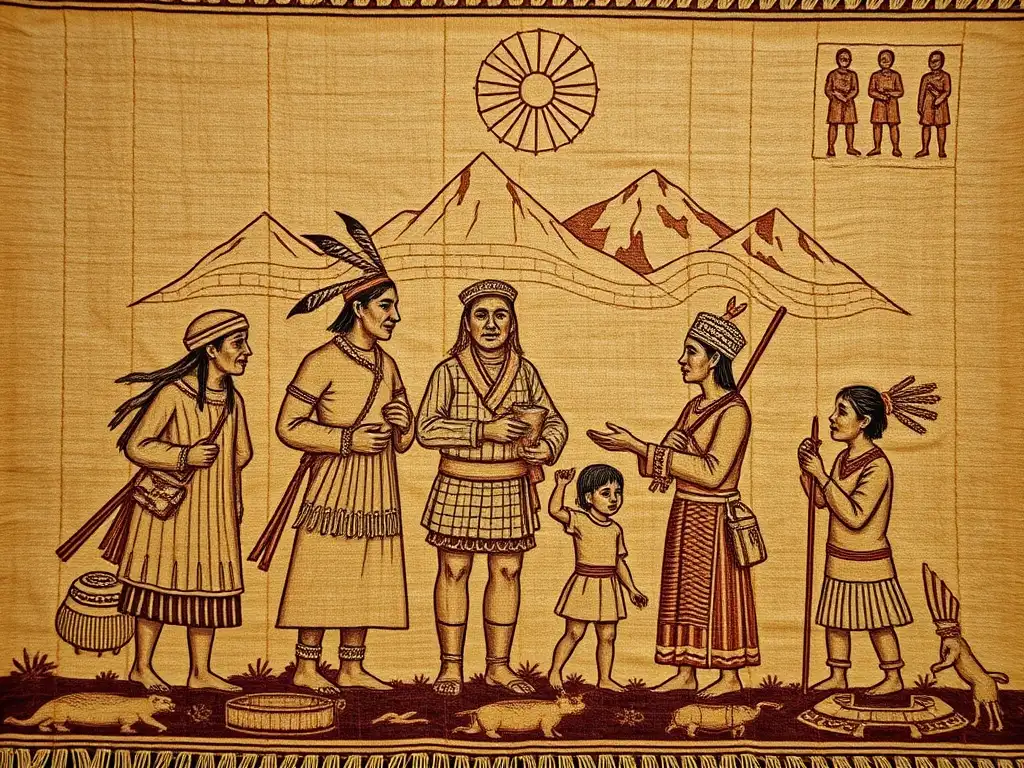
This section delves into the fascinating evolution of kinship systems across different Andean cultures, focusing on the pre-Inca era, the Inca Empire's influence, and the transformations that occurred after the Spanish conquest. Understanding these shifts provides crucial insights into the complex social fabric of Andean societies and how family structures adapted to changing political and economic landscapes. Our exploration will utilize archaeological evidence, historical accounts, and anthropological studies to offer a comprehensive comparison of Andean kinship systems.
Pre-Inca Kinship Systems: Archaeological Perspectives
Archaeological evidence suggests a remarkable diversity of kinship structures in the pre-Inca Andes. The lack of widespread written records necessitates a reliance on material culture – burial patterns, settlement layouts, and iconography – to infer kinship organization. For example, Moche funerary practices, evidenced by elaborate tombs containing multiple individuals, often with accompanying grave goods suggesting familial relationships, indicate a complex system likely involving extended family units and ancestor veneration.
These systems likely varied significantly across different regions and cultures. The Nazca culture, known for its intricate geoglyphs, shows evidence of potentially different kinship structures reflected in their settlement patterns, although further research is needed to fully understand the nuances of their social organization. Interpreting these archaeological findings requires careful consideration of multiple factors, including environmental influences and the potential for ritualistic practices to skew our understanding of everyday family life.
The challenge lies in differentiating between kinship-based groupings and other forms of social organization, such as clan or lineage structures. More research is needed to definitively compare pre-Inca kinship systems across various Andean cultures, with a focus on clarifying the role of gender and age in determining social status within these familial units. The application of advanced analytical techniques to existing archaeological data could significantly enhance our understanding of these complex social dynamics.
The Impact of the Inca Empire on Kinship Structures
The Inca Empire's expansion brought significant changes to existing Andean kinship systems. The Inca implemented a highly centralized political structure, which fundamentally altered social organization. The ayllu, a community-based kinship group, became a cornerstone of Inca administration. While pre-existing kinship ties remained important, the Inca superimposed their own system, using the ayllu to organize labor, tribute collection, and military mobilization.
This resulted in a complex interplay between traditional kinship structures and the Inca state's administrative needs. The Inca's emphasis on lineage and royal descent also played a critical role, consolidating power and legitimizing their rule. The Inca system, while utilizing existing kinship networks, fundamentally altered their function, transforming them from primarily social units into administrative tools.
This process is clearly visible in the meticulous record-keeping practices of the Inca, which documented kinship ties for purposes of taxation and labor allocation. Further research could explore the degree to which Inca policies led to the homogenization of kinship practices across the diverse regions of the empire, or if local variations persisted despite imperial control. The integration of kinship structures with state power represented a significant shift in Andean social organization.
Post-Colonial Transformations of Andean Family Life
The Spanish conquest profoundly impacted Andean family life, leading to significant transformations in kinship practices. The introduction of European patriarchal structures and the disruption of traditional social hierarchies resulted in the erosion of many pre-existing customs. The imposition of Catholicism, with its emphasis on nuclear family structures, further challenged traditional Andean kinship systems.
The encomienda system, which granted Spanish colonists control over Indigenous labor, also significantly altered family dynamics, leading to family separation and the disruption of traditional social support networks. However, Indigenous communities demonstrated remarkable resilience, adapting and modifying their kinship systems to survive within the colonial context. Elements of traditional Andean kinship practices, such as collective land ownership and mutual support within extended family networks, continued to persist, albeit in modified forms, creating a complex synthesis of Indigenous and European cultural elements.
A nuanced understanding requires analyzing how these post-colonial transformations affected different social groups within Andean communities, differentiating the experiences of those who retained greater autonomy from those who faced more direct forms of colonial oppression. A deeper investigation into the interplay between colonial policies and the persistence of Indigenous kinship practices is crucial to a comprehensive understanding of Andean family life after the conquest. The resilience of Andean kinship systems in the face of colonial pressures highlights the enduring significance of these traditional structures in the lives of Andean peoples.
The Relevance of Andean Kinship in Modern Times
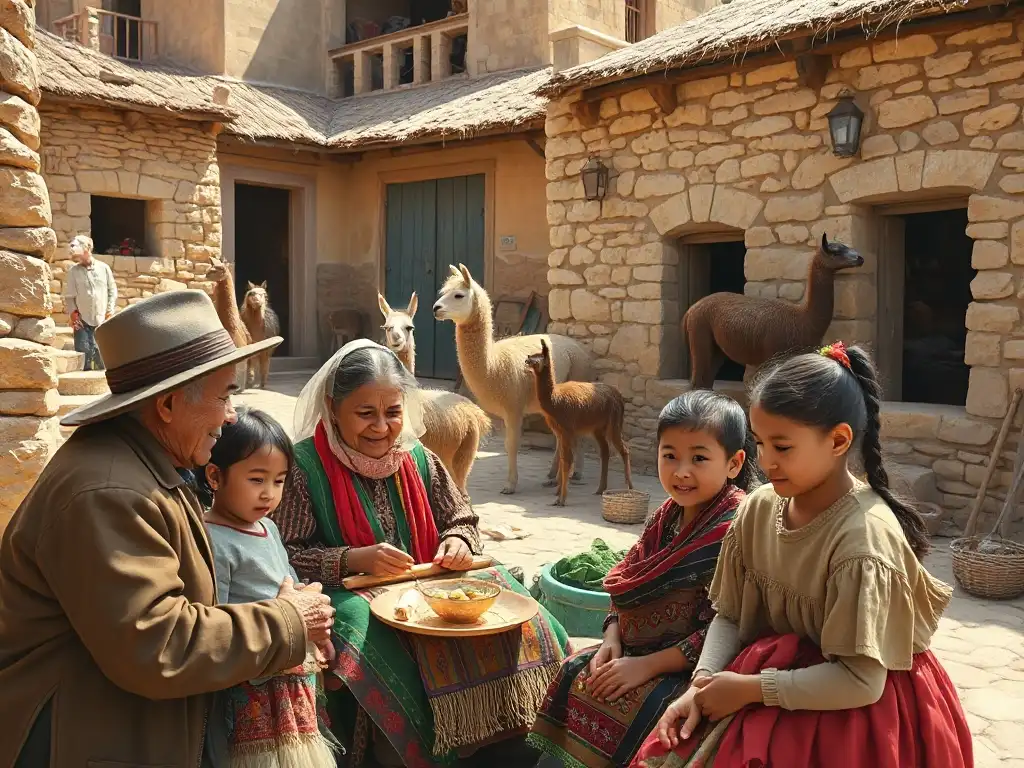
Understanding Andean kinship systems isn't merely an academic exercise; it holds significant relevance in comprehending contemporary Andean societies. The intricate web of relationships woven through generations continues to shape social structures, economic practices, and even political landscapes in the region. Analyzing these systems provides crucial insights into the enduring influence of pre-Columbian traditions on modern Andean life.
This section will explore the continued impact of these ancient kinship structures in the present day, examining how they interact with, adapt to, and sometimes even resist the forces of globalization and modernization. The enduring strength of these systems underscores their deep-rooted importance in the cultural fabric of Andean communities. A robust comparative analysis of Andean kinship across different groups reveals both remarkable similarities and striking differences, highlighting the complex interplay between tradition and change.
This analysis helps us appreciate the dynamism and resilience of Andean cultures, even in the face of global pressures. The continued relevance of studying these systems lies in their ability to illuminate the ongoing processes of cultural preservation and adaptation within contemporary Andean societies. A deeper understanding of these systems is essential for effective engagement with and support of Andean communities.
Contemporary Andean Kinship and Community
Contemporary Andean communities still largely operate within a framework heavily influenced by traditional kinship structures. While modernization has undoubtedly introduced changes, the importance of extended family networks remains paramount. These networks provide crucial support systems, particularly in rural areas where access to formal social services might be limited. For example, in many Quechua communities, cooperative labor ( ayni ) and reciprocal exchange ( minka ) are integral to daily life, relying heavily on kinship ties for organization and participation.
These practices aren't merely economic; they reinforce social bonds and reaffirm community solidarity. The concept of compadrazgo, or godparenthood, further strengthens these networks, extending kinship obligations beyond biological relationships. This system creates a complex web of reciprocal obligations and mutual support, crucial for navigating challenges and celebrating successes within the community.
Even in urban areas, where migration and economic diversification have occurred, strong familial ties often persist, providing essential social capital and emotional support. The continued relevance of ayni and minka in modern agricultural practices and community projects demonstrates the resilience of these traditional kinship-based economic systems. Studying these modern expressions of Andean kinship reveals the remarkable adaptability of these systems in the face of changing social and economic conditions.
The Endurance of Traditional Kinship Practices
Despite the pressures of globalization and modernization, many traditional Andean kinship practices persist. While the specifics vary across different ethnic groups and geographic regions, core elements remain remarkably consistent. The emphasis on lineage and ancestry, for example, continues to shape social hierarchies and access to resources in many communities. Respect for elders and the maintenance of familial obligations remain central values, reinforcing the importance of intergenerational continuity.
Traditional rituals and ceremonies, often deeply intertwined with kinship structures, continue to be practiced, preserving cultural heritage and strengthening community bonds. The transmission of knowledge, skills, and traditions often occurs within the framework of the extended family, ensuring the continuity of cultural practices across generations. Even in the face of external pressures, the resilience of these practices speaks to their enduring significance in maintaining cultural identity and social cohesion.
Furthermore, the integration of traditional practices with modern institutions and social structures demonstrates the adaptability of Andean kinship systems. The persistence of these traditions highlights their crucial role in shaping social life and cultural identity within contemporary Andean societies. Further research is needed to fully document the diversity and dynamism of these practices across different Andean communities.
Andean Kinship and Cultural Identity
Andean kinship systems are inextricably linked to cultural identity. The complex web of relationships, rituals, and obligations serves to define group membership, social status, and individual roles within the community. Traditional narratives, songs, and stories often center on kinship relations, transmitting cultural values and historical knowledge across generations. The maintenance of these kinship practices becomes a crucial aspect of cultural preservation, allowing communities to assert their distinct identity in the face of external influences.
The use of Quechua or Aymara languages, often embedded within kinship interactions, further reinforces cultural identity. Furthermore, traditional dress, crafts, and artistic expressions are often tied to specific kinship lineages, showcasing the deep connection between kinship and cultural heritage. The study of these systems reveals the importance of kinship in shaping and maintaining cultural identity and ensuring the continuity of Andean traditions.
By understanding the relationship between kinship and cultural identity, we can better appreciate the complex and multifaceted nature of Andean cultures. The continued strength of these traditions underscores the importance of supporting and preserving Andean cultural diversity. Further exploration of the specific ways kinship practices contribute to cultural identity is warranted.
Conclusion: The Rich Tapestry of Andean Kinship
This exploration of Andean kinship practices reveals a fascinating tapestry woven from diverse threads. Far from a monolithic system, Andean kinship structures varied significantly across different cultures and time periods, reflecting the complex interplay of geography, environment, and social organization. Understanding these nuances is crucial for a comprehensive appreciation of Andean societies and their remarkable achievements. While generalizations can be made, it's vital to remember the unique characteristics of each civilization’s family structure and kinship network.
Analyzing the variations in kinship systems offers a powerful lens through which to examine the broader social, political, and economic structures of these ancient civilizations. The diversity itself speaks volumes about the adaptability and resilience of Andean peoples in navigating the challenges of their varied environments. The "Andean kinship systems comparison" highlights both the commonalities and the striking differences, enriching our understanding of the human experience across time and space.
Understanding the Complexities of Andean Kinship Systems
The complexities of Andean kinship systems are not easily encapsulated. Simply labeling them as “patrilineal” or “matrilineal” often oversimplifies the reality. Many Andean groups exhibited features of both systems concurrently, resulting in intricate webs of obligations and allegiances. For example, inheritance practices could vary depending on the specific resource being inherited – land might follow a patrilineal pattern, while certain crafts or knowledge might be transmitted matrilineally.
This fluidity underscores the importance of considering kinship not as a static structure but as a dynamic process, constantly negotiated and renegotiated within the social context. The role of ayllu (a community-based kinship group) varied considerably across different Andean cultures. In some societies, the ayllu served as the primary unit of social organization, while in others, it played a more secondary role. Even within a single culture, the significance and structure of the ayllu could change over time in response to environmental shifts or political upheavals.
Detailed ethnographic studies, combined with archaeological evidence, are essential for unraveling these intricate kinship networks. Further complicating the picture is the influence of religious beliefs and practices on kinship relations. Ancestor veneration, for instance, often played a significant role in shaping family structures and social hierarchies. Understanding the interplay between the spiritual and the material realms is crucial for a complete understanding of Andean kinship.
A nuanced understanding of Andean kinship systems has profound implications for the broader study of Andean social structures. Kinship formed the bedrock of social organization, influencing everything from political leadership to economic production and distribution. The way kinship was structured directly impacted access to resources, social status, and political power. Analyzing kinship systems allows us to better understand the dynamics of power and authority within these societies, shedding light on how social hierarchies were formed and maintained.
For instance, the intricate network of reciprocal obligations within Andean kinship systems provided a crucial mechanism for social cohesion and cooperation, especially in challenging environments. This system of mutual support, embedded within kinship ties, contributed to the remarkable resilience of Andean communities in the face of adversity. Moreover, kinship played a vital role in shaping the political landscape. In some Andean societies, kinship ties were instrumental in establishing and legitimizing political authority.
Leaders were often chosen based on their lineage and their ability to maintain strong kinship networks. Studying these systems allows for a deeper comprehension of the interplay between kinship, social hierarchy, and political power. The impact of Spanish colonialism on Andean kinship systems remains a critical area of research, highlighting the enduring legacy of these ancient practices.
Further Research on Andean Family and Kinship
Further research on Andean family and kinship is needed to address several key gaps in our current understanding. More detailed comparative studies are necessary to fully appreciate the diversity of kinship systems across different Andean cultures and time periods. This research should incorporate a wider range of methodologies, including archaeological analysis, ethnographic studies of contemporary Andean communities, and detailed textual analysis of colonial-era documents. Specifically, more research is needed on the role of women in Andean kinship systems and the ways in which gender shaped family structures and social roles.
The impact of environmental factors on kinship practices also requires further investigation. How did changes in climate or resource availability affect kinship structures and social organization? Finally, a deeper understanding of the relationship between kinship systems and other aspects of Andean life, such as religion, economics, and warfare, is crucial for a more holistic perspective.
By addressing these research questions, we can significantly advance our understanding of these complex and fascinating societies and further refine our understanding of "Andean kinship systems comparison". The need for interdisciplinary collaboration is paramount to achieve this goal. Employing innovative research methods will provide more comprehensive and nuanced understandings of these intricate family and kinship structures.
Frequently Asked Questions
How did kinship systems differ across various Andean cultures?
Andean kinship systems were incredibly diverse. While some, like the Inca, emphasized a vertical kinship structure based on lineage and the Inca emperor, others, like the Moche, might have had more localized and flexible systems. The specific structure varied greatly depending on social organization and environment.
What role did kinship play in Inca society?
Kinship in Inca society was central to social organization and power. The Inca emperor was considered a divine ancestor, and the royal lineage formed the basis of the political hierarchy. Ayllus, or kinship groups, were essential for community organization and resource distribution.
How did Andean kinship systems compare to those of other ancient civilizations?
Compared to civilizations like ancient Rome or Greece, Andean kinship systems often placed more emphasis on collective identity and lineage rather than individual nuclear families. The concept of reciprocity and communal obligation was also far more prominent.
Were there any common threads among diverse Andean kinship structures?
Despite their diversity, many Andean kinship systems shared a focus on ancestor veneration and the importance of land ownership within kinship groups. Many also incorporated rituals and ceremonies that reinforced kinship ties and social hierarchy.
What impact did Spanish colonization have on Andean kinship systems?
Spanish colonization had a profound and destructive impact on traditional Andean kinship systems. The introduction of European legal and social structures often undermined the existing systems, leading to fragmentation and disruption of traditional communities and their kinship-based organization.
Final Reflection: Weaving the Threads of Andean Kinship
The intricate tapestry of Andean kinship systems, far from being a relic of the past, continues to shape social structures and individual identities in profoundly impactful ways today. Understanding these diverse practices is not merely an academic exercise; it's crucial for fostering respectful intercultural dialogue and building equitable relationships in a globalized world. The enduring strength of these systems challenges our Western-centric notions of family and highlights the richness of human connection.
The exploration of varied kinship structures across different Andean communities has profoundly impacted my understanding of family and belonging. It challenged my preconceived notions of what constitutes "family," revealing the incredible flexibility and adaptability of human social organization. Kinship is not simply a biological fact; it is a social construction, a dynamic process of creating and maintaining relationships.
This quote underscores the central theme of our exploration, highlighting the active role individuals play in defining their kinship networks, a process far more nuanced than simple blood ties.
Consider the implications of this exploration in your own life. How do your own understandings of family and community compare to the diverse systems we've examined? What can we learn from Andean cultures about building stronger, more inclusive communities that value diverse forms of connection? I urge you to reflect on the power of kinship, not just as a biological reality, but as a powerful social force shaping our individual lives and the collective future. Let us strive to appreciate and respect the rich diversity of human relationships, learning from the enduring wisdom of Andean traditions.
Unveil the Connections: Embrace Andean Kinship!
Thank you for exploring the rich tapestry of kinship practices within Andean cultures. You've gained valuable insights into the profound ways these communities build bonds and support each other. Let's delve deeper to further enhance your understanding and appreciation.
Here are some ways to continue your exploration:
- **Join our community! ** Connect with other enthusiasts and share your perspectives on Andean kinship. Subscribe to our newsletter for the latest discussions and discoveries.
- **Expand your knowledge! ** Explore our recommended reading list focusing on Andean cultural anthropology and kinship studies.
- **Share your insights! ** Post your thoughts and experiences related to Andean kinship on social media, using the hashtag #AndeanKinship.
Which aspect of Andean kinship resonates most with you, and how do you believe it might influence modern relationships in our increasingly interconnected world?