
Before the Inca Sun: Tracing the Diverse Tapestry of Highland Civilizations

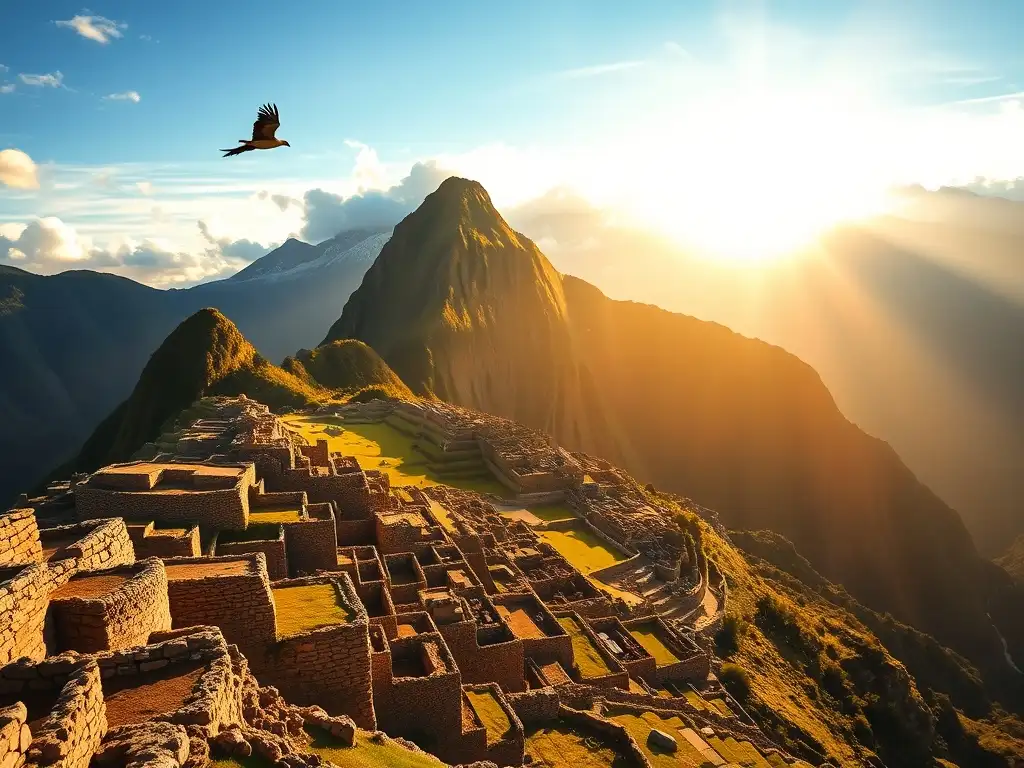
Step into a world lost to time, yet echoing with the whispers of a magnificent past. Forget everything you think you know about the Incas. This journey delves into the Ancient Andean civilizations history, revealing a breathtaking tapestry of cultures that thrived long before the Inca empire rose to power. From the intricate artistry of the Nazca to the awe-inspiring engineering of Tiahuanaco, uncover the secrets of these remarkable civilizations and prepare to be amazed. Dare to explore the vibrant legacy of the Pre-Incan cultures of the highlands... the story is far more complex than you imagine.
The Andes Mountains, a spine of towering peaks and fertile valleys stretching along the western coast of South America, cradled a remarkable succession of ancient civilizations long before the Inca Empire rose to prominence. This article delves into the fascinating history of these pre-Inca Andean societies, exploring their unique cultural expressions, technological advancements, and the complex interplay of factors that shaped their rise and fall.
Understanding these earlier cultures is crucial to grasping the full richness and complexity of the Ancient Andean civilizations history, providing a deeper appreciation for the Inca legacy and its roots in a vibrant, diverse past. We'll journey through time, examining the significant contributions of various groups, highlighting their individual achievements while acknowledging the interconnectedness that defined this dynamic region.
From the intricate Nazca lines to the sophisticated urban planning of Tiahuanaco, the pre-Inca era reveals a tapestry of ingenuity and resilience that continues to captivate and inspire.
The Rise of the Chavín Culture: A Foundation for Andean Development
The Chavín culture (900-200 BCE), flourishing in the northern Andes, represents a pivotal moment in the development of Andean civilizations. Archaeological evidence points to a sophisticated societal structure, with impressive religious centers characterized by monumental architecture and intricate carvings. The Chavín style, easily recognizable by its distinctive iconography featuring feline and serpent motifs, spread widely through the Andes, suggesting a significant level of cultural influence and possibly even a centralized religious system.
This cultural diffusion laid the groundwork for later developments, influencing artistic styles, religious beliefs, and potentially even technological innovations across a vast geographical area. The Chavín's mastery of stonework and their complex religious beliefs, reflected in their monumental structures, serve as a testament to their organizational capabilities and enduring impact on subsequent Andean societies. Detailed analysis of their artifacts continues to reveal new insights into their social organization, religious practices, and economic systems.
The Moche: Masters of Metalwork and Monumental Architecture
Emerging on the northern coast of Peru (approximately 100-800 CE), the Moche civilization excelled in various fields, showcasing remarkable skills in metalworking, pottery, and monumental architecture. Their intricate gold and silver ornaments, often depicting scenes of warfare or religious ceremonies, are renowned for their exquisite craftsmanship. The Moche also constructed massive adobe pyramids and sophisticated irrigation systems, demonstrating their advanced engineering capabilities and their ability to manage resources efficiently.
Their elaborate burial practices, including the inclusion of elaborate grave goods and human sacrifices, provide valuable insights into their social hierarchy and religious beliefs. The Moche's artistic prowess, as evidenced by their vibrant pottery depicting everyday life and mythological figures, offers a unique window into their culture and worldview. Further research continues to unearth new information about the complex social and political structures of this fascinating civilization.
Nazca and the Enigmatic Lines: A Legacy of Astronomical Knowledge?
The Nazca culture (100 BCE – 800 CE), known for its iconic geoglyphs—the Nazca Lines—remains a source of fascination and debate. These vast designs, etched into the desert surface, depict animals, plants, and geometric patterns, their purpose still under investigation. While some believe they served as astronomical markers or ritual sites, others propose different interpretations.
Regardless of their exact function, the Nazca Lines represent a remarkable feat of engineering and planning, showcasing the Nazca people's sophisticated understanding of geometry and their ability to manipulate the landscape on a massive scale. Furthermore, their intricate pottery and textiles demonstrate a high level of artistic skill and cultural complexity. Ongoing research, combining archaeological findings with advanced technologies, continues to shed light on the mysteries surrounding this remarkable civilization and its legacy.
Tiahuanaco: A Powerful City-State and its Reach
The Tiahuanaco culture (around 500-1000 CE), located on the shores of Lake Titicaca, developed a powerful city-state with a sophisticated urban planning system. Monumental architecture, including the iconic Sun Gate, showcases their mastery of stonework and their advanced understanding of engineering principles. Tiahuanaco's influence spread across a wide area, suggesting a significant level of political and economic power. The culture's distinctive artistic style, with its emphasis on stylized figures and geometric patterns, is evident in artifacts found throughout the Andes.
Detailed analysis of Tiahuanaco's urban layout, agricultural practices, and religious beliefs reveals a complex society capable of managing resources efficiently and exercising significant control over a large region. The impact of Tiahuanaco on subsequent Andean cultures, evident in their artistic styles and religious practices, is undeniable. Further research is needed to completely understand the extent of their influence and the factors that led to their eventual decline.
- The Rise of the Chavín Culture: A Foundation for Andean Development
- The Moche: Masters of Metalwork and Monumental Architecture
- Nazca and the Enigmatic Lines: A Legacy of Astronomical Knowledge?
- Tiahuanaco: A Powerful City-State and its Reach
- What were some of the major ancient Andean civilizations besides the Inca?
- How did the geography of the Andes influence the development of these civilizations?
- What were some of the key technological achievements of the ancient Andean civilizations?
- What is the significance of studying these pre-Inca civilizations?
- Where can I learn more about the "Ancient Andean civilizations history"?
Understanding Pre-Incan Andean Societies: A Journey Through Time
This section delves into the complex tapestry of Andean societies that flourished centuries before the Inca Empire's rise. Understanding these pre-Inca cultures is crucial to appreciating the full scope of Ancient Andean civilizations history. We'll explore their unique characteristics, highlighting the diverse adaptations and innovations that shaped the Andes long before the Inca sun illuminated the region.
The narrative will move beyond a simple chronological listing, emphasizing the interconnectedness and influence these societies had on one another, setting the stage for the later Inca dominance. This exploration will reveal that the Inca achievement wasn't a sudden emergence but rather the culmination of a long and rich cultural evolution.
Exploring the Roots of Ancient Andean Civilizations
The development of Ancient Andean civilizations history wasn't a linear progression. Instead, it involved a complex interplay of various factors, including environmental adaptation, technological advancements, and social organization. Early Andean societies, dating back millennia, developed sophisticated agricultural techniques to thrive in the challenging Andean environment. Terracing, irrigation systems, and the cultivation of diverse crops like potatoes and quinoa demonstrate an impressive understanding of their ecosystem. This agricultural success fueled population growth and the development of increasingly complex social structures.
The development of textiles also played a significant role. Early Andean cultures mastered weaving techniques, producing intricate textiles that served both practical and ceremonial purposes. These textiles, often made from alpaca and llama wool, became vital for clothing, trade, and ritual practices. The artistry and sophistication of these early textiles offer a glimpse into the rich cultural and symbolic world of these pre-Inca societies. The intricate designs and use of vibrant dyes showcase a high level of skill and artistic expression.
The Significance of Highland Cultures Before the Inca Empire
The influence of pre-Inca highland cultures on the later Inca Empire is undeniable. The Inca inherited and adapted many existing technologies, social structures, and religious beliefs. For instance, the Inca's mastery of road building and sophisticated agricultural techniques built upon the groundwork laid by earlier civilizations. The intricate network of roads connecting the Inca Empire facilitated trade, communication, and military control, but the foundations of such infrastructure were already present in earlier road systems developed by cultures like the Wari and Tiwanaku.
Furthermore, the Inca's administrative system, while highly centralized, incorporated elements from earlier Andean political organizations. The concept of regional governance and tribute systems, though refined and expanded by the Inca, had precedents in earlier societies. The Inca's religious beliefs also reflect a synthesis of various pre-existing Andean traditions.
The Inca pantheon included deities and rituals adapted from cultures that predated them. This demonstrates that the Inca Empire wasn't a completely unique creation but rather a culmination of a long and complex historical process, deeply rooted in the Ancient Andean civilizations history. To understand the Inca, one must first understand the rich legacy of the civilizations that came before them.
The following table summarizes some key characteristics of several important pre-Inca highland cultures, further illustrating the diverse contributions that shaped the Ancient Andean civilizations history:
| Culture | Time Period (Approximate) | Notable Achievements | Key Characteristics |
|---|---|---|---|
| Chavín | 1200-200 BCE | Elaborate temple complexes, distinctive iconography | Pan-Andean influence, religious center |
| Nazca | 100 BCE - 600 CE | Geoglyphs, advanced irrigation systems, ceramics | Expertise in irrigation, unique artistic style |
| Moche | 100-800 CE | Metalwork, monumental architecture, sophisticated art | Powerful state, advanced metallurgy, realistic art |
| Wari | 600-1000 CE | Extensive road network, urban planning, pottery | Regional power, sophisticated administrative system |
| Tiwanaku | 300-1000 CE | Monumental architecture, sophisticated agriculture | Large-scale urban planning, influence across the Andes |
Understanding the complexities of these pre-Inca cultures provides a richer and more nuanced perspective on the Ancient Andean civilizations history, revealing the depth and breadth of Andean ingenuity and resilience long before the Inca Empire. Their achievements laid the foundation for the later Inca success, demonstrating that their legacy is woven into the very fabric of Andean civilization.
Early Horizon Civilizations: Laying the Foundation
This section delves into the formative period of Andean civilization, focusing on the cultures that laid the groundwork for later empires like the Inca. Understanding these early societies is crucial to grasping the full complexity of "Ancient Andean civilizations history." We'll examine two key players: the Chavín and Paracas cultures, highlighting their unique contributions to art, religion, technology, and social structures. Their innovations significantly shaped the trajectory of subsequent Andean developments.
The Chavín Culture: Artistic and Religious Influence
The Chavín culture (c. 900-200 BCE) exerted a profound influence across the northern and central Andes, despite lacking a large, centralized empire in the traditional sense. Their power stemmed from their religious and artistic innovations, which spread through trade networks and cultural exchange. The Chavín worldview, characterized by a complex pantheon of deities and a sophisticated cosmology, permeated the region. Evidence suggests that Chavín priests and shamans played a crucial role in unifying disparate communities through shared religious beliefs and practices. This period is a critical part of the "Ancient Andean civilizations history" narrative.
Chavín de Huántar: A Center of Power and Innovation
Chavín de Huántar, located in the Callejón de Huaylas, served as a central ceremonial center. The site's impressive architecture, featuring intricate stone carvings and a labyrinthine layout, suggests a highly organized society capable of mobilizing significant labor resources. The temple complex, with its subterranean passages and carefully designed plazas, likely hosted elaborate rituals and ceremonies.
Archaeological findings, including intricately carved stone sculptures and artifacts, point to a sophisticated understanding of engineering and artistic expression. Analysis of the site's layout and the distribution of artifacts provides valuable insights into Chavín social organization and religious practices, offering a crucial window into "Ancient Andean civilizations history."
Chavín Art and Iconography: Decoding Symbolic Meanings
Chavín art is instantly recognizable for its unique style. Frequently depicting feline, serpent, and shamanistic figures, often combined into hybrid creatures, the iconography is rich in symbolism. These images, found on textiles, pottery, and stone carvings, are believed to represent deities, mythological beings, and ritual practices.
Researchers continue to debate the precise meaning of these symbols, but their widespread presence across the Andes highlights the far-reaching influence of Chavín religious beliefs. The intricate detail and stylistic consistency across different media demonstrate a high level of artistic skill and standardization, further solidifying their impact on the trajectory of "Ancient Andean civilizations history." The stylistic conventions established by the Chavín would be echoed and adapted in later Andean cultures for centuries.
The Paracas Culture: Master Weavers and Necropolis Builders
Contemporary with, and geographically distinct from, the Chavín, the Paracas culture (c. 800-200 BCE) flourished along the southern coast of Peru. Known for their exceptional textile production and elaborate burial practices, the Paracas left behind a rich archaeological record that sheds light on their unique cultural achievements. Their advanced weaving techniques and artistic designs are unparalleled in the pre-Columbian world, offering a compelling glimpse into their sophisticated understanding of technology and aesthetics. This showcases another important facet of "Ancient Andean civilizations history".
Paracas Textiles: Elaborate Designs and Techniques
Paracas textiles are renowned for their vibrant colors, intricate patterns, and masterful weaving techniques. Using a variety of fibers, including cotton and camelid wool, Paracas artisans created incredibly detailed tapestries, mantles, and burial shrouds. The complexity of their designs, often featuring anthropomorphic and zoomorphic figures, is remarkable. The use of techniques such as tapestry weaving, embroidery, and resist dyeing demonstrates a high level of technical skill and artistic sophistication. The sheer quantity and quality of surviving textiles provide invaluable insights into Paracas social organization, religious beliefs, and daily life, contributing significantly to our understanding of "Ancient Andean civilizations history."
Paracas Burial Practices: Unveiling Rituals and Beliefs
The Paracas are also famous for their elaborate burial practices. The Paracas Necropolis, containing thousands of tombs, reveals a complex funerary ritual involving the mummification of the deceased and the inclusion of numerous grave goods, including textiles, pottery, and ornaments. The careful preparation of the bodies and the lavish nature of the burials suggest a strong belief in the afterlife and the importance of honoring the ancestors.
Analysis of the grave goods and burial contexts provides valuable insights into Paracas social hierarchy, religious beliefs, and the role of death in their worldview, offering further details for the study of "Ancient Andean civilizations history." The scale and complexity of these burial sites are testament to the social and economic organization of the Paracas people.
Regional Developments in the Intermediate Period: A Mosaic of Cultures
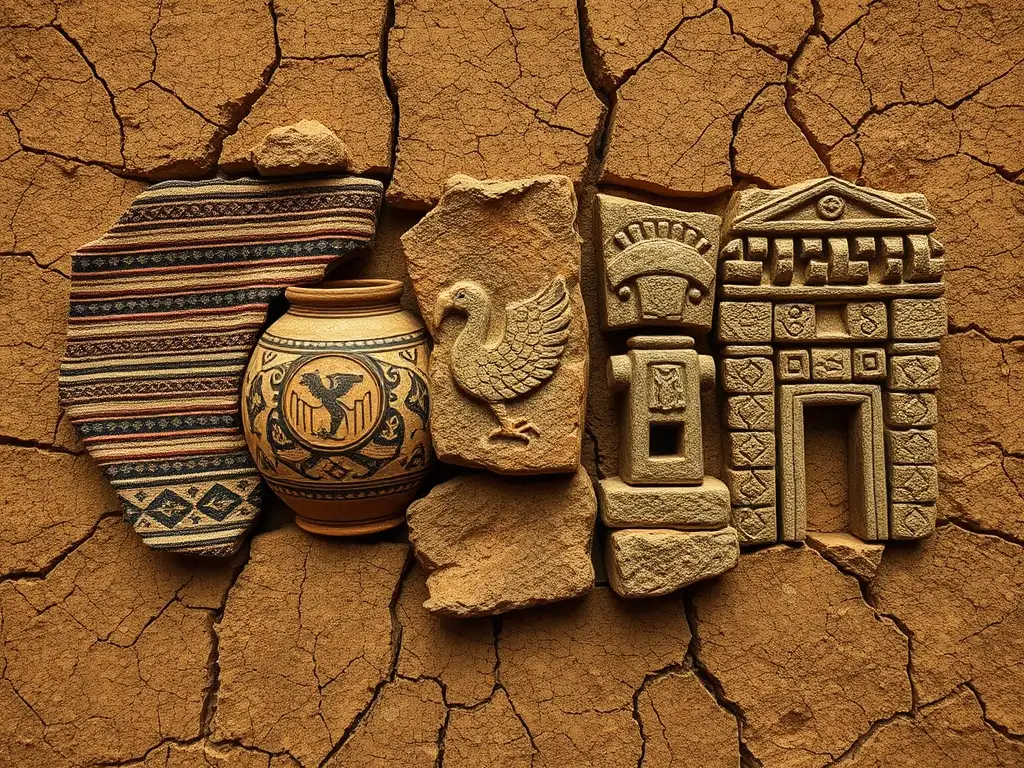
The Intermediate Period (ca. AD 500-1000) in the Andes witnessed a fascinating tapestry of regional developments, a period of significant cultural and political evolution preceding the Inca Empire. This era saw the rise and fall of powerful states, each leaving its unique mark on the landscape and shaping the trajectory of subsequent Andean civilizations.
Understanding these diverse cultures is crucial to appreciating the complex history of the region and the eventual emergence of the Inca. This period saw the flourishing of powerful entities like Tiahuanaco and Wari, whose influence radiated across vast stretches of the Andes, significantly impacting the development of "Ancient Andean civilizations history."
The Tiahuanaco Culture: Engineering Marvels and Political Organization
The Tiahuanaco culture, centered around the expansive city of Tiahuanaco (near modern-day Lake Titicaca, Bolivia), stands as a testament to the ingenuity and organizational prowess of its people. Their influence extended far beyond their immediate surroundings, impacting a wide swathe of the Andes through trade, cultural exchange, and potentially even military conquest. The sophisticated urban planning, impressive monumental architecture, and complex religious beliefs all contribute to Tiahuanaco's enduring legacy and its importance in the study of Ancient Andean civilizations history.
Tiahuanaco's Urban Planning: A Glimpse into Advanced Design
Tiahuanaco's urban planning reveals a remarkably advanced understanding of engineering and spatial organization. The city's layout, characterized by precisely aligned structures and meticulously planned streets, suggests a highly centralized administrative system. The iconic Akapana pyramid, with its intricate internal structures and sophisticated water management systems, exemplifies the culture's advanced technological capabilities.
Evidence suggests a deep understanding of astronomy, with structures potentially aligned with celestial events. This precise planning and sophisticated engineering stand in stark contrast to many contemporaneous societies, highlighting Tiahuanaco's exceptional achievements. The scale and precision of the construction also point to a highly organized workforce, capable of coordinating vast labor resources.
Tiahuanaco's Religious and Social Structures
The religious beliefs of the Tiahuanaco people are still being deciphered, but evidence suggests a complex pantheon of deities and a sophisticated cosmology. The numerous sculptures and artifacts unearthed at Tiahuanaco depict a range of figures, possibly representing deities or important figures within their society. The iconic "Gateway of the Sun," intricately carved with various figures, remains a central focus of scholarly interpretation, offering clues to their religious and social structures.
The presence of sophisticated ceremonial centers and the apparent importance of ritual practices suggest a highly stratified society, possibly with a powerful priestly class. Further research is needed to fully understand the intricate social dynamics of Tiahuanaco society and its impact on the broader "Ancient Andean civilizations history."
The Wari Empire: Expansion and Influence in the Andes
The Wari Empire (ca. AD 600-1000), centered in the Ayacucho region of Peru, represents another significant power of the Intermediate Period. Unlike Tiahuanaco, Wari was a more expansive empire, controlling a vast territory through a sophisticated administrative system and military might. Their influence extended across much of the central Andes, impacting the art, architecture, and political organization of numerous communities. Their impact on the subsequent development of Andean societies, and their role in the "Ancient Andean civilizations history," is undeniable.
Wari's Administrative and Military Strategies
The Wari Empire's success stemmed from its effective administrative and military strategies. The empire employed a decentralized administrative system, establishing regional administrative centers throughout its territory. These centers facilitated the collection of tribute, the distribution of resources, and the enforcement of Wari rule.
Military campaigns, while not always documented in detail, were undoubtedly crucial in establishing and maintaining control over such a vast area. Evidence suggests the construction of extensive road networks, likely used for both administrative and military purposes. The Wari's ability to integrate conquered populations into their system, at least to a degree, contributed to the empire’s long-term stability.
Wari's Impact on Andean Art and Architecture
Wari's artistic and architectural influence is evident throughout the central Andes. A distinctive style, characterized by geometric patterns, stylized figures, and the use of specific building techniques, spread throughout the empire's territory. This standardization of styles suggests a concerted effort to project imperial power and reinforce cultural unity.
The construction of large-scale administrative centers, often featuring monumental architecture and intricate designs, served as symbols of Wari power and authority. The Wari aesthetic, and their impact on Andean art, forms a significant component of the "Ancient Andean civilizations history," offering a window into their culture and society. The spread of Wari styles also demonstrates the far-reaching influence of their empire and its lasting impact on subsequent Andean cultures.
The Moche Culture: Ceramic Mastery and Complex Society
The Moche, flourishing along the northern coast of Peru from roughly 100 CE to 800 CE, stand as a testament to the ingenuity and complexity of pre-Columbian Andean civilizations. Their remarkable achievements are most vividly displayed in their sophisticated ceramics, but a deeper examination reveals a complex social structure and intricate religious beliefs. The Moche were not a unified empire in the same way as the Inca, but rather a collection of interconnected regional centers, each with its own ruler and distinct artistic styles, yet sharing a common cultural identity.
This decentralized political organization allowed for significant regional variations in artistic expression while maintaining a shared cultural core. The evidence suggests a highly stratified society, with a powerful elite controlling resources and religious practices. Their impressive irrigation systems, indicative of advanced engineering and societal organization, allowed them to thrive in a challenging desert environment.
These systems, often intricate networks of canals and reservoirs, provided the agricultural base for their population. The Moche's control over water resources was crucial to their power and prosperity. The careful management of water was not just a technological achievement but also a reflection of their social and political organization.
Moche Ceramics: Detailed Depictions of Life and Rituals
Moche pottery is renowned for its extraordinary realism and detail. Figurines, vessels, and other ceramic objects depict scenes of daily life, warfare, religious rituals, and mythological figures with astonishing accuracy. These weren't mere decorative pieces; they served as important tools for understanding Moche society and worldview.
The meticulous detail in the pottery allows us to reconstruct aspects of their daily lives, from food preparation and agricultural practices to elaborate ceremonies and warfare. For instance, some vessels depict scenes of surgical procedures, suggesting a level of medical knowledge far beyond what was previously assumed for pre-Columbian societies. The vibrant colors and intricate designs of Moche ceramics are a testament to their artistic skill and mastery of ceramic techniques.
Furthermore, the presence of specific motifs and iconography across different ceramic pieces helps scholars identify patterns and themes within their culture and religious beliefs. The study of Moche ceramics continues to reveal new insights into their society, offering a window into their daily lives, rituals, and beliefs.
Moche Social Hierarchy and Governance
The Moche society was clearly stratified, with a powerful elite at the top, followed by priests, warriors, artisans, farmers, and commoners. Evidence from their monumental architecture, such as large pyramids and elaborate tombs, suggests a highly centralized system of control and resource management. These elite controlled the resources, and their power is reflected in the extravagant burials found in their tombs, filled with exquisite ceramics, gold ornaments, and other luxury goods.
While the exact nature of Moche governance remains a subject of ongoing research, it is clear that it was a complex system involving a hierarchy of power and authority. The elite likely controlled the agricultural production and distribution, ensuring their own privileged position within the society.
The presence of specialized artisans, whose work is evident in the sophisticated ceramics and metalwork, further demonstrates the complex social organization of the Moche. Ongoing archaeological investigations continue to provide valuable information about Moche political structures and social dynamics.
The Nazca Culture: Geoglyphs and Ritual Landscapes
The Nazca culture, flourishing on the southern coast of Peru from roughly 100 BCE to 800 CE, is best known for its enigmatic geoglyphs, vast earthworks etched into the desert surface. These colossal figures of animals, plants, and geometric shapes, visible only from the air, have captivated imaginations for centuries and continue to be a source of mystery and debate. The Nazca culture, while geographically distinct from the Moche, shared the same era and demonstrated a similar level of societal complexity.
Beyond the geoglyphs, the Nazca created a complex system of canals and aqueducts to manage scarce water resources, demonstrating their advanced engineering skills. Their sophisticated understanding of hydrology allowed them to cultivate crops in the arid coastal desert, supporting a sizable population.
The Nazca's mastery of irrigation allowed for the production of surplus food, which likely played a significant role in their social and political organization. Their religious beliefs were deeply intertwined with their relationship with the environment and the forces of nature.
Nazca Lines: Purpose and Interpretations
The purpose of the Nazca Lines remains a subject of ongoing debate among archaeologists and scholars. Some theories suggest they served as astronomical calendars, while others propose they were related to religious rituals or ceremonies. The scale of the geoglyphs, their intricate designs, and their location in a remote desert environment all contribute to the mystery surrounding their creation and purpose. The lines' creation involved removing the dark surface stones to reveal the lighter subsoil, a painstaking process requiring significant labor and organization.
This suggests a high level of social organization and a shared cultural understanding of their significance. Recent research utilizes advanced technologies such as satellite imagery and GIS mapping to better understand the extent and complexity of the Nazca Lines. Still, the precise meaning and function of these enigmatic figures remain a fascinating enigma.
Nazca Society and Agriculture
The Nazca people developed sophisticated agricultural techniques to survive in the arid desert environment. Their remarkable irrigation systems, consisting of canals and aqueducts, allowed them to cultivate crops in the otherwise barren landscape. These systems required careful planning, engineering, and community cooperation.
The Nazca's agricultural success was crucial to their survival and the development of their complex society. Evidence suggests a highly organized social structure, likely with a hierarchical system of leadership. While less is known about their political organization compared to the Moche, their mastery of irrigation and the scale of their geoglyph projects indicate a significant level of social coordination and resource management.
The Nazca's ability to thrive in a challenging environment speaks to their resilience and ingenuity, underscoring their importance in the tapestry of ancient Andean civilizations. The study of their agricultural practices, combined with the analysis of their artifacts and settlements, continues to shed light on the complexities of their culture and society.
The Legacy of Pre-Incan Highland Cultures: Paving the Way for the Incas
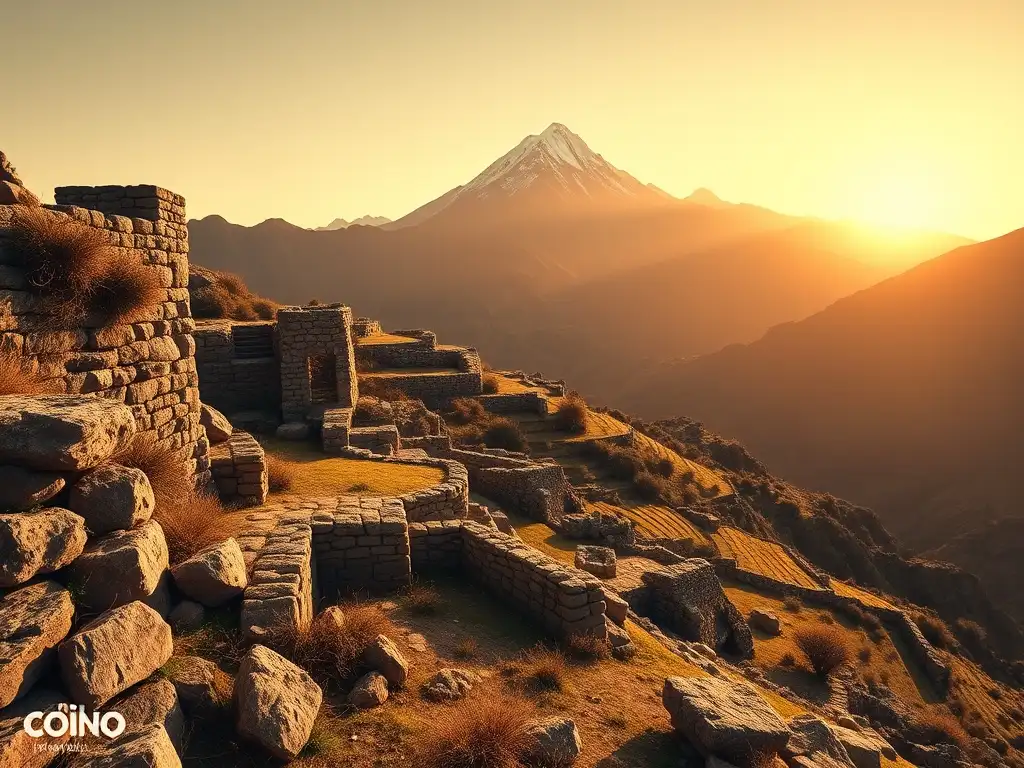
The Inca Empire, renowned for its sophisticated infrastructure and administrative prowess, didn't emerge in a vacuum. Its remarkable achievements were built upon a foundation laid by centuries of preceding Andean civilizations. Understanding the legacy of these pre-Inca highland cultures is crucial to fully appreciating the Inca's accomplishments and the rich tapestry of Ancient Andean civilizations history. These earlier societies, often overlooked in favor of the Inca narrative, developed complex agricultural systems, innovative technologies, and unique artistic expressions that profoundly influenced subsequent Andean cultures, including the Inca themselves.
The Inca Empire, in many ways, inherited and adapted the advancements of its predecessors, integrating them into their own imperial structure. This process of cultural inheritance and adaptation is a key theme in understanding the rise and fall of Andean empires. Ignoring the contributions of these earlier cultures leads to an incomplete and ultimately inaccurate understanding of the entire Andean historical trajectory.
How Pre-Incan Cultures Shaped the Inca Empire
The Inca Empire's success wasn't solely due to its military might or efficient bureaucracy. The sophisticated agricultural techniques employed by the Inca, for example, were largely refinements of methods developed over centuries by earlier cultures. The terracing techniques used to cultivate steep Andean slopes, for instance, had already been mastered by the Wari and Tiwanaku civilizations long before the Inca rose to power.
Similarly, the Inca's mastery of irrigation, crucial for their agricultural productivity, built upon pre-existing systems that had been perfected over generations. These earlier innovations provided the Inca with a solid base upon which to build their own agricultural infrastructure, allowing them to support a vastly larger population than had been possible before. Furthermore, the Inca's administrative system, while impressive in its scope, drew inspiration from earlier Andean states' organizational structures and methods of social control.
The Inca's mita system, a form of mandatory labor, echoes similar labor obligations found in earlier Andean societies. In essence, the Inca were brilliant synthesizers, adept at adapting and improving upon the achievements of their predecessors. This ability to build upon existing foundations was a key factor in their rapid expansion and the longevity of their empire.
Contributions to Andean Agriculture, Technology, and Art
Pre-Inca cultures made significant contributions across various domains, leaving an indelible mark on Andean civilization. Their agricultural innovations, such as sophisticated irrigation systems and terracing techniques, allowed for intensive cultivation in challenging mountainous terrains. The development of specialized crops like potatoes and quinoa, adapted to the high altitude conditions, was a testament to their agricultural ingenuity. Beyond agriculture, these cultures developed remarkable technological skills.
Their mastery of metallurgy, particularly in working with gold, silver, and copper, is evident in their intricate metalwork, often used in religious ceremonies and elite adornment. Their expertise in textiles is equally impressive, with finely woven fabrics using alpaca and llama wool showcasing advanced weaving techniques. The artistic achievements of these civilizations were equally significant. The monumental architecture of Tiwanaku, with its precisely cut stone blocks and intricate designs, stands as a testament to their engineering prowess and artistic vision.
The Nazca Lines, enigmatic geoglyphs etched into the desert floor, are a marvel of engineering and artistic expression, the purpose and creation of which continue to fascinate researchers. The Moche's pottery, often depicting scenes of daily life and mythology, provides invaluable insights into their culture and beliefs. These diverse contributions laid the groundwork for the Inca's later artistic and technological achievements.
Preserving the Memory of Ancient Andean Peoples
The study of Ancient Andean civilizations history relies heavily on archaeological evidence, as written records from these pre-Inca cultures are scarce. Archaeologists meticulously excavate sites, analyzing artifacts and structures to piece together the stories of these remarkable peoples. Preservation efforts are crucial to protect these invaluable sites from the ravages of time and human activity.
This involves implementing sustainable tourism practices, limiting access to fragile sites, and employing advanced conservation techniques to protect artifacts from deterioration. Furthermore, engaging local communities in the preservation process is vital. Their traditional knowledge and ancestral connection to these sites can provide invaluable insights and ensure the long-term protection of their cultural heritage.
Through careful excavation, meticulous analysis, and collaborative preservation efforts, we can continue to uncover and appreciate the rich legacies of these ancient Andean civilizations, enriching our understanding of the complex history of the Andes and the enduring impact of their contributions. The ongoing research and preservation efforts are essential to ensure that the memory of these ancient Andean peoples lives on, allowing future generations to learn from their achievements and understand the profound impact they had on the development of the Andes region.
Conclusion: Appreciating the Richness of Andean Heritage Before the Incas
The preceding sections have highlighted the remarkable diversity and sophistication of the pre-Inca Andean civilizations. From the intricate Nazca Lines and their potential astronomical significance, to the impressive architectural feats of Tiahuanaco and the advanced metalworking techniques of the Moche, a rich tapestry of cultural achievements unfolded long before the Inca Empire rose to prominence. Understanding these earlier societies is crucial not only for appreciating the full scope of Andean history but also for recognizing the complex interplay of cultural influences that shaped the Inca civilization itself.
The legacy of these pre-Inca cultures continues to resonate in contemporary Andean societies, influencing artistic expression, agricultural practices, and spiritual beliefs. Their story is a testament to human ingenuity, resilience, and the enduring power of cultural heritage. The study of Ancient Andean civilizations history reveals a vibrant and multifaceted past, far exceeding the often-simplified narratives focusing solely on the Inca.
The Importance of Studying Pre-Incan Civilizations
Studying pre-Inca civilizations offers invaluable insights into the broader development of Andean societies. It allows us to move beyond a Eurocentric perspective that often overshadows the rich indigenous histories of the region. By examining the distinct characteristics of cultures like the Moche, Nazca, and Tiahuanaco, we gain a deeper understanding of the complex social structures, political systems, and technological advancements that preceded the Inca Empire.
This knowledge helps to contextualize the Inca achievements, revealing them not as a sudden emergence but as the culmination of centuries of cultural evolution and interaction. Furthermore, understanding these earlier societies helps us appreciate the continuity and change in Andean cultural practices, illuminating the ways in which traditions were adapted, transformed, and ultimately integrated into the Inca worldview.
The study of pre-Inca civilizations is therefore essential for a more nuanced and accurate understanding of Ancient Andean civilizations history. For example, analyzing Moche irrigation systems provides valuable data for understanding sustainable water management techniques in arid environments, a knowledge relevant even today.
Continuing Research and Exploration of Andean History
Despite significant progress in archaeological research, much remains to be discovered about the pre-Inca Andean civilizations. Ongoing excavations and analyses of artifacts continue to refine our understanding of these societies, revealing new details about their daily lives, religious beliefs, and interactions with their environment. The application of advanced technologies, such as remote sensing and DNA analysis, promises to further enhance our knowledge.
Moreover, collaboration between archaeologists, anthropologists, and other specialists is crucial for a holistic approach to the study of Ancient Andean civilizations history. This interdisciplinary approach allows for a more comprehensive interpretation of archaeological findings, drawing on expertise from various fields to deepen our understanding of the past. Future research should focus on expanding our understanding of the less-studied cultures, clarifying the nature of interactions between different groups, and exploring the environmental factors that shaped the development of Andean societies.
The potential for new discoveries and insights into the rich history of the Andes remains immense, promising to further enrich our understanding of these fascinating civilizations. The ongoing exploration of these ancient cultures is not merely an academic pursuit; it is a vital contribution to the preservation and celebration of a remarkable human heritage. 🇿🇦
Frequently Asked Questions
What were some of the major ancient Andean civilizations besides the Inca?
The article highlights several, including the Moche, Nazca, and Tiahuanaco civilizations. These cultures flourished before the Inca and left behind impressive legacies in art, architecture, and technology. Each possessed unique characteristics and societal structures.
How did the geography of the Andes influence the development of these civilizations?
The challenging terrain of the Andes Mountains significantly shaped the development of Andean societies. Agricultural innovation, such as terracing, was crucial for survival in diverse environments. The geography also influenced trade routes and political organization.
What were some of the key technological achievements of the ancient Andean civilizations?
These civilizations were remarkably innovative. They developed advanced techniques in irrigation, metallurgy (especially gold and silver work), and textile production. Their engineering skills are evident in their impressive road systems and monumental architecture.
What is the significance of studying these pre-Inca civilizations?
Understanding these civilizations provides a broader perspective on Andean history. Studying them helps avoid a Eurocentric view, revealing the complexity and diversity of the region's past before the Inca Empire's rise. It reveals independent cultural trajectories and innovations.
Where can I learn more about the "Ancient Andean civilizations history"?
This article, "Before the Inca Sun: Tracing the Diverse Tapestry of Highland Civilizations," offers a starting point. Further research can be conducted through academic journals, books, and museum exhibits focusing on pre-Columbian Andean cultures. You can also explore reputable online resources dedicated to Andean archaeology.
Final Reflection: Echoes of the Andes: A Legacy Woven in Time
The vibrant tapestry of pre-Inca Andean civilizations continues to resonate today, reminding us of the remarkable ingenuity and resilience of human societies. Their sophisticated agricultural techniques, intricate social structures, and awe-inspiring architectural achievements offer invaluable lessons in adaptation, innovation, and the enduring power of cultural identity in the face of adversity. These weren't simply isolated communities; they were interconnected threads in a rich and complex history, far more nuanced than often portrayed.
The enduring legacy of these civilizations is not merely confined to archaeological sites; it permeates the cultural landscape of the Andes, influencing everything from artistic expression to contemporary social structures. The echoes of their beliefs, practices, and technologies are still heard in the vibrant traditions of modern Andean communities. The past is never dead. It's not even past.
– William Faulkner. This quote perfectly encapsulates the ongoing relevance of understanding these ancient societies, as their influence continues to shape the present. Their stories remind us of the importance of preserving cultural heritage and recognizing the diverse contributions that have shaped our world.
Consider the ingenuity of their terrace farming, the intricate symbolism woven into their textiles, or the sheer scale of their monumental constructions. These achievements were not born of chance but of careful planning, collaborative effort, and a deep understanding of their environment. You, the reader, are now part of this ongoing conversation. Take a moment to reflect on the connections between these ancient societies and your own life, and consider how their stories can inspire us to build a more sustainable and equitable future, one that honors the rich tapestry of human experience across time and cultures.
Unveil the Secrets of Highland Civilizations!
Thank you for exploring the fascinating world of Andean civilizations! You've gained valuable insights into the rich tapestry of cultures that thrived before the Inca Empire. Now, let's put that knowledge to good use!
- Visit local museums and cultural centers to experience Andean history and artifacts firsthand.
- Share your discoveries with friends and family; discussing your insights can spark engaging conversations and further exploration.
- Support organizations dedicated to preserving Andean heritage and promoting education through volunteering or donations.
What aspect of these remarkable civilizations captivates you most, and how will you continue to learn about it? We are eager to hear your thoughts!