
The Decline of the Moche: Unraveling the Causes of Collapse

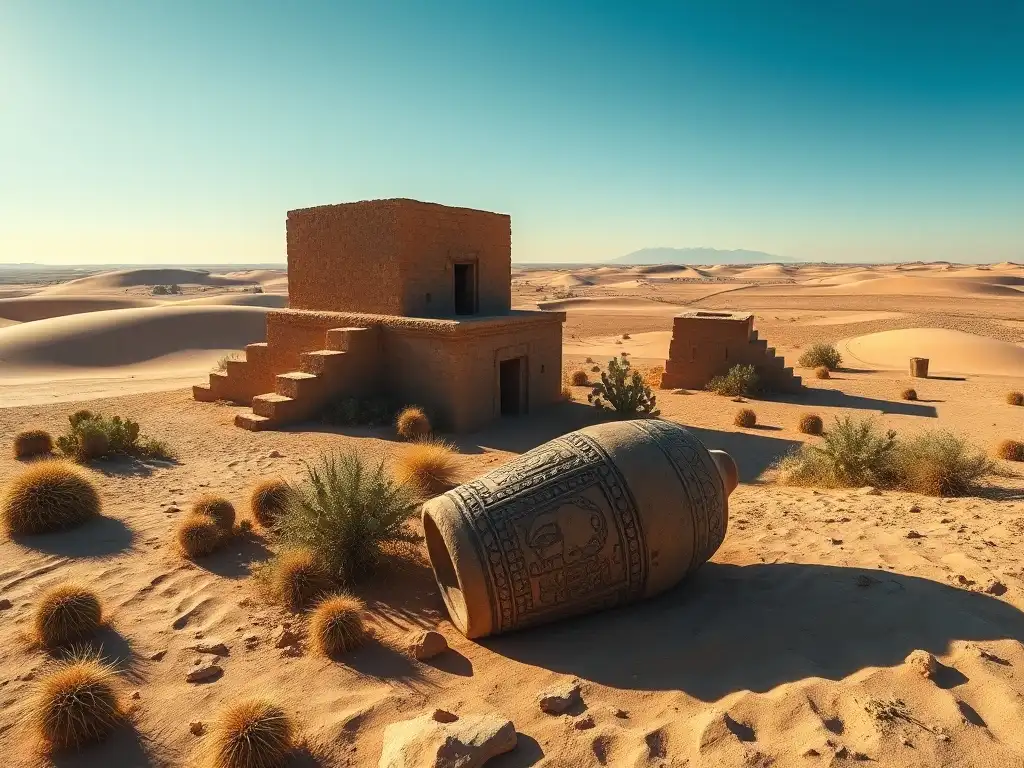
Step into a world lost to time, a realm of breathtaking artistry and intricate engineering. The Andean Civilizations website unveils the mysteries of South America's ancient empires, from the towering achievements of the Incas to the enigmatic artistry of the Nazca. But what secrets lie buried beneath the sands of the Moche? Prepare to be captivated as we delve into the Moche civilization collapse causes, a puzzle that continues to challenge historians and archaeologists alike. Uncover the clues and unravel the truth – your journey into the heart of this fascinating civilization begins now.
The Moche civilization, flourishing along the northern coast of Peru from approximately 100 CE to 800 CE, left behind a remarkable legacy of intricate artistry, sophisticated irrigation systems, and monumental architecture. Their iconic pottery, depicting vibrant scenes of daily life, warfare, and religious rituals, continues to captivate archaeologists and historians alike. However, the sudden and dramatic collapse of this powerful civilization remains a subject of intense debate and ongoing research.
This article delves into the multifaceted factors that likely contributed to the Moche's demise, exploring environmental challenges, internal conflicts, and potential external pressures that ultimately led to the civilization's downfall. Understanding the Moche civilization collapse causes provides invaluable insights into the complexities of societal resilience and vulnerability, offering lessons that remain relevant in our modern world.
We will examine various theories, weighing the evidence and considering the interconnectivity of the factors involved in this fascinating historical puzzle. Prepare to journey back in time and uncover the mysteries surrounding the end of this remarkable Andean culture.
Understanding the Moche Civilization's Demise: An Introduction
The collapse of the Moche civilization wasn't a singular event, but rather a process spanning several decades, perhaps even a century. It wasn't a simple case of conquest or a single catastrophic event, but a complex interplay of factors that weakened the society, making it increasingly vulnerable. Archaeological evidence suggests a gradual decline, marked by changes in settlement patterns, agricultural practices, and political structures.
The precise timeline and the relative importance of each contributing factor remain areas of active research and scholarly discussion. However, several compelling hypotheses have emerged, which we will explore in detail, focusing on the interplay between environmental pressures, social unrest, and potential external influences. The story of the Moche collapse is a cautionary tale about the delicate balance between a society and its environment, and the importance of adaptive strategies in the face of adversity.
The Moche Culture: A Brief Overview Before the Fall
Before exploring the reasons for their decline, it's crucial to understand the Moche civilization's strengths and characteristics. The Moche were masters of irrigation, developing sophisticated canal systems that allowed them to cultivate fertile land in an otherwise arid coastal desert. Their economy was based on agriculture, fishing, and the production of high-quality craft goods, particularly pottery and metalwork.
They possessed a complex social hierarchy, with powerful rulers at the apex, supported by a priestly class and a large population of farmers, artisans, and laborers. Their religious beliefs were deeply intertwined with their agricultural practices, with rituals and ceremonies designed to ensure bountiful harvests. The Moche's sophisticated artistic expression, evident in their elaborately decorated pottery and monumental architecture, reflects their social complexity and advanced technological capabilities.
This advanced civilization, however, was not immune to the pressures that ultimately led to its downfall. The intricate balance that sustained their society was ultimately disrupted.
Why Study the Moche Collapse? Lessons from the Past
Studying the Moche civilization's collapse offers valuable insights into the dynamics of societal change and the factors that contribute to the rise and fall of civilizations. Understanding the interplay of environmental pressures, social inequalities, and political instability provides a historical lens through which we can analyze similar challenges faced by societies today.
The Moche’s experience serves as a powerful reminder of the importance of sustainable resource management, social equity, and adaptive governance. By analyzing their successes and failures, we can gain a deeper appreciation for the fragility of even the most advanced societies and the crucial role of resilience in the face of adversity.
The lessons learned from the Moche collapse are not confined to the past; they offer valuable insights into contemporary issues related to climate change, resource scarcity, and social inequality, highlighting the importance of understanding history to navigate the challenges of the present and future. The study of the Moche collapse is not just an academic exercise; it is a crucial endeavor with contemporary relevance.
- Understanding the Moche Civilization's Demise: An Introduction
- The Moche Culture: A Brief Overview Before the Fall
- Why Study the Moche Collapse? Lessons from the Past
- What are the primary theories surrounding the collapse of the Moche civilization?
- Did warfare contribute to the Moche's decline?
- What role did climate change play in the Moche civilization's downfall?
- How did the Moche's sophisticated irrigation system fail them?
- What evidence exists to support the various theories about the Moche collapse?
Environmental Factors Contributing to the Moche Civilization Collapse
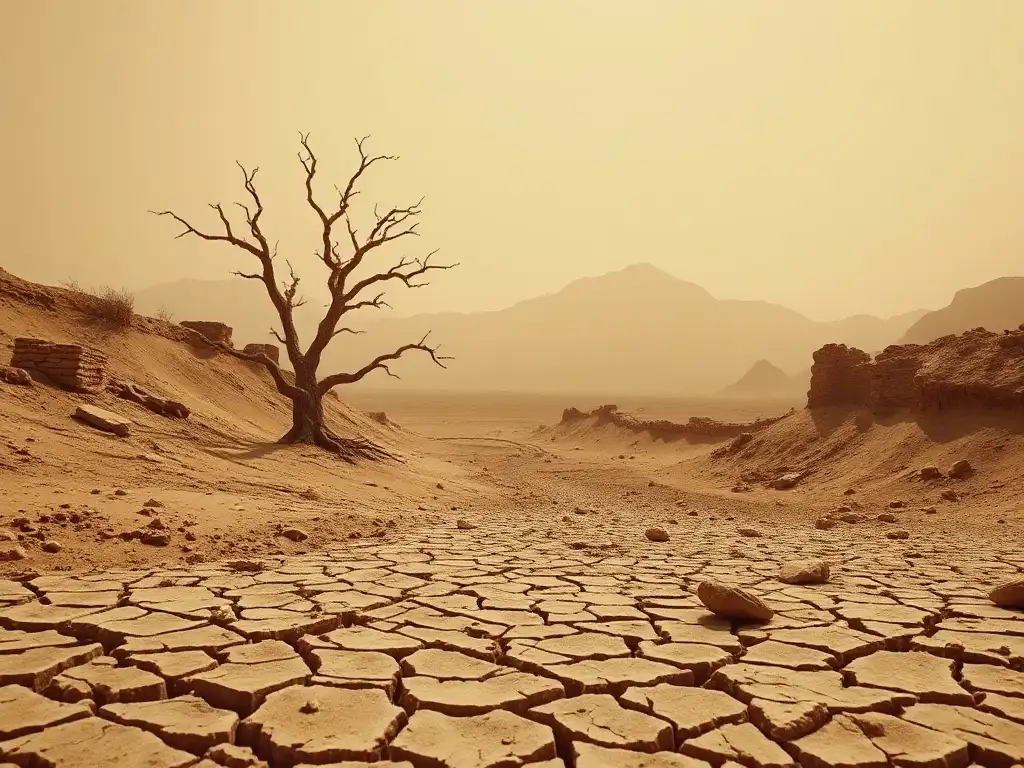
The Moche civilization, renowned for its intricate artwork and sophisticated irrigation systems, experienced a dramatic decline around the 7th century CE. While internal factors undoubtedly played a role, mounting evidence points to significant environmental pressures as key contributors to the Moche civilization collapse causes. These environmental stressors, acting in concert, likely weakened the Moche state, making it vulnerable to internal conflicts and ultimately leading to its downfall.
The interplay between environmental change and societal response is a complex issue, and understanding this interaction is crucial to grasping the full picture of the Moche decline. This section focuses specifically on the environmental factors, examining the impact of El Niño events, drought, and shifting climate patterns on Moche society.
El Niño's Impact on Moche Agriculture and Society
El Niño events, characterized by unusually warm ocean temperatures in the Pacific, have long been recognized for their devastating impact on coastal communities. For the Moche, heavily reliant on agriculture along the arid north coast of Peru, the consequences of El Niño were particularly severe. These events brought torrential rains and catastrophic flooding, destroying irrigation canals and vital agricultural lands.
Evidence suggests that multiple intense El Niño events occurred during the late Moche period, inflicting significant damage on their sophisticated irrigation infrastructure. The disruption of agricultural production led to food shortages, economic instability, and potentially social unrest, weakening the Moche state's capacity to respond to other challenges. Archaeological findings, such as damaged irrigation systems and settlements showing signs of flooding, support this hypothesis.
The frequency and intensity of these El Niño events likely exceeded the Moche's ability to adapt, contributing significantly to their decline. The impact wasn't simply about the immediate destruction; the long-term consequences, such as soil erosion and salinity changes, further hampered agricultural recovery.
The Role of Drought and Water Scarcity in Moche Decline
Beyond the destructive force of El Niño, prolonged periods of drought also played a critical role in the Moche civilization collapse causes. The Moche relied on intricate canal systems to divert water from rivers to their agricultural fields. However, even the most advanced irrigation technologies are vulnerable to prolonged water scarcity.
Evidence from paleoclimatological studies indicates that periods of severe drought coincided with the Moche's decline. These droughts, potentially exacerbated by shifts in regional climate patterns, led to widespread crop failures and water shortages, placing immense strain on the Moche population. The competition for increasingly scarce resources could have fueled internal conflict and social instability, further weakening the state's resilience.
The archaeological record shows evidence of decreased agricultural productivity during these periods, with settlements potentially abandoned due to lack of water and arable land. It’s important to note that droughts may have acted as a multiplier, intensifying the effects of other stressors such as El Niño events.
Shifting Climate Patterns and Their Consequences for the Moche
The Moche civilization's decline wasn't solely driven by individual events like El Niño or isolated droughts. Rather, it was likely the culmination of long-term shifts in regional climate patterns that significantly impacted their ability to sustain their complex society. These shifts, possibly linked to broader changes in the Pacific Ocean-atmosphere system, resulted in increased variability in rainfall and temperature.
This increased variability made agricultural planning and resource management increasingly difficult. The Moche, accustomed to a relatively predictable climate, were less equipped to cope with this increased uncertainty. The combination of more frequent and intense El Niño events, longer and more severe droughts, and overall climate instability created a perfect storm that ultimately overwhelmed the Moche's adaptive capacity.
Understanding these long-term climate shifts is crucial for a comprehensive understanding of the Moche civilization collapse causes, highlighting the importance of considering environmental factors in the study of past civilizations. Further research, particularly in paleoclimatology and archaeological analysis, is needed to fully unravel the complex interplay between climate change and societal collapse in the Moche case.
Sociopolitical Instability and the Moche Downfall
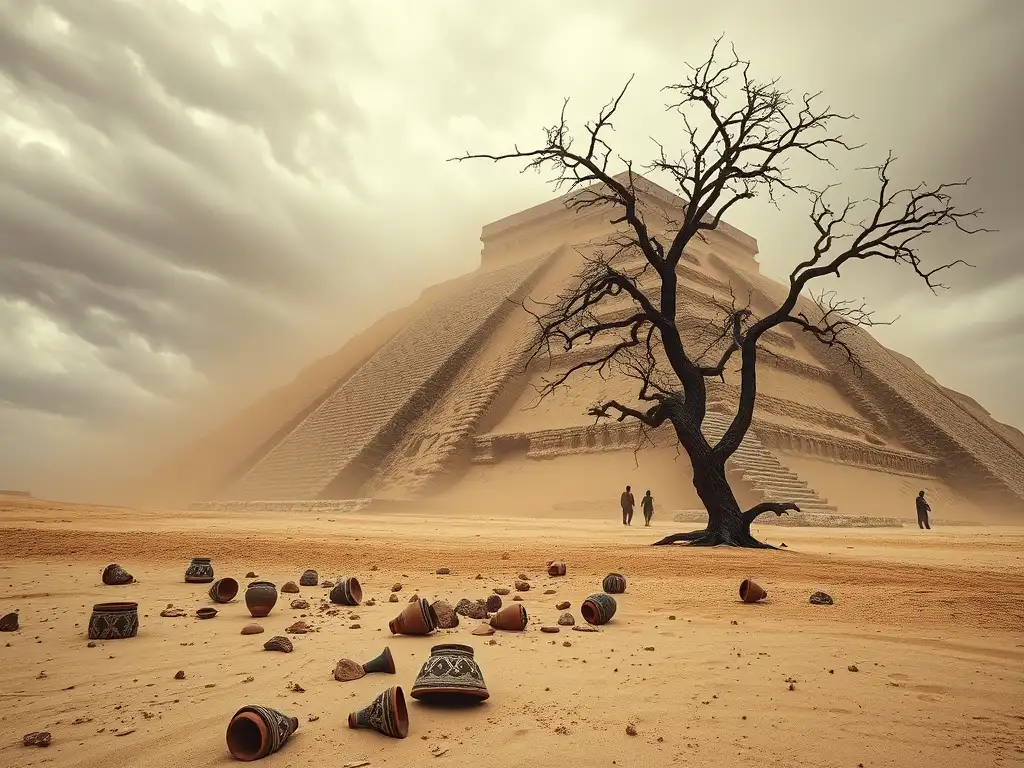
The collapse of the Moche civilization, a powerful and sophisticated society flourishing along the northern coast of Peru from approximately 100 CE to 800 CE, remains a subject of ongoing scholarly debate. While environmental factors undoubtedly played a role, a growing body of evidence points to significant sociopolitical instability as a crucial contributing factor to its demise.
The intricate web of power, social structures, and internal conflicts within Moche society ultimately weakened its resilience against external pressures and internal strife, leading to its eventual fragmentation and decline. Understanding the internal dynamics of the Moche state is key to comprehending the "Moche civilization collapse causes."
Internal Conflicts and Power Struggles Within Moche Society
Evidence suggests that internal conflicts and power struggles played a significant role in the weakening of the Moche state. While the Moche were known for their centralized authority and powerful rulers, depicted in impressive monumental architecture and iconography, archaeological findings hint at a complex internal power structure potentially prone to fracturing. Analysis of elite burials reveals variations in burial goods and ritual practices, suggesting potential competition and rivalry among different elite factions.
The absence of uniformly consistent iconography across different Moche sites also suggests a degree of regional autonomy and potentially conflicting loyalties. This internal competition for resources and power likely diverted resources away from essential infrastructure and governance, weakening the state's capacity to respond effectively to challenges.
Further research into the distribution of elite goods and the symbolism found in Moche art could provide a more complete understanding of the nature and extent of these internal conflicts. The lack of clear, centralized control might have led to the weakening of the Moche state, making it vulnerable to other factors that led to its collapse.
The centralized nature of Moche authority might have inadvertently fostered the rise of powerful local elites. While the Moche state controlled vast resources and territories through its complex irrigation systems and trade networks, the administration of these resources might have created opportunities for regional power brokers to accumulate influence and wealth.
These local elites, possibly through control of vital resources like water or specific trade routes, could have gradually challenged the authority of the central Moche government. Archaeological evidence, such as the emergence of distinct regional styles in pottery and architecture towards the later periods of the Moche civilization, hints at this process of decentralization and the growing power of independent local groups.
The shift away from the standardized iconography associated with the central Moche state further strengthens this hypothesis. The development of competing power centers ultimately weakened the unified power of the Moche civilization and contributed to its eventual downfall.
Beyond elite conflicts, evidence suggests a broader pattern of social unrest within Moche society during its later phases. Archaeological excavations have uncovered sites exhibiting signs of violence and destruction, possibly indicating social upheaval and conflict amongst different social groups. While the exact nature and scale of this unrest remain unclear, the presence of such evidence suggests a breakdown in social order and a decline in the state's ability to maintain control.
The abandonment of certain settlements and the shifting patterns of population distribution further indicate a period of instability and widespread disruption. Additionally, changes in burial practices, such as a decrease in elaborate burials and the appearance of mass graves, could reflect a decline in social stratification and potentially increased mortality rates associated with conflict and famine.
Further research involving detailed analysis of skeletal remains and a more comprehensive survey of settlements across the Moche region are needed to fully understand the extent and impact of social unrest on the overall collapse of the civilization. The intertwining of social unrest and political instability within the Moche state ultimately contributed significantly to the "Moche civilization collapse causes".
Economic Pressures and the Moche Collapse
The collapse of the Moche civilization, a flourishing Andean society known for its intricate artistry and sophisticated irrigation systems, remains a subject of ongoing scholarly debate. While warfare and environmental factors undoubtedly played a role, a significant contributing factor often overlooked is the increasing pressure on the Moche economy. The intricate web of economic activities that sustained this powerful civilization ultimately proved vulnerable to a confluence of challenges, leading to its eventual decline.
Analyzing these economic pressures provides crucial insights into the multifaceted nature of the Moche collapse. The "Moche civilization collapse causes" are complex and interwoven, with economic instability acting as a significant catalyst.
Disruption of Trade Networks and Resource Management
The Moche economy relied heavily on extensive trade networks, exchanging goods like cotton textiles, ceramics, precious metals, and seafood across vast distances. These networks connected coastal settlements with highland communities, facilitating the flow of resources vital for the Moche's survival and prosperity. However, evidence suggests that towards the end of the Moche period, these trade routes became increasingly disrupted. This disruption could have stemmed from various factors, including:
- Political instability: Internal conflicts or external pressures from neighboring groups could have led to the closure or insecurity of trade routes. The lack of centralized control in the later Moche period might have exacerbated this problem.
- Environmental changes: Changes in climate patterns, such as prolonged droughts or floods, could have impacted agricultural yields and the availability of resources for trade. This would have directly affected the production of goods and the ability to exchange them.
- Overexploitation of resources: The intensive use of resources, especially in coastal areas rich in marine life, might have led to depletion and negatively impacted trade based on these resources. Sustainable resource management practices may have been inadequate to keep up with the growing Moche population.
The consequences of trade network disruption were severe. The reduced access to essential resources led to shortages, economic hardship, and ultimately, social unrest. This scarcity fueled internal conflicts and weakened the Moche's ability to withstand other pressures contributing to their decline. Further research is needed to pinpoint the precise causes of the disruption and assess its relative contribution to the overall collapse.
The Strain of Maintaining Large-Scale Irrigation Projects
The Moche are renowned for their impressive engineering feats, particularly their extensive irrigation systems. These systems were crucial for sustaining their large population and intensive agriculture in the arid coastal regions. However, maintaining these complex projects required considerable resources and labor. Over time, the strain of upkeep likely became a significant economic burden:
- Maintenance costs: Repairing and expanding the irrigation canals, which were subject to damage from floods, earthquakes, or erosion, represented a substantial drain on the Moche economy. This required a significant portion of the population's labor and resources.
- Labor allocation: The large workforce needed for irrigation construction and maintenance diverted human capital from other productive activities, potentially hindering economic diversification and resilience.
- Environmental degradation: The long-term effects of irrigation, such as soil salinization and waterlogging, might have reduced agricultural productivity over time, thus diminishing the economic benefits of the system. This created a vicious cycle, requiring more investment to maintain yields that were declining.
The increasing cost of maintaining the irrigation systems, coupled with diminishing returns, may have placed unsustainable pressure on the Moche economy. The inability to adequately fund and maintain these vital infrastructures ultimately contributed to agricultural decline and overall economic instability.
Economic Vulnerability and the Moche's Inability to Adapt
The Moche civilization's economic system, while sophisticated for its time, appears to have lacked the flexibility to adapt to changing circumstances. Its reliance on specific resources and trade routes made it vulnerable to disruptions. The inability to diversify its economic base and develop alternative strategies for resource acquisition further exacerbated its vulnerability:
- Limited economic diversification: The Moche economy's significant dependence on agriculture and specific trade routes proved to be a major weakness. A lack of diversification meant that disruptions in any one sector had a disproportionately large impact on the entire economy.
- Lack of adaptive strategies: Evidence suggests a limited capacity to adjust to environmental changes or shifts in trade patterns. Alternative economic strategies, such as increased reliance on alternative crops or the development of new trade routes, seem to have been insufficient to mitigate the growing economic pressures.
- Inequality and social unrest: Economic hardship likely exacerbated existing social inequalities, leading to increased social unrest and potentially contributing to the weakening of the Moche state's authority and control. This internal strife further undermined the economic stability of the civilization.
The Moche's inability to adapt to economic challenges, coupled with their dependence on a fragile system, ultimately proved to be a fatal flaw. The confluence of these factors suggests that the economic pressures played a significant role in the unraveling of this once-powerful Andean civilization. Further research is needed to fully understand the intricate interplay of economic, environmental, and political factors that led to the Moche collapse.
The Moche Collapse: A Multifaceted Explanation
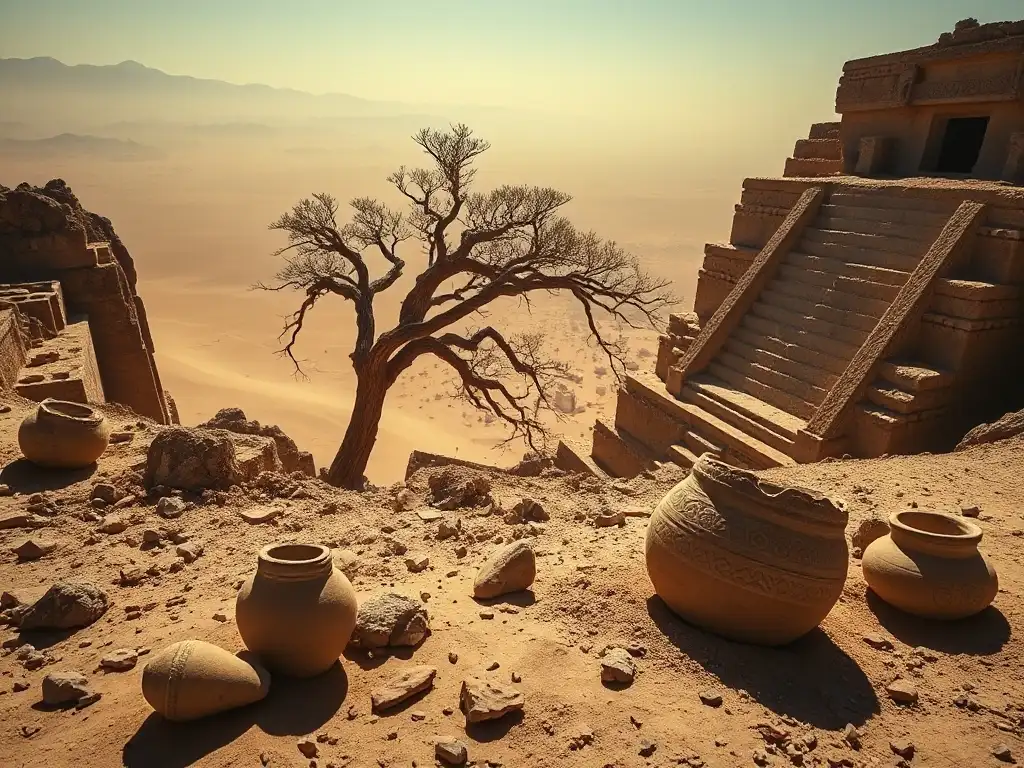
The collapse of the Moche civilization, flourishing between 100 and 800 CE along the northern coast of Peru, wasn't a singular event but rather a complex process spanning decades, perhaps even centuries. Attributing the decline solely to one factor—be it environmental upheaval, social unrest, or economic hardship—is an oversimplification. A more accurate understanding emerges from examining the interplay of these elements, a perfect storm that ultimately overwhelmed the Moche's sophisticated societal structures.
The Moche's remarkable engineering prowess, evident in their irrigation systems and monumental architecture, couldn't fully compensate for the cumulative impact of multiple stressors. Their intricate societal fabric, finely woven over generations, began to unravel under the weight of these converging pressures, leading to the eventual fragmentation of their once-powerful empire. Understanding the Moche civilization collapse causes requires a nuanced examination of this multifaceted process.
Consider the impact of El Niño events. These periodic climatic shifts, characterized by intense rainfall and flooding, could have severely disrupted the Moche's carefully managed agricultural systems, the backbone of their economy. While the Moche demonstrated adaptability with their sophisticated irrigation canals, the scale and intensity of some El Niño events may have exceeded their capacity for mitigation. This would have led to crop failures, famine, and societal instability, weakening the empire's resilience to other challenges.
Furthermore, the resulting damage to infrastructure would have required significant resources for repair, diverting funds from other essential projects and potentially exacerbating existing social tensions. The cumulative effect of multiple severe El Niño events over time could have significantly contributed to the Moche's decline. The severity and frequency of these events are key factors in understanding the Moche civilization collapse causes.
The Interplay of Multiple Stressors on the Moche Civilization
The Moche's sophisticated social organization, characterized by a hierarchical structure with powerful elites and specialized labor, also played a role in their decline. While this system facilitated large-scale projects and effective resource management during periods of stability, it may have become a source of vulnerability during times of crisis. Evidence suggests that the concentration of power and resources in the hands of the elite could have exacerbated inequalities and fueled social unrest.
The inability of the ruling class to effectively address the challenges posed by environmental changes and economic hardships may have eroded public trust and ultimately contributed to the disintegration of the centralized authority. This internal fragility, coupled with external pressures, created a potent combination that weakened the Moche's ability to withstand the cumulative stressors.
The interplay between environmental pressures and social dynamics, therefore, is crucial to understanding the Moche civilization collapse causes. [Specific data on social unrest during the decline period pending].
No Single Cause: A Complex Web of Contributing Factors
The collapse of the Moche civilization was not a sudden catastrophe but a gradual process resulting from a complex interplay of environmental, social, and economic factors. While severe El Niño events undoubtedly played a significant role by disrupting agricultural production and infrastructure, these environmental stresses interacted with existing social and economic vulnerabilities within the Moche society. The concentration of power, potential inequalities in resource distribution, and the rigidity of the hierarchical system likely hindered the Moche's ability to adapt effectively to the changing circumstances.
The decline wasn't simply a consequence of environmental degradation; it was the culmination of a complex web of interconnected factors that progressively weakened the empire's resilience and ultimately led to its downfall. Understanding the Moche civilization collapse causes requires a holistic approach that considers the intricate interplay of these multiple contributing factors. The story of the Moche civilization's demise serves as a potent reminder of the fragility of even the most sophisticated societies in the face of unforeseen circumstances and internal weaknesses.
The multifaceted nature of their collapse underscores the need for nuanced historical analysis when examining the reasons behind the rise and fall of complex civilizations. Further research, particularly in areas such as detailed archaeological analysis of settlements and a more thorough understanding of the Moche's economic practices, is needed to refine our understanding of the Moche civilization collapse causes.
Archaeological Evidence Supporting the Moche Collapse Theories
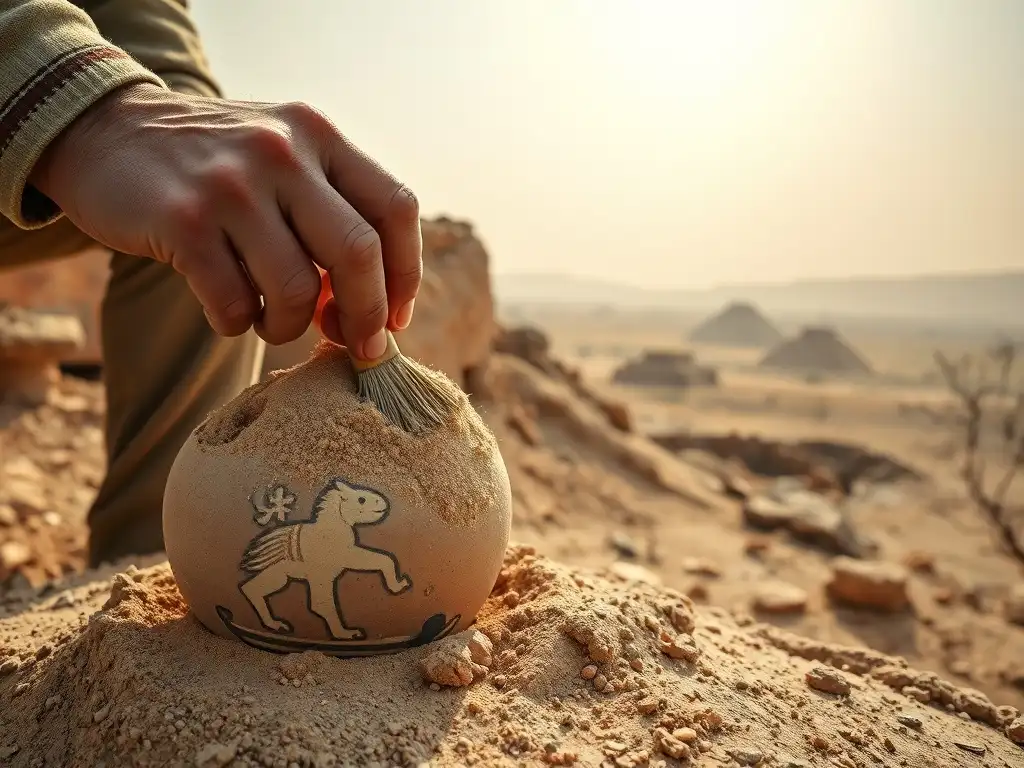
The collapse of the Moche civilization, a sophisticated Andean society flourishing between 100 and 800 CE, remains a captivating enigma. While pinpointing a single cause is overly simplistic, archaeological evidence offers compelling clues to unravel this complex historical puzzle. Analyzing settlement patterns, artifacts, and iconography provides a multifaceted perspective on the factors that likely contributed to the Moche's decline.
This section delves into the archaeological record to illuminate the leading theories surrounding the Moche civilization collapse causes. Understanding these factors offers crucial insights into the fragility of even the most advanced pre-Columbian societies and the interconnectedness of environmental, social, and political factors in shaping their trajectory.
Analyzing Moche Settlement Patterns and Abandonment
The geographical distribution and subsequent abandonment of Moche settlements offer valuable insights into the civilization's decline. Extensive archaeological surveys have revealed a complex network of urban centers, smaller villages, and agricultural settlements, reflecting a highly organized society. However, analysis of these sites reveals a pattern of gradual decline and eventual abandonment, rather than a sudden catastrophic event.
Many Moche settlements show evidence of prolonged periods of reduced occupation, indicated by a decrease in the quantity and quality of artifacts, and the abandonment of previously inhabited structures. For example, studies of the site of [Specific Moche site name pending] show a clear decrease in population density from the Late Moche period onwards, evidenced by a reduction in the number of dwelling units and a decline in the size of the overall settlement. This pattern is replicated across multiple sites, suggesting a widespread systemic problem rather than isolated localized events.
Further analysis of soil samples and sediment layers is needed to precisely date the abandonment phases and correlate them with potential environmental shifts. The abandonment patterns strongly suggest a gradual process, potentially linked to factors such as environmental stress, internal conflict, or a combination of both.
The study of Moche artifacts, from elaborate ceramics and goldwork to everyday tools and utilitarian objects, provides crucial information about social structures, economic activities, and the changes that occurred during the civilization's decline. A noticeable shift in the quality and quantity of certain artifacts is observed in the later phases of the Moche culture.
For instance, the production of high-quality ceramics, a hallmark of Moche artistry, seems to have decreased significantly. While elaborate burial goods continued to be produced for elites, the quality and quantity of everyday pottery declined, indicating a possible disruption in trade networks or a reduction in available resources. Similarly, changes in the types of tools and agricultural implements discovered at different sites could reflect shifts in agricultural practices or economic specialization.
A decline in the diversity of tools could indicate a simplification of the economy and a reduction in craft production. Further research is required to quantitatively analyze the changes in artifact types and frequencies to establish a more precise timeline of this decline. The data gathered could help identify potential correlations between changes in artifact production and environmental or social disruptions.
Deciphering Moche Iconography for Insights into Political Shifts
Moche iconography, particularly their intricate ceramics and murals, provides a visual narrative of their society, its beliefs, and its political structure. Analyzing changes in iconographic themes and styles over time may reveal crucial insights into the political instability that might have contributed to the Moche collapse. The depiction of warfare, human sacrifice, and elite power dynamics in Moche art forms a significant part of the narrative.
The later Moche period seems to reflect a possible increase in internal conflict, as evidenced by the increased depiction of warfare and violence in their art. While warfare was a part of Moche society throughout its existence, the frequency and intensity depicted in later iconography suggests a potential escalation of conflicts. A shift in the portrayal of elite figures might also indicate changes in political power structures or legitimacy.
Changes in the representation of religious symbols could likewise indicate a decline in the influence of religious institutions or the rise of new belief systems. Further detailed stylistic analysis of Moche art from different periods, coupled with a comprehensive study of its distribution across different regions, is needed to fully understand the political implications of these changes. This could help corroborate other evidence pointing to internal strife as a significant factor in the Moche civilization collapse causes.
Theories and Interpretations of the Moche Civilization's End
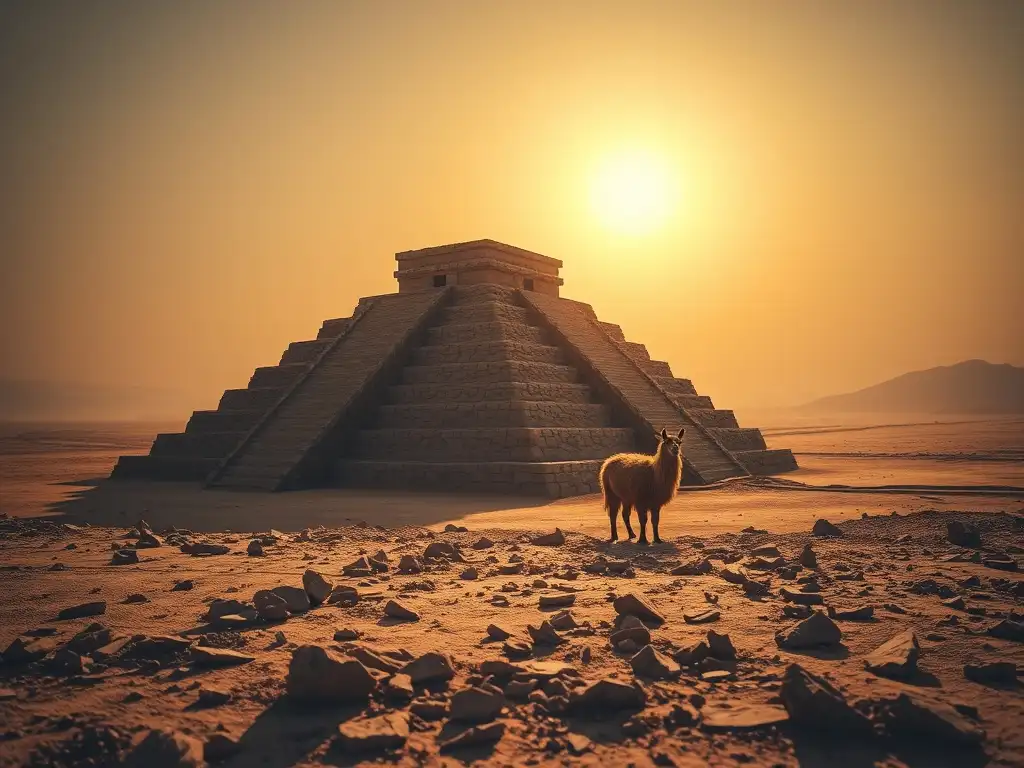
The collapse of the Moche civilization, a powerful and sophisticated society flourishing along the northern coast of Peru from approximately 100 CE to 800 CE, remains a topic of intense scholarly debate. While no single theory fully explains this societal upheaval, a convergence of factors likely contributed to its demise. Understanding the Moche civilization collapse causes requires a multifaceted approach, examining environmental pressures, internal societal shifts, and external threats.
The intricate interplay of these elements offers a more nuanced understanding than any single, isolated explanation. Several prominent theories attempt to unravel this complex puzzle, each offering valuable insights into the processes that led to the Moche's decline.
The Role of Warfare and Conquest in Moche Decline
Evidence suggests that warfare played a significant role in the Moche civilization collapse causes. Archaeological findings reveal a notable increase in fortifications and weaponry towards the later periods of Moche rule. Sites like Cerro Blanco exhibit extensive defensive structures, indicating a heightened concern for external threats.
While the Moche were undoubtedly skilled warriors, capable of extensive conquest and control over a vast territory, it's possible that the increasing frequency and intensity of conflicts ultimately strained their resources and social fabric. The constant need for defense and the potential loss of manpower and resources could have weakened the state, creating vulnerabilities to internal dissent and external pressures.
Furthermore, the emergence of new powerful groups, possibly from the highlands or other coastal regions, may have contributed to the Moche's downfall through direct military conquest or by destabilizing their control over vital resources. The exact nature and extent of these conflicts remain areas of ongoing research, but the evidence strongly suggests a connection between increased warfare and the eventual decline of the Moche state.
The analysis of Moche iconography also provides clues. Depictions of battle scenes and weaponry in their art, while not directly indicating the cause of the collapse, nonetheless reveal a society accustomed to, and potentially burdened by, frequent conflict.
The scale and sophistication of some of these military representations suggest a well-organized and powerful military machine, but perhaps one that ultimately proved unsustainable in the face of prolonged conflict or a superior opponent. Further research into the chemical composition of artifacts found at battle sites may help establish the geographic origins of opposing forces and offer a more detailed understanding of the dynamics of these conflicts.
The Impact of Religious Shifts on Moche Society
Beyond warfare, significant shifts in religious beliefs and practices might have contributed to the Moche civilization collapse causes. The Moche religion, characterized by its elaborate iconography and ritual practices centered around powerful deities and ancestor veneration, appears to have undergone transformations during the later phases of the civilization. Some scholars suggest a decline in the centralized authority of the ruling elite, potentially linked to a weakening of religious institutions.
Changes in religious beliefs and rituals could have weakened social cohesion and undermined the legitimacy of the ruling class, leading to internal instability. The evidence for this is largely indirect, based on changes in artistic styles, burial practices, and the distribution of elite artifacts. A decrease in the construction of large-scale monumental architecture dedicated to religious purposes could also indicate a shift in religious priorities or a loss of resources needed to support such endeavors.
The shift from the earlier, highly organized and centralized religious system to a potentially more fragmented or localized one could have had significant societal consequences. The loss of a shared, unifying religious belief system might have weakened social bonds and facilitated the emergence of competing factions, further contributing to the instability that preceded the Moche's decline.
Further research focusing on the evolution of Moche religious practices and beliefs, including a more detailed analysis of their iconography and ritual objects, is crucial to better understand their role in the civilization's collapse. The exploration of potential links between religious changes and socio-political instability will shed more light on this crucial aspect.
The Legacy of the Moche Collapse and Its Relevance Today
The collapse of the Moche civilization, while a significant event in Andean history, left a lasting legacy. The sophisticated irrigation systems, advanced ceramic techniques, and impressive architectural achievements of the Moche continue to fascinate and inspire. Understanding the Moche civilization collapse causes isn't just an academic exercise; it provides valuable insights into the dynamics of societal change and the factors that can lead to the rise and fall of complex civilizations.
The lessons learned from the Moche's experience, such as the impact of environmental pressures, social inequalities, and internal conflicts, are relevant to contemporary societies facing similar challenges. The study of past civilizations helps us to better understand the complexities of human history and to develop strategies for building more resilient and sustainable societies in the future. The Moche's legacy serves as a reminder of the fragility of even the most powerful empires and the importance of managing resources, addressing social inequalities, and adapting to changing environmental conditions.
By studying the Moche, we gain a deeper appreciation for the complexities of history and the interconnectedness of various factors contributing to societal change. The detailed study of the Moche collapse continues to provide valuable insights for understanding the dynamics of civilization's rise and fall, offering lessons for modern societies navigating similar challenges.
Conclusion: Lessons Learned from the Fall of the Moche
The collapse of the Moche civilization, a complex interplay of environmental pressures, social unrest, and possibly internal strife, offers invaluable insights into the fragility of even seemingly powerful societies. Understanding the Moche's demise is not merely an academic exercise; it provides crucial lessons for understanding societal resilience and vulnerability in the face of multifaceted challenges. The intricate web of factors contributing to their decline highlights the interconnectedness of environmental sustainability, political stability, and social equity – elements crucial for long-term societal success.
By studying the Moche, we gain a deeper understanding of the dynamics that can lead to societal collapse, and, conversely, the factors that contribute to societal endurance. The Moche civilization collapse causes are not singular but rather a complex tapestry woven from various threads. Analyzing these threads allows us to better anticipate and mitigate similar risks in modern societies.
The Importance of Understanding Complex System Failures
The Moche collapse serves as a powerful case study in complex system failures. Their sophisticated irrigation systems, while initially a source of prosperity, became vulnerable to environmental shifts, particularly prolonged droughts. This highlights the dangers of over-reliance on a single resource or technology, even one as seemingly robust as their irrigation infrastructure. Furthermore, the potential for internal conflict, possibly exacerbated by environmental stress and resource scarcity, demonstrates the importance of strong governance and social cohesion in mitigating societal vulnerabilities.
Analyzing the Moche’s downfall allows us to identify similar vulnerabilities in modern complex systems, from global supply chains to intricate financial markets. Understanding these vulnerabilities is critical for developing proactive strategies to prevent similar catastrophic failures. The study of the Moche civilization collapse causes should therefore extend beyond archaeology and encompass systems thinking and risk management methodologies.
The Moche Collapse as a Case Study in Societal Resilience
While the Moche civilization ultimately collapsed, their story is not solely one of failure. Their impressive achievements in irrigation, ceramics, and monumental architecture are testaments to their ingenuity and organizational capabilities. Even amidst periods of environmental stress, the Moche demonstrated a remarkable capacity for adaptation and innovation. Their ability to survive for centuries despite facing numerous challenges underscores the inherent resilience of human societies.
The Moche civilization collapse causes, while leading to their ultimate demise, were not insurmountable during their existence. Studying their adaptive strategies, even in the face of ultimately catastrophic events, offers valuable lessons for contemporary societies facing similar environmental or socio-political pressures. This resilience, even in the face of overwhelming odds, should be viewed as a crucial aspect of understanding their long history. We can learn as much from their periods of adaptation as we can from their eventual downfall.
Future Research Directions in Moche Civilization Studies
Further research into the Moche civilization should focus on refining our understanding of the interplay between environmental factors and societal responses. More precise climate data, coupled with detailed analysis of settlement patterns and agricultural practices, is needed to better quantify the impact of drought and other environmental stressors.
Additionally, further investigation into the social and political structures of the Moche is crucial to understand the extent to which internal conflict contributed to their decline. This might involve detailed analysis of their iconography, a more thorough examination of their burial sites, and the application of advanced technologies like LiDAR to better map their settlements and infrastructure.
This multidisciplinary approach, combining archaeological fieldwork, paleoclimatological data, and sophisticated modeling techniques, will provide a more nuanced understanding of the Moche civilization collapse causes and offer valuable insights into the dynamics of societal resilience and vulnerability. A clearer picture of their downfall will allow us to better understand similar historical events and, importantly, to better navigate the complexities of the modern world.
Frequently Asked Questions
What are the primary theories surrounding the collapse of the Moche civilization?
The collapse of the Moche is likely attributed to a combination of factors, including severe environmental changes, such as droughts and El Niño events, and internal societal pressures, potentially involving political instability or resource depletion.
Did warfare contribute to the Moche's decline?
While evidence suggests inter-regional conflict, it's debated whether warfare was the sole cause of the Moche collapse. It likely played a role, weakening the civilization and making it more vulnerable to other pressures.
What role did climate change play in the Moche civilization's downfall?
Recurring droughts and intense El Niño events severely impacted the Moche's agricultural system, leading to food shortages and widespread social unrest, ultimately contributing to their decline.
How did the Moche's sophisticated irrigation system fail them?
While impressive, the Moche irrigation system proved vulnerable to prolonged droughts. The system's reliance on predictable water flows made it susceptible to climate fluctuations, exacerbating the impact of environmental changes.
What evidence exists to support the various theories about the Moche collapse?
Archaeological evidence includes changes in settlement patterns, shifts in agricultural practices, and evidence of social upheaval, all pointing towards a complex interplay of factors leading to the Moche civilization's eventual collapse.
Final Reflection: Echoes of the Moche: Lessons from a Fallen Civilization
The collapse of the Moche civilization, a sophisticated society flourishing on the arid north coast of Peru, serves as a stark warning in our increasingly interconnected and environmentally stressed world. Understanding the intricate interplay of factors leading to their demise – from climate change and social unrest to potential overextension and resource depletion – offers crucial insights into the fragility of even the most advanced societies. The echoes of their downfall resonate powerfully in our own time, urging us to confront the challenges facing our global community.
The Moche's story is not merely a historical account; it's a poignant reminder of the interconnectedness of societal factors and environmental pressures. Their sophisticated irrigation systems, once a testament to their ingenuity, ultimately proved insufficient in the face of prolonged drought and possibly internal conflicts. Their intricate artistry and monumental architecture, now captivating museum exhibits, stand as silent witnesses to a civilization's rise and fall. The past is never dead. It's not even past,
wrote William Faulkner, and the lessons learned from the Moche's experience remain profoundly relevant today.
Consider the parallels between the Moche's struggle with resource management and our own contemporary challenges. What steps are we taking to ensure the sustainability of our resources and the stability of our societies? You, the reader, hold the power to shape the future. By engaging with the past, by understanding the complexities of societal collapse, we can actively work towards building a more resilient and equitable future, ensuring that the lessons learned from the Moche are not forgotten, but rather serve as a guiding light on our path forward.
Unveil the Mysteries of the Moche!
Thank you for exploring the fascinating world of the Moche civilization! You've gained valuable insights into the complex factors that contributed to their decline. Let's build on this knowledge and delve deeper into this remarkable culture.
Here's how you can continue your journey:
- Expand your understanding: Explore other Andean civilizations to gain a richer perspective on the region's history and the interconnectedness of these ancient societies. Learning about the Nazca or Chimú, for example, will provide valuable context.
- Share your discoveries: Discuss your newfound knowledge with friends, family, or online communities. You might spark someone else's interest in the captivating world of the Moche!
- Connect with fellow enthusiasts: Join online forums or local history groups dedicated to Andean cultures. Sharing your passion with others can lead to exciting discussions and new perspectives.
What aspect of the Moche decline intrigues you most, and how do you think it relates to broader historical trends?