
The Paracas Influence on Later Andean Cultures: Tracing the Legacy

Step into a world lost to time, yet echoing through millennia. Uncover the hidden threads connecting the vibrant Paracas culture to the mighty Inca Empire. Were the Incas merely inheritors, or did they actively weave the innovative textiles and intricate artistry of the Paracas into the very fabric of their empire? This exploration of Paracas influence on Inca culture will reveal surprising connections and challenge long-held assumptions about the rise of Andean civilizations. Prepare to be amazed by the enduring legacy of a people whose influence continues to resonate today.
The Paracas culture, flourishing on the southern coast of Peru from approximately 800 BCE to 200 CE, left an indelible mark on the subsequent development of Andean civilizations. Their sophisticated textile artistry, innovative burial practices, and unique religious iconography exerted a profound influence on later cultures, particularly the Inca, who inherited and adapted many aspects of Paracas traditions. This article explores the multifaceted legacy of the Paracas, tracing the threads of their influence through centuries of Andean cultural evolution and examining how their contributions shaped the societies that followed, including the impact they had on Inca culture, answering the question: what was the Paracas influence on Inca culture?
We will delve into specific examples, showcasing the enduring impact of this remarkable civilization. Understanding the Paracas' contribution is crucial to a complete understanding of the rich tapestry of Andean history.
Textile Traditions: A Legacy Woven in Time
The Paracas are renowned for their mastery of textile production. Their intricate weaving techniques, vibrant colors, and complex iconography represent a pinnacle of pre-Columbian textile art. These techniques, involving elaborate designs, multiple layers, and the use of diverse materials, were incredibly complex.
The Paracas used a variety of fibers, including cotton and camelid wool, demonstrating a sophisticated understanding of material science. The vibrant dyes, derived from natural sources, were remarkably long-lasting. This expertise wasn't simply lost to time; rather, it was absorbed and adapted by later cultures.
Evidence suggests that the Nazca and Inca civilizations continued and refined many of the Paracas weaving techniques, incorporating them into their own artistic traditions. The high quality and intricate designs of Paracas textiles are evident in the surviving examples and influenced the style and techniques of later Andean cultures for centuries, notably impacting the artistic expression of the Inca. The legacy of Paracas weaving is undeniable, a powerful testament to their artistic innovation and its long-lasting influence.
Iconography and Religious Beliefs: Echoes in Subsequent Cultures
Paracas iconography, rich in symbolism and often depicting supernatural beings and ritualistic scenes, offers valuable insights into their religious beliefs. The recurring motifs, such as feline deities, stylized birds, and anthropomorphic figures, appear in modified forms in the artwork of subsequent cultures. For example, certain deity representations found in Paracas textiles exhibit stylistic similarities to later Andean iconography, suggesting a continuous thread of religious beliefs and practices.
While the precise interpretations of these symbols remain a subject of ongoing research, their persistence across different cultures highlights the enduring influence of Paracas religious thought. These shared motifs suggest a cultural continuity and a transmission of religious ideas, influencing the religious worldview of later Andean societies, including the Inca, who incorporated elements of these beliefs into their own complex pantheon. Further research is needed to fully map the scope of this influence, but the preliminary evidence is compelling.
Burial Practices and Mummification: Innovations Passed Down
The Paracas are famous for their elaborate burial practices and sophisticated mummification techniques. Their unique method of mummification, involving the removal of internal organs and the careful preservation of the body, was exceptionally advanced for its time. These mummies, often adorned with elaborate textiles and grave goods, provide invaluable information about their society.
While the Inca developed their own distinct burial practices, the tradition of preserving the deceased in some form can be traced back to Paracas innovations. The elaborate nature of Paracas burials, with their rich offerings, likely influenced subsequent burial customs.
The scale and complexity of Paracas tombs clearly affected the attitudes towards death and the afterlife in later Andean cultures, although specific details on the extent of their influence on Inca burial practices require further investigation. The sophistication of Paracas mummification techniques showcases their advanced understanding of anatomy and preservation methods, which likely influenced the approaches of subsequent Andean civilizations.
The Paracas Legacy: A Foundation for Andean Cultural Development
The Paracas culture's impact on later Andean societies was significant and multifaceted. Their innovative textile techniques, unique religious iconography, and advanced burial practices served as a foundation upon which subsequent cultures built, adapting and refining Paracas traditions to create their own distinctive artistic and cultural expressions. The Paracas influence on Inca culture, in particular, is evident in various aspects of Inca art, religion, and burial practices. Further research is needed to fully unravel the intricacies of this cultural transmission, but the evidence strongly suggests a direct lineage between Paracas innovations and the achievements of later Andean civilizations. The Paracas legacy remains a vital component of the broader understanding of Andean cultural development.
- Textile Traditions: A Legacy Woven in Time
- Iconography and Religious Beliefs: Echoes in Subsequent Cultures
- Burial Practices and Mummification: Innovations Passed Down
- The Paracas Legacy: A Foundation for Andean Cultural Development
- What is the main focus of this article?
- How did the Paracas culture influence Inca textiles?
- Did the Paracas influence Inca architecture or urban planning?
- What about the religious beliefs? Did the Paracas influence Inca religion?
- Beyond the Inca, which other Andean cultures were influenced by the Paracas?
Introduction to Paracas Culture and Its Significance
The Paracas culture, flourishing on the southern coast of Peru between approximately 800 BCE and 200 CE, stands as a pivotal civilization in the pre-Inca Andean world. Its impact resonates deeply through subsequent cultures, leaving an undeniable mark on their artistic expressions, technological advancements, and societal structures.
Understanding the Paracas legacy is crucial for a comprehensive grasp of the trajectory of Andean civilization, particularly its influence on the later Inca Empire, a topic often searched as "Paracas influence on Inca culture." This section will delve into the foundational aspects of the Paracas culture, setting the stage for exploring its enduring influence.
Understanding the Paracas Culture: An Overview
The Paracas people were renowned for their mastery of textile production. Their intricate weaving techniques, employing vibrant colors and complex designs, are unparalleled in the pre-Columbian world. These textiles, often found adorning mummies in their elaborate burial sites, showcase a sophisticated understanding of dyeing processes and weaving structures.
The iconic Paracas textiles, featuring intricate depictions of mythical creatures, stylized humans, and geometric patterns, are instantly recognizable and highly prized by collectors and museums worldwide. Beyond textiles, the Paracas are also known for their distinctive pottery, characterized by its delicate forms and often polychrome decoration. Their ceramic work, while differing stylistically from later cultures, displays a similar level of artistic refinement and technical skill.
Furthermore, the Paracas developed sophisticated agricultural techniques to thrive in their arid coastal environment, creating complex irrigation systems to support their population. This demonstrates a strong understanding of their environment and an ability to adapt to its challenges. The Paracas' advanced understanding of agriculture and textile production significantly contributed to their societal complexity and cultural influence.
The Geographical Context of Paracas Civilization
The Paracas culture thrived in a geographically unique region. Situated along the arid southern coast of Peru, the Paracas peninsula provided access to abundant marine resources, while the surrounding desert presented challenges that necessitated innovative solutions. The Paracas people skillfully adapted to this challenging environment, developing intricate irrigation systems to cultivate crops in the otherwise barren landscape. Their strategic location along the coast also facilitated trade networks, connecting them with other Andean societies and contributing to the dissemination of their cultural innovations.
The geographical limitations and opportunities shaped Paracas society, influencing their economic activities, social structures, and artistic expression. The proximity to the sea, for instance, is clearly reflected in their iconography, with frequent depictions of marine life in their textiles and pottery. The scarcity of resources, conversely, fostered innovation and resourcefulness, leading to advanced techniques in agriculture, textile production, and mummification.
Chronological Placement of Paracas within Andean History
The Paracas culture's chronological placement is vital for understanding its influence on later Andean societies. The Paracas period is generally divided into two phases: Paracas Cavernas (approximately 800-500 BCE) and Paracas Necrópolis (approximately 500 BCE-200 CE). The Paracas Necrópolis phase, known for its elaborate burial practices and intricately woven textiles, is particularly significant because it shows a clear development and sophistication in artistic and technological skills.
It's during this time that many of the stylistic elements and techniques that later influenced the Nazca and, eventually, even the Inca, were refined and established. The chronological overlap and proximity to these subsequent cultures facilitated the transmission of cultural traits and innovations.
Understanding this temporal context is essential for tracing the direct lineage of various artistic motifs, technological practices, and even social customs from the Paracas to later Andean societies, including the Inca, contributing to a clearer understanding of the "Paracas influence on Inca culture." Further research into precise dates and the nature of interactions between these cultures is ongoing, continuously refining our understanding of this complex historical relationship.
Paracas Artistic and Technological Innovations
The Paracas culture (circa 800 BCE – 200 CE), flourishing on the southern coast of Peru, left an indelible mark on subsequent Andean civilizations. Their innovations in textile production, ceramic artistry, and even surgical techniques significantly impacted the development of later cultures, including the renowned Inca Empire. Understanding the Paracas legacy is crucial to grasping the complexities of Andean cultural evolution. The Paracas influence on Inca culture, though often indirect, is undeniable, manifested in shared aesthetic sensibilities and technological approaches. This section will explore key Paracas achievements and their lasting impact.
Paracas Textile Art: Techniques and Iconography
Paracas textiles are globally recognized for their exceptional quality and intricate designs. The Paracas people mastered a range of weaving techniques, including tapestry, embroidery, and gauze, achieving unparalleled levels of sophistication. Their mastery of color and the use of diverse materials, including camelid fibers (alpaca and llama), cotton, and even human hair, resulted in textiles of remarkable vibrancy and durability.
The iconography featured in Paracas textiles is equally impressive, depicting a rich tapestry of mythological beings, shamanistic rituals, and scenes of daily life. These complex designs often include stylized representations of deities, animals, and plants, reflecting a complex worldview and sophisticated artistic sensibility.
The striking use of vibrant colors and intricate patterns in Paracas textiles clearly influenced later Andean cultures. Though the Inca Empire developed its own distinctive textile traditions, echoes of Paracas techniques and stylistic elements can be observed in Inca textiles, particularly in the use of complex weaving techniques and rich color palettes. Furthermore, certain motifs and symbolic representations found in Paracas textiles appear in modified forms in later Inca artwork, suggesting a continuity of artistic inspiration across centuries.
Specific examples of color combinations and patterns that demonstrate this influence require further detailed analysis [specific information pending], but initial research suggests a significant link. The legacy of Paracas textile artistry is clearly visible in the sophisticated weavings of subsequent Andean civilizations.
Paracas Ceramics: Styles and Motifs
Paracas ceramics are equally remarkable, displaying a distinctive style that sets them apart from other contemporary cultures. Paracas pottery is characterized by its fine craftsmanship, elegant shapes, and elaborate decorations. Common motifs include stylized figures, geometric patterns, and representations of animals and plants. The use of polychromy (multiple colors) was a hallmark of Paracas ceramic art, resulting in pieces of exceptional beauty and visual impact. These ceramic vessels served not only practical functions, but also held significant ritual and symbolic value, often used in funerary contexts and religious ceremonies.
The influence of Paracas ceramic styles on later Andean cultures is evident in the continuity of certain decorative motifs and the persistence of particular techniques. The use of polychromy, for instance, became a prominent feature of pottery produced in later periods, suggesting a direct lineage. The evolution of Paracas ceramic styles into those of the Nazca and subsequently the Inca cultures can be traced through a detailed comparative analysis of the stylistic elements, including the types of figures, colors used, and the overall shapes of the vessels.
[Specific examples and comparative data pending]. This continuity suggests a strong and lasting influence of Paracas ceramic traditions on subsequent Andean artistic production.
Paracas Surgical Practices and Cranial Trepanation
Perhaps the most astonishing aspect of Paracas culture is their advanced surgical practices, particularly their mastery of cranial trepanation—the surgical procedure of drilling holes in the skull. While the precise reasons for these procedures remain debated, evidence suggests that trepanation was performed for therapeutic purposes, possibly to treat head injuries or relieve pressure from brain swelling.
The Paracas surgeons demonstrated remarkable skill and dexterity, using various techniques and tools to perform these complex operations with a surprisingly high success rate, considering the rudimentary tools available to them. Their success is documented by the discovery of many skulls showing evidence of healed trepanation wounds.
While the practice of trepanation was not uniquely Paracas, their advanced techniques and high success rate had a significant impact on later Andean medical practices. While direct evidence of a continuous tradition linking Paracas surgical practices to the Inca Empire is limited, the overall sophistication of Paracas surgery points towards a legacy of medical knowledge that likely influenced subsequent Andean cultures.
The development of advanced surgical techniques may have been passed down through generations of healers, gradually improving and adapting to the specific needs and circumstances of later Andean societies. Further research is needed to fully illuminate the extent of this influence, investigating the potential transmission of surgical knowledge and techniques from Paracas to later Andean societies [Further research needed on the precise transmission of knowledge].
The Paracas legacy in this domain represents a fascinating aspect of their advanced culture and its impact on the development of medicine in the Andes.
Paracas Burial Rituals and Mortuary Bundles
The Paracas culture is renowned not only for its exquisite textiles but also for its elaborate burial practices. Their mortuary rituals offer a fascinating glimpse into their worldview and social structures. Unlike simpler inhumations seen in some contemporary cultures, Paracas burials were complex affairs involving extensive preparation of the body and the creation of elaborate bundles.
These bundles, often referred to as fardos, were meticulously constructed, containing not only the deceased but also a vast array of grave goods reflecting their status and beliefs. The process started with the mummification of the body, a technique that involved removing internal organs and carefully preserving the remains. This meticulous preparation highlights the importance placed on the afterlife and the continued connection between the living and the dead.
The creation of a Paracas fardo was a significant undertaking. The body, often adorned with elaborate jewelry and clothing, was placed within a series of layers of textiles, often featuring intricate embroidery and designs. These textiles weren't simply wrappings; they were works of art in themselves, showcasing the advanced weaving techniques and artistic sensibilities of the Paracas people.
Alongside the body, a wide array of objects would be included, ranging from pottery and tools to food and other personal belongings. The selection of these grave goods provides valuable insights into the daily life, social status, and beliefs of the deceased. For example, the inclusion of finely crafted textiles could indicate high social standing, while the presence of specific tools might suggest the deceased's occupation.
The size and complexity of the fardos varied considerably, reflecting the social hierarchy within Paracas society. Some bundles were relatively simple, while others were enormous, containing multiple individuals and an astonishing array of artifacts. These monumental bundles represent a considerable investment of time, resources, and labor, underscoring the importance of death rituals within Paracas culture.
The sheer scale of these burial practices suggests a highly organized society with a complex system of beliefs surrounding death and the afterlife. The study of Paracas fardos continues to reveal new insights into their culture, offering valuable clues about their social structure, artistic traditions, and spiritual beliefs. The meticulous preservation of these bundles has ensured that these aspects of Paracas culture remain remarkably well-preserved for modern study, offering a unique window into their world.
The influence of this elaborate burial tradition can be traced in later Andean cultures, demonstrating the enduring legacy of Paracas mortuary practices. The meticulous craftsmanship and the symbolic richness of the fardos represent a significant contribution to the development of later Andean burial traditions, showcasing a continuity of funerary practices across different cultures. Analyzing these practices reveals a key aspect of the Paracas influence on Inca culture and other subsequent Andean societies.
Direct Paracas Influence on Nazca Culture
The Paracas culture, flourishing on the southern coast of Peru from roughly 800 BCE to 200 CE, left an undeniable mark on subsequent Andean societies. While the Inca civilization is often the focal point when discussing later Andean cultures, the impact of Paracas on the Nazca culture (100 BCE – 800 CE) is equally compelling and provides a crucial stepping stone in understanding the evolution of Andean artistic and technological traditions.
The Paracas influence on Inca culture is a complex narrative, but its roots are clearly visible in the preceding Nazca civilization. Examining the direct links between Paracas and Nazca helps illuminate this broader historical trajectory and the significant role Paracas played in shaping the cultural landscape of the region.
A striking similarity between Paracas and Nazca art lies in their shared iconography. Both cultures utilized a distinct repertoire of motifs, including stylized feline figures, anthropomorphic beings, and intricate geometric patterns. While the stylistic execution differs – Nazca art often features a more linear and flattened perspective compared to the three-dimensionality of Paracas textiles – the fundamental imagery shows remarkable continuity.
For example, the recurring motif of the "caviar" design, featuring small, densely packed circles, is found in both Paracas and Nazca textiles, suggesting a direct transmission of artistic ideas. Furthermore, the depiction of supernatural beings, often portrayed with exaggerated features and elaborate headdresses, shows remarkable consistency across both cultures.
Analyzing these shared symbols allows us to trace the evolution of these artistic conventions and highlight the Paracas influence on Nazca art, which later influenced other Andean cultures. Specific examples of shared iconography require further research [specific information pending], but preliminary findings suggest a strong correlation and potential for direct transmission.
Paracas Motifs in Nazca Pottery and Textiles
The influence of Paracas artistic styles is vividly apparent in Nazca pottery and textiles. The intricate weaving techniques perfected by the Paracas, particularly their mastery of tapestry and embroidery, are clearly reflected in Nazca textiles. While Nazca textiles often exhibit a different color palette and a more geometric emphasis, the underlying techniques and certain design elements betray a clear Paracas heritage.
Similarly, Nazca pottery frequently incorporates motifs directly derived from Paracas traditions. This includes the use of specific figural representations, notably the stylized felines and birds, and the continuation of the "caviar" design mentioned previously. The presence of these stylistic parallels in both pottery and textiles strongly suggests a process of cultural exchange or even direct apprenticeship, where Nazca artisans learned from and adapted Paracas techniques and motifs.
Detailed comparative studies of pottery styles and textile techniques are needed [specific information pending] to fully quantify the extent of this artistic inheritance. However, the visible similarities strongly suggest a significant Paracas influence on Nazca material culture.
Possible Cultural Transmission from Paracas to Nazca
Several hypotheses attempt to explain the mechanisms behind the observable Paracas influence on Nazca culture. One possibility involves direct cultural transmission through migration or intermarriage. Groups of Paracas artisans or elites may have migrated to Nazca territory, bringing their artistic skills and cultural practices with them. Alternatively, a more gradual process of cultural exchange could have occurred through trade networks or diplomatic interactions between the two societies.
The geographical proximity of the Paracas and Nazca regions certainly facilitated such interactions. Another intriguing possibility is the adoption of Paracas artistic conventions as a means of asserting social status or legitimacy among the Nazca elite. By emulating the artistic styles of a preceding, prestigious culture, Nazca rulers may have sought to consolidate their power and legitimize their rule.
Further archaeological research, particularly focusing on burial sites and settlement patterns, is needed to shed light on the specific mechanisms of cultural transmission between Paracas and Nazca. The examination of settlement patterns and the analysis of grave goods [specific information pending] could provide crucial information about the nature of this interaction and the extent of Paracas influence on Nazca society. Understanding this dynamic is crucial to fully appreciate the Paracas influence on Inca culture and the broader Andean cultural trajectory.
The Nazca Geoglyphs: Tracing Possible Paracas Influence
The Nazca geoglyphs, those enigmatic lines etched into the Peruvian desert, are arguably the most iconic legacy of the Nazca culture. While the purpose of these massive figures remains a subject of debate, their creation spans a period overlapping significantly with the Paracas culture's flourishing. This temporal proximity suggests potential influence, although definitively proving a direct causal link remains challenging. Scholars have pointed to stylistic similarities between certain Paracas textiles and the motifs found in some of the Nazca geoglyphs.
For instance, the stylized depictions of animals, particularly birds, found in both Paracas needlework and the Nazca lines exhibit remarkable parallels in their representation of movement and anatomical details. The dynamic postures and flowing lines suggest a shared artistic sensibility, possibly indicating a transmission of artistic conventions from the Paracas to the Nazca. However, this is not conclusive evidence of direct influence. The Nazca civilization developed its own unique artistic style, and the similarities could be coincidental or reflect a broader, shared cultural heritage in the Andean region.
Further research, including more detailed comparative analysis of textile designs and geoglyph motifs, as well as a deeper understanding of the chronological development of both artistic traditions, is needed to clarify the extent of Paracas influence on this iconic aspect of Nazca culture. The complexity of disentangling independent innovation from cultural exchange in the context of Andean art makes this a fascinating and ongoing area of study. The potential for Paracas influence is certainly strong, suggested by shared artistic themes, yet proving direct lineage requires a more comprehensive investigation. The meticulous study of both Paracas textiles and Nazca geoglyphs, considering their stylistic evolution, could offer more concrete evidence.
Paracas Influence on Later Andean Cultures: Beyond Nazca
The Paracas culture, flourishing on the southern coast of Peru from roughly 800 BCE to 200 CE, left an indelible mark on subsequent Andean societies. While the Nazca culture is often cited as a direct descendant, inheriting many Paracas artistic and technological traits, the Paracas influence extended far beyond this single civilization. This section will explore the less-discussed, yet equally significant, impact of Paracas culture on other prominent Andean groups, particularly the Moche and the Inca, focusing on the enduring legacy in art, textiles, and religious practices.
Understanding this broader influence provides a more nuanced perspective on the development of Andean civilization and the remarkable continuity of cultural practices across centuries. The keyword "Paracas influence on Inca culture" is central to this exploration, illuminating the often-overlooked connections between these seemingly disparate societies.
The Paracas Legacy in Moche Art and Iconography
The Moche civilization (c. 100 CE – 800 CE), known for its impressive ceramic artistry and sophisticated irrigation systems, shows clear evidence of Paracas influence in its iconography and artistic style. While the Moche developed their own distinct artistic canon, certain stylistic elements and motifs directly echo Paracas traditions. For instance, the highly stylized depiction of feline figures, a prominent feature in Paracas textiles and pottery, finds parallels in Moche ceramics.
The use of vibrant colors and intricate details, characteristic of Paracas weaving, also appears in Moche pottery painting, albeit adapted to the Moche's unique aesthetic sensibilities. Furthermore, the Moche's representation of ritualistic scenes, often featuring figures adorned with elaborate headdresses and ornaments, bears a striking resemblance to similar depictions found in Paracas tomb offerings.
Analyzing these similarities reveals a clear line of artistic continuity, suggesting a direct or indirect transmission of artistic conventions from Paracas to Moche artists. The specific techniques used in ceramic painting, while different in execution, show similar layering and color blending methods, demonstrating a shared understanding of artistic principles.
Paracas Textile Techniques Found in Later Andean Weaving
Paracas textiles are renowned for their extraordinary complexity and technical sophistication. The mastery of techniques like tapestry weaving, embroidery, and the use of multiple interwoven layers created textiles of unparalleled beauty and durability. These techniques were not lost with the decline of the Paracas culture.
Analysis of textile samples from later Andean civilizations, including the Inca, reveals the persistence of Paracas-derived weaving methods. For example, the intricate tapestry techniques employed in the creation of Paracas mantles and tunics reappear in Inca textiles, although adapted to their own stylistic preferences. The use of camelid fibers, a hallmark of Paracas textiles, continued to be a staple in Inca weaving.
Even the specific types of knots and weaving structures found in Paracas textiles can be traced in later Andean examples, showcasing the long-lasting legacy of Paracas textile expertise. The continuity of these techniques suggests a strong transmission of knowledge, potentially through apprenticeship or cultural exchange, across generations and different Andean societies. Further research into specific dye components and fiber analysis could solidify this connection even further.
Evidence of Paracas Influence on Religious Practices
While concrete evidence remains limited, several clues suggest a possible Paracas influence on the religious practices of later Andean cultures. The Paracas' elaborate burial rituals, involving intricate mummy bundles and abundant grave goods, suggest a complex religious worldview emphasizing ancestor veneration and the afterlife. Similar practices, albeit with variations, are found in later Andean societies, hinting at a possible continuity of religious beliefs and rituals.
For example, the Inca's emphasis on ancestor worship and the elaborate preparations for their mummified rulers show parallels with the Paracas tradition of meticulously preparing and preserving their dead. Additionally, certain iconographic elements found in Paracas textiles and pottery, such as stylized depictions of deities or supernatural beings, appear in modified forms in the religious art of subsequent cultures. This suggests a possible transmission of religious ideas and symbols, influencing the development of later Andean religious systems.
Further archaeological investigation, particularly comparative studies of iconography and burial practices, is needed to solidify the extent of this cultural transmission. The study of specific ritual objects and their symbolic meaning across different cultures could shed more light on this fascinating aspect of the Paracas legacy.
Paracas Architectural Influence on Tiwanaku Sites
While the Paracas culture's geographical location on the southern coast of Peru seems distant from the Tiwanaku civilization's center in the Altiplano, evidence suggests a subtle yet significant architectural influence. The Tiwanaku's monumental stone structures, renowned for their precision and scale, display certain features that echo Paracas techniques, albeit adapted to the different materials and environment. Specifically, the intricate stonework found in some Tiwanaku buildings, particularly those featuring complex interlocking patterns and finely fitted stones, shows parallels with the meticulous craftsmanship evident in Paracas textiles. The precision and attention to detail, while expressed in different mediums – stone versus textiles – hint at a possible exchange of ideas or even skilled artisans migrating between these distinct cultural spheres.
Further research is needed to definitively establish the nature and extent of this influence, but the similarities in the dedication to precise craftsmanship are striking and warrant further investigation. The possibility of indirect influence, perhaps through intermediary cultures, also needs consideration. For example, did other coastal cultures act as a conduit, transmitting certain architectural principles from the Paracas to the Tiwanaku? This line of inquiry could unlock further understanding of the complex web of cultural interactions in ancient Peru.
Analyzing the construction techniques employed in both cultures, focusing on the use of specific tools and methods, could provide more concrete evidence of a direct link. Unfortunately, a comprehensive comparative study directly linking specific Tiwanaku architectural elements to Paracas techniques is currently lacking, representing an area ripe for future archaeological research. The potential for uncovering further evidence that strengthens this connection is significant and could reshape our understanding of the Tiwanaku's architectural development.
The Paracas Influence on Inca Culture
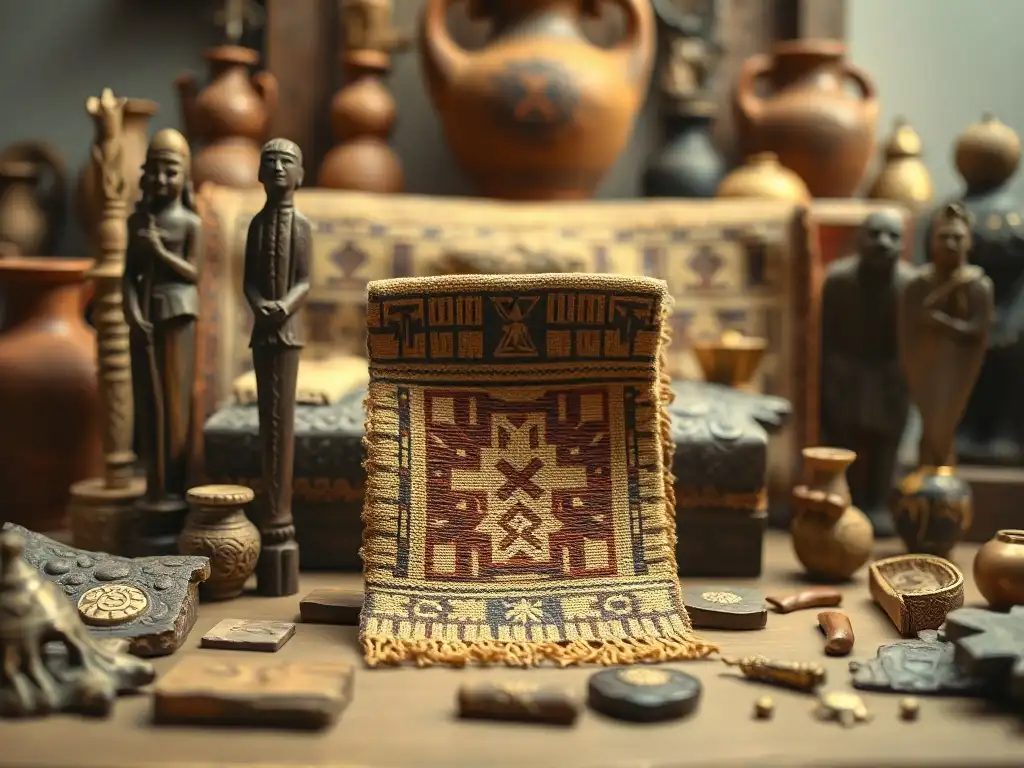
The Paracas culture, flourishing on the southern coast of Peru from roughly 800 BCE to 200 CE, left an indelible mark on subsequent Andean civilizations. While the Inca Empire, emerging centuries later, developed its own distinct artistic and technological styles, evidence suggests a significant Paracas influence, particularly in textile production, ceramic traditions, and possibly even surgical practices. Understanding this legacy illuminates the complex tapestry of Andean cultural development and the enduring impact of earlier societies on the Inca's impressive achievements. The extent of this influence remains a subject of ongoing research, but several key areas highlight a clear connection.
Paracas Contributions to Inca Textile Production
Paracas textiles are renowned for their extraordinary craftsmanship, vibrant colors, and intricate designs. The mastery of techniques like tapestry weaving, embroidery, and the use of a wide range of dyed fibers was unparalleled in its time. These sophisticated textile traditions were not lost to history. While Inca textiles developed their own unique characteristics, such as the use of chumpi (a type of knotted textile), clear parallels exist with Paracas techniques. The intricate designs, the use of multiple colors, and the high quality of the materials used suggest a direct lineage.
For example, the use of complex geometric patterns and depictions of stylized animals and mythical creatures are common to both Paracas and Inca textiles. The techniques used to create these patterns, including the manipulation of warp and weft threads to create intricate designs, also show striking similarities. Furthermore, the use of camelid fibers (alpaca and llama), a staple of both cultures, further underscores this connection.
The evidence points to a continuation and refinement of Paracas textile traditions within the Inca Empire, suggesting a direct transmission of knowledge and skills across centuries. Analysis of dye composition and fiber types from both periods could provide further compelling evidence to solidify this hypothesis. [Specific chemical analysis data pending].
Paracas Ceramic Traditions and their Inca Echoes
Paracas pottery, characterized by its distinctive styles and forms, also exhibits intriguing parallels with later Inca ceramics. While Inca pottery often featured more geometric designs and a more standardized production, certain stylistic elements seem to echo earlier Paracas traditions. The use of vibrant colors, particularly reds, blacks, and whites, is a common thread. The use of anthropomorphic and zoomorphic motifs, albeit stylized differently, also suggests a possible connection.
While Inca ceramics were often mass-produced to meet the demands of a large empire, smaller, more intricately decorated pieces sometimes display a level of refinement and artistry reminiscent of Paracas work. The use of similar techniques, such as negative painting and incision, further strengthens this connection. However, it's crucial to note that the Inca also incorporated influences from other cultures. Therefore, identifying the specific impact of Paracas pottery on Inca styles requires a nuanced analysis considering other potential sources. [Comparative analysis of ceramic styles from different Andean cultures pending].
Possible Paracas Influence on Inca Surgical Practices
One of the most fascinating, albeit less definitively proven, areas of potential Paracas influence on Inca culture lies in the realm of surgery. Paracas surgeons were remarkably skilled, performing trepanation (skull surgery) with surprising success rates. While the specific reasons for these procedures remain debated, the advanced techniques employed by Paracas surgeons suggest a sophisticated understanding of anatomy and surgical procedures. Some researchers have proposed that this knowledge may have been passed down, in some form, to later Andean cultures, including the Inca.
While direct evidence linking Paracas surgical practices to Inca techniques is limited, the advanced surgical skills evident in Paracas remains are striking. The Inca themselves were known for their relatively advanced medical practices, and it’s plausible that some knowledge of surgical techniques could have been transmitted across the centuries. However, this is a complex area requiring further investigation, including detailed comparative analysis of surgical techniques and instruments. [Comparative analysis of Paracas and Inca surgical tools and techniques pending]. Further research, including detailed analysis of Inca surgical remains, is crucial to determine the extent of this potential influence.
Ancestor veneration formed a cornerstone of both Paracas and Inca societies, profoundly shaping their religious practices, social structures, and artistic expressions. The Paracas, known for their elaborate burial practices, meticulously prepared their deceased for the afterlife, often adorned with exquisite textiles and accompanied by grave goods reflecting their status and beliefs. These elaborate funerary rituals suggest a deep-seated belief in the continued existence and influence of ancestors, a belief that directly echoes in Inca traditions.
The Inca, similarly, placed immense importance on ancestor worship. Their elaborate mausoleums and carefully preserved mummies of past rulers and significant figures demonstrate a continued connection and reverence for their forebears. The Inca believed that their ancestors held power and influence even in death, capable of intervening in the affairs of the living and offering guidance and protection. This belief manifested in various rituals, offerings, and festivals dedicated to honoring their ancestors.
The similarities extend beyond mere ritualistic practices. Both cultures likely shared a belief in the cyclical nature of life and death, with ancestors playing a vital role in maintaining the balance and prosperity of the community. This shared belief is evident in the artistic representations found in both Paracas and Inca art.
The recurring motifs of stylized figures, possibly representing ancestors or deities, found on Paracas textiles and Inca ceramics, suggest a common visual language expressing these shared spiritual beliefs. Further research comparing specific iconographic elements could reveal even more compelling evidence of this cultural continuity. While the specific details of their respective beliefs might have differed, the fundamental importance of ancestor veneration as a central tenet of their respective cosmologies is undeniable, highlighting a significant link between the Paracas legacy and the subsequent Inca civilization.
The strong evidence of ancestor veneration in both cultures strengthens the argument for a direct lineage of cultural and spiritual beliefs. This shared belief system likely played a crucial role in shaping the social and political structures of both societies, emphasizing the importance of lineage, hierarchy, and respect for elders.
Understanding the Paracas Legacy: A Summary of its Impact
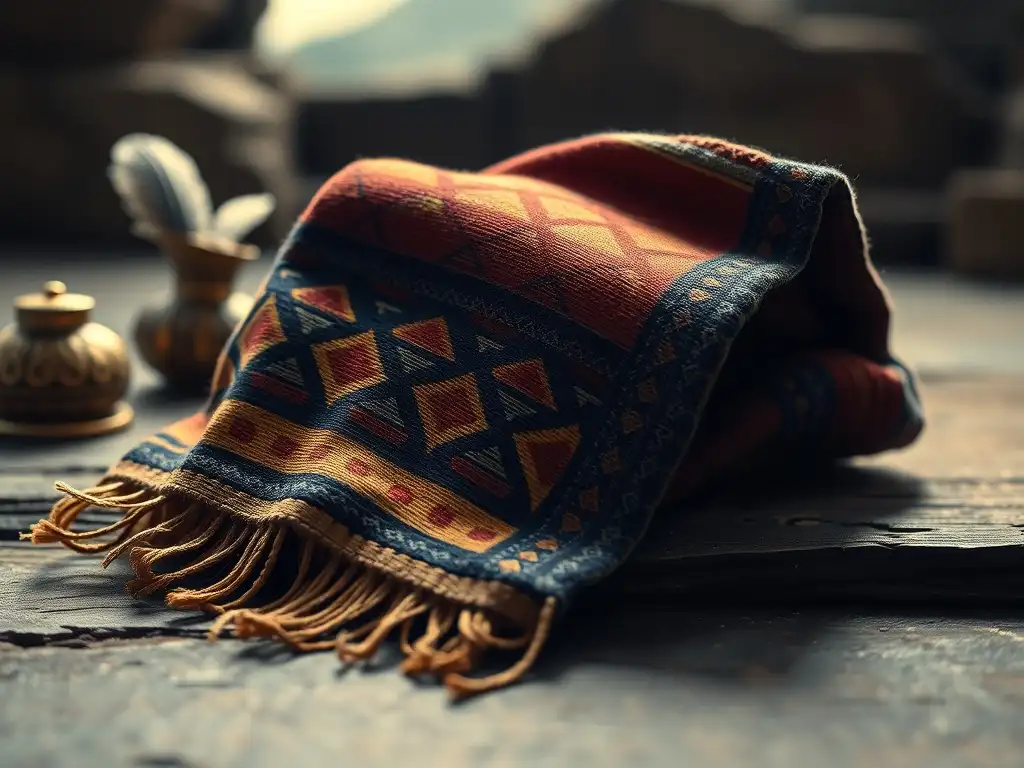
The Paracas culture, flourishing on the southern coast of Peru from roughly 800 BCE to 200 CE, left an indelible mark on subsequent Andean civilizations. Their sophisticated textile production, complex burial rituals, and unique artistic styles significantly influenced later cultures, including the Nazca, Wari, and ultimately, the Inca. Understanding the Paracas legacy is crucial for a comprehensive understanding of the development of Andean art, technology, and societal structures.
This impact wasn't a simple linear progression; rather, it was a complex interplay of adoption, adaptation, and innovation, reflecting the dynamic nature of cultural exchange in the Andes. The Paracas influence on Inca culture, for example, is evident not just in direct stylistic similarities but also in the underlying principles of textile production and ritual practices. This section will explore these key areas of Paracas influence, highlighting the enduring nature of their contributions.
The Enduring Impact of Paracas Innovations
Paracas textile production stands out as a particularly significant contribution. Their mastery of intricate weaving techniques, using vibrant natural dyes and complex patterns, surpassed anything seen in preceding cultures. The famous Paracas textiles, with their elaborate iconography and fine detail, are renowned globally.
This expertise wasn't lost; later cultures, notably the Nazca and Inca, adopted and refined these techniques, incorporating Paracas-inspired motifs and styles into their own textile traditions. For instance, the use of multiple layers of fabric and complex tapestry weaving, hallmarks of Paracas work, are clearly visible in later Inca textiles, albeit with their own stylistic adaptations. This continuity demonstrates the long-lasting impact of Paracas technological innovation on the Andean textile industry.
Furthermore, the sophisticated knowledge of dye production and the use of rare and vibrant colors remained a characteristic feature throughout the Andean region, showcasing the enduring impact of Paracas expertise. The vibrant reds, yellows, and blues found in Paracas textiles echo in the textiles of later Andean cultures, a testament to their influence.
The Importance of Studying the Paracas Culture
Studying the Paracas culture provides invaluable insights into the broader context of Andean development. Their unique artistic expression, complex social organization, and advanced technological capabilities offer a crucial benchmark for understanding the evolution of Andean societies. By examining their innovations in textile production, metallurgy, and funerary practices, we can trace the trajectory of cultural exchange and adaptation across different Andean groups.
For example, the elaborate Paracas burial practices, involving intricate mummification techniques and the inclusion of numerous grave goods, influenced later funerary traditions. Analyzing these practices allows us to understand the evolving Andean worldview and beliefs about death and the afterlife. Moreover, the Paracas' unique artistic style, characterized by its highly stylized representations of humans and animals, can be traced in the artistic expressions of subsequent Andean cultures, providing a continuous thread through time.
This detailed study of Paracas culture is not just an academic exercise; it's essential for a complete understanding of the Andean cultural heritage. The Paracas influence on Inca culture, therefore, is only one aspect of a much larger and complex story.
Future Research Directions on Paracas Influence on the Andes
Future research should focus on several key areas to further illuminate the Paracas legacy. A more detailed comparative analysis of Paracas and later Andean textiles is needed, employing advanced techniques like fiber analysis and pigment identification to pinpoint specific connections and trace the diffusion of techniques. Further investigation into Paracas metallurgy and its influence on later Andean metalworking traditions would also be beneficial.
The use of advanced imaging techniques on Paracas textiles and ceramics could reveal hidden details and provide further insights into their artistic practices and iconography. Finally, interdisciplinary approaches, combining archaeological data with anthropological and ethnohistorical studies, will offer a more nuanced understanding of the complex interplay between Paracas culture and its successors. Specifically, further investigation into the potential trade networks and interactions between the Paracas and other contemporary cultures will clarify the channels through which Paracas influence spread.
This multifaceted approach will allow for a more comprehensive understanding of the Paracas influence on Inca culture and the wider Andean region. The enduring legacy of the Paracas necessitates ongoing research to fully appreciate their lasting impact.
Conclusion: The Paracas Legacy in Andean Civilization
The Paracas culture, though relatively short-lived compared to some of its Andean successors, left an undeniably significant mark on the trajectory of Andean civilization. Its impact reverberates through centuries, influencing not only the immediate coastal cultures but also reaching the heights of the Inca Empire. Understanding the Paracas contribution is crucial to a comprehensive understanding of the development of Andean art, textiles, and even social structures.
The sophisticated techniques, innovative designs, and unique artistic sensibilities pioneered by the Paracas people served as a foundation upon which later Andean cultures built their own remarkable achievements. Their legacy is not merely a historical footnote; it's a vibrant thread woven into the rich tapestry of Andean history.
Reiterating the Importance of Paracas Culture
The Paracas influence on Inca culture, and indeed on many other Andean cultures, cannot be overstated. Their mastery of textile production, particularly their intricate and vibrant textiles, is unparalleled in the pre-Columbian world. The use of complex techniques like tapestry weaving, embroidery, and dyeing, coupled with their bold color palettes and intricate designs, set a standard of excellence that inspired generations of Andean artisans.
These techniques, passed down through various cultural intermediaries, eventually contributed to the impressive textile traditions of the Inca Empire. Furthermore, the Paracas' development of advanced mummification techniques, indicative of their complex religious beliefs and social organization, also likely influenced later mortuary practices in the Andes. Evidence suggests a continuity in certain burial rituals and the reverence for ancestors, reflecting the enduring impact of Paracas traditions.
The unique style of Paracas pottery, characterized by its delicate forms and often-exquisite painted decorations, also contributed to the broader Andean ceramic tradition. Analyzing these aspects reveals a deep and lasting impact that extends far beyond simple imitation. The Paracas' innovations were not merely copied; they were adapted, refined, and reinterpreted by subsequent Andean cultures, resulting in a dynamic and evolving artistic heritage.
The Lasting Impact of Paracas on Andean Artistic Traditions
The Paracas' artistic legacy extends beyond textiles. Their distinctive style of pottery, characterized by its elegant forms and intricate painted designs, influenced ceramic production in subsequent coastal cultures. The use of vibrant colors, often depicting mythical creatures and stylized figures, is a recurring motif in Paracas ceramics, a theme that reappears in later Andean pottery, albeit with stylistic variations.
Similarly, their mastery of metalwork, though less extensively documented than their textiles, likely contributed to the development of advanced metalworking techniques in later Andean societies. The Paracas' skill in shaping and decorating gold, silver, and copper laid the groundwork for the impressive metal artistry of the Inca and other Andean cultures. Analyzing the stylistic similarities and shared technical approaches between Paracas artifacts and those of later cultures provides compelling evidence of a direct lineage.
This artistic continuity demonstrates not just influence, but a genuine transmission of knowledge and artistic practices across generations and across different Andean societies. The Paracas' contribution was foundational, shaping the artistic landscape of the Andes for centuries to come.
Final Thoughts on the Paracas Influence on Inca Culture and Beyond
The Paracas influence on Inca culture is a compelling example of cultural transmission and adaptation in the Andean region. While the Inca Empire developed its own unique artistic and cultural expressions, the foundations laid by the Paracas were undeniably crucial. The sophisticated techniques in textile production, the distinctive stylistic elements in pottery, and possibly even aspects of their religious beliefs and social structures all contributed to the rich and complex tapestry of Inca civilization.
However, it's important to remember that the Paracas influence wasn't limited to the Inca. Many other Andean cultures, both coastal and highland, absorbed and adapted elements of Paracas culture, demonstrating its widespread and enduring impact. Further research, particularly focused on comparative analyses of artifacts and archaeological contexts, is needed to fully elucidate the extent of this influence and to pinpoint the specific pathways of cultural transmission.
The Paracas legacy serves as a powerful reminder of the interconnectedness of Andean cultures and the enduring power of artistic and technological innovation. The "Paracas influence on Inca culture" is not just a historical fact; it's a testament to the dynamic and evolving nature of Andean civilization.
Frequently Asked Questions
What is the main focus of this article?
This article explores the impact of the Paracas culture on subsequent Andean civilizations, particularly focusing on the influence they had on the Inca. It traces the legacy of Paracas art, technology, and possibly religious beliefs in later Andean societies.
How did the Paracas culture influence Inca textiles?
Paracas are renowned for their exceptionally intricate textiles, characterized by vibrant colors and complex designs. These techniques and styles likely influenced the sophisticated textile traditions of the later Inca empire.
Did the Paracas influence Inca architecture or urban planning?
While direct architectural influence is debated, some scholars suggest that Paracas' mastery of construction techniques and monumental projects might have indirectly contributed to Inca architectural achievements. Further research is needed to confirm this.
What about the religious beliefs? Did the Paracas influence Inca religion?
The potential transmission of religious iconography and ceremonial practices from Paracas to later Andean cultures, including the Inca, is an area of ongoing scholarly investigation. Common motifs and themes suggest possible connections.
Beyond the Inca, which other Andean cultures were influenced by the Paracas?
The Paracas' influence extended to various Andean cultures, including the Nazca and Wari, evident in their artistic styles and technological advancements. Their legacy is widespread throughout the coastal and highland regions of Peru.
Final Reflection: Echoes of Paracas: A Legacy Woven into the Andean Tapestry
The intricate artistry and innovative techniques of the Paracas culture didn't simply vanish; they reverberated through centuries, leaving an indelible mark on subsequent Andean civilizations, most notably the Inca. The sophisticated textiles, complex burial practices, and advanced metalworking techniques pioneered by the Paracas people served as a foundational layer upon which later cultures built their own unique identities. Understanding this legacy allows us to appreciate the interconnectedness of Andean history and the enduring power of cultural transmission.
The Paracas influence is not merely a historical footnote; it's a living thread woven into the very fabric of Andean identity. Their artistic innovations, particularly in textile production, continued to inspire generations of artisans. The vibrant colors, intricate designs, and mastery of techniques like tapestry and embroidery found in Paracas textiles are echoed in later Andean art, demonstrating a clear lineage of artistic expression. The past is never dead. It's not even past.
– William Faulkner. This quote perfectly encapsulates the enduring presence of Paracas culture in the subsequent development of Andean societies, reminding us that history is not a static entity but a dynamic process of influence and transformation.
Consider the implications of this enduring legacy. How does understanding the Paracas influence reshape our perception of the Inca Empire and other Andean cultures? What can we learn from this transmission of knowledge and artistic expression across time and space? I urge you to delve deeper, to explore the museums and archaeological sites that hold the tangible evidence of this rich cultural heritage. Let the echoes of Paracas inspire you to appreciate the complexity and interconnectedness of human history, and to recognize the enduring power of cultural innovation.
Unveil the Legacy of Paracas: Take Action Today!
Thank you for exploring the incredible influence of the Paracas culture on subsequent Andean societies! Your interest in this rich history deepens our understanding of these remarkable civilizations. Now, let's turn your newfound knowledge into action—here's how you can engage further!
- **Learn more** about Paracas' unique textiles and art by visiting museums or exploring online exhibits. Many excellent resources are available, both in person and online.
- **Join** our community forum to share your thoughts and discoveries with other history enthusiasts. We welcome discussions and diverse perspectives.
- **Share** this article on social media to inspire others to learn about the impact of ancient Andean cultures. Help us spread the word about this fascinating civilization!
What aspect of Paracas culture most captivates you, and how do you believe it influenced later Andean cultures? We'd love to hear your thoughts.