
The Interconnectedness of Andean Societies: Understanding Regional Interactions

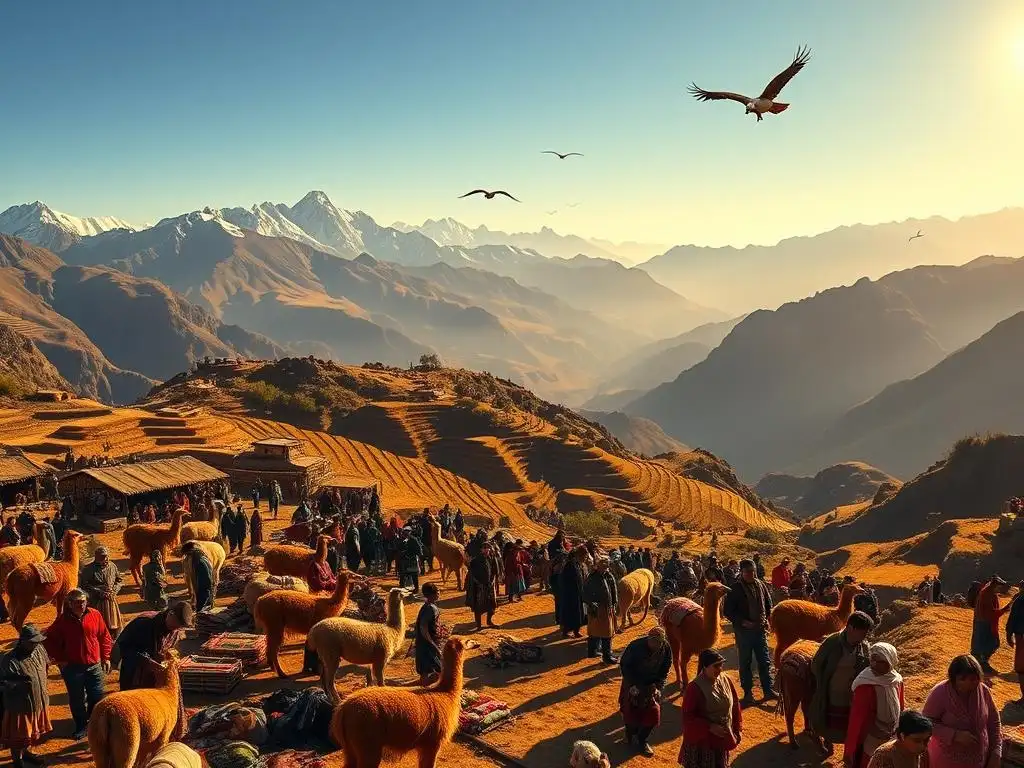
Step into a world lost to time, yet echoing with the whispers of empires. Imagine a tapestry woven from the threads of diverse Andean civilizations – the Incas, Moche, Nazca, and Tiahuanaco, each contributing to a breathtakingly complex story. But what truly bound these societies together? Unravel the mysteries of Andean civilization interactions and discover the surprising connections that shaped this extraordinary region in our exploration of Pre-Incan Cultures of the Highlands. Prepare to be amazed.
-
Andean Civilization Interactions: Exploring Regional Dynamics
- Introduction to Andean Interconnectedness
- Pre-Incan Trade Networks: Facilitating Cultural Exchange
- The Influence of Shared Iconography and Beliefs
- Warfare and Conflict: Shaping Andean Interactions
- Technological Diffusion and Innovation
- Case Studies: Examples of Regional Interactions
- The Role of Pilgrimage and Ceremonial Centers
- Conclusion: Understanding the Complex Web of Andean Interactions
-
Frequently Asked Questions
- What defines the interactions between different Andean civilizations?
- How did the Inca Empire impact other Andean societies?
- What role did trade play in Andean civilization interactions?
- Were all interactions between Andean civilizations peaceful?
- How did the environment affect interactions between Andean societies?
- Final Reflection: Weaving the Threads of Andean History
- Unveil the Rich Tapestry of Andean Connections!
Andean Civilization Interactions: Exploring Regional Dynamics
The Andes Mountains, a spine of towering peaks and deep valleys stretching along the western coast of South America, were far from isolated pockets of independent cultures. For millennia, diverse Andean societies—from the coastal Moche to the highland Tiahuanaco—engaged in a complex web of interactions, shaping their individual identities while simultaneously contributing to a shared Andean cultural sphere. This article delves into the intricate tapestry of Andean civilization interactions, examining the pre-Inca period and highlighting the crucial role of trade, diplomacy, and even conflict in fostering regional interconnectedness.
Understanding these dynamics is key to appreciating the rich complexity of Andean history and the remarkable achievements of these pre-Columbian civilizations. We will explore how these interactions significantly impacted the development of Andean societies, laying the groundwork for the later Inca Empire.
This exploration will focus on the evidence of extensive trade networks, the exchange of ideas and technologies, and the ways in which different groups interacted, both peacefully and through conflict. The term "Andean civilization interactions" itself highlights the dynamic and multifaceted nature of these relationships, extending beyond simple trade to encompass a wide range of social, political, and cultural exchanges.
Introduction to Andean Interconnectedness
The notion of isolated, self-sufficient Andean societies is a misconception. Archaeological evidence consistently reveals a vibrant exchange of goods, ideas, and people across vast distances and diverse ecological zones. From the arid coastal deserts to the high-altitude plains and lush Amazonian foothills, Andean societies developed intricate systems for managing these interactions.
This interconnectedness wasn't merely economic; it fostered a shared cultural landscape, evidenced by similar artistic motifs, architectural styles, and religious practices found across geographically disparate regions. The flow of information and technology, facilitated by trade networks and potentially by migration, contributed to a remarkable degree of cultural homogeneity, especially concerning certain religious beliefs and agricultural techniques. This shared cultural base, however, didn't eliminate regional diversity; instead, it created a dynamic interplay between shared traditions and unique local expressions.
The level of interaction varied over time and between different regions, reflecting the fluctuating political landscapes and the ever-changing economic conditions. Understanding this nuance is vital to accurately interpreting the archaeological record and appreciating the complexity of Andean history.
Pre-Incan Trade Networks: Facilitating Cultural Exchange
The existence of extensive trade networks in the pre-Inca Andes is undeniable. These networks played a critical role in disseminating goods, ideas, and technologies across vast distances, fostering cultural exchange and interdependence between different societies. The scale and complexity of these networks varied considerably over time and across different regions, reflecting the changing political and economic landscapes of the Andes. The development of these networks was facilitated by a number of factors, including the development of sophisticated transportation systems, the emergence of specialized craft production, and the establishment of long-distance trade routes.
Early Trade Routes in the Andes
Early trade routes in the Andes were often determined by geographical features, such as river valleys and mountain passes. These routes were not simply paths; they were integral parts of the social and economic fabric of Andean societies. The routes themselves often became sites of exchange and interaction, with settlements and waystations emerging along them.
Evidence suggests that some routes were used for centuries, connecting distant communities and facilitating the exchange of goods and ideas. The precise routes and their usage patterns, however, remain areas of active research, and many details are still being uncovered through ongoing archaeological investigations. The challenges of navigating the rugged Andean terrain led to the development of innovative transportation technologies, including the use of llamas for carrying goods and the construction of sophisticated road systems.
Barter Systems and Resource Distribution
The Andean economies were largely based on barter systems, with goods and services exchanged directly without the use of currency. This system facilitated the distribution of resources across different ecological zones, creating a complex network of interdependence. Coastal communities, for instance, traded fish and shellfish for highland agricultural products such as potatoes and maize.
This exchange was not simply a matter of economic necessity; it also played a crucial role in maintaining social and political relationships between different groups. The nature of these bartering systems varied between different regions, and the specific goods and services exchanged reflected the unique environmental conditions and economic specializations of each area. Further research is needed to fully understand the complexities of these pre-monetary economic systems.
The Role of Specialized Goods in Regional Trade
Certain goods played a particularly important role in regional trade, acting as markers of status and prestige or demonstrating specialized skills. These included textiles, ceramics, metals (such as gold and copper), and exotic feathers. The production of these goods often involved specialized craftspeople, whose skills were highly valued and whose products were traded across wide distances.
The distribution of these goods not only reflects economic interactions but also provides insights into social hierarchies and power structures within Andean societies. The presence of these specialized goods in archaeological sites far from their production centers demonstrates the extent of the trade networks and the importance of these items in Andean cultures. The stylistic variations in these goods across different regions also reveal the interplay between regional identities and broader cultural exchange.
Examining Common Motifs in Andean Art
The study of Andean art reveals striking similarities across vast geographical distances and distinct cultural groups. Recurring motifs, such as the feline deity, condor imagery, and stylized representations of serpents, appear in pottery, textiles, and metalwork from diverse regions, suggesting a shared symbolic language and possibly a common origin for certain beliefs. For example, the depiction of the feline deity, often interpreted as a representation of power and authority, can be found in the art of the Moche, Nazca, and even later Inca cultures, albeit with stylistic variations reflecting regional artistic traditions.
The persistence of these motifs across centuries and diverse artistic styles points to a deep-seated cultural interconnectedness, possibly facilitated by trade networks or migratory patterns. Further research into the specific contexts of these artistic representations could reveal more about the transmission and evolution of these shared beliefs.
Detailed stylistic analyses, comparing the variations in the depiction of these motifs across different cultures, could provide crucial insights into the nature and extent of these interactions. The subtle differences in artistic expression, alongside the shared iconography, offer a rich tapestry of information for researchers to unravel.
Religious Practices and Their Regional Spread
Beyond shared iconography, evidence suggests the diffusion of religious practices across Andean societies. While specific rituals and deities might have varied regionally, the underlying belief systems often show remarkable parallels. For instance, the importance of ancestor veneration, evident in the elaborate burial practices of numerous Andean cultures, suggests a shared cosmological worldview.
The construction of monumental sites, such as the Nazca Lines or the massive platforms of Tiahuanaco, also points to a widespread belief in the power of ritual and collective action. The presence of similar ceremonial objects, like specific types of pottery or textiles used in religious contexts, further supports this idea of a shared religious landscape. The spread of these practices likely occurred through various mechanisms, including migration, trade, and even conquest, highlighting the dynamic nature of cultural exchange in the Andes.
Further investigation into the specific rituals and beliefs of individual cultures, and their similarities and differences, is crucial to fully understand the extent of religious interconnectedness in the Andes. Archaeological excavations and detailed analysis of religious artifacts will continue to shed light on this fascinating aspect of Andean civilization interactions.
The Transmission of Ideologies among Andean Societies
The transmission of ideologies, beyond religious beliefs, also played a significant role in shaping Andean interactions. Political systems, social structures, and even agricultural techniques show evidence of cross-cultural influence. For example, the development of sophisticated irrigation systems, crucial for Andean agriculture, appears to have spread gradually across different regions, adapting to local environments but retaining fundamental principles.
Similarly, the hierarchical social structures observed in many Andean societies, with elites holding significant power and influence, might have been influenced by interactions between neighboring groups. The exchange of ideas and practices related to governance, social organization, and agricultural techniques showcases the multifaceted nature of Andean civilization interactions.
The study of ancient texts, if available, and the analysis of social structures revealed through archaeological excavations, are crucial to further understanding the transmission of ideologies. Further research into the specific mechanisms of this transmission, such as through intermarriage, diplomatic relations, or warfare, would offer a more complete picture of the interconnected nature of Andean societies.
Warfare and Conflict: Shaping Andean Interactions
Competition for Resources and Territory
Competition for vital resources like fertile land and water sources was a major driver of conflict among Andean societies. The scarcity of arable land in certain regions, coupled with the need to support growing populations, frequently led to clashes between neighboring groups. Control over strategic locations, such as mountain passes or coastal areas, also played a significant role in these conflicts. Archaeological evidence, including the presence of defensive structures and weaponry, provides insight into the scale and intensity of these conflicts.
For instance, the remains of fortifications and the discovery of projectile points and other weapons demonstrate the prevalence of warfare in various Andean regions. Detailed analysis of these artifacts, along with the study of skeletal remains to identify signs of trauma, can help us understand the nature and impact of these conflicts. The competition for resources and territory shaped political alliances and influenced the development of powerful states.
The Impact of Warfare on Political Alliances
Warfare significantly impacted political alliances among Andean societies. Victorious groups often expanded their territories and influence, forging new alliances or subjugating defeated enemies. Conversely, military defeats could lead to the collapse of existing alliances and the reshaping of political landscapes. The formation of powerful empires, such as the Inca Empire, was partially fueled by military success and the consolidation of conquered territories.
The study of ancient Andean political structures, through archaeological evidence and analysis of surviving historical records, if any, is crucial to understanding the complex interplay between warfare and political alliances. The study of changes in settlement patterns, the distribution of elite goods, and the development of administrative systems can help reveal the impact of military victories and defeats on political landscapes. Further research is needed to comprehensively understand the dynamic shifts in power and alliances resulting from warfare.
Fortifications and Defensive Strategies in Andean Regions
Andean societies developed sophisticated fortifications and defensive strategies to protect themselves from external threats. These ranged from simple earthworks and stone walls to elaborate fortress complexes strategically located in mountainous terrain. The construction of these fortifications often involved significant labor and resources, reflecting the importance of defense in Andean societies. Archaeological investigations have uncovered numerous examples of these defensive structures, providing valuable insight into the military capabilities and strategic thinking of Andean cultures.
The design and construction of these fortifications often reflect the specific environmental conditions and the nature of the threats faced by each society. Further research into the design, construction, and function of these fortifications could reveal more about the military technology and strategic thinking of the various Andean cultures. The study of these fortifications, in conjunction with the analysis of weaponry and other military artifacts, provides a richer understanding of warfare in the Andes.
Technological Diffusion and Innovation
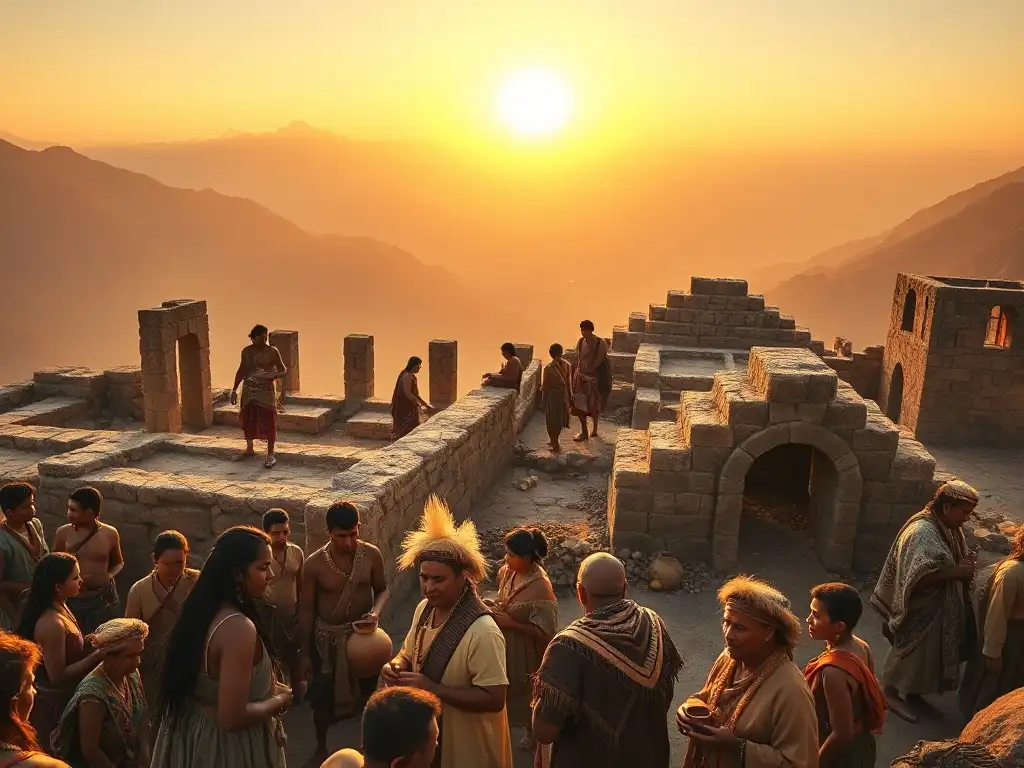
The study of Andean civilization interactions reveals a fascinating tapestry of technological exchange and adaptation. Innovation wasn't isolated; rather, it spread across regions, evolving and transforming as it went. This diffusion wasn't a simple one-way street; it involved complex feedback loops, with different societies contributing unique elements and modifying existing technologies to suit their specific environments and needs.
The process showcases the dynamic nature of Andean societies and their interconnectedness, even in the face of geographical barriers. The exchange of knowledge and techniques fostered resilience and allowed for the development of sophisticated technologies across the Andes. Understanding this intricate web of technological transfer is crucial to appreciating the overall advancements achieved by Andean cultures.
The Spread of Agricultural Techniques
Agricultural techniques, fundamental to Andean survival, were constantly refined and shared. The cultivation of potatoes, for example, spread from its center of origin to diverse ecological zones, adapting to varying altitudes and climates. Irrigation systems, crucial for managing water resources in arid regions, were another technology that saw widespread adoption and modification.
Different techniques, such as terrace farming and canal systems, were adapted and improved upon by various societies, demonstrating a collaborative approach to agricultural innovation. This constant exchange and refinement of agricultural practices significantly enhanced food production across the Andes, supporting larger and more complex societies. The sharing of knowledge concerning crop varieties and cultivation methods ensured food security and fostered regional cooperation.
Metalworking and its Regional Variations
Metalworking, particularly in gold, silver, and copper, was a significant technological achievement in the Andes. While different regions developed their own unique styles and techniques, there's clear evidence of inter-regional exchange and influence. For instance, the distinctive styles of goldwork found in the Moche culture show possible influences from other coastal and highland cultures. Similarly, the techniques used in copper alloying spread across different regions, indicating a shared understanding of metallurgy.
However, the specific applications and stylistic choices often reflected regional preferences, creating a rich diversity within the broader Andean metalworking tradition. The exchange of raw materials and specialized knowledge played a significant role in the development of this sophisticated craft across the vast Andean landscape. Variations in metalworking practices reflect both the shared technological base and the unique artistic expressions of different Andean societies.
Architectural Styles and their Inter-Regional Adoption
Architectural styles serve as another powerful indicator of Andean civilization interactions. The adoption and adaptation of architectural features across different regions demonstrate a shared cultural heritage and the exchange of building techniques. The use of stonework, for example, shows remarkable consistency across various Andean cultures, suggesting a shared understanding of construction principles. However, regional variations in architectural styles also reflect the unique adaptations to different environments and cultural preferences.
The impressive stonework of Tiwanaku, for example, influenced later architectural styles in other regions, but these styles were always adapted to local conditions and aesthetic tastes. This dynamic interplay between shared techniques and regional expressions shaped the diverse architectural landscape of the Andes. The careful study of these architectural patterns provides valuable insights into the complex network of cultural exchange and adaptation within the region.
Case Studies: Examples of Regional Interactions
Examining specific cases provides a deeper understanding of the nature and impact of Andean civilization interactions. These interactions were not always peaceful or uniform; they encompassed periods of cooperation, conflict, and cultural exchange. By analyzing concrete examples, we can better appreciate the complexity and dynamism of these interactions.
The Tiwanaku and Wari Interaction: A Study in Highland Dynamics
The Tiwanaku and Wari cultures represent a compelling case study of highland interaction. While the exact nature of their relationship remains debated, evidence suggests significant cultural exchange and influence. Tiwanaku's influence on Wari architecture and iconography is particularly noticeable. However, the Wari also developed their own distinct cultural expressions, demonstrating an adaptation rather than a mere replication of Tiwanaku traditions.
This interaction highlights the complex interplay between cultural dominance and adaptation in the Andean highlands. Further research is needed to fully understand the extent and nature of this interaction, including economic and political factors. Understanding the interplay between these two powerful cultures helps illuminate the dynamics of power and influence in the pre-Inca Andes.
The Moche and their Coastal Interactions
The Moche civilization, known for its impressive achievements in art and engineering, interacted extensively with other coastal communities. Their sophisticated irrigation systems and distinctive pottery styles demonstrate a degree of technological and artistic exchange with neighboring cultures. However, the Moche also maintained their unique cultural identity, suggesting a selective process of interaction and adaptation.
The extent of their interactions with other coastal societies is still being explored, but archaeological evidence points to a complex network of trade and cultural exchange along the Peruvian coast. The Moche case study is a prime example of how coastal Andean societies interacted, influencing and being influenced by their neighbors. More research into Moche trade networks would shed further light on these complex interactions.
Regional Variations within the Nazca culture
While often considered a unified entity, the Nazca culture displayed significant regional variations. Differences in pottery styles, burial practices, and architectural features suggest that the Nazca were not a single monolithic society but rather a collection of interconnected communities with distinct local traditions. These variations, while significant, do not negate the existence of shared cultural elements and a degree of interaction between these regional groups.
This internal diversity within the Nazca culture highlights the complexity of regional dynamics even within a seemingly unified cultural group. Understanding this internal diversity is crucial for a nuanced understanding of Nazca culture and its relationship with other Andean societies. Further research comparing and contrasting regional variations within the Nazca culture is needed to better understand the dynamics of this complex society.
The Role of Pilgrimage and Ceremonial Centers
Pilgrimage and ceremonial centers played a crucial role in fostering interaction between Andean societies. These weren't simply religious sites; they were vibrant hubs of social, economic, and political activity. People from diverse regions converged at these locations, bringing with them goods, ideas, and practices.
The sheer scale of some of these centers, like Chavín de Huántar, suggests the immense draw they held for communities across vast distances. The construction and maintenance of these sites themselves required collaborative efforts, further solidifying inter-regional ties. The exchange of goods, ranging from exotic materials to crafted artifacts, was a prominent feature of these gatherings, fostering economic interdependence and the spread of technological innovations.
Furthermore, the shared religious experiences and rituals at these centers likely helped forge a sense of collective identity, transcending local boundaries and contributing to a broader Andean cultural framework. The impact of these ceremonial centers extended far beyond their immediate vicinity, shaping the social and cultural landscape of the entire region.
Sites of Regional Gathering and Exchange
Numerous sites across the Andes served as significant points of regional gathering and exchange. For example, the coastal city of Moche, with its impressive adobe pyramids and extensive irrigation systems, attracted people from both the highlands and the coast. Similarly, the Nazca lines, though their exact purpose remains debated, likely served as a focal point for regional interaction, bringing together individuals for ceremonial events and potentially marking significant trade routes.
The presence of similar artistic styles and architectural features across geographically disparate sites provides further evidence of extensive interaction and exchange. These gatherings were not simply fleeting events but rather regular occurrences, contributing to the ongoing flow of information, goods, and ideas across the Andes. The diversity of artifacts discovered at these sites highlights the far-reaching networks that connected different Andean communities.
The Significance of Religious Centers in Andean Unity
Religious centers played a pivotal role in fostering a sense of unity and shared identity across the Andean region. The shared belief systems and religious practices, often expressed through elaborate ceremonies and rituals, created a common ground that transcended ethnic and linguistic differences. The standardization of certain religious iconography and the diffusion of specific deities across vast geographical areas point to the unifying influence of these centers.
The pilgrimage to these sites not only served as a religious act but also fostered social interaction and exchange, strengthening bonds between communities. The shared religious experiences likely contributed to a sense of collective identity, helping to create a broader Andean cultural framework. The enduring legacy of these religious centers is visible in the continuity of certain religious beliefs and practices throughout Andean history.
Pilgrimage Routes and their Impact on Cultural Diffusion
The extensive pilgrimage routes that crisscrossed the Andes facilitated the spread of cultural ideas, technologies, and artistic styles. These routes weren't simply pathways; they were dynamic channels of communication and exchange, connecting diverse communities and contributing to the diffusion of cultural elements. The movement of people along these routes brought with them not only religious beliefs and practices but also agricultural techniques, architectural styles, and artistic motifs.
The spread of certain pottery styles, weaving techniques, and agricultural innovations can be attributed to the movement of people along these well-established pilgrimage routes. This continuous flow of information and cultural practices contributed significantly to the interconnectedness of Andean societies. The geographical distribution of certain artifacts and cultural elements provides compelling evidence of the significant role played by pilgrimage routes in cultural diffusion.
Conclusion: Understanding the Complex Web of Andean Interactions
Understanding the complex web of Andean interactions requires a nuanced approach that considers the multifaceted nature of these relationships. The pre-Inca period was characterized by a dynamic interplay of cooperation and competition, exchange and conflict. Regional interactions were not uniform but rather varied across different regions and time periods. The factors driving these interactions included religious beliefs, economic opportunities, political alliances, and environmental conditions. Studying these interactions requires a multidisciplinary approach, integrating archaeological, anthropological, and historical data.
The Legacy of Pre-Incan Regional Relationships
The pre-Inca regional relationships laid the groundwork for the later Inca Empire. The existing networks of communication, trade, and cultural exchange facilitated the Inca expansion and integration of diverse communities. The Inca's success in unifying the Andes was built upon the pre-existing foundations of regional interaction and interconnectedness. Understanding the nature of these pre-Inca relationships is crucial for a comprehensive understanding of the Inca Empire’s rise and organization. The legacy of these interactions is evident in the cultural and linguistic diversity of the Andean region, even after the Inca conquest.
The Importance of Studying Andean Civilization Interactions
Studying Andean civilization interactions is vital for comprehending the complexities of Andean history and culture. It allows us to move beyond a fragmented view of isolated societies to appreciate the dynamic interplay of regional forces that shaped the Andean world. This understanding is not only academically enriching but also holds practical implications for contemporary issues such as cultural preservation, sustainable development, and regional cooperation.
By studying the past, we can gain valuable insights into the challenges and opportunities of building strong and resilient communities. This research also helps us understand the processes of cultural exchange and adaptation in diverse societies.
Future Directions in Researching Andean Interconnectedness
Future research on Andean interconnectedness should focus on several key areas. This includes refining chronological frameworks for specific interactions, employing advanced analytical techniques to study material culture, and integrating oral traditions and ethnohistorical accounts into the research process. A greater emphasis on interdisciplinary collaboration, combining the expertise of archaeologists, anthropologists, historians, and other specialists, is also crucial.
Furthermore, exploring the impact of environmental changes on regional interactions and utilizing Geographic Information Systems (GIS) to map and analyze interaction networks are important avenues for future research. These efforts will contribute to a more complete and nuanced understanding of the dynamic relationships that characterized the Andean world.
Frequently Asked Questions
What defines the interactions between different Andean civilizations?
Andean civilization interactions were complex and varied, involving trade, alliances, conflict, and cultural exchange. These interactions shaped the development and trajectory of each society.
How did the Inca Empire impact other Andean societies?
The Inca Empire significantly impacted other Andean societies through military conquest, administrative control, and the imposition of Inca culture and language. This resulted in both assimilation and resistance.
What role did trade play in Andean civilization interactions?
Trade networks were crucial, facilitating the exchange of goods, resources, and ideas across vast distances. This interconnectedness fostered economic growth and cultural diffusion.
Were all interactions between Andean civilizations peaceful?
No, interactions were not always peaceful. Warfare and conquest were common, leading to territorial expansion and the dominance of certain empires over others.
How did the environment affect interactions between Andean societies?
The challenging Andean geography influenced interactions, creating both barriers and opportunities. Access to resources like fertile valleys and coastal regions shaped alliances and conflicts.
Final Reflection: Weaving the Threads of Andean History
The intricate tapestry of Andean societies, far from being isolated entities, reveals a vibrant history of complex interaction and exchange. Understanding these connections is not merely an academic exercise; it's crucial for comprehending the enduring legacy of these civilizations and addressing contemporary challenges of cultural preservation and sustainable development in the region. The threads of trade, migration, and cultural diffusion woven throughout Andean history continue to resonate today.
The enduring impact of these interactions is profoundly visible in the diverse cultural landscape of the Andes, a testament to the dynamism and resilience of its people. The blending of traditions, languages, and technologies shaped the very fabric of Andean identity, a process that continues to unfold. As the anthropologist, Alfred Kroeber, eloquently stated: Culture is not a static entity, but a dynamic process of continuous change and adaptation.
This quote perfectly encapsulates the ongoing evolution of Andean societies, shaped by centuries of interaction and exchange.
Consider the implications of this interconnectedness. How can we, as individuals and as a global community, learn from the collaborative spirit and innovative solutions that characterized Andean societies? How can we apply these lessons to foster greater understanding and cooperation in our own interconnected world? I urge you to reflect on the enduring power of cultural exchange and the importance of preserving the rich heritage of the Andes for future generations. Let the story of Andean interactions inspire you to build bridges, not walls, in your own life and community.
Unveil the Rich Tapestry of Andean Connections!
Thank you for exploring the fascinating world of Andean societies and their complex regional interactions. This article provides a foundation for understanding how these vibrant cultures shaped their world, and we encourage you to delve even deeper!
Here are a few suggestions to further your exploration:
- Expand your knowledge of Andean history by consulting our recommended reading list, featuring insightful books and articles on key events and influential figures.
- Join our online community! Share your perspectives in the comments section and connect with other enthusiasts who share your passion for Andean culture.
- Utilize our interactive map on the website to visualize the intricate network of interactions and flourishing trade and cultural exchange among these societies.
What aspect of Andean interconnectedness most captivates you, and how do you believe these interactions continue to shape our understanding of their lasting legacy?