
How Andean Families Adapted to Environmental Challenges

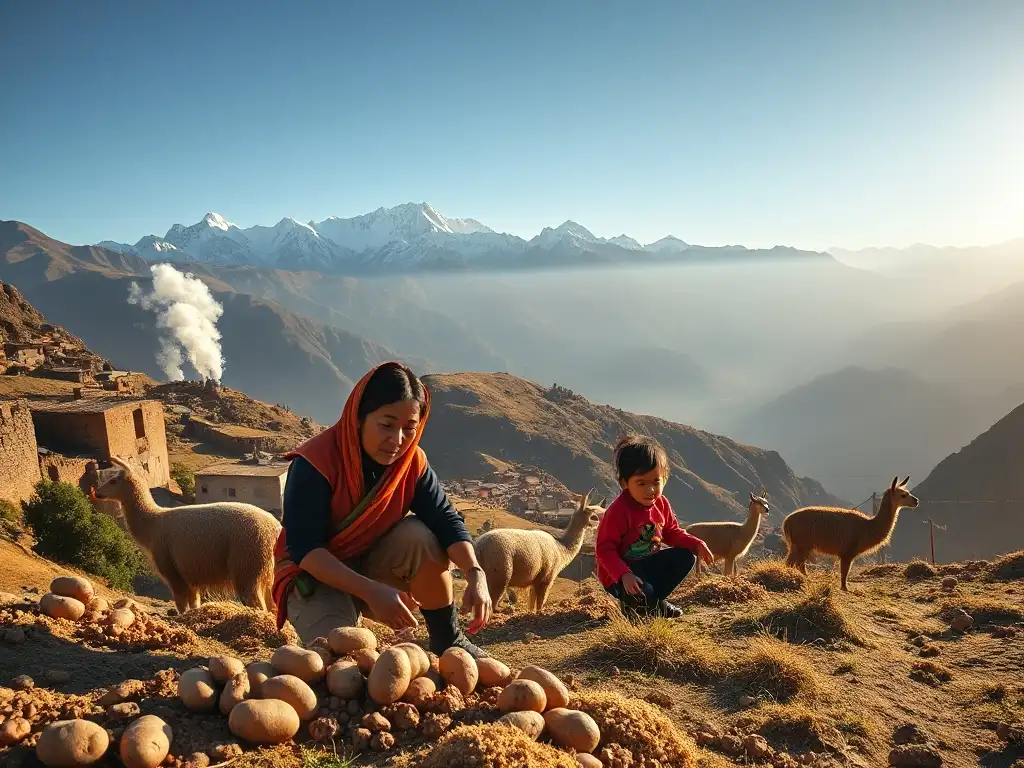
Step into a world lost to time, yet echoing with the resilience of the Andes. For centuries, civilizations thrived amidst breathtaking landscapes and daunting challenges. Discover the secrets behind the remarkable ingenuity of the Incas, Moche, Nazca, and Tiahuanaco, and uncover the fascinating story of Andean family survival strategies. How did these ancient communities not just survive, but flourish, in the face of harsh environments? Prepare to be amazed as we delve into their innovative solutions and the enduring legacy they left behind.
-
Andean Family Survival Strategies: Adapting to Environmental Challenges
- Introduction: The Resilient Andean Family
- The Diverse Andean Landscape and Its Impact on Family Life
- Understanding the Environmental Challenges Faced by Andean Families
- Traditional Andean Family Structures and Their Role in Survival
- Andean Agricultural Techniques for Food Security
- Strategies for Water Management and Conservation
- Livestock Management in the Andean Highlands
- Economic Adaptations and Diversification of Income
- Social Organization and Community Support Networks
- The Role of Women in Andean Family Resilience
- Adapting to Modern Challenges: Climate Change and Globalization
- Case Study: The Quechua Community of Chinchero, Peru and Their Adaptation Strategies
- Conclusion: Lessons from Andean Family Survival Strategies
-
Frequently Asked Questions
- What environmental challenges did Andean families face?
- What agricultural techniques did Andean families use for survival?
- How did Andean families adapt their housing to the environment?
- What role did community and social structures play in Andean family survival?
- What were some examples of Andean family resource management strategies?
- Final Reflection: Weaving Resilience into the Andean Tapestry
- Embrace Resilience: Take Action Today!
Andean Family Survival Strategies: Adapting to Environmental Challenges
The Andes Mountains, a colossal spine running down the western edge of South America, presented ancient Andean families with a formidable array of environmental challenges. From the arid coastal deserts to the high-altitude puna grasslands and the lush Amazonian foothills, the diverse geography dictated the daily lives and survival strategies of these communities.
This article explores the remarkable resilience of Andean families, examining the ingenious methods they employed to thrive in often-hostile environments. We will delve into the interconnectedness of their social structures, agricultural practices, and technological innovations, showcasing how family units were central to their ability to not only survive but also flourish in this demanding landscape.
Understanding these "Andean family survival strategies" offers a fascinating glimpse into the ingenuity and adaptability of human societies in the face of environmental adversity. This exploration will focus on key adaptations employed by families across various Andean cultures, including the Incas, Moche, Nazca, and Tiahuanaco, highlighting the common threads that bound their survival strategies while acknowledging the unique responses dictated by specific geographic locations and cultural practices.
Introduction: The Resilient Andean Family
The Andean family unit was far more than a nuclear structure; it was the fundamental building block of society, a microcosm reflecting the larger community’s resilience. Family members, across generations, collaborated in all aspects of life, from farming and herding to construction and religious practices. This close-knit structure provided a crucial support network, allowing for efficient resource allocation and risk mitigation in the face of unpredictable weather patterns, crop failures, or disease outbreaks.
The concept of ayni, reciprocal exchange of labor and goods, cemented the importance of familial and community cooperation. This system ensured that resources were shared effectively, lessening the impact of individual hardship on the entire family and community. For example, during times of scarcity, families could rely on their extended networks for essential supplies, helping to prevent widespread famine.
The strong familial bonds also facilitated the transmission of vital knowledge and skills, ensuring the continuity of traditional practices that were crucial for survival in the challenging Andean environment. This knowledge, passed down through generations, encompassed everything from advanced agricultural techniques adapted to high-altitude conditions to sophisticated methods of water management and animal husbandry.
The Diverse Andean Landscape and Its Impact on Family Life
The Andes Mountains are characterized by extreme environmental variability. Altitude significantly impacts temperature, precipitation, and available resources. Coastal desert regions, like those inhabited by the Nazca, faced extreme aridity, requiring sophisticated irrigation systems and a deep understanding of water management. In contrast, the high-altitude puna grasslands, home to many Inca communities, presented challenges related to cold temperatures, thin air, and limited arable land.
The Amazonian foothills, on the other hand, offered abundant resources but also presented challenges related to dense vegetation, humidity, and the risk of disease. Andean families adapted their survival strategies to these diverse environments. For instance, terrace farming was a crucial technique used in mountainous regions to maximize arable land and reduce soil erosion. Different crops were cultivated at varying altitudes, taking advantage of microclimates and optimizing yields.
Similarly, animal husbandry practices varied depending on the available resources and climate. Llamas and alpacas were essential in the high Andes, providing wool, meat, and transportation, while other animals were domesticated in lower-altitude regions. The ability of Andean families to adapt their practices to the specific challenges of their environment highlights their remarkable ingenuity and resourcefulness. Detailed studies of specific family units and their adaptation strategies within these diverse environments are needed to further enrich our understanding of this fascinating aspect of Andean life.
Understanding the Environmental Challenges Faced by Andean Families
Andean family survival strategies were, and continue to be, deeply intertwined with the ability to overcome significant environmental hurdles. The Andes Mountains present a uniquely challenging environment, characterized by extreme altitude variations, unpredictable weather patterns, and scarce resources. These factors significantly impacted the daily lives of Andean families, shaping their social structures, economic activities, and cultural practices. Understanding these challenges is crucial to appreciating the ingenuity and resilience of Andean communities throughout history.
The harsh realities of the Andean environment demanded a high degree of adaptability and cooperation within and between families. This necessitated the development of sophisticated survival strategies that ensured the continuity and prosperity of Andean societies. The challenges were not merely physical; they also encompassed the social and psychological pressures of coping with adversity and uncertainty.
High Altitude Living and Its Difficulties
Life at high altitudes in the Andes presented a formidable array of physiological challenges. The thin air, characterized by lower oxygen levels (hypoxia), resulted in altitude sickness, respiratory problems, and reduced physical capacity. These conditions affected all aspects of daily life, from agricultural labor to childbearing. The harsh climate also contributed to increased susceptibility to illnesses and reduced life expectancy.
Andean populations developed physiological adaptations over generations, but the challenges remained significant, particularly for pregnant women and young children. Adaptation strategies included the development of specialized housing designed to conserve heat and protect against extreme weather conditions. Dietary habits also played a crucial role, with Andean diets rich in carbohydrates and nutrients to compensate for the physiological stress of high-altitude living.
Climate Variability and Its Effects on Agriculture
The Andean climate is notoriously unpredictable, characterized by significant variations in rainfall, temperature, and frost. These unpredictable weather patterns posed a constant threat to agriculture, the cornerstone of Andean family survival. Droughts could lead to crop failures, famine, and widespread hardship, while unexpected frosts could decimate harvests in a matter of hours.
The vulnerability of Andean agriculture to climate variability forced families to develop sophisticated agricultural techniques, including terracing, irrigation systems, and crop diversification to mitigate the risks. These techniques, passed down through generations, demonstrate a profound understanding of the local environment and its complexities. The need to cope with climate variability also shaped social structures, leading to the development of risk-sharing mechanisms and mutual aid systems within and between communities.
Limited Resources and Access to Water
The availability of resources, particularly water, was another significant constraint faced by Andean families. Water scarcity was a recurring problem in many Andean regions, particularly during dry seasons. The uneven distribution of water resources across the landscape also posed a significant challenge, requiring families to develop intricate strategies to manage water access and allocation.
These strategies often involved communal management of water sources and the construction of complex irrigation systems to ensure equitable distribution. Limited access to fertile land and other crucial resources further exacerbated the challenges of survival, reinforcing the importance of family cooperation and resource sharing. The scarcity of resources underscored the need for efficient resource management and the importance of social structures that fostered cooperation and prevented conflict.
Traditional Andean Family Structures and Their Role in Survival
The unique environmental challenges faced by Andean populations shaped their family structures in profound ways. Traditional Andean family structures were not simply nuclear families; they were complex, extended networks that played a critical role in ensuring the survival and well-being of their members. These extended family structures provided crucial support in times of hardship, allowing families to pool resources, share labor, and provide mutual assistance. The strength and resilience of these family networks were essential to Andean societies' ability to adapt to and overcome the environmental challenges they faced.
The Importance of Extended Family Networks
Extended family networks were the bedrock of Andean society, providing essential support for family members throughout their lives. These networks often included multiple generations living together, sharing resources, and collaborating on tasks such as farming, herding, and household chores. This close-knit structure ensured that children were cared for, the elderly were supported, and resources were shared effectively within the family unit.
This cooperative model facilitated risk management, as families could collectively cope with unexpected events such as crop failures, illness, or natural disasters. The strength of these bonds fostered a sense of community and shared responsibility, crucial for survival in a harsh environment.
Communal Labor and Shared Resources
Communal labor was an integral part of Andean family life. Families regularly collaborated on tasks requiring significant manpower, such as building terraces, constructing irrigation systems, and harvesting crops. This communal approach to work ensured that tasks were completed efficiently and equitably, maximizing the productivity of the community as a whole.
The sharing of resources, including land, livestock, and food, was equally important. Families often shared their resources to ensure that everyone had access to the necessities of life, especially during times of scarcity. This system of reciprocal exchange fostered strong social bonds and ensured the survival of the entire community.
Intergenerational Knowledge Transfer
The transmission of knowledge across generations was crucial to the survival of Andean families. Traditional Andean societies relied on the accumulation of knowledge related to agriculture, animal husbandry, medicine, and other essential skills. This knowledge was carefully preserved and passed down through generations within families, ensuring the continuity of essential practices.
Elderly family members played a vital role in mentoring younger generations, teaching them the skills and knowledge necessary to thrive in the Andean environment. This intergenerational knowledge transfer was essential for adapting to changing environmental conditions and maintaining the resilience of Andean communities. The accumulated wisdom of elders was invaluable in guiding families through periods of hardship and ensuring the continuity of their way of life.
Andean Agricultural Techniques for Food Security
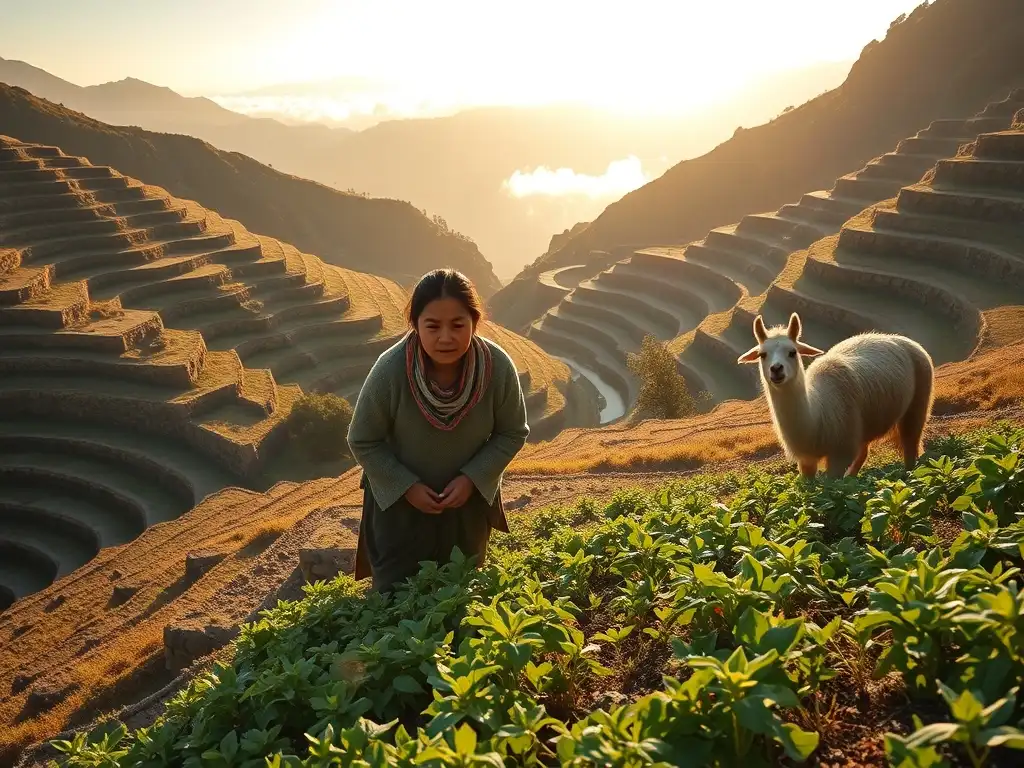
Andean family survival hinged significantly on their mastery of agriculture, a testament to their ingenuity in the face of challenging terrains and unpredictable weather patterns. Their agricultural practices weren't simply methods of food production; they were sophisticated strategies for ensuring the long-term survival of their communities. These techniques, refined over millennia, allowed Andean families to thrive in environments that would have proven insurmountable to many other cultures.
The success of these strategies rested on a deep understanding of their environment and a sophisticated system of knowledge transmission across generations. This knowledge wasn't merely theoretical; it was deeply embedded in their daily lives and rituals. The relationship between the Andean people and their land was, and continues to be, profoundly intertwined.
Terrace Farming and Its Adaptation to Mountain Slopes
Terrace farming stands as a prime example of Andean ingenuity. By carving level platforms into steep mountain slopes, the Andeans dramatically increased the amount of arable land available for cultivation. This wasn't a simple feat; it required meticulous planning, considerable labor, and a sophisticated understanding of soil erosion and water management.
The terraces themselves were not uniform; their size and orientation varied depending on the slope's angle, the soil type, and the prevailing microclimate. This adaptation speaks to the nuanced knowledge the Andean people possessed regarding their environment. The construction of these terraces involved community efforts, reinforcing social bonds and ensuring the collective success of the farming enterprise.
The durability of these terrace systems, many of which are still visible today, is a testament to their effectiveness and the enduring legacy of Andean agricultural practices. The precision and scale of some terrace systems are truly remarkable, showcasing a level of engineering skill that was far ahead of its time.
Crop Diversification as a Risk Management Strategy
Rather than relying on a single crop, Andean families practiced crop diversification, a crucial strategy for mitigating the risks associated with unpredictable weather patterns and potential crop failures. By cultivating a variety of crops—potatoes, maize, quinoa, beans, and many others—they ensured that even if one crop failed due to frost, drought, or disease, others would likely survive. This strategy minimized the impact of environmental shocks on food security and community stability.
The diverse range of crops also provided a wider variety of nutrients, contributing to a healthier and more resilient population. The knowledge of which crops thrived in specific microclimates and soil types was passed down through generations, further refining this crucial risk management strategy. This holistic approach to agriculture demonstrated a deep understanding of ecological principles and the importance of biodiversity.
The Use of Traditional Irrigation Systems
The effective management of water resources was paramount for Andean agriculture. Complex irrigation systems, often involving canals, channels, and reservoirs, were constructed to transport water from rivers and streams to fields, even in high-altitude areas. These systems were not only impressive feats of engineering but also reflected a deep understanding of hydrology and water distribution.
The intricate network of canals required careful planning and maintenance, often involving communal labor and sophisticated water rights agreements. These systems allowed for efficient irrigation, even during periods of drought, ensuring stable crop yields and food security for Andean families. The longevity and adaptability of these systems highlight the resilience and foresight of Andean water management strategies.
Strategies for Water Management and Conservation
Beyond agriculture, the Andeans developed sophisticated strategies for managing and conserving water resources, essential for survival in arid and semi-arid environments. These weren't just practical measures; they were embedded in their social structures and spiritual beliefs, reflecting a holistic approach to resource management. The importance of water conservation was deeply ingrained in their culture, ensuring the sustainability of their water supplies for generations.
Rainwater Harvesting Techniques
Rainwater harvesting was a critical component of Andean water management. Various techniques were employed to collect and store rainwater, such as constructing reservoirs, cisterns, and using specialized roof designs to channel water into storage containers. These techniques were particularly important in areas with limited access to surface water, ensuring a reliable water supply for domestic use and irrigation.
The design and construction of these systems varied depending on local conditions and available resources, showcasing the adaptability and ingenuity of Andean water management. The effectiveness of these methods is evident in the survival of communities in some of the most arid regions of the Andes.
Management of High-Altitude Wetlands
High-altitude wetlands, or bofedales, played a crucial role in Andean water management. These wetlands acted as natural reservoirs, regulating water flow and providing a source of water for both human consumption and livestock. The Andeans developed sustainable practices for managing these wetlands, ensuring their long-term productivity and preventing degradation.
These practices often involved communal management and careful regulation of grazing, ensuring the ecological balance of these vital ecosystems. The sustainable management of bofedales demonstrates the Andeans' understanding of the interconnectedness of water resources and their ability to manage them in a way that promoted both ecological sustainability and community resilience.
Community-Based Water Sharing Systems
Water sharing systems in the Andes weren't simply based on individual needs; they were governed by complex community-based arrangements that ensured equitable access to water resources. These systems, often involving traditional laws and customs, regulated water distribution among different communities and households. These arrangements played a critical role in preventing conflicts over water and maintaining social harmony. The effectiveness of these systems highlights the importance of social organization and cooperation in achieving sustainable water management. The enduring legacy of these community-based water sharing systems underscores the crucial role of social structures in resource management and community survival.
Livestock Management in the Andean Highlands
Andean family survival strategies were deeply intertwined with their mastery of livestock management. The harsh, high-altitude environments of the Andes presented significant challenges, demanding innovative approaches to animal husbandry. Families carefully selected breeds, developed sophisticated grazing strategies, and utilized every part of their animals to maximize productivity and resilience. This wasn't just about sustenance; livestock represented wealth, social status, and a crucial buffer against environmental uncertainties.
Successful livestock management was a key factor determining a family's ability to withstand droughts, harsh winters, and other environmental calamities common in the region. The knowledge passed down through generations was critical for survival, and represented a complex interplay of practical skills and deep cultural understanding. The success of Andean families was often directly proportional to their ability to manage their livestock effectively.
Selective Breeding for Adaptation
Selective breeding played a vital role in the adaptation of livestock to the challenging Andean environment. Families carefully chose animals with traits best suited to the high altitudes, such as resistance to cold, disease resistance, and efficient foraging in sparse vegetation. This wasn't random; Andean communities possessed a deep understanding of animal genetics and the effects of environmental factors on animal health and productivity. They carefully monitored their herds, selecting breeding pairs based on desired characteristics.
This process, honed over centuries, resulted in breeds of llamas, alpacas, and other livestock exceptionally well-suited to the harsh conditions of the Andes. The process was a continuous cycle of observation, selection, and adaptation, reflecting a deep understanding of the environment and the animals themselves. The result was a remarkable demonstration of human ingenuity and adaptation in the face of environmental challenges.
Transhumance and Seasonal Pasture Use
Transhumance, the seasonal migration of livestock between different pastures, was a cornerstone of Andean family survival strategies. Families moved their herds between high-altitude pastures in the summer and lower-altitude pastures in the winter, ensuring access to fresh grazing throughout the year. This required meticulous planning and knowledge of the terrain, weather patterns, and the availability of water and fodder. The timing of these migrations was crucial, often linked to traditional calendars and astronomical observations.
Families developed intricate systems of communal land use and cooperation to manage these seasonal movements. This involved coordinating with other families and communities to ensure equitable access to resources and to mitigate potential conflicts. This complex system of transhumance was a testament to the Andean peoples' adaptability and their ability to sustainably manage their resources within a challenging environment.
The Importance of Camelids (Llamas and Alpacas)
Camelids, particularly llamas and alpacas, held immense importance for Andean families. These animals provided a wide range of essential resources. Llamas served as beasts of burden, transporting goods across difficult terrain. Alpacas provided high-quality fiber for clothing and textiles, a critical element in the harsh Andean climate.
Both animals provided meat, milk, and dung which was used as fuel and fertilizer. The diverse utility of camelids made them an indispensable part of the Andean economy and family life. Their adaptability to the high altitude and their ability to thrive on sparse vegetation made them ideally suited to the region's environmental conditions. Camelids were not simply livestock; they were integral members of the Andean family unit, contributing significantly to their survival and well-being.
Economic Adaptations and Diversification of Income
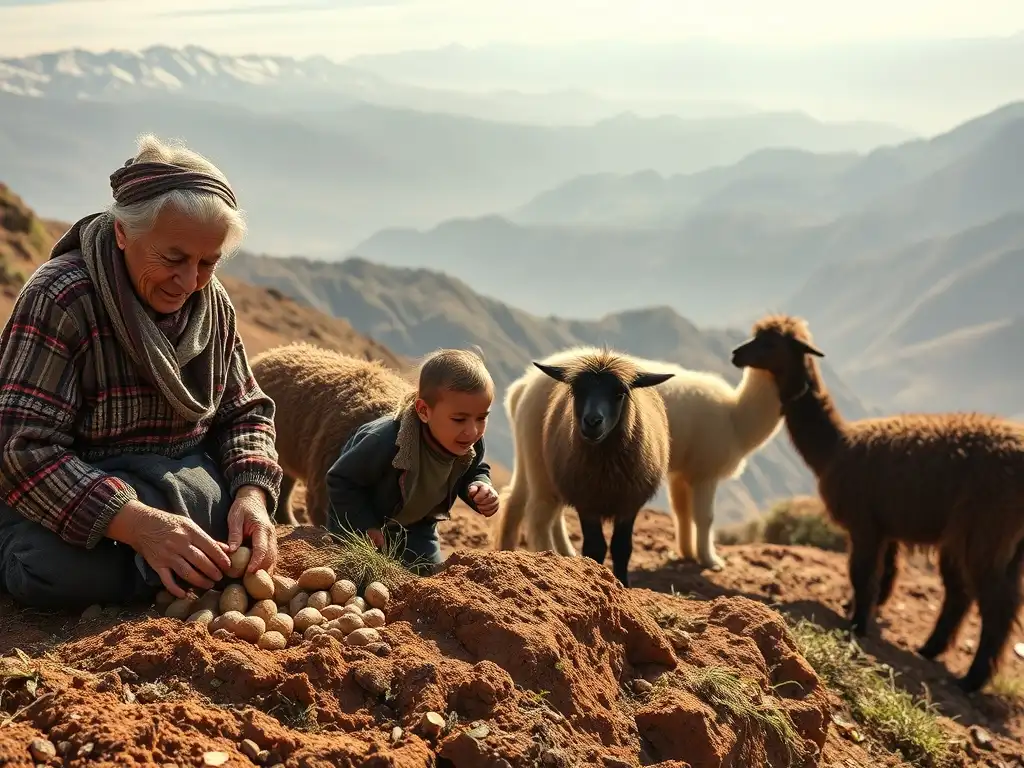
Andean families developed diverse economic strategies to cope with the unpredictable nature of their environment. Reliance on a single source of income was risky, so families employed a variety of income-generating activities, creating a resilient economic base. This diversification served as a crucial buffer against crop failures, livestock diseases, or other unforeseen events. The strategies employed were often intertwined, with one activity supporting another, forming a complex and interconnected economic web. This resilience is a hallmark of Andean family survival strategies, demonstrating their adaptability and resourcefulness.
Craft Production and Trade
Craft production played a significant role in the Andean economy, supplementing agricultural income. Families specialized in various crafts, such as weaving, pottery, metalworking, and stone carving. These products were traded locally and sometimes over long distances, creating additional income streams. The quality and artistry of these crafts were often renowned, contributing to a vibrant and dynamic trade network. The skills required were passed down through generations, preserving traditional techniques and knowledge. This economic diversification provided a safety net for families facing environmental or economic challenges.
Participation in Local Markets
Local markets were central hubs for economic activity in Andean communities. Families participated in these markets to sell their agricultural products, livestock, and crafts. These markets served not only as a place for exchange but also as social gathering points, fostering community bonds and facilitating information sharing. The ability to successfully navigate the local market was crucial for a family's economic well-being. This involved understanding market dynamics, pricing strategies, and the needs of consumers. Participating in local markets provided an opportunity for families to supplement their income and enhance their economic resilience.
Seasonal Labor Migration
Seasonal labor migration was another strategy employed by Andean families to supplement their income. During certain times of the year, family members might migrate to different regions to work in agriculture, mining, or other industries. These migrations were often temporary, with individuals returning home after the work season. The remittances sent back home provided a crucial source of income for the family, supporting their livelihood and enhancing their economic stability. This pattern of seasonal migration was a common feature of Andean life, reflecting the adaptability and resilience of Andean families in the face of environmental and economic challenges.
Andean family survival strategies were deeply intertwined with sophisticated social structures that extended beyond the nuclear family unit. The ayllu, a kinship-based community group, played a crucial role in providing support and resources. Membership in the ayllu wasn't simply a matter of blood relations; it encompassed a complex web of obligations and reciprocal relationships that ensured the well-being of all members.
This system provided a safety net, especially during times of hardship such as drought, crop failure, or illness. Individuals within the ayllu could rely on collective labor, shared resources, and mutual assistance to overcome challenges that might overwhelm a single family. The strength of these social bonds was paramount to the survival and prosperity of Andean families.
The geographic distribution of ayllus also facilitated resource sharing, as communities in different ecological zones could trade goods and services to complement each other's needs, creating a resilient system that mitigated the impact of localized environmental fluctuations. This intricate network of social support was essential in bolstering Andean family resilience against the unpredictable nature of the Andean environment.
Reciprocity and Mutual Aid Practices
Reciprocity, the exchange of goods and services, formed the cornerstone of Andean social life and was vital for family survival. The principle of ayni, meaning "to reciprocate," governed interactions within the ayllu. This wasn't simply a matter of bartering; it involved a complex system of obligations and expectations that cemented social bonds and ensured mutual support.
For instance, families might assist each other with agricultural labor during planting or harvesting seasons, sharing both their time and resources. This collaborative approach ensured that even if one family faced difficulties, the community would help them overcome them. The system also extended to other areas of life, such as building houses, caring for the sick, and providing support during times of mourning.
The spirit of ayni fostered a sense of collective responsibility and ensured the survival of the community as a whole, safeguarding individual families from the full impact of environmental uncertainties. This reciprocal system was a powerful tool for mitigating risks and strengthening the fabric of Andean society.
Community Festivals and Rituals
Beyond practical support, Andean communities relied on festivals and rituals to reinforce social bonds and maintain a sense of collective identity. These events served not only spiritual purposes but also essential social functions. They provided opportunities for families to interact, share food, and reaffirm their commitment to the ayllu. The communal celebrations strengthened social cohesion and reinforced the cooperative spirit necessary for survival.
These celebrations often involved collective labor in preparing for the festivities, further solidifying the bonds of reciprocity. The rituals themselves frequently involved prayers for bountiful harvests and protection from natural disasters, reflecting the community's dependence on the environment and their shared vulnerability to its whims. This integrated approach to spiritual and social life underscored the importance of community in navigating environmental challenges and ensuring the ongoing well-being of Andean families.
Conflict Resolution Mechanisms
Effective conflict resolution was essential for maintaining the harmony and cooperation within the ayllu, vital for Andean family survival. While specific mechanisms varied between different Andean communities, they generally emphasized mediation and reconciliation rather than punitive measures. Community leaders, often respected elders, played a critical role in resolving disputes, aiming to restore balance and prevent the escalation of conflicts that could undermine the cooperative spirit.
The emphasis was on maintaining social cohesion and preventing divisions that could weaken the community's ability to cope with environmental stressors. These mechanisms, often rooted in traditional Andean values and beliefs, ensured the continued functioning of the ayllu as a support system for families. The success of these systems highlights the sophisticated social intelligence of Andean cultures in managing internal conflicts to ensure community resilience and family well-being.
The Role of Women in Andean Family Resilience
Women occupied a central position in Andean family survival strategies, contributing significantly to the economic and social well-being of their families and communities. Their roles extended far beyond the domestic sphere, encompassing essential tasks that directly impacted the family's ability to withstand environmental challenges. Their contributions were instrumental in ensuring the family's resilience, and their expertise and labor were crucial to the overall survival of the community. The importance of women's contributions often went unrecognized in historical accounts, but their roles were fundamental to the success of Andean family survival strategies.
Agricultural Labor and Seed Management
Women played a vital role in Andean agriculture, participating in all stages of crop production, from planting and weeding to harvesting and processing. Their knowledge of agricultural techniques, including seed selection and soil management, was essential for ensuring successful harvests. In many Andean communities, women were responsible for managing seed stocks, selecting the best seeds for planting, and ensuring the preservation of crop diversity, crucial for adapting to changing environmental conditions.
Their intimate understanding of the agricultural cycle and their practical skills contributed significantly to the food security of their families and communities. This specialized knowledge and active participation in agricultural production ensured the resilience of Andean families in the face of environmental uncertainty.
Textile Production and Craftsmanship
Textile production was another area where women's skills were indispensable to Andean family survival. The creation of textiles, from spinning and weaving to dyeing and finishing, was a complex process requiring considerable expertise. The textiles produced served various purposes, from clothing and blankets to ceremonial items and trade goods.
Women's mastery of these skills not only provided essential goods for their families but also contributed to the economic stability of their households. The ability to produce high-quality textiles allowed families to trade for other necessities and build social networks through exchange. This economic contribution played a significant role in buffering Andean families against environmental hardship and economic fluctuations.
Family Health and Well-being
Andean women played a critical role in maintaining the health and well-being of their families. Their knowledge of medicinal plants and traditional healing practices was vital in treating common illnesses and injuries. They provided essential care for children, the elderly, and the sick, ensuring the overall health and survival of their families.
This expertise in traditional medicine and healthcare was a crucial element in Andean family resilience, providing a safety net in the absence of sophisticated medical facilities. The knowledge and skills of Andean women in this regard were essential for the survival and continuity of their families and communities. Their contributions to the health and well-being of their families were integral to the success of Andean family survival strategies.
Adapting to Modern Challenges: Climate Change and Globalization
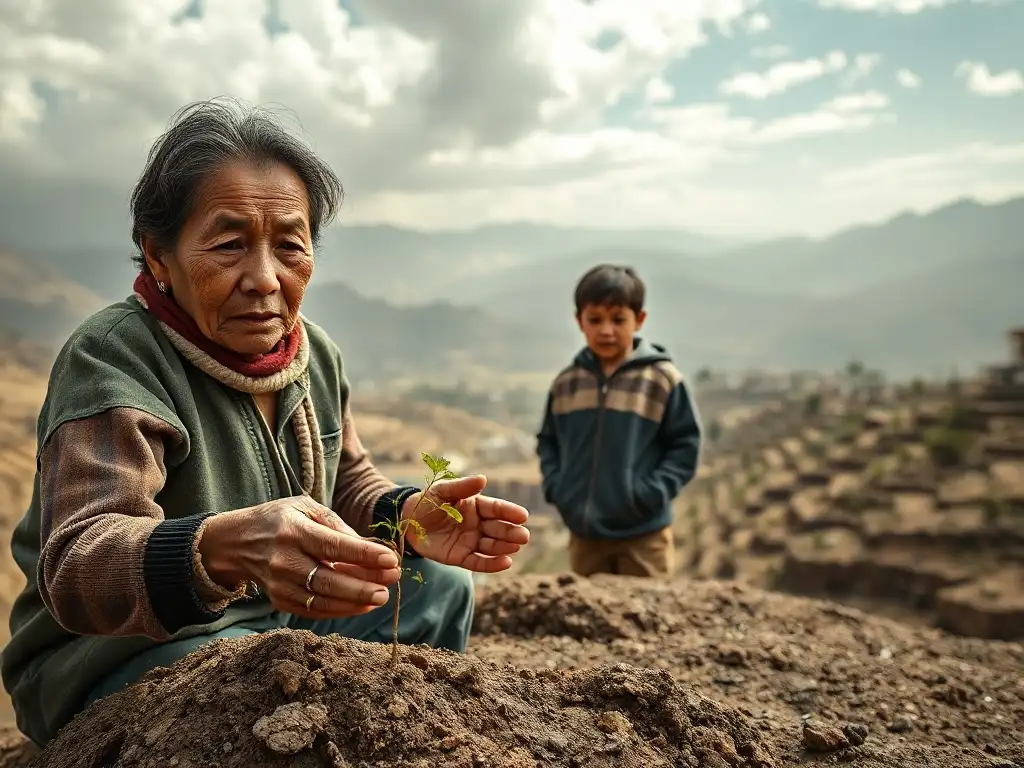
The Andean region, historically characterized by its diverse and challenging environments, now faces unprecedented pressures from climate change and globalization. These forces significantly impact the traditional survival strategies of Andean families, demanding new adaptations and resilience. The delicate balance between traditional practices and the realities of a rapidly changing world is a defining feature of contemporary Andean life.
Families are grappling with shifting weather patterns, unpredictable harvests, and the allure of urban opportunities, all while striving to maintain their cultural heritage. The interconnectedness of these challenges necessitates a holistic approach to understanding the complexities of Andean family survival in the 21st century. The impact extends beyond mere economic hardship; it touches upon social structures, cultural identity, and the very fabric of Andean communities.
This necessitates a deeper understanding of the interplay between environmental shifts and societal changes to effectively support Andean families in navigating these turbulent times. The need for sustainable solutions that respect traditional knowledge while embracing modern advancements is paramount.
The Impact of Climate Change on Traditional Practices
Climate change manifests in various ways across the Andes, impacting traditional agricultural practices significantly. Glacier retreat, for example, directly affects water availability for irrigation, a cornerstone of Andean farming. Changes in rainfall patterns lead to unpredictable harvests, jeopardizing food security for many families. Increased frequency and intensity of extreme weather events, such as droughts and floods, further exacerbate these challenges, damaging crops and infrastructure.
Traditional methods of predicting weather, often based on centuries-old observations and knowledge, are becoming less reliable, forcing families to adapt to new realities and often adopt new, less sustainable practices. The loss of traditional agricultural knowledge, often passed down through generations, is also a significant concern, diminishing the adaptive capacity of Andean communities. Understanding and addressing these impacts requires collaborative efforts between scientists, policymakers, and the Andean communities themselves, ensuring the preservation of traditional knowledge alongside the adoption of climate-smart agricultural techniques.
Challenges of Migration and Urbanization
The search for better economic opportunities and more stable living conditions often drives Andean families to migrate to urban centers. This migration, while sometimes offering improved access to education and healthcare, also presents significant challenges. Families face issues of cultural displacement, language barriers, and competition for resources in urban environments. The breakdown of traditional social support networks, a crucial element of Andean family survival strategies, can lead to social isolation and economic vulnerability.
The transition from rural agricultural lifestyles to urban employment often requires significant adaptation, impacting family structures and dynamics. Maintaining cultural identity and transmitting traditional values across generations becomes more challenging in these new contexts. Understanding the complex push and pull factors driving migration is crucial to developing effective policies that support Andean families both in rural and urban settings.
Balancing Tradition with Modernization
Modernization presents both opportunities and challenges for Andean families. Access to technology, education, and healthcare can significantly improve their quality of life. However, it also risks eroding traditional practices and knowledge. Finding a balance between preserving cultural heritage and embracing modern advancements is a constant struggle.
The integration of modern agricultural techniques, for instance, while potentially increasing yields, can also lead to dependence on external inputs and a loss of traditional farming knowledge. Similarly, access to modern healthcare can improve health outcomes, yet may also weaken traditional healing practices. This delicate balance requires careful consideration and a nuanced approach that values and incorporates traditional knowledge into modern development strategies. The preservation of cultural identity is paramount, as it forms the bedrock of community resilience and adaptation.
Case Study: The Quechua Community of Chinchero, Peru and Their Adaptation Strategies
The Quechua community of Chinchero, located in the Sacred Valley of Peru, exemplifies the resilience and adaptability of Andean families. Faced with the challenges of climate change and globalization, this community has implemented various strategies to ensure survival. For instance, they have adopted innovative irrigation techniques to manage water scarcity, incorporating modern technologies while preserving traditional water management principles.
They have also diversified their agricultural practices, cultivating a wider range of crops to reduce their dependence on single crops and mitigate the impact of unpredictable weather patterns. Furthermore, Chinchero's community has leveraged tourism to generate income, preserving their cultural heritage while creating economic opportunities. This involves showcasing their traditional textiles and weaving techniques, attracting visitors and generating revenue.
The community's success highlights the importance of combining traditional knowledge with modern innovations, demonstrating the potential for sustainable development in the face of environmental and social challenges. Their experiences serve as a valuable case study for other Andean communities striving to adapt to the changing world. The community's approach underscores the necessity of empowering local communities, enabling them to develop and implement their own solutions to the challenges they face.
Conclusion: Lessons from Andean Family Survival Strategies
Andean family survival strategies offer invaluable lessons for understanding human resilience and adaptation in the face of environmental challenges. The intricate interplay between social organization, agricultural practices, and environmental knowledge allowed these communities to thrive for centuries in often harsh conditions. Their success wasn't solely based on luck or chance; it was a product of carefully developed strategies honed over generations, passed down through oral traditions and practical experience.
Understanding these strategies provides insights not only into the past but also into potential solutions for contemporary challenges related to climate change, food security, and sustainable development in similar environments globally. The ingenuity and adaptability of Andean families serve as a powerful example of human potential and the importance of respecting and learning from traditional ecological knowledge.
The Importance of Traditional Knowledge
The success of Andean family survival strategies hinged heavily on a deep and intimate understanding of their environment. This wasn't simply a passive observation; it was an active engagement with the landscape, involving meticulous observation of weather patterns, soil conditions, and the life cycles of plants and animals. This traditional ecological knowledge (TEK), passed down through generations, guided crucial decisions about planting, harvesting, and resource management.
For example, the intricate system of waru waru agriculture, with its raised beds and irrigation channels, demonstrated a sophisticated understanding of water management in arid environments. This knowledge, often encoded in myths, songs, and practical techniques, allowed Andean communities to predict and mitigate the impacts of droughts, floods, and other environmental hazards.
The loss of this TEK is a significant concern, as it represents a loss of invaluable knowledge relevant to sustainable practices and climate change adaptation. Protecting and revitalizing this knowledge is crucial for future generations.
The Resilience of Andean Families
The resilience of Andean families is a testament to their adaptive capacity and strong social networks. Facing challenges such as unpredictable weather, limited resources, and altitude sickness, their family structures provided crucial support systems. Cooperative labor, reciprocal exchange of goods and services ( ayni and mita), and strong kinship ties ensured the survival and well-being of individuals and the community as a whole.
These social structures acted as a buffer against environmental shocks, allowing families to share resources and support each other during difficult times. The family unit was not merely a biological entity but a vital economic and social unit, crucial for the community's resilience. The ability to adapt farming techniques, diversify crops, and establish effective risk-sharing mechanisms demonstrates a remarkable degree of flexibility and adaptability.
Strategies for Sustainable Development
Studying Andean family survival strategies provides valuable insights for contemporary sustainable development initiatives. The principles of resource management, community participation, and respect for traditional knowledge are crucial for creating environmentally sound and socially equitable development projects. For example, modern agricultural practices can learn from the efficiency and sustainability of traditional Andean techniques like waru waru agriculture. Furthermore, incorporating traditional ecological knowledge into conservation efforts can enhance their effectiveness and ensure community ownership.
The emphasis on community-based resource management, evident in Andean family structures, provides a model for participatory development projects that empower local communities and promote long-term sustainability. By learning from the past, we can develop more effective and equitable strategies for addressing contemporary environmental and social challenges. The Andean experience underscores the crucial link between environmental stewardship, social cohesion, and sustainable development.
Frequently Asked Questions
What environmental challenges did Andean families face?
Andean families faced numerous challenges, including extreme altitudes, variable climates, thin air, and scarce resources. These factors significantly impacted their daily lives and survival.
What agricultural techniques did Andean families use for survival?
Andean families developed sophisticated agricultural techniques like terracing, irrigation, and crop diversification to maximize food production in challenging environments. They also utilized fertilizers from animal manure and guano.
How did Andean families adapt their housing to the environment?
Their housing reflected environmental adaptations. They built stone structures for insulation and protection from harsh weather, often incorporating local materials like adobe and thatch. House design also considered sunlight and wind patterns.
Strong community ties and social networks were crucial for Andean family survival. Reciprocity and cooperation ensured resource sharing and mutual support during challenging times.
What were some examples of Andean family resource management strategies?
Andean families employed various resource management strategies, including llama herding, mining, and specialized craft production. Trade networks facilitated the exchange of goods and resources across diverse environments.
Final Reflection: Weaving Resilience into the Andean Tapestry
The ingenious survival strategies employed by Andean families throughout history remain profoundly relevant today, offering invaluable lessons in resourcefulness and community resilience in the face of a rapidly changing world. Climate change, economic instability, and social upheaval present challenges that echo those faced by generations past, demanding innovative solutions and a renewed focus on sustainable practices. The ingenuity of the past holds the key to unlocking a more secure future.
The enduring legacy of Andean family adaptation is not merely a historical account; it's a living testament to the power of human ingenuity and the strength of community bonds. These strategies, passed down through generations, continue to shape cultural identities and inform modern approaches to environmental stewardship. The mountains teach us patience. They teach us to endure. They teach us the value of community.
This sentiment, though perhaps not directly quoted from an Andean source, encapsulates the spirit of perseverance and interdependence that has defined Andean survival for centuries. Understanding this legacy allows us to appreciate the depth of their cultural and ecological knowledge.
Consider the innovative farming techniques, the intricate water management systems, and the deep-rooted respect for the environment demonstrated by Andean communities. These are not relics of the past, but blueprints for a sustainable future. You, the reader, are now equipped with a deeper understanding of these remarkable adaptations. What steps can you take, in your own life and community, to embrace similar principles of resilience, resourcefulness, and respect for the natural world? Let the wisdom of the Andes inspire you to build a more sustainable and equitable future for all.
Embrace Resilience: Take Action Today!
Thank you for exploring the remarkable ways Andean families have adapted to environmental challenges. Your interest underscores the vital importance of resilience in facing our own difficulties. Let's translate this understanding into meaningful actions that celebrate these traditions and inspire similar resilience in our communities.
- Start a community garden: Grow your own food and share your knowledge of sustainable practices, drawing inspiration from the ingenuity of Andean farming techniques.
- Share your newfound knowledge: Discuss what you've learned with friends and family, encouraging them to appreciate the resourcefulness of diverse cultures in adapting to environmental change.
- Get involved in local environmental initiatives: Join groups focused on sustainability and explore how traditional knowledge can be applied to contemporary environmental issues.
How will the lessons learned from Andean families shape your approach to environmental challenges in your own life?