
The Ingenious Canals of the Andes: How Ancient Civilizations Mastered Water

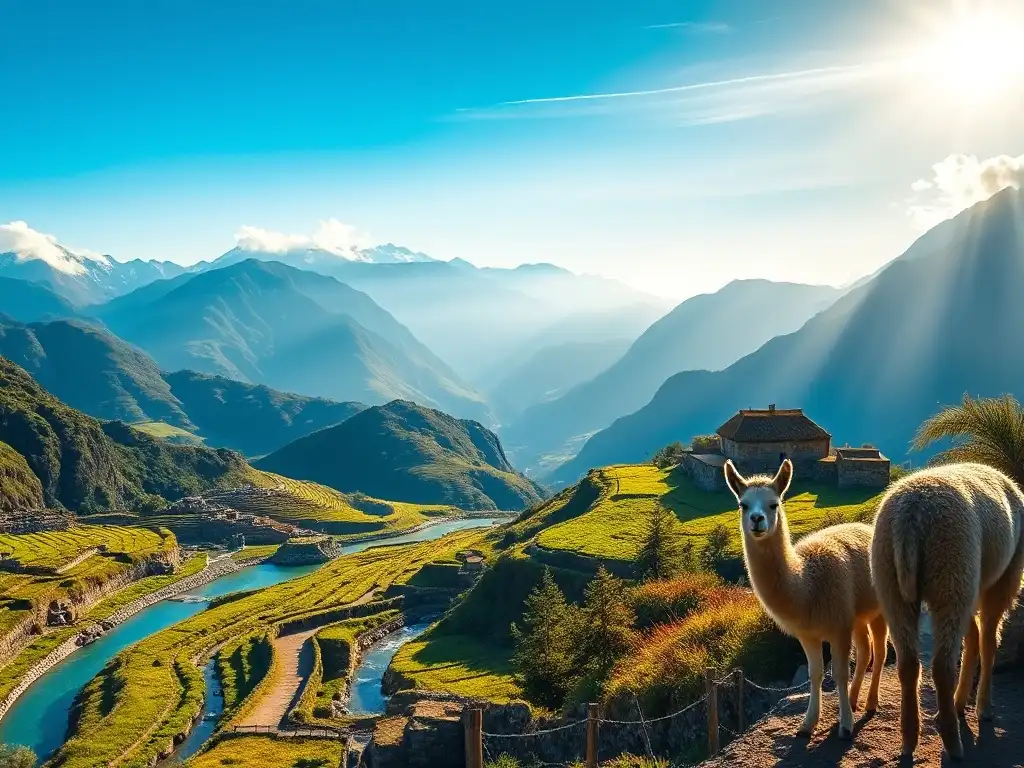
Unravel the mysteries of a lost world where ingenuity thrived amidst towering peaks. Journey with us into the heart of the Andes, a land shaped by civilizations who mastered their environment with breathtaking skill. Prepare to be amazed by the Ancient Andean irrigation systems, a testament to human innovation that transformed arid landscapes into thriving empires. Discover how these ingenious canals shaped the destiny of the Incas, Moche, and other remarkable cultures. Their secrets await…
The Andes Mountains, a formidable and breathtaking landscape, presented ancient civilizations with a unique challenge: harnessing scarce water resources in a geographically diverse and often arid environment. This article delves into the remarkable ingenuity of Andean cultures, exploring their sophisticated irrigation systems and water management techniques that allowed them to thrive in seemingly inhospitable terrains.
From the intricate canal networks of the Nazca to the sophisticated hydraulic engineering of the Inca, we will uncover the secrets behind their mastery of water, a crucial factor in their agricultural success and societal development. Understanding these ancient Andean irrigation systems provides invaluable insight into their resourcefulness, technological prowess, and enduring legacy.
We will examine not only the how of their water management but also the why, exploring the social, economic, and religious implications of their remarkable achievements. This exploration will focus on the keyword "Ancient Andean irrigation systems" and its semantic variations, providing a comprehensive overview of this fascinating aspect of Andean history.
Introduction to Ancient Andean Water Management
The survival and prosperity of pre-Columbian Andean societies were inextricably linked to their ability to manage water resources effectively. Unlike many other ancient civilizations that relied on river flooding for irrigation, Andean communities faced the challenge of highly variable rainfall and steep, mountainous terrain. This necessitated the development of innovative and complex irrigation systems tailored to the specific conditions of each region.
These systems were not merely technological feats; they were integral to the social fabric of Andean societies, reflecting intricate social organization, labor practices, and religious beliefs. The construction and maintenance of these canals, often involving monumental labor, served as a powerful symbol of communal unity and social cohesion. The success of these systems allowed for the cultivation of a wide variety of crops, supporting dense populations and the development of complex urban centers.
The ingenuity displayed in these systems underscores the depth of Andean knowledge of hydrology, engineering, and social organization. We will begin our exploration by examining some key characteristics of these systems, highlighting their diversity and sophistication.
Click to expand: Examples of Andean Irrigation Systems
The diversity of Andean irrigation systems reflects the varied geography of the region. For instance, the Nazca utilized a system of canals that extended for miles across the desert, bringing water from distant sources to their fields. These canals, many of which are still visible today, are a testament to their remarkable engineering skills. In contrast, the Inca developed a more centralized system, with sophisticated aqueducts and reservoirs designed to manage water distribution across vast territories. These systems often incorporated sophisticated techniques such as terracing and check dams to control water flow and prevent erosion. The Moche culture, known for its elaborate artistic representations, also developed extensive irrigation works, including the use of underground canals ( puquios) to access groundwater. The Tiahuanaco culture employed complex systems of raised fields ( suka kollus) in the Altiplano, which combined water management with agricultural techniques to maximize crop yields in a high-altitude environment.
Technological Innovations in Andean Irrigation
The construction of Andean irrigation systems required a remarkable level of technological sophistication. Ancient Andean engineers employed various techniques to overcome the challenges presented by the terrain. These included:
- Canal construction: The precise alignment and construction of canals, often carved into rock or built with stone and earth, demonstrated a mastery of surveying and engineering principles. The use of different materials and construction techniques varied depending on the local environment and available resources.
- Water diversion structures: Sophisticated structures, such as weirs, check dams, and aqueducts, were used to divert water from rivers and streams, control water flow, and prevent erosion. These structures often involved intricate designs and precise measurements.
- Underground canals (puquios): In arid regions, the use of underground canals to tap into groundwater sources was a crucial innovation, allowing for irrigation even during periods of drought. These canals often involved complex tunneling techniques.
- Terracing: The construction of terraces on steep slopes not only increased arable land but also helped to retain water and prevent erosion. Terracing was a widespread practice throughout the Andes and required significant labor and planning.
The construction and maintenance of Andean irrigation systems were not solely technological achievements; they also held profound social and religious significance. Water was viewed as a sacred resource, essential for life and prosperity. The control and distribution of water often involved complex social hierarchies and labor organization, with community participation playing a crucial role.
Religious rituals and ceremonies were frequently associated with water sources and irrigation systems, reinforcing the importance of water in Andean cosmology and worldview. Further research is needed to fully understand the complex interplay between technology, society, and religion in the context of Andean water management. [Specific information pending on religious rituals and ceremonies related to water management].
---
- Introduction to Ancient Andean Water Management
- Technological Innovations in Andean Irrigation
- The Social and Religious Significance of Water Management
- What were the most significant challenges faced by ancient Andean civilizations in managing water resources?
- How did ancient Andean civilizations overcome the challenges of their geography to develop agriculture?
- What were the key features of the ancient Andean irrigation systems?
- Which Andean civilizations are most known for their advanced irrigation techniques?
- What is the lasting legacy of ancient Andean irrigation systems?
The Need for Sophisticated Irrigation in the Andes
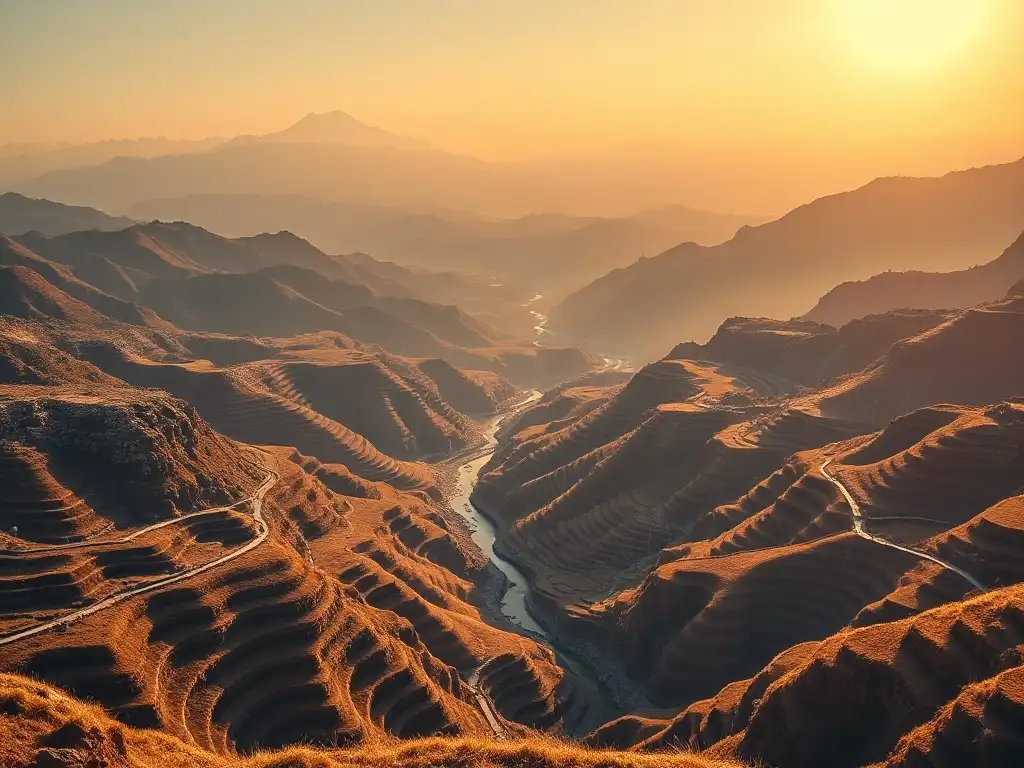
The Andes Mountains present a unique and challenging environment for agriculture. To understand the ingenuity of ancient Andean irrigation systems, we must first appreciate the extreme conditions these civilizations overcame. Their mastery of water management wasn't merely a technological feat; it was a necessity for survival and the foundation of their flourishing societies. The development of sophisticated irrigation techniques was directly tied to the harsh realities of the Andean landscape, driving innovation and shaping their cultural practices.
Understanding this necessity is crucial to appreciating the scale and complexity of their achievements in water management. The very existence of these impressive civilizations hinged on their ability to effectively harness and distribute the limited water resources available. This section will explore the environmental pressures that necessitated the development of such intricate and effective irrigation systems, laying the groundwork for a deeper understanding of their remarkable engineering prowess.
The Arid Environment of the Andean Region
The Andean region, while boasting incredible biodiversity, is characterized by significant aridity in many areas. Rainfall is highly variable, both spatially and temporally. Some valleys receive ample rainfall, while others are extremely dry, relying heavily on snowmelt from the high Andes for their water supply.
This unpredictability created a constant challenge for agriculture. The high altitude also contributes to lower temperatures and shorter growing seasons, further limiting agricultural productivity. The steep slopes and rugged terrain of the Andes further complicate water management, making the construction and maintenance of irrigation systems a significant undertaking.
Ancient Andean farmers faced the constant threat of drought and crop failure, making the development of resilient irrigation systems absolutely crucial for food security and societal stability. The need to ensure a reliable water supply drove innovation in canal construction, water storage, and overall water resource management strategies. Without these, the vibrant cultures of the Andes would have been severely hampered, if not completely unsustainable.
Challenges of Agriculture in the Andean Highlands
Beyond the arid climate, cultivating the Andean highlands presented numerous obstacles. The thin, rocky soils are often nutrient-poor, requiring careful fertilization and land management practices. The steep slopes increase the risk of soil erosion, further diminishing agricultural yields. The short growing season, coupled with unpredictable weather patterns, necessitates carefully timed planting and harvesting schedules.
Frost and hailstorms pose significant threats to crops, requiring protective measures and sophisticated agricultural knowledge. Ancient Andean farmers didn't just build canals; they developed complex systems of terraces, raised fields, and other agricultural techniques to mitigate these challenges. These systems, interwoven with their irrigation infrastructure, represent a holistic approach to agricultural production in a demanding environment.
The ingenuity displayed in overcoming these multifaceted challenges highlights the remarkable adaptation and resourcefulness of the ancient Andean civilizations. Their achievements in agricultural engineering and water management continue to inspire awe and admiration, serving as a testament to human resilience and innovation in the face of adversity. The success of their agricultural practices, heavily reliant on their innovative irrigation systems, fueled the growth and prosperity of these remarkable societies.
Diverse Approaches to Water Harvesting and Distribution
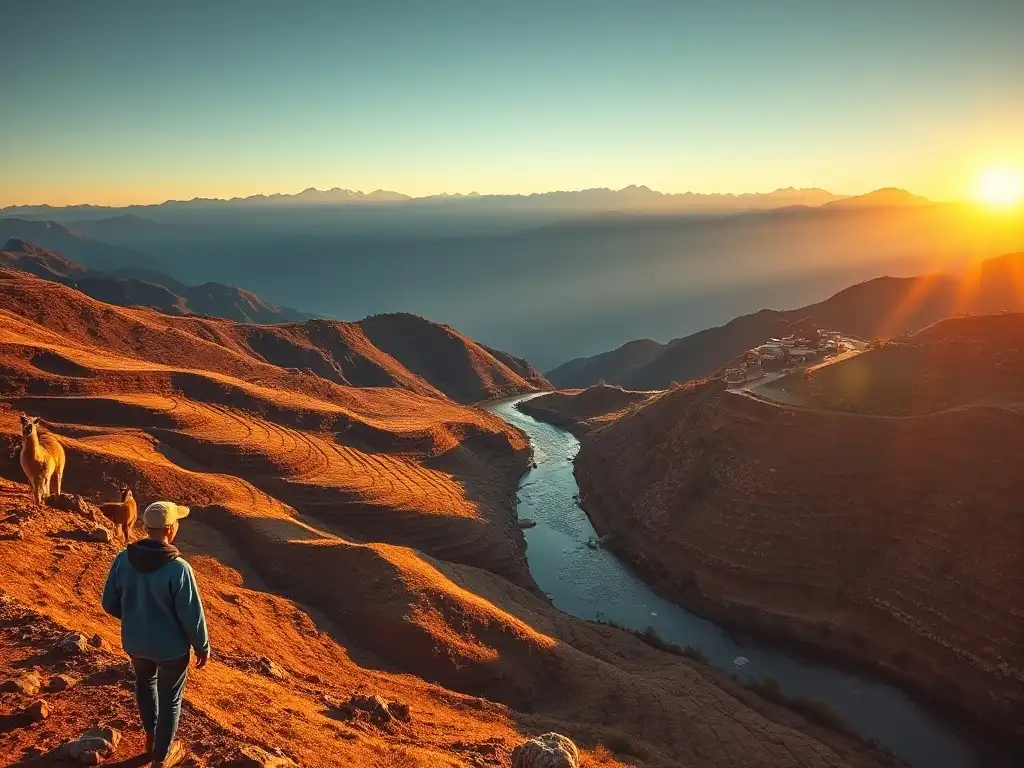
Ancient Andean civilizations, renowned for their architectural prowess and sophisticated social structures, demonstrated exceptional ingenuity in harnessing and managing water resources. Their survival in the challenging Andean environment hinged on developing diverse and effective irrigation systems, tailored to the specific geographical and climatic conditions of each region. This wasn't a monolithic approach; instead, a spectrum of techniques was employed, reflecting a deep understanding of hydrology and a remarkable capacity for adaptation.
These methods ranged from the widespread implementation of terraced farming to the construction of extensive canal networks, each playing a crucial role in the prosperity of these remarkable cultures. The ingenuity displayed in these ancient Andean irrigation systems speaks volumes about their advanced understanding of engineering and environmental stewardship.
Understanding these techniques provides valuable insight into the resilience and adaptability of these ancient societies. The impact of these systems extended far beyond mere agricultural production; they were integral to the social, economic, and religious fabric of Andean life.
Terraced Farming and its Role in Water Conservation
Terraced farming, a hallmark of Andean agriculture, represents a brilliant solution to the challenges posed by steep slopes and uneven terrain. By carving the landscape into a series of interconnected steps or terraces, farmers created level platforms for cultivation. This ingenious system maximized arable land, reduced soil erosion, and, critically, facilitated efficient water management.
The terraces acted as reservoirs, slowing the flow of rainwater and allowing it to infiltrate the soil, minimizing runoff and maximizing water retention. The effectiveness of this system is evident in the enduring agricultural productivity of many Andean regions even today. Evidence suggests that different types of terraces were built depending on the slope gradient and soil type, showcasing a sophisticated understanding of soil mechanics and hydrology.
For example, some terraces were supported by retaining walls made of stone, while others relied on the natural contours of the land. The construction of these terraces was a monumental undertaking, requiring significant labor and coordination, underscoring the social organization and engineering capabilities of these ancient societies. The careful planning and execution of these projects is a testament to the profound understanding of the environment and the importance of sustainable practices in Andean cultures.
The Importance of Canals in Andean Agriculture
While terraced farming addressed the challenges of steep slopes, the construction of canals provided a vital solution for transporting water across longer distances to areas where rainfall was scarce or unreliable. These canals, often built with remarkable precision, were crucial for irrigating vast stretches of land, enabling the cultivation of crops that would otherwise not have been possible. The construction of these canals involved meticulous surveying, sophisticated engineering techniques, and often, the mobilization of large workforces.
Some canals were relatively small, serving local communities, while others were extensive networks that crisscrossed entire valleys, linking together multiple settlements. The materials used in canal construction varied depending on the availability of local resources, ranging from simple earthworks to more complex structures built from stone and other durable materials. The design of the canals often included ingenious features such as aqueducts, siphons, and spillways to regulate water flow and prevent damage.
The ability of Andean civilizations to construct and maintain these extensive irrigation systems over centuries speaks to their exceptional organizational skills, technological prowess, and deep understanding of the importance of water for their survival and prosperity. The impact of these canals on the development of Andean agriculture cannot be overstated; they were essential for supporting dense populations and complex social structures. The precise engineering and long-lasting nature of these systems highlight the advanced knowledge and skills of these ancient engineers.
Pre-Inca Irrigation Techniques
The ingenuity of the Andean civilizations in harnessing water resources is a testament to their advanced understanding of hydraulic engineering. Long before the Inca Empire rose to prominence, sophisticated irrigation systems were already in place, enabling thriving agricultural societies in challenging terrains. These pre-Inca systems, while varying in design and scale across different cultures, shared a common goal: to maximize water availability for crop cultivation in arid and semi-arid environments.
Understanding these pre-Inca achievements provides crucial context for appreciating the later advancements of the Inca Empire and highlights the long-standing tradition of water management in the Andes. The development of these systems showcases a deep understanding of local hydrology, topography, and the seasonal variations in water availability. This knowledge, passed down through generations, allowed for the creation of remarkably resilient and effective irrigation networks.
Their success is evidenced by the prosperity of the societies that relied upon them, leaving behind a rich archaeological record that continues to fascinate and inspire researchers today. The study of these ancient Andean irrigation systems offers invaluable insights into sustainable water resource management, particularly relevant in today's world facing increasing water scarcity.
Early Canal Systems of the Moche Culture
The Moche civilization (c. 100 – 800 CE), flourishing on the northern coast of Peru, developed impressive canal systems to irrigate their fertile valleys. Unlike some later systems that relied on gravity alone, the Moche utilized a combination of techniques, including canals, terraces, and reservoirs, to manage water effectively. Their canals, often lined with stones or clay to prevent leakage, were meticulously engineered to follow the contours of the landscape, minimizing erosion and maximizing water flow.
Archaeological evidence suggests that they employed sophisticated surveying techniques to ensure the accurate alignment of their canals, demonstrating a high level of engineering expertise. Furthermore, the Moche understood the importance of maintaining their canals, with evidence of regular cleaning and repairs. This commitment to maintenance ensured the long-term viability of their irrigation systems, supporting a population known for its complex social organization and artistic achievements.
The Moche's mastery of water management was crucial to their agricultural success, enabling them to cultivate diverse crops and support a dense population in a challenging coastal environment. The ingenuity and scale of their canal systems stand as a remarkable feat of pre-Columbian engineering.
The Nazca Lines and Subterranean Water Channels
While the Nazca Lines are renowned for their enigmatic geoglyphs, the Nazca culture (c. 100 BCE – 800 CE) also possessed a sophisticated understanding of water management. Their ingenuity lies not only in surface canals but also in their development of intricate subterranean water channels, known as puquios. These ingenious systems tapped into underground aquifers, channeling water to the surface through a network of shafts and tunnels.
The construction of puquios involved considerable engineering skill, requiring the excavation of extensive underground networks to access and distribute water. The design of these channels often incorporated ventilation shafts to regulate air flow and prevent the collapse of the tunnels. The puquios provided a reliable source of water, even during periods of drought, demonstrating the Nazca’s remarkable adaptability and resilience in the face of environmental challenges.
The precise methods used to construct and maintain these subterranean channels remain a subject of ongoing research, highlighting the enduring mystery and technical prowess of this remarkable civilization. The effectiveness of the puquios contributed significantly to the Nazca's agricultural productivity and their ability to thrive in a challenging desert environment. The combination of surface and subterranean irrigation systems represents a holistic approach to water management that is both impressive and remarkably sustainable.
Tiahuanaco's Advanced Water Management Strategies
The Tiahuanaco culture (c. 1500 BCE – 1000 CE), located on the shores of Lake Titicaca, developed a sophisticated system of water management that integrated both surface and subsurface techniques. Their mastery of hydraulic engineering is evident in their monumental architecture and the intricate network of canals and aqueducts that supported their agricultural practices. Evidence suggests that they employed advanced techniques for water storage and distribution, including the construction of artificial reservoirs and the manipulation of natural watercourses.
The Tiahuanaco’s understanding of hydrology allowed them to effectively manage the seasonal fluctuations in water levels, ensuring a reliable supply for their crops. Furthermore, their ability to integrate water management into their urban planning is noteworthy, demonstrating a holistic approach to infrastructure development. The Tiahuanaco's advanced water management strategies contributed significantly to the growth and prosperity of their civilization, enabling them to support a large population in a high-altitude environment.
Analysis of their irrigation systems reveals a deep understanding of hydraulic principles and a remarkable capacity for large-scale engineering projects. The legacy of Tiahuanaco's water management expertise continues to inspire researchers and engineers today, highlighting the enduring significance of their achievements. The sophisticated techniques they employed remain relevant in addressing contemporary challenges of water scarcity and sustainable resource management.
The Inca Empire and its Mastery of Hydraulic Engineering
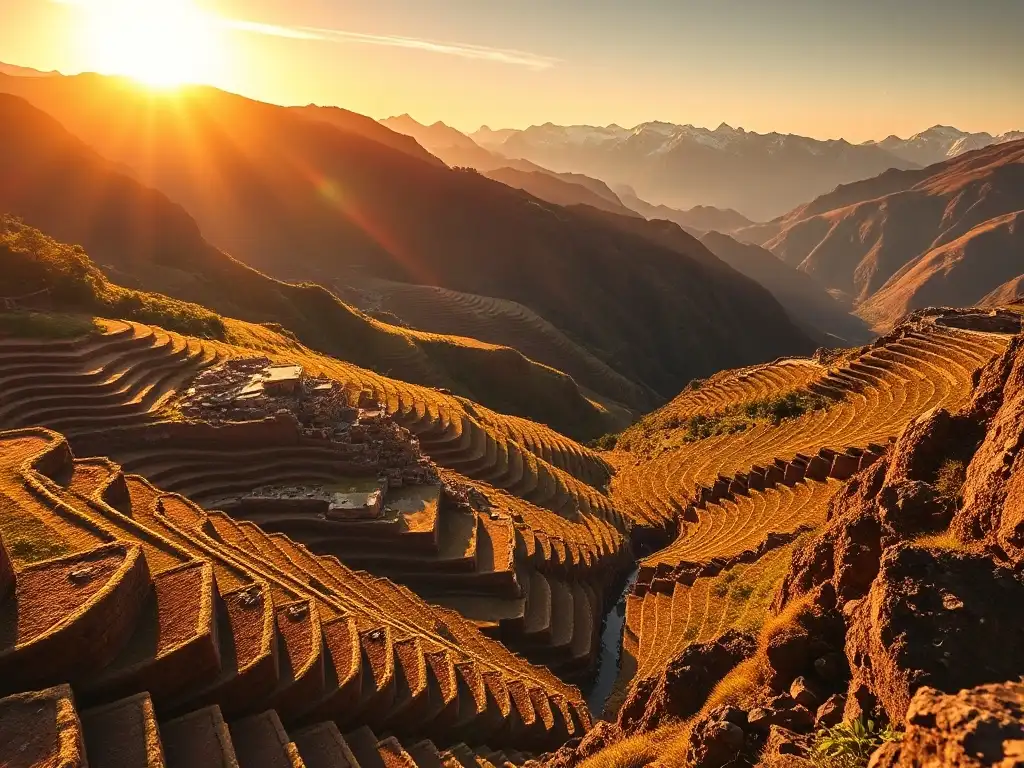
The Inca Empire, renowned for its sophisticated road networks and impressive stonework, also possessed a remarkable understanding of hydraulic engineering. Their mastery of water management was crucial to their agricultural success, enabling them to cultivate vast swathes of the Andean highlands, a region characterized by challenging terrain and unpredictable rainfall. This wasn't simply about basic irrigation; the Inca developed complex systems that demonstrated a deep knowledge of hydrology, topography, and engineering principles.
Their ingenuity allowed them to not only irrigate crops but also manage water resources for domestic use and even for ceremonial purposes. The scale and sophistication of their irrigation systems are a testament to their advanced technological capabilities and organizational prowess. Understanding their techniques provides valuable insights into the impressive capabilities of this remarkable civilization.
The efficiency of these systems allowed for a significant increase in agricultural productivity, supporting the large population centers and the administrative needs of the empire. This, in turn, facilitated the expansion and consolidation of Inca power throughout the Andes. The keyword, "Ancient Andean irrigation systems," is clearly reflected in the sophistication and scale of Inca water management.
Inca Canals: Engineering Marvels
Inca canals were not simply ditches dug in the ground. They were carefully planned and constructed feats of engineering, often carved into the steep slopes of the Andes mountains. These canals were remarkably durable, able to withstand the harsh Andean climate and seasonal variations. They utilized sophisticated techniques to manage water flow, including strategically placed channels, spillways, and reservoirs.
The construction materials varied depending on the terrain and available resources. Stone, earth, and even carefully packed clay were used to create watertight channels that could carry water over considerable distances and across varying elevations. The precision and accuracy of their construction are truly astounding.
For instance, some canals followed incredibly intricate routes, traversing challenging terrain with remarkable gradients to ensure a consistent and reliable water supply. Analysis of surviving sections of these canals reveals a level of sophistication that far surpasses simple irrigation methods. Archaeological evidence suggests a complex system of labor organization and specialized knowledge was required for their construction and maintenance.
The Construction of Complex Irrigation Networks
The construction of Inca irrigation networks was a massive undertaking, requiring significant planning, coordination, and manpower. Evidence suggests a highly organized system of labor, possibly incorporating mita, the Inca system of mandatory public service. This system allowed for the mobilization of large numbers of workers to undertake the construction and maintenance of canals and other hydraulic structures.
The networks were not simply linear; they often branched out to serve multiple agricultural areas and settlements. This required careful consideration of water distribution and pressure management, showcasing a sophisticated understanding of fluid dynamics.
Furthermore, the integration of these networks with other aspects of Inca infrastructure, such as roads and settlements, highlights the empire's overall planning and organizational capacity. The precise methods used for surveying the terrain and determining canal routes are still being studied, but the results speak for themselves: a highly effective and resilient system capable of supporting a large and thriving population.
Aqueducts and Water Distribution Techniques
Beyond canals, the Inca also employed aqueducts to transport water across valleys and other obstacles. These structures, often built from carefully fitted stones, demonstrated advanced engineering skills in their design and construction. They often incorporated ingenious techniques to regulate water flow and prevent erosion, including the use of siphons and other hydraulic devices.
Water distribution within settlements was also carefully managed, with smaller channels and distribution points ensuring that water reached individual households and agricultural plots. The Inca understood the importance of maintaining a consistent water supply, and their systems included features to manage variations in water availability due to seasonal changes or other factors.
This sophisticated approach to water distribution allowed for efficient irrigation and domestic use, contributing to the overall prosperity and stability of the Inca Empire. The efficiency of their aqueducts and distribution networks remains a topic of ongoing research, with new discoveries continually revealing the ingenuity of Inca water management practices.
Case Studies of Remarkable Andean Canal Systems
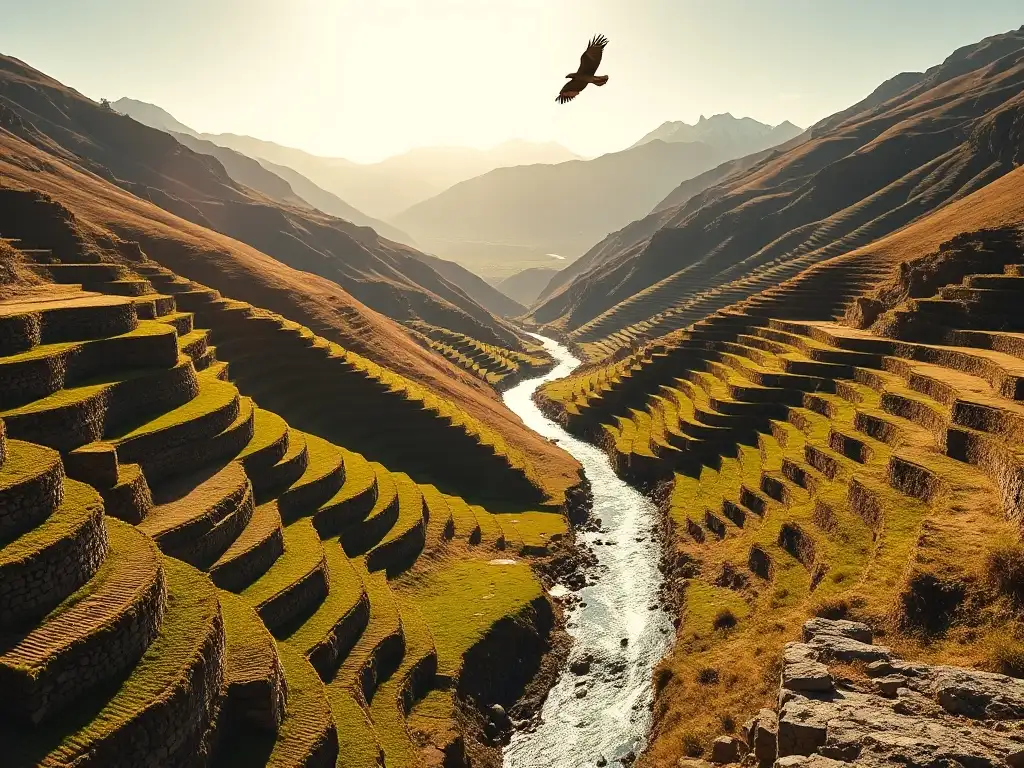
This section delves into specific examples of the sophisticated irrigation systems developed by various Andean civilizations. These case studies highlight the ingenuity and adaptability of these ancient cultures in harnessing water resources for agriculture and societal development, showcasing the remarkable achievements in ancient Andean irrigation systems. We will explore the engineering feats and the lasting impact of these systems on the landscape and the civilizations that built them. Understanding these specific examples provides a deeper appreciation for the complexity and sophistication of ancient Andean water management techniques.
Tipón: An Example of Inca Water Management
Tipón, located near Cusco, Peru, stands as a testament to Inca engineering prowess in water management. This impressive system, likely constructed during the Inca Empire's zenith (15th-16th centuries CE), features a network of canals, terraces, and fountains that demonstrate a mastery of hydraulic engineering. The system's ingenuity lies not just in its scale but also in its intricate design. Water, sourced from springs high in the Andes, was channeled through a series of carefully constructed canals, cascading down the mountainside to irrigate agricultural terraces.
The canals themselves are remarkably well-preserved, showcasing Inca expertise in stonework and hydraulics. They were built using precisely cut stones fitted together without mortar, a testament to their advanced understanding of construction techniques. The system’s intricate network of channels also included strategically placed water fountains and reservoirs, suggesting a sophisticated understanding of water distribution and pressure management.
Archaeological evidence suggests the system was not only functional but also aesthetically pleasing, integrating seamlessly with the surrounding landscape. The Tipón system offers valuable insights into Inca agricultural practices and their understanding of water resource management, a key factor in their empire's success. Further research into the precise techniques employed in the construction and maintenance of the Tipón system could reveal additional details about Inca societal organization and technological capabilities.
The Chicama Valley Irrigation System of the Moche
The Moche civilization (100-800 CE), known for its sophisticated art and metalworking, also developed a remarkable irrigation system in the Chicama Valley of northern Peru. This system, significantly larger and more complex than many others, involved the construction of extensive canals and reservoirs to manage the seasonal flooding of the Chicama River. Unlike the Inca system at Tipón, which relied on gravity, the Moche system often employed a combination of gravity and lift irrigation, utilizing techniques such as canals, reservoirs, and possibly even rudimentary water wheels to move water across varied terrains.
The scale of the Chicama Valley system is impressive. Canals stretched for kilometers, traversing diverse landscapes and overcoming significant elevation changes. These canals were carefully designed to minimize water loss through evaporation and seepage, a remarkable feat of engineering given the available technology.
The Moche’s understanding of hydrology, coupled with their advanced construction techniques, allowed them to create a remarkably efficient irrigation system that supported a large and thriving population. The remnants of these canals, visible even today, stand as a testament to their engineering skill and their ability to adapt to a challenging environment. Analysis of the sediment deposits within the canals could offer additional information about the environmental conditions during the Moche period and the system's long-term impact on the valley's ecology.
Puquios of Nazca: Underground Aqueducts
The Nazca civilization (100 BCE – 800 CE), famous for its enigmatic geoglyphs, also possessed advanced water management techniques. Their ingenuity is particularly evident in their construction of puquios, elaborate underground aqueducts. Unlike surface canals vulnerable to evaporation and seasonal fluctuations, these subterranean channels tapped into underground water sources, providing a reliable water supply year-round.
The construction of puquios involved extensive digging and the creation of vertical shafts that connected to a network of horizontal tunnels. These tunnels were often lined with stones to prevent collapse and maintain water flow. The design of the puquios demonstrates a sophisticated understanding of hydrology and engineering.
The Nazca people carefully selected locations based on their knowledge of underground water tables, ensuring a consistent flow of water to support agriculture. The puquios represent a remarkable adaptation to the arid coastal environment of southern Peru. Their longevity and effectiveness highlight the Nazca's deep understanding of water resources and their ability to create sustainable irrigation systems in a challenging desert setting.
Further study of the puquios could reveal further insights into the Nazca's societal organization and their ability to collaborate on large-scale engineering projects. The precise methods used to locate and tap into underground water sources remain an area of ongoing research. 🕵️♂️
The Legacy of Ancient Andean Irrigation Systems

The ingenuity of ancient Andean civilizations in harnessing water resources is a testament to their profound understanding of their environment and their remarkable engineering skills. Their sophisticated irrigation systems, developed over millennia, allowed them to cultivate diverse crops in challenging terrains, supporting large and complex societies. These systems weren't merely functional; they were deeply intertwined with their cosmology, social structures, and spiritual beliefs, highlighting the holistic approach these civilizations took towards water management.
The legacy of these ancient Andean irrigation systems continues to resonate today, impacting modern agriculture, informing sustainable water management practices, and preserving a vital part of Andean cultural heritage. Understanding these systems offers valuable insights into the resilience and adaptability of ancient societies and provides lessons for addressing modern water challenges. The keyword "Ancient Andean irrigation systems" is central to understanding this remarkable achievement.
Impact on Modern Agriculture
Many modern agricultural practices in the Andes still bear the imprint of ancient irrigation techniques. While technology has advanced, the fundamental principles of channeling water from high-altitude sources to lower-lying fields remain relevant. For example, the acequias—community-managed irrigation channels—that are prevalent in many Andean communities today are direct descendants of ancient systems.
These acequias not only provide water for irrigation but also serve as vital social infrastructure, fostering community cooperation and shared responsibility for water resource management. This collaborative approach, rooted in centuries of tradition, contrasts sharply with some modern, individualistic approaches to water management that can lead to overexploitation and environmental degradation. The efficiency of ancient Andean irrigation techniques, even in the face of climate variability, offers valuable lessons for improving modern agricultural practices, especially in arid and semi-arid regions.
The success of these systems, even in the challenging Andean environment, demonstrates the potential for sustainable and equitable water distribution. Studies comparing yields from traditional acequias with modern, centralized irrigation systems are needed to fully quantify the long-term economic and environmental impacts.
Lessons for Sustainable Water Management
The ancient Andean irrigation systems offer crucial lessons for sustainable water management in the face of increasing water scarcity and climate change. These civilizations developed sophisticated techniques for water harvesting, storage, and distribution, adapting their methods to the specific environmental conditions of different regions. Their systems emphasized water conservation and efficient use, minimizing water loss through evaporation and seepage.
For instance, the use of terraced agriculture, which reduces soil erosion and improves water retention, is a technique still widely employed in the Andes and increasingly adopted globally as a sustainable agricultural practice. Moreover, the integration of their irrigation systems with other aspects of their landscape management, such as the construction of reservoirs and the careful management of forests, showcases a holistic approach to water resource management that is highly relevant to modern challenges.
Understanding how these ancient societies adapted to periods of drought and other environmental stresses provides valuable insights for building resilience into modern water management strategies. Analyzing the long-term sustainability of ancient Andean irrigation systems, considering factors like population density, climate variability, and technological advancements, can provide insights into the factors contributing to their success and inform future water management policies.
Preserving the Cultural Heritage of Ancient Irrigation
Preserving the cultural heritage associated with ancient Andean irrigation systems is crucial for maintaining both their historical significance and their continued relevance to modern water management. Many of these systems are not merely engineering marvels but also hold deep cultural and spiritual value for Andean communities. The acequias, for example, are often associated with specific rituals and ceremonies, reflecting the close relationship between water and Andean cosmology.
Therefore, efforts to preserve these systems must consider not only their physical infrastructure but also the intangible cultural heritage associated with them. Documenting traditional knowledge and practices related to water management, including oral histories and traditional techniques, is essential for ensuring the continuity of this valuable heritage. Furthermore, supporting community-based efforts to maintain and restore ancient irrigation systems can contribute to both the preservation of cultural heritage and the promotion of sustainable water management practices.
This holistic approach ensures that the legacy of ancient Andean irrigation systems continues to benefit both present and future generations. The preservation of these systems, therefore, is not simply an act of historical preservation; it's a crucial step towards building a more sustainable and equitable future. The protection of these sites should be prioritized, perhaps through dedicated funding and collaborative international efforts.
Conclusion: The Enduring Genius of Andean Hydraulic Engineering
The ingenuity of ancient Andean irrigation systems continues to fascinate and inspire. These weren't simply ditches carved into the landscape; they represented a sophisticated understanding of hydrology, engineering, and social organization. The scale and complexity of these projects, considering the available tools and technologies, are truly remarkable.
From the intricate canal networks of the Nazca to the sophisticated aqueducts of the Inca, each civilization adapted its techniques to the specific challenges of its environment. The enduring legacy of these systems is not just in their physical remains, but also in the lessons they offer about sustainable water management and the remarkable capacity of human ingenuity. Understanding these ancient Andean irrigation systems offers valuable insights into the resilience and adaptability of past societies, particularly in the face of environmental constraints.
Studying these systems provides a powerful case study for modern-day challenges related to water scarcity and resource management. The sophisticated understanding of water flow, terrain adaptation, and community collaboration demonstrated by these ancient civilizations deserves our continued study and appreciation. The efficiency and longevity of many of these systems, some of which remained functional for centuries, stand as a testament to the skill and foresight of their creators.
The Technological Prowess of Ancient Andean Civilizations
The technological achievements of ancient Andean civilizations in the realm of water management are often underestimated. Their mastery of hydraulic engineering involved not just the construction of canals, but also the development of sophisticated techniques for water diversion, storage, and distribution. This included the creation of intricate systems of channels, reservoirs, and terraces, often carved into steep slopes and across challenging terrain. Consider, for example, the Nazca lines, often associated with astronomical observations, but also potentially linked to their complex water management systems.
The precise alignment of some canals suggests a detailed understanding of topography and water flow. Further research is needed to fully understand the technological sophistication used in the construction of these systems. Evidence suggests the use of advanced surveying techniques, potentially involving astronomical observations to ensure accurate canal alignment and gradient. The construction methods themselves, relying on stonework, earthworks, and potentially sophisticated tools and techniques, remain partially mysterious.
[Specific construction techniques pending further research]. The ability to create such large-scale projects required considerable organizational skills, demonstrating a high level of social and political coordination within these ancient societies. The development and implementation of these irrigation systems were critical to the success and growth of these civilizations, enabling them to cultivate crops and sustain large populations in challenging environments.
The Importance of Understanding Ancient Water Solutions
Understanding ancient Andean irrigation systems is not just an academic exercise; it holds crucial relevance for contemporary challenges related to water scarcity and sustainable resource management. The innovative techniques employed by these ancient civilizations, including water harvesting, terracing, and efficient distribution networks, offer valuable lessons for modern water management practices. By studying their approaches to water conservation and sustainable agriculture, we can gain insights into more environmentally friendly and resilient water management strategies.
The challenges faced by ancient Andean societies—water scarcity, unpredictable rainfall, and challenging terrain—are mirrored in many parts of the world today. The solutions they developed, often in harmony with their environment, can inform contemporary approaches to sustainable agriculture and water resource management. Moreover, the social structures and organizational systems that supported the construction and maintenance of these systems provide valuable case studies for collaborative water governance and community-based resource management.
The lessons learned from the successes and failures of these ancient systems can contribute to the development of more effective and sustainable water management policies and practices for the future. The study of ancient Andean irrigation systems, therefore, is not only a fascinating exploration of the past, but also a vital resource for shaping a more sustainable future. The innovative spirit and resourcefulness of these ancient civilizations offer a powerful model for addressing the pressing water challenges of our time.
Frequently Asked Questions
What were the most significant challenges faced by ancient Andean civilizations in managing water resources?
The Andes presented steep slopes, variable rainfall, and arid coastal regions, making water management crucial for survival and agricultural success. Solutions included complex irrigation systems and sophisticated water storage techniques.
How did ancient Andean civilizations overcome the challenges of their geography to develop agriculture?
They developed ingenious irrigation systems, including canals, aqueducts, and terraces, to channel water from rivers and streams to their fields, enabling intensive agriculture even in challenging terrains.
What were the key features of the ancient Andean irrigation systems?
These systems involved intricate networks of canals, terraces, and reservoirs, often built on a massive scale, demonstrating advanced engineering and understanding of hydrology. They were crucial to supporting large populations.
Which Andean civilizations are most known for their advanced irrigation techniques?
The Inca, Nazca, and Moche civilizations are particularly renowned for their impressive irrigation systems, each showcasing unique approaches adapted to their specific environments and needs.
What is the lasting legacy of ancient Andean irrigation systems?
These systems showcase remarkable engineering skills and offer valuable insights into sustainable water management. Their remnants continue to inspire modern approaches to water resource management in challenging environments.
Final Reflection: The Enduring Legacy of Andean Ingenuity
The ingenious canal systems of the Andes weren't just feats of engineering; they were a testament to the profound understanding ancient civilizations had of their environment and a blueprint for sustainable living that remains strikingly relevant today. In a world grappling with climate change and dwindling water resources, understanding how these ancient societies managed water scarcity offers invaluable lessons for modern societies facing similar challenges. Their innovative solutions, born from necessity and deep ecological knowledge, continue to inspire awe and provide a powerful counterpoint to our often unsustainable practices.
The impact of these ancient irrigation systems extends far beyond the realm of engineering; they shaped the very fabric of Andean societies, fostering complex social structures, agricultural surpluses, and vibrant cultural expressions. These systems were not merely functional; they were integral to the spiritual and social life of the communities they served, a testament to the interconnectedness between humans and their environment. Water is life, and without it, there is no civilization.
This simple truth, understood deeply by the ancient Andean people, holds even greater weight in our modern context.
Consider the ingenuity of these ancient builders, their deep understanding of hydrology and their commitment to community collaboration. You too can find inspiration in their achievements. Reflect on your own relationship with water, and consider how you can contribute to more sustainable water management practices in your daily life. Let the legacy of the Andean canals serve as a reminder that human ingenuity, combined with respect for the natural world, can overcome even the most formidable challenges. Let us learn from the past to build a more sustainable future.
Unveil the Secrets of Ancient Andean Innovation!
Thank you for exploring the remarkable ingenuity of the Andean canal systems! We've examined how ancient civilizations cleverly managed water resources for survival and prosperity. Now, let's delve deeper into this fascinating history.
Here are some ways to further engage with this topic:
- **Expand your knowledge:** Explore our extensive resources on Andean engineering to learn more about how these innovative architects shaped their environment. You'll discover remarkable feats of ingenuity and adaptation.
- **Share your discoveries:** Join the conversation! Discuss this article with friends and family, and explore what aspects of the Andean civilizations' relationship with water find most compelling.
- **Engage with the community:** Participate in local workshops or online forums dedicated to sustainable water management, drawing inspiration from these ancient, effective practices.
As you reflect on these ancient techniques, consider this crucial question: **How can the wisdom of these past civilizations inform our modern approaches to sustainable water management? **