
The Inca Use of Stone: From Tools to Monuments

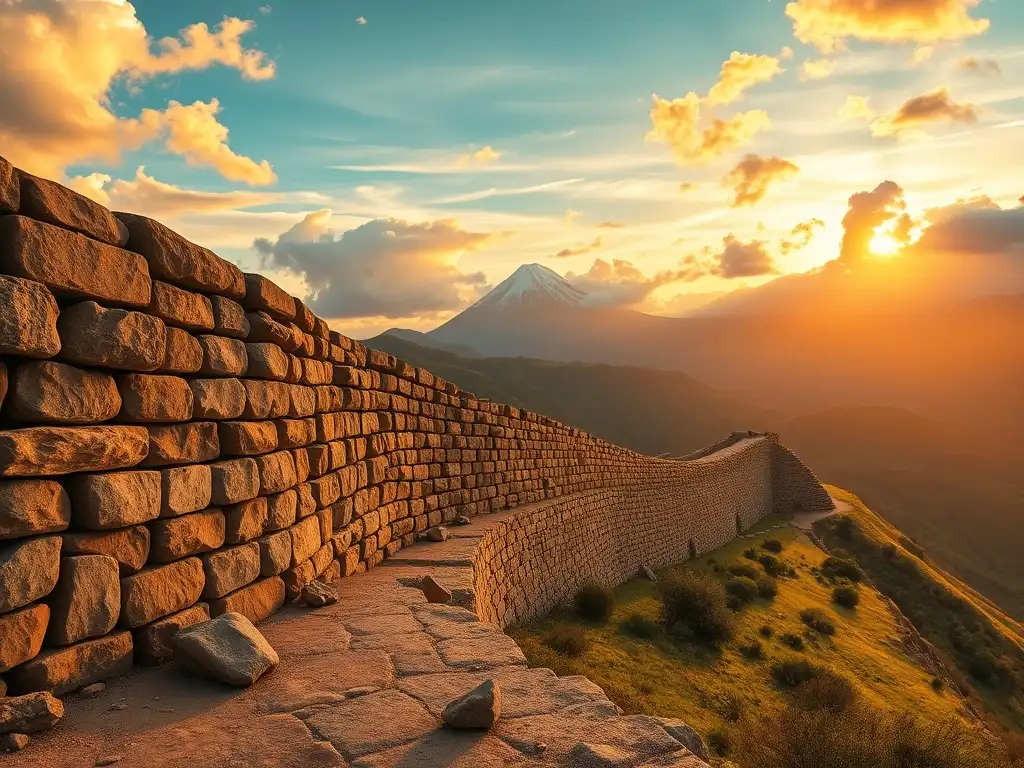
Step into a world lost to time, yet echoing with the whispers of a masterful civilization. Imagine cities carved from mountains, intricate artistry defying gravity, and a legacy built not of gold, but of stone. Prepare to be amazed by the ingenuity and precision of Inca stonework techniques, a testament to the enduring power of the Andean empires. Uncover the secrets behind their unparalleled mastery in our exploration of "The Inca Use of Stone: From Tools to Monuments"—a journey that will leave you breathless.
The Inca Empire, renowned for its sophisticated social structures and vast territorial control, left behind an enduring legacy etched in stone. This article delves into the fascinating world of Inca stonework, exploring not only their impressive monumental architecture but also the practical applications of stone in their daily lives.
From the finely crafted tools they used to the breathtaking precision of their monumental structures like Machu Picchu, the Inca mastery of stone reveals a deep understanding of engineering, artistry, and resource management. We will examine the techniques employed, the tools utilized, and the cultural significance imbued within their stone constructions, providing insight into the ingenuity and skill of this remarkable civilization.
Understanding Inca stonework techniques offers a crucial window into their societal organization, technological advancements, and spiritual beliefs, enriching our comprehension of this captivating civilization. This exploration will highlight how their proficiency in working with stone wasn't just about building impressive structures, but also about shaping their very world and reflecting their worldview.
Introduction to Inca Stone Mastery
The Inca's skill in stonework is unparalleled in pre-Columbian America. Their mastery extended beyond simple construction; it encompassed a sophisticated understanding of quarrying, shaping, transporting, and assembling massive blocks of stone with astonishing precision. Unlike many other civilizations that relied on mortar to bind stones, the Inca perfected the art of dry-stone masonry, fitting stones together so tightly that even a knife blade couldn't be inserted between them.
This technique, requiring immense skill and precision, showcases their advanced engineering capabilities. The Inca utilized various types of stone, selecting the most suitable material for each project, demonstrating a deep understanding of the properties of different stones and their suitability for specific applications.
This careful selection, combined with their precise construction methods, resulted in structures that have withstood the test of time, a testament to their engineering prowess. The impact of their stonework is visible not only in the grand structures but also in smaller, everyday objects, reflecting the pervasiveness of stone in Inca life.
Inca Stonework Techniques: An Overview
Inca stonework techniques were incredibly diverse, adapting to the specific needs of each project and the characteristics of the available stone. Several key techniques stand out:
- Dry-stone masonry: As mentioned previously, this was a hallmark of Inca construction. Stones were meticulously shaped and fitted together without the use of mortar, creating incredibly strong and durable structures. The precision involved is astounding, with stones often interlocking perfectly, creating a seamless and aesthetically pleasing effect.
- Ashlar masonry: This technique involved using precisely cut, rectangular blocks of stone. This method was particularly common in monumental architecture, showcasing the Inca’s ability to create large-scale structures with remarkable accuracy. The size and weight of these blocks, some weighing several tons, highlight the significant logistical challenges overcome during construction.
- Rough-hewn masonry: In contrast to ashlar masonry, this technique used less precisely shaped stones. It was often employed in less visible parts of structures or in situations where precision was less critical. This doesn't diminish its importance; it demonstrates the Inca's adaptability and resourcefulness in utilizing available materials effectively.
- Polygonal masonry: This involved using stones of irregular shapes and sizes, fitted together with exceptional precision. This technique is particularly evident in impressive structures like Sacsayhuamán, where massive polygonal stones interlock perfectly, creating a visually stunning and remarkably strong wall. The skill required to achieve such precision is truly remarkable.
The tools used by the Inca in their stonework included various types of hammers, chisels, and possibly copper or bronze tools for finer work. However, much remains unknown about the exact tools and techniques, highlighting the need for further research. The sheer scale and precision of their constructions, however, speaks volumes about their advanced understanding of engineering and their dedication to craftsmanship.
The legacy of their stonework continues to inspire awe and admiration, showcasing the enduring power of human ingenuity and the remarkable achievements of the Inca civilization. Further research into the specific materials used and the exact processes employed will undoubtedly reveal even greater insights into the sophisticated techniques that underpinned this remarkable feat of engineering.
- What tools did the Inca use for their stonework?
- How did the Inca achieve such precise stone fitting?
- What is unique about Inca stonework compared to other civilizations?
- What types of structures did the Inca build using these techniques?
- How did the Inca transport such massive stones to their building sites?
Inca Stone Tools: The Foundation of Their Craft
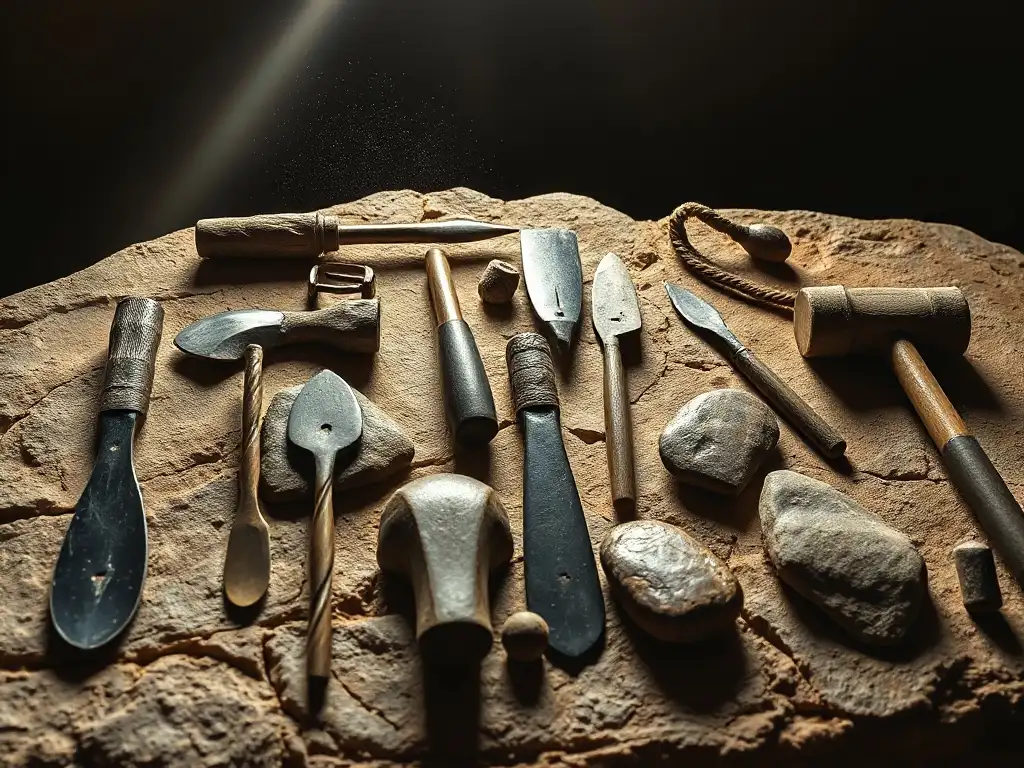
The mastery of Inca stonework, renowned for its precision and scale, was fundamentally built upon the development and skillful application of specialized stone tools. Understanding these tools is crucial to appreciating the ingenuity and dedication behind iconic structures like Machu Picchu. The Inca's ability to shape massive stones with such accuracy wasn't magic; it was the result of sophisticated toolmaking and meticulous techniques passed down through generations.
Their success stemmed from a deep understanding of the properties of different stones and the development of tools perfectly suited to their needs. This section will explore the basic and specialized tools employed in Inca stone quarrying and shaping, highlighting the ingenuity and effectiveness of their technology. The remarkable precision evident in Inca stonework techniques is a testament to their advanced understanding of stone manipulation.
Basic Stone Tools for Quarrying and Shaping
The foundation of Inca stonework lay in their basic tools, primarily made from stone itself. These weren't crude implements; rather, they were carefully crafted instruments designed for specific tasks. The most common tools included:
- Stone Hammers: These varied in size and shape, depending on the intended use. Larger hammers were used for initial quarrying and rough shaping, while smaller, more refined hammers were employed for finer work. The hammers were often made from hard, durable stones like andesite, selected for their ability to withstand repeated impacts.
- Stone Chisels: These were wedge-shaped tools used to chip away at the stone, creating grooves and shaping the blocks. Again, the material choice was crucial, with harder stones producing sharper, more effective chisels. The chisels' angles and sizes were likely adapted to the type of stone being worked and the desired finish.
- Stone Mallet: Used in conjunction with the chisels, the mallet provided the force needed to drive the chisel into the stone, effectively breaking off chips and shaping the surface. The rounded shape of the mallet helped to distribute the force evenly, minimizing damage to the chisel.
- Wooden Mallet: While less common than stone mallets, wooden mallets may have been used for finer work, where a softer impact was needed to avoid damaging the stone’s surface.
The process often involved a combination of techniques. For example, large blocks of stone were initially separated from the quarry using a combination of stone hammers and wedges driven into cracks or pre-cut grooves. Then, smaller hammers and chisels were used to shape the blocks to their intended form. The sheer size and weight of some of the stones moved by the Inca are a testament to their strength, organization, and advanced tool-making. The efficiency and precision achieved with these relatively simple tools are remarkable.
Specialized Inca Stone Tools for Precision Work
Beyond the basic tools, the Inca developed specialized instruments to achieve the unparalleled precision seen in their finest work. These advanced tools allowed for the incredibly tight fits between stones, a hallmark of Inca masonry. While precise details about every tool remain elusive due to the nature of surviving artifacts, evidence suggests the use of:
- Copper Chisels and other Metal Tools: The Inca's use of copper and bronze tools allowed for a greater degree of precision than stone alone could achieve. These metal tools could create smoother surfaces and finer details, crucial for the intricate carvings and precise joins found in many Inca structures. The use of copper alloys would have allowed for more durable and sharper cutting edges compared to stone tools alone.
- Abrasives: To further refine the surfaces of the stones, the Inca likely utilized abrasives such as sand, grit, and possibly even specialized stones. These materials, used with water, would have smoothed and polished the stone surfaces to an exceptional degree, creating the almost seamless joints characteristic of their masonry. The presence of fine scratches on some stone surfaces suggests the use of such techniques.
- Specialized Stone Shaping Techniques: Beyond the tools themselves, the Inca likely employed specialized techniques for shaping stone. This could involve the use of templates or precise measurements to ensure consistency and accuracy in the creation of stone blocks. The precise angles and shapes of many stones suggest a sophisticated understanding of geometry and engineering principles. Further research into surviving Inca structures and tools is needed to fully understand these techniques.
The combination of these basic and specialized tools, coupled with the Inca's exceptional skill and understanding of stone, allowed them to create some of the most impressive and enduring structures in the world. The precision and durability of their stonework is a lasting testament to their ingenuity and craftsmanship. While the exact methods remain partly shrouded in mystery, studying the surviving tools sheds light on the advanced techniques that defined Inca stonework techniques.
Inca Architecture and Stonework: Building the Empire
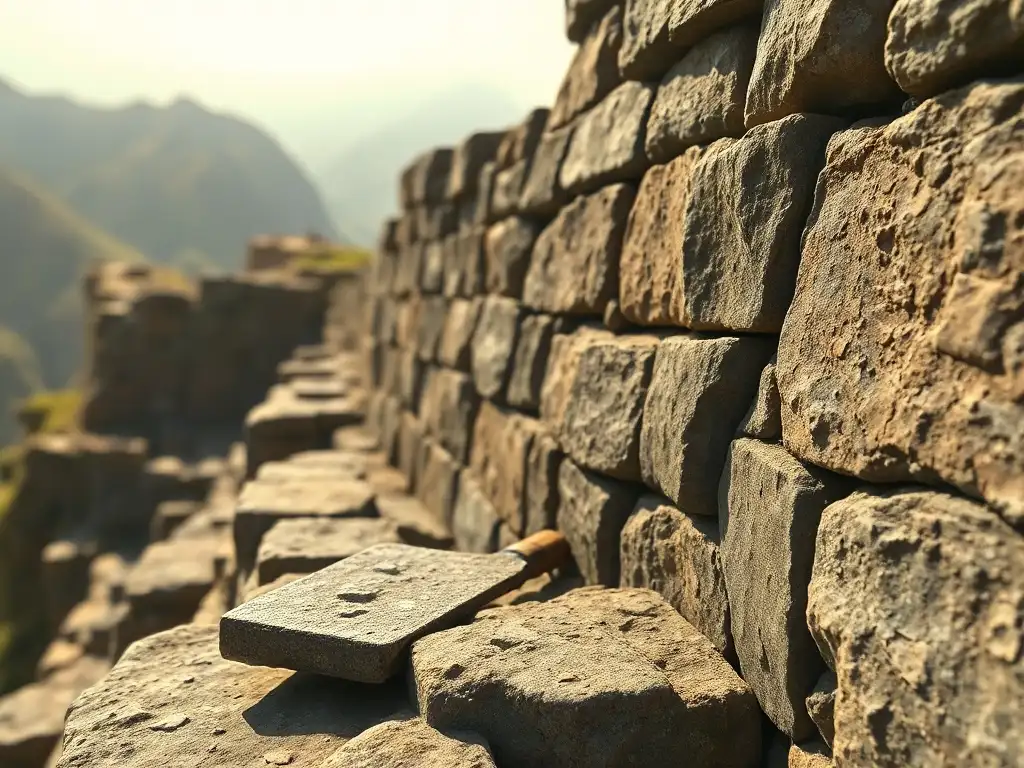
The Inca Empire's legacy is indelibly linked to its mastery of stonework. Their impressive architectural achievements, from sprawling cities to meticulously crafted temples, stand as testaments to their advanced understanding of engineering and their profound connection to the Andean landscape. The Inca stonework techniques, often described as "cyclopean masonry," involved a sophisticated combination of quarrying, shaping, transporting, and assembling massive stone blocks with astonishing precision. This section will delve into the specifics of Inca construction, exploring the techniques used and the resulting architectural marvels. Understanding these techniques provides crucial insight into the Inca worldview and their societal organization.
The Construction of Inca Walls: Cyclopean Masonry
Inca walls are renowned for their breathtaking precision and seemingly impossible fits. The term "cyclopean masonry" aptly describes the scale and skill involved, referring to the colossal size of the stones used. These weren't simply piled on top of each other; they were meticulously shaped and fitted together without mortar, showcasing an advanced understanding of geometry and engineering.
The stones, often weighing several tons, were interlocked with such accuracy that even a knife blade couldn't be inserted between them. This level of precision wasn't just aesthetic; it provided exceptional structural integrity, enabling the walls to withstand earthquakes and the test of time.
Several factors contributed to this remarkable feat. First, the Incas possessed advanced quarrying techniques. They used copper and bronze tools, along with possibly primitive explosives (evidence is still debated among scholars), to extract large blocks of stone from quarries, often located significant distances from construction sites. Second, their skill in shaping the stones was extraordinary.
They used a combination of pounding, grinding, and polishing techniques to achieve the precise shapes needed for interlocking. Finally, their ability to transport these massive stones across challenging terrain remains a subject of ongoing research and fascination. We know they employed human labor, ramps, and possibly advanced systems of rollers and levers, but the exact methods are still being uncovered. The precision and scale of Inca wall construction represent a pinnacle of pre-Columbian engineering, and a testament to the organized labor and sophisticated planning of the Inca civilization.
Inca Royal Structures: Precision and Design
Inca royal structures, such as the palaces at Cusco and Ollantaytambo, exemplify the pinnacle of Inca architectural prowess. These buildings went beyond mere functionality; they were statements of power, prestige, and sophisticated design. The stonework in these structures was even more refined than in common walls, often incorporating intricately carved stones with decorative elements. The precise fitting of stones was paramount, creating seamless, visually stunning structures. Beyond the technical skill, the design itself reflected a deep understanding of Andean aesthetics and cosmology.
For example, the use of specific stone types and colors may have held symbolic meaning, relating to the Inca worldview and their connection to the sacred mountains and the elements. The layout of palaces and other royal structures often followed specific patterns, reflecting a structured and hierarchical society. The integration of astronomical alignments into the design of certain structures further emphasizes the Inca’s sophisticated understanding of the cosmos and their incorporation of this knowledge into their architecture.
More research is needed to fully understand the symbolic meanings embedded in the design and construction of these royal buildings, but the meticulous craftsmanship speaks volumes about the Inca’s commitment to excellence and their ability to translate their worldview into physical structures. The sheer scale and complexity of these projects highlight the extensive organization and resources at the disposal of the Inca state.
Inca Temples and Sacred Sites: The Power of Stone
Inca temples and sacred sites represent a unique blend of architectural skill and religious significance. These structures, often located in high-altitude settings with stunning views, served as focal points for religious rituals and ceremonies. The stonework in these sites frequently incorporated highly polished stones and intricate carvings, showcasing a level of artistry that surpasses even the impressive construction of royal palaces. The precision and detail in the stonework were crucial, reflecting the sacred nature of the sites and the reverence with which they were treated.
The meticulous construction of these sites was not merely a demonstration of technical ability; it was a way to physically manifest the Inca's spiritual beliefs. The use of particular stone types, colors, and shapes may have held symbolic significance, connecting the structures to the Inca cosmology and their relationship with the natural world.
The careful alignment of temples with astronomical events, such as solstices and equinoxes, further underscores the religious significance of these architectural achievements. These sites served as more than just places of worship; they were powerful symbols of the Inca's connection to the divine and their ability to shape the physical world to reflect their spiritual beliefs.
Further research into the iconography and symbolic elements within these structures is needed to fully appreciate the complex interplay between religion, architecture, and Inca stonework techniques. The enduring presence of these sacred sites stands as a testament to the enduring power of Inca beliefs and their remarkable ability to translate spiritual concepts into tangible forms.
Inca Civil Engineering: Stone in Infrastructure
The Inca Empire's mastery of stonework is perhaps most evident in its impressive infrastructure projects. Their ability to precisely cut, transport, and assemble massive stones without the use of metal tools or draft animals remains a testament to their sophisticated engineering skills and understanding of materials. The scale and precision of their construction projects, which extended across a vast and challenging terrain, continue to fascinate and inspire awe in modern engineers.
Analyzing their techniques provides valuable insights into their ingenuity and organizational prowess. The precise Inca stonework techniques employed were crucial to the success of their ambitious infrastructure projects, ensuring longevity and functionality across diverse landscapes.
Inca Roads and Stone Bridges
The extensive Inca road network, the Qhapaq Ñan, is a prime example of their stonework expertise. Stretching over 40,000 kilometers, this network connected the far-flung corners of the empire, facilitating communication, trade, and military movements. The roads themselves were marvels of engineering, adapted to the diverse Andean geography.
In mountainous regions, they were carved into steep slopes, while in flatter areas, they were built on meticulously leveled foundations. The stones used were carefully selected for durability and fitted together with incredible precision, often without the use of mortar. The roads were remarkably durable, with many sections surviving to this day.
The construction of stone bridges was another crucial aspect of the road system. Many bridges spanned deep ravines and fast-flowing rivers. These structures were often built using large, precisely cut stones, demonstrating a sophisticated understanding of weight distribution and structural integrity. Some bridges were simple, single-span structures, while others were more complex, incorporating multiple spans and supporting arches.
The Inca's ability to construct these bridges in difficult terrain further emphasizes their advanced engineering capabilities and their mastery of Inca stonework techniques. Detailed archaeological studies are still uncovering new information about the construction methods and the long-term resilience of these remarkable structures. For example, recent research suggests the use of specific types of stone, chosen for their resistance to weathering and erosion, in high-altitude bridge constructions.
Inca Aqueducts and Water Management Systems
In addition to roads and bridges, the Inca also built sophisticated aqueducts and water management systems. These systems were vital for agriculture and urban life in the arid Andean highlands. The Inca's understanding of hydraulics allowed them to channel water from distant sources to irrigate crops and supply water to cities.
Their aqueducts were often built using carefully fitted stones, creating channels that were remarkably leak-proof. The precision of the stonework ensured a smooth flow of water, minimizing friction and maximizing efficiency. Furthermore, the systems included ingenious features such as canals, reservoirs, and fountains, showcasing a deep understanding of water management principles.
The construction of these water systems required not only skilled stone masons but also a highly organized workforce and a sophisticated understanding of hydrology and engineering. Analysis of surviving aqueducts reveals the use of various Inca stonework techniques, including the careful selection of stones, precise cutting and fitting, and the integration of different types of stone to create durable and functional structures. The meticulous planning and execution of these projects underscore the Inca’s exceptional organizational and engineering skills.
The enduring legacy of these aqueducts is a testament to the ingenuity and advanced technological capabilities of the Inca civilization, highlighting their mastery over water resource management and the sophisticated application of their Inca stonework techniques. The precise methods used to ensure water tightness in these systems are still being studied by engineers today.
Inca Stonework and Art: Beyond Functionality
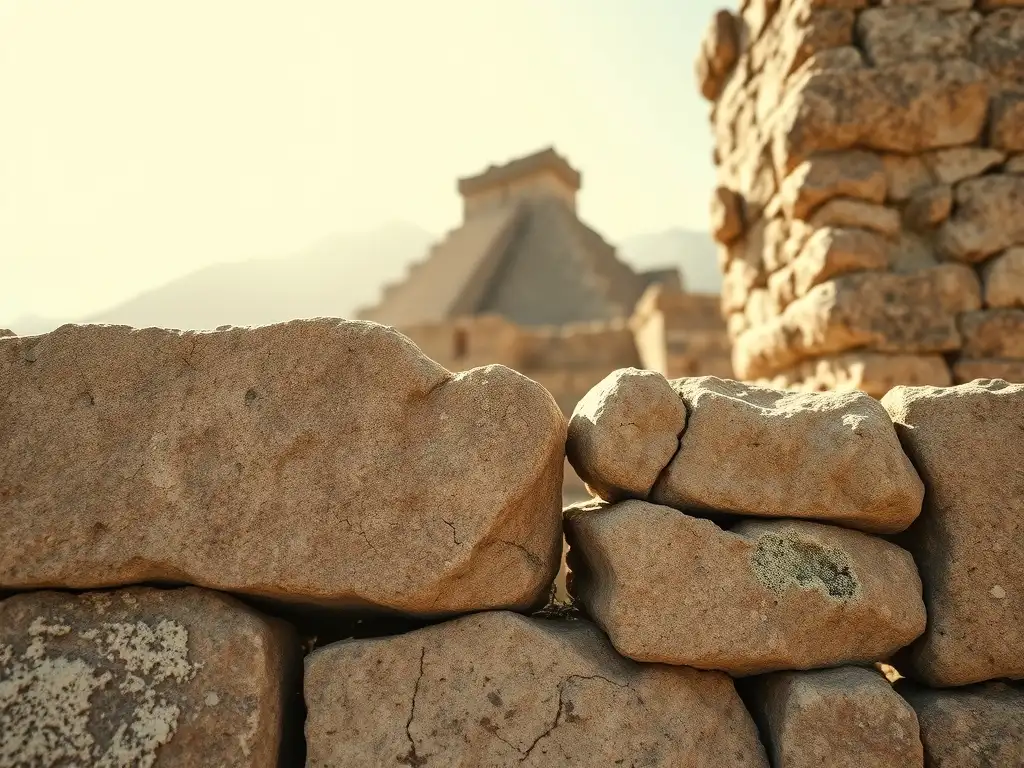
The mastery of Inca stonework techniques is undeniable, evident not only in their impressive architectural feats but also in the intricate artistry displayed in smaller, often overlooked objects. While the precision and scale of Inca constructions like Machu Picchu are globally renowned, a closer examination reveals a sophisticated understanding of stone manipulation that extended far beyond mere functionality. This section explores the artistry inherent in Inca stonework, showcasing the skill and creativity embedded within their creations.
Understanding these techniques provides a deeper appreciation for the ingenuity and cultural richness of the Inca civilization. The sophisticated Inca stonework techniques involved a complex interplay of quarrying, shaping, fitting, and finishing, resulting in structures that have withstood the test of time, a testament to their advanced engineering and artistic sensibilities. The precision and artistry involved in their stonework are truly remarkable and represent a pinnacle of achievement in ancient engineering and artistry.
Stone Carvings and Sculptures
Inca stone carvings and sculptures weren't merely decorative additions; they served religious, symbolic, and even practical purposes. Many examples showcase remarkable detail and a high degree of skill. While large-scale projects like the twelve-angled stone in Ollantaytambo demonstrate unparalleled precision in fitting, smaller sculptures reveal the Inca's ability to create intricate designs and representational figures. These smaller works often featured religious motifs, depictions of animals (such as llamas and condors), and stylized human figures, reflecting their cosmology and beliefs.
The process likely involved a combination of techniques. Initial shaping was probably achieved using stone hammers and chisels, gradually refining the form through abrasion with sand and water. Evidence suggests the use of various types of stone tools, possibly made from harder materials like obsidian or diorite, to achieve the desired level of detail.
The final polishing might have been done using finer materials, resulting in a smooth, almost glassy finish on many pieces. Unfortunately, the exact methods used for some of the finer details remain a subject of ongoing research and debate amongst archaeologists. More research is needed to fully understand the tools and specific processes used for particularly intricate carvings.
However, the surviving examples clearly demonstrate a level of skill and artistry that is truly impressive. The intricate detail found in some of the smaller carvings, for example, suggests a high degree of specialization and expertise within Inca society. The creation of these pieces required not only technical skill but also a deep understanding of the symbolic meanings and cultural significance they represented.
Inca Stone Ornaments and Jewelry
Beyond monumental architecture, the Inca's expertise in stonework extended to the creation of exquisite ornaments and jewelry. These smaller items, often crafted from semi-precious stones like turquoise, lapis lazuli, and obsidian, showcase the Inca's ability to work with diverse materials and create intricate designs. These ornaments, including beads, pendants, and ear spools, were often incorporated into elaborate textiles and headdresses, further highlighting their importance in Inca society. Their creation required meticulous craftsmanship, demonstrating a level of skill comparable to that seen in larger-scale projects.
The creation of these ornaments involved a range of techniques, including carving, polishing, and drilling. Small, precisely drilled holes, for example, are commonly found in beads and pendants, indicating the use of sophisticated drilling tools. The precise inlay work found in some pieces suggests a high level of skill and patience.
The materials used were carefully selected, and the finished pieces often displayed a high degree of artistry and refinement. While many examples have been lost to time or looted, the surviving pieces provide valuable insights into Inca aesthetic sensibilities and the technological capabilities of their artisans. The variety of stones used, their intricate designs, and the high level of craftsmanship all point to the importance of these ornaments within Inca culture.
They served not only as decorative items but also as symbols of status, power, and religious significance. Further research on the specific techniques used in the creation of these ornaments could provide a deeper understanding of Inca craftsmanship and the evolution of their artistic traditions. The precision and artistry involved in the creation of these objects is a testament to the skill and dedication of Inca artisans.
Inca Stonework Techniques: Detailed Examination
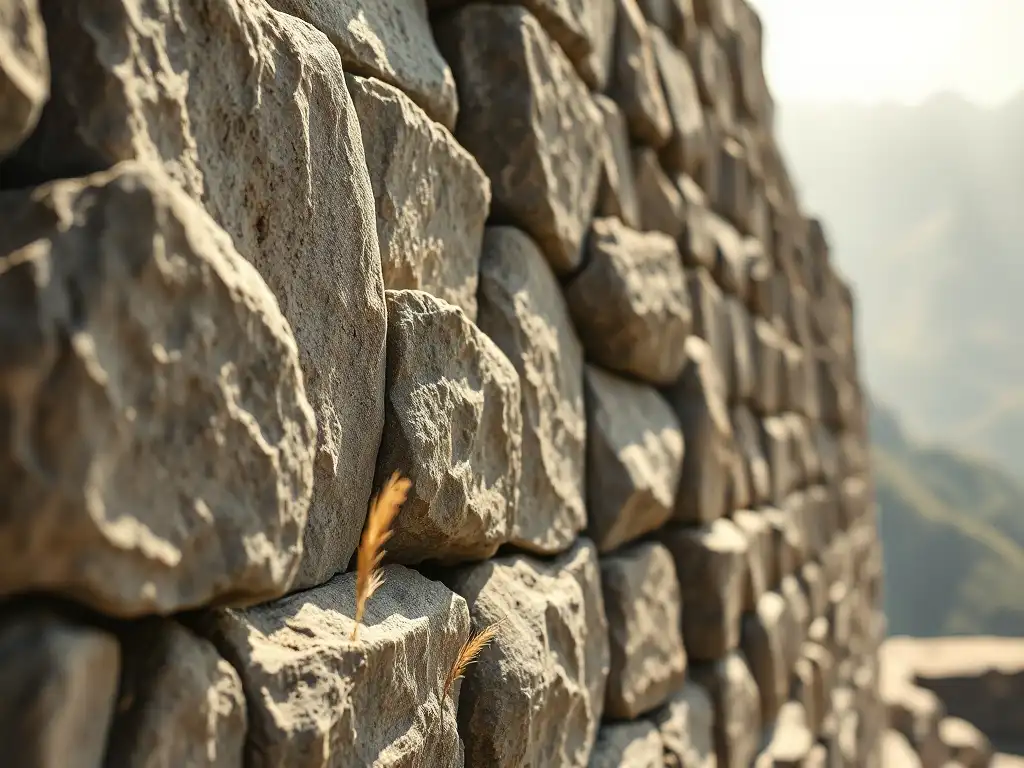
The remarkable precision and scale of Inca stonework continue to amaze and inspire. Their mastery of stone, from quarrying raw materials to erecting monumental structures, represents a sophisticated understanding of engineering and artistry. This section delves into the specific techniques employed by Inca artisans, revealing the secrets behind their iconic architecture and the ingenuity of their methods. Understanding these "Inca stonework techniques" provides crucial insight into their advanced civilization.
Quarrying Techniques: Extracting Stone
Inca quarries were strategically located near construction sites to minimize transportation challenges. The choice of stone depended on its availability and suitability for the intended purpose. Granite, andesite, and basalt were favored for their durability and aesthetic qualities. The extraction process itself was a feat of engineering. While precise methods remain debated, evidence suggests a combination of techniques:
- Fire-setting: This involved heating the rock face with fires, followed by rapid cooling with water. The resulting thermal shock caused cracks in the stone, facilitating its separation from the bedrock. This method was particularly effective for harder stones.
- Wedging: Wooden or stone wedges were driven into pre-existing cracks or carefully created fissures to split the rock apart. This required a significant degree of skill and control to avoid damaging the stone.
- Copper tools: While some believe that Inca artisans primarily used stone tools, archaeological findings suggest the use of copper chisels and mallets, especially in later periods. These tools, though less durable than stone, allowed for finer control and potentially faster extraction.
The size of the extracted blocks varied considerably depending on the project. Some blocks were relatively small, while others were enormous, weighing several tons. The ability to quarry such massive stones without the use of advanced machinery remains a testament to the Inca's organizational prowess and engineering skills.
Shaping and Polishing Methods: Inca Precision
The hallmark of Inca stonework is its astonishing precision. Blocks were shaped and fitted together with such accuracy that even a knife blade could not fit between them. This level of precision required highly developed shaping and polishing techniques:
- Stone hammers and chisels: The primary tools were likely made from hard stone, such as diorite. These tools were carefully crafted and maintained to ensure consistent results. The process was painstaking, requiring skilled artisans to meticulously chip away at the stone, gradually achieving the desired shape.
- Abrasives: Sandstone and other abrasive materials were used to smooth and polish the surfaces of the stones. This process involved rubbing the stone with the abrasive, gradually refining the surface until it was perfectly smooth and flat. The level of polish achieved is remarkable, showcasing the dedication and patience of the Inca artisans.
- Water: Water played a crucial role in the polishing process, acting as a lubricant and helping to remove debris. This also suggests that the work was often carried out near water sources.
The creation of intricate shapes, such as the perfectly fitted corners and curves found in many Inca structures, demanded a deep understanding of geometry and an exceptional level of skill. The precision of Inca stonework demonstrates a mastery of craftsmanship that continues to inspire awe.
Assembling Stone Blocks: Mortarless Construction
One of the most impressive aspects of Inca stonework is the absence of mortar in many structures. The blocks were fitted together so tightly that no binding agent was needed. This "mortarless construction" required exceptional precision and planning:
- Careful selection and shaping: The success of mortarless construction depended on the careful selection and shaping of individual stones. Each block was meticulously crafted to fit perfectly with its neighbors. Slight variations in shape were compensated for by the use of carefully placed smaller stones.
- Precise placement: The placement of each stone was crucial. The Inca likely used a system of leveling and alignment to ensure that the blocks were perfectly positioned. This required a significant level of coordination and teamwork.
- Advanced understanding of engineering principles: The ability to construct massive structures without mortar demonstrates an advanced understanding of engineering principles, including weight distribution and stress management. The Inca's mastery of these principles allowed them to create stable and durable structures that have withstood the test of time.
The absence of mortar in many Inca structures is a testament to their engineering prowess and precision. It highlights their ability to create robust and aesthetically pleasing buildings using only stone, demonstrating a deep understanding of structural integrity and a commitment to perfection. The legacy of their “Inca stonework techniques” continues to inspire architects and engineers today.
The Significance of Stone in Inca Culture
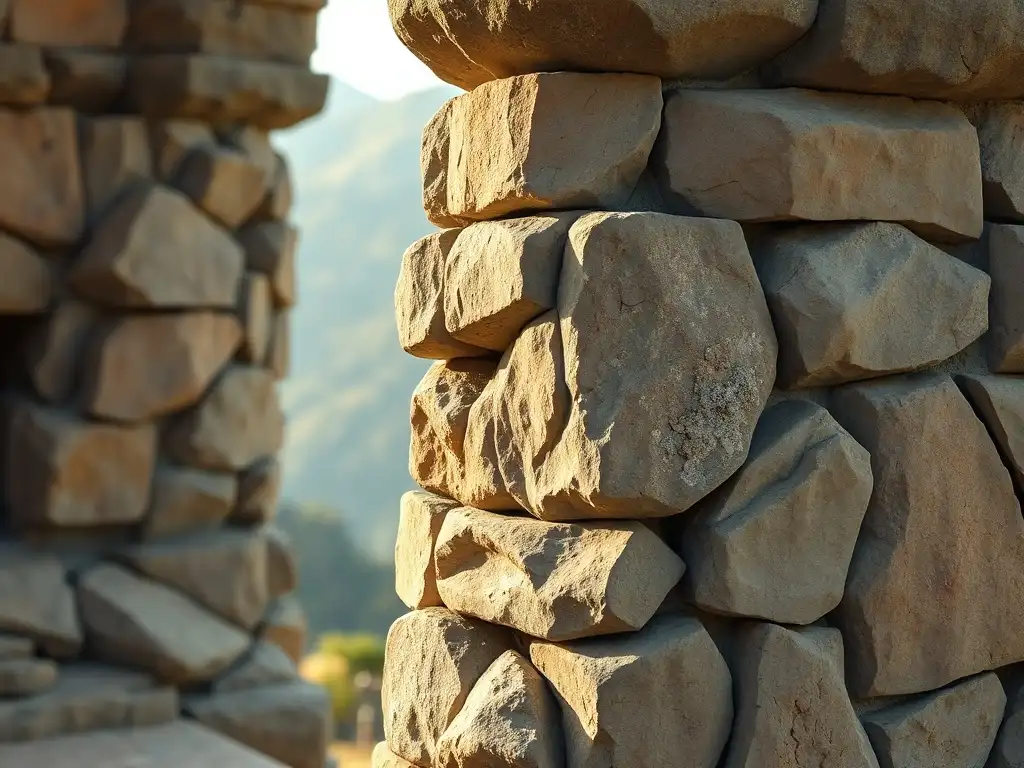
The Inca Empire's mastery of stonework is legendary, a testament to their advanced engineering and sophisticated understanding of materials. Their use of stone extended far beyond mere construction; it was deeply intertwined with their cultural beliefs, social structures, and spiritual world. Understanding the Inca's relationship with stone provides crucial insight into their civilization's values and achievements.
This section will delve into the multifaceted significance of stone within Inca culture, exploring its symbolic meaning, its role in representing power, and its lasting legacy. The Inca stonework techniques they employed are a marvel of ancient engineering, showcasing precision and ingenuity that continues to inspire awe today.
Symbolic Meaning of Stone
Stone, to the Inca, was not simply a building material; it held profound symbolic meaning. It represented permanence, solidity, and connection to the ancestors. The very act of shaping and placing stones was a ritualistic process, imbued with spiritual significance.
Consider the meticulous nature of their work—stones fitted together with such precision that even a knife blade couldn't be inserted between them. This wasn't just a matter of practicality; it reflected a deep respect for the material and a desire to create structures that would endure for generations, mirroring the continuity they sought for their empire and their lineage. The use of specific types of stone, sourced from distant locations and often imbued with local legends, further amplified their symbolic power.
For example, [specific information pending] regarding the symbolic significance of different colored stones used in specific Inca structures. This meticulous attention to detail underscores the deeply spiritual nature of Inca stonework. The careful selection and placement of each stone contributed to the overall symbolic power of the structure, connecting the physical world with the spiritual realm.
The Inca's impressive stone structures—from the monumental walls of Sacsayhuamán to the intricate terraces of Machu Picchu—served as powerful symbols of their authority and control. The scale of these projects, the precision of the workmanship, and the sheer quantity of resources required demonstrated the Inca's immense power and organizational capabilities.
The ability to mobilize vast numbers of laborers, to transport massive stones over challenging terrain, and to execute such intricate designs spoke volumes about their centralized government and their capacity for large-scale undertakings. The imposing nature of these structures, literally and figuratively, served to reinforce the Inca's dominance and inspire awe and respect in their subjects.
The sheer size and complexity of structures like Ollantaytambo, for instance, served as a constant reminder of the Inca's might and their ability to shape the landscape itself to their will. The Inca stonework techniques used in these monumental projects were not only impressive feats of engineering but also powerful statements of political authority.
The Legacy of Inca Stonework
The legacy of Inca stonework continues to resonate today. Their mastery of stone cutting, shaping, and fitting remains a source of fascination and inspiration for engineers and architects. The precision and durability of their structures, many of which have withstood the test of time and the ravages of nature, stand as a testament to their advanced understanding of engineering principles.
Furthermore, the Inca's legacy extends beyond mere technical achievement. Their stonework serves as a powerful reminder of a sophisticated and complex civilization, one that possessed a deep understanding of its environment and its place within the cosmos. The enduring appeal of Inca sites like Machu Picchu speaks to the timeless beauty and cultural significance of their stonework.
Studying Inca stonework techniques allows us to appreciate not only their technical prowess but also the rich cultural context that shaped their architectural achievements. The enduring nature of their stone constructions is a testament to their skill and vision, a legacy that continues to inspire and captivate audiences worldwide. The study of Inca stonework continues to reveal new insights into their culture, technology, and societal organization, making it a vibrant and ongoing field of research.
Machu Picchu and its Stonework
Machu Picchu, the iconic "Lost City of the Incas," stands as a testament to the unparalleled skill of Inca stonemasons. Its construction, perched high in the Andes Mountains, showcases not only impressive engineering feats but also a mastery of stonework techniques rarely seen elsewhere. The precise fitting of massive stones, some weighing many tons, without the use of mortar is a hallmark of Inca architecture, and Machu Picchu exemplifies this perfectly.
The stones are so precisely cut and fitted that a knife blade cannot be inserted between them. This level of precision wasn't merely aesthetic; it significantly contributed to the structural integrity of the buildings, ensuring their resilience against earthquakes and other natural disasters common in the region. The iconic structures like the Intihuatana stone, the Temple of the Sun, and the Royal Tomb, all demonstrate the sophisticated understanding of physics and engineering integrated into the Inca's stonework.
The various types of stone used—granite, andesite, and diorite—further highlight their knowledge of local materials and their properties. Furthermore, the meticulous planning and execution evident in the layout and construction of the entire site underscore the highly organized and skilled workforce that the Inca empire commanded. The sheer scale of Machu Picchu, combined with the precision of its stonework, continues to inspire awe and wonder, highlighting the sophistication of Inca Inca stonework techniques.
The Evolution of Inca Stonework Techniques
Inca stonework wasn't a static practice; it evolved over centuries, reflecting advancements in both technology and artistic expression. Early Inca stonework, observed in structures predating the empire's expansion, shows a more rudimentary approach, with stones less precisely fitted than those found in later constructions. However, even these early examples demonstrate a solid understanding of basic principles of stone construction. As the Inca empire expanded and consolidated its power, so too did its stonework techniques become more refined.
The development of more sophisticated tools, including specialized chisels and hammers made from hardened materials, likely contributed to the increased precision. Additionally, the increasing availability of skilled labor from conquered regions may have fueled innovation and specialization within the craft. The transition from simpler, less precisely fitted stones to the incredibly tight-fitting ashlar masonry seen in later sites like Machu Picchu represents a significant leap in technical proficiency.
This evolution wasn't just about improved precision; it also involved experimentation with different stone types and architectural styles, reflecting a continuous process of refinement and adaptation. The legacy of this evolution is visible across the Inca empire's vast geographical spread, with regional variations in stonework styles that nonetheless share a common thread of technical mastery and aesthetic sophistication. Studying this evolution provides valuable insights into the social and technological dynamics of the Inca empire and its remarkable achievements in Inca stonework techniques.
Frequently Asked Questions
What tools did the Inca use for their stonework?
The Inca employed a variety of tools, including stone hammers, chisels, and copper alloys for shaping and fitting stones. They also used wooden mallets and sand for smoothing surfaces.
How did the Inca achieve such precise stone fitting?
Inca masons achieved incredibly precise fits through meticulous planning and execution. They likely used preliminary drawings or models and sophisticated techniques of shaping and fitting stones to create near-perfect joints.
What is unique about Inca stonework compared to other civilizations?
Inca stonework is notable for its exceptional precision and the absence of mortar in many structures. The polygonal masonry—using stones of various shapes and sizes—is a distinctive feature.
What types of structures did the Inca build using these techniques?
Inca stonework techniques were used to construct a vast array of structures, including temples, palaces, fortresses, and terraces. Machu Picchu stands as an iconic example of their skill.
How did the Inca transport such massive stones to their building sites?
The Inca used a combination of human labor, animal power (llamas), and sophisticated systems of ramps and rollers to transport massive stones across challenging terrain. Ingenious engineering was key to their success.
Final Reflection: Echoes of Stone, Whispers of Ingenuity
The mastery of Inca stonework, far from being a relic of the past, offers a potent lesson in sustainable engineering and the enduring power of human ingenuity. Their precise techniques, honed over centuries, continue to inspire awe and challenge modern architects and engineers to surpass the seemingly impossible feats achieved without modern machinery. The precision and artistry displayed in their structures remain a testament to the dedication and skill of the Inca people.
The enduring legacy of Inca stonework extends far beyond the breathtaking ruins that still stand today. It speaks to a deep connection between a civilization and its environment, a respect for materials and a profound understanding of structural integrity that resonates even now. The stones fit together so perfectly that a knife blade cannot be inserted between them.
This simple observation encapsulates the breathtaking precision and artistry of Inca construction, a skill that continues to inspire wonder and fuel ongoing research into their methods. Their achievements serve as a constant reminder of the potential for human innovation and the importance of preserving cultural heritage.
Consider, for a moment, the implications of this ancient knowledge. What can we learn from the Inca's sustainable practices? How can we apply their understanding of structural integrity to modern construction? You, the reader, hold the power to carry this legacy forward. By appreciating the ingenuity of the Inca and exploring the possibilities inherent in their achievements, we can inspire future generations to build a world that is both beautiful and sustainable, a world that echoes the enduring strength and artistry of the Inca stone.
Unveil the Legacy of the Incas – Take Action Today!
Thank you for exploring the fascinating world of the Inca civilization! You've gained valuable insights into their mastery of stonework, crafting tools and building monumental structures that endure to this day. Now, let's translate that inspiration into action!
- Explore your local history: Discover how stone has shaped your community's culture or history. Visit a local museum or historical site, applying your newfound understanding of Inca techniques to appreciate the structures around you.
- Share your discoveries: Discuss what you've learned with friends and family, or consider writing a blog post to share your knowledge of this remarkable civilization and their innovative achievements.
- Connect with fellow enthusiasts: Join online forums or social media groups dedicated to ancient civilizations. Share your insights, ask questions, and connect with others who share your passion.
What aspect of Inca ingenuity most captivates you, and how will you share that wonder with others?