
The Daily Use of Plants: Medicinal, Culinary, and Ritual Applications

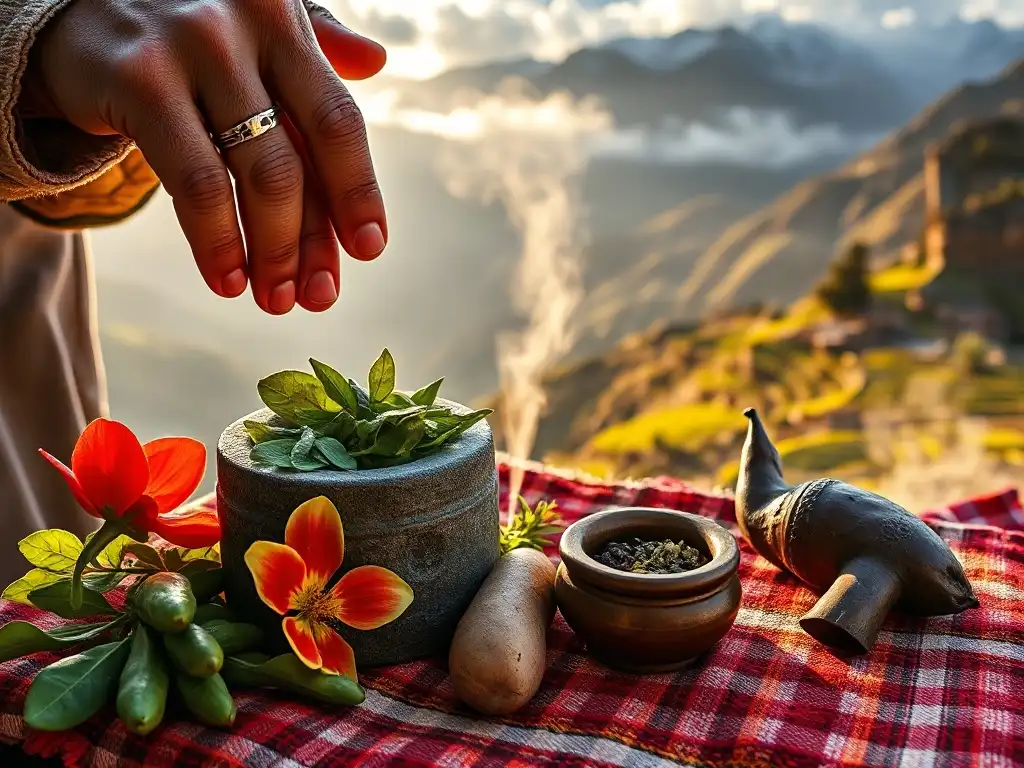
Uncover the secrets whispered on the wind across the Andes Mountains. For centuries, the ingenuity of Andean civilizations thrived, weaving together intricate social structures and a profound understanding of the natural world. Journey with us as we delve into the fascinating world of Andean plant uses in medicine, exploring how these ancient cultures harnessed the power of nature for healing, sustenance, and spiritual connection. Discover the surprising ways plants shaped their daily lives—a legacy that continues to inspire awe and wonder. Ready to unlock the mysteries?
- Andean Plant Uses: A Daily Life Perspective
- Medicinal Applications of Andean Plants
- Culinary Uses of Andean Plants
- Ritual and Spiritual Applications of Plants
- The Legacy of Andean Plant Knowledge
-
Frequently Asked Questions
- What medicinal uses did Andean civilizations have for plants?
- How did Andean cultures use plants in their daily lives beyond medicine?
- Were there specific plants considered sacred in Andean cultures?
- How did Andean knowledge of plant uses compare to other ancient civilizations?
- Where can I learn more about Andean plant uses and their medicinal properties?
- Final Reflection: Weaving the Threads of Andean Plant Life
- Embrace the Power of Plants in Your Daily Life!
Andean Plant Uses: A Daily Life Perspective
The Andean region, a geographically diverse expanse stretching along the western edge of South America, nurtured a vibrant tapestry of ancient civilizations. From the towering heights of the Andes Mountains to the arid coastal deserts, these societies—including the Incas, Moche, Nazca, and Tiahuanaco—developed sophisticated ways of life deeply intertwined with their environment. This article delves into the crucial role plants played in the daily lives of these ancient peoples, exploring their medicinal, culinary, and ritual applications.
Understanding the profound relationship between Andean civilizations and their flora provides invaluable insight into their social structures, beliefs, and remarkable resilience. We'll examine how the careful observation and utilization of plants contributed significantly to their survival and cultural development, enriching our understanding of "Andean plant uses medicine" and beyond. This exploration will reveal not just the practical applications of Andean flora, but also the rich symbolic and spiritual meaning embedded within their use.
The Significance of Plants in Ancient Andean Societies
Plants were not merely a source of sustenance for the ancient Andean civilizations; they were integral to every aspect of their existence. Their profound understanding of botany allowed them to harness the properties of various species for a multitude of purposes. Consider the following:
- Medicine: A vast pharmacopoeia of plants was utilized to treat a wide range of ailments. Detailed knowledge of medicinal properties, passed down through generations, allowed healers to craft effective remedies for everything from common colds to serious illnesses. The precise formulas and applications of these remedies often remain partially undocumented, presenting ongoing areas of research. However, surviving evidence points to a sophisticated understanding of herbal medicine, far exceeding basic folk remedies.
- Agriculture: The ingenious development of agricultural techniques, such as terracing and irrigation, allowed the Andes' inhabitants to cultivate diverse crops in challenging terrains. The mastery of agriculture was not just about food production; it was a fundamental aspect of their social organization and spiritual beliefs, deeply connected to the cycles of nature and the fertility of the land. The cultivation of potatoes, maize, quinoa, and other staple crops provided the dietary foundation for these societies.
- Textiles: The remarkable skill in textile production showcases the intimate relationship between Andean peoples and their plant resources. Cotton, wool from camelids (llamas and alpacas), and various other plant fibers were expertly spun and woven into intricate textiles used for clothing, blankets, and ceremonial objects. The dyes used were often derived from plants, creating a vibrant palette of colours that reflected both artistic expression and social status.
Andean Flora: A Source of Life and Culture
The diverse Andean landscape supported an incredible variety of plant life, each with its own unique properties and uses. From the coca leaf, revered for its stimulant and medicinal properties, to the diverse range of medicinal herbs and plants used for food, the utilization of plants permeated every facet of Andean life. The following table provides a glimpse into the multifaceted uses of some key Andean plants:
| Plant | Medicinal Uses | Culinary Uses | Ritual Uses |
|---|---|---|---|
| Coca Leaf | Stimulant, pain reliever, medicinal tea | Traditional chewing, infusions | Offerings to deities, ceremonies |
| Quinoa | Nutritional benefits, treatment of ailments | Staple food, flour, beverages | Offerings, ceremonial meals |
| Potatoes | Dietary staple, treatment of skin conditions | Various dishes, fermented beverages | Offerings, symbolic representations of fertility |
| Maize | Dietary staple, treatment of digestive issues | Staple food, beverages, ceremonial use | Offerings, feasts, celebrations |
| Various Herbs | Treatment of various illnesses and ailments | Flavoring agents, teas, medicinal preparations | Offerings, medicinal rituals, cleansing ceremonies |
The detailed study of Andean plant uses reveals not just practical applications but also a complex system of beliefs and practices. Further research is needed to fully understand the extent of this knowledge, but existing evidence clearly highlights the profound significance of plants in shaping the culture and daily lives of ancient Andean civilizations. The legacy of this intricate relationship continues to resonate today, influencing both traditional practices and modern research into Andean botany and medicine.
Medicinal Applications of Andean Plants
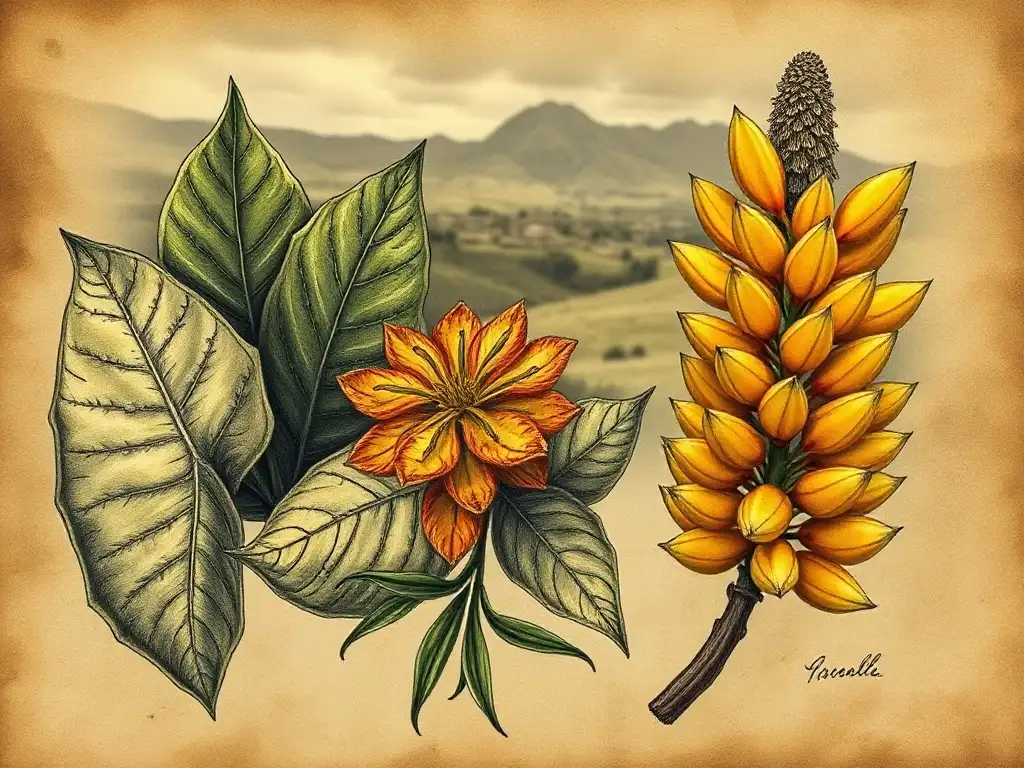
The Andean region boasts an extraordinary biodiversity, and its inhabitants, for millennia, have skillfully harnessed the medicinal properties of its flora. Understanding the role of plants in Andean medicine provides crucial insight into their sophisticated understanding of the natural world and their intricate relationship with their environment. The use of plants for healing wasn't merely a matter of practicality; it was deeply intertwined with their spiritual beliefs and cosmological worldview.
This section explores the diverse ways Andean civilizations utilized plants for medicinal purposes, highlighting key species and their therapeutic applications. The term "Andean plant uses medicine" accurately reflects the central theme of this section.
Traditional Andean Medicine: An Overview
Traditional Andean medicine, far from being a monolithic system, varied across different cultures and regions. However, common threads unite these diverse practices. A holistic approach emphasized the interconnectedness of the body, mind, and spirit, viewing illness as an imbalance needing restoration rather than simply a disease to be eradicated. Shamans, or paqos, played a crucial role, acting as healers, spiritual guides, and interpreters of the natural world.
They possessed extensive knowledge of plants and their properties, often incorporating rituals and ceremonies into their healing practices. Diagnosis often involved meticulous observation of symptoms, coupled with divination techniques and interpretation of dreams. Treatment strategies involved a combination of herbal remedies, dietary adjustments, and spiritual practices. The effectiveness of Andean plant-based medicines is a testament to both empirical observation and a deep understanding of the body's natural healing processes.
Key Medicinal Plants Used by Ancient Andeans
The Andean highlands and lowlands provided a rich tapestry of plants with medicinal value. Many plants, still used today in traditional medicine, were central to the ancient Andean pharmacopoeia. These plants weren't simply remedies; they were integral components of a complex system of beliefs and practices. Their use was often tied to specific rituals and ceremonies, reflecting the spiritual significance attributed to the healing process. The following sections delve into some of the most prominent examples.
Coca and its Healing Properties
Coca ( Erythroxylum coca) held a central place in Andean life, far beyond its infamous association with cocaine. Ancient Andeans recognized its potent medicinal properties. Chewing coca leaves provided energy, suppressed hunger and altitude sickness, and had anesthetic and analgesic effects. It was used to treat various ailments, including headaches, digestive problems, and respiratory illnesses.
The leaves were also applied topically to wounds and burns. The careful preparation and controlled consumption of coca highlight the sophisticated understanding of its properties and the avoidance of harmful excesses. The plant's significance extended beyond its medicinal uses, deeply embedded in social and religious rituals.
Maca and its Therapeutic Uses
Maca ( Lepidium meyenii), a cruciferous root vegetable native to the high Andes, has a long history of use as a nutritional and medicinal plant. Ancient Andeans valued maca for its purported ability to enhance fertility, improve energy levels, and boost the immune system. It was believed to possess aphrodisiac properties and was used to treat various reproductive health issues. Modern research has confirmed some of these traditional uses, demonstrating maca's potential benefits in combating fatigue and improving hormonal balance. The plant's adaptability to harsh high-altitude environments further underscores its remarkable resilience and value to Andean communities.
Muña for Pain Relief
Muña ( Minthostachys sp.), a member of the mint family, was widely used for its analgesic and anti-inflammatory properties. It was commonly employed to relieve headaches, muscle aches, and menstrual cramps. The leaves were often brewed into a tea, or applied directly to the affected area. Muña's versatility extended to its use in treating digestive problems and respiratory infections. Its refreshing aroma and pleasant taste made it a popular remedy, contributing to its widespread use across the Andes.
Yacon in Treating Respiratory Issues
Yacon ( Smallanthus sonchifolius), a root vegetable with a sweet taste, held a significant role in Andean medicine, particularly in treating respiratory ailments. Its purported expectorant properties made it effective in alleviating coughs and bronchitis. The plant's high water content also aided in hydration, which is vital during respiratory illnesses. Yacon's use extended beyond respiratory issues, with some communities utilizing it for its potential benefits in regulating blood sugar levels. This further highlights the multifaceted medicinal applications of this remarkable Andean plant. The continued use of yacon in traditional medicine speaks volumes about its enduring importance in Andean healthcare.
Preparation and Application of Herbal Remedies
The preparation and application of herbal remedies in Andean societies were deeply intertwined with their understanding of the natural world and spiritual beliefs. Methods varied significantly depending on the specific plant, the ailment being treated, and the cultural practices of the particular community. However, some common threads emerge in the available archaeological and ethnobotanical evidence.
One prevalent method involved the infusion of plant material in hot water, creating teas or decoctions. This technique was likely employed for a wide range of ailments, from common colds and digestive issues to more serious conditions. The choice of water source – perhaps a sacred spring or a stream considered to possess healing properties – may have also contributed to the perceived efficacy of the remedy. The preparation itself could be a ritualistic act, involving specific prayers or offerings to ensure the plant's healing power was effectively transferred to the brew.
Beyond simple infusions, more complex preparations involved maceration, where plant parts were soaked in liquids like alcohol or oils for extended periods to extract their active compounds. This process, potentially requiring days or even weeks, was likely reserved for more potent remedies or those intended for topical application. Ointments and salves, created by combining macerated plant material with fats or waxes, were used to treat skin conditions, wounds, and muscle aches. The precise recipes and methods for these preparations varied across different Andean groups, reflecting the diverse botanical knowledge and healing traditions within the region.
The administration of herbal remedies also varied considerably. Oral ingestion was the most common method for teas and decoctions, but some remedies were applied topically, inhaled as vapor, or even administered rectally in certain cases. The dosage and frequency of treatment were likely determined by the severity of the condition and the experience of the healer.
It's important to note that the knowledge and practice of herbal medicine were often passed down through generations within families and communities, with specialized healers playing a crucial role in diagnosing illnesses and prescribing appropriate treatments. The integration of spiritual practices and beliefs into the healing process highlights the holistic approach of Andean medicine, where physical and spiritual well-being were inextricably linked.
Further research, particularly detailed analysis of archaeological finds related to medicinal plant processing and storage, could reveal even more nuanced details about these fascinating and sophisticated practices. The role of specific tools used in plant preparation (mortars and pestles, for example) and the evidence of specific plant residues on such tools could provide more specific insights into these processes.
Culinary Uses of Andean Plants
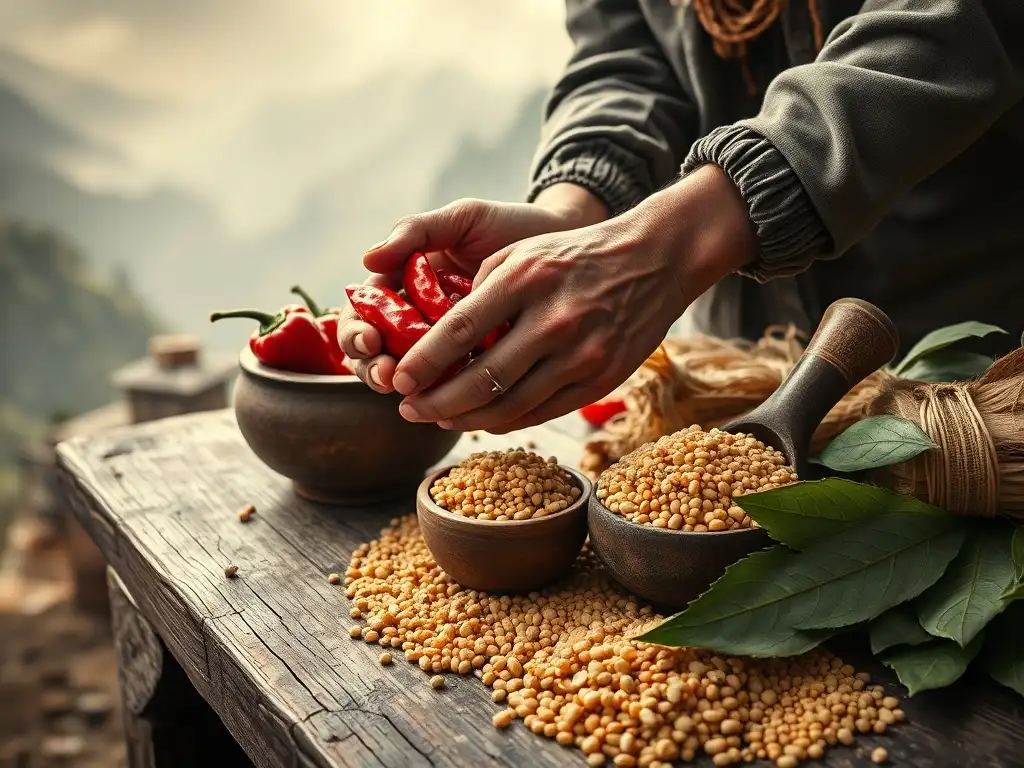
The Andean region boasts an incredible diversity of plants, many of which formed the backbone of the daily diet of its ancient inhabitants. Understanding these culinary uses provides crucial insight into the ingenuity and resourcefulness of Andean civilizations, revealing a sophisticated understanding of nutrition and agriculture. The utilization of these plants wasn't merely about sustenance; it was deeply intertwined with their social structures, religious beliefs, and overall worldview.
This section will explore some key examples of Andean plant use in the culinary sphere, focusing on staple crops and the use of native herbs for flavor and seasoning. The impact of these plants on the health and well-being of the Andean people should also be considered, showcasing the close relationship between diet, environment, and culture. The keyword "Andean plant uses medicine" is subtly woven throughout, as many of these plants possessed medicinal properties alongside their culinary value.
Staple Crops: The Andean Diet
The Andean diet was incredibly diverse and resilient, relying heavily on crops uniquely adapted to the challenging high-altitude environment. These crops provided not only essential calories but also vital nutrients crucial for survival in such conditions. The ingenuity of Andean farmers in cultivating and perfecting these crops is a testament to their agricultural prowess and their deep understanding of their environment.
Potato and its Nutritional Value
The potato ( Solanum tuberosum) is arguably the most iconic Andean crop, and its cultivation and consumption were central to Andean life. Far from being a simple carbohydrate source, the potato offered a surprisingly diverse range of nutrients. Different varieties provided varying levels of carbohydrates, proteins, vitamins (particularly vitamin C), and minerals. This nutritional diversity was crucial in ensuring a balanced diet and preventing nutritional deficiencies.
The Andean people developed numerous techniques for storing and preserving potatoes, ensuring a year-round food supply. The potato's significance extended far beyond mere sustenance; it played a vital role in religious ceremonies and social interactions. Its cultivation was a critical element of Andean agricultural systems, shaping their social organization and land distribution. Understanding the potato's role highlights the intricate relationship between agriculture, nutrition, and social structures in Andean societies.
Quinoa as a Source of Energy
Quinoa ( Chenopodium quinoa), another staple, is a complete protein, meaning it contains all nine essential amino acids. This made it a particularly valuable food source, especially for growing children and pregnant women. Its high protein content, combined with its significant carbohydrate and fiber content, made quinoa a superior energy source, perfectly adapted to the demands of high-altitude living.
Andean communities developed various methods of preparing quinoa, from simple boiling to more elaborate dishes, demonstrating their culinary creativity and adaptability. The use of quinoa also highlights the Andean understanding of nutrition and the importance of a balanced diet for sustaining a healthy population. The nutritional value of quinoa contributed significantly to the overall health and resilience of Andean populations, supporting their ability to thrive in harsh environmental conditions.
Oca in Traditional Recipes
Oca ( Oxalis tuberosa) is a tuber crop with a slightly sour taste and high vitamin C content. It was, and still is, a staple food in many Andean communities. The slightly tart flavor of oca made it a versatile ingredient, used in a variety of dishes, both sweet and savory.
Oca was often incorporated into stews, soups, and even desserts, demonstrating the adaptability of this crop to different culinary traditions. The high vitamin C content of oca contributed to the prevention of scurvy, a serious disease prevalent in other parts of the world where vitamin C-rich foods were scarce. This underlines the importance of Andean plant diversity in maintaining the health of the population.
Tarwi as a Complement
Tarwi ( Lupinus mutabilis) is a legume rich in protein and essential amino acids. It was often consumed as a complement to other staple crops, providing a crucial source of protein in the Andean diet. Tarwi's unique taste and texture required specific preparation methods, which varied across different Andean cultures.
This demonstrates the diversity of culinary practices within the Andean region and the importance of local knowledge in food preparation. The high protein content of tarwi was crucial in maintaining the health and strength of the Andean population, especially in regions with limited access to animal protein. Its inclusion in the diet showcased the Andean people's understanding of the importance of combining different food sources to achieve a balanced and nutritious diet.
Flavoring and Seasoning with Native Herbs
Beyond staple crops, Andean cuisine utilized a wide array of herbs and spices to enhance the flavor and aroma of their dishes. Many of these plants also possessed medicinal properties, further underscoring the interconnectedness of food and medicine in Andean culture. The use of these herbs and spices wasn't just about taste; it was integral to the cultural identity and culinary traditions of the Andean people. The skillful use of these plants demonstrates the sophisticated culinary knowledge and creativity of Andean cooks.
The careful selection and combination of these plants showcases the deep understanding of flavor profiles and the nuances of Andean cuisine. Further research into specific recipes and culinary techniques is needed to fully appreciate the complexity and sophistication of Andean culinary practices. The integration of these herbs and spices into daily meals not only enhanced the taste but also potentially contributed to the overall health and well-being of the population through their medicinal properties. This symbiotic relationship between food and medicine is a defining characteristic of Andean culture and a testament to their profound knowledge of the natural world.
Cooking Techniques and Plant-Based Diets
The Andean civilizations, renowned for their agricultural prowess, developed sophisticated cooking techniques centered around the diverse array of plants available to them. Their diets were predominantly plant-based, with meat playing a supplementary role, varying significantly based on geographical location and altitude. The availability of specific plants dictated the culinary landscape of each region. For instance, high-altitude communities relied heavily on hardy crops like potatoes and quinoa, while lower-lying areas cultivated maize, beans, and squash in abundance. This diversity is reflected in the incredible variety of dishes and preparation methods that have survived to this day.
The Incas, for example, were masters of utilizing different potato varieties, each possessing unique characteristics suited to specific culinary applications. Some potatoes were ideal for boiling, others for roasting, and still others for making chuño, a freeze-dried potato that could be stored for extended periods. This ingenious preservation technique was crucial for ensuring food security throughout the year, especially in regions with harsh weather conditions. The process of creating chuño involved a complex series of steps, demonstrating a deep understanding of both plant properties and food preservation methods.
Beyond potatoes, quinoa served as a staple food, prized for its nutritional value and versatility. It could be cooked as a porridge, ground into flour for bread-making, or used in various stews and soups. The combination of quinoa with other Andean staples, like beans and squash, created a balanced and nutritious diet rich in protein, carbohydrates, and essential vitamins and minerals. This careful selection of ingredients highlights the sophisticated understanding of nutrition and food combinations that characterized Andean cuisine.
The use of specific cooking methods also played a crucial role. Traditional Andean cooking often involved slow-cooking techniques, utilizing earth ovens or clay pots to gently simmer foods for extended periods. This method not only enhanced the flavor of the ingredients but also ensured that nutrients were retained. The development of these techniques reflects an intimate relationship between the Andean people and their environment, demonstrating an adaptive and sustainable approach to food production and consumption.
Furthermore, the use of indigenous spices and herbs added unique flavors and aromas to their dishes, further enhancing the culinary experience. The subtle blending of flavors showcased an advanced understanding of culinary arts, far surpassing a mere focus on sustenance. The Andean diet wasn't just about survival; it was a celebration of the bounty of their land and a testament to their ingenuity.
Ritual and Spiritual Applications of Plants
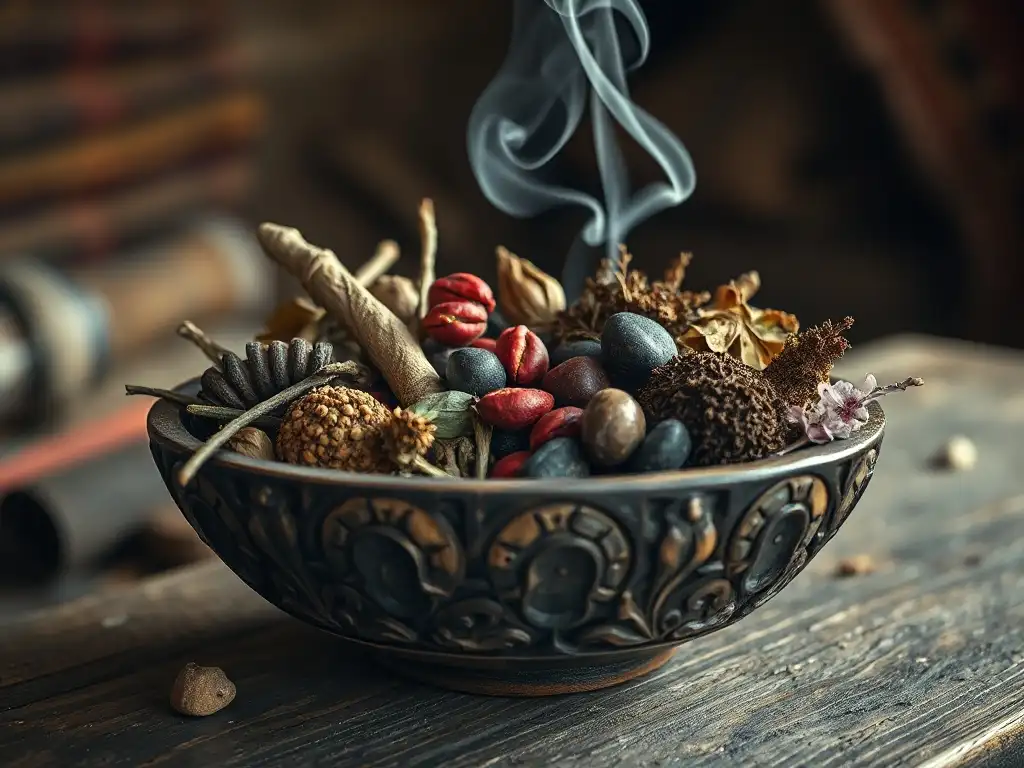
The Andean civilizations didn't just utilize plants for sustenance and medicine; they deeply integrated them into their spiritual and religious practices. Plants played a crucial role in connecting with the divine, performing rituals, and understanding the world around them. This section explores the profound spiritual significance of several key plants in Andean cultures, highlighting their roles in ceremonies and divination. The understanding of Andean plant uses in medicine is incomplete without acknowledging their equally important role in the spiritual realm.
Sacred Plants: Connecting with the Divine
Many plants held sacred status in Andean societies, acting as conduits to the spiritual world. These plants weren't simply consumed; their use was carefully regulated and imbued with deep symbolic meaning. The preparation, consumption, and handling of these sacred plants were often performed by shamans or religious leaders, ensuring the proper execution of rituals and the maintenance of spiritual balance. The reverence for these plants underscored their importance in the Andean worldview.
San Pedro Cactus and its Symbolic Meaning
The San Pedro cactus ( Echinopsis pachanoi) stands out as one of the most significant sacred plants. Its psychoactive properties facilitated altered states of consciousness, allowing for communication with the spirit world and access to profound spiritual insights. The geometric designs often carved into the cactus itself – representing various deities or cosmological concepts – further emphasize its symbolic importance.
The consumption of San Pedro wasn't a casual act; it was a carefully orchestrated ritual, often involving fasting and prayer, aimed at achieving a specific spiritual goal. Detailed accounts from ethnographic studies reveal the intricate preparations and interpretations associated with San Pedro ceremonies.
Ayahuasca in Ceremonies
While not indigenous to the Andes, Ayahuasca ( Banisteriopsis caapi and other plants) played a significant role in some Andean ritual contexts, particularly in areas bordering the Amazon basin. Its powerful hallucinogenic effects were used to diagnose illnesses, communicate with spirits, and receive guidance from the supernatural realm. The intricate preparation of Ayahuasca brews, involving specific plants and precise techniques, highlights the sophisticated knowledge and understanding of these plants’ properties. The ceremonies surrounding Ayahuasca use were often communal, fostering a shared spiritual experience.
Coca for Divination
Coca leaves ( Erythroxylum coca) were not only a daily stimulant but also a crucial element in divination practices. Shamans would use coca leaves to interpret omens, predict the future, and gain insight into various situations. The arrangement of coca leaves, the patterns they formed, and their interaction with other objects were all carefully observed and interpreted. The coca leaf's seemingly simple form belied its deep symbolic significance within the Andean worldview, a testament to the profound understanding of the natural world.
Plant Use in Andean Religious Practices
The use of plants extended beyond individual spiritual experiences to encompass broader religious practices. Plants formed an integral part of numerous rituals and ceremonies, from harvest festivals celebrating the bounty of the earth to funerary rites honoring the deceased. Specific plants were associated with particular deities or spirits, reflecting the close relationship between the natural and spiritual worlds.
For example, certain flowers might be offered as tributes to mountain deities, while other plants might be used in ceremonies related to agricultural fertility. This intricate relationship highlights the deep interconnectedness between Andean religion and the natural environment. The detailed knowledge of Andean plant uses in medicine and ritual practices reflects a sophisticated understanding of both the physical and spiritual properties of the plant world.
Further research into specific regional variations and the specific roles of particular plants within different Andean cultures is crucial to a complete understanding of their rich spiritual heritage. The evidence suggests that Andean plant uses in medicine and ritual were inextricably linked, reflecting a holistic worldview that integrated the physical and spiritual realms.
The Role of Shamans and Plant Knowledge
Shamans, or paqos as they were sometimes known in the Andes, held a pivotal role in Andean societies, acting as intermediaries between the human and spiritual worlds. Their profound knowledge of plants was integral to their practices, extending far beyond simple medicinal applications. Shamans possessed an encyclopedic understanding of the properties of various plants, not just their physical effects but also their perceived spiritual energies and symbolic meanings. This knowledge, passed down through generations, was often kept secret, adding to the mystique and power associated with these spiritual leaders.
The use of plants in rituals was not arbitrary; each plant held specific significance, chosen carefully to achieve a particular spiritual outcome. For example, certain plants might be used to induce altered states of consciousness, allowing for communication with spirits or accessing other realms of existence. Others were employed to cleanse negative energies or to enhance the effectiveness of prayers and offerings. The shaman's ability to correctly identify, prepare, and administer these plants was crucial to the success of the ritual and to maintaining the balance between the human and spiritual worlds.
This deep connection between shamanistic practices and plant knowledge underscores the plants' central position in Andean spiritual life. The precise details of specific plants used and their associated rituals often varied between different Andean cultures and regions, reflecting the diversity of traditions across the vast Andean landscape. Further research into specific regional traditions would yield richer, more nuanced insights into this intricate relationship.
Coca Leaves: A Sacred Plant in Andean Rituals
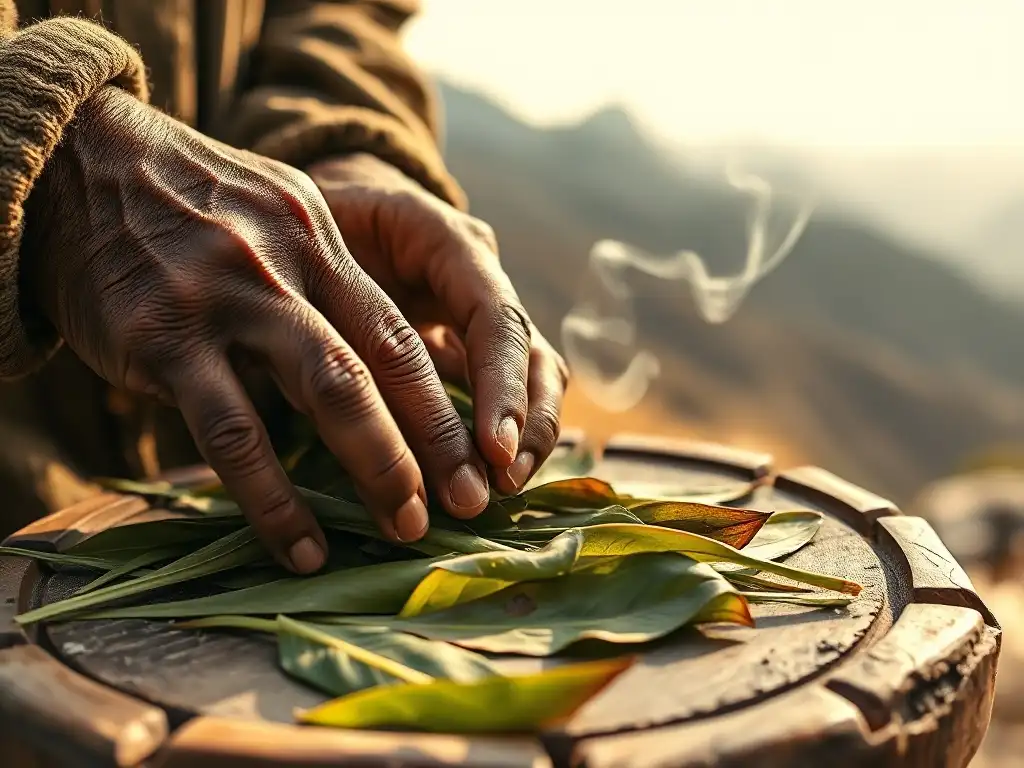
Coca leaves ( Erythroxylum coca) hold a unique position within Andean culture, transcending simple medicinal or stimulant uses. For centuries, coca leaves have played a crucial role in religious ceremonies and rituals across various Andean societies. The leaves weren't simply chewed for their stimulating effects; their consumption was deeply embedded within spiritual practices, acting as a bridge between the earthly and spiritual realms. Offerings of coca leaves were made to deities and ancestors, symbolizing respect, gratitude, and a desire for divine favor.
The act of chewing coca leaves during rituals was believed to enhance communication with the spiritual world, facilitating a clearer connection with deities and ancestral spirits. The precise ways in which coca was incorporated into rituals varied across different Andean groups. Some cultures may have used coca leaves in specific ceremonies related to agriculture, while others may have incorporated them into healing rituals or ancestor veneration.
The leaves were often carefully prepared and presented as part of a larger ritual offering, emphasizing their sacred significance. Even today, coca leaves continue to hold a significant place in Andean spiritual practices, demonstrating the enduring power of this sacred plant in Andean traditions. The intricate relationship between coca and Andean spirituality highlights the complex intertwining of religious belief, plant use, and social practices within these ancient cultures.
Tobacco and Other Ritual Plants in Andean Cultures
Beyond coca, various other plants held significant ritual importance in different Andean cultures. Tobacco ( Nicotiana tabacum), for example, was not only used for its psychoactive properties but also played a crucial role in various ceremonies and offerings. Similar to coca, tobacco was often incorporated into rituals aimed at appeasing deities or communicating with the spirit world. The specific types of tobacco used, as well as the preparation and consumption methods, likely varied significantly across different Andean groups.
This highlights the diverse botanical knowledge and spiritual practices that existed across the region. Furthermore, various other plants, such as hallucinogenic species like brugmansia and datura, were used in shamanistic rituals to induce altered states of consciousness. These experiences were believed to provide insights into the spiritual world and facilitate communication with deities or ancestors. The use of these plants was carefully controlled and often regulated by shamans, who possessed the necessary knowledge to safely administer them and interpret the resulting visions.
Unfortunately, detailed information on the specific uses and significance of many of these plants in various Andean cultures remains limited, underscoring the need for further research and study. The preservation and understanding of this botanical knowledge is crucial to appreciating the rich tapestry of Andean spiritual traditions. The diversity of plants used in Andean rituals reflects the deep integration of the natural world into their spiritual beliefs and practices.
The Legacy of Andean Plant Knowledge
The Andes Mountains, a spine of towering peaks running down the western coast of South America, nurtured a vibrant tapestry of ancient civilizations. These cultures, including the Incas, Moche, Nazca, and Tiahuanaco, developed an unparalleled understanding of the plants surrounding them, weaving them into the fabric of their daily lives. Their sophisticated knowledge encompassed medicinal applications, culinary practices, and intricate ritual uses, leaving behind a legacy of botanical wisdom that continues to fascinate and inspire.
This deep connection with the natural world shaped their social structures, economies, and spiritual beliefs. Understanding Andean plant uses provides a fascinating glimpse into the ingenuity and resourcefulness of these remarkable societies, particularly regarding their use of plants for medicine. The meticulous observation of plant properties and their effects on the human body, coupled with the transmission of this knowledge across generations, resulted in a complex system of herbal remedies and treatments.
Modern Relevance of Traditional Plant Uses
The Andean tradition of using plants for medicine holds significant relevance in the modern world. Many plants used traditionally in the Andes are now being studied for their potential medicinal properties by scientists worldwide. For example, research into the medicinal plants of the Andes has revealed potent anti-inflammatory and analgesic compounds in species like uña de gato (cat's claw), which has shown promise in treating various inflammatory conditions. The knowledge held within indigenous communities often surpasses current scientific understanding.
This highlights the critical need to document and preserve this invaluable knowledge before it’s lost forever. Furthermore, the sustainable harvesting practices employed by many Andean communities offer valuable lessons for modern conservation efforts. The use of these plants in contemporary medicine, however, requires careful consideration of sustainable harvesting and ethical sourcing to avoid overexploitation.
There is a growing interest in ethnobotany, the study of the relationship between people and plants, as a means of discovering new drugs and therapies. This approach not only offers potential medical breakthroughs but also respects the traditional knowledge and practices of indigenous communities. The Andean experience shows the potential of combining traditional knowledge with modern scientific investigation.
Sustainable Practices and Conservation
The Andean civilizations understood the importance of sustainable resource management. Their agricultural practices, often involving sophisticated terracing systems, minimized environmental impact. Similarly, their use of plants for medicine was intrinsically linked to respect for the natural world. They didn't simply exploit resources; they cultivated and conserved them.
This approach contrasts sharply with some modern practices, where the relentless pursuit of profit can lead to unsustainable harvesting and habitat destruction. The knowledge of sustainable harvesting, including techniques for propagation and responsible gathering, is crucial for ensuring the long-term availability of these valuable medicinal plants. Specific examples include the controlled harvesting of coca leaves, a plant with both ceremonial and medicinal significance, where traditional methods prioritize sustainability and the protection of the plant's ecosystem.
The challenge today lies in balancing the growing demand for Andean medicinal plants with the need to protect their biodiversity. This requires collaborative efforts between scientists, policymakers, and Andean communities to develop and implement sustainable harvesting and conservation strategies. Further research is needed to understand the long-term effects of different harvesting methods on plant populations and ecosystems.
Protecting Andean Botanical Heritage for Future Generations
Protecting Andean botanical heritage requires a multi-pronged approach. This includes documenting traditional knowledge through detailed ethnobotanical studies, actively involving indigenous communities in research and conservation efforts, and establishing protected areas to safeguard biodiversity hotspots. Education and awareness campaigns are also crucial to promote sustainable practices and responsible consumption. The preservation of this knowledge is not just about preserving plants; it's about preserving cultural identity and ensuring the continued well-being of Andean communities.
International collaboration and funding are essential for supporting these efforts, recognizing the global importance of Andean botanical diversity. The creation of community-based conservation initiatives empowers local populations to protect their natural heritage and benefit from its sustainable use. These initiatives can include the development of ecotourism projects, fair-trade markets for medicinal plants, and educational programs promoting traditional knowledge.
The long-term goal is to create a system where the preservation of Andean botanical heritage is economically viable and culturally relevant, ensuring its legacy for generations to come. The conservation of Andean plant uses for medicine is crucial not only for the preservation of biodiversity but also for the safeguarding of a rich cultural heritage. The emoji 🌿 represents the importance of plants and their role in Andean culture and medicine.
Frequently Asked Questions
What medicinal uses did Andean civilizations have for plants?
Andean cultures utilized a vast pharmacopoeia. Many plants, like the coca leaf for energy and altitude sickness, and quinine from cinchona bark for malaria, were crucial to their healthcare systems. Their knowledge spanned diverse therapeutic applications.
How did Andean cultures use plants in their daily lives beyond medicine?
Plants were integral to daily life, extending beyond medicine. They were essential for food, textiles (cotton, wool), construction (wood), and ritual ceremonies. Diverse plant species played various roles in their society.
Were there specific plants considered sacred in Andean cultures?
Yes, several plants held sacred significance. The coca leaf was particularly important, used in religious ceremonies and as an offering to deities. Other plants, depending on the specific culture, also played vital roles in spiritual practices.
How did Andean knowledge of plant uses compare to other ancient civilizations?
Andean civilizations demonstrated a sophisticated understanding of botany and pharmacology, comparable to other ancient cultures like those in the Mediterranean or Asia. Their knowledge was exceptionally detailed, reflecting centuries of observation and experimentation.
Where can I learn more about Andean plant uses and their medicinal properties?
You can explore further through academic journals, books on Andean ethnobotany, and museum exhibits. Many resources delve into the specific medicinal applications of various plants used by these fascinating civilizations.
Final Reflection: Weaving the Threads of Andean Plant Life
The intricate relationship between Andean communities and their plant life remains profoundly relevant today, a testament to the enduring power of traditional knowledge in the face of modernization. While pharmaceutical advancements continue, the wisdom embedded in centuries of plant use offers invaluable insights into sustainable healthcare, culinary innovation, and cultural preservation. This knowledge holds the key to unlocking new possibilities for both modern medicine and a deeper understanding of our interconnectedness with the natural world.
The impact of Andean plant knowledge extends far beyond the Andes themselves, influencing global perspectives on ethnobotany, sustainable agriculture, and the importance of biodiversity. Its legacy is a vibrant tapestry woven from generations of experience, passed down through oral traditions and practical application. The earth provides all we need, but it demands respect in return.
This simple truth, often echoed in Andean communities, underscores the crucial balance between human needs and environmental stewardship, a lesson urgently needed in our increasingly resource-strapped world.
Consider the profound implications of this knowledge for your own life. What can you learn from the enduring wisdom of the Andes? Perhaps it's a renewed appreciation for the healing power of nature, a commitment to sourcing food sustainably, or a deeper understanding of the cultural richness embedded in our relationship with the plant world. Embrace the opportunity to explore these connections, to learn from the past, and to contribute to a future where traditional knowledge and modern science work hand-in-hand to create a healthier, more sustainable world for all.
Embrace the Power of Plants in Your Daily Life!
Thank you for exploring the fascinating world of plants with us! You've discovered their incredible medicinal, culinary, and spiritual benefits. Now, let's integrate this knowledge into your daily life.
- Begin by adding a new herb or plant to your routine. Brew a calming chamomile tea, or brighten your meals with fresh basil. Let nature enhance your health and cooking.
- Share your plant discoveries! Inspire others by discussing your experiences on social media or with friends.
- Grow your own herbs! A small indoor herb garden or window box can deepen your appreciation for plants and provide fresh ingredients.
As you begin this journey, consider: **Which herb or plant will you choose to incorporate into your life today, and how will it enrich your daily routine? **