
The Trade of Inca Art: Networks and Exchange

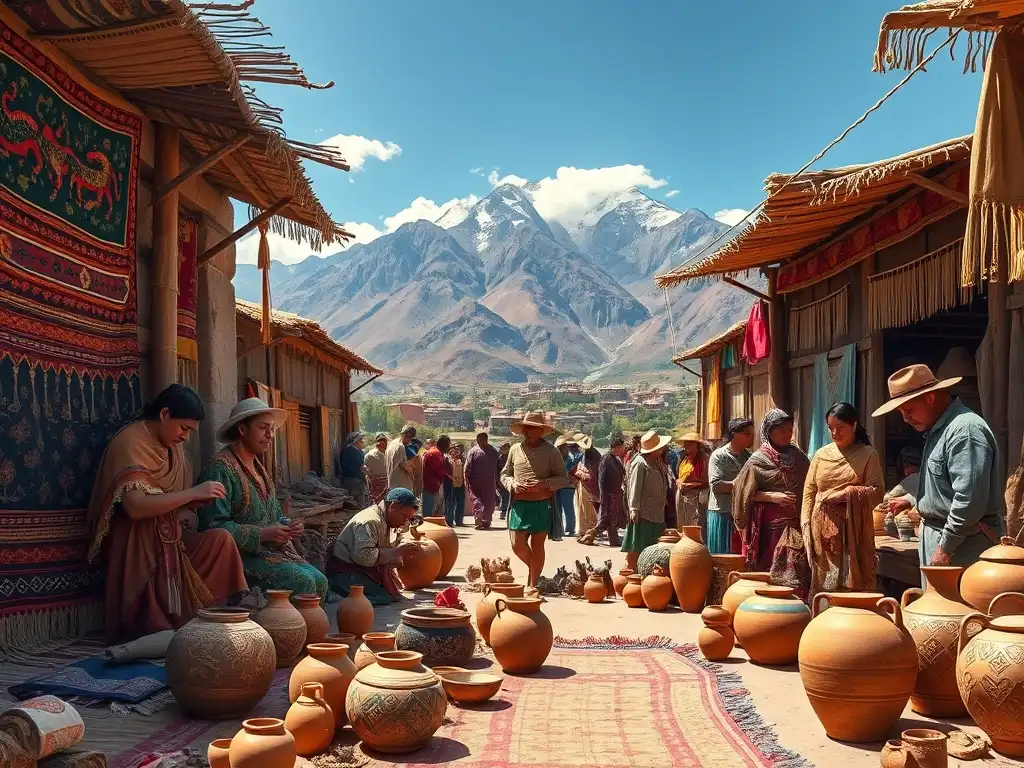
Dive into the mesmerizing world of Andean Civilizations! Prepare to be captivated by the intricate tapestry of ancient cultures, from the breathtaking artistry of the Moche to the enigmatic Nazca lines. But our journey begins with a mystery… how did the Inca Empire forge its vast trade networks, shaping the very landscape of Inca art itself? Unravel the secrets behind the Inca art trade networks and discover a story far richer and more complex than you ever imagined. Explore the fascinating details within – your adventure awaits!
The Inca Empire, renowned for its sophisticated engineering, intricate social structures, and awe-inspiring art, possessed a remarkably complex system of trade that facilitated the widespread distribution of its artistic creations. This article delves into the intricate networks and exchanges that characterized the Inca art trade, exploring how these systems shaped the cultural landscape of the Andes and contributed to the empire's remarkable artistic output. We will examine the foundational elements of the Inca trade system, the types of art traded, the geographical reach of these networks, and the social and political implications of this vibrant exchange.
Understanding the Inca art trade networks is crucial to appreciating the full scope of Inca artistry and its lasting legacy. The sheer scale and sophistication of this system reveal much about Inca ingenuity, power, and cultural values.
We will investigate the evidence, including archaeological findings and historical accounts, to paint a detailed picture of this fascinating aspect of Inca civilization. This exploration will reveal how the intricate web of exchange not only disseminated art but also fostered cultural integration and political control across the vast Andean region.
Introduction to Inca Art and its Significance
Inca art, a testament to the empire's ingenuity and cultural richness, played a pivotal role in maintaining the power and prestige of the Inca rulers. Characterized by its distinctive styles and materials, Inca art went far beyond mere aesthetics; it served vital religious, political, and social functions. The most prominent forms of Inca art included intricate textiles, meticulously crafted metalwork (often using gold, silver, and copper), and impressive stone carvings.
These artistic expressions were not merely decorative; they often conveyed profound symbolism, reflecting Inca cosmology, beliefs, and social hierarchies. For instance, the vibrant colors and intricate patterns of Inca textiles often represented specific clans or deities, while the intricate designs on metalwork frequently depicted mythological figures and scenes of ritual importance. The significance of Inca art is further underscored by its widespread presence throughout the empire, suggesting a highly organized and centralized system of production and distribution.
Archaeological discoveries consistently reveal the meticulous craftsmanship and attention to detail in these artifacts, highlighting the high value placed upon artistic production within Inca society. Understanding the context of Inca art is essential to appreciating its complexity and the role it played in the empire's overall socio-political structure.
The Foundation of Inca Trade Systems
The Inca trade system, a cornerstone of the empire's economic and political power, was built upon a sophisticated infrastructure and a well-defined system of organization. Unlike the market-based systems of many other societies, Inca trade relied heavily on a system of redistribution managed by the state. This system, known as mit'a, involved the mobilization of labor and resources across the empire.
Artisans, often specialized in particular crafts, were assigned to produce goods for the Inca elite and for redistribution throughout the empire. The tambos, strategically located waystations along the extensive Inca road network, served as crucial nodes in this system, facilitating the storage and transfer of goods. The efficiency of this system is evidenced by the remarkable extent of the Inca Empire and the relatively swift and effective movement of goods across vast distances.
While the mit'a system primarily involved the redistribution of essential goods like food and textiles, it also facilitated the circulation of luxury goods and artistic creations, allowing for the dissemination of Inca art across the empire. This efficient system ensured that even remote regions had access to, and were influenced by, the dominant Inca artistic styles, reinforcing the empire's cultural and political unity. The meticulous organization of the mit'a system reflects the Inca's advanced understanding of logistics and their ability to manage resources on an unprecedented scale.
- What role did trade play in the Inca Empire's artistic development?
- How did the Inca Empire facilitate the trade of art and artifacts?
- What types of Inca art were commonly traded?
- Were there any specific trade routes dedicated to Inca art?
- How did the trade of Inca art influence other cultures within the empire?
Inca Art Trade Networks: A Complex System
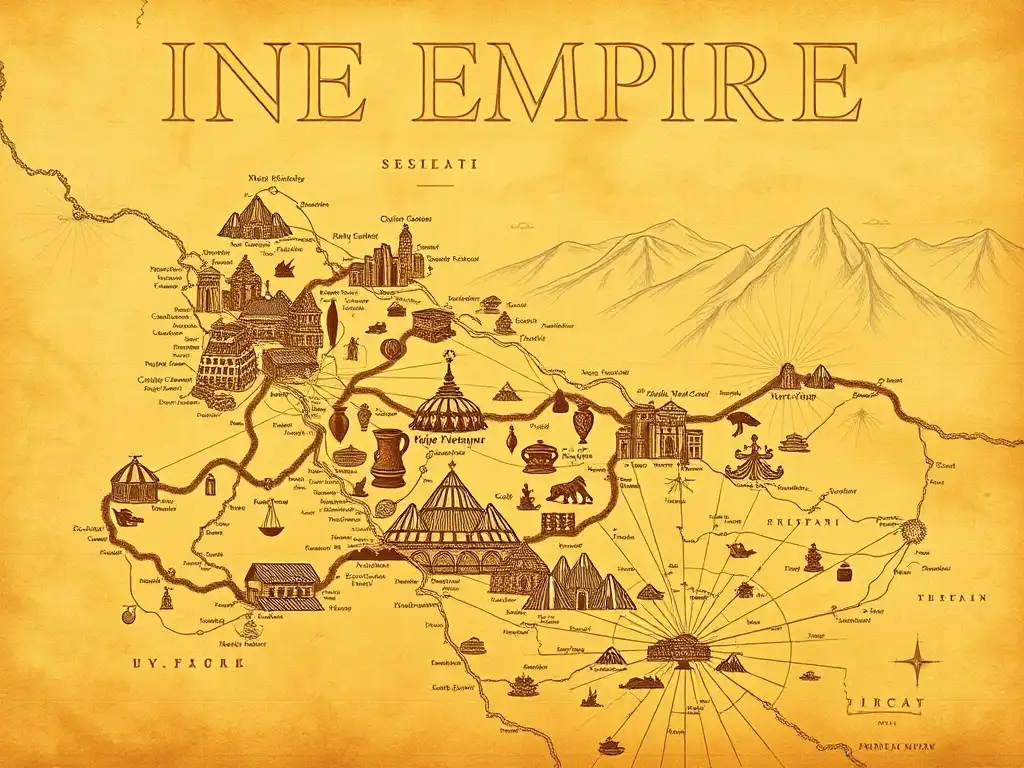
The Inca art trade networks weren't simply haphazard exchanges; they were a sophisticated system intricately woven into the fabric of the empire's administration and ideology. This system facilitated the movement of prestigious artifacts, everyday utilitarian objects, and raw materials across vast distances, solidifying political power and reinforcing cultural unity. Understanding these networks requires examining the infrastructure, the key players, and the specialized production that fueled this vibrant exchange.
The sheer scale of the Inca empire, stretching thousands of kilometers along the Andes, necessitated an efficient and organized approach to trade, far exceeding simple bartering. The movement of Inca art wasn't just about commerce; it was a powerful tool for political control and the propagation of Inca beliefs and aesthetics.
This section delves into the crucial components of this extensive system, analyzing the role of infrastructure, key trading centers, and specialized production in shaping the Inca art trade. The keyword phrase "Inca art trade networks" is central to understanding the sophisticated logistics and cultural significance behind this system.
The Role of the Qhapaq Ñan in Art Distribution
The Qhapaq Ñan, the vast Inca road system, served as the backbone of the Inca art trade networks. This meticulously engineered network of roads, spanning over 40,000 kilometers, connected the far-flung corners of the empire, enabling the efficient transport of goods and people. The Qhapaq Ñan wasn't merely a series of pathways; it was a strategically planned infrastructure that facilitated the movement of everything from agricultural produce to elite artifacts.
strategically placed tambos (roadside inns) provided resting places for travelers and storage for goods, ensuring the safe passage of valuable Inca art. The design of the roads themselves, with their meticulously engineered gradients and bridges, allowed for the transport of heavy loads, including large sculptures or intricately woven textiles. The efficient movement of goods along the Qhapaq Ñan was crucial for the dissemination of Inca art and the maintenance of the empire's cultural unity.
The system’s effectiveness is evidenced by the widespread distribution of similar artistic styles and motifs across geographically diverse regions of the empire. This standardized aesthetic, facilitated by the Qhapaq Ñan, served as a powerful symbol of imperial control and cultural cohesion. The effectiveness of the Qhapaq Ñan in facilitating the Inca art trade is a testament to the sophisticated logistical capabilities of the Inca civilization.
Key Trading Centers for Inca Artifacts
Several key centers served as crucial hubs within the Inca art trade networks. These weren't simply marketplaces; they were strategically located settlements that facilitated the accumulation, redistribution, and exchange of goods, including significant quantities of Inca art. Cusco, the imperial capital, undoubtedly played the most significant role, acting as a central point for the collection of tribute and the distribution of imperial goods.
However, other important centers existed throughout the empire, each with its own specialization and significance. For example, cities like Quito (in modern-day Ecuador) and Tumibamba (in modern-day Ecuador) likely served as important regional centers, facilitating the exchange of goods between different regions of the empire. The distribution of certain types of Inca art, such as specific styles of pottery or metalwork, may indicate regional specialization and exchange patterns.
Further research is needed to fully understand the specific functions of these smaller trading centers and their relationship to the broader Inca art trade networks. Archaeological evidence, including the discovery of workshops and storage facilities near these centers, could provide valuable insights into the organization and scale of these trading activities. The identification of more key trading centers could further refine our understanding of the "Inca art trade networks" and their impact on the empire's cultural and economic landscape.
Specialized Craft Production and Regional Exchange
The production of Inca art wasn't centralized; instead, it involved a complex system of specialized craft production across various regions of the empire. Different areas excelled in specific crafts: some were renowned for their textiles, others for their metalwork, and still others for their pottery. This regional specialization fostered a vibrant system of exchange, with artisans from different regions trading their specialized products. For instance, the coastal regions may have specialized in intricate metalwork using materials like gold and silver, while the highlands may have focused on textiles and ceramics.
This exchange wasn't simply a matter of bartering; it was often integrated into the broader system of tribute and royal patronage. Elite artisans may have been employed directly by the Inca state, producing items for the imperial court and for use in religious ceremonies. The distribution of these specialized goods across the empire, facilitated by the Qhapaq Ñan, reinforced the power and prestige of the Inca rulers and contributed to the empire's cultural homogeneity.
The intricate interplay between specialized craft production and regional exchange is a key component of understanding the complexity of "Inca art trade networks". Further study of regional stylistic variations in Inca art can provide further insights into these exchange patterns and the relationships between different regions of the empire. The interplay between specialized production and interregional trade was a crucial element in the overall success of the Inca art trade networks.
Types of Inca Art Traded
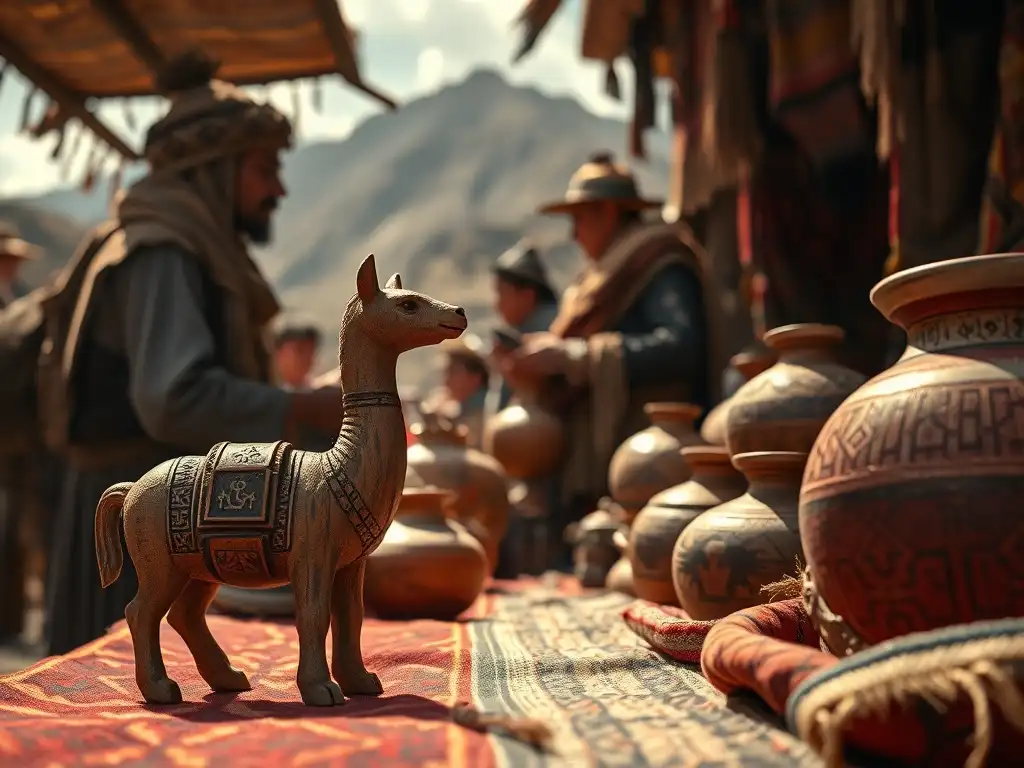
The Inca Empire, renowned for its sophisticated artistry, fostered extensive trade networks that facilitated the exchange of diverse artistic creations. These networks weren't simply about commerce; they were integral to the political and social fabric of the empire, solidifying alliances, displaying power, and reinforcing Inca ideology. The movement of Inca art objects, therefore, provides crucial insights into the empire's economic, political, and cultural dynamics.
Analyzing the types of art traded reveals much about the Inca worldview and their mastery of various craft techniques. The sheer variety of materials and artistic styles exchanged underscores the empire's vast reach and influence. The keyword "Inca art trade networks" accurately reflects the interconnectedness of artistic production and distribution within the Inca world.
Textiles: Woven Stories and Their Exchange
Textiles formed a cornerstone of Inca art and trade. Woven fabrics, beyond their practical uses, served as powerful symbols of status, identity, and religious significance. The intricate designs, vibrant colors, and superior weaving techniques showcased Inca artistry. High-quality textiles, often made from alpaca and vicuña wool, were highly valued and traded throughout the empire. These weren't simply everyday garments; they were ritual objects, ceremonial attire, and prestigious gifts exchanged between elites.
Specific examples of traded textiles include cumbi, a type of richly decorated cloth used for clothing and ceremonial purposes, and intricate tapestries depicting mythological scenes and historical events. The exchange of these textiles cemented alliances between different regions and reinforced the Inca's dominance. The complexity of the designs and the quality of the materials directly correlated with the social status of both the creator and the recipient.
Evidence suggests that certain textile designs were specific to certain regions, further enriching the understanding of the complex trade routes and the cultural exchange that occurred along them. The trade in textiles also involved the exchange of raw materials, like wool and dyes, which were themselves valuable commodities.
The control over these resources played a significant role in the Inca’s economic and political power. The meticulous craftsmanship evident in surviving examples highlights the skill and dedication of Inca weavers, and their contribution to the vibrant Inca art trade networks.
Metalwork: Precious Metals and Symbolic Objects
Inca metalwork, particularly items crafted from gold, silver, and copper, constituted another significant component of the Inca art trade. These precious metals held immense symbolic value, representing the sun, power, and the divine. Elaborate gold and silver objects, such as ceremonial vessels, jewelry, and adornments for statues, were traded among the elite, solidifying alliances and demonstrating the wealth and power of the Inca rulers. The intricate techniques employed in the creation of these objects—hammering, casting, and gilding—demonstrated exceptional craftsmanship.
The use of different metals also carried symbolic weight. Gold, associated with the sun god Inti, was reserved for the most important objects and rituals. Silver, often linked to the moon, was also highly valued. Copper, while less precious, was still used extensively for practical and ceremonial objects.
The trade in metalwork wasn't limited to finished goods; the exchange of raw materials and specialized tools also contributed to the thriving metalworking industry across the empire. The distribution of these precious metal objects provides valuable insights into the hierarchical structure of the Inca society and the sophisticated systems of control and distribution that facilitated the Inca art trade networks. Detailed analysis of the styles and techniques employed in different regions reveals the complex interaction between local traditions and imperial styles, further highlighting the dynamic nature of the Inca art trade.
Ceramics: Functional and Ceremonial Pottery Trade
Inca ceramics, while perhaps less overtly luxurious than metalwork or textiles, played a vital role in the Inca art trade networks. Pottery served both functional and ceremonial purposes. Everyday vessels for storage and cooking were traded alongside more elaborate ceremonial pieces used in rituals and religious ceremonies. The styles and decorations of Inca pottery varied regionally, reflecting local traditions and preferences, even within the broader framework of imperial control. However, the standardization of certain forms and decorative motifs across vast distances suggests a degree of centralized control and facilitated trade.
The exchange of pottery also involved the trade of raw materials, such as clay and pigments. The quality of the clay and the skill of the potter determined the value of the finished product. Analysis of pottery shards found at various archaeological sites throughout the Inca Empire provides valuable information about trade routes and the exchange of goods.
Different styles of pottery can be linked to specific regions, helping to map the flow of goods and identify key trade centers. The ubiquitous nature of pottery, compared to the rarer metalwork and textiles, makes it a particularly useful tool for understanding the widespread reach of the Inca art trade networks.
Furthermore, the presence of certain types of pottery in specific locations can shed light on cultural exchange and the integration of different groups into the Inca Empire. The study of Inca ceramics, therefore, offers invaluable insights into the economic and cultural dynamics of the Inca empire and its extensive trade networks.
Featherwork: The Luxury Item in Inca Commerce
Featherwork held an unparalleled position within the Inca art trade networks. These weren't simply decorative items; they represented the pinnacle of luxury and were deeply imbued with symbolic meaning, reflecting power, status, and spiritual significance. The vibrant hues and intricate designs, painstakingly created from the feathers of a multitude of bird species, made them highly prized possessions.
Access to specific types of feathers, like those of the resplendent quetzal, was carefully controlled, further enhancing their exclusivity and value within the trade system. The Inca Empire's vast network facilitated the acquisition of feathers from diverse ecological zones, stretching the reach of their trade routes far beyond the immediate vicinity of Cusco. The sheer labor involved in creating a single piece of featherwork, requiring immense skill and patience, also contributed to its high value.
Master artisans, often associated with specific royal workshops or religious centers, commanded significant respect and influence within the Inca society, their creations acting as a powerful symbol of Inca imperial power. The distribution of these precious artifacts through the trade network solidified social hierarchies and reinforced the Inca's authority across their expansive empire. The intricate designs often depicted mythical beings, celestial events, or royal insignia, showcasing the close relationship between featherwork and Inca cosmology and religion.
The trade in featherwork wasn't solely confined to the elite. While the most elaborate pieces undoubtedly adorned the Inca royalty and high priests, smaller, more modestly crafted items likely circulated among the broader population. However, even these simpler pieces carried a certain prestige, associating the owner with the Inca aesthetic and the power it represented.
The exchange of featherwork items, therefore, extended beyond simple economic transactions; it was a powerful instrument of social control and cultural dissemination. The style and craftsmanship of featherwork could subtly indicate the origin and status of its creator and owner, allowing for a complex system of social signaling within the Inca trade networks. Archaeological evidence, although limited in the preservation of such delicate materials, continues to reveal remnants of these exquisite pieces, hinting at the scale and sophistication of this specialized trade.
Further research into Inca featherwork trade networks promises to illuminate the complexities of Inca social structures and their sophisticated economic systems. The analysis of surviving examples, coupled with ethnographic studies of similar practices in other Andean cultures, offers a unique window into the symbolic and material aspects of Inca life.
The Impact of Inca Art Trade
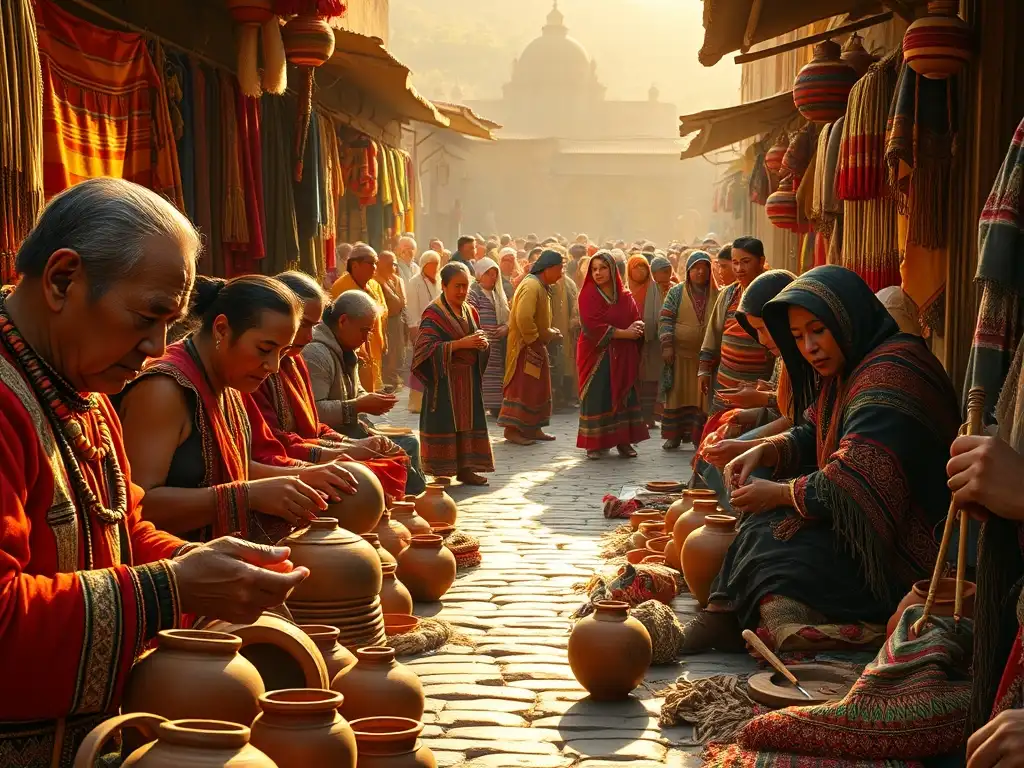
The Inca art trade networks weren't simply about the exchange of goods; they were a powerful engine driving political consolidation, cultural transformation, and social stratification within the vast Inca Empire. The intricate system of exchange, facilitated by the chasquis (runners) and the qhapaq ñan (Inca road system), ensured the flow of artistic creations across immense distances, leaving an indelible mark on the Andean world. Understanding this impact requires examining its multifaceted consequences.
Political and Economic Implications of Art Exchange
The Inca Empire's sophisticated system of tribute, known as mita, played a pivotal role in fueling the Inca art trade. Artisans, often specialized in specific crafts like goldsmithing, pottery, or textile production, were required to contribute a portion of their work to the state. This ensured a constant supply of high-quality art objects for the Inca elite, used for religious ceremonies, royal adornment, and diplomatic gifts. The controlled distribution of these objects reinforced the Inca's political authority and centralized power.
The economic impact was substantial; the trade not only generated wealth for the empire but also stimulated the development of specialized skills and production centers across different regions. For example, the production of fine silver objects in the highlands fueled economic activity in those areas, creating a complex network of interconnected economies. The control and distribution of these goods were vital mechanisms for maintaining social and political order.
The system wasn't without its complexities, however; managing such a vast network required meticulous organization and logistical prowess, ensuring the efficient movement of goods and the prevention of unauthorized trade. Further research is needed to fully quantify the economic impact, including the precise value of goods exchanged and the overall contribution to the empire's GDP. [Specific economic data pending].
Cultural Diffusion and Artistic Syncretism
The Inca art trade wasn't just a one-way street; it fostered significant cultural exchange and artistic syncretism. While the Inca imposed their aesthetic preferences and stylistic elements, they also incorporated existing artistic traditions from the conquered regions. This resulted in a fascinating blend of styles and techniques, evident in the diverse range of artifacts produced during the Inca period.
For instance, the use of pre-Inca motifs in Inca textiles and pottery demonstrates the integration of local traditions into the imperial aesthetic. This process is clearly illustrated in the variations of pottery styles found across the empire, showcasing a blending of indigenous techniques with imperial designs. The exchange wasn't limited to visual aesthetics; it also involved the transfer of knowledge and skills, enriching the artistic landscape of the Inca Empire.
The Inca's ability to integrate and adapt pre-existing artistic traditions was a key factor in their success in forging a unified cultural identity across such a diverse empire. This cultural synergy enriched the artistic landscape of the empire, resulting in a unique and vibrant art form that reflected the diversity of its constituent cultures.
The value of Inca art objects was directly tied to their social and political significance. Elaborately crafted gold and silver items, finely woven textiles, and intricately carved stone sculptures were not merely decorative; they served as powerful symbols of status and authority. Only the Inca elite had access to the most precious and elaborate pieces, reinforcing their privileged position within society. The distribution of these items, through the trade networks, served as a crucial mechanism for demonstrating and maintaining social hierarchy.
For example, the distribution of intricately crafted tupus (ceremonial staffs) to high-ranking officials served to visually represent their authority and status within the imperial structure. The careful control and regulated exchange of these objects helped to solidify the Inca social order. Furthermore, the presence of specific motifs or materials on an object could indicate the wearer's lineage, affiliation, or social standing.
Analyzing these symbolic elements within the context of the trade networks provides valuable insights into the social dynamics of the Inca Empire. The distribution and use of these objects were vital components in the creation and maintenance of social stratification and hierarchy within the Inca Empire. The intricate relationship between social status and material culture is a key area of ongoing research in Inca studies.
The Trade of Queros: Ceremonial Vessels and Their Distribution
Queros, the elegant and intricately decorated ceremonial vessels of the Inca Empire, represent a fascinating case study in Inca art trade networks. These vessels, typically made from wood and often adorned with vibrant polychrome paintings depicting mythological scenes, were not simply utilitarian objects; they held significant symbolic and ritualistic value. Their distribution across the vast Inca empire, from the highlands of Cuzco to the coastal regions, speaks volumes about the sophisticated organization and control exerted by the Inca leadership over their extensive trade routes.
The production of queros wasn't centralized in a single location. While some workshops likely existed in major urban centers, evidence suggests a decentralized production model, with skilled artisans working in various regions. This decentralized approach, however, didn't imply a lack of control. The Inca state likely maintained strict oversight over the quality and style of the queros produced, ensuring a certain level of uniformity and adherence to imperial standards. This standardization contributed to the recognition and value of queros throughout the empire.
The distribution of queros was closely tied to the Inca's elaborate system of tribute and reciprocal exchange. High-ranking officials, religious leaders, and even commoners, depending on their social standing and proximity to power, received queros as gifts, rewards, or payment. This distribution network helped to solidify political alliances, reinforce social hierarchies, and propagate Inca ideology across the far-flung corners of the empire.
Archaeological finds of queros in widely separated locations, from Ecuador to Argentina, confirm the vast reach of the Inca trade network and the importance of these vessels in maintaining imperial power. The presence of queros in specific contexts—such as royal tombs or elite residences—further highlights their role as symbols of authority and prestige.
Further research into the specific iconography and stylistic variations found on queros from different regions could reveal more nuanced information about regional workshops, trade routes, and the complex social dynamics of the Inca Empire. The varying styles and motifs on the vessels may reflect regional preferences or adaptations within the overarching Inca aesthetic, indicating a dynamic interplay between central control and local expression. The analysis of pigments and materials used in quero production can also provide valuable insights into the sourcing of resources and the extent of the Inca trade network.
For example, the presence of certain pigments only found in specific regions would indicate trade routes connecting those regions to the quero production sites. The study of queros, therefore, offers a rich and complex lens through which to examine Inca art trade networks and the broader functioning of the Inca state.
The Legacy of Inca Art Trade
The Inca art trade networks weren't simply about the exchange of goods; they were a powerful mechanism for consolidating political power, spreading cultural influence, and maintaining social order across a vast empire. The intricate system of yanaconas (specialized laborers) and tambos (state-run waystations) facilitated the movement of precious metals, textiles, ceramics, and other artistic creations throughout the Andes. This wasn't a free market; it was a highly regulated system controlled by the Inca state, ensuring that the elite received the finest crafts while also distributing goods to maintain loyalty and control across diverse populations.
The sheer scale of this operation is staggering, evident in the widespread distribution of remarkably consistent styles and techniques in Inca art across geographically distant locations. Analyzing the distribution patterns of specific artifacts reveals much about the administration and the complexities of the Inca state.
For example, the presence of specific types of ceramics in remote areas suggests not only trade routes but also the extent of Inca control and integration of these regions. Furthermore, the presence of certain artistic motifs in different regions hints at the way Inca ideology spread and was adapted by local populations.
Understanding Inca Society Through Art Exchange
The Inca art trade networks provide invaluable insights into the social structure and hierarchy of Inca society. The types of goods traded, their quality, and their destination all reflect the power dynamics within the empire. High-quality gold and silver objects, for instance, were reserved for the Inca elite and religious institutions, highlighting the importance of these materials in reinforcing royal authority and religious beliefs.
The distribution of these luxury items to loyal allies and provincial governors served as a form of political patronage, solidifying alliances and ensuring obedience. Conversely, the distribution of more common goods, such as textiles and ceramics, reflects the Inca system of mita, a form of tribute labor that ensured the production and distribution of essential goods throughout the empire. By examining the artistic styles and materials of these everyday objects, we can gain a clearer picture of the lives and working conditions of the common people within the Inca state.
The standardization of certain artistic motifs across different regions also suggests a deliberate attempt by the Inca to create a sense of unified cultural identity across their diverse empire. This was a powerful tool for consolidating power and fostering a sense of shared purpose among different ethnic groups. The Inca art trade wasn't merely economic; it was a potent instrument of social engineering.
The Influence of Inca Art on Later Cultures
The impact of Inca art trade networks extended far beyond the boundaries of the empire itself. The sophisticated techniques in metalworking, weaving, and pottery, disseminated through trade, profoundly influenced the artistic traditions of subsequent Andean cultures. The use of specific alloys, weaving patterns, and ceramic styles can be traced in post-Inca artifacts, demonstrating the enduring legacy of Inca craftsmanship.
For example, [Specific examples of post-Inca art influenced by Inca techniques pending]. This cultural exchange wasn't a one-way street; the Inca themselves likely incorporated elements from the artistic traditions of the regions they conquered, resulting in a dynamic interplay of styles and techniques. This fusion of artistic styles reflects the complex process of cultural adaptation and assimilation that characterized the Inca Empire.
The Inca's ability to integrate and adapt existing artistic practices while simultaneously promoting their own styles demonstrates their sophisticated approach to governance and cultural control. The long-lasting influence of Inca art on later Andean cultures underscores the powerful and enduring legacy of their trade networks. The spread of Inca artistic styles and techniques via trade created a lasting artistic imprint on the Andean region, influencing generations of artists and artisans.
Preserving the Knowledge of Inca Trade Networks
Preserving our understanding of Inca trade networks requires a multifaceted approach, combining archaeological investigation with careful analysis of historical records, ethnographic studies, and the application of advanced technologies. Archaeological excavations continue to uncover new evidence of Inca trade routes and settlements, revealing valuable insights into the logistics and organization of this vast system. Careful study of Inca textiles, ceramics, and metalwork, including their stylistic variations and the materials used, allows researchers to trace the movement of goods and identify potential trade routes.
Furthermore, the application of scientific techniques, such as isotopic analysis and trace element analysis, helps to pinpoint the origins of raw materials used in Inca art, providing further evidence of trade connections. However, much remains unknown. Further research is needed to fully understand the complexities of Inca trade networks, particularly regarding the role of local communities in the exchange of goods and the extent of reciprocity in the system.
The preservation of this knowledge is crucial not only for understanding the Inca Empire but also for appreciating the rich cultural heritage of the Andean region. The challenge lies in combining traditional archaeological methods with new technologies and interdisciplinary approaches to build a more comprehensive picture of this fascinating aspect of Inca civilization. The ongoing study of Inca art trade networks remains a vital area of research, promising further revelations about this sophisticated and influential system.
Conclusion: The Importance of Studying Inca Art Trade
The study of Inca art trade networks offers a multifaceted lens through which to understand the complexities of the Inca Empire. It reveals not only the sophisticated logistical systems employed for the movement of goods across vast distances, but also the intricate social and political structures that underpinned this exchange. By analyzing the distribution patterns of specific artifacts, we gain insights into the power dynamics within the empire, understanding how the flow of luxury goods reinforced imperial control and solidified alliances. The careful study of Inca art, its materials, and its geographical distribution provides a powerful counterpoint to purely textual accounts of the Inca Empire, offering a more nuanced and complete understanding of its economic, political, and social organization.
Furthermore, the surviving artifacts themselves—from intricately woven textiles to finely crafted gold objects—continue to inspire awe and wonder, serving as tangible links to a rich and vibrant past. Understanding the trade networks that facilitated the creation and distribution of these objects allows us to fully appreciate their cultural significance and their enduring legacy. The meticulous reconstruction of these trade routes and the analysis of the associated artifacts are crucial for a comprehensive understanding of Inca civilization and its lasting impact on the Andean region. Future research should focus on integrating archaeological findings with ethnohistorical accounts to build a more complete and accurate picture of Inca art trade and its role in shaping the empire's identity and its interactions with neighboring cultures.
This will allow for a more complete picture of the Inca Empire's influence and its enduring legacy. The study of Inca art trade networks, therefore, is not merely an academic exercise; it is a vital contribution to our understanding of one of history's most remarkable civilizations. The enduring beauty and sophistication of Inca art serves as a powerful testament to the ingenuity and organizational prowess of the Inca people, and the study of its trade networks allows us to better appreciate this remarkable achievement.
Frequently Asked Questions
What role did trade play in the Inca Empire's artistic development?
Trade networks were essential to Inca artistic development. The empire's vast size meant access to diverse materials and artistic styles, fueling innovation and the creation of unique hybrid art forms. This exchange enriched Inca artistry considerably.
How did the Inca Empire facilitate the trade of art and artifacts?
The Inca utilized a sophisticated system of roads and relay runners (chasquis) to transport goods, including art objects, across their empire. State-controlled warehouses stored and distributed these items, regulating the flow of artistic resources and finished products. This system ensured efficient and widespread distribution.
What types of Inca art were commonly traded?
A wide range of Inca art was traded, including textiles, ceramics, metalwork, and feathers. These items varied in their level of craftsmanship and function, from everyday utilitarian objects to highly elaborate ceremonial pieces. The value and rarity of the items determined their trading routes.
Were there any specific trade routes dedicated to Inca art?
While not exclusively dedicated to art, the extensive Inca road system acted as a primary network for artistic exchange. Certain routes might have seen a higher volume of artistic goods depending on the availability of resources and the location of skilled artisans. The strategic placement of tambos (roadside inns) also facilitated trade.
How did the trade of Inca art influence other cultures within the empire?
The trade of Inca art resulted in a cultural exchange and the spread of Inca artistic styles. This led to the adoption of Inca motifs and techniques by other Andean groups, creating a shared artistic vocabulary across the empire. However, local artistic traditions often persisted alongside Inca influences.
Final Reflection: The Enduring Legacy of Inca Artistic Exchange
The intricate networks of Inca art exchange weren't merely economic transactions; they were the very arteries of a vibrant empire, shaping its identity and leaving an indelible mark on the cultural landscape that resonates even today. Understanding these trade routes allows us to appreciate the sophisticated organization and cultural dynamism of the Inca civilization far beyond simplistic notions of conquest and control. The sheer scale and complexity of this system continue to fascinate and inspire researchers and art enthusiasts alike.
The enduring power of Inca art lies not just in its aesthetic beauty, but in its ability to tell a story – a story of interconnectedness, cultural exchange, and the ingenious strategies employed to maintain a vast empire. The artistry itself speaks volumes about the Inca worldview, their social structures, and their deep connection to the Andean landscape. Art washes away from the soul the dust of everyday life.
– Pablo Picasso. This quote, while not directly about Inca art, perfectly captures the timeless and transformative power of artistic expression, a power amplified by the far-reaching networks that facilitated its creation and dissemination.
Consider the implications of this intricate system of exchange. How did these networks shape the identities of different communities within the Inca empire? How did the movement of art objects contribute to the standardization of cultural practices and beliefs? You, the reader, are now equipped with a deeper understanding of this fascinating aspect of Inca history. Take this knowledge and apply it to your own understanding of global trade and cultural exchange today. What parallels can you draw? What lessons can we learn from the Inca's sophisticated approach to connecting people and cultures through art?
**Unveil the Treasures of Inca Art! **
Thank you for exploring the fascinating world of Inca art and its intricate trade networks. You've discovered a rich history showcasing the talent and creativity of the Andean peoples. Now, let's put your new knowledge to good use!
- **Dive deeper into Inca art:** Visit local museums or explore online exhibitions to admire authentic artifacts and expand your understanding.
- **Connect with fellow enthusiasts:** Join online forums or social media groups dedicated to Andean civilizations to share your insights and learn from others.
- **Support Indigenous artists:** Consider purchasing artwork from contemporary artisans inspired by Inca traditions; this helps preserve these vital cultural legacies.
What aspect of Inca art captivated you most, and how will you integrate this newfound appreciation into your daily life?