
The Social Context of Inca Art: Status, Power and Ritual

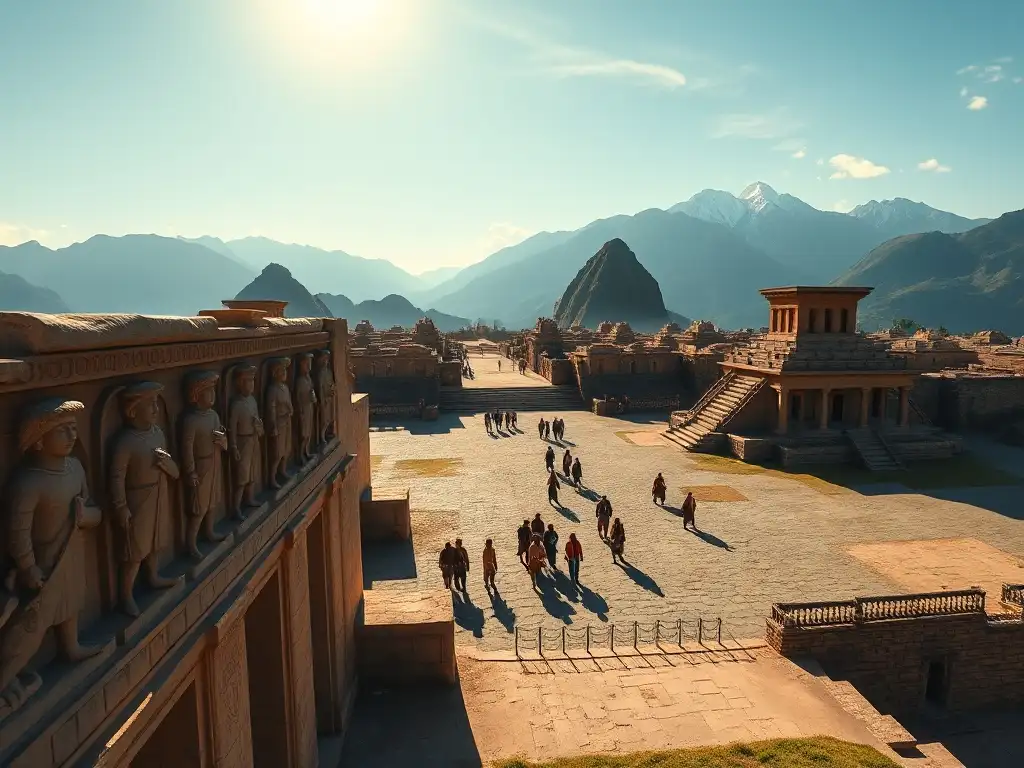
Step into a world lost to time, yet echoing with vibrant life. Imagine a society where art wasn't just decoration, but a powerful statement of social status and ritualistic significance. This is the captivating realm of the Andean civilizations, and within it, the intricate story of Inca art social status unfolds. Uncover the secrets woven into their masterpieces – a journey awaits, revealing how artistry reflected power, belief, and the very fabric of Inca society. Dive in and explore!
The Inca Empire, a civilization that flourished in the Andes Mountains from the 15th to the 16th centuries, left behind a remarkable legacy of art reflecting its complex social structure and power dynamics. Understanding Inca art requires moving beyond simple aesthetic appreciation; we must delve into its social context to grasp its true significance. This article explores how Inca art served as a powerful tool for expressing and reinforcing social hierarchy, political control, and ritual practices.
We will examine how specific artistic choices conveyed status, power, and the authority of the Inca elite, revealing the intricate relationship between art, society, and the Inca worldview. By analyzing various forms of Inca artistic expression, including textiles, ceramics, and metalwork, we will uncover the subtle yet significant ways in which art functioned within the Inca social fabric. This exploration will illuminate how the seemingly decorative aspects of Inca art were intricately woven into the very fabric of Inca society, communicating crucial social and political messages to both the elite and the common people.
The analysis will focus on the key role of Inca art in solidifying social status, demonstrating the power of the ruling class, and reinforcing religious beliefs through ritualistic practices. This approach allows us to appreciate Inca art not just as beautiful objects, but as powerful instruments of social control and cultural expression. This understanding is crucial for fully appreciating the sophistication and complexity of the Inca civilization and its lasting artistic contribution.
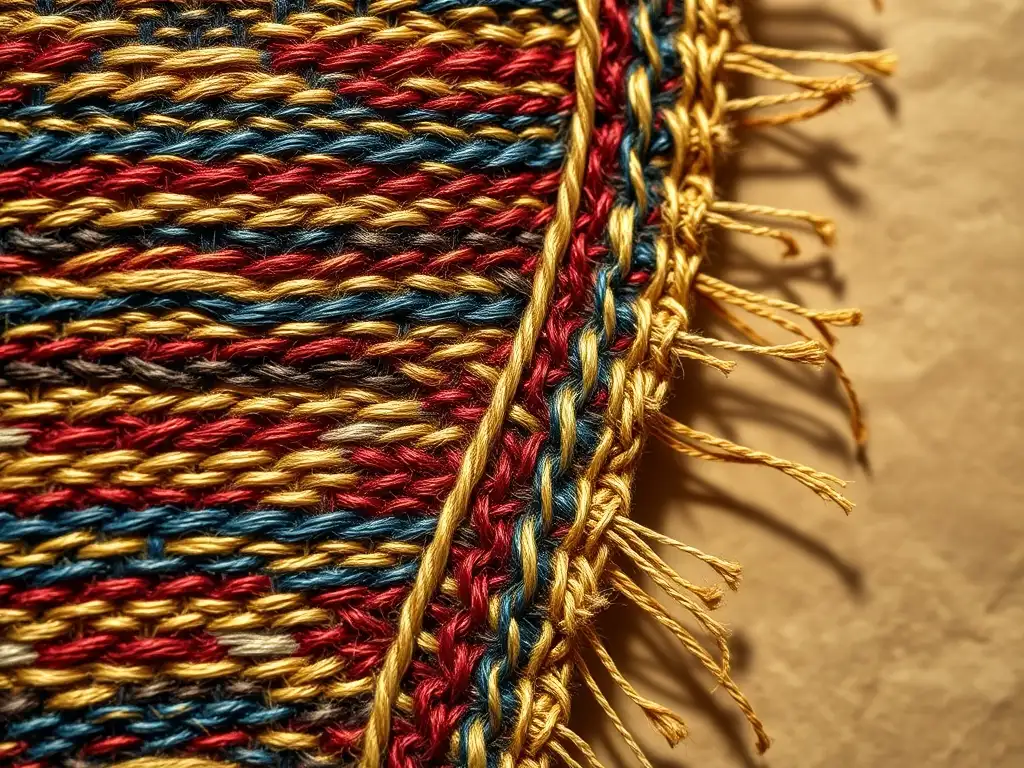
Inca society was rigidly hierarchical, with the Sapa Inca (emperor) at the apex and various social classes beneath him. This social stratification was powerfully reflected in Inca art. The quality of materials, the intricacy of design, and the subject matter of artistic creations all served as clear indicators of social standing. For example, finely woven textiles with intricate designs using rare dyes were reserved for the elite, while simpler textiles were used by the common people.
Similarly, gold and silver objects, often adorned with precious stones, were symbols of royal power and were exclusively used by the Inca nobility and religious figures. The use of specific colors also carried social significance. Certain colors, like purple, were associated with royalty and divinity, and their use in clothing and other artifacts further reinforced the social hierarchy.
Detailed records, though scarce due to the destruction of many artifacts after the Spanish Conquest, suggest that even the style of pottery varied according to the social status of its owner. This clear correlation between artistic production and social status underscores the crucial role of art in maintaining and displaying the Inca social order. Even the size and scale of artistic works often reflected social standing, with larger and more elaborate pieces reserved for the elite.
The Role of Inca Art in Power Dynamics
Inca art played a crucial role in the maintenance and projection of power within the Empire. The Inca rulers consciously used art to consolidate their authority and legitimize their rule. This wasn't merely decorative; it was a sophisticated system of visual communication designed to reinforce the Inca's control over their vast territory and diverse population.
Inca Art as a Tool for Political Control
The Inca state employed art to project an image of power, strength, and divine legitimacy. Monumental architecture, such as impressive stone structures like Machu Picchu and Sacsayhuamán, served as powerful symbols of Inca might and engineering prowess. These structures were not just functional; they were carefully designed to awe and impress, communicating the Inca's control over resources and labor.
The precise and monumental nature of the stonework itself conveyed a message of order and control, reflecting the highly organized and centralized nature of the Inca state. Furthermore, the strategic placement of these structures across the empire served as a constant reminder of Inca power and reach.
Visual Propaganda in Inca Artistic Expression
Inca art frequently depicted scenes of conquest, tribute, and royal ceremonies. These visual representations served as a form of propaganda, reinforcing the Inca's claim to power and legitimacy. Textiles, for instance, often displayed intricate designs depicting imperial triumphs or scenes of royal authority.
These images functioned as visual narratives, transmitting messages of Inca dominance to a wide audience. The repetition of specific motifs and symbols across different artistic media further emphasized these messages, ensuring their widespread dissemination and impact. The consistent representation of the Inca emperor in a powerful and idealized manner further solidified his image as a divine ruler.
Inca Royal Art and the Assertion of Authority
Royal art was particularly significant in asserting Inca authority. Objects created for the Inca emperor and his court were often lavishly decorated and made from the finest materials, highlighting the emperor's exceptional status and divine right to rule. The use of gold and silver, materials associated with the sun god, further reinforced the emperor's connection to the divine realm.
These objects were not simply decorative; they were powerful symbols of royal power and legitimacy, used in ceremonies and displayed in public to reinforce the emperor's authority and the divine nature of his rule. The creation and display of these objects served as a key component of the Inca's strategy to maintain social control and consolidate their political dominance.
Inca Art and Ritualistic Practices
Religious Significance of Inca Art Forms
Inca art was deeply intertwined with religious beliefs and practices. The intricate designs and motifs found on textiles, ceramics, and metalwork often depicted deities, mythical creatures, and cosmological symbols. These weren't merely decorative elements; they were powerful representations of the Inca worldview and served to reinforce religious authority.
For example, the recurring depiction of the sun god Inti on various artifacts underscores his central role in Inca cosmology and the emperor's divine right to rule. The meticulous craftsmanship evident in these pieces further emphasized their sacred nature, suggesting a profound connection between artistic skill and spiritual power. The use of specific colors, such as red (associated with blood and sacrifice) and yellow (representing gold and the sun), also played a crucial role in conveying religious meaning.
Understanding the religious significance of these artistic choices is vital to interpreting Inca art within its socio-cultural context. The intricate iconography, often requiring specialized knowledge to decipher, served as a powerful tool for communicating religious narratives and reinforcing social hierarchies.
Inca Art in Ceremonial Contexts
Ceremonial contexts provided a significant stage for Inca art to showcase its power and influence. Elaborate feasts, religious processions, and temple dedications featured prominently displayed art objects. These weren't merely decorations; they were active participants in the rituals, imbued with spiritual significance and serving to reinforce social order. For instance, large-scale sculptures, intricately woven textiles used in royal regalia, and finely crafted gold and silver objects would be prominently displayed during important ceremonies.
The sheer scale and opulence of these pieces served to impress participants and reaffirm the authority of the Inca elite. The placement of specific artifacts within particular ceremonial spaces further demonstrates a conscious effort to manipulate artistic forms to achieve social and religious objectives. The careful choreography of these displays showcases the intimate relationship between Inca art and the performance of ritual.
The Use of Inca Art in Sacrifices and Offerings
Inca religious practices often involved sacrifices and offerings, with art playing a crucial role in these rituals. Precious objects, meticulously crafted textiles, and finely worked metalwork were frequently interred with the deceased, or offered to appease deities. These offerings weren't simply discarded; they were carefully selected and placed to reinforce specific beliefs and social structures. The inclusion of gold and silver objects, for example, highlights their perceived power and connection to the divine realm.
The burial of finely crafted textiles with high-ranking individuals underscores the importance of these materials in signifying status and power, even in the afterlife. Analyzing the types of artifacts included in these sacrifices provides valuable insight into Inca beliefs about death, the afterlife, and the social hierarchy. The deliberate selection of specific art forms for these offerings reveals a complex system of beliefs and practices that intertwined art with ritual and social order.
Access to Precious Metals and Stones: A Marker of Status
Access to and control over precious metals and stones like gold, silver, and turquoise were vital indicators of social status within Inca society. The intricate metalwork, often employing techniques like hammering, repoussé, and casting, was primarily reserved for the elite. The sheer cost and effort involved in acquiring and working with these materials reinforced their status as symbols of power and authority. Only members of the royal family, high-ranking officials, and select priests had access to these resources and the skilled artisans needed to create such elaborate pieces. The distribution and use of these precious materials in Inca art served as a powerful visual representation of social hierarchy and the concentration of power within the Inca elite. Possession of gold and silver objects, therefore, served not only as a symbol of wealth but also as a visual marker of one's place within the intricate social structure of the Inca Empire.
Inca Textile Production and its Social Significance
Textile production played a crucial role in Inca society, reflecting both social status and artistic skill. The intricate weaving techniques, the use of diverse fibers (alpaca, llama, cotton), and the complex designs all contributed to the social significance of textiles. The finest textiles, often characterized by their intricate patterns and use of rare dyes, were reserved for the Inca elite, while simpler textiles were used by the common people.
This differentiation highlights the social stratification within Inca society, where clothing served as a powerful visual marker of one's social standing. The production of textiles also involved specialized labor, with skilled weavers holding a position of respect within their communities.
The complexity of the designs and the quality of the materials used further emphasized the social status associated with specific textiles. The use of textiles in ceremonial contexts further reinforces their importance in Inca culture and their role in reflecting social hierarchy.
Craft Specialization and Social Stratification
Inca society was characterized by a high degree of craft specialization, reflecting a sophisticated social organization. Specialized artisans, such as metalworkers, potters, and weavers, held specific roles within the social structure, contributing to the production of high-quality goods. This specialization resulted in a hierarchical system where skilled artisans occupied a respected position, reflecting the value placed on their craft.
The level of skill and the type of craft determined an artisan's social standing, demonstrating the importance of specialized knowledge and expertise in Inca society. This intricate system of craft specialization further reinforced social stratification, with skilled artisans often working within royal workshops or for elite members of society, further highlighting the connection between craft, skill, and social status in the Inca Empire. The organization of these workshops and the control over resources further solidified the power structure and social hierarchy within the Inca state.
The Inca Empire, while imposing a unified political structure, didn't erase pre-existing regional identities. This is clearly reflected in Inca art. While an "Imperial Inca Style" emerged, characterized by certain motifs and techniques, local artistic traditions persisted, often subtly integrated into the broader imperial aesthetic.
The variation in artistic styles across the vast Inca empire provides invaluable insights into the complex social dynamics at play. For example, pottery styles from Cuzco, the imperial capital, often displayed standardized forms and iconography, reflecting the centralized control of the Inca elite. However, pottery from regions like the coastal areas or the highlands often retained distinct local characteristics, even while incorporating imperial motifs, demonstrating a balance between imperial power and local agency.
This fascinating interplay between imperial standardization and regional adaptation offers a rich tapestry of information about the Inca social structure and its ability to manage diversity within a vast, multi-ethnic empire. The subtle variations in textile designs, metalwork techniques, and stone carving further underscore this fascinating interplay of power and local adaptation, providing a nuanced understanding of Inca social organization beyond the simplified narratives of a monolithic empire.
Imperial Inca Style vs. Local Artistic Traditions
The "Imperial Inca Style" is generally characterized by its use of standardized forms and motifs. Repeated patterns, geometric designs, and depictions of imperial symbols like the Inti (sun) and the condor were common. However, a closer examination reveals that even within this apparent uniformity, regional variations persisted.
For example, while the use of gold and silver was prevalent throughout the empire, the specific techniques and styles of metalworking varied between regions, reflecting pre-existing local expertise and traditions. Similarly, while textiles often incorporated imperial motifs, the colors, weaving techniques, and specific designs often reflected regional traditions. The integration of these local styles into the broader imperial aesthetic suggests a conscious strategy by the Inca to co-opt existing traditions rather than completely suppress them.
This strategy helped to maintain social cohesion and prevent widespread rebellion. The difference is not a simple dichotomy but rather a complex interplay, where local traditions are subtly altered and adapted to fit the imperial framework.
How Inca Art Integrated Conquered Peoples
Inca artistic production effectively integrated the conquered populations. Instead of imposing a completely new artistic tradition, the Inca rulers often co-opted existing skills and techniques, incorporating them into the broader imperial aesthetic. This pragmatic approach ensured the continuity of craft production while simultaneously asserting imperial control. For instance, skilled artisans from conquered regions were often relocated to the capital or other important centers, where they continued to practice their craft under Inca supervision.
Their unique skills and styles were then incorporated into imperial projects, enriching the overall artistic output. This integration wasn't merely a matter of economic expediency; it also served to legitimize Inca rule and foster a sense of shared imperial identity. The integration of conquered peoples' artistic styles into the imperial aesthetic serves as a powerful example of how the Inca maintained power and control while simultaneously managing the diverse cultural landscape of their empire.
The Impact of Inca Art on Local Cultures
The Inca impact on local artistic traditions was profound and multifaceted. While the Inca actively promoted an imperial style, local artistic traditions were not simply erased. Instead, a process of syncretism occurred, where local styles were blended with imperial motifs and techniques. This resulted in new hybrid forms of artistic expression that reflected the complex interplay between imperial power and local agency.
For instance, the introduction of new materials and techniques by the Inca enriched the artistic traditions of conquered peoples, leading to innovations in pottery, textiles, and metalwork. However, the adoption of imperial motifs and styles also had the effect of standardizing certain aspects of artistic production across the empire, leading to a greater degree of cultural homogeneity. The impact of Inca art on local cultures was a complex process of both adaptation and transformation, resulting in new and dynamic forms of artistic expression.
The legacy of Inca art continues to resonate today. Its influence can be seen in various aspects of modern Andean culture, from textiles and ceramics to architecture and visual arts. The Inca artistic tradition serves as a powerful symbol of Andean identity, connecting the present to a rich and complex past.
The enduring appeal of Inca art lies not only in its aesthetic beauty but also in its ability to convey the social and political dynamics of the Inca Empire. The intricate designs, the use of precious metals, and the symbolic imagery all speak to the power and prestige of the Inca rulers and the sophisticated social organization of their empire. The continued study and appreciation of Inca art are essential for understanding the history and culture of the Andes region.
Inca Art's Influence on Modern Andean Art
Inca artistic motifs and techniques continue to inspire contemporary Andean artists. Traditional weaving techniques, for example, are still practiced today, often incorporating Inca-inspired designs. Similarly, many contemporary Andean artists draw inspiration from Inca iconography and symbolism, reimagining these elements in new and creative ways.
This continuity demonstrates the enduring cultural significance of the Inca artistic legacy and its continued relevance in the modern Andes. The vibrant tapestry of modern Andean art is, in many ways, a direct descendant of the rich artistic traditions of the Inca Empire, demonstrating the enduring influence of the past on the present. The use of traditional materials and techniques, combined with modern artistic sensibilities, results in a unique and compelling artistic expression that blends tradition with innovation.
Preserving and Understanding the Social Context of Inca Art
Preserving and understanding the social context of Inca art is crucial for a complete appreciation of its significance. Careful archaeological excavation and analysis of artifacts, coupled with ethnographic research and historical records, are essential for uncovering the nuances of Inca artistic production and its relationship to social structures. This interdisciplinary approach allows for a more comprehensive understanding of the social and political messages embedded in Inca art.
The preservation of Inca art sites and artifacts is also crucial for safeguarding this important cultural heritage for future generations. Without proper preservation efforts, much of the valuable information contained within these artifacts could be lost forever. The ongoing research and preservation efforts are vital for continuing to understand the rich social and cultural context of Inca art.
The Importance of Inca Art for Cultural Identity
Inca art plays a vital role in shaping Andean cultural identity. Its enduring presence in modern Andean society underscores the significant cultural legacy of the Inca Empire. The continued use of traditional Inca motifs and techniques in contemporary art forms serves as a powerful symbol of cultural continuity and pride.
Understanding the social context of Inca art is therefore crucial for understanding the broader history and identity of the Andean people. The preservation and study of Inca art are not merely academic pursuits; they are essential for maintaining a connection to a rich and complex past and for fostering a strong sense of cultural identity in the present. The vibrant legacy of Inca art continues to shape the cultural landscape of the Andes, serving as a powerful reminder of the enduring power of artistic expression.
- Inca Art and Social Hierarchy: Reflecting Status
- The Role of Inca Art in Power Dynamics
- Inca Art and Ritualistic Practices
- Materials and Techniques in Inca Art: Social Implications
- Inca Artistic Styles and Regional Variations: Understanding Social Structures
- The Legacy of Inca Art: Social and Cultural Impact
- How did Inca art reflect social status?
- What types of Inca art are most closely linked to social status?
- Did Inca art serve any ritualistic purposes related to social status?
- How did the Inca control the production and distribution of art related to social status?
- What can studying Inca art tell us about Inca society as a whole?
Frequently Asked Questions
Inca art clearly depicted social hierarchy. Elaborate textiles and goldwork were reserved for the elite, while simpler styles were used by commoners. This visual distinction reinforced the rigid social structure of the Inca Empire.
Textiles and metalwork, particularly gold and silver objects, were significant indicators of status. Ceramics also varied in quality and decoration, reflecting the social standing of their owners. Stonework, in architecture and sculpture, also displayed the power and authority of the elite.
Yes, many ritual objects were crafted specifically for the elite, reflecting their divine connection and power. These items were used in ceremonies to reinforce their social standing and legitimacy. Royal mummies, adorned with elaborate artifacts, are a prime example.
The Inca state controlled artisanal workshops and the distribution of luxury goods. This centralized system ensured that only the elite had access to the finest art, further solidifying their status. Specialized artisans were often employed by the royal court.
What can studying Inca art tell us about Inca society as a whole?
The artistry reveals much about Inca social organization, beliefs, and power structures. Analyzing the materials, techniques, and iconography provides insights into the complex relationships between different social groups and their roles within the empire. It also highlights the importance of ritual and religion in Inca life.
Final Reflection: Weaving Threads of Power in Inca Art
The intricate tapestries, imposing sculptures, and meticulously crafted gold artifacts of the Inca civilization weren't merely aesthetic achievements; they were potent symbols of power, status, and ritual, deeply interwoven with the social fabric of their society. Understanding this connection remains crucial today, as we grapple with the complexities of representation and the enduring legacy of power structures. The way societies choose to represent themselves, through art and other mediums, continues to shape our understanding of history and our present.
The Inca's masterful use of art to solidify social hierarchies and reinforce religious beliefs continues to resonate in our modern world. We see echoes of this in contemporary societies, where art and status are inextricably linked. From the commissioning of grand portraits to the subtle displays of wealth through artistic patronage, the interplay between art and social standing remains a powerful force. As the art historian, Annelise Hafkin, eloquently stated, Art is not simply a reflection of society, but an active participant in shaping its values and beliefs.
This sentiment perfectly encapsulates the enduring influence of Inca art and its relevance to our understanding of power dynamics across cultures and time.
Consider the intricate details of Inca art, the symbolism embedded within each piece, and the social context in which it was created. Reflect on how the manipulation of artistic expression can be used to both consolidate and challenge power structures. Let the legacy of Inca artistry inspire you to critically examine the art you encounter in your own life, questioning the messages it conveys and the power dynamics it reflects. By understanding the social context of art, past and present, we can better understand ourselves and the world around us.
Unveil the Rich Tapestry of Inca Art Today!
Thank you for exploring the world of Inca art with us! You've gained insights into the intricate interplay of status, power, and ritual in shaping their vibrant cultural expression. To further deepen your understanding and appreciation, consider these suggestions:
- **Explore further:** Immerse yourself in the beauty of Inca artifacts by visiting local museums or embarking on virtual museum tours online.
- **Share your discoveries:** Inspire others to appreciate this rich cultural heritage by discussing your newfound knowledge with friends and family.
- **Get involved:** Connect with fellow enthusiasts and share your perspectives by joining online forums or social media groups dedicated to Andean civilizations.
Which aspect of Inca art most captivates you, and how do you believe it reflects the culture's emphasis on status and power?