
Nazca Hands and Trees: Exploring the LesserKnown Geoglyphs

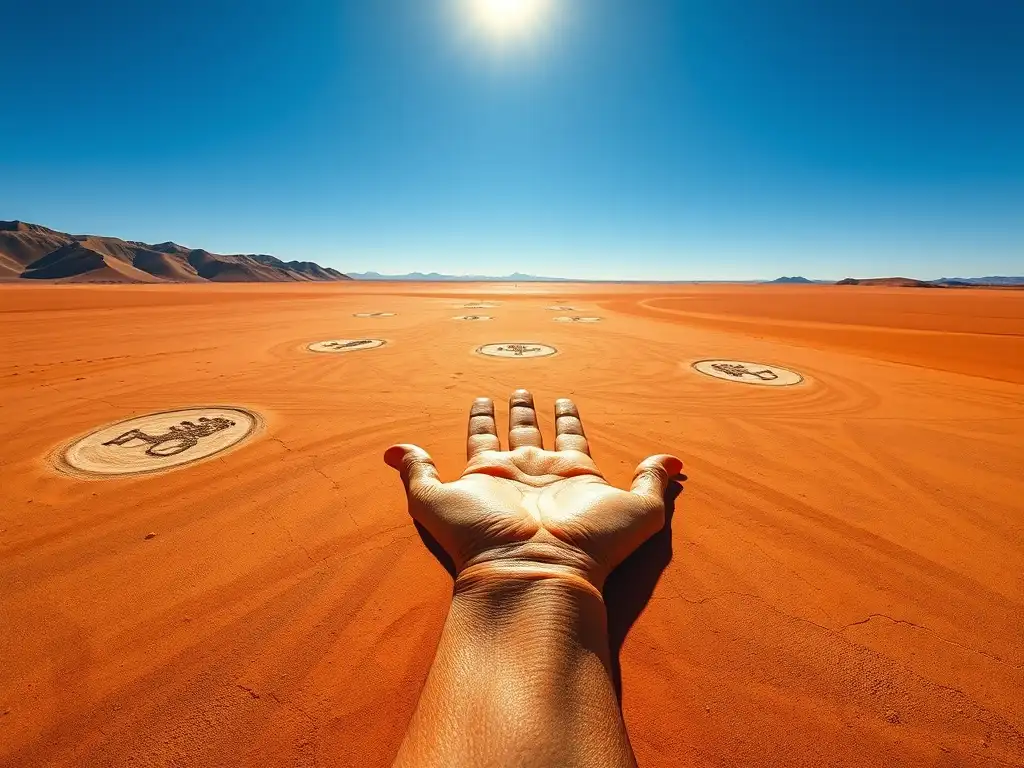
Step into a world lost to time, where colossal figures etched into the desert whisper secrets of a vanished civilization. Forget the iconic Nazca lines—we delve into the enigmatic realm of Nazca hands and tree geoglyphs, uncovering their hidden meanings and the astonishing engineering feats of their creators. Prepare to be amazed as we unravel the mysteries surrounding these lesser-known marvels of the Andean world, revealing a story far richer and more complex than you ever imagined. Journey with us to discover the truth behind these ancient giants...
- Nazca Lines Hand and Tree Geoglyphs: Unveiling the Lesser-Known Figures
- Beyond the Famous Figures: Exploring Nazca Geoglyphs
- The Nazca Hands: Forms and Interpretations
- The Enigmatic Nazca Tree Geoglyphs
- Locating the Hand and Tree Geoglyphs in the Nazca Desert
- Comparison: Nazca Hands and Tree Geoglyphs vs. Animal Figures
- The Preservation and Future of the Nazca Hand and Tree Figures
- Understanding the Nazca Culture Through Its Diverse Geoglyphs
- Frequently Asked Questions
- Final Reflection: Unveiling the Whispers of the Nazca Desert
- Unveil the Mysteries of Nazca: Take Action Today!
Nazca Lines Hand and Tree Geoglyphs: Unveiling the Lesser-Known Figures
The Nazca Lines, sprawling across the Peruvian desert, are renowned for their iconic animal and geometric figures. However, beyond the famous hummingbird and monkey, lie a fascinating array of lesser-known geoglyphs, adding further layers of mystery and complexity to this ancient enigma.
This article delves into the intriguing world of the Nazca hand and tree geoglyphs, exploring their unique characteristics, potential meanings, and the ongoing efforts to understand their creation and purpose. We will examine not only their visual aspects but also consider the broader context of Nazca culture and the technological prowess required to construct such monumental artworks.
Understanding these less celebrated figures offers a more complete picture of the sophisticated artistry and worldview of the Nazca civilization, enriching our appreciation of their remarkable legacy. The sheer scale and enigmatic nature of these geoglyphs continue to captivate researchers and inspire awe in all who encounter them, prompting ongoing investigation and debate about their significance.
The Nazca Hand Geoglyph: A Symbol of Power or Ritual?
The Nazca hand geoglyph, unlike the more frequently depicted animals, presents a unique challenge to interpretation. Its size, often exceeding several hundred meters in length, is testament to the significant effort invested in its creation. While the exact meaning remains elusive, several hypotheses exist.
Some scholars suggest it may represent a powerful deity or shaman, possibly connected to ritual practices or ceremonies. Others propose it symbolizes human agency and interaction with the supernatural world. The intricate detail visible from above, even at such a vast scale, hints at a level of planning and precision that is truly remarkable.
The positioning of the hand geoglyph within the wider landscape of other geoglyphs is also a subject of ongoing study, possibly revealing connections or patterns that could shed further light on its purpose. Detailed analyses of the soil composition and the techniques used in its creation are still underway, with researchers hoping to uncover further clues about its age and the methods employed by its creators.
Nazca Tree Geoglyphs: Representations of Life and Fertility?
Unlike the more readily identifiable animal figures, the Nazca tree geoglyphs, while less numerous, offer a different perspective into the Nazca worldview. These geoglyphs, often depicting stylized trees with intricate branching patterns, may represent a deep connection to the natural world and the importance of agriculture in their society. The arid landscape of the Nazca desert makes water and vegetation crucial for survival, potentially lending significance to these representations of life and fertility.
The precise species of tree depicted remains a topic of debate among researchers. Some suggest the depictions may represent specific local species crucial to their economy, while others believe the trees are symbolic representations of life and abundance.
Further research into the botanical knowledge of the Nazca civilization could provide valuable insights into deciphering the meaning behind these enigmatic tree figures. The styles and variations seen in different tree geoglyphs also warrant further investigation, with potential links to evolving cultural practices or beliefs.
The Technological Marvel of Creating the Geoglyphs
The creation of the Nazca hand and tree geoglyphs, like the other figures, presents a significant technological feat. The vast scale of these artworks requires careful planning, coordination, and a profound understanding of the landscape. Researchers believe the Nazca people used simple tools and techniques, likely involving stakes, ropes, and possibly some form of surveying instruments.
The precision involved in creating these large-scale designs, visible only from the air, is astonishing. The choice of location, often on relatively flat areas, suggests careful consideration of visibility and the impact of wind and erosion. The specific methods employed for removing surface material to create the contrasting patterns are still being studied, with ongoing research using geophysical techniques to uncover further details about their construction.
The engineering and logistical challenges involved in creating these geoglyphs highlight the advanced understanding of geometry, spatial relationships, and organization possessed by the Nazca civilization. The persistence of these monumental artworks across centuries speaks volumes about the collective effort and enduring cultural significance of these remarkable creations.
Unanswered Questions and Future Research
Despite significant advancements in our understanding of the Nazca Lines, many questions surrounding the hand and tree geoglyphs remain unanswered. Further research is needed to fully decipher their meaning and understand their role within the broader context of Nazca society. This includes detailed analysis of their stylistic characteristics, comparative studies with other Nazca artwork, and interdisciplinary approaches combining archaeology, anthropology, and remote sensing technologies. The use of advanced imaging techniques and ground-penetrating radar could help uncover additional information about the construction methods and possible underlying structures.
The ongoing effort to preserve these fragile geoglyphs from the effects of erosion and human impact is also crucial for ensuring their long-term survival and continued study. The Nazca hand and tree geoglyphs offer a unique window into the past, reminding us of the enduring power of human creativity and the mysteries that continue to captivate and inspire. 🔏
Beyond the Famous Figures: Exploring Nazca Geoglyphs
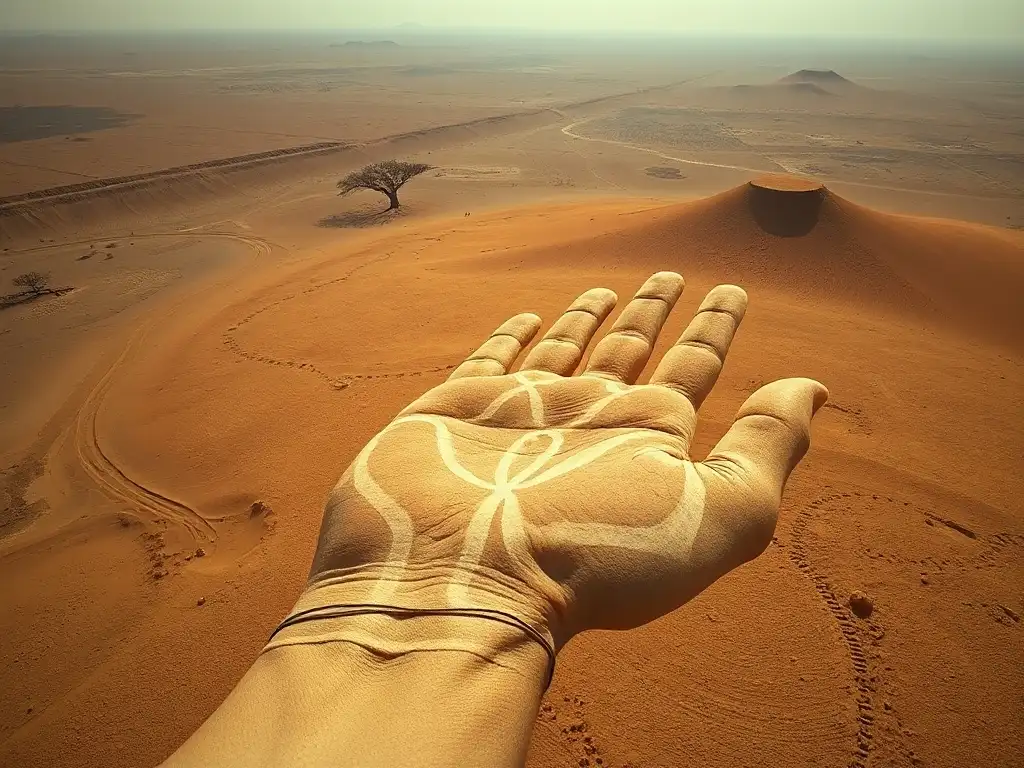
The Nazca Lines, etched into the Peruvian desert, are globally renowned for their colossal animal figures. However, the vast expanse of the Pampa de San José holds a wealth of lesser-known geoglyphs that significantly enrich our understanding of Nazca culture and artistry. These often-overlooked designs challenge simplistic interpretations and reveal a complexity that goes far beyond the iconic hummingbird or monkey.
This section delves into the fascinating world of Nazca's less celebrated geoglyphs, particularly focusing on the intriguing hand and tree motifs, offering a more nuanced perspective on this enigmatic civilization's artistic expression. Understanding these diverse forms helps us move beyond the popular narrative and appreciate the full spectrum of Nazca creativity. The study of these less-famous Nazca lines hand and tree geoglyphs offers valuable insights into the societal structures and beliefs of this ancient culture.
The Diversity of Nazca Lines: More Than Just Animals
While the animal figures—the spider, the hummingbird, the monkey—dominate popular perceptions of the Nazca Lines, the reality is far more diverse. A significant portion of the geoglyphs depict abstract shapes, geometric patterns, and stylized representations of plants and possibly even human figures. This diversity suggests a complex symbolic system, possibly reflecting different aspects of Nazca society, cosmology, or religious beliefs.
Detailed analysis of these varied forms reveals subtle differences in execution, suggesting potential variations in artistic styles or even different periods of creation. For instance, some lines are meticulously crafted, exhibiting remarkable precision, while others appear more rudimentary, possibly reflecting different levels of skill or purpose. The sheer number of these varied geoglyphs, many still uncatalogued or incompletely studied, underscores the scale and scope of Nazca artistic endeavors.
The ongoing research and discoveries continually add to our understanding of the full extent of this artistic landscape. The complexity of the Nazca lines hand and tree geoglyphs, in particular, highlights the intricate nature of the civilization's symbolic world.
Introducing the Nazca Hand Geoglyphs
Among the most intriguing of the non-animal geoglyphs are the representations of hands. These are not simple, stylized drawings; some are remarkably detailed, exhibiting individual fingers and even subtle variations in hand size and shape. The scale of these hand geoglyphs is impressive, many spanning tens of meters in length, highlighting the significant effort invested in their creation. The significance of these hand depictions remains a subject of ongoing debate among researchers.
Some theories suggest they represent ceremonial gestures, perhaps connected to rituals or offerings. Others propose a connection to astronomical observations or a symbolic representation of human interaction within the Nazca community. The precise meaning remains elusive, but their presence significantly expands our understanding of the range of artistic expression within Nazca culture.
The careful consideration of Nazca lines hand and tree geoglyphs alongside other designs provides a more holistic view of this civilization's artistic and symbolic world. Further research, including advanced imaging techniques and comparative studies with other Andean art forms, is needed to unravel the mysteries surrounding these fascinating geoglyphs. The mystery surrounding these Nazca lines hand and tree geoglyphs only adds to their allure and the ongoing fascination with the Nazca civilization.
Further Research Avenues
Future research should focus on: Improved documentation of all geoglyphs, including high-resolution imagery and 3D modeling; Comparative analysis with other contemporary Andean art forms; Advanced geophysical surveys to uncover potentially buried features associated with the geoglyphs; and Interdisciplinary collaboration involving archaeologists, anthropologists, and specialists in remote sensing technologies. The integration of these approaches will be crucial in unveiling the secrets of the Nazca lines hand and tree geoglyphs and other enigmatic designs.
The Nazca Hands: Forms and Interpretations
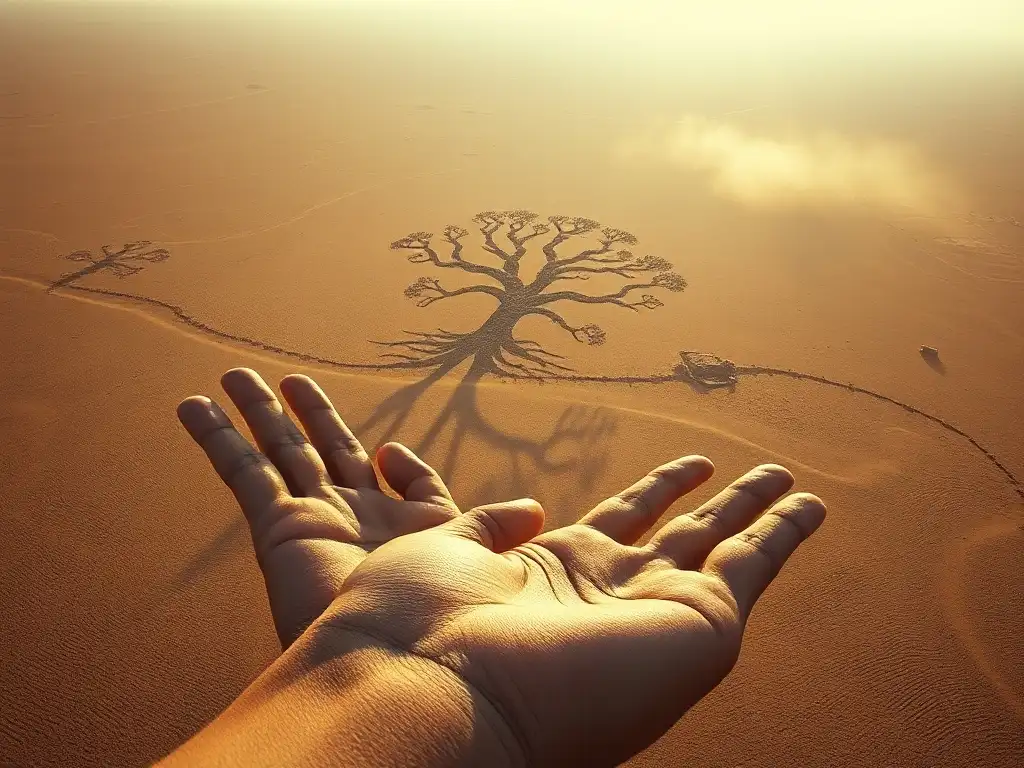
The Nazca Lines, renowned for their colossal animal and geometric figures etched into the Peruvian desert, also feature a fascinating, albeit less-discussed, element: giant hand geoglyphs. These enigmatic representations, often overlooked in favor of the more visually striking creatures, present a unique challenge to researchers seeking to decipher their meaning and purpose. While the famous hummingbird or monkey geoglyphs capture immediate attention, the subtle variations and sheer scale of the Nazca hands offer a captivating glimpse into the artistic and potentially ritualistic practices of the Nazca culture.
Their presence raises intriguing questions about the broader symbolic landscape of this ancient civilization and their sophisticated understanding of land art. Understanding the Nazca lines hand and tree geoglyphs requires a closer look at these often-overlooked figures.
Characteristics of the Hand Geoglyphs
The Nazca hand geoglyphs, unlike the more stylized animal figures, exhibit a remarkable degree of variation in their design. While they are generally identifiable as hands, the level of detail and the specific characteristics differ considerably. Many are depicted with outstretched fingers, suggesting a gesture of offering or greeting.
The size of these geoglyphs varies significantly, with some spanning several tens of meters. The lines themselves are remarkably precise, considering the tools and techniques likely employed by the Nazca people. Analysis of the trenches reveals a meticulous removal of the dark desert patina to expose the lighter subsoil, creating a stark contrast against the surrounding landscape.
The creation of these geoglyphs required immense effort and planning, underscoring their importance within Nazca society. Further research into the soil composition and the precise methods of construction is needed to fully understand the technical mastery involved in their creation. The precision of the Nazca lines hand and tree geoglyphs is truly remarkable.
Different Hand Designs Among the Nazca Lines
Not all Nazca hand geoglyphs are created equal. Some exhibit a more realistic representation, while others are more abstract and stylized. Some hands are depicted with clearly defined fingers and a palm, while others are simpler, with less detail in the finger articulation.
This variability might reflect different artistic styles, evolving conventions over time, or even symbolic nuances within the Nazca culture. The subtle differences in these hand designs, therefore, could hold valuable clues to understanding their meaning. A comprehensive cataloging and detailed analysis of the variations in these geoglyphs are crucial steps in unlocking the secrets embedded within them.
For example, the presence or absence of certain features—like fingernails or bracelets—could indicate different social statuses or ritualistic contexts. More detailed photographic documentation and ground-penetrating radar surveys could help reveal further details about their construction and potential hidden elements. We need more information on the stylistic variations to properly assess the full meaning of the Nazca lines hand and tree geoglyphs.
Theories on the Purpose of Nazca Hand Figures
The purpose of the Nazca hand figures remains a subject of ongoing debate and speculation among researchers. Several theories have been proposed, ranging from ritualistic practices to astronomical alignments. Some scholars suggest that the hands represent offerings or gestures of supplication to deities or ancestral spirits.
The placement of the hands in relation to other geoglyphs and natural features could provide further insights into their intended meaning. The potential connection between the hand geoglyphs and nearby water sources or ceremonial sites needs further investigation. Other interpretations link the hands to astronomical events or constellations, although conclusive evidence for such alignments is currently lacking.
The scale of the geoglyphs themselves suggests a public or communal function, rather than a purely private or individual one. Further research involving interdisciplinary collaboration—combining archaeological, anthropological, and astronomical approaches—is needed to fully comprehend the significance of the Nazca lines hand and tree geoglyphs. The mystery surrounding these enigmatic figures continues to inspire ongoing exploration and research.
The Enigmatic Nazca Tree Geoglyphs
The Nazca Lines, famed for their colossal animal figures, also feature a lesser-known yet equally intriguing set of geoglyphs: the trees. While the iconic hummingbird and monkey often dominate discussions, the Nazca tree geoglyphs offer a unique window into the worldview and artistic capabilities of this ancient civilization. These representations, far from being simple arboreal depictions, exhibit a surprising level of complexity and variation, prompting ongoing scholarly debate regarding their purpose and meaning.
Understanding these "Nazca lines hand and tree geoglyphs," as they are sometimes collectively referred to, requires a closer examination of their design, variations, and potential symbolic significance. This section delves into the fascinating world of the Nazca tree geoglyphs, shedding light on their distinctive features and the mysteries they hold.
Defining the Tree-Like Figures in Nazca
The term "tree" applied to these geoglyphs is, perhaps, a simplification. While many resemble stylized trees, with a central trunk and branching structures, others deviate significantly from this archetype. Some are more akin to abstract representations of vegetation, while others might even represent a different kind of plant life entirely, such as cacti or other desert flora common to the Nazca region.
The defining characteristics, however, lie in their overall shape: a central line representing the trunk, often extending upwards and branching out in various patterns. These patterns are not random; they demonstrate a deliberate artistic intention, with variations in the density and arrangement of the branches reflecting a level of sophistication in their creation. The size also varies considerably; some are relatively small, while others span vast areas, requiring significant planning and execution.
Detailed analysis of their construction reveals the meticulous removal of the dark desert varnish, revealing the lighter-colored subsoil beneath, a technique indicative of the advanced engineering and planning skills of the Nazca people. This painstaking process highlights the importance attributed to these geoglyphs within Nazca society. The creation of these geoglyphs, taking into consideration the scale and precision involved, highlights the profound understanding that the Nazca people had of their environment and their ability to manipulate it on a monumental scale.
Variations in Nazca Tree Geoglyph Designs
The Nazca tree geoglyphs are not monolithic; rather, they exhibit a remarkable diversity in their design. Some show a clear, symmetrical branching pattern, resembling a stylized, perhaps even idealized, representation of a tree. Others are more irregular, with branches extending in different directions, creating a less formal and more organic appearance. The density of the branches also varies considerably.
Some trees boast densely packed branches, while others feature sparser, more open designs. Furthermore, the overall shape and proportions of the "trunk" and "branches" can differ significantly across various geoglyphs. This variation isn't simply due to artistic license; it suggests the possibility of different symbolic meanings or representations, reflecting perhaps the diversity of plant life in the region or the evolution of artistic styles over time.
A detailed cataloguing of these variations is still ongoing, but preliminary studies suggest a range of styles that could be associated with different periods or possibly even different meanings. The study of these variations promises to unlock further insights into the cultural complexities of the Nazca civilization. Further research is needed to fully understand the nuances of these design variations and their potential significance.
Possible Meanings and Symbolism of the Nazca Trees
The precise meaning of the Nazca tree geoglyphs remains a subject of ongoing debate among scholars. Several hypotheses have been proposed, ranging from purely aesthetic considerations to complex religious or ritualistic interpretations. One prominent theory suggests that the trees represent a symbolic connection to life, fertility, and the vital role of vegetation in the arid Nazca environment. Given the harsh desert climate, water and plant life would have been of paramount importance, making arboreal symbols potent representations of survival and prosperity.
Another interpretation proposes a link to water sources, with the tree geoglyphs potentially marking oases or underground water reserves. This interpretation aligns with the importance of water management in the Nazca culture. Finally, some scholars suggest a possible connection to astronomical phenomena, with the arrangement of branches and the overall orientation of the geoglyphs potentially reflecting celestial patterns.
However, more research is needed to support this hypothesis definitively. Ultimately, the interpretation of these Nazca lines hand and tree geoglyphs remains open to further investigation and analysis, highlighting the enduring mystery and fascination surrounding these remarkable ancient works. The lack of direct evidence leaves room for multiple interpretations, making the study of these geoglyphs a continually evolving field of research.
Locating the Hand and Tree Geoglyphs in the Nazca Desert
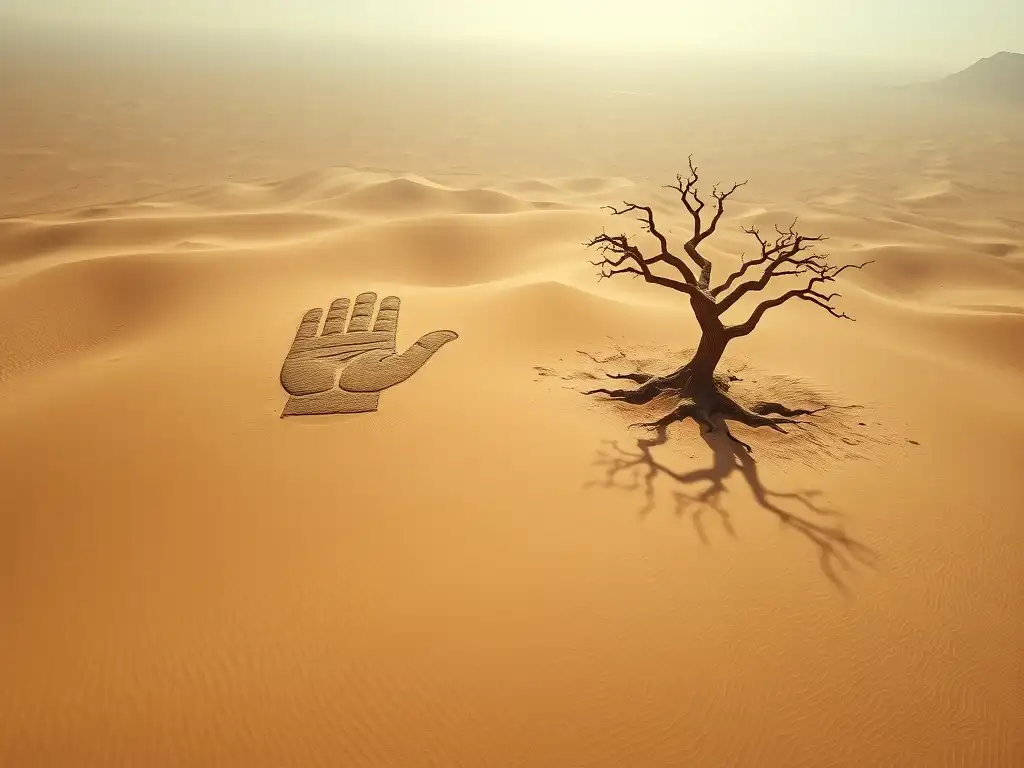
The Nazca Lines, famed for their intricate designs visible only from the air, include a fascinating subset: the hand and tree geoglyphs. Unlike the more widely known animal and geometric figures, these particular designs are less frequently discussed, adding to their mystique. Pinpointing their exact location requires a nuanced understanding of the Nazca desert's geography and the challenges involved in surveying this vast and delicate landscape.
Precise GPS coordinates are often kept confidential to protect the geoglyphs from damage and unauthorized access. However, we can explore the general areas where these unique Nazca lines hand and tree geoglyphs are found.
Specific Areas Where These Geoglyphs Are Found
While a comprehensive, publicly accessible map detailing the precise location of every hand and tree geoglyph is unavailable, research suggests they are concentrated within specific zones of the Nazca desert. These areas generally lie slightly removed from the most densely populated regions of the famous animal and geometric figures. This dispersion may reflect different periods of creation or perhaps a purposeful separation in the design process. Some researchers believe that the hand and tree geoglyphs might be situated along ancient pathways or water sources, suggesting a possible functional or ceremonial significance beyond their purely artistic value. Further investigation is needed to uncover more precise locations and fully understand the spatial distribution of these intriguing forms. More detailed mapping and archaeological surveys, coupled with advanced remote sensing technologies, are vital to a more complete understanding of their placement. The ongoing research efforts by various institutions contribute to slowly unveiling these secrets.
Further Research Needs
The lack of readily available, precise coordinates for these geoglyphs highlights the need for further research. This research should not only focus on mapping but also on understanding the environmental context of these sites, including soil composition, water availability, and potential connections to other archaeological features in the surrounding area. This would help establish a complete picture of the cultural context of these Nazca lines hand and tree geoglyphs.
Differences in Location Compared to Other Nazca Lines
The placement of the hand and tree geoglyphs differs significantly from the more prominent animal and geometric figures in several ways. Firstly, they are often found in less accessible areas, tucked away in parts of the desert less frequently visited by researchers and tourists. This contrasts with the more centrally located and readily visible animal figures, such as the hummingbird or monkey. Secondly, the size and scale also vary.
The hand and tree geoglyphs tend to be smaller and less elaborate than some of the larger animal representations. This difference in scale may suggest a different purpose or a different level of importance within the broader Nazca cosmology. Furthermore, the orientation of the hand and tree figures in relation to the surrounding landscape appears less aligned with the cardinal directions compared to some of the larger Nazca lines. This suggests a possibly different set of astronomical or ceremonial considerations during their creation.
Analyzing these differences provides crucial insights into the potential variations in cultural practices and beliefs associated with the creation of these enigmatic designs. The study of their distribution offers valuable clues to understanding the broader patterns and possible meanings behind the Nazca Lines. The contrast in location further underscores the complexity and diversity of the Nazca artistic expression.
Comparison: Nazca Hands and Tree Geoglyphs vs. Animal Figures
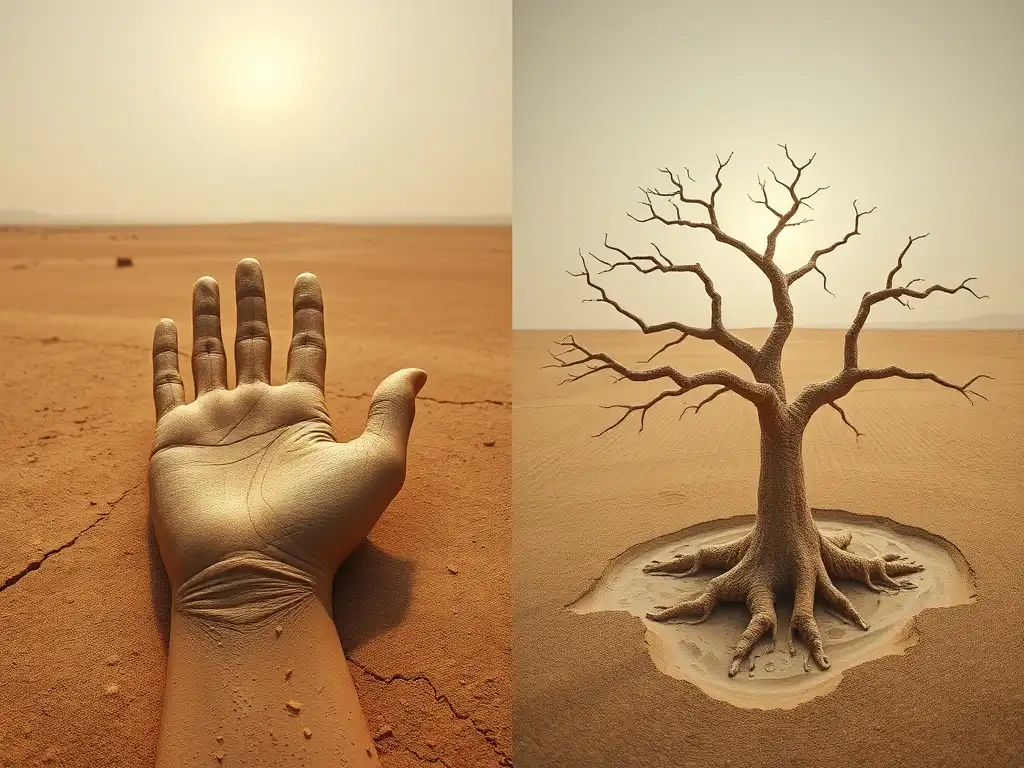
This section delves into a comparative analysis of the Nazca Lines, specifically focusing on the less-renowned hand and tree geoglyphs and contrasting them with the more famous animal figures. While the iconic hummingbird, monkey, and lizard designs often steal the spotlight, the hands and trees offer unique insights into Nazca artistry and societal values. Understanding these differences helps us build a more complete picture of the Nazca culture and their remarkable achievements in geoglyph creation. The analysis will cover design complexity, size and scale, and the techniques employed in their construction.
Contrasting the Complexity of Designs
The animal figures of the Nazca Lines are generally characterized by their intricate detail and representational accuracy. Consider the hummingbird: its delicate beak, slender body, and outstretched wings are meticulously rendered, showcasing a high degree of artistic skill and observation of nature. In contrast, the Nazca hands and trees, while impressive in their scale, exhibit a comparatively simpler design aesthetic.
The hands, for example, are often depicted in a stylized manner, lacking the nuanced detailing found in the animal figures. Similarly, the tree geoglyphs are characterized by their geometric, almost schematic representations, rather than a detailed botanical portrayal. This difference in complexity suggests a potential distinction in purpose or symbolic meaning.
Perhaps the animal figures served a more elaborate ritual or storytelling function, while the hands and trees held a different, possibly more symbolic or less narrative-based, significance. Further research is needed to fully understand the nuances of these stylistic choices. The simpler designs might also reflect different artistic traditions within the Nazca culture or variations in skill levels across different groups of artisans.
Comparing the Size and Scale
While the animal figures vary significantly in size, many of the most celebrated examples are quite large, often spanning hundreds of feet. This grand scale contributes to their visual impact and reinforces their monumental character. However, the Nazca hands and trees also occupy considerable ground space, though their size may differ from the animal figures.
While precise measurements for all geoglyphs are not uniformly available, [specific size data pending], anecdotal evidence and photographic analysis suggest that some of the tree geoglyphs are comparable in size to the smaller animal figures. The hands, while varying in size, generally follow a similar pattern of notable scale, demonstrating a deliberate effort to create large-scale designs even for those that aren't as visually complex.
This suggests that size itself held significant cultural importance, regardless of the specific design. The sheer scale of both the complex and simpler geoglyphs underscores the Nazca's impressive engineering capabilities and their commitment to large-scale public art.
Analyzing the Techniques Used for Creation
The creation of all Nazca geoglyphs involved the removal of the dark reddish-brown surface layer of the desert to expose the lighter subsoil. This technique, however painstaking, is consistent across the various designs. [Data on specific tool use pending], but it's generally believed that simple tools like wooden stakes and possibly some form of rudimentary digging implements were used. However, subtle differences might exist in the execution.
The intricate details of the animal figures may have required more refined techniques and a higher level of precision than the simpler lines of the hands and trees. The more geometric designs of the trees and the bolder strokes of the hands might suggest a faster or less meticulous process. The level of detail needed for the animal figures might also imply a more specialized workforce or a longer period of construction.
Analyzing the soil disturbance patterns around different geoglyphs could provide further clues about the techniques and time investment involved in their creation. The consistent method, however, highlights the unified cultural practice behind the creation of all the Nazca lines, regardless of their subject matter or complexity. Further investigation into the differing levels of detail required and the resulting techniques used would help us understand the organization and skills of the Nazca artisans.
The Preservation and Future of the Nazca Hand and Tree Figures
The Nazca Lines, renowned for their colossal animal and geometric figures, often overshadow the equally fascinating, though less famous, hand and tree geoglyphs. These unique representations, etched into the desert floor centuries ago, face a unique set of preservation challenges demanding immediate attention. Understanding these threats and the ongoing conservation efforts is crucial to safeguarding this invaluable piece of Andean heritage for future generations. The preservation of these "Nazca lines hand and tree geoglyphs," as they are often searched for online, is a complex issue involving both natural and anthropogenic factors.
Challenges in Protecting These Less Famous Geoglyphs
Protecting the Nazca hand and tree geoglyphs presents a unique set of obstacles. Unlike the more widely known animal figures, these often smaller and more dispersed geoglyphs are more vulnerable to various threats. One significant challenge is the erosion caused by the harsh desert environment. Strong winds, infrequent but intense rainfall, and temperature fluctuations contribute to the gradual degradation of the figures. The delicate lines, often just a few centimeters deep, are particularly susceptible to these natural forces. Furthermore, the relatively remote location of many of these geoglyphs makes regular monitoring and maintenance difficult and expensive.
Another pressing concern is human activity. While the main Nazca Lines are protected by a restricted access zone, the less prominent hand and tree figures are often located in areas with less stringent controls. This makes them vulnerable to accidental damage from off-road driving, illegal construction, and even casual trespassing. The impact of human traffic, even on foot, can compact the delicate soil, leading to the blurring and eventual disappearance of the lines.
Furthermore, the lack of public awareness about the significance of these geoglyphs contributes to their vulnerability. Many people may inadvertently damage them without realizing the historical and cultural importance of these unique artifacts. This is particularly true for the tree geoglyphs, which are often mistaken for natural formations.
The lack of comprehensive documentation also poses a significant challenge. Detailed surveys and high-resolution imagery are crucial for understanding the extent of damage and developing effective conservation strategies. However, securing funding and resources for such projects can be difficult, especially for lesser-known sites. This makes it challenging to track the deterioration of the geoglyphs over time and assess the effectiveness of conservation measures.
Research and Conservation Efforts
Despite the numerous challenges, significant research and conservation efforts are underway to protect the Nazca hand and tree geoglyphs. Researchers are employing advanced technologies, such as drones and satellite imagery, to create detailed maps of the geoglyphs and monitor their condition over time. This allows for early detection of damage and the implementation of targeted conservation interventions. Furthermore, ongoing archaeological investigations are providing valuable insights into the creation and meaning of these mysterious figures. This research helps inform the development of appropriate conservation strategies.
Several organizations and governmental bodies are actively involved in conservation efforts. These initiatives often involve collaboration between archaeologists, engineers, and local communities. Community engagement is crucial for long-term success, as it fosters a sense of ownership and responsibility for the preservation of these cultural treasures.
Educational programs aimed at raising public awareness of the significance of the geoglyphs are also being implemented. These programs aim to encourage responsible behavior and discourage damaging activities. The application of sustainable tourism practices is also vital for the long-term preservation of these sites.
This involves carefully managing visitor access, minimizing environmental impact, and ensuring that tourism contributes to the preservation rather than the degradation of the geoglyphs. While much work remains to be done, the combined efforts of researchers, conservationists, and local communities offer hope for the future preservation of these remarkable "Nazca lines hand and tree geoglyphs," ensuring that these enigmatic figures continue to fascinate and inspire future generations.
Understanding the Nazca Culture Through Its Diverse Geoglyphs
The Nazca Lines, famed for their colossal animal figures, represent only a fraction of the geoglyphs etched into the Peruvian desert. While the iconic hummingbird and monkey attract considerable attention, a closer examination reveals a wealth of less-studied imagery, offering a deeper understanding of Nazca culture and worldview. This section focuses on the enigmatic hand and tree geoglyphs, providing insights into their potential meaning and significance within the broader context of Nazca society.
Understanding these lesser-known lines allows us to move beyond the popularized narratives and engage with a more nuanced appreciation of Nazca artistry and its socio-cultural implications. The sheer scale and precision of these creations demand investigation, challenging our assumptions about the capabilities and beliefs of this ancient civilization.
The meticulous planning and execution required to create these geoglyphs speak volumes about the level of social organization and communal effort present in Nazca society. This intricate network of collaboration is further emphasized by the diversity of geoglyphs themselves, suggesting a rich tapestry of beliefs and practices.
The Significance of the Hands and Trees in the Nazca Worldview
The Nazca hands and trees, unlike the often-depicted animals, present a more abstract and symbolic challenge to interpretation. While the animal geoglyphs may represent specific creatures with identifiable features, the hands and trees seem to carry a more profound, possibly ritualistic, significance. Several theories exist regarding their meaning. Some scholars suggest the hands represent a connection to the spiritual realm, perhaps signifying prayer or offerings.
The size and placement of these monumental hands, often found in isolated locations, lends credence to this interpretation. They may have served as focal points for ceremonies or rituals, acting as powerful symbols within the Nazca worldview. The trees, similarly, could symbolize life, fertility, or the connection to the natural world, vital elements for a society reliant on agriculture in a harsh desert environment. The careful precision in their creation suggests a deep reverence for these symbols.
Furthermore, the positioning of these geoglyphs in relation to the surrounding landscape might offer further clues to their intended meaning. [Specific information pending on detailed geographical analysis of hand and tree geoglyph placement]. The combination of hands and trees in certain locations might suggest a complex interplay between the spiritual and the material, highlighting the Nazca's intricate understanding of their environment and their place within it. The juxtaposition of these seemingly disparate symbols points to a sophisticated cosmology that remains partially deciphered.
What the Lesser-Known Lines Tell Us About Nazca Society
The creation of the Nazca lines, including the hands and trees, was a massive undertaking, requiring significant manpower, planning, and coordination. This speaks volumes about the social structure of Nazca society. The intricate organization needed to create these enormous geoglyphs suggests a highly structured society with a centralized authority or a strong system of communal leadership. The precision and scale of the work also imply a level of technical knowledge and sophisticated surveying techniques, far beyond what is often assumed about pre-Columbian societies.
The fact that these geoglyphs were created over centuries, with different styles and features emerging over time, reflects the evolution of Nazca culture and the continuity of their beliefs and practices. Analyzing the variations in style and execution across different geoglyphs can shed light on changes in social organization, technological advancements, and shifts in worldview over time. The sheer number and variety of these geoglyphs, including the lesser-known ones like the hands and trees, demonstrate a vibrant and complex cultural landscape.
The study of these less-famous geoglyphs, therefore, is crucial for a more complete and accurate understanding of the Nazca civilization, moving beyond the iconic imagery to a more nuanced and comprehensive interpretation of their beliefs, practices, and social organization. The Nazca lines hand and tree geoglyphs, therefore, are not merely artistic expressions; they are invaluable historical documents offering a glimpse into the richness and complexity of a remarkable ancient civilization. Further research, including [specific information pending on advanced imaging techniques and archaeological excavations], is needed to fully unlock the secrets these enigmatic symbols hold.
Frequently Asked Questions
What are the Nazca Lines?
The Nazca Lines are a collection of geoglyphs created by the Nazca culture in southern Peru. These massive figures etched into the desert floor depict animals, plants, and geometric shapes, including the lesser-known hand and tree geoglyphs. They are best viewed from the air.
What are the "hand" and "tree" geoglyphs specifically?
The "hand" and "tree" geoglyphs are two examples of the lesser-known figures within the larger Nazca Lines complex. They are distinct from the more famous animal geoglyphs, showcasing different artistic styles and potentially symbolic meanings. Their precise purpose remains a mystery.
Why are the hand and tree geoglyphs considered "lesser-known"?
Unlike the iconic hummingbird or monkey geoglyphs, the hand and tree designs receive less attention and research. This is likely due to their size, location, or the overall focus on the more visually striking animal figures within the Nazca Lines. They are still significant parts of the overall complex.
What is the significance of the hand and tree geoglyphs?
The meaning of these geoglyphs is still debated by scholars. Some theories suggest they held ceremonial or ritualistic significance, potentially related to water sources or fertility. Further research is needed to fully understand their purpose.
How can I learn more about the Nazca Lines' hand and tree geoglyphs?
You can explore academic journals and archaeological publications focusing on the Nazca culture. Visiting museums with artifacts from the Nazca region and taking a guided tour over the Nazca Lines themselves can also provide valuable insights into these enigmatic figures.
Final Reflection: Unveiling the Whispers of the Nazca Desert
The enigmatic Nazca Lines continue to captivate us, but beyond the iconic hummingbird and monkey, lie untold stories etched into the Peruvian sands. These lesser-known geoglyphs, particularly the hands and trees, offer a profound glimpse into a civilization's artistry and worldview, challenging our preconceived notions of ancient Andean culture. Their preservation and ongoing study are crucial to understanding a complex past.
The impact of these discoveries extends beyond the realm of archaeology; they force us to reconsider our understanding of ancient societies and their capacity for artistic expression and complex social structures. The sheer scale and precision of these geoglyphs, often overlooked in favor of the more famous figures, speak volumes about the dedication and ingenuity of the Nazca people. The desert holds secrets whispered on the wind, secrets only those who listen closely can hear.
This sentiment perfectly encapsulates the awe-inspiring mystery surrounding these ancient creations, and the ongoing quest to decipher their meaning.
Consider the implications of these findings. What can we learn from a civilization that invested so much time and effort in creating these monumental works of art? What does their preservation teach us about our responsibility to protect our cultural heritage?
I urge you, dear reader, to delve deeper into the world of the Nazca Lines, to explore the lesser-known geoglyphs, and to reflect on the enduring power of human creativity and the enduring mysteries of our past. Let these ancient hands and trees inspire you to seek out the hidden stories that surround us, and to appreciate the rich tapestry of human history.
Unveil the Mysteries of Nazca: Take Action Today!
Thank you for exploring the captivating world of the Nazca Lines! You've uncovered intriguing insights into this ancient civilization and their remarkable artistry. Now, let's turn that knowledge into action and delve deeper into these mysteries!
- **Embark on an adventure! ** Plan a trip to Peru to witness the grandeur of the Nazca Lines firsthand. The experience is truly unforgettable.
- **Share your discoveries! ** Tell your friends and family about the fascinating Nazca Lines—these incredible cultural treasures deserve to be known by all.
- **Join a community! ** Connect with fellow history enthusiasts or join a local tour group to learn more about the rich history of Andean civilizations and their lasting contributions to our world.
What aspect of the Nazca Lines most captivates your imagination? Share your thoughts below!