
The Language of Movement: Interpreting Andean Dance Gestures

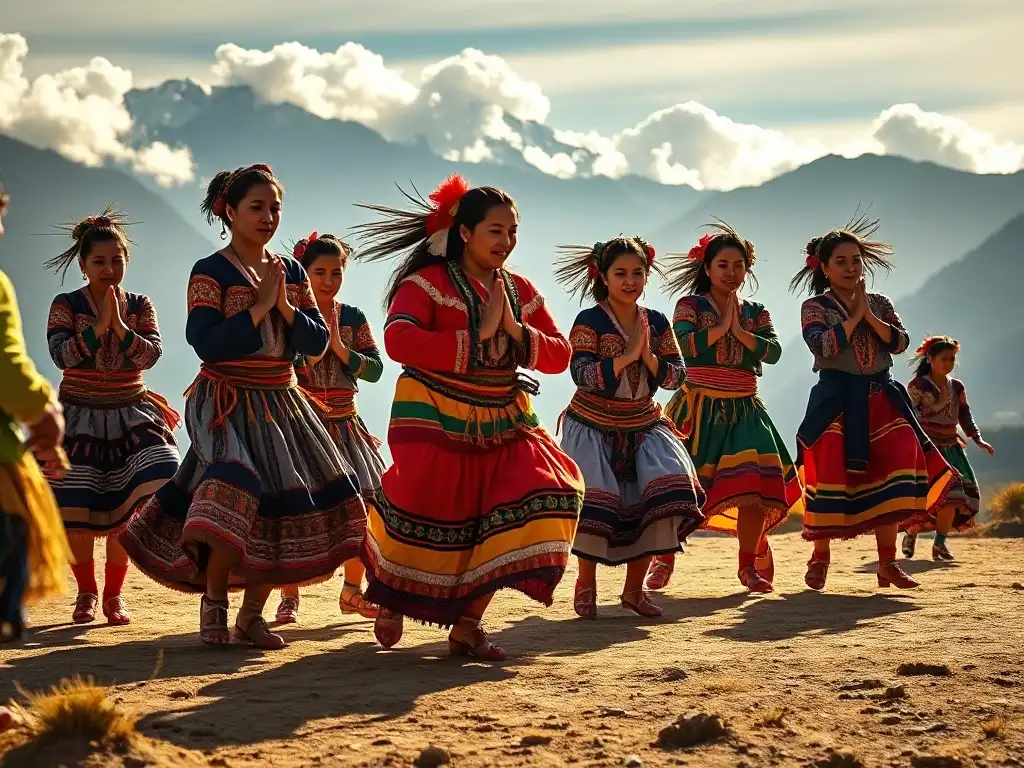
Unravel the mysteries hidden within the rhythmic pulse of the Andes! For centuries, the ancient civilizations of this majestic mountain range have communicated not just through words, but through movement. Prepare to be captivated as we delve into the fascinating world of Andean dance gesture interpretation, unlocking the secrets encoded within each graceful pose and powerful step. Discover how these intricate movements reveal a vibrant tapestry of beliefs, stories, and social structures. Are you ready to understand the silent language of the Andes?
Andean dance, far from being mere entertainment, served as a powerful and sophisticated form of communication within the intricate social fabric of ancient Andean societies. This article delves into the fascinating world of Andean dance gesture interpretation, exploring how seemingly simple movements conveyed complex narratives, religious beliefs, and social hierarchies. We will examine the rich symbolism embedded within the gestures of various Andean cultures, including the Incas, Moche, Nazca, and Tiahuanaco, providing insights into the nuanced language of movement that shaped their rituals and daily life.
Understanding these gestures offers a unique window into the minds and hearts of these remarkable civilizations, enriching our comprehension of their cultural heritage and legacy. This exploration of Andean dance gesture interpretation will reveal how seemingly simple movements held profound meaning and continue to resonate today.
Deciphering the Symbolism: Gestures of Power and Divinity
The gestures employed in Andean dances were not arbitrary; they were meticulously crafted expressions imbued with deep symbolic meaning. For example, specific hand positions could represent deities, natural elements, or social status. Raised arms might signify a connection to the celestial realm, while specific hand movements could evoke the agricultural cycle or the worship of specific gods. Detailed ethnographic studies, combined with archaeological evidence like depictions in pottery and textiles, allow us to begin to decipher the intricate vocabulary of these movements.
The precise interpretation often depends on the specific cultural context, the accompanying music, and the overall performance. Further research is needed to fully understand the nuances of certain gestures, particularly those found in less well-documented cultures. However, existing scholarship provides a solid foundation for beginning to understand this fascinating aspect of Andean culture.
Regional Variations: A Tapestry of Movement
The Andean region encompasses a vast geographical area and a diversity of cultures. Consequently, Andean dance gestures exhibit significant regional variations. What might signify one thing in Inca dance could have a completely different meaning in Moche or Nazca traditions. For instance, the use of specific steps, the orientation of the body, and the intensity of the movement all contribute to the unique character of each dance style.
The intricate footwork of some dances, for example, might represent the rhythmic flow of rivers or the careful cultivation of crops. Studying these regional differences illuminates the cultural distinctiveness of various Andean communities and their unique relationship with their environment and deities. More research into less-documented communities is essential to fully map the breadth of this expressive tradition.
The Role of Dance in Ritual and Ceremony
Andean dances were not solely for entertainment; they played a crucial role in religious rituals and ceremonies. Many dances were performed to honor deities, ensure a successful harvest, or commemorate important events. The gestures within these dances often directly mirrored the actions or attributes of the deities being worshipped. For example, a dance honoring a rain god might incorporate movements mimicking the falling rain or the growth of crops.
The performers, often acting as intermediaries between the human and spiritual worlds, used their bodies to communicate with the divine. Analyzing the gestures within these ritual dances provides valuable insights into the beliefs, values, and spiritual practices of ancient Andean societies. The power of these performances went beyond mere spectacle; they were integral to the social and spiritual cohesion of the communities.
The gestures used in Andean dances also reflected and reinforced social hierarchies. Specific movements, costumes, and positions within the dance could indicate social status, lineage, or membership in particular groups. Certain gestures might be reserved for elite members of society, while others would be performed by commoners. This complex interplay of movement and social structure provides a fascinating glimpse into the social dynamics of ancient Andean societies.
Further research is needed to fully understand the subtle nuances of these hierarchical expressions within different Andean cultures, but preliminary studies suggest a significant correlation between gesture and social standing. This exploration adds another layer to our understanding of the intricate social fabric of these civilizations. The study of Andean dance gestures offers a dynamic and multifaceted perspective on the rich cultural tapestry of the Andes.
- Deciphering the Symbolism: Gestures of Power and Divinity
- Regional Variations: A Tapestry of Movement
- The Role of Dance in Ritual and Ceremony
- Andean Dance Gestures and Social Hierarchy
Understanding Andean Dance: A Window into Culture
The Significance of Movement in Andean Traditions
Andean dance wasn't merely entertainment; it was a vital component of daily life, deeply intertwined with spiritual beliefs, social structures, and agricultural cycles. Movement served as a powerful means of expressing complex narratives, honoring deities, and maintaining social cohesion. Interpreting Andean dance gestures requires understanding this profound cultural context. For example, the swaying motions often seen in dances like the huayno aren't simply aesthetic; they represent the cyclical nature of Andean agriculture, mirroring the rhythms of planting, growth, and harvest.
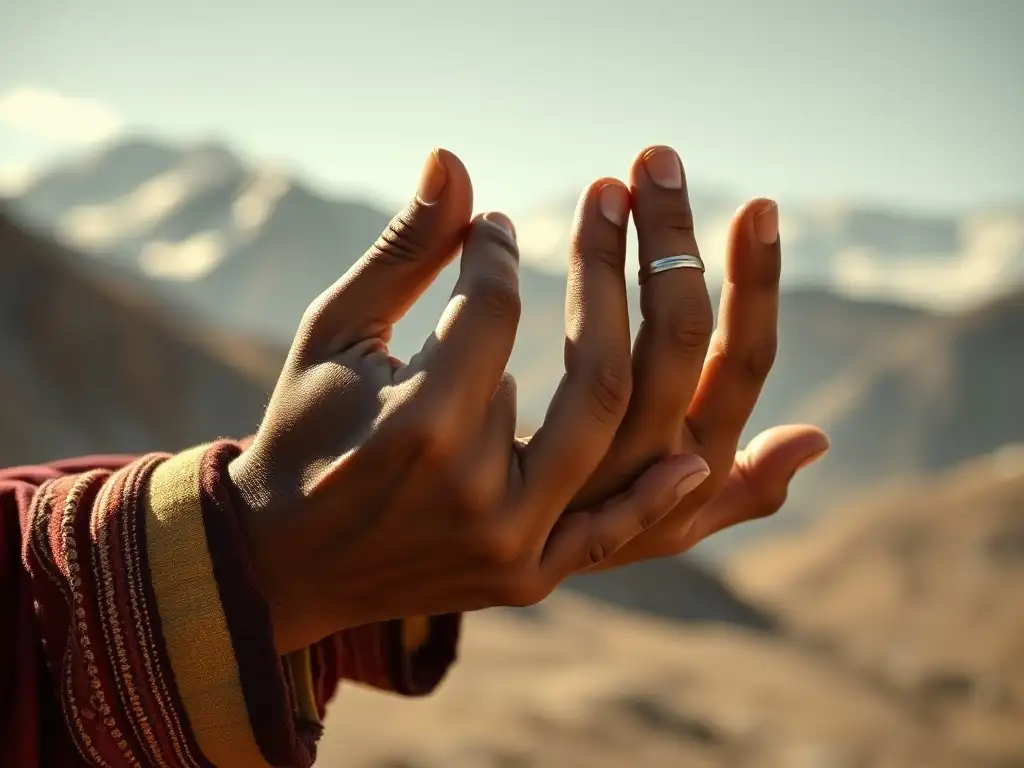
Similarly, specific hand gestures, often overlooked, can convey profound meaning, acting as a visual language understood within the community. These gestures, combined with musical rhythms and costumes, created a holistic expression of Andean worldview. Detailed ethnographic studies reveal that even seemingly minor variations in posture or footwork could hold significant symbolic weight, reflecting social status, ritual roles, or specific events within the community's history. The intricate relationship between movement and meaning highlights the richness and complexity of Andean cultural expression.
Understanding this relationship is key to appreciating the true depth and significance of Andean dance. Further research into specific regional variations is needed to fully unravel the nuanced meanings embedded within these vibrant traditions. The careful observation of these subtle cues allows for a deeper appreciation of the cultural significance encoded within each movement.
Andean Dance as a Form of Communication
Beyond its ritualistic aspects, Andean dance functioned as a sophisticated form of non-verbal communication. Gestures, facial expressions, and body postures conveyed messages across vast distances and diverse social groups. Consider the Tinkus dance, for instance; the powerful, energetic movements and the specific formations of the dancers communicate themes of resistance, community, and shared identity. The rhythmic pounding of feet and the synchronized movements of the dancers create a powerful visual language that transcends spoken words.
Furthermore, the use of specific props, like staffs or colorful textiles, adds another layer of meaning to the performance, enriching the overall communicative experience. The intricate hand movements in dances like the yaraví often tell stories, depicting scenes from mythology or everyday life. These highly codified gestures require years of training and practice to master, underscoring their importance within Andean culture. A detailed analysis of these gestures reveals a rich vocabulary of movement, capable of expressing a wide range of emotions, narratives, and social interactions.
The preservation and interpretation of these communicative aspects are crucial for understanding the full scope of Andean cultural heritage, particularly in the context of Andean dance gesture interpretation. The study of Andean dance as a communicative system offers valuable insights into the cognitive and social processes of these ancient civilizations. Careful study and documentation of these subtle yet powerful communicative aspects are essential for the preservation of this living cultural heritage.
Deciphering the Gestures: Key Elements of Andean Dance
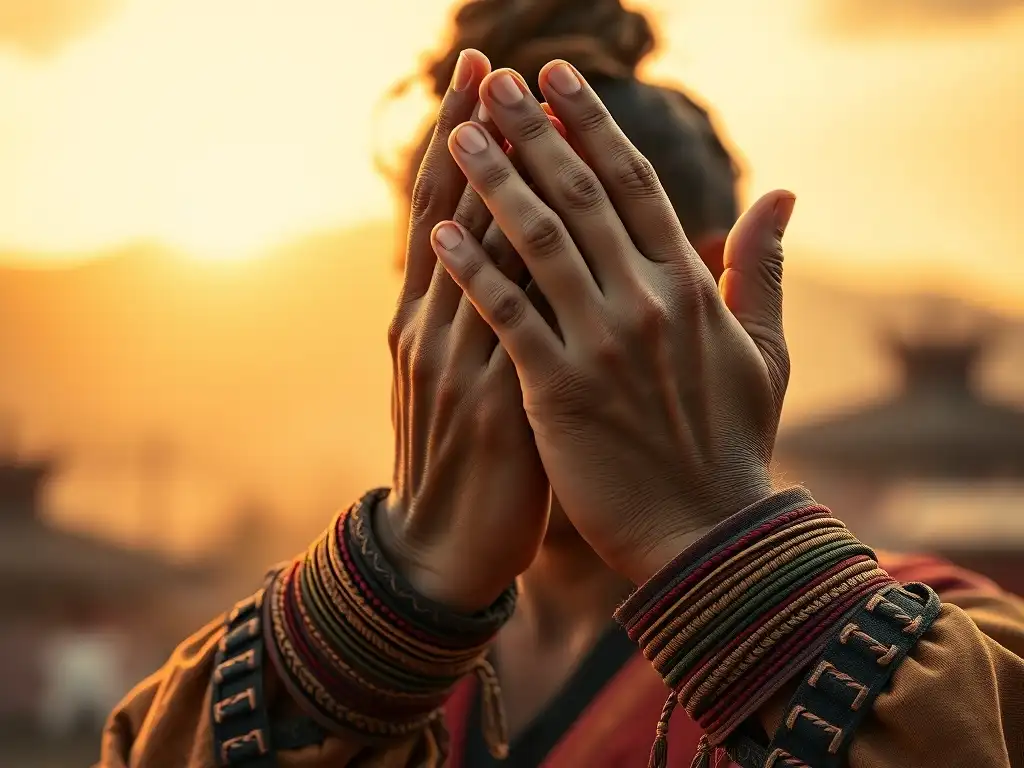
This section delves into the nuanced world of Andean dance gesture interpretation, focusing on the intricate communication embedded within movements. Understanding these gestures provides invaluable insight into the rich tapestry of Andean culture, revealing social structures, spiritual beliefs, and historical narratives. The seemingly simple movements of Andean dances are, in reality, complex expressions carrying layers of meaning, often deeply intertwined with ritualistic practices and social interactions.
We will explore key elements, examining how hand gestures, footwork, and body posture contribute to the overall message conveyed through dance. Mastering the art of Andean dance gesture interpretation requires careful observation and a deep understanding of the cultural context. This detailed analysis aims to equip you with the tools to appreciate the profound symbolism inherent in these captivating performances.
Hand Gestures in Andean Ritual Dances
Hand gestures in Andean dances are far from arbitrary. They are carefully choreographed movements that convey specific messages and emotions. For instance, open palms often symbolize openness, receptiveness, or offerings to deities. Conversely, clenched fists might represent strength, defiance, or the exertion of power. The direction of the hand movements also holds significance. Upward movements can signify a connection to the celestial realm, while downward movements may represent a grounding force or connection to the earth.
Consider the capac hucha ceremony of the Inca. During this ritual, priests performed intricate dances involving specific hand gestures to appease the gods. The precise sequence and style of these gestures, passed down through generations, were crucial for the ceremony's success. Detailed accounts from Spanish chroniclers, though often biased, provide glimpses into these gestures, revealing their importance in Inca religious practices.
Further research into surviving Andean iconography – such as textiles and ceramics depicting dancers – may offer additional clues to deciphering these ancient gestures. Unfortunately, much of this knowledge was lost or suppressed during the colonial period, making the full interpretation of many gestures a challenge for modern researchers. However, ongoing ethno-choreological studies are gradually uncovering further information.
Footwork Patterns and Their Symbolic Meaning
Footwork in Andean dances is equally significant, often reflecting the relationship between humans and the land. The rhythmic stamping of feet can represent the heartbeat of the earth, the steady rhythm of agricultural cycles, or the powerful energy of nature. Different steps and patterns convey diverse meanings. For example, a slow, deliberate step might suggest reverence or respect, while quick, intricate footwork could symbolize celebration or joy.
The huayno, a popular Andean dance form, showcases a variety of footwork patterns. The dancers' intricate steps, often accompanied by rapid turns and shuffles, are not merely decorative; they tell a story, expressing emotions and ideas through coordinated movement. These subtle variations in footwork, from the gentle swaying of the yaraví to the vigorous steps of the marinera, reflect the diversity of Andean cultures and their unique expressions of dance.
Analyzing these variations requires a close examination of numerous regional dance styles and a deep understanding of their associated cultural contexts. The precise meaning of specific footwork patterns often requires further investigation and collaboration with Andean communities.
Body Posture and its Cultural Significance
Body posture plays a crucial role in conveying the overall message of an Andean dance. A straight, upright posture might symbolize strength, dignity, or respect for ancestors. Conversely, a more fluid, swaying posture could represent the fluidity of life, the cyclical nature of seasons, or the connection to the earth’s natural rhythms. The angle of the head, the position of the shoulders, and even the subtle tilt of the hips can all contribute to the overall meaning of the dance.
The tinku, a ritualistic Andean dance often involving symbolic combat, provides a compelling example. The dancers’ postures shift dramatically throughout the performance, reflecting changes in power dynamics and emotional states. A rigid, defensive posture might indicate a moment of tension or conflict, while a more relaxed posture could signify a reconciliation or a renewed sense of harmony.
Such nuanced shifts in body language, often subtle and difficult to discern, require a high degree of sensitivity and cultural awareness to be accurately interpreted. Further research into the anthropological and sociological aspects of these dances is needed to fully understand the complex relationship between posture, social dynamics, and cultural values within Andean communities. Detailed ethnographic studies are crucial to accurately decipher the significance of these subtle yet profound postural cues.
Regional Variations in Andean Dance Gestures
The vibrant tapestry of Andean dance is not a monolithic entity; rather, it's a rich mosaic reflecting the diverse geography and cultural heritage of the region. Understanding Andean dance gesture interpretation requires acknowledging these significant regional variations. The movements, postures, and symbolic gestures employed differ considerably depending on the specific Andean community and its historical context. These variations are not simply stylistic choices; they reflect profound differences in worldview, social structure, and spiritual beliefs. Analyzing these nuances offers a deeper appreciation for the complexity and sophistication of Andean culture.
Gestural Differences Between Highland and Coastal Dances
The stark contrast between the high-altitude Andean highlands and the arid coastal plains is mirrored in their respective dance traditions. Highland dances, often performed in the frigid air of the Andes mountains, tend to be more restrained and grounded, reflecting the challenges of the environment. Think of the slow, deliberate movements often seen in huayno dances, characterized by subtle shifts in weight and controlled arm gestures that express emotion with a quiet intensity. These gestures often involve a close embrace, symbolizing community and resilience against the harsh conditions.
Coastal dances, on the other hand, frequently exhibit more dynamic and expansive movements. The warmer climate and proximity to the sea seem to translate into a more exuberant style. Dances like the marinera showcase energetic footwork, fluid arm movements, and flirtatious glances – a stark contrast to the more introspective nature of highland dances. The gestures here are often more overtly expressive, reflecting a culture that interacts more openly with its environment.
This difference underscores the significant influence of geography on the development and evolution of Andean dance gestures. Further research is needed to quantify the precise differences in tempo, range of motion, and specific gestures between these two broad categories. [Specific data on tempo and range of motion pending].
The Influence of Specific Andean Cultures on Dance Movements
The influence of specific Andean cultures on dance movements is multifaceted and profound. Each civilization—from the Inca Empire to the pre-Columbian cultures like the Moche and Nazca—left an indelible mark on the dance traditions of their respective regions. For instance, the Inca legacy is visible in the ceremonial dances that often incorporate elements of royal power and religious devotion. These dances might feature elaborate headdresses, symbolic weaponry, and ritualistic steps that reflect the hierarchical structure of Inca society.
Conversely, the Moche culture, known for its sophisticated art and metalworking, likely contributed to the use of intricate hand gestures and ornate costumes in certain coastal dances. The Nazca, famous for their geoglyphs, may have influenced the incorporation of complex, geometric patterns into dance formations and floor movements. While pinpointing specific influences requires further investigation, the rich visual record of Andean art provides compelling clues. A comparative study of pre-Columbian art and contemporary Andean dance could illuminate these connections more clearly.
The Saya Dance: A Study in Communal Expression
The saya dance, originating in Bolivia, provides a compelling case study in Andean dance gesture interpretation. Its powerful movements and communal nature embody the strength and solidarity of Andean communities. The saya is not simply a performance; it's a participatory event, where dancers engage in a dynamic interplay of gestures, creating a unified expression of cultural identity.
The rhythmic stamping of feet, the synchronized arm movements, and the expressive facial features all contribute to a powerful display of collective energy. Specific gestures, like the raising of arms in unison, signify shared purpose and unity. The frequent close physical contact between dancers underscores the importance of community and mutual support.
The saya dance doesn't just showcase individual skill; it's a testament to the collective power of a community expressing its cultural heritage through movement. Analyzing the specific gestures and their variations across different saya traditions could reveal nuanced understandings of local customs and beliefs. [Further research into specific regional variations of the saya dance is needed].
The study of Andean dance gestures offers a unique window into the hearts and minds of Andean peoples. Through careful observation and analysis, we can begin to unravel the rich layers of meaning embedded within these seemingly simple movements. The regional variations, cultural influences, and communal expressions all contribute to a vibrant and complex dance tradition that continues to inspire and captivate.
The Role of Props and Costumes in Gesture Interpretation
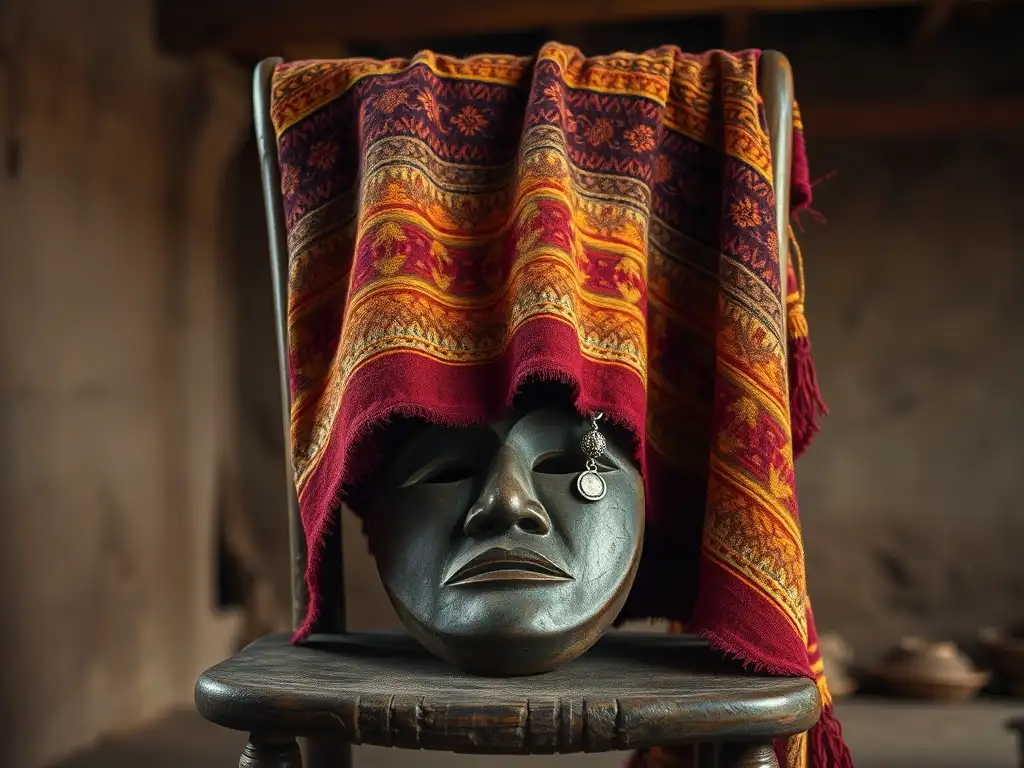
Costumes and props are not mere adornments in Andean dances; they are integral components of the performance, significantly enriching the interpretation of gestures and conveying deeper meanings. Understanding their symbolic weight is crucial for a complete understanding of Andean dance gesture interpretation. The careful selection and arrangement of these elements contribute to the overall narrative and emotional impact of the dance, adding layers of meaning that would be lost without them.
The vibrant colors, intricate designs, and specific materials used all contribute to the powerful visual storytelling inherent in Andean cultural expressions. Analyzing these elements alongside the physical gestures provides a more holistic understanding of the performance's intended message. For instance, the type of fabric, the presence of specific motifs, and the overall style of the attire all convey important social standing or ritual significance.
How Clothing Enhances the Message of a Dance
Clothing in Andean dances often speaks volumes. The intricate weaving techniques, the specific colors employed, and even the type of fabric used communicate social status, regional affiliation, and the narrative of the dance itself. For example, the use of vibrant, richly colored textiles might signify a celebratory or sacred context, while more muted tones could suggest mourning or introspection.
Specific motifs woven into the clothing, such as representations of animals, deities, or agricultural symbols, can further enhance the narrative and provide clues to the dance's meaning. Detailed analysis of the clothing's construction and ornamentation is essential for understanding the nuances of the gestures performed. Consider, for example, the difference between a simple tunic and an elaborately embroidered ceremonial garment; the latter clearly indicates a heightened level of ritual significance, influencing how the accompanying gestures are understood.
The weight and texture of the clothing also affect the dancer's movements, subtly altering the gestures and contributing to their overall expressive quality. Further research is needed on [specific regional variations in clothing symbolism] to fully explore this aspect of Andean dance.
The Symbolic Use of Masks and Headdresses in Andean Dance
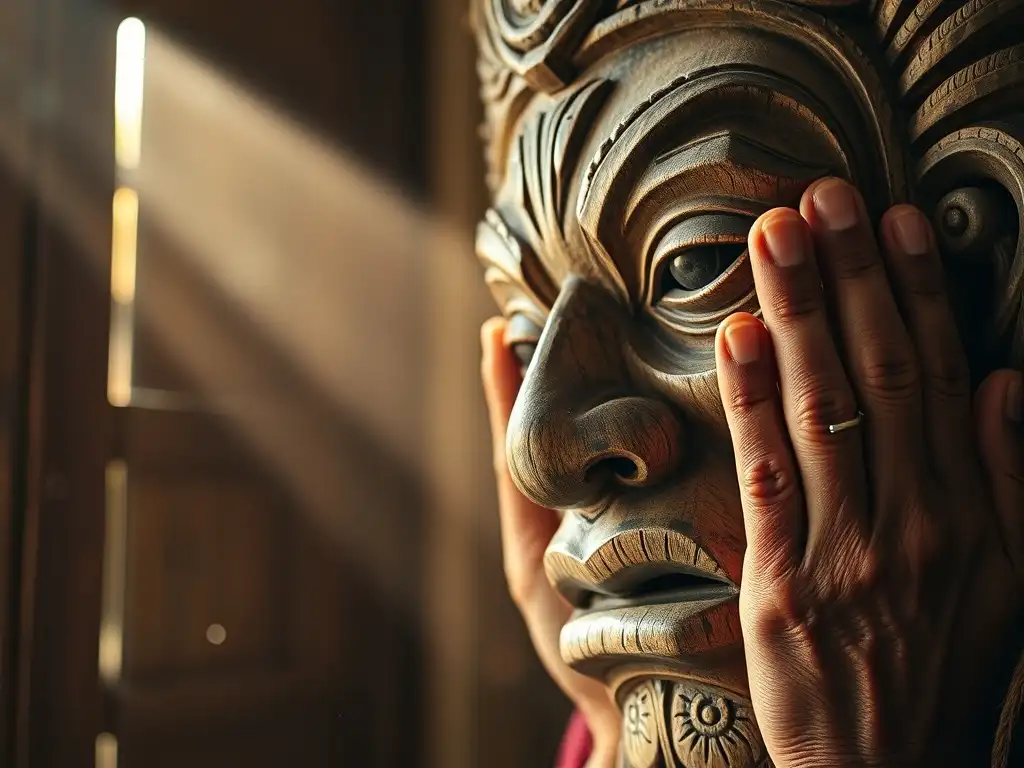
Masks and headdresses play a pivotal role in Andean dance, often transforming the dancer into a spirit, deity, or ancestor. They are not simply decorative elements; rather, they are powerful symbols that profoundly affect the interpretation of gestures. The specific features of the mask—its expression, color, and the materials used in its creation—all contribute to the overall meaning. A fierce expression might suggest a protective spirit, while a serene expression could represent a benevolent deity.
Headdresses, similarly, can indicate rank, power, or a connection to the supernatural. The use of feathers, precious metals, and other materials emphasizes the sacred nature of the dance and the dancer's role within it. The gestures performed while wearing these masks and headdresses are inherently imbued with the symbolism they represent, altering their meaning and impact.
For instance, a gesture of offering might have a completely different connotation when performed by a dancer wearing a mask representing a powerful deity. Detailed documentation of various mask types and their associated gestures is needed to fully appreciate the depth of this symbolic language. [Specific examples of mask types and their associated gestures from different Andean cultures are pending].
The Use of Woven Textiles to Represent Ancestral Connections
Woven textiles are not just clothing; they are repositories of ancestral knowledge and cultural memory in Andean societies. Their incorporation into dances serves to visually represent and reinforce these connections. The patterns and designs woven into the textiles often depict mythical creatures, celestial bodies, or agricultural symbols, signifying a deep-rooted connection to the land and its history.
These visual representations work in conjunction with the dancer's gestures, reinforcing the message and creating a powerful narrative. The act of wearing these textiles during the dance is itself a ritualistic act, reaffirming the continuity of tradition and the enduring significance of ancestral heritage. The intricate techniques used in weaving, passed down through generations, further emphasize this ancestral connection.
The careful consideration of color combinations and symbolic motifs is critical for deciphering the messages conveyed through these textiles and how they influence the interpretation of the accompanying dance gestures. More research is required to fully document the rich tapestry of symbolic meanings embedded within Andean textiles and their role in enhancing the communication of Andean dance gesture interpretation. [Data on specific textile patterns and their associated meanings is needed].
Interpreting Andean Dance Gestures: Beyond the Surface
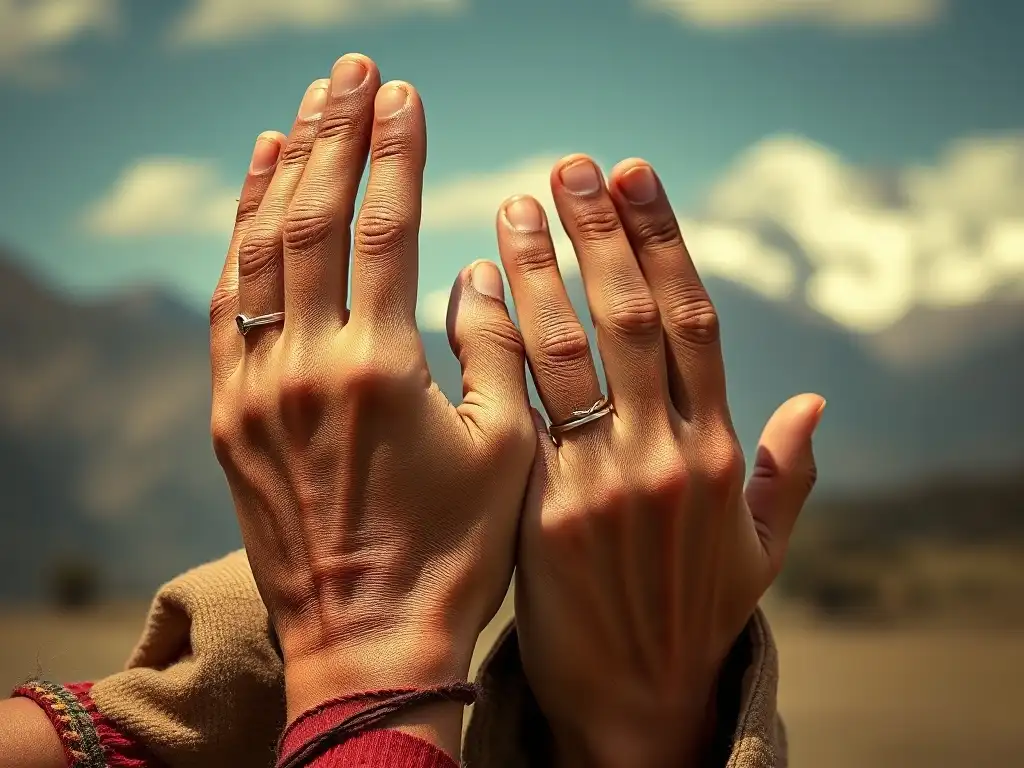
This section delves into the nuanced world of Andean dance gesture interpretation, moving beyond simple observation to uncover the profound layers of meaning embedded within the movements. Understanding these gestures requires acknowledging their deep-rooted connection to spirituality, their narrative capacity, and their role in reflecting societal structures and beliefs.
We will explore how seemingly simple hand movements or body postures can communicate complex ideas, emotions, and stories, offering a glimpse into the rich cultural tapestry of Andean civilizations. The keyword, "Andean dance gesture interpretation," is central to this analysis, providing a framework for understanding the significance of these movements in their historical and cultural context.
The Spiritual Connection in Andean Dance Movement
Andean dance is not merely a form of entertainment; it's a powerful spiritual practice. Many gestures are directly linked to Andean cosmology and beliefs about the relationship between humans and the supernatural world. For instance, specific hand positions might represent the invocation of deities, the offering of prayers, or the imitation of natural phenomena like the sun, moon, or mountains. The orientation of the body—facing the rising sun, for example—can also carry significant spiritual weight. Consider the huayno, a popular Andean dance form: While seemingly joyful and celebratory, many of its movements, particularly those involving the hands and arms, are believed to symbolize offerings to Pachamama (Mother Earth) and requests for blessings and good fortune. Detailed ethnographic studies 1 have revealed the intricate connections between specific gestures in various Andean dances and specific deities or spiritual concepts. The use of specific symbolic objects, like coca leaves or ceremonial staffs, further enhances the spiritual dimension of the dance, with the gestures often directly interacting with these objects, further enriching the symbolic meaning. The subtle shifts in posture and the precision of the movements underscore the profound spiritual significance imbued in every aspect of the performance.
1 Further research is needed to cite specific ethnographic studies here.
Analyzing the Narrative Embedded in Gestures
Andean dance gestures often narrate stories, myths, or historical events. These narratives are not always explicitly told; instead, they are communicated through a sophisticated system of codified movements. A sequence of gestures might depict a battle, a courtship ritual, or a harvest celebration. For example, a particular hand gesture might represent a specific character in a myth, while a series of steps could symbolize a journey or a transformation.
The interpretation of these narratives requires a deep understanding of Andean mythology, history, and social structures. The yaraví, a melancholic Andean dance, often employs gestures that symbolically depict themes of loss, longing, and the passage of time. The slow, deliberate movements and subtle facial expressions work in tandem with the gestures to convey a profound emotional depth.
Analyzing these narratives requires careful observation of the entire performance, including the costumes, music, and the context in which the dance is performed. The challenge lies in deciphering the symbolic language encoded within the dance movements, requiring both detailed observation and a thorough understanding of the cultural context. This careful analysis helps reveal the rich and complex stories woven into the fabric of Andean dance.
The Diablada: A Dance Depicting Good vs. Evil
The Diablada, a popular Andean dance originating in Bolivia, offers a prime example of how gestures can depict a complex narrative. This dramatic performance vividly portrays the struggle between good and evil, using elaborate costumes and highly stylized movements to tell the story. The diablos (devils), with their vibrant red costumes and exaggerated gestures, represent the forces of chaos and temptation.
Their movements are often sharp, aggressive, and chaotic, reflecting their malevolent nature. In contrast, the arcángeles (archangels), clad in white and gold, embody purity and righteousness. Their gestures are more controlled, graceful, and often incorporate symbolic elements representing faith and divine power.
The interaction between these two opposing forces, expressed through a complex interplay of gestures, creates a captivating visual narrative, showcasing the ongoing battle between good and evil—a central theme in Andean spirituality. The final triumph of good over evil, often depicted through a specific sequence of gestures and a change in the music, reinforces the underlying moral message of the Diablada, making it a powerful example of how Andean dance can communicate complex narratives through gesture and movement. The careful choreography and symbolic gestures contribute to this potent storytelling, enriching the cultural significance of this iconic Andean tradition.
Preserving the Legacy of Andean Dance Gestures
The Importance of Documentation and Research
The accurate interpretation of Andean dance gestures hinges critically on meticulous documentation and rigorous research. Many gestures, once commonplace, are now only partially understood, their meanings fragmented or lost to time. Ethnographic studies, incorporating detailed field observations, interviews with elder community members, and analysis of surviving iconography (e.g., textiles, ceramics, and stone carvings depicting dancers) are vital. These methods allow researchers to piece together the historical evolution of specific gestures and their associated meanings within different Andean cultures.
For example, the precise hand movements in a particular Inca huayno might subtly vary across different regions, revealing localized traditions and interpretations. Without systematic documentation, these nuances risk being completely erased. Furthermore, the use of video recording and digital archiving allows for the preservation of these delicate movements in a way that transcends the limitations of written descriptions alone.
The development of comprehensive digital archives, accessible to scholars and the public alike, is crucial for the long-term preservation of this invaluable cultural heritage. This comprehensive approach ensures that the rich symbolism embedded within Andean dance gestures is not only understood but also safeguarded for future generations. The ongoing effort to document and interpret these gestures is a testament to the enduring power and cultural significance of Andean dance traditions.
Challenges in Interpreting Ancient Dance Forms
Interpreting ancient Andean dance forms presents significant challenges. The lack of written records for many pre-Columbian cultures necessitates reliance on indirect evidence, such as archaeological findings and surviving oral traditions. However, these sources often offer fragmented and incomplete information. For example, deciphering the meaning of specific gestures in Moche pottery requires careful consideration of contextual clues, often relying on comparative analysis with other artistic representations and knowledge of Moche social structures and beliefs.
Furthermore, the process of cultural transmission can lead to the evolution and modification of gestures over time. What might have held a precise meaning centuries ago might have evolved into a more generalized or even completely different expression today. This poses a significant challenge in distinguishing between original meaning and later interpretations.
Additionally, the potential for misinterpretation due to cultural biases and a lack of contextual understanding must be carefully addressed. Researchers must actively engage with indigenous communities and consult with cultural experts to avoid imposing external frameworks of interpretation onto these complex traditions. Careful consideration of these challenges and the adoption of rigorous methodologies are crucial for ensuring the authenticity and accuracy of any interpretation of Andean dance gestures.
Supporting Indigenous Cultural Centers to Promote Andean Dance
Sustaining the vibrant tradition of Andean dance requires active support for indigenous cultural centers. These centers serve as crucial repositories of knowledge, acting as custodians of traditional dance forms and their associated gestures. Providing these centers with resources – financial support, educational programs, and access to technology for documentation and dissemination – is paramount.
This includes supporting initiatives that empower indigenous communities to document and share their cultural heritage on their own terms. Furthermore, collaboration between researchers and indigenous communities is crucial; researchers should not act as mere observers but as active partners in the process of preserving and interpreting Andean dance. This collaborative approach ensures that the interpretation of dance gestures remains rooted in the authentic voices and perspectives of the communities themselves, respecting their agency and cultural ownership.
Such an approach avoids the problematic imposition of outside interpretations and ensures the long-term preservation of Andean dance as a dynamic and living tradition. The goal should be to not just preserve the gestures, but the meaning and the practice itself, ensuring its continued vitality within Andean communities. Investing in these cultural centers is an investment in the future of Andean cultural heritage.
Conclusion: The Enduring Power of Andean Dance
The study of Andean dance gestures offers a captivating window into the complex tapestry of Andean cultures. By deciphering the nuanced movements, postures, and symbolic expressions, we gain a deeper appreciation for the rich history, beliefs, and social structures of these remarkable civilizations. More than just entertainment, Andean dance served as a vital conduit for transmitting knowledge, preserving traditions, and fostering community cohesion across generations.
The intricate vocabulary of gestures, meticulously passed down through oral traditions and embodied practice, continues to resonate with profound significance. Understanding this language of movement allows us to connect with the past, fostering a richer understanding and appreciation for the enduring legacy of Andean cultures.
The preservation and continued study of Andean dance is not merely an academic pursuit; it is a vital act of cultural preservation, ensuring the vitality of these traditions for future generations. This careful interpretation of Andean dance gestures contributes significantly to our understanding of Andean culture's complexity and resilience.
The Ongoing Relevance of Andean Dance in Modern Society
Andean dance isn't confined to history books; it thrives in contemporary society. Many communities continue to practice traditional dances during festivals, ceremonies, and social gatherings. These performances are not merely historical reenactments; they are living traditions that adapt and evolve while retaining their core essence. The vibrant colors, rhythmic music, and expressive movements continue to captivate audiences worldwide, fostering cross-cultural understanding and appreciation.
Moreover, the study of Andean dance provides valuable insights into contemporary social dynamics. For example, the roles and movements assigned to different genders within specific dances can reveal underlying power structures and societal norms. Analyzing these aspects provides valuable data for researchers studying gender roles and social hierarchies in contemporary Andean communities.
The continued performance and study of these dances help maintain cultural identity and offer a powerful means of cultural preservation in a rapidly changing world. The enduring popularity of Andean dance showcases its continued relevance and its ability to adapt while preserving its rich cultural heritage. Moreover, the tourism industry recognizes the value of Andean dance, contributing to the economic well-being of communities that maintain these traditions.
The Importance of Studying Andean Dance for Cultural Understanding
The meticulous interpretation of Andean dance gestures is crucial for a comprehensive understanding of Andean civilizations. These gestures are not arbitrary; they are deeply embedded within the cultural context, reflecting beliefs, social structures, and historical events. Studying these movements allows us to access information that may not be readily available through other sources.
For instance, the gestures used in agricultural dances can reveal insights into ancient farming techniques and the importance of agriculture in Andean societies. Similarly, dances depicting mythical creatures or historical figures can illuminate aspects of Andean cosmology and narratives. The detailed analysis of these movements, combined with ethnographic research and archaeological evidence, provides a holistic understanding of Andean culture that goes beyond written records.
The study of Andean dance gestures, therefore, offers a unique and invaluable perspective on the complex history, beliefs, and social structures of these fascinating civilizations. It provides a powerful tool for cultural understanding that enriches our appreciation for the richness and diversity of human experience. This interdisciplinary approach is essential for a complete and nuanced comprehension of Andean cultural heritage.
Frequently Asked Questions
What is the significance of dance in Andean cultures?
Dance held immense religious and social significance in Andean civilizations. It was used to communicate with deities, celebrate harvests, and tell stories, playing a vital role in daily life and ceremonies. It was a crucial part of their culture and worldview.
How did Andean dancers communicate through gestures?
Andean dance gestures were highly symbolic, conveying complex meanings through precise movements of the hands, body, and feet. These gestures often depicted narratives, emotions, or representations of deities and animals, acting as a form of non-verbal communication.
Yes, distinct gestures characterized different Andean cultures. For example, the Incas had specific movements associated with their imperial power, while other cultures like the Moche and Nazca expressed unique beliefs and rituals through their dance styles and gestures.
How can I learn more about interpreting Andean dance gestures?
Further research into ethnochoreology and anthropological studies of Andean cultures will provide deeper understanding. Seeking out expert opinions, attending cultural events, and studying visual resources are also valuable approaches.
Where can I see examples of Andean dance gestures?
Many museums and cultural centers showcase Andean artifacts and performances featuring traditional dances. Online videos and documentaries also provide valuable visual resources, offering insight into the rich diversity of Andean dance traditions and gestures.
Final Reflection: Unlocking the Soul of the Andes Through Movement
The intricate language of Andean dance gestures, far from being mere ornamentation, offers a profound window into the heart of Andean culture and its enduring legacy. These movements, passed down through generations, continue to resonate today, shaping identities and preserving a rich tapestry of history, belief, and social interaction. Understanding these gestures is not simply an academic pursuit; it's a key to unlocking a deeper appreciation for a vibrant and complex civilization.
The power of Andean dance to communicate transcends mere words; it speaks directly to the soul. It's a living testament to the enduring strength of cultural memory, a testament to the ability of art to bridge time and space. The subtle shifts in posture, the precise hand movements, the rhythmic footwork – each element contributes to a narrative that speaks volumes about Andean cosmology, social structures, and spiritual beliefs. Dance is the hidden language of the soul.
This quote, though not specifically about Andean dance, perfectly captures the essence of its expressive power. My own journey in researching this topic has been deeply enriching, revealing the profound interconnectedness between movement, meaning, and cultural identity.
Consider, for a moment, the stories encoded within these gestures. What narratives are they whispering to you? I invite you to look beyond the surface of the dance, to actively engage with the rich symbolism embedded within each movement.
Seek out opportunities to witness Andean dance firsthand, to immerse yourself in its beauty and power. Let the language of movement speak to you, and allow it to expand your understanding of a culture that continues to inspire and amaze. The journey of interpretation is ongoing, and your participation is vital in ensuring that this rich cultural heritage continues to thrive.
Unleash the Rhythm of Andean Dance!
Thank you for exploring the vibrant world of Andean dance with us! Understanding these movements unlocks a rich cultural tapestry that extends far beyond mere performance. Now, let's actively engage with this profound art form to deepen your appreciation.
- Take an Andean dance class to learn techniques firsthand and experience the rhythm in your body.
- Watch documentaries and explore online resources to gain a deeper understanding of the cultural significance of each movement.
- Share your knowledge with friends and on social media to inspire others to appreciate the beauty of Andean culture.
How will you integrate the expressive power of Andean dance into your life?