
Huari Religion: Unveiling the Gods and Rituals of the Andean Empire

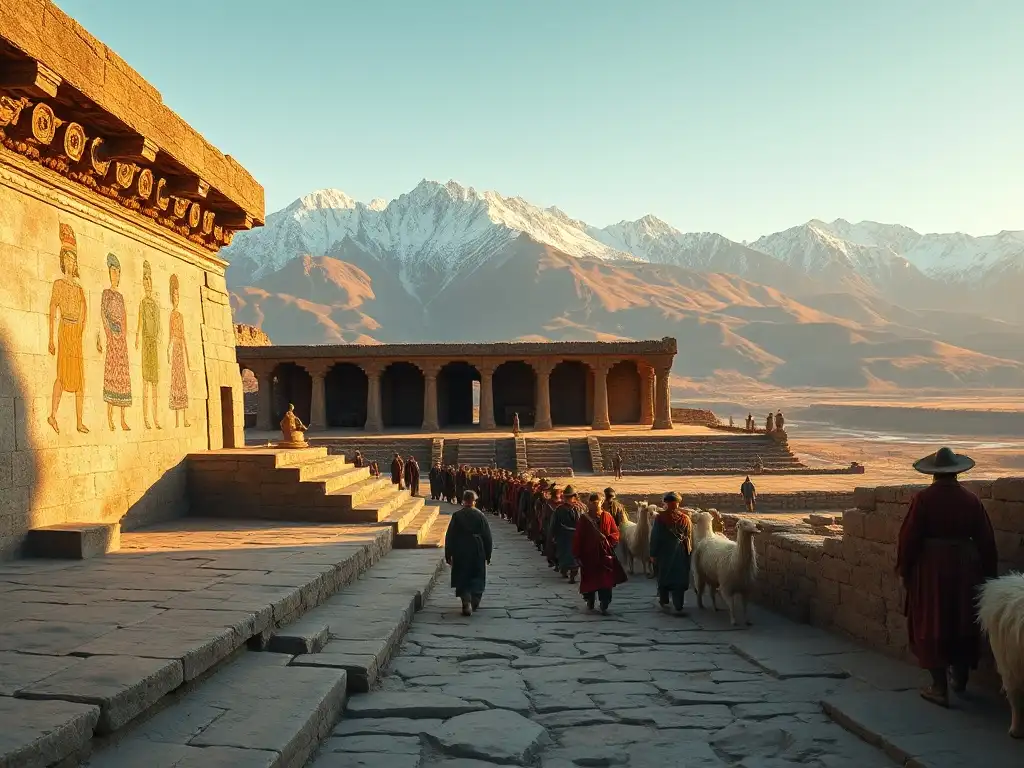
Step into a world lost to time, a realm of towering mountain temples and intricate rituals. Journey with us through the captivating Andean highlands, where the echoes of ancient empires still resonate. Prepare to unravel the mysteries surrounding Huari religious practices, a critical piece in understanding the rise and fall of this powerful pre-Incan civilization. Their beliefs, gods, and ceremonies hold secrets waiting to be discovered – are you ready to begin your exploration?
The Huari culture, a powerful Andean civilization that flourished between the 7th and 12th centuries CE, left behind a rich tapestry of archaeological evidence hinting at a complex and sophisticated religious system. Unlike the later Inca, who left extensive written records, understanding Huari religious practices requires careful interpretation of their monumental architecture, intricate ceramics, and striking iconography.
This article delves into the fascinating world of Huari religion, exploring the pantheon of deities, the rituals they practiced, and the beliefs that shaped their society. We will examine the evidence available to piece together a picture of this intriguing aspect of Huari life, focusing on the key elements that shaped their worldview and societal structures.
Understanding Huari religious practices provides crucial insight into the power dynamics, social organization, and overall worldview of this influential pre-Inca civilization. This exploration will illuminate the significant role religion played in the rise and eventual decline of the Huari Empire.
Introduction to Huari Religious Beliefs
Huari religious beliefs, while not fully understood due to the lack of written texts, are believed to have been deeply intertwined with their agricultural practices and the natural world. Evidence suggests a strong emphasis on ancestor veneration, a common theme throughout Andean cultures. The depiction of deities and ritual scenes on ceramics and textiles reveals a complex cosmology involving a range of supernatural beings.
These images often depict ritualistic scenes, suggesting elaborate ceremonies and possibly human sacrifice, although the extent and nature of such practices remain a subject of ongoing research and debate among scholars. Furthermore, the impressive architecture of Huari sites, including massive temples and ceremonial centers, speaks to the importance of religious activities in their society. The scale of these constructions indicates a highly organized, centralized religious system that commanded significant resources and manpower.
The intricate designs and symbolism found within these structures offer further clues into their religious beliefs and practices. Many scholars believe that the Huari state actively used religious ideology to maintain control and legitimacy, fostering a sense of unity and shared identity amongst its diverse population.
The Pantheon of Huari Deities
The Huari pantheon remains largely enigmatic, with the precise identities and roles of many deities still debated. However, based on iconographic evidence from pottery, textiles, and monumental architecture, we can reconstruct a partial picture of their religious beliefs. The Huari art style, characterized by its stylized figures and repetitive motifs, presents challenges to interpretation, but careful analysis reveals recurring themes and symbols that shed light on their religious world.
The lack of clear naming conventions further complicates the task, relying heavily on visual representations and contextual clues from archaeological finds. However, through careful examination of these visual clues, we can begin to piece together a more complete understanding of the Huari pantheon.
The Primary Huari Gods and Their Attributes
Identifying the "primary" Huari gods is challenging due to the stylistic conventions of their art. However, certain recurring motifs suggest the existence of major deities associated with key aspects of Huari life. For example, depictions of feline figures, often associated with power and fertility in Andean cultures, may represent a principal deity. Similarly, representations of birds, particularly raptors, might signify a different supreme being connected to the heavens and celestial events.
[Specific information pending] on the exact attributes and roles of these potential primary deities. Further research is needed to definitively determine their hierarchy and relationships within the Huari pantheon. The use of iconography in Huari religious practices is further complicated by the lack of a clear narrative structure in the surviving artwork. The imagery often appears fragmented or symbolic, requiring careful interpretation to discern the meaning and significance.
Lesser Deities and Spirits in Huari Religion
Beyond the potential primary deities, Huari religious beliefs likely encompassed a broader range of lesser deities and spirits. These might include nature spirits associated with mountains, water sources, and agricultural fertility. The importance of agriculture in Huari society suggests that deities associated with crops and livestock played a crucial role in their religious system. Depictions of human figures, often shown in ritual contexts, may represent shamans, priests, or other religious specialists. [Specific information pending] regarding the specific identities and functions of these lesser deities and spirits. The interpretation of these figures often relies on comparing them to similar figures found in other contemporary Andean cultures. The rich variety of iconography suggests a complex and nuanced understanding of the supernatural world, highlighting the intricate relationship between the Huari people and their environment. Further study of the surviving artifacts and sites will help to further illuminate this aspect of Huari religious beliefs.
Key Aspects of Huari Religious Practices
Huari religious practices, a fascinating blend of Andean traditions, remain a subject of ongoing research and scholarly debate. The limited textual evidence necessitates a reliance on archaeological findings, particularly the analysis of monumental architecture, iconography found on ceramics and textiles, and the arrangement of burial sites. One key aspect is the apparent emphasis on centralized religious authority, suggesting a sophisticated and organized religious system, possibly overseen by a priestly class.
This centralized structure contrasts with some earlier Andean cultures where religious practices might have been more localized. The scale and sophistication of Huari temple complexes, as well as the standardization of certain religious motifs across vast distances, point towards a highly structured religious belief system that played a crucial role in the empire's social and political organization. Evidence suggests a possible connection between religious power and political authority, with religious leaders potentially wielding significant influence within the Huari state.
The integration of religion into daily life, as seen in the widespread presence of religious symbols in everyday objects, further highlights its importance within Huari society. Further research is needed to fully understand the nuances of their religious beliefs, but the evidence strongly suggests a complex and pervasive system deeply intertwined with the state.
Temple Architecture and Sacred Spaces in the Huari Empire
The architecture of Huari religious structures reflects the empire's power and the importance of religious rituals. Monumental temples, often built on elevated platforms, dominated the urban landscape. These structures were not simply places of worship; they were carefully designed spaces intended to facilitate specific rituals and ceremonies.
The layout of these temples, frequently incorporating plazas, courtyards, and intricate internal chambers, suggests a complex understanding of sacred space and its symbolic significance. The use of standardized architectural styles across the vast Huari empire implies a deliberate attempt to enforce religious uniformity, reinforcing the centralized nature of the religious system. Materials used in construction, such as finely cut stone and intricate plasterwork, indicate a significant investment of resources in these sacred buildings, further emphasizing their importance.
While the specific functions of all chambers remain unclear, the scale and complexity of the architecture leave no doubt about the importance placed upon religious practices within Huari society. The precise spatial arrangement of elements within these structures may have been intended to influence or evoke particular feelings or behaviors in those participating in ceremonies. Further research into the architectural features of these sacred spaces is crucial to understanding the inner workings of Huari religious practices.
Huari Rituals and Ceremonies: A Detailed Overview
Unfortunately, the specifics of Huari rituals and ceremonies are largely unknown due to the lack of written records. However, archaeological evidence provides some clues. Analysis of burial sites suggests elaborate funerary rituals, potentially involving offerings and sacrifices.
The presence of richly decorated grave goods, often including ceramics and textiles with religious iconography, points to the importance given to the afterlife. The discovery of large quantities of ceremonial objects in specific locations within temple complexes indicates the performance of public rituals and ceremonies on a large scale. Some scholars suggest the possibility of human sacrifice, although direct evidence remains limited.
The standardization of certain ceremonial objects across the empire suggests the existence of formalized rituals and prescribed practices. The overall picture points to a religious system that was highly organized and ritualistic, with ceremonies likely playing a vital role in reinforcing social order and political authority. Further detailed analysis of archaeological findings, especially the careful study of temple layouts and the arrangement of artifacts within them, may reveal additional insights into the nature and purpose of Huari rituals.
The Role of Priests and Shamans in Huari Society
The role of religious specialists within Huari society is a subject of ongoing debate. While no direct evidence of a formalized priestly class exists, the scale and complexity of Huari religious structures and rituals strongly suggest the presence of individuals dedicated to religious practices. These individuals might have held significant social and political power, acting as intermediaries between the divine and the mortal world.
The production and distribution of ceremonial objects may have been under their control, highlighting their economic and social influence. These individuals likely played a key role in shaping religious beliefs and practices, ensuring the continuity of religious traditions across the empire. The standardization of religious symbols and motifs in Huari art suggests a degree of centralized religious control, possibly exercised by a religious elite.
Further research is needed to clarify the exact social structure and hierarchy within the Huari religious system, including the specifics of the roles and responsibilities of religious specialists. The potential existence of shamanistic practices alongside more formalized religious institutions also requires further investigation.
Huari Religious Iconography: Decoding Symbols and Motifs
Huari religious iconography is rich and complex, providing valuable insights into their beliefs and cosmology. The most commonly found symbols and motifs appear on ceramics, textiles, and stone carvings. Analyzing these images provides crucial information about the pantheon of Huari deities and the nature of their religious practices.
The stylistic consistency across the vast Huari empire suggests a carefully controlled and standardized system of religious representation. The use of specific symbols in different contexts allows for a more nuanced understanding of their religious significance. Furthermore, the evolution of these symbols over time reflects changes in religious beliefs and practices.
Decoding these symbols requires careful consideration of their context and relationships to other elements within a given artifact. The intricate detail and stylistic choices made by Huari artisans reveal a deep understanding and respect for their religious beliefs. The study of Huari iconography is essential to understanding the core tenets of Huari religion.
Common Symbols in Huari Art and Their Religious Significance
Many common symbols appear repeatedly in Huari art, suggesting significant religious meaning. These include stylized representations of animals, such as birds and felines, often associated with specific deities or cosmological concepts. Geometric patterns, such as stepped frets and concentric circles, also frequently appear, potentially representing the cosmos or specific sacred places. Anthropomorphic figures, often depicted with elaborate headdresses and regalia, likely represent deities or important religious figures.
The repeated use of these symbols suggests a well-defined religious system with a structured pantheon. The precise meaning of each symbol remains a subject of ongoing research, but their consistent presence in Huari art underscores their importance in their religious worldview. The context in which these symbols appear is crucial to interpreting their specific meaning. Further research, comparing the appearance of these symbols across various media and contexts, is necessary to understand their full significance.
The Influence of Earlier Andean Religions on Huari Iconography
Huari iconography shows clear evidence of the influence of earlier Andean religious traditions. The styles and motifs found in Huari art bear similarities to those of preceding cultures such as the Moche and Nazca. This continuity suggests a gradual evolution of religious beliefs and practices, rather than a complete break with the past. The Huari state may have consciously incorporated elements of earlier religious traditions into their own system, thereby promoting cultural unity and legitimacy across the empire.
The adaptation and transformation of earlier symbols and motifs reflect the Huari's ability to integrate diverse cultural elements into a unified religious system. This syncretism is a key characteristic of Huari religion, highlighting the dynamic interplay between tradition and innovation in their religious beliefs. Further comparative studies of Huari art with that of earlier Andean cultures are necessary to fully understand the extent and nature of this cultural transmission.
Staff God Iconography and its Variations
The "Staff God," a recurring figure in Huari iconography, is a particularly significant example of religious symbolism. Depicted holding a staff, this figure often wears elaborate headdresses and clothing. Variations in the depiction of the Staff God across different regions and time periods suggest possible regional variations in religious beliefs and practices, or perhaps represent different aspects of the same deity.
Some scholars propose that the Staff God represents a supreme deity or a ruler embodying divine power. Others suggest a more complex interpretation, with the Staff God possibly representing a pantheon of deities or a symbolic representation of imperial power. The variations in the Staff God's iconography suggest a rich and complex religious system with regional nuances and evolving interpretations.
Further research is needed to fully understand the symbolic meaning and significance of the Staff God within the larger context of Huari religion. The analysis of the Staff God's attributes across different media and regions is essential to fully grasp its significance and evolution throughout the Huari empire.
Huari Religious Offerings and Sacrifice
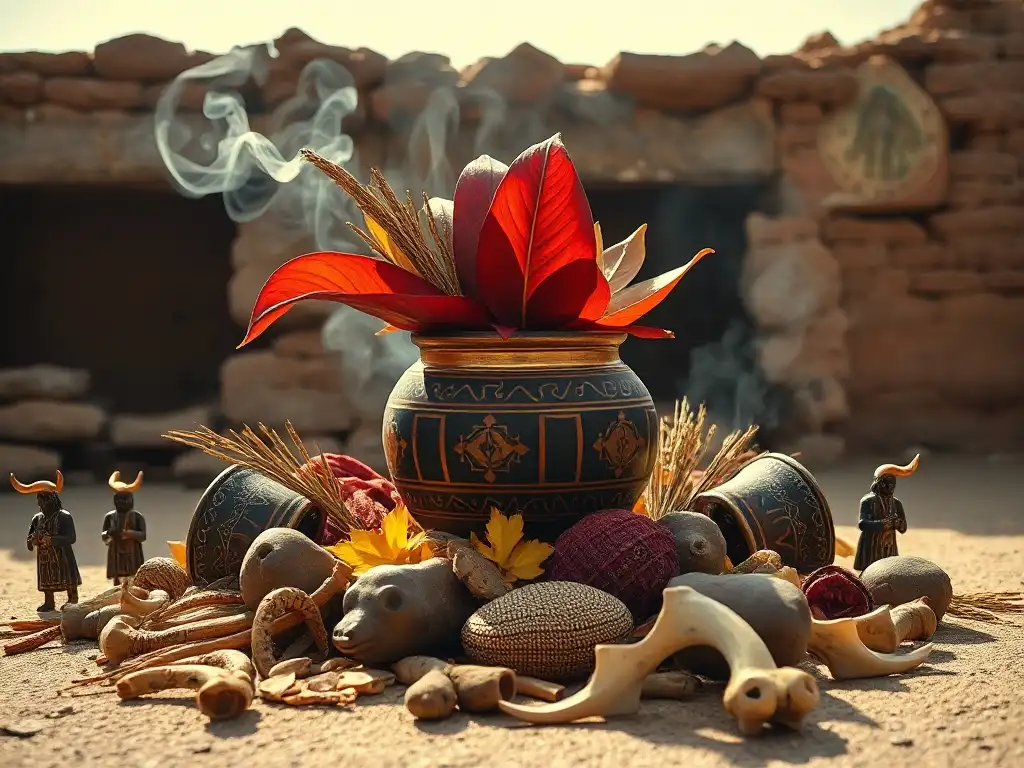
The Huari, masters of a vast Andean empire, left behind a rich archaeological record hinting at complex religious practices centered around offerings and sacrifice. Understanding these practices provides crucial insights into their worldview and social structures. Evidence suggests a hierarchical system where the elite played a significant role in orchestrating these rituals, likely connecting them to the legitimacy of their power and the well-being of the empire.
The types of offerings and the context in which they were found reveal a sophisticated understanding of religious symbolism and the importance of maintaining a harmonious relationship with the supernatural world. The scale of some offerings also points to considerable economic and social resources dedicated to religious activities. This dedication underscores the central role religion played in the everyday life and governance of the Huari state.
Types of Offerings Made by the Huari
Huari offerings varied considerably, ranging from everyday utilitarian objects to intricately crafted luxury goods. Common offerings included food and drink, such as maize, beans, and chicha (a fermented corn beverage). These everyday items likely represented sustenance and prosperity, offered to ensure continued abundance. More elaborate offerings included finely crafted textiles, pottery, and precious metals like gold and silver.
These luxurious items likely held deeper symbolic meaning, possibly representing status and power, or perhaps used as gifts to appease powerful deities. The inclusion of human remains in some contexts suggests a more extreme form of sacrifice, possibly linked to particularly important rituals or crises. The variety and richness of offerings demonstrate the Huari’s commitment to their religious beliefs and their ability to mobilize resources for religious purposes.
The Significance of Sacrifice in Huari Rituals
The presence of human remains in some Huari contexts suggests that human sacrifice played a role in their religious practices. However, the precise significance and frequency of such practices remain debated among scholars. Some researchers suggest that human sacrifice might have been reserved for particularly important events or times of crisis, such as droughts or wars, serving as a way to appease powerful gods or ensure the survival of the empire.
Others propose that sacrifice may have been linked to the consolidation of power, with sacrificial victims representing conquered populations or political rivals. Further research, including careful analysis of skeletal remains and the associated grave goods, is needed to fully understand the role of sacrifice within Huari religion. The context in which these remains were found is crucial for interpreting their significance.
Miniature Artifacts as Dedicatory Offerings
A striking feature of Huari religious practice is the abundance of miniature artifacts found in various contexts, including temples and tombs. These tiny replicas of everyday objects, such as houses, tools, and even human figures, are believed to have served as dedicatory offerings. Their small size may suggest that they represented symbolic representations rather than functional objects. The meticulous craftsmanship involved in their creation indicates the importance placed on these offerings.
These miniature artifacts could have represented requests for protection, prosperity, or fertility. They may also reflect a belief in the power of replication, with the miniature objects acting as surrogates for the real things they represented. The sheer number of these miniature offerings discovered at various Huari sites speaks volumes about their centrality to religious practices.
Huari Religious Influence on Later Andean Cultures
The Huari empire, despite its eventual collapse, left an indelible mark on the religious landscape of the Andes. Its influence can be seen in the religious practices and beliefs of later Andean cultures, most notably the Inca. The sophisticated religious system of the Huari, with its emphasis on ritual, sacrifice, and the veneration of deities, provided a framework for the development of subsequent Andean religious traditions. This influence, while not always direct or immediately obvious, shaped the religious landscape for centuries to come. Tracing these connections helps us understand the continuity and evolution of Andean religious thought and practice.
The Legacy of Huari Religious Practices
The Huari legacy is visible in the continued use of specific ritual practices and the persistence of certain religious symbols. For instance, [specific examples of continued practices pending]. The adoption and adaptation of Huari religious elements by subsequent cultures highlight the enduring power and influence of Huari religious ideas. The Huari religious system wasn't simply replaced, but rather absorbed and transformed by later cultures, leaving a lasting impact on their worldview and spiritual practices. The persistence of certain motifs and symbols in later Andean art and architecture is testament to the lasting influence of Huari religion.
Connections between Huari and Inca Religious Beliefs
The Inca, who rose to power centuries after the collapse of the Huari empire, inherited and adapted many aspects of Huari religious beliefs and practices. [Specific examples of shared beliefs and practices pending, e.g., types of offerings, ritualistic elements, specific deities or their attributes]. While the Inca developed their own distinct religious pantheon and rituals, the influence of Huari religious thought is undeniable, demonstrating a clear line of continuity in Andean religious traditions. The study of both cultures’ religious practices reveals a complex interplay of adaptation, innovation, and continuity.
Huari Influence on Later Ceramic and Textile Art
The distinctive artistic styles of Huari pottery and textiles profoundly impacted subsequent Andean artistic traditions. The intricate designs, color palettes, and stylistic elements found in Huari ceramics and textiles were adopted and adapted by later cultures. [Specific examples of stylistic elements and their appearance in later cultures pending].
This artistic continuity reflects the broader cultural influence of the Huari empire, demonstrating how their religious and aesthetic sensibilities shaped the artistic production of the Andes for centuries to come. The enduring impact of Huari art serves as a powerful testament to the empire's legacy and its pervasive influence on Andean societies.
Exploring the Diversity of Huari Religious Expression
The Huari religious system, while exhibiting a degree of centralized control under the empire, wasn't monolithic. Evidence suggests a fascinating interplay between imperial ideology and pre-existing local beliefs, resulting in a diverse tapestry of religious expression across the vast Huari territory. This diversity wasn't simply a matter of regional variations; it encompassed a spectrum of practices, iconography, and ritual behaviors.
The standardization of certain aspects, such as administrative structures and architectural styles, didn't automatically translate into a uniform religious experience. Instead, the Huari state likely employed a strategy of selective incorporation, adapting and integrating existing local deities and rituals into the imperial framework. This approach ensured a smoother integration of conquered populations while simultaneously reinforcing Huari dominance.
The flexibility and adaptability of the Huari religious system were key to its success in maintaining control over such a geographically extensive empire. This dynamic interaction between imperial power and local traditions is a crucial aspect of understanding Huari religious practices. Further research into specific localities is needed to fully unravel the complexities of this dynamic interaction.
Regional Variations in Huari Religious Practices
Significant regional variations in Huari religious practices are evident in the archaeological record. For instance, the iconography found in temples and associated artifacts differs considerably between the highland and coastal regions. While certain motifs, such as feline imagery and specific types of ceramics, appear consistently across the empire, their representation and symbolic meaning might have varied significantly depending on the local context.
In the highlands, religious practices likely focused on agricultural cycles and ancestor veneration, reflecting the agrarian nature of the society. Coastal regions, on the other hand, might have emphasized maritime deities and rituals related to fishing and marine resources. These regional differences are not simply superficial; they reflect deeper cultural variations and the adaptive strategies employed by the Huari in managing their diverse population.
The careful study of these regional variations provides invaluable insights into the nature of Huari religious syncretism and the complex interplay between imperial power and local traditions. The specific nature of these regional variations requires more detailed analysis of the archaeological findings from across the Huari empire.
Evidence of Local Adaptations in Huari Beliefs
The Huari state didn't impose a completely new religious system on its conquered territories. Instead, evidence suggests a significant degree of adaptation and integration of pre-existing beliefs and practices. Archaeological excavations have uncovered evidence of local deities and ritual objects continuing to be used alongside those associated with the Huari imperial cult. This suggests a process of syncretism, where local beliefs were incorporated into the broader Huari religious framework. This accommodation of local beliefs was likely a strategic move to facilitate the integration of conquered populations and reduce the potential for resistance. The persistence of local traditions within the context of the Huari empire highlights the dynamic and flexible nature of their religious system. This process of religious adaptation is a complex one, requiring detailed analysis of the interplay between imperial power and local agency. Further research is needed to fully understand the extent and nature of these local adaptations.
Variations in Temple Construction Across Huari Territories
The architecture of Huari temples also reveals regional variations in religious practices. While a degree of standardization existed in terms of basic architectural features, such as platform mounds and associated structures, variations in size, materials, and decorative elements are noticeable across different regions. For example, temples in the highlands often utilized stone as the primary building material, reflecting the availability of resources in the mountainous regions. Coastal temples, conversely, might have employed adobe bricks or other locally available materials.
These variations in construction techniques and materials likely reflect not only practical considerations but also symbolic meanings associated with the specific local environment and cultural traditions. The careful study of these variations in temple construction offers valuable insights into the adaptation of Huari religious practices to different regional contexts. More detailed comparative studies of Huari temple architecture are needed to fully understand the significance of these regional variations.
Conclusion: The Enduring Significance of Huari Religious Practices
The study of Huari religious practices reveals a complex and dynamic system that successfully integrated imperial ideology with pre-existing local beliefs. The evidence suggests a flexible and adaptable approach, characterized by regional variations, local adaptations, and a strategic incorporation of existing traditions into the broader Huari framework.
Understanding the diversity of Huari religious expression is crucial for comprehending the empire's success in maintaining control over a vast and diverse territory. The enduring significance of Huari religious practices lies not only in their contribution to the understanding of this powerful Andean civilization but also in their demonstration of the complex interplay between imperial power and local agency in shaping religious landscapes.
Further research focusing on specific localities and detailed comparative analysis of archaeological findings will continue to shed light on the intricacies of Huari religious life and its lasting impact on subsequent Andean cultures. The rich tapestry of Huari religious practices continues to offer valuable insights into the dynamics of power, culture, and religious syncretism in the ancient Andes.
- Introduction to Huari Religious Beliefs
- The Pantheon of Huari Deities
- Key Aspects of Huari Religious Practices
- Huari Religious Iconography: Decoding Symbols and Motifs
- Huari Religious Offerings and Sacrifice
- Huari Religious Influence on Later Andean Cultures
- Exploring the Diversity of Huari Religious Expression
- Conclusion: The Enduring Significance of Huari Religious Practices
- What were the main deities worshipped by the Huari people?
- How did Huari religious practices influence their societal structure?
- What types of rituals and ceremonies did the Huari perform?
- What is the significance of Huari iconography in understanding their religious beliefs?
- How did the Huari religious practices compare to those of other Andean civilizations?
Frequently Asked Questions
What were the main deities worshipped by the Huari people?
The Huari pantheon is not fully understood, but evidence suggests they worshipped fertility deities, likely associated with agriculture and ancestor veneration. Condor imagery also appears frequently, suggesting a possible connection to this powerful bird.
How did Huari religious practices influence their societal structure?
Religion played a vital role, reinforcing the centralized power of the Huari state. Temples and ceremonial centers served as administrative hubs, demonstrating the close link between religious authority and political control. Elite control over religious rituals strengthened their social position.
What types of rituals and ceremonies did the Huari perform?
Evidence points to a range of rituals, including human sacrifice, although its frequency is debated. Ceremonial offerings of food, textiles, and other goods were common, as were public processions and feasting.
What is the significance of Huari iconography in understanding their religious beliefs?
Huari art, especially pottery and textiles, provides valuable insights into their beliefs. Representations of deities, mythical creatures, and symbolic objects reveal aspects of their cosmology and religious practices. Analyzing iconographic patterns helps decipher their religious narratives.
How did the Huari religious practices compare to those of other Andean civilizations?
While sharing some common threads with other Andean cultures like the ancestor veneration seen in many societies, Huari religion also displayed unique characteristics, such as its emphasis on centralized authority and potentially different pantheon of gods. Further research is needed to fully understand these comparative aspects.
Final Reflection: The Enduring Legacy of Huari Spirituality
The intricate tapestry of Huari religious practices, woven from sophisticated rituals and a pantheon of powerful deities, continues to resonate powerfully in the Andean world today. The echoes of their beliefs, evident in surviving artifacts and the enduring traditions of their descendants, offer a profound insight into the complexities of pre-Columbian Andean civilization and highlight the enduring power of faith in shaping culture. Understanding Huari religion is not merely an academic exercise; it's a key to unlocking a deeper understanding of the region's rich history and its vibrant present.
The influence of Huari religious beliefs extends far beyond the confines of their empire's geographical boundaries. Their sophisticated understanding of cosmology, their reverence for nature, and their intricate ritual practices left an indelible mark on subsequent Andean cultures. The legacy of their religious systems is visible in the artistic motifs, architectural styles, and even the social structures of later Andean civilizations. The past is never dead. It's not even past.
– William Faulkner. This quote perfectly encapsulates the enduring power of Huari religious practices, demonstrating how their beliefs continue to shape our understanding of the Andean world.
Consider the intricate details of Huari iconography, the symbolism embedded within their ceramics and textiles, and the grandeur of their ceremonial sites. These are not merely historical artifacts; they are tangible expressions of a vibrant spiritual world. You, the reader, are now invited to reflect on the enduring power of faith and its capacity to shape societies across time and space.
Explore the connections between past and present, and consider how understanding ancient beliefs can enrich our appreciation for the diverse tapestry of human experience. Let the legacy of Huari inspire you to delve deeper into the rich spiritual heritage of the Andes and to appreciate the enduring power of human belief.
Embrace the Wisdom of the Huari Legacy!
Thank you for exploring the fascinating world of Huari religion. You've uncovered the rich tapestry of gods, rituals, and cultural significance that shaped this Andean empire. Now, let's deepen your understanding!
Consider these steps to further connect with the wonders of the Huari civilization:
- Dive deeper: Explore additional resources on Andean spiritual practices. Books, documentaries, and academic articles offer further insight into Huari culture and beliefs.
- Share your discoveries: Discuss your newfound knowledge with friends, family, or in online communities dedicated to ancient civilizations. Your insights could spark fascinating conversations and collaborative learning.
- Create a personal reflection: Inspired by Huari practices, consider designing a personal ritual that honors nature, your ancestors, or your own spiritual journey, drawing on the wisdom of this ancient culture.
What aspect of Huari religion resonates most with you, and how might it inform your spiritual perspective today?