
The Silent Witnesses: What Ancient Artifacts Reveal About Early Andean Life

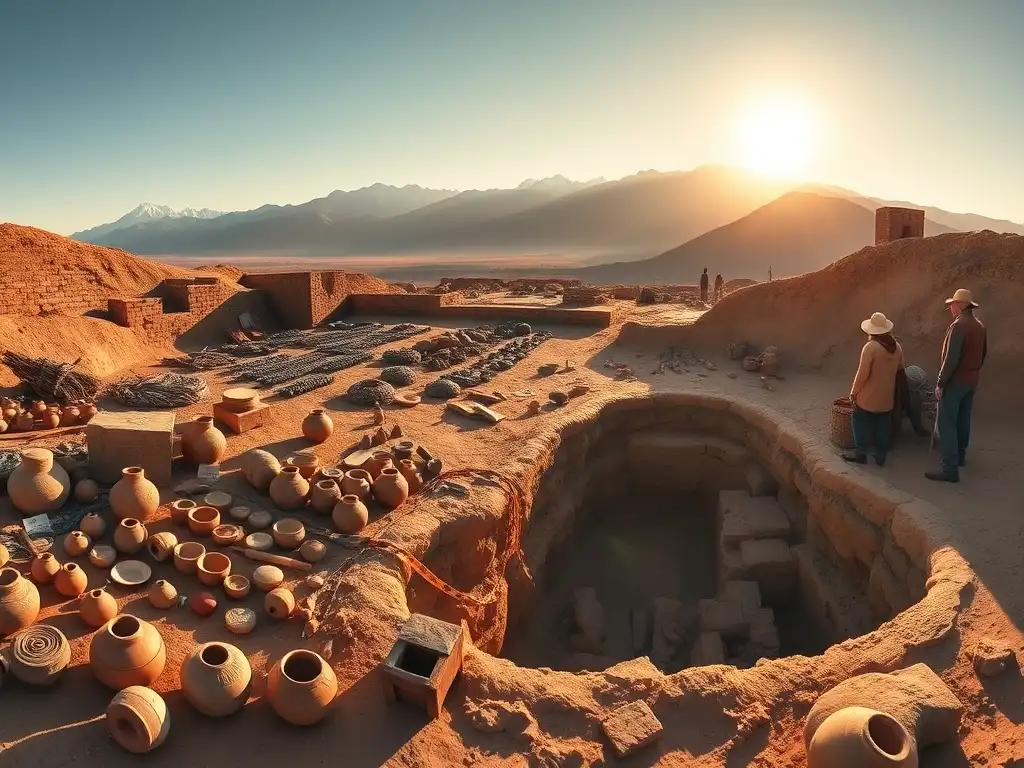
Step into a world lost to time, where echoes of empires still resonate. Imagine uncovering the secrets whispered by ancient stone and gold... This is the realm of the Andean Civilizations, a land teeming with mysteries waiting to be unraveled. Our journey begins with exploring the profound Ancient Andean artifacts meaning, unlocking the stories etched into their very being and revealing the vibrant tapestry of life in the Andes. Dare to delve deeper and discover the astonishing legacy of the Incas, Moche, Nazca, and Tiahuanaco. What will their silent witnesses reveal to you?
- The Silent Witnesses: What Ancient Andean Artifacts Reveal About Early Andean Life
- Pre-Inca Pottery: Decoding Social Structures and Beliefs
- Stone Tools and Technology: Evidence of Early Andean Ingenuity
- Textiles and Weaving: Art, Status, and Symbolic Expression
- Metalworking and Metallurgy: Innovation and Elite Power
- Burial Practices and Ritual Objects: Insights into Beliefs and Death
- Analyzing Ancient Andean Artifacts: Methods and Challenges
- The Enduring Legacy of Ancient Andean Artifacts
-
Frequently Asked Questions
- What makes Andean artifacts so significant in understanding ancient cultures?
- How do archaeologists determine the age and origin of Andean artifacts?
- What are some of the most common types of Ancient Andean artifacts?
- What is the significance of the meaning behind the iconography found on Ancient Andean artifacts?
- Where can I learn more about the meaning of specific Ancient Andean artifacts?
- Final Reflection: Echoes of the Andes: A Legacy in Stone and Bone
- Uncover the Secrets of Andean Heritage!
The Silent Witnesses: What Ancient Andean Artifacts Reveal About Early Andean Life
The towering Andes Mountains, a spine of rock and ice running down the western coast of South America, have borne witness to millennia of human history. Long before the Inca Empire rose to prominence, a vibrant tapestry of cultures flourished in this challenging yet fertile landscape. Understanding these early Andean societies, however, relies heavily on the careful study of the artifacts they left behind – the silent witnesses that speak volumes about their daily lives, beliefs, and social structures.
This article delves into the significance of these ancient Andean artifacts, exploring how their analysis provides invaluable insights into the lives and legacies of these fascinating civilizations, addressing the keyword "Ancient Andean artifacts meaning" and its various semantic facets. We will examine specific examples to illustrate the rich information these objects hold, highlighting the crucial role they play in reconstructing the complex history of the Andean region.
From intricate pottery to monumental architecture, these remnants of the past offer a glimpse into a world both familiar and profoundly different from our own. Prepare to journey back in time and discover the stories embedded within these remarkable objects.
Unveiling the Past: The Significance of Ancient Andean Artifacts
Archaeological artifacts serve as tangible links to the past, offering concrete evidence that helps us move beyond speculation and construct a more nuanced understanding of early Andean societies. These objects, ranging from simple tools to elaborate ceremonial items, provide invaluable data points for researchers. The materials used, the techniques of production, and the contexts in which they were discovered all contribute to a rich tapestry of information.
For example, the presence of specific types of pottery shards in a particular burial site can indicate trade networks, social status, or even religious practices. Similarly, the analysis of textile fragments can reveal information about agricultural practices, technological advancements, and artistic expression.
The study of ancient Andean artifacts is not merely about cataloging objects; it is about uncovering the stories they tell, enriching our understanding of the complexities of human experience across time. The diversity of artifacts recovered – from delicate gold ornaments to massive stone structures – demonstrates the remarkable ingenuity and adaptability of these early Andean peoples.
Understanding Early Andean Societies Through Material Culture
The analysis of material culture, which includes all the objects created and used by a society, is fundamental to understanding early Andean societies. The intricate designs on Nazca pottery, for instance, provide clues about their cosmological beliefs and artistic skills. The sophisticated irrigation systems built by the pre-Inca cultures demonstrate their advanced understanding of hydraulic engineering and their ability to adapt to the arid environment.
Furthermore, the monumental architecture of sites like Tiahuanaco showcases the organizational capacity and social structures required to undertake such ambitious projects. Analyzing these aspects, in conjunction with other archaeological evidence, allows us to develop a comprehensive understanding of their social organization, economic activities, and worldview. Researchers meticulously document the location, context, and associated finds of each artifact, creating a detailed picture of past lives and interactions.
| Artifact Type | Material | Significance | Example Culture(s) |
|---|---|---|---|
| Pottery | Clay, pigments | Reveals artistic styles, social status, trade networks, and dietary habits | Moche, Nazca, Inca |
| Textiles | Cotton, alpaca wool | Indicates technological advancements, social status, and artistic expression | Paracas, Inca |
| Stone tools | Obsidian, andesite | Reflects technological capabilities and subsistence strategies | Various early Andean groups |
| Metalwork | Gold, silver, copper | Shows artistic skill, social status, and trade connections | Moche, Inca |
| Architectural remains | Stone, adobe | Demonstrates social organization, engineering skills, and worldview | Tiahuanaco, Inca |
The Crucial Role of Artifacts in Reconstructing History
The study of ancient Andean artifacts is not just an academic pursuit; it is crucial for reconstructing a comprehensive and accurate history of the region. These objects provide irreplaceable evidence that complements and sometimes contradicts written accounts, which are often biased or incomplete. The artifacts themselves offer a more direct connection to the past, allowing us to gain insights into the daily lives and experiences of ordinary people, not just the elite.
By studying these artifacts, we can better understand the cultural exchanges, technological innovations, and social transformations that shaped the Andean world. Moreover, the careful preservation and study of these artifacts ensure that the legacy of these ancient civilizations continues to inspire and educate future generations.
The ongoing research and analysis of these silent witnesses are essential for a more complete understanding of the rich history of the Andean region. They offer a tangible connection to a past that continues to captivate and inspire.
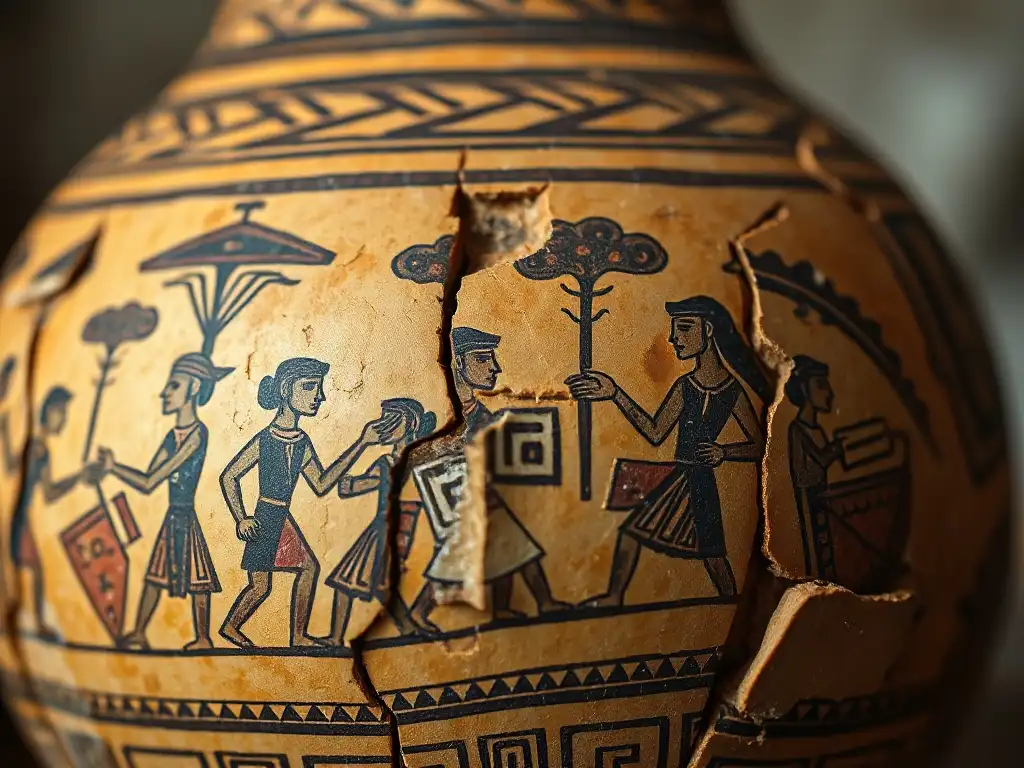
Pre-Inca pottery offers invaluable insights into the social structures, religious beliefs, and daily lives of the diverse Andean cultures that predate the Inca Empire. These artifacts, meticulously crafted from clay and often adorned with vibrant pigments, serve as silent witnesses to a rich tapestry of human experience. Analyzing their stylistic variations, iconography, and the contexts of their discovery allows archaeologists to reconstruct aspects of these ancient societies with remarkable accuracy.
The meaning embedded within these Ancient Andean artifacts is multifaceted, reflecting a complex interplay of social hierarchy, ritual practices, and cosmological understanding. Understanding the significance of these objects requires a careful examination of their individual characteristics and their broader cultural context. The sheer diversity of pre-Inca pottery styles highlights the remarkable regional variations across the Andes, emphasizing the unique identities of different cultural groups.
Each style possesses its own distinctive characteristics, ranging from vessel shapes and sizes to the specific techniques used in their decoration. This diversity makes the study of Ancient Andean artifacts meaning a complex but rewarding endeavor.
Moche Ceramics: Narratives of Warfare, Agriculture, and Mythology
Moche pottery (c. 100-800 CE) from the northern coast of Peru is renowned for its incredibly detailed and lifelike depictions of scenes from daily life, warfare, and mythology. The artisans' skill in capturing human emotion and movement is breathtaking. Many pots narrate complex stories, showcasing scenes of intense battles, elaborate rituals, and agricultural practices.
For instance, depictions of warriors adorned in elaborate headdresses and wielding weaponry provide insights into Moche military organization and warfare strategies. Other pots illustrate intricate scenes of agricultural activities, such as the planting and harvesting of crops, reflecting the importance of agriculture in Moche society. The meaning embedded within these Ancient Andean artifacts is often tied to the power and influence of the elite, with many ceramics depicting elaborate feasts and ceremonies that only the privileged could participate in.
Furthermore, the prevalence of depictions of supernatural beings and mythical creatures underscores the significance of religious beliefs in Moche culture. The intricate detail and vibrant colors used in Moche pottery are a testament to the high level of artistic skill and sophistication of the culture. The sheer number of surviving Moche ceramics provides a wealth of information about the society's values, beliefs, and daily life, making them invaluable for understanding Ancient Andean artifacts meaning within this specific cultural context.
Nazca Pottery: Geoglyphs Depicted in Miniature and Shamanic Visions
Nazca pottery (c. 100 BCE – 800 CE), originating from the southern coast of Peru, is characterized by its distinctive style, often featuring intricate geometric patterns and stylized representations of animals and humans. While not as narratively detailed as Moche pottery, Nazca ceramics hold significant symbolic meaning. Intriguingly, some designs echo the famous Nazca Lines, suggesting a connection between the monumental geoglyphs and the smaller-scale representations on pottery.
This connection highlights the importance of these designs within Nazca cosmology and religious beliefs. The recurring motifs of stylized birds, felines, and other animals likely represent supernatural beings or powerful forces within their worldview. The Ancient Andean artifacts meaning in Nazca pottery is often linked to shamanic practices and altered states of consciousness.
Many vessels depict figures in trance-like states or engaged in ritual activities, hinting at the role of shamanism in Nazca society. The precision and intricacy of the painted designs, often executed using a negative painting technique, demonstrate a remarkable level of artistic mastery. The study of Nazca pottery offers a unique window into a culture that valued both artistic expression and spiritual exploration, contributing significantly to our understanding of Ancient Andean artifacts meaning.
Tiahuanaco Pottery: Iconography Reflecting a Pan-Andean Religion
Tiahuanaco pottery (c. 500 – 1200 CE), associated with the powerful Tiahuanaco culture of the Tiwanaku region (modern-day Bolivia), exhibits a distinct style characterized by its geometric designs and iconic representations of deities and supernatural beings. Unlike the narrative focus of Moche pottery, Tiahuanaco ceramics emphasize symbolic imagery, reflecting the complex religious beliefs of the Tiahuanaco people. The repetition of certain motifs, such as stylized feline faces, stepped pyramids, and anthropomorphic figures, suggests a highly structured religious system with a pantheon of deities.
The meaning embedded within these Ancient Andean artifacts points towards a pan-Andean religious influence, with similar iconography appearing in other contemporary cultures across the Andes. This suggests a significant level of cultural exchange and interaction across vast geographical distances.
The high quality and standardization of Tiahuanaco pottery suggest a centralized production system, possibly controlled by the elite, highlighting the importance of religious objects in consolidating power. The careful study of Tiahuanaco ceramics provides crucial insights into the pan-Andean religious beliefs and the social organization of one of the most influential pre-Inca cultures, significantly impacting our understanding of Ancient Andean artifacts meaning within the broader context of the Andes.
Stone Tools and Technology: Evidence of Early Andean Ingenuity
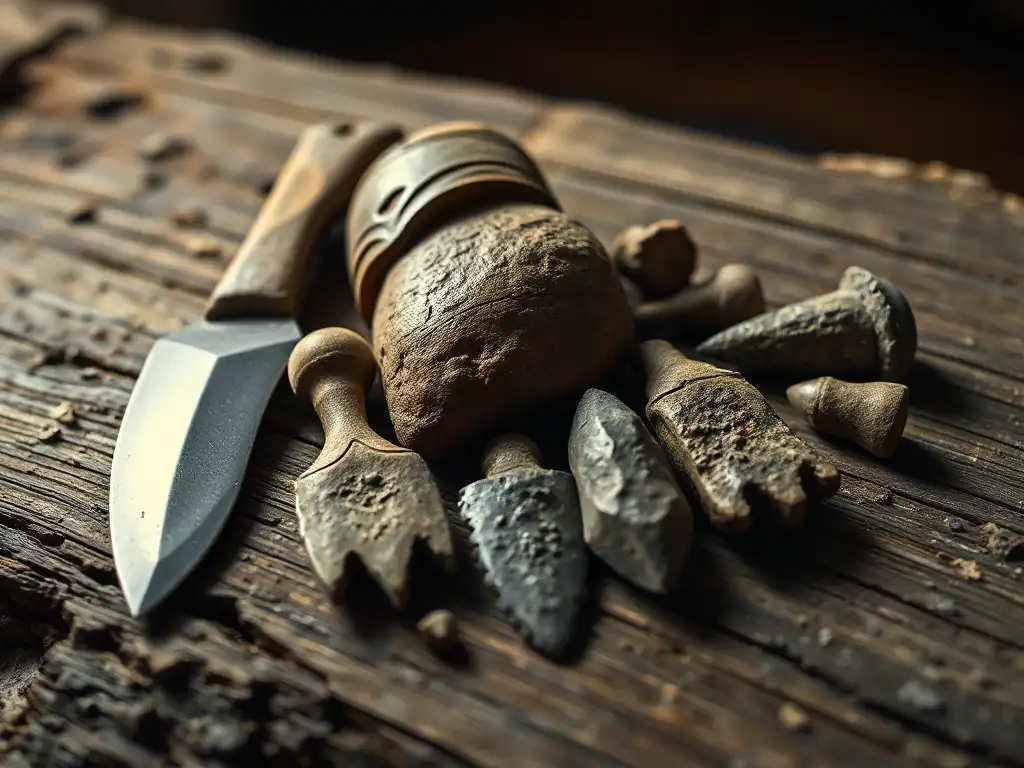
The study of Ancient Andean artifacts meaning often begins with the examination of their stone tools. These seemingly simple objects offer profound insights into the technological capabilities and daily lives of early Andean peoples. The ingenuity displayed in their creation and utilization speaks volumes about their adaptation to diverse environments and their mastery of resource management.
From the simplest hand axes to the more complex projectile points, these artifacts provide a tangible link to the past, allowing us to reconstruct their technological evolution and societal structures. The analysis of wear patterns on tools, for example, reveals details about their specific uses – butchering animals, woodworking, or plant processing – painting a vivid picture of their activities. Furthermore, the raw materials used in their creation – sourced from sometimes considerable distances – highlight established trade networks and sophisticated logistical planning.
The meticulous craftsmanship evident in many pieces suggests a deep understanding of material properties and a highly developed sense of precision. Understanding the nuances of these ancient technologies is crucial to interpreting the broader context of early Andean life and culture.
Lithic Technology: Obsidian and Andesite Tool Production
Early Andean civilizations expertly utilized readily available materials like obsidian and andesite to create a diverse range of tools. Obsidian, a volcanic glass, was prized for its sharpness and ease of flaking, making it ideal for crafting blades, knives, and projectile points. Andesite, a volcanic rock, was equally important, offering durability for tools used in more demanding tasks like grinding and pounding.
Archaeological evidence reveals sophisticated techniques in lithic technology, including pressure flaking, which allowed for the creation of incredibly fine and precise tools. The analysis of tool production debris at various sites provides evidence of specialized workshops and the division of labor. For instance, some sites show a concentration of obsidian flakes, indicating a dedicated area for obsidian tool production.
This specialization suggests a level of societal organization beyond simple hunter-gatherer groups, hinting at the development of more complex social structures. The distribution of these tools across different regions also points to extensive trade networks and cultural exchange. The meticulous craftsmanship and specialized techniques employed in the creation of these tools are a testament to the advanced technological capabilities of early Andean communities.
The Evolution of Toolmaking in Early Andean Civilizations
The evolution of toolmaking in the Andes wasn't a linear process; instead, it involved a complex interplay of innovation, adaptation, and cultural exchange. Early periods saw the predominance of simple core tools, gradually giving way to more refined and specialized implements as technology advanced. The shift from primarily chopping tools to more finely crafted projectile points, for example, reflects changes in hunting strategies and subsistence practices.
The introduction of new materials and techniques, such as the adoption of copper metallurgy, further accelerated this evolution. This transition wasn't uniform across all Andean regions; variations in tool types and manufacturing techniques reflect regional differences in environmental conditions and cultural practices. Studying these variations allows researchers to trace the spread of technological innovations and identify distinct cultural traditions.
The development of increasingly sophisticated tools underscores the growing complexity of Andean societies, reflecting advancements not only in technology but also in social organization and economic systems. Detailed chronological studies, based on stratified archaeological excavations, are crucial for understanding the precise timing and nature of these technological advancements.
Stone Architecture and Engineering: The Construction of Machu Picchu and Sacsayhuamán
The impressive stone architecture of sites like Machu Picchu and Sacsayhuamán stands as a testament to the advanced engineering skills of the Inca and preceding Andean civilizations. These structures, characterized by their precise stonework and intricate designs, demonstrate a deep understanding of structural mechanics and engineering principles. The massive stones used in Sacsayhuamán, some weighing many tons, were expertly fitted together without the use of mortar, showcasing an astonishing level of precision and skill.
The construction of Machu Picchu, perched high in the Andes Mountains, exemplifies not only mastery of stonework but also sophisticated planning and logistical capabilities. The precise placement of stones, the intricate water management systems, and the overall design of the site all point to advanced knowledge of astronomy, engineering, and environmental adaptation. The construction of these sites required significant labor and organizational capacity, reflecting the complex social and political organization of Andean societies.
Understanding the techniques and logistics involved in their construction helps us appreciate the scale of these achievements and the sophisticated knowledge systems that underpinned them. Further research into the tools and techniques employed, as well as the organization of labor, will provide even greater insight into the remarkable achievements of Andean builders.
Textiles and Weaving: Art, Status, and Symbolic Expression
Textiles represent a powerful lens through which we can examine the intricacies of Ancient Andean life. More than mere clothing, these meticulously crafted pieces served as potent symbols of status, identity, and spiritual beliefs. The surviving artifacts, often remarkably well-preserved due to the arid Andean climate, offer invaluable insights into the sophisticated techniques, artistic sensibilities, and social structures of these early civilizations.
Understanding the meaning behind these Ancient Andean artifacts requires careful consideration of their materials, designs, and context of discovery. The analysis of these textiles allows us to reconstruct a vibrant tapestry of Andean social life, revealing layers of complexity often unseen in other archaeological records. The sheer diversity of techniques, materials, and designs underscores the ingenuity and artistic prowess of Andean weavers, showcasing their mastery over both technical skill and symbolic representation.
Early Andean Textile Techniques: Camelid Wool and Cotton Weaving
Early Andean weavers demonstrated exceptional skill in harnessing readily available resources. Camelid fibers—alpaca and llama wool—were the primary materials, prized for their warmth, softness, and durability. The quality of the wool, often determined by the animal's breed and the meticulous preparation of the fiber, played a significant role in determining the status and value of the finished textile. Cotton, cultivated in warmer coastal regions, provided a lighter, smoother alternative, often used in combination with wool to create richly textured fabrics.
The weaving techniques themselves varied considerably across different regions and time periods. Evidence suggests the use of backstrap looms, a portable and versatile tool allowing for intricate designs and complex structures. The creation of these textiles involved a labor-intensive process, from shearing and cleaning the fibers to spinning the yarn and finally weaving the fabric.
Analysis of surviving textiles reveals a deep understanding of ply, twist, and weave structures, indicative of specialized knowledge passed down through generations. The precision and complexity of the weaving – even in seemingly simple fabrics – highlights the advanced technical capabilities of these early Andean artisans.
For example, the use of supplementary weft techniques allowed for the creation of intricate patterns and pictorial representations, enriching the aesthetic and symbolic value of the textiles. Detailed studies of these techniques continue to reveal new facets of Andean textile production, pushing the boundaries of our understanding of their technological achievements.
The designs incorporated into Andean textiles are far from arbitrary; they are rich repositories of cultural information. Geometric patterns, often featuring repetitive motifs, could indicate clan affiliations or social standing. More complex designs, involving intricate representations of mythological beings, deities, and symbolic elements, likely held significant religious or ceremonial importance. The use of color was also highly significant, with certain dyes and color combinations carrying specific meanings. For instance, certain shades of red might have been associated with power or fertility, while other colors could represent specific deities or natural phenomena.
Analyzing these designs requires a multidisciplinary approach, incorporating knowledge from anthropology, archaeology, and art history. Researchers often use iconographic analysis to decipher the meaning of specific symbols and motifs, comparing them to other artifacts and contextual evidence. The identification of recurring patterns and stylistic variations across different regions and time periods helps to establish chronological sequences and trace the evolution of textile designs.
The skillful blending of geometric and figurative elements is a hallmark of Andean textile art, reflecting a sophisticated aesthetic sensibility and a deep understanding of symbolic language. This intricate visual language provides invaluable insights into the cosmology, social structure, and belief systems of the ancient Andean people, revealing a wealth of information encoded within the threads themselves.
The Role of Textiles in Ritual and Burial Practices
Textiles played a crucial role in Andean ritual and burial practices. Elaborately woven garments, often adorned with precious metals and other embellishments, were frequently included in burials, suggesting their importance in the afterlife. The quality and complexity of the textiles found in burials often correlated with the status of the deceased, reflecting the belief in a continuation of social hierarchies in the spiritual realm. Textiles were also used in ceremonies and rituals, serving as offerings to deities or used in sacred performances.
The discovery of textiles in carefully constructed caches or associated with specific ritual objects provides further evidence of their ceremonial significance. For example, the presence of textiles alongside ceramic vessels or other ritual items suggests a potential connection between the textile and the specific ceremony or ritual in which it was used. Furthermore, the careful preservation and arrangement of textiles within burial contexts indicates a conscious effort to ensure their continued association with the deceased.
The study of these ritual and burial practices helps us to better understand the relationship between the material world and the spiritual beliefs of the ancient Andean civilizations, revealing the profound symbolic power imbued in these carefully crafted artifacts. The analysis of these textiles within their ritual and burial contexts provides crucial insights into the worldview and practices of these ancient cultures, reinforcing the enduring significance of these "silent witnesses" to the past.
Metalworking and Metallurgy: Innovation and Elite Power
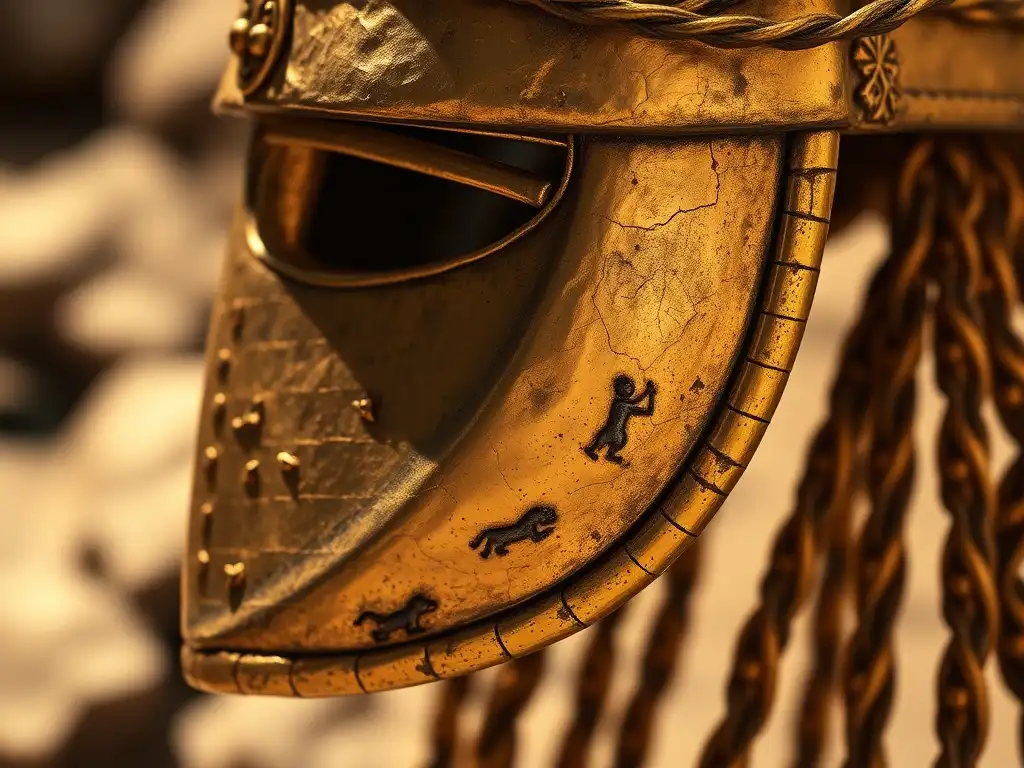
The rise of metalworking in the Andes dramatically reshaped social structures and artistic expression. The mastery of metallurgy wasn't merely a technological advancement; it became a powerful symbol of elite power and religious authority. The ability to transform raw materials into intricate objects cemented the status of skilled artisans and the rulers who patronized them. Analyzing Ancient Andean artifacts meaning often leads us back to the sophisticated metallurgical techniques employed.
Understanding these techniques provides invaluable insight into the social, political, and religious landscapes of these ancient societies. The scarcity of certain metals, like gold and silver, further amplified their symbolic value, associating them with divinity and royal lineage. The distribution and use of metal artifacts tell a compelling story of trade networks, social hierarchy, and the evolving ideologies of Andean civilizations.
Early Andean Metalworking Techniques: Cold Hammering, Repoussé, and Alloying
Early Andean metalworkers employed a range of sophisticated techniques, demonstrating remarkable ingenuity. Cold hammering, a process involving shaping metal through repeated striking without the use of heat, was a fundamental technique. This required considerable skill and precision, as it allowed for the creation of incredibly thin and detailed sheets of metal. The repoussé technique, where metal is shaped from the back using punches and hammers, allowed for the creation of three-dimensional forms with intricate relief work. This is evident in many surviving artifacts, showcasing the artisans' mastery of manipulating metal.
Beyond these techniques, the Andeans also mastered alloying – the process of combining different metals to create new materials with enhanced properties. They skillfully combined copper with tin to create bronze, increasing its strength and durability. Gold and silver were frequently alloyed with copper to alter color and improve workability.
The precise ratios used in these alloys varied across different regions and time periods, reflecting regional variations in technique and access to resources. The development of these techniques showcases the sophisticated understanding of materials science possessed by Andean metallurgists. Analyzing the specific alloys present in Ancient Andean artifacts provides crucial data for dating and understanding regional interactions.
Metal Artifacts: Ornaments, Religious Regalia, and Weapons
The range of metal artifacts produced by Andean civilizations is astonishing. Ornaments, such as elaborate necklaces, earrings, and headdresses, were prevalent, often crafted from gold, silver, and copper alloys. These pieces were not merely decorative; they served to signify social status and wealth. The intricate designs, often featuring zoomorphic and anthropomorphic motifs, reflected religious beliefs and cosmological understandings.
Religious regalia, including ceremonial objects and deity figures, were also frequently made from precious metals. These artifacts offer insights into religious practices and beliefs, demonstrating the importance of metal in ritual contexts. For example, [Specific examples of religious regalia and their associated meanings pending]. The use of gold, in particular, frequently linked these objects to the sun god, Inti, a key figure in Inca cosmology.
Weapons, such as axes, knives, and spear points, were also fashioned from metal, highlighting its role in warfare and conflict. The quality and design of these weapons varied across different cultures and time periods, reflecting technological advancements and differing military strategies. [Specific examples of weaponry and their technological sophistication pending]. The analysis of these artifacts helps us to understand the development of warfare and military organization in Andean societies.
The Spread of Metalworking Technology in the Andes
The spread of metalworking technology across the Andes wasn't uniform. Different regions developed their own distinct styles and techniques, reflecting diverse cultural traditions and resource availability. However, there's clear evidence of technological exchange and diffusion, suggesting a complex network of interactions between different Andean societies. The stylistic similarities and shared metallurgical techniques found in Ancient Andean artifacts across vast distances reveal the interconnectedness of these cultures.
The timing of the adoption of metalworking also varied significantly. Some regions, such as the northern Andes, embraced metalworking earlier than others, while others continued to rely primarily on stone tools for a longer period. This variation reflects the complex interplay of factors, including environmental conditions, social structures, and technological innovation.
[Detailed map showing the spread of metalworking technology across the Andes pending]. The study of the diffusion of metalworking technologies helps us understand the dynamics of cultural exchange and the development of regional identities in the Andes. The legacy of Andean metallurgy continues to inspire awe and admiration, a testament to the skill and ingenuity of these ancient civilizations.
Burial Practices and Ritual Objects: Insights into Beliefs and Death
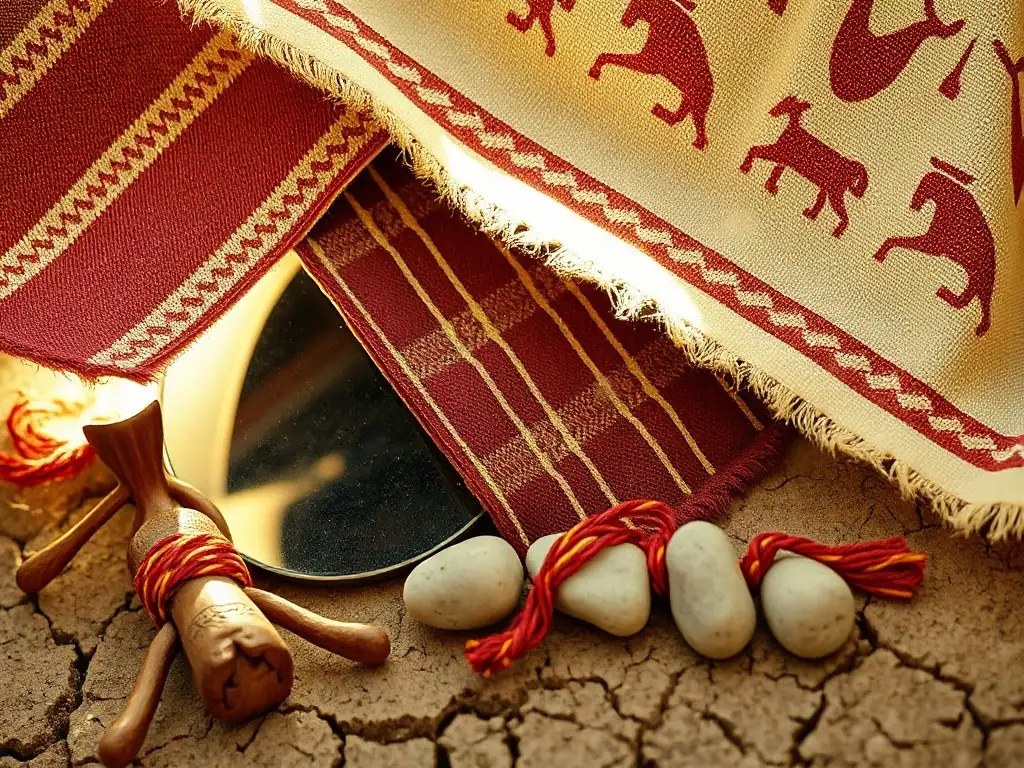
This section delves into the fascinating world of ancient Andean burial practices and the artifacts discovered within them, offering valuable insights into their beliefs about death and the afterlife. Analyzing these Ancient Andean artifacts meaning requires careful consideration of their context and the rich tapestry of funerary rituals they illuminate. The sheer diversity of burial customs across different Andean cultures reveals a complex and nuanced understanding of the spiritual realm.
The discovery of funerary bundles, meticulously wrapped packages containing the remains of individuals, is a hallmark of many Andean cultures. These bundles often contain a variety of grave goods, providing crucial information about the deceased's social status and the beliefs surrounding the afterlife. For example, the Moche culture, known for its elaborate ceramics, often interred their elite with richly decorated vessels, intricately woven textiles, and even gold ornaments.
These items weren't simply grave goods; they were provisions for a continued existence in the spirit world. The quantity and quality of the grave goods directly correlated with the social standing of the deceased.
A simple burial with few items might indicate a commoner, while a lavish burial with numerous precious objects pointed towards an individual of high social rank. Analyzing the types of objects included – such as tools, food, or luxury items – helps us understand what aspects of life were considered essential for the journey into the afterlife.
The Nazca culture, famous for its geoglyphs, also practiced elaborate burial rituals, though their funerary bundles often differed in style and content from those of the Moche. Further research is needed to fully compare and contrast the specifics of grave goods between these two sophisticated cultures, but preliminary data suggests nuanced differences in their beliefs surrounding the afterlife. For instance, [Specific data on Nazca grave goods pending] could shed light on these variations. Detailed analysis of these Ancient Andean artifacts meaning within their specific cultural contexts is crucial for accurate interpretation.
Ritual Artifacts: Depictions of Deities, Shamanic Tools, and Offerings
Beyond the grave goods, numerous ritual artifacts offer valuable clues into the religious beliefs and practices of ancient Andean societies. These artifacts include intricately carved figurines representing deities, shamanic tools used in ceremonies, and offerings left to appease the gods or honor ancestors. The Tiahuanaco culture, for instance, left behind numerous stone sculptures depicting figures with complex iconography, suggestive of powerful deities and cosmological beliefs. These sculptures, often found in ceremonial contexts, provide insights into their pantheon and religious practices.
The discovery of kero (ceremonial cups) frequently adorned with intricate designs depicting deities or scenes from mythology also offers significant insights into religious beliefs. The style and materials used in these Ancient Andean artifacts varied across cultures, reflecting regional differences in artistic expression and religious practices. For example, the Incas used kero made from various materials, reflecting the level of sophistication of Inca metalworking and their access to diverse resources.
The intricate designs on these kero are often interpreted as representations of deities, mythical creatures, and important events, providing a visual record of their religious worldview. Further research into the iconography on these ritual objects promises to unlock deeper understandings of Ancient Andean artifacts meaning.
The Archaeological Context of Burial Sites and Artifacts
The archaeological context surrounding both burials and artifacts is paramount in understanding their Ancient Andean artifacts meaning. The location of a burial site, its orientation, the arrangement of the remains, and the presence of other artifacts all contribute to a richer understanding of the funerary rituals and beliefs. For example, the discovery of multiple burials within a single site might indicate a family plot or a communal burial ground, reflecting the social organization of the community. Similarly, the presence of specific artifacts alongside the remains can indicate the status of the deceased, their profession, or their role within society.
Careful excavation and meticulous documentation of the archaeological context are vital for accurate interpretation. The positioning of artifacts within the burial, for example, can provide insights into the importance of specific items. Items placed directly on the body might have held a particular significance, while those placed elsewhere may have served a different purpose. Furthermore, the presence of disturbed earth or signs of looting can compromise the integrity of the archaeological context and hinder accurate interpretation.
A thorough understanding of the context is essential to avoid misinterpretations and to fully appreciate the significance of these Ancient Andean artifacts. The careful study of these finds continues to unveil the complexity and richness of ancient Andean cultures, providing invaluable insights into their beliefs, practices, and social structures. The ongoing process of discovery and analysis underscores the enduring power of these Ancient Andean artifacts to illuminate the past.
Analyzing Ancient Andean Artifacts: Methods and Challenges
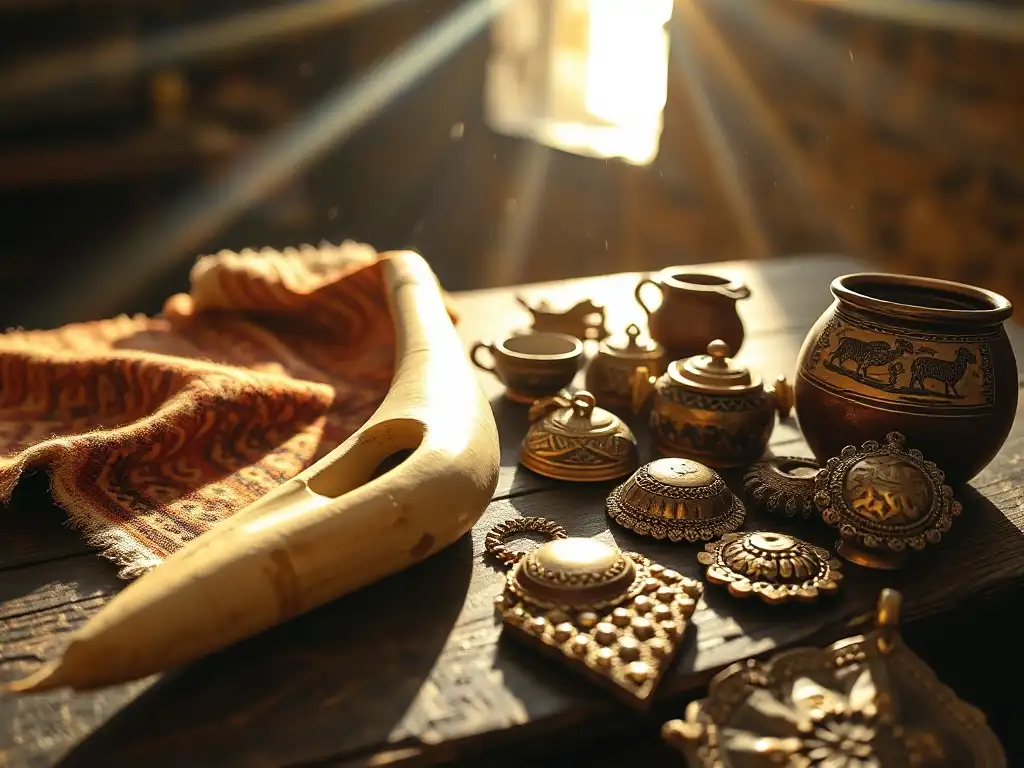
Understanding the lives and societies of ancient Andean civilizations relies heavily on the careful analysis of the artifacts they left behind. These remnants—from intricately woven textiles to monumental stone structures—offer silent testimonies to their ingenuity, beliefs, and daily routines. However, deciphering these messages requires rigorous methodologies and a keen awareness of the inherent challenges in interpreting objects removed from their original context. The meaning derived from Ancient Andean artifacts is a complex process, demanding meticulous attention to detail and a multidisciplinary approach.
Archaeological Excavation Techniques and Data Collection
The initial step in understanding Ancient Andean artifacts meaning involves meticulous archaeological excavation. This isn't simply about digging; it's a precise process that prioritizes the preservation of context. Archaeologists employ various techniques, including:
- Grid System Excavation: Dividing the excavation site into a grid allows for precise mapping of artifact locations, creating a three-dimensional record of the site's stratigraphy. This is crucial for understanding the chronological sequence of occupation and the relationships between different features and artifacts.
- Stratigraphic Recording: Meticulous recording of soil layers (strata) is essential. Each layer represents a period of deposition, potentially containing artifacts from a specific time period. Changes in the stratigraphy can indicate significant events, such as floods, construction, or abandonment.
- Artifact Recovery and Documentation: Every artifact, no matter how seemingly insignificant, is carefully documented. This includes recording its precise location, orientation, associated materials, and any observable features. Photographs, drawings, and detailed descriptions are crucial for future analysis.
- Environmental Sampling: Analysis of soil samples, pollen, and other organic remains can provide valuable information about the ancient environment and its impact on the civilization. This contextual data is vital for interpreting the meaning and function of artifacts.
For example, the excavation of a Moche site might reveal a layered sequence of residential structures, revealing changes in building techniques and social organization over time. The careful recovery and documentation of pottery shards, tools, and ornaments from each layer provides crucial data for understanding the cultural development of the Moche people and the meaning of their artifacts.
Dating Methods: Radiocarbon, Stratigraphy, and Typology
Dating artifacts accurately is paramount to understanding their significance within the broader timeline of Andean civilization. Several methods are employed, each with its strengths and limitations:
- Radiocarbon Dating (14C): This method measures the decay of carbon-14 isotopes in organic materials (wood, bone, textiles) to estimate their age. While valuable, it has limitations in accuracy and is only applicable to organic materials.
- Stratigraphy: The relative position of artifacts within the soil layers provides a chronological framework. Artifacts found in deeper layers are generally older than those found in higher layers, assuming undisturbed stratification. However, geological events can disrupt this sequence, requiring careful interpretation.
- Typology: This involves classifying artifacts based on their shared characteristics (shape, material, decoration). Changes in artifact types over time can reflect technological advancements, stylistic shifts, or changes in social practices. This relative dating method is often used in conjunction with other techniques.
Successfully integrating these dating methods allows researchers to construct a robust chronological framework for Andean artifacts. For instance, combining radiocarbon dating of organic materials found within a Nazca burial with typological analysis of the associated ceramics can refine our understanding of the Nazca culture's timeline and the evolving meaning of their burial practices.
Interpreting Artifacts: The Challenges of Context, Provenance, and Cultural Bias
Interpreting the meaning of Ancient Andean artifacts presents significant challenges. The removal of an artifact from its original context inevitably leads to a loss of information. Several factors complicate this process:
- Context: Understanding the original location and association of an artifact is crucial. A ceramic vessel found in a tomb has a different meaning than the same vessel found in a domestic setting. The spatial arrangement of artifacts within a site can reveal social structures, ritual practices, and economic activities.
- Provenance: Knowing the precise origin of an artifact is vital for accurate interpretation. Artifacts that have been looted or moved from their original location can lead to misinterpretations of their significance. Establishing secure provenance is often a significant challenge in the study of Ancient Andean artifacts.
- Cultural Bias: Researchers' own cultural backgrounds and perspectives can unconsciously influence their interpretations. It's essential to acknowledge and mitigate these biases through rigorous methodologies, interdisciplinary collaboration, and engagement with Indigenous perspectives.
For example, the interpretation of a Tiahuanaco-style keros (a ceremonial drinking vessel) found in a coastal site requires careful consideration of its context. Was it a trade item, a symbol of prestige, or evidence of cultural exchange? Understanding the meaning requires analyzing the vessel's stylistic features, its materials, and its location within the broader archaeological context.
Moreover, engaging with contemporary Andean communities and their perspectives on the significance of similar objects can enrich our understanding of Ancient Andean artifacts meaning. The careful consideration of context, provenance, and cultural biases is crucial for avoiding misinterpretations and for developing nuanced and accurate understandings of these captivating artifacts.
The Enduring Legacy of Ancient Andean Artifacts
The study of Ancient Andean artifacts provides an invaluable window into the lives, beliefs, and societal structures of the diverse cultures that thrived in the Andes Mountains. These objects, ranging from intricately woven textiles to monumental stone structures, serve as tangible links to a rich and complex past. Understanding their meaning is crucial to appreciating the ingenuity and resilience of these early Andean societies.
The sheer volume and variety of artifacts unearthed—from delicate gold ornaments to massive agricultural terraces—demonstrates the sophistication and advanced technologies employed by these civilizations. Their enduring legacy isn't just about aesthetic beauty; it's about deciphering the stories embedded within each piece, revealing the intricacies of daily life, religious practices, and political organization. This section will explore how the careful analysis of these ancient Andean artifacts helps us reconstruct a more complete picture of early Andean life.
How Artifacts Inform Our Understanding of Andean Civilizations
Ancient Andean artifacts offer a multifaceted perspective on the past. Pottery shards, for example, often bear intricate designs that provide clues to religious beliefs, social structures, and daily routines. The depiction of specific animals or deities on pottery can reveal the importance of these figures in the culture's cosmology.
Furthermore, the stylistic variations in pottery across different regions and time periods can help archaeologists establish chronological sequences and trace cultural interactions. Similarly, the analysis of textiles reveals sophisticated weaving techniques and the use of diverse materials, reflecting the level of technological advancement and artistic skill. The presence of specific dyes and fibers can even indicate trade networks and access to resources from distant locations.
Beyond artistic expression, functional artifacts, such as tools and agricultural implements, provide insights into the daily lives of Andean people. The types of tools used for farming, hunting, and crafting reveal the economic activities and subsistence strategies employed by these communities. The sophistication of certain tools, like the intricate irrigation systems or the advanced metalworking techniques, highlight the ingenuity and adaptability of these early Andean civilizations.
Analyzing the materials used in these tools – stone, copper, gold – also reveals the level of access to resources and the development of specialized crafts. For example, the discovery of sophisticated metalworking tools in certain sites indicates a high level of technological prowess and specialized labor.
Preserving and Protecting Andean Cultural Heritage
The preservation of Ancient Andean artifacts is paramount to ensuring that future generations can continue to learn from and appreciate these invaluable pieces of history. The delicate nature of many artifacts, combined with the challenges of environmental degradation and looting, necessitates proactive conservation efforts. These efforts involve meticulous cataloging, careful storage in controlled environments, and ongoing research to understand the best methods for preserving different materials.
Furthermore, ethical considerations play a significant role in the preservation of Andean cultural heritage. The repatriation of artifacts to their countries of origin and the involvement of local communities in the preservation process are crucial steps in ensuring that these artifacts are treated with respect and are used to enhance the understanding and appreciation of their cultural significance.
This includes implementing stricter regulations against looting and illegal trafficking of artifacts. Moreover, educational initiatives are vital in raising awareness among the general public about the importance of preserving this rich cultural legacy.
The Significance of Andean Artifacts: Continuing Research and Cultural Preservation
Ongoing research on Ancient Andean artifacts continues to reshape our understanding of these fascinating civilizations. Advances in scientific techniques, such as radiocarbon dating and DNA analysis, provide increasingly precise chronological frameworks and insights into the genetic relationships between different Andean groups. Furthermore, the use of digital technologies allows for the creation of detailed 3D models and virtual reconstructions of artifacts and sites, making them accessible to a wider audience and facilitating comparative studies.
The integration of these digital tools with traditional archaeological methods creates a more comprehensive and accessible way to study the artifacts and their meaning. The ongoing research and preservation efforts are not only about protecting the physical artifacts but also about fostering a deeper understanding and appreciation of the cultural heritage they represent.
The study of Ancient Andean artifacts is a dynamic and evolving field, constantly revealing new insights into the complex history and rich cultural legacy of the Andean region. This continuing research ensures that the "Ancient Andean artifacts meaning" is continually refined and enriched, providing a more nuanced and complete understanding of the past.
Frequently Asked Questions
What makes Andean artifacts so significant in understanding ancient cultures?
Andean artifacts offer unparalleled insights into the daily lives, beliefs, and technologies of these civilizations. They provide tangible evidence of their social structures, artistic expression, and spiritual practices, far beyond written records. Studying them allows us to reconstruct their complex societies.
How do archaeologists determine the age and origin of Andean artifacts?
Archaeologists employ various techniques, including carbon dating, stylistic analysis, and stratigraphic context. Ceramic analysis and the identification of specific materials also help pinpoint the time period and geographic origin of an artifact. This allows for accurate placement within the historical timeline.
What are some of the most common types of Ancient Andean artifacts?
Common artifact types include textiles, pottery, metalwork, and stone tools. Also significant are mummies and religious objects, which provide valuable information on burial rituals, beliefs, and social status. These offer a diverse range of insights.
What is the significance of the meaning behind the iconography found on Ancient Andean artifacts?
The iconography on Andean artifacts often depicts mythological figures, deities, and scenes from daily life. These images reflect the spiritual beliefs, social structures, and worldview of the people who created them. Deciphering this iconography reveals crucial details about their culture.
Where can I learn more about the meaning of specific Ancient Andean artifacts?
Many museums and academic institutions house extensive collections and offer research resources. Reputable websites, like the one you're currently on, provide in-depth information and articles. Scholarly publications and books are also invaluable resources for further study.
Final Reflection: Echoes of the Andes: A Legacy in Stone and Bone
The intricate artistry and enduring resilience of Ancient Andean artifacts offer a powerful counterpoint to the often-fragmented narratives of the past. These silent witnesses, unearthed from the high altitudes and arid landscapes, speak volumes about a sophisticated civilization that thrived despite immense environmental challenges. Their continued discovery and study reshape our understanding of human ingenuity and adaptation, reminding us of the rich tapestry of human experience.
The impact of these discoveries extends far beyond the academic realm. They challenge Eurocentric narratives of history, highlighting the complex social structures, advanced technologies, and rich spiritual beliefs of Andean cultures. These artifacts force us to confront our own biases and assumptions about what constitutes "civilization," prompting a deeper appreciation for the diversity of human achievement. The past is never dead. It's not even past.
– William Faulkner. This quote resonates deeply, as the enduring presence of these artifacts continues to inform and inspire us today, shaping our understanding of the past and its relevance to the present.
Consider the stories etched into the pottery, the meticulous craftsmanship of the textiles, the intricate designs of the goldwork. These are not merely objects; they are tangible links to a vibrant past, whispering tales of daily life, religious practices, and social hierarchies. You, the reader, are now part of this ongoing conversation.
Take a moment to reflect on the enduring power of these artifacts and how they challenge you to reconsider your own perspectives on history, culture, and the human experience. Let their silent voices inspire you to seek out and appreciate the rich cultural heritage that surrounds us, both ancient and modern.
Uncover the Secrets of Andean Heritage!
Thank you for exploring the fascinating world of ancient Andean life! You've gained valuable insights into the lives, cultures, and stories revealed by these extraordinary artifacts. Now, let's deepen your understanding and make these discoveries truly meaningful.
Here are some ways to connect more deeply with Andean history:
- **Visit a local museum** featuring Andean artifacts, or explore online exhibitions to examine these wonders up close.
- **Join online forums or communities** dedicated to Andean history to participate in discussions, share your findings, and ask questions from fellow enthusiasts.
- Consider **sharing your favorite artifact or detail** from this exploration on social media to spark conversations about our shared heritage!
What aspect of Andean civilization captivates you the most, and how will you share this newfound knowledge with others?