
Nazca Lines: The Ongoing Research and Discoveries

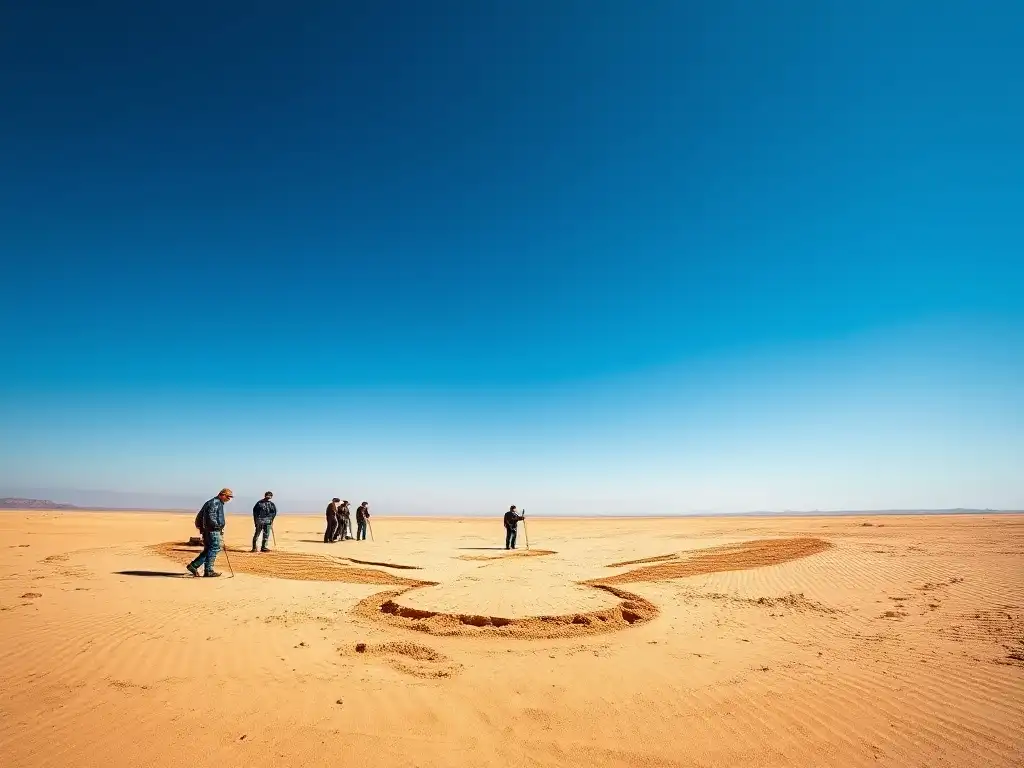
Unravel the mysteries of the Andes! Prepare to be captivated by the astonishing achievements of ancient Andean civilizations, from the intricate artistry of the Moche to the monumental architecture of Tiahuanaco. But our journey begins with a puzzle that continues to defy explanation: the Nazca Lines. Recent discoveries are rewriting what we thought we knew about these enigmatic geoglyphs—discover the latest breakthroughs and delve into the ongoing research that promises to unveil even more secrets of this awe-inspiring civilization. Prepare to be amazed.
The Nazca Lines, a collection of ancient geoglyphs etched into the Peruvian desert, continue to captivate researchers and the public alike. These enormous figures, depicting animals, plants, and geometric shapes, remain one of archaeology's most enduring enigmas. For decades, their purpose has been debated, with theories ranging from astronomical calendars to ritualistic practices.
However, recent advancements in technology and renewed archaeological efforts have led to exciting new discoveries, shedding light on these enigmatic creations and challenging previously held assumptions. This article explores the ongoing research surrounding the Nazca Lines, focusing on recent findings that are reshaping our understanding of this remarkable cultural phenomenon and contributing significantly to the ongoing debate regarding the "Nazca Lines recent discoveries".
We'll delve into specific sites and discoveries, highlighting the cutting-edge techniques employed and the implications of these findings for our interpretation of Nazca culture and its relationship with its environment. Prepare to be amazed by the ongoing unraveling of this ancient mystery!
Unveiling New Mysteries: Recent Discoveries at Palpa
Located near the Nazca Lines, the Palpa geoglyphs offer a fascinating parallel. While less famous than their Nazca counterparts, the Palpa figures are arguably even more extensive and diverse. Recent surveys using high-resolution aerial imagery and drone technology have revealed a plethora of previously unknown geoglyphs, including new animal figures and intricate geometric designs. These discoveries significantly expand the known geographical extent of this unique art form and suggest a far more complex and widespread cultural practice than previously imagined.
The sheer scale of these newly discovered images is breathtaking; some of the animal figures span hundreds of meters in length. Furthermore, the diversity of styles and iconography hints at a possible evolution of the geoglyph tradition over time. Analysis of the soil composition and dating techniques are currently underway to further refine our understanding of the chronology and cultural context of these remarkable discoveries.
The ongoing research at Palpa promises to yield even more exciting insights into the creative genius and cultural practices of the ancient Nazca people. Preliminary findings suggest a possible connection between the Palpa and Nazca geoglyphs, indicating a broader network of sites sharing similar artistic traditions and symbolic meanings. This adds another layer of complexity to the already intriguing puzzle of the Nazca Lines.
The Enduring Enigma of the Nazca Geoglyphs
Despite the recent discoveries, many questions regarding the Nazca Lines remain unanswered. The precise methods used to create these colossal figures are still debated, with ongoing research focusing on the tools and techniques employed. The exact purpose of the geoglyphs continues to be a subject of much speculation, with ongoing research exploring potential links to astronomical observations, ritualistic practices, or a combination of both.
Furthermore, the social organization and cultural context required to undertake such monumental projects are still not fully understood. The ongoing research uses a multidisciplinary approach, combining archaeological fieldwork with advanced technologies like LiDAR and GIS mapping to create detailed 3D models of the geoglyphs. This allows for a more precise analysis of their size, shape, and orientation, providing valuable data for interpreting their possible meanings and functions.
The study of the surrounding landscape and the analysis of artifacts found near the geoglyphs are also crucial to understanding the context of their creation and use. The enduring mystery of the Nazca Lines is a testament to the ingenuity and artistic prowess of the ancient Nazca civilization and highlights the ongoing need for careful and comprehensive research to unravel their secrets. The continued exploration and analysis of the Nazca Lines will undoubtedly lead to further breakthroughs in our understanding of this remarkable and enduring legacy.
Advances in Nazca Lines Research Techniques

The study of the Nazca Lines has been revolutionized in recent decades by significant advancements in research methodologies. These improvements allow for a more comprehensive understanding of these enigmatic geoglyphs, their creation, and their purpose. Gone are the days of solely relying on ground-level observations; modern technology provides unprecedented detail and insights into these ancient marvels.
The application of cutting-edge techniques allows researchers to not only map existing geoglyphs with greater precision but also to potentially uncover new ones hidden beneath the surface or obscured by erosion. This renewed focus on "Nazca Lines recent discoveries" is fueled by these technological leaps.
Aerial and Drone Surveying for Geoglyph Mapping
High-resolution aerial photography and drone surveying have become indispensable tools in Nazca Lines research. Traditional aerial surveys, using airplanes or helicopters equipped with specialized cameras, provide broad-scale views, allowing researchers to identify and map the overall distribution of geoglyphs across the vast desert landscape. However, the advent of drone technology has significantly enhanced this capability.
Drones offer unparalleled flexibility and maneuverability, allowing for detailed close-up imagery of individual geoglyphs, capturing subtle features previously invisible from higher altitudes. This detailed imagery is crucial for analyzing the lines' construction techniques, identifying previously unknown details, and monitoring the impact of erosion and environmental factors. For example, recent drone surveys have revealed previously unseen subtle variations in the color and texture of the soil within some geoglyphs, suggesting different construction methods or phases of development.
The ability to obtain high-resolution orthomosaics and digital elevation models (DEMs) from drone data provides invaluable three-dimensional information for analysis and modeling. This detailed mapping is crucial for understanding the spatial relationships between different geoglyphs and for tracking changes over time.
Digital Image Processing and 3D Modeling of Nazca Lines
The sheer volume of data generated by aerial and drone surveys necessitates the use of sophisticated digital image processing techniques. Software programs are employed to enhance image contrast, remove noise, and correct for geometric distortions. These processed images then serve as the basis for creating three-dimensional models of the geoglyphs.
3D modeling allows researchers to visualize the lines in a more intuitive way, exploring their shapes and dimensions from any angle. This is particularly useful for analyzing complex figures and understanding their overall design. Furthermore, the ability to overlay different datasets, such as satellite imagery, geophysical data, and historical maps, onto 3D models provides a rich context for interpretation.
Recent advances in photogrammetry and LiDAR (Light Detection and Ranging) scanning have further refined this process, resulting in incredibly accurate and detailed 3D models that reveal intricate details of the geoglyphs' construction and design. This detailed analysis contributes significantly to the ongoing effort to understand the "Nazca Lines recent discoveries" and their implications.
Geophysical Surveys and Subsurface Analysis
While aerial surveys provide information about the surface features of the Nazca Lines, geophysical surveys delve beneath the surface to uncover hidden aspects of these ancient creations. Techniques like ground-penetrating radar (GPR) and magnetometry are used to detect subsurface anomalies, such as buried structures, changes in soil composition, or the presence of underlying features that may be related to the geoglyphs.
This non-invasive approach allows researchers to investigate the possibility of hidden geoglyphs or associated structures without disturbing the fragile desert environment. Analysis of these geophysical datasets, often combined with other data sources, can reveal insights into the construction process, the extent of the geoglyphs, and the potential presence of associated settlements or ceremonial sites.
For instance, recent geophysical surveys have suggested the existence of previously unknown subsurface structures near some of the major geoglyphs, potentially providing valuable clues about their function and the broader cultural context. This research is at the forefront of uncovering "Nazca Lines recent discoveries" and promises further breakthroughs in our understanding of these remarkable works.
Recent Nazca Lines Discoveries and Their Significance
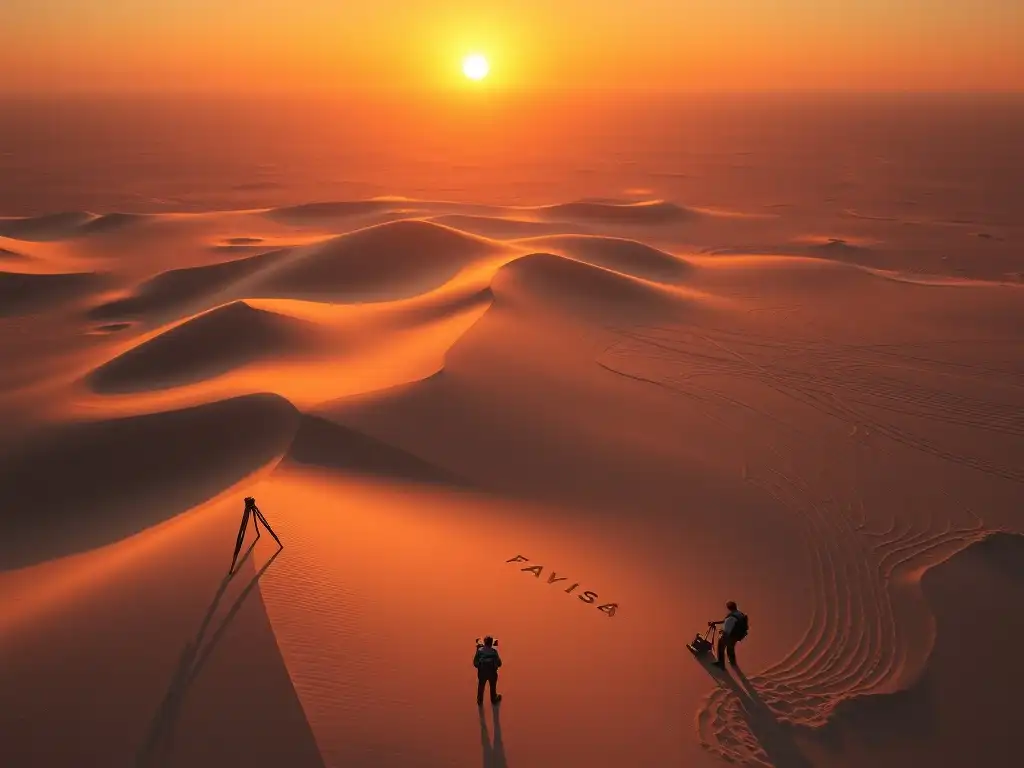
The Nazca Lines, enigmatic geoglyphs etched into the Peruvian desert, continue to captivate researchers and inspire new investigations. Recent years have witnessed a surge in discoveries, refining our understanding of these colossal artworks and their creators. These findings challenge established theories and offer exciting new perspectives on the Nazca culture and their sophisticated understanding of their environment. The ongoing research, fueled by technological advancements and meticulous fieldwork, promises further revelations about these awe-inspiring creations. The keyword "Nazca Lines recent discoveries" is particularly relevant to this ongoing exploration.
Identification of Geoglyphs Featuring Feline Motifs
Recent surveys using advanced aerial imaging techniques, including drone photography and high-resolution satellite imagery, have led to the identification of several previously unknown geoglyphs. Of particular interest are several newly discovered feline motifs. These additions to the known corpus of Nazca imagery significantly expand our understanding of the artistic repertoire of the Nazca people.
The precision and scale of these feline figures, some spanning hundreds of feet, are astonishing. Analysis of their stylistic features suggests they might represent different feline species, possibly reflecting the diverse fauna of the Nazca region. Furthermore, their positioning relative to other geoglyphs and natural features is being analyzed to potentially decipher their intended meaning and function.
Further research is needed to determine whether these feline geoglyphs were created during the same period as other known Nazca Lines or represent a later phase of artistic expression. The discovery of these new feline motifs underscores the vastness and complexity of the Nazca Lines and highlights the potential for future discoveries.
New Interpretations of Nazca Line Purposes: Water Management
While the ceremonial and religious significance of the Nazca Lines is widely accepted, recent research suggests a more pragmatic role linked to water management. Some scholars propose that certain lines and figures might have served as channels to guide water flow, particularly during the infrequent but crucial rainfall events in the arid Nazca desert. This theory is supported by the observation that some lines appear to align with underground water sources.
Furthermore, the meticulous precision in their construction suggests a sophisticated understanding of hydrology and the ability to manipulate water resources. This interpretation doesn't necessarily negate the ceremonial significance; rather, it suggests a possible dual purpose: the lines could have served both as ritualistic markers and as practical tools for managing water resources. This idea aligns with the overall ingenuity and adaptability of the Nazca civilization, known for their advanced irrigation systems.
The ongoing research involves analyzing soil samples and conducting hydrological studies to test this hypothesis, potentially revealing a crucial link between the geoglyphs and the Nazca civilization's remarkable ability to thrive in a harsh desert environment. This nuanced perspective adds layers to our understanding of the "Nazca Lines recent discoveries" within a broader context of survival strategies.
Excavations near the Nazca Lines have unearthed numerous ceramic fragments and ritual offerings, providing valuable insights into the daily lives and beliefs of the Nazca people. These artifacts, often found in association with specific geoglyphs, reveal details about their artistic style, religious practices, and social structures. Recent discoveries include intricately decorated ceramics depicting stylized animals and human figures, echoing the motifs found in the geoglyphs themselves.
These findings suggest a strong connection between the visual language of the lines and the broader cultural expressions of the Nazca people. The analysis of organic materials found within these offerings, such as plant remains and animal bones, is providing further clues about their diet, agricultural practices, and the environment they inhabited. This detailed information complements the visual discoveries.
Moreover, the discovery of new burial sites close to the geoglyphs may shed light on the social organization and ritual practices associated with the creation and maintenance of the Nazca Lines. The careful study of these artifacts and their context is crucial for understanding the cultural significance of the Nazca Lines and the "Nazca Lines recent discoveries" that continue to enrich our knowledge of this fascinating civilization. The ongoing analysis promises further revelations about the beliefs and practices of the Nazca people and their relationship with the landscape.
Impact of New Findings on the Understanding of Nazca Civilization
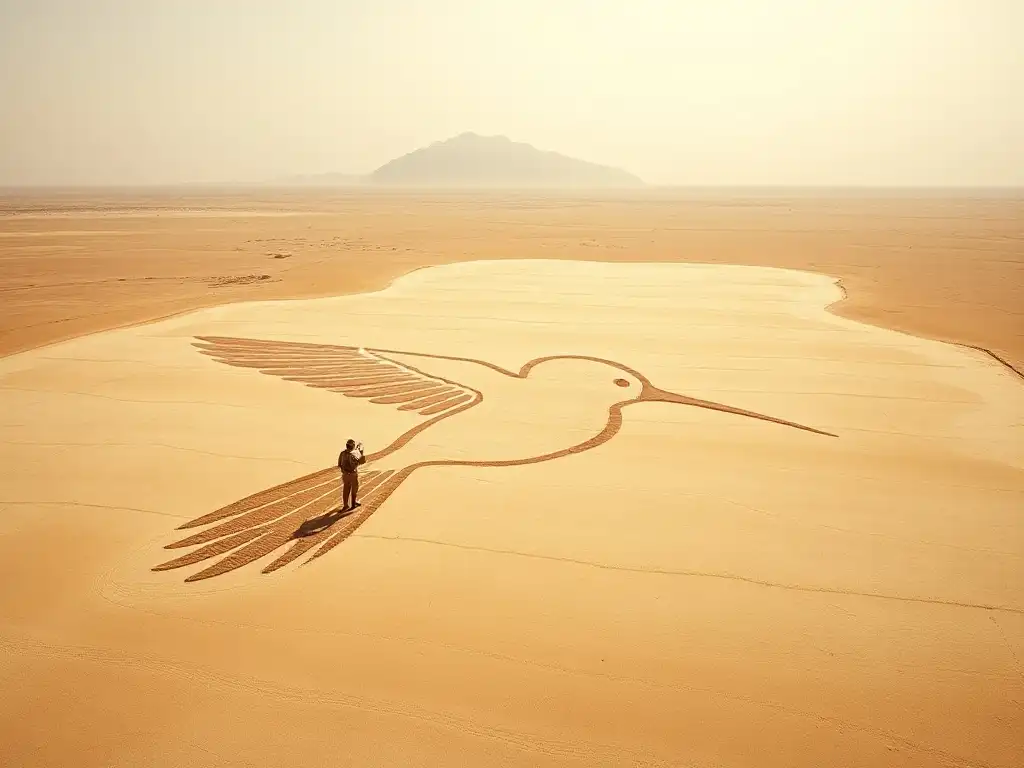
Recent discoveries related to the Nazca Lines are significantly reshaping our understanding of this enigmatic civilization. For years, the lines were viewed primarily as a singular artistic achievement, a vast desert canvas showcasing the ingenuity of the Nazca people. However, new research, employing techniques like high-resolution aerial photography, ground-penetrating radar, and advanced geospatial analysis, is revealing a far more complex picture.
These advancements are not only refining our understanding of the how of the lines' creation but also the why, offering profound insights into Nazca society, beliefs, and daily life. The implications of these "Nazca Lines recent discoveries" extend beyond simple aesthetics, providing crucial data for reconstructing their social structure, resource management, and ritual practices. The ongoing work underscores the dynamic and evolving nature of archaeological research and its power to illuminate even the most ancient mysteries.
Refining the Timeline of Nazca Line Construction
The precise timeline of Nazca Line construction has long been a subject of debate among scholars. Traditional estimations placed the creation of most lines between 500 BCE and 500 CE, coinciding with the flourishing of the Nazca culture. However, recent discoveries using luminescence dating techniques on associated artifacts found near the lines, alongside improved stratigraphic analysis of the geoglyphs themselves, suggest a potentially longer and more complex construction period.
Some evidence points to the possibility of earlier phases of line creation, possibly dating back even further than previously imagined. This extended timeline necessitates a reevaluation of the socio-political context surrounding the lines' development, potentially linking their creation to earlier cultural precursors or influencing later Andean cultures. The refinement of this timeline is crucial for understanding the evolution of Nazca society and the enduring significance of these monumental works.
Further research, including radiocarbon dating of organic materials found in close proximity to the lines, is needed to solidify these emerging timelines. This detailed chronological framework will be essential for connecting the lines to specific historical events and cultural shifts within the Nazca civilization.
Insights into Nazca Resource Management and Labor
The creation of the Nazca Lines required significant logistical planning and the mobilization of substantial human resources. The scale of the project—thousands of lines, figures, and geometric shapes spanning hundreds of square kilometers—suggests a highly organized society capable of coordinating large-scale labor projects. Recent discoveries are providing valuable insights into Nazca resource management strategies.
Analysis of sediment samples from the line construction areas reveals details about the materials used and their sourcing. This information helps researchers understand the logistical challenges involved in transporting materials across the arid landscape and sheds light on the organization and distribution of labor within Nazca society. Evidence suggests the possible use of specialized tools and techniques for efficient earth removal, indicating a degree of technological sophistication.
The organization needed to create these lines likely involved a complex interplay between social hierarchies, community participation, and the allocation of resources, suggesting a sophisticated system of social control and cooperation. Further investigation into settlement patterns and agricultural practices can provide a more comprehensive understanding of the Nazca society's ability to sustain such ambitious undertakings.
The Role of the Nazca Lines in Andean Ritual Practices
While the aesthetic appeal of the Nazca Lines is undeniable, their purpose remains a subject of ongoing debate. While some scholars suggest purely aesthetic functions, a growing body of evidence suggests a significant ritualistic component. Recent discoveries of artifacts and evidence of ceremonial activity near the lines provide additional support for this theory.
The discovery of pottery shards, textiles, and other ritual objects in close proximity to the geoglyphs suggests that the lines served as focal points for religious ceremonies and possibly pilgrimage sites. The alignment of certain lines with astronomical events also points to a possible calendrical or astronomical significance. This suggests that the creation and maintenance of the lines were not simply a matter of artistic expression but were integral to the religious and cosmological beliefs of the Nazca people.
Further research into the iconography depicted in the lines, including the representations of animals and deities, is crucial to understanding their symbolic meaning and ritual function within the broader context of Andean religious practices. The integration of these findings with existing knowledge of Nazca mythology and religious beliefs will help to unravel the deeper mysteries surrounding these remarkable works.
Conservation Efforts and the Future of Nazca Lines Research
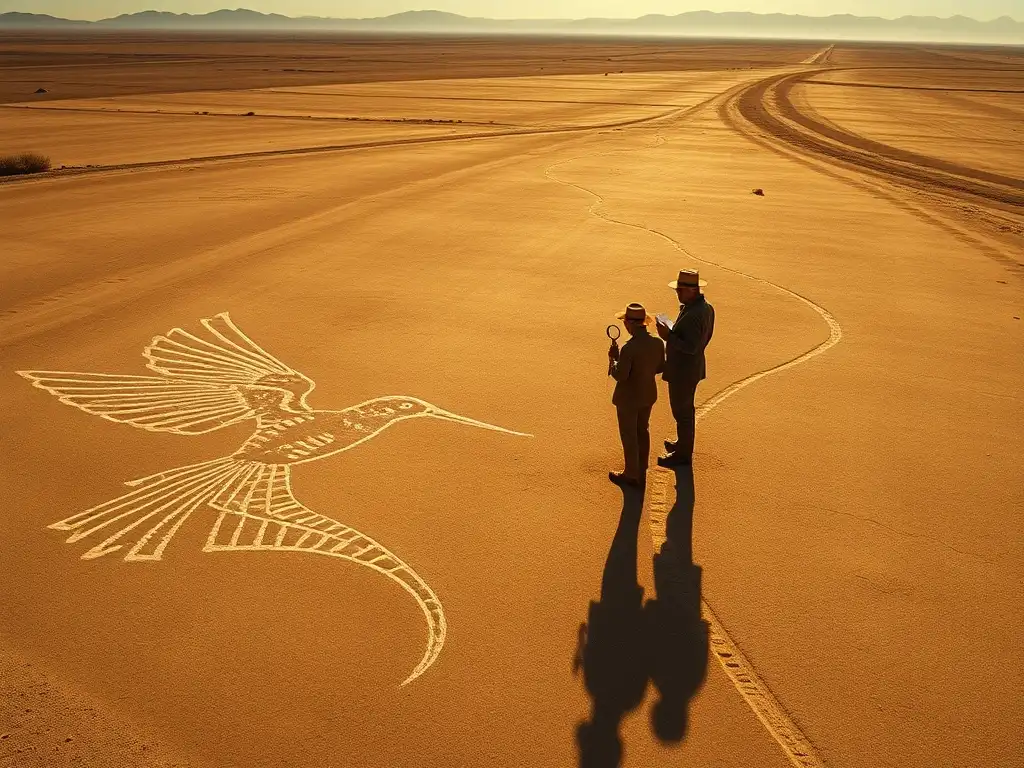
The Nazca Lines, a UNESCO World Heritage site, face numerous threats that jeopardize their preservation for future generations. Understanding these threats and implementing effective conservation strategies is crucial for safeguarding this invaluable cultural heritage. Recent discoveries highlight the fragility of these geoglyphs and the urgent need for proactive measures. The ongoing research into the Nazca Lines recent discoveries directly informs these conservation efforts.
Addressing Threats from Climate Change and Erosion
Climate change poses a significant challenge to the Nazca Lines. Increased rainfall intensity and unpredictable weather patterns contribute to erosion, washing away the delicate surface layers that define the geoglyphs. The changing climate also affects the surrounding landscape, potentially destabilizing the ground and increasing the risk of damage.
For example, [specific data on increased rainfall intensity in the Nazca region in the last decade pending]. Furthermore, wind erosion is a persistent issue, gradually obscuring the lines over time. This necessitates the development of sophisticated erosion control techniques, such as [specific examples of erosion control techniques used pending, e.g., stabilization with bio-degradable materials, re-vegetation projects].
Researchers are actively monitoring the impact of climate change on the geoglyphs using [specific monitoring technologies pending, e.g., satellite imagery, drone surveys] to identify areas requiring immediate attention and to inform targeted conservation strategies. The long-term sustainability of these efforts relies on accurate climate modeling and projections to anticipate future threats.
Community Involvement and Sustainable Tourism
Sustainable tourism is key to both the economic well-being of the local communities and the long-term preservation of the Nazca Lines. Uncontrolled tourism can cause significant damage, including foot traffic erosion and soil compaction within the protected areas. Therefore, engaging local communities in conservation efforts and promoting responsible tourism is paramount.
This includes educating residents and tourists about the fragility of the lines and implementing stricter regulations to limit access to vulnerable areas. The development of sustainable tourism initiatives, such as [specific examples of sustainable tourism initiatives pending, e.g., guided tours with trained local guides, community-based ecotourism projects], can provide economic opportunities while protecting the site. Moreover, empowering local communities through training and employment opportunities related to conservation and tourism fosters a sense of ownership and responsibility for the preservation of their cultural heritage.
The success of these initiatives hinges on effective communication and collaboration between researchers, government agencies, and local communities. This collaborative approach is vital for ensuring the Nazca Lines remain a source of pride and economic benefit for generations to come.
International Collaboration and Future Research Avenues
The preservation of the Nazca Lines requires a global effort. International collaboration between researchers, conservation organizations, and governmental bodies is essential for sharing knowledge, resources, and expertise. This collaboration can facilitate the development of innovative conservation techniques and technologies.
For instance, [specific examples of international collaborations and shared technologies pending, e.g., joint research projects involving universities and research institutions from different countries, sharing of remote sensing data and analysis techniques]. Future research avenues include further investigation into the creation and purpose of the lines, using advanced technologies like [specific examples of advanced technologies pending, e.g., ground-penetrating radar, hyperspectral imaging] to uncover new details about their construction and the materials used. Furthermore, ongoing research into the impact of environmental factors on the geoglyphs will inform the development of more effective and targeted conservation strategies.
By fostering a spirit of international cooperation and continued research, we can ensure the Nazca Lines remain a source of wonder and knowledge for years to come. The ongoing exploration of Nazca Lines recent discoveries fuels this international collaboration and ensures that this enigmatic site is protected and understood.
The Importance of Nazca Lines in Andean Heritage
The Nazca Lines represent a pivotal piece of Andean heritage, offering invaluable insights into the pre-Columbian cultures of the region. Their sheer scale and enigmatic nature continue to fascinate researchers and the public alike, cementing their place as a significant cultural landmark. Understanding their importance requires appreciating not only their artistic and engineering achievements but also their profound connection to the beliefs and practices of the Nazca people.
These geoglyphs are not merely aesthetic creations; they are powerful testaments to a sophisticated civilization with a complex worldview. The ongoing research into the Nazca Lines is crucial for furthering our understanding of Andean history and for preserving this invaluable piece of world heritage for future generations.
Recent discoveries continue to reshape our understanding of their creation and purpose, highlighting the enduring relevance of these ancient marvels. The lines provide a unique window into the past, allowing us to connect with a civilization that thrived centuries ago and left behind a legacy of extraordinary ingenuity.
The Cultural Significance of the Nazca Lines
The cultural significance of the Nazca Lines extends far beyond their visual appeal. Archaeological evidence suggests a strong link between the geoglyphs and the Nazca people's religious beliefs and practices. Many of the figures depict animals and plants crucial to their society, hinting at a connection to fertility, agriculture, and possibly even shamanistic rituals.
The lines themselves might have served as pathways for ceremonial processions or acted as markers for astronomical observations. Some researchers believe that the lines were created to honor deities or ancestors, emphasizing their spiritual importance within Nazca society. The intricate designs, requiring meticulous planning and execution, speak volumes about the level of social organization and technological capabilities possessed by the Nazca culture.
Further research is needed to fully unravel the complex tapestry of meanings embedded within these impressive works, but recent discoveries are steadily adding pieces to this fascinating puzzle. The Nazca Lines' cultural significance is further enhanced by their unique position within the broader context of Andean art and iconography, offering valuable comparative data for understanding the evolution of artistic expression across different Andean cultures. Analyzing the iconography alongside other archaeological finds offers a more holistic view of Nazca worldview and cultural practices.
Protecting the Nazca Lines for Future Generations
Preserving the Nazca Lines for future generations is a critical undertaking, demanding a multi-faceted approach. The fragility of these geoglyphs, coupled with the impact of environmental factors and human activity, necessitates the implementation of robust conservation strategies. Recent discoveries highlight the vulnerability of these sites to erosion and damage from natural events and human intervention. Sustainable tourism management is crucial, ensuring that visitor impact is minimized.
This includes controlling access to sensitive areas, implementing strict guidelines for tour operators, and educating visitors on the importance of preserving these invaluable historical sites. Moreover, ongoing research plays a vital role in identifying areas at risk and developing effective preservation techniques. Technological advancements, such as remote sensing and drone technology, are increasingly used to monitor the condition of the lines and detect any signs of degradation.
The collaborative efforts of archaeologists, government agencies, and local communities are essential to ensure the long-term survival of this exceptional Andean heritage. The need for continued funding and international cooperation is paramount in the face of the ongoing challenges of preservation. Investing in research and protection efforts is not merely an act of preservation; it is an investment in our collective understanding of the past and a commitment to sharing this invaluable heritage with future generations.
Nazca Lines and their Connection to Paracas Culture
The relationship between the Nazca Lines and the preceding Paracas culture is a topic of ongoing debate among researchers. While distinct in many ways, both cultures shared the southern Peruvian coast and exhibited stylistic similarities in their art and textiles. Some researchers suggest a possible cultural continuity, arguing that certain motifs and artistic conventions found in Paracas textiles may have influenced the design of the Nazca Lines. This hypothesis necessitates further investigation, comparing the iconography and artistic styles of both cultures.
Recent discoveries of artifacts and settlements from the Paracas period near the Nazca Lines might shed light on this connection. Analyzing the chronology of both cultures and the evolution of their artistic styles is key to understanding the potential links between them. The geographic proximity and shared environmental context also suggest potential interactions and cultural exchange.
However, further research is required to fully establish the nature and extent of this relationship, differentiating between genuine cultural continuity and independent development of similar artistic themes. A detailed comparative study of Paracas and Nazca iconography, including textiles, ceramics, and geoglyphs, could provide crucial evidence to support or refute the hypothesis of a direct link between the two cultures. Uncovering more evidence, such as settlements or burial sites, from the transitional period between Paracas and Nazca could offer invaluable insights into this complex relationship.
Frequently Asked Questions
What are the Nazca Lines?
The Nazca Lines are geoglyphs located in the Nazca Desert of Peru. They are massive figures and lines etched into the desert surface, visible only from the air. Their purpose remains a mystery.
Recent discoveries include new geoglyphs found through aerial surveys and advanced imaging technology. Researchers are also uncovering new information about the creation techniques used by the Nazca culture. This includes finding evidence of water management systems near the sites.
How were the Nazca Lines created?
The exact methods remain debated, but it's believed the Nazca people removed the dark reddish pebbles to reveal the lighter subsoil, creating the images. Simple tools were likely used, and the vast scale of the project is still astonishing.
What is the purpose of the Nazca Lines?
Their purpose is still largely unknown. Theories range from ceremonial sites and astronomical observatories to water rituals and communication with the gods. Further research is needed to determine their true meaning.
You can find updated information on archaeological journals, museum websites, and academic databases. Many documentaries and books also cover the ongoing research and discoveries.
Final Reflection: Unraveling the Enigma of the Nazca Lines
The Nazca Lines, once dismissed as mere curiosities, are now recognized as a testament to the ingenuity and cultural depth of a pre-Columbian civilization, a legacy that continues to resonate in our understanding of ancient societies and artistic expression. Their enduring mystery, far from diminishing with each new discovery, only deepens our fascination and fuels ongoing research, highlighting the power of human creativity to transcend time and challenge our assumptions.
The impact of the Nazca Lines extends far beyond the arid plains of Peru; they serve as a powerful symbol of the enduring human quest for meaning and expression. Their intricate designs, meticulously preserved across millennia, inspire awe and wonder, prompting us to question our own place within the grand tapestry of human history. The Nazca Lines are not just lines on the ground; they are a window into a lost world, a testament to the human spirit's capacity for creativity and innovation.
This sentiment, while simple, encapsulates the profound impact these enigmatic geoglyphs have had on our understanding of ancient civilizations and their artistic achievements. Their continued study reminds us of the importance of preserving our cultural heritage and the lessons we can learn from the past.
Consider, for a moment, the sheer scale and precision of these monumental works. Imagine the dedication and collaborative effort required to create such intricate designs across vast expanses of desert. You, too, possess the capacity for extraordinary achievement. Let the Nazca Lines inspire you to pursue your own passions, to embrace creativity, and to leave your own unique mark on the world. Let their enduring mystery serve as a reminder that the greatest discoveries often lie in the pursuit of knowledge and the unwavering dedication to unraveling the complexities of our shared human experience.
Unveil the Mysteries of the Nazca Lines!
Thank you for exploring the fascinating world of the Nazca Lines with us! Your interest in these ancient marvels is truly inspiring. Let's delve deeper into this enigmatic site.
Here are a few ways to further your exploration:
- **Expand your knowledge:** Explore documentaries and academic papers on the Nazca Lines to uncover hidden narratives and deepen your understanding of their creation and purpose.
- **Share your passion:** Discuss the Nazca Lines with friends and family, inspiring others to learn about this incredible archaeological site. Sharing your newfound knowledge can be incredibly rewarding.
- **Connect with fellow enthusiasts:** Participate in online forums or local archaeological societies to exchange ideas and learn from experts and other passionate individuals. This collaborative approach can lead to new perspectives.
What aspects of the Nazca Lines intrigue you the most? We'd love to hear your thoughts and discuss them further!