
The Origins of Andean Weaving: Discovering the Earliest Textile Techniques


Unravel the mysteries of a lost world. For centuries, the breathtaking artistry of the Andes has captivated the imagination. Prepare to be amazed as we delve into the intricate world of Andean weaving techniques history, exploring the ingenious methods and profound symbolism woven into the very fabric of these ancient civilizations. From the Incas to the Nazca, discover the secrets behind their remarkable textile traditions—a legacy that continues to inspire awe today. Journey with us to uncover the origins of this timeless art.
The Andes Mountains, a spine of towering peaks running down the western coast of South America, nurtured some of the world's most remarkable ancient civilizations. For millennia, these cultures developed sophisticated technologies, complex social structures, and breathtaking artistic expressions.
Among their most enduring legacies is their mastery of textile production, a tradition that continues to inspire awe and admiration today. This article delves into the fascinating origins of Andean weaving, exploring the earliest known techniques and the ingenuity of the pre-ceramic Andean peoples who laid the foundation for this rich artistic and cultural heritage.
We will trace the evolution of Andean weaving techniques from their humble beginnings, focusing on the innovative methods employed during the Pre-Ceramic Period, and examining how these early innovations laid the groundwork for the later, more complex textile traditions of the Inca and other Andean civilizations. Understanding the history of Andean weaving techniques provides crucial insight into the ingenuity, resourcefulness, and cultural significance of these ancient societies, enriching our appreciation of their achievements and the lasting impact they have had on the world.
Introduction to Early Andean Textile Production
The earliest evidence of textile production in the Andes pushes back the boundaries of our understanding of human ingenuity. While the precise origins remain a subject of ongoing research and debate amongst archaeologists and textile historians, the discovery of fragments of woven textiles and associated tools in various archaeological sites across the Andes strongly suggests that textile production emerged remarkably early in the region's prehistory.
These early textiles, often made from natural fibers such as cotton and camelid wools (llama, alpaca, and vicuña), demonstrate a sophisticated understanding of fiber preparation, spinning, and weaving techniques. The complexity of some of the earliest surviving examples challenges the notion that weaving was a simple craft, highlighting instead the advanced technical skills and artistic sensibilities of the Andean peoples.
Early Andean weaving wasn't simply about creating functional fabrics; it was a deeply symbolic and expressive art form, inextricably linked to their spiritual beliefs, social structures, and daily life. The use of different colors, patterns, and fiber types likely held significant meanings, communicating social status, religious affiliations, and even historical events.
The creation of these early textiles involved a laborious process. First, the fibers needed to be harvested, cleaned, and carefully prepared for spinning. Then, using rudimentary spindles or drop spindles, the fibers were spun into yarn. The subsequent weaving process, though likely employing basic techniques initially, involved careful planning and execution to create intricate patterns and textures. The tools used, often made from bone, wood, or stone, are themselves testament to the ingenuity and adaptability of these early Andean craftspeople. The sheer persistence and dedication required to produce these textiles are remarkable, underscoring their cultural importance.
Pre-Ceramic Period: The Dawn of Andean Weaving
The Pre-Ceramic Period in the Andes (roughly 8000-1800 BCE) marks a pivotal phase in the development of Andean weaving. While the exact chronology is still being refined, archaeological evidence from sites like Guitarrero Cave in Peru suggests that basic weaving techniques were already in use by this time. The textiles discovered in these early sites, though often fragmentary, reveal a surprising level of sophistication.
These early examples often employ simple techniques, such as plain weave, but they demonstrate a clear understanding of the structural principles of weaving. The limited color palettes in these early textiles, often consisting of natural browns, creams, and tans, reflect the readily available natural dyes. However, even within these limitations, the weavers displayed an artistic flair, incorporating simple patterns and decorative elements.
The types of fibers used also provide valuable insights into the environment and the available resources of the time. The presence of cotton, for example, indicates a warmer climate in some regions, while the use of camelid wools suggests the presence of these animals in their respective habitats.
Further research into the Pre-Ceramic Period is crucial for a more complete understanding of the origins of Andean weaving. The ongoing discovery of new archaeological sites and the development of new analytical techniques continue to shed light on the early history of textile production in the Andes. The study of these early textiles not only reveals the technical skills of the ancient Andean weavers but also offers glimpses into their social, religious, and economic lives.
The meticulous craftsmanship evident in these early examples highlights the significant role that textiles played in the development of Andean culture, laying the groundwork for the rich and complex textile traditions that would flourish in subsequent periods. The study of "Andean weaving techniques history" therefore requires a deep dive into the Pre-Ceramic Period to fully appreciate the foundations upon which this magnificent craft was built.
- What are the earliest known Andean weaving techniques?
- How did Andean weaving techniques evolve over time?
- What materials were commonly used in Andean weaving?
- What is the significance of Andean textiles in the study of Andean history?
- How did Andean weaving techniques influence later textile traditions?
The First Fibers Used in Ancient Andean Textiles

The study of Andean weaving techniques history reveals a fascinating story of innovation and adaptation. Long before the Inca Empire, Andean peoples were skillfully crafting textiles from a variety of readily available natural fibers. Understanding the materials they utilized provides crucial insight into their technological prowess and the ingenuity required to thrive in diverse Andean environments.
The earliest textiles, dating back to the Pre-Ceramic period, showcase a remarkable mastery of fiber preparation and weaving techniques, laying the foundation for the sophisticated textile traditions that would follow. The choice of fiber often dictated the final product's function and aesthetic qualities, reflecting the close relationship between Andean communities and their environment. This section explores the primary plant and animal fibers employed in the creation of these earliest Andean textiles.
Plant Fibers: Cotton, Totora Reeds, Junco
The Andean highlands and coastal regions offered a rich palette of plant materials suitable for textile production. Among the most important were cotton, totora reeds, and junco.
Cotton ( Gossypium barbadense ), cultivated for millennia in the coastal valleys, provided a soft, strong, and versatile fiber. Archaeological evidence suggests its cultivation and use in textiles date back thousands of years. The length and fineness of the cotton fibers allowed for the creation of intricate fabrics, ranging from lightweight garments to sturdy bags and tapestries.
Different varieties of cotton, each with unique properties, were likely cultivated and processed to meet specific needs. The color of the cotton also varied, with some naturally occurring in shades of cream, brown, and even green, eliminating the need for some forms of early dyeing.
Totora reeds ( Schoenoplectus californicus), abundant in the marshy areas of Lake Titicaca and other high-altitude lakes, were another crucial resource. These reeds, easily harvested and processed, were used to create strong, coarse textiles primarily for functional purposes. Mats, fishing nets, and even boats were crafted from totora, demonstrating its versatility and durability. The weaving techniques for totora were likely simpler than those used for finer fibers like cotton, reflecting a pragmatic approach to material use.
Junco, another type of reed, was similarly employed for the creation of mats, ropes, and other utilitarian objects. While less widely used than totora, junco's availability in specific regions ensured its role in the diverse tapestry of Andean textile production. The use of these reeds highlights the resourceful nature of Andean societies, demonstrating their ability to exploit local resources to meet their practical needs. The difference in texture and strength between cotton and reed textiles also suggests a sophisticated understanding of material properties and their appropriate uses.
Animal Fibers: Alpaca, Llama, Vicuña
Animal fibers, though perhaps less prominent in the very earliest Andean textiles, played an increasingly important role as herding practices developed. Alpaca, llama, and vicuña provided luxurious and durable fibers that were prized for their warmth and softness.
Alpaca fiber, known for its fine texture and softness, was particularly valued for creating high-quality textiles. The alpaca's fleece varies in color, ranging from white and brown to black and gray, providing a natural color palette for the weavers. Processing alpaca fiber required a specialized knowledge of shearing, cleaning, and spinning, reflecting advanced technological skills.
Llama fiber, coarser than alpaca but still quite strong, was used for a variety of purposes, including clothing, ropes, and blankets. Its durability made it suitable for creating items that needed to withstand considerable wear and tear.
Vicuña fiber, exceptionally fine and soft, was the most luxurious of the three. Vicuña were, and still are, difficult to herd, making their fiber a highly prized commodity. Textiles made from vicuña were likely reserved for elite members of society, underscoring the symbolic value of these materials. The use of these animal fibers, alongside the plant fibers, demonstrates the increasing sophistication of Andean textile production and the growing importance of animal husbandry in Andean societies. The differences in fiber quality and the resulting textiles reflect a complex social hierarchy and a nuanced understanding of material value within Andean communities.
Early Andean Weaving Techniques: A Deep Dive
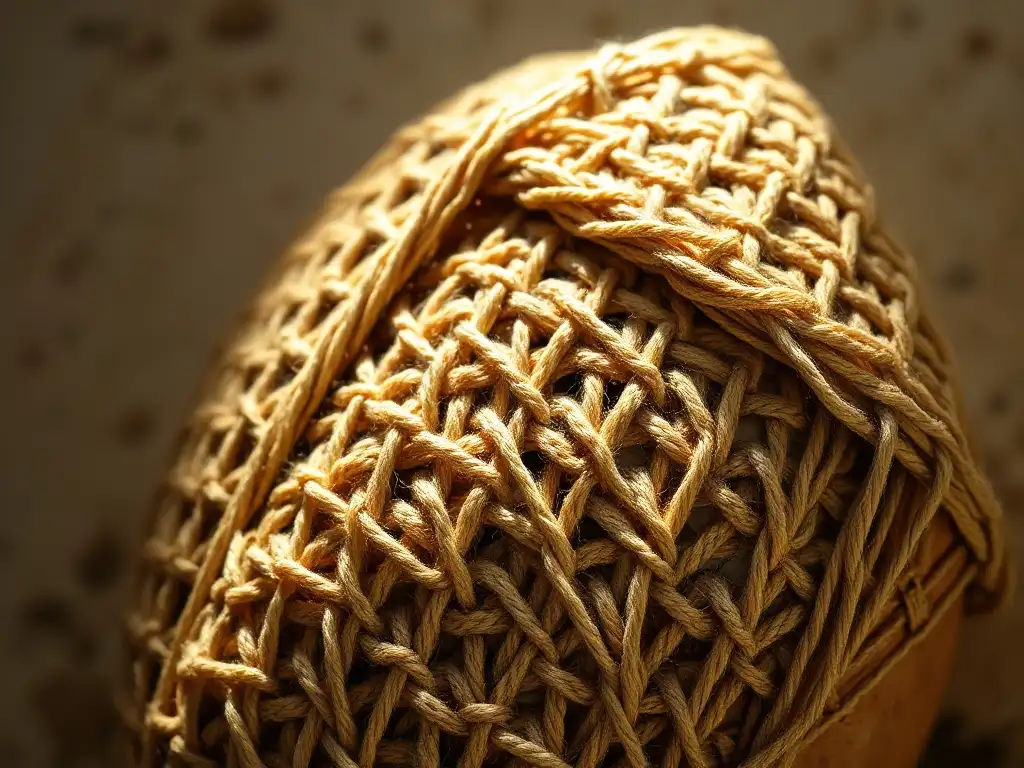
This section delves into the fascinating world of early Andean weaving, exploring the ingenious techniques employed by pre-ceramic Andean societies. We will examine the foundational weaving methods, the evolution of loom technology, and the sophisticated dyeing techniques that resulted in the vibrant textiles that are a hallmark of Andean artistry. Understanding these techniques provides crucial insight into the ingenuity and cultural sophistication of these early civilizations, enriching our understanding of "Andean weaving techniques history".
Basic Weaving Methods of the Pre-Ceramic Andes
The earliest Andean textiles, dating back to the Pre-Ceramic period (circa 8000-1800 BCE), reveal a surprising level of sophistication. Archaeological evidence suggests that basic weaving techniques, such as plain weave and tapestry, were already well-established. Plain weave, the simplest form of weaving, involves interlacing warp and weft threads in a simple over-under pattern.
This technique, while seemingly basic, allowed for the creation of sturdy and functional fabrics used for clothing, bags, and other essential items. Tapestry weaving, a more complex technique, involves manipulating the weft threads to create intricate designs and patterns. This technique required a higher level of skill and allowed for greater artistic expression, indicating a burgeoning artistic sensibility even in the earliest Andean societies.
Evidence of these techniques comes from fragments of textiles found in various archaeological sites across the Andes. These fragments, though often incomplete, provide valuable clues about the materials used, the weaving techniques employed, and the artistic preferences of the time. Analysis of fiber types reveals the use of both plant and animal fibers, including cotton, camelid wool (llama and alpaca), and possibly even some early forms of cultivated flax.
The choice of fiber would have depended on factors such as availability, climate, and the intended use of the textile. The meticulous craftsmanship evident in even the earliest examples speaks volumes about the dedication and expertise of these early Andean weavers.
The Development of Looms in Ancient Andean Societies
The development of looms represents a significant technological advancement in Andean weaving. While the earliest textiles may have been produced using simple backstrap looms, which are portable and relatively easy to construct, more sophisticated loom types emerged over time. The backstrap loom, though basic, facilitated greater control over the weaving process, enabling more intricate designs and larger textile pieces.
The evolution from simple backstrap looms to more complex upright looms, potentially incorporating heddles and other mechanisms, allowed for increased efficiency and the creation of even more elaborate textiles. [Specific information pending] regarding the exact timeline of loom development in the Pre-Ceramic Andes, but evidence suggests a gradual progression towards more complex technologies.
The impact of loom technology on Andean weaving was profound. Improved looms allowed for greater control over the tension of the warp threads, resulting in more even and consistent fabrics. They also facilitated the creation of larger and more complex textiles, enabling the production of garments, blankets, and other objects of significant cultural and ritual importance.
The development of more efficient looms contributed significantly to the flourishing of textile production in the Andes, laying the foundation for the remarkable achievements of later Andean civilizations. The increased efficiency also likely led to increased specialization of labor, with some individuals focusing on loom construction and maintenance while others focused on the actual weaving process.
Early Dyeing Techniques and Color Usage
The vibrant colors found in many Pre-Ceramic Andean textiles are a testament to the sophisticated dyeing techniques employed by these early societies. While the exact methods remain a subject of ongoing research, evidence suggests the use of natural dyes derived from plants, minerals, and insects. Plant-based dyes, such as those from various berries, roots, and barks, likely provided a range of colors, from yellows and reds to browns and greens.
Mineral dyes, such as those derived from ochre and other earth pigments, likely contributed to yellows, browns, and reds. [Specific information pending] on the use of insect-based dyes, such as cochineal, in the Pre-Ceramic period, but their use became widespread in later periods.
The use of color was not merely decorative; it likely held significant symbolic meaning within Andean societies. Certain colors may have been associated with specific deities, rituals, or social status. The careful selection and application of dyes demonstrate a deep understanding of both the natural world and the symbolic power of color.
The longevity of some of these dyed textiles, even after millennia, speaks to the durability and effectiveness of the early Andean dyeing techniques. Further research is needed to fully understand the full range of colors used and their cultural significance in this early period of Andean textile production, further illuminating the history of "Andean weaving techniques". The meticulous craftsmanship and the symbolic use of color combined to create textiles that are not only beautiful but also deeply meaningful, reflecting the rich cultural heritage of the Andean world.
Archaeological Evidence of Early Andean Textiles
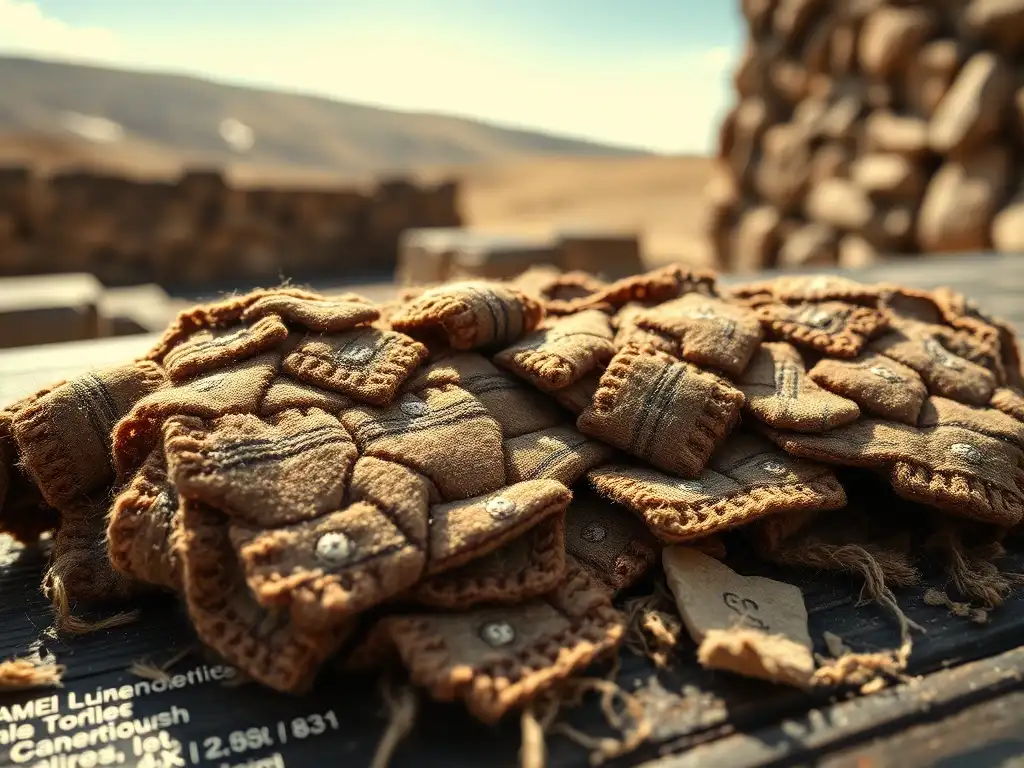
The study of Andean weaving techniques history relies heavily on the meticulous examination of archaeological finds. These discoveries, often fragmented but incredibly revealing, offer glimpses into the ingenuity and artistry of early Andean textile production. The scarcity of well-preserved textiles from the pre-ceramic period makes each discovery exceptionally significant, providing crucial data points for understanding the evolution of Andean weaving. The fragile nature of organic materials like cotton and wool means that preservation is often dependent on specific environmental conditions, primarily arid climates.
This explains why many of the most important early textile finds originate from coastal sites. Analyzing these remnants, researchers piece together a narrative of technological advancements, aesthetic preferences, and the societal role textiles played in early Andean societies. The meticulous work of archaeologists, textile conservators, and anthropologists is essential for unraveling the secrets embedded within these ancient fibers.
Textile Finds from Huaca Prieta, Caral, Paloma
Some of the earliest evidence of Andean weaving comes from sites like Huaca Prieta, Caral, and Paloma, all located along the Peruvian coast. Huaca Prieta, known for its pre-ceramic layers dating back to approximately 3000 BCE, has yielded fragments of textiles made from cotton. These early examples demonstrate a surprisingly sophisticated understanding of fiber preparation and basic weaving techniques, challenging previous assumptions about the timeline of textile development in the Andes.
The fragments, often small and incomplete, exhibit evidence of simple twining and possibly rudimentary forms of weaving. This suggests that the inhabitants of Huaca Prieta possessed a fundamental grasp of textile production.
Caral, a significant pre-ceramic site in the Supe Valley, also provides evidence of early textile production, though the finds are less abundant compared to Huaca Prieta. The scarcity of textiles at Caral may be due to factors such as preservation challenges or the nature of the archaeological record. However, the few textile fragments recovered reveal similar techniques to those found at Huaca Prieta, indicating a widespread understanding of basic weaving across geographically distinct regions.
Paloma, another important pre-ceramic site, contributes to this narrative with additional evidence of early textile technology. While the exact dating and details of the textile finds from Paloma require further research and analysis, their existence strengthens the argument for a relatively early development of weaving techniques in the Andean region. The commonality of simple techniques across these geographically distinct sites points to a possible shared cultural heritage or technological exchange networks that facilitated the spread of textile knowledge.
Insights from the Archaeological Record: Twining techniques, use of simple looms
Analysis of the archaeological textile fragments reveals that early Andean weaving primarily relied on twining techniques, a method where two or more strands are intertwined to create a fabric. This technique, simpler than later loom-based weaving, was likely used to produce relatively narrow strips of cloth. While the fragments offer limited information regarding the specific tools used, researchers believe that simple hand-held tools were employed, rather than the more complex looms that would appear later. The use of twining is consistent with other early textile traditions across the globe, highlighting the universality of this fundamental weaving technique.
The transition from twining to more sophisticated weaving methods, potentially involving early forms of looms, marks a significant technological advancement. While the exact timeline of this transition remains debated, the archaeological record gradually reveals evidence of more complex fabrics, hinting at the development of simpler loom structures. These early looms would have been rudimentary compared to later Andean looms, but they represent a critical step towards mass production and the creation of larger, more varied textile pieces.
The evolution of Andean weaving techniques, from simple twining to the use of more advanced looms, reflects a process of continuous innovation and adaptation. Further research, including advanced analysis of existing fragments and new archaeological discoveries, is crucial to fully understand this fascinating technological trajectory and its implications for Andean society.
The Significance of Early Weaving in Andean Culture
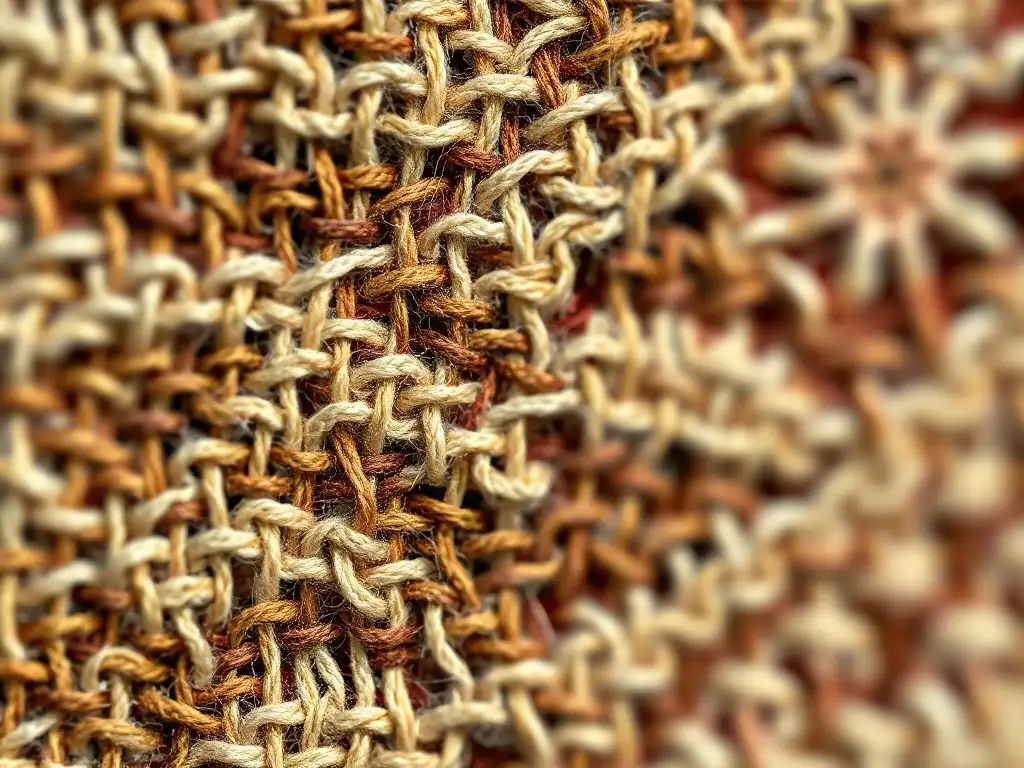
The development of weaving in the Andes wasn't merely a technological advancement; it held profound social, economic, and spiritual significance for the early Andean peoples. Understanding the origins of Andean weaving techniques history requires acknowledging its integral role in shaping their societies. Textiles weren't just clothing; they were powerful symbols of identity, status, and connection to the spiritual world.
The intricate designs and the very act of weaving itself were imbued with meaning, passed down through generations, and deeply intertwined with their cosmology. This section delves into the multifaceted importance of early Andean textiles, exploring their impact on various aspects of pre-ceramic Andean life.
The Role of Textiles in Pre-Ceramic Andean Society
In pre-ceramic Andean society, textiles served a multitude of crucial functions. Beyond their obvious use as clothing to protect against the harsh Andean climate, textiles provided warmth, shelter, and even tools. Evidence suggests that early Andean people used woven fabrics for carrying goods, creating bags and containers.
Furthermore, textiles were essential in rituals and ceremonies, acting as offerings to deities or used in burial practices. The quality and intricacy of the textiles often indicated social status, with finer weaves and elaborate designs signifying wealth and power within the community. We see this reflected in archaeological findings, where elaborately woven textiles are frequently associated with elite burials.
The intricate designs themselves often held symbolic meaning, potentially representing clan affiliations, cosmological beliefs, or narratives of important events. The process of creating textiles also fostered social interaction and cooperation, with women often working collectively on large-scale projects, strengthening community bonds. The production and use of textiles were, therefore, deeply embedded in the social fabric of pre-ceramic Andean life, shaping social structures, economic activities, and spiritual beliefs.
Andean Weaving as a Form of Early Artistic Expression
Early Andean weaving wasn't simply functional; it served as a powerful medium for artistic expression. Long before the rise of monumental architecture or sophisticated pottery, Andean people demonstrated remarkable skill in manipulating fibers to create visually stunning and complex textile designs. These early textiles showcase a deep understanding of color, texture, and pattern, reflecting an innate artistic sensibility.
The use of natural dyes derived from plants, minerals, and insects allowed for a wide range of vibrant hues. The designs themselves often incorporated geometric patterns, stylized animal representations, and possibly narrative elements, though interpreting their exact meanings remains a challenge for researchers. The variety of techniques employed, such as plain weave, tapestry weave, and even early forms of embroidery, further demonstrates the sophistication of their textile traditions.
Analyzing these early forms of Andean weaving techniques history reveals a rich artistic heritage that laid the foundation for the later, even more elaborate textile traditions of the Inca and other Andean civilizations. The creativity and skill evident in these early textiles are a testament to the artistic ingenuity of the pre-ceramic Andean people.
The Beginnings of Andean Textile Traditions
Tracing the beginnings of Andean textile traditions requires examining the archaeological evidence available. While the exact origins remain a subject of ongoing research, evidence suggests that fiber processing and weaving emerged relatively early in Andean prehistory. The earliest known textiles date back to the early stages of the pre-ceramic period, with fragments of woven fabrics found in various archaeological sites.
These early textiles, while often fragmentary, provide valuable insights into the evolving techniques and materials used. The discovery of early spindle whorls indicates the use of spinning technology to create finer yarns, leading to more intricate weaving. The types of fibers used, such as cotton and camelid fibers (llama and alpaca), reflect the adaptation of available resources to textile production.
The development of these early weaving techniques was a crucial step in the cultural trajectory of the Andes, laying the groundwork for the incredibly sophisticated and diverse textile traditions that would flourish in later periods. Further research and discoveries are crucial to refining our understanding of the precise origins and evolution of these techniques, adding more detail to the Andean weaving techniques history. The study of early Andean textiles continues to yield exciting new discoveries and insights into the ingenuity and creativity of these early Andean communities.
Transition from Basic to Complex Andean Weaving
The development of Andean weaving techniques wasn't a sudden leap, but rather a gradual evolution spanning millennia. Early Andean textile production, primarily during the Pre-Ceramic period (circa 8000-1800 BCE), showcased a remarkable ingenuity considering the limited tools available. The earliest examples, often found in coastal Peru, demonstrate a fundamental understanding of fiber manipulation. These initial techniques focused on simple weaves, utilizing readily available plant fibers like cotton and camelid wools.
Evidence suggests a progression from simple twining and plaiting—techniques seen in basketry and rudimentary cloth—to more sophisticated plain weave structures. This transition involved a growing understanding of warp and weft threads, allowing for the creation of increasingly durable and complex fabrics. The shift from purely utilitarian textiles to those with decorative elements marks a significant step in this evolutionary journey. Analysis of early textile fragments reveals a gradual increase in the complexity of patterns, indicating a developing aesthetic sense and potentially the emergence of symbolic meaning embedded within the woven designs.
This early mastery of Andean weaving techniques laid the foundation for the more elaborate and intricate textiles produced in later periods. The ingenuity displayed in these early textiles, considering the lack of advanced technology, is a testament to the skill and creativity of the Andean people. Further research into the specific types of fibers used and the tools employed would further illuminate this fascinating transition.
Innovations in Andean Weaving Across Different Periods
The evolution of Andean weaving techniques shows a clear progression of innovation across different periods. The Pre-Ceramic period laid the groundwork, as mentioned earlier, with basic techniques. However, subsequent periods witnessed a remarkable flourishing of textile artistry. The development of more sophisticated looms, for example, allowed for greater control over the weaving process and the creation of broader, more complex textiles.
The introduction of new dyes, derived from both plant and mineral sources, expanded the palette of colors and enabled the creation of intricate patterns and designs. The use of camelid fibers, such as alpaca and llama wool, became increasingly prevalent, offering a wider range of textures and qualities to work with. Different cultural groups within the Andes developed their own distinct weaving styles, reflecting regional variations in both techniques and aesthetics. For example, [specific information pending] regarding the unique characteristics of the weaving traditions of the Moche, Nazca, and Tiwanaku cultures.
This diversity highlights the rich tapestry of Andean weaving traditions and their remarkable adaptability to different environments and cultural contexts. The analysis of textile fragments from different periods reveals not only technological advancements but also a growing sophistication in design and symbolic representation. These innovations in Andean weaving techniques are a testament to the enduring creativity and adaptability of Andean cultures across centuries.
The Legacy of Pre-Ceramic Weaving in Later Andean Cultures
The rudimentary techniques of the Pre-Ceramic period served as the foundation upon which later Andean cultures built their sophisticated textile traditions. While the complexity and scale of weaving increased dramatically in later periods, the fundamental principles remained remarkably consistent. This continuity underlines the importance of these early practices in shaping the future of Andean textile arts.
The basic understanding of fiber manipulation, warp and weft construction, and simple weaving structures all persisted, forming the bedrock for more advanced techniques like tapestry weaving, brocade, and even the intricate techniques used to create the iconic textiles of the Inca Empire. Even the basic knowledge of plant-based dyes and the use of camelid fibers, although refined over time, can be traced back to the initial experimentation of the Pre-Ceramic period. The legacy is not merely technological but also aesthetic.
The early focus on simple, functional textiles laid the foundation for the development of intricate designs and symbolic representations that became hallmarks of later Andean weaving traditions. Examining the evolution of Andean weaving techniques across millennia allows us to appreciate the long-term impact of early innovations and the enduring connection between past and present in Andean textile arts.
Understanding the Evolution of Andean Textile Arts
The evolution of Andean textile arts is a complex story, reflecting technological advancements, cultural exchanges, and evolving aesthetic preferences. It's a journey from simple, utilitarian fabrics to incredibly intricate and symbolically rich textiles. Understanding this evolution requires a multi-faceted approach, incorporating archaeological findings, ethnographic studies, and analyses of textile techniques themselves. The use of different fiber types, from cotton to camelid wools, played a crucial role in shaping the possibilities of Andean weaving.
The development of new dyeing techniques expanded the artistic palette, allowing for increasingly complex and vibrant designs. The refinement of loom technology, from simple backstrap looms to more complex upright looms, permitted the creation of larger and more intricate textiles. Beyond the technological aspects, the evolution of Andean textile arts also reveals a profound interplay between material culture and social structures. Textiles often served as markers of social status, religious beliefs, and political power.
The intricate designs and symbolic representations woven into fabrics reflect the complex cosmology and worldview of Andean societies. Studying these aspects allows for a deeper understanding not only of the technical aspects of Andean weaving but also of the cultural context that shaped this remarkable artistic tradition. The continued study and preservation of Andean weaving techniques is vital for understanding the rich cultural heritage of the Andes. The legacy of these techniques continues to inspire contemporary artists and craftspeople, demonstrating the enduring power of this ancient art form.
Frequently Asked Questions
What are the earliest known Andean weaving techniques?
The earliest known techniques involved simple techniques like plain weave and tapestry, using readily available materials like cotton and llama wool. These developed into more complex methods over time.
How did Andean weaving techniques evolve over time?
Techniques evolved from basic weaves to incredibly intricate designs, incorporating new technologies like backstrap looms and complex dyeing processes. This evolution reflects the increasing sophistication of Andean societies.
What materials were commonly used in Andean weaving?
Cotton, llama wool, alpaca wool, and vicuña wool were the most common materials. The choice of material often depended on the region and the intended use of the textile.
What is the significance of Andean textiles in the study of Andean history?
Textiles act as vital historical records, offering insights into social structures, religious beliefs, and technological advancements. Their designs and materials tell stories across generations.
How did Andean weaving techniques influence later textile traditions?
Andean weaving techniques, renowned for their sophistication and artistry, had a profound impact on textile traditions throughout South America and beyond. The legacy is still seen today.
Final Reflection: Unraveling the Threads of Andean Heritage
The intricate artistry of Andean weaving isn't merely a historical curiosity; it's a living testament to human ingenuity and cultural resilience that continues to inspire and amaze us today. The techniques detailed in this article, passed down through millennia, represent a profound connection to the land and a sophisticated understanding of fiber manipulation that remains unparalleled in many respects. These ancient practices offer a powerful lens through which to understand not only the past, but also the enduring power of tradition in a rapidly changing world.
The enduring legacy of Andean weaving is palpable; its influence resonates far beyond the Andes themselves, shaping global textile traditions and inspiring contemporary artists. The vibrant colors, complex patterns, and sheer technical mastery embedded in these textiles speak volumes about the ingenuity and cultural depth of Andean civilizations. As the renowned anthropologist, Ruth Shady Solis, once stated, Textiles are not just clothing; they are a form of communication, a repository of knowledge, and a reflection of the Andean worldview.
Her words encapsulate the profound significance of these ancient crafts, highlighting their role as both artistic expression and historical record.
Consider, for a moment, the sheer dedication and skill required to master these techniques. Imagine the generations of knowledge passed down, the intricate stories woven into each thread. You, the reader, now hold a piece of that legacy. I encourage you to explore further, to seek out examples of contemporary Andean weaving, and to appreciate the enduring power of these ancient traditions. Let the threads of this history inspire you to connect with your own heritage, to value the skills and knowledge passed down through generations, and to recognize the beauty and resilience of human creativity.
**Unravel the Threads of Andean Heritage! **
Thank you for exploring the fascinating world of Andean weaving and its rich history! You've discovered the ancient textile techniques that have shaped a vibrant culture. Now, let's delve even deeper into this unique heritage.
Here are some ways to further your understanding and appreciation:
- **Visit a local artisan market:** Discover handcrafted Andean textiles and engage directly with the weavers, learning about their time-honored craft.
- **Join an online community:** Connect with fellow enthusiasts and experts who share your passion for Andean culture. Share experiences, learn new techniques, and even showcase your own creations!
- **Watch a documentary or read a book:** Explore the history and techniques of Andean weaving to gain a broader perspective on this captivating art form.
What aspect of Andean weaving captivates you most, and how will you integrate this vibrant art into your life?