
Weaving with Earth: The Intricacies of Andean Wattle and Daub Techniques

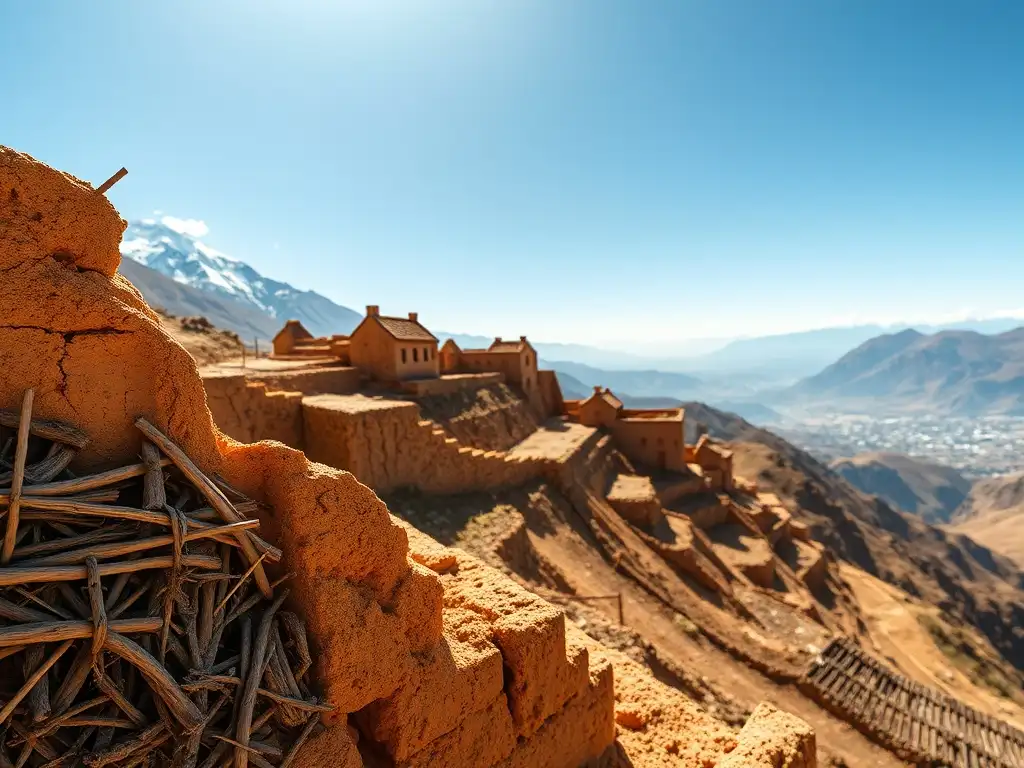
Step into a world lost to time, yet echoing with innovation. For centuries, the Andes Mountains witnessed the rise and fall of remarkable civilizations, leaving behind a legacy of breathtaking artistry and ingenious engineering. But have you ever considered the secrets hidden within their seemingly simple structures? Prepare to be amazed as we delve into the intriguing world of Andean wattle and daub techniques, uncovering the surprising sophistication behind this ancient building method. Discover how these masterful builders shaped the earth itself into enduring masterpieces. Continue your journey to unlock the mysteries of Andean architecture and engineering...
The Andes Mountains, a spine of towering peaks running down the western coast of South America, are home to a rich tapestry of ancient civilizations. For millennia, ingenious Andean peoples developed sophisticated architectural techniques, adapting to the challenging terrain and utilizing readily available resources.
This article delves into one such remarkable method: Andean wattle and daub techniques, a testament to the ingenuity and resourcefulness of these remarkable cultures. We will explore the fundamental principles of this construction method, examining its variations across different Andean societies and highlighting its enduring legacy in contemporary Andean building practices.
Understanding Andean wattle and daub techniques provides crucial insight into the resourcefulness and architectural prowess of these ancient societies, offering a glimpse into their deep connection with the environment and their mastery of sustainable building practices. This exploration will reveal not only the how but also the why behind this fascinating and enduring construction method, showcasing its significance within the broader context of Andean architecture and engineering.
Introduction to Andean Building Methods
Andean building methods were incredibly diverse, reflecting the varied climates and available materials across the vast Andean region. From the arid coastal deserts to the high-altitude plains, different cultures developed unique approaches to construction. While stone masonry is often associated with Andean architecture (think of Machu Picchu!
), many communities relied heavily on readily available materials like earth, wood, and reeds. These materials were not simply used haphazardly; rather, they were incorporated into sophisticated techniques, reflecting a deep understanding of structural integrity and environmental adaptation. The choice of building materials was often dictated by the local environment; for instance, adobe bricks were prevalent in drier areas, while wattle and daub, the focus of this article, was particularly well-suited to regions with access to readily available plant materials and clay soils.
The use of these techniques showcases the adaptive nature of Andean cultures and their ability to create durable and functional structures within their unique environmental contexts. Understanding the broader context of Andean building methods allows us to appreciate the ingenuity and adaptability demonstrated in the development and widespread adoption of wattle and daub construction.
Understanding Wattle and Daub Construction
Wattle and daub is a building technique that involves creating a framework of interwoven branches or reeds (the "wattle"), which is then plastered with a mixture of mud, clay, and other organic materials (the "daub"). In the Andean context, this technique was refined and adapted to suit local conditions. The wattle framework, often constructed from willow branches or reeds like totora, provided a flexible yet strong base. The daub, a carefully prepared mixture of clay, sand, and often animal dung or other binding agents, was applied to the wattle, creating a durable and insulating wall. The exact composition of the daub varied depending on the region and the available resources. For example, some communities incorporated straw or other plant fibers to improve the daub's strength and insulation properties. The process was often a community effort, demonstrating a strong sense of collective responsibility and shared knowledge. The resulting structures were remarkably resilient, capable of withstanding the rigors of the Andean climate, and evidence suggests that wattle and daub structures could last for many decades, if not centuries, with proper maintenance.
The durability of Andean wattle and daub structures was further enhanced by the incorporation of various techniques. Some communities employed a double wattle and daub system, creating two layers of wattle separated by a layer of daub for increased insulation and structural strength. Others integrated stone or adobe elements into the wattle and daub construction, combining the flexibility of the organic materials with the stability of stone. These variations highlight the adaptive nature of the technique and its ability to be modified to suit the specific needs and resources of different communities. The precise measurements and techniques varied across different Andean cultures, reflecting regional adaptations and unique building traditions. Further research is needed to fully document these variations and their impact on the longevity and structural integrity of the buildings. The following table summarizes some key features:
| Feature | Description | Variations |
|---|---|---|
| Wattle Material | Willow branches, reeds (e.g., totora), bamboo | Varied based on local availability |
| Daub Composition | Clay, sand, animal dung, straw, other organic materials | Regional variations in ingredients and proportions |
| Construction | Interwoven wattle framework, plastered with daub | Single or double wattle and daub systems |
| Structural | Flexible yet strong framework, durable and insulating walls | Integration of stone or adobe elements |
| Cultural Aspects | Community effort, reflecting shared knowledge and collective responsibility | [Specific cultural variations pending] |
- What are Andean wattle and daub techniques?
- How did the Incas utilize wattle and daub?
- What materials were typically used in Andean wattle and daub construction?
- How did the climate influence Andean wattle and daub construction?
- How does Andean wattle and daub compare to other construction methods of the time?
Components of Andean Wattle and Daub Structures
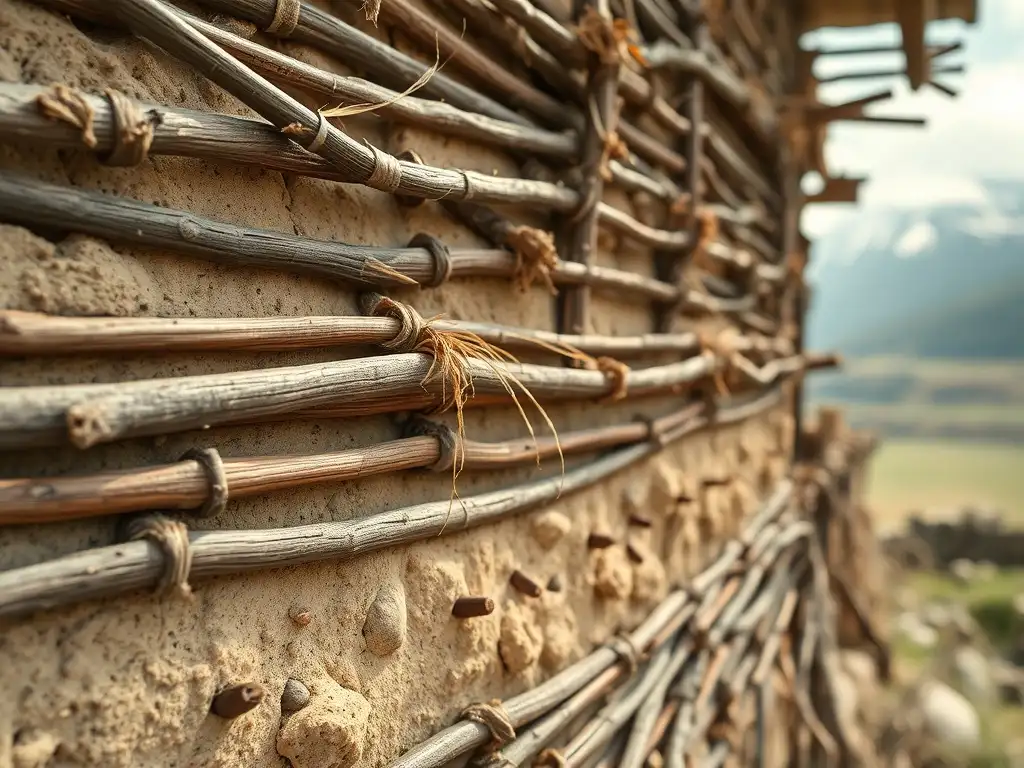
This section delves into the fundamental components of Andean wattle and daub structures, exploring the materials and techniques employed by ancient Andean builders. Understanding these elements is crucial to appreciating the ingenuity and adaptability of their construction methods, which allowed them to thrive in diverse Andean environments. The resilience of these structures, many of which have survived for centuries, speaks volumes about the quality of the materials and the expertise of the builders. We'll examine the wattle framework, the backbone of these constructions, and the daub mixture, the earth-based plaster that provided strength and weather resistance.
The Wattle Framework: Supporting the Walls
The wattle framework, the skeletal structure of Andean wattle and daub buildings, provided the crucial support for the earth plaster. This framework was typically constructed using readily available plant materials, demonstrating a deep understanding of local resources and sustainable building practices. The choice of materials varied depending on the specific region and the availability of plant life. For instance, in areas with abundant willow or similar flexible branches, these would have been preferred.
Materials Used for Wattle Construction in the Andes
The selection of materials for wattle construction in the Andes wasn't arbitrary. Builders carefully considered factors such as flexibility, strength, and durability. Common materials included:
- Willow branches: Their flexibility made them ideal for weaving and creating a strong, interwoven structure.
- Reeds: Abundant in wetland areas, reeds provided a lighter yet structurally sound alternative to branches.
- Smaller twigs and branches: Used to fill gaps and reinforce the framework, creating a denser and more stable wall.
- Plant fibers: These were sometimes used to bind the wattle elements together, further enhancing the structural integrity.
The precise combination of materials likely varied regionally, reflecting the unique ecological features of each Andean valley. Further research is needed to fully document the diversity of materials used across different Andean cultures and time periods. For example, [specific regional variations in wattle materials pending].
The Daub Mixture: Earth and Binding Agents
The daub, the earth-based plaster applied to the wattle framework, was the defining characteristic of this construction technique. Its composition was critical to the structure's durability and weather resistance. The mixture typically consisted of a base of local soil, combined with various natural binding agents to create a cohesive and durable plaster. The quality of the daub, its application, and the curing process all contributed significantly to the longevity of the building. The careful selection and mixing of these components highlight the advanced knowledge of materials science possessed by Andean builders.
Andean Soil Composition and its Relevance
The composition of the Andean soil played a significant role in determining the properties of the daub. The soil's texture, particle size distribution, and clay content all influenced the plasticity and strength of the final mixture. Different soil types exhibited varying levels of cohesiveness, necessitating adjustments in the amount and type of binding agents used.
Understanding the specific soil composition in different Andean regions is vital for comprehending the variations in daub recipes and construction techniques. For instance, [data on soil composition in different Andean regions pending]. This is an area where further research is needed to fully understand the relationship between soil type and daub properties.
Natural Binders in Traditional Daub
The addition of binding agents to the daub mixture was crucial for improving its strength, cohesion, and water resistance. Andean builders utilized a range of natural materials, readily available in their environment, to achieve this. These included:
- Animal dung: Rich in organic matter, dung acted as a natural binder and helped improve the plasticity of the mixture.
- Plant fibers: Similar to their use in wattle construction, plant fibers added strength and cohesion to the daub.
- Clay: The presence of clay in the soil itself acted as a natural binder, but additional clay was sometimes added to increase the binding capacity.
The precise proportions of these ingredients likely varied based on the specific soil type and desired properties of the daub. Careful experimentation and generations of accumulated knowledge were essential for mastering the art of daub preparation. The effectiveness of these natural binders is a testament to the ingenuity and resourcefulness of ancient Andean builders. Further investigation into the specific properties of these binders and their optimal proportions would be highly beneficial for modern applications of this sustainable building technique.
The Process of Creating Andean Wattle and Daub Walls
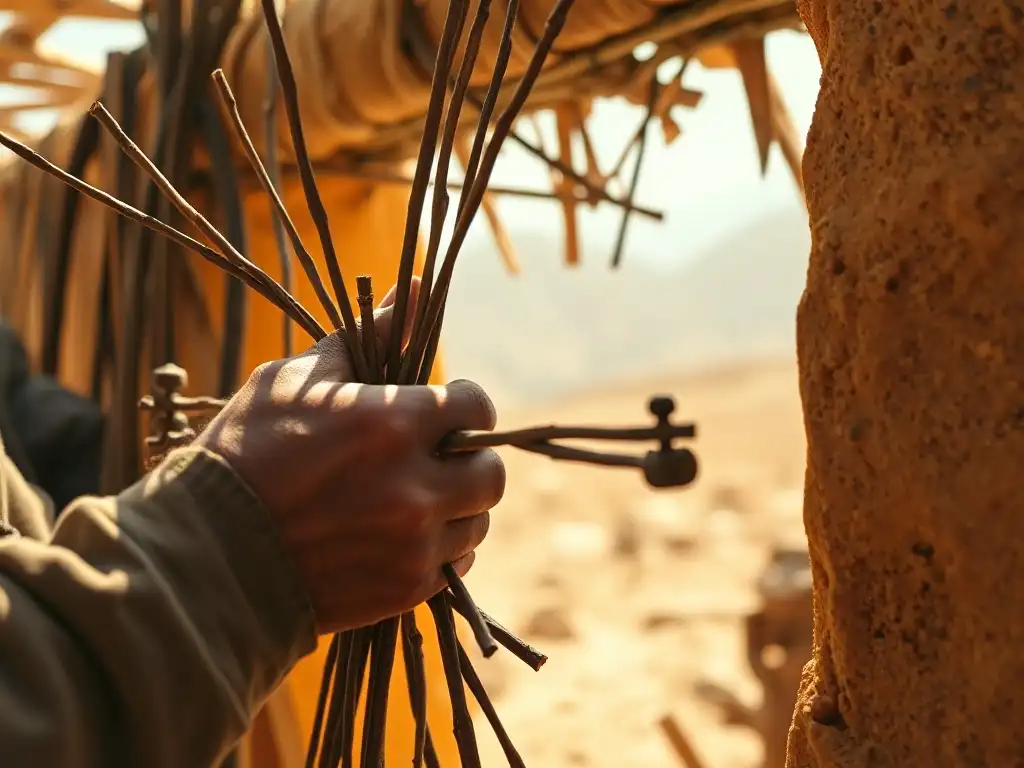
Andean wattle and daub techniques, a testament to the ingenuity of ancient Andean builders, represent a sophisticated approach to construction using readily available materials. This method, employed across various Andean cultures for centuries, resulted in durable and surprisingly resilient structures, perfectly adapted to the diverse Andean landscape. Understanding the process reveals a deep knowledge of material science and an intuitive understanding of structural integrity.
The construction wasn't merely about building walls; it was about harmonizing with the environment, using what nature provided in a sustainable and effective way. This section delves into the specific steps involved, highlighting the nuances and skills required to master this ancient craft.
Preparing the Wattle Structure: A Step-by-Step Guide
The foundation of any Andean wattle and daub wall lies in the carefully constructed wattle framework. This framework, a lattice of interwoven branches and reeds, provides the skeletal support for the daub. The process typically begins with the selection of appropriate materials. Strong, flexible saplings, often willow or similar species, are harvested and stripped of their leaves. These are then carefully shaped and cut to the desired length, accounting for the height of the intended wall.
The actual weaving process is surprisingly intricate. Thinner, more pliable branches or reeds are interwoven between the larger, more robust saplings, creating a dense and robust lattice. This process requires skill and patience, as the spacing between the interwoven elements significantly impacts the wall's strength and the final appearance. The density of the weave is crucial; a tightly woven wattle provides better support for the daub and minimizes cracking.
Think of it as a finely crafted basket, but on a much larger scale. The size and spacing of the wattle elements would vary depending on the intended use of the structure and the availability of materials in the specific region. For example, walls meant to bear heavier loads might utilize thicker saplings and a denser weave.
The prepared wattle structure is then erected, often using upright posts driven into the ground as vertical supports. These vertical supports are crucial for maintaining the integrity of the structure and preventing collapse during the daub application. Additional horizontal supports might be added to further reinforce the framework, especially for taller walls. The entire process is a delicate balance between flexibility and strength, a testament to the advanced understanding of structural engineering possessed by Andean builders.
Applying the Daub: Layering and Finishing Techniques
Once the wattle framework is complete and securely in place, the next crucial step involves applying the daub. The daub, a mixture of mud, clay, and often organic materials like straw or dung, acts as the infill and provides the wall with its structural integrity. The precise composition of the daub varied depending on local soil conditions and available resources. Some daub mixtures included finely ground volcanic ash for added strength and durability.
The application of the daub is a layered process. Multiple thin layers are applied, allowing each layer to dry before adding the next. This prevents cracking and ensures a more robust and even finish. The use of organic materials like straw or dung not only adds strength but also improves the daub's plasticity and workability. These additions act as a kind of natural reinforcement, preventing shrinkage and improving the daub's overall resistance to cracking. The careful layering process also allows for a controlled drying process, minimizing the risk of rapid shrinkage and subsequent structural damage.
Finishing techniques varied across different Andean cultures and regions. Some cultures used smooth trowels to create a polished, almost plastered finish, while others left the daub with a more textured, rustic appearance. Sometimes, decorative elements were added, such as painted designs or embedded stones, transforming the utilitarian wall into a work of art. The final finish not only served an aesthetic purpose but also contributed to the wall's weather resistance and longevity.
Tools and Techniques Employed in Andean Mud Construction
The construction of Andean wattle and daub structures relied on relatively simple yet effective tools. These tools, often crafted from readily available materials, reflect the ingenuity and resourcefulness of the builders. The primary tools included:
- Digging tools: Simple shovels or spades, likely made from wood or bone, were used to excavate the clay and other materials needed for the daub.
- Mixing tools: Wooden paddles or similar implements were employed for mixing the daub components, ensuring a consistent and uniform mixture.
- Trowels: Wooden or bone trowels were used for smoothing and shaping the daub as it was applied to the wattle framework. The design and size of the trowel would influence the final texture of the wall.
- Weaving tools: Simple knives or sharpened stones were likely used to prepare the wattle branches and reeds.
The techniques employed went beyond the mere application of materials. The builders demonstrated a profound understanding of the properties of the materials they used, adapting their techniques to the specific conditions of the environment. For example, the drying time of the daub would be carefully managed, ensuring a slow and even drying process to minimize cracking. The builders' knowledge of local soils and the best methods for preparing the daub were passed down through generations, ensuring the continued success of this ancient construction method.
The integration of these techniques and tools resulted in remarkably durable structures that stood the test of time, a testament to the skill and knowledge of Andean builders. The legacy of Andean wattle and daub techniques lives on, offering valuable insights into sustainable building practices and the ingenuity of ancient civilizations. 🧱
Regional Variations in Andean Wattle and Daub Practices
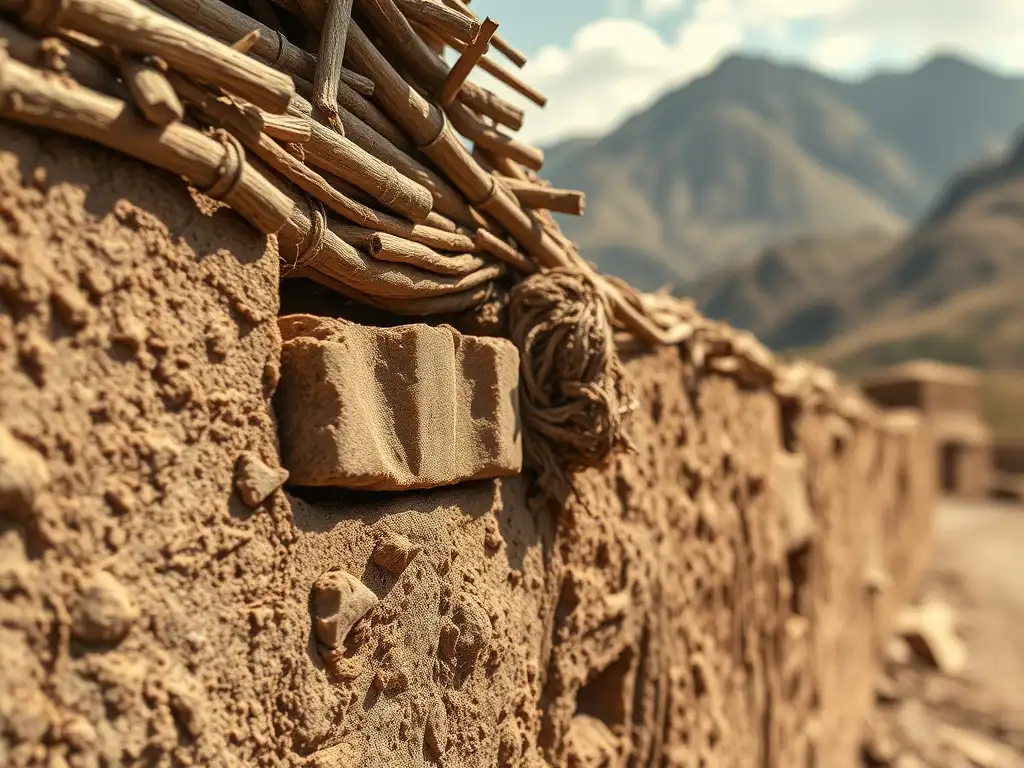
Andean wattle and daub techniques, while sharing fundamental principles across different regions, reveal fascinating adaptations reflecting the diverse environments and available resources. The ingenuity of Andean builders is clearly demonstrated in their ability to modify these techniques to suit the specific challenges posed by coastal deserts, high-altitude mountains, and the intervening valleys. Understanding these regional variations offers a deeper appreciation for the complexity and sophistication of Andean construction practices. The resilience of these structures, many of which have survived for centuries, speaks volumes about the effectiveness of these time-tested methods.
Coastal Wattle and Daub: Adapting to Arid Climates
The coastal regions of the Andes, characterized by arid climates and limited vegetation, presented unique challenges for builders employing wattle and daub techniques. The scarcity of readily available timber forced innovations in material selection and construction methods. Instead of relying heavily on wooden wattle, builders often incorporated reeds, grasses, and even cactus stems to create the framework. These materials, readily available in the coastal environment, provided a flexible and surprisingly durable structure.
The choice of daub was equally crucial. Given the scarcity of water, builders developed techniques to optimize the use of readily available materials. They frequently utilized a mixture of mud, sand, and crushed shells, creating a daub that was both strong and resistant to the harsh coastal winds and sun. The addition of animal dung or other organic materials further improved the daub’s binding properties and its resistance to cracking.
These adaptations ensured the longevity of coastal wattle and daub structures in a challenging environment. Evidence suggests that these structures were often coated with a type of natural sealant, possibly derived from plant resins, to further protect them from the elements. This attention to detail highlights the sophisticated understanding of materials and their properties possessed by Andean builders.
Highland Wattle and Daub: Building in Mountainous Regions
The Andean highlands, with their varied altitudes and harsh weather conditions, demanded different approaches to wattle and daub construction. The availability of timber varied significantly with altitude; at higher elevations, builders often had access to more robust and durable wood species. This allowed for the creation of sturdier wattle frameworks capable of withstanding the strong winds and heavy snows characteristic of the high Andes. The type of wood used also influenced the structural integrity of the building, with denser woods providing greater stability.
The daub in the highlands also reflected the available resources. While mud was still a primary component, the addition of local aggregates like volcanic rock or pumice provided greater strength and insulation. This was crucial in mitigating the extreme temperature fluctuations experienced at high altitudes.
The use of these materials, readily available in the mountainous terrain, demonstrates the Andean builders' resourcefulness and their deep understanding of the properties of local materials. Moreover, the integration of thatch roofing over the wattle and daub structures provided additional insulation and protection from the elements. The design and construction reflected a comprehensive understanding of the environmental conditions and the need for durable, energy-efficient housing.
Variations in Material Usage Based on Altitude
The altitude significantly impacted the materials used in Andean wattle and daub construction. At lower altitudes, where timber was more abundant, larger and more substantial wattle frameworks were constructed. Builders used readily available materials like willow or other fast-growing species. The daub here often incorporated a higher proportion of clay and less aggregate.
As altitude increased, the choice of materials shifted. At mid-altitudes, a mix of timber and other plant materials might be used in the wattle. The daub might incorporate more aggregate to counteract the increased wind exposure. Finally, at high altitudes, the scarcity of timber led to smaller wattle structures, often employing more resilient and less readily available wood species.
The daub in these high-altitude structures often incorporated a significant amount of volcanic rock or pumice for added strength and insulation against the harsh weather. The adaptation of wattle and daub techniques to the varying altitudes of the Andes demonstrates the remarkable flexibility and adaptability of Andean building practices. Further research is needed to fully quantify the exact material variations across different altitudes and their impact on the longevity and structural integrity of these buildings. 🇿🇦
The Durability and Sustainability of Andean Wattle and Daub
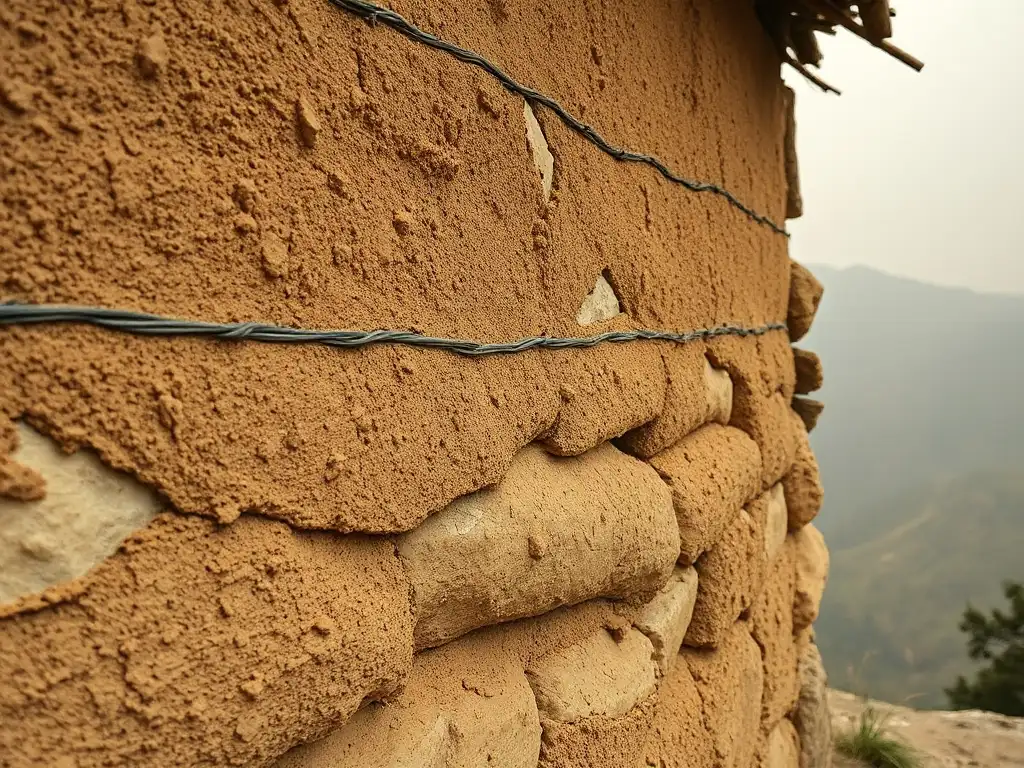
Andean wattle and daub techniques, a cornerstone of ancient Andean architecture, weren't just about expediency; they represented a sophisticated understanding of material science and sustainable building practices. The longevity and environmental benefits of these structures are remarkable, considering the often harsh Andean climate and the lack of modern tools and materials. This section explores the key factors contributing to the durability and sustainability of these ingenious building methods, highlighting their relevance even in contemporary construction.
Longevity of Traditional Andean Mud Buildings
The remarkable longevity of many surviving Andean wattle and daub structures is a testament to the effectiveness of the techniques employed. Careful selection of materials, precise construction methods, and an understanding of local climates contributed significantly to their lifespan. For example, the use of specific types of clay, rich in binding agents, ensured the strength and cohesion of the daub. The incorporation of organic materials like straw or llama dung further enhanced the structural integrity and provided insulation.
Many factors influenced the longevity of these buildings:
- Microclimates: The strategic placement of buildings within specific microclimates helped mitigate the effects of harsh weather conditions like intense sun, heavy rain, and freezing temperatures. This careful site selection minimized exposure to the elements and extended the life of the structures.
- Maintenance: Regular maintenance, including re-plastering and repair work, was crucial to extending the lifespan of these buildings. This demonstrates a deep understanding of the material's behavior and a proactive approach to preserving the structures. Evidence suggests that this was a communal effort, indicating the importance of these buildings within the social fabric.
- Architectural Design: The architectural designs themselves often incorporated features that enhanced durability. For instance, sloped roofs effectively channeled rainwater away from the walls, preventing erosion and damage. Overhanging eaves also provided additional protection.
It's important to note that while many structures have succumbed to time and the elements, the fact that some have survived for centuries underscores the effectiveness of Andean wattle and daub techniques. Further research into specific examples of exceptionally well-preserved buildings could reveal even more detailed insights into the factors contributing to their longevity. Data on the age of surviving structures, correlated with climatic conditions and construction methods, would be invaluable in this regard.
Environmental Advantages of Earth-Based Construction
Andean wattle and daub construction offers significant environmental advantages, aligning perfectly with modern sustainable building practices. The use of locally sourced materials drastically reduces the carbon footprint associated with transportation and manufacturing. Unlike many modern building materials, earth is abundant, renewable, and readily available in the Andean region.
The benefits are multifaceted:
- Reduced Embodied Carbon: The embodied carbon—the carbon emissions associated with the production and transportation of building materials—is significantly lower for earth-based construction compared to methods using cement, steel, or bricks. This makes it a far more environmentally friendly option.
- Biodegradability: At the end of its life cycle, an earth-based structure can be easily deconstructed and the materials returned to the earth, minimizing waste and environmental impact. This contrasts sharply with many modern building materials that generate significant landfill waste.
- Thermal Mass: Earth possesses excellent thermal mass properties, meaning it can absorb and release heat slowly, creating a naturally stable indoor temperature. This reduces the need for artificial heating and cooling, saving energy and lowering carbon emissions. This is particularly beneficial in the Andean region, where temperatures can fluctuate significantly between day and night.
The inherent sustainability of Andean wattle and daub techniques highlights their enduring relevance in a world increasingly focused on environmentally responsible construction. Further investigation into the precise thermal performance of different types of Andean wattle and daub structures, perhaps through thermal imaging studies, would provide valuable data for contemporary sustainable building design. 🏘️ The integration of these ancient techniques with modern innovations could lead to the development of even more sustainable and resilient building solutions.
The Legacy of Andean Wattle and Daub in Contemporary Architecture
The ingenious Andean wattle and daub techniques, employed for centuries across the diverse landscapes of the Andes, continue to resonate in modern architectural discourse. While contemporary construction often prioritizes steel, concrete, and glass, a renewed interest in sustainable and vernacular building practices has brought Andean wattle and daub back into the spotlight. This resurgence isn't merely nostalgic; it's driven by a growing awareness of the environmental benefits and inherent structural resilience of these traditional methods.
Modern Applications of Traditional Techniques
Modern architects and builders are finding innovative ways to integrate the principles of Andean wattle and daub into contemporary designs. This isn't about slavishly replicating ancient structures; rather, it's about adapting the core concepts—the use of readily available natural materials, the creation of breathable walls, and the emphasis on sustainable construction—to meet the demands of modern building codes and aesthetic preferences.
For example, some contemporary projects utilize a modified wattle and daub approach, incorporating modern insulation materials within the wattle framework before applying a lime-based plaster. This hybrid approach retains the breathability and thermal mass benefits of traditional wattle and daub while enhancing energy efficiency and durability. The use of sustainably sourced timber for the wattle framework also aligns with contemporary eco-conscious building practices.
This approach allows for a balance between honoring ancient Andean building wisdom and meeting modern standards of comfort and energy efficiency. The potential for incorporating recycled materials within the daub mix further enhances the sustainability profile of these modern adaptations.
Furthermore, the inherent flexibility of wattle and daub construction allows for the creation of curved walls and organic forms, offering architects creative design possibilities that are not always achievable with conventional methods. This adaptability makes Andean inspired wattle and daub a compelling option for projects that prioritize both sustainability and unique aesthetic expression. The versatility of the technique allows for its adaptation to a wide range of climates and architectural styles.
Preserving Andean Building Heritage
The preservation of existing Andean wattle and daub structures is crucial for understanding and appreciating the ingenuity of these ancient building techniques. Many historical buildings, embodying centuries of Andean architectural knowledge, are facing deterioration due to a combination of factors including weathering, seismic activity, and neglect. The challenge lies in finding a balance between preservation and intervention. Overly aggressive restoration efforts can inadvertently damage the historical integrity of the structures.
Careful documentation, using techniques such as photogrammetry and 3D scanning, is essential to create detailed records of these buildings before any conservation work begins. This allows for a thorough understanding of the original construction methods and materials, informing future restoration efforts. The conservation process itself requires specialized knowledge and the use of appropriate materials that are compatible with the original construction. Sustainable approaches, mimicking traditional Andean techniques, are prioritized to minimize environmental impact and ensure the longevity of these valuable heritage sites.
The preservation of Andean wattle and daub structures is not just about saving buildings; it's about preserving a tangible link to the past, showcasing the remarkable skills and ingenuity of Andean builders. This preservation effort is crucial for educating future generations about sustainable building practices and the rich cultural heritage of the Andes. Moreover, these preserved sites can serve as living examples of sustainable architecture, inspiring innovation in modern construction.
A dedicated and ongoing effort is required to ensure the survival of these remarkable structures for generations to come. Careful monitoring and proactive maintenance are key components of a successful long-term preservation strategy.
Frequently Asked Questions
What are Andean wattle and daub techniques?
Andean wattle and daub techniques involved creating strong, durable structures using interwoven sticks or branches (wattle) plastered with mud or clay (daub). These methods were widely used throughout the Andes.
How did the Incas utilize wattle and daub?
The Incas employed wattle and daub for various building types, including houses, storage facilities, and even some temple foundations. Their mastery of the technique allowed for efficient construction.
What materials were typically used in Andean wattle and daub construction?
Common materials included lightweight wood, reeds, and grasses for the wattle framework. The daub was usually a mixture of clay, soil, and organic materials like straw or dung for strength and insulation.
How did the climate influence Andean wattle and daub construction?
The varying climates of the Andes significantly influenced the building materials and techniques. Higher altitudes might necessitate the use of more robust materials to withstand harsh weather conditions.
How does Andean wattle and daub compare to other construction methods of the time?
While stone was prevalent in monumental architecture, wattle and daub provided a faster, more adaptable, and readily available method for everyday housing and structures throughout the Andes.
Final Reflection: The Enduring Legacy of Andean Wattle and Daub
The ancient Andean wattle and daub techniques, far from being relics of the past, offer a powerful and sustainable model for contemporary architecture and a profound connection to our ancestral heritage. These ingenious building methods, born from a deep understanding of local materials and environments, continue to resonate with a world increasingly concerned with ecological responsibility and cultural preservation. Their enduring relevance is undeniable.
The impact of these techniques extends far beyond the physical structures they create; they represent a holistic approach to building that integrates seamlessly with the landscape and fosters a sense of community. The intricate weaving of natural materials speaks to a profound respect for the earth and a deep understanding of sustainable practices. The earth is what we all have in common.
– Wendell Berry. This quote encapsulates the essence of Andean wattle and daub, highlighting the shared responsibility we have to protect and learn from our planet's resources. The enduring beauty and functionality of these structures serve as a testament to the ingenuity and wisdom of past generations.
Consider the implications of this ancient wisdom for your own life. Can you find ways to incorporate principles of sustainability and resourcefulness into your own projects, large or small? Perhaps it's in choosing eco-friendly materials for a home renovation, or simply appreciating the beauty and resilience of natural materials in your everyday surroundings. Let the enduring legacy of Andean wattle and daub inspire you to build a more sustainable and connected future, one where respect for the earth and our shared heritage guides our actions.
Embrace the Art of Andean Wattle and Daub
Thank you for exploring the captivating world of Andean wattle and daub! Your journey into this remarkable art form has unveiled its intricate beauty and cultural significance. Now, let's deepen your connection with this rich Andean heritage.
Here are some enriching next steps:
- Take a hands-on workshop: Learn ancient techniques directly from skilled artisans.
- Share your passion: Inspire others to appreciate and preserve these traditional arts by sharing your newfound knowledge with friends and family, or by posting on social media.
- Explore indigenous art: Visit a local museum or cultural center to further enrich your understanding of these incredible techniques.
What aspect of Andean wattle and daub craftsmanship excites you most?