
Inca Roads and the Secrets They Still Hold

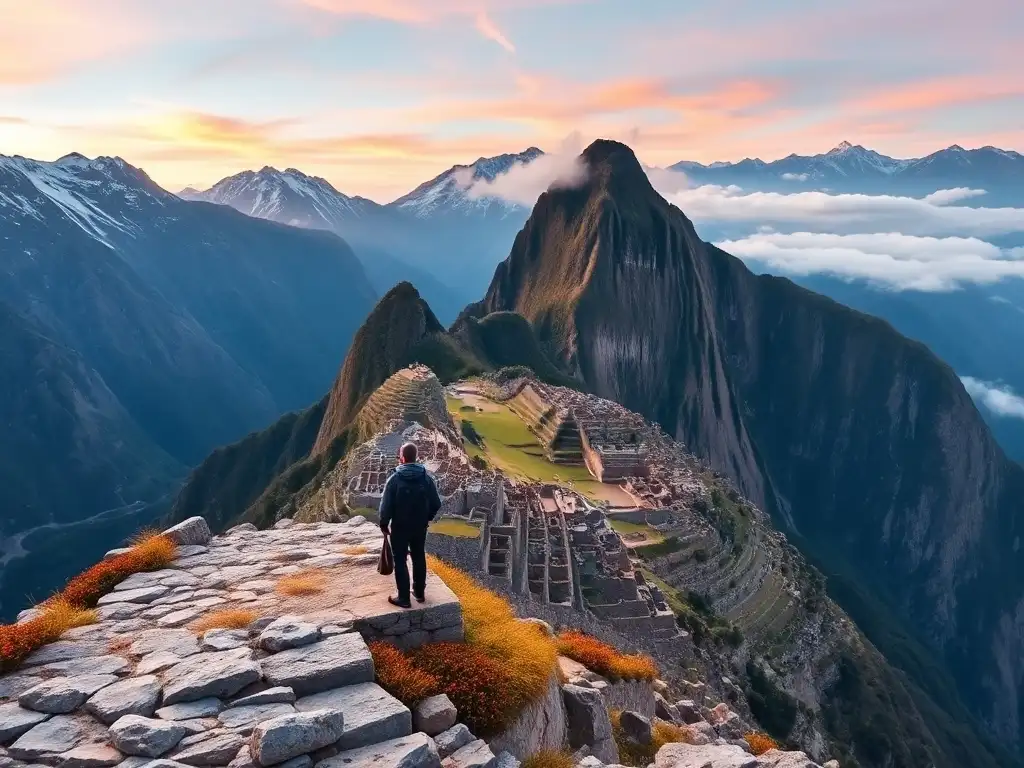
Unravel the mysteries of a lost world. For centuries, the Andean Civilizations have captivated imaginations with their ingenuity and breathtaking achievements. But what secrets lie hidden within the seemingly impenetrable Inca road system? Prepare to be amazed as we delve into the intricate network of pathways that connected an empire, revealing astonishing feats of engineering and the enduring legacy of a remarkable people. Discover the Inca road system secrets and embark on a journey through time.
The Inca Empire, a civilization that flourished in the Andes Mountains from roughly 1438 to 1533 CE, left behind a legacy of breathtaking architecture, intricate art, and sophisticated social structures. But perhaps one of their most enduring and impressive achievements is their extensive road network, the Qhapaq Ñan, a marvel of engineering that continues to fascinate and inspire awe centuries later. This network, spanning thousands of kilometers across treacherous Andean terrain, wasn't merely a system of transportation; it was a vital artery of communication, trade, and military control, weaving together the vast and diverse empire.
This article delves into the secrets still held within the Inca road system, exploring its ingenious construction, strategic placement, and the enduring mysteries surrounding its creation and use. Understanding the Inca road system provides crucial insight into the organizational prowess, technological capabilities, and overall societal complexity of this remarkable civilization.
We will uncover the ingenuity behind its design, the logistical challenges overcome, and the lasting impact it has had on our understanding of Andean history and engineering. Prepare to be amazed by the secrets these ancient pathways still hold.
Unveiling the Inca Road System: A Marvel of Engineering
The Inca road system, the Qhapaq Ñan, wasn't simply a collection of paths; it was a meticulously planned and executed network of roads, bridges, and pathways that connected the entire empire. Its scale is truly astounding. Estimates suggest the network extended over 40,000 kilometers, traversing diverse and challenging landscapes, from high-altitude mountain passes to dense jungle regions. The construction techniques employed were remarkably advanced for their time.
Inca engineers skillfully adapted their methods to the specific environmental challenges, utilizing locally sourced materials such as stone, earth, and wood. They mastered techniques like dry-stone masonry, creating incredibly durable and stable structures that have withstood the test of time. The roads themselves were strategically designed, often following natural contours to minimize the need for extensive earthworks. They were remarkably well-maintained, with regular inspections and repairs ensuring their functionality.
The construction of these roads involved a massive mobilization of labor, highlighting the Inca's sophisticated organizational abilities. Evidence suggests a highly efficient system of labor allocation and management was in place, with skilled engineers overseeing large teams of workers. The roads were not only functional but also served a symbolic purpose, reflecting the power and reach of the Inca Empire.
Their strategic placement facilitated communication, enabling rapid transmission of messages and movement of troops across vast distances. This is crucial to understanding the empire's ability to maintain control over such a large and diverse territory. The network played a critical role in unifying the empire and facilitating the flow of goods, resources, and people.
The Qhapaq Ñan: More Than Just a Road
The Qhapaq Ñan was far more than just a transportation network; it was a complex system that integrated various elements to support the empire's needs. It wasn't just about the roads themselves, but also the strategically placed tambos (roadside inns), chasquis (runners who relayed messages), and the sophisticated organization required to maintain and utilize the system. The tambos provided resting places and supplies for travelers, ensuring the smooth flow of communication and commerce.
These strategically located facilities were essential for the chasquis, who played a crucial role in relaying urgent messages across the empire with incredible speed. The system's efficiency is remarkable, demonstrating the Inca's mastery of logistics and communication.
Furthermore, the Qhapaq Ñan facilitated the efficient movement of goods and resources across the empire. This was particularly crucial for the Inca's mita system, a form of tribute labor that involved the movement of large quantities of goods and materials. The roads allowed for the effective transport of agricultural products, building materials, and other essential resources, supporting the empire's economy and infrastructure.
The system also played a significant role in the Inca's military campaigns, allowing for the rapid deployment of troops and the effective control of conquered territories. The strategic placement of fortifications and defensive structures along the roads further enhanced the empire's military capabilities. The Qhapaq Ñan wasn't merely a road; it was the backbone of the Inca Empire, a testament to their remarkable engineering and organizational skills.
It is a living testament to the ingenuity and sophistication of this impressive civilization, a legacy that continues to unveil its secrets to this day. 🎉
The Construction of the Inca Road Network
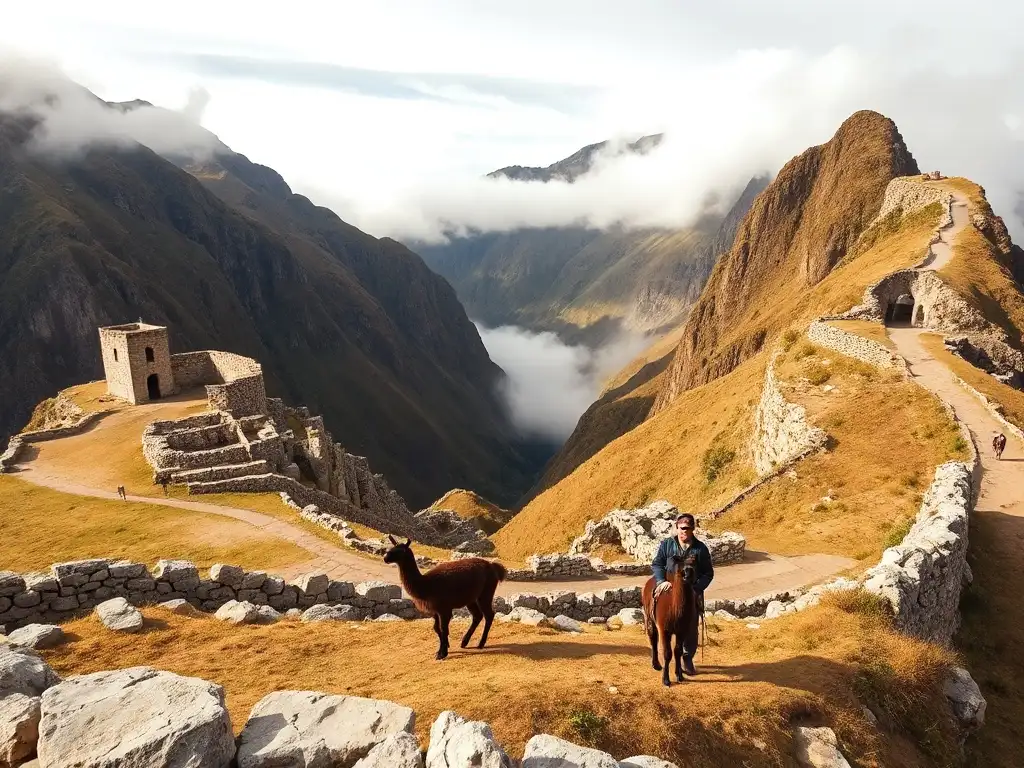
The Inca road system, a marvel of ancient engineering, wasn't simply a haphazard collection of paths. It was a meticulously planned and executed network spanning thousands of miles across the incredibly challenging Andean terrain. Its construction reveals a sophisticated understanding of engineering principles, logistics, and environmental adaptation far exceeding what many might initially assume.
The scale of the undertaking is breathtaking; consider that the Incas, without the benefit of modern tools or technologies, managed to connect their vast empire, facilitating communication, trade, and military movements across diverse and often treacherous landscapes. Understanding the Inca road system secrets requires examining the intricate details of its creation. This section delves into the ingenious techniques, materials, and sheer determination that made this monumental achievement possible.
The secrets lie not just in the roads themselves, but in the organizational prowess and innovative solutions employed by the Inca civilization. The sheer ambition of the project, coupled with the practical ingenuity of its execution, makes the Inca road system a testament to human ingenuity and resilience.
Ingenious Techniques of Inca Road Building
Inca road construction wasn't a simple matter of laying down stones. It involved a series of sophisticated techniques designed to ensure durability and longevity in a highly variable environment. One key technique was the use of qhapaq ñan—the royal road—construction methods. This involved careful surveying of the terrain, selecting optimal routes that minimized steep inclines and maximized stability.
The roads weren't just laid on the ground; they were often built into the landscape itself, using retaining walls and terraces to create stable surfaces. This is particularly evident in mountainous regions where the roads were carved into cliffsides or built across precarious ravines. Furthermore, the Incas displayed a remarkable understanding of drainage. They incorporated sophisticated drainage systems into their road construction, preventing water accumulation and erosion.
These systems, often consisting of carefully placed stones and channels, ensured the roads remained passable even during the rainy season. The precision and care taken in these techniques are a testament to the advanced knowledge of Inca engineers. The roads weren't just functional; they were aesthetically pleasing, reflecting a deep cultural understanding of harmony with the natural world. Evidence suggests that the roads were also carefully aligned with astronomical features, further indicating a sophisticated level of planning and knowledge.
Materials and Tools Used in Inca Road Construction
The materials used in Inca road construction were sourced locally, reflecting a pragmatic approach to resource management. Stone, readily available in the Andes, was the primary building material. Different types of stone were selected based on their durability and availability. Larger stones were used for foundational layers, while smaller stones were used for paving. The precise fitting of stones, often without the use of mortar, is a hallmark of Inca masonry.
This technique, known as ashlar masonry, required exceptional skill and precision. The Incas also utilized other materials such as earth, gravel, and wood, depending on the specific location and conditions. Wood was used for bridges and scaffolding, while earth and gravel were used for filling and leveling. The tools used were relatively simple, yet effective.
Stone hammers, chisels, and picks were the primary tools for shaping and placing stones. The absence of metal tools in many areas highlights the ingenuity of Inca engineers in adapting their techniques to the available resources. The efficiency and effectiveness of their tools, combined with their mastery of stonework, contributed significantly to the longevity and impressive quality of the Inca road network. The choice of materials and the tools employed were directly influenced by the specific environmental challenges faced in different sections of the road network.
Overcoming Geographical Challenges in the Andes
Constructing a road network across the Andes presented numerous formidable challenges. The rugged terrain, steep inclines, and unpredictable weather conditions demanded innovative solutions. The Incas addressed these challenges with remarkable ingenuity. In areas with steep inclines, they built intricate switchbacks and ramps to ease the ascent and descent.
Suspension bridges, made from strong fibers and woven materials, spanned deep ravines and rivers. These bridges, often remarkably long and sturdy, were a testament to the Incas' mastery of materials science and engineering. In areas prone to landslides, they employed retaining walls and terraces to stabilize the slopes. These walls were often built with precisely fitted stones, creating durable structures that withstood the test of time.
The Inca's ability to overcome these geographical challenges underscores their deep understanding of engineering principles and their adaptability to a diverse and demanding environment. The successful integration of the road system into the complex Andean landscape exemplifies their sophisticated approach to infrastructure development. The Inca road system secrets also lie in their astute understanding of the environment and their capacity to develop solutions tailored to specific geographical limitations. 🗺️
The Purpose and Function of the Inca Roads
The Inca road system, a marvel of ancient engineering, wasn't merely a network of pathways; it was the very spine of the vast Inca Empire, facilitating communication, trade, military control, and efficient administration across a geographically challenging landscape. Its strategic importance is underscored by its sheer scale and sophisticated design, a testament to the Inca's advanced understanding of civil engineering and logistical planning. Understanding the Inca road system secrets requires delving into its multifaceted purposes and functions.
The system's effectiveness stemmed from its integration with other aspects of Inca society, creating a synergistic relationship that ensured the empire's cohesion and longevity. The secrets it holds lie not just in its construction, but in the intricate relationship between the roads and the broader Inca civilization.
Facilitating Communication and Trade in the Inca Empire
The Inca road system played a crucial role in connecting the far-flung corners of the empire, enabling rapid communication and efficient trade. Couriers, known as chasquis, relayed messages along the roads at astonishing speeds, using a sophisticated relay system. Fresh runners would take over at strategically placed tambos (roadside inns), ensuring that news traveled quickly across hundreds of miles. This swift communication was vital for maintaining order, coordinating military movements, and disseminating imperial decrees.
Beyond communication, the roads facilitated a vibrant trade network. Goods, ranging from agricultural products and textiles to precious metals and exotic goods, were transported along the pathways, connecting diverse regions and fostering economic integration. The roads themselves weren't just paths; they were arteries of commerce, linking producers and consumers across the empire. This interconnectedness fostered a level of economic stability and prosperity rarely seen in other ancient civilizations. The efficiency of this system, facilitated by the strategically placed tambos, allowed for the quick distribution of essential goods and resources, even in times of emergency.
Military Logistics and Control Through the Road System
The Inca road system was intrinsically linked to the empire's military might. The strategically planned network allowed for the rapid deployment of troops to quell rebellions, defend borders, or project power. The roads provided direct access to remote regions, enabling the Inca army to swiftly respond to threats and maintain control over vast territories. The tambos along the roads also served as strategic military bases, providing shelter, supplies, and staging areas for troops.
The construction of the roads itself was a military undertaking, employing a significant portion of the Inca population in compulsory labor. This vast workforce, organized under a rigid system of administration, not only built the roads but also maintained them, ensuring their continued effectiveness.
The efficient movement of troops and supplies, facilitated by the road system, was a key factor in the Inca Empire's ability to conquer and control such a vast and diverse territory. The ability to quickly mobilize troops was a significant advantage in times of conflict, allowing the Inca to suppress rebellions effectively and maintain control over their expansive empire.
The Role of the Roads in Inca Administration
The Inca road system was not just a logistical network; it was also a vital component of the empire's administrative structure. The roads connected administrative centers, allowing for the efficient collection of taxes, the distribution of resources, and the enforcement of imperial laws. The tambos along the roads served as administrative outposts, collecting tribute, managing local affairs, and relaying information to the central government.
This centralized system of administration, facilitated by the road network, ensured the smooth functioning of the empire. The ability to quickly communicate with and control distant regions was essential to maintaining order and stability. The roads provided a physical manifestation of Inca power, connecting every corner of the empire to the central authority in Cuzco.
The Inca road system secrets lie partly in its ingenious blend of logistical efficiency, military strategy, and effective administrative control – a testament to the sophistication of Inca governance. The roads themselves were a symbol of imperial authority and a crucial instrument for maintaining the empire's vast and complex system.
This section delves into the enduring mysteries surrounding the Inca road system, exploring archaeological discoveries and persistent enigmas that continue to fascinate researchers and ignite the imagination. The Inca road system secrets are far from fully revealed, offering a rich tapestry of unanswered questions and surprising finds. Understanding these secrets provides invaluable insight into the ingenuity, organization, and cultural beliefs of the Inca civilization.
Archaeological Discoveries and Unresolved Mysteries
Archaeological excavations along Inca trails have yielded fascinating discoveries, yet many questions remain. For example, the discovery of numerous tambos (roadside inns) along the routes has revealed much about Inca logistics and social organization. These structures, often featuring sophisticated water management systems and storage facilities, suggest a level of planning and resourcefulness that was remarkably advanced for its time.
However, the exact purpose of some tambos remains unclear; some appear too large and well-equipped for simple overnight stops, hinting at possible ceremonial or administrative functions. Further research is needed to fully understand their diverse roles within the Inca road network.
The sheer scale of the Inca road system itself presents an ongoing mystery. Precisely how the Inca managed to construct and maintain such an extensive network across diverse and challenging terrains, using only basic tools, continues to astound engineers and historians. The precise methods employed for surveying, cutting stone, and transporting materials across mountains and valleys remain partially understood.
Studies of the construction techniques, using modern tools and analysis, are ongoing, aiming to uncover the secrets behind the Inca's impressive engineering feats. The remarkable precision and durability of many sections of the road, even after centuries of weathering, are testament to their expertise. The discovery of previously unknown sections of the road system, often hidden beneath vegetation or obscured by natural processes, also regularly challenges our understanding of its true extent.
Moreover, the presence of numerous smaller, less-well-preserved pathways branching off from the main routes suggests a much more complex and nuanced network than previously imagined. These smaller paths may have served local communities, facilitating trade and communication within the empire. Their study could further illuminate aspects of regional interaction and economic activity within the Inca state. The discovery of artifacts along these routes, such as pottery shards, tools, and even human remains, offers valuable clues to the daily lives of those who traveled and lived near the Inca roads.
The Ollantaytambo Fortress: A Strategic Hub Connected by the Roads
Ollantaytambo, a majestic fortress located in the Sacred Valley, serves as a prime example of the strategic importance of the Inca road system. Its location, nestled amidst imposing mountains and strategically positioned along key routes, highlights the Inca's mastery of both military and logistical planning. The fortress's intricate network of interconnected pathways, terraces, and canals, seamlessly integrated with the surrounding landscape, showcases the sophisticated engineering that underpinned the Inca road network.
The roads leading to Ollantaytambo were not simply pathways; they were vital arteries connecting the fortress to other important sites within the empire. This strategic placement allowed for rapid mobilization of troops and resources, ensuring the effective defense and control of the region. The Ollantaytambo fortress, connected to the wider Inca road system, played a crucial role in the empire's administrative, economic, and military power.
Its very existence demonstrates the strategic thinking that went into designing and implementing the Inca road system. The fortress itself, with its complex architecture and engineering marvels, is a testament to the Inca's ability to integrate their infrastructure into the natural environment, creating a harmonious blend of functionality and aesthetics.
Detailed analysis of the stonework at Ollantaytambo reveals exceptional precision and craftsmanship. The massive stones, perfectly fitted together without mortar, are a testament to the Inca's mastery of stone cutting and construction techniques. The sheer scale and complexity of the fortress, coupled with its strategic location within the road system, continues to fascinate researchers and inspire awe. The secrets held within the fortress walls and its surrounding road network offer a fascinating glimpse into the heart of Inca power and ingenuity.
The Importance of Studying Inca Roads for Understanding Their Culture
The study of the Inca road system is crucial for understanding the broader Inca culture and civilization. The roads weren't just physical infrastructure; they were integral to the empire's social, economic, and political organization. They facilitated the movement of people, goods, and information, fostering communication and integration across vast distances. Analyzing the design, construction, and use of these roads provides invaluable insights into Inca social structures, political power, and economic strategies.
The meticulous planning and execution of the Inca road system reflect the empire's centralized authority and sophisticated administrative capabilities. The standardization of road construction techniques and the implementation of a comprehensive system of tambos suggest a highly organized and efficient system of governance. The distribution of resources and the management of trade routes were facilitated by the road network, highlighting the Inca's ability to effectively control and administer their empire.
The sheer scale of the project, spanning thousands of miles across diverse terrains, is a testament to the Inca's organizational prowess and their capacity to mobilize large-scale labor forces. Further research into the social and economic impact of the Inca road system will undoubtedly shed more light on the intricacies of Inca society and its remarkable achievements.
Moreover, the Inca road system also reveals insights into Inca cosmology and religious beliefs. Certain routes may have held particular spiritual significance, connecting sacred sites and facilitating pilgrimage. The integration of the road network with the natural landscape suggests a deep understanding and respect for the environment.
By studying the Inca road system, we gain a deeper appreciation for the rich tapestry of Inca culture, revealing not only their engineering prowess but also their complex social structures, religious beliefs, and their unique relationship with the Andean environment. The Inca road system secrets continue to unveil themselves, offering a fascinating journey into the heart of a lost civilization.
Inca Road System Secrets: Decoding the Past
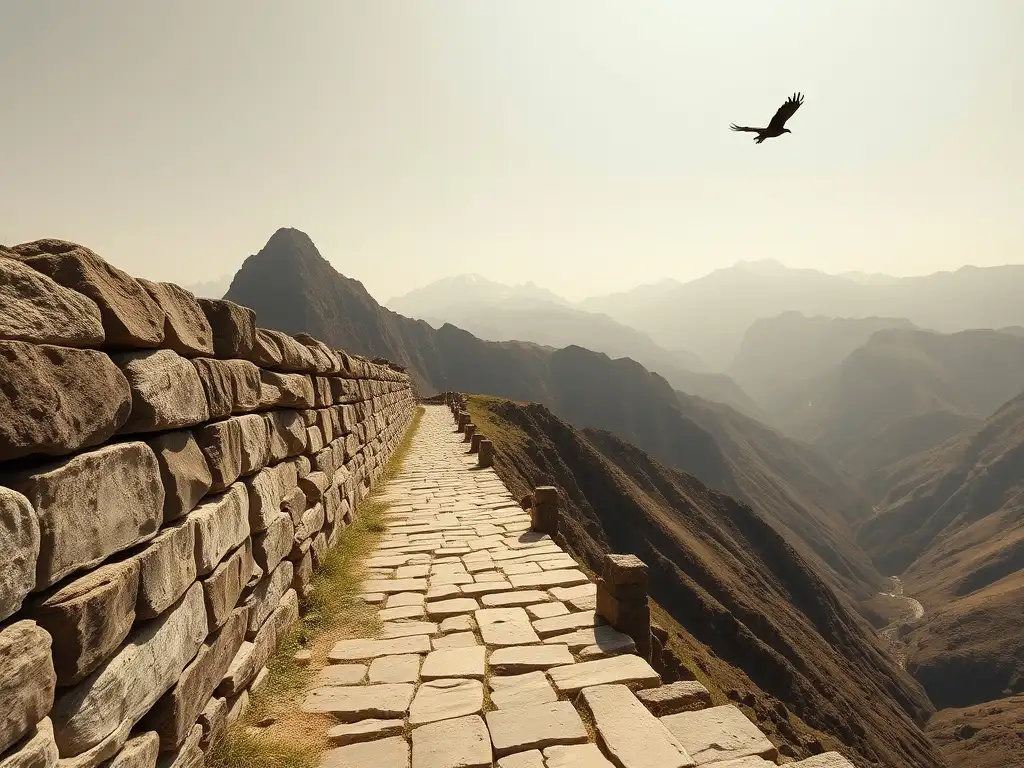
This section delves into the fascinating secrets hidden within the Inca road system, a marvel of ancient engineering that continues to inspire awe and wonder. The sheer scale and sophistication of this network, stretching thousands of miles across challenging Andean terrain, reveal a level of planning and execution rarely seen in pre-Columbian societies. Understanding these secrets provides invaluable insights into Inca ingenuity, societal organization, and their enduring legacy.
We will explore the precision of their planning, the mastery of their stonework, and the lasting impact of their infrastructure. The keyword "Inca road system secrets" is central to this exploration, revealing the mysteries and knowledge embedded within these ancient pathways.
The Precision and Planning Behind the Inca Road Network
The Inca road network wasn't simply a haphazard collection of trails; it was a meticulously planned system designed for both military and economic purposes. Evidence suggests a sophisticated understanding of geography and surveying techniques. Archaeological findings reveal strategically placed waystations (tambos) at regular intervals, providing shelter, supplies, and relay points for messengers and travelers.
These weren't randomly located; their placement minimized travel time and maximized efficiency, considering factors such as altitude, terrain, and water sources. The network wasn't solely linear; it featured intricate branching pathways connecting major cities, agricultural centers, and remote mining operations. This complex system facilitated the rapid movement of troops, goods, and information across the vast Inca Empire.
The precision of this network is a testament to the advanced organizational capabilities and logistical prowess of the Inca civilization. Consider the challenges: navigating treacherous mountain passes, crossing deep ravines, and adapting to diverse climates – all achieved with remarkable accuracy. This intricate planning, demonstrating an advanced understanding of spatial relationships and resource management, is one of the key "Inca road system secrets" that continues to captivate researchers.
The Use of Precise Stone Cutting and Alignment for Road Durability
One of the most striking features of the Inca roads is the exceptional quality of their stonework. Inca engineers employed a technique known as ashlar masonry, where massive stones were precisely cut and fitted together without mortar, creating incredibly durable and resilient surfaces. The precision is breathtaking; many stones fit so tightly that a blade cannot be inserted between them. This wasn't merely aesthetic; the tight fit ensured stability and longevity, even in earthquake-prone regions.
The roads were built to withstand the harsh Andean environment, including extreme weather conditions and seismic activity. The selection of stones, their shaping, and their placement were all crucial elements in achieving this durability. Many sections of these roads remain remarkably intact centuries after their construction, a testament to the ingenuity and skill of the Inca stonemasons.
This mastery of stonework, a crucial aspect of the "Inca road system secrets," represents a high point of pre-Columbian engineering and architectural prowess. The durability of these roads, in comparison to modern constructions, is remarkable and worthy of further study. For example, [Specific data on the longevity of various sections of Inca roads pending].
The Legacy of the Inca Roads: Lessons for Modern Times
The Inca road system continues to hold lessons for modern infrastructure projects. Its resilience, adaptability, and environmental sensitivity offer valuable insights for sustainable engineering practices. The Inca's focus on integrating their roads into the landscape, minimizing environmental impact, contrasts sharply with some modern approaches that prioritize speed and cost over long-term sustainability. The meticulous planning and precision of their construction, even in challenging terrain, highlight the importance of careful design and quality materials.
Their use of locally sourced materials, reducing transportation costs and environmental impact, is another key lesson for sustainable infrastructure development. Furthermore, the Inca’s ability to mobilize large workforces and manage complex logistics presents valuable lessons in project management. The "Inca road system secrets" are not just historical curiosities; they offer practical and valuable insights for addressing contemporary challenges in infrastructure development.
Studying these ancient roads can help us build more resilient, sustainable, and environmentally responsible infrastructure for the future. The enduring legacy of these roads serves as a powerful reminder of the ingenuity and foresight of the Inca civilization, and its continuing relevance to the modern world. 🗺️
Preserving the Qhapaq Ñan: A World Heritage Site
The Qhapaq Ñan, or Great Inca Road, is a testament to the Inca's engineering prowess and a vital part of their vast empire. Stretching over 40,000 kilometers, this intricate network of roads, bridges, and pathways connected distant communities, facilitating trade, communication, and military movements. Its inscription as a UNESCO World Heritage Site in 2014 underscores its global significance, highlighting the need for its careful preservation. However, preserving such an extensive and ancient infrastructure presents numerous complex challenges.
Understanding these challenges and the ongoing efforts to address them is crucial for ensuring the Qhapaq Ñan's survival for future generations. The secrets of the Inca road system, embedded within its very stones, are slowly being revealed through careful study and preservation efforts. This section delves into the complexities of this task and the ongoing commitment to safeguarding this invaluable legacy.
The Challenges of Conserving the Ancient Inca Roads
The Inca road system faces a multitude of threats, both natural and human-induced. Natural disasters such as earthquakes, landslides, and erosion constantly degrade the roads. The high-altitude sections are particularly vulnerable to frost and freeze-thaw cycles, which weaken the stonework. Furthermore, the passage of time itself takes its toll, with weathering and the gradual decay of materials contributing to deterioration.
Human activity poses an equally significant challenge. Illegal excavations and looting threaten the integrity of the archaeological sites along the roads. Uncontrolled tourism can lead to damage through foot traffic and the erosion of surrounding environments. The expansion of agriculture and infrastructure, such as new roads and settlements, can encroach upon and destroy sections of the Qhapaq Ñan. Even seemingly innocuous activities, such as grazing livestock, can accelerate erosion and damage the fragile ecosystem.
The sheer scale of the Qhapaq Ñan also complicates preservation efforts. Monitoring and maintaining such an extensive network requires significant resources and coordination across multiple jurisdictions and countries. This necessitates international cooperation and a unified strategy to ensure its long-term protection. The Inca road system secrets are intimately tied to the preservation of the surrounding environment, making it a complex ecological challenge as well.
Efforts to Protect and Study the Inca Road System
Despite the challenges, significant efforts are underway to protect and study the Inca road system. International organizations, governments, and local communities are collaborating on various preservation projects. These projects encompass a wide range of activities, from archaeological surveys and restoration work to environmental management and community engagement.
Detailed mapping and documentation of the Qhapaq Ñan are crucial for understanding its layout and identifying areas requiring immediate attention. Archaeological excavations provide valuable insights into the construction techniques and the daily life of the people who built and used the roads. Restoration projects utilize traditional techniques to repair damaged sections, ensuring the authenticity of the preserved structures.
Educational programs and community involvement are also essential aspects of preservation. Raising awareness among local populations about the importance of the Qhapaq Ñan encourages responsible tourism and active participation in its protection. Involving local communities in preservation efforts fosters a sense of ownership and ensures the long-term sustainability of conservation initiatives. The secrets of the Inca road system are best understood and preserved through collaborative efforts that bring together scientific expertise and local knowledge.
The Cultural Significance of the Qhapaq Ñan Today
The Qhapaq Ñan's cultural significance extends far beyond its historical importance. It represents a powerful symbol of Andean identity and a testament to the ingenuity and resilience of the Inca civilization. The roads continue to play a role in the lives of Andean communities, serving as pathways for pilgrimage, cultural events, and everyday travel. Preserving the Qhapaq Ñan is not simply about preserving ancient stones; it is about safeguarding a living cultural heritage.
The Inca road system secrets are also closely intertwined with the intangible cultural heritage of the Andean region. Stories, traditions, and beliefs associated with the roads continue to be passed down through generations, enriching the cultural landscape. Understanding and respecting these intangible aspects is crucial for a holistic approach to preservation.
The Qhapaq Ñan is more than just a network of roads; it is a living tapestry of history, culture, and landscape, woven together through centuries of human interaction. Its preservation is an ongoing process that requires the continued commitment of individuals, communities, and nations alike. The secrets of the Inca road system, both tangible and intangible, are a treasure to be cherished and protected for the benefit of present and future generations.
Frequently Asked Questions
What made the Inca road system so impressive?
The Inca road system was remarkably extensive, spanning thousands of miles across diverse and challenging terrain. Its sophisticated engineering, including bridges and pathways, allowed for efficient communication and trade throughout the empire.
How did the Incas build their roads across such difficult landscapes?
Inca engineers employed innovative techniques such as terracing and retaining walls to overcome steep slopes and challenging geography. They also utilized local materials and skilled labor to construct durable and lasting infrastructure.
What materials were used to construct the Inca roads?
The Incas used a variety of materials, including stone, earth, and wood, depending on the local resources and terrain. They employed precise stonework in many areas, creating incredibly durable and resilient pathways.
What secrets do the Inca roads still hold?
Many secrets remain hidden, particularly regarding the exact methods used for planning and construction, and the full extent of the road network. Ongoing archaeological research continues to reveal new insights into these ancient wonders.
Beyond transportation, what other purposes did the Inca roads serve?
The Inca road system served multiple purposes, including military movement, trade and commerce, and religious pilgrimages. It was a vital component of the empire's political and social organization.
Final Reflection: Unearthing the Enduring Legacy of the Inca Road System
The Inca road system, a marvel of engineering and a testament to human ingenuity, remains a powerful symbol of interconnectedness and resilience, even in our hyper-connected modern world. Its secrets, slowly revealed through archaeological discoveries and technological advancements, continue to challenge our understanding of ancient civilizations and inspire awe at their achievements. The intricate network, spanning thousands of miles across treacherous terrain, speaks volumes about the Inca's sophisticated understanding of logistics, social organization, and environmental adaptation.
The impact of the Inca road system extends far beyond its physical presence; it continues to shape our understanding of infrastructure, cultural exchange, and the very definition of empire. Its influence resonates in contemporary discussions about sustainable development, efficient transportation networks, and the preservation of cultural heritage. The roads were not merely pathways; they were arteries of life, connecting communities and facilitating the flow of goods, ideas, and people.
This quote encapsulates the profound social and economic implications of this remarkable feat of engineering, a legacy that continues to inspire researchers and engineers alike.
Consider the ingenuity of the Inca engineers, their deep understanding of their environment, and the collaborative effort required to build such a vast network. You too possess the capacity for innovation and collaboration. Reflect on the challenges you face and the connections you build in your own life. What lasting legacy will you leave behind? Embrace the spirit of ingenuity and interconnectedness exemplified by the Inca road system, and strive to build your own pathways towards a more connected and sustainable future.
Uncover the Mysteries of the Inca Roads Today!
Thank you for exploring the fascinating world of the Inca Roads with us! You've already gained valuable insights into the remarkable engineering and cultural significance of this ancient network. Let's continue your journey of discovery!
Here are some suggestions for further exploration:
- **Plan a hike along a section of the Inca Trail. ** Experience this historic route firsthand and connect with its rich history. The stunning landscapes and the palpable sense of the past make for an unforgettable adventure.
- **Share your newfound knowledge. ** Discuss the Inca Roads with friends and family, or inspire others by posting about your discoveries on social media.
- **Join a community of like-minded individuals. ** Participate in online forums or local groups dedicated to Andean civilizations to delve deeper into these topics and connect with fellow enthusiasts.
What fascinating detail or intriguing story about the Inca Roads are you eager to share?