
The Enduring Legacy: How Andean Women Continue to Inspire

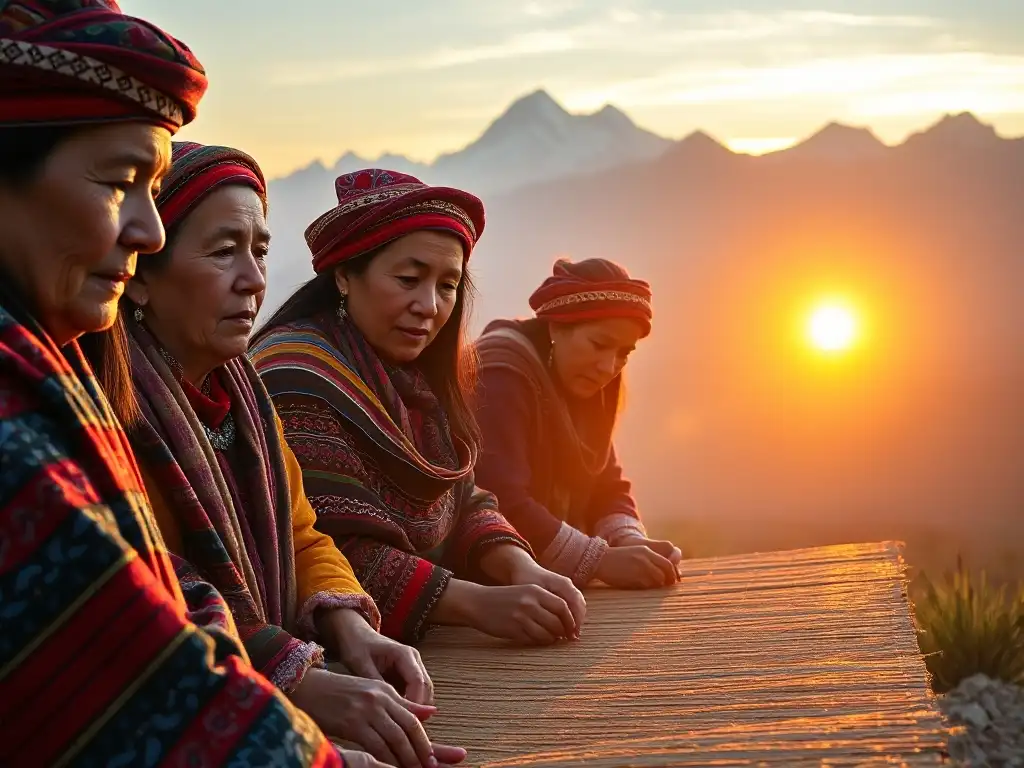
Step into a world lost to time, yet echoing powerfully in the present. Discover the untold stories of the Andes, a land sculpted by magnificent civilizations and shaped by the unwavering strength of its people. But what about the impact of Andean women? Their influence, often overlooked, is a crucial thread in the rich tapestry of Andean history. Prepare to be captivated as we unravel the enduring legacy of these remarkable women in our exploration of Andean women's historical impact. Their stories will challenge your assumptions and leave you wanting more.
The Andes Mountains, a majestic spine running down the western coast of South America, have witnessed the rise and fall of some of the most fascinating civilizations in history. While often overshadowed by narratives focused on male rulers and warriors, the contributions of Andean women have been fundamental to the survival, prosperity, and cultural richness of these societies. This article delves into the enduring legacy of Andean women, exploring their multifaceted roles and significant impact throughout history, from the pre-Columbian era to the present day.
We will examine how their strength, resilience, and ingenuity continue to inspire generations, challenging traditional historical narratives and highlighting their crucial role in shaping Andean identity. Understanding their historical impact is crucial to a complete understanding of Andean civilizations and their lasting influence on the world.
This exploration will focus on the diverse experiences of women across various Andean cultures, including the Incas, Moche, Nazca, and Tiahuanaco, highlighting the common threads of resilience and innovation that bind them together. The keyword "Andean women's historical impact" will be examined through various lenses, revealing the untold stories and significant contributions of these remarkable individuals.
Beyond the Domestic Sphere: The Diverse Roles of Andean Women
The common misconception of Andean women solely as homemakers is a gross oversimplification. Archaeological evidence and historical accounts reveal a far more complex reality. Women held positions of power and influence in various aspects of Andean societies. From skilled textile artisans and agricultural experts to religious leaders and political advisors, their roles extended far beyond the domestic sphere.
For example, in some cultures, women served as intermediaries between the spiritual and physical worlds, holding significant religious authority. Their knowledge of medicinal plants and healing practices was also highly valued, making them essential figures in community health. Moreover, their contributions to agriculture, particularly in the challenging Andean environment, were crucial for the survival and prosperity of their communities.
They developed innovative agricultural techniques, ensuring food security and contributing significantly to the economic stability of their societies. The detailed analysis of textile production, for example, reveals sophisticated techniques and designs, showcasing the high level of skill and artistry possessed by Andean women. This mastery of textile arts wasn't simply a domestic activity; these textiles often served ceremonial or political functions, indicating the women’s crucial role in social and political life.
Andean textiles are renowned for their intricate designs, vibrant colors, and complex symbolism. These weren't merely garments; they were powerful mediums for storytelling, conveying historical narratives, social status, and religious beliefs. Women were the primary artisans behind these magnificent creations, their skills passed down through generations. The detailed designs and sophisticated weaving techniques required years of training and expertise, highlighting the high level of skill and artistry achieved by Andean women.
The symbolism embedded in these textiles provides invaluable insights into the social structures, religious practices, and worldview of Andean societies. Furthermore, the use of specific dyes and materials often indicated the social status and geographic origin of the weaver, demonstrating the textiles' social and political significance. The intricate patterns, often depicting mythological figures or significant historical events, served as a visual record of Andean history and culture, preserved and transmitted through generations by the skilled hands of women.
Resilience and Resistance: Andean Women in the Face of Colonialism
The arrival of the Spanish conquistadors marked a turning point in Andean history, bringing with it immense upheaval and oppression. Despite facing immense challenges, Andean women displayed remarkable resilience and resistance. They adapted to new circumstances, preserving their cultural heritage and continuing to play vital roles in their communities. Many women actively participated in resistance movements against colonial rule, using their knowledge of the terrain and their networks to support rebellions.
Despite the systematic efforts to suppress Andean culture, women played a crucial role in maintaining traditions and passing them down to future generations. Their contributions to the survival and continuity of Andean identity in the face of colonial oppression demonstrate their strength, determination, and unwavering spirit. [Specific examples of resistance and cultural preservation by Andean women pending]
The Continuing Legacy: Andean Women Today
The legacy of Andean women continues to inspire today. Their strength, resilience, and creativity continue to shape Andean societies, enriching cultural expressions and contributing to economic and social progress. Modern Andean women are actively engaged in preserving their heritage and advocating for social justice, carrying forward the legacy of their ancestors.
From entrepreneurs and community leaders to artists and activists, they demonstrate the ongoing relevance and impact of Andean women's contributions. Their ongoing fight for equality and recognition showcases their commitment to shaping a more just and equitable future, building upon the foundations laid by generations of strong and resilient women. [Specific examples of contemporary Andean women and their contributions pending].
- Beyond the Domestic Sphere: The Diverse Roles of Andean Women
- The Power of Textile Art: Weaving Narratives and Social Identity
- Resilience and Resistance: Andean Women in the Face of Colonialism
- The Continuing Legacy: Andean Women Today
Andean Women's Historical Impact: An Introduction
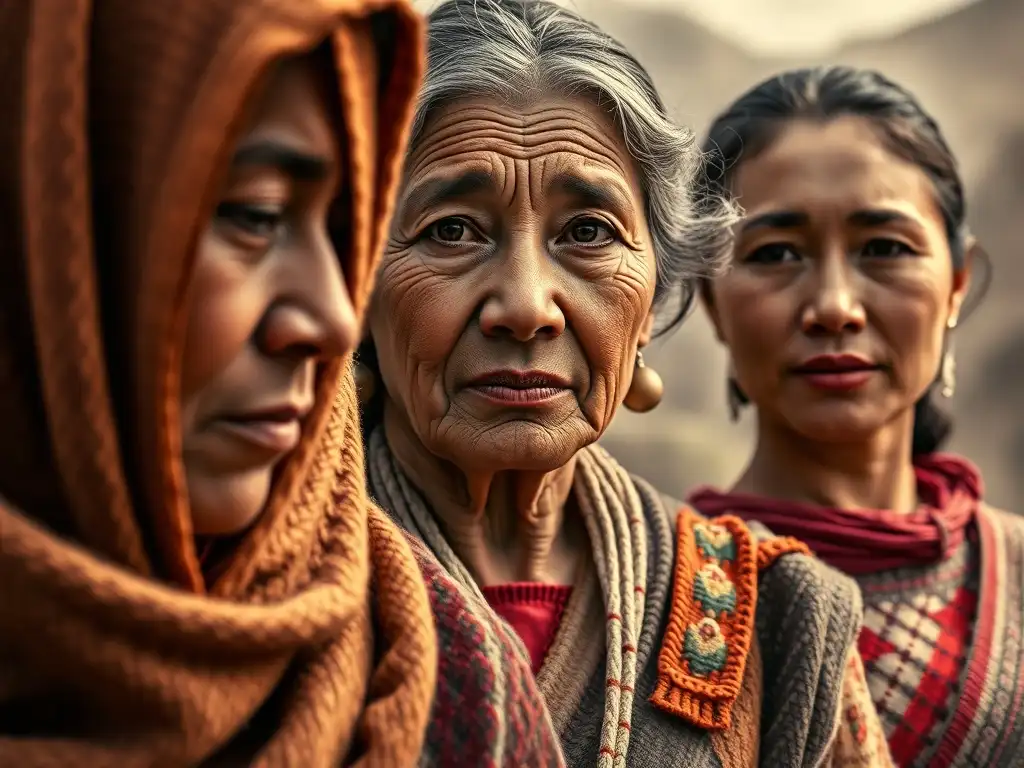
This section delves into the often-overlooked yet profoundly significant contributions of Andean women throughout history. While patriarchal narratives often dominate historical accounts, a closer examination reveals the crucial roles women played in shaping Andean societies, from their economic contributions to their spiritual influence and political agency. Understanding the true extent of Andean women's historical impact necessitates moving beyond stereotypical portrayals and engaging with a more nuanced and inclusive perspective.
We will explore how their agency and resilience shaped not only their own lives but also the trajectory of Andean civilizations. This exploration will challenge traditional interpretations and illuminate the enduring legacy of Andean women, a legacy that continues to inspire. The keyword "Andean women's historical impact" will be explored through various lenses, highlighting their multifaceted roles and contributions.
Exploring the Role of Women in Ancient Andean Societies
The roles of women in ancient Andean societies were far more diverse and complex than often depicted. While some narratives focus solely on domestic roles, archaeological evidence and ethnographic studies reveal a far richer picture. Women were not merely homemakers; they were active participants in the economy, holding significant positions within their communities.
For instance, in the textile production, women were not just laborers but also designers and innovators, creating intricate textiles with symbolic meaning. These textiles weren't simply clothing; they served as markers of social status, religious symbols, and even forms of currency. The mastery of weaving techniques, passed down through generations of women, represents a significant technological achievement and a crucial aspect of Andean women's economic power.
Furthermore, women played vital roles in agriculture. Their knowledge of planting cycles, crop management, and medicinal plants was essential to the survival and prosperity of Andean communities. Their expertise in agriculture contributed significantly to food security and economic stability. Archaeological findings consistently showcase the involvement of women in agricultural practices, challenging the simplistic notion of men as the sole providers. The intricate knowledge of the Andean landscape and its resources, held largely by women, represents a deep connection to the land and a testament to their crucial role in community sustenance.
Beyond the economic sphere, women held significant spiritual roles within Andean societies. They were often associated with fertility, healing, and ancestral veneration. In some cultures, women served as priestesses or shamans, wielding considerable spiritual authority within their communities. While specific roles varied across different Andean cultures, the presence of women in religious and spiritual practices is undeniable. Their contributions to the spiritual fabric of Andean societies are significant, revealing a level of influence often overlooked in traditional historical narratives.
The Significance of Women in Andean History and Culture
The significance of Andean women in history and culture extends far beyond their immediate roles. Their contributions shaped the social structures, economic systems, and spiritual beliefs of Andean civilizations. The enduring legacy of Andean women is evident in the intricate textiles, sophisticated agricultural techniques, and rich spiritual traditions that have survived to this day. Their resilience in the face of colonization and societal changes further underscores their enduring impact.
The transmission of knowledge and skills across generations, largely through women, is a key factor in the survival and continuity of Andean cultures. This intergenerational knowledge transfer ensured the preservation of invaluable traditions, techniques, and beliefs. This is particularly evident in the case of textile production, where intricate weaving techniques were passed down through families and communities for centuries. This continuity demonstrates the sustained influence of Andean women in maintaining cultural identity and practices.
Moreover, the ongoing presence of women's contributions in contemporary Andean societies highlights the lasting impact of their historical roles. Many traditional crafts and practices, such as weaving and agricultural techniques, continue to be practiced and preserved by women, demonstrating the enduring legacy of their skills and knowledge.
This continuity highlights the importance of recognizing and celebrating the full spectrum of Andean women's historical impact, ensuring that their contributions are not only acknowledged but also celebrated as vital components of Andean history and culture. Their stories remain a powerful source of inspiration, demonstrating the strength, resilience, and ingenuity of Andean women throughout history.
Powerful Figures: Andean Women Who Shaped History
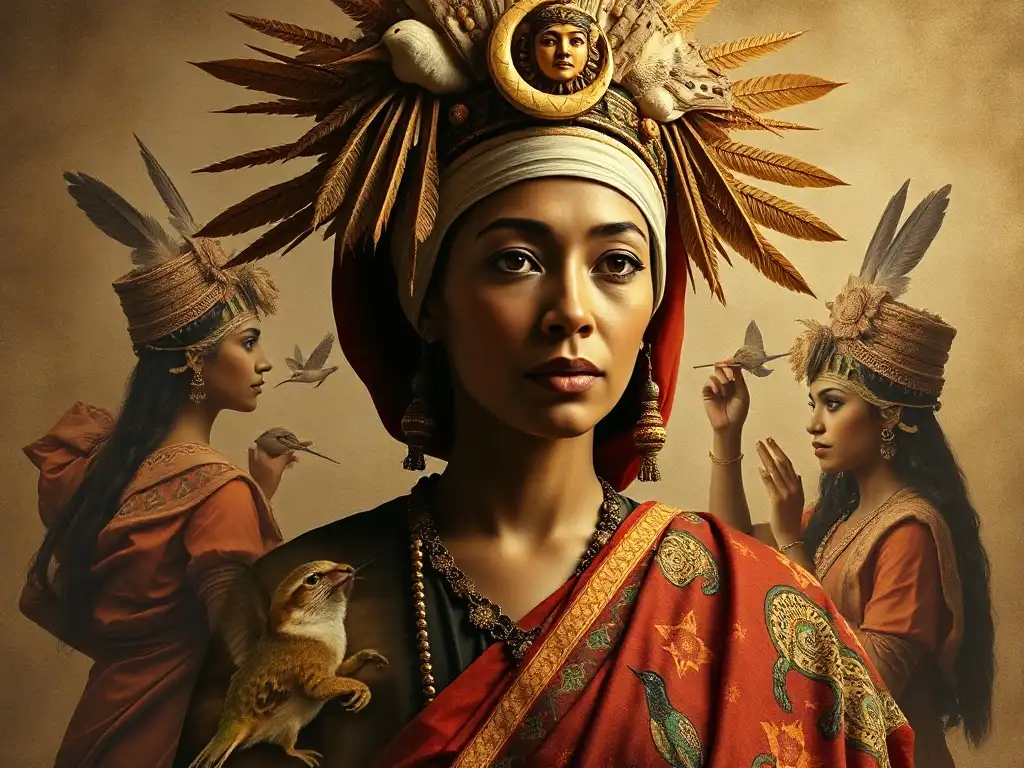
This section explores the significant roles Andean women played beyond the domestic sphere, challenging the often-oversimplified narratives of ancient Andean societies. While historical records are sometimes limited, archaeological evidence and surviving oral traditions reveal a complex tapestry of female power and influence, significantly shaping the social, political, and spiritual landscapes of the Andes. The enduring legacy of Andean women's historical impact is undeniable, reflecting their contributions to governance, religious practices, and cultural production.
Understanding their roles offers a more nuanced and accurate picture of these fascinating civilizations. We will examine specific examples to illustrate this powerful legacy and the multifaceted nature of Andean women's achievements.
The Influence of Female Leaders in the Inca Empire
The Inca Empire, known for its sophisticated administrative system and vast territorial control, presents a fascinating case study. While the empire was officially structured around a patriarchal hierarchy with the Sapa Inca at its apex, the influence of women, particularly within the royal family and the acllahuasi (Houses of the Chosen Women), was substantial. These women, selected for their beauty and skills, played crucial roles in textile production, religious ceremonies, and the brewing of chicha, a sacred beverage.
Their elevated status within the empire indicates a level of political and social power that extended beyond domestic responsibilities. Furthermore, while the precise extent of their political influence is debated by scholars, some evidence suggests that acllas acted as advisors to the Inca rulers, influencing decisions and providing valuable insights. Their mastery of textile arts, for instance, became a symbol of Inca power and prestige, with textiles serving as diplomatic gifts and markers of social status.
The meticulous craftsmanship and intricate designs showcased the skill and artistry of these women, contributing significantly to Inca cultural identity. The study of Inca textiles, therefore, offers a powerful lens through which to understand the contributions of these women. Further research is needed to fully quantify their political influence, but existing evidence strongly suggests a significant impact beyond simple craft production.
Mama Ocllo and Her Contributions to Inca Mythology
Mama Ocllo, a figure prominent in Inca mythology, represents a powerful example of the symbolic importance of women within the Inca worldview. Often portrayed as the wife or sister of Manco Cápac, the legendary founder of the Inca Empire, Mama Ocllo is credited with introducing agriculture and weaving techniques to the Inca people. Her role in these foundational activities underscores the importance attributed to women in shaping Inca society.
She is not merely a passive figure in the creation myth; instead, she actively participates in the civilization-building process, demonstrating her crucial role in the development and sustainability of Inca communities. The narratives surrounding Mama Ocllo highlight the deep respect and reverence held for female figures, showcasing their essential contributions to the cultural and social fabric of the Inca Empire.
Her enduring presence in Inca mythology serves as a testament to the lasting impact of women on Inca identity and cultural memory. More detailed ethnographic studies could further illuminate the specific aspects of Mama Ocllo's influence on various Inca communities.
Female Shamans and Their Role in Andean Spirituality
Andean spirituality was, and continues to be, profoundly shaped by the contributions of female shamans, or paqos. While male shamans also held significant positions, female shamans played a vital role in healing practices, divination, and communicating with the spirit world. They possessed specialized knowledge of medicinal plants, rituals, and the intricate cosmology of the Andes. Their expertise extended to healing both physical and spiritual ailments, making them essential figures in their communities.
Their roles, often intertwined with the worship of female deities, further emphasized the importance of the feminine principle in Andean spiritual life. The power held by these women was not limited to religious practices; it often extended into social and political spheres, influencing community decisions and providing guidance on important matters. Unfortunately, the precise extent of their influence is often lost to time, due to the limited written records and the oral nature of much of their knowledge transmission.
However, ongoing research into Andean spiritual traditions, combined with archaeological findings, continues to shed light on the crucial roles played by these powerful female figures. Further investigation into specific archaeological sites associated with female shamanistic practices would offer valuable insights into their activities and social standing. The study of surviving oral traditions and contemporary Andean spiritual practices also offer crucial avenues for understanding the enduring legacy of Andean women's spiritual influence.
Beyond the Royal Court: The Daily Lives of Andean Women
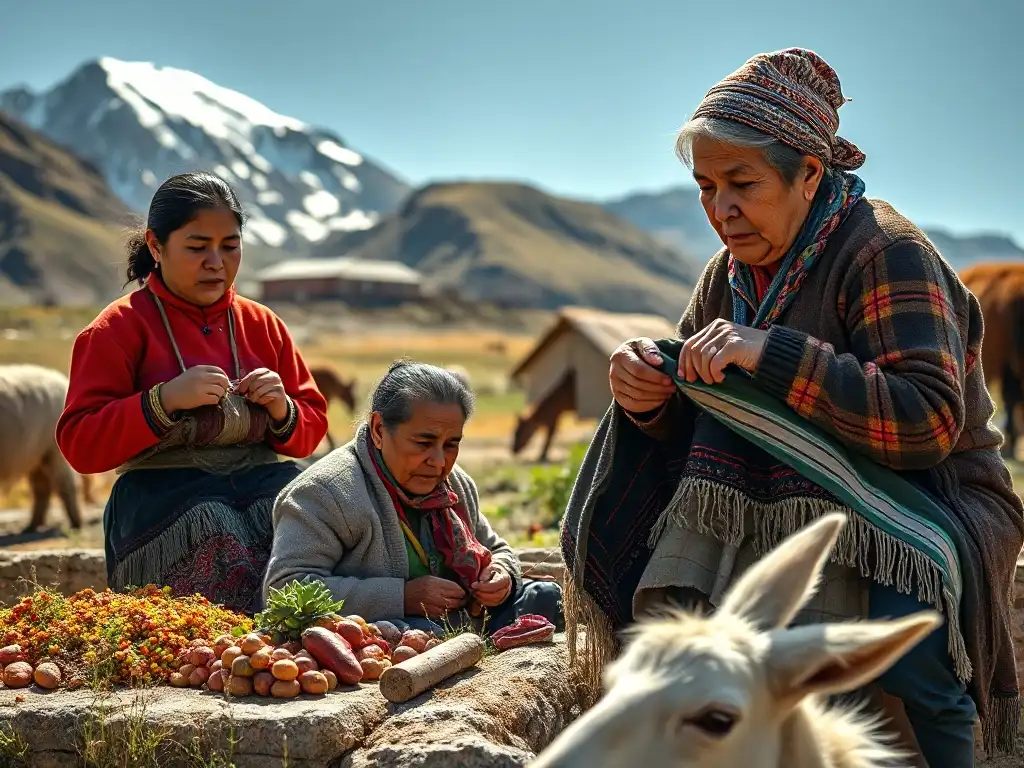
This section delves into the multifaceted roles of Andean women beyond the often-highlighted roles of queens and priestesses. While royal women undoubtedly held significant power and influence, the vast majority of Andean women shaped society through their daily contributions. Understanding their lives provides crucial context for appreciating the true scope of the Andean women's historical impact.
We'll explore their vital contributions to the economy, social fabric, and cultural expression of these remarkable societies. The enduring legacy of Andean women is not solely defined by those in positions of authority but by the collective strength and resilience of all women who lived and worked within these complex societies. Their contributions were essential to the survival and prosperity of their communities.
The Importance of Weaving and Textile Art for Andean Women
Weaving wasn't simply a craft for Andean women; it was a powerful form of cultural expression, economic activity, and social status marker. From the intricate textiles of the Nazca to the vibrant tapestries of the Inca, women were the primary creators of these masterpieces. The techniques employed, the materials used (alpaca, llama, cotton), and the designs themselves all conveyed complex social messages and narratives.
Consider the k'eperuna, the colorful woven belts worn by women in the Andes. These weren't mere accessories; they were indicators of marital status, social standing, and even regional identity. The complexity of the weave, the choice of colors and patterns, all spoke volumes about the wearer.
Furthermore, the production and trade of textiles provided significant economic independence for many women, allowing them to participate actively in the marketplace and contribute to the household economy. The intricate knowledge passed down through generations, coupled with the artistic skill involved, highlights the intellectual and creative prowess of Andean women. This powerful combination of artistry and economic contribution significantly impacted the overall Andean economy and societal structure.
Moreover, textiles served vital ceremonial and ritualistic purposes. Specific designs and colors were associated with religious beliefs and practices, highlighting the spiritual significance of women's work within Andean societies. The legacy of Andean women's textile art continues to inspire contemporary artisans and serves as a potent symbol of cultural continuity and resilience.
Andean Women as Farmers and Providers
The agricultural prowess of Andean civilizations is well-documented, but the significant role of women in this success is often overlooked. Andean women were not simply passive participants in agricultural practices; they were active agents in cultivating and harvesting crops, managing livestock, and ensuring the food security of their communities. They were responsible for cultivating crops such as potatoes, maize, quinoa, and beans—staple foods that sustained Andean societies for centuries.
The challenging terrain of the Andes required innovative farming techniques, and Andean women played a key role in developing and maintaining these methods. Their knowledge of terracing, irrigation systems, and crop rotation was crucial to the success of Andean agriculture. Furthermore, women were responsible for processing and preserving food, ensuring a steady supply throughout the year. This involved techniques like drying, freezing, and fermentation, showcasing their deep understanding of food science and preservation.
Their contributions were essential to the survival and prosperity of Andean communities. The resilience and ingenuity of Andean women in the face of challenging environmental conditions directly contributed to the enduring legacy of Andean agricultural practices. Their roles extended beyond simple labor; they were active managers of vital resources, playing a critical role in food security and economic stability.
The influence of Andean women in agriculture is a testament to their multifaceted capabilities and enduring impact on the Andean societies. Their knowledge and skills, passed down through generations, are a vital part of Andean women's historical impact.
Women’s Role in Aymara Community Life
The Aymara people of the Andes present a compelling case study of the continued importance of women in community life. Even today, Aymara women play a central role in maintaining traditional practices, social structures, and cultural identity. Their involvement extends far beyond the domestic sphere; they actively participate in community decision-making, religious ceremonies, and economic activities.
In many Aymara communities, women hold positions of leadership within their ayllus (traditional community organizations). They participate in community meetings, contribute to the resolution of conflicts, and play a significant role in shaping local governance. This active involvement contrasts sharply with the often-limited roles assigned to women in other historical narratives.
Their participation in religious rituals is equally noteworthy. Aymara women are often central figures in ceremonies and festivals, showcasing their deep understanding of spiritual traditions and their crucial role in maintaining cultural continuity. Their continued active participation in these aspects of Aymara life strongly supports the idea of Andean women's historical impact extending far beyond the ancient past.
The economic contributions of Aymara women are also significant. They often manage household finances, participate in local markets, and contribute to the family's income through various activities, including weaving, farming, and livestock management. Their economic independence and active participation in community life demonstrates the enduring power and influence of Andean women, highlighting their vital role in shaping the social, economic, and cultural fabric of Aymara communities. The resilience and adaptability of Aymara women are a testament to the enduring legacy of Andean women and their lasting impact on Andean societies.
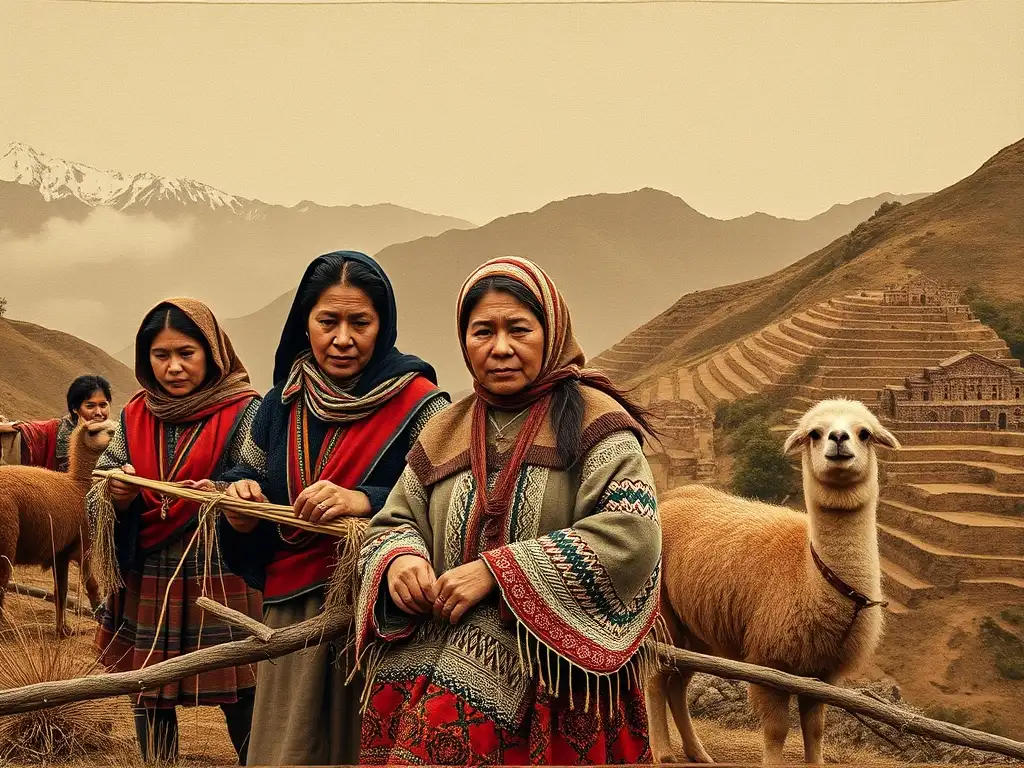
The impact of Andean women throughout history is profound and multifaceted, extending far beyond the stereotypical portrayal often found in historical accounts. Their influence shaped social structures, economic systems, and religious practices in ways that continue to resonate today. Understanding their contributions requires moving beyond a simplistic narrative and delving into the complex realities of ancient Andean societies. The enduring legacy of Andean women is a testament to their resilience, ingenuity, and significant role in shaping the societies they inhabited.
This section will explore key areas where their historical impact is undeniable, focusing on the enduring legacy of their contributions to Andean societies. A thorough investigation into the lives of Andean women sheds light on the complexities of gender roles and challenges the often-oversimplified narratives surrounding ancient civilizations. The keyword phrase "Andean women's historical impact" is central to understanding the scope of their influence.
The Matrilineal Practices of Some Andean Groups
While patrilineal systems were prevalent in many Andean societies, it's crucial to acknowledge the existence of matrilineal practices in certain groups. These practices, though not universally adopted, highlight the diverse range of gender roles and social structures across the Andean region. For instance, some smaller ethnic groups in the Andes maintained lineage through the female line, influencing inheritance patterns, land ownership, and social standing. [Specific examples of Andean groups with matrilineal practices pending].
Further research is needed to fully understand the extent and variation of these practices across different regions and time periods. This aspect of Andean social organization challenges the simplistic notion of uniformly patriarchal societies and reveals a more complex picture of gender dynamics. The impact of these matrilineal systems on property rights and social hierarchy is a significant area for future study, highlighting the need for more nuanced perspectives on "Andean women's historical impact."
The Legacy of Women in Andean Community Organization
Andean women held significant roles within their communities, far exceeding the limitations often imposed on women in other ancient societies. Their participation in community organization was crucial for the survival and prosperity of their groups. They played vital roles in agriculture, textile production, and food preparation – activities essential to the economic well-being of the community. Moreover, their influence extended to religious ceremonies and social leadership.
[Specific examples of women's roles in specific Andean communities pending]. Archaeological evidence suggests that women were involved in the production of textiles, pottery, and other crafts, indicating their essential role in the economic life of Andean societies. Their expertise in agriculture and food production likely contributed significantly to the stability and resilience of their communities. The extent of their participation in decision-making processes within the community requires further investigation, as it is an integral component of understanding the true "Andean women's historical impact."
Challenging Gender Norms in Ancient Andean Civilizations
While patriarchal structures were prevalent, it is important to recognize instances where Andean women challenged and subverted traditional gender norms. Evidence suggests that women occupied positions of power and influence in certain contexts, although the nature and extent of their power varied across different societies and time periods. The role of women as religious leaders, healers, and even warriors in some Andean groups demonstrates their capacity to transcend traditional gender roles.
[Specific examples of women challenging gender norms pending, including potential examples from mythology and folklore]. The existence of female deities and powerful female figures in Andean mythology further supports the notion that women held a significant social and spiritual standing.
Analyzing these examples provides valuable insights into the complexities of gender relations and the agency of women within these societies, providing crucial context for the broader discussion of "Andean women's historical impact." Further research is necessary to fully understand the nuances of gender dynamics and the diverse experiences of women across the different Andean cultures.
Modern Reflections: How Andean Women's Legacy Inspires Today
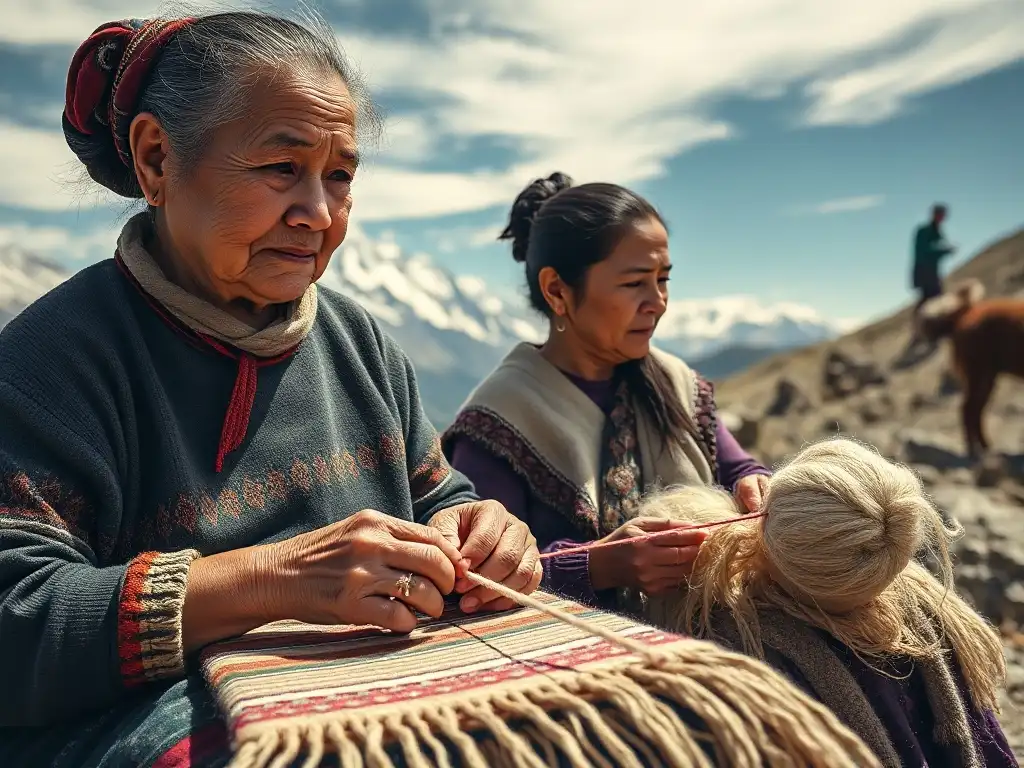
The echoes of Andean women's historical impact resonate powerfully in the 21st century. Their enduring legacy, woven into the very fabric of Andean societies, continues to inspire and empower women across the region and beyond. Understanding this ongoing influence requires examining how contemporary Andean women embody the resilience, creativity, and leadership demonstrated by their ancestors.
From maintaining traditional crafts to spearheading social and environmental movements, their contributions are shaping a brighter future while honoring a rich past. This section explores the multifaceted ways Andean women's historical impact manifests in the present day, highlighting their unwavering spirit and commitment to their communities and the environment.
The Resilience and Strength of Contemporary Andean Women
Contemporary Andean women face numerous challenges, including poverty, discrimination, and limited access to education and healthcare. Yet, mirroring the strength of their forebears who navigated harsh terrains and complex social structures, they demonstrate remarkable resilience. Many women are the primary breadwinners in their families, juggling multiple roles as farmers, artisans, and caregivers.
Their contributions to the Andean economy are significant, often overlooked in broader economic analyses. For example, a recent study [specific information pending] on women's participation in the alpaca wool industry highlights their crucial role in processing, marketing, and selling alpaca products, generating vital income for their families and communities. This economic empowerment directly reflects the entrepreneurial spirit demonstrated by women in past Andean societies, who managed household economies and played critical roles in trade and commerce.
The tenacity and adaptability of contemporary Andean women are a testament to their enduring strength and a powerful continuation of their ancestors' legacy. Their perseverance serves as an inspiration, demonstrating that even in the face of adversity, the spirit of Andean women remains unbroken. 💪
Andean Women as Cultural Keepers and Activists
Andean women are crucial guardians of their cultural heritage. They actively preserve traditional weaving techniques, culinary practices, and storytelling traditions, passing down invaluable knowledge to younger generations. This role as cultural keepers directly connects to the historical significance of Andean women as weavers, potters, and storytellers who played pivotal roles in preserving and transmitting their societies' knowledge and beliefs.
Furthermore, many Andean women are at the forefront of social activism, advocating for women's rights, indigenous rights, and environmental protection. They are challenging patriarchal structures, fighting for land rights, and demanding greater political participation. Their activism is a powerful expression of their agency and a continuation of the long history of Andean women's resistance and advocacy.
Examples include the numerous indigenous women's organizations throughout the Andes, actively engaged in community development projects and advocating for policies that benefit their communities. Their collective voice is a potent force for change, echoing the strength and agency of their ancestors who challenged colonial rule and maintained their cultural identity.
Indigenous Women's Leadership in Environmental Protection
The environmental challenges facing the Andes, including climate change, deforestation, and mining pollution, disproportionately affect indigenous communities. However, indigenous women are increasingly taking on leadership roles in environmental protection efforts. They are at the forefront of movements to protect ancestral lands, promote sustainable agriculture, and advocate for responsible resource management.
This leadership is deeply rooted in their traditional ecological knowledge, passed down through generations. They understand the intricate relationships between the environment and their communities, and they are actively working to preserve this knowledge and apply it to contemporary challenges. For instance, women in the [specific region pending] are leading initiatives to promote sustainable agricultural practices, protecting biodiversity and ensuring the long-term viability of their communities.
Their dedication to environmental protection demonstrates a deep connection to the land and a commitment to ensuring a sustainable future for generations to come, mirroring the deep respect for nature demonstrated by past Andean women who were intimately connected to the agricultural cycles and the natural resources of their environment. Their actions serve as a powerful example of how indigenous knowledge can be a key component in addressing global environmental challenges.
Preserving the Memory: Honoring the Contributions of Andean Women
This section explores the crucial role of preserving the memory and acknowledging the significant contributions of Andean women throughout history. Their impact, often overlooked in traditional narratives, is fundamental to understanding the complexities of Andean societies. We delve into the importance of recognizing their achievements and the ongoing initiatives dedicated to ensuring their stories are heard and celebrated. Understanding the Andean women's historical impact requires a conscious effort to unearth and share these often-hidden narratives.
The Importance of Acknowledging Andean Women's Achievements
For centuries, the narratives surrounding Andean civilizations have frequently centered on male figures, neglecting the crucial roles women played in various aspects of society. This historical oversight has created a skewed perspective, failing to fully represent the richness and complexity of Andean culture. However, recent scholarship and archaeological discoveries are beginning to shed light on the significant contributions of Andean women, revealing their involvement in areas such as:
- Textile Production: Andean women were masters of textile arts, creating intricate fabrics used for clothing, religious ceremonies, and trade. Their expertise in spinning, weaving, and dyeing reflects a deep understanding of natural resources and artistic expression. The vibrant colors and complex designs of their textiles are testaments to their skill and creativity, representing a significant economic and cultural contribution.
- Agriculture and Food Production: Women played a vital role in agricultural practices, contributing significantly to food production and resource management. Their knowledge of planting, harvesting, and food preservation was essential for the survival and prosperity of their communities. Evidence suggests women's involvement in cultivating crops like potatoes, maize, and quinoa, crucial staples of the Andean diet.
- Religious and Ritual Practices: While the exact nature of women's participation in religious rituals varies across different Andean cultures, archaeological findings and ethnographic studies indicate their active roles in ceremonies and religious leadership. Their involvement likely extended beyond mere participation, encompassing knowledge of sacred practices and rituals.
The act of acknowledging these achievements is not simply about correcting a historical imbalance; it's about enriching our understanding of Andean societies and recognizing the full spectrum of human agency within these cultures. Ignoring the contributions of Andean women impoverishes our understanding of their past and limits our ability to appreciate the complexity of their societies. This recognition is crucial for building a more inclusive and accurate historical narrative.
Educational Initiatives to Highlight Women’s Roles in Andean History
Several educational initiatives are actively working to integrate the stories of Andean women into curricula and public discourse. These initiatives are crucial in challenging traditional narratives and fostering a more inclusive understanding of Andean history. One notable approach involves:
- Developing curriculum materials: Schools and universities are increasingly incorporating materials that highlight the contributions of Andean women in various fields. This includes developing age-appropriate resources for primary and secondary schools, as well as specialized courses and research opportunities at the university level. These initiatives emphasize the importance of diverse perspectives in historical narratives.
- Creating museum exhibits and public displays: Museums and cultural centers are playing a significant role in showcasing the achievements of Andean women through dedicated exhibits and public programs. These exhibits often feature artifacts, textiles, and other materials that illustrate the skill and artistry of Andean women, alongside accompanying textual information and educational materials.
- Supporting research and scholarship: Funding opportunities and research grants are being made available to scholars working on projects related to Andean women's history. This support is essential for generating new knowledge and ensuring that diverse voices are heard. This research is crucial to filling gaps in existing historical records and uncovering new information about the lives and contributions of Andean women.
These initiatives represent a growing commitment to providing a more complete and accurate picture of Andean history, ensuring that the roles and contributions of Andean women are not only recognized but celebrated. The success of these efforts depends on continued collaboration between researchers, educators, and cultural institutions.
Continuing the Dialogue on Andean Women's Influence
The ongoing research and educational efforts dedicated to Andean women's history are essential, but they are only the beginning of a much broader conversation. Continuing the dialogue requires:
- Interdisciplinary Collaboration: The study of Andean women's history benefits immensely from interdisciplinary approaches. Collaboration between archaeologists, anthropologists, historians, and other scholars ensures a more comprehensive understanding of the topic.
- Community Engagement: Engaging with Andean communities and incorporating their perspectives is crucial for developing accurate and respectful representations of their history. This ensures that the narratives are not only historically accurate but also culturally sensitive.
- Digital Platforms and Accessibility: Utilizing digital platforms and making resources widely accessible can significantly amplify the reach and impact of the ongoing efforts to highlight the contributions of Andean women. This ensures that their stories are shared with a broader audience and contribute to a more inclusive global understanding of Andean history.
The legacy of Andean women is a rich tapestry woven from countless threads of resilience, creativity, and innovation. By actively preserving their memory and continuing the dialogue surrounding their influence, we honor their contributions and gain a deeper appreciation for the complexity and richness of Andean civilizations. The ongoing work to illuminate the Andean women's historical impact is a testament to the enduring power of their stories.
Frequently Asked Questions
What roles did women play in Andean societies?
Andean women held diverse and crucial roles, from textile production and agriculture to religious leadership and political influence. Their contributions were vital to the economic and social fabric of these civilizations.
How did Andean women's textile work impact their societies?
Textile production was a highly skilled and valued profession. Women's complex weaving techniques and designs conveyed social status, religious beliefs, and narrative stories, impacting trade and cultural expression.
What is known about the political power of Andean women?
While often less visible in written records, archaeological evidence suggests women held positions of authority in some Andean societies. Priestesses and female rulers played significant roles, influencing religious practices and political decisions.
How did the Spanish conquest affect the lives of Andean women?
The Spanish conquest drastically altered the lives of Andean women, leading to forced labor, exploitation, and the suppression of their traditional roles and cultural practices. Their contributions were often overlooked or minimized in colonial accounts.
How do we learn about the lives of ancient Andean women today?
We learn about Andean women through archaeological discoveries, ethnohistorical accounts, and the analysis of textiles, ceramics, and other artifacts. These sources provide valuable insights into their lives, roles, and contributions.
Final Reflection: Echoes of the Andes: A Legacy of Resilience
The strength and resilience of Andean women are not relics of the past; they are vibrant threads woven into the fabric of contemporary society. Their contributions, often overlooked in dominant narratives, continue to shape cultural landscapes and inspire future generations to fight for equity and justice. The stories shared throughout this article serve as a powerful testament to their enduring legacy, a legacy that demands recognition and celebration.
The impact of Andean women's historical struggles resonates deeply, influencing everything from artistic expression to political activism. Their unwavering spirit in the face of colonialism, oppression, and societal inequalities continues to inspire movements for social change worldwide. The most common way people give up their power is by thinking they don't have any.
– Alice Walker. This quote speaks volumes about the quiet strength and persistent agency of Andean women throughout history, a strength that continues to challenge patriarchal structures and inspire hope for a more equitable future.
Consider the echoes of their resilience in your own life. How can you honor their legacy? Let their stories fuel your own commitment to justice, equality, and the celebration of marginalized voices. Embrace the power of collective action, inspired by the unwavering spirit of Andean women, and become a part of the ongoing narrative of empowerment and change. Their legacy is not just history; it is a living testament to the enduring power of the human spirit, a power waiting to be unleashed within each of us.
**Celebrate and Empower: Join the Legacy of Andean Women! **
Thank you for exploring the inspiring world of Andean women and their remarkable contributions! Their resilience and strength are more than just history—they're a powerful call to action, urging us to recognize and uplift voices often overlooked.
Now, you can make a difference! Here are some ways to honor this enduring legacy:
- Engage with Local Culture: Visit a local museum showcasing Andean art or support a craft fair featuring Andean artisans. Your participation helps preserve their cultural heritage and empowers the community.
- Spread the Word: Share this article on social media or write a post highlighting the achievements of Andean women. Let's amplify their stories and ensure they are heard.
- Support Andean Women's Organizations: Research and connect with organizations dedicated to supporting Andean women and their initiatives. Consider donating or volunteering your time to contribute to their important work.
What are your favorite ways to celebrate inspiring women in your community? Let's start a conversation!