
Beyond the Inca Empire: Exploring Diverse Andean Irrigation Techniques

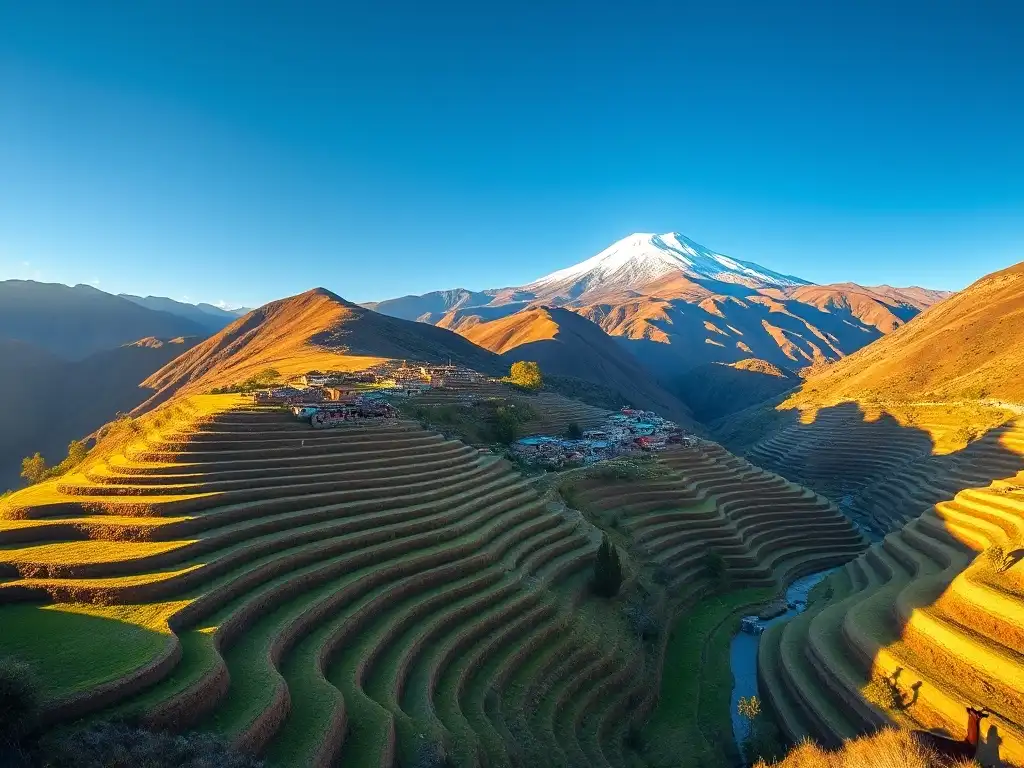
Step into a world lost to time, yet echoing with ingenuity. For centuries, the Andes Mountains have whispered tales of remarkable civilizations – the Incas, Moche, Nazca, and more. But what secrets do their breathtaking landscapes hold? Prepare to be amazed as we delve into the intricate and sophisticated Andean irrigation techniques that allowed these empires to flourish against all odds. Discover how these ancient cultures harnessed the power of nature, defying the harsh terrain to create a legacy that still inspires awe today. Uncover the ingenuity behind their success—the story is far more compelling than you might imagine.
The Andes Mountains, a formidable yet life-giving range, presented ancient civilizations with a unique challenge: harnessing scarce water resources for agriculture in diverse and often harsh terrains. While the Inca Empire's sophisticated road network and administrative prowess often steal the spotlight, a deeper exploration reveals a rich tapestry of ingenious irrigation techniques developed long before the Inca's rise to power.
This article delves into the fascinating world of Andean irrigation, showcasing the diverse approaches employed by various pre-Columbian cultures, highlighting their ingenuity and adaptability in managing water resources across varied altitudes and climates. We'll move beyond the commonly known Inca systems to uncover the remarkable water management strategies of the Moche, Nazca, and Tiahuanaco cultures, demonstrating that Andean irrigation techniques represent a remarkable testament to human resilience and technological innovation.
Understanding these methods provides invaluable insight into the societal structures, agricultural practices, and overall ingenuity of these remarkable civilizations. The keyword, "Andean irrigation techniques," will be explored throughout, highlighting the unique characteristics of each culture's approach.
Introduction to Andean Water Management Systems
Andean water management wasn't simply about irrigation; it was deeply intertwined with cosmology, spirituality, and social organization. Water, a precious resource in the arid and semi-arid regions of the Andes, was revered as a life-giving force, often depicted in religious iconography and ceremonies. The effective management of water resources was crucial for agricultural production, supporting dense populations and complex societal structures. Different Andean cultures developed diverse strategies, adapting their techniques to the specific challenges posed by their environment.
These strategies ranged from simple canals and terraces to elaborate subterranean systems and sophisticated water storage techniques. The ingenuity displayed in these systems showcases a deep understanding of hydrology, engineering, and the delicate balance between human needs and the environment. This understanding is crucial to appreciating the full scope of Andean achievements. The effectiveness of these systems was directly linked to the survival and prosperity of these ancient societies.
Pre-Inca Irrigation Methods: A Legacy of Ingenuity
Long before the Inca Empire unified much of the Andes, several flourishing cultures developed impressive irrigation systems. These systems, often predating Inca influence by centuries, laid the groundwork for later advancements and demonstrate the enduring ingenuity of Andean peoples. These early systems showcase a remarkable understanding of both the landscape and the hydrological processes involved.
Their construction required significant labor and coordination, underscoring the importance of water resource management within these pre-Inca societies. The techniques employed reflect a deep understanding of the local environment and a commitment to sustainable agricultural practices. Their success ensured the prosperity of these societies for generations.
The Moche Culture and their Hydraulic Engineering
The Moche civilization (100-800 CE) on the northern coast of Peru is renowned for its sophisticated hydraulic engineering. They constructed extensive canal systems, channeling water from rivers and streams to irrigate their fertile valleys. These canals, some stretching for kilometers, were meticulously engineered to navigate challenging terrain, demonstrating a remarkable understanding of topography and water flow. Evidence suggests the Moche employed sophisticated techniques to manage water distribution, including diversion structures and regulating dams.
The scale and complexity of their irrigation systems directly supported their thriving agricultural economy and the growth of their urban centers. The Moche's mastery of hydraulics is a testament to their engineering prowess and their ability to adapt to a challenging environment. Their legacy continues to inspire and inform modern engineering practices.
Nazca Lines and Subterranean Water Collection
While famed for their enigmatic lines etched into the desert floor, the Nazca culture (100 BCE – 800 CE) also mastered sophisticated subterranean water collection systems. These puquios, vertical shafts dug into the ground, tapped into underground aquifers, bringing water to the surface for irrigation. The construction of these puquios required advanced knowledge of hydrology and engineering, allowing the Nazca to cultivate crops in a seemingly arid landscape.
The location and design of these systems demonstrate a deep understanding of the underground water resources and an ability to strategically manage them. The Nazca's ingenious approach to water management allowed them to flourish in one of the driest regions of Peru. Their techniques are a remarkable example of adaptation and resourcefulness in a challenging environment.
Tiahuanaco: Advanced Water Control in High Altitudes
The Tiahuanaco culture (c. 1500 BCE – 1000 CE), located in the high Andes of Bolivia, developed sophisticated water management systems adapted to the unique challenges of high-altitude environments. Their techniques included raised fields, intricate canal systems, and sophisticated water storage facilities. The precise alignment of canals and the construction of raised fields demonstrate a profound understanding of water flow and soil management. The scale and precision of these works are particularly impressive considering the challenging conditions at high altitudes.
The Tiahuanaco's mastery of water control in such a harsh environment is a testament to their engineering skills and their deep understanding of their environment. The success of their methods allowed them to cultivate crops and sustain a thriving population in an inhospitable region. Their systems represent a remarkable adaptation to challenging environmental conditions.
Inca Innovations in Agricultural Water Distribution
The Inca Empire, renowned for its sophisticated infrastructure, implemented impressive agricultural water distribution systems crucial to sustaining its large population and thriving agricultural output. Their mastery of hydraulic engineering allowed them to cultivate diverse crops across varied terrains, from the arid coastal regions to the high-altitude Andes. This wasn't simply a matter of digging ditches; it involved a deeply integrated understanding of water flow, topography, and soil conditions.
Their success stemmed from a combination of innovative techniques and a highly organized societal structure that ensured the maintenance and equitable distribution of water resources. The Inca's understanding of water management wasn't limited to irrigation; it also extended to flood control and the creation of reservoirs, demonstrating a holistic approach to water resource management.
This efficient system allowed for the intensive cultivation of potatoes, maize, quinoa, and other staple crops, contributing significantly to the empire's economic and social stability. The Inca's legacy in water management continues to inspire modern agricultural practices in the Andes and beyond.
Terraced Farming and Water Management
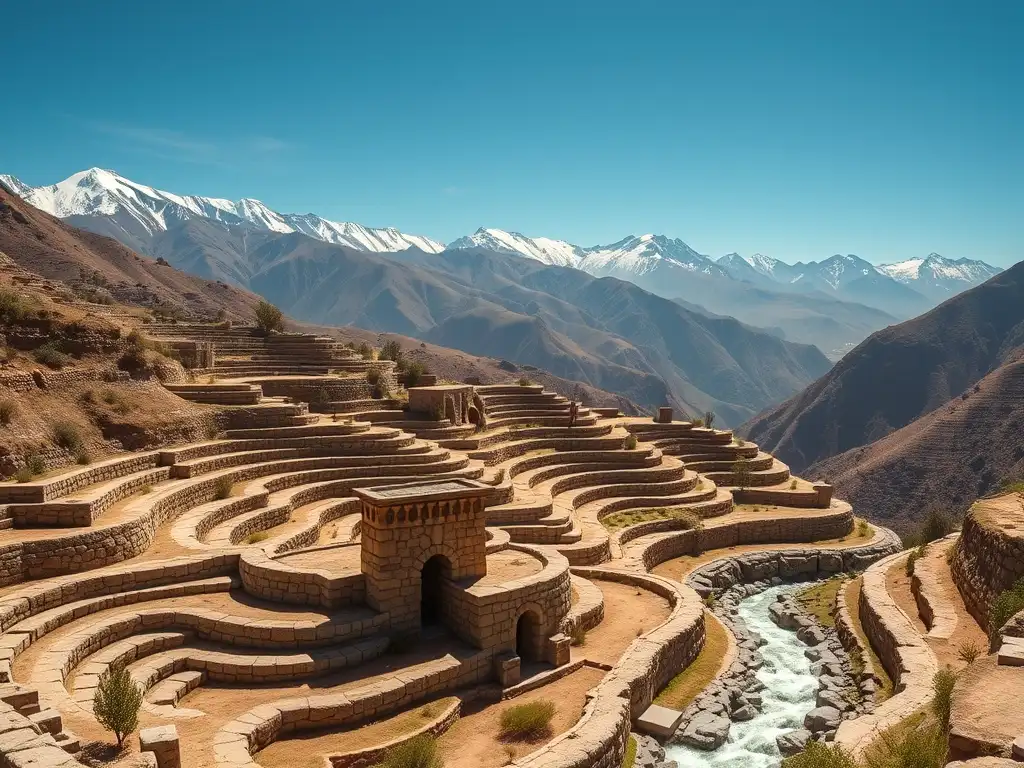
Inca terraced farming stands as a testament to their ingenuity in adapting to challenging terrain. These meticulously constructed terraces, carved into steep mountain slopes, not only increased arable land but also facilitated efficient water management. The terraces were designed with carefully graded levels, allowing water to flow gently across the fields, minimizing erosion and ensuring even distribution.
The construction often involved the use of retaining walls made of stone, carefully fitted together without mortar, showcasing advanced stonework techniques. Furthermore, the terraces often incorporated drainage channels to prevent waterlogging and to control the flow of water. The effectiveness of this system is evident in the productivity of the terraced fields, which supported a significant portion of the Inca population.
The scale and precision of the Inca terraces are truly remarkable, reflecting a deep understanding of both agriculture and engineering. Many of these terraces are still in use today, a testament to their enduring design.
Canal Systems and their Design
Inca canal systems were another key component of their agricultural water distribution network. These canals, often carved into rock or constructed from earth and stone, transported water from distant sources to fields located at lower elevations. Their design was remarkably sophisticated, incorporating features such as aqueducts, siphons, and spillways to manage water flow and prevent damage to the canals. The construction of these canals required a high degree of skill and coordination, reflecting the sophisticated organizational capabilities of the Inca state.
The canals were not only functional but also aesthetically pleasing, often integrated seamlessly into the landscape. The precise alignment and construction of these canals demonstrate the Inca's understanding of surveying and engineering principles. Many of these canals were meticulously maintained, ensuring a continuous supply of water to the agricultural lands, even during periods of drought.
Aqueducts and Water Diversion Techniques
The Inca’s expertise extended to the construction of impressive aqueducts, which carried water across valleys and ravines. These aqueducts, often built from carefully fitted stone blocks, displayed remarkable engineering prowess, with some spanning considerable distances. The use of aqueducts allowed the Inca to access water sources that would otherwise be inaccessible, significantly expanding their agricultural potential. In addition to aqueducts, the Inca employed various water diversion techniques to channel water from rivers and streams to their fields.
These techniques included the construction of diversion dams and weirs, which regulated the flow of water and diverted it into canals. The Inca's understanding of hydraulics allowed them to manage water flow effectively, minimizing water loss and ensuring an adequate supply to their agricultural lands. Their ability to divert water from various sources highlights their sophisticated understanding of hydrology and their capacity to adapt to different environmental conditions.
Regional Variations in Andean Irrigation Practices
While the Inca Empire implemented standardized irrigation systems across its vast territory, significant regional variations existed, reflecting the diverse geographical conditions and agricultural practices of different Andean communities. Pre-Inca civilizations also developed sophisticated irrigation techniques tailored to their specific environments. These variations were not simply adaptations to the terrain, but also reflected differences in crop selection and agricultural techniques.
For example, coastal communities developed different irrigation strategies compared to those in the highlands, highlighting the adaptive nature of Andean irrigation practices. Understanding these regional variations offers a richer and more nuanced perspective on the history and development of Andean irrigation systems. The diversity of these techniques demonstrates the ingenuity and resilience of Andean cultures in adapting to the challenges of their diverse environment.
Coastal Irrigation Adaptations
Coastal communities along the Peruvian coast faced unique challenges in water management due to the arid climate and scarcity of freshwater sources. They developed ingenious methods to capture and utilize the limited water resources available. These included techniques such as the construction of subsurface irrigation channels, which minimized water loss through evaporation. They also developed sophisticated methods for collecting and storing rainwater, including the construction of reservoirs and cisterns.
Furthermore, the use of fog nets to collect moisture from the air provided an additional source of water in extremely arid areas. These innovative techniques allowed coastal communities to cultivate crops such as cotton, beans, and squash, despite the harsh environmental conditions. These adaptations showcase the resilience and ingenuity of coastal communities in adapting to arid environments.
Highland Irrigation Strategies
In the highlands of the Andes, the challenges of water management were different, involving steep slopes, irregular rainfall patterns, and freezing temperatures. Highland communities developed effective strategies to manage water in these challenging conditions. This involved the construction of intricate canal systems that transported water from high-altitude sources to lower-lying fields. Terraced agriculture played a crucial role in water management in the highlands, allowing for the cultivation of crops on steep slopes and reducing erosion.
The use of water storage techniques, such as the creation of reservoirs and irrigation ponds, allowed for the efficient management of water resources, especially during dry periods. These techniques allowed highland communities to cultivate a variety of crops, including potatoes, quinoa, and other hardy Andean crops. Their strategies demonstrate an impressive understanding of the unique hydrological conditions of the Andean highlands.
Jungle Irrigation Technologies
The Amazonian rainforest presented yet another set of unique challenges for water management, characterized by heavy rainfall and high humidity. While abundant water was available, the challenge lay in controlling its flow and preventing flooding and soil erosion. Communities inhabiting the Andean slopes of the Amazon basin developed ingenious irrigation systems adapted to these conditions, frequently employing raised field techniques which, in addition to promoting drainage and preventing waterlogging, also helped to enrich the soil.
The construction of drainage canals and levees played a vital role in regulating water levels and preventing damage to crops. These techniques showcase the adaptability of Andean irrigation systems to a wide range of environmental conditions.
The integration of irrigation systems with other aspects of agricultural practice, such as crop rotation and soil management, further enhanced the efficiency and sustainability of these systems. The sophisticated understanding of water management in the Amazonian context demonstrates a deep understanding of the rainforest ecosystem.
Key Elements of Andean Irrigation Technology
Understanding the Andean Landscape
The Andean landscape, characterized by its dramatic elevation changes, arid coastal deserts, and high-altitude plains, presented significant challenges for agriculture. The availability of water varied drastically depending on altitude and location. Understanding this variability was crucial for the development of effective Andean irrigation techniques. Different regions, such as the coastal valleys of Peru and the high-altitude plateaus of Bolivia, required distinct approaches to water management.
The steep slopes and rugged terrain necessitated innovative solutions to channel water effectively across uneven surfaces. The unpredictable nature of rainfall, with periods of drought interspersed with intense downpours, meant that irrigation systems had to be robust and adaptable to fluctuating water supplies. Careful observation of natural water sources, such as rivers, springs, and aquifers, was essential for identifying suitable locations for irrigation projects.
Materials and Construction of Waterworks
Andean irrigation systems were remarkable for their ingenuity and adaptability, utilizing readily available materials. Stone, readily accessible in the mountainous regions, was a primary building material for canals, channels, and aqueducts. The precise fitting of stones, without the use of mortar in many instances, showcases a sophisticated understanding of engineering principles and construction techniques. Earthworks played a significant role, with the careful terracing of slopes and the construction of reservoirs to store water during periods of abundance.
The use of wood, particularly for smaller channels and water diversion structures, was also common. The construction methods varied depending on the specific geographic location and the availability of resources. In some regions, sophisticated systems of underground channels ( qanats) were employed to access groundwater, demonstrating a deep understanding of hydrology. The durability of these systems is a testament to the skill and knowledge of the Andean builders.
Management and Maintenance of Irrigation Systems
The successful operation of Andean irrigation systems relied heavily on effective management and ongoing maintenance. These systems were not simply built and left to operate; they required constant attention to ensure their continued functionality. Community involvement was essential, with collective labor contributing to the construction and upkeep of irrigation infrastructure. Specialized personnel, likely with inherited knowledge and expertise, may have been responsible for overseeing the distribution of water and resolving any issues that arose.
Regular cleaning of canals and channels was critical to prevent blockages and maintain efficient water flow. Repair work, involving the replacement of damaged sections or the realignment of channels, was an ongoing necessity. Effective water allocation strategies were vital, especially during periods of scarcity, ensuring fair distribution among users. The organization and management of water resources played a significant role in the social and political dynamics of Andean societies.
The Significance of Andean Irrigation for Agriculture
Impact on Crop Yields and Food Security
Andean irrigation techniques had a profound impact on agricultural productivity and food security. By supplementing rainfall, irrigation systems allowed for the cultivation of a wider range of crops and increased yields significantly. This was particularly crucial in arid and semi-arid regions where rainfall was unreliable. The ability to cultivate multiple crops throughout the year, rather than relying on a single harvest, enhanced food security and reduced vulnerability to crop failure.
Increased food production supported larger and more densely populated settlements, contributing to the development of complex societies. The ability to store water in reservoirs also helped mitigate the impact of droughts, ensuring a more stable food supply. The success of the Andean irrigation systems was directly linked to the prosperity and stability of the various Andean cultures.
Adaptation to Climate and Environmental Challenges
The ingenuity of Andean irrigation systems is evident in their adaptability to diverse climatic and environmental challenges. Different techniques were employed to address the unique conditions of various regions. In high-altitude areas, systems were designed to cope with freezing temperatures and the risk of frost damage. In arid coastal regions, emphasis was placed on water conservation and efficient water use.
The integration of irrigation systems with other agricultural practices, such as terracing and crop rotation, further enhanced their effectiveness and resilience. The ability to adapt to changing environmental conditions was crucial for the long-term sustainability of Andean agriculture. This adaptability highlights the close relationship between Andean societies and their environment.
The Role of Irrigation in Social and Political Structures
Andean irrigation systems were not merely engineering feats; they played a vital role in shaping the social and political structures of Andean societies. The construction and management of these systems required collective effort and cooperation, fostering a sense of community and shared responsibility. Control over water resources often held significant political power, with elites potentially exercising authority over water allocation and distribution. Irrigation systems could reinforce existing social hierarchies or create new ones, depending on the specific organization of water management.
The equitable distribution of water was crucial for maintaining social harmony and preventing conflict. The importance of water in Andean societies is reflected in their mythology, religious beliefs, and artistic expressions. The management of irrigation systems became an integral part of the social fabric.
The Lasting Influence of Ancient Andean Irrigation
The ingenuity of Andean civilizations in harnessing water resources continues to resonate today. Their sophisticated irrigation systems, developed over millennia, weren't merely feats of engineering; they were integral to the social, economic, and political fabric of these societies. The intricate networks of canals, aqueducts, and reservoirs facilitated the cultivation of diverse crops, supporting dense populations and complex urban centers.
The impact of these systems extended beyond agriculture, influencing settlement patterns, trade routes, and even religious beliefs. Many Andean communities still rely on modified versions of these ancient systems, demonstrating their enduring practicality and adaptability. The legacy of these techniques is not just historical; it’s a living testament to the remarkable capabilities of past Andean engineers and their profound understanding of their environment.
The successful integration of these systems into the landscape highlights the importance of a holistic approach to water management, an approach that's increasingly relevant in our modern world grappling with water scarcity and climate change. The long-term sustainability of these systems underscores the value of careful planning, community involvement, and respect for the natural environment.
Modern Applications of Andean Techniques
Many modern irrigation techniques draw inspiration from the principles employed by ancient Andean societies. For instance, the use of terraced farming, a hallmark of Andean agriculture, is now widely adopted in mountainous regions worldwide to maximize land use and reduce soil erosion. Similarly, the concept of water harvesting, employed by the ancients to collect and store rainwater, is gaining traction as a sustainable water management strategy in arid and semi-arid regions.
The techniques of canal construction and maintenance, while adapted to modern materials and technology, still reflect the principles of careful planning, precise surveying, and community collaboration that characterized Andean engineering. Furthermore, the study of ancient Andean irrigation systems provides valuable insights into the design and management of modern irrigation infrastructure, offering lessons in efficiency, resilience, and sustainability.
Researchers are actively studying these ancient systems to understand how they functioned, adapted, and endured, aiming to apply this knowledge to contemporary challenges in water resource management. This process involves detailed analysis of archaeological remains and the integration of modern hydrological modeling techniques.
Lessons for Sustainable Water Management
The ancient Andean irrigation systems offer invaluable lessons for contemporary sustainable water management practices. Their success stemmed from a deep understanding of local hydrological conditions, a commitment to community participation, and a respect for the environment. These civilizations demonstrated that sustainable water management requires a holistic approach, integrating technical solutions with social and environmental considerations. The systems' longevity underscores the importance of long-term planning, adaptive management, and the consideration of potential environmental impacts.
Modern water management strategies can learn from the Andean approach by prioritizing community involvement, incorporating traditional knowledge, and embracing sustainable technologies. The emphasis on water conservation, efficient distribution, and equitable access, evident in the ancient Andean systems, remains critically important in the face of growing global water scarcity. Furthermore, the integration of indigenous knowledge and practices can enhance the effectiveness and sustainability of modern water management initiatives.
Preserving the Heritage of Andean Hydraulic Engineering
Preserving the remaining physical evidence of Andean irrigation systems is crucial for understanding their design, function, and long-term impact. This involves archaeological research, careful documentation, and the implementation of conservation measures to protect these fragile sites from deterioration. Furthermore, efforts to raise awareness of the importance of these sites among local communities and the wider public are essential to ensure their long-term preservation.
This includes educational programs, community-based tourism initiatives, and the development of interpretative centers that highlight the significance of Andean hydraulic engineering. The preservation of these systems is not merely a matter of historical preservation; it also has educational and economic benefits, promoting tourism and providing valuable insights into sustainable water management practices.
By safeguarding these remarkable achievements, we honor the ingenuity of past Andean civilizations and contribute to a deeper understanding of sustainable water resource management. The protection of these sites also contributes to the cultural heritage of the Andean region.
Conclusion: The Rich Diversity of Andean Irrigation Techniques
The Andean civilizations, far from being monolithic, displayed a remarkable diversity in their approach to irrigation, reflecting the varied ecological conditions and cultural practices across the Andes. From the sophisticated canal systems of the Nazca to the intricate terraces of the Inca, each civilization developed unique techniques tailored to its specific environment and needs. This diversity highlights the adaptability and resilience of Andean societies in the face of environmental challenges and underscores the importance of understanding the specific contexts in which these systems were developed and maintained.
The study of Andean irrigation techniques provides not only a fascinating glimpse into the past but also valuable insights for addressing contemporary challenges in water management. The ingenuity and sustainability of these ancient systems continue to inspire innovative solutions for a more water-secure future.
Understanding the rich tapestry of Andean irrigation techniques is essential for appreciating the full extent of their technological achievements and their enduring legacy. The continued research and preservation of these systems are vital for ensuring that the lessons learned from these ingenious civilizations benefit future generations.
- Introduction to Andean Water Management Systems
- Pre-Inca Irrigation Methods: A Legacy of Ingenuity
- Inca Innovations in Agricultural Water Distribution
- Regional Variations in Andean Irrigation Practices
- Key Elements of Andean Irrigation Technology
- The Significance of Andean Irrigation for Agriculture
- The Lasting Influence of Ancient Andean Irrigation
- Conclusion: The Rich Diversity of Andean Irrigation Techniques
- What were the main challenges faced by Andean civilizations in developing irrigation systems?
- How did the Inca irrigation system compare to those of other Andean cultures?
- What were some of the key features of Andean irrigation technology?
- How did Andean irrigation techniques contribute to the success of these civilizations?
- Are there any examples of Andean irrigation systems still in use today?
Frequently Asked Questions
What were the main challenges faced by Andean civilizations in developing irrigation systems?
The main challenges included variable and unpredictable rainfall, steep and mountainous terrain, and limited access to water resources. These factors necessitated innovative and sophisticated solutions.
How did the Inca irrigation system compare to those of other Andean cultures?
While the Inca Empire certainly expanded and improved existing systems, their techniques weren't radically different from those used by earlier civilizations like the Nazca and Moche. Innovation was a continuous process across different groups.
What were some of the key features of Andean irrigation technology?
Andean irrigation systems utilized a variety of techniques including canals, terraces, aqueducts, and subterranean channels (qanats) to manage water effectively across diverse landscapes.
How did Andean irrigation techniques contribute to the success of these civilizations?
Effective water management through irrigation allowed for increased agricultural productivity, supporting larger and denser populations, which in turn fueled economic growth and social complexity.
Are there any examples of Andean irrigation systems still in use today?
Yes, many ancient irrigation systems are still functional or have been adapted for modern use, demonstrating the ingenuity and durability of these technologies. Their legacy continues to impact agriculture in the Andes.
Final Reflection: The Enduring Legacy of Andean Water Wisdom
The ingenious irrigation systems of the Andes weren't simply a feat of engineering; they represent a profound understanding of environmental harmony and sustainable resource management, a lesson urgently needed in our era of climate change and water scarcity. These ancient techniques, far from being relics of the past, offer invaluable insights into building resilient communities and fostering a more equitable relationship with our natural resources.
The ingenuity of the Andean people in harnessing water resources continues to inspire awe and wonder. Their sophisticated understanding of hydrology, coupled with their deep respect for the environment, resulted in systems that thrived for centuries. Water is life, and without it, there is no future.
This simple truth, deeply embedded in Andean cultures, holds a powerful message for us today, reminding us of our interconnectedness with the natural world and the urgent need for sustainable practices.
Consider the challenges we face today: dwindling water supplies, desertification, and the increasing impacts of climate change. The Andean experience provides a powerful example of how human ingenuity and environmental stewardship can coexist. You, the reader, are now empowered with this knowledge. Will you use it to advocate for sustainable water management in your community? Will you seek out innovative solutions inspired by the wisdom of the Andes? The future of our water resources depends on it.
Unveil the Secrets of Andean Irrigation!
Thank you for joining us on this journey exploring the remarkable irrigation techniques of the Andean civilizations. We hope you've gained valuable insights into the innovative methods that sustained these ancient communities. Now, let's delve even deeper!
Here are some practical ways to further your understanding and engagement with this fascinating topic:
- Dive Deeper: Research a specific Andean irrigation system, such as the waru waru technique, and consider experimenting with a small-scale adaptation in your garden or community space. This hands-on approach will provide a much clearer understanding of the principles involved.
- Share Your Knowledge: Discuss the critical importance of water conservation in agriculture with friends, family, and colleagues. Share your newfound knowledge on social media, in community forums, or through presentations to local groups.
- Connect with Experts: Join an online forum or local club dedicated to sustainable agriculture and water management. Engaging in discussions with experts and fellow enthusiasts will broaden your perspective on the unique challenges facing modern irrigation systems and how ancient wisdom can offer solutions.
What new perspectives have you gained on how ancient ingenuity can inspire modern agricultural practices? We'd love to hear your thoughts!