
A Delicate Balance: Ethical Considerations in Andean Heritage Management


Step into a world lost to time, yet echoing with vibrant life. Imagine the towering heights of Machu Picchu, the intricate artistry of Nazca lines, the sophisticated engineering of Tiahuanaco… This is the legacy of the Andean civilizations, a breathtaking tapestry woven from ingenuity and mystery. But how do we responsibly safeguard this fragile heritage? Discover the crucial questions surrounding Andean heritage ethical management and unlock the secrets of a delicate balance between preservation and progress. Dive in and explore the complexities of this fascinating topic.
The breathtaking landscapes and captivating ruins of the Andes Mountains bear witness to millennia of human ingenuity and cultural richness. From the intricate textiles of the Nazca to the sophisticated urban planning of the Inca, the Andean civilizations left behind a legacy of unparalleled significance.
However, the preservation of this invaluable heritage presents a complex tapestry of ethical challenges. This article delves into the crucial considerations surrounding Andean heritage management, exploring the delicate balance between protecting these irreplaceable treasures and ensuring the well-being of present-day Andean communities.
We will examine the multifaceted ethical dilemmas involved in archaeological excavation, tourism management, repatriation of artifacts, and the preservation of intangible cultural heritage, ultimately arguing for a more equitable and sustainable approach to Andean heritage preservation that prioritizes both the past and the future. This exploration aims to highlight the importance of ethical frameworks in the ongoing effort to safeguard Andean heritage for generations to come, addressing the keyword "Andean heritage ethical management" directly and comprehensively.
The Ethical Minefield of Archaeological Excavation
Archaeological excavation, while essential for understanding the past, often presents ethical dilemmas. The destructive nature of excavation, even when conducted with the utmost care, raises concerns about the irreversible loss of contextual information. Furthermore, the potential for looting and illicit trafficking of artifacts necessitates stringent regulations and international cooperation.
Careful consideration must be given to the potential impact on sacred sites and the spiritual beliefs of indigenous communities. Many sites hold deep religious significance for contemporary Andean communities, and excavations must be conducted with sensitivity and respect for these beliefs. The process often involves careful negotiation and collaboration with local communities to ensure their concerns are addressed and their rights are respected.
This includes obtaining informed consent, providing opportunities for community participation in the excavation process, and ensuring that the benefits of research are shared equitably. Failure to do so can result in resentment, mistrust, and the hindrance of future research efforts. A truly ethical approach requires a paradigm shift from extractive research to collaborative partnerships.
Balancing Tourism and Preservation: A Tightrope Walk
Tourism, while offering economic opportunities for Andean communities, also poses significant threats to the fragile archaeological sites and cultural landscapes. Unsustainable tourism practices can lead to environmental degradation, damage to artifacts, and the commodification of cultural heritage. Ethical tourism management requires a holistic approach that prioritizes the preservation of heritage while ensuring the economic benefits are distributed fairly among local communities.
This includes implementing strict visitor guidelines, investing in infrastructure that minimizes environmental impact, and supporting community-based tourism initiatives that empower local people and promote cultural understanding. The development of sustainable tourism strategies necessitates careful planning, community engagement, and ongoing monitoring to ensure the long-term protection of Andean heritage. A crucial aspect of this is the education of tourists about the importance of responsible behavior and the potential consequences of irresponsible actions.
Repatriation of Artifacts: Righting Historical Wrongs?
The repatriation of cultural artifacts to their countries of origin is a complex and often contentious issue. Many Andean artifacts are housed in museums and private collections around the world, often acquired through questionable means. Ethical considerations demand a thorough examination of the provenance of these artifacts and the restitution of those obtained through colonialism, looting, or other unethical practices. However, the process of repatriation is fraught with legal and logistical challenges, and requires careful negotiation between countries and institutions.
The decision-making process must be guided by principles of justice, equity, and respect for the cultural rights of indigenous communities. The ethical framework should consider not only the material object but also its cultural and spiritual significance to the communities from which it originated. This includes consultation with these communities to determine the most appropriate way to manage and utilize the repatriated artifacts.
Safeguarding Intangible Heritage: A Challenge for the Future
Beyond tangible artifacts, Andean civilizations bequeathed a rich legacy of intangible heritage, including languages, music, traditional practices, and knowledge systems. The preservation of this intangible heritage is equally crucial and presents a unique set of challenges. The erosion of traditional languages, the loss of traditional knowledge, and the homogenization of culture threaten the diversity and richness of Andean cultural identity.
Ethical management of intangible heritage requires proactive measures to support the transmission of cultural knowledge across generations, promote the revitalization of endangered languages, and foster respect for diverse cultural expressions. This involves collaborating with indigenous communities to document, preserve, and promote their intangible heritage, ensuring that they retain ownership and control over their cultural legacy. This active engagement is critical to ensure the authenticity and integrity of these cultural expressions, preventing their distortion or appropriation for commercial purposes.
- The Ethical Minefield of Archaeological Excavation
- Balancing Tourism and Preservation: A Tightrope Walk
- Repatriation of Artifacts: Righting Historical Wrongs?
- Safeguarding Intangible Heritage: A Challenge for the Future
- Conflicting Interests: Local Communities vs. Global Preservation
- The Impact of Tourism on Andean Cultural Sites
- Balancing Development with Heritage Conservation
- The Problem of Looting and Illegal Trafficking of Artifacts
- Balancing Development and Preservation: The Case of Machu Picchu
- Repatriation of Artifacts: Ethical and Legal Considerations
- What is the biggest ethical challenge in Andean heritage management?
- How can tourism be managed ethically in Andean heritage sites?
- What role do indigenous communities play in Andean heritage management?
- How does "Andean heritage ethical management" relate to sustainability?
- What are some examples of unethical practices in Andean heritage management?
Understanding the Significance of Andean Heritage
The Rich Tapestry of Andean Civilizations
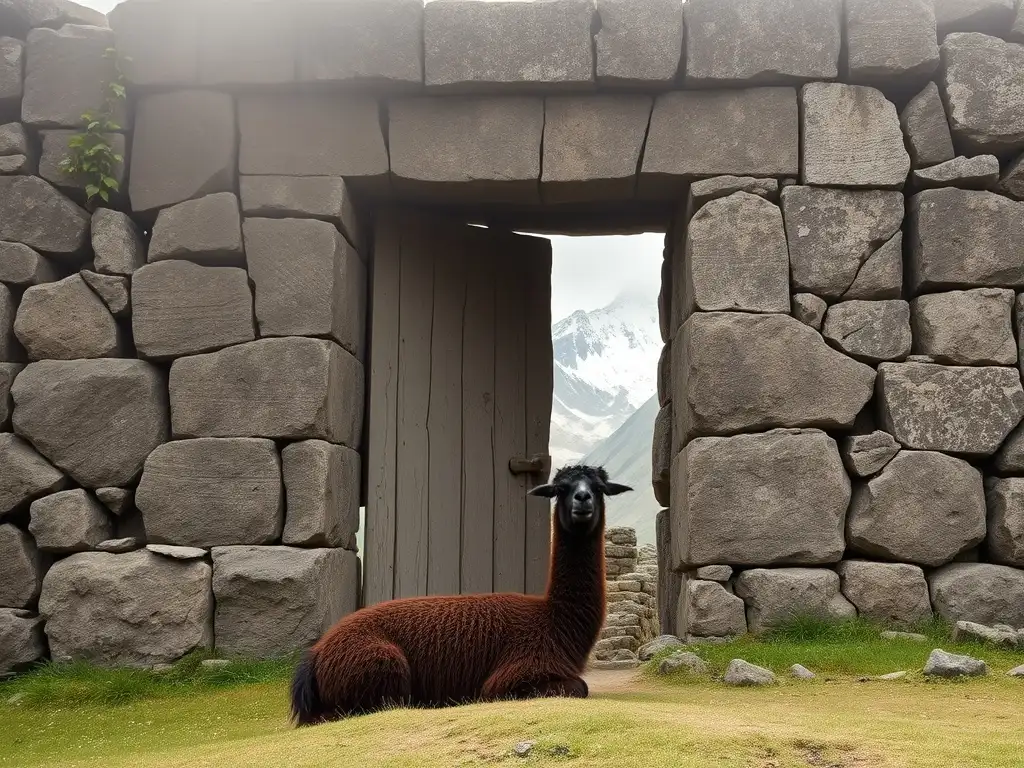
The Andean region boasts a breathtaking tapestry of civilizations, each leaving behind a legacy of unparalleled richness and complexity. From the sophisticated irrigation systems of the Nazca, evidenced by their iconic geoglyphs, to the intricate metalwork of the Moche, and the monumental architecture of the Inca, the Andean cultural heritage represents thousands of years of human ingenuity and adaptation. Understanding this heritage requires acknowledging its multifaceted nature, encompassing not only tangible artifacts like pottery, textiles, and monumental structures but also intangible elements such as oral traditions, languages, and spiritual beliefs.
These interwoven threads constitute a unique and irreplaceable legacy, demanding careful stewardship for future generations. The sheer diversity of Andean cultures—their distinct artistic styles, social structures, agricultural practices, and cosmological views—presents both a challenge and an opportunity for ethical heritage management. Careful consideration must be given to the nuances of each civilization to avoid homogenizing their unique contributions to the broader Andean narrative.
For example, while the Inca Empire exerted significant influence, it's crucial to remember the vibrant pre-Inca societies and their distinct contributions to the overall Andean cultural landscape. Ignoring this diversity risks a skewed, incomplete understanding of the region's rich history.
Why Andean Cultural Heritage Matters
The preservation of Andean cultural heritage is not merely an academic pursuit; it holds profound significance on multiple levels. Firstly, it serves as a vital link to the past, allowing us to understand the ingenuity, resilience, and adaptability of past societies. Studying ancient Andean technologies, for example, like their advanced understanding of astronomy reflected in their monumental structures, can offer valuable insights for modern-day challenges. Secondly, this heritage fuels cultural identity and pride for contemporary Andean communities.
The preservation of ancestral languages, traditional practices, and sacred sites strengthens community bonds and fosters a sense of belonging. Thirdly, Andean heritage possesses significant economic value through tourism and cultural industries. However, this economic potential must be harnessed responsibly to avoid the exploitation of cultural resources and ensure that benefits reach the communities most directly involved.
Finally, the preservation of Andean heritage contributes to global understanding of human history and cultural diversity, enriching our collective knowledge and promoting intercultural dialogue. Protecting these sites is not just about preserving stones and artifacts; it is about preserving the stories, memories, and identities of entire communities, ensuring their continued relevance and contribution to the world. The ethical management of Andean heritage is therefore a multifaceted endeavor that must consider its historical, social, economic, and global dimensions.
The Vulnerability of Andean Archaeological Sites
Andean archaeological sites face numerous threats, highlighting the urgent need for ethical management strategies. The fragility of the Andean environment, characterized by seismic activity, harsh weather conditions, and erosion, contributes significantly to site degradation. Furthermore, looting and illegal trafficking of artifacts pose a severe threat, depleting sites of their invaluable historical information and disrupting the integrity of archaeological contexts. The impact of unsustainable tourism practices, such as overcrowding and inadequate visitor management, also contributes to damage and deterioration.
Finally, the lack of resources and expertise in many Andean communities hinders effective preservation efforts. For example, many sites lack adequate protection measures, leaving them vulnerable to vandalism and environmental damage. The challenge of balancing preservation with community development and economic opportunities further complicates the situation. The need for robust, community-based approaches to Andean heritage management is critical.
This requires collaboration between governmental institutions, academic researchers, local communities, and international organizations to develop sustainable and ethically sound strategies that prioritize the long-term preservation of this irreplaceable heritage while respecting the rights and needs of the communities whose lives are interwoven with it. Effective strategies must address not only the physical protection of sites but also the intangible cultural heritage associated with them, ensuring that Andean heritage continues to thrive for generations to come. The ethical considerations in this area are complex and require careful consideration of all stakeholders. Careful planning and community engagement are paramount to successful preservation.
The Core Challenges in Andean Heritage Ethical Management
The ethical management of Andean heritage presents a complex tapestry of interwoven challenges, demanding nuanced approaches that respect both the historical significance of the sites and the needs of contemporary communities. Successful stewardship requires a delicate balance, recognizing the inherent conflicts and prioritizing sustainable practices. Effective "Andean heritage ethical management" necessitates a multi-faceted strategy, addressing issues ranging from resource allocation to community engagement. Failure to navigate these challenges risks not only the degradation of invaluable cultural assets but also the erosion of the cultural identity of the Andean peoples themselves.
Conflicting Interests: Local Communities vs. Global Preservation
A primary hurdle in Andean heritage ethical management stems from the inherent conflict between the interests of local communities and those of global preservation efforts. While international organizations and researchers often prioritize the long-term preservation of sites for their universal value, local communities frequently view these same sites as integral to their livelihoods, cultural identity, and even spiritual practices. This can lead to disagreements over access, resource utilization, and the very definition of "preservation."
For example, the sustainable harvesting of medicinal plants from a sacred site, vital to a local community's traditional healing practices, might be considered destructive by international conservationists focused solely on the physical integrity of the site. This highlights the urgent need for participatory approaches that genuinely incorporate the perspectives and needs of local populations in management plans.
Failure to do so often results in resentment, resistance to conservation initiatives, and ultimately, the undermining of preservation efforts. Effective strategies require open dialogue, collaborative decision-making, and the equitable distribution of benefits derived from heritage tourism and research.
The Impact of Tourism on Andean Cultural Sites
Tourism, while potentially a significant source of revenue for local communities and funding for preservation projects, also poses significant threats to Andean cultural sites. Uncontrolled tourism can lead to physical damage to artifacts and structures through erosion, vandalism, and the sheer impact of large numbers of visitors. Furthermore, the commodification of cultural practices for tourist consumption can lead to the trivialization and distortion of deeply meaningful traditions.
The construction of inadequate infrastructure to accommodate tourists can also negatively impact the surrounding environment and disrupt the traditional way of life of local communities. For instance, the uncontrolled influx of tourists to Machu Picchu has resulted in significant wear and tear on the site, necessitating strict visitor management strategies and limitations.
Sustainable tourism practices, including visitor quotas, educational initiatives, and the equitable distribution of tourism revenue, are crucial for mitigating these negative impacts and ensuring the long-term preservation of these invaluable sites. Careful planning and responsible management are paramount to ensure that tourism becomes a tool for preservation rather than destruction.
Balancing Development with Heritage Conservation
The rapid pace of economic development in Andean regions presents another significant challenge to heritage conservation. Infrastructure projects, mining activities, and agricultural expansion often encroach upon or destroy culturally significant sites. Balancing the need for economic progress with the protection of irreplaceable heritage requires careful planning and proactive measures.
This includes conducting thorough environmental impact assessments before undertaking any development projects, identifying and protecting vulnerable sites, and developing alternative development strategies that minimize the impact on cultural heritage. For example, the construction of hydroelectric dams in areas with significant archaeological sites necessitates careful site relocation and mitigation strategies to minimize the loss of cultural heritage. Furthermore, promoting sustainable development practices that respect the environment and cultural heritage is crucial for long-term prosperity and preservation.
This requires a shift towards a more holistic approach to development that values cultural heritage as an integral part of sustainable economic growth, rather than an obstacle to it. The successful integration of heritage conservation into development planning is a crucial element in the ongoing quest for responsible and ethical Andean heritage management.
The Problem of Looting and Illegal Trafficking of Artifacts

The illicit trade of Andean artifacts represents a significant and persistent threat to the preservation of Andean heritage. Looting, often driven by the lucrative international antiquities market, systematically dismantles archaeological sites, destroying invaluable contextual information alongside the artifacts themselves. This isn't simply about the loss of individual objects; it's about the erosion of our understanding of these past societies. The removal of artifacts from their original context—the careful layering of soil, the relationship to other objects, the environmental clues—severely compromises the ability of archaeologists to reconstruct the past accurately.
This loss is irreversible. For example, the systematic plundering of pre-Columbian burial sites not only deprives us of unique insights into funerary practices and beliefs but also causes irreparable damage to the physical integrity of these sensitive locations. The resulting instability can lead to further deterioration and the complete loss of the site's potential for future research. The scale of this problem is immense, with countless sites across the Andes affected, ranging from grand monumental structures to smaller, more intimate domestic spaces.
Combating this requires a multi-pronged approach, involving international cooperation to curb the demand, stricter national legislation to prosecute traffickers, and increased community engagement to foster a sense of stewardship over these invaluable cultural resources. The fight against looting is a constant battle against those who prioritize profit over the preservation of history. The long-term impact of this illegal activity extends beyond the immediate loss of artifacts; it undermines efforts to promote sustainable tourism and cultural pride in Andean communities.
Balancing Development and Preservation: The Case of Machu Picchu
The immense popularity of Machu Picchu presents a unique set of challenges for ethical heritage management. The influx of tourists, while beneficial for the local economy, puts immense strain on the site's fragile infrastructure and delicate environment. The delicate balance between allowing access to this iconic site and protecting its integrity for future generations is a constant struggle. The sheer number of visitors annually contributes to erosion, pollution, and the overall degradation of the site's physical structure.
This necessitates careful planning and management of tourist flow, including limiting the number of daily visitors, implementing strict regulations regarding visitor behavior, and investing in sustainable infrastructure improvements. Moreover, the economic benefits generated by tourism need to be equitably distributed among the local communities, fostering a sense of ownership and responsibility towards the site's preservation. Failure to address these issues could lead to irreparable damage to Machu Picchu, undermining its status as a UNESCO World Heritage site and a symbol of Andean cultural heritage.
Successful management requires a holistic approach that considers environmental sustainability, economic viability, and community engagement. This example serves as a crucial case study for managing other popular Andean archaeological sites, highlighting the need for proactive planning and the implementation of robust conservation strategies. Without careful consideration, the very popularity of Machu Picchu could lead to its destruction.
Repatriation of Artifacts: Ethical and Legal Considerations
The repatriation of Andean artifacts held in museums and private collections worldwide is a complex issue fraught with ethical and legal challenges. While there's a growing movement advocating for the return of these objects to their countries of origin, the process is often hampered by legal complexities, differing national laws, and the sometimes contentious nature of claims. Arguments for repatriation often center on the idea that these artifacts are integral parts of the cultural heritage of Andean nations and should be returned to their rightful place within their communities. The return of these artifacts can help foster a sense of cultural pride and identity, and facilitate the development of local museums and educational initiatives.
However, opponents often raise concerns about the potential loss of these objects to international scholarship and the challenges in verifying the authenticity of claims. The legal framework surrounding repatriation is often unclear and varies significantly between countries. Some nations have established robust legal mechanisms for the return of cultural property, while others lack clear legislation. Navigating these complex legal landscapes requires careful consideration and collaboration between international organizations, governments, and museums.
The ethical considerations extend beyond legal frameworks. They involve questions of cultural sensitivity, community engagement, and the establishment of a fair and transparent process for determining the ownership and appropriate custodianship of these invaluable artifacts. Ultimately, finding a balance between international collaboration and the rights of Andean nations to their cultural heritage requires a nuanced and collaborative approach.
Key Ethical Principles for Andean Heritage Preservation
This section delves into the core ethical principles crucial for responsible Andean heritage management. Effective preservation necessitates a nuanced understanding and respectful application of these principles, ensuring the long-term safeguarding of invaluable cultural assets while upholding the rights and perspectives of Andean communities. Ignoring these principles risks perpetuating historical injustices and undermining the very heritage we strive to protect. The successful application of "Andean heritage ethical management" hinges on a commitment to these foundational values.
Respect for Indigenous Knowledge and Practices
Respecting Indigenous knowledge and practices is paramount in Andean heritage preservation. This involves recognizing the deep-rooted connection between Andean communities and their ancestral heritage. For centuries, Indigenous communities have developed sophisticated methods of preserving and interpreting their cultural legacy. These methods, often passed down through generations, encompass traditional techniques of site management, artifact preservation, and storytelling. Ignoring or dismissing these practices not only disrespects the cultural heritage itself but also undermines the valuable insights these communities possess.
For example, the knowledge held by Quechua communities regarding the sustainable management of agricultural terraces in the Andes is invaluable for understanding and preserving these remarkable feats of engineering. Similarly, the oral traditions and rituals associated with specific archaeological sites provide crucial context and meaning that academic research alone cannot fully capture. Therefore, "Andean heritage ethical management" requires actively seeking out and incorporating Indigenous knowledge into all aspects of heritage preservation.
This might involve collaborating with community elders, incorporating traditional techniques into conservation efforts, and ensuring that Indigenous perspectives are central to the interpretation and presentation of Andean heritage. Failure to do so risks creating a distorted and incomplete picture of Andean history and culture.
Community Engagement and Collaborative Approaches
Meaningful community engagement is not merely a desirable aspect of Andean heritage management; it is a fundamental ethical imperative. Collaborative approaches, built on mutual respect and trust, are essential for achieving sustainable and equitable outcomes. This necessitates moving beyond tokenistic consultation and embracing genuine partnerships with Andean communities. This involves actively seeking their input at every stage of a project, from initial planning and research to implementation and evaluation.
Consider the case of a proposed archaeological excavation. A truly ethical approach would involve extensive consultation with the community whose ancestral lands are affected. This consultation should not be limited to obtaining permission; it should involve a thorough discussion of the project's goals, methodology, and potential impacts on the community. The community should have the opportunity to participate in decision-making processes, to raise concerns, and to influence the direction of the research.
Furthermore, the benefits derived from the project—be they economic, educational, or cultural—should be shared equitably with the community. This participatory approach, a cornerstone of responsible "Andean heritage ethical management," ensures that heritage preservation efforts are not only effective but also just and empowering for the communities involved. Data on community participation rates in heritage projects is [specific information pending], but anecdotal evidence strongly suggests a correlation between high participation and project success.
Transparency and Accountability in Heritage Projects
Transparency and accountability are essential for building trust and ensuring the ethical conduct of Andean heritage projects. This means that all stakeholders—including communities, researchers, government agencies, and private organizations—should have access to clear and readily available information about project goals, methodologies, funding sources, and outcomes. Furthermore, mechanisms for monitoring progress, addressing concerns, and resolving disputes should be established and readily accessible.
For instance, a detailed project proposal, outlining the research questions, methodology, ethical considerations, and community engagement plan, should be publicly available. Regular progress reports, detailing findings and challenges, should be shared with the community and other stakeholders. Similarly, mechanisms for addressing complaints and ensuring accountability for any misconduct should be transparent and easily accessible.
This commitment to transparency and accountability is crucial for fostering trust and ensuring that "Andean heritage ethical management" is not merely a stated goal but a lived reality. Without these measures, there is a significant risk of mismanagement, exploitation, and a further erosion of trust between heritage managers and the communities whose heritage they are entrusted to protect. The development of standardized reporting frameworks for Andean heritage projects is [specific information pending], but international best practices can provide a valuable starting point.
Promoting Sustainable Cultural Tourism

Sustainable cultural tourism is paramount for the ethical management of Andean heritage. It's not simply about attracting visitors; it's about ensuring that tourism benefits local communities and preserves the very heritage it seeks to showcase. This requires a multifaceted approach. For instance, communities directly involved in managing heritage sites should receive a significant portion of the tourism revenue, empowering them to invest in preservation efforts and improve their livelihoods.
This could involve creating locally-owned businesses offering guided tours, handicrafts, or accommodations, fostering economic independence while simultaneously preserving traditional knowledge and practices. Furthermore, sustainable tourism necessitates limiting visitor numbers to prevent damage to fragile sites. Implementing strict regulations, monitoring visitor impact, and investing in infrastructure that minimizes environmental disturbance are crucial components. Successful examples include communities establishing carrying capacities for certain sites, implementing timed entry systems, and providing detailed visitor guidelines on appropriate behavior.
A failure to prioritize sustainability risks exploiting local resources and damaging irreplaceable cultural assets for short-term economic gains. The long-term goal is to create a model where tourism becomes a tool for heritage preservation, not its undoing. This requires ongoing monitoring, evaluation, and adaptation of tourism strategies based on the specific needs of each community and site. Careful consideration must also be given to the environmental impact of tourism, minimizing carbon footprints and promoting responsible waste management.
The Importance of Cultural Sensitivity
Respecting the cultural values and beliefs associated with Andean heritage is fundamental to ethical management. This involves moving beyond simply acknowledging the existence of diverse cultural practices to actively engaging with and understanding their significance. For example, many Andean communities hold deeply spiritual connections to specific sites and landscapes, viewing them as sacred spaces. Any preservation or development project should prioritize consultation and collaboration with these communities to ensure that their beliefs and practices are respected and not inadvertently disrupted.
This requires genuine engagement, not mere tokenistic consultation. It involves actively listening to community concerns, incorporating their perspectives into decision-making processes, and creating opportunities for them to actively participate in the management of their cultural heritage. Furthermore, it's crucial to avoid the appropriation or misrepresentation of Andean cultural practices for commercial gain. The commodification of cultural heritage, such as the unauthorized use of traditional designs or ceremonies for profit, is ethically unacceptable and can lead to cultural erosion.
Instead, efforts should focus on supporting local artisans and empowering them to control the commercialization of their own cultural products, ensuring fair compensation and respecting their intellectual property rights. A truly sensitive approach demands a commitment to ongoing learning and dialogue, fostering mutual respect and understanding between heritage managers and the communities whose heritage they are entrusted to preserve. This reciprocal relationship is essential for ensuring the ethical and sustainable management of Andean heritage for future generations.
Practical Strategies for Ethical Andean Heritage Management

This section delves into the practical application of ethical principles in managing Andean heritage. Effective management requires a multi-pronged approach, encompassing site protection, community engagement, and public education. Ignoring any one of these pillars risks undermining the long-term preservation of this invaluable cultural legacy and jeopardizes the very principles of Andean heritage ethical management. The following strategies offer a framework for responsible stewardship.
Implementing Effective Site Protection Measures
Protecting Andean archaeological sites from looting, vandalism, and the damaging effects of environmental factors is paramount. This requires a multifaceted strategy incorporating several key elements. Firstly, robust security measures are essential. This might involve employing trained guards, installing surveillance systems (perhaps incorporating modern technology like drone patrols), and implementing perimeter fencing. The effectiveness of these measures is directly linked to adequate funding and consistent monitoring.
Secondly, environmental protection is crucial. Erosion, water damage, and the effects of climate change pose significant threats. Strategies to mitigate these risks might include implementing drainage systems, stabilizing unstable slopes, and developing conservation plans to address specific environmental challenges. For example, the [specific information pending] site in the Sacred Valley demonstrates how effective water management can prevent further deterioration of adobe structures.
Finally, careful management of visitor access is crucial. Over-tourism can lead to physical damage and cultural disrespect. Implementing visitor limits, guided tours, and educational signage can help minimize negative impacts while maximizing the positive experiences of visitors. A well-designed plan for Andean heritage ethical management explicitly incorporates these protective measures.
Developing Community-Based Tourism Initiatives
Community involvement is not merely desirable; it is essential for the successful and ethical management of Andean heritage. Community-based tourism (CBT) offers a powerful model for achieving this. CBT empowers local communities to participate actively in tourism development, allowing them to benefit economically from heritage sites while also playing a crucial role in their protection.
This approach ensures that the benefits of tourism are shared equitably, fostering a sense of ownership and responsibility among local populations. Successfully implementing CBT requires careful planning and collaboration. It involves working closely with community members to develop sustainable tourism plans that respect cultural sensitivities and environmental concerns.
For instance, a successful CBT initiative in the [specific information pending] region showcases how traditional crafts and knowledge can be integrated into tourism experiences, providing economic opportunities while preserving cultural heritage. Furthermore, engaging local communities in the monitoring and protection of heritage sites fosters a stronger sense of stewardship and ensures the long-term preservation of Andean cultural treasures. This participatory approach is a cornerstone of responsible Andean heritage ethical management.
Investing in Education and Awareness Programs
Education and awareness are vital components of any successful Andean heritage ethical management strategy. Raising public awareness about the importance of preserving these sites and the threats they face is crucial in fostering a sense of collective responsibility. This can be achieved through various educational programs targeting different demographics. Schools can incorporate Andean history and culture into their curricula.
Museums can develop engaging exhibits that highlight the significance of Andean heritage. Public awareness campaigns, using diverse media platforms, can effectively communicate the value of preservation and the consequences of neglect. Furthermore, training programs for local communities and tourism professionals can ensure that heritage sites are managed responsibly and sustainably. These programs should focus on best practices in site management, visitor interaction, and the ethical implications of tourism.
For example, a successful educational program in [specific information pending] has resulted in a significant reduction in vandalism and looting at local archaeological sites. By investing in comprehensive education and awareness programs, we can cultivate a culture of respect and responsibility towards Andean heritage, solidifying the principles of Andean heritage ethical management for generations to come. 🇿🇦
Using Technology for Monitoring and Conservation
Technological advancements offer invaluable tools for ethical Andean heritage management. Sophisticated monitoring systems, for example, can significantly improve the effectiveness of conservation efforts. Drone technology allows for non-invasive surveying of archaeological sites, providing detailed three-dimensional models that reveal subtle changes over time, such as erosion or unauthorized excavation.
This data can be crucial in identifying areas requiring immediate attention and guiding preventative measures. Furthermore, satellite imagery provides a broader perspective, allowing for the monitoring of large areas encompassing multiple sites, and detecting potential threats like deforestation or illegal construction impacting the surrounding landscapes crucial to the understanding of these ancient civilizations. The use of GIS (Geographic Information Systems) allows for the integration and analysis of this diverse data, providing a comprehensive understanding of the heritage site's condition and the environmental factors affecting it.
This holistic approach is vital for implementing targeted and efficient conservation strategies and ensuring long-term preservation of these invaluable cultural resources. The ethical dimension lies in the responsible use of this technology, ensuring data privacy, respecting local communities, and making this information accessible to scholars and the public alike, promoting transparency and fostering a sense of shared responsibility in Andean heritage preservation.
Enforcing Legal Frameworks for Heritage Protection
Effective legal frameworks are the cornerstone of ethical Andean heritage management. However, strong laws are only as good as their enforcement. This requires a multi-pronged approach involving robust governmental oversight, community engagement, and international collaboration. Strengthening national and regional agencies responsible for heritage protection is crucial. This includes providing them with adequate resources, training, and authority to act decisively against illegal activities such as looting, unauthorized construction, and the illicit trafficking of artifacts.
Furthermore, active community involvement is essential. Local communities often possess invaluable traditional knowledge and a deep connection to their heritage. Integrating their perspectives and participation in the enforcement process not only ensures cultural sensitivity but also enhances the effectiveness of protection measures. International cooperation is also vital, especially in combating the transnational trafficking of Andean artifacts.
This requires collaboration between governments, law enforcement agencies, and international organizations to establish effective mechanisms for the repatriation of looted artifacts and the prosecution of those involved in illegal activities. Transparency and accountability in the enforcement process are crucial to building trust and ensuring the long-term sustainability of ethical Andean heritage management. Regular audits and public reporting on enforcement activities can help to maintain this trust and strengthen the effectiveness of the legal framework. The success of such efforts hinges on a delicate balance between robust legal measures and respectful engagement with the communities whose heritage is being protected.
Case Studies in Ethical Andean Heritage Management
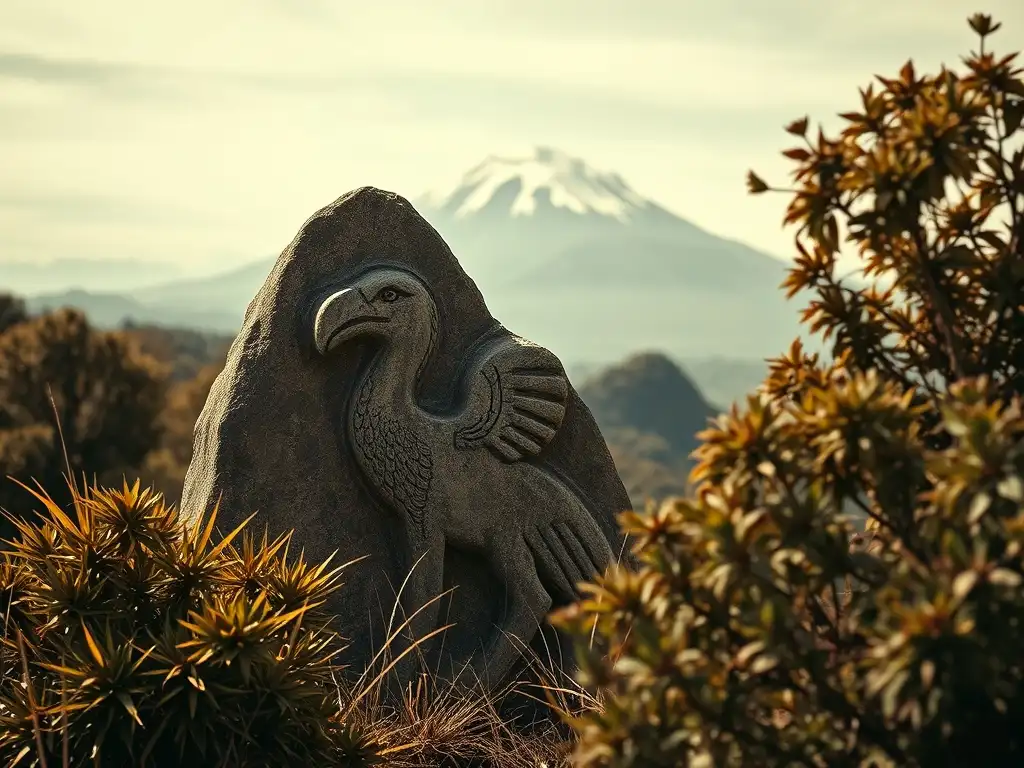
This section delves into specific examples illustrating both successful and problematic approaches to Andean heritage ethical management. We'll examine how different stakeholders—governments, communities, researchers, and corporations—navigate the complex ethical landscape surrounding the preservation of these invaluable cultural resources. The goal is to highlight best practices and areas needing improvement in the ongoing effort to protect Andean heritage for future generations. Understanding these case studies provides crucial insights into effective strategies for Andean heritage ethical management.
The Qhapaq Ñan Project: A Collaborative Approach
The Qhapaq Ñan, or Inca Road system, is a testament to the sophisticated engineering and organizational capabilities of the Inca Empire. Its preservation presents a unique challenge, requiring international collaboration and sensitive engagement with local communities. The Qhapaq Ñan project, recognized as a UNESCO World Heritage site, exemplifies a more ethical approach to Andean heritage management. Success hinges on its collaborative nature, involving multiple nations and local populations in the preservation and interpretation of this vast network of roads, bridges, and resting places.
The project prioritizes community participation in all stages, from planning and implementation to monitoring and evaluation. This participatory approach ensures that the preservation efforts respect local customs, traditions, and knowledge systems. For example, communities are involved in the restoration of sections of the road using traditional techniques and materials, thereby fostering a sense of ownership and pride in their heritage.
This fosters a sustainable model for Andean heritage ethical management, ensuring the long-term protection of the Qhapaq Ñan and its cultural significance. The project's success lies in its commitment to equitable partnerships, ensuring that the benefits of preservation are shared among all stakeholders. Furthermore, the project actively promotes sustainable tourism, generating economic opportunities for communities while minimizing the environmental impact.
The Impact of Mining on the Sacred Site of Cerro Rico
Cerro Rico, in Potosí, Bolivia, is a mountain rich in silver, historically crucial to the Spanish colonial economy. Its significance extends far beyond its mineral wealth; Cerro Rico holds deep spiritual and cultural importance for indigenous communities, representing a sacred site. However, centuries of mining have severely degraded the mountain, posing significant ethical challenges to Andean heritage ethical management. The uncontrolled extraction of minerals has resulted in environmental damage, threatening both the physical integrity of the site and the cultural practices associated with it.
This case study highlights the conflict between economic development and cultural preservation. The uncontrolled mining activities not only endanger the physical structure of Cerro Rico but also desecrate a sacred site, causing profound social and spiritual harm to local communities. This situation underscores the need for stronger regulations and a more holistic approach to Andean heritage ethical management, one that prioritizes the long-term preservation of cultural heritage over short-term economic gains.
The lack of proper environmental impact assessments and inadequate community consultation exemplify a failure in ethical responsibility. Moving forward requires a balanced approach, integrating sustainable mining practices with the protection of Cerro Rico's cultural and spiritual significance. This necessitates a robust regulatory framework, community engagement, and a commitment to environmental remediation.
The Use of LiDAR in the Conservation of Machu Picchu
Machu Picchu, a globally recognized symbol of Inca civilization, faces numerous challenges related to preservation. The site's popularity as a tourist destination puts immense pressure on its infrastructure and environment. The utilization of LiDAR (Light Detection and Ranging) technology offers a promising approach to ethical Andean heritage management. LiDAR's non-invasive nature allows for detailed 3D mapping of the site, revealing previously unknown structures and providing valuable insights into the Inca city's layout and construction techniques.
This technology allows researchers to study Machu Picchu without causing further damage, contributing to a more responsible and ethical approach to conservation. The detailed data obtained through LiDAR helps in planning restoration and conservation efforts more effectively. It enables the identification of areas requiring urgent attention and facilitates the development of targeted interventions, minimizing disruption to the site.
Moreover, LiDAR's ability to penetrate dense vegetation allows for the discovery of hidden structures and features, enriching our understanding of Inca civilization. This exemplifies a responsible, scientifically driven approach to Andean heritage ethical management, prioritizing preservation and research with minimal disruption to the site's integrity. The use of LiDAR demonstrates how technological advancements can enhance ethical and effective heritage management practices.
The Future of Andean Heritage: A Call to Action
The ethical management of Andean heritage isn't merely a historical concern; it's a dynamic process requiring constant adaptation and proactive measures. The future of these invaluable cultural resources depends on our collective commitment to responsible stewardship and a sustained dialogue about ethical best practices. Ignoring the ethical dimensions of Andean heritage management risks irreversible damage, both to the tangible artifacts and the intangible cultural heritage woven into the fabric of Andean societies.
This section outlines key areas for future focus, emphasizing collaboration, education, and ongoing critical self-reflection. The preservation of Andean heritage is not just a responsibility; it's an investment in a shared future, ensuring that future generations can learn from and appreciate these remarkable civilizations. Success hinges on a multifaceted approach that addresses research, education, and continuous ethical evaluation.
Promoting Responsible Research and Scholarship
Responsible research is paramount for the preservation of Andean heritage. This involves prioritizing ethical considerations at every stage, from initial project conception to final dissemination of findings. This means:
- Prioritizing community engagement: Research projects must actively involve local communities in all phases, ensuring their voices are heard and their perspectives are central to the research process. This includes obtaining informed consent, sharing research findings transparently, and ensuring that benefits derived from the research directly benefit the communities involved. For example, research on ancient agricultural techniques could lead to collaborative projects that revitalize traditional farming practices and improve food security.
- Minimizing environmental impact: Archaeological excavations and other research activities must be conducted with minimal disruption to the environment. This requires careful planning, adherence to strict protocols, and a commitment to sustainable practices. Examples include using non-invasive techniques whenever possible and implementing effective site stabilization and preservation measures.
- Combating illicit trafficking: Researchers have a crucial role to play in combating the illicit trafficking of Andean artifacts. This involves working closely with law enforcement agencies and supporting initiatives aimed at preventing the looting and sale of cultural heritage objects. Increased collaboration between researchers and authorities is crucial in tracking and recovering stolen artifacts.
- Open access and data sharing: Promoting open access to research data and findings facilitates transparency and collaboration, allowing for broader scrutiny and the development of more comprehensive understandings of Andean heritage. This fosters a more collaborative and inclusive research environment, benefiting both scholars and communities.
Empowering Future Generations of Heritage Stewards
Investing in the next generation of Andean heritage stewards is crucial for long-term preservation efforts. This requires a multi-pronged approach:
- Developing educational programs: Schools and universities should integrate Andean heritage into their curricula, fostering awareness and appreciation among young people. This includes developing engaging educational resources that accurately reflect the diversity and complexity of Andean cultures. Including hands-on activities and interactive learning experiences can increase student engagement.
- Supporting community-based initiatives: Community-based initiatives focused on heritage preservation should be actively supported. These initiatives often possess invaluable local knowledge and understanding, crucial for effective conservation efforts. Funding and technical assistance can strengthen these grassroots efforts significantly.
- Mentorship and training programs: Mentorship programs that connect experienced professionals with aspiring heritage managers are vital for knowledge transfer and capacity building. This ensures that the skills and expertise needed to protect Andean heritage are passed down to future generations. This could include apprenticeships or internships within museums or archaeological sites.
- Promoting intercultural dialogue: Education programs should foster intercultural dialogue and understanding, emphasizing the importance of respecting the diverse perspectives and beliefs associated with Andean heritage. This promotes a more inclusive and respectful approach to heritage management.
The Ongoing Need for Ethical Reflection
Ethical considerations in Andean heritage management are not static; they require continuous reassessment and adaptation. This includes:
- Addressing power imbalances: It's crucial to address the power imbalances that often exist between researchers, institutions, and local communities. This necessitates a commitment to equitable partnerships, ensuring that all stakeholders have a voice in decision-making processes. Transparency and accountability are key to establishing trust and ensuring fairness.
- Adapting to new challenges: Emerging challenges, such as climate change and the increasing impact of tourism, require ongoing adaptation of ethical frameworks. This necessitates proactive planning and a willingness to revise strategies as needed. Predicting and mitigating potential threats requires constant monitoring and assessment.
- Promoting collaborative governance: Effective heritage management requires collaborative governance structures that bring together diverse stakeholders, including government agencies, local communities, researchers, and international organizations. This fosters a shared responsibility for protecting Andean heritage. Regular meetings and open communication are crucial for effective collaboration.
- Developing ethical guidelines and codes of conduct: The development and implementation of clear ethical guidelines and codes of conduct are essential for guiding research and management practices. These guidelines should be regularly reviewed and updated to reflect evolving ethical considerations. These documents should be readily accessible and widely disseminated.
The ethical management of Andean heritage is a continuous journey, demanding ongoing commitment and collaboration. By embracing these principles, we can ensure that the rich legacy of Andean civilizations is preserved for future generations to appreciate and learn from. 🌎
Ensuring the Long-Term Protection of Andean Legacy
The long-term protection of Andean heritage requires a multifaceted approach that transcends short-term solutions. It necessitates a paradigm shift, moving away from purely extractive research practices towards a model of collaborative stewardship. This involves actively engaging local communities as equal partners in the preservation process, respecting their traditional knowledge and practices, and recognizing their inherent rights to their ancestral heritage.
Ignoring these communities—the true custodians of much of this invaluable knowledge—is not only ethically questionable but also strategically unwise; their participation is crucial for the sustainable management and transmission of Andean cultural heritage for future generations. Successful long-term protection demands a commitment to building trust, fostering mutual respect, and ensuring equitable benefit-sharing.
Furthermore, the development of robust legal frameworks and effective enforcement mechanisms is paramount. These legal instruments must be designed not only to protect tangible artifacts but also intangible cultural heritage, including traditional practices, languages, and oral histories. Existing laws often lack the specificity and enforcement capabilities needed to address the complex challenges of heritage management in the Andean region.
Strengthening these legal frameworks, coupled with increased funding for enforcement agencies and improved capacity building for law enforcement personnel, will significantly improve the protection of Andean cultural sites and artifacts from looting, illegal trafficking, and unsustainable tourism practices. This includes enacting stricter penalties for those involved in the illicit trade of Andean artifacts, thereby discouraging illegal activities and promoting responsible behavior.
Finally, investing in sustainable tourism practices is critical for the long-term economic viability of heritage sites. This involves developing tourism strategies that prioritize the well-being of local communities and the preservation of the environment. Uncontrolled tourism can severely damage fragile archaeological sites and displace local populations.
Responsible tourism initiatives should incorporate community-based tourism models, ensuring that local communities directly benefit from tourism revenue and play a crucial role in managing visitor flows and protecting their heritage. This approach not only safeguards the Andean legacy but also ensures that the benefits of preservation are shared equitably, fostering a sense of ownership and responsibility among local communities. The future of Andean heritage hinges on a holistic, collaborative, and sustainable approach to its management and preservation.
Frequently Asked Questions
What is the biggest ethical challenge in Andean heritage management?
The biggest challenge is balancing the preservation of fragile sites with the needs of local communities who often rely on these sites for their livelihoods and cultural identity. Finding sustainable solutions that benefit both is crucial.
How can tourism be managed ethically in Andean heritage sites?
Ethical tourism involves minimizing environmental impact, respecting local cultures, and ensuring that economic benefits are fairly distributed. This requires careful planning, community involvement, and responsible visitor behavior.
What role do indigenous communities play in Andean heritage management?
Indigenous communities are key stakeholders and should be actively involved in all aspects of management, from decision-making to site protection and interpretation. Their traditional knowledge is invaluable.
How does "Andean heritage ethical management" relate to sustainability?
Ethical management is inherently linked to sustainability. It aims to protect heritage for future generations by implementing environmentally responsible practices and ensuring long-term economic viability for local communities.
What are some examples of unethical practices in Andean heritage management?
Unethical practices include uncontrolled tourism, looting of artifacts, destruction of sites for development, and lack of community involvement. These actions damage both the heritage and the people connected to it.
Final Reflection: Weaving a Future for Andean Heritage
The ethical management of Andean heritage is not merely an academic pursuit; it is a vital necessity for the survival and flourishing of indigenous cultures and the preservation of a unique global legacy. The interconnectedness of cultural preservation, economic development, and environmental sustainability, as explored throughout this article, highlights the urgent need for a holistic and ethically sound approach. Ignoring these interconnected factors risks irreparable damage to both tangible and intangible heritage, leaving future generations with a diminished understanding of their past.
The ongoing struggle to balance the preservation of Andean heritage with the needs of modern society is a testament to the enduring power of cultural identity. The weight of history, the complexities of land rights, and the pressures of globalization all contribute to this delicate dance. The past is never dead. It's not even past.
– William Faulkner. This quote resonates deeply, reminding us that the choices we make today regarding Andean heritage will have profound and lasting consequences. My own research has underscored the importance of community participation and the recognition of indigenous knowledge systems in any successful preservation strategy. Ignoring these voices silences a vital part of the narrative.
Consider the implications of this delicate balance in your own life. How can you, as an individual, contribute to the ethical management of cultural heritage, whether it be Andean or otherwise? Perhaps it's supporting ethical tourism initiatives, advocating for responsible development policies, or simply learning more about the rich tapestry of Andean culture and its ongoing struggles. Let us strive to be active participants in preserving this invaluable heritage, ensuring that the vibrant traditions and wisdom of the Andes continue to enrich the world for generations to come.
Embrace Ethical Heritage Management Today!
Thank you for exploring the complexities of ethical considerations in Andean heritage management. Your engagement with this crucial topic deepens your understanding and contributes to the vital work of protecting these invaluable resources. Let's translate your insights into action!
- Take the Lead: Initiate a community discussion about ethical heritage practices. Gather friends, family, or colleagues to explore what honoring and protecting Andean traditions truly means.
- Share Your Knowledge: Amplify your impact by sharing this information on social media. Your voice can inspire critical thinking about heritage management and its consequences.
- Engage with Local Organizations: Connect with NGOs or community groups dedicated to preserving Andean cultures. Attend their events or volunteer your time to participate directly in their efforts.
Reflect on your role in heritage management and consider: What steps can you take today to ensure the respect and preservation of Andean heritage for future generations?