
The Silent Gods: How Andean Deities and Beliefs Were Forced Underground

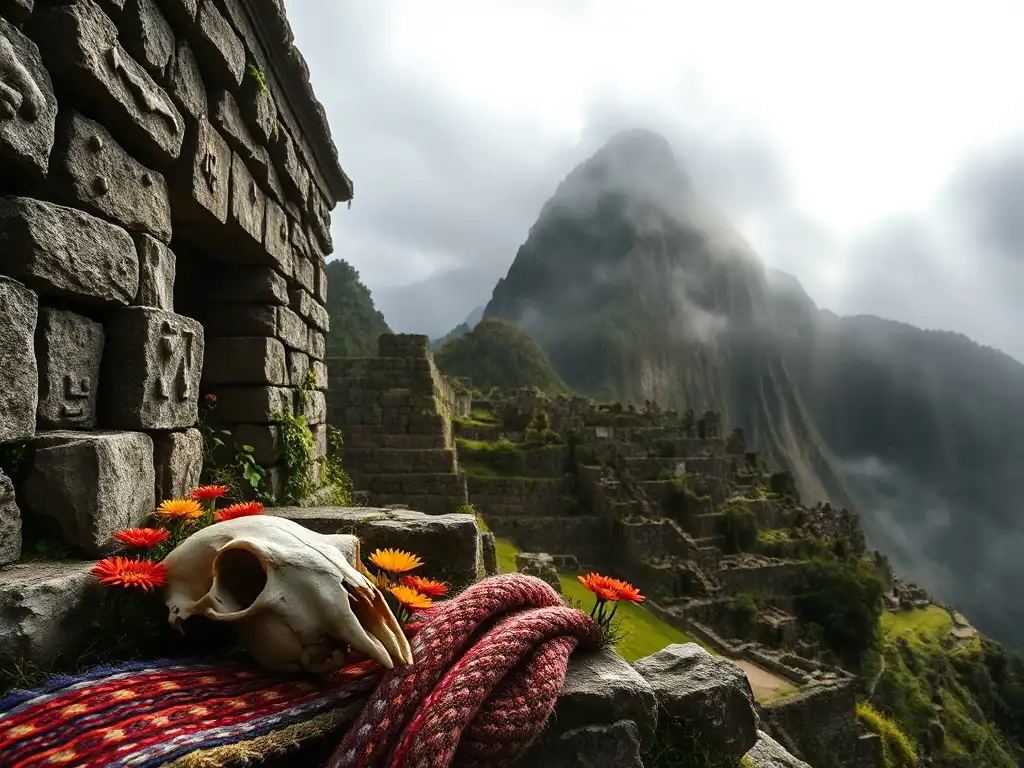
Uncover the secrets whispered on the wind across the Andes... For centuries, the majestic peaks held witness to a vibrant tapestry of cultures, their power woven into the very fabric of the land. But what happened when the Spanish Conquest shattered this world? Our exploration into the Spanish Conquest reveals a startling truth: the silencing of the Andean gods. Delve into the mystery of Andean deities forced underground, a story of resilience, faith, and the enduring legacy of a civilization that refused to be erased. Discover how their beliefs survived, hidden beneath the surface, waiting to be rediscovered.
The Spanish conquest of the Andes was not merely a military campaign; it was a systematic dismantling of a complex tapestry of Andean cultures, beliefs, and identities. This article explores the brutal suppression of Andean deities and religious practices following the arrival of the Spanish, revealing how indigenous spirituality was driven underground, yet miraculously persisted, leaving behind a legacy of resilience and adaptation. We will examine the various methods employed by the Spanish to eradicate Andean religious systems, analyzing the impact on Andean societies and the enduring echoes of this suppression in contemporary Andean cultures.
Understanding this forced suppression is crucial to comprehending the multifaceted history of the Andes and the enduring strength of its indigenous heritage. The keyword "Andean deities forced underground" perfectly encapsulates the central theme of this exploration into a deeply traumatic yet resilient chapter of Andean history.
The Systematic Destruction of Andean Temples and Shrines
The Spanish conquistadors, fueled by religious zeal and a thirst for gold, saw the destruction of Andean temples and shrines as a necessary step in their mission to convert the indigenous population to Christianity. They systematically targeted sacred sites, often dismantling them brick by brick, using the materials for their own constructions or simply leaving them in ruins. The destruction was not simply physical; it represented a deliberate attempt to erase the memory and power of Andean deities.
This targeted destruction extended beyond major temple complexes; smaller, local shrines – crucial to the daily lives and spiritual practices of communities – were also systematically destroyed. This act of cultural genocide aimed not only to eliminate physical manifestations of Andean religion but also to undermine the spiritual authority of local leaders and shamans.
The scale of this destruction is still being uncovered today, as archaeological excavations continue to reveal the extent of the damage inflicted on Andean religious landscapes. The loss, both physical and spiritual, remains immeasurable.
The Suppression of Andean Religious Practices and Rituals
Beyond the physical destruction of sacred sites, the Spanish implemented a range of measures to suppress Andean religious practices and rituals. This included the banning of traditional ceremonies, the persecution of priests and shamans, and the imposition of harsh penalties for anyone caught engaging in indigenous religious activities. Many indigenous people were forced to attend Catholic masses and participate in Christian rituals, often under duress.
The Spanish understood that the eradication of Andean religious practices was crucial to their project of colonization; by undermining the spiritual foundation of Andean societies, they could more easily control and exploit the indigenous population. The suppression of these practices was not merely a matter of religious intolerance; it was a strategic tool of power, used to consolidate Spanish control and to break the resistance of Andean communities. The subtle and pervasive nature of this suppression makes its impact all the more significant.
The Resilience of Andean Spirituality: Adapting and Surviving
Despite the brutal suppression of their religious practices, Andean spirituality proved remarkably resilient. Indigenous communities developed ingenious strategies to adapt their beliefs and rituals, often blending them with elements of Catholicism in a process known as syncretism. This allowed them to maintain their spiritual heritage while avoiding direct confrontation with the Spanish authorities.
For example, traditional Andean deities were sometimes assimilated into the Christian pantheon, with indigenous spirits being identified with Catholic saints. This process of syncretism wasn't merely a superficial overlay; it was a complex and dynamic interaction that allowed indigenous communities to preserve their cultural identity while navigating the pressures of colonial rule. The survival of Andean spirituality is a testament to the strength and adaptability of indigenous cultures.
The continued practice of many Andean traditions, often in hidden or modified forms, demonstrates the enduring power of these beliefs. The resilience of Andean spirituality is a powerful reminder of the enduring human spirit. 🎉
The Legacy of the Silent Gods: Enduring Impact on Contemporary Andean Culture
The forced suppression of Andean deities and beliefs left an indelible mark on contemporary Andean culture. While many aspects of traditional religion were lost, syncretism and adaptation ensured that elements of indigenous spirituality continue to thrive in modern Andean societies. This legacy is visible in various aspects of contemporary life, from religious practices and festivals to artistic expressions and worldview.
The echoes of the "silent gods" resonate even today, reminding us of the complex and often painful interplay between colonization and cultural survival. Understanding this legacy is crucial for appreciating the richness and complexity of Andean cultures and the ongoing struggle for indigenous rights and recognition. The legacy of the silenced gods continues to shape the cultural landscape of the Andes, demonstrating both the resilience of indigenous cultures and the lasting impact of colonial oppression.
- The Systematic Destruction of Andean Temples and Shrines
- The Suppression of Andean Religious Practices and Rituals
- The Resilience of Andean Spirituality: Adapting and Surviving
- The Legacy of the Silent Gods: Enduring Impact on Contemporary Andean Culture
- What led to the suppression of Andean religious beliefs?
- How did Andean people maintain their religious practices despite suppression?
- What evidence exists to show the suppression of Andean deities?
- Were all Andean deities treated equally during the suppression?
- Can we still see evidence of Andean deities today?
The Pre-Columbian Andean Religious Landscape
The arrival of the Spanish conquistadors in the Andes drastically altered the religious landscape, forcing many Andean deities and beliefs underground. Understanding the pre-Columbian religious world is crucial to comprehending the depth of this cultural upheaval. Before the Spanish imposed Catholicism, the Andes were a tapestry of diverse religious practices, interwoven with intricate social structures and a profound respect for the natural world.
The Andean worldview wasn't monolithic; instead, it encompassed a rich spectrum of beliefs and rituals varying across different ethnic groups and regions. This intricate system of beliefs, deeply rooted in the environment and daily life, presented a significant challenge to the Spanish who sought to eradicate it.
The suppression of Andean deities and beliefs wasn't simply a matter of replacing one set of gods with another; it represented a systematic attempt to dismantle a complex worldview and replace it with a fundamentally different one. The very act of "forcing Andean deities underground" speaks to the tenacity of these indigenous beliefs, which persisted despite brutal suppression.
The Diverse Pantheon of Andean Gods
The Andean pantheon wasn't a rigidly defined hierarchy like the Greek or Roman pantheons. Instead, it was a fluid and dynamic system, with the importance of individual deities varying across different regions and cultures. While some gods, like Inti (the sun god) and Viracocha (a creator god), held widespread reverence, many other deities held significant local importance.
These local deities often reflected specific environmental features or agricultural cycles crucial to the survival of the communities. For example, mountain spirits were revered in high-altitude regions, while water deities were central to communities dependent on river systems. This localized nature of worship made the Spanish conquest's task of eradicating Andean religious practices exceptionally difficult.
The sheer number and diversity of deities meant that no single, overarching doctrine could be easily imposed. The Spanish faced a decentralized religious system resistant to homogenization. The diversity of Andean gods mirrored the incredible biodiversity of the Andean landscape itself – a complex interplay of forces that were deeply venerated.
Nature Worship and Animism in Andean Beliefs
Nature worship and animism formed the bedrock of Andean religious beliefs. The Andes' dramatic geography—towering mountains, expansive deserts, and fertile valleys—shaped a profound spiritual connection between the people and their environment. Mountains, rivers, and even rocks were believed to possess spirits or huacas, deserving of respect and veneration. This animistic worldview permeated daily life, influencing agricultural practices, social structures, and even political organization. The Inca empire, for instance, incorporated huacas into its administrative system, with specific sites designated as sacred and protected. This intricate relationship with the natural world meant that suppressing Andean deities wasn't simply a matter of destroying idols; it involved dismantling an entire system of ecological and spiritual interconnectedness. The Spanish destruction of sacred sites, therefore, had profound ecological and social consequences, going far beyond the purely religious realm. The enduring legacy of this interconnectedness remains visible today in the continued reverence for nature within Andean communities.
Key Andean Deities: Inti, Viracocha, Pachamama
While the Andean pantheon was vast, certain deities held more prominence than others. Inti, the sun god, was arguably the most widely revered deity across the Andes. His importance stemmed from the sun's vital role in agriculture, the lifeblood of Andean societies. Festivals and rituals dedicated to Inti were elaborate and crucial to the agricultural cycle.
Viracocha, a creator god, held a different kind of significance. Often depicted as a bearded, powerful figure, Viracocha was credited with creating the world, the people, and the cosmos. His influence was less tied to specific agricultural cycles and more to the overarching order of the universe. Finally, Pachamama, Mother Earth, represented the fertility of the land and the bounty of nature.
Her veneration was deeply rooted in the agricultural practices of the Andean people, reflecting their intimate connection to the earth and its resources. The suppression of these major deities, Inti, Viracocha, and Pachamama, was a deliberate attempt by the Spanish to undermine the core beliefs of Andean societies, weakening their cultural foundations and paving the way for the imposition of Catholicism. The enduring presence of these deities, however, albeit in altered or hidden forms, speaks volumes about the resilience of Andean spirituality.
The Arrival of the Spanish and the Imposition of Catholicism
The arrival of the Spanish in the Andes marked a profound turning point, irrevocably altering the religious landscape and forcing the vibrant tapestry of Andean deities and beliefs into the shadows. The Spanish conquest wasn't merely a military campaign; it was a systematic effort to replace indigenous belief systems with Catholicism, a process that involved both overt suppression and subtle manipulation.
This shift, often violent and brutal, resulted in the "silencing" of many Andean spiritual practices, pushing them underground where they persisted, albeit transformed, for centuries. Understanding this period requires examining the clash of worldviews, the active role of the Catholic Church, and the initial, often brutal, attempts at religious conversion.
The Spanish Conquest: A Clash of Worldviews
The Spanish conquistadors arrived in the Andes with a fervent belief in the superiority of their Catholic faith. Their worldview, deeply rooted in a monotheistic system centered around a single, all-powerful God, clashed violently with the complex polytheistic beliefs of the Andean civilizations. The Incas, for example, worshipped a pantheon of deities, including Inti (the Sun God), Viracocha (the creator god), and Mama Killa (the Moon Goddess), each with intricate associated rituals and beliefs.
These beliefs were deeply intertwined with the social and political fabric of Andean society, providing a framework for understanding the world, governance, and even agriculture. The Spanish, however, saw these beliefs as pagan idolatry, a direct affront to their God. This fundamental difference in worldview fueled the aggressive campaign to eradicate Andean religions and replace them with Catholicism.
The concept of a single, all-powerful God was alien to the Andean worldview, leading to misunderstandings and ultimately, conflict. The Spanish often misinterpreted Andean practices, viewing them through a lens of their own religious biases, leading to mischaracterizations and unnecessary violence.
The Catholic Church's Role in the Andes
The Catholic Church played a central role in the suppression of Andean deities. The Church's authority was inextricably linked to the Spanish crown, providing both religious and political justification for the conquest. Missionaries actively sought to convert the indigenous population, employing a range of tactics, from persuasion and education to coercion and violence.
The Church established missions throughout the Andes, aiming to establish a new religious order, and systematically worked to dismantle existing temples and religious practices. The destruction of sacred sites, the confiscation of religious artifacts, and the suppression of traditional ceremonies were all part of a broader strategy to undermine Andean beliefs and consolidate Catholic dominance. This wasn't merely a matter of religious conversion; it was a power struggle, with the Church actively seeking to control the indigenous population through religious control.
The Church's extensive network of institutions, from cathedrals to parish churches, served to solidify its power and influence throughout the region. The establishment of these institutions, coupled with the active suppression of Andean religious practices, reinforced the dominance of Catholicism and contributed significantly to the silencing of Andean deities.
Initial Attempts at Conversion and Suppression of Andean Religions
The initial attempts at conversion were often met with resistance. While some Andean communities embraced aspects of Catholicism, many others clung to their traditional beliefs, often blending them with the newly introduced religion in a form of syncretism. This syncretism, while sometimes appearing as a form of acceptance, often represented a subtle form of resistance, allowing Andean communities to maintain aspects of their spiritual heritage while outwardly conforming to Catholic practices. The Spanish responded to this resistance with varying degrees of force.
The destruction of Inca temples and the suppression of traditional ceremonies were common occurrences. The Spanish also actively persecuted Andean priests and religious leaders, aiming to eliminate the leadership structure that supported these belief systems. The imposition of Catholicism was not a peaceful process; it was often violent and brutal, leading to the persecution and martyrdom of many who resisted the conversion efforts.
The early years of the Spanish conquest witnessed a systematic attempt to erase Andean religious traditions, forcing many aspects of worship underground, where they would survive in altered forms. This period marks the beginning of the long and complex process of the silencing of Andean deities and beliefs, a process that would continue for centuries. The extent of this suppression is still being uncovered through archaeological and historical research, revealing the brutality and complexity of this crucial period in Andean history.
The Forced Subjugation of Andean Religious Practices
The Spanish conquest of the Andes wasn't merely a military victory; it was a systematic dismantling of Andean culture, with the subjugation of religious practices at its core. The Spanish Crown, driven by a fervent desire to impose Catholicism, initiated a brutal campaign to eradicate indigenous faiths, forcing Andean deities and beliefs underground. This wasn't a passive suppression; it was an active, violent process involving the destruction of sacred spaces, the prohibition of rituals, and the persecution of religious leaders.
The impact reverberates even today, shaping the understanding and practice of Andean spirituality. The phrase "Andean deities forced underground" perfectly encapsulates this forceful suppression.
The Destruction of Andean Sacred Sites and Temples
The Spanish conquistadors viewed Andean religious sites as symbols of paganism, obstacles to the establishment of Christian dominance. Temples, huacas (sacred places), and other significant locations were systematically targeted for destruction. The meticulously crafted stonework of Inca structures, for instance, was often dismantled, its stones repurposed for colonial buildings – a literal erasure of Andean heritage.
The destruction wasn't limited to grand temples; smaller, local shrines and sacred spaces, deeply embedded in the communities' daily lives and spiritual practices, also suffered immensely. This physical destruction aimed to sever the connection between the Andean people and their deities, effectively silencing their voices and beliefs. Consider the fate of the magnificent Temple of the Sun in Cusco, partially destroyed and its treasures looted.
This act was not an isolated incident, but representative of a widespread campaign of desecration. The sheer scale of the destruction makes it difficult to accurately quantify the number of sites lost, but countless irreplaceable pieces of Andean religious history were obliterated. The loss goes beyond mere structures; it represents the loss of knowledge, rituals, and the very essence of Andean spirituality.
The Banning of Rituals and Ceremonies
Beyond the physical destruction of sacred places, the Spanish implemented strict prohibitions against Andean rituals and ceremonies. Practices deeply ingrained in Andean life – from agricultural rites to ancestor veneration – were deemed heretical and punishable. The vibrant tapestry of Andean religious life, rich with intricate ceremonies and offerings, was systematically unravelled.
Many rituals, passed down through generations, were lost forever, their knowledge confined to whispers and fragmented memories. The consequence was not merely the suppression of outward displays of faith; it was the disruption of the very fabric of Andean society, its social structure, and its relationship with the natural world. The suppression extended to even the seemingly mundane aspects of Andean life.
For example, the use of coca leaves, a sacred plant central to Andean spirituality and daily life, was initially restricted and later controlled, reflecting the broader attempt to eliminate all aspects of indigenous religious practice. The complete eradication of these practices was a key element in the strategy to fully supplant Andean deities with the Christian God.
The Persecution of Andean Priests and Shamans
The Spanish Crown didn't just target sacred sites and rituals; they directly targeted the individuals who maintained and propagated Andean religious traditions. Andean priests and shamans, the keepers of knowledge and practitioners of sacred rites, faced brutal persecution. Many were killed, tortured, or forced to renounce their beliefs.
Their knowledge, meticulously accumulated over centuries, was often lost with them, further contributing to the silencing of Andean deities and beliefs. The persecution wasn't limited to physical violence; it also involved the systematic suppression of Andean religious leadership within their communities. The imposition of a new, hierarchical religious structure meant the displacement of traditional authority figures, weakening the indigenous communities' capacity to preserve their religious practices.
The systematic elimination of Andean religious leaders significantly hindered the transmission of spiritual knowledge across generations, profoundly impacting the cultural memory of the Andean people. The stories of these persecuted priests and shamans, though often fragmented and incomplete, serve as poignant reminders of the brutal campaign to suppress Andean religious practices and the enduring resilience of Andean spirituality. The relentless pursuit of these individuals underscores the depth of the Spanish effort to completely erase Andean religious expression, a critical aspect of the “Andean deities forced underground” narrative.
The Underground Survival of Andean Beliefs
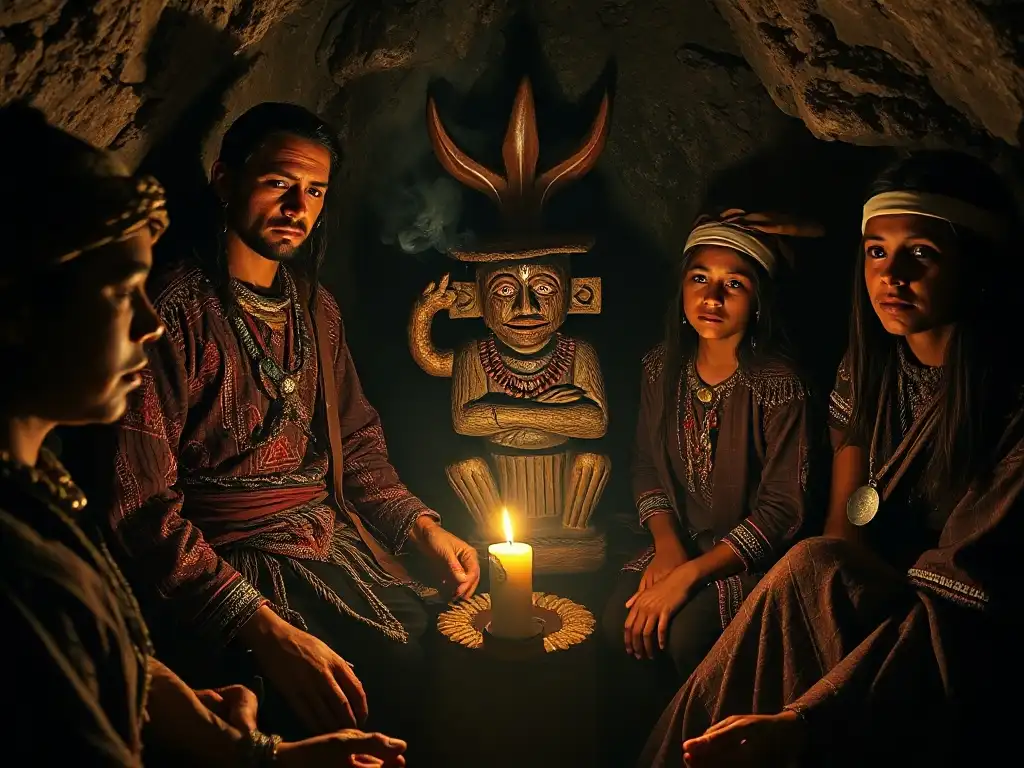
The Spanish conquest of the Andes drastically altered the religious landscape, aiming to supplant the complex pantheon of Andean deities with Catholicism. However, the deeply ingrained spiritual beliefs of the Andean people proved remarkably resilient. Rather than disappearing entirely, Andean deities and practices adapted, transforming and persisting in clandestine forms, a testament to the enduring power of indigenous faith.
The forceful imposition of Christianity didn't erase pre-existing beliefs; instead, it spurred a period of creative resistance and adaptation, pushing Andean spirituality underground, where it continued to flourish in hidden ways. This process, far from being a passive acceptance of a new faith, was an active and ongoing negotiation between two distinct belief systems.
The persistence of Andean deities, even in the face of brutal oppression, showcases the strength and enduring nature of indigenous cultures. The study of this "underground" religion reveals a complex interplay of suppression and survival, offering valuable insights into the resilience of Andean spiritual traditions.
The Strategies of Resistance: Hiding Andean Deities
The Spanish conquistadors actively sought to destroy all traces of Andean religious practices. Temples were razed, idols shattered, and priests persecuted. Facing such brutal suppression, Andean communities employed a variety of ingenious strategies to preserve their deities and beliefs. One common tactic was the concealment of sacred objects.
Idols and other religious artifacts were hidden in caves, underground chambers, or within domestic spaces, disguised as everyday objects. This clandestine preservation allowed for the continued veneration of deities, albeit in a more secretive manner. For example, archaeological evidence suggests that many small, portable idols were kept in homes, allowing for private worship and the continuation of ancestral traditions.
Another crucial strategy was the adaptation of symbols and rituals. Andean iconography was subtly incorporated into new, outwardly Catholic practices. This wasn't mere assimilation; it was a strategic act of preserving the essence of Andean religious beliefs within a seemingly acceptable framework.
This process, which we'll explore more fully in the next section, allowed for the continued expression of Andean spirituality without overtly challenging the Spanish authorities. The sheer ingenuity and resilience demonstrated by Andean communities in safeguarding their religious heritage is truly remarkable. The persistence of Andean deities in the face of such extreme pressure is a powerful testament to the strength of cultural identity and belief.
Syncretism: Blending Andean and Catholic Elements
The forceful imposition of Catholicism didn't result in a simple replacement of Andean deities with Christian saints. Instead, a complex process of syncretism emerged. This involved the blending of Andean and Catholic elements, creating a hybrid religious system that accommodated both sets of beliefs. For instance, the Virgin Mary, a central figure in Catholic faith, often became associated with the Andean earth goddess, Pachamama, inheriting some of her attributes and functions. This wasn't a mere superficial overlay; the syncretic process involved a deep intertwining of beliefs and practices, resulting in a uniquely Andean form of Catholicism.
This blending wasn't always straightforward. It involved a constant negotiation and reinterpretation of both belief systems. The process was often subtle, with Andean rituals and beliefs disguised within Catholic practices. For example, traditional Andean offerings might be incorporated into Catholic ceremonies, or indigenous prayers might be interwoven with Catholic hymns.
This creative adaptation allowed Andean communities to maintain their spiritual heritage while outwardly complying with the demands of the Spanish colonial regime. The persistence of Andean deities within this syncretic framework underscores the enduring power of indigenous spirituality in the face of colonial oppression. The resulting religious practices were, and continue to be, deeply nuanced and complex, showcasing the remarkable adaptability of Andean culture.
The Secret Practice of Andean Rituals in the Shadows
The suppression of Andean religious practices didn't lead to their complete eradication. Instead, many rituals continued in secrecy, often taking place at night or in remote locations, away from the watchful eyes of the Spanish authorities. These clandestine gatherings served as vital spaces for the preservation of Andean cultural heritage. The continued performance of these rituals, even under the threat of severe punishment, demonstrates the deep-rooted importance of Andean spirituality within the communities.
The nature of these secret rituals varied, ranging from private household ceremonies to larger, communal gatherings. Details about these practices are often scarce due to their clandestine nature, but historical accounts and ethnographic studies offer glimpses into the resilience of Andean religious traditions. These secret rituals served not only as a means of maintaining religious continuity but also as a form of resistance against colonial rule.
The continued veneration of Andean deities in these hidden spaces served as a powerful affirmation of cultural identity and a silent defiance of the imposed religious order. The persistence of these clandestine practices highlights the enduring power of indigenous spirituality and the lengths to which Andean communities went to preserve their cultural heritage. The legacy of these secret rituals continues to inform our understanding of the complex relationship between Andean spirituality and colonial power.
The Persistence of Andean Religious Traditions Today
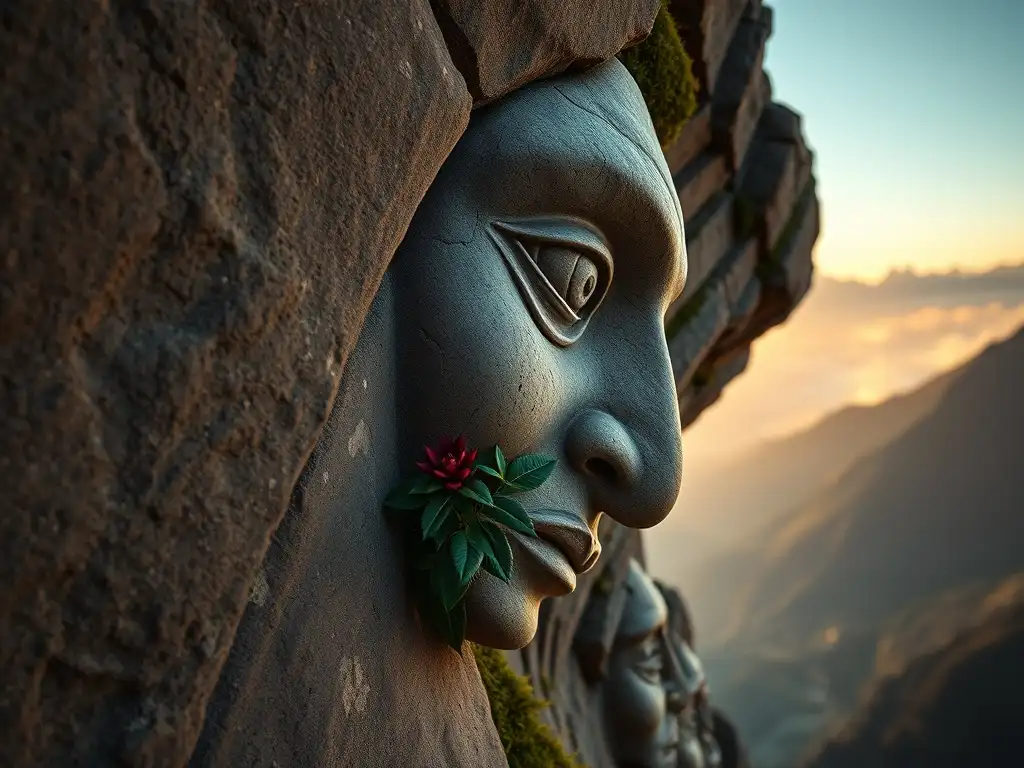
The arrival of the Spanish conquistadors in the Andes marked a brutal chapter in the history of Andean civilizations, aiming to eradicate indigenous religions and replace them with Catholicism. While the Spanish Crown implemented aggressive strategies to suppress Andean deities and beliefs, the complete annihilation of these deeply ingrained spiritual practices proved impossible. The Andean worldview, with its complex pantheon of gods and intricate cosmology, demonstrated remarkable resilience.
This section explores the enduring legacy of Andean religious traditions, highlighting their survival and transformation in the face of intense pressure. The keyword "Andean deities forced underground" reflects the reality of the situation, but the story is far more nuanced than simple suppression. It's a story of adaptation, resilience, and ultimately, a powerful resurgence.
The Resurgence of Indigenous Spirituality
The 20th and 21st centuries have witnessed a significant resurgence of indigenous spirituality throughout the Andes. This revival is not simply a nostalgic return to the past, but a dynamic process of reclaiming cultural identity and asserting political agency. Factors contributing to this resurgence include: growing indigenous political movements advocating for self-determination; increased access to education and resources allowing for the preservation and transmission of traditional knowledge; and a global interest in indigenous cultures and spiritualities.
This renewed interest in Andean deities is evidenced by the increasing number of individuals and communities actively practicing traditional rituals, ceremonies, and healing practices. For example, the celebration of Inti Raymi (the Inca festival of the sun) has seen a remarkable revival, drawing thousands of participants and highlighting the enduring power of Andean spiritual traditions. The revitalization isn't uniform across all Andean communities; the specific expressions and levels of resurgence vary greatly depending on factors such as geographic location, political context, and the specific indigenous group.
However, the overall trend indicates a powerful reclaiming of a spiritual heritage long suppressed. This is not merely a passive preservation but an active and vibrant re-engagement with ancestral beliefs and practices.
Contemporary Expressions of Andean Beliefs
Contemporary expressions of Andean beliefs are far from monolithic. They represent a complex interplay between traditional practices and modern contexts. While some communities maintain relatively intact traditional religious systems, others have integrated elements of Christianity or other belief systems, creating syncretic forms of spirituality.
This syncretism is not necessarily a sign of weakness or cultural dilution, but rather a testament to the adaptability and resilience of Andean religious traditions. The blending of indigenous and foreign spiritual elements showcases a creative response to historical and social changes. For example, the veneration of the Pachamama (Mother Earth) often incorporates Catholic saints and rituals, reflecting a seamless integration of different spiritual systems.
Furthermore, modern Andean spirituality often manifests in new forms, such as indigenous-led eco-tourism initiatives that incorporate spiritual elements, or contemporary art that draws inspiration from Andean mythology and cosmology. The diversity of these contemporary expressions underscores the dynamism and ongoing evolution of Andean religious beliefs, challenging simplistic narratives of cultural homogenization. These varied practices demonstrate the continuous relevance of Andean deities and their enduring influence on the lives of Andean people.
The Ongoing Struggle for Cultural Recognition
Despite the resurgence of Andean spirituality, the struggle for cultural recognition and the protection of indigenous religious practices continues. Challenges include the persistence of discrimination against indigenous peoples, the pressure to assimilate into dominant cultures, and the ongoing effects of colonialism on Andean societies. The fight for cultural recognition often involves advocating for legal protections for indigenous religious practices, challenging discriminatory policies, and promoting intercultural dialogue and understanding.
This struggle is not merely a fight for religious freedom; it is also a fight for the preservation of cultural heritage, linguistic diversity, and the self-determination of indigenous communities. The continued relevance of Andean deities is inextricably linked to the broader struggle for indigenous rights and the recognition of the inherent value of diverse cultural and spiritual expressions.
Achieving true cultural recognition requires not only legal frameworks but also a fundamental shift in societal attitudes towards indigenous cultures and spiritualities, acknowledging the enduring relevance of traditions that have survived centuries of oppression. This ongoing struggle underscores the importance of understanding the historical context of the suppression of Andean deities and the continued fight to reclaim and celebrate their enduring power.
The Legacy of the Silenced Gods
The Spanish conquest of the Andes drastically altered the religious landscape, forcing many Andean deities and beliefs underground. This wasn't simply a matter of replacing one pantheon with another; it was a systematic dismantling of a complex spiritual system deeply intertwined with Andean society. The impact reverberates even today, shaping cultural practices and influencing how we understand the past. The suppression wasn't merely a top-down imposition; it involved subtle and pervasive strategies designed to erase indigenous spiritualities.
The term "Andean deities forced underground" accurately reflects this process of forced assimilation and cultural erasure. The legacy of this suppression is multifaceted and deserves careful examination. We must move beyond simplistic narratives of conquest and explore the nuanced ways in which Andean religious traditions survived and adapted.
The Impact of Religious Suppression on Andean Culture
The forceful imposition of Catholicism profoundly impacted various aspects of Andean culture. Traditional rituals, ceremonies, and festivals, once central to community life, were either banned outright or subtly altered to incorporate Catholic elements. The worship of ancestral deities, like the Inca sun god Inti or the Pachamama (Mother Earth), was actively discouraged, often met with violence or imprisonment.
This suppression led to a syncretism—a blending of indigenous beliefs with Catholicism—where traditional practices were often disguised or incorporated into new, seemingly Catholic rituals. For example, certain offerings to Pachamama might be subtly integrated into Catholic celebrations of saints' days. This syncretism, while a survival mechanism, also resulted in a loss of original purity and understanding of the ancient practices.
The Spanish Crown's Requerimiento, a formal declaration demanding submission to the Spanish crown and the Catholic faith, exemplifies the aggressive nature of this religious imposition. The consequences were far-reaching, affecting not only religious practices but also social structures, artistic expression, and even agricultural practices. The loss of accurate, detailed records of pre-colonial Andean religious practices due to the destruction of temples and the suppression of oral traditions further complicates our understanding of this complex historical process.
The Importance of Preserving Andean Religious Heritage
Preserving the remnants of Andean religious heritage is crucial for several reasons. Firstly, it allows us to reconstruct a more complete and nuanced understanding of pre-Columbian Andean civilizations. The surviving fragments, often hidden in plain sight within syncretic practices, offer invaluable insights into their cosmology, social structures, and worldview. Secondly, preserving this heritage is essential for the cultural identity of contemporary Andean communities.
Many indigenous communities continue to practice adapted forms of their ancient religions, and understanding their roots is vital for maintaining their cultural continuity. Thirdly, the study of Andean religious beliefs offers a unique perspective on the complexities of religious syncretism and cultural adaptation in the face of colonization. By studying these processes, we can gain a deeper understanding of how cultures interact and evolve under pressure.
The systematic documentation and preservation of these traditions, including oral histories, archaeological findings, and ethnological studies, are therefore paramount. This effort requires a collaborative approach involving historians, anthropologists, archaeologists, and importantly, the Andean communities themselves. Failure to undertake such a project would represent a significant loss not only to academic knowledge but also to the rich cultural heritage of the Andes.
Understanding the Complexities of Colonial Religious Encounters
The colonial encounter between Spanish Catholicism and Andean religions was not a simple replacement of one belief system by another. It was a complex, dynamic interaction characterized by resistance, adaptation, and syncretism. The Spanish Crown's attempts at eradication were met with varying degrees of resistance, ranging from open rebellion to subtle acts of defiance. Indigenous populations often found ways to maintain their traditional beliefs, integrating them into the outwardly compliant expressions of Catholicism.
This resulted in a hybrid religious landscape where both Catholic and Andean elements coexisted, often intertwined in intricate and fascinating ways. Understanding these complexities requires moving beyond simplistic narratives of dominance and submission. We need to acknowledge the agency of indigenous populations in shaping the religious landscape of the colonial Andes.
The survival of Andean religious practices, often in disguised forms, demonstrates the resilience and adaptability of Andean culture in the face of immense pressure. Further research, including detailed analysis of surviving texts, archaeological evidence, and oral traditions, is needed to fully understand the intricacies of this historical period and its lasting impact on Andean religious practices. The study of Andean deities forced underground reveals a story of survival, adaptation, and the enduring power of cultural memory.
Frequently Asked Questions
What led to the suppression of Andean religious beliefs?
The arrival of the Spanish conquistadors in the 16th century brought about the forceful suppression of indigenous Andean religions. The Spanish imposed Catholicism, actively destroying temples and persecuting those who practiced traditional faiths. This resulted in a shift towards secrecy and syncretism.
How did Andean people maintain their religious practices despite suppression?
Andean communities cleverly adapted, practicing their beliefs in secrecy and often blending them with Catholicism. This syncretism, the blending of two religious traditions, allowed them to preserve their cultural heritage while outwardly complying with Spanish authorities. Hidden rituals and modified practices became commonplace.
What evidence exists to show the suppression of Andean deities?
Archaeological evidence reveals the destruction of temples and religious artifacts. Historical accounts from both Spanish chroniclers and indigenous sources detail the persecution of religious leaders and the suppression of religious practices. Oral traditions also passed down stories of forced conversions and hidden worship.
Were all Andean deities treated equally during the suppression?
No, the impact varied. While some deities were actively targeted due to their prominence or association with pre-colonial power structures, others persisted more readily in syncretic forms. The level of suppression depended on the specific deity and its perceived threat to Spanish authority.
Can we still see evidence of Andean deities today?
Yes, while many aspects were suppressed, elements persist. Syncretic practices blend Andean deities with Catholic saints; archaeological sites still hold clues to their beliefs; and modern Andean communities still hold onto many traditions and beliefs, albeit often adapted and reinterpreted.
Final Reflection: Echoes of the Andes: A Legacy of Resilience
The suppression of Andean deities wasn't merely a historical event; it's a living legacy shaping indigenous identities and spiritual practices today. The forced conversion and systematic dismantling of ancient belief systems left an enduring scar on the cultural landscape, a testament to the enduring power of faith even in the face of brutal oppression. Understanding this history is crucial to appreciating the complexities of modern Andean societies and the ongoing struggle for cultural preservation.
The silencing of the ancient gods didn't extinguish their influence; instead, it forced them underground, weaving their presence into the fabric of everyday life in subtle yet powerful ways. The syncretism that emerged – the blending of indigenous beliefs with Catholicism – is a poignant example of cultural adaptation and resistance. As the Peruvian writer Mario Vargas Llosa once noted, The past is never dead. It's not even past.
This rings profoundly true when considering the enduring spiritual power of the Andean deities, subtly influencing traditions, rituals, and even the very landscape itself.
Consider the echoes of these silenced gods in your own life. How do we, as individuals and as a society, grapple with the suppression of cultural heritage and the enduring power of belief? Let the story of the Andean deities serve as a reminder of the importance of preserving cultural diversity and respecting the rich tapestry of human spiritual experiences. Engage with the stories, learn from the resilience, and actively participate in the ongoing effort to ensure that the voices of the silenced are finally heard.
Unearth Your Connection to Andean Heritage!
Thank you for exploring the fascinating world of Andean deities and their enduring legacy. Your interest is crucial to preserving and celebrating the richness of these ancient beliefs. Let's deepen your connection to Andean heritage through meaningful actions.
- Visit local museums and cultural centers showcasing Andean art and history; consider volunteering to support their vital work!
- Engage with online and in-person communities dedicated to Andean culture. Share your insights and learn from others passionate about these traditions.
- Attend workshops and cultural events celebrating Andean heritage to learn more about the deities who shaped these vibrant civilizations.
Consider which aspects of Andean spirituality resonate most with you, and how you can integrate them into your daily life.