
The Stories They Tell: What Andean Metalwork Reveals About Daily Life

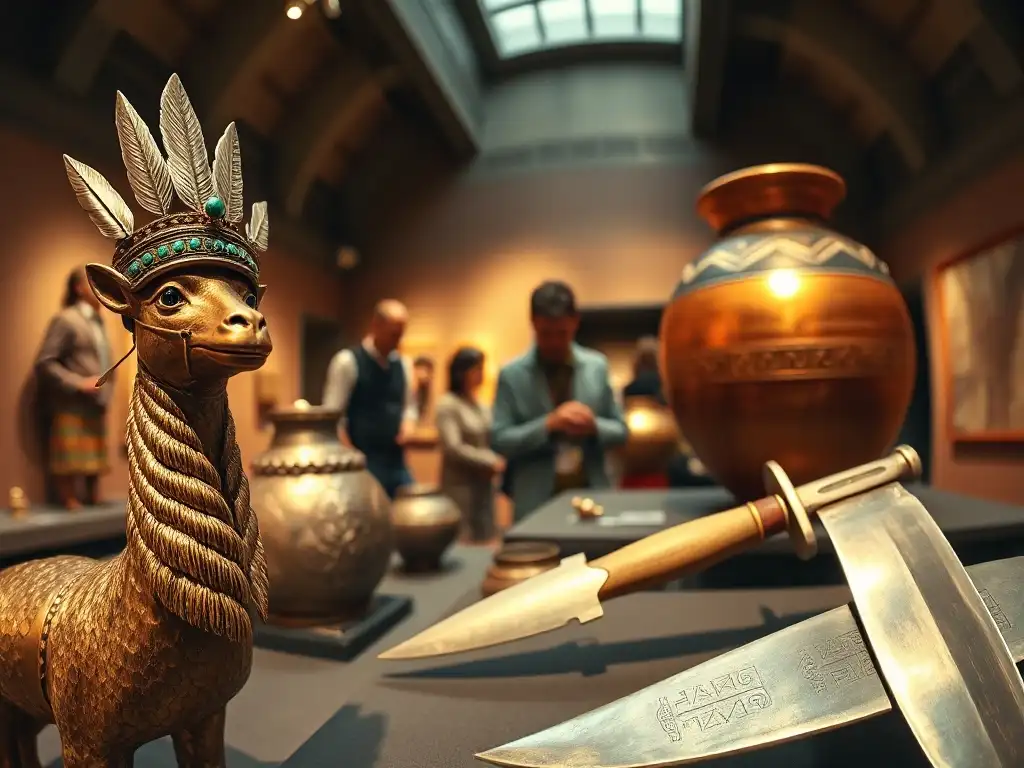
Step into a world lost to time, yet echoing with the whispers of ancient masters. Imagine the intricate artistry of Andean metalwork, shimmering with stories of a civilization that thrived amidst breathtaking landscapes. This is more than just history; it's a journey through time, revealing the secrets embedded within the dazzling artistry of the Incas, Moche, and other Andean cultures. Uncover the hidden narratives woven into every hammered detail in our exploration of Andean metalwork history – prepare to be amazed.
- Andean Metalwork History: Unveiling Daily Life Through Ancient Artifacts
- The Significance of Metal in Andean Civilizations
- Decoding Daily Life Through Andean Metal Artifacts
- Specific Examples of Andean Metalwork and Their Stories
- The Evolution of Andean Metalworking Through Time
- Preserving and Studying Andean Metalwork Heritage
- Frequently Asked Questions
- Final Reflection: Echoes of the Andes: A Legacy Forged in Metal
- **Unveil the Rich Tapestry of Andean Culture! **
Andean Metalwork History: Unveiling Daily Life Through Ancient Artifacts
The shimmering gold, the intricate silver, the subtly nuanced bronze – Andean metalwork isn't just aesthetically stunning; it's a window into the daily lives, beliefs, and social structures of the ancient civilizations that crafted it. This article delves into the fascinating history of Andean metalworking, exploring how these remarkable artifacts reveal details about everything from agricultural practices and trade networks to religious rituals and social hierarchies.
By examining the techniques, materials, and stylistic choices employed by Andean artisans, we gain a richer understanding of the complexities of these remarkable societies, illuminating aspects of their lives often overlooked in other historical records. From the pre-Inca cultures of the Moche and Nazca to the expansive Inca Empire, the legacy of Andean metalworking provides unparalleled insights into their vibrant past, making it a crucial element in understanding "Andean metalwork history."
This exploration will focus on how the artistry and craftsmanship reflect the daily realities of these ancient peoples, revealing a tapestry of human experience woven in precious metals.
The Materials: Sourcing and Significance
Andean metalworkers demonstrated remarkable skill in sourcing and utilizing a variety of metals. Gold, readily available in certain regions, was prized for its beauty and symbolic association with the sun and divinity. Silver, often found in conjunction with copper and other metals, was also highly valued and used extensively in both utilitarian and ceremonial objects.
Copper, readily available and easier to work with than gold or silver, formed the base for many alloys, particularly bronze, which allowed for the creation of stronger and more durable tools and weapons. The location of metal deposits significantly impacted trade routes and economic relations between different Andean communities. For instance, the control of gold mines likely contributed to the power and influence of certain groups, shaping the political landscape of the region.
The careful selection and combination of these metals reveal sophisticated metallurgical knowledge and a deep understanding of the material properties crucial for different applications. Moreover, the sourcing of these materials speaks volumes about the complex trade networks that connected distant Andean communities.
Techniques: From Hammering to Lost-Wax Casting
The techniques employed by Andean metalworkers were remarkably advanced for their time. Simple hammering and annealing were used to shape softer metals like gold and silver, while more complex techniques like lost-wax casting allowed for the creation of intricately detailed objects. This process, which involved creating a wax model, encasing it in clay, melting out the wax, and pouring molten metal into the resulting mold, demonstrates a high level of technical skill and planning.
The precision and artistry evident in many surviving pieces suggest a highly specialized workforce, with individuals possessing specific expertise in different aspects of the metalworking process. Furthermore, the use of various alloys and the incorporation of other materials, such as turquoise or shell, reveal a sophisticated understanding of metallurgy and a desire for aesthetic excellence. The development of these techniques over centuries illustrates a continuous process of innovation and refinement within Andean metalworking traditions.
Andean metalwork encompasses a vast array of objects, each reflecting a specific aspect of daily life. Simple tools like knives and needles reveal practical applications of metalworking in everyday tasks, highlighting its integration into agriculture, textile production, and other essential activities. Elaborate ceremonial objects such as gold masks and elaborate headdresses underscore the importance of metal in religious rituals and the power structures of Andean societies. Mirrors, often crafted from polished metals, suggest a preoccupation with self-reflection and perhaps divination.
The sheer variety of objects, from the mundane to the magnificent, reflects the diverse roles metal played in Andean society, encompassing both the practical and the sacred. The size, complexity, and ornamentation of these objects often correlated with social status, with the elite possessing the most elaborate and precious metalwork. The discovery of these items in burial contexts further emphasizes their social and religious significance.
The Legacy of Andean Metalwork: A Continuing Source of Inspiration
The legacy of Andean metalwork continues to inspire awe and admiration. The intricate designs, the technical mastery, and the cultural significance of these artifacts make them invaluable resources for understanding the rich history and complexity of Andean civilizations. Their enduring beauty and historical importance have made them highly sought after by collectors and museums worldwide.
However, their significance extends beyond mere aesthetic appreciation; they offer profound insights into the daily lives, beliefs, and social structures of the ancient Andean peoples, allowing us to connect with their past in a tangible and meaningful way. Further research and analysis of Andean metalwork promises to unveil even more secrets about these fascinating cultures, enriching our understanding of "Andean metalwork history" and its place within the broader context of human achievement. The study of Andean metalwork is a journey into a world of artistry, craftsmanship, and cultural significance.
The Significance of Metal in Andean Civilizations
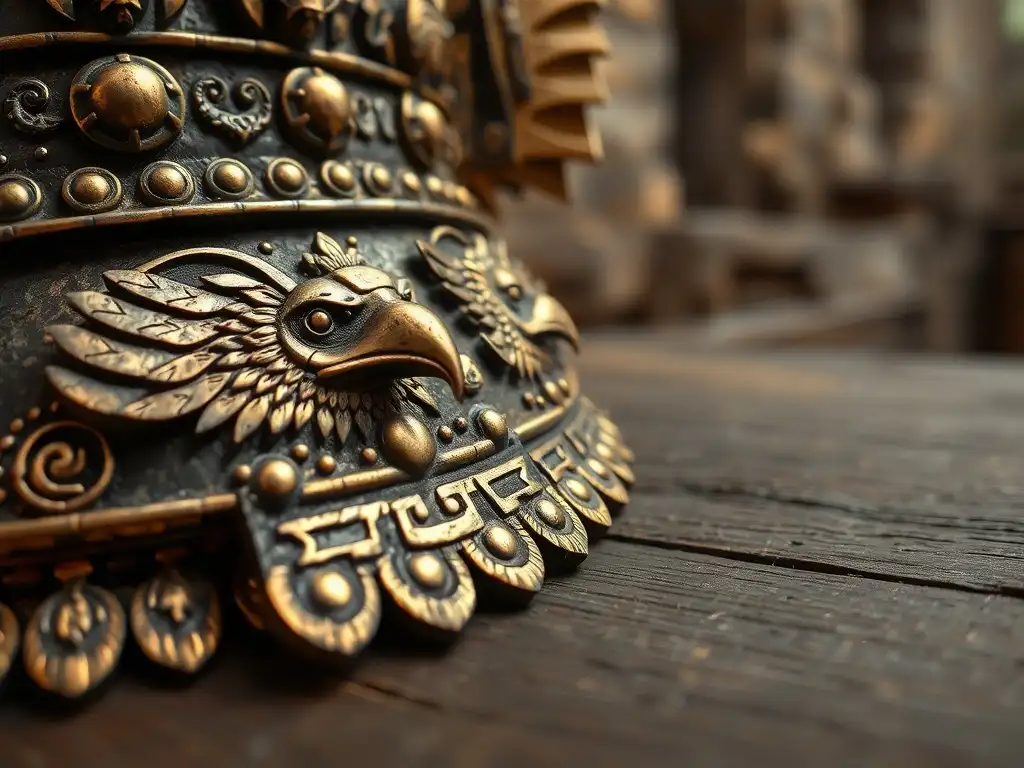
The discovery and mastery of metalworking profoundly impacted Andean societies, leaving an indelible mark on their history, culture, and daily lives. The transition from stone tools to metal implements represented a significant technological leap, enabling advancements in agriculture, warfare, and craftsmanship. Andean metalwork history is not simply a chronicle of technological progress; it's a rich tapestry woven with threads of social hierarchy, religious beliefs, and artistic expression.
The very presence of metal objects—from simple tools to elaborate ornaments—offers invaluable insights into the complexities of these ancient civilizations. Analyzing the types of metals used, the techniques employed, and the stylistic choices made allows us to reconstruct aspects of their social structures, economic systems, and spiritual worldviews. This section will delve into the specific ways Andean metalwork reveals details about daily life, providing concrete examples to illustrate the points.
Early Andean Metalworking Techniques and Materials
Early Andean metalworking, emerging around 1000 BCE in the northern Andes, initially focused on hammering and annealing—a process of heating and cooling the metal to soften it for shaping. Gold, silver, copper, and bronze were the primary metals utilized, with their availability varying across different regions. The earliest examples often exhibit a relatively simple aesthetic, prioritizing functionality over elaborate ornamentation. However, even these early pieces reveal a sophisticated understanding of metallurgical processes.
For example, the use of different alloys allowed for the creation of tools with specific properties. Copper, relatively soft, was often alloyed with tin or arsenic to create bronze, a harder and more durable material ideal for tools like axes and knives. The precise proportions of these alloys, often determined through careful analysis of surviving artifacts, provide clues about the technical expertise and knowledge transfer within Andean communities. Furthermore, the discovery of [specific information pending] regarding the sourcing of metal ores demonstrates the extent of trade networks and the importance of resource control in shaping social hierarchies.
The development of more advanced techniques, such as casting and lost-wax casting, marked a significant turning point. Casting allowed for the creation of more complex shapes and designs, opening up new avenues for artistic expression. The lost-wax method, in particular, showcases a remarkable level of skill and precision, enabling the production of intricately detailed figurines and jewelry.
Analysis of the molds and castings reveals not only the technical sophistication of the artisans but also their understanding of the properties of different metals and alloys. The meticulous attention to detail evident in these artifacts underscores the high value placed on craftsmanship within Andean societies.
Metal as a Symbol of Status and Power in Ancient Andes
Metalwork in the Andes was not merely utilitarian; it served as a powerful symbol of status and power. The use of precious metals like gold and silver, often reserved for elite members of society, underscored their privileged position. Elaborate gold and silver ornaments, such as diadems, breastplates, and ear spools, were worn by rulers and priests to signify their authority and divine connection.
The size, complexity, and the sheer quantity of metal used in these objects directly correlated with social standing. For example, the [specific information pending] discovered in [specific location pending] illustrates the extravagant use of gold to adorn royal figures, highlighting their immense wealth and power. Beyond individual adornment, metal played a crucial role in religious ceremonies and rituals. Gold and silver objects were frequently used as offerings to deities, emphasizing their sacred significance.
Further Evidence of Status and Power
The use of specific alloys, like tumbaga (a gold-copper alloy), also held symbolic meaning. The distinctive color and luster of tumbaga made it highly valued, further associating it with prestige and power. The intricate designs and iconography found on metal objects, often depicting deities, mythical creatures, or scenes from mythology, provided additional layers of meaning, reinforcing the social and religious significance of these artifacts. These objects weren't simply decorative; they were potent symbols of power, legitimacy, and spiritual authority.
Moreover, the control over metal resources and the production of metal objects provided a significant source of economic and political power. The ability to extract, refine, and craft metal goods gave certain groups a competitive advantage, allowing them to accumulate wealth and influence. The emergence of powerful states in the Andes, such as the Inca Empire, was directly linked to their control over crucial metal resources and their mastery of metalworking techniques.
The study of Andean metalwork, therefore, provides crucial insights into the development of complex social and political structures in the region. The intricate relationship between metalwork, power, and religious belief forms a compelling narrative within the broader context of Andean "Andean metalwork history".
Decoding Daily Life Through Andean Metal Artifacts
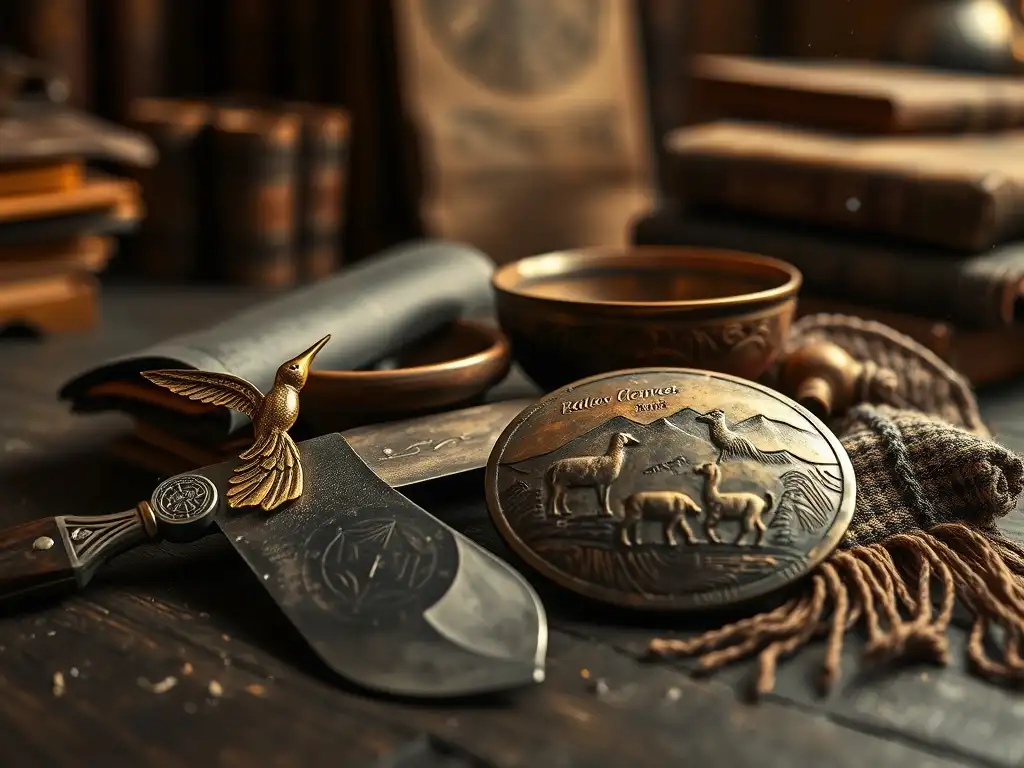
This section delves into the fascinating world of Andean metalwork, exploring how these meticulously crafted artifacts offer invaluable insights into the daily lives of ancient Andean civilizations. By examining the techniques, materials, and imagery employed, we can reconstruct a more complete picture of their agricultural practices, social structures, and religious beliefs. The study of Andean metalwork history reveals a sophisticated understanding of metallurgy, coupled with deeply ingrained cultural and spiritual values.
The sheer artistry and technical skill displayed in these objects are a testament to the ingenuity and creativity of these ancient cultures. The surviving pieces, though fragmented, whisper tales of a vibrant and complex past, enriching our understanding of Andean societies.
Agricultural Practices Reflected in Metal Tools and Implements
Andean metalwork wasn't solely dedicated to ornamentation. A significant portion of their metalworking skills was applied to the creation of tools crucial for their agricultural success. Analysis of surviving tools reveals a sophisticated understanding of agriculture and the environment.
For instance, the discovery of meticulously crafted bronze and copper sickles in various Andean sites indicates a high level of efficiency in harvesting crops like maize and quinoa. These tools, often featuring intricate designs, demonstrate a combination of practical functionality and artistic expression. The presence of miniature metal tools in some tombs suggests that these implements might have held symbolic significance beyond their practical use, possibly representing abundance and prosperity in the afterlife.
Furthermore, the types of metals used and the techniques employed in crafting these tools likely varied based on the specific agricultural needs of different regions. For example, [specific information pending] concerning the variations in metal composition and tool design across different Andean ecological zones would provide additional data supporting this hypothesis. The careful study of these variations can reveal important details about regional agricultural specialization and adaptation to diverse environments.
Andean jewelry, crafted from gold, silver, copper, and other precious metals, provides a unique window into the social hierarchy and identity of Andean societies. The intricate designs, the use of specific materials, and the sheer quantity of adornments often indicate social status and power. Elaborate gold and silver headdresses, for example, were typically reserved for elites, reflecting their high standing within the community. These pieces often featured symbolic motifs, such as birds, jaguars, and mythical creatures, further reinforcing their status and connection to the spiritual realm.
The use of specific metals and techniques also played a role in distinguishing social classes. [Specific information pending] regarding the preferential use of gold by elites versus the use of less precious metals by commoners would provide further evidence of this social stratification. Similarly, the complexity and detail of the designs on the jewelry could indicate the skill level of the artisan and the wealth of the individual who commissioned the piece.
The study of Andean jewelry therefore allows us to understand not only the aesthetic preferences of these societies but also their social structures and power dynamics. The sheer variety of styles and materials across different regions and time periods also highlights the diversity and dynamism within Andean cultures.
Metalwork and Ritual Practices: Exploring Religious Beliefs
Andean metalwork serves as a powerful testament to the deeply held religious beliefs of these ancient societies. Many artifacts clearly demonstrate a strong connection between the earthly and spiritual realms. The frequent depiction of deities, mythical creatures, and celestial bodies on metal objects suggests their importance in Andean religious cosmology. For example, the intricate gold and silver representations of the sun god Inti found in various royal tombs highlight the central role of sun worship in Inca religion. These objects were not merely decorative; they were powerful religious symbols used in rituals and ceremonies.
Moreover, the careful placement of metal artifacts within tombs and burial sites further reveals their religious significance. The presence of specific tools, jewelry, and other metal objects in these contexts suggests that these items were intended to aid the deceased in their journey to the afterlife. The use of specific metals, such as gold, which was believed to possess sacred properties, further emphasizes the spiritual value attributed to metalwork.
[Specific information pending] regarding the specific types of metal artifacts found in various burial contexts and their associated religious interpretations would provide a more detailed analysis. The study of Andean metalwork in this context illuminates the complex relationship between material culture and religious belief, offering crucial insights into the spiritual world of these ancient civilizations. The careful analysis of these objects helps us to reconstruct their beliefs, rituals, and understanding of the universe.
Specific Examples of Andean Metalwork and Their Stories
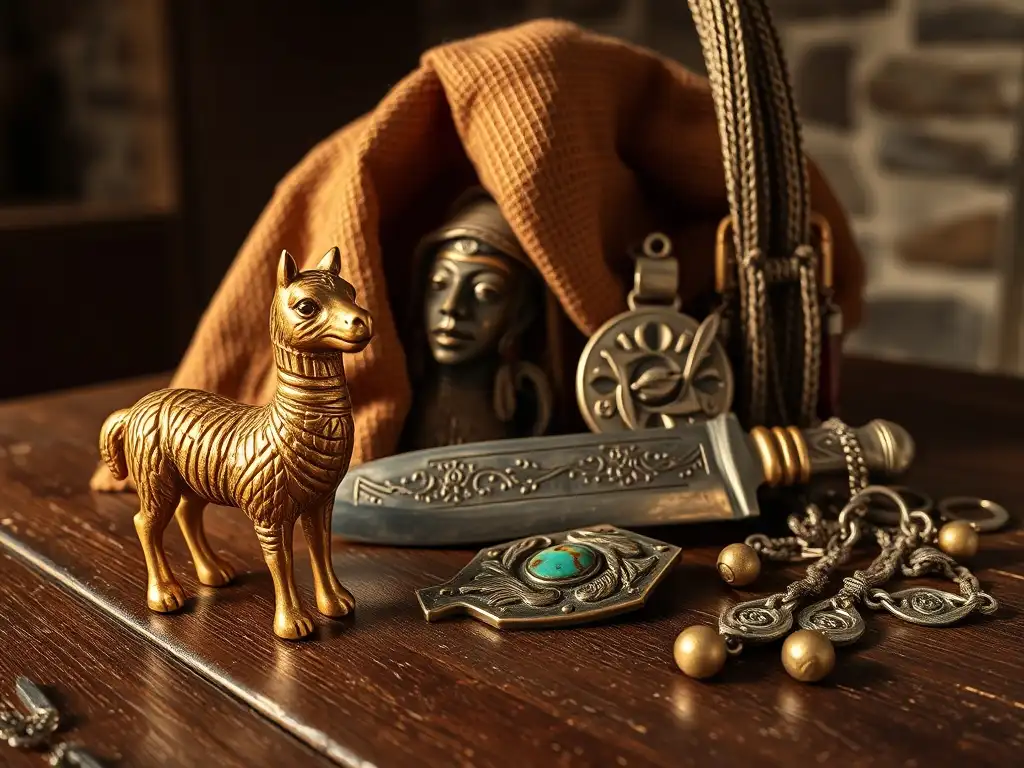
This section delves into the fascinating narratives embedded within the metalwork of several prominent Andean civilizations, showcasing how these artifacts illuminate aspects of daily life, religious beliefs, and social structures. Analyzing Andean metalwork history reveals a complex tapestry of artistic skill and societal organization. We'll explore specific examples, highlighting the unique techniques and symbolic representations characteristic of each culture. The artistry and technological prowess evident in these pieces provide invaluable insights into the lives of these ancient peoples.
Moche Goldworking: Depictions of Warriors and Deities
The Moche civilization (c. 100-800 CE) is renowned for its exquisite goldwork, often depicting scenes of warfare, ritual, and mythology. Moche goldsmiths demonstrated remarkable skill in hammering, repoussé (raising designs from the back), and soldering, creating intricate three-dimensional figures and finely detailed ornaments. Their mastery is evident in the preservation of minute details, even on small artifacts.
One striking example is the frequent depiction of warriors in elaborate headdresses and weaponry. These figures, often found in tombs alongside elite individuals, suggest a strong military hierarchy and the importance of warfare in Moche society. The level of detail in these pieces – the texture of clothing, the expression on the faces, even the intricate patterns on shields – reveals a deep understanding of human anatomy and artistic expression.
Conversely, other pieces depict deities and mythological creatures, highlighting the importance of religion and ritual in Moche culture. These representations, frequently found in ceremonial contexts, offer glimpses into the beliefs and practices of the Moche people. The symbolic meaning of specific motifs, such as feline figures or stylized birds, remains a subject of ongoing research, but their prominence suggests a deep connection between the Moche and the natural world.
The use of gold itself, a precious and rare material, further underscores the sacred significance of these objects. The sheer quantity of gold artifacts unearthed indicates the Moche’s advanced metallurgical techniques and their access to substantial gold resources.
Inca Silver Craftsmanship: Reflecting Imperial Power
The Inca Empire (c. 1438-1533 CE) mastered silverworking on an unprecedented scale, using the metal to symbolize imperial power and authority. Unlike the Moche, who primarily used gold, the Inca utilized vast quantities of silver, reflecting their control over extensive silver mines and their sophisticated mining and metallurgical techniques.
Inca silver craftsmanship is characterized by its elegant simplicity and refined forms. While lacking the elaborate detail of Moche goldwork, Inca silver objects possess a powerful aesthetic impact through their clean lines and skillful execution. Common forms include tupus (drinking vessels), kero (ceremonial cups), and various types of jewelry – all often showcasing intricate designs using repoussé and chasing techniques.
The widespread use of silver in Inca society extended beyond purely decorative purposes. Silver objects were used in religious ceremonies, as gifts to solidify alliances, and as rewards for loyal service. The sheer scale of Inca silver production and its strategic deployment across the empire underscores the Inca's centralized control and their ability to mobilize resources effectively.
The consistent style and high quality of Inca silverwork suggest a degree of standardization and centralized control over production, a hallmark of their imperial organization. The symbolic weight of silver in the Inca context – its association with the sun god and the emperor's power – is powerfully illustrated in the grandeur of surviving objects.
Tiahuanaco Bronze Technology and Everyday Objects
The Tiahuanaco culture (c. 500-1000 CE) is known for its advanced bronze technology, although less extensively studied than the goldwork of the Moche or the silverwork of the Inca. Their bronze objects, often less ornate than their gold or silver counterparts from other Andean cultures, offer a fascinating insight into the everyday lives of the people.
Unlike the precious metals, bronze was a more practical material, used for tools, weapons, and everyday objects. The Tiahuanaco mastered the lost-wax casting technique, allowing them to create complex shapes and intricate details. However, the focus was often on functionality rather than elaborate decoration. Analysis of these objects provides valuable information about Tiahuanaco agriculture, warfare, and daily routines. For example, the design and wear patterns on bronze tools can reveal details about farming techniques and the types of crops cultivated.
The prevalence of bronze weapons, such as spearheads and knives, indicates the importance of warfare or hunting in Tiahuanaco society. The surviving bronze objects provide a tangible link to the daily lives of the people, showing how metalworking was an integral part of their economy and culture. Further research into Tiahuanaco bronze technology and its associated stylistic features is needed to fully understand its significance within the broader Andean metalworking tradition.
Detailed chemical analyses of the bronze alloys could reveal valuable information about their sourcing of materials and manufacturing processes. The study of Andean metalwork history continues to unveil new insights into the ingenuity and cultural achievements of these ancient civilizations.
The Evolution of Andean Metalworking Through Time
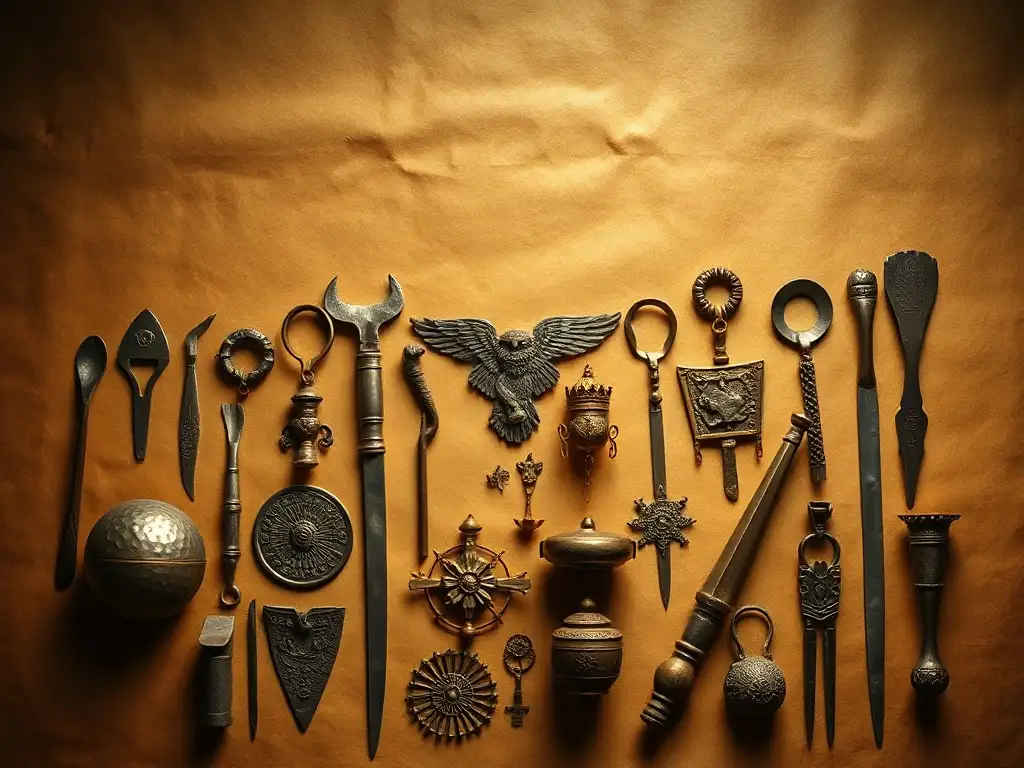
The artistry of Andean metalwork didn't spring forth fully formed. Instead, it evolved dramatically over centuries, reflecting technological advancements, shifting social structures, and expanding trade networks. Understanding this evolution is key to appreciating the sheer breadth and depth of Andean metalworking history. Early examples, dating back to the pre-Inca periods, showcase a remarkable ingenuity, considering the limited tools available.
These early artisans primarily used techniques like hammering, annealing (heating and cooling to soften the metal), and cold-working to shape their creations. Gold, silver, copper, and bronze were the metals of choice, each carefully selected based on its properties and intended use. The earliest metal objects were often simple, functional items – tools, ornaments, and small decorative pieces.
However, even these early examples display a growing understanding of metallurgical processes and aesthetic sensibilities. The development of sophisticated alloys, particularly tumbaga (a gold-copper alloy), marked a significant leap forward, allowing for a wider range of colors and increased durability. This innovation propelled the creation of more complex and elaborate pieces, laying the foundation for the masterpieces of later periods.
Innovations and Changes in Metalworking Techniques
The development of lost-wax casting, a remarkably advanced technique for its time, significantly impacted Andean metalworking. This process involved creating a wax model of the desired object, covering it in clay, melting out the wax, and then pouring molten metal into the resulting mold. This allowed for the creation of intricate, three-dimensional forms, far beyond the capabilities of earlier hammering and annealing techniques. The mastery of lost-wax casting is evident in the intricate details and complex shapes found in many pre-Columbian artifacts.
Furthermore, the use of repoussé and chasing—techniques involving hammering from the front and back to create relief designs—became increasingly sophisticated. This allowed artisans to create stunningly detailed figures, scenes, and patterns on metal surfaces. Evidence suggests that specialized workshops emerged, housing skilled artisans who honed their craft and passed down their techniques through generations.
The increasing complexity of the metalwork also reflects a growing division of labor, with some artisans specializing in specific techniques or materials, contributing to the overall production process. The evolution of these techniques demonstrates not only technical prowess but also a deep understanding of the properties of different metals and alloys. The ability to manipulate these materials with such precision speaks volumes about the sophisticated knowledge systems of Andean societies.
The Impact of Trade and Cultural Exchange on Metal Craft
The flourishing of Andean metalwork wasn’t isolated. Trade networks, stretching across vast distances, played a pivotal role in the dissemination of techniques, styles, and materials. The exchange of ideas and resources facilitated innovation and the development of unique regional styles. For example, the presence of certain alloys or decorative motifs in geographically distant locations suggests extensive trade routes and cultural interactions.
The movement of artisans themselves likely contributed to the spread of techniques and the blending of styles. This exchange was not simply a one-way street; rather, it fostered a dynamic interplay between different cultures, resulting in a rich tapestry of artistic expressions. We see clear evidence of this in the stylistic variations in metalwork across different Andean regions.
While certain techniques were widespread, regional preferences and artistic traditions often resulted in distinct styles and iconography, reflecting the unique cultural identities of each area. Analyzing the geographical distribution of specific metalworking styles helps reconstruct the complex trade networks that connected different Andean communities. The presence of exotic materials in certain artifacts, such as spondylus shells or obsidian, further highlights the extent of these trade connections and the importance of exchange in shaping Andean metalworking history.
The Legacy of Andean Metalwork in Contemporary Art
The legacy of Andean metalwork extends far beyond the pre-Columbian era. Contemporary Andean artists continue to draw inspiration from the rich traditions of their ancestors, incorporating ancient techniques and motifs into their own creations. This vibrant continuation of ancient practices demonstrates the enduring power and influence of Andean metalworking history. Modern artisans often use traditional methods alongside modern tools and materials, creating a unique blend of old and new.
This fusion of techniques results in stunning pieces that honor the past while also embracing contemporary aesthetics. The use of traditional Andean designs and motifs in contemporary art not only pays tribute to the artistry of past generations but also keeps these cultural heritage alive. Moreover, contemporary Andean metalwork often serves as a powerful vehicle for social commentary and cultural expression.
Artists use their craft to explore themes of identity, history, and social justice, creating works that are both aesthetically pleasing and deeply meaningful. The enduring appeal and relevance of Andean metalwork in contemporary art showcase the enduring power of these ancient traditions and their lasting impact on Andean culture. The ongoing exploration and adaptation of these techniques ensure that the stories told by Andean metalwork will continue to resonate for generations to come.
Preserving and Studying Andean Metalwork Heritage
This section delves into the crucial aspects of preserving and studying the remarkable legacy of Andean metalwork, a testament to the ingenuity and artistry of ancient Andean civilizations. Understanding the methods employed in its creation, the materials used, and the cultural context in which these objects were produced provides invaluable insights into the daily lives, beliefs, and social structures of these societies.
The enduring appeal of Andean metalwork lies not only in its aesthetic beauty but also in its capacity to illuminate a rich and complex past. The study of Andean metalwork history requires a multidisciplinary approach, incorporating archaeology, metallurgy, anthropology, and art history to fully appreciate its significance.
Archaeological Discoveries and Their Contributions
Archaeological excavations across the Andes have yielded a treasure trove of metal artifacts, significantly enriching our understanding of Andean metalwork history. Sites like Sipán in Peru, famous for its Moche Lord tombs brimming with exquisite gold and silver objects, have provided unparalleled insights into elite funerary practices and the sophisticated metalworking techniques employed. These discoveries offer tangible evidence of the complex social hierarchies present in Andean societies, with elaborate metalwork often reserved for the ruling classes.
Furthermore, the analysis of these artifacts reveals valuable information about trade networks and the exchange of raw materials across vast distances. For example, the presence of specific alloys or the use of exotic metals like gold, found far from their sources, indicates extensive trade routes and connections between different Andean cultures.
Detailed study of the metallurgical techniques, including casting, hammering, and gilding, employed in the creation of these objects provides further clues to the technological sophistication achieved by these ancient artisans. The discovery of workshops and associated tools provides further evidence of the specialized skills and knowledge required in Andean metalworking.
The sheer volume of artifacts unearthed, ranging from intricately crafted jewelry to elaborate ceremonial objects, underscores the widespread importance of metalwork in Andean societies. Each discovery contributes to a more nuanced and complete picture of Andean metalwork history, helping to fill gaps in our knowledge and refine existing interpretations. The meticulous documentation and analysis of these finds are crucial for ensuring the accurate preservation and interpretation of this invaluable heritage.
Challenges in the Conservation of Ancient Metal Artifacts
The preservation of Andean metal artifacts presents significant challenges due to the inherent fragility of the materials and the effects of environmental factors. The passage of time, exposure to the elements, and improper handling can lead to deterioration through corrosion, oxidation, and degradation. Gold, while relatively inert, is not immune to damage, particularly when alloyed with other metals.
Silver, on the other hand, is highly susceptible to tarnishing and corrosion. The presence of chlorides in the soil can accelerate the deterioration process, leading to the formation of brittle, powdery corrosion products. Furthermore, the use of inappropriate cleaning methods in the past has resulted in irreversible damage to many artifacts.
Addressing these challenges necessitates a multi-pronged approach. Careful excavation techniques minimize further damage during the recovery process. Specialized conservation laboratories employ advanced techniques, including electrochemical treatments and laser cleaning, to stabilize artifacts and remove corrosion products. The development and implementation of appropriate storage conditions, including controlled temperature and humidity, are crucial for long-term preservation.
Ongoing research into new conservation methods and materials is vital for ensuring that these irreplaceable artifacts are preserved for future generations. The conservation of Andean metalwork requires a delicate balance between scientific intervention and the preservation of the object's historical integrity. This ongoing battle against decay is essential for safeguarding a significant part of Andean heritage.
The Importance of Understanding Andean Metalwork for Future Generations
Understanding Andean metalwork history is not merely an academic pursuit; it holds profound significance for present and future generations. These artifacts offer a window into the past, revealing the creativity, ingenuity, and resilience of the Andean peoples. The study of Andean metalwork fosters a deeper appreciation for the rich cultural heritage of the region and promotes a sense of identity and pride among Andean communities. Moreover, the techniques and knowledge employed by ancient Andean metalworkers continue to inspire contemporary artisans and artists, enriching the artistic landscape of the present day.
The preservation and study of Andean metalwork also contribute to broader discussions about cultural heritage management and the ethical responsibilities of safeguarding these invaluable objects. By promoting responsible research and conservation practices, we can ensure that this remarkable legacy is passed on to future generations, allowing them to learn from the past and appreciate the enduring significance of Andean metalwork.
This intergenerational understanding ensures the continued relevance and appreciation of this vital piece of Andean cultural identity. The legacy of Andean metalwork is a powerful reminder of the enduring human spirit and the importance of preserving our shared cultural heritage.
Frequently Asked Questions
What is Andean metalwork?
Andean metalwork refers to the metalworking traditions of the ancient civilizations of the Andes Mountains, including the Incas, Moche, Nazca, and others. It encompasses a wide range of techniques and styles used to create objects from gold, silver, copper, and bronze.
What materials did Andean cultures primarily use for metalwork?
The Andean cultures primarily used gold, silver, copper, and bronze, often combining them in intricate alloys to achieve specific colors and properties. They also incorporated precious stones and other materials into their metalwork.
How did Andean metalworking techniques evolve over time?
Andean metalworking techniques evolved significantly over centuries, progressing from simpler hammering and casting to highly sophisticated lost-wax casting and intricate repoussé work, reflecting advancements in technology and artistic expression.
What did Andean metalwork reveal about their daily life?
Andean metalwork reveals much about daily life, showing social hierarchies, religious beliefs, and economic activities. Objects like tools, jewelry, and ceremonial items illuminate their social structures and rituals.
How did the Incas' metalworking differ from other Andean cultures?
While the Incas continued and refined existing techniques, their metalwork often featured larger-scale pieces and a more standardized style compared to earlier cultures. Their imperial power is reflected in the grandeur and uniformity of their metal artifacts.
Final Reflection: Echoes of the Andes: A Legacy Forged in Metal
The intricate artistry of Andean metalwork isn't merely a relic of the past; it's a vibrant testament to human ingenuity and resilience that continues to resonate in contemporary society. The techniques, the motifs, the very objects themselves speak volumes about the ingenuity and societal structures of past Andean civilizations, offering invaluable insights into their daily lives, beliefs, and artistic expressions that remain relevant and inspiring today.
The enduring power of Andean metalwork lies not only in its aesthetic beauty but also in its ability to connect us to a rich and complex history. These artifacts, often imbued with symbolic meaning and crafted with meticulous detail, serve as powerful reminders of the interconnectedness of past and present. The past is never dead. It's not even past.
– William Faulkner. This quote perfectly encapsulates the enduring legacy of Andean metalwork; its influence continues to shape our understanding of pre-Columbian cultures and inspires contemporary artists and researchers alike. The stories these objects tell are far from silent; they continue to shape our narratives and perspectives.
Consider the intricate detail, the masterful craftsmanship, the stories whispered in the alloys. You, the reader, are now part of this ongoing conversation. Take a moment to reflect on the human stories embedded within each piece, the lives lived, the beliefs held, the artistry expressed.
Let the echoes of the Andes inspire you to seek out the stories hidden in the objects around you, to appreciate the enduring power of human creativity, and to recognize the rich tapestry of human experience that stretches across time and cultures. Let the legacy of Andean metalwork ignite your own curiosity and inspire you to delve deeper into the stories that shape our world.
**Unveil the Rich Tapestry of Andean Culture! **
Thank you for joining us on this journey through the fascinating world of Andean metalwork! We hope you've discovered how these stunning artifacts illuminate the lives and beliefs of ancient Andean civilizations. Now, let's explore ways to further engage with this captivating subject.
Here are some suggestions for deepening your understanding:
- **Visit a local museum** to examine Andean artifacts firsthand. Seeing these pieces in person provides a powerful connection to their cultural significance and artistry.
- **Participate in online forums or local history group discussions** to share your knowledge and connect with other enthusiasts. Engaging with others broadens your perspective and fosters a deeper appreciation.
- **Create your own artwork inspired by Andean metalwork** as a personal tribute to the skill and cultural heritage of the Andean people. This hands-on approach can bring your learning to life.
Which aspect of Andean life most captivates you, and how do you see parallels between their experiences and our own?