
Moche Art and Textiles: Interconnections Between Art Forms

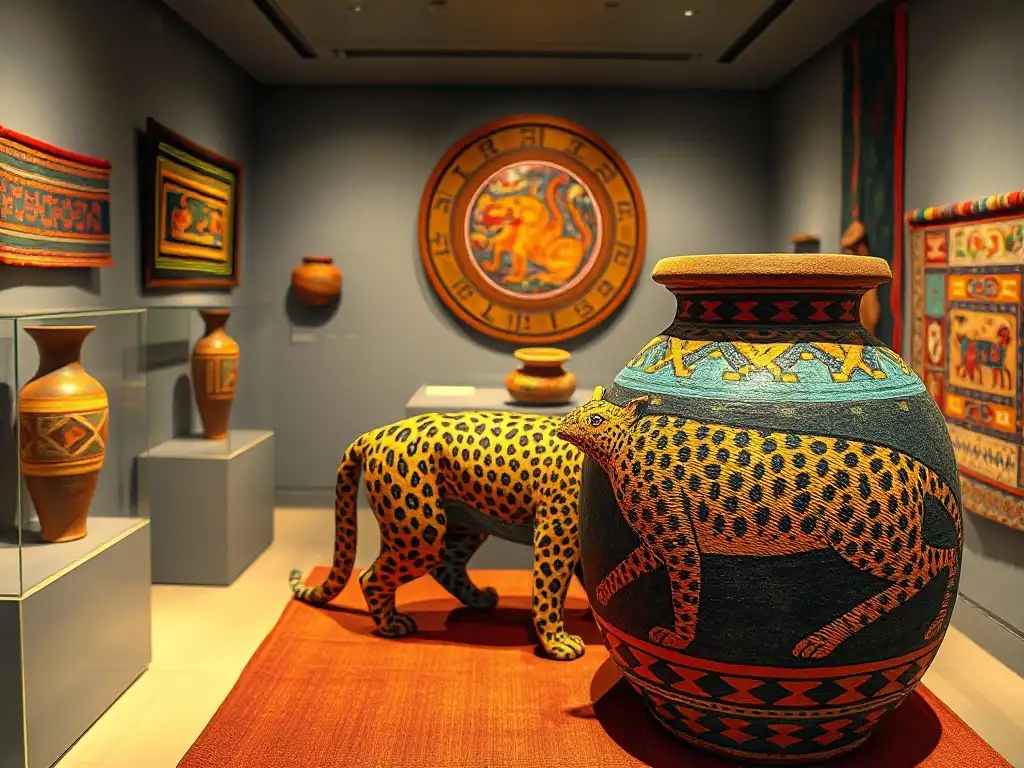
Unravel the mysteries of a lost world. Journey into the heart of the Andes and discover a vibrant tapestry of ancient cultures, from the Incas to the enigmatic Moche. But what secrets do the intricate threads of Moche textiles hold? Prepare to be captivated by their artistry and the profound stories woven into their very fabric – delve into the fascinating world of Moche textiles art history and unlock the interconnections between their remarkable art forms.
The Moche civilization (circa 100-800 CE), flourishing along the northern coast of Peru, left behind a remarkable legacy of artistic expression. While their elaborate ceramics are often the first image that comes to mind, the Moche also excelled in textile production, creating intricate and vibrant fabrics that reveal fascinating insights into their worldview, social structures, and daily life. This article delves into the captivating world of Moche textiles, exploring their intricate designs, techniques, and the significant interconnections between these textiles and other forms of Moche art, particularly their renowned ceramics.
We'll uncover how the study of Moche textiles significantly enhances our understanding of their art history and provides a richer tapestry of their cultural achievements. Understanding the nuances of Moche textile art history allows us to appreciate the sophistication and complexity of this remarkable civilization.
The Materials and Techniques of Moche Textile Production
Moche textile production was a sophisticated process, demonstrating a high level of technical skill and artistic innovation. The artisans utilized a variety of natural fibers, primarily cotton, which thrived in the coastal climate. They also incorporated other fibers like camelid wool (llama and alpaca), adding texture and warmth to their creations.
Evidence suggests the use of complex techniques including plain weave, tapestry weave, and weft-faced techniques. These techniques allowed for the creation of intricate patterns and designs, ranging from geometric motifs to representations of flora, fauna, and even mythological figures. The dyes used were derived from natural sources, resulting in a striking range of vibrant colors which, remarkably, have often survived the passage of centuries.
Further research is needed to fully understand the precise methods of dye preparation and application employed by the Moche artisans, but the enduring vibrancy of their colors speaks to the quality of their materials and techniques. The durability of some Moche textiles unearthed in remarkably well-preserved tombs also points towards a deep understanding of both fiber selection and preservation techniques.
Iconographic Parallels Between Moche Textiles and Ceramics
A striking feature of Moche art is the recurring imagery found across different mediums. The motifs and figures frequently depicted on their ceramics—such as deities, mythical creatures, scenes of warfare or ritual, and depictions of daily life—find their counterparts in the designs woven into their textiles.
For example, the iconic Moche deity often portrayed in a seated position, adorned with elaborate headdresses and regalia, appears in both ceramic vessels and woven fabrics. This repetition of iconography across different art forms underscores the importance of these images within the Moche worldview and their significance in conveying cultural and religious beliefs.
The consistent use of similar stylistic elements, such as the distinctive Moche facial features and body ornamentation, further strengthens the interconnectedness between these artistic expressions. Detailed comparative analyses of specific motifs and their stylistic variations across ceramics and textiles are ongoing, promising to shed further light on the complex relationship between these art forms.
The presence of elaborate textiles within Moche tombs suggests a significant social and ritual role for these artifacts. Many examples of finely woven textiles have been discovered buried alongside elite individuals, indicating that textiles served as markers of status and wealth. The intricate designs and the high quality of the craftsmanship further support this interpretation.
The use of specific motifs or colors may have held symbolic meaning, reflecting the social standing or religious affiliations of the deceased. In some cases, textiles appear to have been used in rituals, potentially as offerings or as part of ceremonial attire.
The discovery of textiles associated with specific rituals, such as those involving warfare or religious ceremonies, provides valuable insight into the ways in which textiles were integrated into the social and religious fabric of Moche society. Further investigation into the context of textile discoveries within burial sites is crucial to better understand their ritual significance.
The Ongoing Study and Preservation of Moche Textiles
The study of Moche textiles is an ongoing field of research, with new discoveries and analyses constantly refining our understanding of their production, use, and cultural significance. The fragility of these ancient artifacts necessitates careful preservation techniques, which are crucial to ensuring the longevity of these invaluable pieces of cultural heritage.
Modern scientific analysis, including techniques like fiber analysis and pigment identification, is providing valuable insights into the materials and techniques employed by the Moche artisans. These advancements are also contributing to a more nuanced understanding of the Moche worldview and their artistic practices.
The ongoing collaborative efforts between archaeologists, textile conservators, and art historians are crucial in preserving and interpreting this remarkable aspect of Moche culture, ensuring that future generations can appreciate the artistry and ingenuity of these ancient Andean weavers. The careful study and preservation of Moche textiles are essential to unlock the secrets they hold about this fascinating civilization.
- The Materials and Techniques of Moche Textile Production
- Iconographic Parallels Between Moche Textiles and Ceramics
- Social and Ritual Significance of Moche Textiles
- The Ongoing Study and Preservation of Moche Textiles
- What makes Moche textiles so unique?
- How did the Moche create such vibrant colors in their textiles?
- What are some common motifs found in Moche textile art?
- What is the relationship between Moche textile art and other art forms?
- How has the study of Moche textiles advanced our understanding of their history?
The Significance of Moche Textiles in Andean Art History
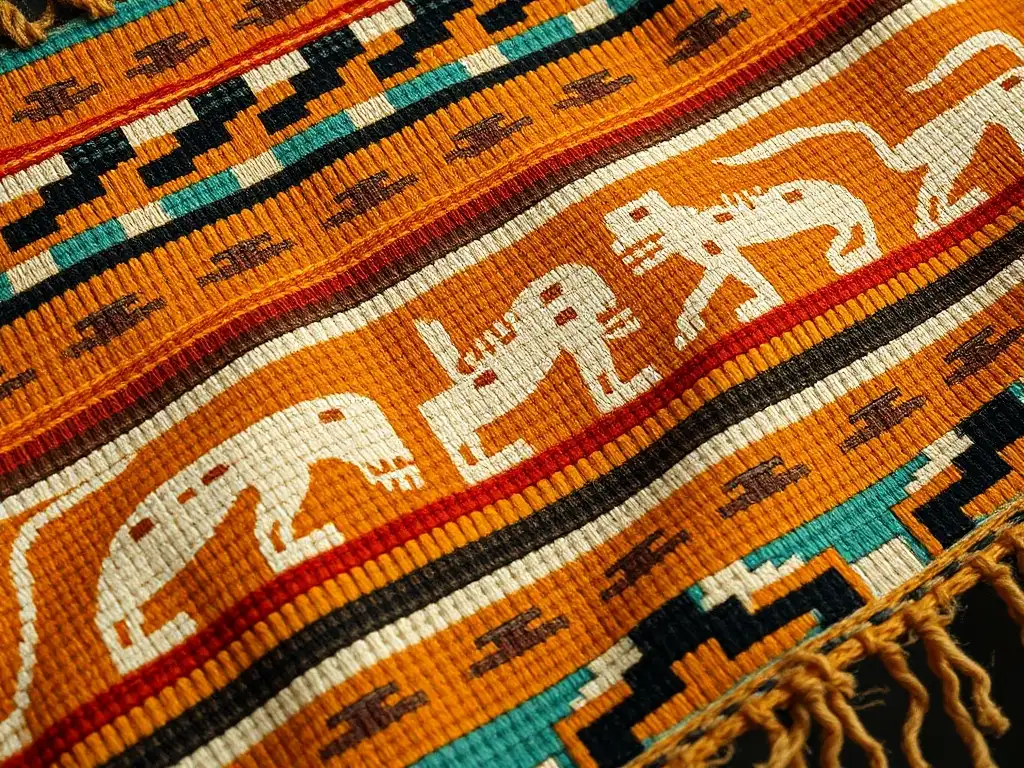
The Moche civilization (c. 100 – 800 CE), renowned for its exquisite ceramics, also possessed a sophisticated textile tradition that significantly contributes to our understanding of Andean art history. While ceramic artifacts have dominated archaeological findings, the surviving fragments of Moche textiles reveal a vibrant artistic expression reflecting social structures, religious beliefs, and daily life.
These textiles, often discovered in burials and associated with elite individuals, provide crucial insights into Moche artistry that complement and enrich the narrative provided by their famous pottery. The study of Moche textiles offers a unique perspective on the Moche worldview, their technical prowess, and the intricate connections between various art forms within their culture.
The preservation challenges associated with organic materials mean that fewer examples survive compared to ceramics, but the extant pieces are incredibly valuable and increasingly important to Moche textiles art history. Understanding the techniques, materials, and iconography present in these textiles offers a more complete picture of the Moche people and their artistic achievements.
Understanding Moche Art: Beyond Ceramics
The Moche are often primarily associated with their polychrome pottery, characterized by intricate scenes depicting rituals, warfare, and daily life. However, a comprehensive understanding of Moche art requires examining other mediums, most notably textiles. These textiles showcase a distinct artistic language, often employing similar motifs and iconography found in their ceramics, but with unique stylistic choices influenced by the material itself.
For instance, while ceramic vessels often feature bold, flat colors, Moche textiles utilize a wider range of techniques, including tapestry weaving, embroidery, and resist dyeing, to create complex textures and nuanced color palettes. Many surviving fragments exhibit intricate patterns, geometric designs, and stylized representations of animals and deities, mirroring themes seen in the ceramic art but offering a different aesthetic interpretation.
This interconnectedness between ceramic and textile art suggests a holistic artistic vision within Moche society, where different mediums were used to express similar themes and beliefs. The analysis of both ceramic and textile art allows for a richer, more nuanced understanding of Moche iconography and symbolism.
The Role of Textiles in Moche Society and Culture
Moche textiles played a significant role in the social and cultural fabric of the civilization. Evidence suggests that textile production was a specialized craft, likely undertaken by skilled artisans. The intricacy and quality of surviving textiles indicate a high level of technical expertise and artistic skill, suggesting a stratified society where specialized labor was valued. Textiles served a variety of functions, including clothing, ritual objects, and grave goods.
The presence of elaborate textiles in elite burials highlights their importance in the Moche worldview, possibly symbolizing status, power, and connection to the spiritual realm. The motifs found on these textiles, such as stylized felines, birds of prey, and supernatural beings, often reflect Moche religious beliefs and mythology, providing valuable insights into their cosmology. Furthermore, the use of specific colors and patterns may have held symbolic meaning within Moche society, signifying social rank, clan affiliation, or participation in specific rituals.
Further research into the dyes and fibers used in Moche textiles could reveal additional information about their trade networks and economic practices. The study of Moche textiles thus offers a window into the social hierarchy, religious practices, and daily life of this remarkable civilization. The combination of archaeological evidence and careful analysis of the surviving textiles continues to illuminate the rich tapestry of Moche culture and its place within Andean textiles art history.
Moche Textile Techniques and Materials
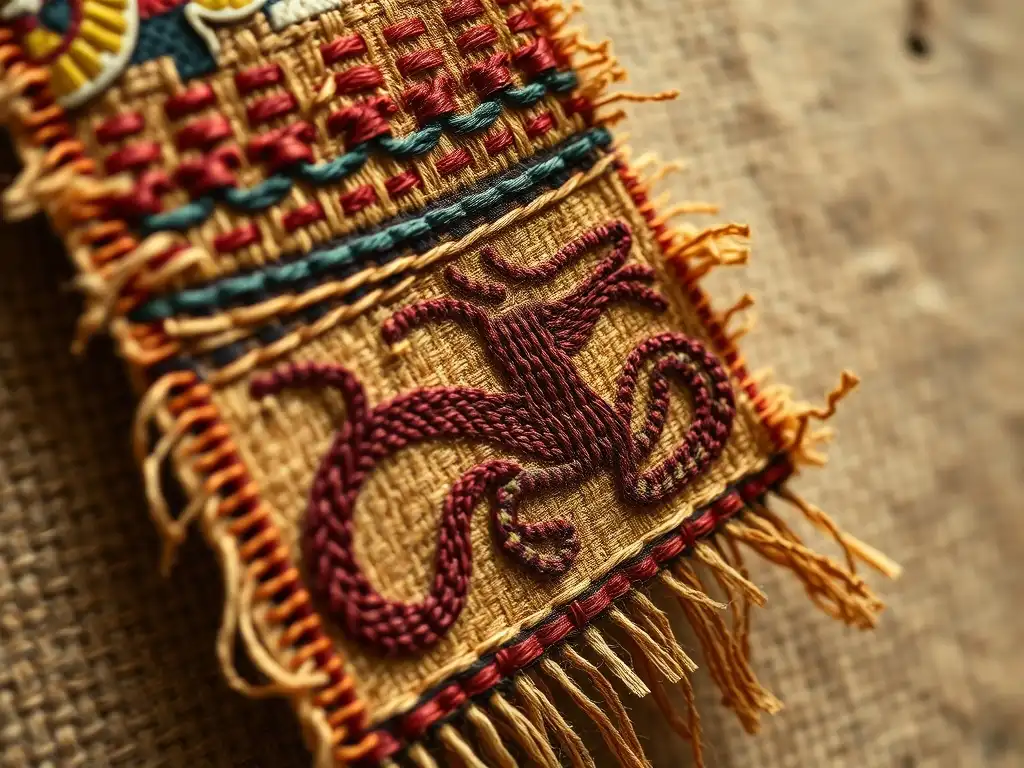
The study of Moche textiles offers a captivating glimpse into the sophisticated artistry and technological prowess of this ancient Andean civilization. While ceramic artifacts are more readily available for study, surviving textile fragments reveal a remarkable level of skill and innovation in weaving techniques, comparable to their mastery of pottery. Understanding the techniques employed is crucial to appreciating the artistry and cultural significance embedded within these often-fragmented relics. The keyword "Moche textiles art history" is strongly associated with this intricate craftsmanship.
The Intricate Weaving Methods of the Moche
Moche weavers employed a variety of techniques, demonstrating a mastery of both simple and complex methods. Evidence suggests the prevalent use of plain weave, a fundamental technique involving the interlacing of warp and weft threads at right angles. However, they also mastered more intricate techniques such as brocading, which allowed for the incorporation of supplementary weft threads to create elaborate patterns and designs. This technique, demanding significant skill and patience, reveals the high status of textile production within Moche society.
Furthermore, the use of tapestry weave, where different colored weft threads are manipulated to create detailed images within the fabric, is also evident in surviving fragments. The precision and control displayed in these fragments suggest specialized training and potentially a guild-like system for textile production. Analysis of surviving textile samples indicates a high degree of skill in manipulating threads to create both geometric and representational designs.
Natural Dyes and Pigments Used in Moche Fabrics
The vibrant colors found in surviving Moche textiles are a testament to their sophisticated understanding of natural dyes and pigments. These dyes were derived from a variety of plant and animal sources, reflecting the rich biodiversity of the Andean region. For example, the deep reds were likely obtained from cochineal insects, while yellows came from various plants like Bixa orellana (achiote).
Blues and indigos were likely derived from plants such as Indigofera suffruticosa, showcasing their botanical knowledge and expertise in dye extraction and application. The remarkable longevity of these colors, despite the passage of centuries, speaks to the effectiveness of their processes.
Further research is needed to fully identify all the plant and insect sources utilized, but existing analyses already indicate a sophisticated understanding of color manipulation and dyeing techniques among the Moche. The use of specific colors likely held symbolic meaning within Moche culture, though further research into iconography is required to fully elucidate this aspect.
Raw Materials: Cotton, Alpaca Wool, and Other Fibers
The raw materials used in Moche textile production reflect the available resources of the region. Cotton, grown extensively along the coastal valleys, was a primary fiber, prized for its softness and absorbency. Alpaca wool, prized for its warmth and durability, was also widely used, particularly in garments intended for colder climates or ceremonial use.
The use of other fibers, such as llama wool and possibly even camelid hair, cannot be completely ruled out, but further analysis of textile fragments is needed to confirm their presence. The selection of fibers likely depended on the intended use of the textile – fine cotton for intricate ceremonial garments, and alpaca wool for sturdy everyday clothing. The quality of the fibers used, combined with the advanced weaving techniques, contributed to the longevity and durability of Moche textiles.
The careful selection of materials underscores the Moche's understanding of the properties of different fibers and their adaptability in textile production, a crucial element in their "Moche textiles art history". The availability of these materials and their skillful manipulation are key components in the rich tapestry of Moche art and culture.
Moche Textile Iconography: A Visual Language
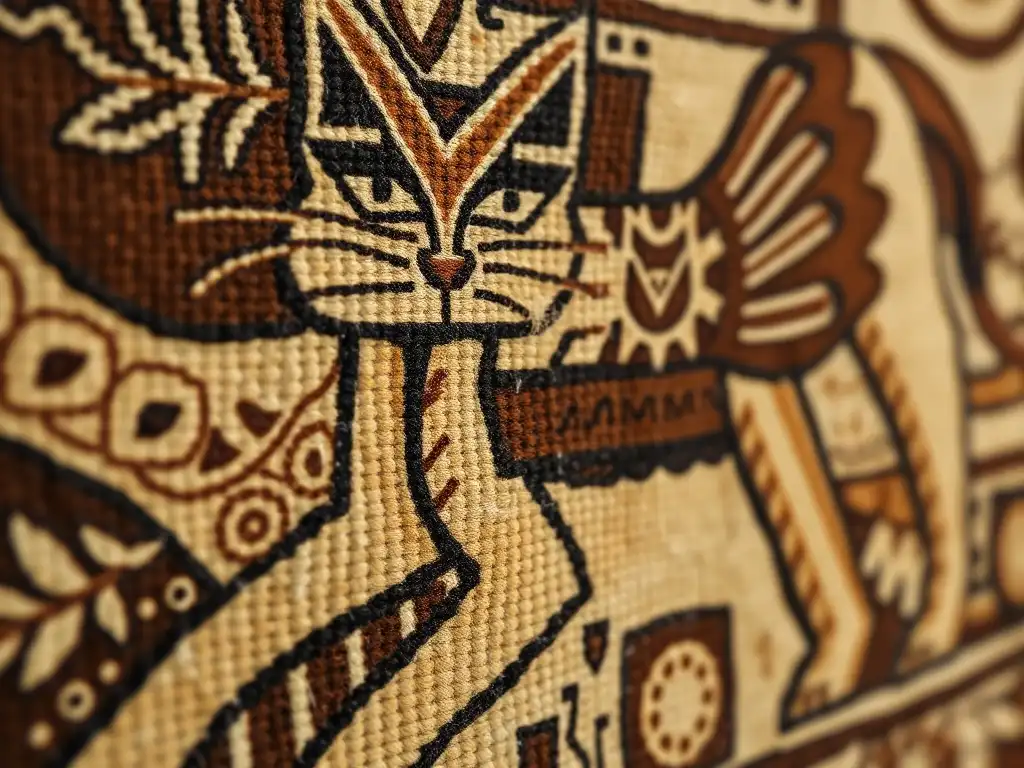
The Moche civilization, flourishing along the northern coast of Peru from approximately 100 CE to 800 CE, left behind a rich legacy of artistic expression. While their ceramics are perhaps more widely known, their textiles offer a captivating window into their worldview, beliefs, and daily life. Moche textile iconography, often intricately woven into fabrics using techniques like tapestry and weft-faced plain weave, provides a visual language rich in symbolism and narrative.
Understanding this visual language requires careful study of recurring motifs, the representation of deities and mythology, and the use of textiles as narrative tools. This section explores the fascinating interplay between these elements within the context of Moche art and textile history.
The study of Moche textiles offers a unique perspective on their complex society and artistic achievements, complementing the information gleaned from their celebrated ceramics. Analyzing the iconography embedded within these textiles helps us unlock a deeper understanding of Moche "textiles art history."
Recurring Motifs in Moche Textile Art
Several motifs appear repeatedly in Moche textile art, suggesting their significant cultural importance. These recurring images are not merely decorative elements but rather symbolic representations laden with meaning. For instance, the depiction of stylized felines, often associated with power and divinity in Andean cultures, is prevalent. These feline figures, sometimes depicted in combat or ritualistic contexts, might represent specific deities or embody powerful forces within the Moche cosmology. Similarly, representations of birds, particularly raptors, are common, perhaps symbolizing the connection between the earthly and spiritual realms.
Another frequently encountered motif is that of serpents, often intertwined and forming complex patterns. These serpentine forms may symbolize fertility, water sources crucial for survival in the arid coastal region, or the cyclical nature of life and death. The precise meaning of these motifs remains a subject of ongoing scholarly debate, but their repeated appearance in Moche textiles underscores their profound cultural significance.
Further research, particularly focused on comparing textile motifs with those found in ceramic art and other media, is needed to fully understand the nuances of their meaning. Detailed analysis of the color palettes and weaving techniques used in these representations could reveal further insights into their symbolic importance within Moche "textiles art history."
The Representation of Moche Deities and Mythology in Textiles
Moche textiles frequently depict figures that are likely representations of their deities and mythological beings. While the identification of specific deities remains challenging due to the lack of written records, the iconography suggests a pantheon of powerful figures. For example, certain textiles feature anthropomorphic figures with elaborate headdresses and regalia, possibly representing supreme deities or rulers holding divine authority. These figures often appear in scenes that might depict rituals, ceremonies, or mythological narratives.
The portrayal of these deities and mythological events in textiles provides invaluable insights into the Moche religious worldview. Unlike ceramics, which often depict scenes of sacrifice or warfare, textiles seem to offer a more nuanced perspective, potentially portraying aspects of Moche mythology not fully explored in other art forms. The use of vibrant colors and intricate weaving techniques further emphasizes the importance and sacredness of these depictions.
The study of these textile representations is crucial for a comprehensive understanding of Moche religion and its role in shaping their society. Further investigation into the specific attributes and contexts in which these figures appear is crucial to unraveling their significance within the broader context of Moche "textiles art history."
Moche Textiles as Narrative Tools
Beyond representing individual motifs and deities, Moche textiles also function as narrative tools, depicting complex scenes and stories. Some textiles feature intricate depictions of hunting scenes, agricultural activities, or ceremonial processions. These scenes offer glimpses into the daily life and social structures of the Moche people. The detailed representation of individuals, their clothing, and the tools they use provides valuable ethnographic information.
The use of textiles as a narrative medium is particularly striking when considering their portability. Unlike monumental architecture or large-scale ceramic pieces, textiles could be easily transported and shared, potentially serving as a means of disseminating stories and cultural knowledge across different Moche communities. This portability suggests a significant role for textiles in the transmission of cultural knowledge and the reinforcement of shared Moche identity.
The study of these narrative textiles offers a unique opportunity to understand how the Moche people perceived and recorded their history and worldview. Further investigation into the specific narratives represented and their potential connection to other aspects of Moche culture is necessary for a complete understanding of Moche "textiles art history."
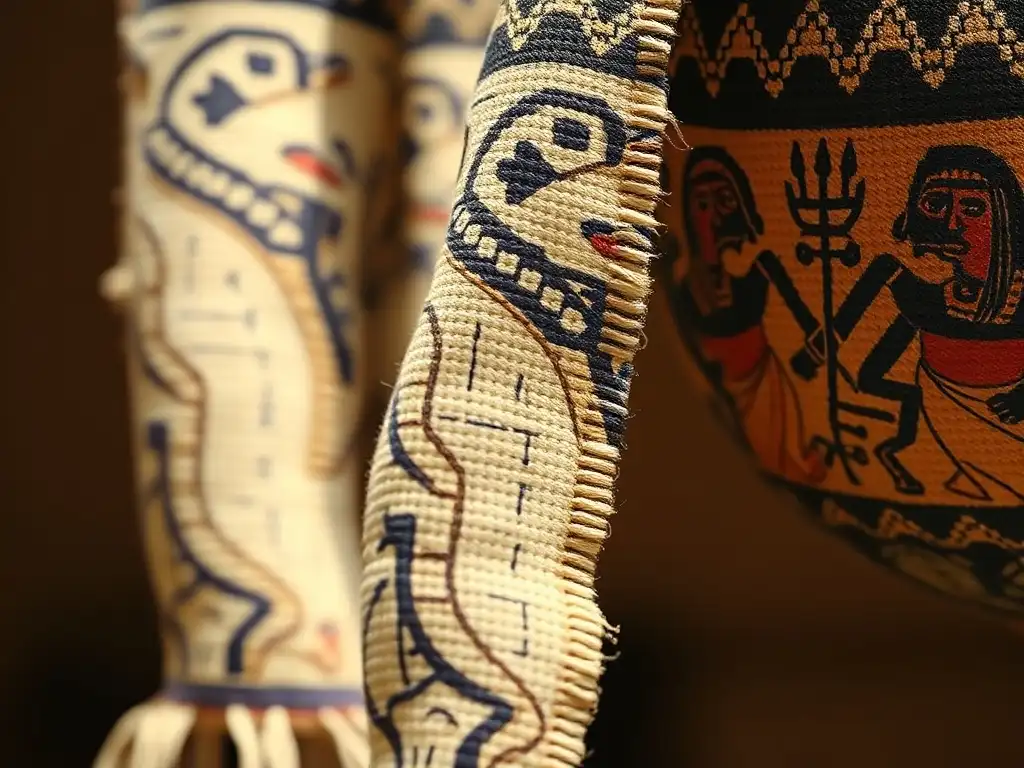
The Moche civilization, renowned for its sophisticated artistic achievements, left behind a rich legacy in both ceramics and textiles. While distinct in their production methods and physical properties, these art forms share striking similarities in their iconography, revealing a deep interconnectedness in Moche artistic expression and worldview. Studying these parallels provides crucial insights into the cultural beliefs and social structures of this fascinating pre-Columbian society.
The analysis of Moche textiles alongside their ceramics allows for a more comprehensive understanding of their artistic traditions and the symbolic meanings embedded within their creations. This section will explore the shared iconographic themes present in both Moche pottery and textiles, highlighting the remarkable consistency in their artistic representations.
Parallels in Iconography Between Moche Pottery and Fabrics
Moche pottery and textiles frequently depict similar deities, mythical creatures, and scenes of daily life. For example, the iconic Decapitated Figure motif, a common feature in Moche ceramics, also appears, albeit often in a more stylized form, on various textile fragments. This recurring imagery suggests a shared artistic vocabulary and reinforces the idea that both media served similar ritualistic and social functions.
Furthermore, representations of powerful rulers, often depicted in elaborate headdresses and regalia on ceramic vessels, are echoed in textile fragments featuring similarly adorned figures, albeit usually smaller in scale due to the limitations of the textile medium. The prevalence of anthropomorphic and zoomorphic figures, such as the Aye-Aye monkey, the jaguar, and various avian species, further emphasizes the interconnectedness of the artistic styles across these different mediums.
The consistency of these depictions across both ceramics and textiles indicates a strong degree of artistic exchange and shared cultural understanding within Moche society. Further research into the specific dyes and pigments used in the textiles, and their correlation with the pigments used in pottery, could potentially reveal even deeper connections between the two art forms.
One particularly compelling example of shared iconography lies in the depiction of the Presentation Theme. This motif, frequently seen in Moche ceramics, portrays a high-ranking individual offering a gift or captive to a deity or ancestor. The offering is often depicted as a trophy, a symbol of power and dominance.
In Moche textiles, a similar scene is frequently represented, though the scale and detail are often necessarily more limited due to the nature of the medium. However, the core elements of the presentation—the offering figure, the recipient (often implied), and the act of presentation itself—remain consistent. This recurring motif suggests that the act of presentation held significant ritualistic or social meaning within Moche culture, a significance emphasized through its consistent portrayal across both ceramics and textiles.
Analysis of the specific objects offered in these scenes, across both ceramics and textiles, could provide further insights into Moche social hierarchies and religious beliefs. The consistent use of similar colors and patterns in both mediums further supports the idea that these scenes held significant cultural importance.
How Moche Textile Art Influenced Ceramic Styles
While the influence of Moche ceramics on their textile art is evident in the shared iconography, the reverse may also be true. The intricate weaving techniques and detailed designs of Moche textiles may have inspired the fine details and complex patterns often found on their pottery. The use of vibrant colors and geometric patterns in textiles might have influenced the color palettes and decorative motifs used on ceramic vessels.
The delicate lines and precise details characteristic of some textile designs find a parallel in the refined brushwork and detailed iconography present on certain ceramic pieces. Unfortunately, the lack of extensive surviving Moche textile pieces makes it difficult to definitively establish the full extent of this reciprocal influence. However, the stylistic similarities between the two art forms suggest a dynamic exchange of ideas and techniques between the ceramicists and weavers of Moche society.
Further research focusing on comparative analysis of textile structures and ceramic surface treatments could provide more detailed insight into this potential interrelationship. The study of textile fragments found in association with ceramic vessels could also shed light on the connections between the two crafts.
Moche Textiles: Preservation and Archaeological Evidence
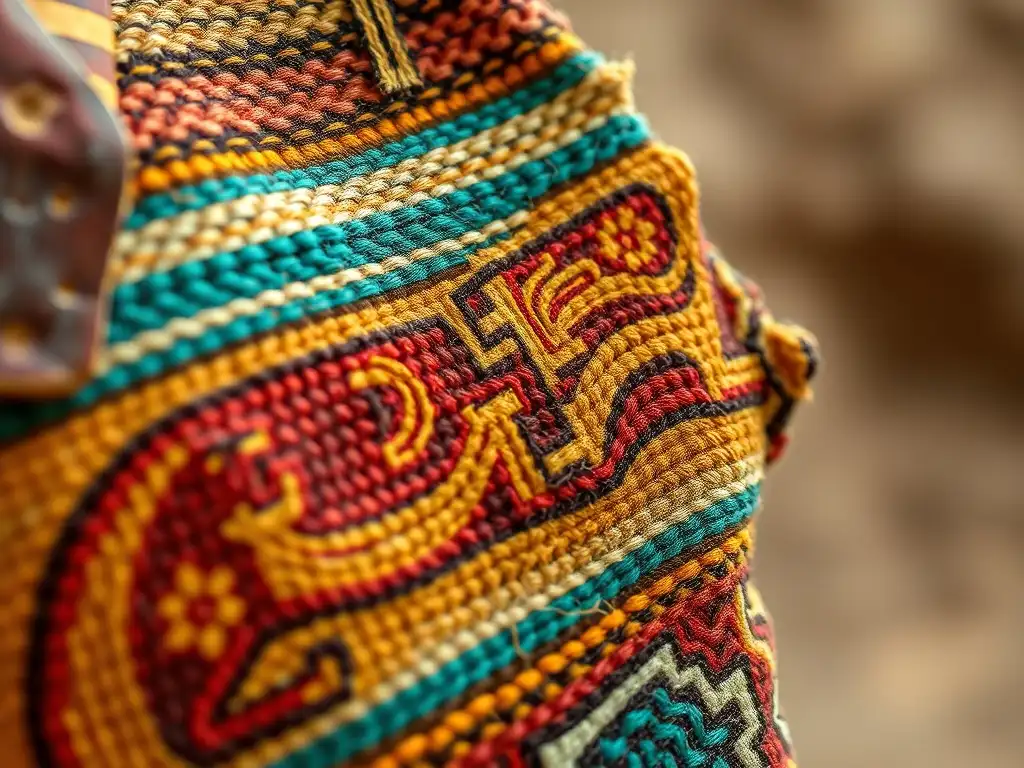
The study of Moche textiles offers a captivating glimpse into the artistry and daily life of this ancient Andean civilization. Understanding their creation, use, and preservation is crucial for reconstructing a complete picture of Moche culture. While Moche ceramics are abundant and relatively well-preserved, their textiles present unique challenges due to the delicate nature of organic materials and the harsh environmental conditions of the Peruvian coastal desert.
However, the surviving fragments provide invaluable insights into their sophisticated weaving techniques, vibrant color palettes, and symbolic iconography. Analyzing these textiles allows us to understand the social hierarchy, religious beliefs, and technological capabilities of the Moche people, enriching our understanding of their "textiles art history."
The Discovery of Moche Textiles in Archaeological Contexts
Moche textiles are most frequently discovered within burial contexts. These finds are often associated with elite individuals, suggesting that textiles held significant social and ritual importance. The textiles themselves are rarely found intact; instead, archaeologists uncover fragments of cloth, often interwoven with other materials like metal or shell.
This is partially due to the natural deterioration of organic fibers over time, but also because grave robbers often disturbed these sites, scattering and damaging the artifacts. The meticulous work of archaeologists in carefully excavating and documenting these finds is crucial for understanding the original context and purpose of the textiles. For example, the discovery of a textile fragment depicting a deity alongside ceremonial objects within a specific tomb provides valuable contextual information.
Such findings allow researchers to connect the textile's imagery to specific religious practices or social status. The careful recording of the location, orientation, and association of textile fragments with other artifacts is essential for reconstructing the larger picture of Moche society and its "Moche textiles art history."
Huaca de la Luna: A Key Archaeological Site
Huaca de la Luna, a significant Moche archaeological site, has yielded a notable number of textile fragments. These discoveries have been instrumental in understanding the range of Moche weaving techniques and the symbolic meanings embedded within their designs. The textiles found at Huaca de la Luna often feature intricate patterns, including geometric designs, stylized representations of animals (such as jaguars and birds), and depictions of human figures engaged in various activities.
The use of vibrant colors, including reds, yellows, and blues, further enhances the aesthetic appeal and symbolic significance of these textiles. The site's location and its association with elite burials suggest that the textiles found there were likely intended for ceremonial or funerary purposes. Further research and analysis of these textiles are needed to fully understand their role within the larger context of Moche religious practices and social structure, advancing our knowledge of "Moche textiles art history."
Challenges in Preserving Ancient Moche Textiles
Preserving Moche textiles presents significant challenges due to the fragility of the organic materials used in their creation. The arid climate of the Peruvian coast, while conducive to the preservation of ceramics, poses a threat to organic fibers, making them susceptible to deterioration. Factors such as humidity, light exposure, and insect infestation can further accelerate the degradation process.
Therefore, specialized conservation techniques are crucial to prevent further damage and ensure the long-term preservation of these invaluable artifacts. These techniques may involve careful cleaning, stabilization of the fibers, and the use of protective enclosures to minimize environmental exposure. The development of new conservation methods and technologies is constantly evolving, enhancing our ability to preserve these fragile pieces of "Moche textiles art history" for future generations.
Ongoing research into appropriate conservation strategies is vital to safeguard this irreplaceable heritage. The long-term preservation of these textiles is critical for continued research and the appreciation of Moche artistry.
Moche Textile Art History: Legacy and Influence
The study of Moche textile art history reveals a sophisticated and highly developed textile tradition that significantly influenced subsequent Andean cultures. While much of the surviving evidence is fragmentary, due to the perishable nature of organic materials, archaeological discoveries continue to unveil the complexity and artistry of Moche weaving. The techniques employed, the iconography depicted, and the materials used provide invaluable insights into Moche society, beliefs, and daily life. This section will explore the enduring impact of Moche textile techniques and their lasting legacy on Andean weaving traditions.
The Enduring Impact of Moche Textile Techniques
Moche artisans mastered a range of advanced textile techniques, including tapestry weaving, brocade, embroidery, and resist dyeing. These techniques allowed them to create intricately designed textiles with vibrant colors and complex patterns. The use of camelid fibers, such as alpaca and llama wool, along with cotton, demonstrates a sophisticated understanding of material properties and their suitability for different weaving techniques.
The precision and skill evident in surviving fragments suggest a high level of specialization within Moche society, with skilled weavers likely holding respected positions. For example, the intricate tapestry weaves, often featuring multiple colors in a single piece, showcase a level of mastery rarely seen in other contemporary cultures. This expertise in advanced weaving techniques continued to be refined and passed down through generations, influencing textile production in later Andean civilizations.
Analysis of later textile traditions reveals clear stylistic and technical connections to Moche precedents, highlighting the enduring impact of Moche textile artistry. The use of specific dyes, like those derived from plants such as cochineal for vibrant reds, also continued as a legacy.
Contemporary Andean Weaving: A Legacy of Moche Textiles
The legacy of Moche textiles is not merely historical; it continues to resonate in contemporary Andean weaving traditions. Many techniques and motifs employed by Moche weavers are still practiced today, demonstrating the enduring influence of this ancient culture. The vibrant colors, intricate patterns, and symbolic imagery found in Moche textiles continue to inspire contemporary Andean artists, who often incorporate elements of Moche design into their own work.
This continuity is evident in the use of similar natural dyes, the incorporation of traditional motifs such as stylized animals and geometric patterns, and the persistence of certain weaving techniques. The knowledge and skills passed down through generations have ensured the survival of these ancient techniques, connecting modern Andean weavers to their rich cultural heritage.
Many contemporary artisans actively seek to revive and preserve these ancient techniques, contributing to the ongoing study and appreciation of Moche textile art history. The study of these connections provides a powerful illustration of the enduring influence of Moche culture on the broader Andean artistic landscape.
The Importance of Moche Textiles for Understanding Moche Culture
Moche textiles serve as a crucial source of information for understanding various aspects of Moche culture. The iconography depicted on these textiles provides insights into Moche religious beliefs, social structures, and daily life. Depictions of deities, mythical creatures, and ceremonial scenes offer valuable clues about their cosmology and worldview. The presence of specific motifs on textiles associated with elite burials suggests their significance in social hierarchy and power structures.
Furthermore, the materials used and the techniques employed reflect the technological capabilities and economic organization of Moche society. The availability of high-quality camelid fibers and cotton indicates access to resources and a developed agricultural system. The complexity of the weaving techniques points to a highly skilled workforce and a well-organized system of production and distribution.
Therefore, the study of Moche textiles provides a multi-faceted perspective on this fascinating civilization, enriching our understanding beyond what is revealed through ceramics or architecture alone. Analysis of the textile fragments, combined with other archaeological data, paints a more complete picture of Moche society, its beliefs, and its place within the broader Andean cultural context. The importance of Moche textiles for understanding Moche culture cannot be overstated; they are essential artifacts for reconstructing the rich tapestry of their civilization.
Frequently Asked Questions
What makes Moche textiles so unique?
Moche textiles are renowned for their vibrant colors, intricate designs, and high-quality craftsmanship. They often depict scenes of daily life, mythology, and ritual, providing invaluable insights into their culture.
How did the Moche create such vibrant colors in their textiles?
The Moche employed a range of natural dyes derived from plants, minerals, and insects. Their mastery of dyeing techniques allowed them to achieve a remarkable spectrum of colors that remain surprisingly vivid even today.
What are some common motifs found in Moche textile art?
Common motifs include mythological creatures, religious symbols, human figures, and geometric patterns. These designs often reflect the Moche's cosmology and social structure, offering clues to their beliefs and practices.
What is the relationship between Moche textile art and other art forms?
Moche textiles are strongly interconnected with other art forms, particularly ceramics and metalwork. Similar motifs and stylistic elements frequently appear across these mediums, suggesting a unified artistic vision.
How has the study of Moche textiles advanced our understanding of their history?
The study of Moche textiles has provided crucial information about Moche social organization, religious beliefs, and daily life. The intricate detail preserved in these textiles offers a rare glimpse into the past.
Final Reflection: The Enduring Legacy of Moche Artistic Vision
The vibrant artistry of the Moche civilization continues to resonate today, a testament to their profound understanding of form, color, and narrative. Their mastery of both textile production and ceramic art, explored in this article, offers a powerful window into a sophisticated society whose creative spirit transcended the limitations of its time. The intricate details and symbolic richness found in both mediums speak volumes about their worldview and enduring cultural legacy.
The Moche's ability to seamlessly integrate their artistic expressions across different media is truly remarkable, highlighting a holistic approach to creativity that continues to inspire contemporary artists and scholars alike. Their textiles, often overlooked in favor of the more readily available ceramics, provide a crucial counterpoint, enriching our understanding of their beliefs and social structures. The textiles are not merely decorative; they are active participants in the construction of Moche identity and worldview.
This statement underscores the importance of considering these interwoven art forms to gain a complete picture of Moche culture.
Consider the intricate details, the bold colors, the powerful narratives woven into both the textiles and ceramics. These are not merely artifacts of a bygone era; they are vibrant expressions of human creativity and ingenuity. You, the reader, are now invited to reflect on the power of artistic expression to transcend time and culture.
How can we, in our own lives, find ways to connect with the creative spirit of the past, and how can we use our own creative talents to tell our stories and share our perspectives with the world? Let the legacy of the Moche inspire you to explore your own artistic potential and to appreciate the rich tapestry of human expression across cultures and generations.
Unveil the Beauty of Moche Art Today!
Thank you for exploring the fascinating world of Moche art and textiles! You've gained valuable insights into the intricacies of this unique cultural expression. Now, it’s time to further explore the rich legacy of the Andean civilizations.
Here are a few ways to continue your journey:
- Participate in a hands-on workshop focusing on traditional Andean crafts to experience the creativity and techniques firsthand.
- Share your favorite Moche artwork on social media using #MocheArt and connect with fellow enthusiasts of this rich heritage.
- Visit a museum exhibition featuring Andean artifacts to fully immerse yourself in their cultural significance.
What aspect of Moche art inspires you the most, and how will you incorporate that inspiration into your own creative work?