
The Significance of Festivals: Celebratory Events in Ancient Andean Societies

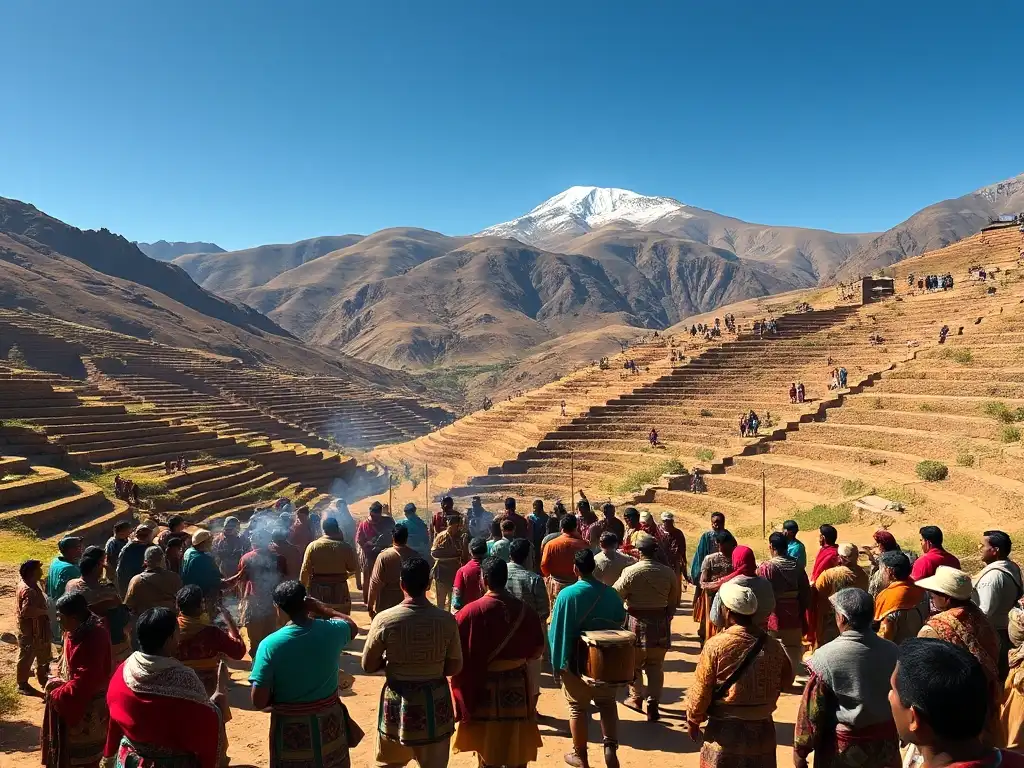
Step into a world lost to time, yet echoing with vibrant life. Imagine the grandeur of ancient Andean societies, where intricate artistry and awe-inspiring engineering met deeply spiritual beliefs. This is where we unravel the mysteries surrounding Ancient Andean festival significance, exploring the profound role these celebratory events played in shaping Andean social structures. Prepare to be captivated by the power and meaning woven into every ritual, every dance, every offering. Discover how these festivals weren't mere celebrations, but vital threads in the rich tapestry of Andean civilization. Let's begin…
The vibrant tapestry of Andean civilizations is richly interwoven with the threads of elaborate and meaningful festivals. These weren't merely occasions for merrymaking; they were deeply ingrained in the social, religious, and agricultural fabric of societies like the Inca, Moche, Nazca, and Tiahuanaco. Understanding the significance of these ancient Andean festivals provides crucial insight into the worldview, social structures, and daily lives of these fascinating cultures.
This article delves into the multifaceted roles of festivals, exploring their connection to agricultural cycles, religious beliefs, and the consolidation of power, ultimately demonstrating their profound impact on the development and continuity of Andean societies. We'll examine specific examples, uncovering the unique characteristics and underlying meanings behind these captivating celebrations, revealing the enduring legacy of these ancient traditions. The keyword "Ancient Andean festival significance" will be explored thoroughly throughout this analysis.
Agricultural Cycles and the Rhythms of Life
Ancient Andean festivals were profoundly linked to the agricultural calendar. The success of their agrarian societies depended heavily on the unpredictable forces of nature. Therefore, festivals served as crucial rituals aimed at ensuring bountiful harvests and appeasing the deities believed to control the weather, water sources, and the fertility of the land.
Many festivals coincided with planting and harvesting seasons, marking key moments in the agricultural cycle. These celebrations frequently involved elaborate ceremonies, offerings, and processions, all designed to invoke divine favor and secure the community's sustenance. For example, the Inca celebrated the Capacocha, a complex festival involving human sacrifice, which was believed to ensure the fertility of the land and the prosperity of the empire.
Specific dates and details of many of these ceremonies are unfortunately lost to time, but archaeological evidence and surviving chronicles offer glimpses into their importance. The meticulous observation of the celestial bodies and their connection to agricultural cycles played a vital role in determining the timing of these crucial events.
Religious Beliefs and the Supernatural World
Beyond their agricultural significance, ancient Andean festivals served as pivotal moments for interacting with the supernatural world. These societies held complex religious beliefs, centered around a pantheon of deities representing various forces of nature and aspects of life. Festivals provided opportunities to honor these deities, seeking their blessings and protection. Ceremonies often involved elaborate costumes, music, dance, and offerings, creating a powerful atmosphere of reverence and communion with the spiritual realm.
The Raymi festival, celebrated by the Inca, was a particularly important example, encompassing a series of rituals dedicated to the sun god, Inti, and other deities. The scale and intensity of these religious festivals underscored their central role in shaping Andean religious practices and reinforcing community bonds through shared belief and ritual participation. The intricate iconography found in Andean art further highlights the profound connection between religious beliefs and festive celebrations.
Ancient Andean festivals also played a critical role in reinforcing social structures and consolidating political power. These large-scale events brought together people from different regions and social strata, fostering a sense of unity and shared identity. The rulers often used festivals to display their authority and legitimacy, showcasing their power and generosity through lavish displays and public works. The distribution of food and resources during festivals served to reinforce social hierarchies and solidify the ruler's position as a benevolent provider.
The elaborate processions and public performances associated with these festivals served as powerful displays of the ruling elite's control and influence. These public demonstrations of power were crucial for maintaining social order and ensuring the continuity of the ruling dynasty. The interplay between religious, agricultural, and political aspects of these festivals is a complex but critical area of study in understanding ancient Andean societies.
The Enduring Legacy of Andean Festivals
While many of the ancient Andean festivals have faded into history, their legacy continues to resonate in contemporary Andean cultures. Many modern Andean celebrations retain elements of their ancient predecessors, reflecting the enduring strength of these traditions. These contemporary festivals often incorporate similar themes of agricultural cycles, religious beliefs, and community gatherings, demonstrating the persistent influence of ancient practices on the modern world.
The study of these ancient festivals provides valuable insights into the continuity of cultural practices and the enduring power of tradition. Further research is needed to fully appreciate the nuances and variations in the celebration of these festivals across different Andean societies. The rich tapestry of ancient Andean culture is revealed through the study of their festivals, providing a window into the lives, beliefs, and social structures of these remarkable civilizations.
- Agricultural Cycles and the Rhythms of Life
- Religious Beliefs and the Supernatural World
- Social Cohesion and the Consolidation of Power
- The Enduring Legacy of Andean Festivals
- What was the significance of festivals in Ancient Andean societies?
- How did festivals connect the Andean people to their environment?
- Which deities were commonly celebrated during Andean festivals?
- What types of activities characterized Andean festivals?
- How did the Inca Empire influence Andean festival traditions?
Understanding Ancient Andean Festival Significance
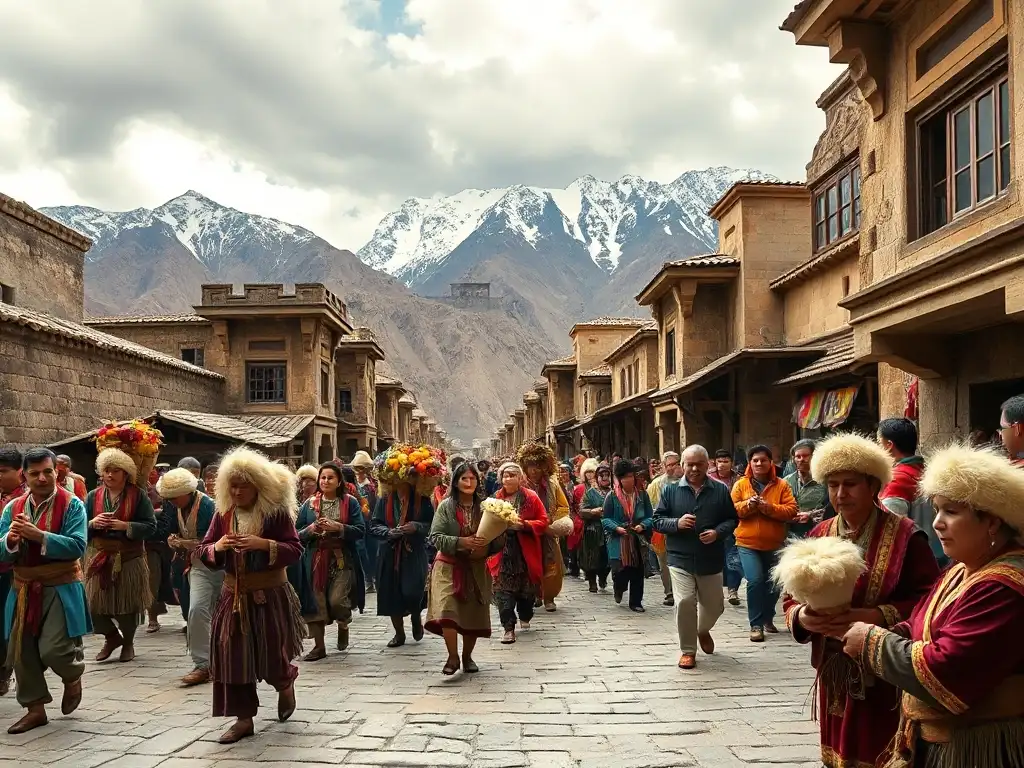
The significance of festivals in Ancient Andean societies extended far beyond mere entertainment. These events were deeply intertwined with the spiritual, social, and political fabric of life, acting as powerful mechanisms for reinforcing social order, expressing religious beliefs, and managing resources. Understanding their importance requires examining them through a multifaceted lens, considering their ritualistic aspects, their role in social cohesion, and their economic implications.
The term "Ancient Andean festival significance" itself highlights the profound impact these celebrations had on the daily lives and long-term development of these cultures. Analyzing these festivals reveals a complex interplay of religious practice, social dynamics, and economic strategies, painting a vivid picture of ancient Andean life. The sheer scale and intricacy of some of these events, coupled with the surviving archaeological evidence, underscore their crucial role in the societies that created them.
The Role of Rituals in Ancient Andean Life
Rituals formed the very core of Ancient Andean festivals. These weren't simply celebratory acts; they were carefully orchestrated performances designed to appease deities, ensure bountiful harvests, and maintain cosmic balance. The Inca, for example, held elaborate ceremonies dedicated to Inti, the sun god, involving sacrifices, processions, and intricate dances.
These rituals were not performed haphazardly; they followed strict protocols, often dictated by the priestly class. The precise timing of festivals, often linked to the agricultural cycle or astronomical events, underscores their deeply ingrained connection to the natural world. The meticulous preparation, the use of specific offerings (such as llamas or maize), and the participation of specific social groups all contributed to the ritual's effectiveness in maintaining the desired cosmic harmony.
Failure to properly perform a ritual could be seen as a grave offense with potentially disastrous consequences. Archaeological findings, such as the discovery of ritual objects and the remnants of sacrificial sites, provide compelling evidence of the central role of rituals in shaping Andean life. The intricate details of these rituals, meticulously preserved through oral tradition and archaeological findings, reveal the profound spiritual depth of Ancient Andean cultures and their profound respect for the natural world.
Ancient Andean festivals served as crucial mechanisms for reinforcing social structures and solidifying community bonds. These events provided opportunities for individuals from different social strata to interact, fostering a sense of shared identity and collective purpose. The participation in communal activities, such as agricultural tasks or the construction of ceremonial sites, fostered cooperation and strengthened social ties.
Moreover, festivals often involved the redistribution of resources, ensuring a degree of economic equity and preventing social unrest. For instance, the Inca capacocha, a ritual sacrifice often involving children, served not only a religious purpose but also reinforced the emperor's authority and the hierarchical structure of the empire. The elaborate feasts and distributions of food and goods during festivals also helped to maintain social harmony and alleviate potential conflicts over resources.
The social dynamics at play during these celebrations are fascinating to study, as they reveal the intricate power structures and social hierarchies present in these ancient societies. Detailed analysis of the surviving accounts and archaeological evidence sheds light on the ways these festivals were used to maintain social order and foster a sense of unity amongst disparate groups. The successful organization and execution of these large-scale events required significant coordination and planning, showcasing the sophisticated social organization and administrative capabilities of the Ancient Andean civilizations.
Key Aspects of Ancient Andean Festivals
This section delves into the multifaceted significance of festivals within ancient Andean societies, exploring their intricate connections to agriculture, religion, social structures, and political power. Understanding these celebratory events provides crucial insight into the worldview and daily life of these remarkable civilizations. The term "Ancient Andean festival significance" encapsulates the profound impact these gatherings had on the social fabric and spiritual beliefs of the people. We will examine how these festivals weren't merely occasions for merriment, but rather integral components of their complex societal systems.
Festival Calendar and Agricultural Cycles
The Andean festival calendar was deeply intertwined with the agricultural cycle, reflecting a profound understanding and dependence on the land. The success of their harvests, the lifeblood of their economies, dictated the timing and intensity of many celebrations. For example, the Capacocha festival, while also possessing significant religious overtones, was often timed to coincide with the ripening of key crops. This ensured the festival not only celebrated the bounty of the land but also served as a ritualistic reinforcement of the cycle of life and renewal.
The precise dates varied regionally, adapting to the microclimates and specific agricultural patterns of different Andean communities. This demonstrates the adaptive nature of Andean culture, with festivals reflecting the nuances of their environment. Some festivals, like those dedicated to specific deities associated with fertility, were directly linked to planting and harvesting seasons.
The timing was crucial, viewed as a way to ensure plentiful harvests and appease the spirits responsible for the land's productivity. Detailed records of these precise timings are sadly lacking in many cases, but archaeological evidence, combined with ethnohistorical accounts, allows for a reasonable reconstruction of the calendar's general structure. Further research is needed to clarify the specific dates and variations across different Andean cultures.
Religious and Spiritual Dimensions of Andean Celebrations
Ancient Andean festivals were profoundly religious experiences, serving as conduits to the spiritual realm. Celebrations often involved elaborate rituals, sacrifices (including capacocha), and offerings to the apus (mountain spirits) and other deities. These rituals weren't simply symbolic; they were believed to actively influence the forces of nature and maintain cosmic balance.
The festivals acted as a crucial link between the human and spiritual worlds, reinforcing the Andean worldview that emphasized the interconnectedness of all things. The use of specific iconography, such as the depiction of deities on textiles and pottery found at festival sites, further underscores the religious significance of these events. For instance, the Moche civilization's elaborate ceramics vividly depict ritual scenes, highlighting the importance of religious performances within their festivals.
These artistic representations offer valuable insights into the beliefs and practices associated with their celebrations. The religious aspects of these festivals were often intricately interwoven with the social and political spheres, blurring the lines between sacred and secular life. This integrated approach to religion, politics, and social structure is a key characteristic of ancient Andean civilizations.
Beyond their agricultural and religious aspects, ancient Andean festivals played a vital role in reinforcing social structures and political power. These gatherings served as opportunities for reaffirming kinship ties, resolving conflicts, and displaying the authority of rulers. Large-scale festivals, particularly those involving capacocha, provided a platform for showcasing the power and legitimacy of the ruling elite.
The distribution of resources and goods during these events reinforced social hierarchies and cemented alliances between different communities. The sheer scale of some festivals, with thousands of participants from across vast territories, underscores their importance as mechanisms for social integration and political control. The meticulously planned organization of these events, requiring extensive coordination and logistical prowess, further emphasizes their significance in maintaining social order.
The Inti Raymi, the Inca festival celebrating the sun, is a prime example of a celebration that served multiple functions simultaneously—religious devotion, agricultural renewal, and the consolidation of Inca imperial power. The meticulous planning and vast scale of these celebrations reflect the sophisticated organizational capabilities of ancient Andean societies and their ability to mobilize significant human and material resources. Further research into specific regional variations in festival practices would provide a more nuanced understanding of their social and political roles.
Types of Celebrations in Andean Civilizations
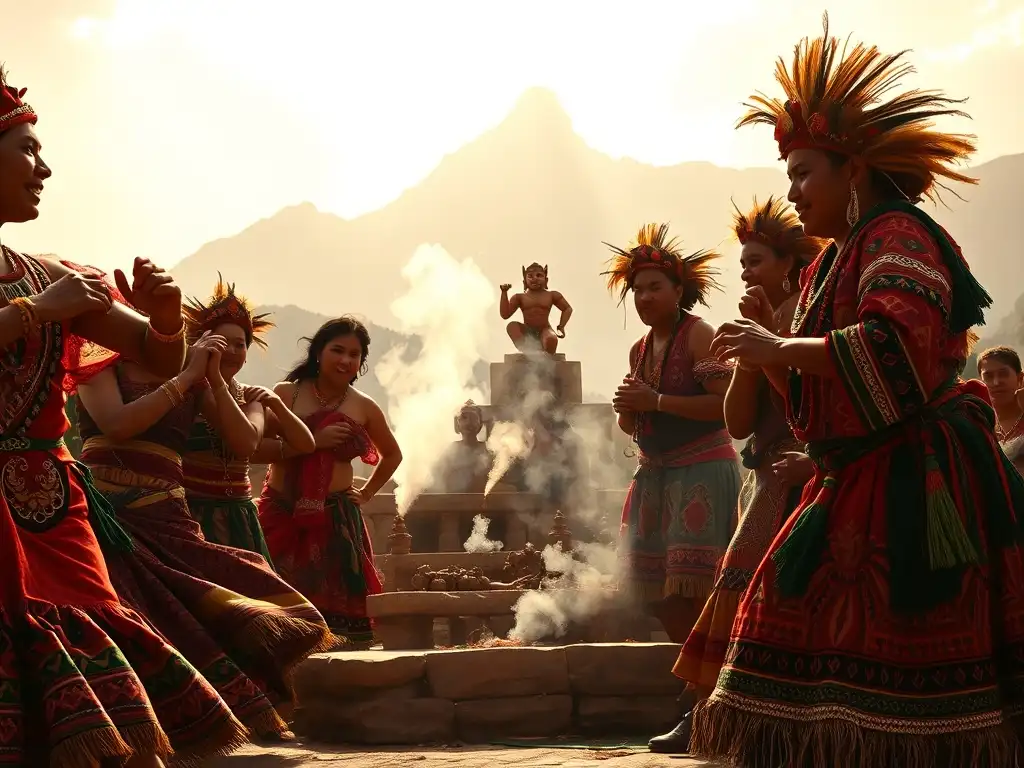
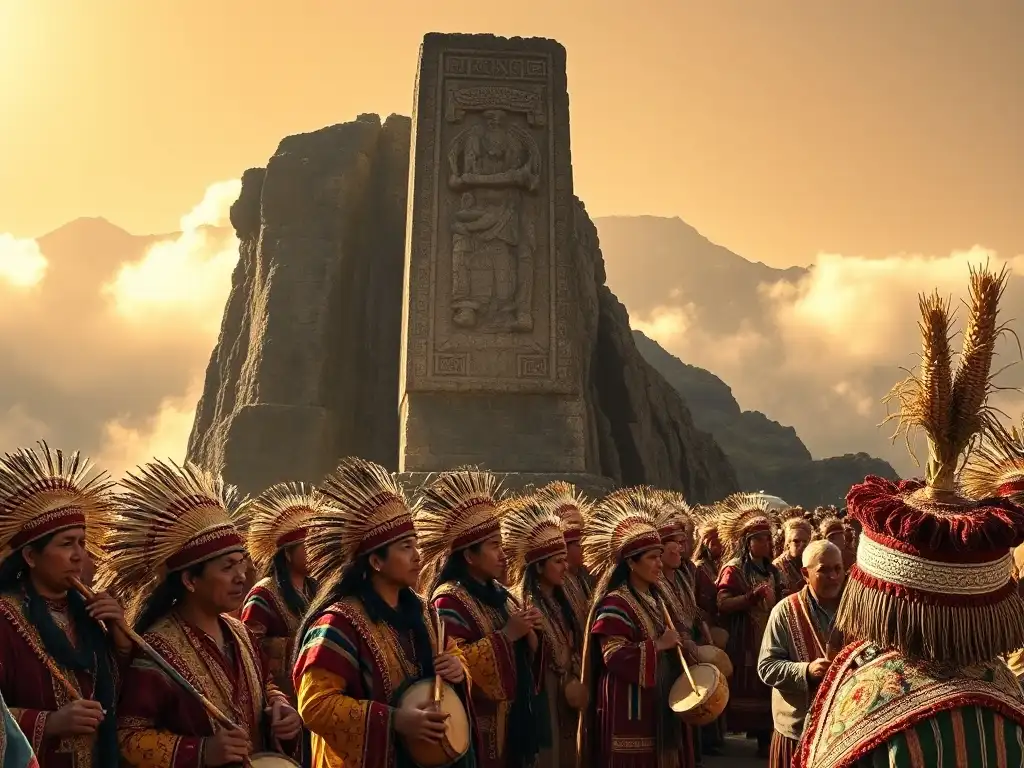
Ancient Andean societies, renowned for their intricate social structures and advanced technologies, also possessed a vibrant tapestry of celebratory events. These festivals, deeply intertwined with their cosmology and agricultural practices, played a crucial role in maintaining social cohesion, honoring deities, and ensuring a bountiful harvest. The significance of these festivals extended beyond mere entertainment; they were integral to the spiritual and social fabric of their world.
Understanding the nature and importance of these celebrations offers a profound insight into the beliefs and practices of these fascinating ancient cultures. The diversity of celebrations reflected the unique characteristics of each civilization, from the Incas' grand Inti Raymi to the Moche's rituals honoring their gods. The "Ancient Andean festival significance" is undeniable when considering their pervasive influence on daily life.
Agricultural Festivals: Honoring the Pachamama
Agricultural festivals held paramount importance in the Andean world, directly reflecting the societies' profound dependence on the land. The Pachamama, or Mother Earth, was revered as the life-giving force, and festivals served as a means to express gratitude for her bounty and ensure future prosperity. These celebrations often involved rituals aimed at ensuring successful harvests, such as planting and harvesting ceremonies. Evidence suggests that offerings of coca leaves, chicha (a fermented maize beverage), and other agricultural products were common during these events.
The timing of these festivals varied depending on the agricultural cycle and specific crop. For example, the harvest of maize, a staple crop, would be marked by elaborate celebrations, involving communal feasting, music, dance, and possibly human sacrifice in some cultures. The scale of these festivities ranged from small, localized events within a village to larger regional gatherings.
The success of the harvest was not just a matter of survival; it was a deeply spiritual event linked to the well-being of the entire community. Understanding the significance of these agricultural festivals requires recognizing the deep-seated spiritual connection between the Andean people and their environment.
The agricultural festivals also served a vital social function. They provided opportunities for strengthening community bonds, reaffirming social hierarchies, and resolving conflicts. The shared experience of celebrating the harvest fostered a sense of unity and collective identity, crucial for maintaining social order in these complex societies.
Solar Celebrations: Inti Raymi and the Sun God
The sun held immense religious and cultural significance across various Andean civilizations. The most famous example is the Inca festival of Inti Raymi, a grand celebration honoring the sun god, Inti. This festival, held annually during the winter solstice, was a spectacular event involving elaborate processions, sacrifices, and feasts. The Inca emperor played a central role in the ceremonies, performing rituals to ensure the sun's continued favor and a prosperous year ahead.
Inti Raymi wasn't simply a religious event; it had profound political implications as well. The emperor's participation legitimized his rule and reinforced the Inca's ideology of divine authority. The festival served as a powerful display of imperial power and helped maintain social order within the vast Inca empire. The meticulous planning and execution of Inti Raymi also showcased the Inca's organizational capabilities and sophisticated understanding of astronomy and timekeeping.
Other Andean cultures also held solar celebrations, though they might have differed in specifics. The Moche, for instance, depicted solar deities in their elaborate pottery, suggesting a similar reverence for the sun. These celebrations, whether grand or smaller scale, underscore the fundamental importance of the sun in sustaining life and shaping the worldview of these ancient Andean societies. The meticulous records kept by the Inca, and the artistic representations left by other cultures, allow us to glimpse the scale and significance of these sun-centered celebrations.
Beyond agricultural and solar celebrations, Andean societies also held significant rituals marking key life cycle events such as birth, marriage, and death. These events were not merely personal milestones; they were deeply embedded in the social and spiritual fabric of the community.
Birth rituals often involved ceremonies aimed at ensuring the child's well-being and protection from evil spirits. Marriage ceremonies varied across different cultures, but generally involved elaborate rituals that formalized the union and integrated the couple into the wider social structure. Death rituals, often complex and elaborate, involved preparing the deceased for their journey to the afterlife and providing them with the necessary provisions. These rituals reflected beliefs about the afterlife and the continued connection between the living and the deceased.
The specific practices associated with these life cycle events differed significantly between the various Andean cultures. However, the underlying principle remained consistent: the integration of these personal events into the broader community's religious and social framework. These rituals provided a sense of continuity and order, reinforcing social bonds and reaffirming the community's shared beliefs and values. Further research into specific cultural practices is needed to fully understand the nuanced variations in these life-cycle celebrations. The limited surviving evidence requires careful interpretation and comparative analysis to build a comprehensive picture.
Commemorative Festivals: Honoring Ancestors and Rulers
Commemorative festivals held a position of paramount importance within the intricate social fabric of ancient Andean civilizations. These weren't mere celebrations; they were deeply ingrained rituals that reinforced social hierarchies, honored lineage, and solidified the power of ruling elites. The precise nature of these festivals varied across different cultures and time periods, reflecting the unique beliefs and practices of each society. However, a common thread united them all: the profound reverence for ancestors and the legitimization of ruling authority.
One key aspect of these commemorative festivals was the elaborate ceremonies involved in honoring deceased ancestors. Evidence suggests that specific rituals were performed to appease the spirits of the departed, ensuring their continued benevolent influence on the living. These might have included offerings of food, drink, textiles, and other precious goods placed within tombs or at designated sacred sites.
The offerings themselves served as tangible representations of the community's continued connection to their ancestors, reinforcing the concept of a continuous lineage and shared identity. In some cases, mummies of important figures were even brought out of their resting places and paraded through the community, a powerful visual demonstration of their continued importance. The scale of these rituals often corresponded to the social standing of the deceased; a ruler's commemoration would be far grander than that of a commoner.
Further solidifying the power structures, commemorative festivals frequently intertwined the veneration of ancestors with the celebration of ruling dynasties. The Inca, for example, employed elaborate ceremonies to showcase the lineage of their Sapa Inca, connecting him directly to the divine and past rulers. These festivals were carefully choreographed spectacles, often involving large-scale processions, musical performances, and dramatic reenactments of significant historical events.
The sheer spectacle of these events served to reinforce the Inca's legitimacy as rulers, divinely appointed and directly connected to the power of their ancestors. By associating themselves with the revered figures of the past, the Inca solidified their claim to power and ensured the continued loyalty of their subjects. Similar practices, although varying in specifics, were undoubtedly employed by other Andean societies to bolster the authority of their leaders and maintain social order.
The meticulous planning and execution of these festivals underscored their significance as instruments of political power and social cohesion. The legacy of these commemorative festivals is not just found in archaeological evidence, but also in the enduring traditions of many Andean communities today, demonstrating the lasting impact of these ancient practices.
The Symbolism in Ancient Andean Festivities
The significance of festivals in Ancient Andean societies extended far beyond mere entertainment. These events were deeply symbolic, intricately woven into the fabric of their religious beliefs, social structures, and agricultural cycles. Understanding the symbolism embedded within these celebrations provides crucial insight into the worldview and values of these remarkable cultures. The "Ancient Andean festival significance" is multifaceted, encompassing spiritual renewal, social cohesion, and the reaffirmation of power structures.
Analyzing the various elements—music, dance, costumes, offerings—reveals a complex tapestry of meaning, reflecting the sophisticated understanding of the cosmos held by these ancient peoples. The meticulous planning and execution of these festivals highlight their importance in the daily lives of Andean communities. These weren't simply sporadic events, but rather carefully orchestrated rituals that reinforced their connection to the spiritual and physical worlds.
Music and Dance in Andean Rituals
Music and dance were integral components of virtually all Ancient Andean festivals. The rhythmic beats of drums, the haunting melodies of panpipes, and the intricate steps of dancers served not merely as entertainment, but as a conduit to the supernatural realm. Specific musical instruments and dance styles were often associated with particular deities or agricultural cycles.
For example, the pututu, a long shell trumpet, was frequently used in Inca ceremonies to announce important events or summon the gods. The dances themselves often mimicked agricultural activities, such as planting and harvesting, symbolically ensuring a bountiful crop. Archaeological evidence, such as depictions on pottery and textiles, reveals the importance of these performances, showcasing dancers in elaborate costumes performing ritualistic movements.
The precision and synchronization of these movements suggest rigorous training and a deep understanding of the ritual's symbolic significance. Furthermore, the music and dance served to unify the community, fostering a sense of collective identity and shared purpose during these important celebrations. The rhythmic patterns and synchronized movements created a powerful sense of communal energy, reinforcing social bonds and reaffirming group identity.
Costumes and Masks: Representing Deities and Spirits
Costumes and masks played a pivotal role in shaping the symbolic meaning of Ancient Andean festivals. Elaborate headdresses, adorned with feathers, precious metals, and textiles, were worn by individuals representing deities or ancestral spirits. These costumes weren't simply decorative; they transformed the wearer, allowing them to embody the divine or supernatural.
The masks, often carved from wood or other materials, were meticulously crafted to depict specific deities or spirits, their features highlighting particular attributes. For instance, a jaguar mask might represent a powerful deity associated with hunting or the underworld, while a bird mask could symbolize a messenger of the gods. The use of specific colors and materials in costumes and masks further enhanced their symbolic meaning.
Certain colors were associated with particular deities or natural elements, while the use of rare or precious materials signified the importance of the ritual and the power of those participating. The creation and use of these costumes and masks required specialized skills and knowledge, passed down through generations within specific communities, underscoring their cultural significance. The precise craftsmanship further emphasized the sacred nature of the festival and the respect afforded to the deities and spirits being represented.
Offerings and Sacrifices in Ancient Andean Celebrations
Offerings and sacrifices formed a crucial element of Ancient Andean festivals, representing a direct exchange between the human and spiritual realms. These offerings weren't simply gifts; they were acts of appeasement, gratitude, or requests for divine favor. Common offerings included agricultural products, such as maize, coca leaves, and potatoes, reflecting the importance of agriculture in Andean societies. Precious metals, textiles, and ceramics were also offered, demonstrating the value placed on craftsmanship and material wealth.
In some cases, animal sacrifices were performed, with the specific animal chosen often holding symbolic meaning. Llamas, for example, were frequently sacrificed, perhaps representing their importance as pack animals and a source of sustenance. The location of sacrifices also carried significance, often taking place at sacred sites or within temples. The meticulous preparation and presentation of offerings underscore their ritual importance.
The placement of offerings within specific contexts, such as burial mounds or temple niches, suggests a belief in the continued efficacy of these offerings beyond the immediate festival. The act of sacrifice itself served as a powerful demonstration of devotion and a means of maintaining a harmonious relationship with the supernatural world. Evidence suggests that the type and quantity of offerings varied depending on the specific festival and the community's needs and desires, highlighting the adaptable and nuanced nature of these rituals.
Case Studies of Notable Andean Festivals
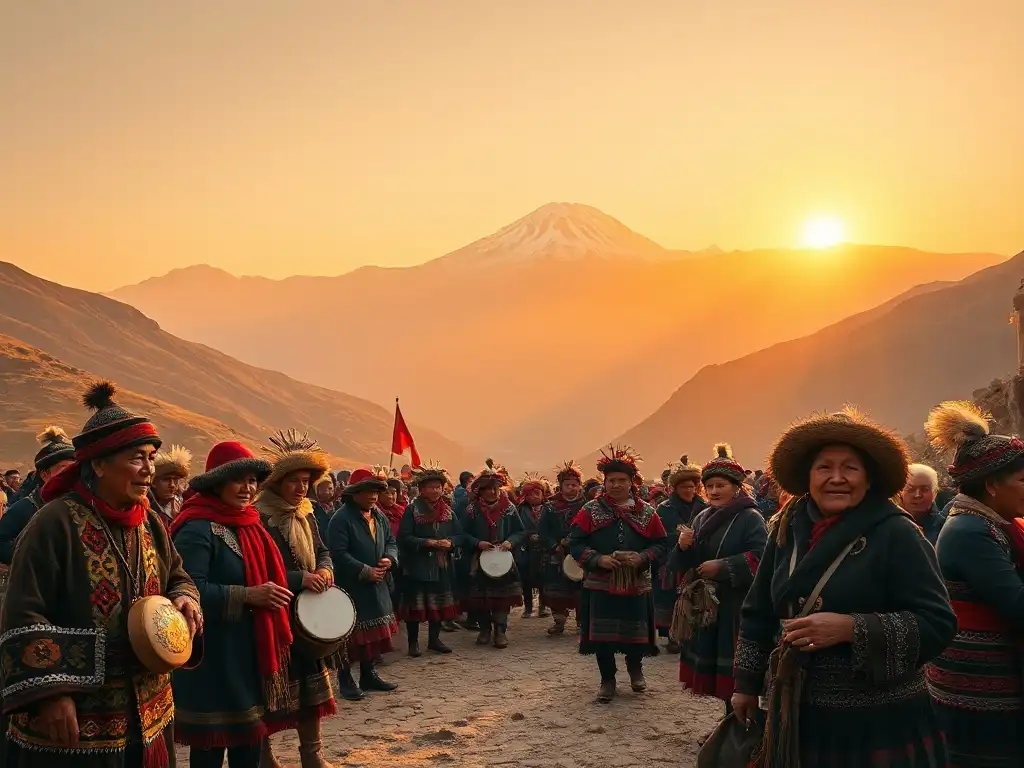
This section delves into specific examples of festivals celebrated by different Andean cultures, highlighting their significance within the broader context of their respective societies. Understanding these unique events provides invaluable insight into the beliefs, social structures, and agricultural practices of these ancient civilizations. Analyzing these celebrations allows us to appreciate the profound connection between ritual, community, and the Andean worldview.
The importance of these festivals extended far beyond mere entertainment; they served crucial roles in maintaining social order, ensuring agricultural success, and reinforcing religious beliefs. The "Ancient Andean festival significance" is multifaceted and deeply rooted in the fabric of their lives.
The Inti Raymi Celebration in the Inca Empire
The Inti Raymi, or "Festival of the Sun," was the most important festival in the Inca Empire. Celebrated annually on the solstice in June, it was a grand spectacle involving elaborate rituals, processions, and sacrifices. The festival's significance stemmed from the Inca's profound reverence for the sun god, Inti, the primary deity in their pantheon. Inti was considered the source of life, prosperity, and the Inca's imperial power.
The Inti Raymi wasn't simply a religious observance; it was a powerful display of imperial authority. The Sapa Inca, the emperor, played a central role in the ceremony, further solidifying his position as the intermediary between the divine and the human realm. The festival involved thousands of participants, including priests, nobles, commoners, and even prisoners of war, who were sometimes sacrificed as part of the ritual.
This mass participation underscored the festival's importance in unifying the vast Inca Empire and reinforcing the emperor's legitimacy. The spectacle involved music, dance, feasting, and the symbolic offering of llamas, maize, and other agricultural products, reflecting the profound connection between the Inca's religion and their agrarian society.
The vibrant colors, intricate costumes, and the sheer scale of the event left an enduring impact on the Inca people, solidifying their faith and strengthening their social bonds. The rich symbolism embedded within the Inti Raymi ceremony deeply affected the Inca's social and spiritual lives, making it a quintessential example of "Ancient Andean festival significance".
The Presentation Ceremony of the Moche Culture
The Moche civilization, flourishing on the northern coast of Peru from approximately 100 to 800 CE, is known for its elaborate funerary rituals and sophisticated artistic achievements. While specific details about their festivals remain limited due to the nature of archaeological evidence, the "Presentation Ceremony," inferred from iconography found on Moche pottery, offers a glimpse into their ceremonial practices. These depictions frequently showcase elaborate processions, possibly related to the honoring of ancestors or deities associated with fertility and warfare.
The Moche ceramics reveal scenes of richly adorned individuals, likely elites or priests, carrying offerings and engaging in ritualistic activities. These offerings, often depicted as food, drink, and precious artifacts, suggest a strong connection between ritual and the maintenance of social order. The presentation ceremony likely served to reinforce the authority of the ruling class, celebrate successful harvests, or commemorate significant events such as military victories.
The meticulous detail in Moche pottery provides invaluable insights into their social hierarchy, beliefs, and the importance of ritual in daily life. While the exact nature of the ceremony remains debated amongst scholars, the "Ancient Andean festival significance" is clearly reflected in the painstaking detail and artistry of these depictions.
The Cahuachi Pilgrimage in the Nazca Culture
The Nazca culture, renowned for its enigmatic geoglyphs, also held significant religious ceremonies. Cahuachi, a large ceremonial center, served as the focal point for pilgrimages and festivals. Evidence suggests that large-scale gatherings occurred at Cahuachi, with people traveling from across the Nazca region to participate in these events. The purpose of these pilgrimages is still under investigation, but the scale of the site and the presence of numerous structures suggest that they were significant events with a profound social and religious function.
The architecture at Cahuachi, including massive platforms and temples, points towards the importance of these gatherings. The discovery of large quantities of offerings, such as ceramics and textiles, further reinforces the religious significance of Cahuachi.
These offerings, often associated with specific deities or rituals, would have been brought from far and wide, underscoring the widespread participation in these events and the importance of the pilgrimage to the Nazca people. The scale and complexity of Cahuachi suggest the "Ancient Andean festival significance" was paramount to the Nazca worldview.
Further research is required to fully understand the specific nature of the rituals and ceremonies performed at Cahuachi, but the available evidence strongly suggests that these events were crucial in shaping Nazca society and reinforcing their religious beliefs. The sheer scale of the Cahuachi complex and the widespread evidence of pilgrimage activity clearly points to events of significant social and religious importance, adding to our understanding of the "Ancient Andean festival significance".
The Sun Gate Ceremony of Tiahuanaco Culture
The Sun Gate ( Puerta del Sol) of Tiahuanaco, a monumental structure of intricate carvings, was central to a complex of ceremonies deeply interwoven with the Tiahuanaco worldview. While the precise nature of these rituals remains shrouded in the mists of time, archaeological evidence and interpretations of the iconography offer fascinating glimpses into their significance.
The Sun Gate itself, with its depiction of a central figure likely representing a deity, surrounded by smaller figures and intricate geometric patterns, served as a focal point for these events. Scholars believe the Sun Gate's placement, its orientation towards the solstices, and its elaborate carvings suggest a strong connection to the celestial cycles and the agricultural calendar.
The ceremonies likely involved elaborate rituals involving offerings, processions, and possibly even human sacrifice, mirroring practices observed in other Andean cultures. The intricate carvings on the Sun Gate, depicting figures interpreted as deities, ancestors, and possibly even representatives of the cosmos, were likely integral to these rituals. Participants might have used the Sun Gate as a kind of portal, connecting the earthly realm with the spiritual world during these important events.
The scale of the Sun Gate, its majestic presence, and the evident effort invested in its construction point towards the immense importance of these ceremonies within Tiahuanaco society. Evidence suggests these weren't simply local affairs; the site's influence across a wide geographical area hints at larger-scale, potentially pan-Andean, participation in these significant festivals.
The precise timing and frequency of the Sun Gate ceremonies remain debated. Some scholars suggest the solstices and equinoxes were key dates, while others propose a more complex system linked to agricultural cycles and other celestial events. The lack of written records from Tiahuanaco necessitates reliance on archaeological findings and careful interpretation of the Sun Gate's iconography, making definitive conclusions challenging.
However, the sheer grandeur of the Sun Gate and its prominent position within the Tiahuanaco complex leave no doubt about the profound significance of the ceremonies that took place there, reflecting the culture's deep spiritual beliefs and complex social organization. Further research, employing advanced archaeological techniques and interdisciplinary approaches, promises to shed more light on this enigmatic aspect of Tiahuanaco culture and the "Ancient Andean festival significance" of the Sun Gate ceremonies.
Legacy of Ancient Andean Festival Traditions
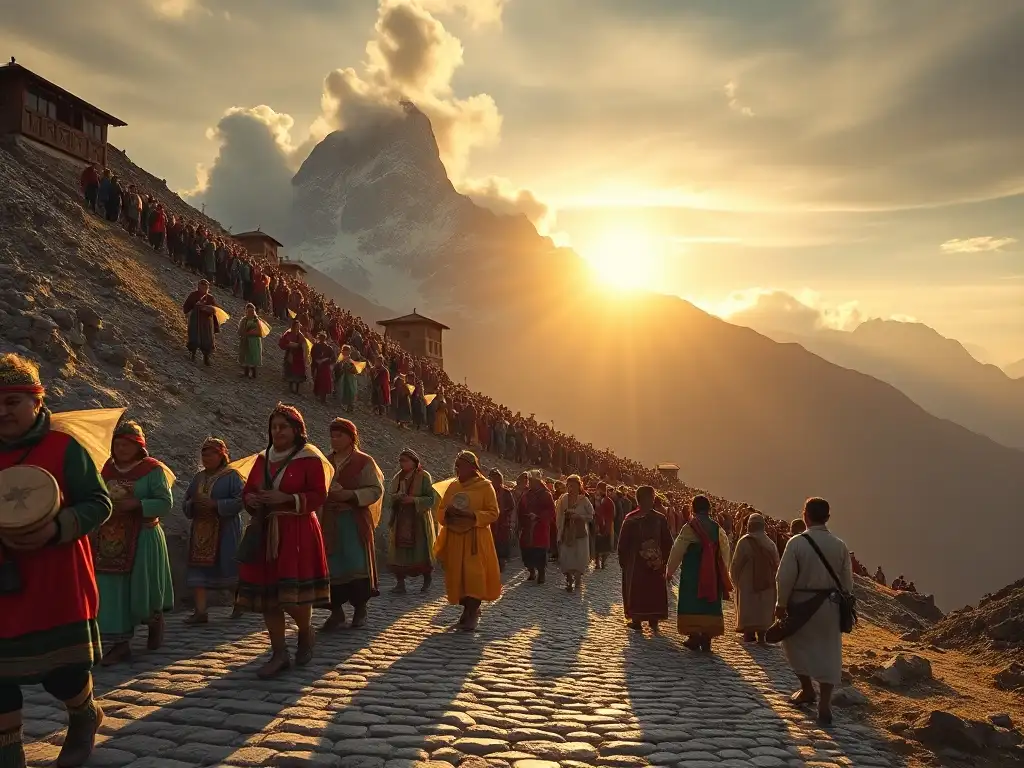
The vibrant tapestry of Andean culture is deeply interwoven with a rich history of festivals, celebrations that extended far beyond mere entertainment. These events played a crucial role in the social, political, and spiritual lives of ancient Andean societies, shaping their identities and leaving an indelible mark on their descendants. Understanding the significance of these festivals offers invaluable insight into the complexities of ancient Andean life, revealing the intricate connections between their cosmology, agriculture, and social structures.
The enduring influence of these ancient practices highlights their profound impact on the cultural landscape of the Andes, even today. Analyzing the significance of these ancient Andean festivals allows us to better understand the intricate workings of these sophisticated societies and their lasting legacy.
Influence on Modern Andean Culture
Many contemporary Andean festivals retain echoes of their ancient predecessors. While the specifics may have evolved over centuries, the underlying themes of community bonding, agricultural cycles, and spiritual reverence persist. For example, the Inti Raymi, a celebration of the winter solstice dedicated to the sun god Inti, continues to be observed in various forms across the Andean region.
While the scale and exact rituals may differ from Inca times, the fundamental respect for the sun and the celebration of the cycle of life remain central. Similarly, many harvest festivals incorporate elements of ancient rituals, reflecting the enduring importance of agriculture in Andean life. The continuity of these traditions, despite the passage of time and the imposition of foreign cultures, underscores the deep-rooted significance of ancient Andean festivals and their remarkable resilience.
The vibrant colors, intricate costumes, and shared community experiences in modern festivals directly link to the traditions passed down through generations, demonstrating the powerful legacy of ancient Andean celebrations. This cultural continuity is a testament to the enduring power of these ancient traditions.
Archaeological Evidence of Festivities
Archaeological discoveries offer compelling evidence of the importance of festivals in ancient Andean societies. Sites like Machu Picchu reveal plazas and structures specifically designed for large gatherings, suggesting the presence of organized and elaborate celebrations. The discovery of numerous artifacts—including pottery depicting festive scenes, finely crafted textiles used in ceremonial attire, and remnants of food and drink offerings—further illuminates the scale and complexity of these events.
For example, the discovery of large quantities of ceramic vessels at certain sites indicates communal feasts and libations. Furthermore, the meticulous construction of ceremonial centers and the presence of sophisticated irrigation systems highlight the significant resources allocated to these celebrations, reflecting their paramount importance within the societal structure. [Specific examples of pottery designs depicting festivals pending].
The analysis of these artifacts provides critical insights into the social, religious, and political aspects of ancient Andean festivals. The careful study of these remnants continues to reveal new details about the rich cultural expressions of these ancient societies.
Continuing Significance of Rituals in Andean Communities
The rituals and beliefs associated with ancient Andean festivals remain integral to the spiritual and social fabric of many Andean communities today. These practices are not merely historical relics; they are living traditions that continue to shape the lives of individuals and communities. The enduring significance of these rituals underscores their deep connection to the land, their ancestors, and the spiritual world.
For example, the use of coca leaves in ceremonies, a practice with ancient roots, persists as a symbol of respect and offering. The continuation of these rituals demonstrates the enduring power of ancient Andean traditions and their capacity to adapt and evolve while maintaining their core values. [Specific examples of continuing rituals and their significance pending].
The persistent presence of these ancient practices highlights the lasting impact of ancient Andean festivals and their relevance to contemporary Andean life. Understanding these continued practices provides valuable insights into the resilience and adaptability of Andean culture.
Conclusion: The Enduring Impact of Andean Festivals
The study of ancient Andean festivals offers a compelling window into the complex social, religious, and political structures of these remarkable civilizations. These weren't merely fleeting moments of revelry; they were meticulously planned events deeply interwoven with the fabric of daily life, reflecting the profound connection between the Andean peoples and their environment, their deities, and their ancestors. Understanding the significance of these celebrations allows us to appreciate the sophisticated worldview that shaped their societies and the enduring legacy they left behind.
The echoes of these vibrant traditions resonate even today, influencing modern Andean cultures and providing valuable insights into human history and cultural evolution. The meticulous planning, the intricate rituals, and the vibrant expressions of community all point to a sophisticated level of social organization and a deep-seated spiritual belief system.
The Importance of Studying Ancient Andean Celebrations
Analyzing ancient Andean festivals provides crucial data for understanding the intricate social dynamics of these societies. Archaeological evidence, such as the remains of ceremonial sites and the artifacts discovered within them, offers tangible proof of the scale and importance of these events. For example, the discovery of elaborate textiles, pottery, and gold objects associated with specific festivals reveals the significant investment of resources and labor dedicated to these celebrations.
This investment underscores the festivals' central role in reinforcing social hierarchies, solidifying political power, and maintaining social cohesion. Furthermore, the study of iconography found on these artifacts provides invaluable insights into the beliefs, values, and cosmological perspectives of the Andean peoples.
By deciphering the symbolism depicted in these objects, scholars can reconstruct narratives surrounding specific deities, myths, and rituals, enriching our understanding of their spiritual world. Detailed analysis of these findings helps us move beyond simplistic interpretations and allows for a more nuanced understanding of "Ancient Andean festival significance."
Understanding Cultural Heritage through Festive Traditions
The enduring legacy of ancient Andean festivals is not merely an academic pursuit; it's a crucial element in understanding and preserving cultural heritage. These celebrations were not isolated events; they were integral parts of a larger system of beliefs and practices that shaped the identity and worldview of these societies. By studying these traditions, we gain a deeper appreciation for the richness and complexity of Andean cultures, fostering a sense of respect and understanding for the descendants of these ancient peoples.
The continued celebration of adapted versions of these festivals in modern Andean communities highlights the enduring power of these traditions. These contemporary celebrations serve as living testaments to the resilience and continuity of Andean culture, demonstrating how ancient practices have been adapted and reinterpreted across generations, preserving a vital connection to the past.
The study of these contemporary adaptations provides valuable insights into the processes of cultural transmission and transformation, further enriching our understanding of the "Ancient Andean festival significance." Indeed, the preservation and interpretation of these festivals are vital for promoting cultural tourism and supporting the economic well-being of Andean communities.
Frequently Asked Questions
What was the significance of festivals in Ancient Andean societies?
Ancient Andean festivals held immense religious and social significance. They were crucial for maintaining cosmic order, honoring deities, and strengthening community bonds through shared rituals and celebrations.
How did festivals connect the Andean people to their environment?
Festivals often incorporated agricultural cycles and natural phenomena into their rituals. This connection reinforced the people's dependence on and respect for the environment's bounty.
Which deities were commonly celebrated during Andean festivals?
Celebrations frequently honored major deities such as the sun god Inti, the moon goddess Mama Killa, and various agricultural and mountain spirits. The specific deities varied across different cultures and regions.
What types of activities characterized Andean festivals?
Festivals involved a diverse range of activities, including elaborate processions, sacrifices, feasting, music, dance, and dramatic performances. These events brought communities together and reinforced social structures.
How did the Inca Empire influence Andean festival traditions?
The Inca Empire significantly standardized and centralized many aspects of Andean festivals. They promoted state-sponsored celebrations that reinforced imperial power and promoted a shared Andean identity.
Final Reflection: Echoes of Celebration in the Andes
The vibrant tapestry of ancient Andean festivals, far from being relics of a bygone era, continues to resonate deeply within contemporary Andean cultures and offers invaluable insights into the enduring human need for communal celebration and spiritual connection. Their significance transcends mere historical interest; they represent a powerful testament to the resilience of cultural identity and the enduring power of shared experience.
The echoes of these ancient celebrations—the intricate rituals, the vibrant costumes, the profound spiritual meaning—are still palpable in modern Andean life. Many contemporary festivals retain elements of their ancient predecessors, demonstrating a remarkable continuity across millennia. The deep-seated connection to the land, the reverence for ancestral spirits, and the emphasis on community remain central themes. The past is never dead. It's not even past.
– William Faulkner. This quote perfectly encapsulates the enduring legacy of these ancient festivals and their continued influence on the cultural landscape of the Andes.
Consider the profound implications of these ancient celebrations. What can we learn from their emphasis on community, their connection to the natural world, and their profound spiritual dimensions? You, the reader, are invited to reflect on the ways in which these ancient practices can inform our own approaches to community building, environmental stewardship, and the search for meaning in our lives. Let the vibrant spirit of these ancient Andean festivals inspire you to cultivate a deeper appreciation for the power of shared experience and the enduring strength of cultural heritage.
Embrace the Spirit of Andean Festivals Today!
Thank you for joining us on this journey through the vibrant world of ancient Andean festivals! We hope you discovered the rich traditions and cultural significance of these events. Now, let's bring that celebratory spirit into your own life. Here are some ways you can connect with and honor these incredible customs:
- **Attend a local cultural festival** that celebrates Andean traditions, or explore similar events in your community to experience diverse cultural expressions firsthand.
- **Share your newfound knowledge and appreciation** with friends and family—perhaps plan a gathering to discuss what you've learned, or even host a themed dinner featuring delicious Andean cuisine!
- **Continue your exploration:** delve into books, documentaries, or online resources about Andean cultures to deepen your understanding and appreciation of these fascinating societies.
Which aspect of Andean festivals resonates most with you, and how will you incorporate it into your life? Share your thoughts in the comments!