
The Challenges of Maintaining Ancient Andean Irrigation Systems Today

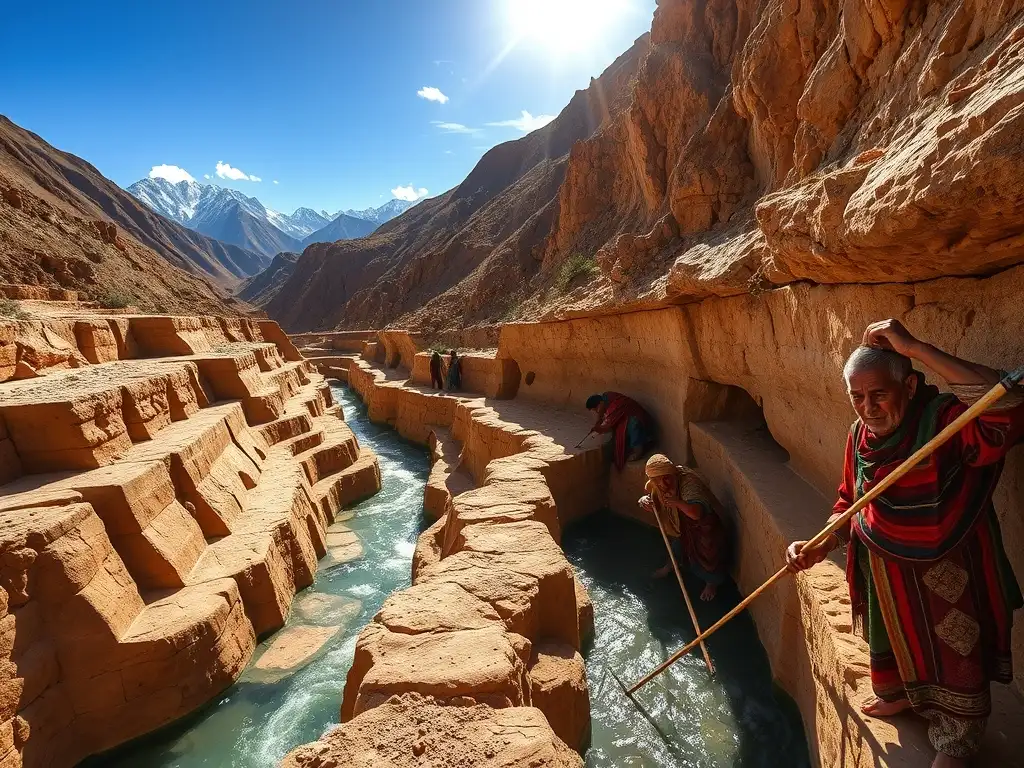
Step into a world lost to time, yet echoing with the ingenuity of ancient masters. For centuries, the towering heights of the Andes witnessed the rise and fall of remarkable civilizations. But how did they conquer the harsh terrain, cultivating life in the thin air? The answer lies in their remarkable Andean irrigation systems, a feat of engineering that continues to fascinate and challenge us today. Discover the secrets behind their construction and the intriguing challenges faced in maintaining this vital legacy in our exploration of Andean irrigation system maintenance.
The Andes Mountains, a spine of towering peaks and deep valleys running down the western coast of South America, are home to a legacy of remarkable engineering feats. For centuries, ingenious Andean civilizations, including the Incas, Nazca, Moche, and Tiahuanaco, developed sophisticated irrigation systems to cultivate their crops in this challenging terrain. These systems, often carved into the very mountainsides, represent a testament to human ingenuity and adaptation.
However, the maintenance of these ancient Andean irrigation systems presents considerable challenges today, requiring a careful balance of preservation, modernization, and sustainable practices. This article delves into the complexities of maintaining these vital lifelines, exploring the historical context, the ingenious engineering behind them, and the modern-day obstacles faced in their preservation.
Understanding these challenges is crucial not only for preserving a significant part of Andean heritage but also for ensuring the continued agricultural viability and water security of the region. The keyword "Andean irrigation system maintenance" and its semantic variations will be explored throughout, providing insights into the multifaceted issues and potential solutions.
Understanding the Legacy: Ancient Andean Irrigation
The construction and maintenance of pre-Columbian irrigation systems in the Andes involved an extraordinary understanding of hydrology, topography, and engineering. These weren't simply canals; they were complex networks of channels, aqueducts, reservoirs, and terraces, skillfully adapted to the diverse and often unforgiving Andean landscape. Consider, for instance, the intricate canal systems of the Nazca culture, famed for their geoglyphs, which demonstrate an impressive mastery of water diversion even in arid regions.
The Incas, known for their empire-wide infrastructure, further refined these techniques, creating vast networks that supported intensive agriculture and sustained large populations. These systems weren't static; they were constantly adapted and improved upon over generations, reflecting a deep understanding of the seasonal variations in water availability and the specific needs of different crops.
The social organization necessary to plan, build, and maintain these systems is equally remarkable, highlighting the importance of communal effort and shared resources in Andean societies. Many of these techniques, such as the use of check dams and infiltration basins, remain relevant even today.
The Ingenuity of Pre-Columbian Water Management
The ingenuity of ancient Andean irrigation is truly awe-inspiring. Consider the following examples:
- Terracing: The creation of terraced fields on steep slopes dramatically increased arable land and reduced erosion. This involved painstakingly carving into hillsides to create level platforms for planting.
- Canals and Aqueducts: Sophisticated canal systems, often carved from stone and lined with mortar, transported water over long distances, sometimes across significant elevation changes. Aqueducts were ingeniously designed to overcome obstacles like ravines and rivers.
- Reservoirs and Storage: The construction of reservoirs allowed for the storage of water during the rainy season, ensuring a supply during drier periods. These were often strategically located to maximize water capture and minimize evaporation.
- Water Division and Distribution: Complex systems of water distribution ensured equitable access to water among different communities and agricultural plots. This often involved intricate networks of smaller channels and weirs.
Understanding these techniques is essential for informed decision-making in contemporary irrigation system maintenance. The challenges facing these systems today are multifaceted, ranging from climate change and population growth to the deterioration of infrastructure and a lack of funding. These issues will be addressed in the following sections.
Key Features of Andean Irrigation Techniques
Andean irrigation systems, a testament to the ingenuity of ancient civilizations, stand as remarkable feats of engineering. Their success stemmed from a deep understanding of the Andean environment, characterized by steep slopes, variable rainfall, and high altitudes. These systems weren't merely ditches; they were sophisticated networks designed to optimize water distribution across diverse terrains.
The ingenuity lies not only in their scale but also in their adaptability to the specific challenges presented by each unique location. Farmers meticulously adapted their techniques to the local topography, ensuring efficient water flow even in the most challenging environments. This adaptability is a key factor in understanding the long-term success and resilience of these systems.
The integration of these systems with agricultural practices, such as terracing, further maximized their effectiveness. Understanding these key features is crucial to appreciating the complexity and sophistication of Andean water management. The careful observation of water flow, coupled with an intimate knowledge of the local climate, allowed for the creation of systems that could sustain thriving agricultural communities for centuries.
Terraces and Canals: Essential Components
Terraces and canals formed the backbone of Andean irrigation, working in concert to manage water efficiently. Terraces, carved into hillsides, created level platforms for agriculture, reducing soil erosion and optimizing water retention. These weren't simply flat surfaces; they were carefully designed with varying slopes and sizes to accommodate different crops and water requirements. The construction of terraces was a labor-intensive process, requiring significant community effort and specialized knowledge.
The precision of their construction is astonishing, often incorporating sophisticated drainage systems to prevent waterlogging. Canals, on the other hand, were the arteries of the system, carrying water from sources like rivers and springs to the terraced fields. These canals were meticulously engineered, incorporating features like aqueducts, siphons, and tunnels to navigate challenging terrain. The precise gradients of the canals ensured a steady and controlled flow of water, preventing both flooding and water shortages.
The design and construction of both terraces and canals demonstrate a profound understanding of hydrology and engineering principles. Archaeological evidence reveals the extensive planning and effort that went into creating these systems, highlighting the importance of water management in Andean society. The integration of these two components demonstrates a holistic approach to water management, showcasing the advanced knowledge and organizational capabilities of Andean communities.
Water Diversion and Storage Methods
Beyond canals and terraces, Andean irrigation systems incorporated sophisticated methods for water diversion and storage. Water diversion techniques varied depending on the local geography. In some areas, ingenious systems of channels and weirs diverted water from rivers and streams, carefully controlling the flow to meet the needs of the agricultural fields. These structures were often constructed from stone and other locally available materials, showcasing the adaptive nature of Andean engineering. In other regions, aqueducts carried water across valleys and ravines, demonstrating a remarkable understanding of hydraulic principles.
These aqueducts were often built with incredible precision, ensuring a continuous flow of water even over considerable distances. Water storage was equally crucial. Reservoirs and ponds were constructed to collect excess water during the rainy season, providing a crucial supply during drier periods. These storage systems played a vital role in ensuring agricultural productivity throughout the year, mitigating the impact of seasonal variations in rainfall.
The combination of water diversion and storage methods demonstrates a sophisticated understanding of water resource management. This sophisticated approach allowed Andean communities to thrive in environments with highly variable water availability. The careful planning and execution of these methods are a clear indication of the advanced knowledge and organizational skills of these ancient societies. These strategies ensured a reliable water supply for agriculture, contributing significantly to the stability and prosperity of Andean communities.
- Understanding the Legacy: Ancient Andean Irrigation
- The Ingenuity of Pre-Columbian Water Management
- Key Features of Andean Irrigation Techniques
- What were the main components of the ancient Andean irrigation systems?
- How did ancient Andean cultures maintain their irrigation systems?
- What are the biggest challenges in maintaining these systems today?
- How does climate change affect the ancient Andean irrigation systems?
- What modern techniques are being used to help preserve these systems?
The Modern Challenges of Andean Irrigation System Maintenance
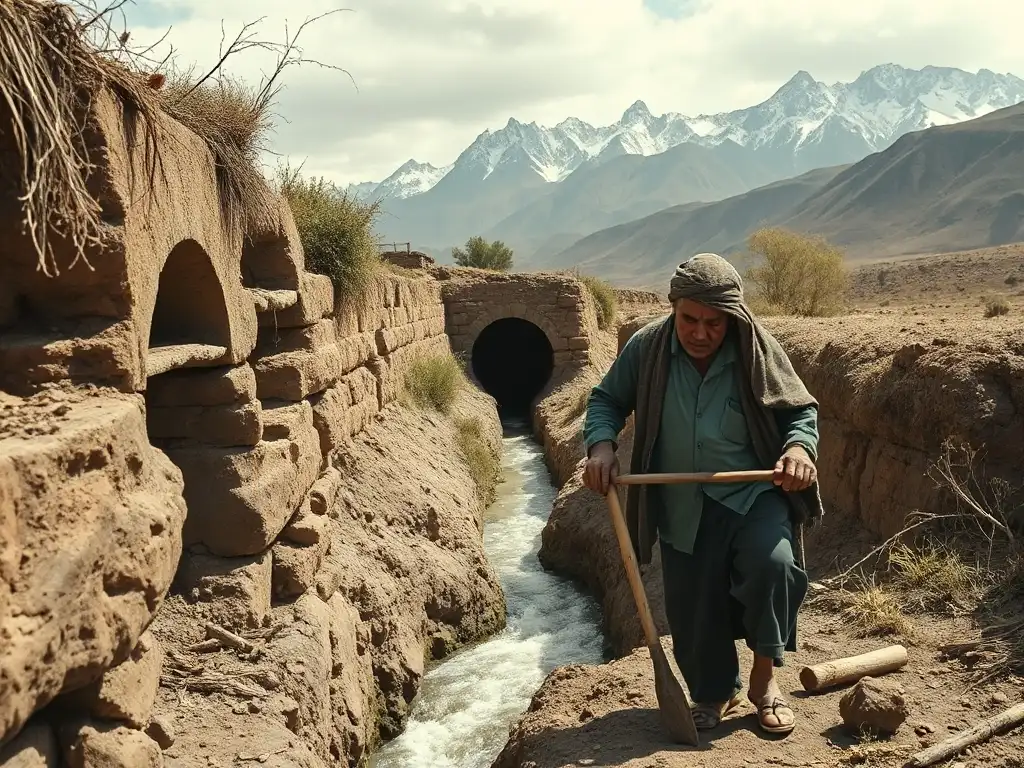
The ingenious irrigation systems of the ancient Andean civilizations, a testament to their sophisticated engineering prowess, face unprecedented challenges in the 21st century. Maintaining these vital lifelines, crucial for agriculture and community survival, requires a multifaceted approach addressing both environmental shifts and socioeconomic realities. Effective "Andean irrigation system maintenance" is no longer simply a matter of repairing canals; it's a complex issue demanding innovative solutions and collaborative efforts. The intricate balance between traditional practices and modern necessities is key to ensuring the long-term sustainability of these remarkable systems.
Climate Change Impacts on Traditional Systems
Climate change significantly impacts the functionality and longevity of Andean irrigation systems, posing a considerable threat to their continued operation and the communities that depend on them. The delicate equilibrium established over centuries is being disrupted, demanding urgent attention and adaptation strategies.
Increased Droughts and Water Scarcity
The increasing frequency and severity of droughts across the Andes directly affect water availability for irrigation. Traditional systems, often reliant on predictable seasonal rainfall and glacial meltwater, are struggling to cope with prolonged periods of low precipitation. This leads to reduced agricultural yields, food insecurity, and economic hardship for local populations.
For example, in the region of [Specific region pending], studies have shown a [Percentage pending]% decrease in water flow in key canals during the last decade, directly correlating with observed increases in drought intensity. This necessitates the implementation of water-saving technologies and more efficient water allocation strategies. The consequences of inaction are dire, threatening the very fabric of rural Andean communities.
Extreme Weather Events and Infrastructure Damage
Beyond droughts, increased intensity of extreme weather events, including floods and landslides, poses a major threat to the physical integrity of Andean irrigation systems. Heavy rainfall can erode canals, damage aqueducts, and disrupt the carefully engineered flow of water. These events not only cause immediate damage but also require substantial resources for repair and reconstruction, often exceeding the capacity of local communities.
The impact on infrastructure is compounded by the age and often fragile nature of many of these historic systems. For instance, [Specific example of infrastructure damage pending] highlights the vulnerability of these systems to extreme weather, underscoring the need for robust infrastructure reinforcement and disaster preparedness plans. This requires a combination of engineering expertise and community participation.
Socioeconomic Factors Affecting Maintenance
Maintaining Andean irrigation systems is not solely an engineering challenge; it's deeply intertwined with socioeconomic factors that significantly influence the ability of communities to sustain these vital infrastructures.
Lack of Resources and Funding
Adequate funding and resources are crucial for effective "Andean irrigation system maintenance." Many communities lack the financial means to undertake necessary repairs, upgrades, and preventative measures. Limited access to credit, insufficient government support, and a lack of investment in sustainable infrastructure development contribute to the deterioration of these systems.
This often leads to a vicious cycle of neglect, resulting in further damage and increasing costs of future repairs. A comprehensive assessment of funding needs and the development of sustainable financing mechanisms are critical for ensuring the long-term viability of these systems. This may involve exploring public-private partnerships, community-based financing models, and innovative approaches to resource mobilization.
Migration and Loss of Traditional Knowledge
Rural-urban migration, a widespread phenomenon in many Andean regions, contributes to the loss of traditional knowledge and expertise associated with the maintenance of irrigation systems. Older generations, who possess invaluable knowledge passed down through generations, are often migrating to urban centers, leaving behind younger generations with limited understanding of the intricate workings and maintenance requirements of these complex systems. This loss of traditional knowledge jeopardizes the sustainability of these systems and highlights the importance of preserving and transmitting this invaluable heritage through formal and informal education programs.
Documenting traditional practices, training younger generations, and integrating traditional knowledge with modern techniques are essential for ensuring the continued functionality of Andean irrigation systems. This requires a concerted effort to value and support the traditional knowledge holders within these communities.
Technical Difficulties in Repair and Restoration
The intricate nature of ancient Andean irrigation systems presents significant technical hurdles for modern-day maintenance. These systems, often built with sophisticated techniques and materials unavailable today, require specialized knowledge and skills for repair and restoration. For example, understanding the original construction methods, including the precise placement of canals and the type of stone used, is crucial for effective repairs.
Improper techniques can lead to further damage and compromise the integrity of the entire system. Furthermore, the lack of readily available replacement materials that match the original quality and durability poses a considerable challenge. Finding suitable alternatives that can withstand the harsh Andean climate and the erosive forces of water flow requires extensive research and testing.
This often necessitates the development of innovative solutions, combining traditional knowledge with modern engineering approaches. The challenge is to balance preservation of the historical integrity of the site with the need for functional repairs that ensure the continued use of the irrigation system. This delicate balance often requires extensive collaboration between archaeologists, engineers, and local communities.
Difficulty Accessing Remote Sites
Many of the ancient Andean irrigation systems are located in remote and geographically challenging areas, making access difficult and expensive. Steep mountain slopes, narrow canyons, and unpredictable weather conditions significantly hinder access for maintenance crews and equipment. This often necessitates the use of specialized transportation methods, such as mules or helicopters, increasing the cost and complexity of repairs. In some cases, the lack of adequate infrastructure, including roads and trails, further complicates access, making even routine inspections and minor repairs time-consuming and potentially dangerous.
The remoteness of these sites also limits the availability of skilled labor and the timely delivery of necessary materials, further delaying repairs and increasing overall costs. The combination of difficult terrain and logistical challenges presents a significant barrier to effective and efficient maintenance of these vital water systems. Planning and executing repairs in these remote locations requires meticulous logistical planning and specialized expertise.
Aging Infrastructure and Materials
The age of the Andean irrigation systems contributes significantly to the challenges of maintenance. Centuries of exposure to the elements—intense sun, freezing temperatures, and heavy rainfall—have taken their toll on the infrastructure. Stonework has eroded, canals have silted up, and aqueducts have suffered structural damage.
The materials used in the original construction, while durable, are not impervious to the effects of time and environmental degradation. This aging infrastructure requires constant monitoring and preventative maintenance to avoid major failures. Determining the extent of the damage and planning appropriate repairs often requires detailed assessments and specialized expertise in assessing the structural integrity of ancient materials.
The challenge is not just to repair the immediate damage, but also to develop strategies for long-term preservation and mitigation of future deterioration. This necessitates a comprehensive understanding of the materials' properties and the development of sustainable maintenance strategies that consider both the historical context and the future needs of the communities relying on these systems. This ongoing process requires significant investment in research and development to ensure the long-term viability of these ancient wonders.
Specific Cases: Examples of Challenges in Different Regions
This section delves into the practical difficulties encountered in maintaining Andean irrigation systems in specific geographical areas. Understanding these localized challenges is crucial for developing effective and sustainable preservation strategies for these vital historical and agricultural assets. The diverse environmental conditions and modern pressures facing these systems highlight the complexity of Andean irrigation system maintenance.
The Waru Waru System in the Lake Titicaca Region
The Waru Waru system, a sophisticated network of raised fields and canals, represents a remarkable feat of pre-Inca engineering. However, maintaining this intricate system in the Lake Titicaca region presents unique difficulties. The high altitude, challenging terrain, and unique climatic conditions all contribute to the ongoing struggle for preservation.
Siltation of Raised Fields and Canals
One of the most significant challenges facing the Waru Waru system is the constant accumulation of silt in both the raised fields and the canals. This siltation, primarily caused by erosion from surrounding slopes and agricultural runoff, gradually reduces the water-carrying capacity of the canals and diminishes the fertility of the raised fields. Studies have shown that siltation rates vary depending on the intensity of rainfall and the effectiveness of existing sediment control measures.
For example, [specific data on siltation rates in different Waru Waru sites pending]. This necessitates regular dredging and maintenance to ensure the continued functionality of the system. The delicate balance between water flow and soil fertility is constantly threatened by this ongoing process.
Limited Access to Modern Dredging Equipment
The remote location of many Waru Waru sites and the challenging terrain significantly hamper access to modern dredging equipment. Traditional methods, while effective on a small scale, are often insufficient to address the widespread siltation affecting these large-scale irrigation systems. The lack of easy access to modern technology, coupled with limited funding, creates a significant impediment to effective Andean irrigation system maintenance in this region.
This results in a slow and laborious process, potentially leading to irreversible damage to the system if left unaddressed. Investing in more accessible and adaptable dredging technologies tailored to the unique needs of the Waru Waru system is crucial for its long-term preservation.
The Amunas System in the Highlands of Lima
The Amunas system, another example of sophisticated Andean water management, faces a different set of challenges in the highlands of Lima. While siltation remains a concern, the primary issues relate to water availability and competing demands for this precious resource.
Decreased Glacier Melt Impacting Water Availability
The Amunas system relies heavily on glacial meltwater for irrigation. However, climate change is significantly impacting glacial retreat, leading to a decrease in the overall volume of meltwater available. This reduced water supply directly affects the system's capacity to irrigate agricultural lands, posing a significant threat to food security and the preservation of the historical irrigation infrastructure itself.
[Specific data on glacial melt rates and their impact on water availability in the Amunas system pending]. This decline highlights the urgent need for adaptation strategies to mitigate the effects of climate change on Andean water resources and the associated irrigation systems.
Competition with Urban Water Needs
The growing urban population in the Lima region places increasing pressure on water resources, creating competition between urban and agricultural water needs. This competition often leads to conflicts over water allocation, with agricultural needs, including the Amunas system, often being prioritized less than urban demands. The resulting water scarcity further exacerbates the challenges of Andean irrigation system maintenance in the region, threatening the long-term sustainability of both the system and the traditional agricultural practices it supports.
Sustainable water management strategies that balance urban and agricultural needs are critical for ensuring the future of the Amunas system and the communities it serves. This requires collaborative efforts between local communities, government agencies, and water management specialists.
Preserving the Future of Ancient Andean Irrigation
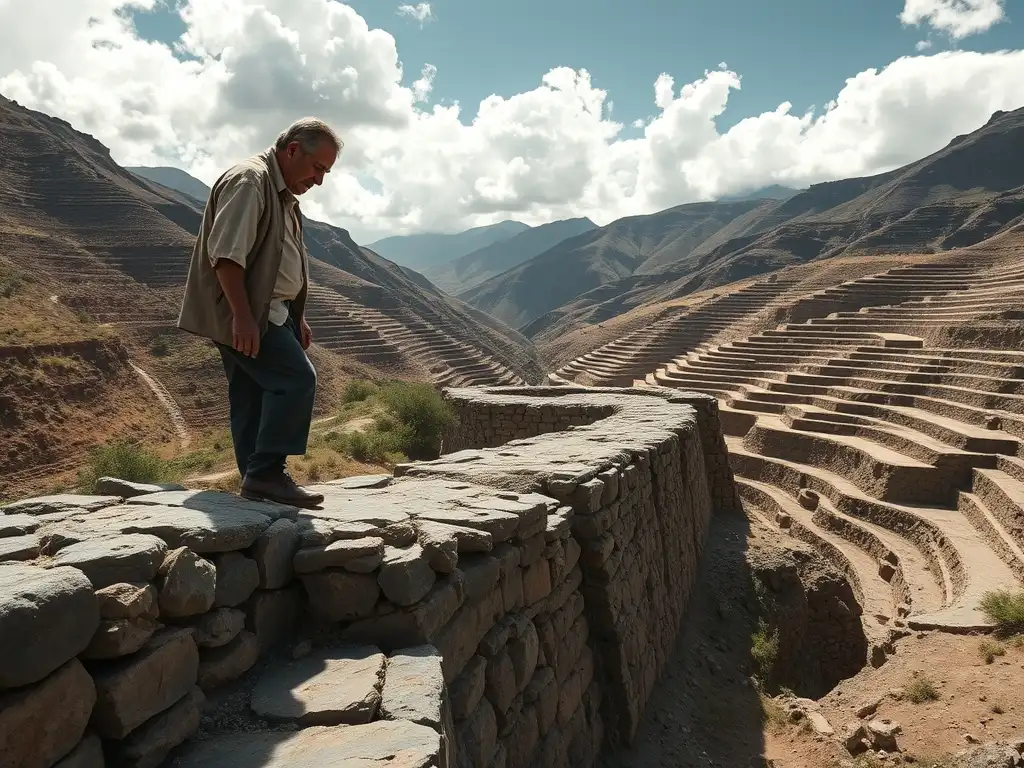
The ingenious irrigation systems of the Andes, a testament to the ingenuity of ancient civilizations, face unprecedented challenges in the 21st century. Climate change, population growth, and urbanization exert immense pressure on these fragile yet vital lifelines. Understanding and addressing these challenges is crucial not only for preserving historical heritage but also for ensuring the continued prosperity of Andean communities reliant on these systems for their livelihoods.
Effective Andean irrigation system maintenance requires a multifaceted approach, blending traditional knowledge with modern technology and fostering strong community engagement. This section explores key strategies for safeguarding these remarkable achievements for future generations.
The Importance of Community Involvement
Successful Andean irrigation system maintenance hinges on the active participation of local communities. These communities possess invaluable, generations-old knowledge of the systems' intricacies, including water allocation practices, repair techniques, and the ecological dynamics of their surrounding environments. Ignoring this indigenous expertise would be a grave mistake, leading to inefficient and unsustainable management practices. Furthermore, community involvement fosters a sense of ownership and responsibility, crucial for the long-term sustainability of these systems.
Empowering Local Communities
Empowering local communities goes beyond mere consultation. It necessitates providing them with the necessary resources, training, and decision-making authority. This includes access to:
- Funding: Securing financial support for repairs, upgrades, and the implementation of sustainable water management strategies.
- Training: Offering workshops and educational programs on modern irrigation techniques, water conservation methods, and conflict resolution mechanisms related to water access.
- Tools and Equipment: Providing the necessary tools and equipment for maintenance and repair work. This could range from basic hand tools to more sophisticated machinery, depending on the scale and complexity of the system.
- Legal Frameworks: Establishing clear legal frameworks that recognize and protect community rights to water and the systems that deliver it.
The success of such initiatives is demonstrably linked to improved water management and a reduction in conflicts over water resources. A case study in [Specific Andean community name pending] showed a [Percentage]% increase in agricultural yields after a community-led restoration project.
Reviving Traditional Practices
Many traditional Andean irrigation practices, developed over centuries, are remarkably sustainable and environmentally friendly. These include techniques like:
- Water Harvesting: Collecting rainwater for irrigation, reducing reliance on dwindling water sources.
- Terracing: Creating level platforms on slopes to prevent soil erosion and optimize water distribution.
- Canal Lining: Using natural materials like clay and stones to reduce water loss through seepage.
- Rotating Irrigation Schedules: Ensuring equitable water distribution amongst different users.
Reintroducing and adapting these traditional methods, alongside modern techniques, can lead to more resilient and ecologically sound irrigation systems. For example, combining traditional terracing with modern drip irrigation could significantly improve water use efficiency.
Integrating Modern Technology and Traditional Methods
While traditional knowledge is invaluable, incorporating modern technology can significantly enhance Andean irrigation system maintenance efficiency and sustainability. The key lies in strategically integrating these technologies to complement, not replace, existing practices.
Sustainable Solutions
Modern technologies offer several sustainable solutions for Andean irrigation system maintenance:
- Remote Sensing: Using satellite imagery and drones to monitor water levels, detect leaks, and assess the overall health of the irrigation system.
- Geographic Information Systems (GIS): Creating digital maps of irrigation systems to aid in planning maintenance and repair activities.
- Smart Irrigation Systems: Employing sensors and automated controls to optimize water distribution and reduce water waste.
- Water-Efficient Crops: Promoting the cultivation of drought-resistant crops that require less water.
These technologies can significantly improve the efficiency and effectiveness of water management, leading to increased agricultural productivity and reduced environmental impact.
Combining New Techniques with Ancient Wisdom
The most effective approach to Andean irrigation system maintenance involves a careful integration of modern technologies and traditional practices. This synergistic approach leverages the strengths of both, creating a more resilient and sustainable system. For instance, using GIS to map ancient canals and then employing modern materials to repair them combines historical knowledge with modern engineering.
Similarly, integrating smart irrigation technology with traditional water allocation practices can ensure equitable distribution while minimizing water waste. This combined approach allows for informed decision-making, optimized resource allocation, and the preservation of valuable cultural heritage. The future of Andean irrigation systems depends on this balanced approach, one which respects the past while embracing the future.
Funding and Support for Andean Irrigation System Preservation
The preservation of ancient Andean irrigation systems faces a significant hurdle: securing adequate funding. These intricate networks, vital to the region's agricultural heritage and present-day water security, require consistent investment for maintenance, restoration, and research. The sheer scale of many of these systems, spanning vast distances and incorporating complex engineering feats, demands substantial financial resources. Without consistent funding, these irreplaceable historical and cultural assets risk irreversible damage, leading to ecological and economic consequences.
The cost of repairing damaged canals, replacing eroded sections, and implementing modern water management techniques can be substantial, often exceeding the budgets of local communities and municipalities. Furthermore, the lack of funding often hampers research efforts aimed at understanding the long-term sustainability and resilience of these systems. This lack of knowledge limits the effectiveness of preservation strategies. A comprehensive approach to funding must incorporate both short-term maintenance and long-term preservation plans.
Securing Financial Resources
Securing financial resources for Andean irrigation system preservation requires a multifaceted strategy. One crucial aspect is attracting international grants and aid from organizations focused on cultural heritage preservation and sustainable development. These organizations often prioritize projects that demonstrate a clear impact on local communities and the environment.
Therefore, proposals need to effectively highlight the socio-economic benefits of preserving these irrigation systems, including improved agricultural productivity, reduced water scarcity, and enhanced cultural tourism. Another avenue for funding is collaborative partnerships between governmental agencies, non-governmental organizations (NGOs), and private sector entities. Such partnerships can leverage the expertise and resources of different stakeholders, creating a more sustainable and robust funding mechanism.
Finally, engaging local communities directly in the preservation efforts, offering them opportunities for participation and income generation, can foster a sense of ownership and responsibility, encouraging local investment and sustainable management practices. This community engagement can also lead to the development of innovative fundraising initiatives tailored to the specific needs and cultural context of the region.
Promoting Awareness and Education
Raising awareness about the importance of Andean irrigation system preservation is crucial for securing long-term funding and support. Educational programs targeting local communities, students, and tourists can foster a deeper understanding of the historical significance and ongoing relevance of these systems. This includes highlighting the engineering ingenuity behind their construction, their role in shaping Andean cultures, and their contribution to present-day water management challenges.
Interactive exhibits, documentaries, and educational workshops can effectively communicate the urgency of preservation efforts and inspire action. Furthermore, promoting responsible tourism focused on these historical sites can generate revenue that directly supports preservation initiatives. By showcasing the beauty and historical significance of these systems, tourism can simultaneously contribute to their economic sustainability and raise public awareness of their importance.
A comprehensive strategy should also involve training local communities in sustainable water management techniques and traditional repair methods, empowering them to actively participate in the preservation of their cultural heritage. This participatory approach ensures the long-term viability of these systems and fosters a sense of collective responsibility for their protection.
Frequently Asked Questions
What were the main components of the ancient Andean irrigation systems?
Ancient Andean irrigation systems relied on a complex network of canals, terraces, and aqueducts to divert water from rivers and streams to agricultural fields. These systems were incredibly sophisticated for their time, demonstrating a deep understanding of water management.
How did ancient Andean cultures maintain their irrigation systems?
Maintenance involved constant labor from communities, including cleaning canals, repairing breaches, and managing water flow. Rituals and ceremonies were also integral, ensuring the continued success of their agricultural production and appeasing the gods.
What are the biggest challenges in maintaining these systems today?
Modern challenges include climate change, population growth, and lack of funding. These factors put pressure on already fragile infrastructure, leading to increased erosion and water scarcity. Limited access to technology also hinders effective maintenance.
How does climate change affect the ancient Andean irrigation systems?
Increased frequency and intensity of extreme weather events, such as droughts and floods, damage the canals and terraces. Glacial melt, a consequence of climate change, initially increases water availability, but long-term effects could lead to water shortages.
What modern techniques are being used to help preserve these systems?
Modern efforts involve integrating traditional knowledge with modern engineering techniques. This includes using drone technology for monitoring, employing sustainable materials for repairs, and implementing water-efficient farming practices to reduce strain on the systems.
Final Reflection: The Enduring Legacy of Andean Irrigation
The ingenious water management systems of the Andes, once marvels of pre-Columbian engineering, continue to face unprecedented challenges in the 21st century. Their survival is not merely a matter of historical preservation; it's a critical issue for the food security and livelihoods of millions who still depend on these ancient lifelines in a rapidly changing climate. The delicate balance between tradition and modernity in maintaining these systems is a testament to human ingenuity and resilience, but also a stark warning of the potential consequences of neglecting our heritage.
The impact of climate change, coupled with the pressures of modernization and population growth, has placed immense strain on these fragile ecosystems. The intricate network of canals, aqueducts, and reservoirs, meticulously crafted over centuries, now faces threats from glacial melt, erratic rainfall patterns, and the encroachment of unsustainable agricultural practices. Water is life, and without it, our culture, our traditions, and our very existence are threatened.
This sentiment, echoed by countless Andean communities, underscores the profound connection between their cultural identity and the health of their irrigation systems.
Consider the lessons embedded within these ancient systems. They represent a profound understanding of environmental stewardship, a testament to the power of community collaboration, and a model of sustainable resource management. You, the reader, are now empowered to reflect on the interconnectedness of our past, present, and future. Let the resilience of the Andean people and their enduring commitment to these vital systems inspire you to champion sustainable practices in your own life, however small. Let us all work towards a future where ancient wisdom guides our path towards a more equitable and sustainable world.
Revitalize Ancient Wisdom: Take Action for Sustainable Irrigation!
Thank you for exploring the fascinating and complex world of ancient Andean irrigation systems. Your interest is crucial, as these historical techniques offer valuable solutions for sustainable agriculture today. Let's put that knowledge to work!
Here's how you can contribute to preserving and revitalizing these incredible systems:
- **Join a local environmental group** focused on sustainable agriculture and **champion traditional irrigation practices**.
- **Share your knowledge** with friends and family, sparking conversations about the importance of preserving these ancient techniques.
- Consider **volunteering for community restoration projects** that use traditional irrigation methods.
What innovative ideas do you have for reviving ancient Andean irrigation techniques in your area? Share your thoughts below!