
How the Incas Mastered Food Preservation: Techniques That Defy Time

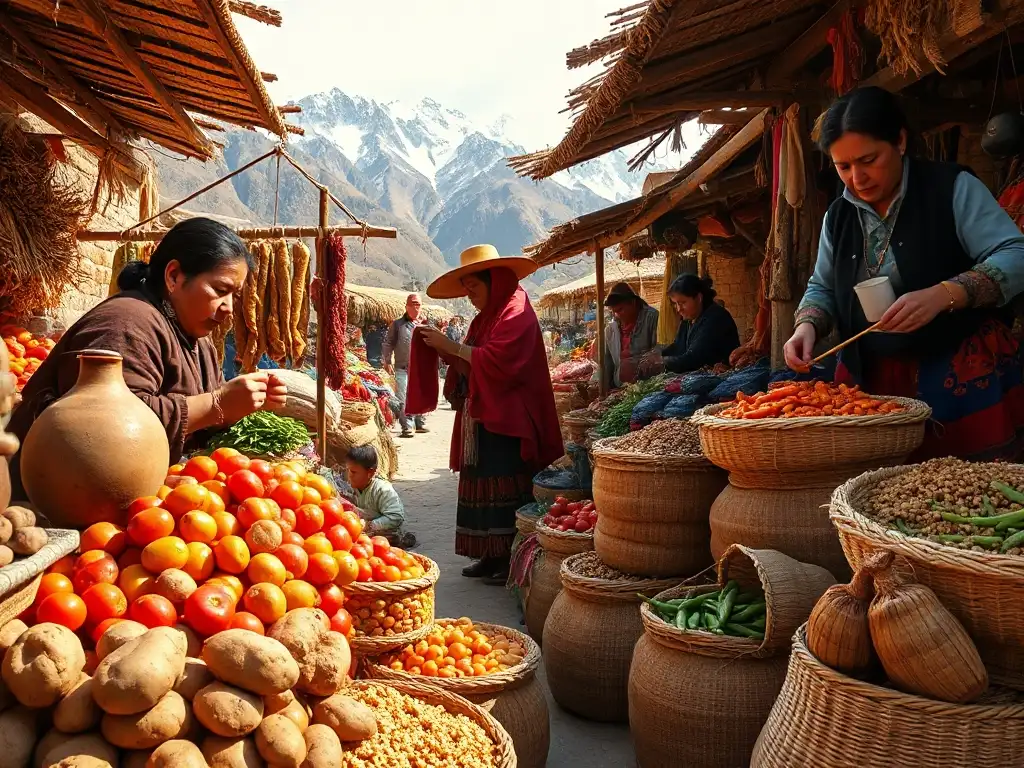
Step into a world lost to time, yet echoing with the ingenuity of the Andes. For centuries, these towering peaks witnessed the rise and fall of magnificent civilizations, each leaving an indelible mark on history. But how did the Incas, masters of their environment, conquer the challenges of sustenance in such a harsh landscape? Prepare to be amazed as we unravel the secrets behind their remarkable Inca food preservation techniques – techniques that defied time itself and offer a tantalizing glimpse into the ingenuity of Andean agriculture. Discover the answers within, and unlock the mysteries of their culinary mastery.
- Inca Food Preservation Techniques: Mastering Time and Sustaining an Empire
- Traditional Inca Methods for Preserving Food
- The Inca Storage System: Efficient Warehouses and Distribution
- The Legacy of Inca Food Preservation Techniques
- Conclusion: The Enduring Ingenuity of Inca Food Preservation
-
Frequently Asked Questions
- What were the main challenges the Incas faced regarding food preservation?
- What is the most well-known Inca food preservation technique?
- Besides freeze-drying, what other methods did the Incas use to preserve food?
- How effective were Inca food preservation techniques compared to modern methods?
- Why is studying Inca food preservation techniques important today?
- Final Reflection: Echoes of the Andes: A Legacy of Ingenuity in Food Preservation
- **Unlock the Secrets of Ancient Andean Food Preservation! **
Inca Food Preservation Techniques: Mastering Time and Sustaining an Empire
The Inca Empire, a marvel of engineering and social organization, thrived in the challenging Andean environment. Its success wasn't solely due to its impressive infrastructure and military prowess; a crucial element was its mastery of food preservation. This article delves into the ingenious techniques employed by the Incas to store and preserve food, ensuring the survival and prosperity of their vast empire across diverse and often harsh climates.
We will explore the ingenious methods they developed to overcome the challenges posed by the Andes' unique geography and weather patterns, techniques that continue to fascinate and inspire today. Understanding Inca food preservation provides a window into their remarkable ingenuity and adaptability, highlighting their deep connection to their environment and their remarkable capacity for innovation in the face of adversity.
This exploration of Inca food preservation techniques, a key element of their agricultural practices, reveals a sophisticated understanding of food science and resource management that played a pivotal role in their empire's enduring success. We'll uncover the secrets behind their success, examining the ingenuity that allowed them to overcome the challenges of preserving food in a varied and challenging terrain.
The Importance of Food Storage in the Inca Empire
The Inca Empire, sprawling across a vast and diverse landscape encompassing mountains, deserts, and coastal regions, faced significant challenges in ensuring a consistent food supply. The unpredictable nature of Andean agriculture, coupled with the logistical difficulties of transporting food across mountainous terrain, necessitated sophisticated food preservation strategies. Food security was paramount, not only to sustain the population but also to support the vast network of mit'a workers who undertook essential tasks like road construction and agricultural production.
Food storage was therefore not merely a matter of convenience; it was a vital component of the Inca's political and economic power, underpinning their ability to maintain social order and withstand periods of scarcity. Without effective preservation methods, the Inca Empire, with its complex social structure and ambitious infrastructure projects, would have been unsustainable.
The empire's success hinged on the ability to reliably store surplus food produced during harvest seasons to ensure food security throughout the year, particularly during lean periods or in the event of natural disasters. This strategic approach to food preservation was a cornerstone of Inca societal structure and economic stability.
Understanding the Andean Climate and its Impact on Food Preservation
The Andes Mountains present a dramatic range of climates, from the arid coastal deserts to the frigid high-altitude puna. This climatic diversity significantly influenced Inca food preservation techniques. The high altitude, with its intense UV radiation and freezing temperatures, presented unique challenges.
Conversely, the lower altitudes, while warmer, faced issues with humidity and spoilage. Inca engineers and agriculturalists demonstrated an impressive understanding of these diverse environmental conditions and adapted their preservation methods accordingly. They utilized various techniques, each suited to specific climates and food types, showcasing a sophisticated understanding of environmental factors influencing food spoilage.
For example, techniques employed in the dry coastal regions differed greatly from those used in the high-altitude puna, reflecting a deep and nuanced understanding of the relationship between climate and food preservation. This adaptability is a testament to the Inca's keen observation skills and their ability to innovate solutions to the challenges posed by their environment. The diverse climate of the Andean region, far from being a limitation, spurred the development of a remarkably diverse range of food preservation techniques.
Traditional Inca Methods for Preserving Food
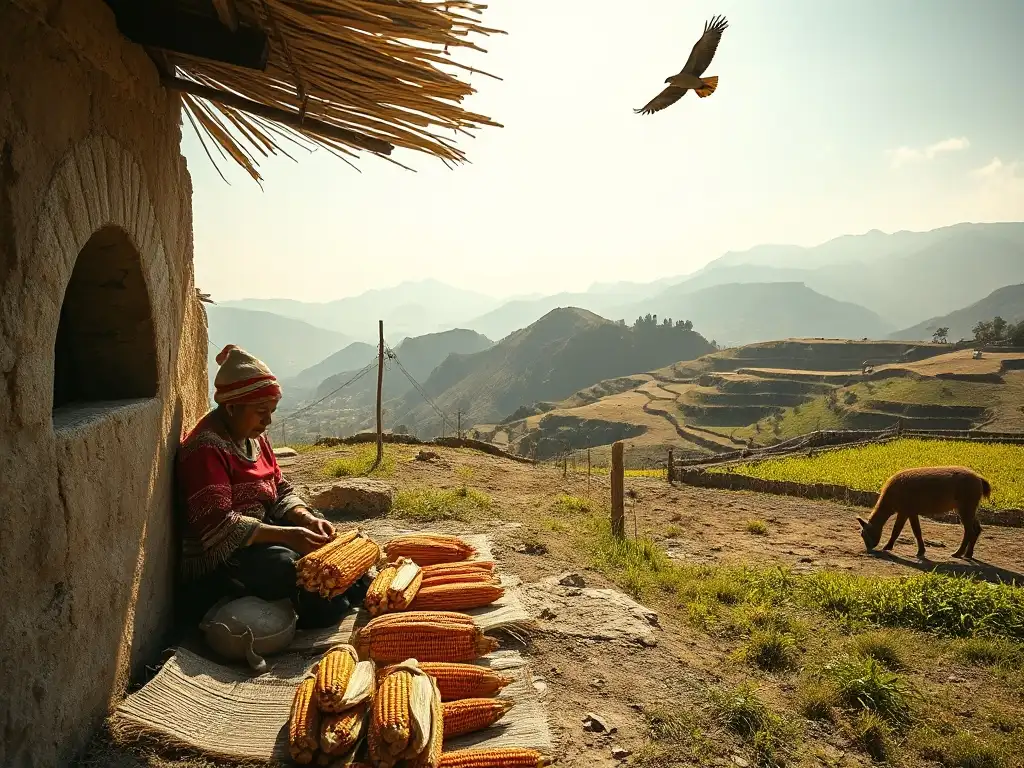
The Inca Empire, renowned for its sophisticated agricultural practices, developed ingenious food preservation techniques crucial for sustaining a large population across diverse and challenging Andean terrains. These methods, passed down through generations, allowed for the storage and distribution of food surpluses, mitigating the impact of unpredictable harvests and ensuring food security year-round. Understanding these techniques offers a fascinating glimpse into Inca ingenuity and their deep connection to the environment.
The Inca's mastery of food preservation wasn't merely about survival; it was integral to their social and economic structures, contributing to the empire's stability and prosperity. This section will explore some of the most effective Inca food preservation techniques, focusing on the processes and benefits of each. The keyword "Inca food preservation techniques" is central to understanding their remarkable achievements in agriculture and resource management.
Freeze-Drying: The Ancient Inca Technique of Chuño Production
Chuño, a freeze-dried potato, stands as a testament to the Inca's remarkable understanding of their environment and its application to food preservation. This process, still practiced today in parts of the Andes, allowed the Incas to store potatoes for extended periods, effectively circumventing the limitations of fresh produce. The process itself is a masterful blend of natural forces and human ingenuity, transforming a perishable crop into a long-lasting staple. The key to chuño’s success lies in the unique Andean climate, with its distinct cycles of freezing and thawing.
The Process of Making Chuño from Potatoes
The creation of chuño involves a multi-stage process: First, carefully selected potatoes, typically hardy varieties suited to the harsh conditions, are harvested. These are then spread out at high altitudes, exposed to the freezing nighttime temperatures. The potatoes are left to freeze solid, then during the day, they are trampled to break the ice crystals that form within the potato. This process is repeated several times, allowing the water to escape through the fissures created by the freezing and thawing cycle.
Finally, the potatoes are left to dry completely in the sun, resulting in the characteristically hard, dark-colored chuño. This method effectively removes most of the water content, preventing microbial growth and spoilage. The detailed process, passed down through generations, reflects the Incas' deep knowledge of their environment and their ability to harness natural processes for their benefit.
The Benefits of Chuño for Long-Term Food Storage
The benefits of chuño for long-term food storage are significant. The freeze-drying process drastically reduces the water activity, preventing spoilage caused by bacteria, fungi, and other microorganisms. Chuño can be stored for years, even decades, with minimal deterioration, providing a reliable food source during lean times. This ability to store substantial quantities of potatoes was vital for the Inca's food security.
Furthermore, the process concentrates the nutrients in the remaining potato matter, making chuño a surprisingly nutritious food source, even after extended storage. Its lightweight and compact nature also made it ideal for transport and distribution across the vast Inca Empire. The ingenuity of the chuño production process is a clear example of how the Incas optimized their agricultural practices using their deep knowledge of the Andean environment.
Drying Techniques: Preserving Meats and Other Products
Beyond freeze-drying, the Incas employed various drying techniques to preserve a wide range of foods. This involved harnessing the sun's energy to remove moisture, inhibiting microbial growth and extending shelf life. These techniques were crucial for preserving meats, grains, and vegetables, ensuring a diverse and nutritious diet throughout the year. The specific methods varied depending on the food being preserved, reflecting the adaptability and practicality of Inca food preservation techniques.
Drying Meats: The Inca Art of Charqui Production
Charqui, a form of dried, salted meat, was a staple in the Inca diet. Similar to jerky, the process involved cutting the meat into thin strips, salting it liberally, and then drying it in the sun. The salt acted as a preservative, drawing out moisture and inhibiting bacterial growth, while the sun's heat completed the dehydration process.
The Incas likely used a variety of meats, including llama, alpaca, and guinea pig, depending on regional availability. The resulting charqui was lightweight, easily transportable, and could be stored for extended periods, providing a vital source of protein during the challenging Andean winters. The widespread use of charqui underscores the importance of meat in the Inca diet and the effectiveness of their drying techniques for preserving this crucial food source.
Preservation of Grains and Vegetables through Drying
The Incas also employed drying techniques to preserve grains such as quinoa and maize, as well as various vegetables. These would be harvested and then spread out to dry in the sun, often on raised platforms or woven mats. The drying process reduced moisture content, hindering spoilage and allowing for long-term storage.
Similar methods were used for preserving fruits, such as peppers and other produce, which were dried to concentrate their flavor and extend their shelf life. These methods, though simple in their execution, were remarkably effective in ensuring food security, showcasing the practical and sustainable nature of Inca food preservation techniques. The successful preservation of grains and vegetables was as crucial as meat preservation, ensuring a balanced diet and resilience against food shortages.
Fermentation: Utilizing Natural Processes for Preservation
Fermentation, a cornerstone of Inca food preservation, leveraged naturally occurring microorganisms to transform perishable foods into more stable forms. This process, understood intuitively rather than scientifically, involved creating anaerobic environments—excluding oxygen—to encourage the growth of beneficial bacteria and yeasts. These microorganisms produced acids and other compounds that inhibited the growth of spoilage bacteria and extended the shelf life of various foodstuffs. The Incas weren't simply preserving food; they were enhancing its flavor and nutritional profile through fermentation.
This technique was particularly important in regions with limited access to consistent refrigeration or other preservation methods. The mastery of fermentation allowed them to create a diverse and nutritious diet, even in challenging environmental conditions. Understanding the precise strains of microorganisms used remains an area of ongoing research, but archaeological evidence points to a sophisticated understanding of the process.
Fermented Beverages and Foods in the Inca Diet
Fermented beverages played a significant role in Inca society, both ritually and nutritionally. Chicha, a fermented maize beverage, was ubiquitous. Different varieties of chicha existed, each with unique fermentation processes and resulting flavors, reflecting regional variations and the use of different grains and fruits. The fermentation process not only made chicha safer to consume by reducing harmful bacteria, but it also created a more palatable and intoxicating drink.
Beyond chicha, the Incas fermented other foods, though the extent of this practice is still under investigation. Archaeological findings suggest that various fruits and vegetables might have undergone fermentation, potentially resulting in products similar to modern-day sauerkraut or kimchi. Further research into ancient Andean agricultural practices is crucial to fully understand the diversity and importance of fermented foods in the Inca diet. The impact of fermentation on both the daily diet and ceremonial practices highlights its deep integration into Inca culture.
The Role of Fermentation in Extending Food Shelf Life
The primary benefit of Inca fermentation techniques was the significant extension of food shelf life. By creating acidic environments, fermentation effectively prevented the growth of spoilage microorganisms, allowing food to be stored for substantially longer periods. This was crucial for a civilization that relied on agriculture and faced challenges in consistently preserving harvested crops.
The ability to ferment maize, for instance, allowed the Incas to maintain a readily available food source throughout the year, mitigating the risks associated with seasonal variations in agricultural yields. This extended shelf life also played a vital role in supporting the large population centers and the complex logistical needs of the Inca Empire. The ability to safely store surplus food was essential for surviving lean periods and ensuring food security across the vast empire.
This speaks to the ingenuity and practical importance of fermentation in the context of Inca food preservation strategies. The impact on social stability and the empire's overall resilience can't be overstated.
The Inca Storage System: Efficient Warehouses and Distribution
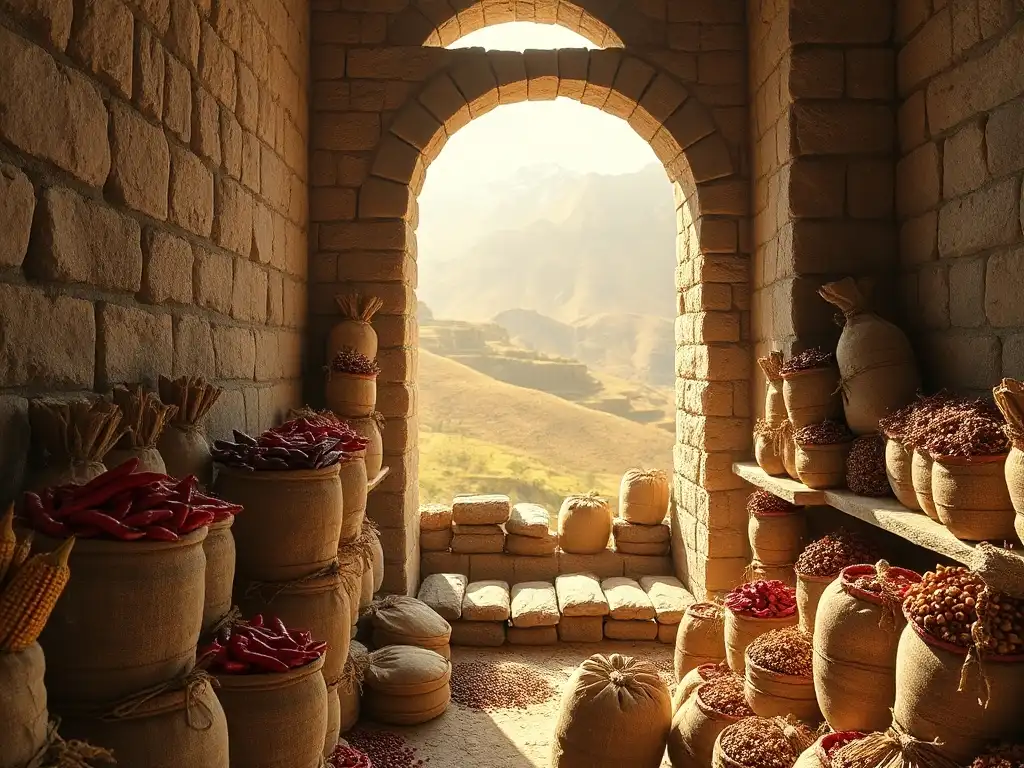
The Inca Empire, renowned for its sophisticated agricultural practices, developed a remarkably efficient system for storing and distributing food. This intricate network, crucial for sustaining a large and geographically diverse population, relied heavily on strategically located storage facilities and a well-maintained transportation infrastructure. Understanding the Inca approach to food preservation necessitates examining both the storage systems themselves and the logistical networks that supported them. The effectiveness of Inca food preservation techniques is directly linked to their ability to maintain a consistent supply chain, ensuring food security across the empire.
Colcas: The Inca Granaries and Storage Facilities
Colcas, the iconic stone structures of the Inca Empire, served as vital granaries and storage facilities. These weren't simply rudimentary storehouses; their design and placement reflected a deep understanding of environmental factors crucial for long-term food preservation. Their construction and management represent a sophisticated approach to food security, a testament to Inca ingenuity. The strategic placement and design of these structures played a significant role in the success of Inca food preservation techniques.
Location and Construction of Colcas for Optimal Preservation
The location of Colcas was carefully chosen to maximize preservation. Many were built into hillsides or cliffs, utilizing natural ventilation and temperature regulation to minimize spoilage. The construction itself played a vital role. Colcas were typically built from stone, with thick walls designed to maintain a stable internal temperature and humidity.
This minimized the impact of external temperature fluctuations, a crucial factor in preserving perishable goods. Some Colcas featured multiple chambers, each potentially used for different types of preserved foods, allowing for specialized storage conditions. The meticulous attention to detail in their construction demonstrates a profound understanding of the principles of food preservation, far surpassing the capabilities of many contemporaneous societies. For example, the use of specific stones known for their thermal properties further enhanced the preservation capabilities of these structures.
Management and Organization of Food Supplies in Colcas
The management and organization of food within the Colcas were highly structured. Detailed records, likely kept using quipu (knotted strings), tracked the quantity and type of food stored in each facility. This sophisticated inventory system allowed for efficient distribution of resources across the empire, ensuring that food reached the areas most in need.
Evidence suggests that different sections within a Colca may have been dedicated to specific food items, optimizing storage conditions based on the unique requirements of each product. This level of organization was essential for successful long-term preservation and equitable food distribution across the vast Inca Empire. The precise methods of accounting and allocation remain partially obscure, but the sheer scale of the system implies a remarkably efficient and well-managed food supply chain.
The Inca Road System: Facilitating Food Distribution
The Inca road system, a marvel of engineering, was not merely a network for transportation; it was the backbone of the empire's food security. This vast network of roads, spanning thousands of miles, ensured the efficient movement of preserved food from surplus regions to areas with potential shortages. The integration of the road system with the storage system was critical to the success of Inca food preservation techniques.
How Inca Road Enabled Efficient Transportation of Preserved Foods
The Inca roads were strategically designed to overcome challenging terrain, using bridges, tunnels, and carefully graded paths to facilitate the transport of goods. The use of llamas and alpacas as pack animals, combined with a system of relay runners for communication, ensured rapid and reliable delivery of preserved food to its destination. The roads' strategic placement, connecting agricultural centers with population centers, was crucial to maintaining a consistent supply of food across the entire empire.
This efficient transportation system minimized spoilage during transit and ensured that food remained available even in remote areas. The speed and reliability of the transportation network were directly related to the success of the Inca food preservation strategies.
The Impact of the Inca Road Network on Food Security
The Inca road system's impact on food security cannot be overstated. It enabled the empire to effectively manage surpluses and deficits, preventing widespread famine and ensuring the stability of the population. The combined effect of efficient storage and rapid transportation created a resilient food system, capable of withstanding both environmental challenges and internal disruptions.
This sophisticated infrastructure was a key factor contributing to the longevity and stability of the Inca Empire, demonstrating the critical role of infrastructure in supporting and strengthening Inca food preservation techniques. The integration of these two systems – storage and transportation – represents a remarkable achievement in logistical management and underscores the advanced understanding of food security within the Inca civilization.
The Legacy of Inca Food Preservation Techniques
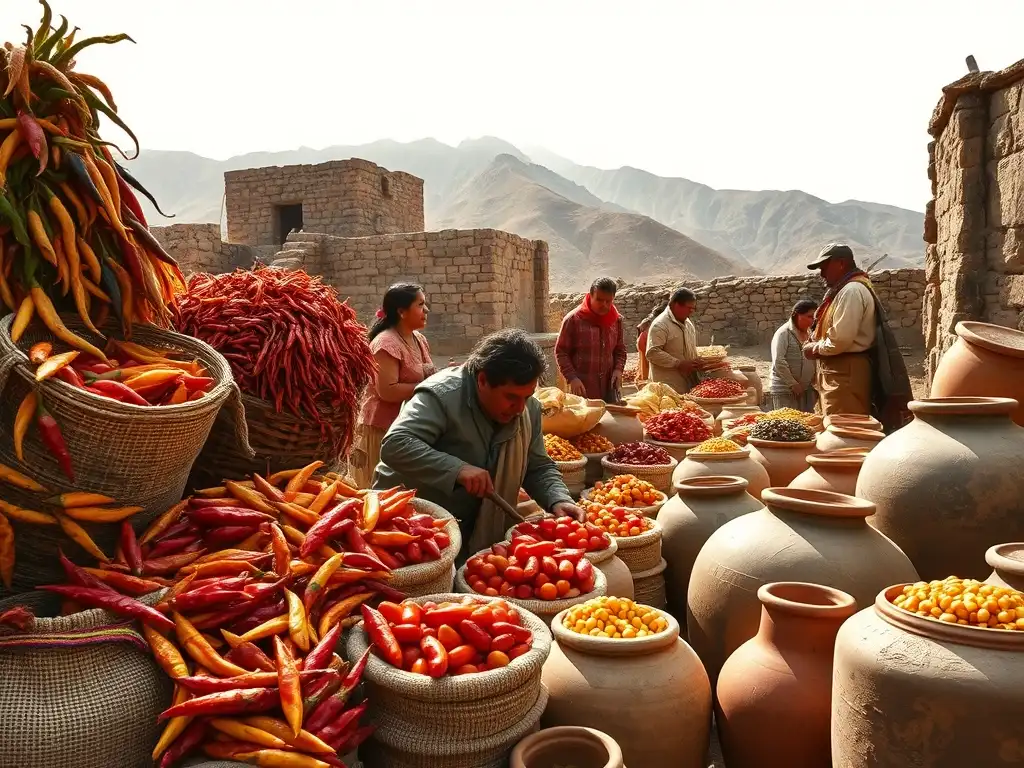
The Inca Empire, renowned for its sophisticated agricultural practices and impressive infrastructure, developed ingenious food preservation techniques crucial for sustaining its vast population and ensuring food security across diverse, challenging terrains. These methods, honed over centuries, weren't merely about extending shelf life; they were integral to the empire's social and economic fabric, facilitating trade, supporting large armies, and mitigating the risks of crop failure.
Understanding these techniques offers a fascinating glimpse into Inca ingenuity and provides valuable insights for modern food preservation strategies. The Inca's mastery of preservation, particularly in the face of limited technology, stands as a testament to their deep understanding of their environment and their resourcefulness.
Their legacy continues to resonate today, influencing certain modern practices and prompting ongoing research into sustainable food preservation methods. The impact of their innovations can be seen not only in the direct descendants of their techniques, but also in the broader field of food science and technology.
How Inca Food Preservation Methods Influenced Modern Practices
Many Inca food preservation methods share surprising parallels with modern techniques. For instance, the Inca practice of chuño production—freeze-drying potatoes—bears a striking resemblance to modern freeze-drying technology. While the Inca process relied on natural freezing and thawing cycles in the Andes’ high altitudes, the underlying principle of sublimation (removing water from a frozen product) remains the same.
This ancient method not only preserved potatoes but also enhanced their shelf life dramatically, making them a staple food source even during lean periods. Similarly, the Inca's use of sun-drying and salting, while simpler than modern counterparts, laid the groundwork for many current industrial preservation methods. The principles of reducing water activity to inhibit microbial growth and using salt as a preservative are fundamental to many modern food processing techniques.
While the scale and sophistication differ, the core concepts remain remarkably consistent, highlighting the enduring relevance of Inca knowledge. The efficiency and effectiveness of these techniques, passed down through generations, speak volumes about the ingenuity and adaptability of Inca agricultural practices.
The Importance of Studying Ancient Andean Food Technologies
The study of Inca food preservation techniques offers multiple benefits beyond historical interest. Firstly, it provides valuable insights into sustainable food preservation methods. In a world grappling with food security challenges and the environmental impact of modern food processing, understanding how the Inca achieved long-term food preservation with minimal environmental impact is crucial.
Their techniques often relied on readily available resources and natural processes, minimizing energy consumption and waste. Secondly, the study of ancient Andean food technologies can inspire innovation in modern food science. By analyzing the chemical and physical changes that occurred during the Inca preservation processes, researchers can gain a deeper understanding of food preservation mechanisms and potentially develop new, more efficient, and sustainable methods.
Thirdly, this research helps to preserve cultural heritage and recognize the significant contributions of Andean civilizations to global food systems. Understanding their practices offers a crucial appreciation for the depth of their knowledge and innovation. This comprehensive understanding is not only academically valuable but also contributes to a more holistic and sustainable approach to food production and preservation for the future.
Modern Freeze-Drying and its Link to Chuño Production
Modern freeze-drying is a sophisticated technology used to preserve a wide array of foods, from fruits and vegetables to pharmaceuticals. The process involves freezing the food, then lowering the pressure and slowly heating it to cause the ice to sublimate directly into vapor, leaving behind a dehydrated product. This method effectively preserves the food's nutritional value, texture, and flavor, far superior to many older methods.
The link to chuño production is clear: both involve freeze-drying, albeit on vastly different scales and with varying levels of technological sophistication. The Inca, without the benefit of vacuum chambers and controlled temperature settings, achieved a remarkably similar outcome by exploiting the harsh climatic conditions of the Andes. This highlights the effectiveness of their approach and underscores the ingenuity of their methods.
The comparison between traditional chuño production and modern freeze-drying offers a compelling case study in how traditional practices can inspire and inform advanced technologies, demonstrating the enduring value of indigenous knowledge in the realm of food preservation and beyond. Further research comparing the chemical and microbiological aspects of both processes could yield valuable insights into optimizing modern freeze-drying techniques for greater efficiency and sustainability.
Conclusion: The Enduring Ingenuity of Inca Food Preservation
The Inca Empire's success wasn't solely built on military might and sophisticated administrative systems; their mastery of food preservation techniques played a crucial role in sustaining their vast population and ensuring societal stability. Their innovative approaches, developed over centuries of adaptation to the challenging Andean environment, allowed them to overcome the obstacles of a varied and often unforgiving terrain. From the high-altitude storage of potatoes to the ingenious drying and salting of meat, their methods ensured food security across diverse ecological zones, fostering economic prosperity and social harmony.
Understanding these techniques offers valuable insights into the ingenuity and resourcefulness of the Inca civilization, highlighting their deep connection with their environment and their remarkable capacity for technological innovation. The legacy of Inca food preservation continues to resonate in the Andean region today, influencing modern agricultural practices and culinary traditions.
A Summary of Key Inca Food Storage Methods
The Inca's success in food preservation rested on a diverse toolkit of techniques, tailored to the specific needs of different foods and climates. Let's summarize some key methods:
- Freeze-drying (Chuno): This involved freezing potatoes at high altitudes, then allowing them to dehydrate in the sun. This process, known as chuno, created a long-lasting and lightweight food source, crucial for storage and transport. Different varieties of chuno existed, depending on the level of freezing and dehydration. The most common was chuño blanco, followed by the darker chuño negro, which required more intense freezing.
- Sun Drying: Many fruits, vegetables, and meats were preserved through sun drying. This simple yet effective method removed moisture, inhibiting microbial growth and extending shelf life. The effectiveness of sun drying depended heavily on weather conditions, necessitating careful selection of appropriate times and locations.
- Salting: Meat and fish were often preserved through salting. This process involved rubbing salt liberally onto the food, drawing out moisture and preventing bacterial spoilage. The specific salting techniques varied depending on the food, and the amount of salt used impacted the final taste and texture.
- Storage Structures: The Inca built sophisticated storage structures, such as qollqas, to protect food from the elements and pests. These stone-walled structures, often built into hillsides, provided a cool, dry environment ideal for long-term food preservation. The design of qollqas varied according to the local climate and the type of food being stored.
| Preservation Method | Food Preserved | Description | Advantages | Disadvantages |
|---|---|---|---|---|
| Freeze-drying (Chuno) | Potatoes | Freezing and sun-drying | Lightweight, long-lasting | Requires specific climatic conditions |
| Sun Drying | Fruits, vegetables, meats | Dehydration in sunlight | Simple, widely applicable | Dependent on weather, potential for spoilage if not done properly |
| Salting | Meat, fish | Rubbing with salt | Inhibits bacterial growth | Can affect taste and texture, requires significant quantities of salt |
| Storage Structures (Qollqas) | Various foods | Stone-walled structures | Protection from elements and pests | Requires construction effort |
The Lasting Impact of Inca Food Technology on the Andean Region
The Inca's sophisticated food preservation techniques didn't vanish with the fall of the empire. Many of these practices continue to be employed in the Andean region today, demonstrating their enduring relevance and effectiveness. The production of chuno, for example, remains a vital part of Andean agriculture, providing a crucial food source during lean periods.
Sun drying and salting are still widely used methods for preserving a variety of foods, adapted and refined over centuries. Moreover, the principles behind the Inca's storage structures, emphasizing cool, dry environments and protection from pests, continue to inform modern food storage practices. The legacy of Inca food preservation therefore extends far beyond the realm of history; it represents a living testament to the ingenuity of an ancient civilization and its enduring impact on the Andean food system.
This enduring legacy highlights the importance of understanding and preserving traditional agricultural knowledge for future generations. The study of Inca food preservation techniques offers valuable lessons in sustainable food production and resource management, particularly relevant in the face of contemporary challenges such as climate change and food insecurity.
Frequently Asked Questions
What were the main challenges the Incas faced regarding food preservation?
The Incas lived in a diverse but challenging environment with varying altitudes and climates. This meant seasonal food scarcity was a significant problem, necessitating effective preservation techniques. Their success in this area was crucial for survival.
What is the most well-known Inca food preservation technique?
Freeze-drying (or chuño) was arguably their most famous method. Potatoes were left to freeze at night and thaw during the day, repeatedly, to remove moisture. This allowed for long-term storage of a staple crop.
Besides freeze-drying, what other methods did the Incas use to preserve food?
They utilized techniques such as sun-drying, salting, and fermentation. These methods extended the shelf life of various foods, including meats, fruits, and other vegetables, providing dietary diversity throughout the year.
How effective were Inca food preservation techniques compared to modern methods?
While not as technologically advanced as modern methods, Inca techniques were remarkably effective, allowing for substantial food storage and reducing food waste. They were crucial for sustaining their large population and complex society.
Why is studying Inca food preservation techniques important today?
Understanding ancient techniques provides valuable insights into sustainable food practices. These methods offer potential solutions to modern challenges like food security and waste reduction, particularly in regions with limited resources.
Final Reflection: Echoes of the Andes: A Legacy of Ingenuity in Food Preservation
The Inca mastery of food preservation wasn't merely a survival strategy; it was a testament to their profound understanding of their environment and a sophisticated approach to resource management, a legacy that continues to resonate in modern food science. Their innovative techniques, developed over centuries, offer valuable lessons for a world grappling with food security and sustainability challenges in the 21st century. The ingenuity displayed in their methods serves as a powerful reminder of humanity's capacity to adapt and thrive even in the face of adversity.
The impact of Inca food preservation techniques extends far beyond the Andes. Their methods, such as freeze-drying, sun-drying, and fermentation, laid the groundwork for many modern preservation techniques. These practices not only ensured food security for a vast empire but also shaped the culinary landscape of the region, influencing the diets and traditions of communities for generations. The past is never dead. It's not even past.
– William Faulkner. This quote perfectly encapsulates the enduring influence of Inca food preservation, reminding us that the wisdom of past civilizations holds valuable lessons for the present.
Consider the ingenuity of the Inca's methods, their deep connection to their environment, and the enduring impact of their legacy. You, too, can embrace a more sustainable and mindful approach to food. Explore the principles of preservation – from reducing waste to utilizing natural methods – and discover how you can contribute to a more resilient and food-secure future. Let the echoes of the Andes inspire you to connect with your food sources and appreciate the timeless wisdom embedded in traditional practices.
**Unlock the Secrets of Ancient Andean Food Preservation! **
Thank you for exploring the fascinating world of Inca food preservation! You've discovered timeless techniques that reveal not just ingenious survival strategies, but also a profound respect for nature and Andean culture. Ready to put this knowledge into practice? Here's how you can begin:
- **Experiment with sun-drying herbs and fruits** at home, emulating Inca methods. You can also explore other low-tech drying techniques using an oven or dehydrator.
- **Connect with others who share your interest in sustainable food practices. ** Consider joining a community garden, taking a permaculture workshop, or attending a local farmers' market to learn more about food preservation and sustainable agriculture.
- **Share your newfound knowledge and passion! ** Discuss these ancient techniques with friends and family, perhaps even hosting a gathering to showcase your preserved creations.
As you begin your journey into the world of Andean food preservation, consider this: What aspect of these traditional methods most excites you, and why? Let's continue the conversation! Share your thoughts in the comments below!