
The Legacy of Andean Agriculture: Lessons for a Sustainable Future


Uncover the secrets of a civilization that thrived for millennia, mastering the art of survival in the harshest landscapes. Journey with us into the heart of the Andes, where ingenuity blossomed and sustainable practices shaped entire empires. Were the ancient Andean civilizations truly masters of sustainable agriculture? Discover the astonishing story behind their innovative techniques and learn how their legacy can inspire a more sustainable future in our exploration of Andean agriculture sustainable practices.
The Andes Mountains, a spine of towering peaks running down the western coast of South America, nurtured some of the world's most sophisticated and sustainable agricultural systems long before the arrival of Europeans. For millennia, civilizations like the Inca, Moche, Nazca, and Tiahuanaco developed ingenious techniques to cultivate diverse crops in challenging terrains, leaving behind a remarkable legacy that holds crucial lessons for modern sustainable agriculture.
This article explores the ingenious methods employed by Andean farmers, highlighting their remarkable adaptation to varied altitudes, climates, and soil conditions, and examining how these time-tested practices can inform our efforts to create a more resilient and environmentally friendly food system. We will delve into specific examples of Andean agricultural innovation, analyzing their impact on both the environment and the societal structures of these ancient cultures, and ultimately demonstrating the enduring relevance of their practices for addressing contemporary challenges in food security and environmental sustainability.
The keyword "Andean agriculture sustainable practices" will be explored throughout, showcasing the direct applicability of ancient wisdom to our modern world.
Adapting to Altitude: Terracing and Microclimates
Andean agriculture wasn't just about cultivating crops; it was about mastering the environment. The dramatic altitudinal variations across the Andes, ranging from arid coastal deserts to high-altitude puna grasslands, demanded innovative solutions. The most striking example is the widespread use of terracing. Farmers meticulously carved terraces into steep slopes, creating level platforms for cultivation.
This ingenious technique prevented soil erosion, conserved water, and allowed for the cultivation of a wider range of crops across different altitudes. Each terrace often represented a unique microclimate, further enhancing agricultural diversity. The careful selection of crops based on altitude and sunlight exposure demonstrates a profound understanding of ecological principles. For example, potatoes, a staple crop, were cultivated at various altitudes, with different varieties adapted to specific environmental conditions.
This sophisticated understanding of microclimates and their relationship to crop yields is a crucial lesson for modern precision agriculture. Furthermore, the integration of different crops within a single terrace, a practice known as intercropping, further optimized resource utilization and minimized environmental impact. This sophisticated system ensured a stable food supply even in the face of environmental variability.
Water Management: Canals, Reservoirs, and Irrigation
Water scarcity was a constant challenge in many parts of the Andes. To overcome this, Andean farmers developed intricate water management systems. They constructed canals and aqueducts to divert water from rivers and streams to their fields, often over considerable distances and across challenging terrains.
Some systems were remarkably complex, incorporating reservoirs and sophisticated irrigation techniques to ensure a reliable water supply even during dry periods. The ingenuity of these systems is particularly evident in the Nazca lines, where some scholars believe that certain lines might have served as channels for water management. The precise engineering and careful planning required for these systems highlight the sophisticated understanding of hydrology and water resource management possessed by Andean civilizations.
These systems not only provided a reliable water source for agriculture but also played a vital role in the overall societal structure, with water access often being a key factor in social organization and power dynamics. Their sustainability is a testament to the long-term vision and resourcefulness of Andean societies.
Crop Diversity and Resilience: A Polycultural Approach
Unlike modern monoculture farming, Andean agriculture embraced biodiversity. Farmers cultivated a wide range of crops, including potatoes, maize, quinoa, beans, and various fruits and vegetables. This polycultural approach offered several advantages: it reduced the risk of crop failure due to pests or diseases, enhanced soil fertility through natural nutrient cycling, and provided a more diverse and nutritious diet.
The cultivation of diverse varieties of each crop, each adapted to specific microclimates and soil conditions, further enhanced resilience. The potato, for instance, boasted a staggering number of varieties, each suited to a particular niche. This genetic diversity is a crucial resource for modern agriculture, providing valuable genetic material for developing climate-resistant and disease-resistant crops.
The Andean approach to crop diversity serves as a powerful model for creating more resilient and sustainable agricultural systems that are better equipped to withstand the impacts of climate change. The emphasis on preserving this diversity is a key lesson for modern agricultural practices, underscoring the importance of genetic diversity for food security.
- Adapting to Altitude: Terracing and Microclimates
- Water Management: Canals, Reservoirs, and Irrigation
- Crop Diversity and Resilience: A Polycultural Approach
- Terracing and Soil Conservation in Andean Highland Agriculture
- Water Management Techniques: Irrigation and Water Harvesting in the Andes
- Crop Rotation and Diversification: Maximizing Yield and Soil Health
- Vertical Agriculture: Adapting to Diverse Andean Ecosystems
- The Role of Indigenous Knowledge in Andean Sustainable Agriculture
- The Use of Raised Fields (Waru Waru) for Water Management and Crop Production
- Andean Agroforestry Systems: Integrating Trees and Crops for Enhanced Sustainability
- Andean Crop Diversity: The Significance of Native Grains, Tubers, and Vegetables
- The Importance of Quinoa, Potatoes, and Other Andean Staple Crops
- Techniques for Natural Pest Control and Soil Fertility in Andean Farming
- Overcoming Barriers to the Adoption of Andean Farming Techniques
- Integrating Traditional Knowledge with Modern Agricultural Practices
- The Role of Education and Community Engagement in Promoting Andean Agriculture
- Supporting Small-Scale Andean Farmers and Their Sustainable Practices
- Future Directions for Research and Development in Andean Agriculture
- What sustainable agricultural practices did the Andean civilizations employ?
- How did terracing contribute to sustainable agriculture in the Andes?
- What role did irrigation play in Andean agricultural success?
- Were Andean agricultural methods truly sustainable in the long term?
- What lessons can modern agriculture learn from Andean practices?
Introduction to Andean Farming and its Relevance Today

Andean agriculture, a testament to human ingenuity and adaptation, offers invaluable lessons for achieving sustainable food systems in the 21st century. For millennia, Andean communities developed sophisticated agricultural techniques to thrive in challenging high-altitude environments characterized by diverse microclimates, steep slopes, and unpredictable weather patterns. Their innovative approaches to land management, crop diversification, and water conservation provide a rich source of knowledge that can inform contemporary sustainable agriculture practices.
This section explores the core principles of ancient Andean farming and its enduring relevance in addressing modern agricultural challenges, focusing on the keyword phrase "Andean agriculture sustainable practices." We will examine how their methods contribute to modern efforts towards resilient and environmentally conscious food production.
Understanding the Importance of Ancient Andean Agricultural Systems
The ingenuity of Andean agricultural systems is undeniable. Facing harsh environmental conditions, Andean farmers developed a complex array of techniques to maximize yields and ensure food security. These included:
- Terracing: The construction of terraces on steep slopes dramatically increased cultivable land, reducing erosion and optimizing water retention. The precise engineering of these terraces, often aligned with the contours of the land, is a remarkable feat of both planning and execution. The scale and precision of these terracing systems in places like the Sacred Valley of the Incas are visually stunning and a testament to their agricultural prowess.
- Waru Waru: This ingenious system of raised beds, separated by irrigation canals, allowed for efficient water management and frost protection. The canals acted as heat reservoirs, moderating temperature fluctuations and protecting crops from damaging frosts, particularly crucial at high altitudes. The effectiveness of waru waru is well documented, showcasing its resilience in unpredictable climates.
- Crop Rotation and Intercropping: Andean farmers practiced sophisticated crop rotation and intercropping techniques to maintain soil fertility, minimize pest infestations, and optimize nutrient uptake. This holistic approach to land management prevented soil depletion and ensured continuous yields, demonstrating a deep understanding of ecological balance. Evidence of diverse crop combinations, such as maize, beans, and squash (the "three sisters"), highlights the sophistication of their farming practices.
- Water Management Systems: From intricate canal systems to sophisticated irrigation techniques, Andean civilizations mastered water management. Their understanding of water flow, storage, and distribution allowed them to cultivate crops even in arid regions. These systems, often integrated with terracing, ensured efficient water use and maximized crop production. The sophisticated network of canals and aqueducts built by various Andean cultures underscores their mastery of hydraulic engineering.
The success of these systems demonstrates a deep understanding of ecological principles and a commitment to long-term sustainability, offering valuable insights for modern sustainable agriculture.
The Enduring Impact of Andean Farming Techniques on Modern Sustainable Practices
The principles underlying ancient Andean agriculture resonate strongly with modern sustainable agricultural practices. Many contemporary efforts to create environmentally friendly and resilient food systems draw inspiration from these traditional methods. The following points illustrate the enduring relevance of Andean agricultural knowledge:
- Reduced reliance on chemical inputs: Andean farming systems minimized the use of external inputs like chemical fertilizers and pesticides, relying instead on natural methods to maintain soil fertility and pest control. This aligns perfectly with modern concerns about the environmental impacts of intensive agriculture. The emphasis on organic methods and biodiversity in Andean agriculture serves as a blueprint for environmentally conscious farming.
- Increased resilience to climate change: The inherent resilience of Andean agricultural systems to climate variability offers valuable lessons for adapting to climate change. Techniques like waru waru and terracing enhance water retention and reduce vulnerability to drought and frost, providing valuable strategies for mitigating the impacts of climate change on agriculture.
- Enhanced biodiversity: The practice of crop diversification and intercropping promoted biodiversity, leading to resilient and productive ecosystems. This contrasts sharply with modern monoculture farming, which is often vulnerable to pests and diseases. The Andean focus on biodiversity demonstrates a clear understanding of the importance of ecological balance for sustainable agriculture.
- Improved soil health: The focus on organic matter and soil conservation in Andean farming systems resulted in healthy, fertile soils. These practices are crucial for long-term agricultural productivity and environmental sustainability. The preservation of soil health was paramount in Andean agriculture, reflecting a deep understanding of its importance for sustainable yields.
The legacy of Andean agriculture offers a wealth of knowledge and inspiration for achieving sustainable food systems today. By studying and implementing these ancient practices, we can create more resilient, environmentally responsible, and productive agricultural systems for future generations. The principles of Andean agriculture sustainable practices provide a pathway towards a more sustainable and secure food future.
Key Principles of Andean Agriculture for Sustainable Development
Andean agriculture, a testament to human ingenuity and adaptation, offers invaluable lessons for achieving sustainable food systems in the 21st century. For millennia, Andean communities developed sophisticated techniques to cultivate diverse crops in challenging environments, characterized by steep slopes, arid climates, and high altitudes. These methods, rooted in deep ecological knowledge, prioritized resource conservation and biodiversity, resulting in remarkably resilient agricultural systems.
Understanding these principles is crucial for developing sustainable agricultural practices globally, addressing issues such as climate change, soil degradation, and food security. The core tenets of Andean agricultural success revolve around three key areas: effective terracing and soil conservation, ingenious water management, and strategic crop rotation and diversification.
Terracing and Soil Conservation in Andean Highland Agriculture
Terracing, the construction of leveled platforms on steep slopes, is arguably the most iconic feature of Andean agriculture. This technique, implemented across diverse Andean landscapes, dramatically reduces soil erosion caused by rainfall and runoff. The terraces themselves act as natural barriers, slowing down water flow and allowing it to seep into the soil, increasing infiltration and reducing surface runoff.
Furthermore, the creation of level platforms increases the effective arable land area, maximizing the use of available space in mountainous regions. The construction methods varied depending on the specific environment and materials available, but often involved the careful placement of retaining walls made from stone, sod, or a combination of both.
Evidence suggests that these terraces were not simply haphazardly constructed; rather, they were meticulously planned and engineered to optimize sunlight exposure and drainage. This intricate understanding of topography and hydrology ensured optimal growing conditions for a wide variety of crops, even in challenging environments. For instance, the waru waru system, a raised-field agricultural technique practiced in the Lake Titicaca region, combined terracing with sophisticated water management, creating a microclimate that enhanced crop production even in cold, high-altitude conditions.
The ingenuity of these systems is a powerful example of how traditional knowledge can provide solutions to modern agricultural challenges. The enduring legacy of Andean terracing demonstrates the profound impact of sustainable land management practices on long-term soil health and productivity.
Careful study of these techniques can inform contemporary efforts to combat soil erosion and desertification in other regions facing similar environmental pressures. Indeed, modern agricultural practices could benefit greatly from integrating some of these principles.
Water Management Techniques: Irrigation and Water Harvesting in the Andes
Water scarcity is a major constraint to agricultural productivity in many parts of the world. The Andes, however, provided a masterclass in water management, developing sophisticated techniques to capture, store, and distribute water resources efficiently. Irrigation systems, ranging from simple channels to complex canal networks, were meticulously designed to direct water to fields, often utilizing gravity-fed systems to minimize energy expenditure. These systems were highly adaptable, tailored to local conditions and the specific needs of different crops.
Beyond irrigation, Andean communities developed ingenious water harvesting techniques to collect and store rainwater. This included the construction of reservoirs, cisterns, and other water storage structures. These methods were particularly crucial in arid and semi-arid regions, ensuring a reliable water supply during dry seasons.
The qanats, underground channels used to transport water from aquifers to surface areas, are a prime example of this ingenuity. These systems minimized water loss through evaporation and provided a sustainable source of irrigation even during prolonged droughts. The integration of water harvesting with irrigation systems further enhanced water use efficiency, ensuring a consistent water supply for crops throughout the growing season.
The Andean approach to water management emphasizes the importance of integrated water resource management, combining both surface and groundwater sources to ensure resilience in the face of climate variability. This holistic approach is crucial for addressing modern water scarcity challenges. Modern agricultural systems could learn much from the ingenuity and efficiency of Andean water management techniques.
Crop Rotation and Diversification: Maximizing Yield and Soil Health
Andean agriculture was characterized by a high degree of crop diversity, with farmers cultivating a wide range of crops, including potatoes, maize, quinoa, beans, and various fruits and vegetables. This diversification was not merely a matter of dietary variety; it played a crucial role in maintaining soil health and minimizing the risk of crop failure. Crop rotation, the practice of systematically changing the crops grown in a particular field over time, was a key component of this strategy.
By alternating between different crops with varying nutrient requirements, Andean farmers prevented soil depletion and maintained its fertility. This approach also helped to control pests and diseases, reducing the need for chemical interventions.
Furthermore, the integration of different crops within the same field, known as intercropping, further enhanced biodiversity and resilience. This practice, often involving the combination of legumes with other crops, improved soil nitrogen levels naturally, reducing the need for external fertilizers. The Andean approach to crop diversification showcases the importance of agrobiodiversity in maintaining sustainable agricultural systems.
The diverse range of crops cultivated in the Andes not only provided nutritional security but also acted as a buffer against environmental shocks, ensuring food security even in the face of climate variability. The principles of crop rotation and diversification are essential for building resilient and sustainable agricultural systems.
Modern agriculture can learn from the Andean experience by prioritizing biodiversity and adopting more diverse cropping systems, reducing reliance on monocultures and thereby enhancing both soil health and overall agricultural sustainability. This approach is crucial for building resilience against the challenges of climate change and ensuring food security for future generations.
Vertical Agriculture: Adapting to Diverse Andean Ecosystems

The Andes Mountains present a dramatic tapestry of ecological zones, each with unique climatic conditions and altitudes. Traditional Andean agriculture brilliantly adapted to this verticality, a practice we now recognize as “vertical agriculture.” Instead of sprawling monocultures, Andean farmers cultivated a diverse array of crops across altitudinal gradients, maximizing resource utilization and minimizing risk. Higher elevations, often characterized by cooler temperatures and shorter growing seasons, might see the cultivation of hardy potatoes and quinoa, while lower, warmer valleys were ideal for maize, beans, and squash. This sophisticated system of agroforestry minimized soil erosion and maximized water retention.
For instance, the terraced fields, andenes, are a testament to this ingenuity. These meticulously constructed terraces not only increased arable land but also slowed water runoff, preventing soil loss and optimizing water availability for crops even in arid regions. The careful selection of crops suited to specific microclimates further enhanced resilience. Farmers didn't rely on a single crop but instead diversified their portfolios, mitigating the risks associated with crop failure due to weather events or pests.
This intricate understanding of their environment allowed them to create a remarkably sustainable agricultural system. The resilience of Andean vertical agriculture offers valuable lessons for modern agriculture, particularly in the face of climate change and increasing resource scarcity. Modern agricultural practices could benefit from emulating this approach by incorporating diverse crop rotations, optimizing land use based on microclimates, and minimizing reliance on external inputs.
The Role of Indigenous Knowledge in Andean Sustainable Agriculture
The success of Andean agriculture wasn't solely dependent on environmental adaptation; it was deeply intertwined with the rich tapestry of indigenous knowledge passed down through generations. This knowledge encompassed a deep understanding of plant genetics, soil management, water conservation, and pest control, all achieved without the use of synthetic fertilizers or pesticides. For example, the Inca's sophisticated understanding of crop rotation and intercropping maximized soil fertility and minimized pest infestations. They understood the symbiotic relationships between different plants, using companion planting to enhance growth and protect against diseases. This wasn't simply trial and error; it was a sophisticated system informed by centuries of observation and experimentation.
Moreover, traditional Andean farming incorporated a profound respect for the environment, recognizing the interconnectedness of all living things. Sustainable practices were not merely a means to an end; they were integral to their worldview and spiritual beliefs. The concept of ayni, reciprocity, guided their interactions with nature, emphasizing the need to give back to the land what was taken from it. This holistic approach, combining practical knowledge with spiritual understanding, created a remarkably sustainable and resilient agricultural system.
The preservation and integration of this indigenous knowledge is crucial for developing truly sustainable agricultural practices today. Modern agricultural systems could significantly benefit from incorporating these time-tested methods, acknowledging the valuable insights offered by indigenous communities. Ignoring this invaluable resource would be a missed opportunity for creating a more sustainable and equitable future. The integration of traditional Andean knowledge with modern scientific techniques offers a powerful pathway toward creating truly sustainable agricultural systems.
Specific Andean Agricultural Practices and Their Modern Applications
This section delves into the ingenious agricultural techniques employed by Andean civilizations, highlighting their remarkable adaptability and enduring relevance for sustainable agriculture today. These practices, honed over millennia in challenging environments, offer valuable lessons for modern farming, particularly in the face of climate change and increasing food insecurity. The ingenuity of Andean farmers in optimizing resource use and promoting biodiversity is particularly noteworthy. The keyword "Andean agriculture sustainable practices" is central to understanding this legacy.
The Use of Raised Fields (Waru Waru) for Water Management and Crop Production
The waru waru system, a sophisticated form of raised-field agriculture, is a testament to the Andean understanding of water management. These elevated fields, built from earth and organic matter, were crucial for optimizing water use in the altiplano's arid and often flooded environments. The raised beds improved drainage in wet seasons, preventing crop loss from waterlogging. Simultaneously, the channels between the fields captured and retained water, providing irrigation during dry periods.
This ingenious system ensured a relatively stable water supply, crucial for consistent crop yields. Studies have shown that waru waru systems significantly increase water retention compared to conventional farming methods, potentially reducing the need for external irrigation sources. The organic matter incorporated into the raised fields also enriched the soil, improving fertility and reducing the need for chemical fertilizers.
This sustainable approach, characterized by minimal environmental impact, is being revived and adapted in modern contexts, particularly in areas facing water scarcity. Modern applications of waru waru principles are proving effective in enhancing water use efficiency and soil fertility, demonstrating the enduring value of this ancient Andean innovation. The resilience of this system, even in the face of climate change, makes it a compelling model for sustainable agriculture.
Andean Agroforestry Systems: Integrating Trees and Crops for Enhanced Sustainability
Andean agroforestry systems showcase the harmonious integration of trees and crops, creating a synergistic relationship that benefits both. This approach, far from being a simple juxtaposition of different plant types, involved carefully planned arrangements that maximized resource utilization and minimized environmental impact. Trees provided shade for crops, reducing water evaporation and protecting them from harsh weather conditions.
They also enriched the soil with nitrogen through leaf litter decomposition, reducing the need for external fertilization. Furthermore, the diverse array of trees incorporated into these systems provided valuable resources such as firewood, building materials, and fruits. This holistic approach to land management stands in stark contrast to monoculture farming, which often leads to soil degradation and environmental damage.
Modern interest in agroforestry is growing, with many researchers studying Andean examples to understand the principles behind their success. The benefits extend beyond increased yields; Andean agroforestry systems fostered biodiversity, contributing to resilient ecosystems and enhanced food security. The integration of trees into agricultural landscapes provides multiple ecosystem services, making it a powerful tool for sustainable agriculture.
Andean Crop Diversity: The Significance of Native Grains, Tubers, and Vegetables
The Andean region boasts an extraordinary diversity of crops, reflecting millennia of careful selection and adaptation. Native grains like quinoa and amaranth, along with tubers such as potatoes and oca, and a wide array of vegetables, formed the foundation of the Andean diet. This remarkable biodiversity provided resilience against crop failures and ensured nutritional security. The diversity of crops also contributed to the health of the soil, reducing the risk of pests and diseases.
Many of these crops are remarkably well-adapted to challenging environmental conditions, including high altitudes, drought, and poor soil quality. Their cultivation often requires fewer inputs compared to modern high-yield varieties, making them attractive options for sustainable agriculture. However, the genetic diversity of many Andean crops is threatened by the spread of modern, high-yielding varieties. Conservation efforts are crucial to safeguard this invaluable genetic heritage, as these native crops hold significant potential for improving food security and nutrition in the face of climate change.
The potential of these crops for sustainable agriculture is immense, particularly their drought tolerance and nutritional value. The preservation and promotion of Andean crop diversity are essential for building a more resilient and sustainable food system. The reintroduction of these crops into modern agriculture could contribute significantly to food security and sustainable practices.
The Importance of Quinoa, Potatoes, and Other Andean Staple Crops
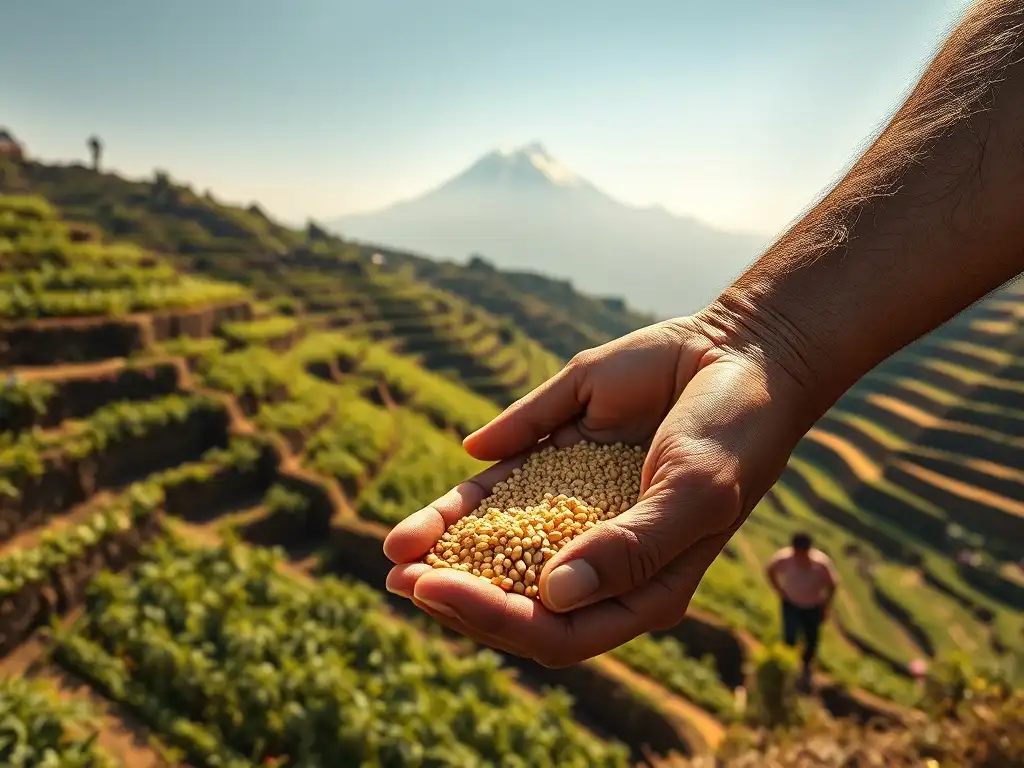
Quinoa, potatoes, and other Andean staple crops played, and continue to play, a crucial role in the sustenance and cultural identity of Andean civilizations. Their importance extends beyond mere caloric intake; these crops represent resilience, adaptability, and sustainable agricultural practices that are increasingly relevant in our modern world. Let's delve into the significance of each:
Quinoa, often lauded as a "superfood," boasts a remarkably high protein content, surpassing many other grains. Its complete amino acid profile makes it a nutritional powerhouse, vital for the health and well-being of Andean communities. Furthermore, quinoa's adaptability to diverse and challenging environments, including high altitudes and arid conditions, showcases its inherent resilience. This adaptability is a key lesson for modern agriculture, highlighting the potential of cultivating drought-resistant crops in increasingly water-scarce regions. The cultivation of quinoa also demonstrates a deep understanding of sustainable land management, as traditional Andean farming practices minimized soil erosion and maximized water efficiency.
Potatoes, another cornerstone of Andean agriculture, exhibit unparalleled biodiversity. Thousands of potato varieties, each uniquely adapted to specific altitudes and climates, existed within the Andes. This genetic diversity is a critical resource for breeding new potato varieties that are resistant to diseases and climate change. The intricate knowledge of potato cultivation, including techniques for storing and propagating different varieties, was essential for the survival of Andean communities. Modern agricultural research is actively exploring the Andean potato gene pool to develop more resilient and productive potato cultivars for global food security.
Beyond quinoa and potatoes, other Andean staple crops like amaranth, maize (corn), and various beans contributed significantly to the region's nutritional security. These crops, often cultivated in polycultures (mixed cropping systems), demonstrated a sophisticated understanding of crop rotation, intercropping, and companion planting – all crucial elements of sustainable agriculture. The diverse range of crops ensured nutritional balance and reduced the risk of crop failure, demonstrating the benefits of biodiversity in agricultural systems.
The intricate relationship between these crops and the Andean environment underscores the importance of understanding ecological interactions in designing sustainable farming practices. The integration of these traditional Andean techniques into modern agricultural models offers valuable insights into promoting biodiversity and building resilient food systems.
Techniques for Natural Pest Control and Soil Fertility in Andean Farming
Andean farmers developed sophisticated techniques for pest control and soil fertility management long before the advent of synthetic pesticides and fertilizers. These methods, rooted in deep ecological knowledge and careful observation of natural processes, offer valuable lessons for sustainable agriculture in the 21st century.
One prominent technique was the use of companion planting, where different crops were grown together to deter pests and enhance soil health. For example, certain plants might repel insects harmful to other crops, while others might attract beneficial insects that prey on pests. This approach minimized the need for external inputs, reducing the environmental impact of agriculture.
The careful selection of crop combinations and their spatial arrangement within fields demonstrates a sophisticated understanding of ecological interactions and the benefits of biodiversity in pest management. Modern agroecology is increasingly adopting similar techniques to promote natural pest control and reduce reliance on synthetic pesticides.
Soil fertility was maintained through a variety of methods, including crop rotation, fallowing (allowing land to rest), and the use of organic fertilizers like compost and manure. These practices ensured the long-term productivity of the land without depleting soil nutrients. The integration of livestock into farming systems further contributed to soil fertility, as animal manure provided a valuable source of nutrients.
The intricate knowledge of soil types and their nutrient requirements, combined with careful land management practices, prevented soil erosion and maintained soil health over generations. Modern sustainable agriculture is increasingly emphasizing the importance of soil health and the use of organic fertilizers to reduce reliance on synthetic inputs and minimize environmental damage. The Andean experience serves as a powerful example of how sustainable farming practices can maintain soil fertility and ensure long-term agricultural productivity.
The precise methods employed varied across different Andean regions and ecosystems, reflecting the adaptability and ingenuity of Andean farmers in response to diverse environmental conditions. This rich diversity of practices highlights the importance of understanding local context in developing sustainable agricultural solutions.
Andean Agriculture's Contributions to Global Sustainability
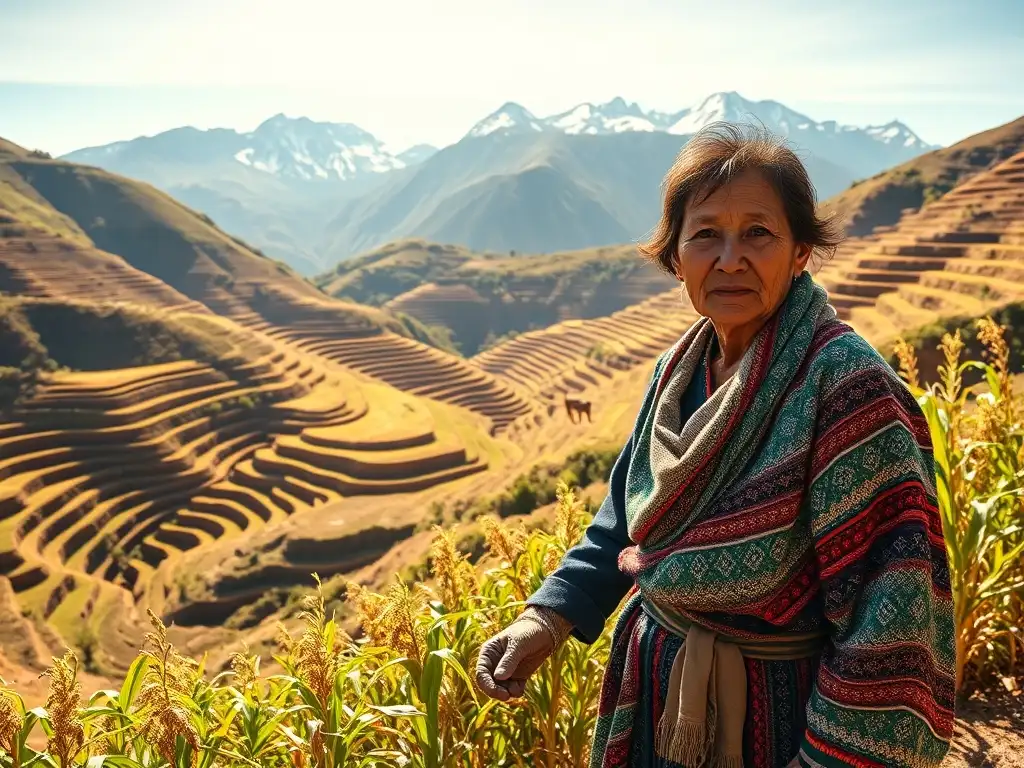
Andean agriculture, developed over millennia in challenging high-altitude environments, offers invaluable lessons for achieving global sustainability. The ingenuity and resilience of Andean farming practices, honed by necessity, provide a rich source of inspiration for modern agricultural systems facing the pressures of climate change, population growth, and biodiversity loss. These ancient techniques, often passed down through generations, demonstrate a deep understanding of ecological balance and resource management, showcasing a harmonious relationship between humans and their environment.
Understanding these contributions is crucial for addressing contemporary agricultural challenges and building a more sustainable future. The principles of Andean agriculture, characterized by its adaptability, resource efficiency, and biodiversity integration, are increasingly relevant in a world grappling with the urgent need for sustainable food production. This section will explore the specific ways in which Andean agricultural knowledge can inform and improve modern farming practices.
Lessons from Andean Farming for Climate Change Adaptation
Andean farmers have long faced the realities of a variable climate, including unpredictable rainfall, frost, and intense solar radiation. Their adaptation strategies offer valuable insights for mitigating the effects of climate change on global agriculture. For example, the use of terracing, a technique widely employed across the Andes, significantly reduces soil erosion and water runoff, crucial for maintaining soil fertility and water availability in the face of increasingly erratic weather patterns. This contrasts sharply with modern, large-scale monoculture farming which often suffers from soil degradation and water depletion.
Furthermore, the Andean emphasis on crop diversification and intercropping—the practice of growing multiple crops together—provides a natural buffer against crop failure. If one crop is affected by a specific weather event or pest, the others are likely to compensate, ensuring a more stable food supply. This contrasts significantly with the vulnerability inherent in monoculture systems, where a single disease or weather event can devastate entire harvests.
The selection of locally adapted varieties of crops, resistant to local pests and diseases, also plays a critical role in resilience. These varieties, often developed over centuries, possess a genetic diversity that is vital for adapting to changing climatic conditions.
Finally, the traditional Andean practice of agroforestry, integrating trees into farming systems, plays a crucial role in carbon sequestration, improving soil health, and providing shade and windbreaks, all of which are particularly relevant in the context of climate change mitigation and adaptation. These practices demonstrate the effectiveness of integrated approaches to farming, maximizing resource use while minimizing environmental impact.
Andean Agriculture as a Model for Food Security and Biodiversity Conservation
Andean agriculture stands as a powerful model for achieving food security while simultaneously preserving biodiversity. The traditional Andean approach prioritizes the cultivation of a wide range of crops, including potatoes, quinoa, maize, beans, and various fruits and vegetables, fostering a rich agro-ecological system. This contrasts with the homogenizing effects of modern industrial agriculture, which often leads to a reduction in biodiversity and increased vulnerability to pests and diseases.
The preservation of native crop varieties is a cornerstone of Andean agriculture. These varieties, often adapted to specific microclimates and possessing unique nutritional and medicinal properties, contribute significantly to both food security and biodiversity. The loss of these unique genetic resources would represent an irreplaceable loss for global agriculture and human health. The Andean approach highlights the importance of in situ conservation, maintaining crop diversity within its natural environment, as opposed to relying solely on ex situ methods like gene banks.
Furthermore, the integration of traditional knowledge with modern scientific techniques offers a pathway towards enhancing food security and biodiversity. This integrated approach recognizes the value of indigenous knowledge and practices while also benefiting from scientific advancements in crop improvement and pest management. This collaborative approach is crucial for developing sustainable and resilient agricultural systems capable of meeting the food needs of a growing global population without compromising biodiversity.
The Potential of Andean Sustainable Practices for Modern Farming Systems
The principles of Andean agriculture—adaptability, resource efficiency, biodiversity integration, and traditional knowledge—offer significant potential for improving modern farming systems. Integrating techniques like terracing, intercropping, agroforestry, and the use of locally adapted varieties can enhance the sustainability and resilience of modern agriculture, contributing to both food security and environmental protection.
However, the successful adoption of Andean sustainable practices requires careful consideration. Challenges include scaling up these techniques to meet the demands of a large-scale food production system, addressing the economic viability of these methods for farmers, and integrating them into existing agricultural policies and support systems. Furthermore, understanding the specific ecological contexts in which these practices were developed is crucial for successful adaptation to different environments.
Further research is needed to explore the potential of Andean sustainable practices in diverse agro-ecological zones and to develop effective strategies for their implementation and wider adoption. The potential benefits, however, in terms of increased food security, environmental protection, and economic empowerment, are substantial. The legacy of Andean agriculture holds the key to unlocking a more sustainable and resilient future for global food systems.
Revaluing Indigenous Agriculture: A Path to a More Sustainable Future
The Andean civilizations weren't just masters of engineering and artistry; they were pioneers of sustainable agriculture, developing techniques that allowed them to thrive in challenging environments for centuries. Their sophisticated understanding of water management, crop diversification, and soil conservation offers invaluable lessons for modern agriculture striving for sustainability. Ignoring these indigenous practices is a significant oversight in our current global food crisis.
We are, in essence, reinventing the wheel, often with less effective and more environmentally damaging results. The Andean approach, characterized by its deep respect for the land and its intricate understanding of ecological balance, represents a powerful alternative to intensive, resource-heavy farming methods.
One crucial aspect of Andean agriculture that deserves renewed attention is the concept of ayni, a reciprocal exchange system that extended to the land itself. Farmers weren't simply extracting resources; they were actively participating in a continuous cycle of giving and receiving. This philosophy fostered a sense of responsibility and stewardship, ensuring the long-term health of the ecosystem.
Contrast this with modern industrial agriculture, often characterized by a relentless pursuit of maximum yield, regardless of the environmental consequences. The short-term gains often overshadow the long-term costs, leading to soil degradation, water depletion, and biodiversity loss. Reintroducing the principles of ayni into contemporary agricultural practices could foster a more ethical and ecologically conscious approach.
Furthermore, the ingenious terracing systems employed by the Andean cultures are a testament to their deep understanding of land management. These terraces not only increased arable land but also prevented soil erosion and optimized water usage. The careful selection of crops and their strategic placement within the terraced fields further enhanced biodiversity and resilience.
Modern agriculture could benefit immensely from studying and adapting these techniques, especially in mountainous regions or areas prone to soil erosion. The adoption of similar terracing methods, along with improved water management strategies, could significantly reduce the environmental impact of agriculture while boosting productivity in challenging landscapes. The implementation of such strategies could even mitigate the effects of climate change, making agriculture more resilient to droughts and floods.
This is crucial for ensuring food security in a world facing increasingly unpredictable weather patterns. This highlights the urgent need for a shift from purely yield-focused practices to more holistic, ecologically integrated approaches, drawing inspiration from the wisdom of Andean agricultural traditions.
Challenges and Opportunities for Implementing Andean Agricultural Principles
The legacy of Andean agriculture, characterized by its ingenuity and resilience in the face of harsh environmental conditions, offers invaluable lessons for achieving sustainable food systems globally. However, translating these ancient practices into modern contexts presents a unique set of challenges and opportunities. Successfully integrating Andean agricultural principles requires careful consideration of socio-economic factors, technological advancements, and the preservation of traditional knowledge.
The keyword "Andean agriculture sustainable practices" highlights the core focus: adapting time-tested methods to meet the demands of a growing population while minimizing environmental impact. This section will explore the key hurdles and potential pathways towards a more sustainable future inspired by Andean farming wisdom.
Overcoming Barriers to the Adoption of Andean Farming Techniques
One significant obstacle is the perceived incompatibility of traditional Andean farming techniques with modern, large-scale agriculture. Many contemporary farming practices prioritize monoculture and intensive chemical use, leading to soil degradation and biodiversity loss – the very issues Andean methods sought to avoid. Farmers accustomed to these intensive methods might find the transition to more labor-intensive, diversified Andean systems challenging, particularly if economic incentives are lacking.
Furthermore, access to land and resources plays a crucial role. In many regions, land tenure insecurity and unequal access to credit hinder the adoption of sustainable practices. For example, smallholder farmers, who are often the most reliant on traditional methods, may lack the financial resources to invest in terracing repairs or improved water management systems, even though these investments ultimately enhance long-term productivity and resilience.
Addressing these economic and infrastructural barriers is vital for the widespread adoption of Andean farming techniques. This requires targeted support programs, including financial assistance, training, and access to improved seeds and tools.
Integrating Traditional Knowledge with Modern Agricultural Practices
The integration of traditional Andean knowledge with modern agricultural science is crucial for achieving optimal results. This isn't about a simple replacement of one system with another, but rather a synergistic approach. For instance, Andean farmers utilized sophisticated techniques like waru waru (raised bed agriculture) and andenes (terracing) to optimize water use and soil fertility. Modern science can enhance these techniques by providing data-driven insights into soil composition, water availability, and crop suitability. Precision agriculture technologies, coupled with traditional ecological knowledge (TEK), can lead to more efficient resource management and increased yields. A concrete example is using remote sensing to monitor crop health and soil moisture levels in terraced fields, allowing for timely interventions and optimized irrigation strategies. This combined approach respects the wisdom embedded in centuries of Andean farming while leveraging modern technological advancements. This strategy represents a critical step towards achieving the goal of "Andean agriculture sustainable practices".
The Role of Education and Community Engagement in Promoting Andean Agriculture
Successful implementation of Andean agricultural principles hinges on widespread education and community engagement. Preserving and disseminating traditional knowledge is paramount. This necessitates documenting local farming practices, developing educational programs that teach these techniques, and fostering a sense of pride and ownership within farming communities.
The effective transfer of knowledge requires a participatory approach, involving farmers in the design and implementation of programs. This ensures that the educational initiatives are relevant and culturally appropriate. Community-based learning initiatives, such as workshops and farmer-to-farmer exchanges, can be extremely effective in promoting the adoption of sustainable practices.
Additionally, showcasing the economic and environmental benefits of Andean agriculture through case studies and success stories can inspire broader adoption. By building capacity within communities and fostering a deeper understanding of the value of Andean agricultural practices, we can pave the way for a more sustainable and food-secure future, aligning perfectly with the essence of "Andean agriculture sustainable practices".
Supporting Small-Scale Andean Farmers and Their Sustainable Practices
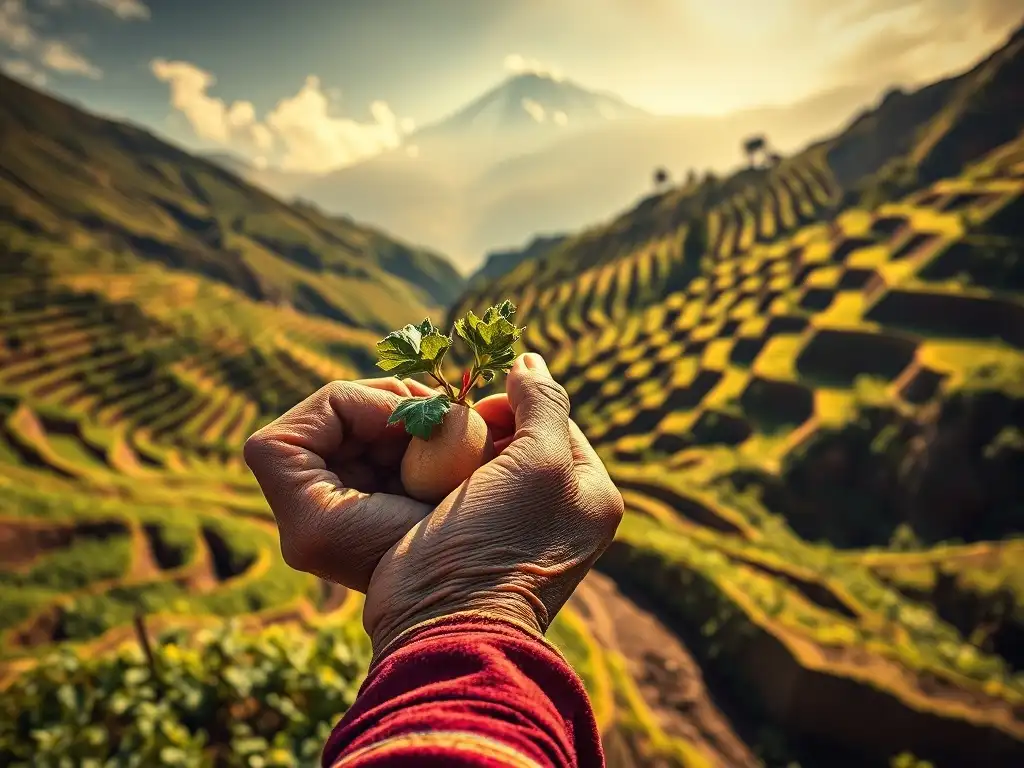
The success of implementing Andean agricultural principles hinges on supporting the very people who have preserved them for millennia: small-scale Andean farmers. These farmers, often working on marginal lands with limited resources, possess invaluable knowledge of water management, crop diversification, and soil conservation. However, they face significant challenges, including limited access to credit, markets, and technology. Many struggle with land tenure insecurity, hindering their ability to invest in long-term sustainable practices. Furthermore, the increasing pressure of globalization and climate change adds further complexity.
One crucial aspect of support is providing access to fair prices for their products. Exploitation by intermediaries often leaves farmers with minimal profit, discouraging investment in sustainable methods. Initiatives promoting direct market access, farmer cooperatives, and fair trade certifications can significantly improve their economic viability and incentivize the continuation of traditional sustainable practices. Moreover, providing access to microfinance and credit tailored to their needs can enable them to invest in improved seeds, tools, and water management infrastructure.
Education and training programs are also essential. These programs should not only focus on modern agricultural techniques but also build upon and strengthen existing traditional knowledge. This approach ensures that farmers can adapt and innovate while preserving their cultural heritage and sustainable practices. For example, workshops focusing on improved composting techniques or water harvesting methods, adapted to the specific local conditions, can significantly enhance productivity and resilience.
The integration of traditional ecological knowledge with modern scientific approaches is key to developing truly sustainable and culturally sensitive solutions. Ultimately, empowering small-scale farmers is not just about improving their livelihoods; it's about safeguarding a vital repository of knowledge crucial for global food security and environmental sustainability. Their success is intrinsically linked to the long-term success of Andean agriculture and its lessons for a sustainable future.
Future Directions for Research and Development in Andean Agriculture
Further research is crucial to fully understand and harness the potential of Andean agricultural practices for a sustainable future. Areas requiring further investigation include a more detailed analysis of the long-term effects of traditional Andean farming methods on soil health, biodiversity, and water resource management. While anecdotal evidence and limited studies suggest significant benefits, comprehensive, long-term studies are needed to quantify these impacts and provide robust scientific evidence. This research should incorporate advanced techniques such as remote sensing and GIS mapping to assess the spatial distribution of traditional farming practices and their influence on the environment.
Another important area of research focuses on the genetic diversity of Andean crops. These crops, adapted to challenging environments, hold immense potential for developing climate-resilient varieties. Research into their genetic makeup can help identify genes responsible for drought tolerance, pest resistance, and other desirable traits, paving the way for the development of improved crop varieties suitable for a changing climate. This research should involve close collaboration with local communities to ensure that traditional varieties are conserved and that any new varieties developed are appropriate for local conditions and preferences.
Finally, developing climate-smart agricultural strategies for the Andes is paramount. This requires integrating traditional knowledge with modern scientific approaches to develop strategies that enhance the resilience of Andean agriculture to climate change impacts such as droughts, floods, and changing temperature patterns. This could involve researching and implementing improved water harvesting techniques, developing drought-resistant crop varieties, and promoting agroforestry systems to enhance ecosystem services and carbon sequestration.
The focus must be on developing holistic solutions that consider the complex interplay between social, economic, and environmental factors, ensuring that the future of Andean agriculture is both sustainable and equitable. The integration of these research efforts will provide valuable insights for global efforts towards sustainable agriculture.
Conclusion: Embracing the Wisdom of Andean Agriculture
The ingenuity and resilience of Andean agricultural practices offer invaluable lessons for modern sustainable agriculture. For centuries, Andean civilizations thrived by developing sophisticated techniques adapted to the challenging Andean environment. Their methods, honed over millennia, provide a blueprint for creating food systems that are both productive and environmentally responsible.
Understanding and implementing these ancient practices can significantly contribute to global food security and environmental sustainability. This isn't just about preserving history; it's about securing a future where food production doesn't come at the expense of the planet. The legacy of Andean agriculture is a testament to the power of human ingenuity and adaptation, a legacy we must actively protect and learn from.
The Lasting Legacy of Andean Agricultural Innovations
Andean agricultural innovations continue to inspire researchers and farmers worldwide. Techniques like terracing, which dramatically reduced soil erosion and maximized land use on steep slopes, remain incredibly relevant today. The sophisticated understanding of water management, evident in the intricate canal systems and reservoirs built by Andean civilizations, provides essential insights for efficient irrigation in arid and semi-arid regions.
Furthermore, the Andean focus on crop diversification and intercropping, which reduced the risk of crop failure and enhanced soil fertility, offers a compelling alternative to monoculture farming. These practices, combined with the use of native, resilient crop varieties, demonstrate a deep understanding of ecological balance and sustainable resource management. The lasting impact of Andean agricultural knowledge is undeniable, offering a path towards more resilient and environmentally friendly food production systems.
Analyzing these innovations through a modern lens reveals surprising parallels with contemporary sustainable agriculture movements, highlighting the timeless wisdom embedded within these ancient techniques. The integration of ancient Andean methods with modern agricultural technology holds the key to unlocking truly sustainable agricultural practices for the future.
The Importance of Protecting Andean Agricultural Heritage
Protecting Andean agricultural heritage is crucial not only for preserving cultural identity but also for ensuring global food security and environmental sustainability. The loss of traditional farming knowledge and the erosion of biodiversity represent significant threats. The disappearance of indigenous crop varieties, many of which possess unique resilience to pests and diseases, weakens the genetic diversity essential for adapting to climate change.
Similarly, the abandonment of traditional farming techniques, such as agroforestry and crop rotation, diminishes our capacity to develop environmentally responsible agricultural practices. Active efforts are needed to document, preserve, and promote Andean agricultural knowledge through initiatives such as community-based seed banks, educational programs, and policy support for traditional farming practices.
This requires a collaborative approach involving researchers, farmers, policymakers, and local communities to safeguard this invaluable heritage. The preservation of Andean agricultural heritage is not a matter of mere nostalgia; it's a vital investment in a sustainable future for all.
Moving Towards a More Sustainable Future Inspired by Andean Farming
The principles of Andean agriculture – biodiversity, water conservation, soil health, and integrated pest management – offer a compelling roadmap for creating more sustainable food systems. By adopting and adapting these techniques to modern contexts, we can significantly reduce the environmental impact of agriculture while enhancing its productivity and resilience. This includes promoting the cultivation of diverse, climate-resilient crops; implementing water-efficient irrigation systems; practicing soil conservation techniques; and adopting integrated pest management strategies that minimize reliance on harmful pesticides.
Furthermore, supporting local farmers and promoting fair trade practices are essential for ensuring the long-term viability of sustainable Andean agriculture. This holistic approach, integrating ancient wisdom with modern technology, is crucial for building a more sustainable and equitable food system for future generations. Embracing the lessons of Andean agriculture isn’t merely an option; it’s a necessary step towards a secure and sustainable future for all.
The potential impact of widespread adoption of these practices on global food security and environmental stewardship is immense. The path towards a truly sustainable future is paved with the wisdom of the Andes.
Frequently Asked Questions
What sustainable agricultural practices did the Andean civilizations employ?
Andean civilizations utilized ingenious techniques like terracing, irrigation systems, and crop rotation to maximize yields while minimizing environmental impact. They also practiced intercropping, planting different crops together to improve soil health and pest control.
How did terracing contribute to sustainable agriculture in the Andes?
Terracing dramatically reduced soil erosion on steep slopes, allowing for increased arable land and more efficient water management. This ensured consistent crop production over many generations.
What role did irrigation play in Andean agricultural success?
Sophisticated irrigation canals and aqueducts allowed Andean farmers to cultivate crops even in arid regions. This reliable water supply ensured food security and supported large populations.
Were Andean agricultural methods truly sustainable in the long term?
While remarkably effective for centuries, the long-term sustainability of some Andean practices is debated. Deforestation for fuel and agriculture, coupled with intensive farming in some areas, did have environmental consequences.
What lessons can modern agriculture learn from Andean practices?
Modern agriculture can learn from the integrated approach of Andean farming, emphasizing biodiversity, water conservation, and soil health. Adapting ancient techniques to contemporary challenges offers a path towards more sustainable food systems.
Final Reflection: Harvesting the Wisdom of the Andes for a Sustainable Tomorrow
The ingenious agricultural practices developed in the Andes Mountains centuries ago offer not just a fascinating glimpse into the past, but a vital roadmap for navigating the challenges of modern food security and environmental sustainability. These ancient techniques, honed over millennia to thrive in harsh conditions, hold the key to unlocking a more resilient and equitable food system for the future. Their relevance today is undeniable, as climate change and population growth demand innovative solutions to feed a growing global population without further degrading our planet.
The enduring legacy of Andean agriculture is a testament to the power of human ingenuity and adaptation, a story woven into the very fabric of Andean culture and identity. Its influence extends far beyond the Andes themselves, offering valuable lessons for sustainable agriculture worldwide. The principles of terracing, crop diversification, and water management, once considered localized practices, are now being recognized as crucial elements of global sustainable development. The Earth provides enough to satisfy every man's needs but not every man's greed.
– Mahatma Gandhi. This quote perfectly encapsulates the wisdom embedded within Andean agricultural practices, emphasizing the importance of balance and respect for the environment.
Consider the profound implications of these ancient methods. Imagine a world where food production is not only abundant but also environmentally responsible, where communities are empowered to cultivate their own food security, and where the wisdom of past generations guides us towards a more sustainable future. This is not a utopian dream, but a tangible possibility, if we choose to learn from the enduring legacy of Andean agriculture and apply its principles to our own lives and communities. Let the wisdom of the Andes inspire you to cultivate a more sustainable future, one mindful step at a time.
**Cultivate Your Future: Embrace Sustainable Practices Today! **
Thank you for exploring the rich legacy of Andean agriculture with us! You've gained valuable insights into sustainable farming and environmental stewardship. Now, let's put that knowledge to work!
Here are a few ways you can make a positive impact:
- **Incorporate a sustainable practice into your gardening or farming**, such as crop rotation, using organic fertilizers, or employing water-wise techniques.
- **Join a local community garden or farming cooperative** to connect with others who share your interest in sustainable practices and learn from their experiences.
- **Share this article on social media to inspire others** to adopt sustainable agricultural methods.
What sustainable actions will you take this week to honor the legacy of Andean agriculture? Share your thoughts below!