
The Andean Kitchen Garden: A Microcosm of Agricultural Diversity

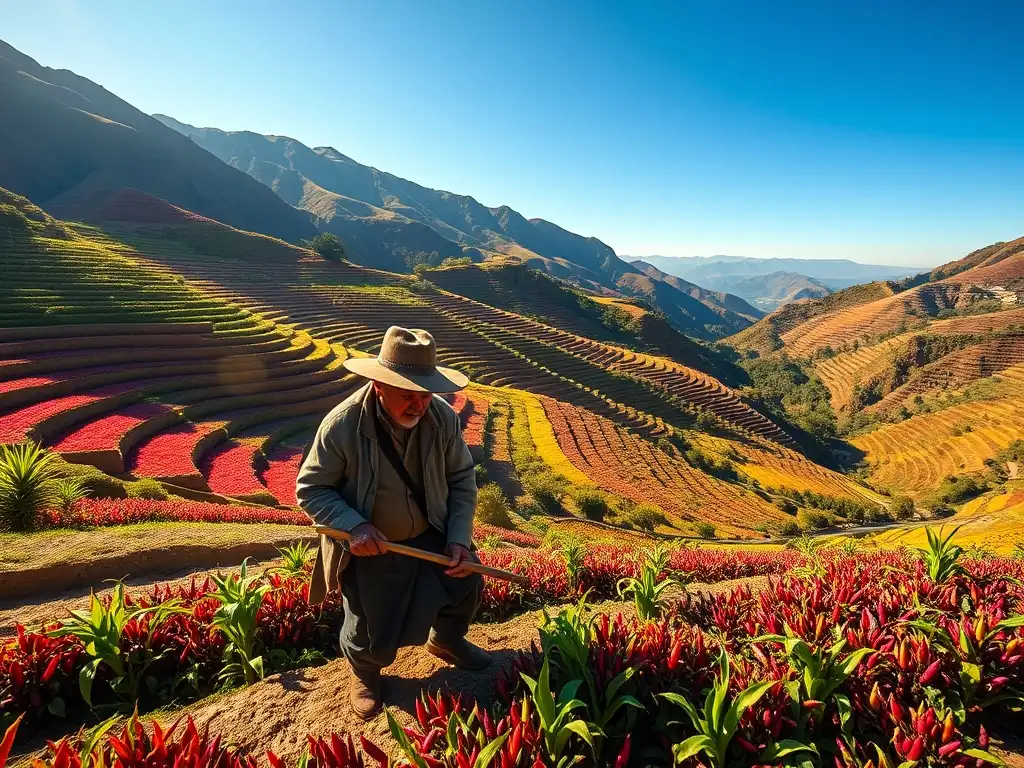
Step into a world lost to time, yet echoing with ingenuity. Imagine a landscape sculpted by ancient hands, where vibrant cultures flourished and revolutionary farming practices shaped the very fabric of civilization. Discover the secrets behind the Andean preColumbian farming techniques that sustained empires, unlocking the mysteries of sustainable agriculture in our feature article, "The Andean Kitchen Garden: A Microcosm of Agricultural Diversity." Prepare to be amazed by the ingenuity of the Andean civilizations and their profound connection to the land. Let's unearth their legacy together.
The Andes Mountains, a spine of towering peaks running down the western coast of South America, are home to a breathtaking array of ecosystems. From arid coastal deserts to lush cloud forests and high-altitude grasslands, this diverse geography fostered the development of equally diverse agricultural practices among the pre-Columbian Andean civilizations.
This article delves into the fascinating world of Andean pre-Columbian farming techniques, focusing on the "kitchen garden" – a microcosm of ingenuity and adaptability that allowed these societies to thrive in challenging environments. We will explore the sophisticated techniques employed, the remarkable crop diversity cultivated, and the profound impact these methods had on the development of Andean cultures.
Understanding these ancient farming practices provides valuable insights into sustainable agriculture and offers lessons for modern-day food production in the face of climate change and increasing population pressures. We will examine how the ingenuity of Andean farmers allowed them to create highly productive and resilient agricultural systems, showcasing the remarkable connection between people and their environment.
Introduction to Andean Pre-Columbian Farming Techniques
Andean pre-Columbian farming techniques were far from rudimentary. They represented a sophisticated understanding of environmental conditions and the manipulation of natural processes to maximize crop yields. These techniques, honed over millennia, were crucial to the survival and prosperity of civilizations like the Inca, Moche, Nazca, and Tiahuanaco. Key elements included:
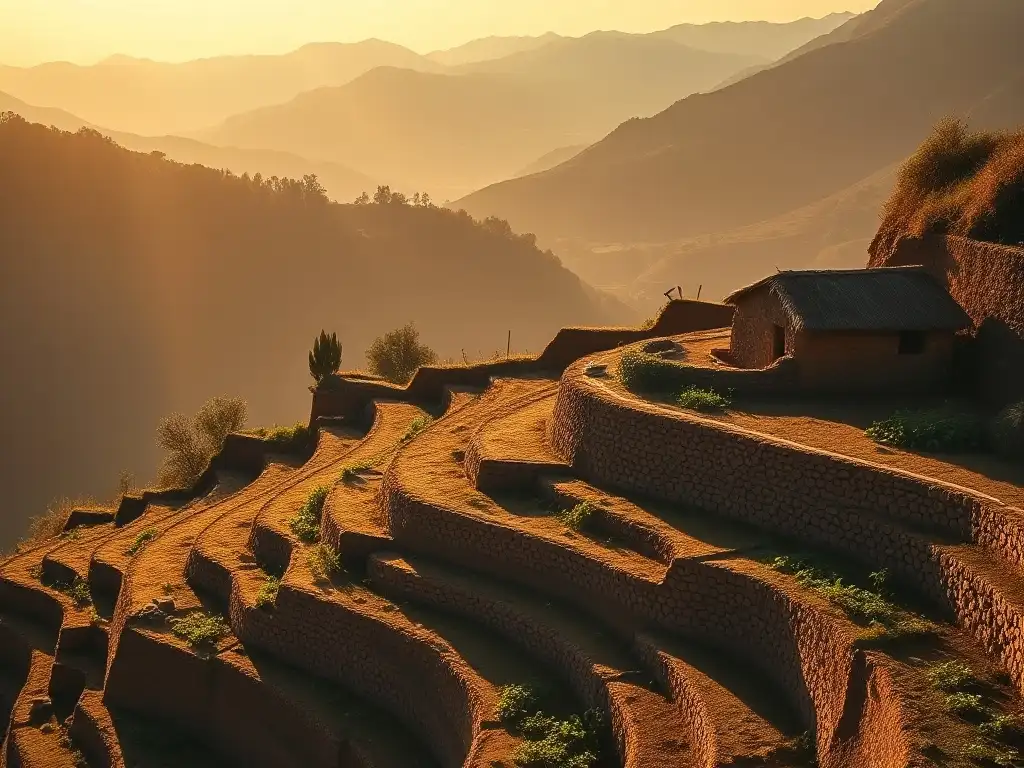
- Terracing: The construction of terraces on steep slopes dramatically increased arable land, preventing soil erosion and maximizing sunlight exposure. This impressive feat of engineering is visible throughout the Andes to this day, a testament to the advanced capabilities of Andean agriculturalists. The precise methods varied depending on the specific location and environmental conditions, demonstrating a deep understanding of local topography and hydrology.
- Irrigation Systems: Sophisticated canal systems, often carved into rock, diverted water from rivers and streams to irrigate fields, ensuring a reliable water supply even in dry seasons. These systems were remarkably efficient, demonstrating a mastery of hydraulic engineering and water management. The scale and complexity of some of these systems are truly awe-inspiring, showcasing the organizational capacity and engineering prowess of Andean societies.
- Crop Diversification: Andean farmers cultivated a wide variety of crops, including potatoes, maize, quinoa, beans, and many other plants adapted to different altitudes and climates. This diversity provided resilience against crop failures and ensured a varied and nutritious diet. The precise number of cultivated species is still being researched, but it is clear that Andean agriculture was exceptionally diverse.
- Fertilization Techniques: The use of organic fertilizers, such as animal manure and compost, enriched the soil and maintained its fertility. This sustainable approach to soil management contributed to the long-term productivity of Andean agricultural systems. Specific techniques and the types of fertilizers used varied regionally, reflecting the diverse environmental conditions.
- Waru Waru: This unique system, practiced in the Lake Titicaca region, involved creating raised beds surrounded by irrigation canals. This technique improved drainage, controlled water temperature, and increased soil fertility. Waru Waru is a remarkable example of the innovative solutions developed by Andean farmers to overcome environmental challenges.
Understanding the Andean Kitchen Garden: A Unique Agricultural System
The Andean kitchen garden, often located near homes, wasn't merely a source of food; it was a microcosm of the broader agricultural system. It represented a highly intensified form of agriculture, characterized by:
- High Crop Density: A wide variety of crops were grown in close proximity, taking advantage of every available space. This maximized the yield per unit area, which was crucial given the often limited land available for cultivation in mountainous regions. The specific layout and arrangement of crops likely varied depending on local conditions and cultural preferences.
- Intercropping and Crop Rotation: Different crops were planted together or in succession to optimize resource utilization and minimize pest and disease problems. This sophisticated technique demonstrates a deep understanding of plant interactions and the principles of ecological balance. Further research is needed to fully understand the specific practices employed in different regions.
- Vertical Zonation: The Andes' diverse altitudes allowed farmers to cultivate different crops at different elevations, maximizing the use of available resources. This vertical zonation is a defining characteristic of Andean agriculture, showcasing the remarkable adaptability of Andean farmers to diverse environments. Detailed records of specific crop placement at various altitudes are still being compiled and analyzed.
- Microclimates: Farmers were adept at recognizing and utilizing microclimates within their gardens to create optimal growing conditions for specific crops. This sophisticated knowledge of local environmental conditions allowed for the cultivation of a wide range of plants, even in relatively small areas. The specific microclimate manipulations are a subject of ongoing research.
The Andean kitchen garden exemplifies the ingenuity and resilience of Andean farmers. It represents a sustainable and productive agricultural system that provided food security and cultural continuity for millennia. Its lessons continue to inspire researchers and farmers today, demonstrating the enduring value of traditional agricultural practices. Further investigation into the precise methods and yields of these gardens would significantly enhance our understanding of Andean agricultural practices.
- Introduction to Andean Pre-Columbian Farming Techniques
- Understanding the Andean Kitchen Garden: A Unique Agricultural System
- What innovative farming techniques did Andean civilizations employ?
- How did the unique geography of the Andes influence farming practices?
- What role did the Andean waru waru system play in agriculture?
- Were Andean farming techniques sustainable?
- What crops were most important to Andean civilizations?
Key Features of Traditional Andean Gardens
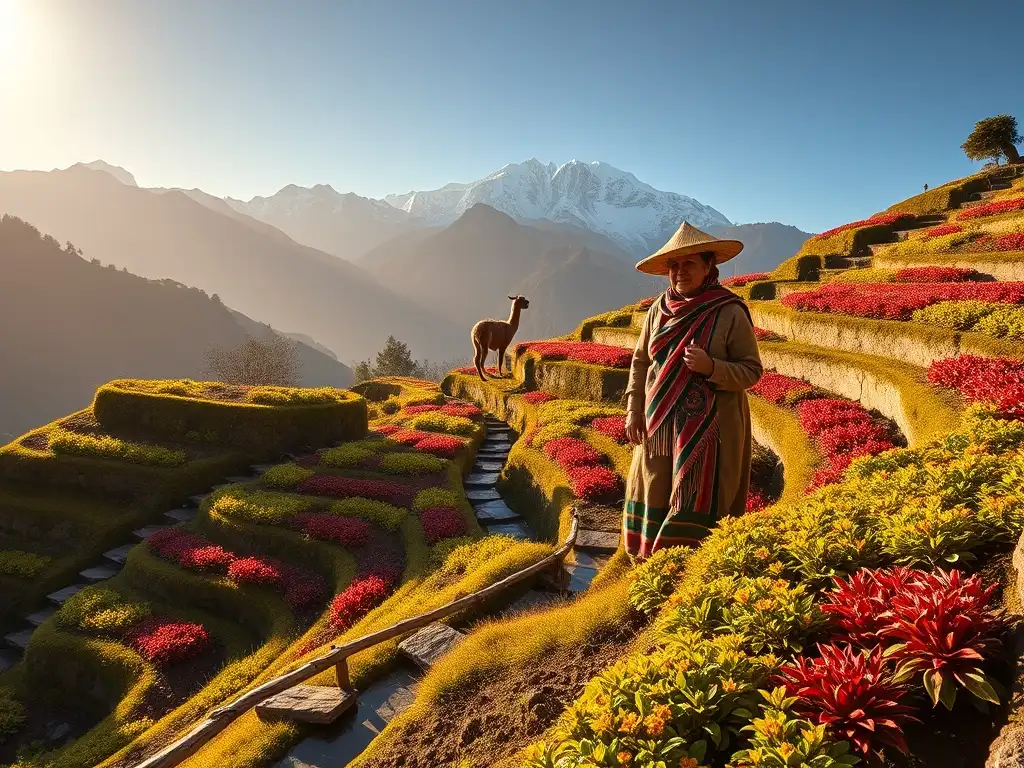
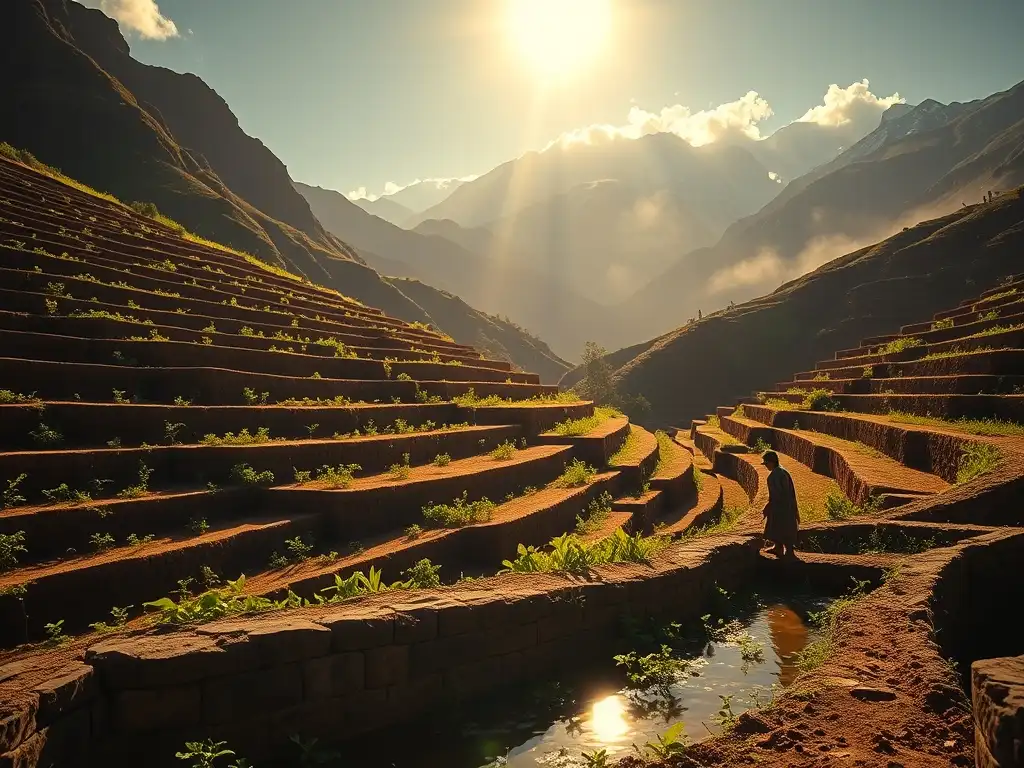
This section delves into the ingenious strategies employed by Andean pre-Columbian civilizations to cultivate food in challenging high-altitude environments. Their farming techniques were not merely methods of food production; they were sophisticated systems reflecting deep ecological knowledge and sustainable practices that ensured food security for generations. Understanding these techniques provides crucial insights into the resilience and ingenuity of Andean cultures.
We'll explore key features that exemplify their mastery of agriculture, focusing on adaptation to high altitudes, the unique vertical structure of their gardens, and their remarkable embrace of polyculture and crop diversification. This knowledge is essential for appreciating the sophistication of Andean preColumbian farming techniques and their lasting impact on the region.
High-Altitude Adaptation in Andean Agriculture
Andean agriculture thrived in incredibly diverse and challenging terrains, often at altitudes exceeding 3,000 meters (9,800 feet) above sea level. The thin air, intense solar radiation, and unpredictable weather patterns posed significant hurdles. To overcome these challenges, Andean farmers developed several remarkable adaptations. These included:
- Terracing: The construction of terraces on steep slopes dramatically increased the available arable land, reduced soil erosion, and improved water retention. Terraces were meticulously engineered to follow the contours of the land, creating a series of level platforms ideal for cultivation. The size and orientation of terraces varied depending on the local topography and microclimate.
- Irrigation Systems: Complex irrigation networks were crucial in managing water scarcity. Canals, ditches, and aqueducts channeled water from rivers and springs to the fields, ensuring a reliable water supply even during dry periods. Some systems were remarkably sophisticated, involving intricate water distribution techniques. The ingenuity of these systems is a testament to the advanced engineering skills of Andean farmers.
- Frost Protection: Farmers employed various techniques to protect crops from frost, a significant threat at high altitudes. These included covering plants with straw or other materials, building windbreaks, and selecting frost-resistant crop varieties. The selection of specific crops adapted to the harsh conditions was a crucial element of their success.
The Vertical Structure of Andean Gardens
The Andean concept of the vertical archipelago highlights the unique spatial organization of their agricultural systems. Andean farmers utilized the diverse ecological zones along mountain slopes, cultivating different crops at varying altitudes based on their specific climate requirements. This vertical layering maximized agricultural productivity by exploiting microclimatic variations. For example:
| Altitude Range (meters) | Climate Zone | Typical Crops |
|---|---|---|
| 2500 - 3500 | Temperate | Potatoes, maize, quinoa |
| 3500 - 4000 | Subalpine | Potatoes (frost-resistant varieties), oca |
| 4000 - 4500 | Alpine | Potatoes (high-altitude varieties), barley |
This vertical integration not only increased the diversity of crops but also reduced the risk of total crop failure due to localized environmental events. The careful planning and management of this vertical structure demonstrate a sophisticated understanding of ecology and agricultural resource management. The system was finely tuned to optimize yields and ensure food security across different elevations.
Polyculture and Crop Diversity in Andean Kitchen Gardens
Andean preColumbian farming techniques strongly emphasized polyculture – the practice of growing multiple crops together in the same field. This contrasted sharply with the monoculture practices prevalent in many other parts of the world. The benefits were numerous:
- Reduced Pest and Disease Pressure: The diversity of plants in polyculture systems disrupted the life cycles of pests and diseases, reducing the need for chemical interventions. The intermingling of different species created a less hospitable environment for pests.
- Improved Soil Fertility: Different plants have different nutrient requirements. Polyculture systems improved soil fertility by cycling nutrients more efficiently, reducing the need for external inputs like fertilizers. Leguminous plants, for example, fixed nitrogen in the soil, benefiting neighboring plants.
- Increased Yield Stability: By diversifying their crops, Andean farmers reduced the risk of total crop failure. If one crop was affected by pests, disease, or adverse weather, others were less likely to be impacted. This resilience was crucial for ensuring a stable food supply.
The Andean kitchen garden was a microcosm of this polyculture system. It wasn't simply a place to grow food; it was a carefully managed ecosystem showcasing the deep knowledge and sustainable practices of Andean farmers. Their holistic approach to agriculture provides valuable lessons for modern sustainable agriculture practices. 🌱
Importance of Terracing and Raised Beds
Terracing and raised beds were not merely aesthetic choices for Andean farmers; they were ingenious solutions to the challenges of the mountainous terrain and the need for efficient water management. The steep slopes of the Andes presented significant obstacles to cultivation. Rainfall, while crucial, could easily wash away topsoil and valuable nutrients, rendering the land unproductive.
Terracing, the creation of flat, step-like platforms carved into hillsides, dramatically mitigated this problem. By creating level surfaces, terraces reduced soil erosion significantly, allowing for more effective water retention and preventing the loss of fertile soil. This innovative technique maximized arable land in regions otherwise unsuitable for large-scale agriculture.
The construction of terraces was a labor-intensive process, often involving the careful placement of stone retaining walls to support the soil. The scale of some terrace systems, visible even today in places like the Sacred Valley of the Incas, is a testament to the ingenuity and dedication of Andean farmers. These monumental feats of engineering stand as a powerful symbol of the civilization's deep understanding of environmental constraints and their ability to overcome them through collaborative effort and sustainable practices.
Raised beds, another key feature of Andean agriculture, offered additional advantages. These elevated planting areas provided better drainage in areas prone to waterlogging, a common problem in valleys and lower-lying regions. This improved drainage promoted healthier root systems and reduced the risk of crop failure due to excess moisture.
Furthermore, raised beds often incorporated organic matter, such as compost and manure, enriching the soil and enhancing its fertility. This practice not only boosted crop yields but also contributed to the long-term sustainability of the agricultural system. The combination of raised beds and terracing allowed Andean farmers to cultivate a wide range of crops, adapting their techniques to the specific microclimates and soil conditions found within their diverse landscapes.
The precise construction and placement of raised beds, often reflecting a deep understanding of local hydrology and sun exposure, further demonstrates the sophisticated nature of Andean preColumbian farming techniques. The effectiveness of these techniques is evident in the agricultural diversity and productivity achieved in the challenging Andean environment, a feat that continues to inspire admiration and study today.
Crops Cultivated in Andean Pre-Columbian Farming
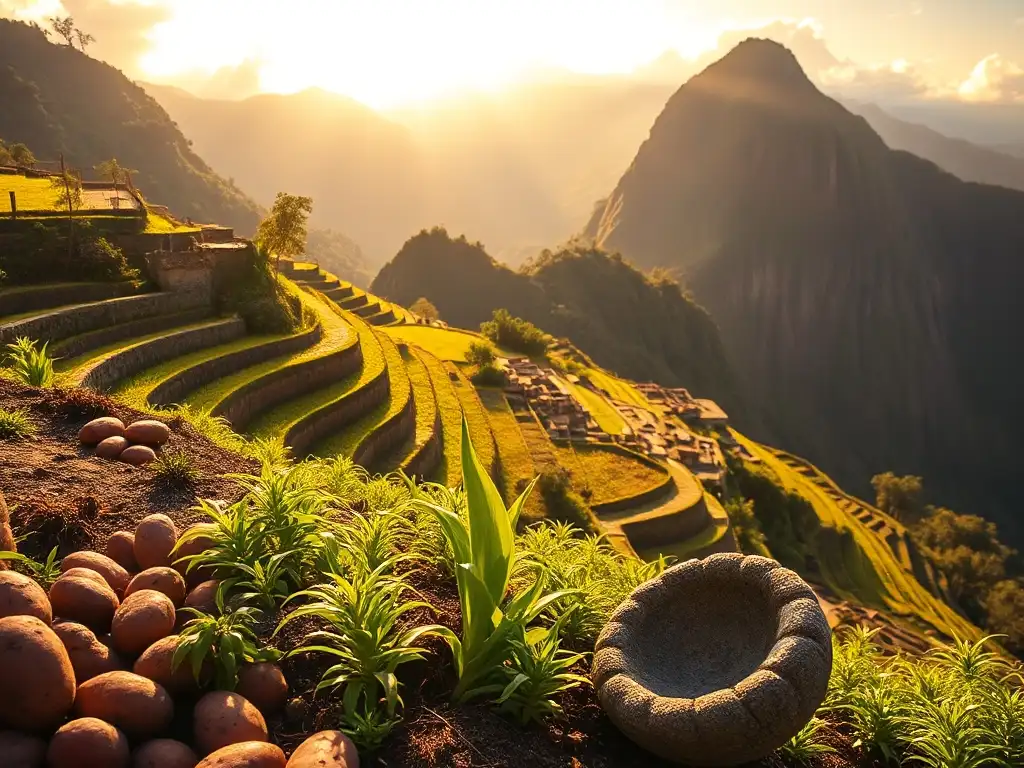
This section delves into the remarkable diversity of crops cultivated by Andean civilizations before the arrival of Europeans, showcasing the ingenuity and adaptation inherent in their Andean preColumbian farming techniques. The Andean region's varied altitudes and climates fostered a sophisticated agricultural system, resulting in a rich tapestry of plant life, many of which remain important food sources today. Understanding these crops is crucial to appreciating the complexity of Andean societies and their relationship with their environment.
The selection and cultivation of these plants weren't random; they were carefully chosen and adapted to specific ecological niches, reflecting a deep understanding of botany and environmental sustainability. This knowledge was passed down through generations, ensuring food security and cultural continuity for centuries.
Staple Andean Crops: Potatoes and Quinoa
Potatoes ( Solanum tuberosum) and quinoa ( Chenopodium quinoa) stand as cornerstones of the Andean diet, their cultivation deeply intertwined with the cultural identity of the region. These two crops, incredibly adaptable to diverse altitudes and climates, became dietary staples, providing essential carbohydrates and nutrients.
The potato, with its thousands of varieties, each adapted to a specific microclimate, demonstrates the incredible range of agricultural innovation achieved by Andean farmers. From the small, hardy potatoes grown at high altitudes to the larger varieties cultivated in lower, warmer regions, the potato provided a reliable food source year-round. Andean farmers developed sophisticated techniques for storing potatoes, utilizing underground cellars and other methods to ensure their preservation throughout the harsh Andean winters. This sophisticated storage, combined with diverse varieties, ensured food security even in times of scarcity.
Quinoa, a pseudo-cereal boasting high protein and nutritional value, was another vital crop. Its resilience to harsh conditions, including drought and frost, made it a crucial element of Andean agriculture. Unlike many grains, quinoa doesn't require excessive amounts of water, making it perfectly suited to the often arid conditions of the Andes. Its nutritional profile, rich in essential amino acids, further cemented its importance as a staple food. The cultivation of quinoa involved techniques such as terracing and irrigation, reflecting a deep understanding of water management and soil conservation.
Native Andean Tubers and Root Vegetables
Beyond potatoes and quinoa, a wide array of other tubers and root vegetables enriched the Andean diet. These crops, often overlooked in modern narratives, played a significant role in providing essential nutrients and dietary diversity. Many of these crops were highly adapted to specific conditions, showcasing the ingenuity of Andean agricultural practices and the deep understanding of their environment.
- Oca (Oxalis tuberosa): This colorful tuber, available in a range of hues from yellow to red to purple, provided a source of carbohydrates and vitamins. Its relative ease of cultivation and good storage capabilities made it a valuable addition to the Andean diet.
- Mashua (Tropaeolum tuberosum): Known for its slightly spicy flavor, mashua offered a unique culinary experience and contributed to dietary diversity. Its adaptation to high-altitude conditions underscores the remarkable resilience of Andean crops.
- Yacon (Smallanthus sonchifolius): This root vegetable, with its sweet taste and medicinal properties, added both flavor and health benefits to the Andean diet. Its cultivation methods often involved techniques such as terracing and irrigation.
- Arracacha (Arracacia xanthorrhiza): Similar to a parsnip, arracacha offered a substantial source of carbohydrates and was an important part of the Andean food system. Its cultivation was often integrated within the broader agricultural strategies of the region.
The cultivation of these diverse tubers and roots required a nuanced understanding of soil conditions, water management, and crop rotation, reflecting the sophisticated knowledge of Andean farmers regarding sustainable agriculture. These techniques, passed down through generations, ensured both food security and environmental stewardship.
Andean Grains and Legumes
Beyond quinoa, a variety of other grains and legumes contributed to the nutritional richness of the Andean diet. These crops, cultivated using sophisticated techniques, provided essential proteins, carbohydrates, and other nutrients, further diversifying the food supply and ensuring resilience.
- Canihua (Chenopodium pallidicaule): A close relative of quinoa, canihuas are highly nutritious and adapted to even harsher conditions than quinoa. Its cultivation demonstrates the Andean people's ability to exploit even the most challenging environments for food production.
- Amaranth (Amaranthus caudatus): This grain, with its high protein content, was a significant part of the Andean diet. Its cultivation and use extended beyond food, with the plant also used for fiber and medicinal purposes.
- Various Beans: A wide array of beans, including varieties of common beans, lima beans, and others, provided vital protein sources. These legumes were often incorporated into crop rotation systems to improve soil fertility and enhance overall agricultural productivity.
The cultivation of these grains and legumes required careful management of soil fertility and water resources, reflecting the sophisticated agricultural knowledge of Andean farmers. These practices, combined with advanced techniques such as terracing and irrigation, allowed for the sustainable production of diverse and nutritious crops, highlighting the ingenuity and adaptability of Andean preColumbian farming techniques. The integration of these various crops within the Andean agricultural system ensured food security and a balanced diet, showcasing a remarkable level of agricultural expertise.
Herbs and Medicinal Plants in Traditional Andean Gardens
Andean pre-Columbian farming techniques weren't solely focused on staple crops like potatoes and maize. A significant component of their agricultural systems involved the cultivation of a wide array of herbs and medicinal plants, integrated seamlessly into their kitchen gardens. These weren't simply ornamental additions; they played crucial roles in daily life, providing remedies for common ailments and enhancing the flavor and nutritional value of their food.
The precise species cultivated varied depending on altitude and specific microclimates, reflecting the incredible adaptability of Andean agricultural practices. This diversity underscores the sophisticated understanding of botany and pharmacology possessed by pre-Columbian Andean societies.
The integration of medicinal plants into the garden wasn't arbitrary. Many were strategically placed near other crops, potentially for pest control or to attract beneficial insects. For example, certain herbs known for their insecticidal properties might be planted near vulnerable crops, providing a natural form of pest management—a testament to the sustainable and integrated nature of Andean pre-Columbian farming techniques. This holistic approach minimized the need for external interventions, relying instead on the inherent properties of the plants themselves and the delicate balance within the ecosystem.
Evidence suggests that specific plants were associated with particular ailments. While detailed records are scarce, anthropological studies and ethnobotanical research continue to uncover the intricate knowledge system underlying the use of these plants. For instance, coca leaves, widely known for their stimulant properties and cultural significance, were also used for medicinal purposes, addressing everything from altitude sickness to digestive issues.
Similarly, various species of Dature, though containing potent psychoactive compounds, were employed in carefully controlled doses for specific therapeutic applications, showcasing a deep understanding of both the plant's potential and its risks. This nuanced approach to medicinal plant use highlights the advanced level of botanical knowledge within Andean societies.
The cultivation and use of these herbs and medicinal plants weren't simply the domain of specialists; they were integral to the daily lives of Andean communities. Women, in particular, played a central role in managing the kitchen gardens, possessing extensive knowledge of the properties and uses of different plants. This knowledge was passed down through generations, ensuring the continuity of these invaluable traditions and the preservation of a rich pharmacopoeia rooted in Andean pre-Columbian farming techniques.
The integrated nature of these plants within the wider agricultural system reflects a deep understanding of the interconnectedness of nature and the importance of biodiversity in maintaining a healthy and resilient ecosystem. Further research is needed to fully document the specific species and their applications, but the evidence strongly suggests a far more complex and sophisticated system than previously appreciated.
Sustainable Practices in Andean Agriculture
Andean pre-Columbian farming techniques were remarkably sustainable, showcasing a deep understanding of ecological principles centuries ahead of their time. These weren't simply methods of food production; they were sophisticated systems designed to minimize environmental impact and maximize yields within often challenging terrains. This section will explore some key sustainable practices employed by Andean farmers, highlighting their ingenuity and foresight.
Understanding these techniques provides valuable insights into how ancient civilizations achieved agricultural success while preserving the delicate balance of their ecosystems. The ingenuity of Andean farmers is evident in their mastery of water management, soil fertility enhancement, and natural pest control, all crucial elements for long-term agricultural sustainability.
Water Management Techniques in Andean Gardens
Water scarcity was a significant challenge in many Andean regions. To overcome this, ingenious water management systems were developed, adapted to the specific topography and climate of each area. These ranged from simple diversion channels to complex irrigation networks like the waru waru system. The waru waru system, for instance, involved creating raised beds separated by canals.
These canals served multiple purposes: they collected rainwater, regulated soil moisture, and provided a habitat for beneficial organisms. The raised beds, in turn, improved drainage and minimized frost damage. This system was particularly effective in high-altitude areas characterized by unpredictable rainfall and extreme temperature fluctuations.
Detailed studies have shown that the waru waru system increased crop yields by up to 30% compared to traditional farming methods in similar conditions. Furthermore, the water retention capacity of this system significantly reduced water consumption, making it a highly efficient and sustainable approach to irrigation. This is a prime example of how Andean preColumbian farming techniques solved practical problems with innovative solutions.
Soil Fertility and Organic Fertilization
Maintaining soil fertility was paramount for sustained agricultural productivity. Andean farmers employed various methods to enrich their soils, relying heavily on organic materials. Guano, the excrement of seabirds, was a particularly valuable fertilizer, rich in nitrogen and phosphorus.
Its strategic use significantly boosted crop yields. The transport and distribution of guano were organized and controlled, demonstrating a complex understanding of resource management. Beyond guano, Andean farmers incorporated other organic matter such as composted plant residues, animal manure, and even human waste into their fields.
These practices not only provided essential nutrients but also improved soil structure, water retention, and overall soil health. The meticulous application of these organic fertilizers is a testament to the Andean understanding of soil biology and its importance to long-term agricultural success, reflecting sophisticated Andean preColumbian farming techniques. Further research is needed to fully quantify the impact of these practices on soil nutrient levels and crop yields across different Andean regions.
Natural Pest Control Methods in Andean Farming
Andean farmers developed sophisticated methods for pest control that minimized reliance on harmful chemicals. These methods were deeply integrated into their agricultural practices and reflected a holistic understanding of the ecosystem. Crop rotation, for example, helped break pest cycles and maintain soil health. The diverse range of crops grown in Andean gardens also contributed to natural pest control by creating a less hospitable environment for pests.
Furthermore, the use of companion planting, where different crops are planted together to benefit each other, helped deter pests and attract beneficial insects. For instance, planting certain herbs alongside crops could repel specific pests. Finally, the strategic use of natural predators and parasites provided a form of biological control, reducing the need for synthetic pesticides.
These natural pest control strategies highlight the integrated and sustainable nature of Andean preColumbian farming techniques, showcasing remarkable ecological awareness. More detailed studies are needed to fully document the specific plant combinations and biological control agents used in different Andean regions. However, the evidence clearly points to a sophisticated and sustainable approach to pest management.
The Significance of Andean Gardens in Pre-Columbian Societies

The Andean region, characterized by its diverse geography and challenging climate, witnessed the development of sophisticated agricultural practices long before the arrival of Europeans. Understanding Andean preColumbian farming techniques requires appreciating the central role played by the huertas, or kitchen gardens, in sustaining these societies. These weren't simply places to grow food; they were integral to the social fabric, religious beliefs, and economic stability of pre-Columbian Andean communities.
Their design and management reflected a deep understanding of ecological principles and a commitment to sustainable resource management, showcasing remarkable ingenuity in adapting to varied altitudes and microclimates. The ingenuity displayed in these techniques allowed for a high degree of food security even in the face of environmental challenges. This section will delve into the multifaceted significance of these Andean gardens.
The Role of Gardens in Andean Culture and Rituals
Andean gardens were far more than sources of sustenance; they were deeply embedded in the cultural and religious life of the people. Many rituals and ceremonies revolved around agricultural cycles and the bounty of the harvest. For example, evidence suggests that specific plants were cultivated and used in religious ceremonies, reflecting a sacred relationship between humans and the natural world.
The careful arrangement of plants within the garden itself might have held symbolic meaning, reflecting cosmological beliefs or social hierarchies. Further research is needed to fully understand the symbolic significance of specific plant arrangements and garden layouts in different Andean cultures. Archaeological excavations continue to uncover evidence of this connection, revealing offerings of food and other items associated with agricultural practices in sacred sites.
The integration of agriculture and religion highlights the profound respect for nature and the interconnectedness of all living things within Andean cosmologies. This holistic approach to agriculture stands in stark contrast to many modern agricultural systems.
Food Security and Self-Sufficiency in the Andes
The strategic placement and design of Andean gardens played a crucial role in ensuring food security and self-sufficiency for communities. Utilizing techniques like terracing, irrigation canals, and raised beds, Andean farmers maximized crop yields even in challenging terrains. The diversity of crops grown within these gardens provided a safety net against crop failures due to disease or adverse weather conditions. This diversification, a hallmark of Andean preColumbian farming techniques, ensured a resilient food supply.
For instance, the cultivation of potatoes, quinoa, maize, and beans—each with different nutritional profiles and environmental tolerances—created a balanced diet and reduced the risk of widespread famine. The meticulous management of water resources, particularly crucial in arid and semi-arid regions, is another testament to the sophistication of their agricultural practices. Detailed studies on water management systems in various Andean regions are still ongoing, but available data already points towards impressive engineering feats.
Transmission of Agricultural Knowledge Through Generations
The success of Andean agriculture depended heavily on the transmission of knowledge across generations. Agricultural practices were not simply learned; they were passed down through intricate oral traditions, practical demonstrations, and family-based apprenticeships. This ensured the continuity of sophisticated farming techniques and the preservation of valuable ecological knowledge.
This oral tradition, often intertwined with myths and legends, served as a powerful tool for education and cultural transmission. While written records are limited for many pre-Columbian Andean societies, the enduring legacy of their agricultural practices speaks volumes about the effectiveness of this oral transmission system. The resilience and adaptability of Andean agriculture are a direct result of this successful knowledge transfer.
Understanding how this knowledge was passed on is vital to appreciating the long-term sustainability of Andean farming systems and its relevance to modern sustainable agriculture. Further research into this aspect of Andean culture could provide valuable insights for contemporary agricultural practices.
Modern Relevance of Andean Farming Techniques
The ingenuity of Andean preColumbian farming techniques continues to resonate strongly in the 21st century. Facing challenges like climate change, dwindling biodiversity, and the need for sustainable food production, we can learn invaluable lessons from the sophisticated agricultural systems developed by ancient Andean cultures. These civilizations, including the Inca, Moche, Nazca, and Tiahuanaco, weren't simply farmers; they were master engineers of their environment, creating incredibly productive and resilient agricultural landscapes in often-challenging terrains.
Their methods offer a blueprint for a more sustainable and equitable future in food production. Understanding their strategies allows us to move beyond simply replicating techniques and to adopt the underlying principles of resource management and environmental harmony. This section will explore several key areas where modern agriculture can benefit from a deeper understanding of Andean practices.
Lessons from Andean Agriculture for Sustainable Farming
Andean farmers developed sophisticated techniques to maximize yields in diverse and often harsh environments. Terracing, for example, was not merely a method of land modification; it was a complex system that controlled water flow, reduced soil erosion, and created microclimates suitable for a wide range of crops. This contrasts sharply with modern, large-scale monoculture farming, which often depletes soil nutrients and increases vulnerability to pests and diseases. The Andean approach prioritized biodiversity, creating polycultures that fostered resilience and reduced reliance on external inputs. This is a stark contrast to modern industrial agriculture's heavy reliance on chemical fertilizers and pesticides.
Another crucial lesson involves water management. Andean civilizations developed intricate irrigation systems, using canals, channels, and reservoirs to efficiently distribute water resources. Their understanding of water cycles and the careful management of water resources is a critical element for sustainable agriculture in regions facing water scarcity. They understood the importance of capturing and storing water during wet seasons to ensure a reliable water supply during drier periods. This proactive approach to water management is a key component of drought-resistant farming strategies.
Furthermore, the Andean emphasis on crop diversification and intercropping offers valuable insights for modern sustainable agriculture. By planting various crops together, they created a natural ecosystem that provided pest control, soil enrichment, and increased overall yield. This contrasts with the vulnerability inherent in monoculture systems. Studies have shown that polyculture systems, inspired by Andean practices, can significantly improve soil health, reduce pest pressure, and enhance overall crop productivity, contributing to a more environmentally friendly agricultural model.
Preserving Biodiversity Through Traditional Practices
The Andean preColumbian farming techniques were intrinsically linked to the preservation of biodiversity. Their agricultural systems weren't just about producing food; they were about maintaining a complex web of life that sustained their communities. The vast array of crops cultivated, many of which are still grown today, demonstrates their commitment to biodiversity. This inherent diversity acted as a buffer against environmental shocks and disease outbreaks, creating a resilient agricultural system that could withstand fluctuations in climate and other environmental factors.
The use of native seeds and plants was central to maintaining this biodiversity. These seeds were adapted to the local environment and possessed unique characteristics that contributed to the resilience of the agricultural system. The loss of these traditional seed varieties in favor of modern, genetically uniform crops poses a significant threat to agricultural biodiversity.
The revival and preservation of Andean landraces and their associated farming practices are therefore critical for ensuring food security and environmental sustainability. These landraces often exhibit greater resistance to diseases and pests, a characteristic increasingly valuable in the face of climate change. Their preservation represents a vital step towards building a more resilient and sustainable food system.
Applying Andean Farming Principles in Contemporary Agriculture
Modern agriculture can benefit significantly from the integration of Andean farming principles. While we cannot simply replicate ancient practices in their entirety, we can adapt and apply their underlying principles to create more sustainable and resilient agricultural systems. This includes adopting techniques like terracing, improved water management strategies, and promoting crop diversification. The focus should shift from maximizing yields through intensive inputs to creating healthy, balanced ecosystems that support both agricultural productivity and environmental health.
Implementing these principles requires a multi-faceted approach. It involves supporting research into Andean farming techniques, promoting the preservation of traditional knowledge, and fostering collaboration between scientists, farmers, and policymakers. Education and awareness play a crucial role in disseminating this knowledge and inspiring the adoption of more sustainable agricultural practices.
By integrating the wisdom of Andean civilizations into modern agriculture, we can create a more resilient, equitable, and sustainable food system for generations to come. This requires a paradigm shift, moving away from purely profit-driven models towards systems that prioritize ecological balance and long-term sustainability, echoing the values inherent in Andean preColumbian farming techniques.
Frequently Asked Questions
What innovative farming techniques did Andean civilizations employ?
Andean civilizations developed sophisticated techniques like terracing, irrigation systems, and crop rotation to maximize agricultural output in challenging mountainous terrain. They also utilized fertilizers from animal manure and other organic sources.
How did the unique geography of the Andes influence farming practices?
The steep slopes and varied altitudes of the Andes necessitated the development of specialized farming techniques adapted to different microclimates. Terracing, for example, was crucial for creating level planting surfaces on hillsides.
What role did the Andean waru waru system play in agriculture?
The waru waru system, a type of raised-field agriculture, allowed for water management and improved soil fertility. It increased crop yields and provided resilience against droughts and frosts.
Were Andean farming techniques sustainable?
Many Andean techniques, like crop rotation and the use of organic fertilizers, were remarkably sustainable. However, overexploitation of resources in certain periods did lead to environmental challenges.
What crops were most important to Andean civilizations?
Potatoes, maize, and quinoa were staples in the Andean diet, supplemented by a wide array of other crops like beans, squash, and various fruits. Their diversified agriculture ensured food security.
Final Reflection: Seeds of Resilience, Harvests of Hope
The ingenious farming techniques of the pre-Columbian Andes remain a powerful testament to human ingenuity and a vital blueprint for sustainable agriculture in the face of climate change. These ancient practices, far from being relics of the past, offer crucial lessons for modern food systems struggling with issues of biodiversity loss, soil degradation, and food security. Their continued relevance is undeniable, a beacon in our increasingly precarious relationship with the land.
The Andean kitchen garden, a microcosm of this rich agricultural heritage, continues to shape the cultural landscape of the region, influencing not only food production but also social structures and spiritual beliefs. Its enduring legacy is a testament to the deep connection between people and their environment. The land is not merely something to be exploited, but a sacred entity to be nurtured and respected,
a sentiment echoed across generations of Andean farmers. Understanding this perspective is crucial to appreciating the holistic nature of pre-Columbian farming and its enduring wisdom.
Consider the ingenuity of these ancient techniques, the careful terracing, the sophisticated irrigation systems, the incredible diversity of crops cultivated. You too can cultivate resilience. By embracing principles of biodiversity, sustainable land management, and a mindful approach to food production, you can contribute to a more sustainable future, one that honors the wisdom of the past while building a better tomorrow. Let the legacy of the Andean kitchen garden inspire you to cultivate not just food, but also a deeper connection with the earth and a commitment to preserving its bounty for generations to come.
**Cultivate Your Own Andean Harvest Today! **
Thank you for exploring the vibrant world of Andean cuisine and gardening! We hope you've discovered the incredible diversity and resilience of these agricultural systems. Now it's time to put your newfound knowledge into practice and reconnect with nature.
Here's how you can bring a taste of the Andes into your own life:
- **Start your own small garden:** Even a small balcony or windowsill can be transformed into a thriving herb and vegetable garden featuring Andean staples such as quinoa and oca.
- **Learn and share your knowledge:** Explore local community gardens or farmers' markets to discover Andean ingredients and share your discoveries with friends and family.
- **Join a gardening workshop:** Look for sustainable gardening workshops focused on native plants or Andean agricultural practices to expand your knowledge and skills.
What Andean plant are you most excited to grow or learn more about? Share your thoughts below!