
The Power of the Pachamama: How Andean Farmers Honored the Earth in Their Practices

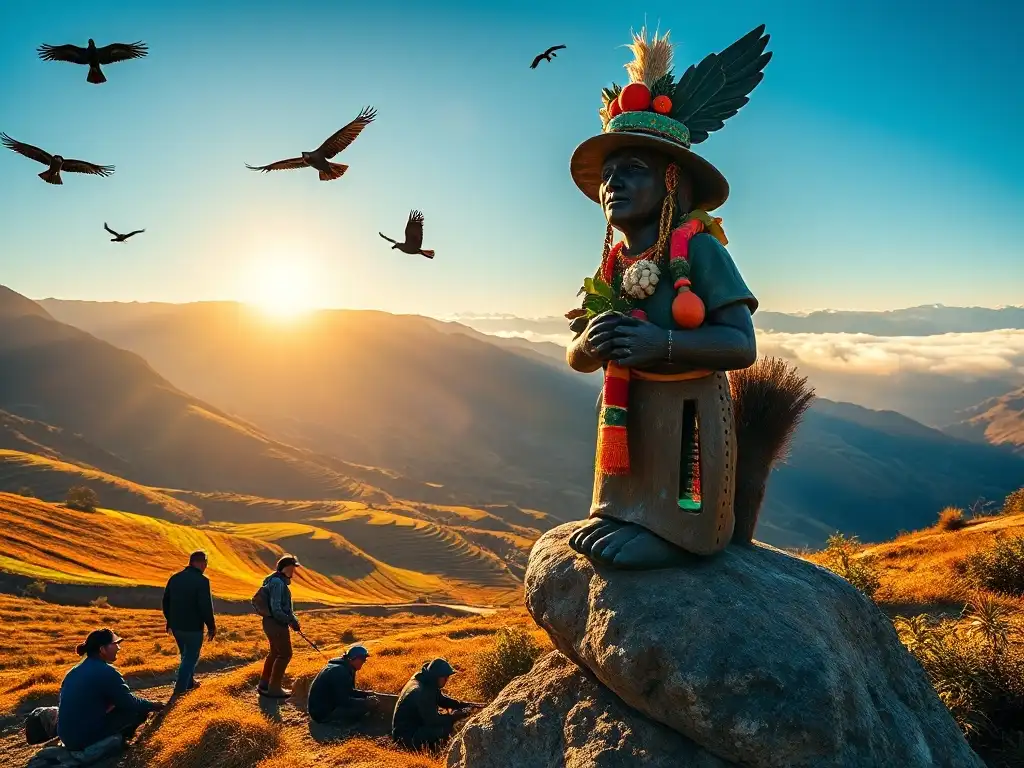
Unravel the mysteries of the Andes! Journey back in time to discover a world where ingenuity and spirituality intertwined, shaping the remarkable Andean civilizations. Prepare to be amazed by the intricate connection between the people and their environment, particularly their profound reverence for Pachamama. Learn how ingenious Andean farming practices, deeply rooted in their worship of Mother Earth, sustained thriving societies for centuries. Dive into the fascinating story of how they honored the land, and uncover the secrets behind their agricultural success – a legacy that continues to inspire awe today.
The Andes Mountains, a spine of towering peaks and fertile valleys, nurtured some of the most sophisticated agricultural societies in pre-Columbian America. For centuries, Andean farmers developed ingenious techniques to cultivate crops in challenging terrains, but their methods went far beyond mere practicality. Their agricultural practices were deeply intertwined with their spiritual beliefs, centered around the reverence for Pachamama, the Earth Mother.
This article delves into the profound connection between Andean farming practices and their veneration of Pachamama, exploring how this worldview shaped their cultivation techniques and ensured the sustainability of their food systems for generations. We will examine the central role of Pachamama in Andean cosmology, the interconnectedness of life and land in their beliefs, and how this spiritual understanding manifested in their daily agricultural routines.
Understanding this holistic approach to farming provides crucial insights into the resilience and ingenuity of Andean civilizations and offers valuable lessons for sustainable agriculture today. The reverence for Pachamama is not merely a historical curiosity; it's a key to understanding the success and longevity of Andean agricultural systems, and a powerful example of harmonious coexistence between humans and nature.
Understanding the Andean Worldview: Pachamama's Central Role
Andean cultures didn't view the land as a mere resource to be exploited. Instead, they perceived the Earth as a living entity, a sacred being deserving of respect and reciprocity. This worldview, profoundly shaped by their environment, placed Pachamama at its very center.
Pachamama wasn't just the Earth; she represented the fertile soil, the life-giving water, the abundant harvests, and the very essence of existence. The Andean people believed that Pachamama provided for them, and in return, they had a responsibility to nurture and honor her. This reciprocal relationship formed the foundation of their agricultural practices, shaping every aspect from land preparation to harvesting.
Failure to show respect was believed to incur Pachamama's wrath, resulting in poor harvests or natural disasters. This belief system fostered a deep sense of responsibility and sustainability within Andean communities. Their agricultural practices weren't simply about maximizing yield; they were about maintaining a harmonious balance with the natural world and ensuring the continued well-being of both humanity and the Earth.
Pachamama: The Earth Mother in Andean Cosmology
Pachamama's significance extends far beyond agriculture. In Andean cosmology, she is a powerful deity, intimately connected to the cosmos and the cycle of life and death. She is often depicted as a fertile woman, nurturing life and providing sustenance.
Many Andean communities still perform rituals and offerings to Pachamama, seeking her blessings for a successful harvest and overall well-being. These offerings, often consisting of coca leaves, chicha (a fermented corn beverage), and other agricultural products, are a tangible expression of their gratitude and respect. The concept of Pachamama is interwoven with other deities and spirits, forming a complex and interconnected spiritual landscape.
This rich cosmology underscores the profound importance of the Earth in Andean life and provides a framework for understanding their deep connection to the land. The reverence for Pachamama wasn't a mere superstition; it was a fundamental aspect of their worldview, shaping their social structures, their daily lives, and, most importantly, their agricultural practices.
The Interconnectedness of Life and Land in Andean Beliefs
The Andean worldview emphasized the interconnectedness of all living things. They understood that the health of the land directly impacted the health of the people. This understanding is reflected in their sophisticated agricultural techniques, which prioritized sustainability and biodiversity.
For example, the practice of terracing, creating level platforms on slopes, not only prevented soil erosion but also maximized land use and water conservation. Similarly, the use of diverse crops and crop rotation techniques helped maintain soil fertility and prevent pest infestations. These methods weren't simply technological innovations; they were expressions of their belief in the interconnectedness of life and the need to maintain a harmonious balance with Pachamama.
The Andean farmers' deep respect for the Earth was not just a spiritual ideal; it was a practical strategy for ensuring long-term food security and environmental sustainability. Their actions demonstrated a profound understanding of ecological principles centuries before modern scientific understanding. This holistic approach to farming offers valuable lessons for sustainable agriculture today, highlighting the importance of integrating spiritual and ecological perspectives in our relationship with the land.
- Understanding the Andean Worldview: Pachamama's Central Role
- Pachamama: The Earth Mother in Andean Cosmology
- The Interconnectedness of Life and Land in Andean Beliefs
- Terracing: Shaping the Land with Respect
- Understanding and Utilizing Microclimates
- Crop Rotation and Diversification: Maintaining Soil Health
- Potatoes: The Cornerstone of Andean Agriculture
- Quinoa: The Adaptable Grain of the Andes
- Water Management and Irrigation Techniques
- Andean Irrigation Canals: Ingenious Water Distribution Systems
- What is the Pachamama?
- How did Andean farming practices reflect their belief in the Pachamama?
- What specific rituals were performed to honor the Pachamama?
- What role did coca play in Andean farming practices and their connection to the Pachamama?
- How did the concept of Pachamama influence the sustainability of Andean farming?
Honoring Pachamama Through Traditional Andean Farming Practices
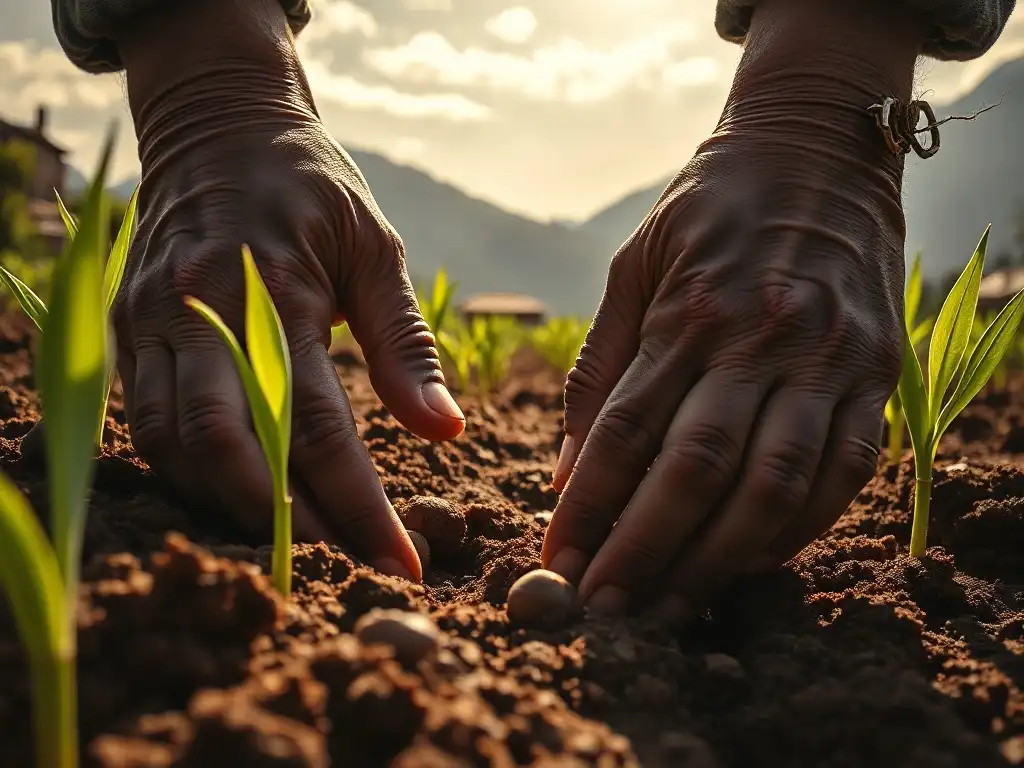
Andean farming practices weren't merely about cultivating crops; they were deeply intertwined with a spiritual worldview centered on the Pachamama, the Earth Mother. This reverence for the land shaped every aspect of agricultural life, from the initial preparation of the soil to the final harvest. Understanding this spiritual connection is crucial to comprehending the ingenuity and sustainability of Andean agricultural techniques.
The concept of ayni, reciprocal exchange, was central to this relationship, ensuring a harmonious balance between humans and the natural world. This section delves into the specific rituals and practices that demonstrate the profound respect Andean farmers held for the Pachamama, highlighting the intricate connection between their spiritual beliefs and their agricultural methods. This deep-rooted connection is a key element in understanding Andean farming practices Pachamama.
Reciprocity and Respect: The Foundation of Andean Agriculture
The Andean worldview emphasizes a reciprocal relationship with nature. Farmers didn't see themselves as conquerors of the land but as partners in a continuous exchange. The Pachamama provided sustenance, and in return, farmers offered respect, care, and gratitude. This wasn't a passive relationship; it was active and dynamic, requiring constant attention and participation. The success of the harvest wasn't solely dependent on agricultural techniques but also on maintaining this delicate balance. Failure to show respect was believed to result in poor yields or even natural disasters. This philosophy permeated every aspect of farming, from the careful selection of seeds to the meticulous preparation of the land. The Andean understanding of Pachamama was not just a belief system; it was a living practice that shaped their daily lives and ensured the long-term sustainability of their agricultural systems. This reciprocal relationship with the earth is a cornerstone of Andean farming practices Pachamama.
Rituals and Ceremonies to Seek Pachamama's Blessings
Numerous rituals and ceremonies were performed throughout the agricultural cycle to ensure a bountiful harvest and appease the Pachamama. These rituals varied among different Andean cultures, but the underlying principle of reciprocity remained constant. For instance, before planting, farmers often conducted cleansing ceremonies to purify the land and prepare it to receive the seeds.
These ceremonies frequently involved offerings of coca leaves, chicha (a fermented corn beverage), and other sacred items. Similarly, during the harvest, celebrations and thank-you offerings were commonplace, expressing gratitude for the Pachamama's generosity. The timing of these rituals often coincided with significant astronomical events or changes in the seasons, reflecting a deep understanding of the natural world's rhythms.
These practices weren't merely superstitions; they were integral aspects of a holistic agricultural system that integrated spiritual beliefs with practical knowledge. The rituals were a powerful way to reinforce the connection between the people and the Pachamama, ensuring the sustainability of their agricultural practices. The depth and breadth of these ceremonies demonstrate the central role of Andean farming practices Pachamama in their culture.
Planting Ceremony: Ayni and Offerings to Pachamama
The planting ceremony was a particularly important ritual. It wasn't simply a matter of putting seeds in the ground; it was a sacred act that involved the entire community. Before planting, the land was carefully prepared, often with a focus on terrace farming and other sustainable techniques. The seeds themselves were often treated with special care, sometimes being blessed or chanted over.
The act of planting was often accompanied by offerings to the Pachamama, including coca leaves, food, and other symbolic items. The community participated in the planting, sharing labor and strengthening social bonds. This practice of ayni, mutual assistance, further highlighted the communal aspect of Andean agriculture and reinforced the principle of reciprocity. The planting ceremony was a powerful demonstration of the deep connection between Andean farmers, their community, and the Pachamama.
This collective effort ensured not only a successful harvest but also strengthened the social fabric of the Andean communities, highlighting the importance of Andean farming practices Pachamama. The ceremony underscores the crucial role of community and collaboration within this system. The success of the harvest was seen as a collective achievement, reflecting the harmonious relationship between humans and the earth.
Harvest Festival: Celebrating Abundance with Gratitude
The Andean harvest, a culmination of months of meticulous labor and reliance on the capricious whims of nature, wasn't simply a time for gathering crops; it was a sacred occasion brimming with reverence for the Pachamama. The Fiesta de la Cosecha, or Harvest Festival, varied in specifics across different Andean communities, reflecting the diverse cultures and agricultural practices. However, the core principle remained consistent: expressing profound gratitude to the Earth Mother for her bounty. These festivals weren't mere celebrations of abundance; they were deeply spiritual rituals reaffirming the interconnectedness between humans and the natural world.
The celebrations often involved elaborate ceremonies, incorporating music, dance, and symbolic offerings. Farmers would present their first fruits—the finest corn, potatoes, quinoa, and other crops—to the Pachamama as a sign of respect and appreciation. These offerings weren't just tossed aside; they were carefully placed on the earth, sometimes buried in designated spots considered sacred. The act itself was a prayer, a tangible expression of gratitude for the sustenance provided. Think of it as a deeply personal conversation with the earth, a dialogue of thanks and renewal.
Music and dance played a crucial role in these festivals. Traditional Andean instruments, such as panpipes and drums, filled the air with vibrant melodies, believed to resonate with the spirits of the Pachamama and the ancestors. The dances, often involving elaborate costumes and synchronized movements, were not simply entertainment; they were a form of storytelling, re-enacting the cycles of planting, growth, and harvest, reinforcing the cyclical nature of life and the importance of harmony with nature. These weren't mere performances; they were communal acts of worship, reinforcing the community’s shared bond with the land and each other.
Beyond the formal ceremonies, the Harvest Festival was also a time for communal feasting and sharing. The abundance of the harvest was distributed amongst the community members, ensuring that everyone benefited from the collective effort. This sharing wasn't simply an act of generosity; it was a reaffirmation of the community's interdependence and their shared connection to the Pachamama. The feast was a tangible expression of gratitude, a celebration of unity, and a reaffirmation of the values that underpinned Andean agricultural practices.
It solidified the understanding that the success of the harvest was a collective achievement, one that deserved to be celebrated communally. The festivities, therefore, weren't just about celebrating abundance; they served as a powerful reminder of the importance of community, reciprocity, and respect for the earth. 🎉
Key Andean Farming Techniques Aligned with Pachamama's Principles
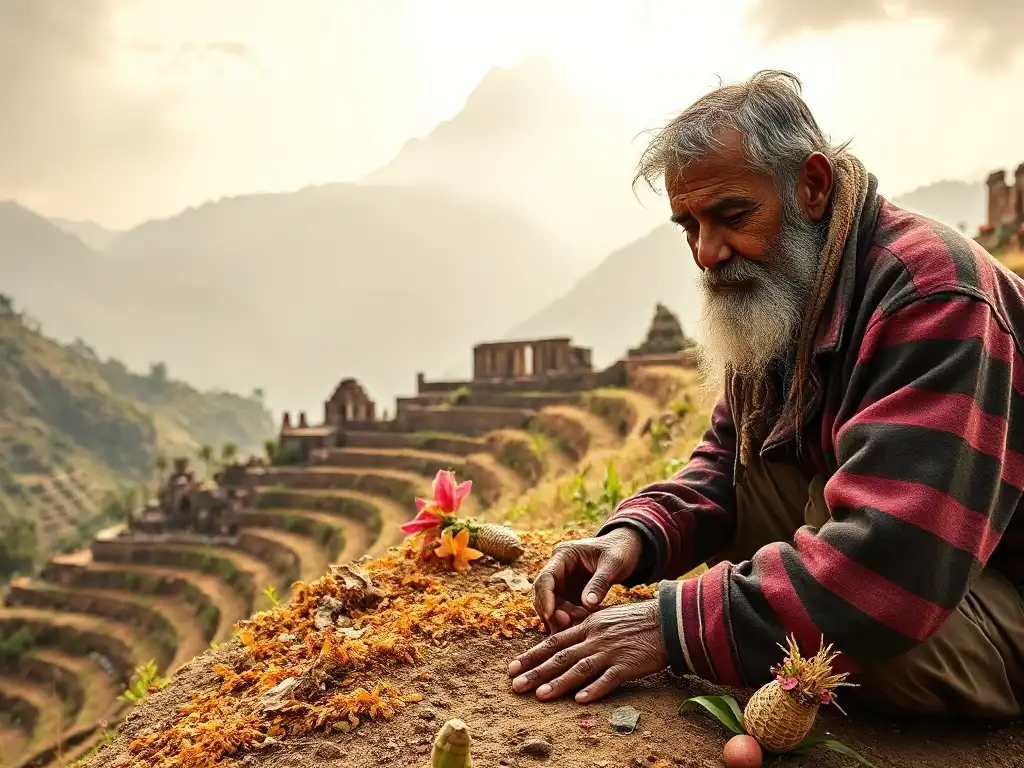
This section delves into the ingenious agricultural techniques employed by Andean civilizations, highlighting their deep reverence for Pachamama, the Earth Mother. These practices weren't merely methods of food production; they were expressions of spiritual connection and sustainable resource management, ensuring the prosperity of their communities for generations. Understanding these techniques reveals the sophisticated understanding of Andean agronomy and their profound respect for the environment. The integration of Andean farming practices with Pachamama's principles demonstrates a holistic approach to agriculture, far surpassing the purely utilitarian.
Terracing: Shaping the Land with Respect
Andean terracing is arguably the most visually striking example of their agricultural prowess and spiritual connection to Pachamama. These meticulously carved terraces, cascading down steep mountain slopes, dramatically increased arable land in challenging terrain. The construction wasn't simply about maximizing yield; it was about harmonizing with the land's contours. Each terrace acted as a miniature ecosystem, carefully designed to optimize water retention and minimize soil erosion.
The construction itself was a labor-intensive process, often involving community participation, reinforcing the collective responsibility towards Pachamama. The terraces weren't uniform; their size and orientation were adapted to the specific microclimate and soil conditions of the location. This nuanced approach demonstrates a deep understanding of the environment and a commitment to working with nature, not against it. The careful placement of retaining walls, often made of stone, further showcased their engineering skill and respect for the land's resources.
These walls not only prevented soil erosion but also helped regulate water flow, ensuring optimal irrigation. The integration of these structures with the natural landscape exemplifies the deep respect the Andean people held for Pachamama. Their ingenuity in shaping the land reflected a belief in the interconnectedness of all living things and a commitment to sustainable practices.
Understanding and Utilizing Microclimates
The Andean region boasts a remarkable diversity of microclimates, varying significantly even over short distances due to altitude, slope, and aspect. Andean farmers expertly exploited this diversity through a sophisticated system of crop placement. They understood that different crops thrived under specific conditions of temperature, sunlight, and moisture. This knowledge, passed down through generations, allowed them to maximize yields by carefully selecting the most suitable location for each crop.
For instance, frost-sensitive crops like maize were often planted at lower elevations, while more cold-tolerant potatoes were cultivated at higher altitudes. This meticulous planning, driven by a deep understanding of their environment, ensured food security and resilience against environmental fluctuations. Their understanding of microclimates wasn't limited to altitude; they also considered factors like slope orientation (sun exposure) and proximity to water sources.
This detailed knowledge, coupled with their advanced irrigation techniques, allowed them to cultivate a wide variety of crops in a seemingly inhospitable environment, showcasing a profound connection with and respect for Pachamama's gifts. This detailed understanding of microclimates is a testament to their observational skills and their ability to work in harmony with the natural world.
Crop Rotation and Diversification: Maintaining Soil Health
Andean farming practices prioritized soil health, recognizing its vital role in sustaining agricultural productivity. They employed sophisticated crop rotation and diversification techniques to prevent soil depletion and maintain its fertility. This wasn't simply a practical measure; it reflected a deep understanding of the interconnectedness of the ecosystem and a respect for Pachamama's life-giving properties.
Instead of monoculture, they cultivated a wide array of crops, including potatoes, maize, quinoa, beans, and various other vegetables and fruits. The rotation of these crops helped prevent the buildup of pests and diseases, while also improving soil structure and nutrient levels. Leguminous crops, like beans, were particularly important, as they enrich the soil with nitrogen through a symbiotic relationship with nitrogen-fixing bacteria. This practice demonstrates a remarkable understanding of ecological principles, centuries before modern scientific understanding.
The integration of diverse crops within a single field—often in a complex pattern—further enhanced biodiversity and resilience against environmental shocks. This holistic approach to agriculture not only ensured food security but also demonstrated a profound respect for Pachamama, recognizing the importance of maintaining the health and vitality of the land. This commitment to sustainable practices ensured the long-term productivity of their agricultural systems, a testament to their wisdom and foresight.
Potatoes: The Cornerstone of Andean Agriculture
The potato, Solanum tuberosum, is undeniably the cornerstone of Andean agriculture and a powerful symbol of the relationship between Andean farmers and Pachamama. Its cultivation wasn't merely a matter of subsistence; it was deeply intertwined with spiritual beliefs and practices honoring the earth. Andean farmers developed an astonishing diversity of potato varieties, each uniquely adapted to specific altitudes, climates, and soil conditions.
This incredible biodiversity reflects centuries of meticulous selection and adaptation, a testament to the intimate understanding of their environment. The potato wasn't just a food source; it represented the bounty of Pachamama, a gift to be nurtured and respected. Traditional Andean farming practices, such as the waru waru raised-field system (discussed later), played a crucial role in optimizing potato cultivation, maximizing yields, and minimizing environmental impact.
The meticulous care given to each potato plant, from planting to harvesting, demonstrated a profound reverence for Pachamama and her gifts. The potato harvest was often celebrated with festivals and rituals, reinforcing the deep connection between the people and the earth. Even today, many Andean communities continue these traditions, ensuring the preservation of both the potato's genetic diversity and the spiritual connection to the land.
Quinoa: The Adaptable Grain of the Andes
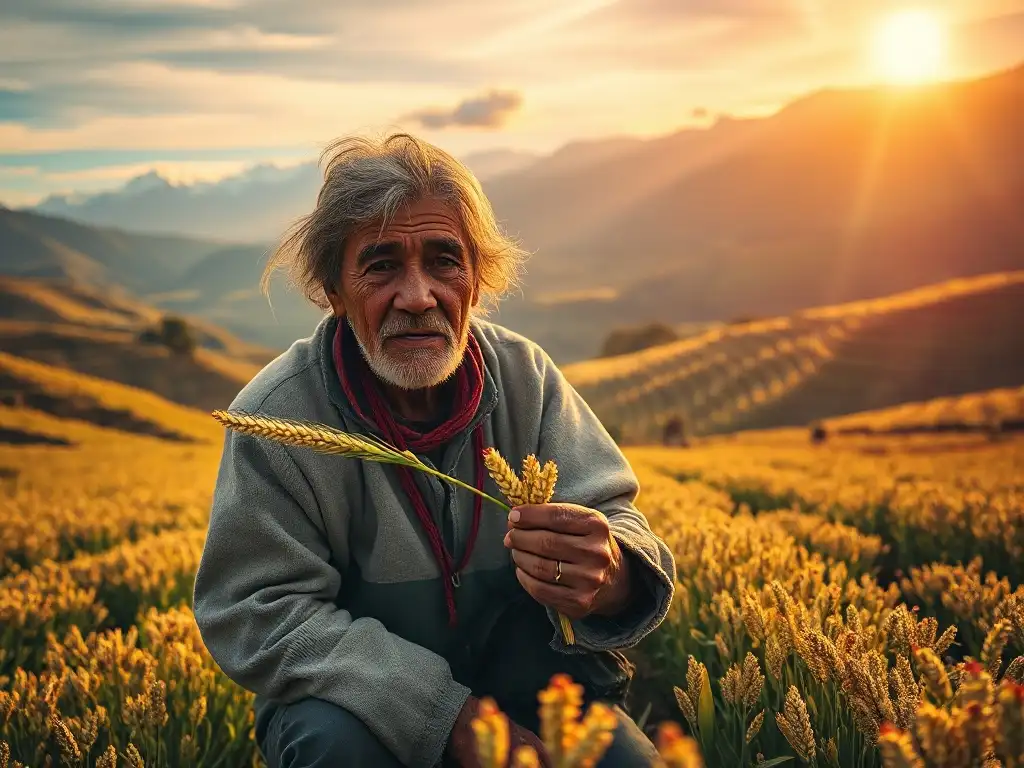
Quinoa ( Chenopodium quinoa), another staple crop of the Andes, showcases the ingenuity and resilience of Andean farming practices. Its adaptability to harsh, high-altitude conditions reflects the farmers' deep understanding of their environment and their ability to harness Pachamama's resources. Unlike many grains, quinoa thrives in poor soils and withstands frost and drought, making it a crucial food security crop for generations.
The cultivation of quinoa involved careful soil preparation, including techniques like terracing to prevent soil erosion and optimize water retention – further demonstrating the farmers' respect for the delicate balance of the ecosystem. The harvesting and processing of quinoa were also imbued with spiritual significance, with rituals and ceremonies ensuring a bountiful harvest and expressing gratitude to Pachamama.
The nutritional value of quinoa, rich in protein and essential amino acids, further enhanced its importance in the Andean diet and its symbolic representation of Pachamama's generosity. The enduring popularity of quinoa today is a testament to its nutritional value, adaptability, and the enduring wisdom of Andean agricultural practices.
Water Management and Irrigation Techniques
Water, a precious resource in the often arid Andean highlands, was managed with remarkable ingenuity and respect for Pachamama. Andean farmers developed sophisticated irrigation systems, adapted to the varied topography and rainfall patterns of the region. Techniques like andenes (terraces) dramatically increased arable land and controlled water flow, preventing erosion and optimizing water usage. The waru waru system, a complex network of raised fields and canals, further exemplifies this innovative approach.
These raised fields acted as reservoirs, storing water during the rainy season and releasing it gradually during drier periods. The system also improved soil fertility and microclimate, enhancing crop yields. These ingenious water management techniques weren't merely practical solutions; they were also deeply symbolic expressions of respect for Pachamama, acknowledging her role as the provider of life-giving water.
The careful planning and construction of these systems required community participation, underscoring the social and spiritual dimensions of Andean agriculture. The enduring legacy of these water management techniques demonstrates the sustainable and respectful approach of Andean farmers towards their environment and Pachamama. The knowledge and practices associated with these techniques continue to be relevant today, offering valuable insights for sustainable agriculture in challenging environments.
Andean Irrigation Canals: Ingenious Water Distribution Systems
Andean farmers developed incredibly sophisticated irrigation systems to harness the scarce water resources of the mountainous terrain. These weren't simply ditches; they were carefully engineered networks reflecting a deep understanding of hydrology and a profound respect for the Pachamama, the Earth Mother. The canals, often carved into the very rock face, channeled meltwater from glaciers and rivers across vast distances, irrigating terraced fields far below. Their construction required immense labor, coordinated effort, and specialized knowledge passed down through generations.
The precision of their design is astonishing, with gradients meticulously calculated to ensure even water distribution across the agricultural plots. This wasn't just about practicality; it was a ritualistic act, a way of honoring the Pachamama by maximizing her gifts and ensuring a bountiful harvest. The careful management of water, a precious resource in the Andes, was a direct expression of reverence for the earth's life-giving power.
The very act of building and maintaining these canals was a communal undertaking, strengthening social bonds and reaffirming the shared responsibility for the land's well-being. The enduring legacy of these irrigation systems, visible in many parts of the Andes even today, stands as a testament to the ingenuity and spiritual connection of Andean farmers. Their design and construction weren't simply feats of engineering; they were acts of worship.
The scale of some of these projects was truly remarkable. The Nazca people, for example, are known for their extensive canal networks, some stretching for kilometers. These weren’t simply linear channels; they often included intricate systems of reservoirs, aqueducts, and diversion channels, demonstrating a sophisticated understanding of water management principles.
These systems were crucial for their survival in a desert environment, allowing them to cultivate crops such as cotton and maize despite the limited rainfall. The precise alignment of some canals with astronomical events suggests a deeper understanding of the celestial cycles and their impact on agriculture. This holistic approach to farming, integrating astronomical observations with practical engineering, is a clear reflection of the Andean worldview, which saw the cosmos and the earth as interconnected entities.
The careful planning and execution of these projects also highlight the significant social organization and communal effort required for their success. The construction and maintenance of these irrigation systems were communal tasks, reinforcing social cohesion and shared responsibility for the land.
Furthermore, the construction of these canals often involved the use of ingenious techniques. For instance, the use of stone lining to prevent erosion and seepage was a common practice, demonstrating the farmers' understanding of materials science and their ability to adapt to the specific challenges of their environment.
The precise channeling of water, often across steep slopes, required a keen understanding of hydraulics and engineering principles. The integration of these canals into the landscape itself, often blending seamlessly with the natural contours of the mountains, speaks to the Andean farmers' deep respect for the environment and their ability to work harmoniously with the natural world.
The sustainability of these systems, many of which remained in use for centuries, is a testament to the wisdom of their design and the commitment of those who built and maintained them. This careful management of water resources, deeply intertwined with their spiritual beliefs, is a key element of understanding Andean farming practices and their reverence for Pachamama.
Sustainable Agriculture Practices of the Andes: A Legacy of Pachamama
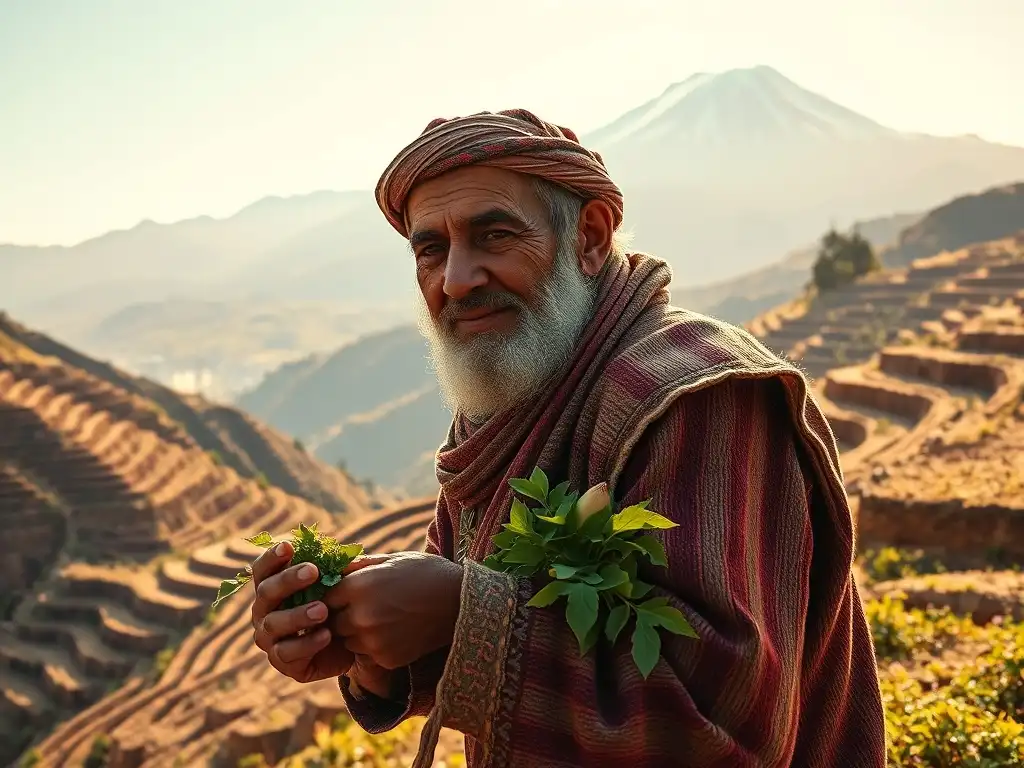
The Andean region, home to diverse civilizations like the Incas, Moche, and Nazca, developed sophisticated agricultural techniques deeply intertwined with their reverence for the Pachamama, the Earth Mother. Their farming practices weren't merely about sustenance; they were a complex system of beliefs, rituals, and practical knowledge designed to ensure a harmonious relationship between humans and nature. This section delves into the sustainable aspects of these ancient Andean farming practices, highlighting their lasting impact and relevance in modern discussions about sustainable agriculture and food security.
Understanding these methods offers valuable insights into achieving environmentally responsible food production. The concept of Andean farming practices and Pachamama are intrinsically linked, demonstrating a deep respect for the land and its resources.
Organic Farming and Natural Fertilizers
Andean farmers employed organic methods long before the term was coined. Chemical fertilizers were nonexistent; instead, they relied on natural processes to enrich their soil. This involved techniques like:
- Terracing: Creating level platforms on slopes dramatically reduced soil erosion and maximized arable land. This ingenious method, still visible in the Andes today, is a testament to their understanding of land management. The precise angles and configurations of these terraces varied depending on the slope and the specific microclimate, showcasing the farmers' intimate knowledge of their environment.
- Crop Rotation: Rotating different crops helped maintain soil fertility and prevent the depletion of specific nutrients. The selection of crops was carefully considered, with some acting as natural fertilizers, improving the soil's structure and nutrient content for subsequent plantings. For instance, legumes were frequently incorporated into the rotation to fix nitrogen in the soil.
- Compost and Guano: Organic matter, such as compost from animal manure and human waste, and guano (bird and bat droppings), were used to enrich the soil. Guano, particularly rich in nutrients, was a highly valued resource, strategically collected and carefully applied to optimize crop yields. The careful management of these resources demonstrates a deep understanding of nutrient cycling and soil health.
The absence of synthetic inputs in Andean agriculture minimized environmental damage and promoted biodiversity. This approach, far from being primitive, represents a sophisticated understanding of ecological balance.
The Importance of Indigenous Knowledge in Andean Farming
Andean farming practices weren't simply a set of techniques; they were embedded within a rich tapestry of indigenous knowledge passed down through generations. This knowledge encompassed:
- Calendrical Systems: Precise observations of celestial events guided planting and harvesting times, maximizing yields by aligning agricultural activities with optimal climatic conditions. This detailed understanding of seasonal patterns and their impact on crop growth is a cornerstone of sustainable agriculture.
- Water Management: Ingenious irrigation systems, including canals, channels, and reservoirs, efficiently distributed water resources, even in arid regions. These systems were meticulously maintained, showcasing a deep respect for water conservation and its importance in crop production. The sophisticated water management techniques are still a source of wonder and inspiration for modern irrigation engineers.
- Seed Selection: Farmers carefully selected and saved seeds from the best-performing plants, ensuring the preservation of desirable traits and adapting crops to local conditions over time. This process of continuous adaptation and improvement is crucial for resilience in the face of changing environmental conditions.
The preservation and promotion of this indigenous knowledge are crucial for ensuring the continued success of Andean agriculture and its adaptation to future challenges. The loss of this knowledge would represent a significant blow to both cultural heritage and agricultural sustainability.
Protecting Biodiversity and Natural Resources
Andean farming practices promoted biodiversity through:
- Agroforestry: Integrating trees and other plants into agricultural landscapes provided shade, windbreaks, and habitat for pollinators and beneficial insects. This approach not only enhanced crop production but also contributed to the overall health of the ecosystem.
- Polyculture: Growing a variety of crops together, instead of monocultures, reduced the risk of crop failure and provided a more diverse and nutritious diet. This approach is now recognized as a key element of sustainable and resilient agriculture, offering numerous benefits in terms of pest and disease control, as well as enhanced soil fertility.
- Respect for Sacred Sites: Certain areas were considered sacred and protected from agricultural activities, preserving biodiversity hotspots and ensuring the continued health of the ecosystem. This demonstrates a holistic approach to land management, recognizing the interconnectedness of all living things.
The sustainable practices of Andean farmers provide a powerful example of how agricultural systems can be designed to work in harmony with the environment. Their legacy continues to inspire efforts towards creating more sustainable and resilient agricultural systems globally, underscoring the enduring relevance of the Andean farming practices and Pachamama's influence.
Seed Preservation: The Role of Community Seed Banks
Andean farming practices, deeply intertwined with the veneration of Pachamama (Mother Earth), placed immense importance on seed preservation. This wasn't simply a matter of ensuring the next harvest; it was a sacred duty, a way of honoring the life-giving power of the earth and ensuring the continuity of their agricultural traditions.
Unlike modern industrial agriculture, which often relies on monocultures and commercially produced seeds, Andean communities developed sophisticated systems for preserving biodiversity and maintaining the genetic integrity of their crops. This involved a complex interplay of knowledge, ritual, and community cooperation, centered around the crucial role of community seed banks.
These weren't formal institutions in the modern sense, but rather a decentralized network of knowledge and seed storage maintained within families and across villages. Each family would carefully select and store the best seeds from their harvest, often using traditional methods of drying and storage to preserve viability. These seeds were not just for their own use; they were a vital resource for the entire community.
In times of crop failure or seed shortage, families could rely on their neighbours and the broader community network for support, ensuring food security for all. This system fostered a strong sense of interdependence and shared responsibility, reinforcing the deep-rooted cultural connection to the land and its resources. The exchange of seeds was not merely a transactional event; it was a social and spiritual act, reinforcing community bonds and acknowledging the shared heritage embodied in these seeds.
The selection of seeds was far from arbitrary. Farmers carefully chose seeds from plants that exhibited desirable traits—disease resistance, high yield, adaptability to local conditions. This process, passed down through generations, represented a sophisticated form of natural selection, ensuring the continuous improvement of crops over time.
This active participation in shaping the genetic makeup of their crops highlights the Andean farmers' deep understanding of plant genetics and their profound respect for the natural world. The preservation of diverse seed varieties was crucial for adapting to the challenging Andean environment, characterized by its high altitude, varying microclimates, and unpredictable weather patterns. This biodiversity was their insurance policy against crop failure and a testament to their sustainable agricultural practices.
The loss of these traditional seed banks, due to factors such as modernization and globalization, represents a significant loss not only to Andean agriculture but also to the rich cultural heritage tied to these practices. Protecting and revitalizing these community seed banks is crucial for preserving the legacy of Andean farming and ensuring food security for future generations.
The Enduring Relevance of Pachamama in Modern Andean Agriculture
The concept of Pachamama, the Earth Mother, remains deeply ingrained in the worldview of Andean communities, profoundly influencing their agricultural practices even in the face of modernization. While industrial farming techniques have made inroads, many farmers continue to integrate traditional methods rooted in respect for the land and its inherent fertility. This isn't simply a matter of cultural preservation; it's a strategy for sustainability and resilience in the face of climate change and dwindling resources.
The cyclical nature of Andean agriculture, mirroring the rhythms of Pachamama, emphasizes careful land management, crop rotation, and minimal environmental impact. This approach, passed down through generations, represents a valuable model for sustainable agriculture worldwide. The deep-seated connection to Pachamama fosters a mindful approach to resource use, preventing soil degradation and promoting biodiversity.
Understanding this connection is key to appreciating the ingenuity and wisdom embedded within Andean farming practices. The continued reverence for Pachamama underscores a holistic approach to agriculture, integrating spiritual, social, and ecological considerations. This holistic approach ensures the long-term health of both the land and the community.
Challenges and Opportunities for Sustainable Andean Farming
Modern Andean farming faces significant challenges. Climate change is manifesting in unpredictable weather patterns, impacting crop yields and exacerbating existing water scarcity. The pressure to increase production to meet growing demands often conflicts with traditional sustainable practices. Market forces can incentivize intensive farming methods detrimental to long-term soil health and biodiversity.
However, these challenges also present opportunities. The inherent resilience of traditional Andean farming techniques, honed over millennia, offers valuable lessons for adapting to changing conditions. Integrating ancestral knowledge with modern agricultural science could lead to more effective and sustainable farming practices. For example, research into ancient Andean crop varieties could uncover drought-resistant or disease-resistant strains crucial for future food security.
Furthermore, promoting fair trade practices and supporting local farmers can help ensure the economic viability of sustainable Andean farming, fostering community resilience and preserving cultural heritage. The key lies in finding a balance between modern advancements and the enduring wisdom embodied in the reverence for Pachamama. Data on crop yields comparing traditional and modern methods in specific Andean regions is needed to fully quantify the benefits of integrating both approaches. [Specific data pending on comparative yield analysis].
Reconnecting with Ancestral Wisdom for Food Security
Food security in the Andes remains a crucial concern. Rapid population growth, coupled with the effects of climate change, puts pressure on existing agricultural systems. However, the rich tapestry of ancestral Andean farming practices offers a powerful tool in addressing these challenges. Techniques like waru waru (raised bed agriculture) and andenes (terracing) demonstrate remarkable ingenuity in adapting to diverse terrains and mitigating environmental risks.
These methods, deeply rooted in the veneration of Pachamama, contribute to increased water retention, reduced soil erosion, and improved crop yields. By rediscovering and promoting these techniques, Andean communities can enhance their food security and build resilience against climate variability. Moreover, the diversification of crops, characteristic of traditional Andean agriculture, minimizes risks associated with monoculture farming.
This biodiversity not only contributes to food security but also supports ecosystem health and maintains genetic diversity within crucial crops. Reviving this knowledge requires investing in educational programs that transmit ancestral wisdom to younger generations, ensuring the continuity of these invaluable practices. This includes documenting and disseminating traditional farming techniques, making them accessible to a wider audience.
The Legacy of Pachamama in Contemporary Andean Communities
The legacy of Pachamama continues to shape the social fabric of Andean communities. The annual celebrations honoring Pachamama demonstrate the enduring importance of this spiritual connection to the land. These ceremonies, often involving offerings and rituals, reinforce the communal responsibility for the well-being of the Earth and its resources. The deep-rooted respect for Pachamama fosters a strong sense of community, promoting cooperation and shared responsibility in land management.
This collective approach is essential for maintaining sustainable farming practices and ensuring the long-term health of the ecosystem. The reverence for Pachamama extends beyond agricultural practices, influencing aspects of daily life and shaping social norms. Understanding this interconnectedness is crucial for appreciating the holistic nature of Andean culture and its profound influence on sustainable agriculture.
The preservation of this cultural heritage, deeply intertwined with the veneration of Pachamama, is vital not only for the Andean communities themselves but also for the global pursuit of sustainable agricultural practices. Further research into the socio-economic impact of Pachamama-centered practices on Andean communities would provide valuable insights. [Specific data pending on the socio-economic impact of Pachamama-centered practices].
The Potato Park: A Modern Community Preserving Traditional Ways
The Potato Park, located in the Cusco region of Peru, stands as a powerful example of how traditional Andean farming practices, deeply rooted in the veneration of Pachamama, continue to thrive in the modern era. This initiative isn't just about growing potatoes; it's a vibrant demonstration of the enduring connection between Andean communities and their ancestral agricultural wisdom. Farmers here actively participate in a system that prioritizes biodiversity, sustainable cultivation, and the preservation of indigenous potato varieties – a testament to the enduring legacy of Pachamama's influence.
The park showcases hundreds of native potato varieties, each carefully cultivated using techniques passed down through generations. These techniques, often involving complex systems of terracing, crop rotation, and natural pest control, reflect a deep understanding of the land and its delicate ecosystem.
The respect for Pachamama is evident not only in the farming methods but also in the community's commitment to sharing knowledge and ensuring the long-term sustainability of their agricultural practices. This active preservation of traditional farming methods ensures the survival of not just potato varieties, but also a rich cultural heritage intrinsically linked to the spirit of the Earth.
The Potato Park's success is a direct reflection of the community's commitment to honoring Pachamama. Their sustainable practices, which minimize environmental impact and maximize biodiversity, serve as a model for other regions seeking to balance agricultural production with environmental responsibility. The park's existence is a powerful argument for the integration of traditional ecological knowledge into modern agricultural practices.
By valuing the wisdom of their ancestors and incorporating it into their modern lives, the communities within the Potato Park demonstrate the enduring relevance of Pachamama in shaping sustainable and culturally rich agricultural systems. The park acts as a living museum, a testament to the ingenuity and resilience of Andean farmers, and a source of inspiration for those seeking to learn from and emulate their sustainable practices.
The very existence of the park, and its continued success, is a powerful symbol of the ongoing dialogue between ancient traditions and modern challenges. It showcases how deeply rooted respect for the earth can lead to sustainable and thriving agricultural communities.
Frequently Asked Questions
What is the Pachamama?
The Pachamama is the Andean goddess of the Earth, representing fertility and abundance. Andean cultures viewed her as a powerful force deserving of respect and reverence. Honoring the Pachamama was integral to their agricultural practices.
How did Andean farming practices reflect their belief in the Pachamama?
Andean farmers employed sustainable techniques like terracing and crop rotation to ensure the land's fertility. They performed rituals and offerings to the Pachamama to ensure a bountiful harvest and express gratitude for her gifts. These practices demonstrated a deep connection to the land.
What specific rituals were performed to honor the Pachamama?
Farmers offered gifts of food, drink, and coca leaves to appease and thank the Pachamama. They also performed ceremonies and prayers, often involving music and dance, to maintain a harmonious relationship with the earth. These rituals were crucial to their spiritual and agricultural life.
What role did coca play in Andean farming practices and their connection to the Pachamama?
Coca leaves were considered sacred and were offered to the Pachamama as a sign of respect and gratitude. They also had practical uses, providing energy and aiding in altitude sickness, making them essential to the daily lives of Andean farmers.
How did the concept of Pachamama influence the sustainability of Andean farming?
The belief in the Pachamama fostered a deep respect for the land and its resources. This reverence directly translated into sustainable farming practices aimed at preserving the land's fertility for future generations. Their methods emphasized harmony with nature, rather than exploitation.
Final Reflection: A Legacy of Harmony: The Enduring Wisdom of Pachamama
The reverence for Pachamama, the Earth Mother, is not merely a historical footnote; it's a vital lesson for our current ecological crisis. The ancient Andean farming practices, detailed in this article, offer a powerful counterpoint to the exploitative methods that dominate modern agriculture, reminding us of the inherent interconnectedness between human well-being and the health of the planet.
The enduring influence of Pachamama's spirit on Andean communities is palpable, shaping not only their agricultural practices but their entire worldview. This deep respect for the land, expressed through rituals, reciprocity, and sustainable techniques, stands in stark contrast to our current unsustainable practices. The Earth provides enough to satisfy every man's needs but not every man's greed,
a quote often attributed to Mahatma Gandhi, perfectly encapsulates the core difference between the Andean approach and our own. Understanding this difference is crucial to forging a more sustainable future.
Consider the wisdom embedded in these ancient practices. Imagine the profound shift in perspective that would occur if we, too, cultivated a relationship with the land rooted in respect, reciprocity, and a deep understanding of its delicate balance. You have the power to integrate this wisdom into your own life, however small the scale. Start by appreciating the food you consume, understanding its origins, and making conscious choices to support sustainable and ethical farming practices. Let the legacy of Pachamama inspire you to cultivate a more harmonious relationship with the Earth.
Embrace the Wisdom of Pachamama Today!
Thank you for exploring the rich traditions of Andean farmers and their deep respect for the Earth. Understanding their practices offers valuable insight into the powerful connection between sustainable agriculture and environmental stewardship. Now, let's translate that knowledge into action!
Here’s how you can honor Pachamama in your daily life:
- Start a small garden, incorporating native plants to support local biodiversity and ecosystems. Get your hands dirty and connect with the earth's bounty!
- Share your newfound knowledge with friends and family. Host a gathering to discuss sustainable living and inspire others to adopt eco-friendly practices.
- Volunteer with a local environmental organization. Contribute your time and energy to help nurture and protect your community's natural resources. Every contribution, no matter how small, makes a difference towards a healthier planet!
What concrete step will you take today to strengthen your connection with the Earth and honor Pachamama?