
The Moche Queen: Fact or Fiction? Separating Myth from Reality

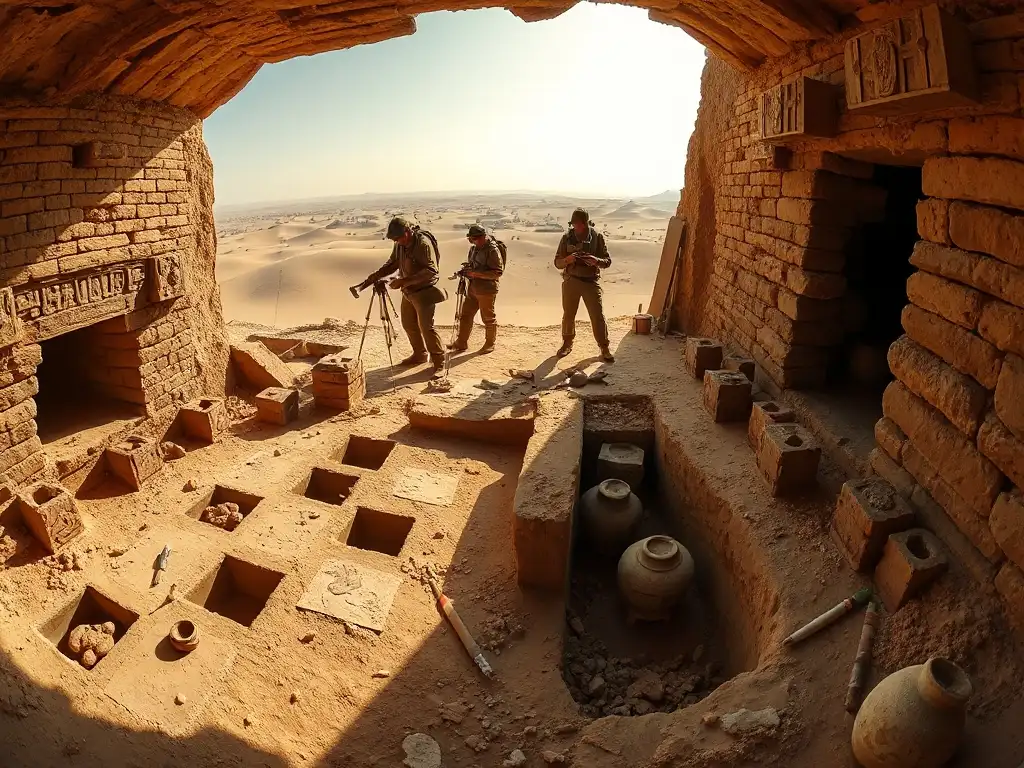
Uncover the enigmatic world of the Andes! Journey through millennia of captivating history, breathtaking artistry, and astonishing ingenuity as we delve into the legacies of the Incas, Moche, Nazca, and Tiahuanaco. But first, a mystery awaits… Is the story of the Moche queen a legendary tale, or a reflection of historical accuracy? Prepare to challenge your assumptions as we explore the evidence and unravel the truth behind this fascinating figure in our "Key Figures in Andean History" section. Dare to uncover the secrets of the Andes? Read on...
The captivating allure of the Moche civilization, flourishing along the northern coast of Peru from approximately 100 CE to 800 CE, continues to fascinate archaeologists and historians alike. Their remarkable artistry, sophisticated irrigation systems, and intricate social structures are well-documented. However, one aspect remains shrouded in a blend of fact and legend: the existence of a powerful Moche queen.
This article delves into the intriguing question of the "Moche queen," exploring the archaeological evidence, analyzing interpretations, and separating established historical fact from enduring myths surrounding female power within this ancient Andean society. We will examine the archaeological discoveries that have shaped our understanding of Moche social structures and the role of women, carefully evaluating the evidence to determine the historical accuracy of the concept of a powerful Moche queen. The search for the truth necessitates a critical examination of both the existing archaeological data and the potential biases in its interpretation.
This exploration aims to provide a nuanced understanding of the Moche queen, distinguishing between verifiable historical accounts and the narratives woven from speculation and cultural interpretations. Ultimately, determining the reality behind the legend requires a careful and critical analysis of the available evidence.
Unveiling the Mystery: The Moche Queen and Her Historical Context
The image of a powerful Moche queen often arises from interpretations of Moche iconography. Depictions of elaborately adorned women in positions of authority, alongside powerful male figures, have fueled speculation about a matriarchal or at least egalitarian societal structure. However, the interpretation of these images is complex. While some scholars argue that these portrayals reflect actual powerful women within Moche society, others suggest that they represent symbolic representations of fertility, divinity, or other abstract concepts.
Furthermore, the absence of explicit textual evidence, a common challenge in studying pre-Columbian societies, complicates the picture. The lack of written records forces us to rely heavily on archaeological findings to reconstruct the social dynamics of the Moche. Careful consideration of burial practices, grave goods, and the spatial distribution of artifacts within Moche sites is crucial in attempting to ascertain the role of women within the Moche power structure.
The interpretation of these artifacts must be approached cautiously, acknowledging the potential for biases in the interpretation of symbolic imagery. For example, the presence of elaborate gold jewelry in a woman's tomb might be interpreted as evidence of high status, but it could also represent a symbolic association with fertility or a ritualistic role. More research is needed to fully understand the nuances of Moche iconography and burial practices before definitive conclusions can be drawn about the existence of a Moche queen.
The Discovery of the Moche Royal Tombs and its Impact on Understanding Moche Society
The discovery of several Moche tombs, particularly those containing elaborate grave goods and human remains, has been instrumental in shaping our understanding of Moche society. These tombs, often associated with elite individuals, reveal much about the social hierarchy and power dynamics within the civilization. While some tombs have yielded evidence of powerful male rulers, others have revealed the burial of women with equally impressive grave goods, suggesting a potential for significant female influence. However, the interpretation of these findings remains complex.
The presence of elaborate artifacts does not automatically translate to political power. These artifacts could reflect religious roles, kinship ties, or other social statuses. Furthermore, the sheer number of tombs discovered, and the ongoing nature of archaeological research, suggests that our understanding of Moche social structure is still evolving. The ongoing excavation and analysis of Moche sites continue to produce new data, refining our understanding of the roles and influence of women within the Moche society.
Future discoveries and analyses may shed further light on this complex topic, potentially offering further insight into the possibility of a powerful Moche queen or a more nuanced understanding of female roles within the Moche power structure. Careful analysis of future discoveries will be crucial in resolving the ongoing debate surrounding the historical accuracy of the "Moche queen" narrative. The quest for a definitive answer requires a continued commitment to rigorous archaeological investigation and unbiased interpretation of the evidence.
Was There Really a Moche Queen? Examining Archaeological Evidence
The question of a "Moche queen" hinges on the interpretation of archaeological evidence, which, while compelling, remains open to debate. The Moche civilization (c. 100-800 CE) left behind a rich archaeological record, including impressive monumental architecture, intricate ceramics, and elaborate tombs. However, direct evidence of a female supreme ruler – a queen in the traditional sense – is scarce.
Most Moche burials reveal a hierarchical structure reflecting social status, with elite individuals often interred with lavish grave goods. While many female burials contain prestigious artifacts, demonstrating high social standing, none definitively point to a queen wielding ultimate political power comparable to a male ruler. The absence of clear inscriptions or definitive symbols of royal authority associated with a female figure complicates the matter.
Further research and excavation are needed to potentially uncover more compelling evidence, perhaps in the form of previously unexplored tombs or inscriptions clarifying the social and political roles of high-status women. The current state of archaeological findings suggests a complex social structure where women held significant power and influence, but the extent of that power and whether it translated to a singular female monarch remains a topic of ongoing scholarly discussion. The ongoing debate highlights the challenges of interpreting ancient societies through limited archaeological data, urging a nuanced approach to understanding the roles of women in the Moche civilization.
Interpreting the Iconography: Female Figures in Moche Art and Rituals
Moche art is replete with depictions of women, often portrayed in powerful and ritualistic contexts. These representations, however, require careful interpretation to avoid imposing modern biases onto a society vastly different from our own. Many ceramics depict women performing seemingly significant rituals, participating in ceremonies, and even engaging in warfare. These images often showcase them adorned with elaborate jewelry and regalia, indicating high social standing.
The frequency and prominence of these female figures in Moche art suggest their significant role within the society. However, the exact nature of their power remains open to interpretation. Some scholars argue these portrayals represent priestesses or shamans wielding religious authority, while others suggest they depict ruling queens or influential members of the elite class.
The ambiguity in the iconography itself, combined with the lack of explicit textual evidence, makes definitive conclusions challenging. Further analysis of the stylistic variations in the depiction of these women, alongside a deeper understanding of Moche religious practices, might shed light on their precise roles and power structures. The artistry itself, though evocative, offers clues rather than definitive answers, emphasizing the need for a multi-faceted approach combining art history and archaeology.
The Lady of Cao: A Real Moche Ruler or a Powerful Priestess?
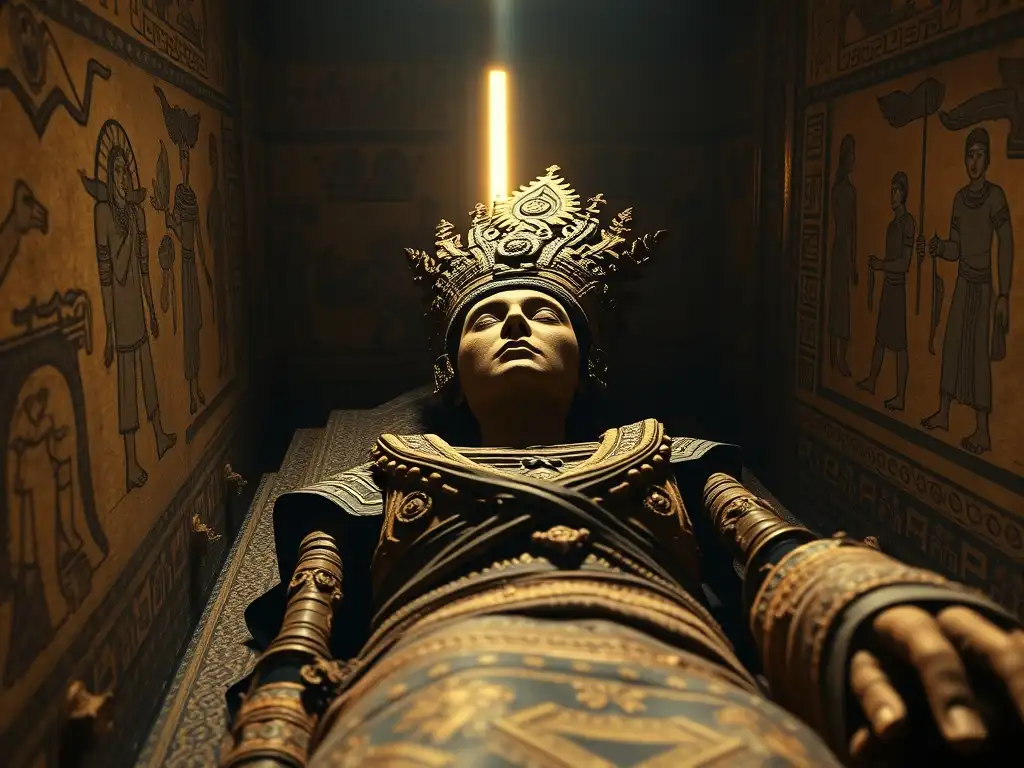
The discovery of the tomb of the Lady of Cao (circa 400 CE) represents a significant breakthrough in our understanding of Moche society. Her elaborate burial, replete with gold ornaments, textiles, and other precious artifacts, clearly indicates a high social status. However, whether she was a queen, a priestess, or held a different, equally significant role remains a subject of scholarly debate. The evidence, while impressive, is not conclusive.
While some argue her grave goods and the ritualistic context of her burial suggest a powerful ruler, others propose she held a high-ranking religious position. Her tattoos, unique to her and indicative of a specialized role, further add to the complexity of interpretation. The absence of explicit titles or inscriptions denoting her precise political position leaves room for varied interpretations.
The Lady of Cao's case highlights the potential for women to hold positions of immense power and influence within the Moche society without necessarily occupying the role of a "queen" in the traditional sense. She remains a compelling figure, a testament to the complexity of the Moche social structure and the challenges of definitively categorizing the roles of powerful women in ancient societies. Further research focusing on comparing her burial with others and analyzing the symbolism of her artifacts might yield additional insights into her specific function and significance within the Moche hierarchy.
Analyzing the Burial Goods: Clues About the Status and Role of Elite Moche Women
The discovery of richly adorned Moche tombs, particularly those containing significant quantities of gold and silver artifacts, has fueled much debate regarding the role of women in Moche society. While the Moche civilization is often depicted as patriarchal, archaeological evidence suggests a more nuanced reality, particularly when examining elite female burials. The sheer volume and quality of grave goods associated with certain female burials strongly indicate a high social status and considerable power, challenging the simplistic narrative of solely male dominance.
These burials often contain far more elaborate and numerous artifacts than those of average Moche citizens, regardless of gender. The careful arrangement and selection of these objects clearly point towards a deliberate and ritualistic burial process, highlighting the importance of these women within their communities. Furthermore, the consistent presence of certain types of artifacts in these elite women's tombs offers valuable insights into their possible roles and responsibilities.
Examining the Gold Artifacts and their Symbolic Significance
Gold, a highly valued material in Moche society, frequently features prominently in elite female burials. The presence of intricate gold ornaments, such as necklaces, earrings, and headdresses, suggests not only wealth but also a connection to religious or ceremonial practices. The elaborate craftsmanship evident in many gold artifacts points to specialized artisans and a sophisticated understanding of metallurgy.
The symbolic meaning of specific motifs and designs found on these gold pieces is still under investigation, but they likely represent religious beliefs, social status, and power. For instance, the recurring depiction of certain animals, such as jaguars or birds of prey, might symbolize power, fertility, or a connection to the supernatural realm.
A thorough analysis of these gold artifacts provides crucial clues to understanding the symbolic and ritualistic aspects of Moche culture and the role of elite women within it. Careful study of iconography and stylistic choices on these artifacts can potentially reveal more about the specific roles and responsibilities held by these women.
The Textile Evidence: What Fabrics and Patterns Reveal about Moche Society
Beyond gold, the textiles found in elite Moche women's tombs offer another layer of evidence. The intricate weaving techniques, the use of rare and exotic materials, and the complex patterns displayed on these textiles demonstrate a high level of artistry and skill. The presence of specific colors and motifs could reflect social status, religious affiliation, or even occupational roles.
For example, certain patterns might signify a connection to specific deities or ancestor veneration practices. The quality of the textiles, often using fine fibers like cotton and camelid wool, points to specialized weavers and a complex social organization capable of supporting such specialized labor.
The study of textile fragments reveals not only the technical proficiency of Moche artisans but also sheds light on the social stratification within Moche society and the significance of women within this hierarchical system. Analysis of dye components and fiber types also provides insights into trade networks and economic activities.
Challenging the Traditional Narrative: The Role of Women in Moche Political Power
The archaeological evidence, particularly from elite female burials, directly challenges the traditional narrative of exclusively male political power within Moche society. The lavish burial goods, including gold ornaments, fine textiles, and other luxury items, strongly suggest that these women held positions of significant authority and influence. While the exact nature of their political roles remains a topic of ongoing research and debate, the sheer volume of evidence pointing towards high status and power cannot be ignored.
The possibility of female rulers or powerful priestesses cannot be dismissed. Further research focusing on the context of these burials, along with a comparative analysis of male and female burials, is crucial to understanding the full extent of female participation in Moche political and religious life.
The integration of iconographic analysis, detailed chemical analysis of artifacts, and a more nuanced interpretation of the archaeological record are crucial steps toward a more complete understanding of the role of women in Moche society. The discovery of additional elite female burials and the application of new technologies to the analysis of existing artifacts will further illuminate this fascinating and complex aspect of Moche history.
The Moche Queen Myth: How Did it Originate and Why Does it Persist?
The enduring myth of a single, powerful "Moche Queen" is a fascinating example of how archaeological interpretations can be shaped by preconceived notions and limited evidence. The origin of this myth likely stems from a combination of factors. Firstly, the discovery of elaborate Moche burials containing richly adorned female individuals naturally led to speculation about their social status.
These burials, often featuring elaborate headdresses, jewelry, and finely crafted artifacts, suggested a high level of prestige and possibly even rulership. However, the interpretation of these finds as evidence of a singular, overarching queen is a simplification. The absence of clear iconographic representations consistently depicting a single female ruler, as opposed to various powerful women in different roles, further complicates this narrative.
Secondly, the tendency to impose patriarchal societal structures onto the interpretation of past societies has undoubtedly contributed to the myth. Scholars, often unconsciously influenced by their own cultural backgrounds, may have initially favored the interpretation of powerful women within the Moche society through the lens of a singular, centralized female ruler, mirroring familiar structures from other ancient civilizations. This inherent bias, though unintentional, has likely played a significant role in perpetuating the "Moche Queen" narrative.
The persistence of this myth, despite growing evidence suggesting a more nuanced understanding of Moche social structures, can be attributed to its captivating nature. The idea of a powerful female ruler in a predominantly male-dominated historical landscape resonates powerfully, both with popular imagination and academic discussions. The inherent drama and intrigue associated with the concept of a "Moche Queen" make it a compelling story, perpetuating its circulation in popular culture and even influencing some academic interpretations.
However, it is crucial to remember that this narrative requires critical reevaluation based on the latest archaeological and anthropological research. The reality is likely far more complex and fascinating than a simple "queen" narrative.
Moche Female Leadership: Beyond the Queen Concept
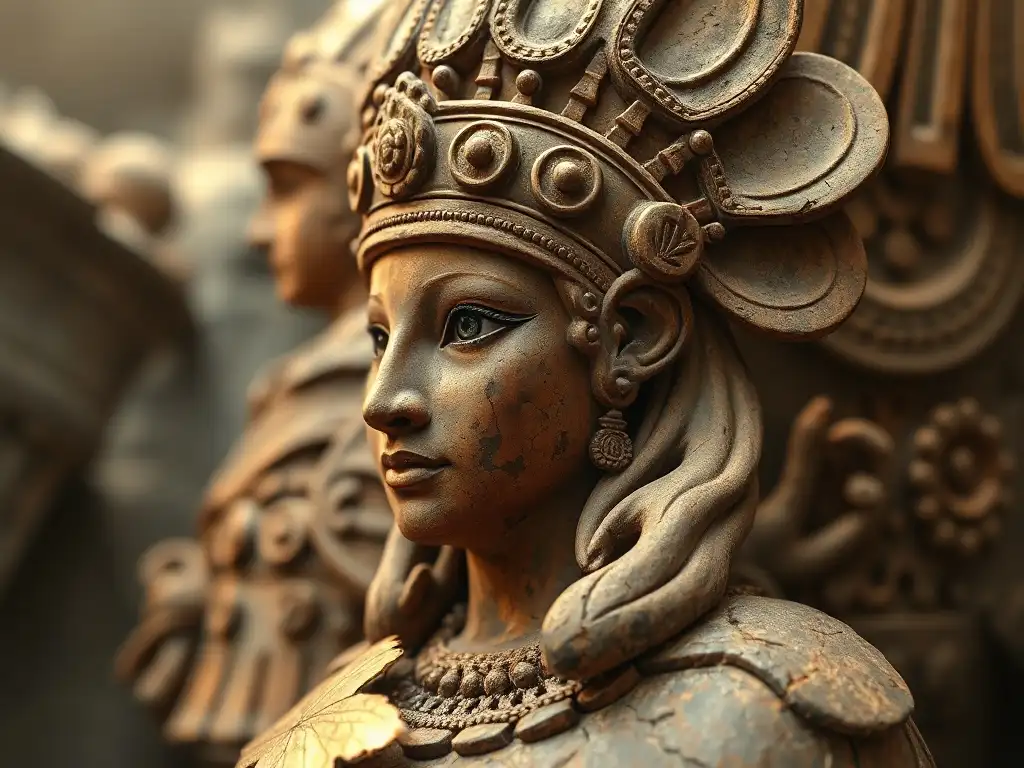
While the notion of a singular "Moche Queen" lacks robust archaeological support, evidence strongly suggests the presence of powerful and influential women within Moche society. Recent research emphasizes the diverse roles women played, holding significant positions within their communities. Instead of a single queen, it's more accurate to speak of a range of powerful female figures who held varying levels of authority and influence.
These women likely held positions of religious authority, political influence, or economic power, as evidenced by their elaborate burial goods and the contexts in which they were found. Their influence extended beyond the domestic sphere, and they likely played crucial roles in the complex social and political organization of Moche society. The absence of a consistent title or iconography representing an absolute female monarch doesn't negate the considerable influence women exerted. The diversity of roles and the complexity of their power structures suggest a more nuanced understanding of Moche gender dynamics is required.
Focusing solely on the possibility of a "Moche Queen" overshadows the broader and more significant role women played in shaping Moche civilization. Further research is needed to fully understand the complexities of their social roles and the extent of their influence. The discovery of new evidence continually refines our understanding, challenging simplistic interpretations.
Understanding the Complex Power Dynamics within Moche Society
The Moche social structure was far from monolithic. Archaeological evidence suggests a complex interplay of power dynamics, with influence distributed across different individuals and groups, not solely concentrated in the hands of a single ruler – male or female. While elite males undoubtedly held positions of significant power, the evidence of powerful women suggests a less rigidly patriarchal structure than some scholars have previously assumed.
The presence of women in elite burials, with grave goods comparable to those of high-status men, indicates their significant social standing. This suggests a system where power wasn't exclusively determined by gender, but rather a complex interplay of factors like lineage, religious authority, and economic influence. Understanding the intricate relationships between different social groups and individuals within the Moche society is crucial to accurately portray the roles of women.
The absence of a centralized, hierarchical structure, as might be expected with a single "queen," supports the idea of a more distributed power structure, where women held significant, yet diverse, roles. More research is needed to unravel the nuances of this complex social fabric and to accurately assess the influence and power held by Moche women in all spheres of life. The current evidence points towards a more equitable distribution of power than the simple "Moche Queen" narrative suggests.
The Moche social hierarchy, depicted vividly in their elaborate artwork, reveals a complex society with a clear stratification. While men often occupy positions of power portrayed as warriors or priests in many depictions, the role of elite women is far more nuanced and requires careful consideration. The presence of women in Moche iconography, particularly in scenes of ritual and feasting, suggests they held significant social standing. These depictions frequently show women adorned with elaborate jewelry, fine textiles, and headdresses, indicating a level of wealth and prestige consistent with an elite status.
However, the exact nature of their power – whether political, religious, or economic – remains a subject of ongoing debate among scholars. Some researchers propose that elite women may have controlled resources or held influential positions within their families or clans, influencing decision-making processes. Others suggest that their prominent roles were primarily ceremonial or symbolic, reflecting a society where religious authority and political leadership were intertwined.
Further research, including analysis of burial sites and the distribution of artifacts, is necessary to definitively understand the extent of elite women's influence within the Moche political and social structure. The absence of clear textual records makes deciphering the subtleties of their roles a complex, yet fascinating, challenge. We can, however, confidently state that their presence in high-status contexts contradicts simplistic interpretations of a purely patriarchal society.
Moche Ritual and Religion: The Influence of Female Figures in the Spiritual Realm
The Moche religion, deeply intertwined with their cosmology and agricultural practices, played a central role in their daily lives. Numerous artifacts, particularly ceramics and metalwork, depict powerful female figures participating in rituals and ceremonies. These women are often shown in association with deities, suggesting a significant role in the religious sphere. Some scholars interpret these images as representations of priestesses or shamans, individuals possessing specialized religious knowledge and authority.
Their involvement in rituals may have included divination, healing, and mediating between the human and supernatural worlds. The prevalence of female figures in Moche religious iconography challenges the assumption that religious leadership was exclusively male. The specific roles and responsibilities of these women are still under investigation, but their prominent presence in ritual contexts strongly suggests that they held significant spiritual authority within Moche society.
The complexity of Moche religious practices, including elaborate sacrifices and offerings, underscores the multifaceted nature of their beliefs and the important role played by both men and women in upholding these traditions. Further analysis of ritual contexts and associated artifacts is crucial for a more complete understanding of the religious authority wielded by women within the Moche world. It is important to remember that the power dynamics within Moche religious practices may have differed from those in the broader political sphere.
Re-evaluating the Term "Queen": The Need for Nuance in Archaeological Interpretation
The use of the term "queen" to describe elite Moche women is often problematic, potentially projecting modern political structures onto a past society with a vastly different social organization. While the term evokes images of regal authority and power, its application to the Moche context lacks precise historical grounding. The Moche civilization did not have a centralized state with a monarchical system comparable to European kingdoms. Therefore, applying the title "queen" may misrepresent the actual social and political roles of influential Moche women.
Instead of imposing anachronistic titles, a more nuanced approach is needed, focusing on the evidence available from archaeological findings. This includes analyzing burial contexts, the types of artifacts associated with elite women, and their representations in Moche art. Such an approach allows for a more accurate understanding of their social status and influence within their communities. By avoiding the imposition of pre-conceived notions about power structures, researchers can foster a more accurate and nuanced understanding of the roles played by women in the Moche civilization.
This requires careful consideration of the archaeological evidence and a critical examination of the terminology used to describe these complex social dynamics. The focus should be on understanding the specific roles and influence of these women within their own cultural context, rather than forcing them into a modern framework of political hierarchy. The search for "Moche queen historical accuracy" requires a fundamental shift in perspective.
Moche Royal Women: The Ongoing Debate About Their Historical Accuracy and Power
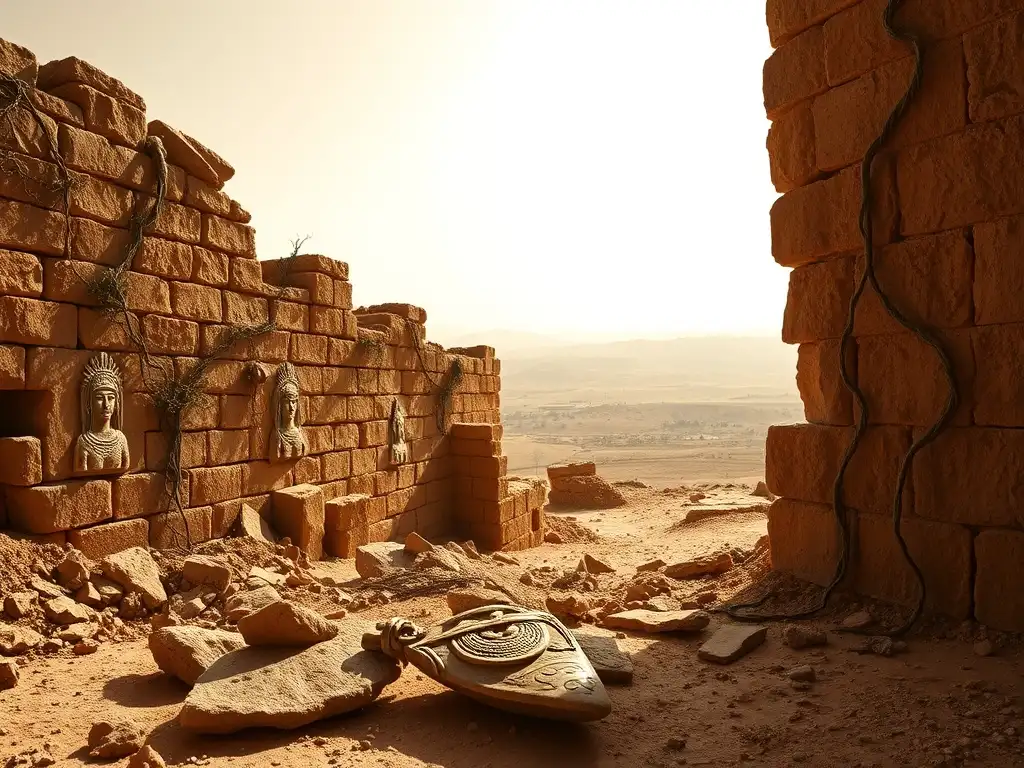
The existence of powerful Moche royal women remains a subject of intense scholarly debate, fueled by the limited, yet compelling, archaeological evidence. While traditional interpretations of Moche society often emphasized a patriarchal structure, mirroring many other ancient civilizations, the discovery of richly adorned tombs containing the remains of women with high status artifacts has challenged these assumptions. The debate centers around the interpretation of these finds: Were these women merely high-ranking priestesses, wives of rulers, or did they hold actual political power as queens or rulers in their own right?
The ambiguity stems from the lack of explicit textual records – the Moche civilization lacked a writing system comparable to those of Mesoamerica or the Old World. Instead, scholars rely on iconography found in Moche pottery, murals, and other artifacts to piece together a picture of their social structure. Some interpretations of these images depict women in positions of authority, performing rituals, or leading processions, suggesting a level of influence beyond that of a typical wife or priestess.
However, other scholars argue that these depictions should be interpreted cautiously, emphasizing the symbolic and ritualistic aspects of Moche art without necessarily translating directly into political power. The ongoing research continues to refine our understanding of Moche gender roles and the potential for female leadership, pushing the boundaries of our interpretations and demanding a nuanced approach to understanding this complex civilization. The very question of "Moche queen" highlights the ongoing need for careful and critical analysis of available archaeological evidence.
The Lady of Cao's Legacy: Inspiring New Generations of Andean Scholars
The discovery of the tomb of the Lady of Cao in 2006 dramatically shifted the discussion surrounding Moche royal women. This remarkably well-preserved tomb, containing the mummified remains of a high-ranking individual adorned with elaborate jewelry and accompanied by numerous artifacts, provided unprecedented insight into Moche funerary practices and social hierarchy. The Lady of Cao's burial goods, including elaborate textiles, gold ornaments, and sophisticated ceremonial objects, clearly indicate her high social status.
Furthermore, the presence of tattoos and the careful preservation of her body suggest a deliberate attempt to immortalize her and her role within Moche society. The Lady of Cao's legacy extends beyond her individual importance; her discovery has inspired a new generation of Andean scholars to re-evaluate existing assumptions about Moche society and to employ more inclusive methodologies in archaeological research. Her story has become a powerful symbol of the potential for female leadership in ancient Andean societies, challenging the traditional narratives that often marginalized women's contributions.
The ongoing analysis of her remains and artifacts, coupled with new technological advancements in archaeological analysis, continues to reveal new details about her life and her role within the Moche elite, further enriching our understanding of this fascinating civilization and the complexity of its social structure. The study of the Lady of Cao serves as a model for future archaeological investigations, emphasizing the importance of interdisciplinary collaboration and a commitment to inclusive interpretations.
Conclusion: The Moche Queen and the Future of Andean Archaeology Research
The question of whether a "Moche queen" truly existed remains open to interpretation. While definitive proof might remain elusive due to the limitations of the available evidence, the discovery of high-status burials of women and the nuanced interpretations of Moche iconography strongly suggest the existence of powerful and influential women within the Moche elite. The ongoing research and analysis of artifacts like those associated with the Lady of Cao continue to challenge traditional interpretations of Andean societies and highlight the importance of considering gender dynamics in our understanding of the past.
The future of Andean archaeology research lies in embracing interdisciplinary approaches, incorporating new technologies, and actively challenging existing biases. By adopting a more inclusive and nuanced perspective, archaeologists can move beyond simplistic narratives and gain a more complete and accurate understanding of the roles and power dynamics within ancient Andean societies. The search for a "Moche queen," therefore, is not simply a quest for a historical figure, but rather a journey into a more comprehensive understanding of a fascinating civilization and its complex social structures.
The ongoing debate, fueled by new discoveries and innovative research methodologies, promises to continue enriching our knowledge of the Moche and other Andean cultures for years to come. The legacy of the Lady of Cao and similar finds serves as a powerful reminder of the vital role of women in shaping the history of the Andes. 👑
- Unveiling the Mystery: The Moche Queen and Her Historical Context
- The Discovery of the Moche Royal Tombs and its Impact on Understanding Moche Society
- Was There Really a Moche Queen? Examining Archaeological Evidence
- Interpreting the Iconography: Female Figures in Moche Art and Rituals
- The Lady of Cao: A Real Moche Ruler or a Powerful Priestess?
- Analyzing the Burial Goods: Clues About the Status and Role of Elite Moche Women
- Challenging the Traditional Narrative: The Role of Women in Moche Political Power
- The Moche Queen Myth: How Did it Originate and Why Does it Persist?
- Moche Female Leadership: Beyond the Queen Concept
- Examining the Moche Social Hierarchy: Where Did Elite Women Fit In?
- Moche Ritual and Religion: The Influence of Female Figures in the Spiritual Realm
- Re-evaluating the Term "Queen": The Need for Nuance in Archaeological Interpretation
- Moche Royal Women: The Ongoing Debate About Their Historical Accuracy and Power
- The Lady of Cao's Legacy: Inspiring New Generations of Andean Scholars
- Conclusion: The Moche Queen and the Future of Andean Archaeology Research
Frequently Asked Questions
Did the Moche civilization actually have a queen?
No definitive archaeological evidence supports the existence of a Moche queen in a formal, ruling capacity. While women held significant social roles, depictions of powerful female figures in Moche art are often interpreted as priestesses or deities, not necessarily monarchs.
What is the historical basis for the idea of a Moche queen?
The concept of a Moche queen largely stems from interpretations of Moche iconography, particularly depictions of powerful women in elaborate headdresses and attire. These images have fueled speculation, but lack concrete evidence of a female ruler.
How are female figures portrayed in Moche art?
Moche art frequently portrays women in roles of religious significance, such as priestesses associated with fertility and ritual. These portrayals are often powerful and majestic, contributing to the myth of a queen.
Why is the idea of a Moche queen so popular?
The idea resonates with modern audiences seeking strong female figures in history. The lack of clear evidence hasn't stopped interpretations that fill the historical gap, fueled by captivating artistic depictions.
What is the current scholarly consensus on the existence of a Moche queen?
The current academic consensus is that while women held important positions within Moche society, there is no proven evidence of a female ruler or queen in the traditional sense. Further research is needed.
Final Reflection: Unmasking the Moche Queen: Legacy and Legacy-Making
The enduring mystery surrounding the Moche Queen highlights the persistent power of myth and the crucial need for rigorous historical analysis. While the romantic image of a powerful female ruler captivates our imaginations, the reality—a complex interplay of archaeological evidence, cultural interpretation, and potential biases—demands a nuanced understanding. This careful examination is not just an academic exercise; it's vital for accurately representing the past and avoiding the pitfalls of imposing modern narratives onto ancient societies.
The search for the Moche Queen, or even the acknowledgement of her potential existence, forces us to confront our own preconceived notions about gender roles and power dynamics in ancient civilizations. We must grapple with the limitations of the archaeological record and the inherent challenges of interpreting fragmented evidence. The past is never dead. It's not even past.
– William Faulkner. This quote perfectly encapsulates the ongoing relevance of this investigation; the Moche Queen, whether a historical figure or a product of collective imagination, continues to shape our understanding of the Moche culture and the broader narrative of women in ancient history.
Consider the implications of this exploration. What does it mean to separate fact from fiction when dealing with a culture so distant in time? How can we ensure that our interpretations are informed by evidence and not by our own biases? You, the reader, are now equipped with the tools to critically examine historical narratives and to approach ancient cultures with a more nuanced and respectful perspective. Let the quest for the Moche Queen inspire you to question, to investigate, and to strive for a more accurate and complete understanding of our shared past.
Unveil the Secrets of the Moche Queen!
Thank you for exploring the captivating world of the Moche Queen! We hope you enjoyed uncovering the mysteries that blend fact and fiction. Now that you've learned more, we encourage you to delve even deeper!
Here are some ways to continue your exploration:
- Discover more: Research the Moche civilization further, exploring additional artifacts and stories. Our other articles and resources on Andean civilizations offer a wealth of information.
- Join the community: Share your thoughts and engage with other enthusiasts on social media or in the comments below. Let's discuss the fascinating interplay of myth and history surrounding the Moche culture.
- Bring the stories to life: Create a project or presentation about powerful women in ancient cultures, including the Moche Queen. Share your insights and inspire others!
As you reflect on the intricate legacy of the Moche Queen, we'd love to hear from you: Which historical woman's story has most inspired you, and why?