
Huari Archaeological Sites: Where Can We Discover Their Secrets?

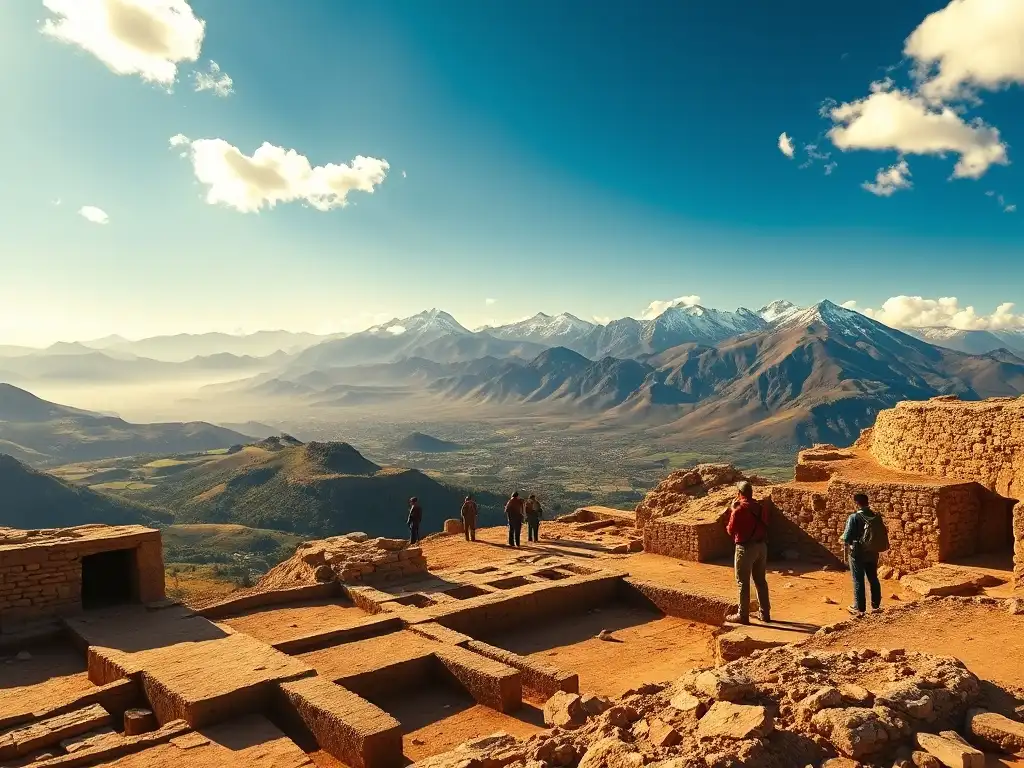
Uncover the enigmatic legacy of the Andes! Journey through millennia of captivating history, art, and innovation as we delve into the fascinating world of the ancient Andean civilizations. But what secrets lie hidden within the earth itself? This exploration begins with a crucial question: Where exactly are the Huari archaeological sites located? Prepare to be amazed as we unearth the answers and reveal the breathtaking story behind these powerful pre-Incan cultures.
- Huari Archaeological Sites: Exploring Their Legacy
- Key Huari Archaeological Sites
- Planning Your Visit to Huari Archaeological Sites
- The Significance of Huari Sites for Andean History
- Frequently Asked Questions
- Final Reflection: Unearthing Huari's Legacy: Past, Present, and Future
- Unveil the Mysteries of Huari: Take Action Today!
Huari Archaeological Sites: Exploring Their Legacy
The Huari Empire, a powerful pre-Inca civilization that flourished in the Peruvian Andes between the 7th and 12th centuries CE, left behind a remarkable legacy of archaeological sites. These sites offer invaluable insights into their complex social structures, advanced technological achievements, and sophisticated artistic expressions. Understanding the locations of these Huari archaeological sites is crucial to piecing together a comprehensive understanding of this fascinating culture, its expansion, and its ultimate decline.
This article will explore the geography of Huari influence, detailing key characteristics of the empire and providing a starting point for anyone interested in discovering the secrets hidden within these ancient ruins. We will delve into the locations of significant Huari archaeological sites, helping you plan your own exploration of this captivating chapter in Andean history. The search for "Huari archaeological sites locations" leads to a rich tapestry of discovery, waiting to be unveiled.
Unveiling the Huari Culture: An Introduction
The Huari, also known as Wari, were a highly organized and centralized society. Unlike the Inca, who built monumental cities of stone, the Huari utilized a distinctive architectural style characterized by massive adobe structures, intricate urban planning, and a sophisticated system of roads and administrative centers. Their influence extended across a vast territory, encompassing much of the central Andes. Evidence suggests a highly stratified society with a powerful ruling elite controlling resources and directing large-scale public works projects.
The Huari excelled in pottery, textiles, and metallurgy, producing exquisite artifacts that reflect their artistic skill and cultural complexity. Their empire's collapse remains a subject of ongoing research, with various theories suggesting factors such as internal conflict, environmental changes, or external pressures contributing to its eventual decline. Understanding the Huari's rise and fall requires careful study of their archaeological remains, scattered across a wide geographical area.
Understanding the Huari Empire: Key Characteristics
The Huari Empire's success stemmed from several key characteristics. Their sophisticated administrative system facilitated the control of a vast territory, with evidence suggesting the use of standardized weights and measures, a centralized bureaucracy, and the deployment of administrative centers throughout their domain. This efficient system enabled the efficient distribution of resources and the maintenance of order across diverse landscapes.
Furthermore, their advanced agricultural techniques, including terracing and irrigation systems, allowed them to support a large population in challenging Andean environments. The Huari's mastery of metallurgy is also noteworthy, with the production of high-quality bronze and copper objects, alongside finely crafted gold and silver items, indicating advanced technological skills and a sophisticated understanding of material science. The standardization of pottery styles and the widespread distribution of similar artifacts across their empire further highlight the extent of their centralized control and cultural influence.
The Geography of Huari Influence: A Vast Network
The Huari empire's reach extended across a significant portion of the central Andes, encompassing diverse ecological zones and varying altitudes. Major Huari archaeological sites are not concentrated in a single area but are scattered across a wide geographical expanse, reflecting the empire's extensive network of administrative centers and control over resources. This vast network facilitated the movement of goods, people, and ideas across the region, contributing to the standardization of cultural practices and the unification of the empire.
While Piquillacta near Cusco is often cited as a significant site, numerous other locations, including those in the Ayacucho region and beyond, hold crucial clues to understanding the Huari's expansion and societal organization. Further research is needed to fully map the extent of Huari influence and to understand the precise functions of different archaeological sites within their vast network.
The distribution of these sites themselves helps to illuminate the strategies employed by the Huari to maintain control over such a geographically diverse empire. Identifying and studying these locations offers a crucial step towards a more complete understanding of this influential Andean civilization.
Key Huari Archaeological Sites
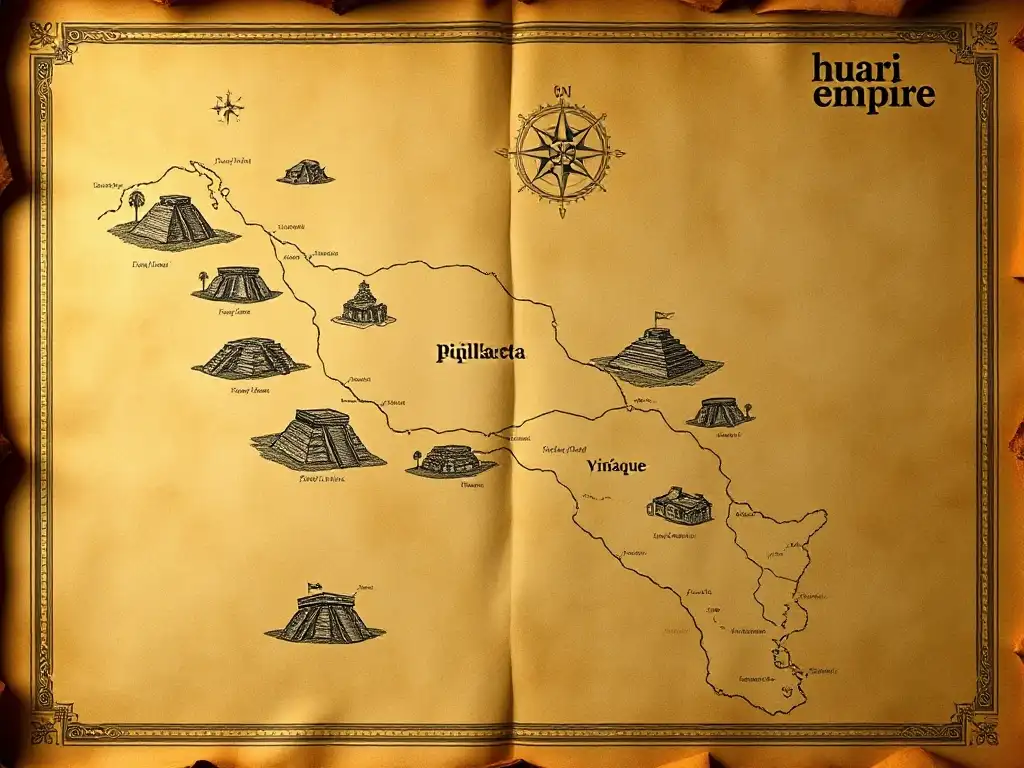
This section focuses on pinpointing the key locations where we can uncover the mysteries of the Huari civilization. Understanding the geographical distribution of Huari archaeological sites is crucial to comprehending the empire's vast reach and administrative structure. The locations discussed below represent some of the most significant sites for understanding Huari culture, offering researchers and enthusiasts alike a glimpse into their advanced societal organization and technological prowess.
These locations are vital for researchers aiming to understand the spatial distribution of Huari power and influence, providing crucial insights into the empire's administrative strategies and economic networks. The sheer number and diversity of these sites highlight the expansive nature of the Huari empire.
Pikillaqta: A Major Huari Administrative Center
Pikillaqta, meaning "flea town" in Quechua, stands as a testament to the Huari's sophisticated urban planning and administrative capabilities. Located near Cusco, its strategic position suggests a vital role in controlling access to resources and communication routes within the empire. The site's remarkable preservation offers unparalleled opportunities to study Huari architecture, social organization, and daily life. The sheer scale of Pikillaqta, with its extensive network of interconnected structures, points to a complex administrative center capable of managing a large population and vast resources.
Pikillaqta's Architecture: Rectilinear Compounds and Walls
The architecture of Pikillaqta is characterized by its distinctive rectilinear compounds, a hallmark of Huari urban planning. These compounds, built from finely cut stone, were arranged in a highly organized fashion, suggesting a hierarchical social structure. The walls, constructed with precision and incorporating advanced building techniques, demonstrate the Huari's mastery of stonework.
Detailed analysis of the construction methods reveals a sophisticated understanding of engineering principles, far exceeding the capabilities of many contemporary cultures. The uniformity of the architectural style across the site strongly suggests centralized planning and control over construction. Evidence suggests that the construction of these buildings involved a highly organized workforce, reflecting the empire's ability to mobilize and manage large-scale projects.
Huari Influence at Pikillaqta: Evidence of Control and Administration
Pikillaqta's function as a major administrative center is supported by numerous archaeological findings. The discovery of administrative records, storage facilities, and evidence of craft production within the site indicates its importance in managing resources and controlling the surrounding region. The presence of standardized ceramics and textiles further underscores the empire's centralized control over production and distribution networks. Analysis of the artifacts unearthed at Pikillaqta reveals a complex system of exchange and trade that connected the site to other parts of the Huari empire. The uniformity of these goods points to a highly centralized system of production and distribution.
Wari (Viñaque): The Capital of the Huari Empire
Located near Ayacucho, Wari, also known as Viñaque, is widely considered the capital of the Huari Empire. Its immense size and complexity reflect the empire's power and influence at its zenith. The site's layout, architectural features, and the sheer volume of artifacts unearthed there provide invaluable insights into the Huari's political, economic, and religious life. The sheer magnitude of Wari, with its sprawling urban complex and monumental architecture, highlights the scale and sophistication of the Huari empire.
Wari's Urban Complex: D-Shaped Structures and Walled Enclosures
Wari's urban landscape is defined by its unique D-shaped structures and extensive walled enclosures. These structures, unlike anything found in other contemporary Andean cultures, are believed to have served a variety of functions, from residential quarters to administrative buildings and possibly religious centers. The precise function of these D-shaped structures remains a subject of ongoing research, but they undeniably represent a key element of Huari architectural ingenuity.
The walled enclosures, on the other hand, likely served to delineate different zones within the city, indicating a well-organized urban planning system. The scale and complexity of these structures suggest a highly organized society with a sophisticated understanding of urban planning and engineering.
Discoveries at Wari: Textiles, Ceramics, and Burial Practices
Excavations at Wari have yielded a wealth of artifacts, including finely crafted textiles, distinctive ceramics, and unique burial practices. These discoveries offer crucial insights into the Huari's artistic skills, religious beliefs, and social structures. The intricate designs and high quality of the textiles point to a highly skilled artisan class, while the distinctive styles of the ceramics suggest regional variations within the empire.
The analysis of burial practices reveals insights into Huari social hierarchy and religious beliefs, showing evidence of elaborate funerary rituals and the importance of ancestral veneration. The diversity and quality of the artifacts discovered at Wari underscore the empire's cultural richness and the sophistication of its artistic traditions. Further research is needed to fully understand the significance of these discoveries and their implications for our understanding of Huari culture.
Cerro Baúl: A Huari Outpost in Moquegua
Cerro Baúl, located in the Moquegua region of southern Peru, represents a fascinating example of Huari expansion and influence. This archaeological site, perched atop a prominent hill, offers a unique perspective on Huari interaction with pre-existing local populations. The site's strategic location, commanding views of the surrounding valleys and trade routes, speaks volumes about Huari's imperial ambitions.
Excavations have uncovered a wealth of artifacts, including ceramics, textiles, and architectural remains, that reveal a complex interplay between Huari administrative structures and the indigenous cultural traditions of Moquegua. The careful analysis of these finds allows researchers to reconstruct the daily lives of the inhabitants, highlighting the ways in which Huari culture was both imposed and adapted within this outlying region.
The presence of Huari-style architecture alongside evidence of local craft production suggests a nuanced process of integration, rather than simple conquest. The site's long occupation, spanning several decades, attests to the enduring significance of Cerro Baúl within the broader Huari empire.
Cerro Baúl's Strategic Importance: Control of Trade Routes
The strategic positioning of Cerro Baúl is undeniable. Situated at a crucial juncture of important trade routes connecting the southern coast with the highlands, the site provided the Huari with an ideal location for monitoring and controlling the flow of goods and people. This control over vital trade arteries was instrumental in maintaining the Huari empire's economic power and stability.
The ability to tax or regulate trade likely provided significant revenue for the Huari state, while simultaneously bolstering their political influence throughout the region. The control of these routes also facilitated the movement of Huari administrators, soldiers, and artisans, enabling the efficient administration of the empire's periphery and the dissemination of Huari cultural practices. Analysis of the artifacts found at Cerro Baúl, particularly the types of ceramics and textiles, supports the idea of a significant trade presence, suggesting a bustling center of exchange and interaction.
Huari Presence at Cerro Baúl: Local Adaptations and Integration
The Huari presence at Cerro Baúl wasn't simply a case of military occupation. Archaeological evidence reveals a sophisticated process of cultural interaction and adaptation. While Huari architectural styles and administrative practices are clearly identifiable, local traditions persisted and were integrated into the daily life of the settlement. This is evident in the blend of Huari and regional ceramic styles found at the site, indicating a degree of cultural exchange and synthesis.
The presence of locally produced goods alongside imported Huari items suggests a vibrant economy that incorporated both regional and imperial networks. This complex interplay between imperial power and local agency complicates simplistic narratives of conquest and domination, revealing a more nuanced picture of Huari expansion and influence. The longevity of the settlement underscores the success of this integration process, demonstrating the Huari’s ability to effectively govern a diverse population while maintaining a strong imperial identity.
Other Significant Huari Archaeological Sites
Beyond Cerro Baúl, numerous other archaeological sites provide crucial insights into the extent and complexity of the Huari empire. These sites, scattered across the Peruvian Andes, reveal the impressive scale of Huari urban planning, monumental architecture, and sophisticated administrative systems. Each site offers unique perspectives on Huari society, its interactions with other cultures, and the eventual collapse of its vast empire.
Honcopampa: Monumental Architecture and Ceremonial Spaces
Honcopampa, located in the Ayacucho region, is renowned for its impressive monumental architecture. The site features large platforms, plazas, and structures that indicate a significant ceremonial function. The scale and sophistication of the architecture suggest a highly organized society with significant resources and manpower.
The presence of elaborate decorations and intricate carvings on some of the structures further highlights the importance of religious and ceremonial activities within Huari society. Detailed analysis of the site's layout and the types of artifacts found within its structures helps to reconstruct the rituals and beliefs that shaped Huari culture. The site's monumental scale suggests a central role in the Huari state's religious and political life.
Viracochapampa: A Planned City in the Northern Highlands
Viracochapampa, situated in the northern highlands, stands as a testament to Huari urban planning. This site showcases a meticulously planned city layout, with rectangular structures arranged in a grid pattern. The uniformity of the architecture and the precise organization of the city suggest a centralized authority capable of directing large-scale construction projects and managing a significant population. The presence of residential areas, administrative buildings, and possibly ceremonial spaces points to a well-organized urban center that served as a vital hub within the Huari empire. The advanced urban planning evident at Viracochapampa highlights the Huari’s engineering skills and administrative capabilities.
Marcahuamachuco: A Large Urban Center with Defensive Walls
Marcahuamachuco, located in the northern Andes, is a large urban center characterized by its impressive defensive walls. These walls, built of stone, suggest a concern for security and defense, potentially reflecting conflicts or tensions within the region. The site’s size and the presence of defensive structures indicate a significant population and a need for protection.
The architecture suggests a blend of Huari and local styles, reflecting the complex interactions between the Huari empire and pre-existing communities. The scale of Marcahuamachuco underscores the Huari's ability to control and administer vast territories, even in areas far from their core regions. Further research is needed to fully understand the site's role within the broader Huari political and economic system.
Planning Your Visit to Huari Archaeological Sites
This section focuses on practical information to help you plan your exploration of Huari archaeological sites, optimizing your experience and understanding of this fascinating pre-Incan culture. Successfully navigating the sites requires careful consideration of timing, transportation, and preparation. Let's delve into the specifics.
Best Time to Visit Huari Sites: Dry Season in the Andes
The best time to visit Huari archaeological sites in the Andes is during the dry season, typically from April to October. This period offers the most pleasant weather conditions for exploring the ruins, with less rainfall and clearer skies. The high altitude of many Huari sites means that even during the dry season, temperatures can fluctuate significantly. Expect sunny days but be prepared for cool evenings, especially at higher elevations. Packing layers is crucial; you might need a light jacket or sweater even on a sunny day.
The wet season (November to March) brings significant rainfall, which can make accessing and navigating some sites challenging, if not impossible. Muddy paths and potential landslides can pose safety risks. While some sites might be partially accessible during the wet season, the experience will likely be less enjoyable and potentially dangerous.
Therefore, planning your trip during the dry season is strongly recommended for a safe and rewarding experience. Remember to check specific weather forecasts closer to your travel dates for the most up-to-date information. Planning for potential weather changes and having backup plans is always advisable when exploring high-altitude archaeological sites.
Getting to Huari Archaeological Sites: Transportation Options
Reaching the various Huari archaeological sites requires careful planning, as many are located in remote areas of the Andes. The accessibility of each site varies; some are easier to reach than others. Transportation options include:
- Private Vehicle: Renting a car offers the greatest flexibility, particularly if you plan to visit multiple sites. However, be aware that some roads leading to remote sites can be challenging, requiring a high-clearance vehicle and a confident driver comfortable with navigating potentially rough terrain. A 4x4 vehicle is often recommended.
- Organized Tours: Several tour operators offer guided excursions to Huari sites. This option offers the convenience of transportation, expert guidance, and often includes entrance fees. Choosing a reputable tour operator ensures a safe and informative experience. Research reviews and compare options before booking.
- Public Transportation: While public transportation might be available to some sites, it's often less convenient and might require multiple transfers, potentially increasing travel time significantly. This option is less recommended unless you are very familiar with the local transport system and have ample time.
Before embarking on your journey, thoroughly research the specific access routes and transportation options for the Huari sites you intend to visit. Confirm the availability and reliability of public transport or tour operators well in advance, especially during peak seasons. Always prioritize safety and choose transportation options that suit your comfort level and the conditions of the roads.
Exploring Huari Ruins: What to Expect and How to Prepare
Exploring Huari ruins requires physical stamina and appropriate preparation. Many sites involve walking on uneven terrain, sometimes at high altitudes. Here's a checklist to ensure a safe and enjoyable experience:
- Physical Fitness: Be prepared for moderate to strenuous physical activity. Wear comfortable, sturdy hiking shoes suitable for uneven ground. The altitude can also affect your energy levels; take it easy and stay hydrated.
- Appropriate Clothing: Pack layers to adjust to changing temperatures. Sun protection is essential, including a hat, sunglasses, and sunscreen. Consider long sleeves and pants to protect yourself from the sun and potential insect bites.
- Essentials: Bring plenty of water, snacks, a first-aid kit, and any necessary medication. A walking stick can be helpful for navigating uneven terrain. Consider bringing binoculars for a closer look at details in the ruins.
- Respect for the Sites: Remember that you are visiting significant historical and cultural sites. Avoid touching or damaging any structures or artifacts. Stay on designated paths to prevent erosion and protect the fragile environment. Respect local customs and traditions.
By following these guidelines, you can maximize your exploration of Huari archaeological sites and gain a deeper appreciation for this remarkable Andean civilization. Remember that responsible tourism is key to preserving these invaluable historical treasures for future generations. Enjoy your journey into the past!
The Significance of Huari Sites for Andean History
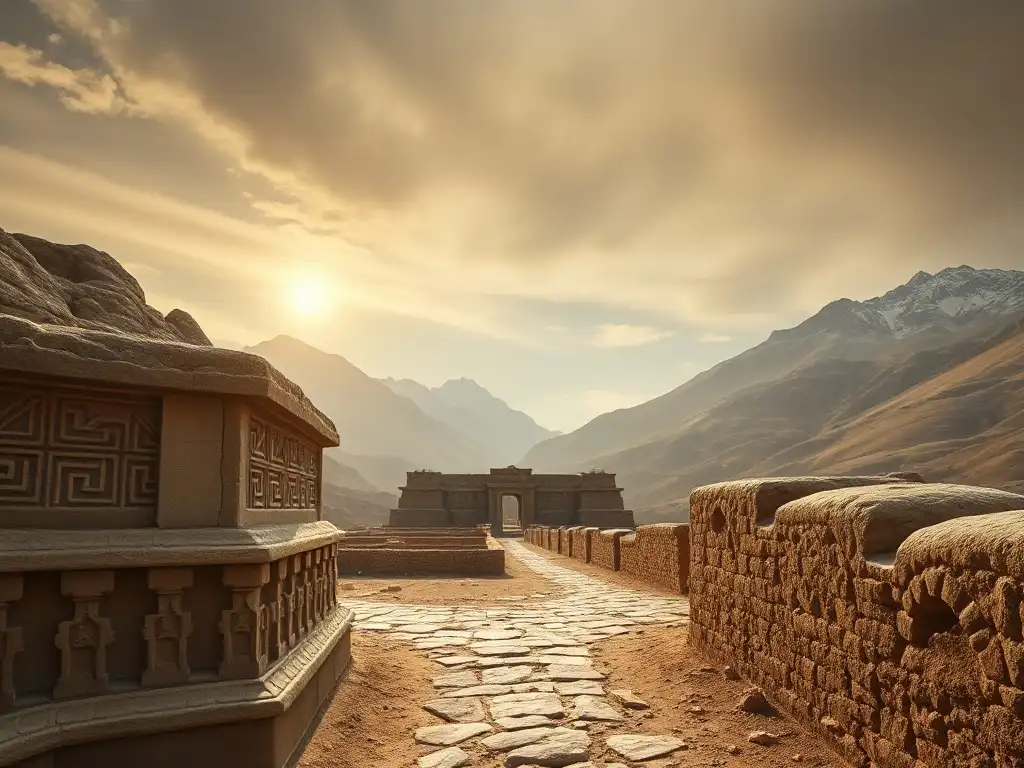
The Huari archaeological sites are not merely collections of ruins; they represent crucial nodes in understanding the intricate tapestry of Andean civilization. Their discovery and ongoing excavation offer invaluable insights into a powerful and expansive empire that predates the Inca, profoundly shaping the political, social, and economic landscape of the region. The strategic locations of these sites, often perched on high-altitude plains and valleys, underscore Huari's mastery of logistics and control over vital resources.
This control extended beyond mere territorial dominion; it involved sophisticated systems of administration, communication, and cultural integration that left a lasting mark on subsequent Andean societies. Understanding these sites is fundamental to comprehending the complex processes of state formation and the evolution of Andean urbanism. The sheer scale of some of these sites, like Piquillacta near Cusco, speaks volumes about the organizational capacity and the vast manpower mobilized by the Huari state.
Analyzing their architectural features, pottery styles, and burial practices allows researchers to reconstruct the social hierarchies, religious beliefs, and daily lives of Huari people, offering a rich and nuanced picture of this influential civilization. The impact of Huari is evident in the subsequent development of Andean cultures, demonstrating their legacy as a pivotal force in shaping the region's trajectory.
Huari's Impact on Andean Civilization: Urbanism and Statecraft
Huari's impact on Andean civilization is most clearly seen in its advancements in urban planning and statecraft. The carefully planned layouts of Huari cities, with their standardized architecture and intricate irrigation systems, showcase a sophisticated understanding of urban design and resource management. These weren't simply haphazard settlements; they were meticulously designed centers of administration and control, reflecting a centralized political system that effectively managed a vast territory.
Evidence suggests the use of standardized building techniques and materials across different sites, indicating a degree of centralized planning and control over resources. This standardization, however, didn't stifle local creativity; regional variations in pottery styles and decorative motifs within the Huari empire demonstrate a careful balance between centralized control and local autonomy. The distribution of elite goods and the presence of administrative centers in various regions suggest a complex system of governance, designed to maintain order and extract resources across a wide geographical area.
This system of control, though centralized, allowed for the integration of diverse populations and regional cultures into a cohesive empire, a feat of statecraft that would influence subsequent Andean empires. The legacy of Huari's urban planning and administrative systems is visible in the urban development of later Andean civilizations, highlighting their enduring contribution to the region's architectural and political traditions.
Ongoing Research at Huari Sites: Unveiling New Insights
Research at Huari sites continues to yield exciting new insights into this fascinating civilization. Recent archaeological excavations have uncovered previously unknown settlements, expanding our understanding of the empire's geographical extent and population size. Advanced technologies like ground-penetrating radar and 3D modeling are being used to map sites with greater precision, revealing intricate details of their layout and construction.
Analysis of isotopic ratios in human remains is providing valuable information about diet and migration patterns within the Huari population, shedding light on social interactions and resource distribution. Furthermore, detailed studies of Huari ceramics, textiles, and metalwork are providing fresh perspectives on their artistic traditions and technological advancements. For example, recent discoveries of sophisticated metalworking techniques have challenged previous assumptions about the level of technological sophistication within the Huari empire.
Ongoing research is also focusing on deciphering the complex iconography found on Huari artifacts, aiming to unravel the meaning of their religious beliefs and cosmological worldview. The ongoing research at Huari sites promises to further enhance our comprehension of this pivotal period in Andean history, bringing us closer to a more complete picture of Huari society and its lasting influence.
Preserving Huari Heritage: The Importance of Conservation
The preservation of Huari archaeological sites is of paramount importance for safeguarding a crucial part of Andean heritage. These sites are vulnerable to natural erosion, looting, and the impacts of climate change. Effective conservation strategies are crucial to protect these valuable resources for future generations. This involves a multi-pronged approach, encompassing careful excavation techniques, the implementation of protective structures, and the development of sustainable tourism practices.
Moreover, raising public awareness about the significance of these sites and the threats they face is essential for fostering a sense of responsibility and stewardship. International collaboration among researchers, government agencies, and local communities is crucial to ensure the long-term preservation of Huari heritage. This collaboration should focus on developing comprehensive management plans that address both the immediate and long-term preservation needs of these sites.
The development of educational programs aimed at raising awareness among local communities and tourists about the importance of protecting Huari sites is also critical. By combining scientific research, conservation efforts, and community engagement, we can ensure that the rich legacy of the Huari civilization continues to inspire and educate for years to come. The preservation of these sites is not just a matter of protecting ancient stones; it's about safeguarding a vital piece of human history and cultural identity.
Frequently Asked Questions
Where are the main Huari archaeological sites located?
The principal Huari archaeological sites are scattered across the central Andes of Peru, primarily in the regions of Ayacucho, Huancavelica, and Junín. Many smaller sites are also found throughout these areas and beyond.
What makes Huari sites unique?
Huari sites are unique for their impressive urban planning, showcasing sophisticated administrative and infrastructural capabilities. They also exhibit a distinctive artistic style reflected in their pottery and architecture.
What kind of artifacts are commonly found at Huari sites?
Archaeological excavations at Huari sites frequently uncover fine pottery, including the characteristic polychrome ware, textiles, and stone tools. Elaborate religious artifacts are also common finds.
How large was the Huari Empire compared to the Inca?
While less expansive than the later Inca Empire, the Huari Empire controlled a significant territory in the central Andes. Its influence extended over a vast area, impacting many different cultures through political and economic control.
Are Huari sites easily accessible to the public?
Accessibility varies widely depending on the specific site. Some are well-preserved and easily accessible, while others require more challenging journeys. Always check local conditions and accessibility information before visiting.
Final Reflection: Unearthing Huari's Legacy: Past, Present, and Future
The meticulous excavation and study of Huari archaeological sites are not merely historical exercises; they are crucial for understanding the complexities of pre-Columbian Andean societies and their enduring impact on modern Peru. The intricate network of settlements, sophisticated irrigation systems, and remarkable artistry unearthed at these sites offer invaluable insights into a civilization that shaped the landscape and culture of the region for centuries. This knowledge is vital for preserving cultural heritage and informing sustainable development practices in the region today.
The enduring power of the Huari culture resonates even now, influencing our understanding of urban planning, agricultural innovation, and artistic expression. Their legacy is not confined to museum displays; it lives on in the very fabric of Peruvian society. The past is never dead. It's not even past.
– William Faulkner. This quote perfectly encapsulates the ongoing relevance of Huari, reminding us that by understanding their history, we can better appreciate the present and shape a more informed future. The ongoing discoveries and interpretations of Huari sites continue to challenge and refine our understanding of this fascinating civilization, constantly revealing new layers of complexity and nuance.
Consider the implications of this knowledge. What can we learn from the Huari's sophisticated societal structures and their approach to resource management? How can we apply their ingenuity and resilience to address contemporary challenges? I urge you to delve deeper into the world of Huari archaeology, to explore the many sites mentioned in this article, and to consider the profound lessons they hold for us all. Let the legacy of this remarkable civilization inspire you to protect our shared heritage and build a future informed by the wisdom of the past.
Unveil the Mysteries of Huari: Take Action Today!
Thank you for exploring the fascinating world of Huari archaeological sites! You've already uncovered a wealth of history from this remarkable civilization. Now, let's turn that curiosity into action and delve even deeper!
Here are some ways you can connect with the legacy of Huari and share its story:
- Join a local archaeological society or attend a community event focused on Andean history and culture to learn more about Huari's significant influence.
- Plan a visit to a Huari site and record your experience—your firsthand account could inspire others to explore this captivating culture.
- Share your discoveries with friends, family, or online communities, sparking conversations that keep the spirit of Huari alive.
What aspect of Huari culture most fascinates you, and how will you share that passion with others?