
Modern Art Inspired by Andean Motifs: A Fusion of Past and Present

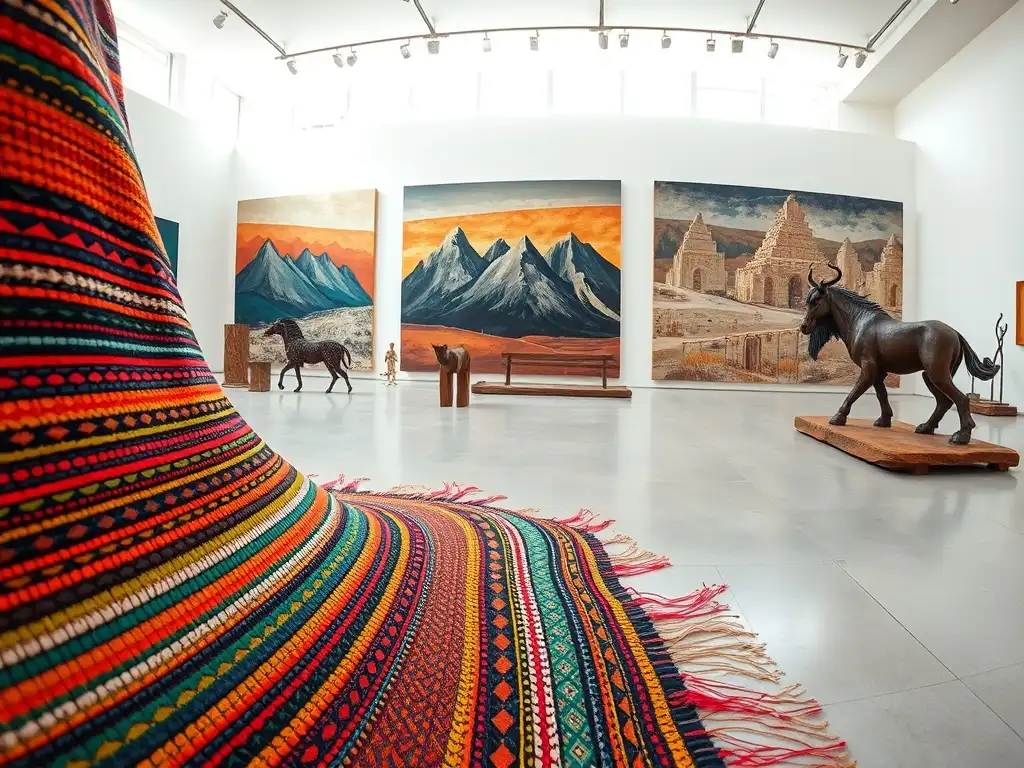
Dive into a world lost in time, yet vibrantly alive today. Andean Civilizations unveils the secrets of the Incas, Moche, Nazca, and Tiahuanaco, revealing their breathtaking artistry and advanced technologies. But the story doesn't end there... Prepare to be amazed by the unexpected resurgence of Andean art motifs in modern interpretations, a captivating fusion of ancient wisdom and contemporary creativity. Explore the fascinating connections and discover how these timeless symbols continue to inspire artists today. Journey with us and uncover the legacy!
The vibrant tapestry of Andean civilizations, encompassing cultures like the Inca, Moche, Nazca, and Tiahuanaco, left an indelible mark on the world through their breathtaking artistry and intricate craftsmanship. This legacy continues to resonate powerfully in the 21st century, inspiring contemporary artists to reimagine and reinterpret ancient Andean motifs in innovative and captivating ways.
This article explores the fascinating fusion of past and present, examining how modern artists draw inspiration from the rich symbolism, geometric patterns, and representational figures found in ancient Andean art, creating a dynamic dialogue between ancient traditions and contemporary aesthetics. We will delve into the core elements of Andean art motifs, uncovering their meanings and significance, and showcasing how these powerful visual languages continue to inform and inspire artistic creation today.
The enduring power of Andean art lies not only in its beauty but also in its ability to transcend time, sparking creativity and offering a unique lens through which to understand both our past and our present. Prepare to be amazed by the enduring legacy of these ancient cultures and their profound impact on the modern art world.
Introduction to Andean Art and its Influence on Contemporary Artists
Andean art, encompassing a vast array of artistic expressions across diverse cultures and time periods, is characterized by its unique symbolism, sophisticated techniques, and profound connection to the Andean worldview. From the intricate textiles of the Nazca to the monumental stonework of the Inca, Andean artistic traditions demonstrate a deep understanding of geometry, color, and narrative. These ancient works weren't merely decorative; they served crucial social, religious, and political functions, reflecting the beliefs and values of the societies that created them.
Modern artists, recognizing the power and beauty inherent in these ancient forms, are increasingly incorporating Andean motifs into their contemporary works. This isn't simply imitation; rather, it represents a conscious engagement with a rich cultural heritage, reinterpreting ancient symbols and techniques within a modern context.
This reinterpretation often involves a fusion of traditional methods with modern materials and artistic approaches, resulting in a unique and compelling aesthetic that speaks to both the past and the present. The influence can be seen across various mediums, from painting and sculpture to textiles and digital art, showcasing the enduring relevance and versatility of Andean artistic principles.
Andean Art Motifs: Exploring the Core Elements
The enduring appeal of Andean art lies in its diverse and expressive motifs, each carrying layers of meaning and significance. These motifs, ranging from symbolic representations of animals and deities to complex geometric patterns and stylized human figures, offer a window into the spiritual beliefs, social structures, and daily lives of ancient Andean societies. Understanding these core elements is crucial to appreciating the depth and complexity of both ancient and contemporary Andean-inspired art.
The deliberate incorporation of these motifs in modern art demonstrates not only artistic skill but also a conscious effort to engage with and honor the legacy of these fascinating cultures. Let's explore some of the key elements that have captivated artists for centuries.
Common Andean Symbols and Their Meanings
Many Andean symbols carry powerful meanings related to cosmology, mythology, and social structures. For example, the condor, a majestic bird of prey, often represents power, strength, and connection to the upper world. The puma, a powerful feline, symbolizes earthly power and strength, while the serpent frequently represents the underworld and fertility.
These symbolic animals, along with representations of deities like Viracocha (the creator god) and Pachamama (Mother Earth), are frequently encountered in ancient Andean textiles, ceramics, and metalwork. Modern artists often incorporate these symbols into their works, either directly or through stylized interpretations, enriching their pieces with layers of cultural and symbolic meaning.
The careful use of these symbols allows contemporary artists to connect with a rich tapestry of beliefs and narratives, adding depth and intrigue to their creations. Understanding the nuanced meanings behind these symbols is key to fully appreciating the artistic choices made by both ancient and modern artists alike.
Geometric Patterns in Ancient Andean Textiles
The textiles of ancient Andean cultures are renowned for their intricate geometric patterns. These patterns, often woven with remarkable precision and employing a wide range of colors, are not merely decorative; they frequently encode complex social, religious, and astronomical information. From simple stripes and zigzags to elaborate designs incorporating stepped triangles, spirals, and other geometric shapes, these patterns reveal a sophisticated understanding of mathematics and design.
The use of specific colors and patterns often indicated social status, clan affiliation, or participation in specific rituals. Modern artists continue to be inspired by the beauty and complexity of these textile designs, incorporating them into their own works through painting, weaving, and other mediums.
The precise geometric patterns, often characterized by their vibrant hues, provide a strong visual impact that resonates with both traditional and contemporary aesthetics. Their enduring appeal lies in their ability to evoke a sense of history and cultural richness while simultaneously offering a visually stunning aesthetic.
Representational Figures in Andean Ceramics and Sculpture
Andean ceramics and sculpture often feature stylized representations of human figures, animals, and deities. These figures, frequently rendered with a distinctive aesthetic that emphasizes form and symbolism over strict realism, offer valuable insights into the artistic conventions and cultural values of ancient Andean societies. The Moche culture, for example, is famous for its highly detailed and expressive ceramic vessels depicting scenes of daily life, mythology, and warfare.
Similarly, the Tiahuanaco culture produced monumental stone sculptures depicting stylized human figures, often with distinctive features and symbolic attributes. Modern artists draw inspiration from the powerful expressiveness and formal qualities of these ancient works, reinterpreting them in new and innovative ways.
The stylistic choices made by ancient Andean artists—the use of specific poses, gestures, and facial expressions—continue to inspire contemporary artists seeking to convey emotion and meaning through their own creative expressions. The enduring power of these representational figures lies in their ability to communicate a wide range of emotions and ideas, transcending the limitations of time and culture.
Modern Interpretations of Andean Art Motifs
Andean art motifs, rich in symbolism and vibrant aesthetics, continue to inspire contemporary artists worldwide. The intricate designs, bold colors, and powerful imagery found in ancient textiles, ceramics, and metalwork provide a fertile ground for creative reinterpretation. Modern artists are not merely replicating these motifs; rather, they are engaging in a dialogue with the past, using Andean aesthetics as a springboard for exploring contemporary themes and concerns.
This fusion of ancient traditions and modern sensibilities results in a unique and compelling artistic expression, demonstrating the enduring legacy of Andean cultures. The enduring appeal of Andean art lies in its ability to transcend time and resonate with audiences across diverse cultural backgrounds.
The inherent power of the imagery, combined with the innovative approaches of modern artists, ensures that Andean-inspired art remains a vibrant and relevant force in the contemporary art world. The reimagining of these motifs reflects not only a fascination with the past but also a deeper engagement with themes of identity, cultural preservation, and the ongoing relevance of ancient traditions in a modern world.
Contemporary Artists Reimagining Andean Iconography
Many contemporary artists are actively reimagining Andean iconography, transforming traditional symbols and designs into new and exciting artistic expressions. They might incorporate elements like the khipu (Inca knotted cords), stylized camelids (llamas and alpacas), or geometric patterns found in Nazca textiles into their work. This isn't simply about copying; it's about understanding the cultural significance of these motifs and using them to tell new stories, express contemporary ideas, or create visually stunning pieces.
The process often involves a deep dive into Andean history and anthropology, allowing artists to gain a nuanced understanding of the cultural context of the symbols they utilize. The resulting works often blend traditional techniques with modern materials and approaches, creating a fascinating interplay between past and present. The appropriation and reinterpretation of Andean imagery demonstrate a powerful connection between ancient traditions and contemporary artistic practices.
The Use of Traditional Andean Techniques in Modern Art
Beyond the motifs themselves, contemporary artists are also increasingly adopting traditional Andean techniques in their work. Weaving, for example, a central craft in Andean cultures for millennia, is being revived and reimagined by artists who employ it in innovative ways. Similarly, the techniques used in ancient pottery and metalwork are being studied and adapted to create contemporary sculptures and installations.
This respect for traditional processes adds another layer of depth and authenticity to the artwork, acknowledging the rich history and craftsmanship that underpins these artistic traditions. The incorporation of these techniques isn't simply a stylistic choice; it's an act of cultural preservation, ensuring that these valuable skills continue to be practiced and celebrated. The use of traditional techniques also allows for a more authentic and meaningful engagement with the source material, lending credibility and depth to the artist's interpretation.
Andean Design Elements in Modern Sculpture and Installations
Andean design elements are not confined to two-dimensional artworks; they are also finding their way into contemporary sculpture and installations. The bold geometric forms and intricate patterns found in Andean textiles and ceramics inspire the creation of large-scale sculptures that capture the essence of Andean aesthetics. Installations might incorporate elements such as woven tapestries, ceramic shards, or metalwork to create immersive environments that evoke the spirit of Andean landscapes and cosmology.
This application demonstrates the versatility and adaptability of Andean design principles, showing their ability to translate seamlessly into different artistic mediums and scales. The integration of these elements contributes to the creation of powerful and thought-provoking installations, effectively communicating the enduring relevance of Andean artistic traditions in a contemporary context. The use of scale and space in these installations allows for a more immersive and impactful experience for the viewer.
Case Studies: Specific Examples of Andean-Inspired Modern Art
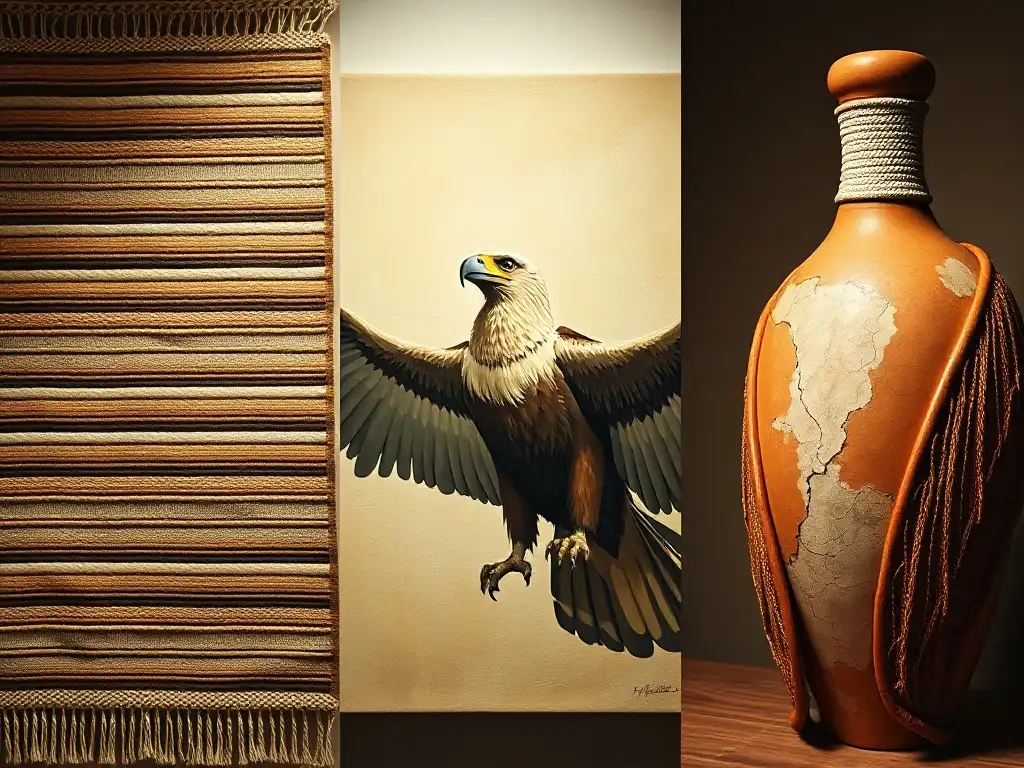
This section will explore specific examples of how Andean art motifs have inspired contemporary artists. We will delve into the work of several artists who have successfully integrated Andean aesthetics into their unique artistic visions, demonstrating the diversity and richness of this ongoing artistic dialogue. The following case studies will showcase the various ways in which Andean cultural heritage informs and inspires modern artistic production.
Cecilia Vicuña: A Fusion of Andean Cosmology and Modern Abstraction
Cecilia Vicuña's work seamlessly blends Andean cosmology and modern abstraction. She often incorporates elements of pre-Columbian Andean art, particularly the pallay (a type of woven fabric) and the khipu, into her installations and sculptures. Her work reflects a deep understanding of Andean spirituality and its connection to nature, weaving together these themes with abstract forms and experimental materials. Vicuña's artistry is a powerful example of how Andean traditions can inform and enrich contemporary art practices. Her innovative approach to materials and techniques, combined with her profound understanding of Andean culture, results in a unique and compelling artistic voice.
Sheila Hicks: Reinterpreting Andean Weaving Techniques in Contemporary Art
Sheila Hicks's textile work is a testament to the enduring power of Andean weaving techniques. She draws inspiration from the rich tapestry of Andean textile traditions, using vibrant colors and intricate patterns to create large-scale installations and sculptures. Hicks’s work transcends mere craft; it is a sophisticated artistic statement that showcases the beauty and complexity of Andean weaving while pushing the boundaries of the medium itself.
Her work highlights the artistic potential of traditional techniques and their ability to express contemporary concerns. The scale and complexity of her woven works are a testament to the enduring power and artistry of Andean weaving traditions.
Roberto Mamani Mamani: Exploring Andean Mythology Through Modern Painting
Roberto Mamani Mamani is a Bolivian artist renowned for his vibrant and surreal paintings that explore Andean mythology and cosmology. His works are characterized by bold colors, stylized figures, and a unique blend of traditional and modern artistic styles. Mamani Mamani's art serves as a powerful expression of Andean cultural identity and a celebration of the rich tapestry of Andean beliefs and traditions.
His distinctive style resonates with a global audience, highlighting the universal appeal of Andean mythology and its relevance to contemporary artistic expression. His paintings are a testament to the enduring power of Andean cultural heritage and its capacity to inspire contemporary artistic innovation.
The Significance of Andean Art in Contemporary Culture
Andean art motifs, with their vibrant colors, intricate designs, and symbolic representations, hold immense significance in contemporary culture. They serve as a powerful reminder of the rich history and complex societies that thrived in the Andes Mountains for millennia. The enduring legacy of these civilizations is evident in the continued use and adaptation of their artistic styles in various forms of modern expression.
This resurgence isn't simply a nostalgic trend; it represents a conscious effort to connect with ancestral roots, fostering a sense of cultural identity and pride among Andean communities and beyond. Furthermore, the unique aesthetic qualities of Andean art—its geometric precision, its symbolic depth, its use of natural materials—continue to captivate artists and designers worldwide, inspiring new interpretations and collaborations.
The enduring power of these motifs reflects a deep-seated human need to connect with the past and find meaning in the traditions of our ancestors. The vibrant colors and intricate patterns often evoke a sense of wonder and awe, reminding us of the ingenuity and artistry of these ancient cultures.
Preserving Cultural Heritage Through Modern Artistic Expression
Contemporary artists play a crucial role in preserving the cultural heritage embodied in Andean art. By reinterpreting ancient motifs in modern contexts, they bring these designs to a wider audience and ensure their continued relevance. This isn't merely about copying or replicating existing works; it's about engaging with the underlying principles and symbolism, translating them into new forms and media.
For example, the use of traditional textile patterns in contemporary fashion design not only showcases the beauty of Andean aesthetics but also helps sustain traditional weaving techniques and the communities that practice them. Similarly, the incorporation of Andean iconography into murals and public art projects helps to revitalize cultural identity within communities and fosters a sense of collective pride and ownership. The conscious and respectful engagement with Andean art heritage ensures its survival and continued evolution.
The Global Appeal of Andean Art and Design
The global appeal of Andean art and design is undeniable. The unique aesthetic qualities of these motifs, their vibrant colors, and their intricate patterns have captivated audiences worldwide. From fashion and textiles to interior design and graphic arts, Andean-inspired designs are increasingly incorporated into various products and creative projects.
This global reach not only provides economic opportunities for Andean artists and communities but also contributes to a broader understanding and appreciation of Andean cultures. The widespread adoption of these motifs transcends geographical boundaries, creating a shared appreciation for the rich artistic heritage of the Andes. This global recognition underscores the universality of aesthetic appeal and the power of art to transcend cultural differences.
Andean Art as a Source of Inspiration for Future Generations
Andean art motifs serve as a powerful source of inspiration for future generations of artists and designers. The intricate designs, the rich symbolism, and the innovative techniques employed by ancient Andean artisans provide a wealth of creative possibilities. By studying and reinterpreting these motifs, young artists can develop their own unique styles while honoring the artistic traditions of their ancestors.
Educational initiatives and workshops that focus on Andean art techniques and their cultural significance play a crucial role in nurturing this artistic lineage. The continued exploration and interpretation of these motifs ensures that the legacy of Andean artistry will endure for many years to come, inspiring creativity and innovation for generations to come. The vibrant tapestry of Andean art continues to inspire and enrich the global creative landscape.
The Future of Andean Art: Blending Tradition and Innovation
The future of Andean art lies in its ability to seamlessly blend tradition and innovation. While preserving the integrity and significance of ancient motifs is crucial, contemporary Andean artists are constantly exploring new ways to reinterpret and reimagine these designs. This involves experimenting with new materials, techniques, and technologies, while retaining the core essence of Andean artistic expression. This dynamic interplay between tradition and innovation ensures the continued evolution and relevance of Andean art in the modern world. The challenge and opportunity lie in finding a balance, respecting the heritage while embracing the potential of new forms of expression.
The Role of Technology in Modern Andean Art
Technology plays an increasingly significant role in the evolution of modern Andean art. Digital tools and platforms offer new avenues for artists to create, share, and preserve their work. From digital painting and graphic design to 3D modeling and virtual reality, technology enhances the possibilities for artistic expression and expands the reach of Andean art to a global audience.
However, it's crucial to ensure that the use of technology complements and enhances traditional techniques, rather than replacing them entirely. A balanced approach, integrating technology with traditional practices, can foster a vibrant and dynamic artistic landscape. The skillful application of technology can revitalize and expand the creative potential of Andean art.
The Evolution of Andean Motifs in Digital Art
The evolution of Andean motifs in digital art presents both challenges and opportunities. The translation of intricate designs and delicate textures into the digital realm requires a careful balance between authenticity and innovation. Digital artists are exploring new ways to recreate the vibrancy and complexity of Andean art using software and tools that allow for high levels of detail and precision.
This adaptation not only preserves the essence of traditional Andean artistry but also allows for creative experimentation and exploration of new artistic avenues. The potential for creative expression is limitless when traditional motifs meet the capabilities of modern digital technology.
Challenges and Opportunities for Andean Artists in the Modern Era
Andean artists in the modern era face both challenges and opportunities. While the global appreciation for Andean art offers exciting prospects, artists also grapple with issues such as preserving traditional techniques, accessing resources and markets, and navigating the complexities of the global art market. However, the increasing recognition of Andean art and culture presents opportunities for cultural preservation, economic empowerment, and international collaboration.
Supporting Andean artists through education, access to resources, and fair market practices is crucial for ensuring the continued flourishing of this rich artistic heritage. The future of Andean art hinges on addressing these challenges and capitalizing on the opportunities to ensure its continued growth and recognition.
- Introduction to Andean Art and its Influence on Contemporary Artists
- Andean Art Motifs: Exploring the Core Elements
- Modern Interpretations of Andean Art Motifs
- Case Studies: Specific Examples of Andean-Inspired Modern Art
- The Significance of Andean Art in Contemporary Culture
- The Future of Andean Art: Blending Tradition and Innovation
Frequently Asked Questions
What are Andean art motifs?
Andean art motifs are the recurring visual elements found in the art of ancient Andean civilizations. These include stylized representations of animals (like llamas and condors), geometric patterns, and depictions of deities and mythical beings. They reflect the beliefs and worldview of these cultures.
How are Andean motifs used in modern art?
Modern artists draw inspiration from Andean motifs, incorporating them into contemporary works through various mediums. This might involve reimagining traditional patterns in new contexts, using Andean colors and textures, or reinterpreting ancient imagery with a fresh perspective.
What are some examples of modern interpretations of Andean art?
Modern interpretations range from textile designs and ceramics to paintings and sculptures. Artists might use traditional Andean techniques alongside modern materials or explore the motifs' symbolic meaning in a contemporary setting, creating a fusion of ancient and modern aesthetics.
Where can I find examples of modern art inspired by Andean motifs?
Examples can be found in art galleries, museums, and online platforms showcasing contemporary Latin American art. Many contemporary artists actively engage with Andean heritage, and their work is increasingly accessible through various channels. Look for artists explicitly referencing Andean cultures and their visual languages.
How do modern interpretations of Andean art contribute to cultural preservation?
By reinterpreting and reimagining Andean motifs, modern artists help keep these cultural traditions alive. These contemporary works introduce the rich heritage of Andean art to new audiences, promoting appreciation and understanding of these ancient civilizations.
Final Reflection: Weaving the Andes into the Now
The vibrant threads of Andean art, once confined to textiles and ceramics, now burst forth in a dazzling array of modern expressions, demonstrating the enduring power of cultural heritage in a globalized world. This fusion isn't merely a stylistic choice; it's a powerful statement about identity, resilience, and the ongoing dialogue between tradition and innovation. The enduring appeal of these motifs speaks volumes about our collective need to connect with something deeper, something beyond the fleeting trends of contemporary art.
The influence of Andean motifs extends far beyond the canvas or gallery wall; it permeates fashion, design, and even digital art, constantly reinterpreted and reimagined. This ongoing evolution speaks to the inherent adaptability and richness of the source material. It reminds us that art is not static; it's a living, breathing entity that evolves with the times, carrying with it the weight of history and the promise of the future. The past is never dead. It's not even past.
– William Faulkner. This quote perfectly encapsulates the enduring relevance of Andean art motifs, constantly resurfacing in new and exciting ways.
Consider, for a moment, the intricate details, the bold colors, the profound symbolism woven into these ancient designs. How can you, in your own life, embrace the spirit of this enduring legacy? Let the vibrant energy of Andean art inspire you to find new ways to connect with your own heritage, to celebrate the beauty of cultural diversity, and to weave your own unique story into the rich tapestry of human expression. Let the legacy of the Andes continue to inspire and transform the world around you.
Unveil Your Creative Journey Today!
Thank you for exploring the vibrant world of modern art inspired by Andean motifs! We hope you enjoyed discovering how these rich traditions blend seamlessly with contemporary creativity. Now, let's take your enthusiasm further!
Here's how you can get involved:
- Create Your Own Artwork: Let your newfound inspiration guide you as you create a piece reflecting your unique interpretation of Andean motifs. Gather your materials and let your creativity flow!
- Share Your Vision: Post your artwork on social media using the hashtag #AndeanArtFusion and connect with a community of fellow art enthusiasts. Your perspective could inspire others!
- Join Our Community: Sign up for our newsletter to stay updated on workshops and discussions about Andean art and culture. Connect with like-minded individuals who share your passion.
What aspect of Andean art resonates most with you, and how do you plan to incorporate it into your own creative work? Share your thoughts in the comments!