
Chavín’s Hidden Chambers: Exploring the Underground World

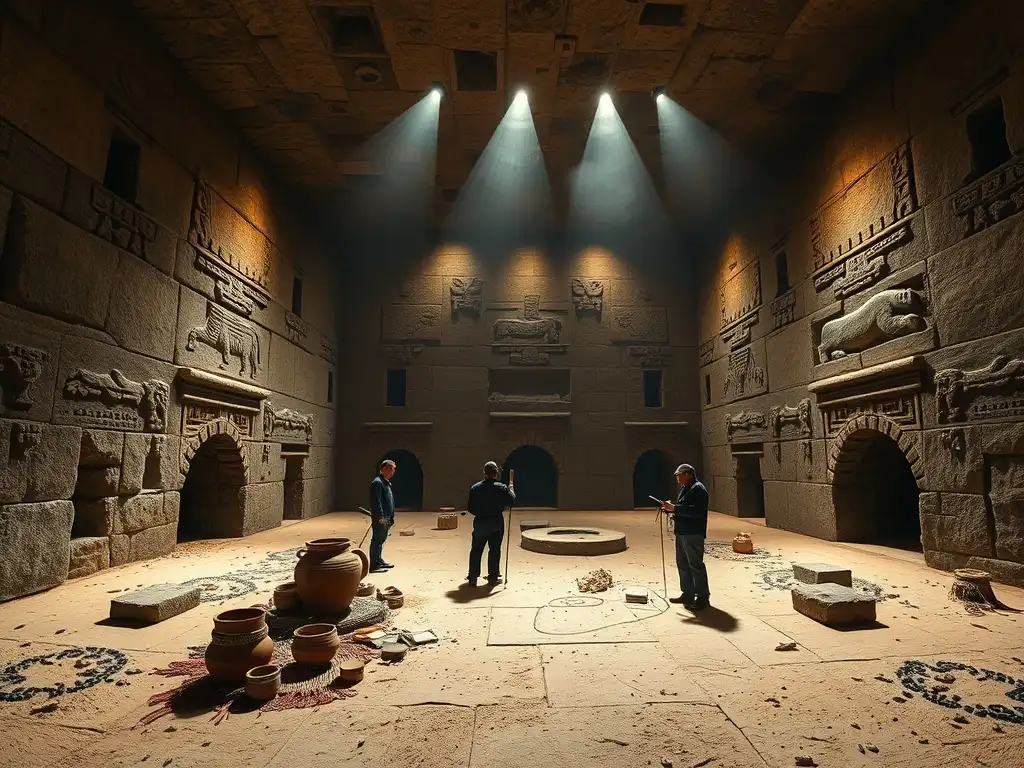
Step into a world lost to time, a realm of mystery and wonder beneath the Andes. For centuries, the secrets of the Andean Civilizations have captivated explorers and scholars alike. Now, delve into the enigma of the Chavín culture underground chambers, a discovery that rewrites our understanding of pre-Incan societies. Prepare to uncover the astonishing ingenuity and spiritual significance hidden within these subterranean sanctuaries – a journey into a world where the past whispers its secrets. Discover more about the Pre-Incan Cultures of the Coast and the breathtaking Chavín civilization.
- Chavín's Hidden Chambers: Exploring the Underground World of the Chavín Culture
- Exploring the Labyrinthine Passages of Chavín
- The Purpose of Chavín's Underground World
- Deciphering the Iconography of Chavín's Underground World
- The Discovery and Exploration of Chavín's Subterranean Areas
- The Legacy of Chavín's Underground World
-
Frequently Asked Questions
- What is the significance of the Chavín culture's underground chambers?
- Why were the Chavín chambers built underground?
- What kind of technology did the Chavín people use to build these chambers?
- What evidence exists to support the interpretations of the chambers' purpose?
- How can I learn more about the Chavín culture and its underground chambers?
- Final Reflection: Unearthing the Legacy of Chavín
- **Unveil the Secrets Beneath! **
The Chavín culture, flourishing in the Andes Mountains of Peru from approximately 900 to 200 BCE, remains one of the most enigmatic and influential pre-Inca civilizations. While their impressive above-ground architecture, particularly the monumental temple complex at Chavín de Huántar, has captivated archaeologists and historians for decades, it is the hidden world beneath the surface that truly holds the key to understanding their complex cosmology and societal structure. This article delves into the fascinating world of Chavín's underground chambers, exploring their purpose, construction, and the significant role they played in the daily lives and religious beliefs of this remarkable civilization.
We will uncover the mysteries surrounding these subterranean spaces and examine how their discovery continues to reshape our understanding of the Chavín culture and its enduring legacy. Prepare to journey into the depths of Chavín de Huántar and unearth the secrets hidden within its enigmatic underground world.
This exploration will focus specifically on the evidence supporting the significance of these chambers in the context of Chavín culture and its unique place within the broader tapestry of Andean pre-Columbian societies. Understanding these underground spaces is crucial to a complete picture of Chavín religious practices, social organization, and technological capabilities.
Unveiling the Mysteries of Chavín de Huántar
Chavín de Huántar, located in the Callejón de Huaylas, is the most significant archaeological site associated with the Chavín culture. The main temple complex, built over centuries, is a marvel of engineering and artistry. However, it's the intricate network of underground galleries, chambers, and tunnels that truly distinguishes Chavín de Huántar. These subterranean spaces, often dark and labyrinthine, are carved into the bedrock, showcasing a sophisticated understanding of engineering and construction techniques.
Archaeological evidence suggests that these chambers were not merely utilitarian spaces but served crucial ceremonial and possibly even ritualistic purposes. The discovery of intricate carvings, sculpted stones, and other artifacts within these chambers provides compelling evidence of their symbolic significance. The careful placement of these artifacts, their stylistic characteristics, and the overall layout of the underground complex all point towards a highly organized and symbolic use of these spaces.
Further research is needed to fully understand the specific rituals or ceremonies that may have taken place within these hidden chambers, but their intricate design and symbolic elements strongly suggest a deep religious and societal importance. The sheer scale and complexity of the underground structures are a testament to the advanced skills and organizational capabilities of the Chavín people. They demonstrate a level of sophistication that belies the commonly held perception of "primitive" pre-Columbian societies.
The Significance of Underground Spaces in Chavín Culture
The use of underground spaces within Chavín culture wasn't unique, but its scale and complexity were exceptional. Many Andean cultures utilized caves and subterranean spaces for various purposes, from burial sites to storage areas. However, the Chavín's deliberate construction of elaborate underground chambers within their main temple complex suggests a deeper, more symbolic meaning. These spaces, often associated with water sources and potentially linked to the cosmology of the culture, may have served as places of ritual, pilgrimage, or even as a connection to the underworld. The presence of intricate carvings depicting deities and mythical creatures further emphasizes the religious and spiritual importance of these underground spaces.
The construction itself represents a remarkable feat of engineering, requiring precise planning and advanced tools. The precise methods used by the Chavín people to carve and shape the stone, often working in confined and challenging spaces, remain a subject of ongoing research. The discovery of new chambers and passages continues to reveal more about the ingenuity and complexity of their underground world. The careful arrangement of architectural elements within these chambers, such as the placement of ventilation shafts and drainage systems, indicates a high level of planning and understanding of engineering principles. This sophisticated understanding of architecture and engineering is further evidence of the advanced technological capabilities of the Chavín civilization. The study of these underground chambers continues to provide invaluable insights into the beliefs, practices, and technological prowess of one of the most fascinating civilizations of the ancient Andes.
Exploring the Labyrinthine Passages of Chavín
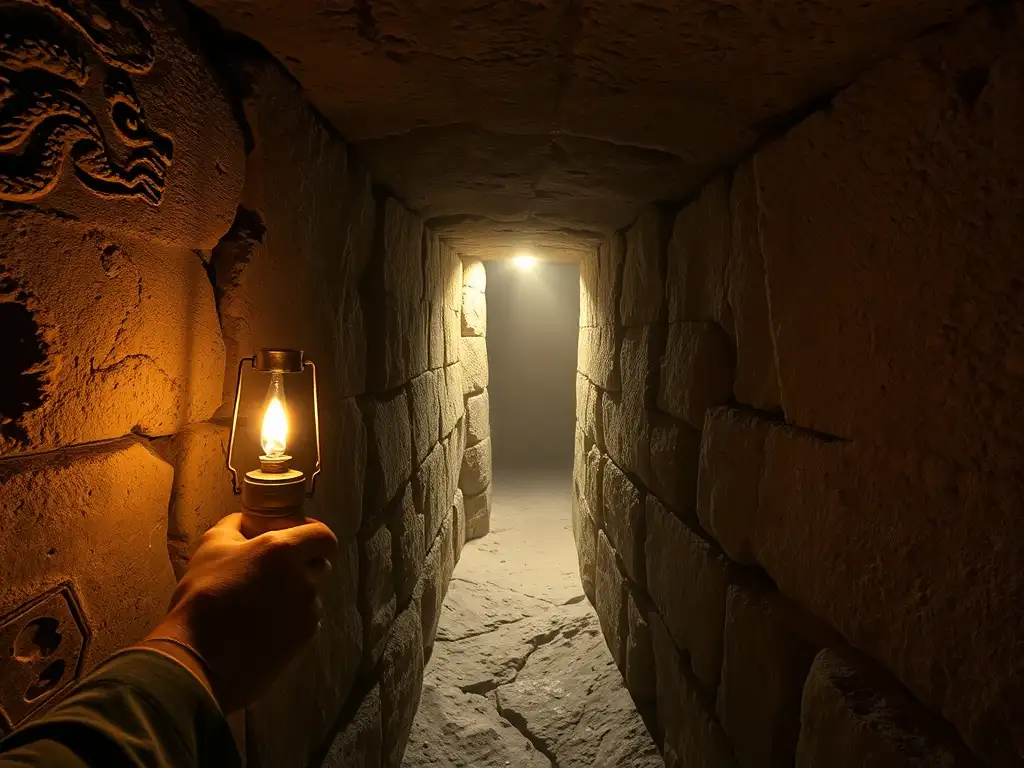
This section delves into the enigmatic underground world of the Chavín culture, focusing specifically on their remarkable subterranean structures. The Chavín culture, flourishing in the northern Andes from roughly 900 to 200 BCE, left behind a legacy of monumental architecture, much of it hidden beneath the surface. Understanding these hidden chambers is crucial to comprehending the complex religious and social structures of this influential civilization.
The term "Chavín culture underground chambers" itself evokes a sense of mystery and intrigue, reflecting the enduring fascination with these hidden spaces. We will explore the architectural marvels, key features, and construction techniques employed in creating this intricate network of passages. The discovery and ongoing investigation of these subterranean spaces continue to reshape our understanding of Chavín society and their sophisticated engineering capabilities.
The Architectural Marvel of Chavín's Subterranean Structures
The underground structures of Chavín de Huántar are not simply utilitarian spaces; they are architectural masterpieces. Imagine descending into a network of tunnels and chambers, intricately carved into the bedrock. The scale of the undertaking is breathtaking.
These weren't haphazardly dug passages; rather, they were carefully planned and executed, with consideration given to acoustics, ventilation, and symbolic placement. Many chambers are adorned with intricate carvings and reliefs, depicting stylized jaguars, snakes, and other powerful motifs central to Chavín iconography. The purposeful design of these spaces, combined with their artistic embellishment, suggests they served a significant ceremonial or ritualistic purpose.
The careful manipulation of light and shadow within these spaces further enhances their mystical quality, creating an atmosphere of awe and reverence. The construction itself represents a significant feat of engineering for its time, showcasing the advanced understanding of the Chavín people in stonework and subterranean construction. These weren't simply tunnels; they were carefully crafted spaces designed to evoke a specific feeling and facilitate specific rituals.
Key Features of Chavín Underground Chambers
Several key features distinguish Chavín's underground chambers. Firstly, the use of acoustics is a striking element. Many chambers are designed to amplify sounds, creating a resonant effect that would have been amplified during ceremonies. The placement of specific carvings and architectural features likely contributed to this acoustic manipulation.
Secondly, the intricate carvings and reliefs found throughout the passages and chambers are incredibly detailed and well-preserved, showcasing the artistic skill and sophisticated tools of the Chavín artisans. These depictions often feature hybrid creatures, combining characteristics of various animals, reflecting the complex cosmology of the Chavín worldview. Thirdly, the ventilation system within the underground complex is remarkably effective, preventing the build-up of stagnant air. While the exact methods are still being studied, evidence suggests the Chavín utilized ingenious techniques to ensure adequate airflow within the subterranean network.
Finally, the strategic placement of chambers and passages within the larger complex suggests a deliberate and symbolic organization, likely reflecting a complex religious or cosmological system. Further research is needed to fully understand the interconnectedness and meaning behind the arrangement of these spaces. Analysis of the chambers’ dimensions and orientations may reveal additional clues to their function.
The construction of Chavín's hidden passages represents a remarkable feat of engineering for its time. The Chavín people employed sophisticated techniques to carve these passages into the bedrock. Evidence suggests they used stone tools, including hammers, chisels, and possibly abrasive materials, to shape and smooth the stone surfaces. The precision and accuracy of the carvings indicate a high level of skill and planning.
The process likely involved a combination of chipping, grinding, and polishing techniques. [Specific information pending on the types of stone used and their sourcing]. The careful consideration of structural integrity is evident in the stability of the passages, which have withstood the test of time remarkably well. The Chavín demonstrated an advanced understanding of stonework and subterranean construction, abilities far exceeding those of many contemporary cultures.
The creation of these passages required significant labor and expertise, highlighting the importance of these underground spaces within Chavín society. The techniques employed offer valuable insights into the technological capabilities and organizational prowess of this ancient civilization. Further research, including analysis of tool marks and residue on the stone surfaces, can provide a more detailed understanding of their construction methods. Analyzing the geological composition of the tunnels could also reveal important information about the tools and techniques used.
The Purpose of Chavín's Underground World
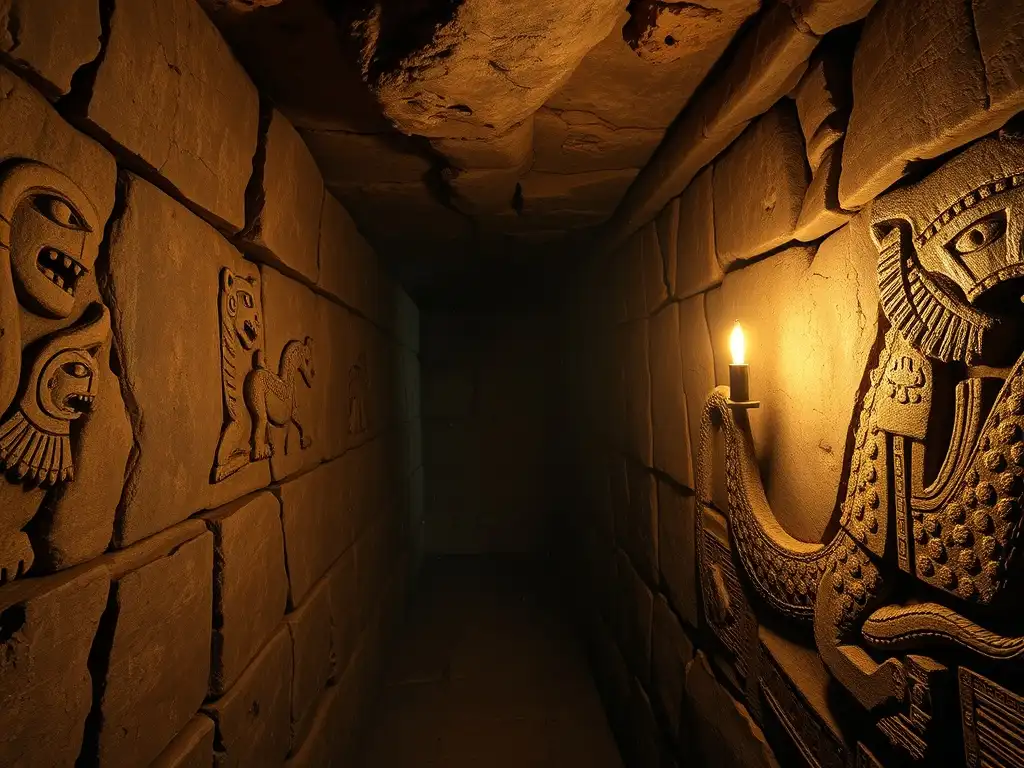
The enigmatic Chavín culture, flourishing in the Andes from approximately 1200 to 200 BCE, left behind a legacy of monumental architecture characterized by its intricate network of underground chambers. While the exact purpose of these subterranean spaces remains a subject of ongoing scholarly debate, archaeological evidence and careful analysis suggest a multifaceted role encompassing ritual practices, religious beliefs, and symbolic representations.
The discovery and study of these "Chavín culture underground chambers" have significantly altered our understanding of this sophisticated pre-Columbian society, revealing a complex worldview deeply intertwined with the earth and its unseen forces. The sheer scale and sophistication of the engineering involved underscore the importance these spaces held for the Chavín people.
Their construction required immense effort and planning, a testament to the culture's organizational capabilities and the central role of these underground spaces in their society. The intricate carvings and artifacts found within further illuminate the sacred nature of these hidden places.
Ritual Practices and Ceremonies in Chavín's Chambers
Evidence strongly suggests that Chavín's underground chambers served as venues for elaborate rituals and ceremonies. The discovery of numerous artifacts within these spaces—including ceremonial objects, offerings of food and drink, and human remains—provides compelling evidence of ritual activity. The limited access to these chambers, often through narrow passages and labyrinthine corridors, suggests a controlled and deliberate process of entry, reinforcing their sacred significance. Archaeologists have found evidence of controlled fires within some chambers, suggesting the use of incense or other ritualistic burning practices.
Furthermore, the acoustic properties of some of the chambers are remarkable. The unique shapes and sizes of these spaces may have been intentionally designed to amplify certain sounds, creating a powerful and awe-inspiring atmosphere conducive to ritualistic practices. This intentional manipulation of sound suggests a sophisticated understanding of acoustics and its potential to elicit powerful emotional and spiritual responses. The careful arrangement of artifacts within the chambers also points to structured rituals, potentially involving specific sequences of actions and symbolic gestures.
The Role of Chavín's Subterranean Spaces in Religious Beliefs
The Chavín's preoccupation with the subterranean world likely reflects deep-seated religious beliefs centered around the earth and its powerful forces. Their deities, often depicted with feline features, may have symbolized the power and mystery of the underworld. The intricate carvings found on the walls of the underground chambers depict these deities and other symbolic figures, reinforcing the sacred nature of these spaces. These spaces were not merely functional; they were integral to the Chavín worldview, serving as points of contact between the living and the spiritual realm.
The darkness and confinement of the underground chambers likely created an atmosphere of heightened sensory perception and spiritual experience. This intentional sensory deprivation may have facilitated altered states of consciousness, fostering intense religious experiences and strengthening the bond between the individual and the divine. The emphasis on subterranean spaces points to a cosmology that viewed the underworld not as a place of fear, but as a source of power and spiritual renewal. The use of these chambers for ritualistic purposes underscores their role in maintaining the social and religious order of the Chavín society.
Chavín Underground Chambers as Symbolic Representations
Beyond their functional roles, Chavín's underground chambers served as powerful symbolic representations of the Chavín worldview. The labyrinthine nature of the passages may have symbolized the journey of the soul or the complexities of the cosmos. The use of specific materials and intricate carvings further enriched the symbolic meaning of these spaces. Some researchers suggest that the chambers represented the womb, symbolizing rebirth and regeneration. Others believe that they symbolized the underworld, representing the journey to the realm of the dead and the transition to the afterlife.
The intricate carvings and designs found within the chambers are not simply decorative; they are imbued with symbolic meaning, representing deities, mythical creatures, and cosmological concepts. The careful placement of these carvings suggests a deliberate attempt to create a holistic and symbolic environment. The overall design of the underground complex, including the arrangement of chambers and passages, further enhances its symbolic significance.
The layout may have been designed to represent a specific cosmological map or a symbolic representation of the Chavín's understanding of the universe. The exploration of these symbolic representations provides valuable insights into the Chavín's complex worldview and their deep understanding of the cosmos and the spiritual realm. Unraveling these symbolic meanings continues to be a central focus of research on Chavín culture.
Deciphering the Iconography of Chavín's Underground World
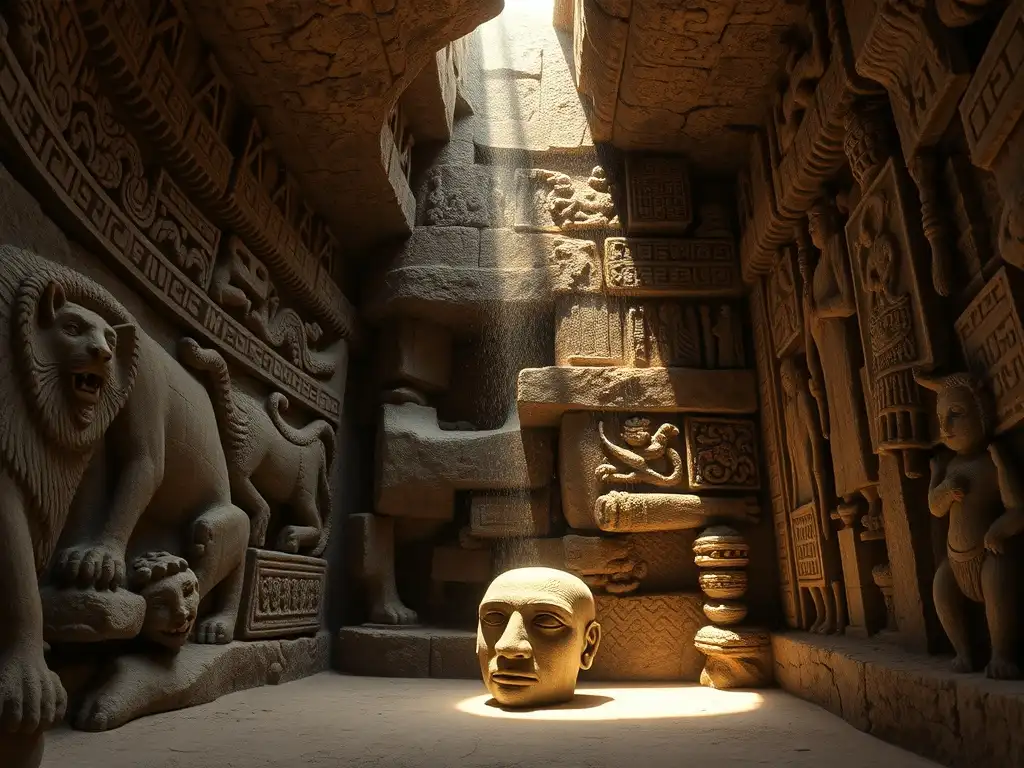
The Chavín culture, renowned for its enigmatic artistry, left behind a legacy deeply intertwined with its subterranean structures. Understanding the iconography found within these underground chambers is crucial to unlocking the secrets of their beliefs and societal organization. The intricate carvings and reliefs adorning the walls and pillars aren't mere decorations; they are a complex visual language reflecting a sophisticated cosmology and worldview.
The sheer scale of the undertaking, carving these images deep within the earth, underscores the importance of the messages they convey. This section will analyze the prominent motifs and their potential interpretations, focusing on the unique challenges and opportunities presented by the underground setting. The limited light and confined spaces likely influenced both the creation and interpretation of the art, adding another layer of complexity to the research.
We will examine how the darkness and isolation of these chambers might have contributed to the overall spiritual and ritualistic significance of the iconography. The placement of specific carvings within the subterranean passages, for instance, might have been deliberate, designed to enhance the psychological impact on those who entered these sacred spaces.
Analyzing Carvings and Reliefs in Chavín's Subterranean Passages
The carvings within Chavín's underground passages are dominated by several recurring motifs: the feline deity, often depicted with fangs and a snarling expression; stylized jaguars and other predatory animals; and intricate geometric patterns. These are not randomly placed; their arrangement suggests deliberate planning and a deep understanding of spatial relationships. For example, the placement of the feline deity near the entrance of certain passages might signify its role as a guardian or protector of the sacred space.
The use of relief carving, where the image is raised from the surface, contrasts sharply with the rough-hewn texture of the surrounding rock, drawing the eye and emphasizing the importance of the depicted figures. Studies have shown that the artisans skillfully utilized the natural contours of the rock to enhance the three-dimensionality of their creations, creating a truly immersive experience for those who witnessed them. Furthermore, the use of different materials, such as colored pigments or inlaid stones, further accentuates specific elements within the carvings.
Detailed analysis of these techniques is crucial for understanding the artistic skill and the symbolic meaning behind the choices made by the Chavín artists. The combination of the physical space and the artistic elements creates a powerful and evocative environment.
The Meaning of Chavín's Art in the Context of Underground Chambers
The interpretation of Chavín art is a complex and ongoing process. The subterranean context significantly influences our understanding. The limited light and confined spaces within these underground chambers likely created an atmosphere conducive to ritual and introspection.
The carvings might have served as focal points for shamanistic practices, enhancing the hallucinogenic experiences associated with the culture. The darkness itself could have been symbolically significant, representing the underworld or the realm of the spirits. The juxtaposition of light and shadow, created by the strategically placed carvings and the natural light sources, would have added another layer of meaning to the artistic representations.
The repetition of certain motifs, such as the feline deity, suggests a strong emphasis on ancestral veneration and the power of the supernatural. The geometric patterns, often interwoven with zoomorphic representations, might have represented a complex system of beliefs related to the cosmos, agriculture, or social organization. Further research, including chemical analysis of pigments and a more comprehensive mapping of the subterranean passages, is needed to fully unlock the secrets embedded within this remarkable art.
Interpreting the Symbolic Language of Chavín's Underground Art
The symbolic language of Chavín's underground art is multifaceted and deeply embedded within the cultural context of the time. The repeated appearance of specific motifs, like the stylized jaguar, suggests its importance in their cosmology. Was it a representation of power, a connection to the spirit world, or both? The intricate geometric designs might have served as a form of record-keeping, conveying complex information about their society, rituals, or astronomical observations.
Consider the possibility that these patterns represented a calendar system, mirroring celestial events crucial to their agricultural practices. The size and placement of the carvings also deserve attention. Larger, more prominent carvings likely held greater significance than smaller, less visible ones. The careful arrangement of these elements within the confined spaces of the underground chambers suggests a deliberate attempt to create a specific atmosphere, fostering a sense of awe and reverence in the participants of rituals.
Further research into similar iconography found in surface-level Chavín structures may shed light on the relationship between underground and above-ground representations. The analysis of the complete context, incorporating both the physical environment and the artistic elements, is essential for a comprehensive understanding of the symbolism embedded within Chavín's subterranean world. The study of "Chavín culture underground chambers" continues to reveal new insights into this fascinating civilization.
The Discovery and Exploration of Chavín's Subterranean Areas
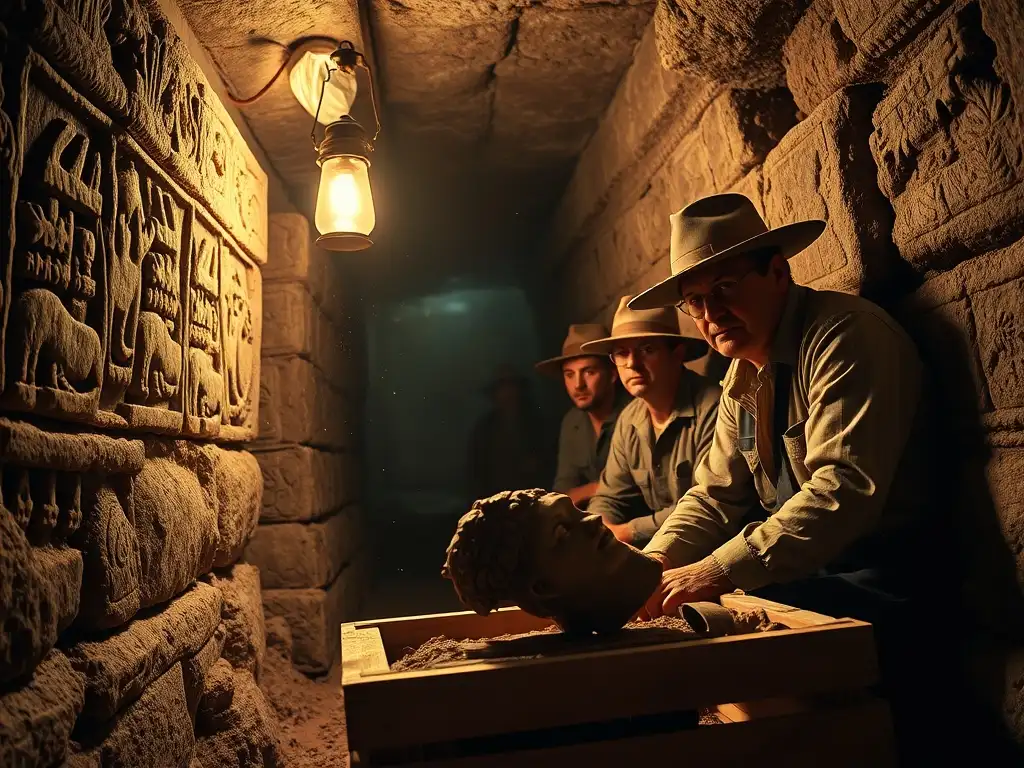
The discovery of Chavín de Huántar's extensive subterranean structures wasn't a single event, but rather a gradual unveiling spanning decades of archaeological investigation. Initial surface explorations revealed the imposing main temple complex, but it was the careful excavation and subsequent analysis that gradually revealed the astonishing scale of the underground network. Early archaeologists, hampered by limited technology, focused primarily on the above-ground structures.
However, anomalies—subtle shifts in the ground, unusual acoustic phenomena, and the occasional discovery of subterranean passages during surface excavations—hinted at a hidden world beneath. The true extent of the Chavín culture's underground chambers remained largely unknown until more sophisticated techniques, such as ground-penetrating radar (GPR) and magnetometry, were employed in later decades. These technologies allowed researchers to map the subterranean spaces before invasive excavation, significantly reducing damage and improving the understanding of the overall layout.
The transition from surface-focused archaeology to a more comprehensive understanding of the subterranean aspect marks a significant shift in our perception of Chavín de Huántar and the Chavín culture's architectural and ritual practices. The systematic exploration of these areas continues to unveil new facets of this enigmatic civilization and its relationship with the underworld. The keyword Chavín culture underground chambers perfectly encapsulates this ongoing investigation.
Archaeological Excavations and Findings at Chavín de Huántar
Archaeological excavations at Chavín de Huántar have yielded remarkable insights into the Chavín culture's sophisticated understanding of engineering and ritual practices. The underground chambers, often accessed via narrow, labyrinthine passages, reveal a complex network of interconnected spaces. Findings include intricately carved stone sculptures, ceremonial artifacts, and evidence of ritual activities. Many chambers contain evidence of offerings, suggesting their use in sacred ceremonies.
The discovery of numerous Lanzón-style sculptures—iconic representations of a deity—in these underground areas further underscores their religious significance. Analysis of the architectural design reveals a masterful understanding of acoustics and ventilation, suggesting deliberate planning to create a resonant and atmospheric environment for rituals. For example, the careful placement of certain features within the chambers appears to have enhanced the sounds produced during ceremonies, creating a powerful and awe-inspiring effect.
One particularly noteworthy finding is the presence of intricate drainage systems within the underground complex, demonstrating a sophisticated understanding of hydrology and engineering. These systems, designed to manage water flow, suggest careful planning and construction techniques far beyond what was previously assumed about the Chavín culture's capabilities. The combination of architectural ingenuity and ritualistic significance makes the underground chambers of Chavín de Huántar an exceptional example of Andean ingenuity.
Challenges and Methods in Exploring Chavín's Underground Structures
Exploring Chavín's underground structures presents unique challenges. The narrow, often unstable passages and the fragility of the ancient constructions necessitate careful and meticulous excavation techniques. The risk of collapse is ever-present, requiring the use of specialized equipment and safety protocols. Furthermore, the limited access and often confined spaces make documentation and analysis complex.
Archaeologists utilize non-invasive techniques such as GPR and 3D laser scanning to map the structures before undertaking any excavation. This allows for a more comprehensive understanding of the spatial relationships and the overall layout of the underground network. Careful documentation, including detailed photography and videography, is crucial for preserving the archaeological record. The use of specialized tools, such as small hand tools and robotic cameras, aids in accessing and documenting hard-to-reach areas.
Maintaining the structural integrity of the site is paramount, balancing the need for scientific investigation with the preservation of this invaluable cultural heritage. The ongoing research emphasizes the need for a multidisciplinary approach, combining archaeological expertise with engineering and geological knowledge to ensure the safe and effective exploration of these fragile underground structures. The delicate balance between exploration and preservation is a constant consideration in the study of Chavín culture underground chambers.
Recent explorations have yielded further exciting discoveries, enhancing our understanding of Chavín culture's subterranean world. The application of advanced technologies, such as ground-penetrating radar (GPR) with higher resolution, has revealed previously unknown chambers and passageways. These discoveries suggest a far more extensive underground network than previously imagined.
Analysis of newly unearthed artifacts provides further evidence of ritual practices and the Chavín culture's sophisticated understanding of symbolism and iconography. The discovery of new examples of Chavín art, including intricately carved stone objects and fragments of textiles, offers new insights into their artistic capabilities and religious beliefs. Moreover, the ongoing analysis of soil samples from these chambers is providing new information on the environment and the daily life of the Chavín people.
Isotopic analysis of human remains found within the underground complex sheds light on their diet and origin. These recent findings continue to challenge existing assumptions about the complexity and sophistication of the Chavín culture, solidifying its place as one of the most fascinating and enigmatic civilizations of the Andes. The ongoing research on Chavín culture underground chambers promises even more revelations in the years to come.
The Legacy of Chavín's Underground World
The enigmatic Chavín culture, flourishing in the Andean highlands from approximately 1200 to 200 BCE, left behind a complex and enduring legacy. A significant part of this legacy lies not in the easily visible structures, but in the hidden, labyrinthine world beneath the surface—a network of underground chambers and tunnels that continue to fascinate archaeologists and historians. This subterranean realm offers unique insights into the religious beliefs, social structures, and technological capabilities of this formative Andean civilization.
The meticulous construction and symbolic ornamentation of these chambers hint at a sophisticated understanding of engineering and a profound connection to the spiritual world. The discovery and ongoing study of these underground spaces are constantly reshaping our understanding of Chavín culture and its impact on subsequent Andean societies. The keyword phrase "Chavín culture underground chambers" perfectly encapsulates this unique aspect of their civilization.
Chavín's Influence on Later Andean Cultures
The influence of Chavín's religious and artistic motifs is widely recognized throughout the subsequent Andean cultures. However, the impact of their subterranean architecture and the rituals performed within these hidden spaces remains a subject of ongoing research. Some scholars suggest that the use of underground chambers as sacred spaces, perhaps for ritualistic purposes or as burial sites, became a prevalent motif in later Andean cultures.
The intricate carvings and designs found within the Chavín chambers, depicting jaguars, serpents, and other powerful symbols, reappeared in modified forms in the art and architecture of the Moche, Nazca, and even Inca civilizations. This suggests a continuity of religious beliefs and practices, with Chavín acting as a crucial precursor in shaping the spiritual landscape of the Andes.
The adoption and adaptation of subterranean architectural features by later cultures underscores the enduring power and influence of Chavín’s unique approach to sacred space. The spread of these iconographic elements and architectural styles across vast geographical regions and centuries speaks volumes about the pervasive influence of Chavín culture.
The Enduring Mystery of Chavín's Subterranean Legacy
Despite decades of research, many mysteries surrounding Chavín's underground chambers persist. The exact purpose of these subterranean spaces remains debated. Were they solely used for religious ceremonies?
Did they serve as storage areas for important artifacts or resources? Or did they have a more multifaceted function, serving both religious and practical purposes? The limited access to some of the deeper chambers and the challenges in interpreting the fragmented evidence have contributed to these enduring questions.
The very nature of the darkness and inaccessibility of these spaces may have been integral to their function, enhancing the mystical and awe-inspiring experience for those who entered them. Uncovering the answers to these questions requires further interdisciplinary research, combining archaeological excavation with anthropological interpretations and technological advancements in imaging and analysis. The potential for new discoveries within these hidden chambers remains high, promising to further illuminate the complexities of Chavín culture and its subterranean legacy.
Preserving and Studying Chavín's Underground Cultural Heritage
The preservation of Chavín's underground cultural heritage is paramount. These fragile sites are vulnerable to damage from environmental factors, such as earthquakes and erosion, as well as human intervention. The development of sustainable preservation techniques is crucial to ensure that future generations can appreciate and learn from this unique aspect of Andean history.
This includes employing non-invasive surveying methods, such as ground-penetrating radar (GPR) and LiDAR, to map the extent of the underground structures without causing further damage. Careful excavation and documentation techniques are also essential to preserve the integrity of the artifacts and architectural features found within the chambers. Furthermore, educating the local communities and promoting responsible tourism practices are crucial to ensure the long-term protection of these invaluable sites.
The collaborative effort of archaeologists, conservationists, and local communities is essential to safeguard Chavín's underground legacy for years to come. The preservation of these sites is not merely a matter of protecting physical structures; it is also about preserving a vital part of humanity's cultural and spiritual heritage. The ongoing efforts to understand and preserve the "Chavín culture underground chambers" are a testament to the enduring fascination and importance of this unique archaeological site.
Frequently Asked Questions
What is the significance of the Chavín culture's underground chambers?
The underground chambers at Chavín de Huántar were likely used for ritual purposes, possibly connected to water sources and shamanistic practices. Their intricate design suggests a deep connection to the spiritual world.
Why were the Chavín chambers built underground?
The subterranean nature of the Chavín chambers may have been intended to create a mystical and awe-inspiring atmosphere, enhancing the religious experience. It could also be related to controlling access to sacred spaces.
What kind of technology did the Chavín people use to build these chambers?
The Chavín people used advanced stone-cutting techniques and a sophisticated understanding of architecture to construct the chambers. They employed complex engineering to manage water flow and create intricate designs.
What evidence exists to support the interpretations of the chambers' purpose?
Archaeological findings such as carved stones, ritual objects, and the layout of the chambers themselves provide evidence supporting the ritualistic interpretations. Studies of the water management system further support these theories.
How can I learn more about the Chavín culture and its underground chambers?
You can explore further by researching Chavín de Huántar online, visiting museums with Chavín artifacts, and reading books and scholarly articles on Andean archaeology. Consider visiting the site itself if possible.
Final Reflection: Unearthing the Legacy of Chavín
The intricate underground chambers of Chavín de Huántar remain a testament to the ingenuity and spiritual depth of a civilization that thrived centuries ago, a legacy that continues to resonate powerfully in contemporary discussions of ancient technology and societal structures. Their sophisticated engineering and symbolic richness challenge our understanding of pre-Columbian societies and force us to reconsider the limitations we often place on the capabilities of ancient cultures. The mysteries yet to be uncovered within these hidden spaces promise further revelations about this fascinating civilization.
The enduring power of Chavín's architecture lies not only in its physical grandeur but also in its ability to spark our imagination and inspire awe. The very act of exploring these subterranean spaces, even vicariously through archaeological findings and scholarly interpretations, connects us to a past that feels both distant and intimately familiar. The past is never dead. It's not even past.
- William Faulkner. This quote perfectly encapsulates the ongoing influence of Chavín, a civilization whose echoes reverberate through the cultural landscape of Peru and beyond, shaping our understanding of Andean history and inspiring further research and exploration.
Consider the implications of Chavín's achievements. Their mastery of engineering, their sophisticated understanding of acoustics and symbolism, and their ability to create such a powerful and enduring cultural center all speak to a level of societal organization and innovation that deserves continued study and appreciation. You, the reader, are now part of this ongoing exploration.
Take a moment to reflect on the ingenuity of past civilizations and how their stories can inform and inspire our own understanding of human potential and the enduring power of cultural heritage. Let the mysteries of Chavín's hidden chambers fuel your own curiosity and inspire you to seek out the hidden wonders of the world around you.
**Unveil the Secrets Beneath! **
Thank you for joining us on this exploration of Chavín's fascinating underground world! Discovering its hidden chambers is a significant step towards understanding this intriguing Andean civilization. Let's delve even deeper!
Here are some suggestions for your continued exploration:
- **Plan a visit** to Chavín de Huantar to experience its wonders firsthand and immerse yourself in its rich history and culture.
- Join our online community to share your thoughts and insights with fellow enthusiasts on our forums and social media platforms.
- Expand your knowledge by learning about other Andean civilizations; you might uncover captivating stories you never imagined.
Which aspect of the Andean world—a particular artifact or hidden chamber—most excites you for further study?